




Abstract
The coal measure strata formed in the late Paleozoic era underwent tectonic movements on several occasions, leading to the development of a range of fold structures in the strata as a result of highly interlayered gliding and shearing deformation. In addition, brittle ductile tectonic coals were widely distributed in the reservoir, constituting one of the primary causes of coal-gas outbursts in Chinese mines. This indicates a strong connection between shear deformation and such outbursts. In this study, structural geology, gas geology, and rock mechanics are all taken into consideration to investigate the controlling effects of the fold structure formation process on coal thickness and tectonic coal formation. Numerical simulation, based on the stress test data, was deployed to identify the stress distribution law adjacent to fold structures under the modern stress field. Additionally, the mechanical mechanism underpinning coal-gas outbursts near the fold structure was determined by making a comparison with the distribution law relating to such outbursts. The results demonstrate that the formation and evolution of the fold structure not only form the material basis of outbursts but also control their power source. During the fold formation process, interbed sliding and shearing between strong and weak rock strata were caused by differences in the mechanical properties of the coal bed and rock layer, resulting not only in a change to the local thickness of the coal seam but also in its deformation and structural alteration. Interbed shearing and local stress concentration, caused by the coal gangue, led to coal damage and the development of layered tectonic coal of consistent thickness, simultaneously improving its ability to adsorb gas and providing the material basis for coal-gas outbursts. This reduced the seam’s capacity to resist such events. The conditions for these outbursts are created by the sudden desorption of excess gas as a result of formation pressure release during coal mining and the widespread distribution of tectonic coal. Under the modern tectonic stress field, the stress distribution characteristic is controlled by the fold structure shape; and because of the aforementioned differences in the mechanical properties of the coal bed and rock layer, the interlayer deformation is asynchronous. This causes shear stress concentration within a specific range of the anticline’s two wings. This concentration zone happens to be exactly aligned with that of coal-gas outbursts, meaning that shear stress concentration is considered to be both the power source for and main cause of the region’s outbursts.
Introduction
A coal-gas outburst is one of the worst disasters encountered in coal mining; such events have been a problem for more than a century (Chen and Cheng, 2015; Yang et al., 2014). Since the outburst at the Issac Colliery in France’s Loire coalfield in 1843 (Lama and Bodziony, 1998), research into the causes of the incidents has been conducted on a global scale, yielding significant results. Outbursts in underground coal mines have been defined as “the violent projection of coal-gas away from freshly exposed coal in mining, either in breaking into or in development of the seam” (Hargraves, 1983). Earlier, Farmer and Pooley (1967) provided the following description: An outburst, releasing large quantities of pulverized coal, is essentially a two-stage process. A large amount of gas is released and there seems general agreement that after desorption from the coal, this gas provides the energy to transport the coal from the outburst cavity.
Most of China’s coal seams were formed in seven geological eras, namely the Carboniferous, Permian, Triassic, Jurassic, Cretaceous, Paleogene, and Neogene periods. They are distributed over three small cratons (North China–Korean Craton, Yangtze, and Tarim), as well as a large amount of microcontinental massifs and orogenic belts. The seams have experienced several periods of tectonic movements, including the Hercynian, Indo–China, Yanshan, and Himalayan shifts. The evolution of tectonic structures was governed by three dynamic systems in turn: the ancient Asian Ocean, the Tethys Paleo–Pacific Ocean, and the Indian Ocean–Pacific Ocean. Because of its complex background in this regard, China’s coal-bearing basin has the most complicated geological conditions of any such area in the world.
As the Chinese block was subject to the effects of the three systems just mentioned for such a protracted period, fold structures are scattered over the coal measure strata in the plate collision zone and intracontinental deformation region. During the folds’ formation process, rocks of greater intensity (such as limestone and sandstone) acted as the competent layers, meaning that they frequently constituted the main nappes or gliding nappes. Meanwhile, those of lesser intensity and plasticity (such as coal and shale) were easily deformed by the force pressing upon them; therefore, these were the noncompetent or slipping layers (Zhang et al., 2011). Coal seams often experience interlayer slipping and shear deformation, causing the coal to break and forming a large area of low permeability and soft tectonic coal. This is the root cause of China’s serious coal-gas outbursts. By the end of 2011, a total of 1044 mines in the country had suffered 16,740 coal-gas accidents (Zhang and Wu, 2014), seriously compromising national energy security.
Although a range of researchers have studied the correlation between coal-gas outbursts and diverse geological factors, such as coal seam age, coal rank, current burial depth, coal seam thickness, distance to plutons, normal faults, reverse faults, anticlines, synclines, and so on, they have reached differing conclusions for different coal fields and regions as a result of the complexity of the causative mechanisms (Cao et al., 2001; Farmer and Pooley, 1967; Hargraves, 1983; Díaz Aguado and Nicieza, 2007; Shepherd et al., 1981; Zhai et al., 2016; Zhang and Wu, 2014). However, a common finding is that outbursts are controlled by geological structures.
A general consensus exists among the previous literature that fold structures, which are one of the most important types of geological structure, are closely linked to coal-gas outbursts. According to Farmer and Pooley (1967), outbursts only occur in the regions that have undergone intensive tectonic movement, such as folds, faults, and slip-sheet structures, especially where there are dramatic changes in coal bed thickness. Shepherd et al. (1981) suggested the likelihood that more than 90% of incidents take place in intensive deformation zones such as asymmetrical syncline axes, hinge zones of recumbent fold, strike-slip faults, reverse faults, inverted structures, and so on. Using photoelastic tests on fold structures, Tan et al. (1986) found that the middle and upper sections of the coal bed at syncline axes are more prone to outbursts, especially the wings, whereas the possibility of these adverse events at the axis of an anticline may be relatively lower. In another study, Josien and Revalor (1989) stated that the existence of abnormal crustal stress, as a result of structural deformation or geological tectonics, is one of the conditions that must be satisfied for an outburst to occur. Wang et al. (1994), after investigating the distribution of rotational fold structures in the Nantong mining field, concluded that the rotational fold zone is the concentration zone for coal-gas outbursts. Later, Han et al. (2008) suggested that a syncline’s three features, including high crustal stress, high gas pressure (content), and well-developed tectonic coal, are the chief causes of coal-gas outbursts. Dong et al. (2012) then analyzed the evolution of a comb fold and its correlation with coal-gas outbursts in the Shuicheng mining field in the same province. Their findings were that the tectonic coal came into being during the formation of the comb fold, the compressional stress environment led to the development of a sealed gas system and gas concentration in this area, and outbursts were more severe in the area closest to the syncline axis. Cheng et al. (2012) proposed that outbursts were most likely to occur at the compressional zone and the hinge zone at the anticline wing and that in general, no severe outbursts took place near the anticline axis. Most recently, Wei et al. (2015) analyzed the controlling characteristics of gas geology in a coal bed that had suffered several outbursts in the 8th Mine of the Pingdingshan coalfield, dividing said coalfield into two gas occurrence areas—east and west—distributed symmetrically along the Likou syncline axis. Han et al. (2016) discussed the difference of outbursts in coal bed at the north or south parts and the central part of the Dahebian syncline in Guizhou province, based on the characteristics of gas outbursts, geological structural features, crustal stress, variations of coal bed thickness, and occurrence.
In all, the collective body of literature tells us that the problem of gas disasters in China is highly serious and is the result of the following sequence of events: the country’s frequent and violent tectonic movements, the strong shear deformation of the coal measure strata’s fold structure, the devastation of the coal body, the development of tectonic coal, the low permeability of the coal seam, and the consequent difficulty of gas drainage. As mining is conducted at increasing depths, gas disasters, especially coal-gas outbursts, will only become more serious in the plate collision zone and intracontinental deformation region (Li and Saghfi, 2014; Lin et al., 2015; Wang et al., 2014). Through an integration of theoretical analysis, numerical modeling, and comparison analysis, the effect of the constraint and mechanism of shear deformation on the likelihood of coal-gas outbursts in coal measure strata will be discussed in this paper. The aim is to improve the accuracy of outburst prediction in the fold control area, to enhance the effectiveness of gas disaster prevention and control, and to avoid the occurrence of such disasters.
Problem and geological gas background of typical mines
Problem
As mentioned earlier, the Chinese block is composed of the three small cratons of North China–Korean, Yangtze, and Tarim, together with a variety of microcontinental massifs and orogenic belts. Because these have been subject to the effects of three dynamic systems for a long time, the coal measure strata in China are extruded and sheared and the coal seams suffer from very low permeability. In addition, apart from Qinshui Basin, Songliao Basin, Ordos Basin, and the Junggar Basin, more than 90% of coal seams are difficult to drain. Especially in the collision and intracontinental intense deformation zones, fold structures are dispersed over the coal measure strata, meaning that adverse shear deformation is present. This leads to the development of tectonic coal and a serious threat of coal-gas outbursts. Zhang and Wu (2014) divided the gas distribution of China’s coal seams into 17 high gas and outburst zones and 13 normal gas zones (Figure 1). They demonstrated that 16 high gas and outburst zones are found in the plate collision zone and strong intracontinental deformation region, such as at the south margin of the North China plate and the west Guizhou-east Yunnan-south Sichuan area. With this in mind, a study of the constraint conditions and mechanism of the shear deformation of fold structures in coal measures would be of notable scientific significance and application value.
Gas distribution throughout China’s coal seams.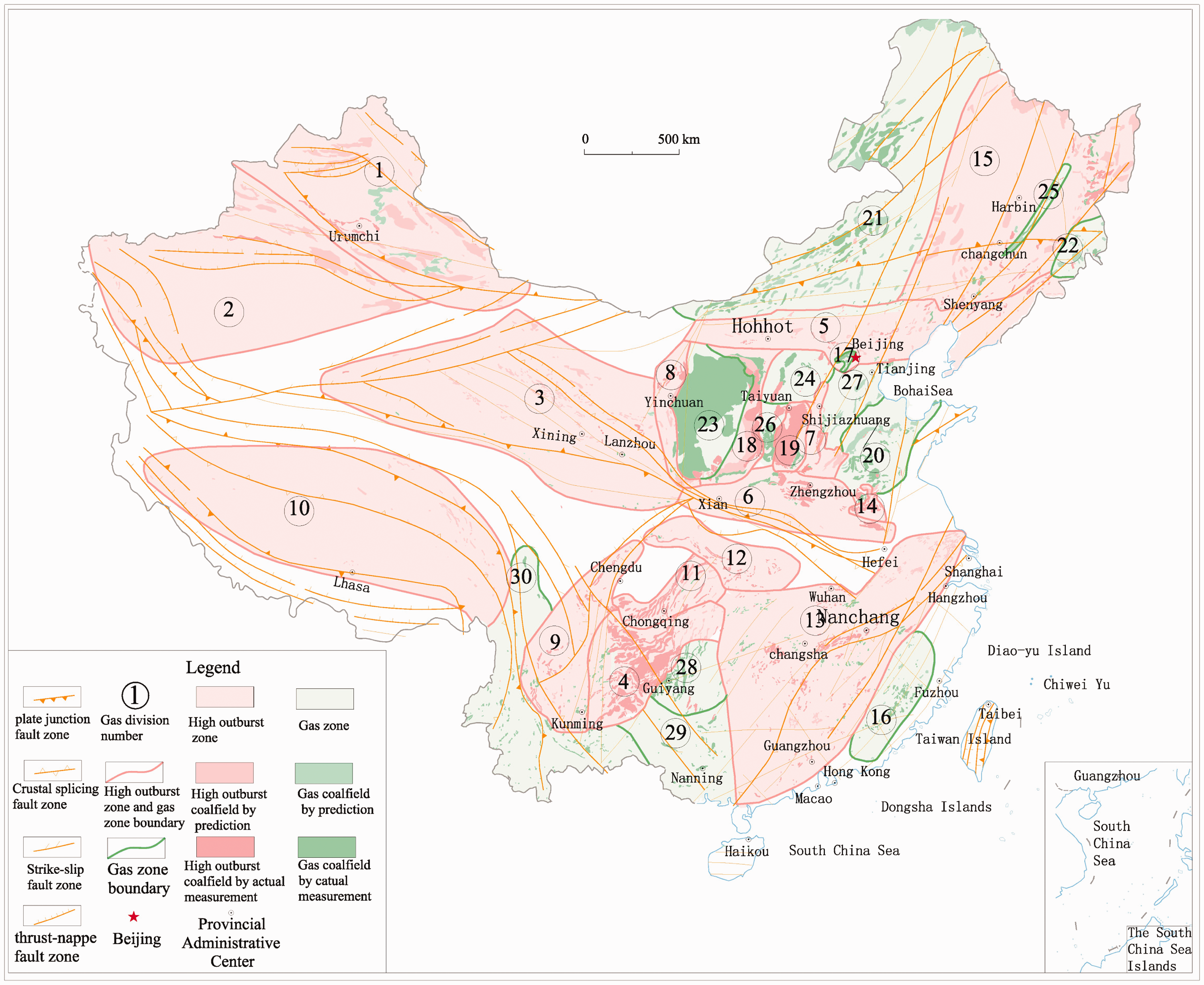
Geological gas background of typical mines
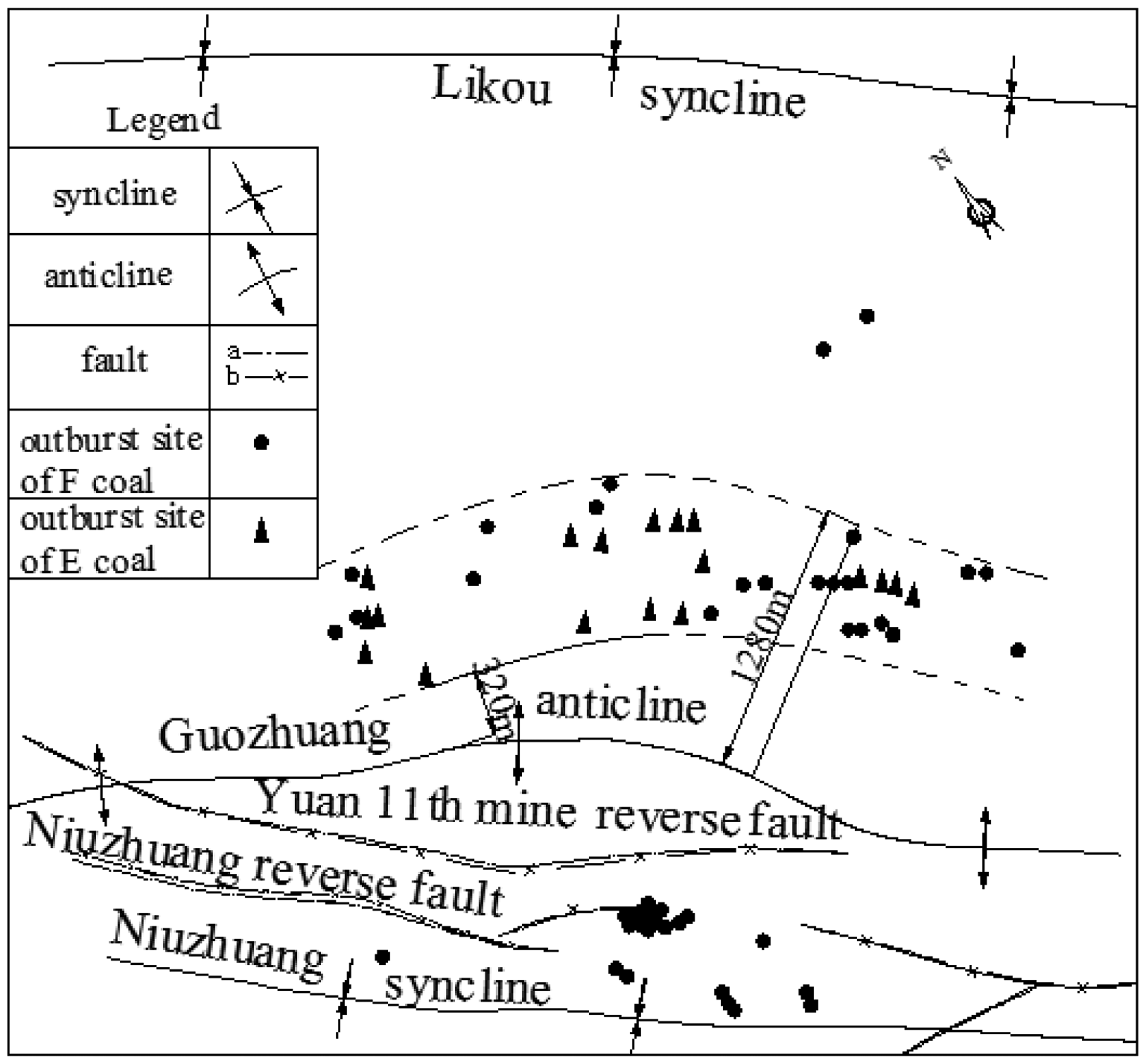
The Pingdingshan mining area is located at the southern margin of the North China plate. Thrust-nappe structures are present on the northern margin of the Qinling Mountains orogenic belt (Figure 2), which belongs to the plate collision zone, whereas the gas occurrence partition is associated with the high gas and outburst zone at the southern margin of the North China plate (Figure 1). The 10th and 12th mines are found at the eastern section of the southwestern wing of the NW-facing Likou syncline in the Pingdingshan coalfield; the structural trend is mainly NW–NWW. The Niuzhuang syncline, the Guozhuang anticline, and the Likou syncline took shape along the incline direction to form the basic tectonic configuration of the mining region. The main fault structures are the Yuan reverse fault at the 11th Mine and the Niuzhuang reverse fault between the Guozhuang anticline and the Niuzhuang syncline. In total, 63 coal-gas outbursts have occurred in the Groups F and E coal seams in the 10th and 12th mines (Figure 3), of which 44 occurred at a distance of 320–1280 m from the Guozhuang anticline and 19 took place at the tip of the faults (not discussed in this article).
Tectonic unit division of the Qinling orogenic belt (modified from Zhang et al., 2001). Schematic diagram of the geological structure and gas outburst distribution in the 10th and 12th mines.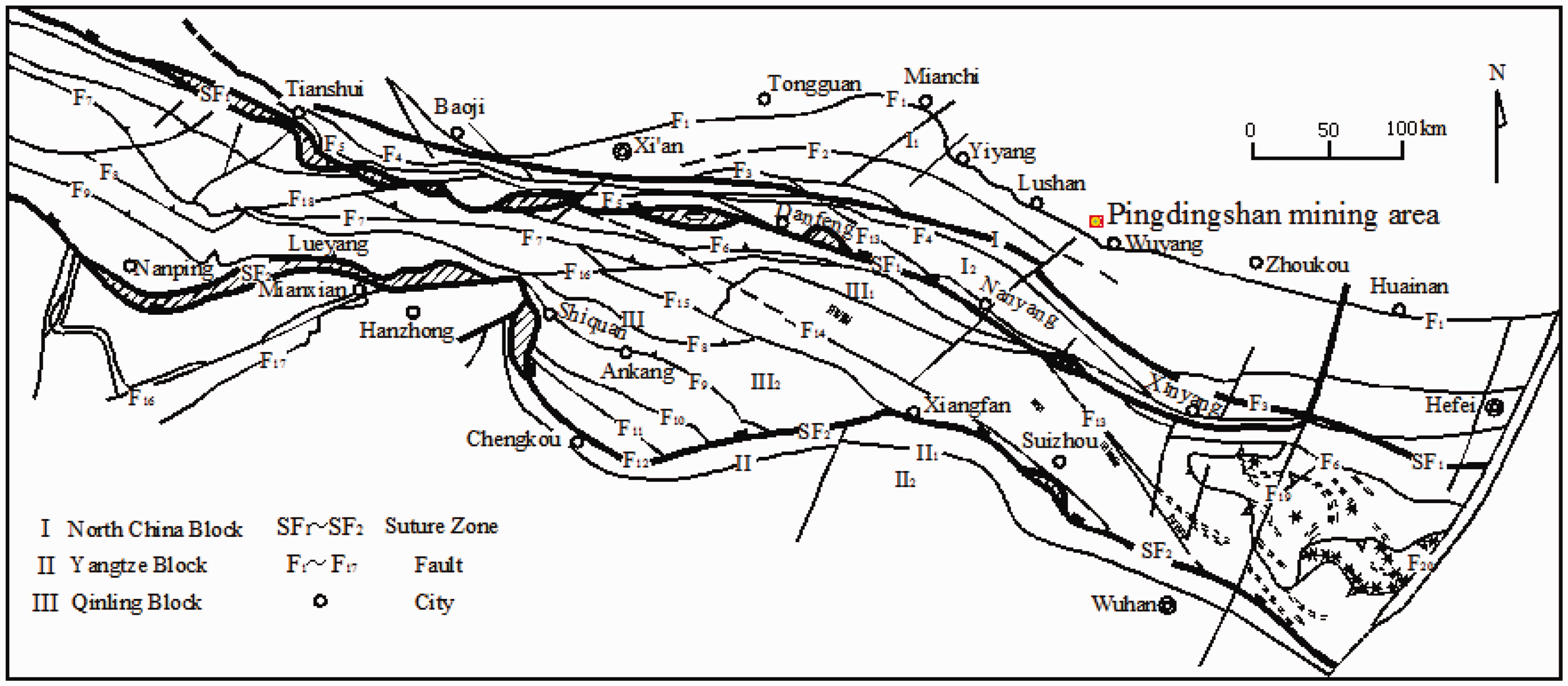
The Nantong mining area is located at the eastern side of the high and steep East Sichuan structural belt. Where is present on the compound position of the Sichuan–Hubei–Hunan–Guizhou uplift fold belt and the Sichuan–Guizhou N–S-trending structural belt, which belong to the strong intracontinental deformation zone; the gas is distributed throughout the high gas and outburst zone at the west Guizhou–east Yunnan–south Sichuan region (Figure 1). The Nantong Coal Mine is positioned at the Nantong compound anticline and the Wangjiaba syncline of the Bamianshan compound syncline (Figure 4). The axis of the Nantong anticline, which is arch shaped, points roughly in the SN direction and is composed of multiple asymmetrical north-dipping anticlines and synclines. Three secondary anticlines and synclines exist, including the Miaoding anticline, the Pingtu syncline, and the Wuguishan anticline. The north-plunging Wangjiaba syncline is vertical, with an axial direction of NE30°–50°; wide and shallow wings; and a broad, round-backed, and armchair-shaped axial element. The dipping angle of the stratum is 21°–52° and averages 36°. The structural configuration has remained intact, with no apparent outcrops on the surface. In total, 93 outburst accidents have occurred during mining operations in the No. 1 Well of the Nantong coal mine at the northwestern wing of the Wangjiaba syncline, accounting for 72% of all such events in coal bed #5. In addition, 22 outburst accidents have taken place during excavations in the No. 2 Well at the eastern wing of the Wuguishan anticline, accounting for 17% of all such incidents in coal bed #5. Figure 5 shows the outburst zones at the two wings of the Wangjiaba syncline.
Geological and structural schematic diagram of the Nantong mine (Wang et al., 1994). Schematic diagram of the outburst zones at the two wings of the Wangjiaba syncline (Wang et al., 1994).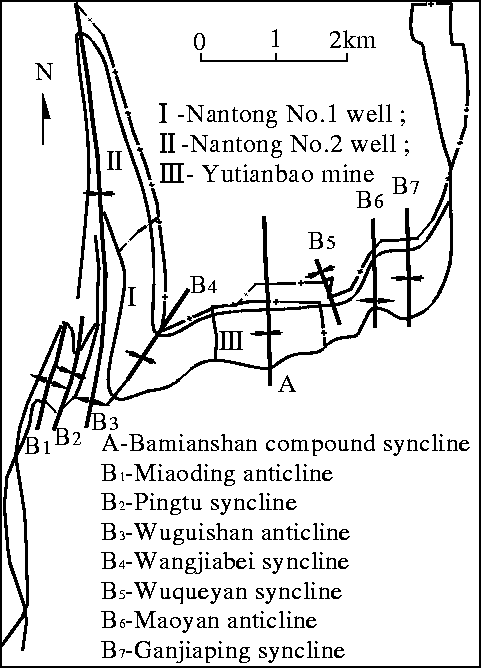
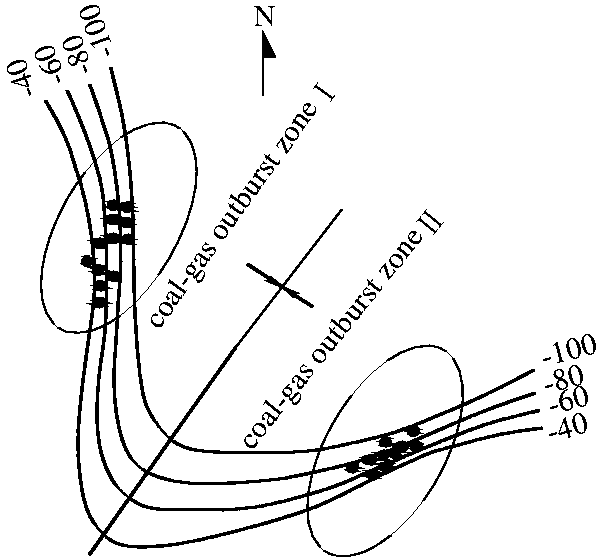
As demonstrated by the two preceding examples, fold structures are scattered over the coal measure strata in the plate collision zone and intracontinental deformation region, extremely strong shear deformation of the fold structure exists in the coal measure strata, and the locations of coal-gas outbursts are distributed in strips near the fold structure. Further study is required of how to control the occurrence of outbursts and to determine the constraint and mechanism of the fold structure. The following discussion will elaborate on this, using the Pingdingshan mining area as an example.
Tectonic evolution and control characteristics of the Pingdingshan mining area
After deposition of the Carboniferous–Permian coal-bearing stratum, the area experienced a series of tectonic movements in the Indosinian, Yanshan, and Himalayan periods (Wei et al., 2015). Since the Indosinian epoch, the geological structures of the region have been determined and reshaped by the Qinling Mountains orogenic belt. Especially in the mid-Yanshanian (J2–K1), the SW to the NE extrusion force was formed at the northern margin of Qinling Mountains orogenic belt. Additionally, a series of NW- and NWW-trending structures were created in the area, such as the Likou syncline, Guozhuang anticline, Niuzhuang syncline, Guodishan fault, and so on (Figure 6), contributing to the formation of tectonic coal and gas preservation. At almost the same time, the area was affected by a NNW-trending subduction of the Pacific Plate. This caused the original NW- and NWW-trending structures to be superimposed by NNE- and NE-trending edifices; all were then combined. The new structures were associated with sinistral compressional shearing, which is strongly linked to the formation of tectonic coal and gas preservation. In the late Yanshanian to Himalayan eras, the Pingdingshan mining area was defined by uplifting and extensional activities. The NE- and NNE-trending faults were related to dextral extensional activities that were conducive to gas and stress release. Meanwhile, the original structures were also associated with sinistral compressional shearing, with the same results as already mentioned for the newer structures (Jia et al., 2015).
Geological and structural maps of the Pingdingshan mining area and research area.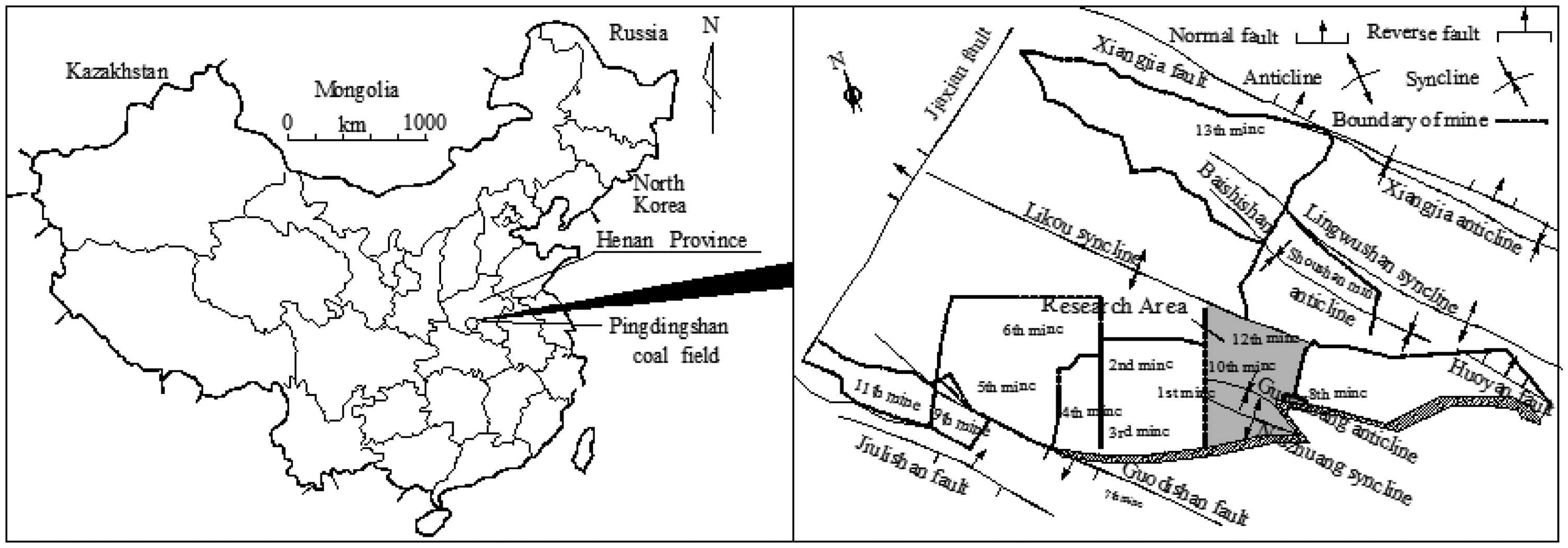
In conclusion, the NW- and NWW-trending structures in the Pingdingshan mining area can be demonstrated to have been associated with longer and more fiercely extruded activity than their NE- and NNE-trending counterparts and are distributed throughout the entire mining area. Accordingly, the former are mainly responsible for the distribution of the gas accumulation and coal-gas outburst zones.
The eastern mines demonstrate more developed NW- and NWW-trending structures, especially at the folds, than those to the west. This is the root cause of the gas content being higher in the eastern than the western mines, a situation that has led to the greater intensity and frequency of outbursts in the former. In total, 154 coal-gas outbursts have occurred in the Pingdingshan mining area, of which 122 (79.2%) took place in the eastern mines. The most serious outburst in terms of the coal rock amount (2243 t, with gas volume of 47,509 m3) occurred in Mine 10 of the eastern mines.
Shear deformation of fold structures and coal-gas outbursts
During the fold formation process, interbed sliding and shear deformation frequently occurred in the coal measure strata, damaging the coal body, changing the coal seams’ thickness, and even forming a large area of deformed coal of low permeability. All of these adverse events created conditions for gas enrichment, whereas the reduction in coal strength compromised the ability of coal seams to resist coal-gas outbursts. The following is a discussion of these issues with the area covered by the 10th and 12th mines of the Pingdingshan coalfield used as the research area (Figure 6).
Fold structure, interbed sliding, and shear deformation
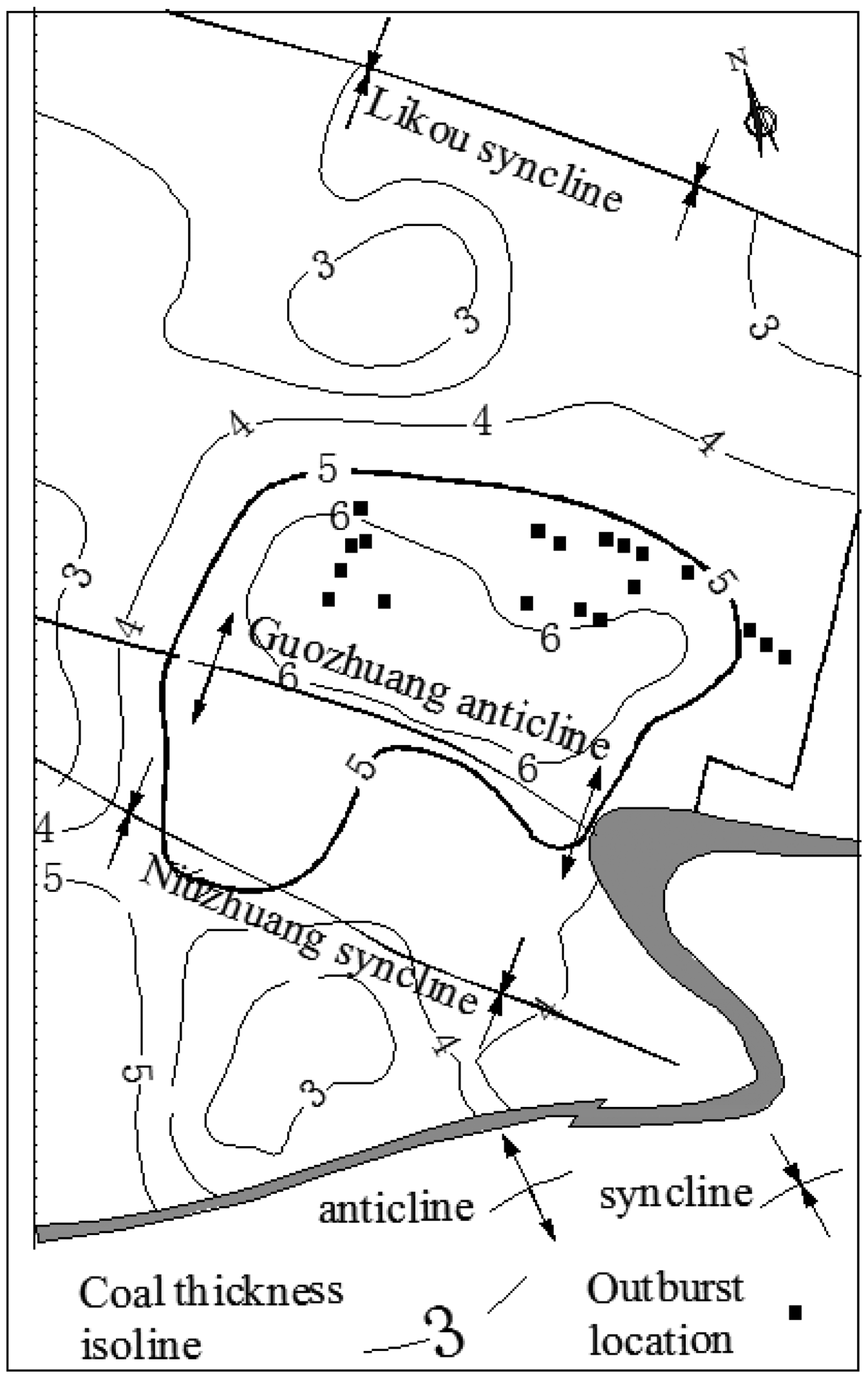
Because of the differences in the mechanical properties of the coal and rock strata, each stratum constituted a semi-independent strain system. The hard rock strata were dominated by bending and sliding, whereas their weak counterparts were mainly affected by bending and rheological deformation. Interbed sliding also occurred between the two types, whereas intensive interbed shear led to arching and detachment of the strong rock strata at the roof and floor. Consequently, the coal beds were forcibly relocated from the “high-stress zone” to the “low-stress zone” (Figure 7) and underwent plastic deformation, leading to a local change in their thickness. For instance, the coal seam near the Guozhuang anticline in the Pingdingshan coalfield, particularly coal bed E9,10 at the north wing of the Guozhuang anticline, is clearly thicker than those in other regions (Figure 8). All 19 coal-gas outburst accidents in Group E coal seams took place in this region.
Map of coal-bed rheology during fold formation (Guo et al., 1996). Thickness contour map of E9,10 coal bed in Pingdingshan 10th Mine.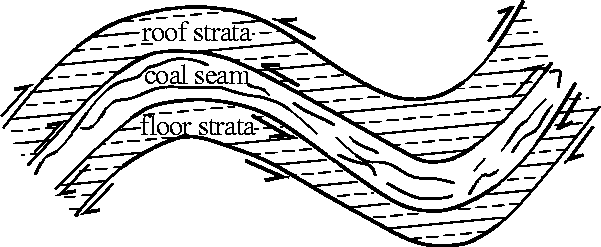
Brittle and ductile deformation of tectonic coal and coal-gas outbursts
At the time of the folds’ formation, interbed shearing and concentration of local stress, caused by the gangue, led to coal damage and brittle and ductile deformation. The organic composition and micro–nano pore structures of the coal rock were altered to varying degrees; the stronger the degree of deformation, the more significant the change to the nano structure (Bu et al., 2015; Ju and Li, 2009; Pan et al., 2015). Different degrees of deformation can lead to different characteristics in terms of fracture development, total pore volume, and the gas adsorption capacity of coal and rock, influencing their gas content and permeability (Ju et al., 2009; Majewska and Ziętek, 2007; Pan et al., 2012). The failed coal is referred to as “tectonic” or “soft” coal and is characterized by a high gas content, high desorption rate, low strength, and low permeability (Jiang et al., 2016), all of which create the conditions for coal-gas outbursts to occur. To support this, the research results show that all coal-gas outbursts occurred in the distribution area containing tectonic coal. Investigations have indicated that tectonic coal with a thickness of about 1.0 m was formed in the E9,10 coal seams of Pingdingshan’s 10th and 12th mines. In general, when the thickness of the coal seam increases, so does that of the tectonic coal; the thickness of the tectonic coal in the coal-gas outburst zone is more than 1.57 m.
Stress distribution of the fold structure and coal-gas outbursts
The stress distribution’s characteristics are determined by the shape of the fold structure. Much of the testing of in situ stress data is time consuming and laborious. To alleviate this, taking the 10th and 12th mines of the Pingdingshan coalfield as the research area (Figure 6), and based on the testing of in situ stress data, the principal stress (including the maximum, intermediate, and minimum principal stress) and shear stress distribution laws were studied via numerical simulation. This allowed for a discussion of the dynamic mechanism of the folds that lead to coal-gas outbursts from the viewpoint of the stresses.
Effects of principal stress distribution on coal-gas outbursts
(1) Numerical simulation model setup
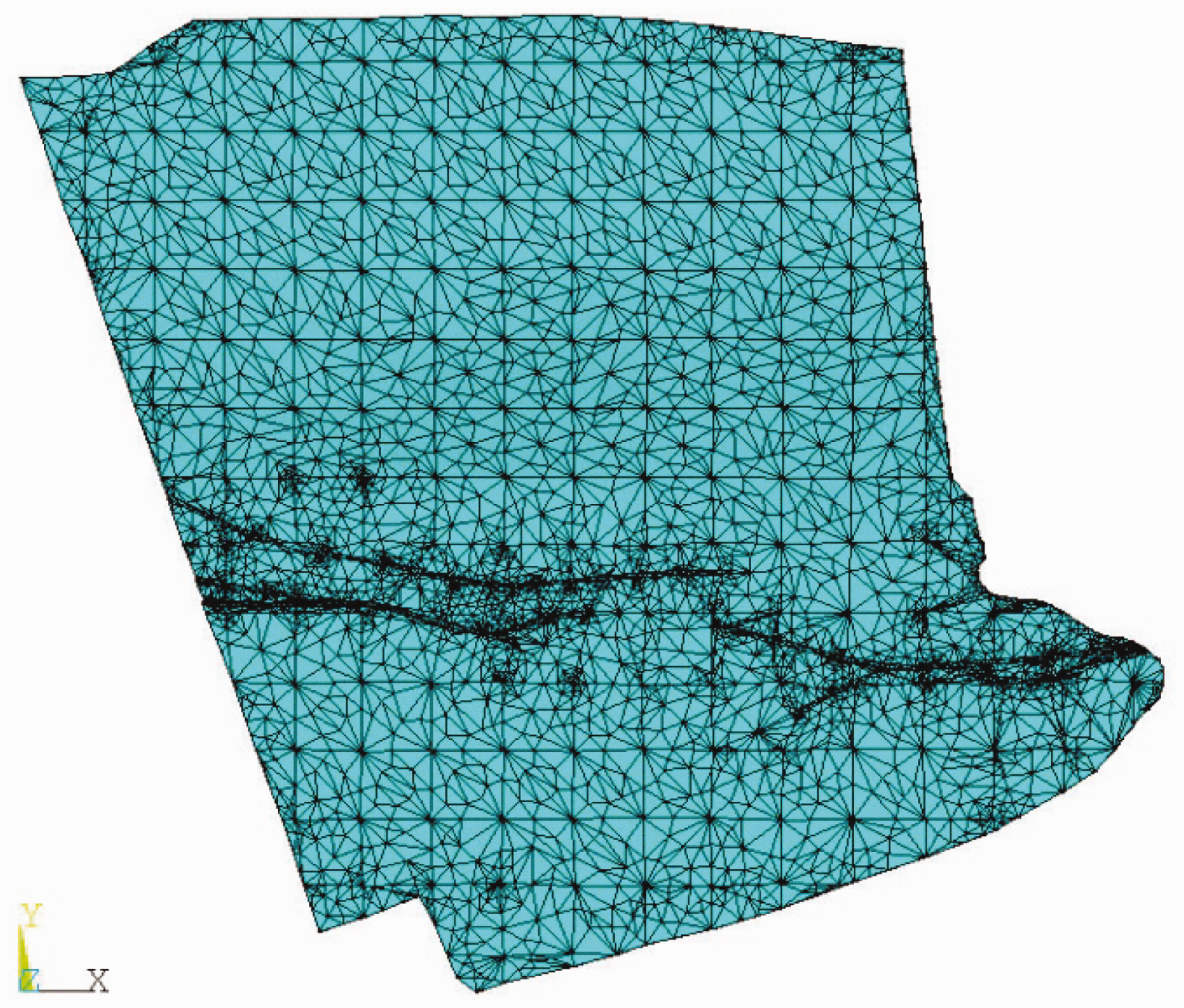
The overburden depth contour of the Group F coal seam in the research area was assumed to be the control line (Figure 9). A numerical model was built to represent the research area, using the ANSYS software; the main faults were taken into account. Solid45 elements were selected for mesh discretization, with the model consisting of 99,446 such elements (Figure 10). Table 1 lists the mechanical parameters of the surrounding rock masses, the coal seams, and the fracture zone.
Burial depth contour map of Group F coal bed in the research area. Unit grid division diagram of stress distribution model for the fold. Mechanics parameter settings table of stress distribution model for the fold.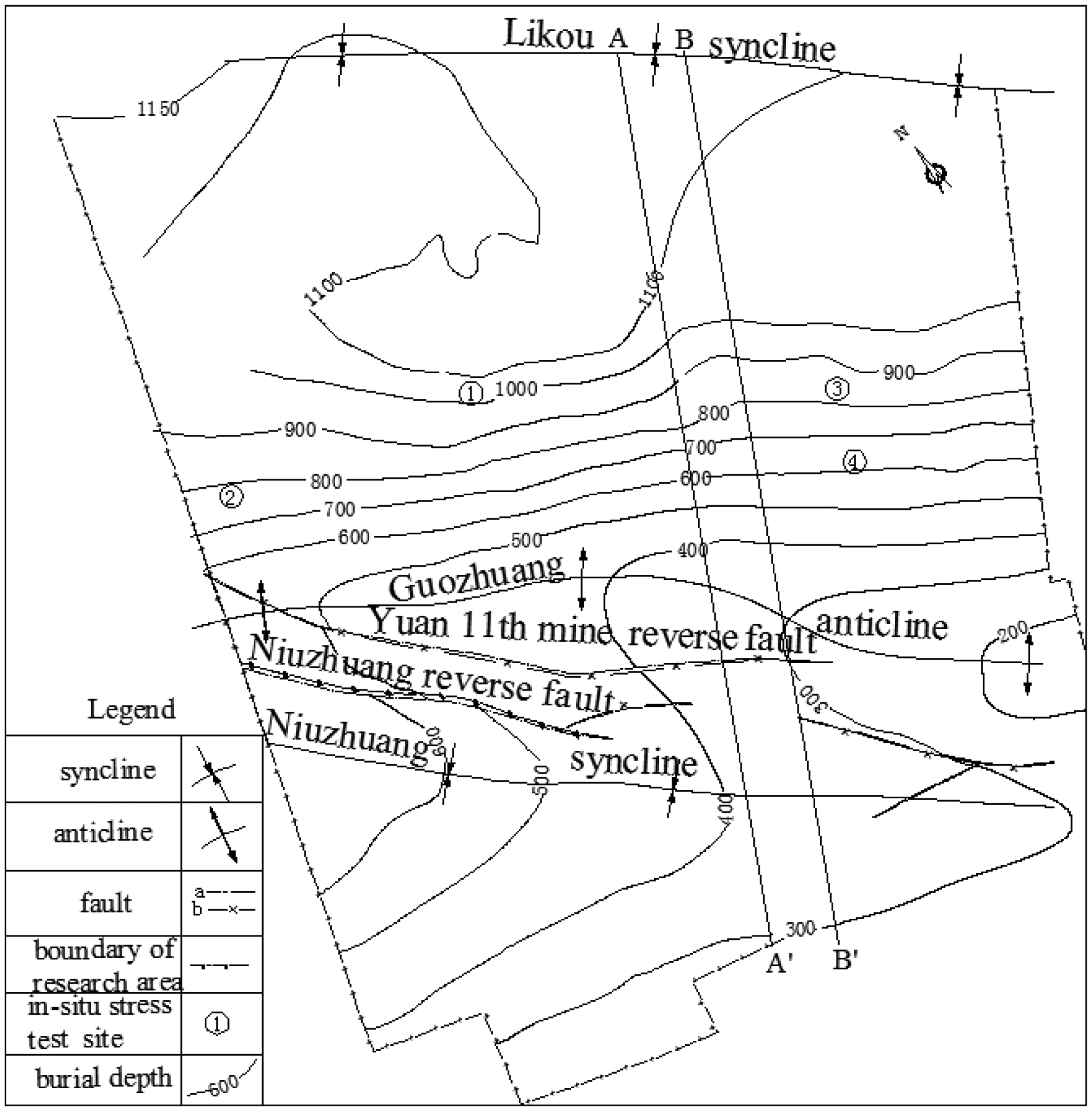

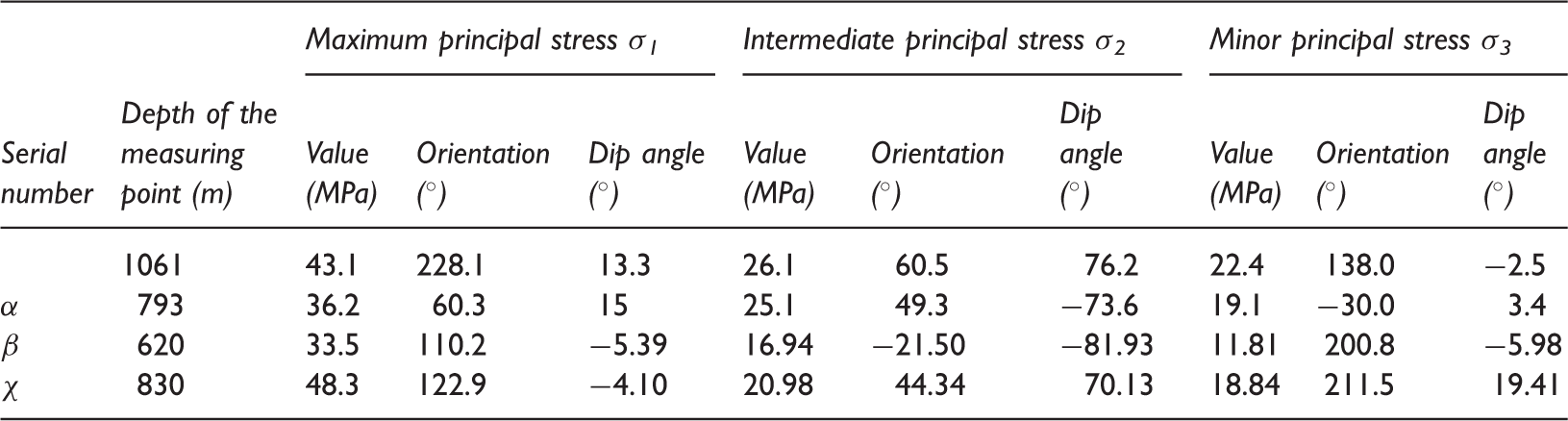
The vertical stresses are caused by the gravitational pressure on the rock. Using the in situ stress data (Table 2), the Group F coal seam’s stress boundary was adjusted. When the simulated stress at the test point was in almost exact agreement with the measured data, the corresponding boundary conditions were considered to reflect the actual geological environment. After a series of adjustments, when the model was subjected to compressional stresses of 40 MPa in the E–W direction and 25 MPa in the S–N direction, the simulated maximum principal stress was in the range of 37–41.1 MPa; this was commensurate with the equivalent stresses (33.5–48.3 MPa) in the Group F coal seam. Thanks to this boundary condition, the simulation results were considered largely reliable.
(2) Modeling results and analysis In situ stress test results in the research area. Cloud chart of the maximum principal stress distribution in the research area (unit: MPa). Cloud chart of the intermediate principal stress distribution in the research area (unit: MPa). Cloud chart of the minimum principal stress distribution in the research area (unit: MPa).
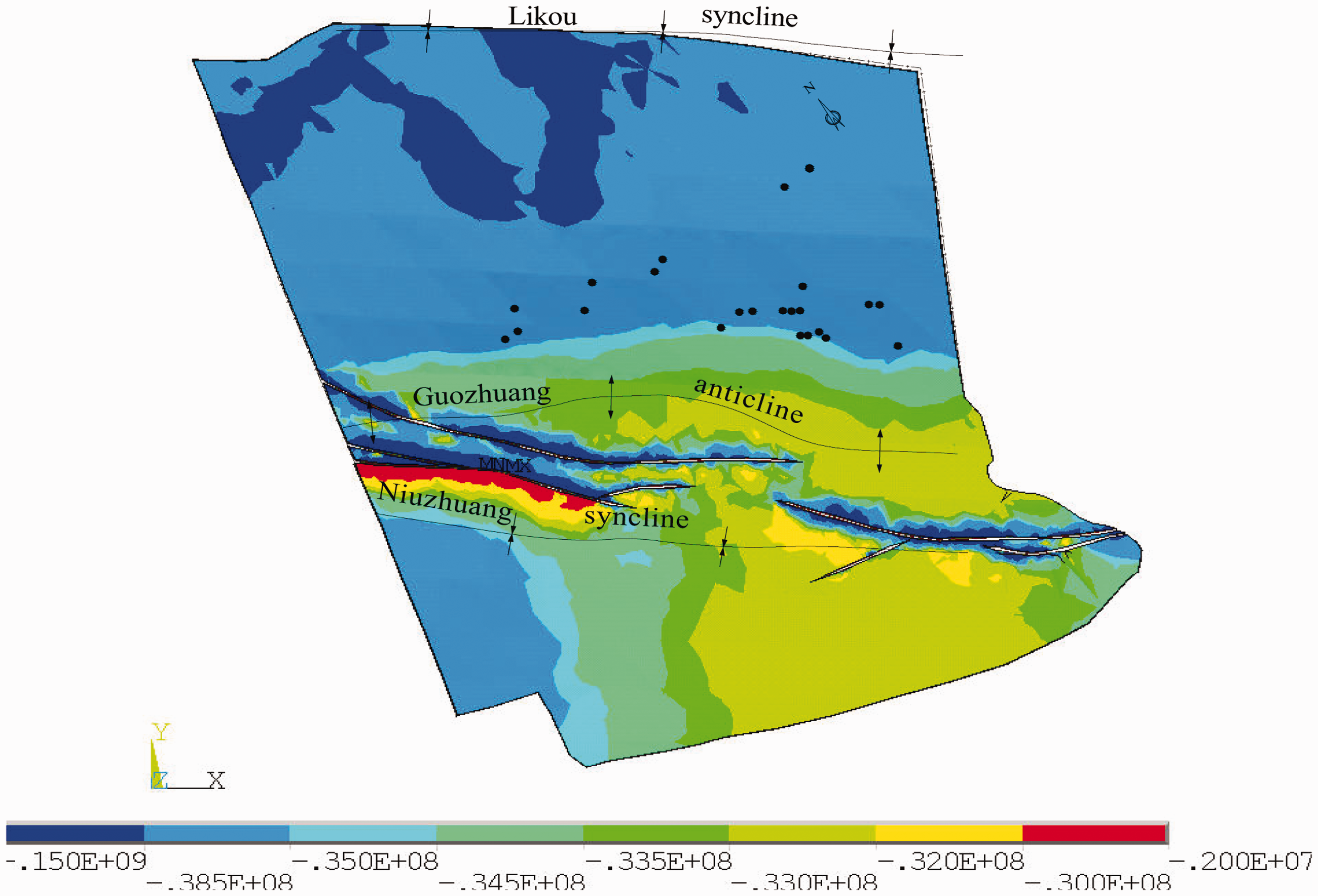
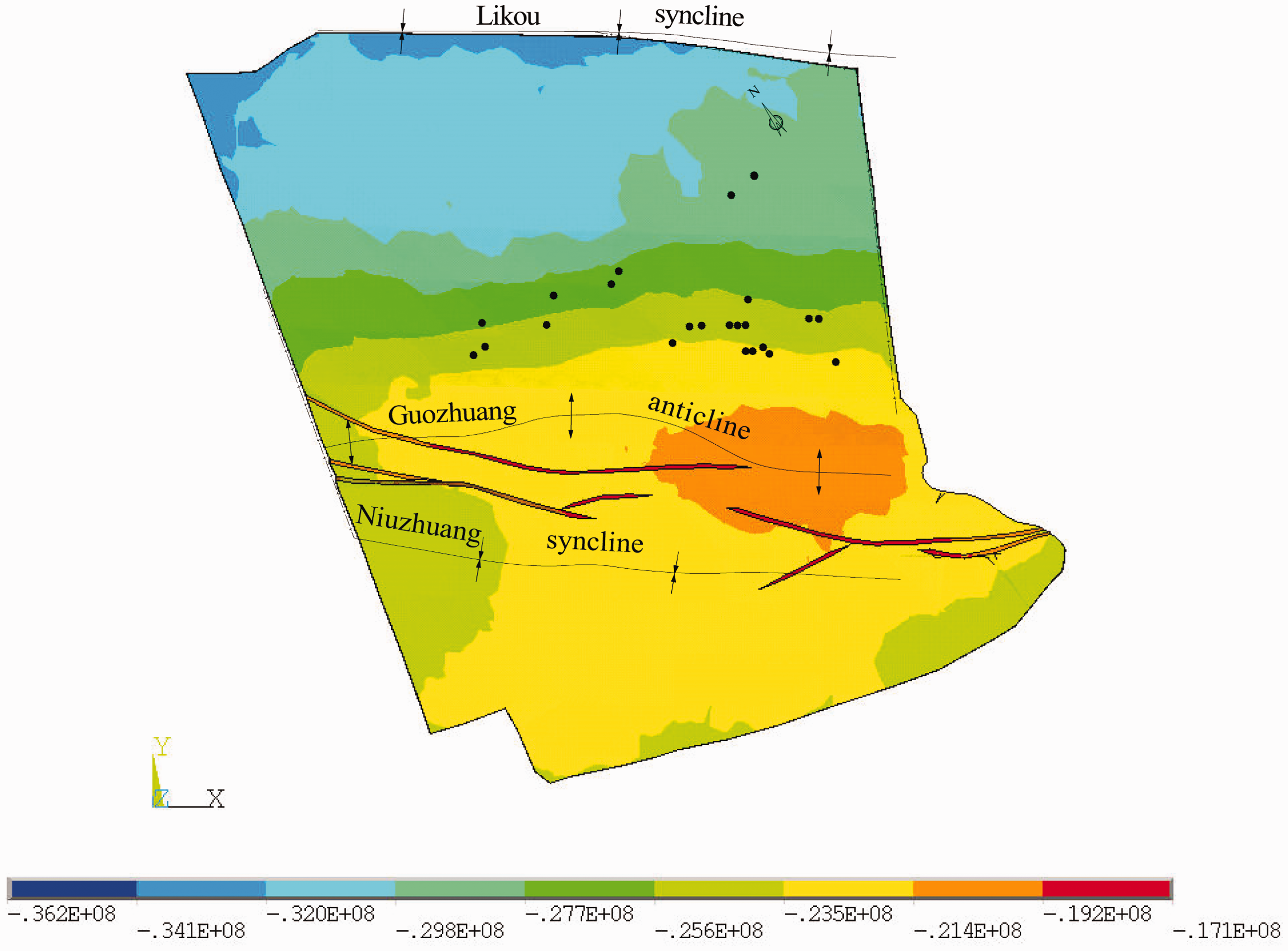
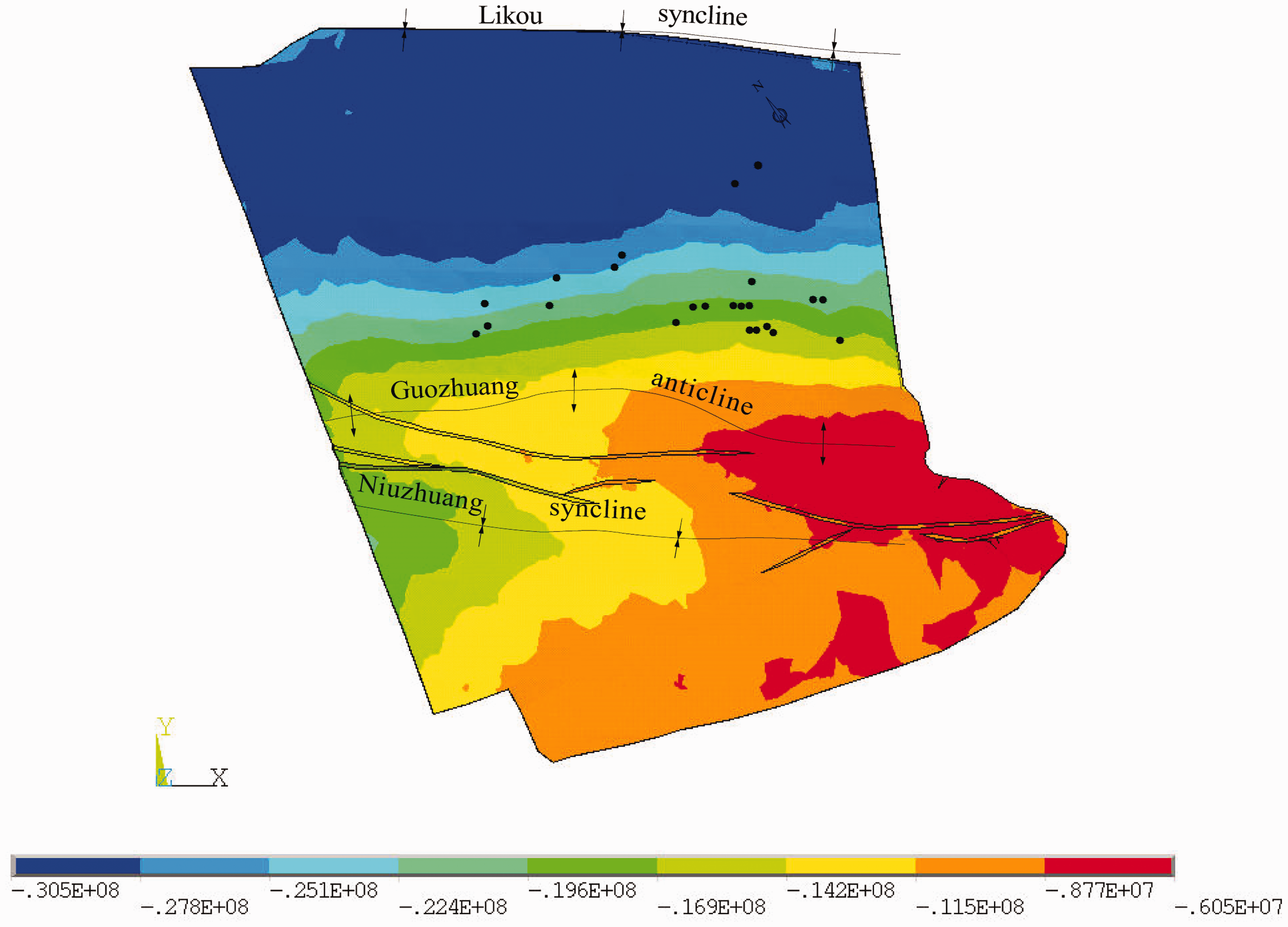
As may be observed from the preceding three figures, all three types of principal stress are compressional and clearly influenced by geological conditions. Stresses are relatively low at the anticline axis and markedly higher at the syncline axis; local stress concentration at greater depths is caused by relatively small-scale fold structures (because no mining activities are undertaken in this region, it was not analyzed in this paper). As shown in Figures 11 to 13, no obvious changes were observed in the principal stresses and their gradients in the coal-gas outburst concentration zones; accordingly, said stresses were ruled out as the main controlling factor for outbursts in this region.
Effects of shear stress distribution on coal-gas outbursts
Under the current stress field, significant differences in the mechanical parameters of coal seams and their surrounding rock masses cause nonsynchronous deformation in various strata, potentially resulting in further shear stress concentration within a certain distance from the two wings of an anticline.
(1) Numerical simulation model setup (2) Modeling results and analysis Numerical model for shear stress distribution of the anticline. Cloud chart of the shear stress distribution in the coal bed (unit: MPa). Cloud chart of the shear stress distribution in the surrounding rock (unit: MPa).
The narrow strip in the middle of the research area was adopted as the research subject (delineated by AA′B′B in Figure 9). The overburden depth of the Group F coal seam was assumed to be the control line. An idealized model, with alternative coal seams and rock strata, was built with no consideration of any fault (Figure 14). The thickness of the coal seam and rock layer was increased to 40 m; their mechanical parameters, as well as the boundary loading conditions, were the same as those seen in the simulation model for the effects of the principal stresses.
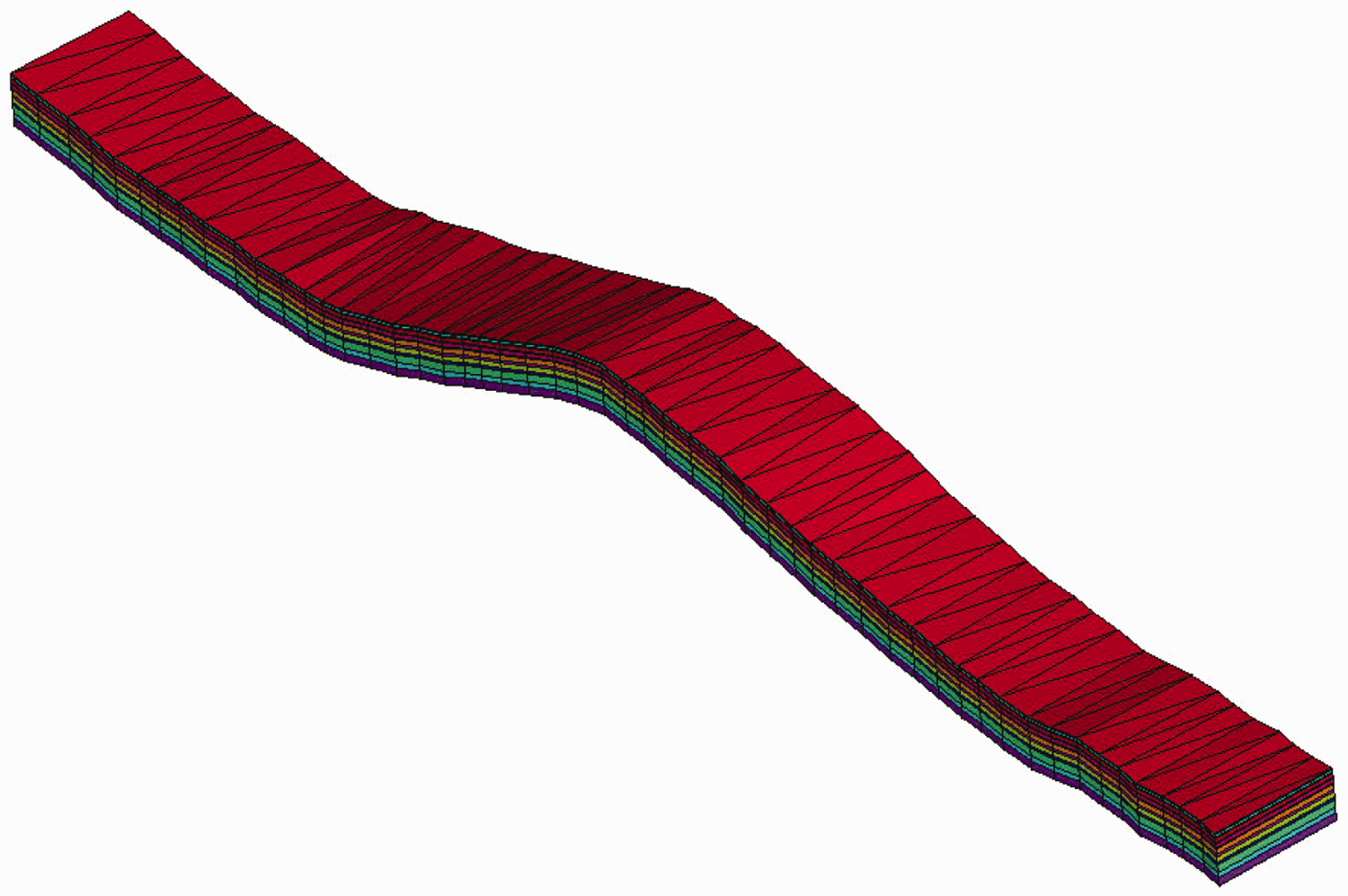
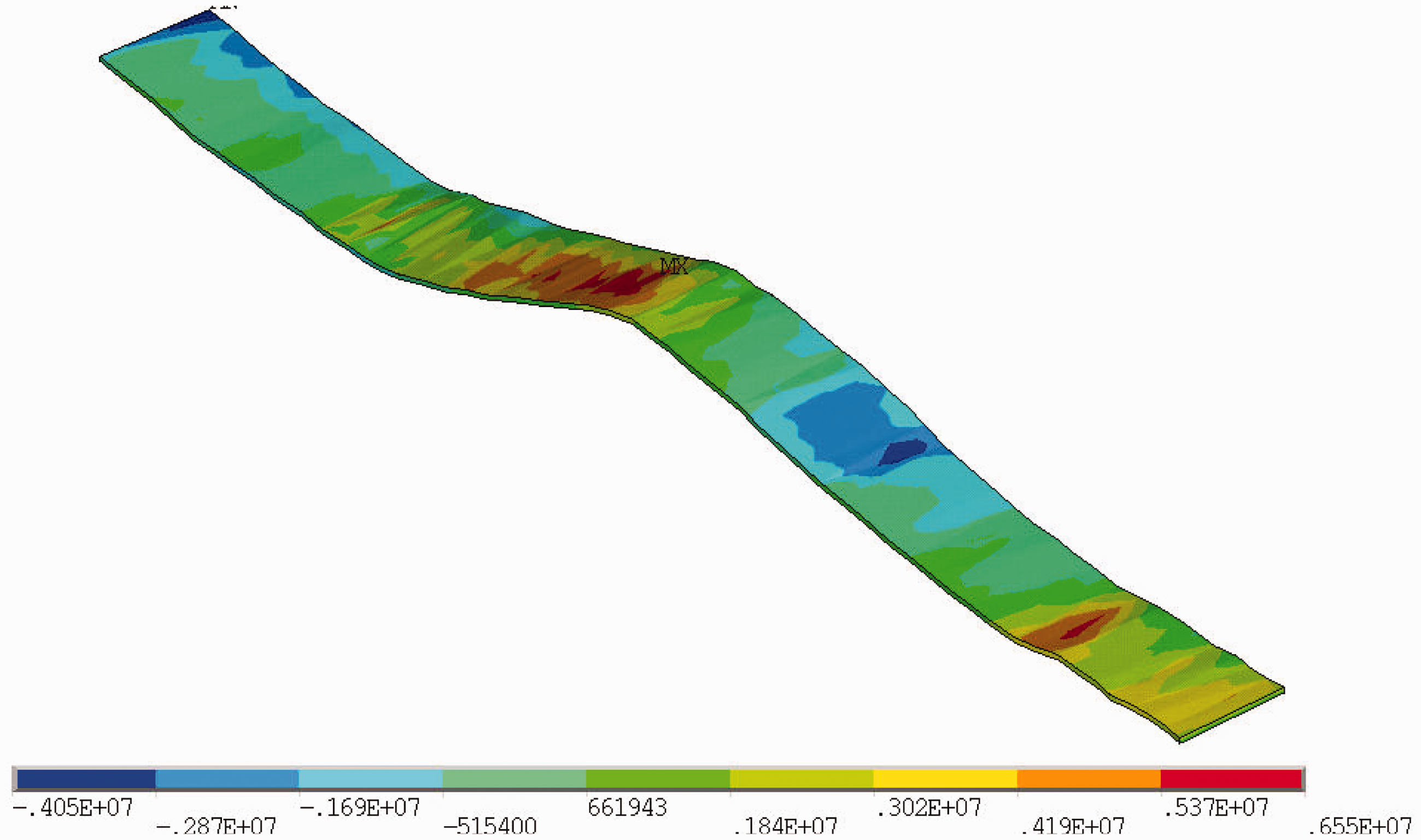
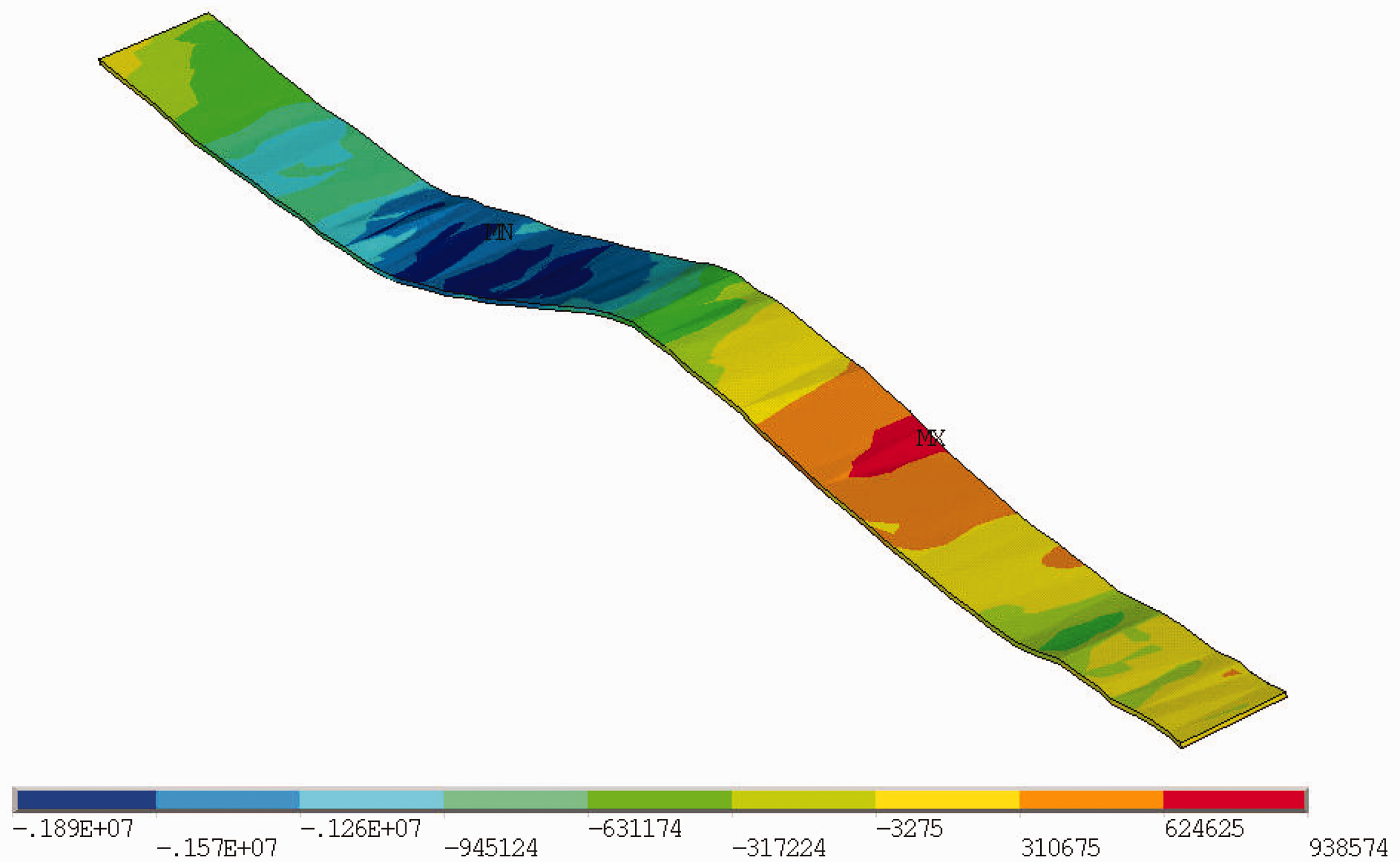
Figure 17 was created by superimposing the plan view of the shear stress cloud chart (Figure 15) of the coal seam onto the corresponding location from Figure 3. As may be seen, the shear stress concentration at the north wing of the anticline is contiguous with the coal-gas outburst concentration zone, leading to the conclusion that the shear stress concentration is the main cause of outbursts in the region.
Relationship between the outburst point and shear stress distribution.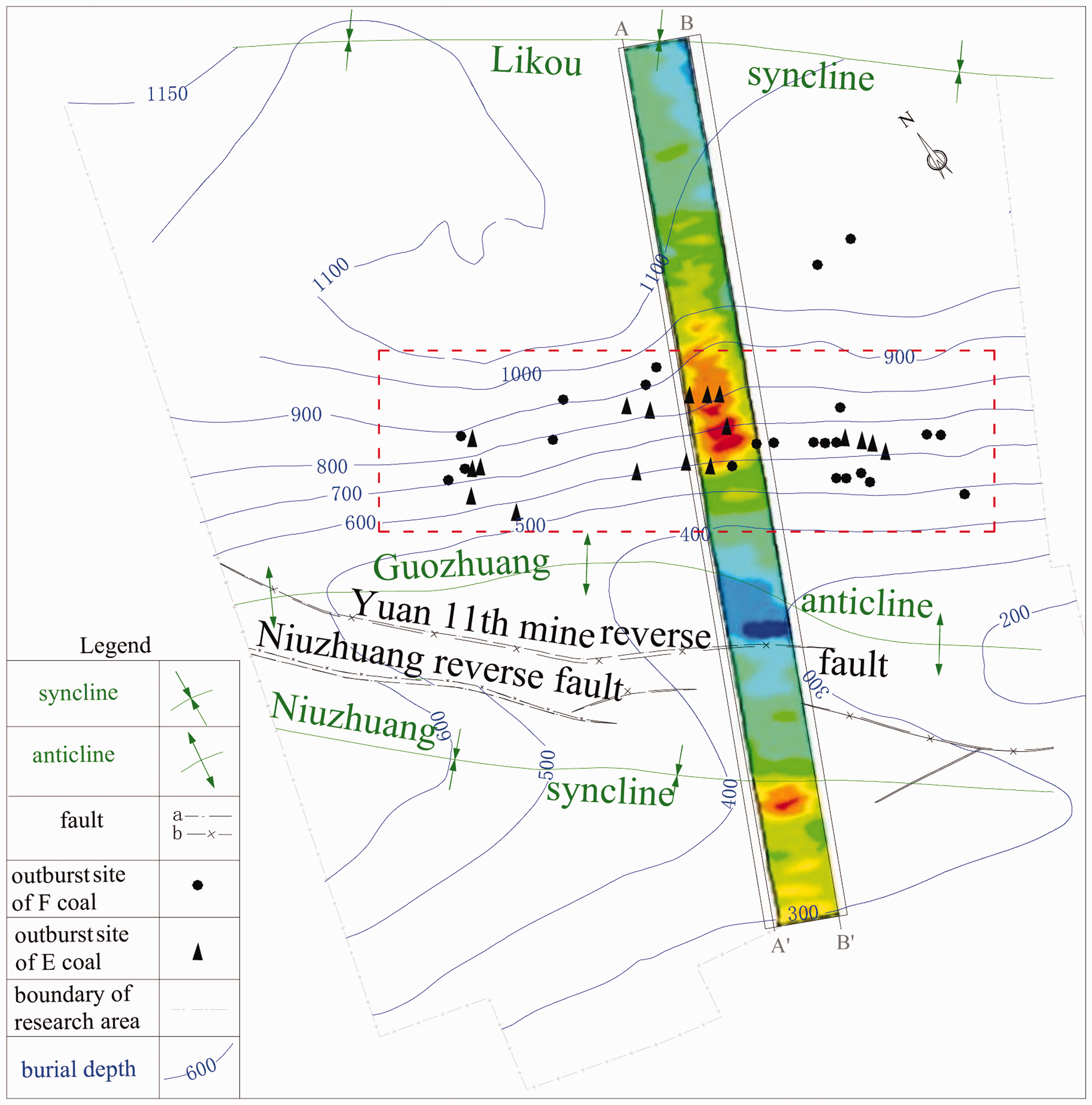
Conclusions
The Chinese block consists mainly of the three small cratons of North China–Korean Craton, Yangtze, and Tarim, as well as a large number of microcontinental massifs and orogenic belts. These have long been subjected to the effects of three dynamic systems, leading to the scattering of fold structures over the coal measure strata, particularly in the plate collision zone and intracontinental deformation region. During the fold formation process, the coal seams frequently underwent interlayer slipping and shear deformation, a situation that is considered the root cause of serious coal-gas outbursts in China.
During the formation of the fold structures, interbed sliding occurred between the strong and weak rock strata as a result of the differences in the mechanical properties of coal seams and strata; this led to the arching and detachment of strong strata at the roof and floor. Consequently, the coal bed had to move from the “high-stress zone” to the “low-stress zone,” occasioning a change in its local thickness. Interbed shearing and local stress concentration, caused by the gangue, resulted in coal damage and the formation of faults along the coal seams, creating suitable conditions for the development of layered tectonic coal of stable thickness. Because such coal limits the coal seam’s ability to resist coal-gas outbursts and enhances the ability of gas to adsorb coal, it forms the material basis for these outbursts. A numerical model was built to investigate the matter, using the ANSYS software and taking the actual geological gas conditions of the research area into account. The distribution of principal stresses (maximum, intermediate, and minor) in the modern stress field was analyzed. After making a comparison with the distribution law governing coal-gas outburst accidents, no obvious changes in the principal stresses and their gradients were found in the outburst concentration zone. This means that these stresses may not be the main cause of severe outbursts in this region. The shear stress distribution in the fold under the current stress field was studied using a simplified model with alternative layers of coal bed and rock strata. Clearly, the shear stress distribution is affected by the fold configuration; the shear stress at the two wings of the anticline is much higher than at the axis. In addition, the shear stress went in opposite directions at the two wings. The direction of shear stress in coal seams and rock stratum is opposite to each other. Because the shear stress concentration zone at the north wing of the anticline is in line with the outburst concentration zone, it can be concluded that shear stress concentration is the primary cause of the region’s coal-gas outbursts.
Footnotes
Declaration of conflicting interests
The author(s) declared no potential conflicts of interest with respect to the research, authorship, and/or publication of this article.
Funding
The author(s) disclosed receipt of the following financial support for the research, authorship, and/or publication of this article: This study was financially supported by the National Natural Science Foundation of China (41530315, 51674151), the National Science and Technology Major Project of China (Grant No. 2016ZX05066003, 2016ZX05066006), Program for Innovative Research Team in University of Ministry of Education of China (IRT_16R22), the Production–Study–Research Cooperation of Henan Province (16210700040), the Doctoral Foundation of Henan Polytechnic University (B2016-03), the National Coal Field Engineering Research Center for Gas Geology and Gas Control, the Collaborative Innovation Center of Coal Safety Production of Henan Province, and the Collaborative Innovation Center of the Central Plains Economic Zone CBM (Shale Gas) of Henan Province.