




Abstract
Fine-grained pyrite in some Chinese coals has been investigated, with analysis by optical microscopy and a scanning electron microscope equipped with energy dispersive X-ray spectrometer illustrating that the interaction between mineral and organic matters results in the irregular pyrite crystal present in coal. When considering the co-existing carbon, the density of fine-grained pyrite in coal is lower than that of mineral pyrite. Organic sulfur and pyritic sulfur in coal can be converted into each other under the favorable conditions. However, the fine-grained pyrite crystal pattern is still detected when the S/Fe ratio increases to 2:1, meaning that the fine-grained pyrite shifts from dissemination to crystallization. Fine-grained pyrite in coal has a strong activity and its surface is susceptible to be oxidized. Oxidized fine-grained pyrite usually forms sulfate (mainly gypsum), and sometimes may be converted to marcasite. Fine-grained pyrite in coal, when their granularity is small enough, may be chemically associated with organic components by non-pyritic Fe–S bond rather than physically embedded in coal matrix. So, it is not suitable to express the mineral using the FeS2 formula.
Introduction
Coal is a dominant energy resource in China, with its production exceeding 3.8 Gt in 2014, accounting for almost 50% of the total coal production of the world. However, coal consumption also brings serious environmental problems. At present, 85% of the SO2 and 70% of particulates in China come from the combustion of coal (Ren, 2016). Recently, increasing energy demands have focused attention on the utilization of high-sulfur coals.
Sulfur is the most notorious environmental contaminant in coal and its emission during coal utilization is a principal cause of acid rain (Tripathi et al., 1991). Fine-grained pyrite (generally < 10 µm in size) in washed coal is not only the main carrier of sulfur but also the host mineral of many hazardous elements including Hg, Pb, As, etc. (Diehl et al., 2012; Finkelman, 1994; Finkelman and Gross, 1999; Kolker, 2012; Liu et al., 2007; Spears et al., 1994, 1999a). Because fine-grained pyrite is intimately associated with the coal matrix, it is difficult to remove during coal preparation. Fine-grained pyrite in coal also plays a leading role in spontaneous combustion of coal and gangue (Ghosh, 1986; Spears, 1997) as well as acidification of the mine water (Weber et al., 2004). So, understanding the physical and chemical occurrence of fine-grained pyrite in coal may be helpful in protecting the environment and providing the scientific basis for deep desulfurization of coal.
As one of the most studied minerals in coal, pyrite has been investigated from different aspects for a long time, including its composition, distribution, occurrence, and genesis (Altschuler et al., 1983; Chou, 2012; Dai et al., 2003; McKay and Longstaffe, 2003; Querol et al., 1992, 1996; Saikia et al., 2014; Singh et al., 2013; Spears and Caswell, 1986; Spears et al., 1999b; Tian et al., 2014; Widodo et al., 2010; Yossifova, 2014). The behavior of pyrite during the preparation, combustion, and coking of coal has gotten particular attention (Atesok et al., 1999; Jassim et al., 2011; Querol et al., 1994; Shen et al., 2012; Wang et al., 2013; Yani and Zhang, 2010; Zhao et al., 2015). On the basis of spectroscopic analysis, some Chinese researchers thought that pyrite in coal contains some carbon (Shao et al., 1992, 1994; Wang, 1996; Wu and Zhu, 2010; Xu et al., 2007). However, whether the carbon is involved in the chemical structure of pyrite or as a mixed matter needs further studies. Furthermore, the small grain size of pyrite may result in physical and chemical interactions between the fine-grained pyrite and the organic matter in coal, an aspect that has not received much attention. That is the objective of the present study.
Sampling and analytical techniques
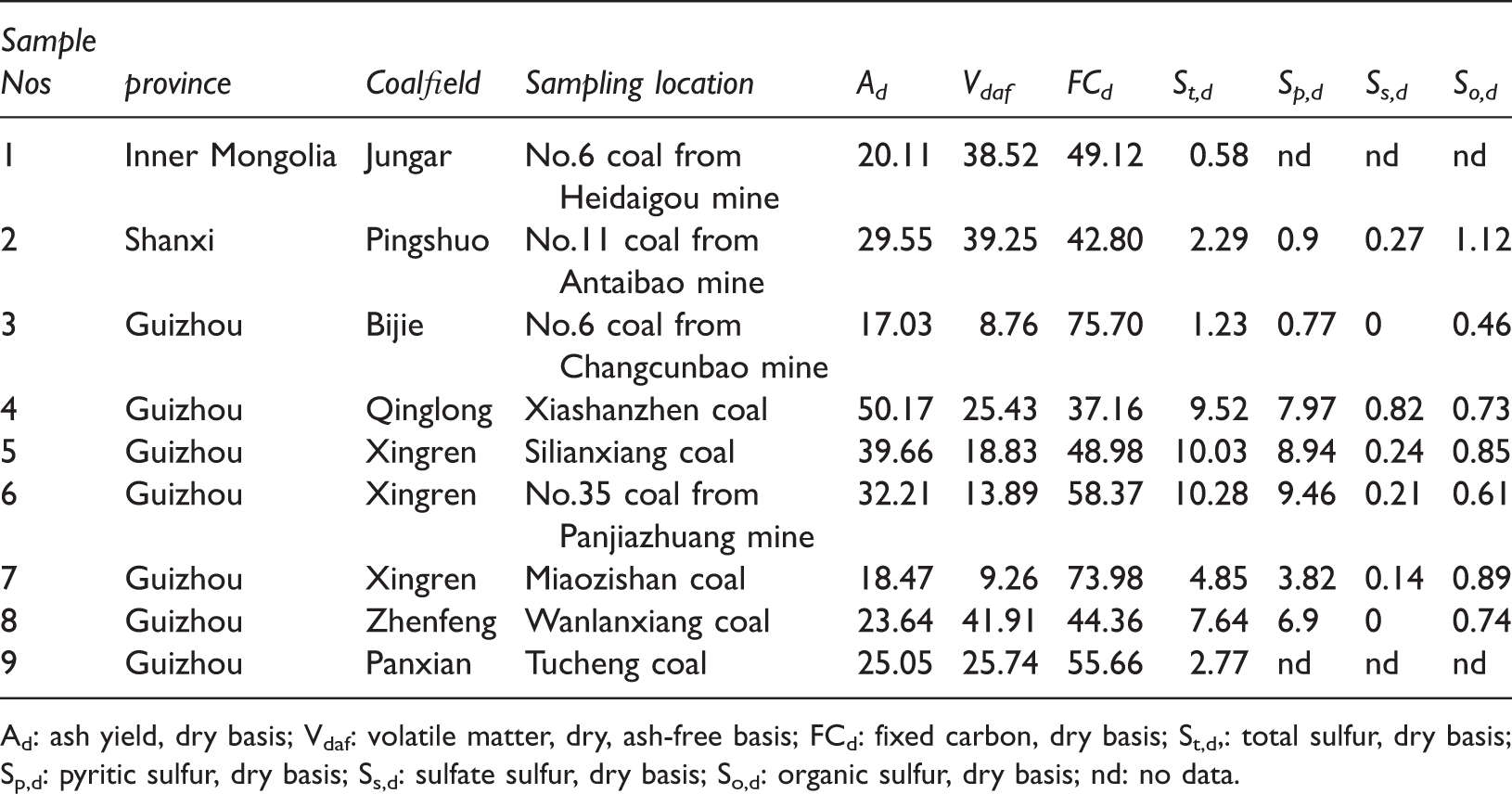
Coal samples of different regions in China were collected from workable seams in nine coal-mining districts using a channel-profile sampling strategy. All samples were immediately stored in plastic bags to minimize contamination and oxidation. Figure 1 shows the distribution of the sampling sites, and Table 1 shows the sample properties.
Distribution of sampling sites. Properties and descriptions of the coal samples (%). Ad: ash yield, dry basis; Vdaf: volatile matter, dry, ash-free basis; FCd: fixed carbon, dry basis; St,d,: total sulfur, dry basis; Sp,d: pyritic sulfur, dry basis; Ss,d: sulfate sulfur, dry basis; So,d: organic sulfur, dry basis; nd: no data.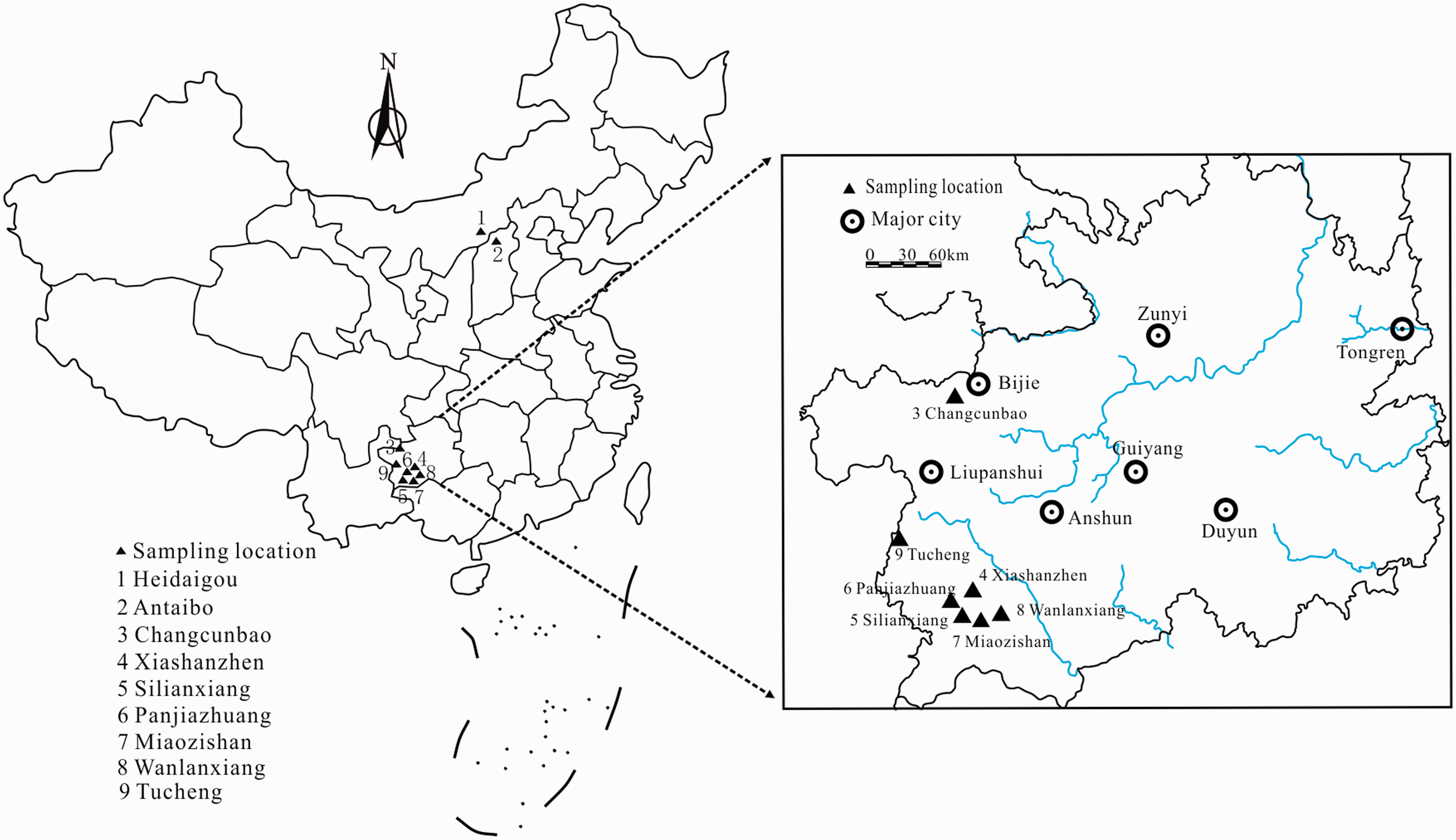
Mineralogical analyses of the selected samples were performed by a Leitz MPVIII optical microscopy and a scanning electron microscope (SEM) or field-emission scanning electron microscope (FE-SEM), fitted with an energy dispersive X-ray (EDX) analyzer. Before analysis by SEM, some samples were coated with gold to enhance conductivity. The SEM/EDX analyses were undertaken at the Nanjing Chenguang Group Co., Ltd (model: FEI-Quanta 200), Advanced Analysis and Computation Center of China University of Mining and Technology (two models: Hitachi S-3000N and FEI-Quanta 250), and the State Key Laboratory for Advanced Metals and Materials, University of Science & Technology Beijing (SEM model: Leica-S440, FE-SEM model: Zeiss Supra 55).
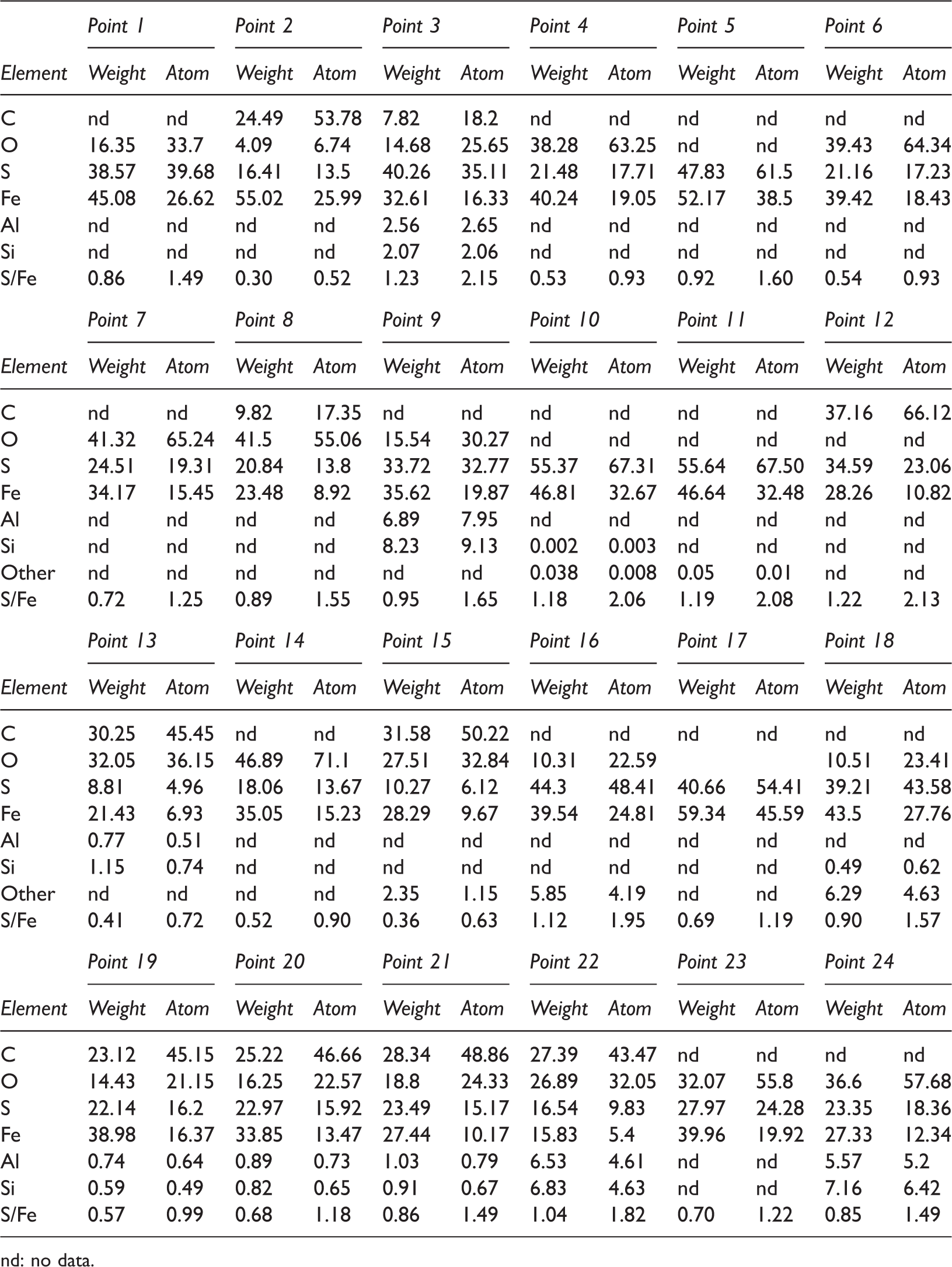
nd: no data.
Occurrence and density of fine-grained pyrite in coal
In southwestern China, Zhao et al. (2013) noted that pyrite has a variety of modes of occurrence in Late Permian coal seams in the Songzao Coalfield, including isolated or clustered framboids, subhedral to euhedral crystals, cell cavity-infillings, and, to a lesser extent, fracture/cleat-infillings. In north China, Liu et al. (2000) studied the occurrence of pyrite in Late Paleozoic coals, and eight forms of pyrite were identified under the microscope: framboidal, automorphic granular, oolitic, massive, homogeneous spherical, allotriomorphic, nodular, and joint- and fissure-filling pyrites. In the USA, Wiese and Fyfe (1986) found that pyrite occurs in Ohio coals as isolated and clustered euhedral crystals, isolated and clustered framboids and spheres, cell-fillings, cleat- and fracture-fillings, replacements of plant debris, and as a porous or spongy-textured variety deposited within and around sulfide masses and grains. In Bulgarian coals, Kortenski and Kostova (1996) observed that the forms of pyrite include massive pyrite, represented by the homogeneous, cluster-like and micro-concretionary varieties; framboidal pyrite, appearing in inorganic and bacterial forms; euhedral pyrite, isolated (pentagondodecahedral, octahedral, or cubic crystal) or clustered; anhedral pyrite, in its infilling and replacement varieties; and infiltrational pyrite, as a replacement or infilling mineral. In our study, besides isolated or clustered framboids, subhedral to euhedral crystals, cell cavity-infillings, and fracture/cleat-infillings, colloidal isolated and clustered microspherules (Figure 2(a) and (b); Wang et al., 2012), rounded spherical (Figure 2(c)), stellate (Figure 2(d)), spindle-like (Figure 2(e)), accordion (Figure 2(f)), disorder lamellar cluster, and long platy iron sulfides were also identified in some Chinese coals. Due to the tabular crystals, the clusters shown in Figure 2(e) to (h) are probably marcasite. Moreover, pyrite with complex forms has also been identified in these coals, including euhedral pyrite (Figure 3(a)) or spheroidal clusters of pyrite grains (Figure 3(b)) formed in an early stage, which were linked by later pyrite to form a larger spherule.
SEM images of iron sulfide in coal samples ((a), (b), and (h) Antaibao; (c) Heidaigou; (d), (e), and (f) Wanglanxiang; (g) Changcunbao; (a) and (b) from (Wang et al., 2012); “+” stands for point of EDX analysis). Back scattering image of pyrite in Miaozishan coal ((c) and (d) enlargement of the rectangle in (a) and (b), respectively).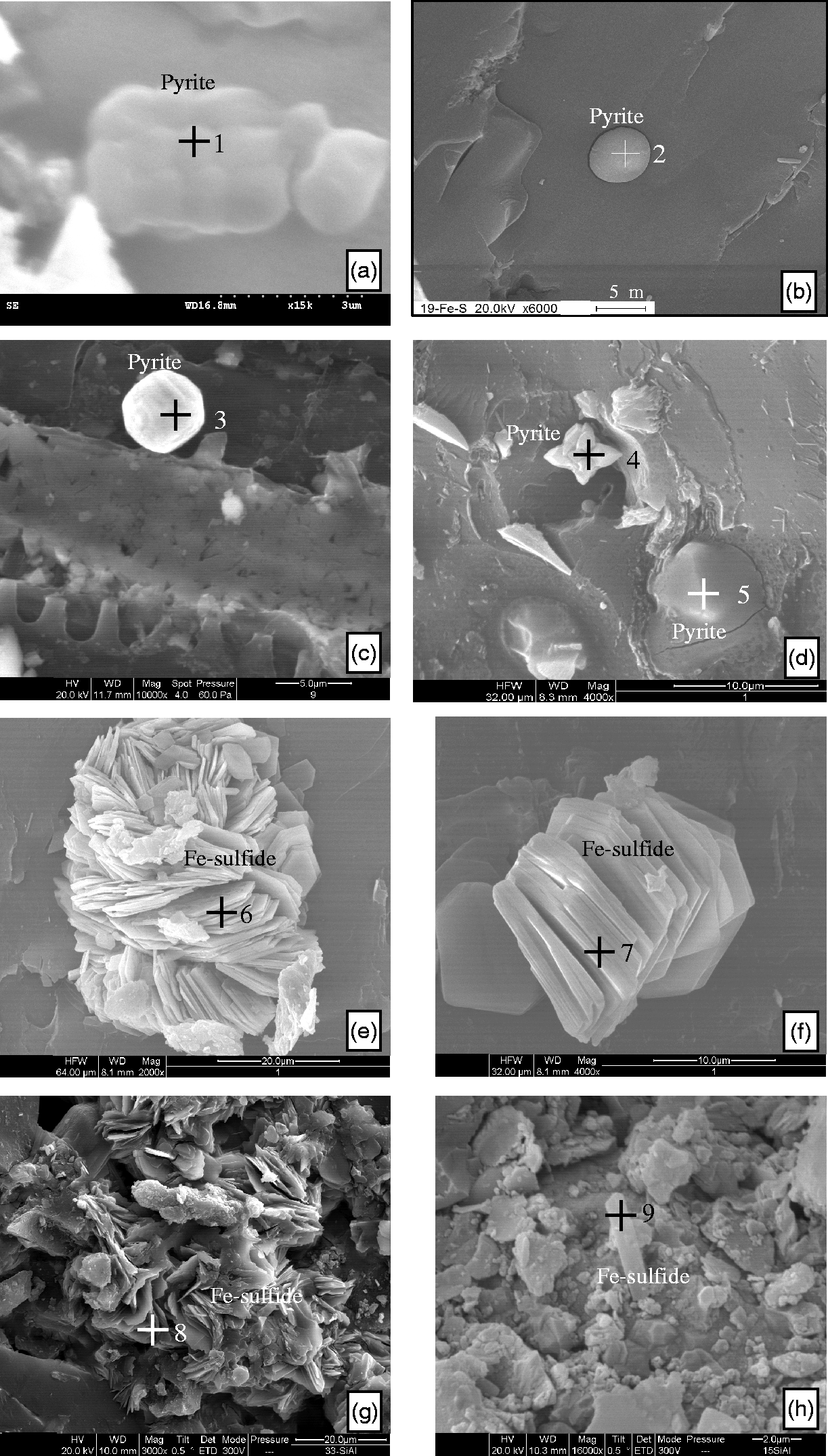
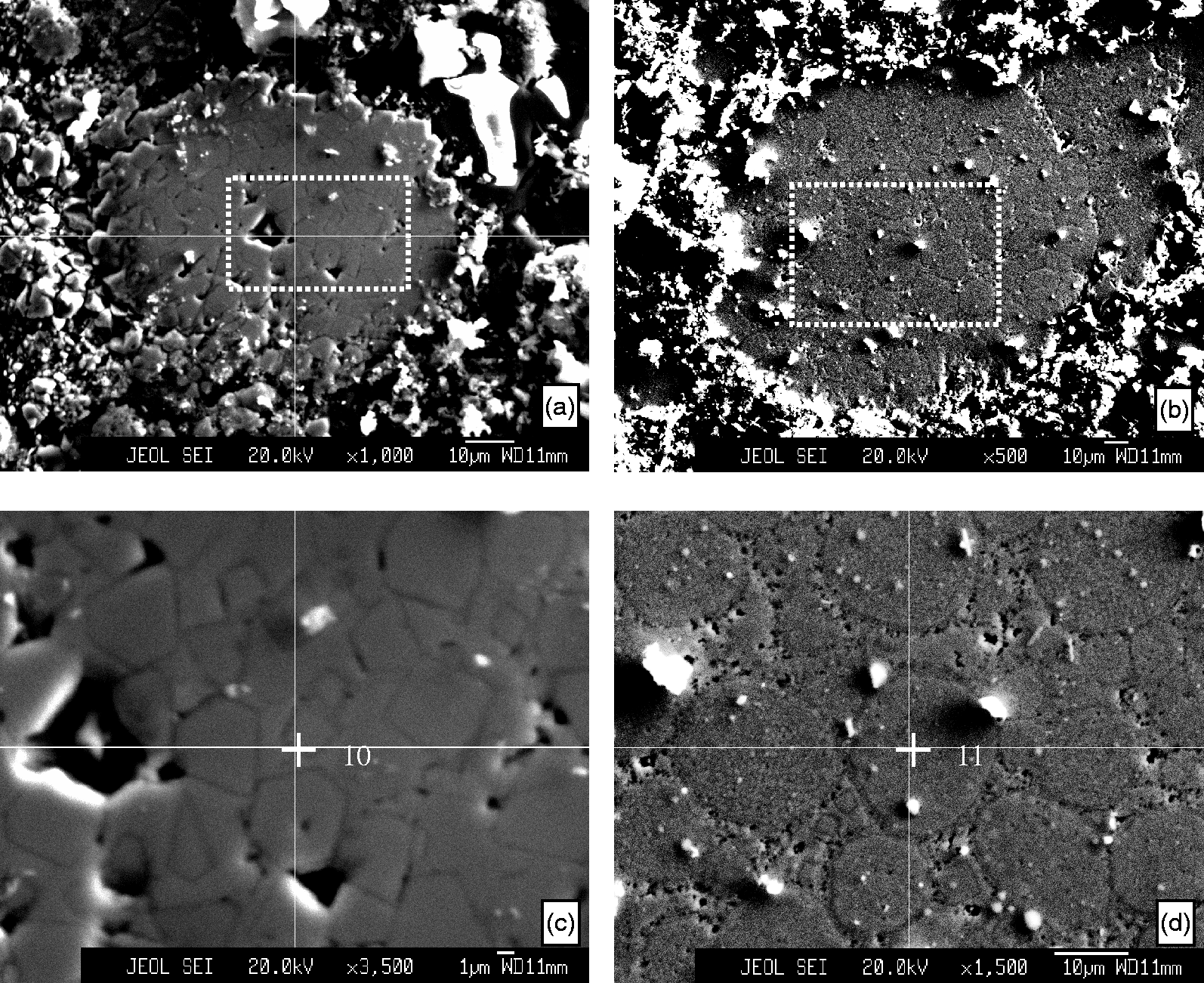
Usually, due to the interactions of minerals and organic matter during the coalification process, it is difficult to find the fine-grained pyrite with a well-developed crystal form present in coal (Figure 4(a) and (b)). Even though a well-developed crystal can be found, there are still some defects in it (Figure 4(c) and (d)). Spectroscopic analysis shows that pyrite in coal always contains some carbon (Table 2), and this may be the main cause of the defects and the irregular shapes of pyrite crystal. Based on the data from electron spectroscopy for chemical analysis (ESCA), Shao et al. (1992) believed that the surface carbon content in coal-pyrite is higher than that in hydrothermal type pyrite and is 23–44% higher than the stoichiometric composition of the carbon-free mineral. Additionally, the C1s peak shape in the ESCA spectrogram of coal-pyrite is quite irregular, which indicates the complex forms of carbon (Shao et al., 1992).
SEM images of pyrite in coal samples ((a) Panjiazhuang; (b) Changcunbao; (c) and (d) Xiashanzhen).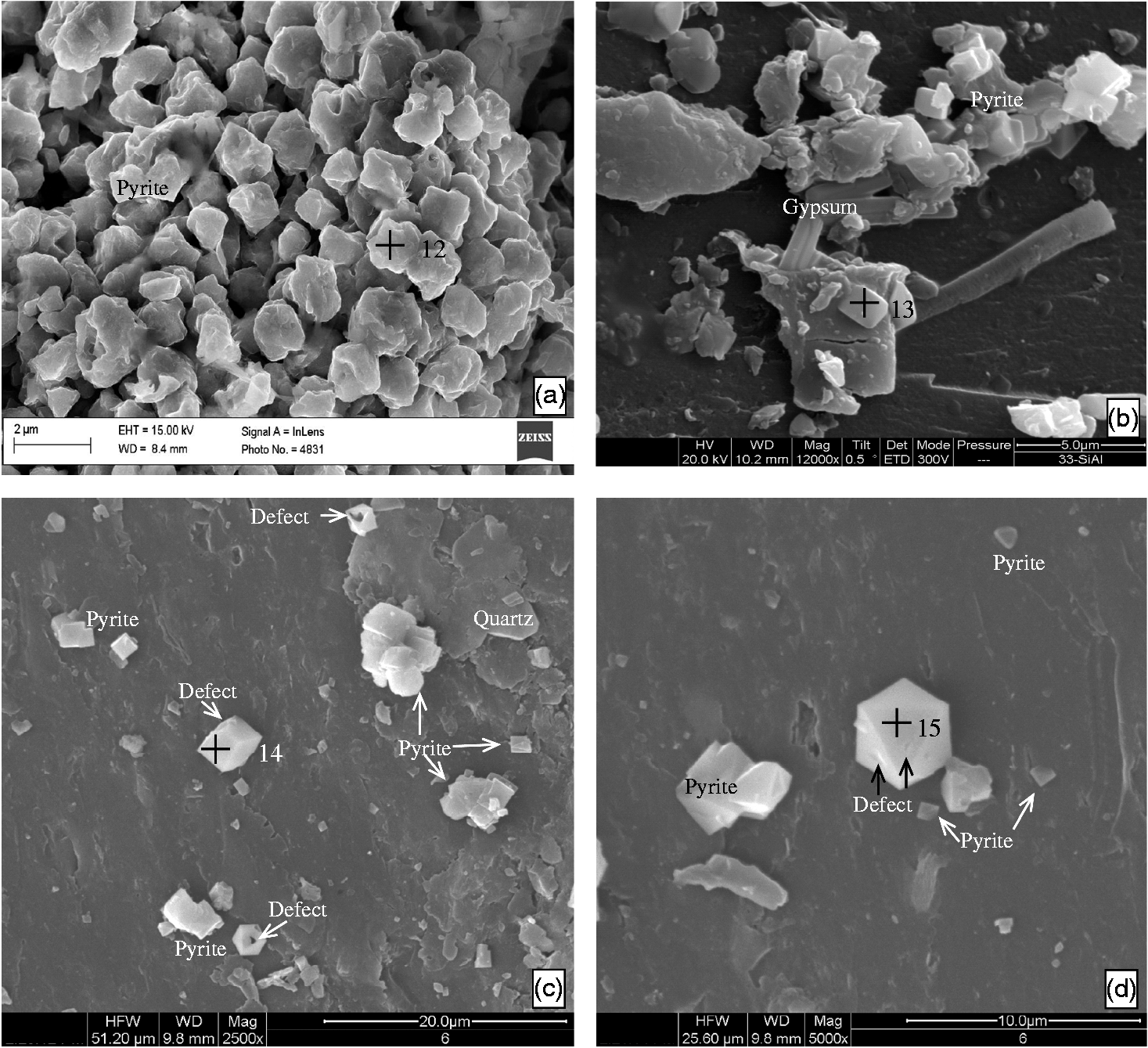
In general, pyrite is considered to have a density of 4.9–5.2 g/cm3 (Wang, 1996), which is much higher than coal-derived pyrite, especially than fine-grained pyrite in coal. Using the methods of percentage of elemental concentrations, Wang (1996) calculated the density of coal-pyrite to be 3.358 g/cm3. In terms of the stoichiometric composition, the surface carbon content takes up more than 40% in carbon-bearing pyrite, but less than 30% in carbon-free mineral (Shao et al., 1992).
Strong chemical activity of fine-grained pyrite in coal
As mentioned above, pyrite in coal always contains some carbon, which may cause the defects and irregular shapes of pyrite crystals. Moreover, the fine-grained minerals contain some crystal defects, which generally increase the potential energy of crystal and reduce its stability. Therefore, the more defective the crystal structure is, the more chemically active the minerals will be (Yin and Sun, 1998), which is the reason why fine-grained pyrite has a high oxidation rate. According to Rimstidt and Vaughan (2003), there are differences in the rates of oxidation for pyrite samples from different sources, although grain size differences may exert a greater control. Kelemen et al. (1991) found that the surface oxidation of pyrite in coal is very rapid and unavoidable even though the samples are carefully handled and prepared in a nitrogen atmosphere. In this study, the fresh surface of coal samples was cut open first and then immediately (within 5 min) coated with gold for SEM/EDX analysis, but there are still minor amounts of oxygen peaks present in the EDX spectrum of the fine-grained pyrite (Figure 5(b) and Table 2), indicating that the surface of the pyrite has been slightly oxidized. Some fine-grained pyrite was rapidly oxidized to sulfate, which can react with calcium ion to form gypsum with a good crystal form (Figure 5(a), (c) and (d)). As a result, some distinct impressions of pyrite framboids are left behind in the coal matrix (Figure 5(a), (c) to (f)).
SEM images of finer grained pyrite, gypsum and impressions in coal samples ((a) Tuchen; (b) EDX analysis of point 16 in (a); (c) and (e) Wanlanxiang; (d) and (f) Silianxiang).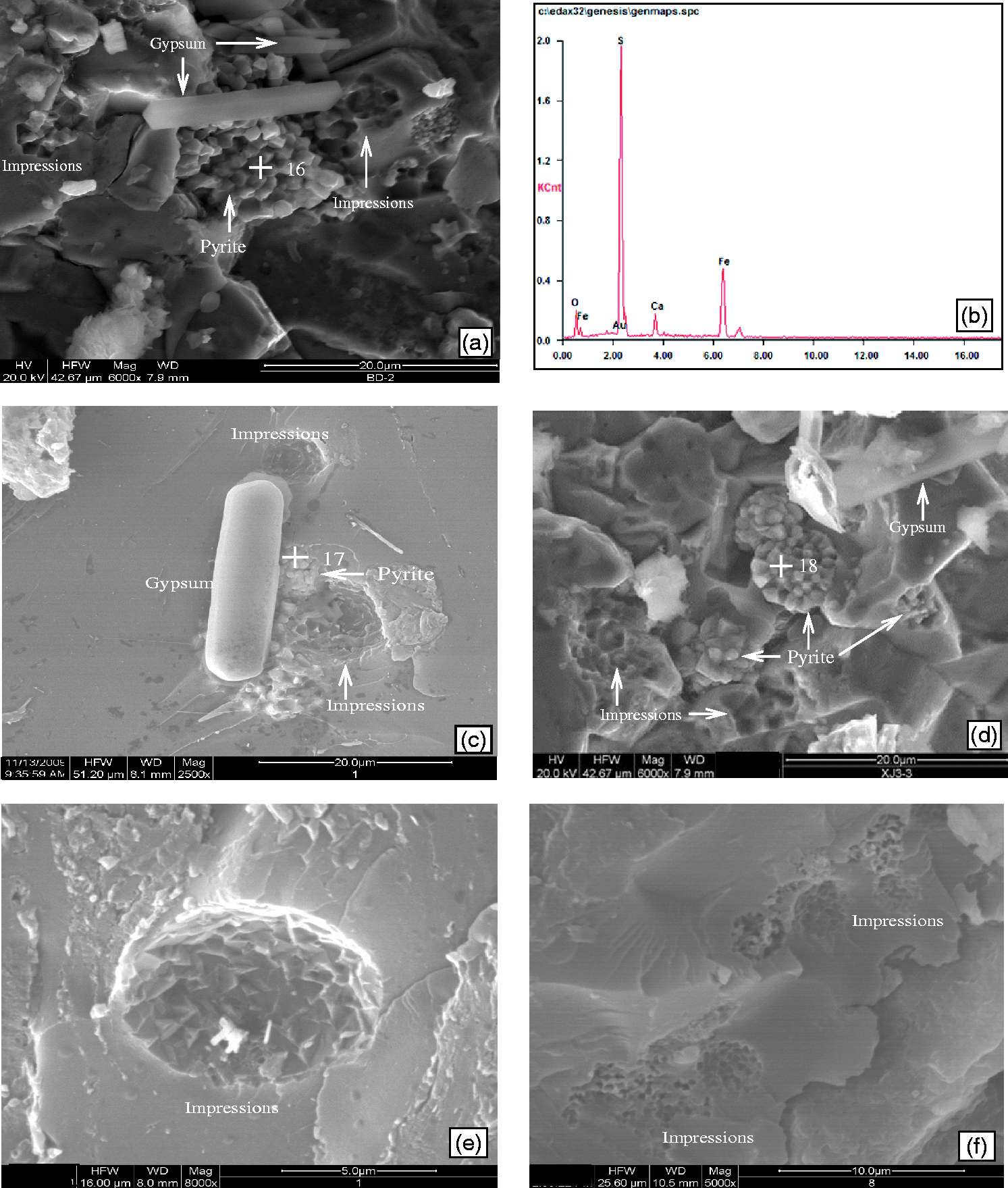
If the oxidation of pyrite furnishes soluble iron into the pore waters, and forces a substantial drop in pH, at the same time organic matter supports reducing conditions and H2S production, the oxidation of the earlier formed pyrite will probably result in the formation of secondary marcasite. This meets the restricted set of depositional conditions for marcasite formation from aqueous solution: pH < 5, T < 240℃, with H2S2 (aq) present at the site of deposition (Murowchick, 1992). Wiese and Fyfe (1986) studied the occurrences of iron sulfides in Ohio coals and found polycrystalline marcasite surrounding and infilling cluster of relict pyrite framboids. The radiating polycrystalline habit of the marcasite is clearly visible. Similar occurrences and associations between pyrite and marcasite have been reported in other coals (Falconer et al., 2006; Kolker, 2012; Querol et al., 1989; Zhao et al., 2013). Falconer et al. (2006) described diagenetic marcasite in conglomerates from a Pliocene non-marine lignite succession in New Zealand, where marcasite is closely associated with organic matter and is reported to replace and overgrow earlier formed pyrite. In the Songzao coal, the marcasite occurs as radiating crystals growing on pyrite framboids (Figure 6(a)) (Zhao et al., 2013). These researchers did not propose that marcasite might be a direct consequence of the oxidation of pre-existing pyrite. However, Schieber (2007) believed that oxidation of detrital pyrite was the cause of marcasite formation in marine lag deposits from the Devonian of the eastern US. Based on the above discussion, we believed that in coal, it is easier for pyrite to oxidize and form secondary marcasite (Figure 6(b)) because there is more organic matter in coal than in the lag deposits, which supports reducing conditions and H2S production. This meets the restricted set of depositional conditions for marcasite formation from aqueous solution.
Morphology of pyrite and marcasite in coal ((a) radiating marcasite (Ma) surrounding pyrite (Py) framboids in Songzao coal (Zhao et al., 2013), plane polarised light; (b) flower marcasite in xiashanzhen coal, SEM).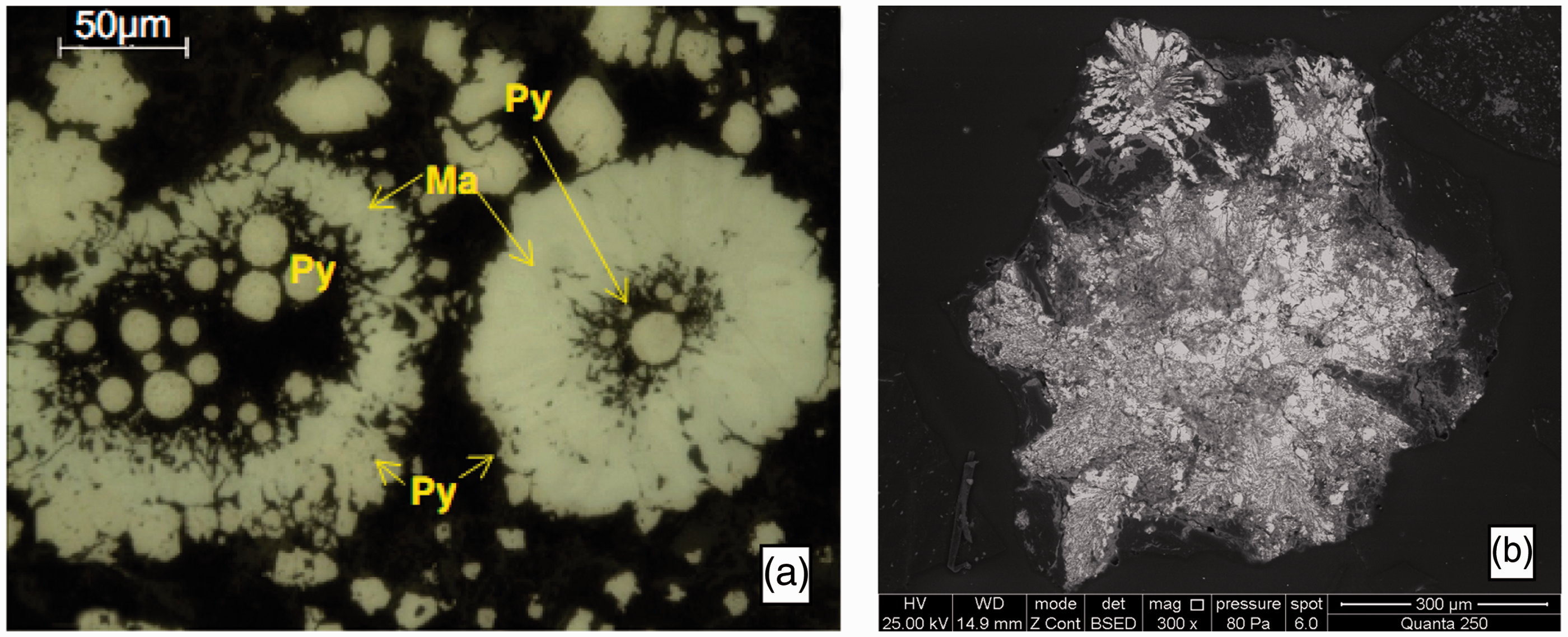
The oxidation of pyrite in coal not only can cause spontaneous combustion of coal gangue material and acid mine drainage but also exerts great influence on coal froth-flotation. The reason is that the presence of sulfur-rich groups on pyrite surfaces resulting from the partial oxidation of pyrite results in moderate hydrophobicity, but once pyrite in the coal is excessively oxidized, sulfur-rich compounds on the pyrite surface will be gradually converted to more stable hydrophilic sulfates.
Interaction between coal matrix and fined-grained pyrite
Many functional groups exists in the organic matter of coal, especially in low-rank coals in which functional groups such as carboxyl, carbonyl, amino, sulfo, hydroxyl, and so on, can combine with the surface of fine-grained pyrite in coal to form a variety of coordination compounds. Besides, the presence of oxygen spectrum peaks as well as hydroxyl and methylene groups on the surface of fine-grained pyrite shows its connection with organic matter (Xu et al., 2007). Epigenetic fine-grained pyrite occurring around cutinite, which is shown in Figures 7(a) and (b), has been identified in the antaibao coal in our previous research (Wang et al., 2007). The cutinite is enriched in organic sulfur (Ren et al., 1993) and hydrogen (Stach et al., 1982). Moreover, in the thermal evolution process of coal, the degradation of unstable organic sulfur compounds (such as aliphatic sulfur, thiol, etc.) produces hydrogen sulfide (Wu and Zhu, 2010) that can react with ferrous ions to form ferric sulfide at room temperature (Yue, 2004). In a peat bog, trivalent iron present in clay minerals can be reduced by organic matter, thus forming a divalent iron (Tang et al., 2001). It can be found from Figure 7(a) and (b) that clay minerals occur around the cutinite and furnish ferrous ion. The pyrite occurs as an aggregation morphology of fine grains in cutinite, which is clearly characterized by its development from the edge to the center of cutinite. Eventually, the pyrite would replace cutinite, showing a plant debris shape (Figure 7(c) and (d)).
Epigenetic pyrite occurring in cutinite in Antaibao coal (reflected light and oil immersion).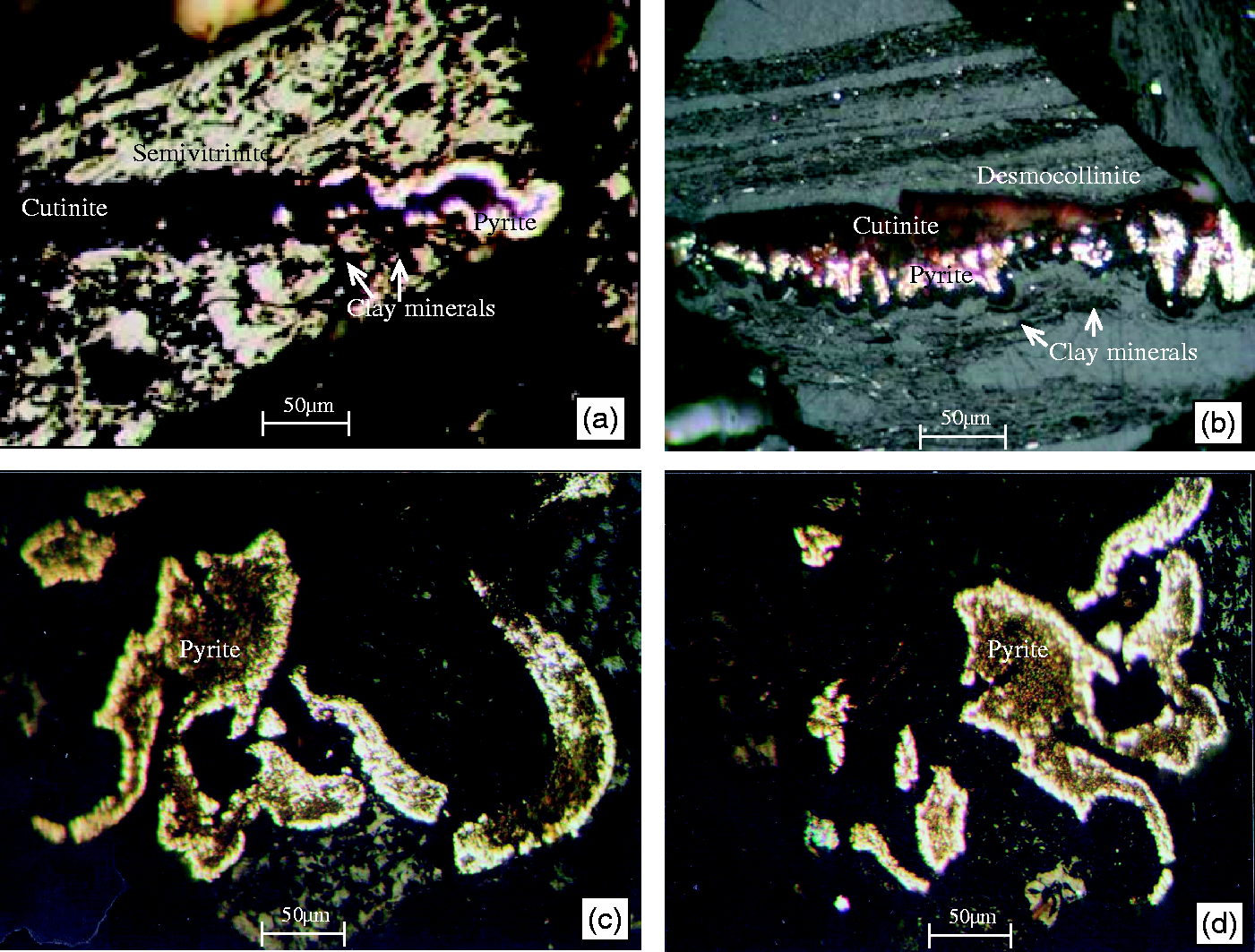
It has also been reported that Fe–S coordination compound can produce pyrite when heated in inert atmosphere (Baruah, 1996). According to Smith et al. (1978), pyrite could be obtained when an Illinois bituminous coal was heated in an inert atmosphere. Equivalent organic sulfur decreases with the increase of pyrite in Everglades peat of the USA, which was reported by Altschuler et al. (1983) and it was suggested that organic sulfur is the source of the pyritic sulfur (syngenetic pyrite). Similarly, in a peat-forming environment of Sri Lanka, the inverse relationship between organic sulfur and pyritic sulfur indicated that pyrite could be formed as a result of decomposition of organic sulfur (Senaratne et al., 1990).
Pyritic sulfur in coal can also be converted to organic sulfur. This is because hydrogen sulfide released from pyrite decomposition during the coalification process can react with organic matter to form organic sulfide, including rather stable thiophene (Smith et al., 1978). According to Attar (1978), thiols are converted to hydrogen sulfide first, and then to thiophene during the coalification process. Liu et al. (2008) had used atmospheric pressure-temperature programmed reduction coupled with mass spectrometer (AP-TPR-MS) to study sulfur transformation during the pyrolysis of Zunyi coal, China, and found that under the N2 atmosphere, the organic sulfur content (5.67%) of semicoke at 700℃ is higher than that (5.04%) at 500℃, indicating that some pyritic sulfur is converted to organic sulfur during the heating process. Transmission electron microscope (TEM) has been adopted to study the organic sulfur concentration and its distribution in the immediate vicinity of pyrite in coal by Ge et al. (1992). The results showed that the organic sulfur content in the vicinity of pyrite particles increases and the pyrite may change into pyrrhotite or magnetite at 450℃. Namely, some inorganic sulfur produced during the pyrolysis process of pyrite may migrate into the coal matrix near the mineral particles to convert into organic sulfur. The range of migration of inorganic sulfur is within 15–20 µm. By microwave irradiation for 3 min under N2 atmosphere, we found that some pyrites in some high-sulfur coals from Guizhou, China, were converted into magnetite, whereas organic sulfur content was obviously higher (So,d, 2.74%) than that of raw coal (1.98%). These results correspond well to those reported by Ibarra et al. (1994). By SEM/EDX, he studied the mutual influences of the organic matter and pyrite on the removal of sulfur during coal pyrolysis and found that organic sulfur tends to decrease with the increase of pyrolysis temperature, for the coal samples contain very low pyrite, whereas, the organic sulfur content increases at 400℃ due to the pyrite-rich coal samples.
Since the coalification process took millions of years under higher temperature and pressure, the transformation of one form of sulfur to another is quite logical (Baruah and Gogoi, 1998). As stated above, due to the impacts of reciprocal organic matter–pyrite interactions, it is difficult to find the fine-grained pyrite with perfect crystal form. Fine-grained pyrite, which is deeply embedded in the organic components, has been identified in the antaibao coal and there is no distinct boundary between pyrite and organic components (Figure 8(a) (c) and (d)). As is shown in Figure 8, from points 19, 20, and 21 to 22, the Fe-sulfide shows a form from dissemination in coal matrix to isolated single crystal, and its S/Fe atomic ratio shows an increasing trend gradually approaching 2 (Table 2). The atomic S/Fe ratios differ from one type of pyrite in coal to another (Huang et al., 1999). Generally, the larger the grain of pyrite in coal is, the closer the ratio of S/Fe to 2 is, while small crystals or fine-grained pyrite shows S/Fe ratios of <2 (Bailey et al., 1990). Some researchers considered that the ratio of S/Fe in mineral pyrite is higher than that in coal-pyrite, suggesting a sulfur-poor pyrite in coal (Shao et al., 1994; Wang, 1996). However, in the gold-ore sample from southwest Guizhou Province, China, Sun and Liu (1995) found that a kind of ultramicro pyrite (grain size 200–800 nm) is encapsulated in carbonaceous material bearing gold, in which atom ratio of S/Fe is 3 to l, but not as usual 2 to1.
Morphology of finer grained pyrite deeply embedded in coal matrix ((a) Antaibao; (c), (b), and (d) Wanlanxiang).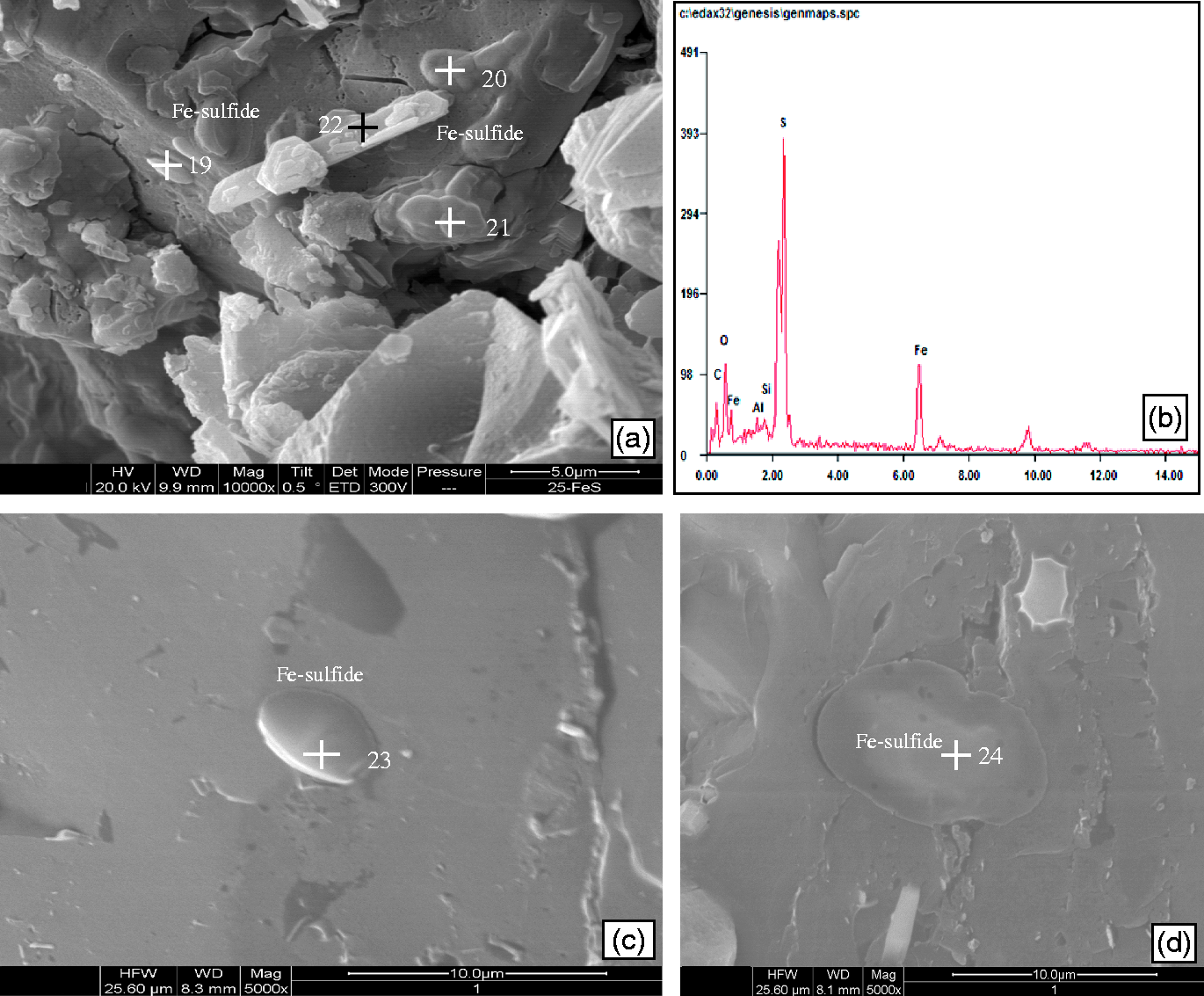
EDX analysis data (24 points) of fine-grained Fe-sulfide shown in Figures 2 to 5 and 8 are listed in Table 2. As is seen from the table, Fe-sulfide in coal usually contains some carbon and oxygen, and, to a lesser extent, aluminum and silicon. Most of the grains examined in coal show an S/Fe ratio of <2, especially for those Fe-sulfide closely associated with the organic matter of coal (e.g. Figure 8(a), there is no distinct boundary between pyrite and organic components), while some pyrite, which is not or only weakly associated with organic matter, occurs usually as clusters of fine crystals in coal (e.g. Figures 3 and 4(a)) showing an S/Fe atomic ratio > 2 and no oxygen. An exception occurs in the rounded spherical pyrite (Figure 2(c)), which is isolated from coal and has a good abrasion. So, the ratio of S/Fe in coal-pyrite is not necessarily lower than that in mineral pyrite.
An iron–sulfur coordination compound in high-sulfur Indian coal sample (Baruah and Gogoi, 1998) was considered to be a new form of sulfur present in coal because it is neither pure pyritic nor organic sulfur, although it has Fe-S-S and C-S bondings. They believed that iron can be bonded with inorganic sulfur species as well as sulfur present in aliphatic and heterocyclic units. Since a high percentage of sulfur is present in high-sulfur coals, there is a strong likelihood that, besides heterocyclic Fe–S bondings, the formation of polysulphide complex, aliphatic Fe–S bondings is quite logical (Baruah and Gogoi, 1998). The non-pyritic Fe–S bond was first identified in coal by Baruah (1984). The occurrence of non-pyritic iron bound to heterocyclic nitrogen (Majid and Ripmeester, 1986) makes it believable that non-pyritic iron can also form bonds with heterocyclic sulfur. Zhihong Qin (private communication) has found dendritic iron sulfide composed of fine crystals in organic solvent extracts of the coal, which is probably due to, in our view, the non-pyritic Fe–S bond with organic matter braking off during organic solvent extraction process, then recrystallized to form the fine iron sulfides.
On the whole, we deem that pyrite occurring in coal, when its granularity is small enough, may be chemically associated with organic component rather than physically embedded in coal matrix and cannot be expressed by chemical formula FeS2. That is to say, fine-grained iron sulfide in coal may combine with organic matters by the bond of non-pyritic Fe–S.
Conclusions
Though pyrite occurs in many forms in coal matrix, it is difficult to find fine-grained pyrite with well-developed crystals, due to the interactions between pyrite and organic matter. The S/Fe atomic ratio shows an increasing trend gradually approaching 2 when fine-grained pyrite shifts from dissemination to crystallization in coal. The ratio of S/Fe in coal-pyrite is not necessarily lower than that in mineral pyrite. Due to some crystal defects, fine-grained pyrite in coal is very active and its surface is susceptible to be oxidized. The presence of oxygen spectrum peaks shows that fine-grained pyrite in coal is partially oxidized to sulfate. Subsequently, the oxidized pyrite can form gypsum with a well-developed crystal, leaving behind some impressions in coal matrix. Sometimes fine-grained pyrite in coal may be converted to marcasite. Organic sulfur and pyritic sulfur in coal can be converted to each other under favorable conditions. Fine-grained pyrite in coal, when their granularity is small enough, may be chemically associated with organic component by non-pyritic Fe–S bond rather than physically embedded in coal matrix, and cannot be expressed by chemical formula FeS2.
Footnotes
Acknowledgements
The authors are grateful to Prof. Jim Hower and Prof. Robert B. Finkelman for their valuable comments on the manuscript.
Declaration of conflicting interests
The author(s) declared no potential conflicts of interest with respect to the research, authorship, and/or publication of this article.
Funding
The author(s) disclosed receipt of the following financial support for the research, authorship, and/or publication of this article: This study was supported by National Key Basic Research and Development Program of China (Nos. 2012CB214901 and 2014CB238905), the National Natural Science Foundation of China (Nos. 41330638, 41572145 and 41372168), the Natural Science Foundation of Jiangsu Province (No. BK20151142), the Fundamental Research Funds for the Central Universities (No. 2014ZDPY25), and A Project Funded by the Priority Academic Program Development of Jiangsu Higher Education Institutions.