




Abstract
Fuyu oil layer of Fuyu oilfield located in southern Songliao Basin, NE China, has been in high water-cut stage after more than 50 years’ water injection. According to the cores of the inspection wells, the distribution of the remaining oil is inconsistent with predictions. The water-flooding characteristics playing an important role in controlling remaining oil distribution were studied by the cores, the logging data in dense well spacing area, as well as the measurements of porosity, permeability, and remaining oil saturation. Based on the water-flooding characteristics, the reservoir architecture and sedimentary environment of Fuyu oil layer were discussed. The results show that Fuyu oil layer is not characterized by the water-flooding law of a typical distributary channel in delta systems, that the lower single sand body always has a higher water-flooding degree than the upper as it consists of channels with single sand body scale (1–2 m) and stably distributed interchannel mudstone with a thickness of 10–30 cm. The specific reservoir architecture also indicates that the sedimentation of Fuyu oil layer has undergone frequent alternations of rivers and lakes. The results not only point out the distribution of remaining oil for such mature oilfields but also offer a new method to recognize the reservoir architecture.
Keywords
Introduction
Fuyu oil layer belonging to Quantou Formation, Lower Cretaceous is one of the principal reservoirs in southern Songliao Basin, NE China (Dou, 1997; Jing et al., 2014; Wei et al., 2010; Zhao et al., 2011; Zou et al., 2006, 2007). The studied area, Fuyu oilfield, with a flat topography and an elevation of 135–150 m, is located in the eastern edge of the central depression of Songliao Basin (Figure 1). Fuyu oil layer stretching from southwest to northeast is a layered reservoir complicated by the latter faults, with a buried depth of 310–450 m, and a thickness of 90–110 m. Heavy minerals analyses indicate that the sedimentary source comes from the southwest (Feng et al., 2014; Sun Y et al., 2012). Fuyu oil layer is divided into four sand groups and 13 subzones. Sand Group I includes Subzones 1–4, Sand Group II includes Subzones 5–7, Sand Group III includes Subzones 8–10, and Sand Group IV includes Subzones 11–13.
Location of Songliao Basin and the research area.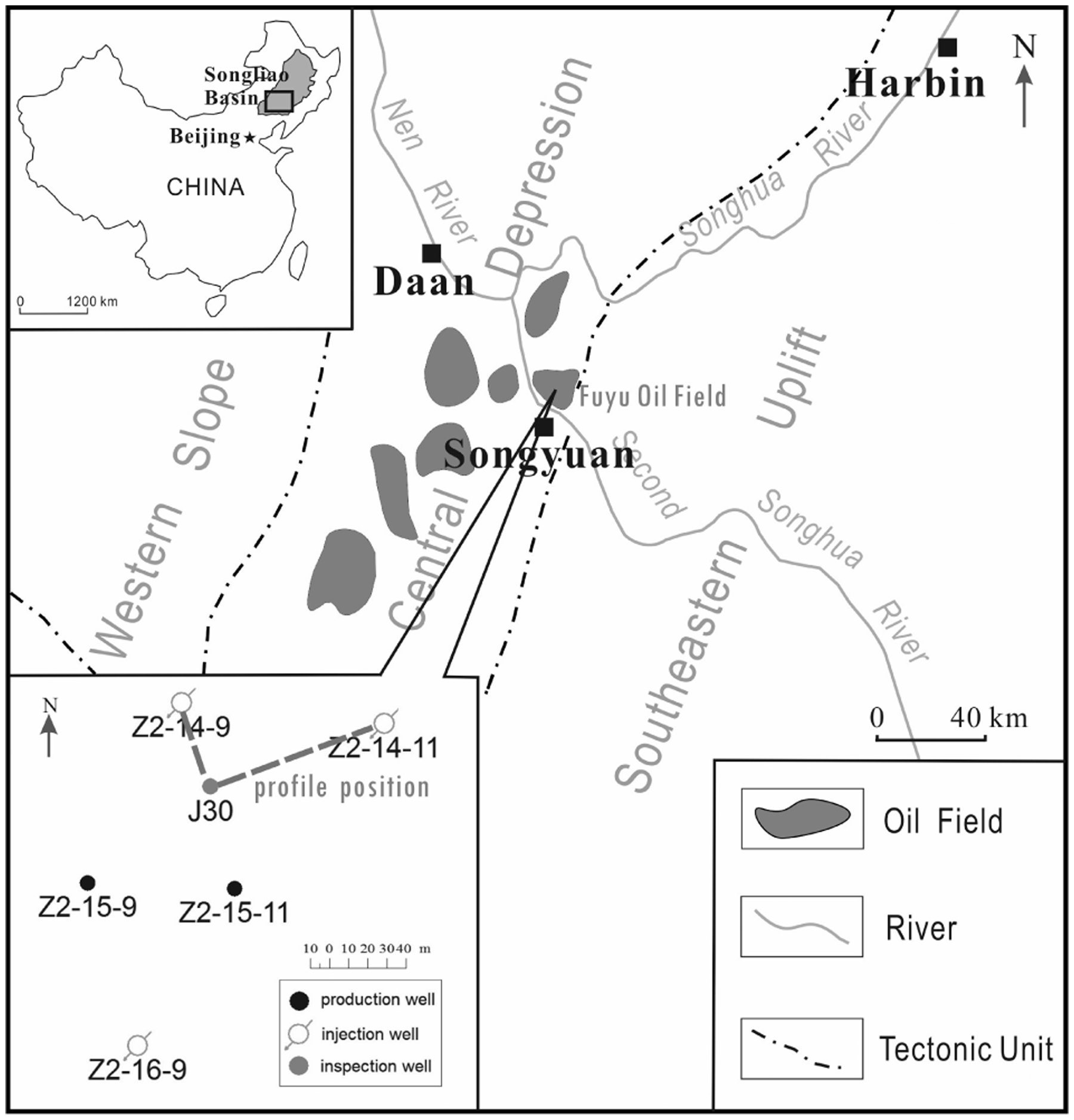
There have been numerous debates on the sedimentary characteristics of Fuyu oil layer in southern Songliao Basin. Most researchers agreed that Fuyu oil layer was classified as lacustrine delta systems dominated by rivers (Li et al., 2008; Liang et al., 2008; Ma, 2006; Wang, 2001; Zhang et al., 2001; Zhao et al., 2013). However, the progradational configuration of a typical delta has not been found during the exploration and exploitation in Songliao Basin, which suggests that whether Fuyu oil layer is classified as lacustrine delta sedimentary system is still in debate (Chen et al., 2006; Deng, 2006; Mi et al., 2013; Pan et al., 2012). According to a large number of cores, there are both celadon and fuchsia mudstones with calcareous nodule and a few plant fossils in Fuyu oil layer (Deng, 2006; Sun Y et al., 2012), implying the instability and complexity of the sedimentary environment. The misunderstanding of sedimentary characteristics and reservoir architecture will inevitably restrict further exploitation.
Fuyu oilfield is undergoing depletion and nearly reaching the final stages of primary recovery. The average moisture of Fuyu oil layer has been 94.3%, and the recent calibration recovery is 30.62%, indicating that nearly 90% of the recoverable reserves have been drawn out, and nearly 60% of the swept volume has been strong water flooded. In addition, the cores of the inspection wells demonstrate strong heterogeneity of remaining oil distribution in each subzone (Gao et al., 2012). The remaining oil distribution of Fuyu oil layer was predicted by the sedimentary pattern of distributary channels in delta systems in the previous exploitation. Former studies showed that a distributary channel was in a subzone scale, consisting of several single sand bodies and instable intercalations with an inclination of less than 4° (Figure 2). Furthermore, the permeability at the bottom of the subzone was usually higher than the top (Wen et al., 2011; Zhao et al., 2013), which indicated that the water-flooding degree was also higher at the bottom (Chen et al., 2012; Zhao et al., 2014).
Reservoir architecture of Fuyu oil layer in previous exploitation. Distributary channel deposits consist of several single sand bodies and instable intercalations. The profile position is shown in Figure 1.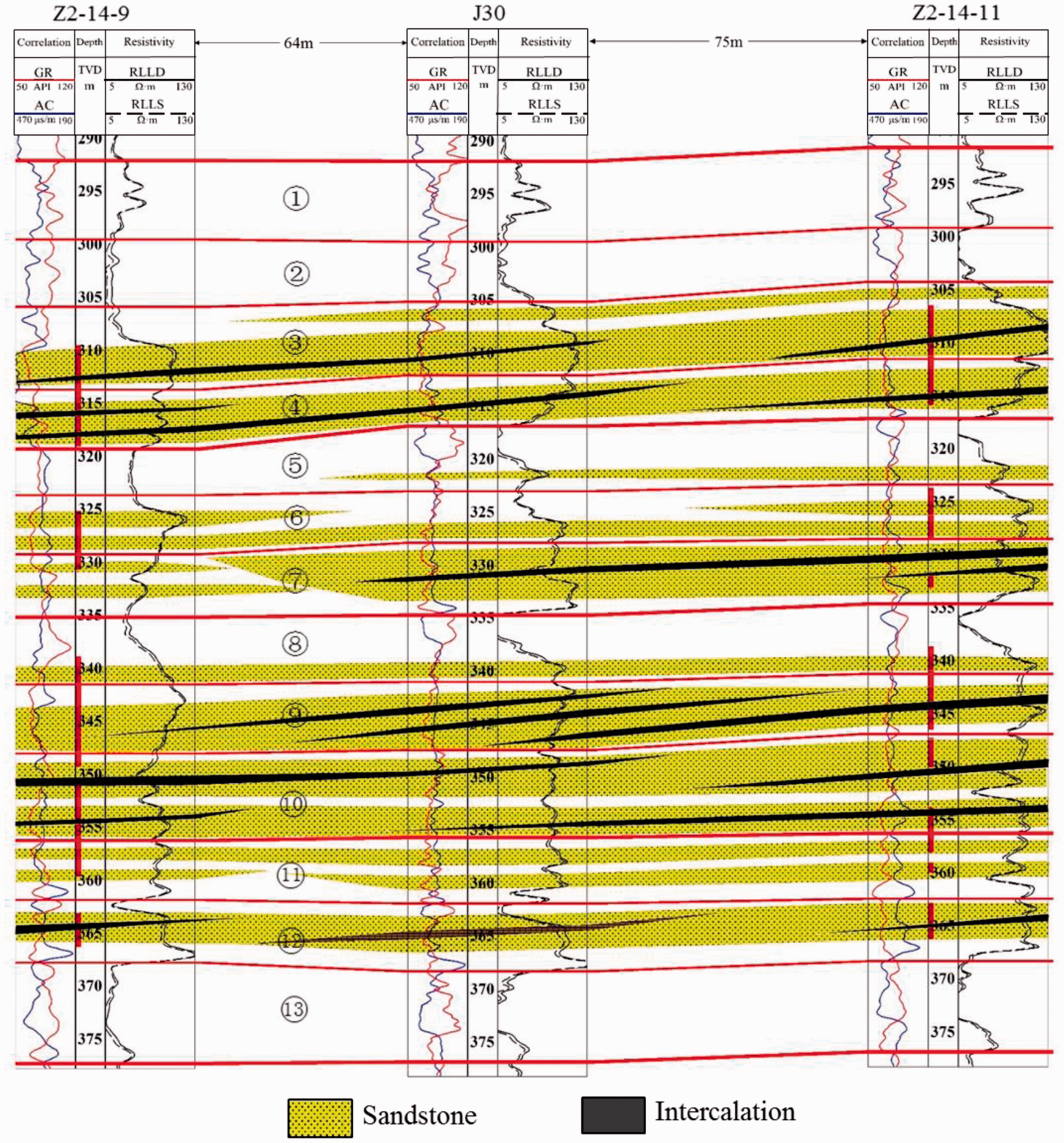
Both sealed cores and well-log interpretation are useful for evaluating water-flooding degree and remaining oil distribution in oilfield development (Gao et al., 2012; Wang, 2011). Sealed cores offer firsthand information of fluid data underground by observation and experiments. Based on well-log interpretation, water-flooding layers and water-flooding degrees can be found, which provide useful information for enhancing oil recovery. Spontaneous-potential (SP) log data and resistivity log data are common methods to identify water-flooding layer. Oil displacement efficiency and moisture content are important quantitative parameters in recognition of water-flooding degree (Bai, 2006; Song et al., 2003; Yong and Zhang, 1996).
The main purpose of this study is to give a more accurate description of the sedimentary environment, reservoir architecture, and remaining oil distribution of Fuyu oil layer by analyzing the water-flooding characteristics of the inspection wells, which may offer some guidelines in future exploitation for oilfields at high water-cut stage.
Reservoir characteristics
According to the cores, Fuyu oil layer is characterized by strong heterogeneity. Fine sandstone and siltstone with cross-beddings are separated by frequent intercalations composed by celadon mudstone, fuchsia mudstone, and lamina carbonate (Figures 3a–d). A small amount of pyrite and plant fossils are also dispersed in the reservoir. The sedimentary environment can be inferred by the color of mudstone. As both celadon mudstone and fuchsia mudstone are widely distributed in Fuyu oil layer, the sediments might be deposited under frequent alternations of weak reducing and weak oxidizing environments (Hu et al., 2008; Liang et al., 2008).
Reservoir characteristics of Fuyu oil layer: (a) celadon mudstone and fuchsia mudstone (Well J29, 341.48–346.88 m); (b) reservoir heterogeneity and frequent intercalations (Well J29, 368.90–374.30 m); (c) cross-beddings and oil-bearing heterogeneity (Well J30, 328.03–328.24 m); (d) calcareous intercalation (Well J30, 317.83–318.08 m); (e) intergranular secondary quartz (Well J30, 309.20 m, SEM); (f) kaolinite on particle surface (Well J30, 313.83 m, SEM); (g) intergranular pore (Well J30, 331.67 m, SEM); (h) dissolved feldspar (Well J30, 345.75 m, SEM). SEM: scanning electron microscope.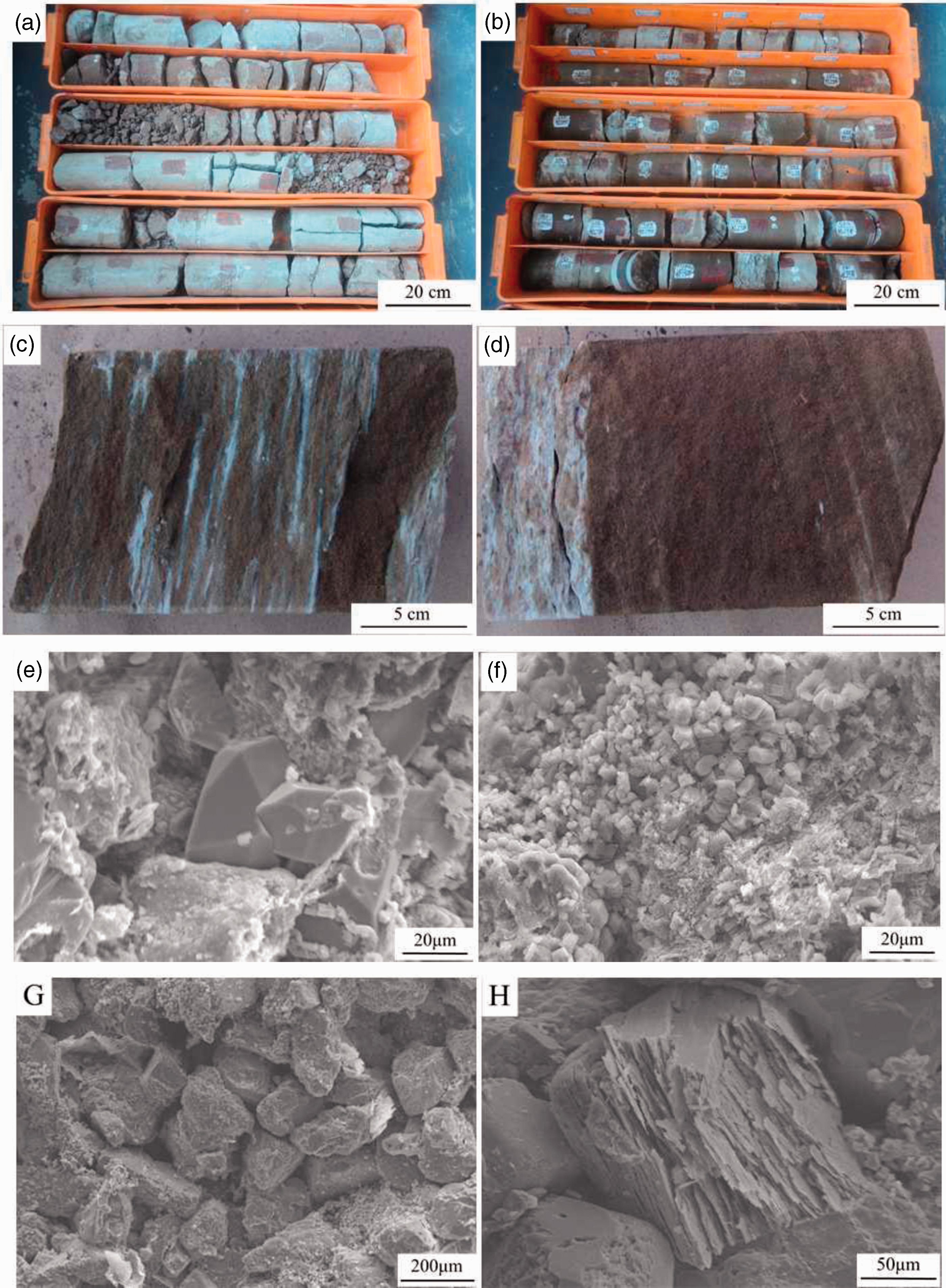
Relative content of major mineral of Well J30.
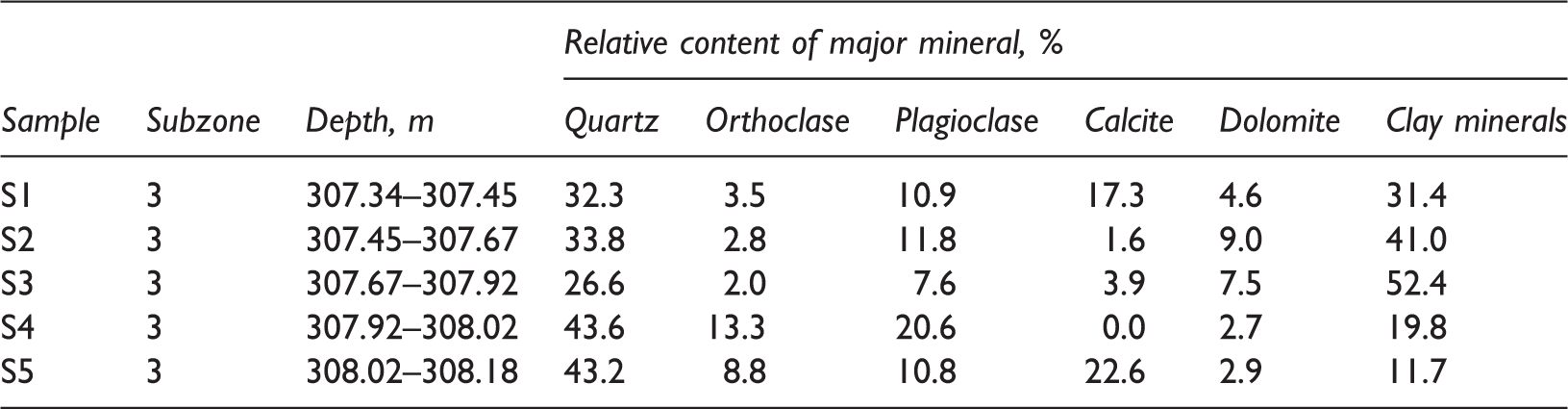
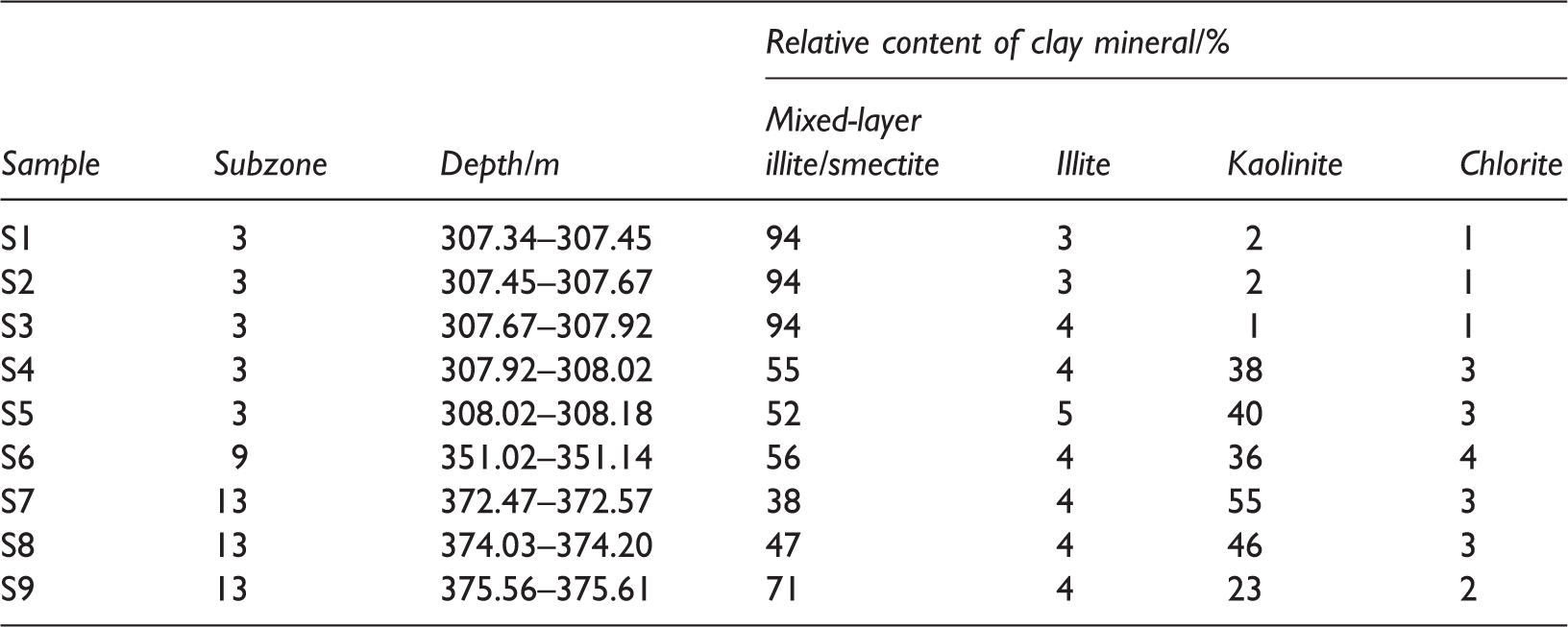
Relative content of clay mineral of Well J30.
Water-flooding characteristics
Based on core observation of Well J30, well-log interpretation, and the measurements of porosity, air permeability, and remaining oil/water saturation of 141 samples, water-flooding degrees were evaluated by both qualitative and quantitative methods.
Core observation
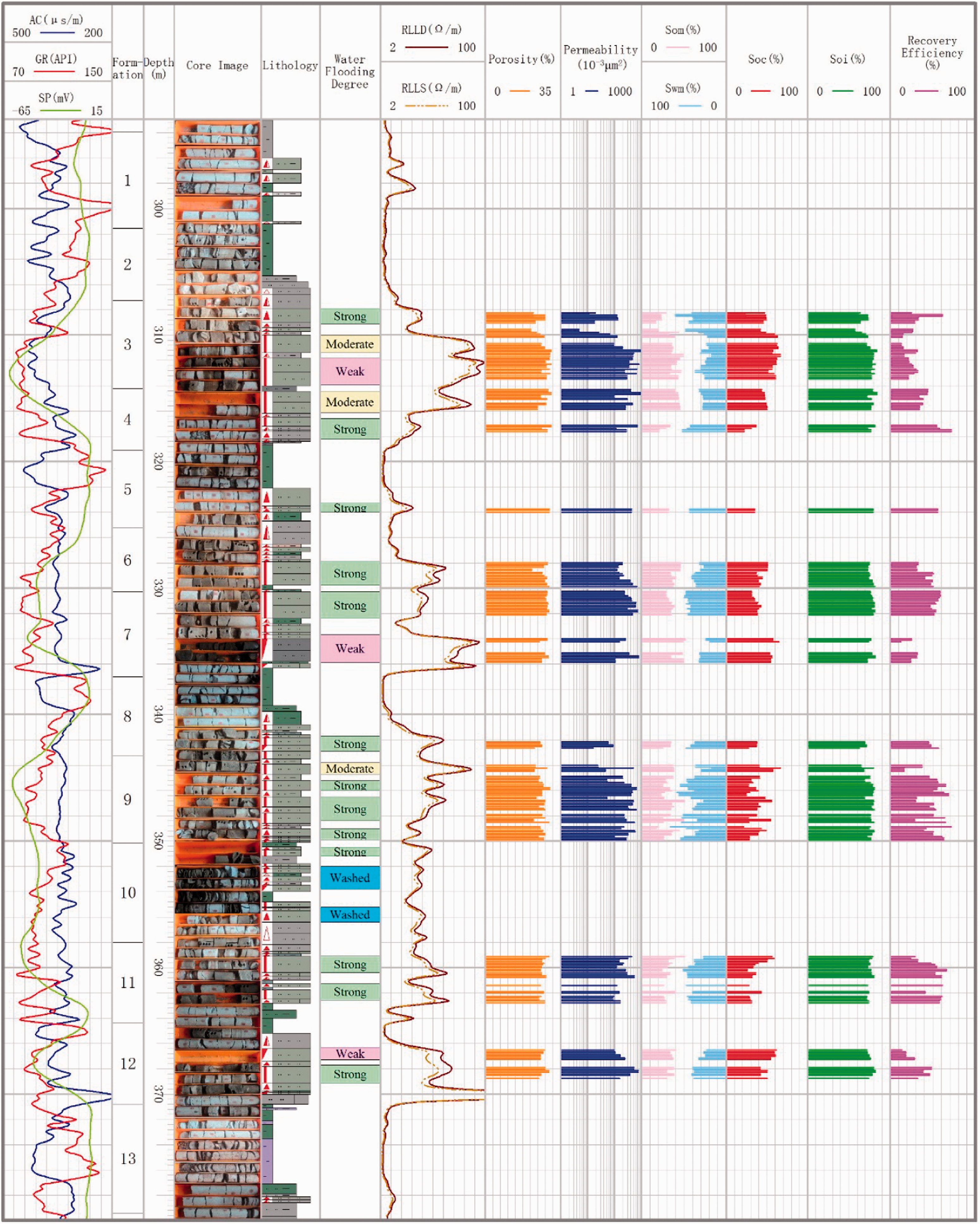
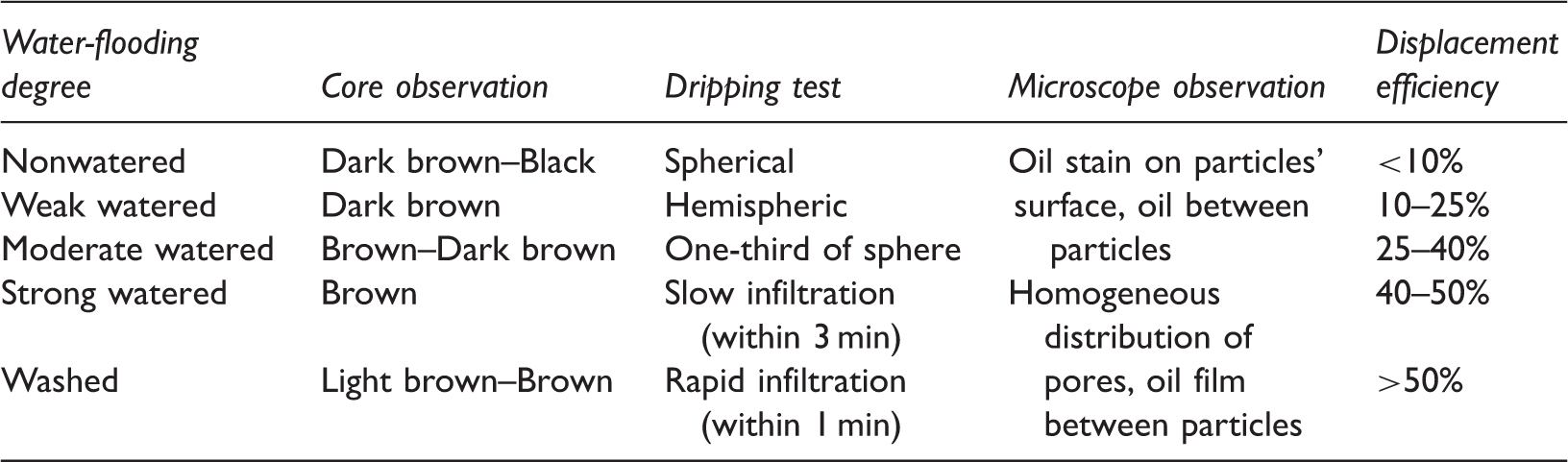
Water-flooding degree can be evaluated by the color, odor, dripping test, and microscope observation of cores (Table 3, Figures 4a and b). Core observation of Well J30 shows that despite high average moisture, the water-flooding degrees of some single bodies are extremely weak (Figure 4a). There are frequent argillaceous or calcareous intercalations with a thickness of 10–30 cm between single sand bodies, and the variation of the water-flooding degrees in a subzone is inconsistent with that in a typical distributary channel. For instance, according to the cores, the water-flooding degree of the single sand body at the bottom of Subzone 7 is weak (Figure 5), while it was supposed to be strong in the former studies. Casting thin sections show that the wettability of rocks has turned from oleophilic to hydrophilic. Injected water flows along the pathways with high permeability, resulting in oil residues in smaller pores and throats (Figures 4c–f).
Water-flooding characteristics of Fuyu oil layer: (a) weak water-flooding core (Well J30, 335.64–335.83 m); (b) washed core (Well J30, 351.87–352.10 m); (c) weak water flooding, remaining oil exits through residual intergranular pores (Well J30, 336.03 m, plane polarized); (d) moderate water flooding (Well J30, 314.52 m, plane polarized); (e) strong water flooding, uniform distribution of pores with a small amount of remaining oil (Well J30, 345.60 m, plane polarized); (f) washed, good connectivity between pores and throats (Well J30, 353.26 m, plane polarized). Water-flooding degree evaluation of Well J30. Evaluation criteria of water-flooding degrees of Fuyu oil layer (Gao et al., 2012, modified).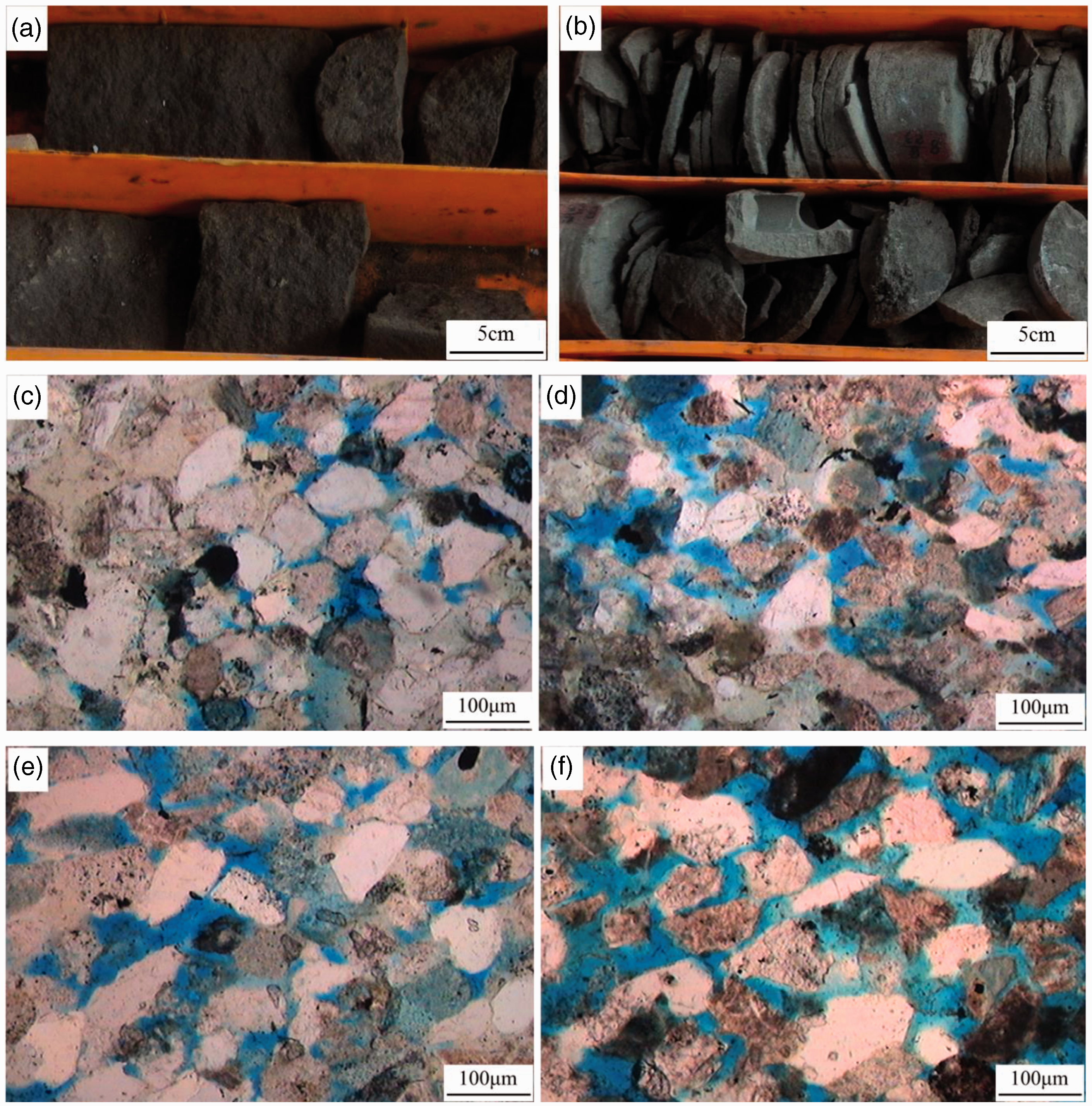
Well-log interpretation
Injected water can change the reservoir water salinity and resistivity, which leads to amplitude variation and baseline shift of SP curve. The original reservoir water salinity is 6000–8000 mg/l, the injected water salinity is 2500–5500 mg/l, and the produced water salinity is 2600–7800 mg/l (Gao et al., 2012). In general, the water-flooding degree increases with the increase of SP anomaly and the decrease of resistivity. However, water-flooding degree evaluation based on SP anomaly is always adaptable to the thick sand layers (usually >3.5 m) without strong heterogeneity, whereas the thickness of a single sand body of Fuyu oil layer is always less than 2 m. Therefore, the resolution of the method based on the change of SP curve is not high enough (Figure 5). In this study, gamma ray (GR) and alternating current (AC) log data were used at first. The sand layers with good petrophysical properties are characterized by low GR and relatively high AC, and the tight layers with calcareous cement always have an extremely low AC. Resistivity log data was used afterward because the lower the resistivity is, the higher the water-flooding degree will be. The results are shown in Figure 5.
Recovery efficiency calculation
Based on the remaining oil and water saturation measurements of 141 samples of Well J30, the recovery efficiency was calculated to evaluate the water-flooding degree. The water-flooding degree always increases with the porosity and air permeability under the injection–production corresponding conditions.
The correction of remaining oil and water saturation
The remaining oil and water saturation were measured under the sealed coring conditions with normal pressure. Degassing resulted from the decrease of pressure in the process of drilling and always leads to the sum of the measured oil and water saturation less than 100%. Therefore, the corrections of remaining oil and water saturation were needed. The regression statistical formulas of Fuyu oilfield were used (Gao et al., 2012):


Original oil saturation
Original oil saturation was calculated based on the regression statistical formulas built in the previous Fuyu oilfield exploitation (Gao et al., 2012):


Current recovery efficiency
The current recovery efficiency was calculated by the following formula:

According to the core observation of Well J30, well-log interpretation, and recovery efficiency calculation, there are still several single sand bodies with extremely low recovery efficiency, although the average moisture has been more than 90%. Moreover, the water-flooding degrees of single sand bodies vary greatly vertically without the characteristics of a typical channel, that the water-flooding degree at bottom is usually higher than the top (Figure 5).
Discussion
Stable intercalations
The single sand body correlation of Well J30 and its adjacent injection wells, Well Z2-14-9 and Well Z2-14-11, shows the well-correlated intercalations (Figure 6). According to the cores of Well J30 (Figure 5), the water-flooding characteristics in a subzone of Fuyu oil layer are in accordance with neither positive rhythm as point bar’s or distributary channel’s, nor reverse rhythm as mouth bar’s. Typical meandering river point bar consists of several lateral superposed single sand bodies separated by unstable intercalations, which are usually connected at the bottom. In the process of sediments filling, the petrophysical properties of the lower single sand body are better than the upper. In addition to gravity, the water-flooding degree at the bottom is usually higher than at the top (Figure 7a). The distributary channel in delta system, which has similar water-flooding characteristics to the point bar, is characterized by intercalations with small inclination angle (usually less than 4°) that tilts to the basin (Figure 7b). On the contrary to point bar and distributary channel, the mouth bar has the highest permeability at the top, which makes the injected water drive along the upper sand bodies at first. Due to the effect of gravity, the lower sand bodies can also be gradually swept (Figure 7c).
Water-flooding characteristics in the cross-section of Well J30 and its adjacent injection wells. Water-flooding patterns in different sedimentary environments: (a) water-flooding pattern of point bar; (b) water-flooding pattern of typical distributary channel; (d) water-flooding pattern of mouth bar; (d) water-flooding pattern of Fuyu oil layer.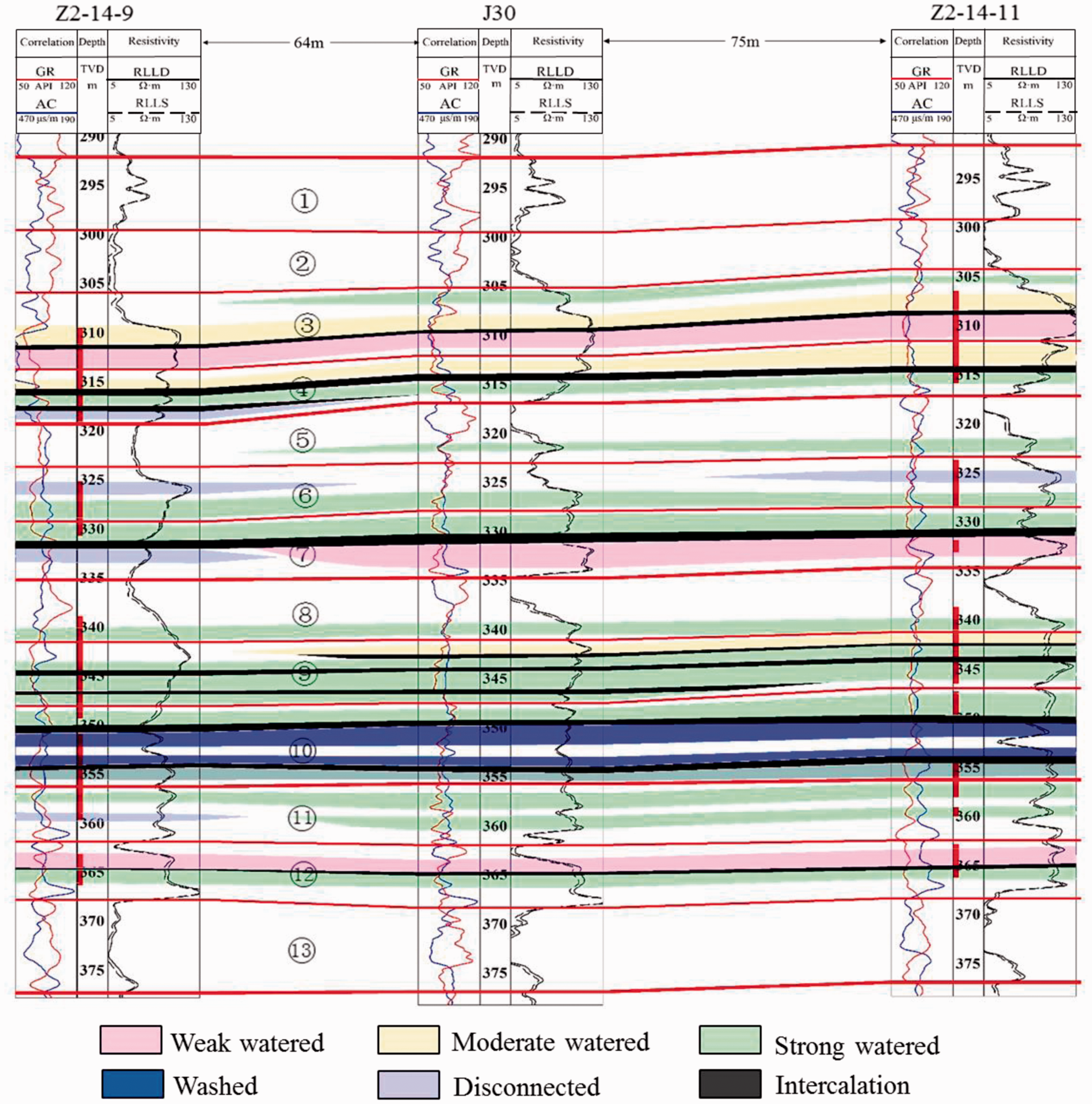
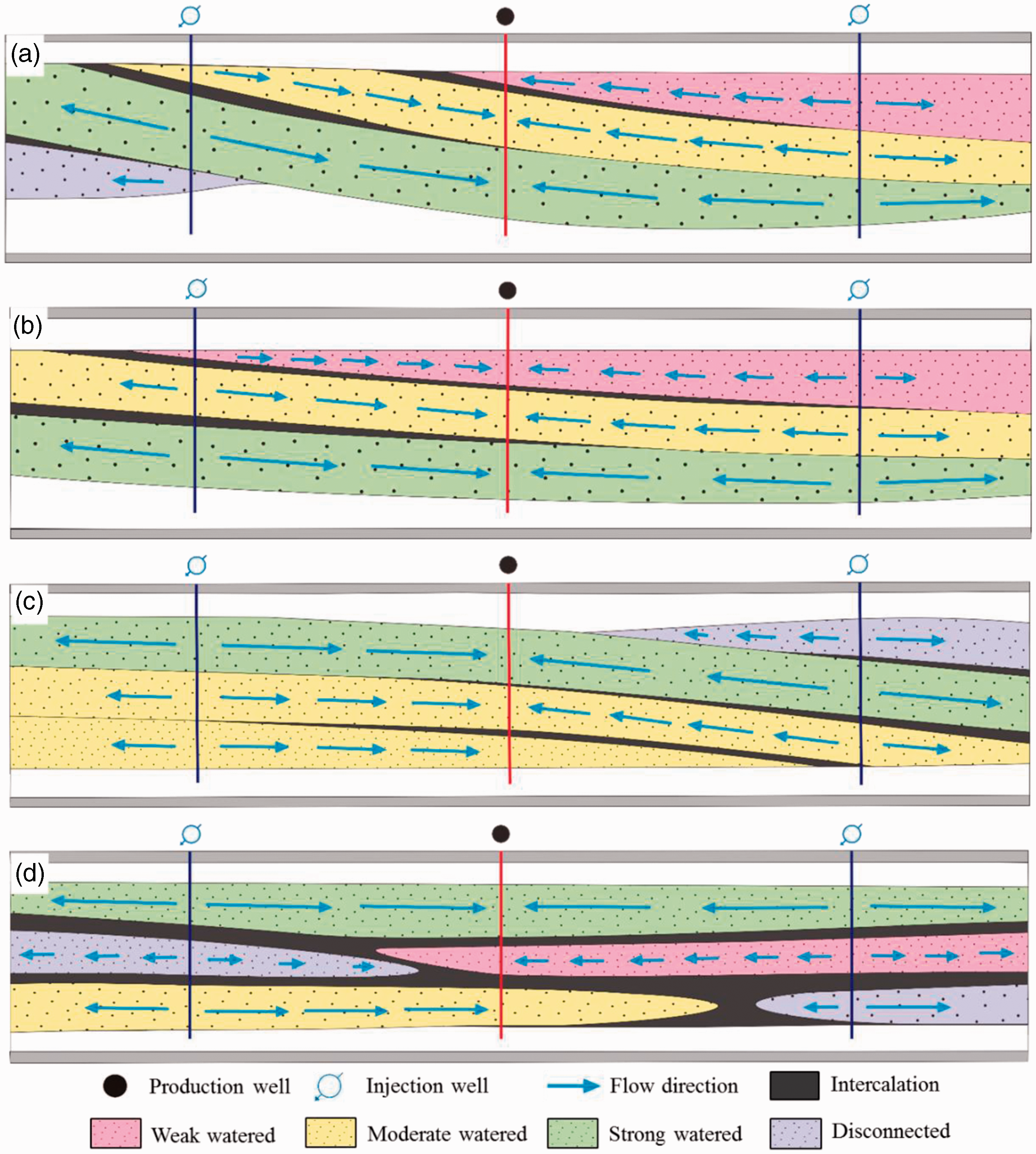
The water-flooding pattern of Fuyu oil layer is shown in Figure 7d. Although the thickness of the intercalations ranges from 10 to 30 cm, the distribution of intercalations of Fuyu oil layer is much more stable than we thought in a previous study, when compared with the sedimentary environment mentioned earlier. This is because of the separation made by the stable intercalations that leads to the poor connectivity between the upper and the lower single sand bodies, as well as the irregular variation of water-flooding degrees. For instance, although the petrophysical properties of the single sand body below the nethermost intercalation of Well J30 in Subzone 3 are better than those of the single sand body above, the lower one is weakly water flooded because of the isolation made by the stable intercalation (Figure 6).
Frequent alternations of fluvial and lacustrine environments
Based on the water-flooding characteristics and core analyses of Well J30, Fuyu reservoir architecture is characterized by stable intercalations between the single sand bodies (Figure 8). The alternating occurrence of celadon mudstone and fuchsia mudstone with caliche nodule, pyrite, and plant fossils unravels the unstable sedimentary environment. The small-scale single sand body and high intercalation frequency show that sedimentary environment changes faster than we thought in the past. Besides, according to the previous studies of southern Songliao Basin, both celadon mudstone and fuchsia mudstone were widely distributed (Ma, 2006), which demonstrates that the slope of the area where Fuyu oil layer deposits is very gentle. Therefore, even a small change in the water level can cause a significant change in the lake strandline.
The reservoir architecture of Fuyu oil layer.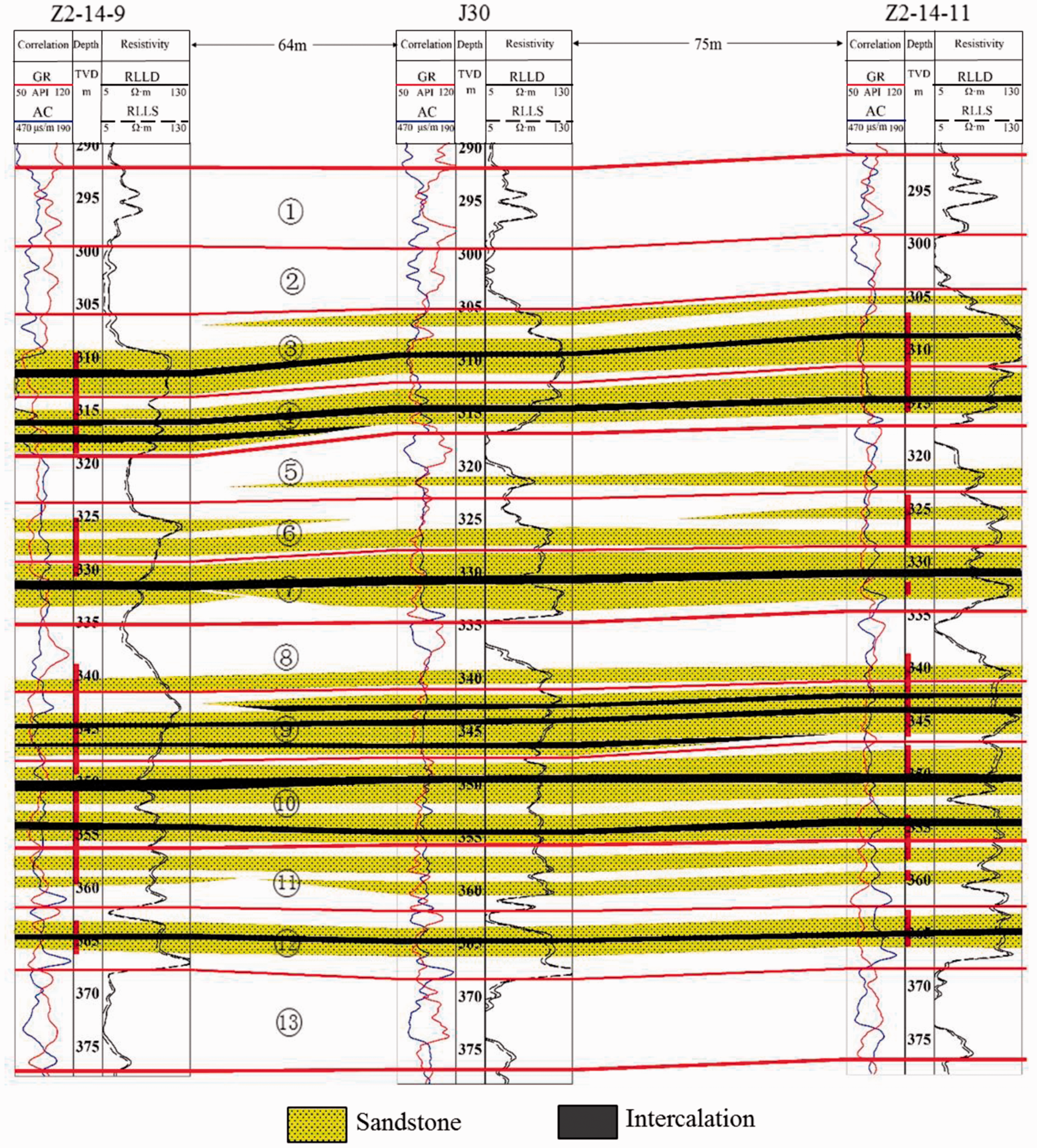
The sedimentary environment of Fuyu oil layer is classified as a transitional environment different from the typical fluvial and lacustrine delta systems. This is because that the channel of the fluvial or lacustrine delta system always consists of several single sand bodies and unstable intercalations, while the channels of Fuyu oil layer are in single sand body scale, and are always separated by stable interchannel mudstone. In addition, the progradational configuration which is the symbol of a typical delta system, has not been found during the oilfield exploitation (Chen et al., 2006; Deng, 2006; Pan et al., 2012).
The study of reservoir architecture always depends on outcrops and modern sedimentation (Miall, 1996, 2002, 2006; Nichols and Fisher, 2007; Olariu and Bhattacharya, 2006). According to the survey of modern sedimentation, Poyang Lake, which is the largest freshwater lake in China (28°24′–29°46′ N, 115°49′–116°46′ E), is a leaked lake with gentle slope and shallow water. It has the characteristics of a lake from March to July when precipitation is large and the characteristics of a river from October to the following March when precipitation decreases (Jin et al., 2014). This kind of sedimentary pattern, which is called alternations of fluvial and lacustrine deposition in this article, offers a good explanation to the sedimentary and water-flooding characteristics of Fuyu oil layer. In arid season, the water level of the lake drops, and most of the lakebed is exposed by leaking out and evaporation. Fluvial sand bodies deposit at this time. As the sedimentary environment changes fast, the channel usually consists of only one single body with a thickness of 1–2 m. In humid season, the water level increases, the channels are submerged under water, and the deposits are mostly lacustrine mudstone characterized by small thickness and wide distribution.
Remaining oil distribution
The remaining oil always accumulates in the single sand bodies with poor connectivity of injection and production wells. However, even if the single sand body corresponds well, permeability heterogeneity always has an influence on the remaining oil distribution.
A rock is considered to show anisotropy of permeability when the measured permeability varies depending on the direction of fluid flow through the sample (Farrell et al., 2014; Meyer, 2002; Sun DS et al., 2012). As the deformation in the research area is weak, the preferential orientation that has the highest permeability is in accordance with the oriented fabrics and foliations during deposition. Therefore, the water-flooding degree in the preferential orientation is always higher, and the injection well that is in the paleoflow direction usually has a greater effect on recovery efficiency of the production well. According to the distribution of the nethermost single sand body in Subzone 7 (Figure 9a), the injection well Z2-14-11 is just at the opposite direction to the paleoflow, which explains the reason why the single sand body of J30 is weakly water flooded (Figure 5). Therefore, under the injection–production corresponding conditions, the remaining oil accumulates in the direction perpendicular to paleoflow, and from the micro perspective, the remaining oil exists in the pores and throats along the short axis of the oriented mineral particles (Figure 9b).
Horizontal distribution of remaining oil. (a) The distribution of the nethermost single sand body of Subzone 7, the blue arrow shows the paleoflow direction. (b) Microscopic analysis of predominant displacement direction. The pink arrow shows the paleo current direction, and the yellow arrow shows the direction perpendicular to paleoflow direction, where more remaining oil accumulates (Well J30, 345.60 m, plane polarized).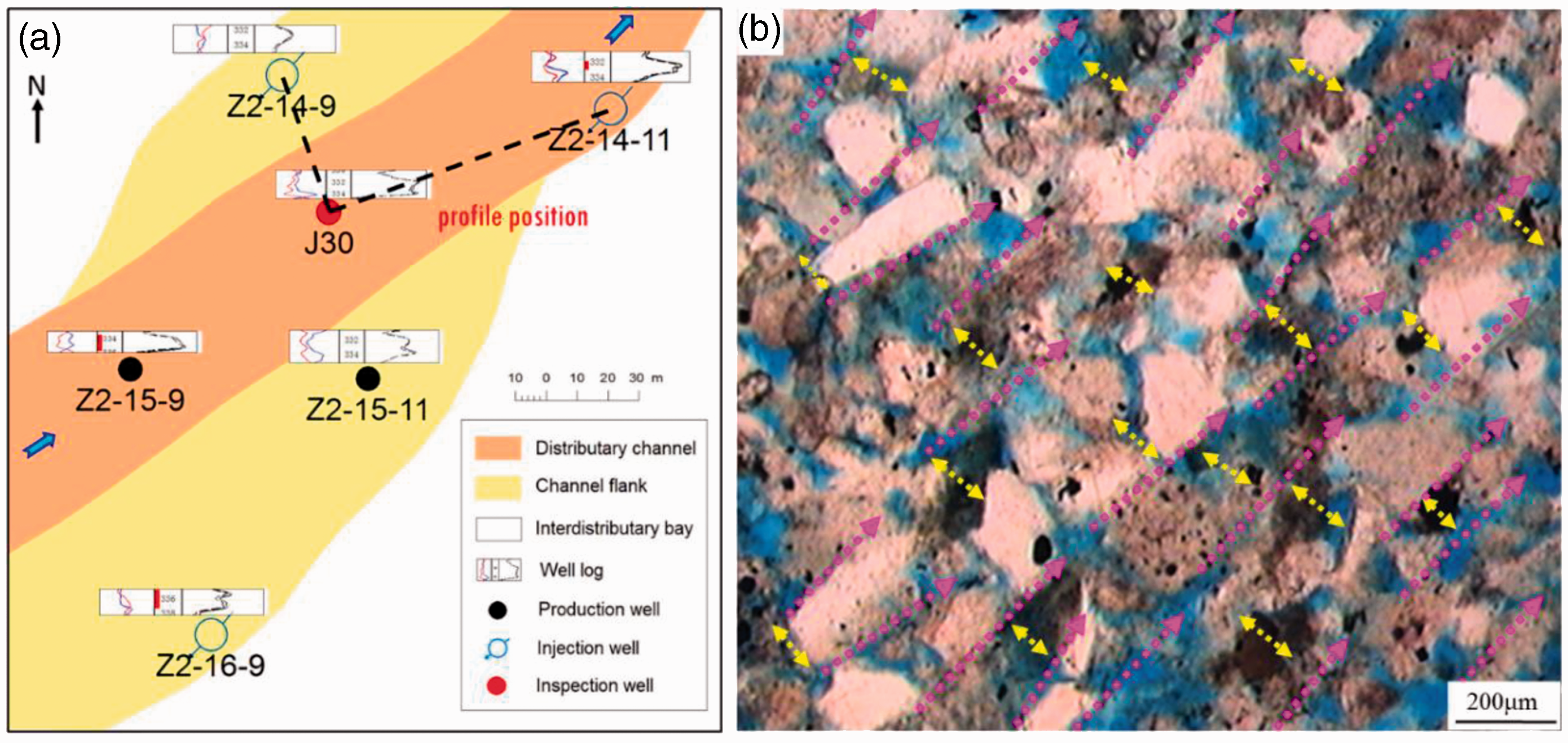
Conclusions
According to the sealed coring wells, Fuyu oil layer is composed by fine sandstone, siltstone, celadon mudstone, fuchsia mudstone, lamina carbonate, a small amount of pyrite, and plant fossils, indicating alternatively weak reducing and weak oxidizing environments.
The variation of water-flooding degrees of the single sand bodies in a subzone is inconsistent with that of channel deposits in either fluvial or delta system. The stably distributed intercalations ranging from 10 to 30 cm are the most important controlling factors of water-flooding characteristics. Therefore, a water-flooding layer is not in a subzone scale but in a single sand body scale.
Based on the water-flooding characteristics, the reservoir architecture is in accordance with neither channels in fluvial or delta system that are fining upward, nor mouth bars in delta system that are coarsening upward in a subzone scale. The sedimentary environment is classified as alternating environments of fluvial and lacustrine system, such as the modern Poyang Lake. The single sand bodies with a thickness of 1–2 m mainly deposit in arid season, and the widely distributed intercalations are lacustrine deposits in humid season.
The anisotropy of permeability also has an effect on the distribution of remaining oil, as the permeability in the paleoflow direction is the highest. It is proposed that the remaining oil accumulates in the direction perpendicular to paleoflow in macrocosm or in the pores and throats along the short axis of the oriented mineral particles in microcosm.
Footnotes
Acknowledgments
We are grateful to Yufeng Lu and Yongmin An of Fuyu Oil Production Plant for data collecting. We would like to thank Dr Lina Zhai for her discussions and help throughout the process of this study. We also appreciate the anonymous reviewers for their constructive comments on the early version of this manuscript.
Declaration of conflicting interests
The author(s) declared no potential conflicts of interest with respect to the research, authorship, and/or publication of this article.
Funding
The author(s) disclosed receipt of the following financial support for the research, authorship, and/or publication of this article: This study was supported by National Basic Research Program of China (Grant No. 2009CB219302) and Jilin Oilfield Company of Petro China.