




Abstract
Moisture buffering utilises hygroscopic construction materials as a more sustainable approach to passively moderate indoor humidity. This study seeks to develop a reproducible test method to obtain a moisture buffering value of common building materials under conditions that reflect typical indoor environmental conditions. Temperature and humidity variations in sinusoidal profiles for two different materials, typically used to finish internal surfaces, have been studied to identify their potential moisture regulation behaviour. Outcomes were then combined and ranked indicating the potential of materials to passively regulate the indoor humidity and the need for robust methods of investigation.
Introduction
A hygroscopic material, often porous or fibrous with vapour permeable properties, will form a passive moisture buffering phenomena where moisture can move between the environment and the material. This results in moisture adsorption during high moisture load phases and desorbing during low moisture load phases to achieve a moisture equilibrium with the vapour pressure. Construction materials can use this moisture buffering to control indoor humidity, passively regulating fluctuations overall achieving a greater stability of the indoor environment. Extremes in relative humidity (RH) are associated with poor indoor air quality and impacts occupants’ comfort, health and wellness.
Modern buildings are designed to be well-insulated with minimum infiltration to reduce heat loss. While indoor RH is conventionally controlled by air-conditioning units, such systems have been shown to be inadequate to bring indoor RH to the optimal level in certain cases 1 and require additional energy consumption. Occupant interaction with mechanical systems plays a vital part in energy and carbon performances of buildings, as well as regulating the indoor air quality. Simonson et al. 2 reported the merit of having hygroscopic materials within an enclosed space to moderate indoor humidity variation, while others later testified on the positive impact on energy efficiency 3 and occupant comfort. 4
There are a variety of methods to investigate a material’s role in passive regulation of humidity levels. All the methods cycle between time periods of high humidity and low humidity in a square wave. Different methods utilise different time periods and different humidity, but all use a constant temperature and the square function. The NORD test method is currently the most recognised way to appraise the moisture sorption in materials 5 and is proven to be highly reproducible. 6 However, due to the nature of NORD test method’s assumptions, the data-collection cycle is very limited as the moisture uptake and release pattern is restricted by the 2-step pre-set moisture load. McGregor et al. 7 concluded that the different tests produce comparable results but only under very specific conditions, thus raising the question if such assumptions reflect real-world conditions. Other studies have been carried out in stages, from observations of actual climate response8–10 to full-scale building based on previous simulations. 11
The aim of this article is to develop an alternative method of quantifying a dynamic response to environmental humidity that accounts for temperature variation. The objectives include investigating the effect of temperature on moisture buffering performance, as well as a sinusoidal variation rather than the typical step-response for different finishing materials. Two materials were included in the study to observe the diversity of response to justify the feasibility of applying this testing method across different materials.
Materials and methods
Materials
Under varying high and low humidity conditions, moisture will only penetrate so far into a hygroscopic material before desorbing and will vary depending on the physical and chemical properties of the material. For typical plastering material, this maximum depth is approximately 10 mm. 12 Therefore, this study will only consider these surface finishing materials that can interact with the environmental RH. The materials selected include gypsum plaster, a conventional building material, and ‘clay’, an earthen-based plaster material shown to have superior moisture buffering properties. 12 The ‘clay’ used is kaolinitic with significant amount of silt sized particles and fully characterised by Maskell et al. 12
Each specimen was prepared in accordance with the NORD test. The size was 150 mm × 150 mm × 20 mm thick, where specimen thickness is twice the expected moisture penetration depth 12 to allow for uncertainties. Before placing the specimens in an environmental chamber with controlled varying conditions, the back and side faces of the specimens were covered in aluminium tape to seal to ensure that the interaction with surrounding air moisture only occurs through one face (area of 150 mm × 150 mm) of the material. Specimens were first stored in an environment at 23°C and 50% RH after casting for 28 days and weighed to ensure they were at equilibrium with the environment. After that, they were transferred to the environmental chamber at the same conditions for at least 96 h (4 days) before testing in accordance with the NORD test procedure.
Methods
Summary of test conditions limited to ideal constants.
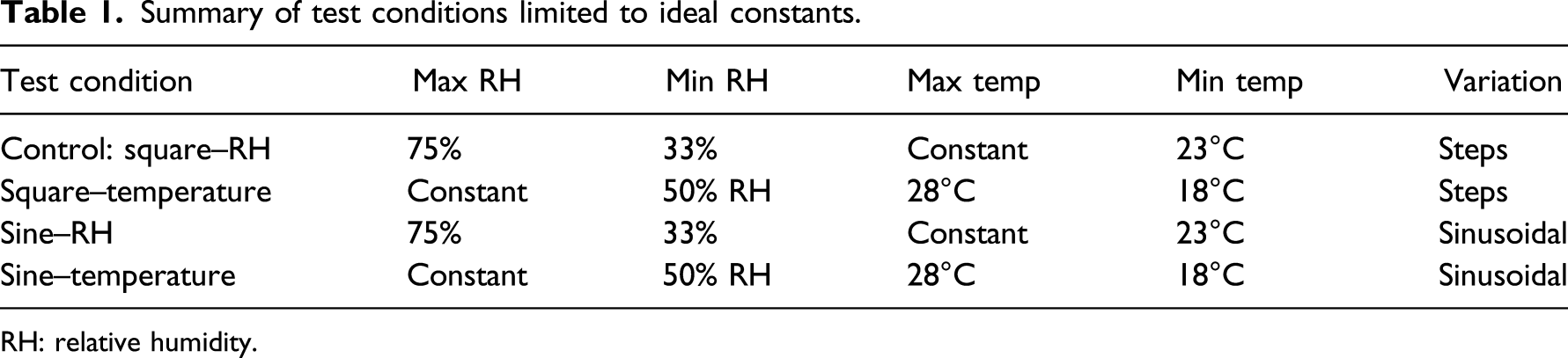
RH: relative humidity.
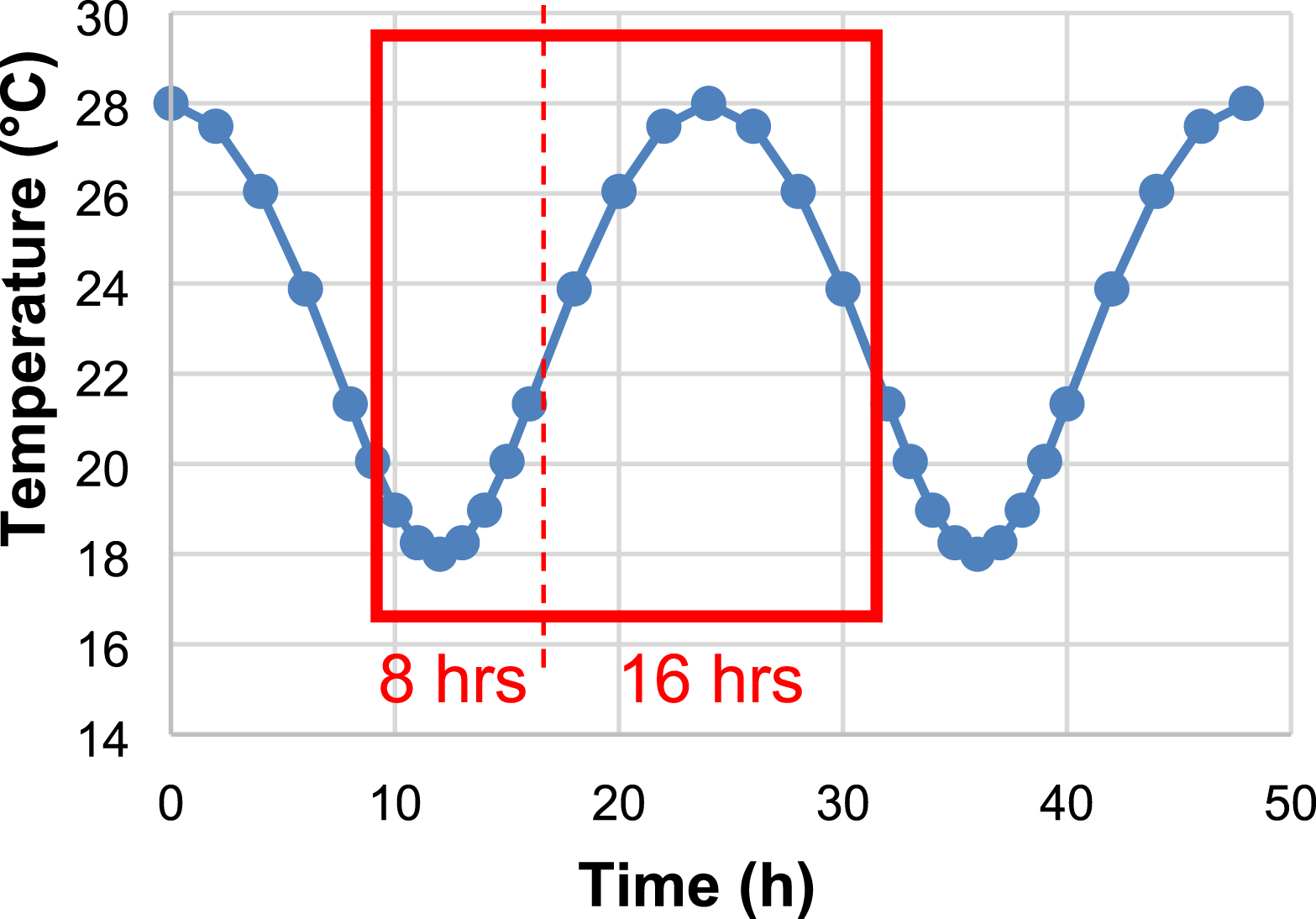
A sinusoidal variation curve referencing the step variation has been created, where high RH is maintained for 8 h and low RH is maintained for 16 h (Figure 1). Being inversely proportional to RH, the temperature variation was set to start with an 8-h decrease from the mid-point (Figure 2). Testing profiles were limited to ideal conditions taken to be 23°C and 50% RH, temperature variation inversely proportional to RH limited by lowest acceptable temperature (18°C) and maximum allowable temperature for overheating (28°C). Sinusoidal relative humidity variation load profile. Sinusoidal temperature variation load profile.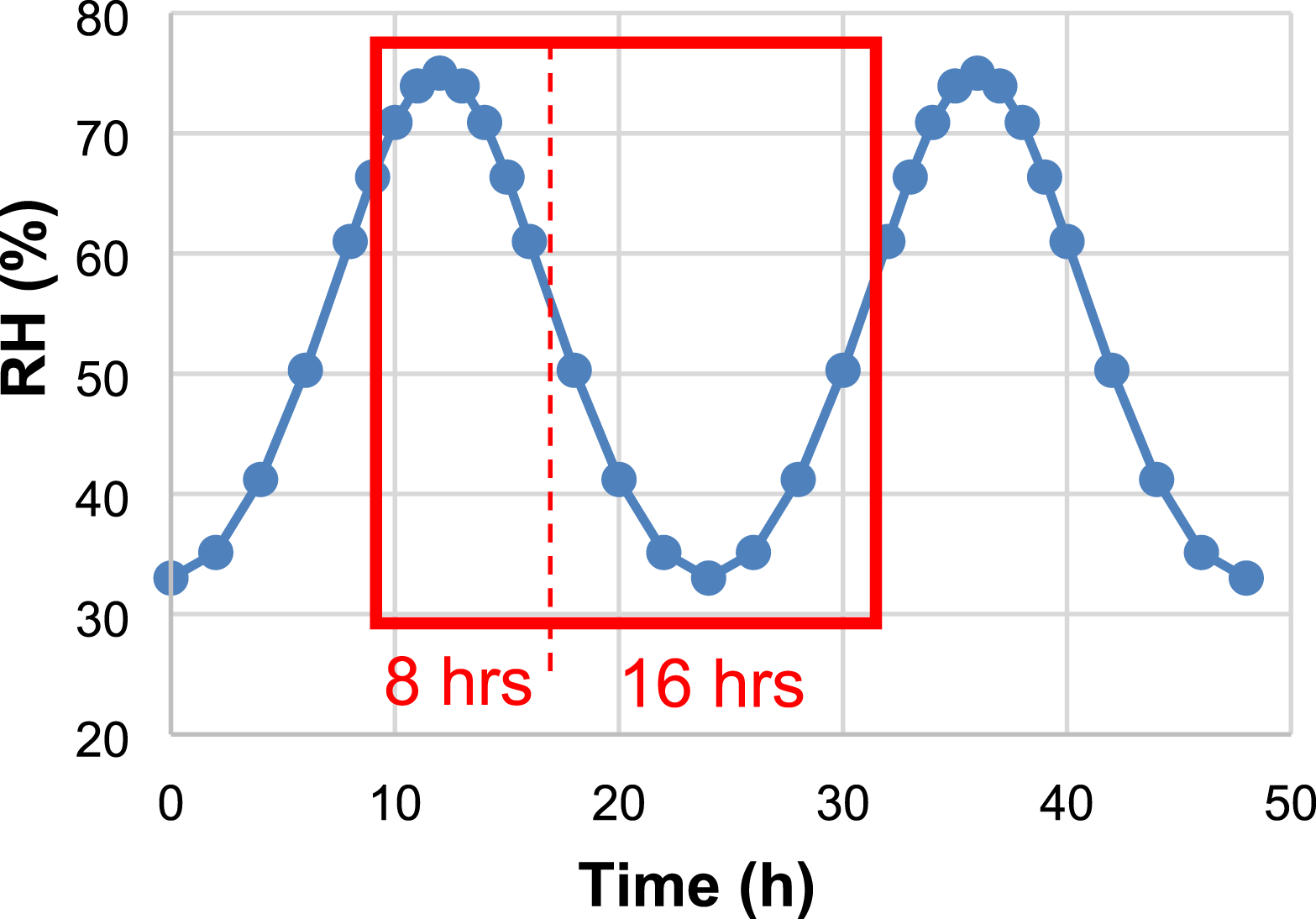
An environmental chamber (DY100 manufactured by ACS) was used, allowing for an accuracy of ±0.1 K and ±1% for temperature and RH, respectively. However, these are under static conditions and the impact under dynamic conditions needs to be considered. While efforts were made to keep air velocity within the range of 0.02–0.3 m/s, 13 the effect of airflow variation is not taken into account. The test period is set to be 24 h per cycle, with minute-interval data collection to study behaviour pattern of the materials under specified condition. Each test is allocated to run for two cycles to obtain feasible data, repeated for three specimens for each of the two materials.
Results
Square wave variation of independent humidity and temperature
Tests were carried in triplicate out for the NORD test acting as a control, showing an expected response as in Figure 3. However, the gypsum sample displayed a higher moisture uptake amplitude compared to the clay sample.
14
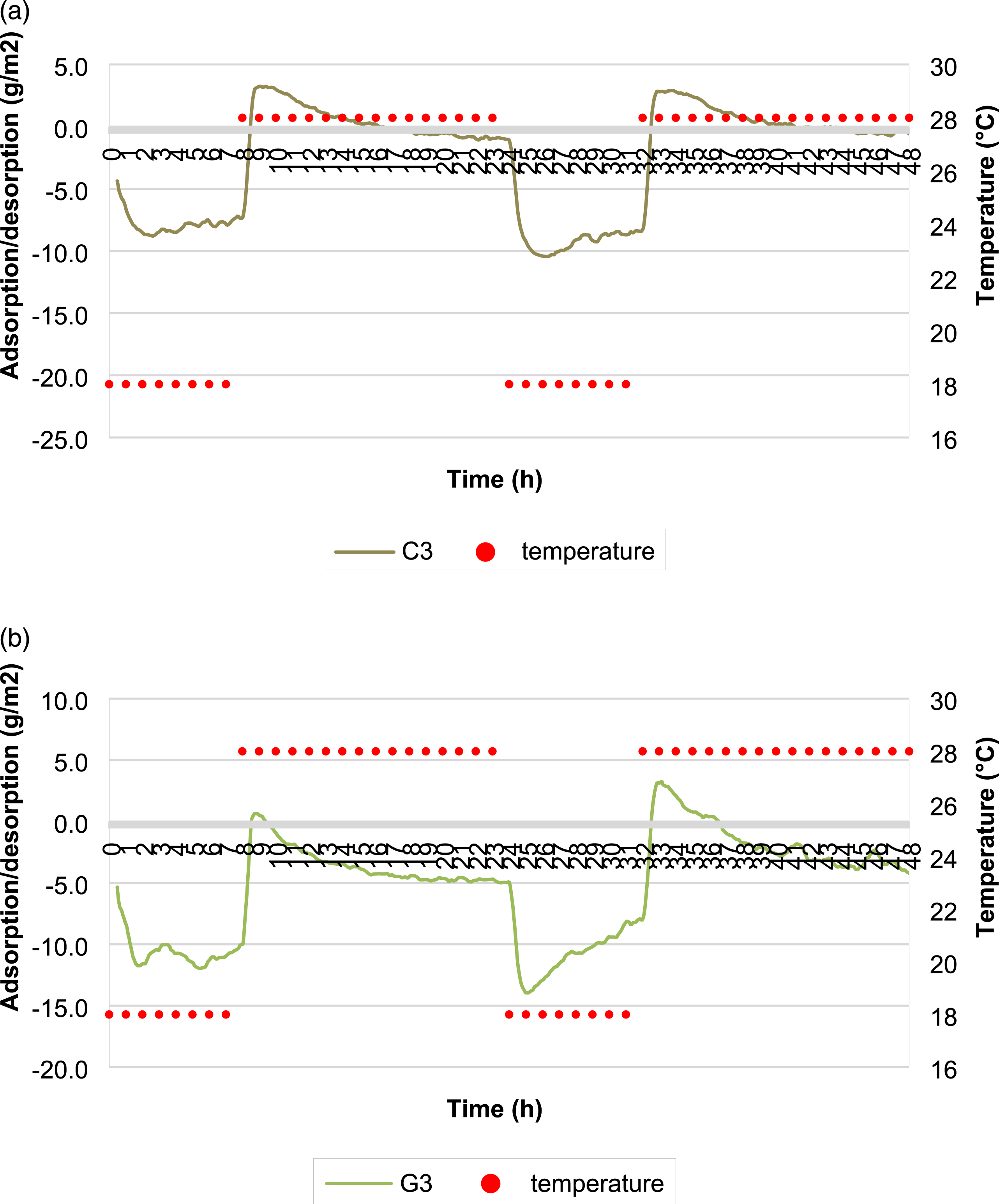
Different composition of the clay samples which also consist of silt may be the main cause for this unprecedented result. At constant RH, the specimens adsorbed and desorbed moisture when temperature is changed in a step function (Figure 4(a) and (b)). Despite the RH being set to be constant, the material still continued to equilibrate with time and the surrounding conditions, demonstrating the impact of temperature of the hygrothermal transport mechanisms. Comparison of clay and gypsum performance in NORD test. (a) Sorption of clay against time with temperature step variation at 50% RH. (b) Sorption of gypsum against time with temperature step variation at 50% RH. RH: relative humidity.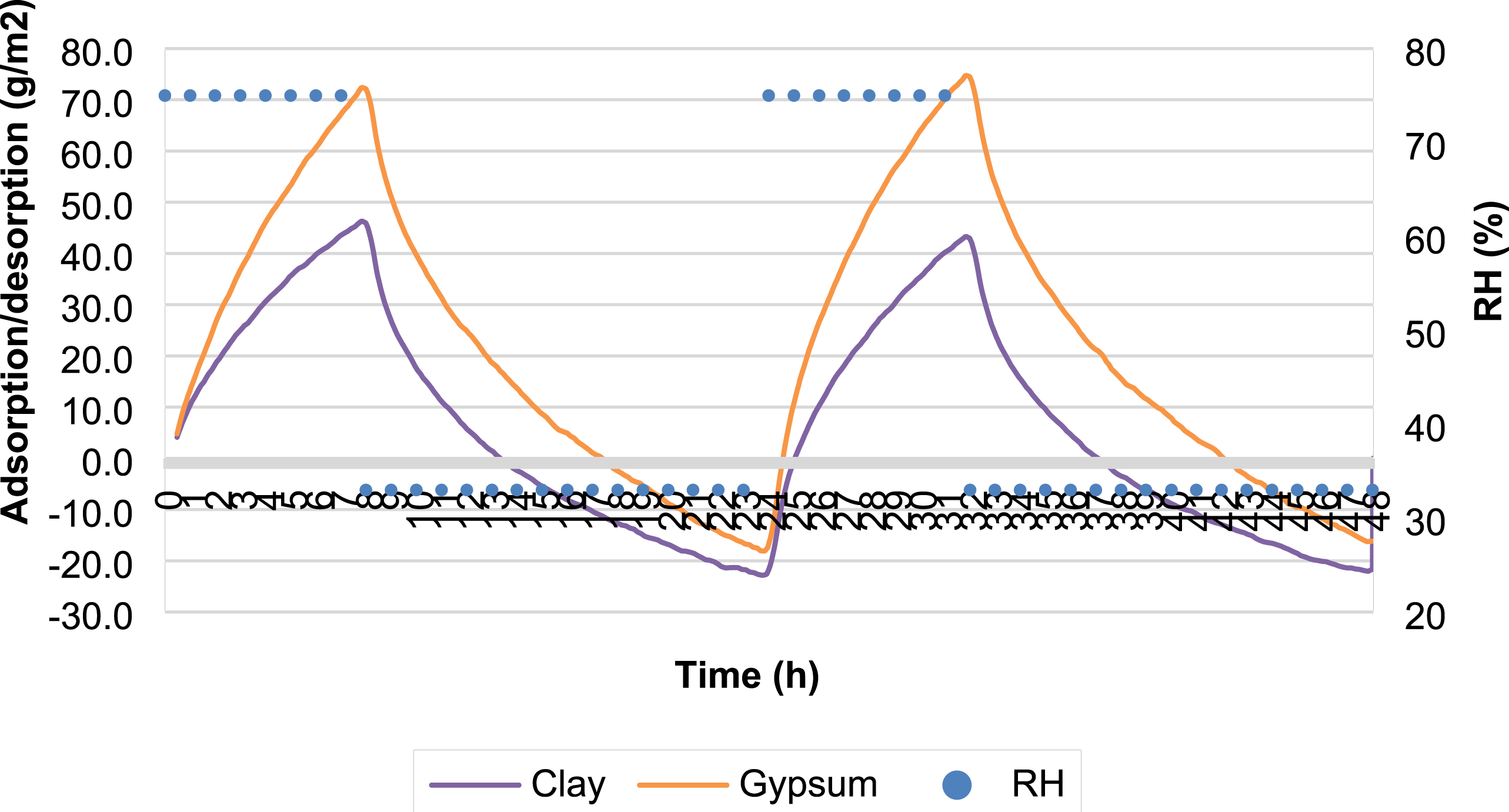
Sinusoidal wave variation of independent humidity and temperature
Similar responses were observed for the clay, and the gypsum plaster with only the gypsum material is presented in Figures 5 and 6 for clarity, and Tables 2 and 3 show both gypsum and clay materials’ averaged test results. The performance of the materials can be characterised in multiples ways: Amplitude – representing the absolute value of the local maximum (or minimum in desorption) for the given period. Offset – representing the time period between the peak programmed condition and the peak of the adsorption and desorption. Sorption of gypsum specimen against time with humidity sinusoidal variation at different constant temperatures. Sorption of gypsum specimen against time with different constant relative humidity. Summary of averaged desorption (des.) and adsorption (ads.) test results subjected to sinusoidal RH variation. RH: relative humidity. Summary of averaged desorption (des.) and adsorption (ads.) test results subjected to sinusoidal temperature variation. RH: relative humidity.
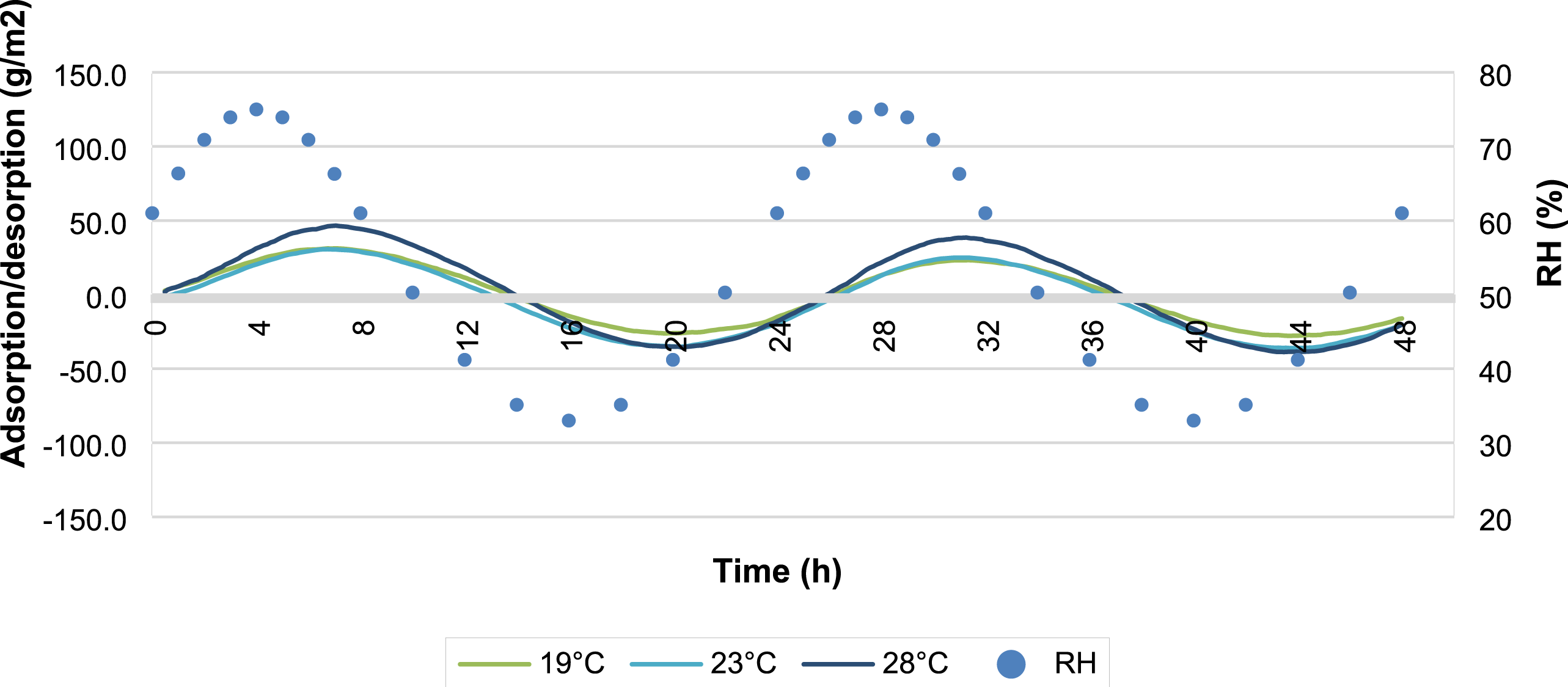
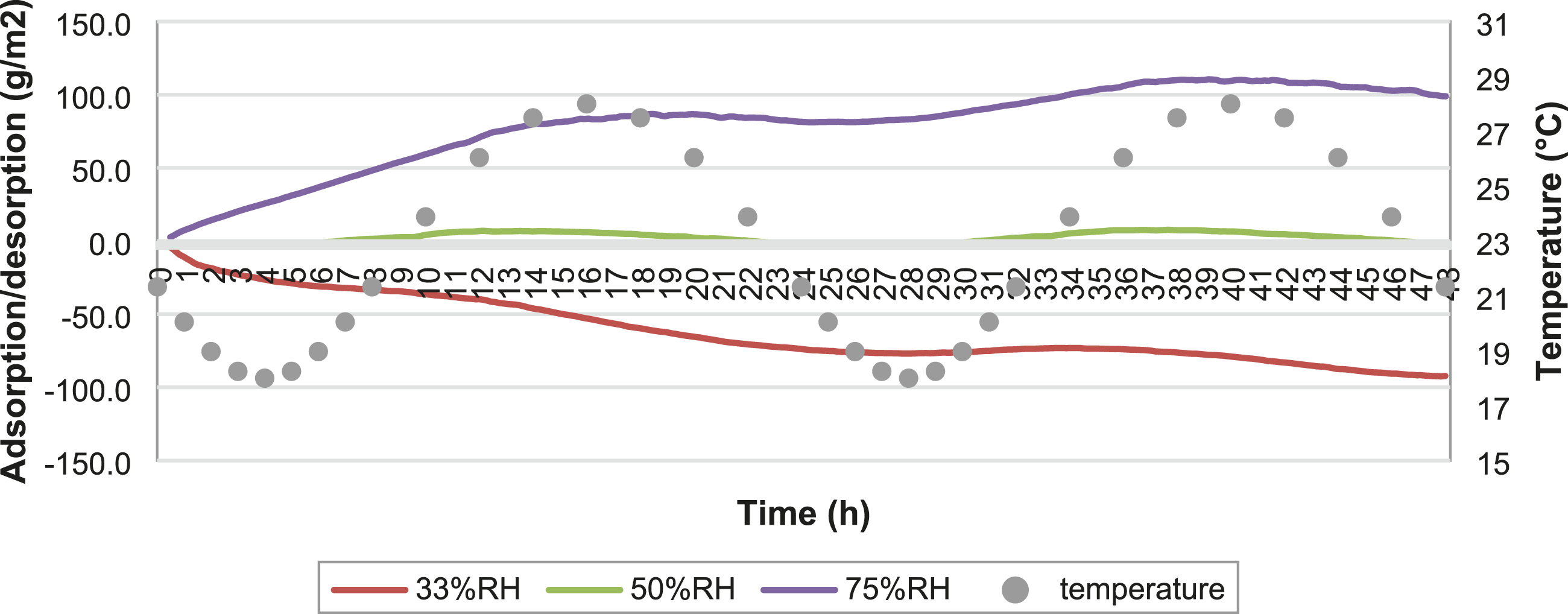
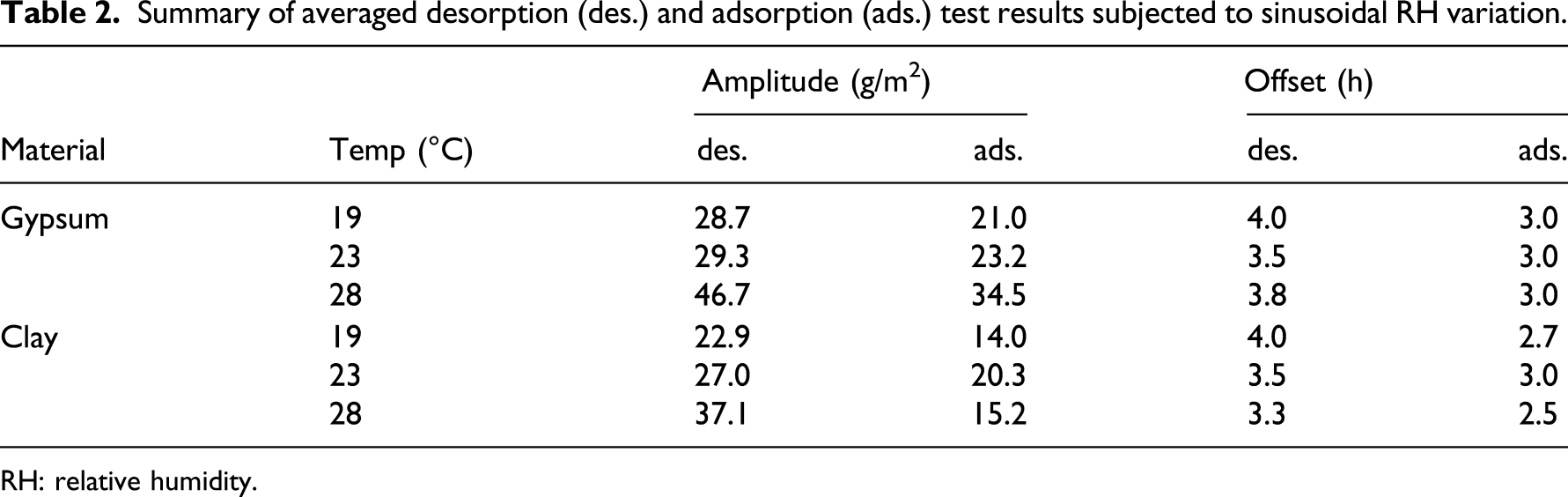
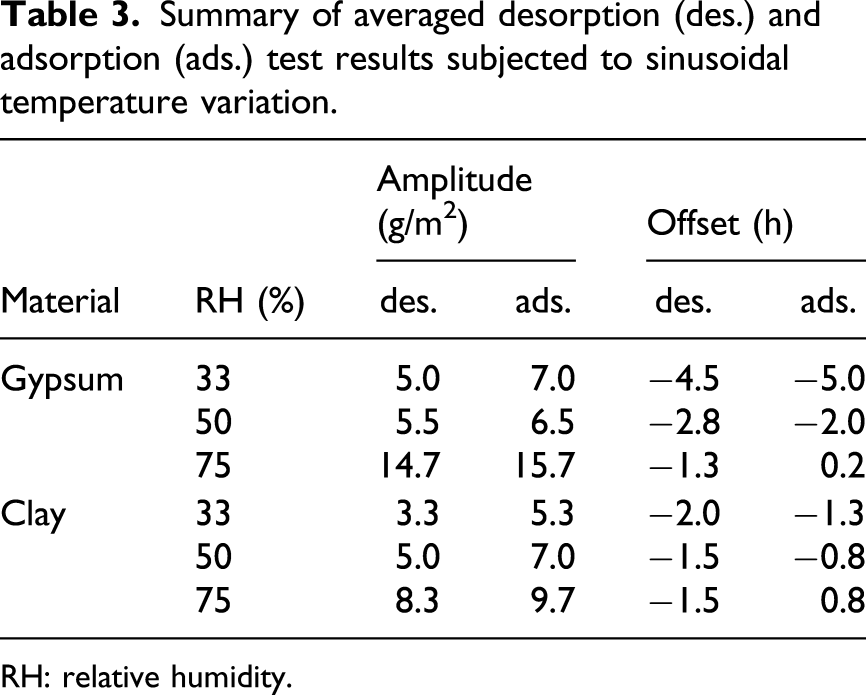
All the results show similar broad trends regardless of whether the variable was dynamic or static: Higher temperatures yielded a greater amplitude of sorption while lower temperature generated a smaller moisture uptake and release. The relative humidity has a significant impact on both the amplitude and the offset of the peaks.
Analysis and discussion
Classification of RH and temperature profiles.
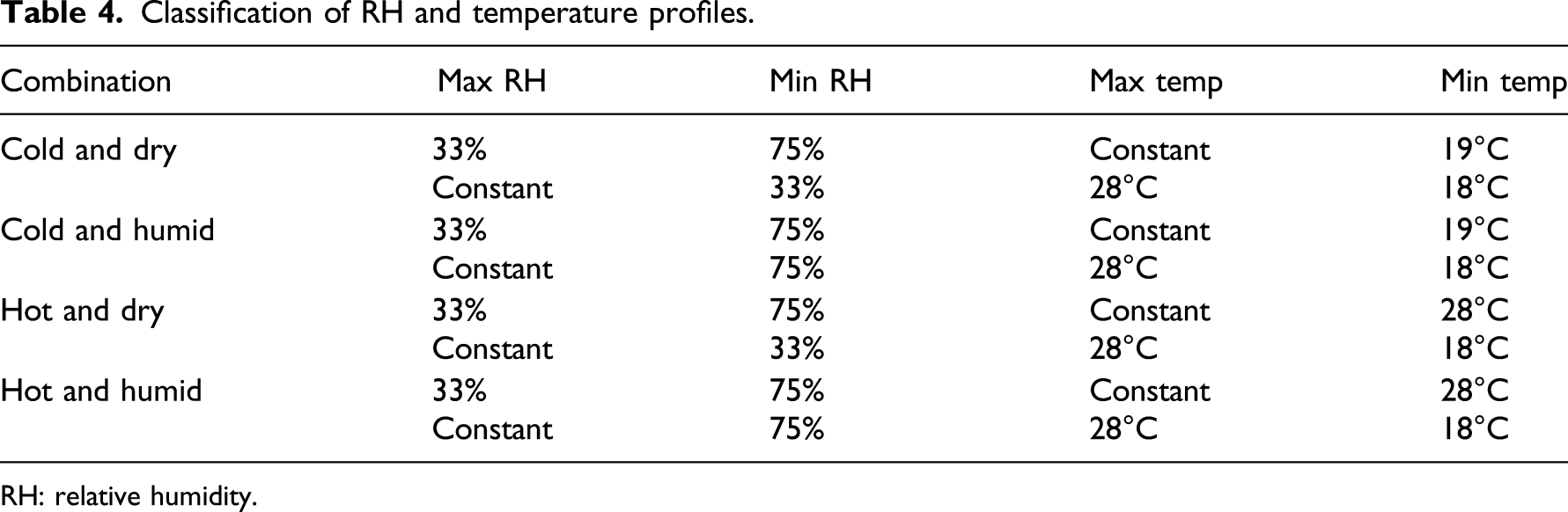
RH: relative humidity.
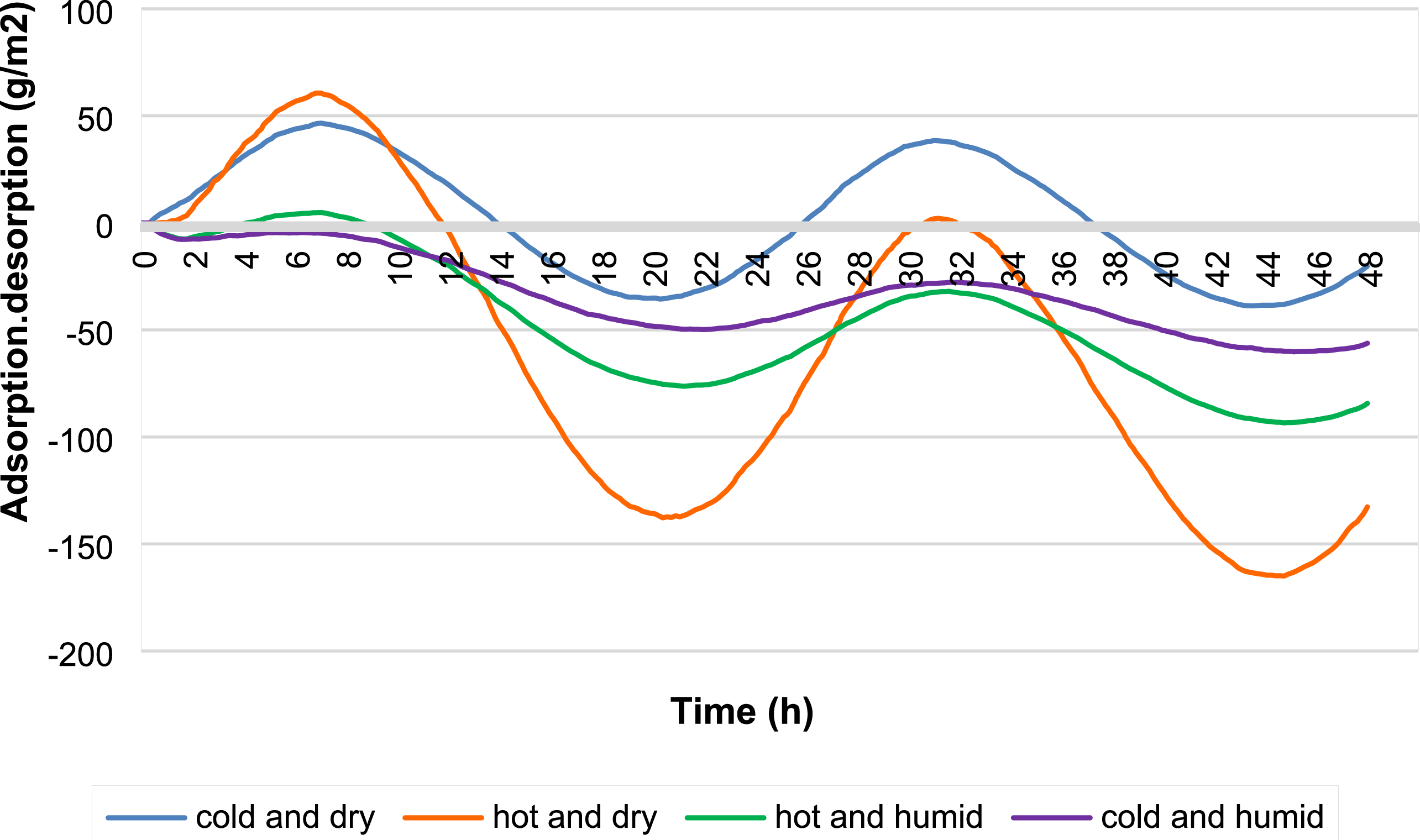
Predicted curves for gypsum under combinations of different conditions.
The combination of hot and dry condition appears to make full use of the material’s sorption capacity, while cold and humid condition results in a sorption fluctuation of the least amplitude. The material’s performance appears to be fairly consistent when subjected under cold and dry condition, and the inclination for continual moisture desorption in hot and humid condition is less than the hot and dry condition’s resultant curve. Hot and humid condition would produce a better performance when compared to cold and humid condition, but also has the tendency to release moisture continuously. The combination of cold and dry condition rated relatively well in terms of sorption capacity and response time while being able to maintain performance.
This study has adopted a testing profile of 8–16 h cycle for both time distribution and temperature/RH variation amplitude distribution. The resulting moisture sorption does not follow the same time periods, generally being closer to even distribution between adsorption and desorption. The preconditioning environment for both materials are the same with the humidity being controlled at 50% RH and the temperature set to be 20°C ensuring that the materials are in equilibrium state before the commencement of testing. Yet, both materials exhibited variable performance during the second cycle of testing, which indicates further dynamic effects.
The resultant peak amplitude point could also be another form of sorption balance point. The results obtained in this study shows that the peak points are almost never in sync with the programmed setting, causing an offset in response time. This is a comparable phenomenon to thermal lag. The moisture offset is likely due to the non-linear nature of sorption connects typically observed through isothermal steady state sorption. The different combination of high and low temperature corresponding to the given humidity affects the instantaneous adsorption and desorption rate of the material, which will govern the shape of the resultant sorption behaviour.
Conclusion
This study has experimentally demonstrated the impacts of humidity and temperature variation on various hygroscopic materials’ ability to passively regulate the indoor environmental RH. A change from a step square wave to a sinusoidal curve has resulted in additional properties that are not typically considered including the potential impact of a moisture offset or lag. This article has presented numerical results when these variations are combined. The addition of sinusoidal temperature variation with humidity would result in the occurrence of reduced sorption capacity but an increase in moisture lag between the peaks, irrespective of how high the moisture buffering performance of the material is. The passive system of moisture buffering has a great potential to be applied across all climates with proper adjustments and thorough considerations.
As the environmental condition is almost never constant in the real world, studying the pattern of how materials may respond under variable conditions would be impactful to aid designers in their choices of indoor surface materials. The expected impacts would improve the design of low-energy airtight building and other applications requiring close environmental control, utilising a material to passively regulate the moisture within the environment through dynamic adsorption and desorption. It demonstrates the need to consider a greater measure of the indoor environment beyond temperature or humidity alone. The material choices will result in a contribution to the moisture balance of the indoor environment and become part of the humidity control system.
Footnotes
Declaration of conflicting interests
The author(s) declared no potential conflicts of interest with respect to the research, authorship, and/or publication of this article.
Funding
The author(s) received no financial support for the research, authorship, and/or publication of this article.
