




Abstract
Few studies provide information on the reliability and validity of parental report instruments when assessing the language skills of pre-school–aged children. This study investigates the internal consistency and concurrent validity of the parental report instrument, the Finnish version of the Communicative Development Inventory III (FinCDI III), in children aged between 2;6 and 4;2 years (years;months, N = 155). One main aim was to analyze the validity of the information that parents can provide on different language domains (lexicon, phonology, morpho-syntax, metalinguistic skills) of their pre-school–aged children. In addition, the effect of age and background factors on the results of the FinCDI III was investigated. The FinCDI III was first adapted based on the Swedish version of the CDI III. Information on different language domains was gathered using the FinCDI III and respective tests. The internal consistency of FinCDI III was generally high (for the whole method: α = .91). Correlations between the sub-sections of the FinCDI III and respective test results varied from moderate to high (r-values = .35–.70, p < .001). A high correlation (r = .68) was detected between the total score of the FinCD III and that of the formal test focusing on general language competence. Age had a significant effect on the results of FinCDI III. Girls had generally higher FinCDI III scores than boys. The results underline the fact that parents can provide comparable information on the specific language domains of their pre-school–aged children as formal language tests when assessment is targeted to current behavior and when a recognition format is used. Findings broaden and strengthen earlier results regarding the validity of parental estimates on their child’s language, to now encompass older children aged between 2;6 and 4 years.
Keywords
Introduction
Parental report instruments are increasingly being applied in both clinical and research settings. Indeed, the inclusion of caregivers’ observations in clinical decision making has been recommended by the American Academy of Pediatrics (Skarakis-Doyle et al., 2009). Based on previous studies, parents can provide valid information on their child’s language development, especially during the very early years when language ability is just beginning to develop (e.g. Fenson et al., 2007; Sachse & von Suchodoletz, 2008). Less is known, however, about the reliability and validity of the parental report instruments when used to assess the language ability of slightly older children. Although some validity information has been provided among preschoolers (Cadime et al., 2021; Feldman et al., 2005; Tulviste & Schults, 2019), the concurrent validity has mainly been presented on the level of general language ability. How valid the information is that parents can provide regarding the specific language domains (lexicon, phonology, morpho-syntax, metalinguistic skills) of their pre-school–aged children remains an open question.
Language ability includes a wide spectrum of skills all emerging during the childhood years. During lexical acquisition, children learn to use different types of words linguistically in a proper manner. Nouns are used for naming, adjectives are used to describe characteristics of items named by nouns, verbs are used to express motion or being, and a small group of closed class words (e.g. articles, conjunctions, prepositions, pronouns) are used to encode grammatical functions between the open class words (Gentner & Boroditsky, 2001). A developmental shift from reference to predication and to grammar has been detected in the early lexicons of children acquiring a variety of languages (e.g. English, Bates et al., 1994; Italian, Caselli et al., 1999; Spanish, Conboy & Thal, 2006; Hebrew, Maital et al., 2000; French, Kern, 2007; Finnish, Stolt et al., 2008, 2007). Children focus on semantic-pragmatic words at the very beginning of their lexical acquisition. Children begin to focus on nouns when lexicons of roughly 50 words have been acquired, and nouns dominate early lexicons, between the lexicon sizes of roughly 50 and 300 words. The acquisition of predicates (verbs, adjectives), and then the acquisition of closed class words happens at a much slower pace than that of nouns. In particular, the acquisition of closed class words can be considered to reflect the development of grammar (Caselli et al., 1999). Furthermore, a bias for nouns over verbs in the early lexical acquisition of various languages has been suggested (see, for example, the crosslinguistic study by Bornstein et al., 2004; Tardiff et al., 1999), although the context and the type of method used also may play a role for the results derived from different studies (Tardiff et al., 1999). The difference in the learning pace of various lexical items may be due to the differences between the semantic content and referents for different types of words. The referents for verbs may be more challenging to grasp than for nominal words (Gentner & Boroditsky, 2001).
Children also need to acquire language structures to be able to build up longer expressions. Languages differ widely in terms of what kind of information is encoded morphologically (Behrens, 2009). For example, in Finno-Ugric languages such as Finnish, morphological inflections are used actively to express different types of meanings, whereas in English, prepositions are often used for the same purposes (e.g. /talo
Different types of methods can be used to assess the language ability of children (Fenson et al., 2007). Formal tests are often considered to provide the most reliable information since they are presented to all children in a comparable, standardized manner. However, they provide information on one specific occasion only (Fenson et al., 2007). If a child does not concentrate during a testing occasion, the result may not be representative. Information on children’s language can also be analyzed from language samples. Although this kind of data is very valid, analysis is time consuming and challenging to perform in a busy clinical environment. In addition, data may not be representative information in terms of a wider context. Parents have been increasingly used as informants on their own child’s language development. Various studies have shown that parents can provide valid information on their child’s language especially during the very early phase of development (e.g. Bates et al., 1988; Berglund & Eriksson, 2000; Feldman et al., 2005; Fenson et al., 1993, 2007; Marchman & Martinez-Sussman, 2002; O’Toole & Fletcher, 2010; Pérez-Pereira & Resches, 2011; Stolt et al., 2009; Thal et al., 2000). However, for valid information, the assessment should focus on current behavior, not on parents’ memory of their child’s earlier language behavior. In addition, it is important to focus on skills that parents can recognize (e.g. Fenson et al., 2007). Parents have the possibility to listen to their child in different situations and thus the assessment is not based on one occasion only. Although the validity of parental report instruments has been shown, these studies have mainly focused on the language abilities of very young children. More information is needed on the validity of the parental report instruments focusing on pre-school–aged children’s language.
Different parental report instruments are available to assess children’s language ability at different age levels (e.g. Bishop, 2003: Children’s Communication Checklist; Korkman et al., 2004: Five-to-Fifteen Questionnaire; Rescorla & Alley, 2001: The Language Development Survey). One well-known group of measures utilizing parents as their own child’s language informants is the MacArthur-Bates Communicative Development Inventories (CDI; Fenson et al., 2007). This group of measures includes different instruments for different age groups. While CDI instruments have been targeted mostly for children between 8 months and 2;6 years, this group of measures also includes an instrument which can be used to assess language skills of slightly older children (between 30 and 37 months of age), the CDI III (Fenson et al., 2007). The original American version of the CDI III includes one section to measure lexical knowledge (100 items), one to measure syntactic complexity (12 items) and one section to measure the use of language (12 items). Validity information for the original CDI III shows clear associations to other measures such as for example the Peabody Picture Vocabulary Test (r-values between .41 and .49, p < .001; Feldman et al., 2005; see Oliver et al., 2002 as well). In addition, the original CDI III correctly classified 97% of the subjects (n = 58) into children with typical development versus those with language impairment (Skarakis-Doyle et al., 2009). Still, based on the norms of the original CDI III (Fenson et al., 2007), a ceiling effect can be found for the vocabulary section of the CDI III (Eriksson, 2017).
The original CDI III has been adapted and revised by Eriksson (2017) to Swedish, resulting in the SweCDI III. The one main reason for developing the revised version was to avoid the ceiling effect detected in the vocabulary section of the original CDI III (Eriksson, 2017). The purpose was also to modify a representative method for the assessment of language competence by means of parental reports within the age level in question (Eriksson, 2017). Like the original CDI III, the SweCDI III includes a list of 100 words from which parents are asked to mark those that their child uses. The included words are mainly verbs and adjectives, whereas in the original form, the dominant category is nouns. Verbs are connected to children’s ability to build up morpho-syntactic structures, and they may thus reflect children’s ability to know grammar better than the knowledge of common nouns. In addition, the vocabulary list of the SweCDI III is no longer a sample from the broad range of vocabulary but focuses on four semantic subcategories of words (Words about Food, Body parts, Words about thinking and mental reasoning, Words about emotions) which are developing actively at the targeted age range. The SweCDI III also includes sections to measure grammatical knowledge, pronunciation, and metalinguistics awareness skills. Thus, the structure of the SweCDI III is more complex than that of the original CDI III. The SweCDI III has been adapted for Estonian (Tulviste & Schults, 2019) and for European Portuguese (Cadime et al., 2021). The structure of the Estonian version of the CDI III closely follows that of the SweCDI III. In the Portuguese version, the structure of the vocabulary sub-scale follows that of the SweCDI III, whereas the syntactic sub-scale has been modified to better capture Portuguese-speaking children’s syntactic abilities (Cadime et al., 2021).
The reliability and validity of an assessment method can be shown in different ways. The concept of reliability refers to how consistently a measure, or its items, provides comparable information on repeated trials (Fenson et al., 2007; Metsämuuronen, 2006). Reliability can be investigated through internal consistency, test–retest reliability, and inter-rater reliability of the method (Fenson et al., 2007). Internal consistency has been used in previous studies to provide information on the reliability of parent report measures such as the CDI (e.g. Eriksson, 2017; Fenson et al., 2007). Internal consistency provides information on how consistently different items in the same category provide respective information, and it is often measured using Cronbach’s coefficient alpha value. The internal consistency of the SweCDI III has been reported to be high (Eriksson, 2017). Furthermore, validity refers to whether the instrument measures the targeted skills or domain (Fenson et al., 2007; Metsämuuronen, 2006). There are different ways to measure this. Construct validity provides information on how well the structure of an instrument itself is in line with existing knowledge and theory, and face validity describes how well the content of the measurement is suitable to its aims. A measurement is stated to have a good face validity if it measures the targeted domain or skill (Fenson et al., 2007). Content validity, however, shows how well the instrument succeeds in covering the concept being measured. Finally, criterion validity can be measured by comparing the result of a given assessment method with the result of another measure providing information on the same skill. This can be done at the same time (concurrent validity) or longitudinally (predictive validity; Metsämuuronen, 2006; see also Fenson et al., 2007). For the SweCDI III, the construct and content validity in particular have been shown to be good (Eriksson, 2017). The criterion validity has not yet been studied for the SweCDI III, however. Regarding the adaptations of the CDI III, significant, positive correlations between the total score of the EstCDI III and the result of a formal test, the Reynell Developmental Language Scales IV, was reported in a recent study (Tulviste & Schults, 2019). A comparable result was provided for the Portuguese version of the CDI III (Cadime et al., 2021). Detailed criterion validity information for the SweCDI III and its adaptations is still missing.
Children acquire their language ability over several years in childhood. Although there is high individual variation in language ability during the childhood years at different age points (e.g. Bates et al., 1995; Stolt et al., 2009), a valid assessment method should detect the influence of age. The effect of age was significant, and it accounted for roughly 20%–25% of the variance in the language ability of children aged between 2;6 and 4 years when measured using the SweCDI III (Eriksson, 2017). Furthermore, different background factors, such as gender and parental education level, influence language development. Girls are often reported to acquire language at a faster rate than boys (e.g. Kuvač-Kraljević et al., 2021). Still, the effect of gender is not always found and may also be related to age, or to the type of skills assessed. Regarding parental education level, a positive effect of maternal education on child’s language has been shown (e.g. Kuvač-Kraljević et al., 2021), although it cannot be detected in all studies, especially in those countries with less variation in the parental basic education level.
This study focuses on the language development of children acquiring Finnish. Finnish is a Finno-Ugric language (Karlsson, 2006). The phoneme inventory of Finnish is quite restricted (13 consonants, 8 vowels; Saaristo-Helin, 2009). Few consonant clusters are used, and words typically end with a vowel. No articles are used. Words tend to be rather long since suffixes are attached to word stems to mark changes in meaning (Karlsson, 2006; Laalo, 2002, 2003). Finnish has 15 cases for nominals. Verbs are inflected to mark person, number, tense, voice and mood with the help of suffixes (Toivainen, 1997). The neutral word order is subject-verb-object, which can be varied for pragmatic needs (Toivainen, 1997).
The main aim of this study was to derive information on the internal consistency and concurrent validity of the parental report instrument including sections to assess vocabulary, phonology, morpho-syntax, and metalinguistic awareness in children aged between 2;6 and 4;2 years. The effect of age and background factors on the results of the FinCDI III was also analyzed to derive further information on the usability of the method. The research questions were as follows:
What is the internal consistency of the FinCDI III?
What is the concurrent validity of different sections of the FinCDI III (lexicon, phonology, morphology, language complexity, metalinguistic awareness) when information derived from the FinCDI III is compared to the results of the formal tests which measure similar types of skills?
What effect does age have on the results of the FinCDI III?
How are the results of the FinCDI III affected by the following background factors: gender, maternal education level?
This study is part of an adaptation, validation, and norming study of the Finnish version of the MacArthur-Bates Communicative Development Inventory III. The study was approved by the Ethical Committee of University of Helsinki in 2018. All participating families gave informed consent.
Methods
Participants
Participants (N = 155) had no known major neurological diagnoses (cerebral palsy, hearing impairment, cognitive delay, autism spectrum disorder, language impairment). All children heard only (100%; n = 149, 96%) or mostly Finnish (>80%; n = 6, 4%) at home during weekdays. Seven children (4.5%) were born prematurely (<37 gestational weeks). These children were included since they had no neurological diagnoses, which were the exclusion criteria of the study. Parents of 10 children (7%) reported concern for their child’s language development. Roughly 30% of the mothers, and 47% of the fathers had finished basic 9 years of education/had secondary education degree/had a lower university degree or vocational training (Table 1). The rest of the mothers/fathers had a higher university degree. The parental education level reflects the general education level of Finnish adults living in the capital area: 52% of adults in the capital district have a higher education degree, and women are generally more highly educated than men (Erjansola, 2021).
Background characteristics of the children (N = 155).
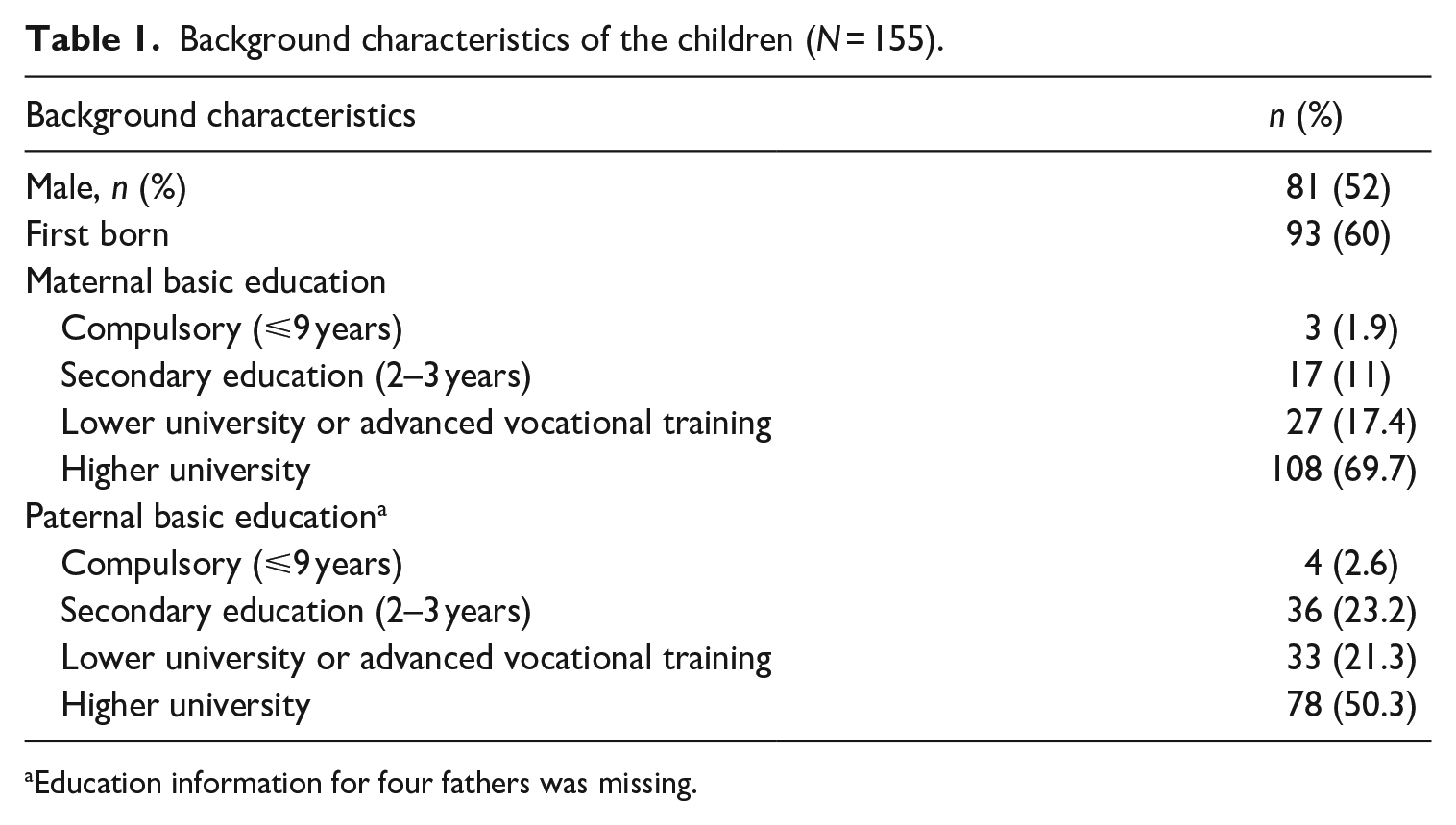
Education information for four fathers was missing.
Children were invited to the study from the day-care centers in the Helsinki city area. Information and the consent form of the study were given to the parents of healthy children of Finnish-speaking families by teachers of the day-care centers. The FinCDI III and the background information form, which was modified for needs of this study, were mailed to those families who had agreed to participate. Parents filled in the forms independently. Trained research assistants assessed children’s language skills in one or two separate sessions at the day-care center (length of testing session: 60–90 minutes).
Measures
Adaptation process and the structure and scoring of the FinCDI III
The adaptation of the FinCDI III was based on the SweCDI III. The SweCDI III, and not the original American version, was used as a basis for the adaptation since the structure of the SweCDI III is more complex, including sections not included in the original version of the CDI III. Furthermore, Sweden and Finland are culturally close, which provided even further support for the use of the SweCDI III as the basis for the adaptation of the FinCDI III. The adaptation of the CDI III to Finnish was found to be important, since the long form versions of the CDI II (Words and Gestures, Words and Sentences – forms; Lyytinen, 1999) and the short form versions of the CDI (Infant- and Toddler-forms; Stolt & Vehkavuori, 2018) have already been adapted and validated in Finnish. During the adaptation process, the guidelines of the CDI Advisory Board for new adaptations of CDIs in different languages were used (https://mb-cdi.standford.edu/documents/AdaptationsInformation2015.pdf).
The SweCDI III includes the following sections (Eriksson, 2017): General level of communication (six questions on type of sentences a child generally uses); Vocabulary (a list of 100 words including words from the following semantic categories: Words about Food, Body parts, Words about thinking and mental reasoning, Words about emotions; Grammar (eight questions; one question on the use of preterite, four questions on the use of adjective comparison, one question on the use passive form, two questions on the use of subordinate clause); Language complexity (a list of 10 short vs. long sentences; parents are asked to mark what kind of sentence a child usually uses); Clarity of speech (one question: Do your child’s words sound like those of most other children of his or her age? Answers: Sound a little younger/like most other children of his or her age/more advanced than most age-mates); and Metalinguistics Awareness (seven questions on phonological awareness and interest in letters and in writing; Eriksson, 2017).
The SweCDI III was first translated into Finnish to get a picture of what kind of information the measure includes (compare Tulviste & Schults, 2019). Two translators worked independently: one professional translator and one professional child language researcher with good knowledge of Swedish. Any differences were discussed. Afterwards, the instrument was adapted to ensure that the method mirrors the semantics and the structure of Finnish, and that the cultural context was taken into consideration. The adaptation was based on comprehensive research-based information on Finnish children’s language development (lexicon: for example, Stolt et al., 2007, 2008; phonology: for example, Saaristo-Helin, 2009; Saaristo-Helin et al., 2011; morphology and morpho-syntax: for example, Laalo, 2002, 2003, 2011; Stolt, 2009; Toivainen, 1997), as well as spontaneous language samples. Discussions with child language experts were also used.
The vocabulary lists were screened for cultural relevance. During the adaptation process, five lexical items were chosen that were not entirely equivalent to words listed on the SweCDI III. This was done if the original Swedish word had several meanings in Finnish (e.g. Swedish word /förlora/, in Finnish: /kadottaa/ or /hukata/; ‘lose’, ‘misplace’), or, the original Swedish word could be used as a noun and as a verb in Finnish (e.g. Swedish word /hosta/, in Finnish /yskä/, /yskiä/; ‘(a) cough’, ‘to cough up’). In these cases, a word as representative as possible for the Finnish children aged between 2;6 and 4 years was chosen. Verbs were chosen instead of nouns, since verbs are connected to children’s ability to build up morpho-syntactical structures, and they may thus reflect children’s ability to know grammar better than the knowledge of common nouns. Regarding the Grammar section, from the four items measuring the adjective comparison in the SweCDI III form, three were replaced with items which measure nominal inflections. This was done since Finnish has an active inflectional system for both nominal words and verbs (e.g. Toivainen, 1997). Of the two items that measure the use of verb inflections, one was changed (passive → perfect). This was done since Finnish children tend to use passive forms in their spoken language already at a very early age (e.g. Stolt, 2009), although mainly in the meaning of the first person plural (e.g. /mennään/, ‘let’s go’). The section screening morphological inflections was re-named ‘Morphology’ so that it could not be confused with the other section screening for language complexity. Furthermore, five items were added to the Pronunciation section based on the information on Finnish children’s phonological development (e.g. Saaristo-Helin et al., 2011). The section was re-named ‘Phonology’ because questions focused on phonological development, not only on clarity of speech. After the adaption process, the method was piloted with 11 children and their parents, and any unclear items were modified.
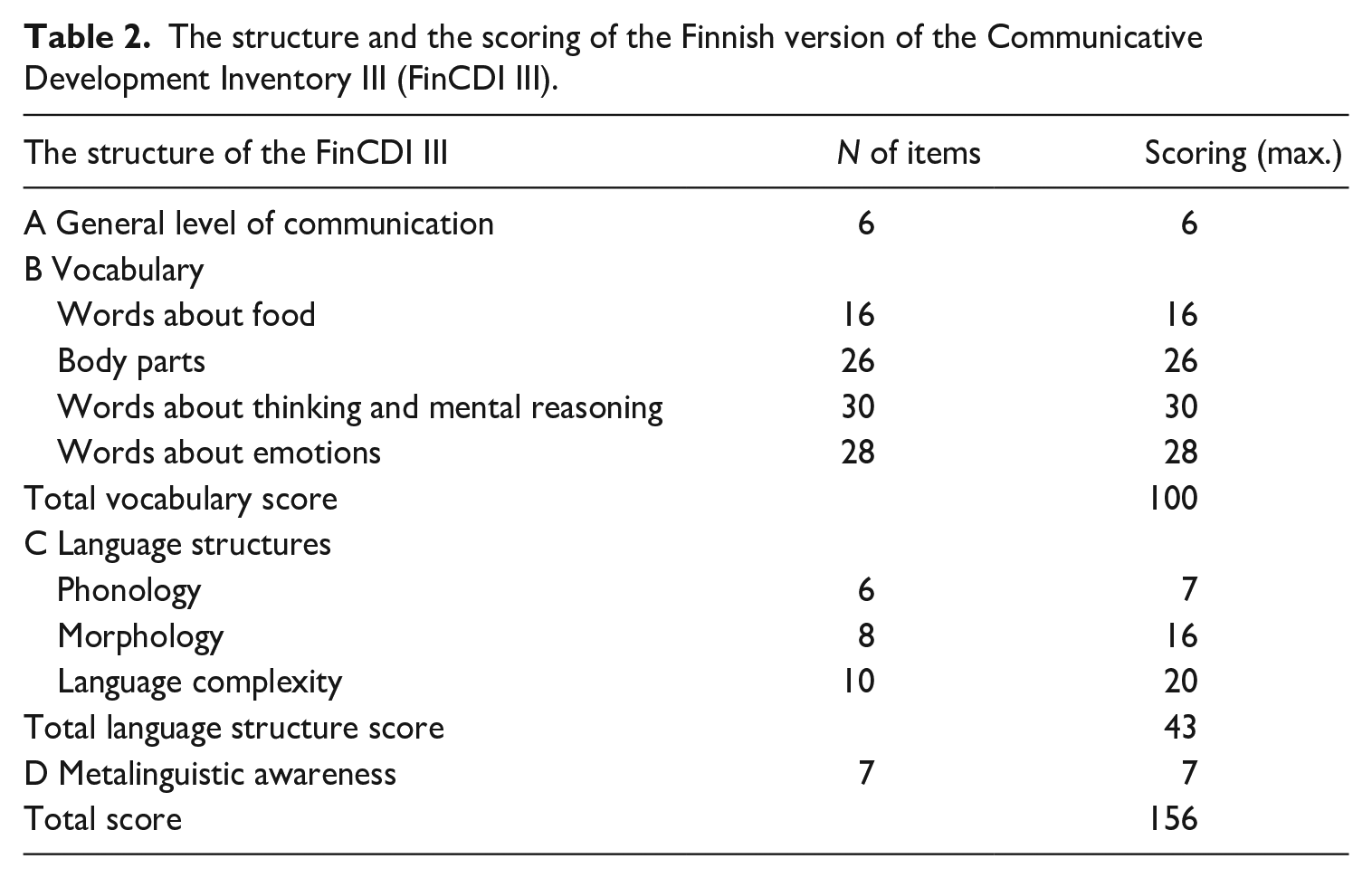
The structure and scoring of the FinCDI III is presented in Table 2. Section A, General language level, includes a list of six possibilities for a parent to choose for what type of expressions the child generally uses (My child does not speak at all → My child speaks with long sentences; max. 6 points). Section B, Vocabulary, includes a list of 100 words from the following semantic categories: Words about food (e.g. /leipoa/, ‘bake’; /suolainen/, ‘salty’), Body parts (e.g. /selkä/, ‘back’; /keuhkot/, ‘lungs’), Words about thinking and mental reasoning (e.g. /unelmoida/, ‘dream’; /laskea/, ‘count’), and Words about emotions (e.g. /lohduttaa/, ‘comfort’; /kiukkuinen/, ‘furious’; max. 100 points; compare Eriksson, 2017). Parents are asked to mark those words their child uses independently. The phonetic form does not need to be similar to the adult word. Section C, Language structures, includes the following sub-sections: Phonology, Morphology, and Language complexity. The section ‘Phonology’ includes six items (the first five items are scored 0/1 points, the last item is scored 0–2 points, max. 7 points). The questions focus on whether the child can pronounce the late-acquired phonemes (apical trill /r/, sibilant /s/, lateral /l/) in an adult-like manner, whether he or she pronounces also long, 3 to 4 syllable words in an adult-like manner, and whether the child’s speech is easily understandable to strangers. The last item charts whether a child’s speech corresponds to that of younger children/peers/older children. The section ‘Morphology’ includes eight items with examples. Parents are asked to mark whether their child uses the inflection in question never/many times a week/every day (scored: 0–2 points, max. 16 points). The following inflections are assessed: use of the plural form (e.g. /tytöt/, ‘girls’), elative (e.g. /Äiti tuli kaupa
The structure and the scoring of the Finnish version of the Communicative Development Inventory III (FinCDI III).
Measures used for validation
To validate the FinCDI III instrument, comprehensive information on lexical ability, knowledge of language structures, metalinguistic awareness, and general language ability of the participants was collected in a separate testing situation. Regarding lexical ability, information was gathered on both receptive and expressive lexicons. Two sub-tests (Picture Naming Task, max 30; Receptive Vocabulary Task, max. 38) of the Wechsler Preschool and Primary Scale of Intelligence-test (WPPSI-III; Finnish version: Wechsler, 2009) were used.
Information on language structures (phonology, morpho-syntax) was collected using the following measures. The Finnish Phonology Test (FPT; Kunnari et al., 2012) was used to collect information on the phoneme inventory and on the ability to combine phonemes according to the rules of the Finnish language. The formal shorter version of 36 pictures was used for children younger than 3;0 years of age, and the longer version of 90 pictures was used for older children. Percentile values based on the norming sample of the method were used in the analysis. Information on the ability to use morphological inflections was collected using The Finnish Morphology Test (FMT; Lyytinen, 1988). The shorter version was employed (max. 75 points), which includes three sections to measure nominal inflections (comparative, superlative, elative) and two sections to measure the use of verb inflections (present and past tense).
The letter naming section of the LUKIVA test (Puolakanaho et al., 2011) was used to provide validation data for the metalinguistic ability section of the FinCDI III. In this test, a child is asked to name 23 letters presented in capital letters (max. 23 points). Finally, the general language ability of the children was measured using the Finnish version of the Reynell Developmental Language Scales (RDLS III; Kortesmaa et al., 2001). The RDLS III includes two sections, one to assess receptive language ability, and one to assess expressive language. All tests used for validation of the FinCDI III have been validated and normed for Finnish children.
Analysis
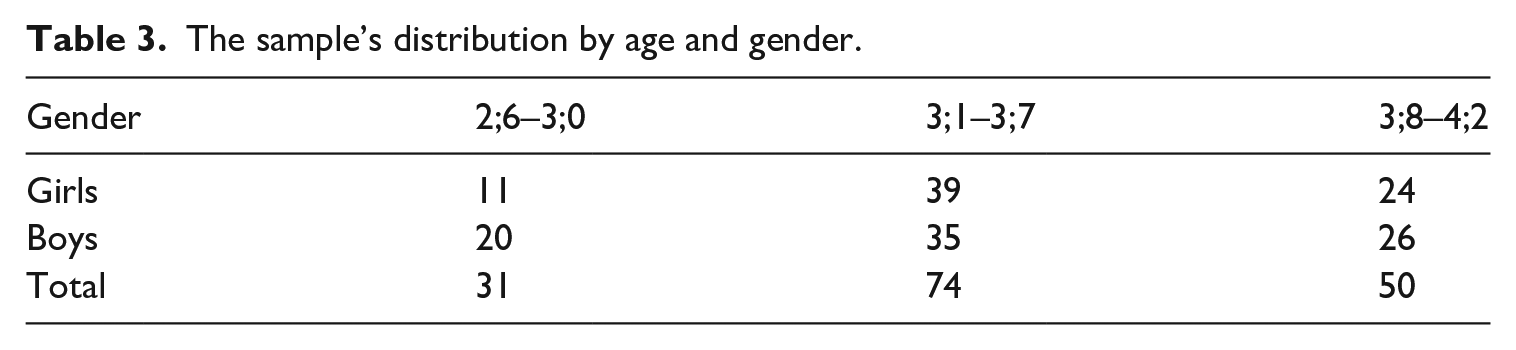
In all analyses, the raw scores of the measures were used to capture the whole variation between individual children. Standardized scores (SS) of the RDLS III were used only to describe the general language level of the participants (mean 100 standard scores, 1 SD – 15 SS). Internal consistency of the FinCDI III was investigated using Cronbach’s alpha values. An α value > .65 was considered adequate. Pearson correlation coefficient values were utilized to analyze the associations between the sub-scores of the FinCDI III and the results of the tests used for the validation. Partial correlations (age) were also calculated in consideration of the possible effect of age in the associations. The effect of age was further described using descriptive statistics. To do this, children were divided into three age sub-groups (Groups: 2;6–3;0, n = 31, 20%; 3;1–3;7, n = 74, 47.7%; 3;8–4;2, n = 50, 32.3%; Table 3). The effect of age was also described using scatter plots between the major parts of the FinCDI III and age as a continuous variable. Finally, the effect of age and background factors (gender: reference girl; maternal education, ME: 1. compulsory ⩽9 years, 2. secondary education – 2–3 years after compulsory schooling, 3. lower university degree or advanced vocational training, 4. higher university degree; max. 4 points) were investigated using three linear regression models. In the first model, the total vocabulary score of the FinCDI III was a dependent factor, in the second model, the sum score of the total language structure score and metalinguistic awareness score was used, and in the last model, the total FinCDI III score was a dependent factor. In all models, age (continuous variable) was forced to be a first predictor, and gender and ME were added to the models after that. Gender differences in the FinCDI III scores were tested using Independent Samples Test. The significance level was .05. Statistical analysis was performed using IBM SPSS 27.
The sample’s distribution by age and gender.
Results
Data description
Based on the General language level section of the FinCDI III, one child (0.7%) spoke with one-word expressions (‘My child speaks with one-word expressions only’, for example, /kukka/, ‘flower’; /äiti/, ‘mother’), and three children (1.9%) used short, two- to three-word sentences (‘My child speaks using 2–3 word sentences’, for example, /Äiti auto/, ‘Mummy car’; /Mehu loppu/, ‘No juice’; Table 3). Fifteen children (9.7%) used complete sentences although short (e.g. /Minä haluan auton/, ‘I want a car’) and the majority of the children (87.8%) spoke with long sentences (‘Speaks often using long sentences’; for example, /Kun me oltiin leikkipuistossa, mina ajoin karusellissa/, ‘When we were on the playground, I was on the merry-go-round’).
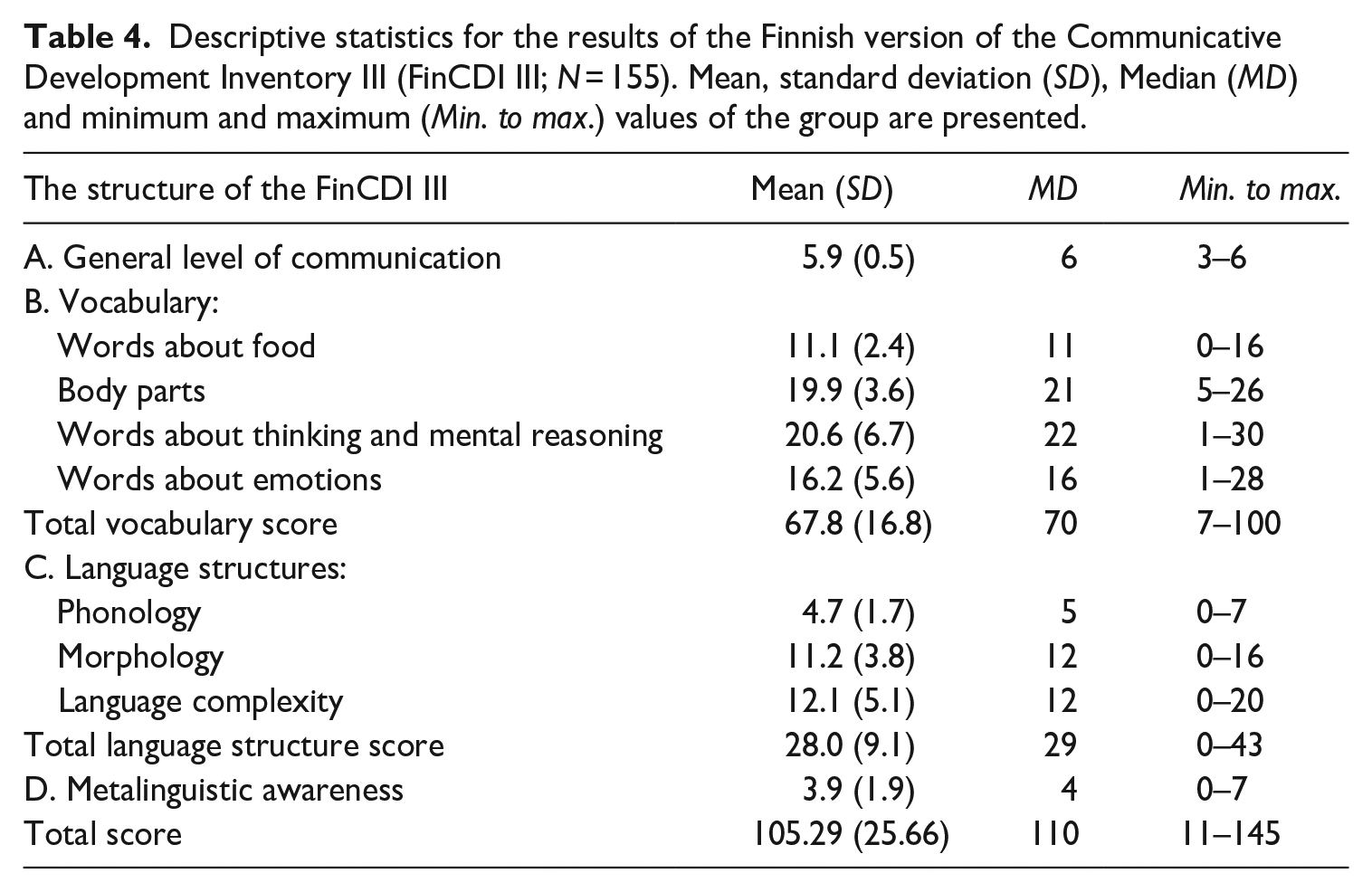
High variation was found in the scores for each section of the FinCDI III (Table 4). The mean value of the Vocabulary score was 67.8/100. Only one child (0.7%) used all the words in the word list of FinCDI III. The mean Total language structure score was 28/43. Three children (1.9%) received a total of 43 points from these three sections. The mean FinCDI III Total score was 105/156 (SD = 16.8) for the whole group of 155 children. None received the highest possible score of 156 points.
Descriptive statistics for the results of the Finnish version of the Communicative Development Inventory III (FinCDI III; N = 155). Mean, standard deviation (SD), Median (MD) and minimum and maximum (Min. to max.) values of the group are presented.
The validation test results also showed high variation between individual children (Table 5). The mean standard score of the RDLS III for the whole group was 102 (SD = 12) suggesting that the participants as a group had roughly average language skills when compared to their age-mates. Nine children (5.8%) had a score <85 SS (<–1 SD) in the RDLS III (total score). The mean FinCDI III Total score for these nine children was 63.4 (SD = 34.79). From this group of nine children, four had a score <70 (<–2 SD) in the RDLS III. The mean FinCDI III Total score of these four children was 43 (SD = 43.70).
Descriptive statistics for the tests used for the validation of the Finnish version of the Communicative Development Inventory III (N = 155).
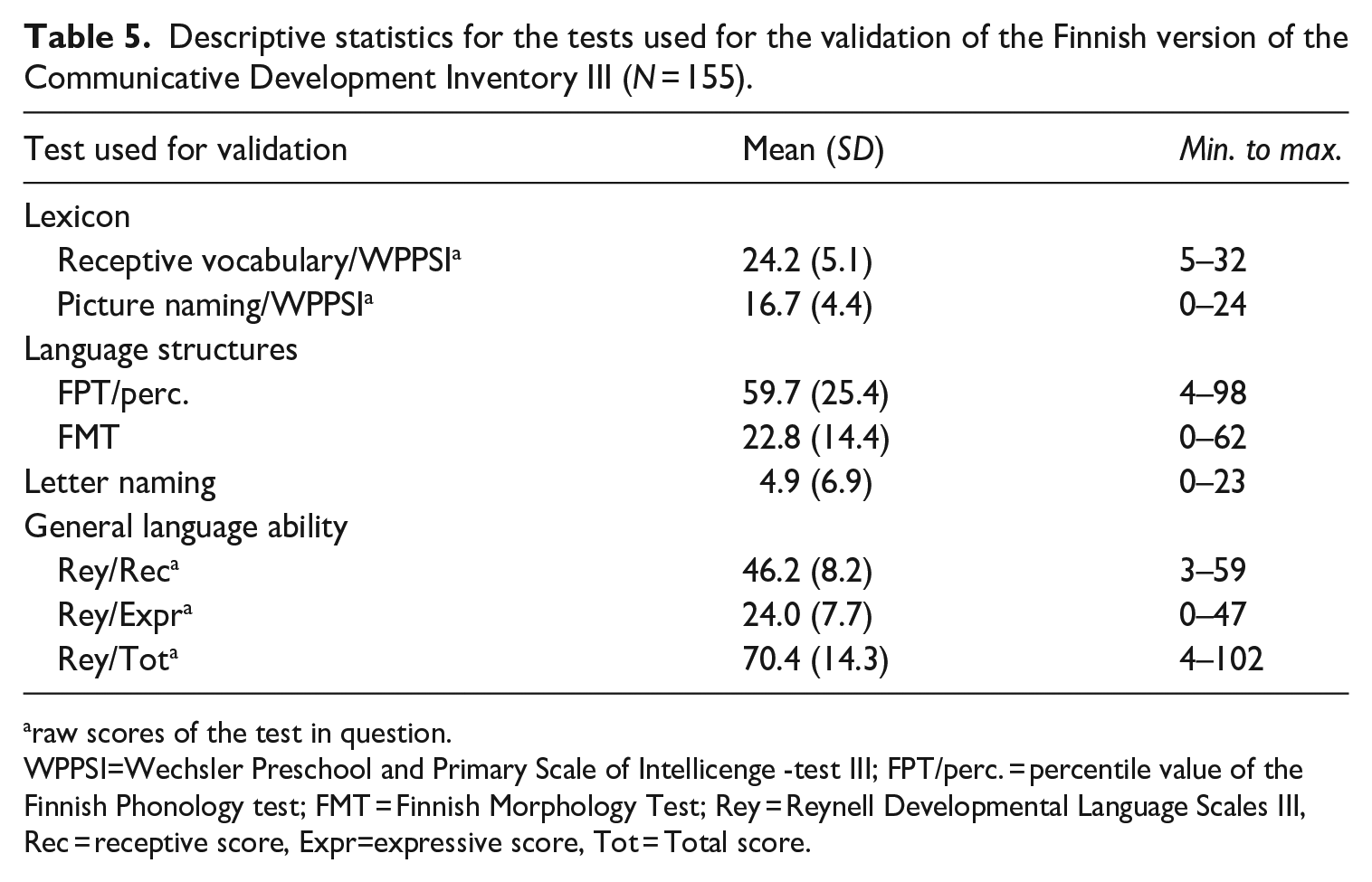
raw scores of the test in question.
WPPSI=Wechsler Preschool and Primary Scale of Intellicenge -test III; FPT/perc. = percentile value of the Finnish Phonology test; FMT = Finnish Morphology Test; Rey = Reynell Developmental Language Scales III, Rec = receptive score, Expr=expressive score, Tot = Total score.
Internal consistency of the FinCFI III
Based on Cronbach’s alpha values, the internal consistency of the whole FinCDI III instrument was excellent (α = .91; Table 6). Values for separate sections of the instrument also showed generally good or very good (>.80) internal consistency. The highest Cronbach’s alpha value was detected for the Vocabulary section of the FinCDI III. The values for the Phonological and Metalinguistic sections were slightly lower than most of the values.
Cronbach’s alpha values for different sections of the Finnish version of the Communicative Development Inventory III (FinCDI III).
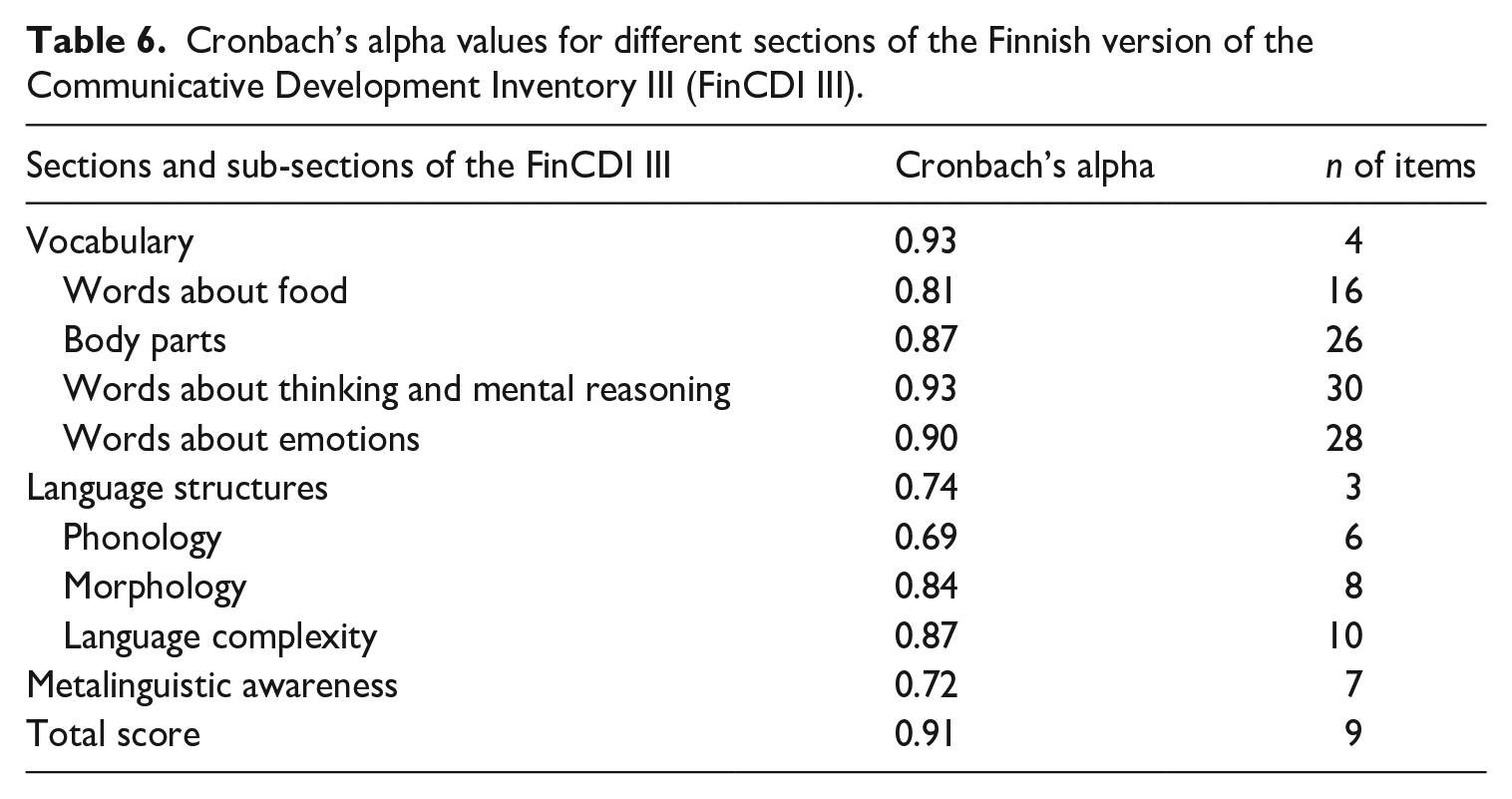
To derive further information on the internal consistency of the FinCDI III, inter-correlations between different sections were calculated. Correlations (r) between the four sub-sections (Words about food, Body parts, Words about thinking and mental reasoning, Words about emotions) in the Vocabulary section varied between .68 and .85, being thus high or very high (p < .001). The correlations between the three sub-sections measuring language structures (Phonology, Morphology, Language complexity; Table 6) were slightly lower (r = .37–.67, p < .001). The strongest association was found between the Vocabulary and Morphology sections (r = .70, p < .001), and the lowest correlation was detected between sections measuring Phonology and Metalinguistic awareness ability (r = .35, p < .001; Table 7).
Correlation coefficient values (r) between different sections of the Finnish version of the Communicative Development Inventory III (FinCDI III). All values are significant at the level of p < .001.
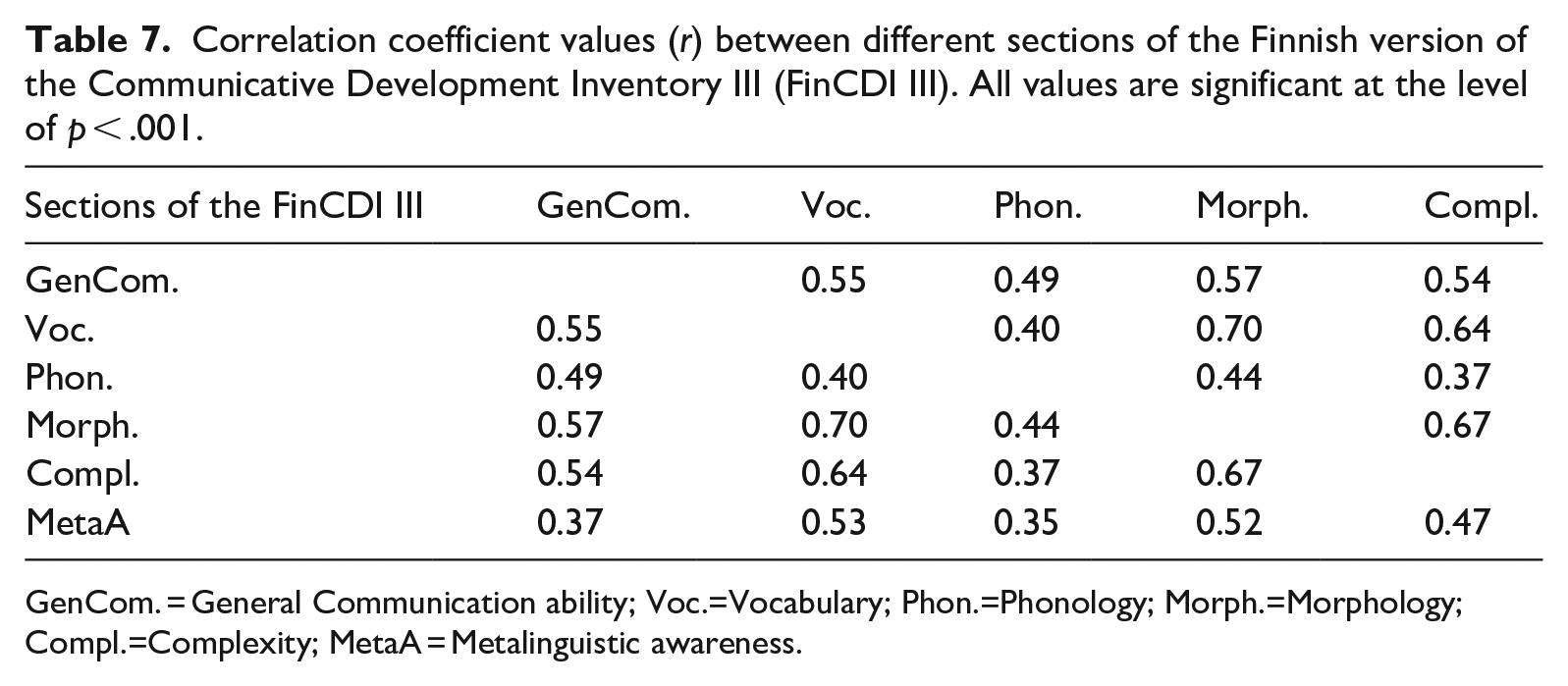
GenCom. = General Communication ability; Voc.=Vocabulary; Phon.=Phonology; Morph.=Morphology; Compl.=Complexity; MetaA = Metalinguistic awareness.
Validity of the FinCDI III
Concurrent correlations between the different sections of the FinCDI III and respective test results showed generally good/excellent concurrent validity for the FinCDI III (p < .001; Table 8). Most of the r-values varied between .40 and .63. The result of the Vocabulary section of the FinCDI III was significantly associated with the results of both vocabulary tests, the association to expressive vocabulary being slightly higher. The correlation between the Phonology section of the FinCDI III and the percentile value of the FPT was high, r = .70. When the results of the two sections measuring morpho-syntax were compared with the result of the Finnish Morphology test, significant positive associations were found. Furthermore, the correlation between the Total language structure score of the FinCDI III and the total raw score of the RDLS III was high, r = .60, as was the correlation between the result of the Metalinguistic awareness section and the letter naming ability-test, r = .63. The correlation (r) between the total score of the FinCDI III and the total score of RDLS III was .68, thus high. When the effect of age was taken into consideration in the associations and the partial correlations were used, the associations were clear and significant, although slightly lower (Table 8). The scatter plot presentations for the associations between the sub-scores and the total score of the FinCDI III and the respective test results are shown in Figure 1.
Concurrent validity of different sections of the Finnish version of the Communicative Development Inventory III (FinCDI III). Correlations (r) between the separate sections of the FinCDI III and the respective test scores are presented. The partial correlations (pr; age controlled) are shown in italics.
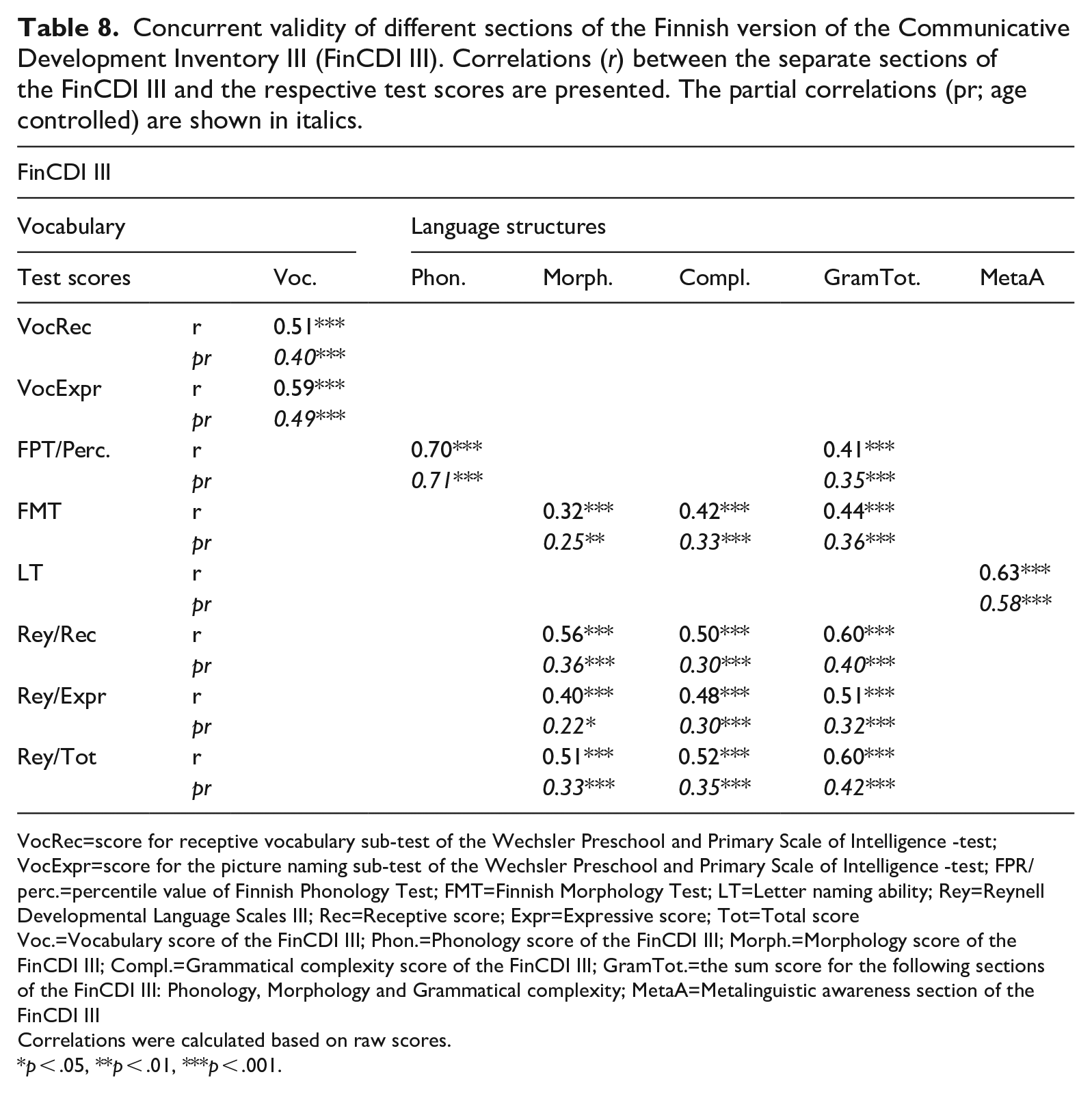
VocRec=score for receptive vocabulary sub-test of the Wechsler Preschool and Primary Scale of Intelligence -test; VocExpr=score for the picture naming sub-test of the Wechsler Preschool and Primary Scale of Intelligence -test; FPR/perc.=percentile value of Finnish Phonology Test; FMT=Finnish Morphology Test; LT=Letter naming ability; Rey=Reynell Developmental Language Scales III; Rec=Receptive score; Expr=Expressive score; Tot=Total score
Voc.=Vocabulary score of the FinCDI III; Phon.=Phonology score of the FinCDI III; Morph.=Morphology score of the FinCDI III; Compl.=Grammatical complexity score of the FinCDI III; GramTot.=the sum score for the following sections of the FinCDI III: Phonology, Morphology and Grammatical complexity; MetaA=Metalinguistic awareness section of the FinCDI III
Correlations were calculated based on raw scores.
p < .05, **p < .01, ***p < .001.
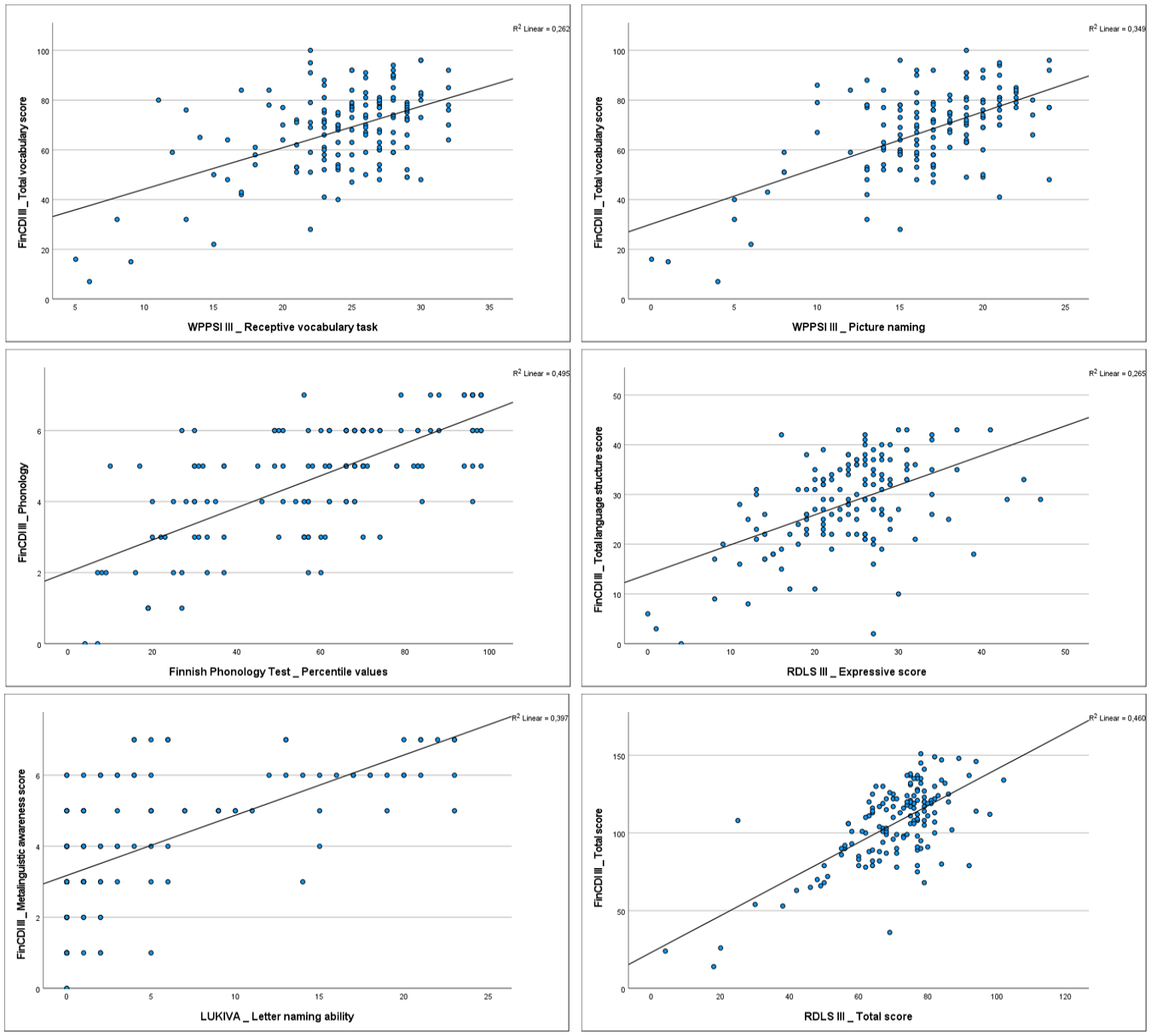
Scatter plot presentations between the sub-scores (Total vocabulary score, phonology score, total language structure score, metalinguistic awareness score) and the Total score of the finnish version of the Communicative Development Inventory III (FinCDI III), and the respective validation test results. Raw scores were used for the sub-tests of the Wechsler Primary School of Intelligence Test III (WPSSI III) and for the scores of the Reynell Developmental Language Scales III (RDLS III).
The effect of age and background factors on the FinCDI III scores
The descriptive statistics for the different sections and for the total score of the FinCDI III in various age sub-groups are presented in Table 9, and the scatter plot presentations between the results of the major parts of the FinCDI III and age (continuous variable) are shown in Figure 2. Both sets of descriptive data showed that the FinCDI III scores increased in parallel with children’s age. The effect of age together with gender and ME was further investigated using three regression models (Table 10). In the first model, age alone accounted for roughly 23% of the variance in the lexical skills measured using the FinCDI III, and the effect was significant (F = 48.07, p < .001). When gender and ME were added to the model, roughly 3% more of the variation in the lexical skills could be explained (R2 = .26), and the model was still significant (F = 19.04, p < .001). From gender and ME, only gender was a significant explaining factor, p = .031. Girls had larger vocabulary scores than boys, t(153) = 2.5, p = .014 (girls: mean, M = 71.3, SD = 13.7; boys: M = 64.6, SD = 18.7).
Descriptive statistics for the results of the Finnish version of the MacArthur Communicative Development Inventory III (FinCDI III) in three different age sub-groups. Mean (M), standard deviation (SD), median (MD), and minimum to maximum (min. to max) values of the age-group in question are presented. Percentile values (10/25/75/90th percentiles) are also shown for each sup-group.
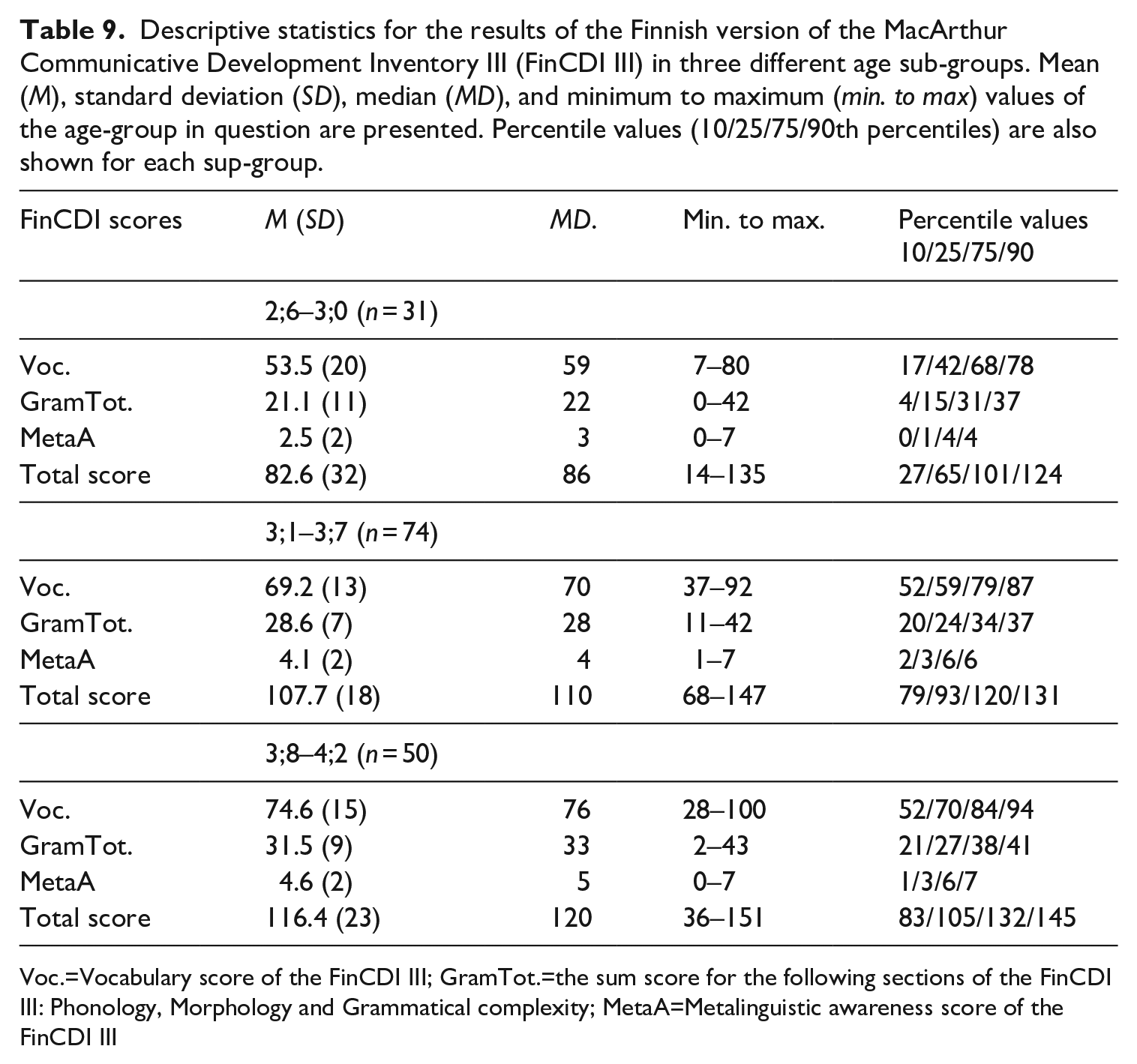
Voc.=Vocabulary score of the FinCDI III; GramTot.=the sum score for the following sections of the FinCDI III: Phonology, Morphology and Grammatical complexity; MetaA=Metalinguistic awareness score of the FinCDI III
Impact of age and background factors (gender, maternal education level, ME) on the lexical/grammatical knowledge/general language ability of the children (N = 155) measured using the Finnish version of the Communicative Development Inventory III (FinCDI III). Results for the three linear regression models are presented.
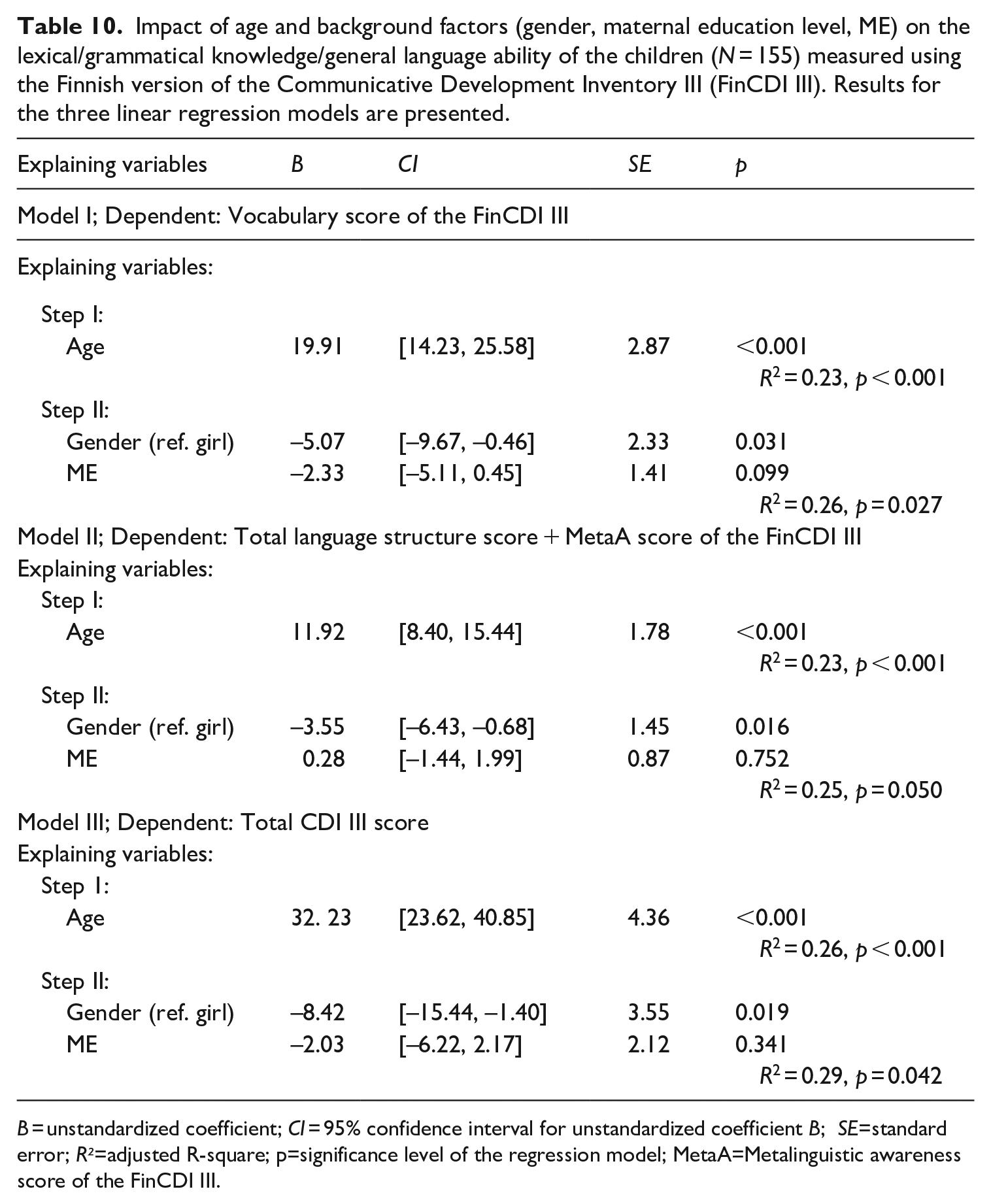
B = unstandardized coefficient; CI = 95% confidence interval for unstandardized coefficient B; SE=standard error; R²=adjusted R-square; p=significance level of the regression model; MetaA=Metalinguistic awareness score of the FinCDI III.
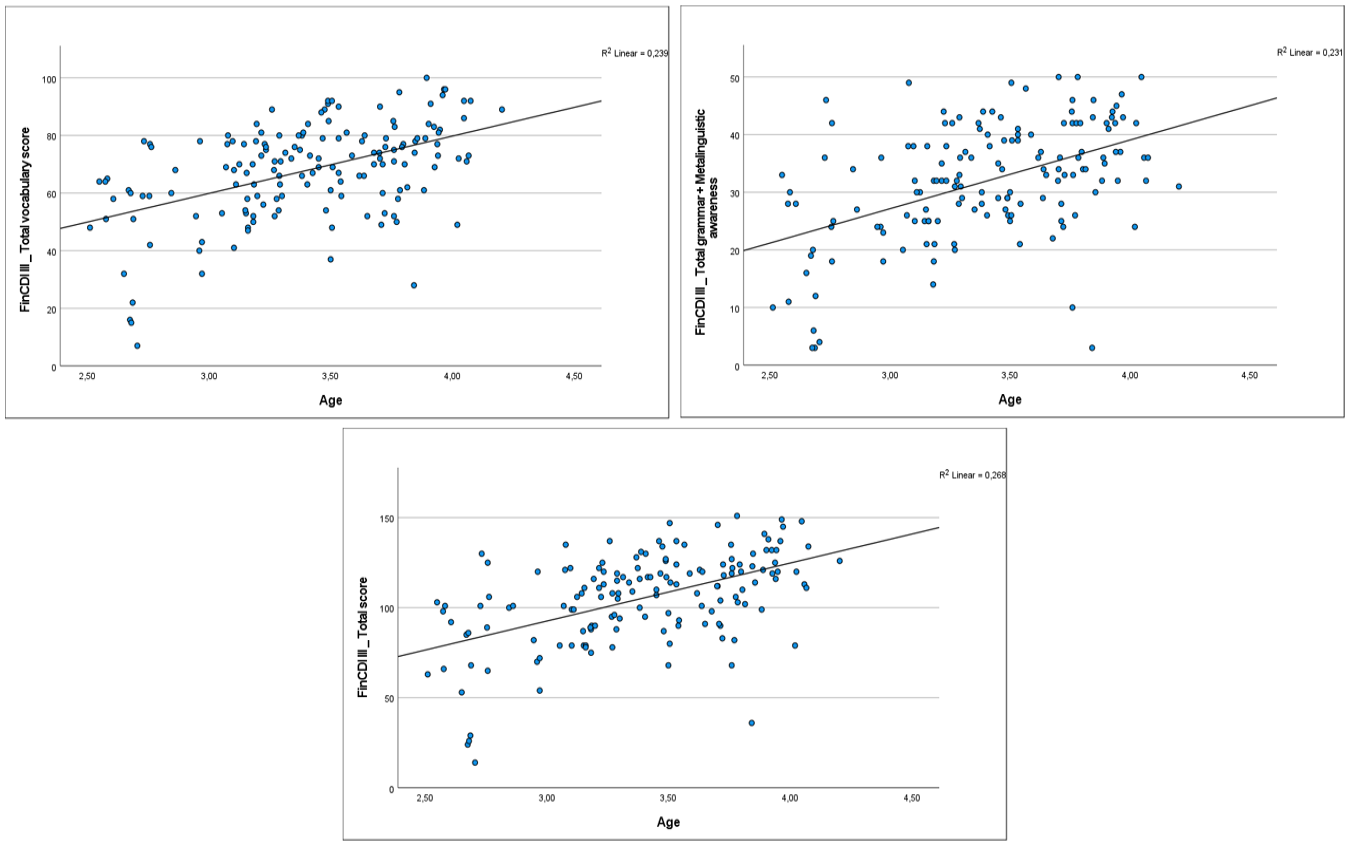
The Vocabulary score, the sum score for the Total language structure score (Total Grammar) and Metalinguistic awareness score, and the Total score of the finnish version of the Communicative Development Inventory III (FinCDI III) presented in relation with age.
In the second model, with the sum score of the Total language structure and Metalinguistic awareness skills scores as a dependent factor, age accounted for 23% of the variance; the effect was significant (F = 44.79, p < .001; Table 10). When gender and ME were added to the model, 3% more of the variation in the dependent factor could be explained (F = 17.38, p < .001). Of gender and ME, gender was a significant explaining factor, p = .016. Girls had higher sum scores of grammar and metalinguistic ability than the boys, t(149) = 2.7, p = .008 (girls: M = 34.2, SD = 10.0; boys: M = 29.8, SD = 10.1).
In the last model, age alone accounted for 26% of the variance in the total score of the FinCDI III and the effect was significant (F = 54.66, p < .001). When gender and ME were added to the model, the explaining value of the model increased slightly and the model was still significant (R2 = .29, F = 20.92, p = .001). Of gender and ME, gender was a significant explaining factor (p = .019). Girls had higher FinCDI III total scores than the boys (t(149) = 2.6, p = .011; girls: M = 110.9, SD = 22.3; boys: M = 100.3, SD = 27.5).
Discussion
This study provided information on the internal consistency and on the concurrent validity of the parental report instrument modified to measure language development of Finnish-speaking children aged between 2;6 and 4 years. The focus was particularly to investigate whether parents can provide valid information on different language domains of their pre-school aged children, which had not been studied previously. In addition, the effect of age and background factors on the results of the FinCDI III was investigated to obtain further information on the usability of the measure. The internal consistency of the FinCDI III was generally high. When the results of different sections of the FinCDI III were compared with the respective test results, the associations were all significant. In the regression models, age alone accounted for 23%–26% of the variation in lexical skills/language structures/general language ability assessed using the FinCDI III, and its effect was significant. When gender and ME were added to the models only 2%–3% more of the variation could be explained. Of gender and ME, only gender was a significant explaining factor.
Internal consistency of the FinCDI III was generally high. This result is comparable to previous findings (Eriksson, 2017; Tulviste & Schults, 2019). For example, in the validity study of SweCDI III, the Cronbach’s alpha values of different sections varied between .70 and .97 (Eriksson, 2017). Comparable internal consistency values derived from different studies suggest that the measure, originally modified for Swedish, works well when adapted to other languages as well. Furthermore, the significant correlations between sub-sections of the FinCDI III strengthened the internal consistency of the instrument. The highest r-value was detected between the vocabulary and morphological sections, which is in line with reported findings, now in slightly older children. Grammatical ability emerges in close association with the growth of the expressive lexicon, especially at the end of the second year (Bates & Goodman, 1999; Stolt et al., 2009). As participants in this study were slightly older than those in previous studies, the present results support the view that the same developmental path between growing expressive lexical ability and emerging grammatical skills can be detected also in older children. Furthermore, the lowest correlation, although significant, was detected between the phonological and metalinguistic awareness sections of the FinCDI III. It is possible that the fact that metalinguistic skills develop only later in childhood influences this association.
The lexicon part of the FinCDI III was designed largely based on the SweCDI III. In the norming sample of the SweCDI III, the median value for the lexicon part of the measure varied between 51 and 80 between the age period of 2;6 and 4;0 (Eriksson, 2017). In the present sample, the median values of the lexicon part of the FinCDI III varied between 59 and 76 within the same age period. The corresponding median values suggest that the FinCDI III provided comparable information on the lexical ability of Finnish children during the age points measured as the original Swedish version.
This study provided novel knowledge on how parents can provide specific information in terms of different language domains of their pre-school–aged children. Generally, correlations between different sections (Vocabulary, Phonology, Morpho-syntax, Metalinguistic awareness skills) of the FinCDI III and the respective test results were all significant. Regarding vocabulary knowledge, correlations with both receptive and expressive vocabulary test results were good, indicating that the lexicon part of FinCDI III provides valid information on both kinds of lexical knowledge, not only the expressive lexicon. This was somewhat unexpected since during very early lexical acquisition receptive and expressive lexicons do not develop hand in hand (e.g. Bates et al., 1988, 1995; Lyytinen, 1999; Stolt et al., 2008). The present finding suggests that this asynchrony is stabilized in the pre-school years. Furthermore, based on clear correlations between the Phonology section of the FinCDI III and the FPT, it was evident that parents were able to detect weak or very good phonological development of their child. This is interesting since phonology has been considered challenging for parents to estimate (e.g. Fenson et al., 2007). Specific questions on phonology included in the FinCDI III and the use of a language-specific validation test may explain the finding. Furthermore, although the correlations between sections measuring morpho-syntax and respective test results were slightly lower than those for the phonology section, the total language structure score of the FinCDI III correlated strongly with the result of the RDLS III. The clear and significant correlations between different sections of the FinCDI III and comparable test results provided specific, novel information on parents’ ability to assess their pre-school–aged children’s language ability. The findings suggest that parents can indeed provide valid information on their children’s language skills during the period between 2;6 and 4 years of age at the level of specific language domains (lexicon, phonology, morpho-syntax, metalinguistic awareness skills). Furthermore, the total score of the FinCDI III and that of the RDLS III were significantly associated, suggesting that the FinCDI III also provided valid information on general language ability. This finding is parallel to those of previous results for other languages (Cadime et al., 2021; Tulviste & Schults, 2019), which have also reported comparable associations between the scores of the CDI III and tests focusing on general language ability. In addition, those children with weak RDLS III scores also had weaker FinCDI III total scores than the rest of the group, which provided even further support for the validity of the FinCDI III. Roughly comparable results were reported for Estonian children with language difficulties (Tulviste & Schults, 2019).
Age accounted significantly for the variation in children’s language when measured using the FinCDI III. This result is in line with previous findings (Eriksson, 2017; compare Feldman et al., 2003 and Kas et al., 2022 as well). As language skills develop actively during the third and fourth years of life, it is important that the assessment method is sensitive to general variation based on age. Furthermore, although the explaining value of age was significant, the value was not very high. Still, it was comparable to that reported for the SweCDI III (Eriksson, 2017). Considerable individual variation has been detected in language ability during the childhood years (Bates et al., 1995; Stolt et al., 2009), and the same kind of variation could be detected from the descriptive statistics of the children in various age sub-groups in this study as well. Thus, although age is an important explaining factor in language development, it can explain only some variation. Furthermore, gender also significantly explained variation in the FinCDI III scores, a finding parallel with previous studies (e.g. Kuvač-Kraljević et al., 2021), which have provided information on gender differences in language development. The present results regarding the gender difference support the validity of the FinCDI III, since they show that the method identified the gender–specific differences. In contrast, maternal education level failed to explain the variance in language skills. Although all educational levels were represented in the present sample, the education level of the mothers was rather homogeneous, which may explain this result.
One strength of this study is a reasonably large sample size, which made it possible to derive representative information on children’s language. In addition, a large variety of instruments were used for validation. Only one or two measures have been used for the validation of different CDI III instruments modified based on the Swedish version of the CDI III (Cadime et al., 2021; Tulviste & Schults, 2019), or the concurrent validity was not investigated (Eriksson, 2017). Thus, this study expands on previous findings. Regarding limitations, this study sample included fewer parents with lower education levels. Although the education levels of the parents were representative of those of adults living in the capital area in Finland (Erjansola, 2021), this demographic characteristic should be taken into consideration when interpreting the results.
The following clinical implications can be identified. This study provides detailed validity results for the parental report instrument targeted to assess different types of language skills in children aged between 2;6 and 4 years. Several formal tests are available for clinicians to assess language skills of children at this age, but the number of available parental report instruments is low. As parental report instruments have many advantages when compared with formal tests, more validity information on new parental report instruments is welcome. In addition, this study showed that parents can indeed provide valid information on their children aged between 2;6 and 4 years at a language domain (lexicon, phonology, morpho-syntax) level. This novel result indicates that parents can be used as informants regarding their pre-school–aged children’s language skills more widely than perhaps has previously been thought. However, as suggested by Fenson et al. (2007), it is important that the assessment is limited to current behavior and that a recognition format is used. These conditions place less demands on the parents’ memory than retrospective or free-form reports (Fenson et al., 2007). Further validity information on the different language versions of the CDI III is needed in the future. It would also be important to investigate what kind of information the different versions of the CDI III provide on language development in different clinical samples, such as prematurely born children or children with hearing-impairment.
To conclude, the results of this study provide information on the reliability and validity of the parental report instrument targeted to measure the language skills of pre-school–aged children. High internal consistency of the instrument was detected. In addition, the findings provided detailed, novel information on parents’ ability to report different types of language skills of their pre-school–aged children. The findings support the view that parents of children at the age in question can provide valid information on their children’s language at a language-domain level to support clinical decision making.
Footnotes
Acknowledgements
Thank you to all the families who have participated in the FinCDI III Study and for the day care centres in the Helsinki city area providing help in the data collection period. Thank you for the following persons for providing help during the different phases of the study: Suvi-Maria Vehkavuori, Anna Kaivola, Sara Jaakola and Venla Nurmi.
