




Abstract
Adolescence is characterized as a period of great physical, psychological, social, and behavioral challenges which often impacts on the mental health of adolescents. Prior research has demonstrated the mental health of adolescents to be further complicated by the COVID-19 pandemic which resulted in isolation during the strictest lockdown period. As such, the primary purpose of this study was to identify the difficulties of South African adolescents during the COVID-19 pandemic. Data were collected through a questionnaire completed by 4230 grade 4 to 12 learners from two provinces in South Africa (Mpumalanga, North-West) and analyzed with chi-square, Cramer’s V, Bayesian, and the odds ratio tests. Participants self-reported on the difficulties they experienced during the strictest part of the COVID-19 lockdown period which could possibly impact on their mental health. The results indicate that fear was the most prominent difficulty experienced, but it must be viewed as a comorbidity with anxiety, stress, and depression. A significant finding was that the difficulties experienced were gender, age, and school level specific. The results indicate that mental health practitioners working with adolescents who experienced such difficulties should adopt a multilevel systems approach in supporting the mental health of adolescents during crisis situations like the lockdown during the COVID-19 pandemic. More importantly, early mental health interventions should take gender, age, and primary and secondary school levels into consideration for effectiveness since the difficulties highlighted in this study are likely to impact on the mental health of learners.
Keywords
In 2020, the World Health Organization (WHO, 2020) declared COVID-19 to be a global public health emergency. Aligned to this declaration, South Africa declared a national lockdown on 26 March 2020. All individuals residing in South Africa had to stay home during lockdown level 5, except those involved in the provision of essential services. Lockdown levels ranged from 1 to 5 (Stiegler & Bouchard, 2020). This study is based on difficulties experienced during the strictest lockdown period (level 5) which are likely to impact the mental health of adolescents.
Several researchers have noted that COVID-19 poses a great challenge to the mental health of people so the focus should not be only on their physical health (Holmes et al., 2020; Qi et al., 2020). Adolescents are in the critical stage of transition and development and poor mental health can result in long-term challenges that will compromise their growth and potential (Crews et al., 2016; Wambua et al., 2018). Adolescents are increasingly vulnerable to traumatic and stressful life events that often impact their mental health negatively (Zhang et al., 2014). Myruski and Buss (2020) point out that adolescence is a period of rapid social, emotional, and cognitive change that often results in young people becoming vulnerable. Compared to pre-COVID-19, they found anxiety had increased by 45% and school anxiety by 42%. Hence, exploring the difficulties experienced during COVID-19 lockdown is crucial as they could impact the mental health of learners at school.
A review of worldwide literature on the mental health of adolescents during the COVID-19 lockdown period helped identify several difficulties they had experienced. Psychiatric disorders such as post-traumatic stress disorders (Cui et al., 2020; Henderson et al., 2020; Imran et al., 2020; Jefsen et al., 2021; Liang et al., 2020; Sethy & Mishra, 2020), depression, anxiety, and grief-related issues had escalated (Guessoum et al., 2020; Nearchou et al., 2020). Associated with depression and anxiety were symptoms of loneliness and hopelessness or thoughts of self-harm and suicidality (Cuartas, 2020). Difficulties with executing daily tasks, mood swings, abnormal behaviors, psychosis-like symptoms, and somatic symptoms of discomfort or stomach aches, eating and sleep disorders were also identified (Cui et al., 2020; Ramadhan et al., 2020). In addition, psychosocial dysfunctions and dissociative disorders (Liang et al., 2020) and symptoms of attention-deficit/hyperactivity disorder (ADHD) (Jefsen et al., 2021) seemed to escalate during COVID-19. Children diagnosed with conduct disorders, obsessive-compulsive disorder, and autism experienced increased symptoms due to the COVID-19 lockdown regulations (Jefsen et al., 2021).
The mental health difficulties experienced by adolescents during COVID-19 have been exacerbated by several factors that put them at risk. Some of these factors are related to unexpected home confinement, escalating grief, intrafamilial violence, and overuse of the Internet and social media (Guessoum et al., 2020). These factors highlight the impact of COVID-19 on the different systems and subsystems in which adolescents interact daily. Bronfenbrenner’s (1986) bio-ecological systems theory indicates how adolescents influence and are influenced by the environments and contexts in which they live. This means that the difficulties experienced by adolescents living within the COVID-19 context are most likely to impact on their individual, family, school, and community functioning since all subsystems are interrelated (Visser, 2007). This in turn is likely to impact on the mental health of children in schools.
The above discussion articulates the difficulties experienced which could impact the mental health of adolescents globally during the COVID-19 lockdown period. However, the absence of similar studies in Africa is conspicuous. Hence, this study is vital in providing a South African perspective of difficulties experienced by adolescents during the lockdown period because of COVID-19, which could influence their mental health. The primary research questions were: What are the difficulties experienced by South African adolescents during the COVID-19 lockdown period? Is there gender, schooling level, and age differences in the difficulties experienced?
Methods
Participants
The sample comprised 4230 (58.1% females; 41.5%; mean age = 14.01 years) grade 4 to 12 learners from the Mpumalanga (n = 4130) and North-West (n = 100) provinces in South Africa. The discrepancies in numbers were caused by lack of accessibility to schools due to the COVID-19 lockdown rules. Field workers could only collect data from schools and provinces that gave them permission. Most participants were from the Bohlabela (n = 2533), Ehlanzeni (n = 1597) education districts in Mpumalanga and Bojanala (n = 100) in the North- West province. Age was recoded into two groups, namely early adolescence (10–14 years), middle and late adolescence (15–19 years). Grades were also coded into two groups namely primary school (G4–G7) and secondary school (G8–G12).
Instruments
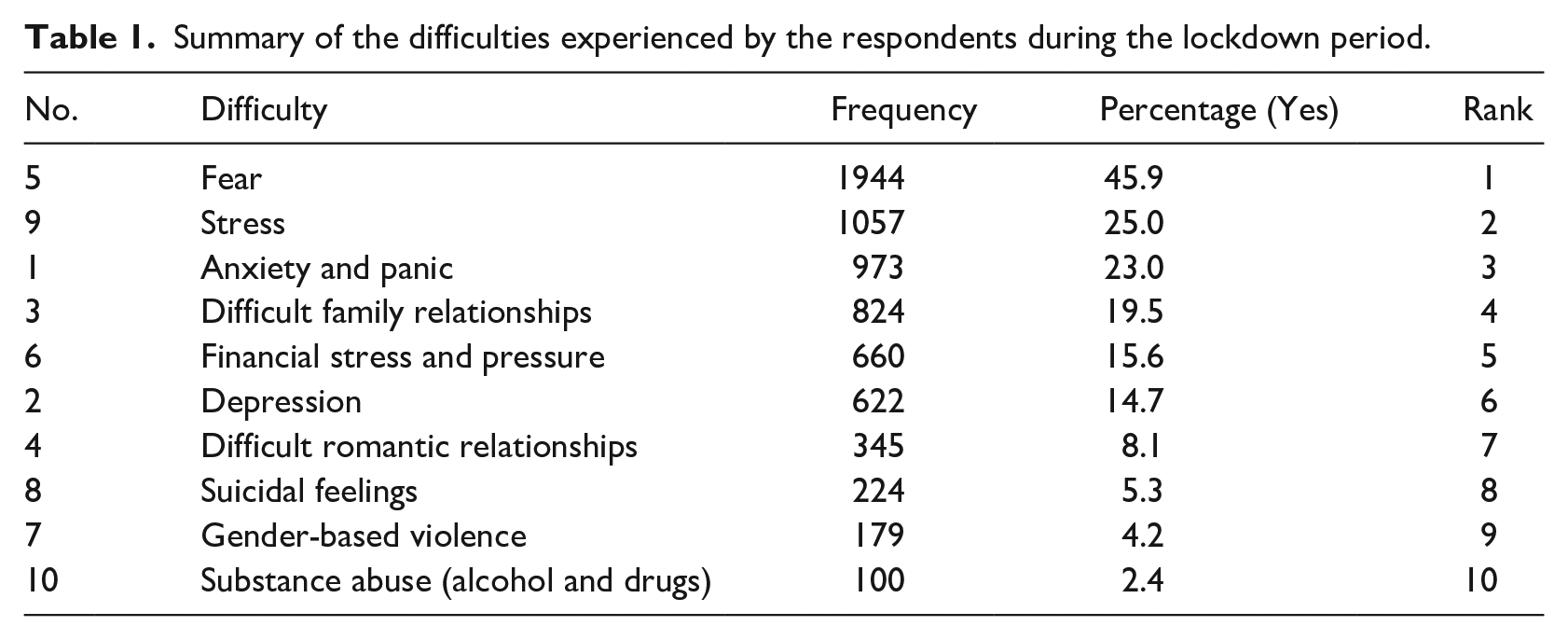
The researcher constructed the instrument by analyzing questionnaires designed by organizations such as the South African Depression and Anxiety Group and UNICEF. The first page of the questionnaire explained the purpose of the study and requested the learner to give consent or assent to participate in the study. They were allowed to continue only if they agreed to participate. The rest of the questionnaire was divided into two sections. Section A of the questionnaire requested biographical data from the participants. In Section B, the participants were requested to self-report on the difficulties they experienced during the COVID-19 lockdown period by marking a yes or no response to each of the 10 items listed. Hence, frequencies of a binary categorical variable were collected and ranking by the researchers, of the most frequent yes answers, was possible (see Table 1).
Summary of the difficulties experienced by the respondents during the lockdown period.
Procedure
The questionnaire was designed so that it could also be completed online by the learners. However, due to data bundle costs and connectivity issues, data were collected both online and through the completion of hard copies that were then loaded onto the system. Field workers accessed the learners through their schools. Learners who had access to electronic devices were given the online link to complete the questionnaire which took approximately 25 min to complete. Most learners completed a hard copy of the questionnaire administered by a field worker during the Life Orientation period.
Ethical considerations
Ethical approval was granted by the Ethics Committee in the Faculty of Education at the University of Johannesburg before the instrument was given to the learners. In addition, parents and caregivers provided written consent a month prior to the learners completing the instrument. All learners had to first give assent or consent to participation before the instrument was completed.
Data analysis
Data were analyzed using SPSS version 27 (IBM Corp., n.d.). There are numerous statistical tests one can use to analyze associations between two categorical variables and in this research, we chose to use four such statistical tests namely chi-square, Cramer’s V, Bayesian tests, and the odds ratio. The chi-square test used was that of Pearson which essentially tests the independence of two categorical variables by analyzing the frequencies in each of the categories (Field, 2018). Cramer’s V is a chi-square-based measure of association that can attain the value of 1 for tables of any dimension and is used if one of the two categories contains more than two categories. In this research the p-value used to test for significance in the chi-square and Cramer’s V was p ⩽ .05. In addition, bootstrapping of 1000 samples was utilized. The Bayesian test used was a loglinear model and the sampling plan was a multinomial model and conjugate pairs (the default model in SPSS 27). The value reported in this research was the Bayes factor. In SPSS 27, it indicates the probability of the data under the null hypothesis relative to the alternative hypothesis (Field, 2016, 2018). If one divides 1 by this value, then the reciprocal or the probability of the alternative hypothesis relative to the null is obtained. “Values greater than 1 suggest one changes belief from the null hypothesis to the alternative one. Values greater than 3 suggests that a change in beliefs is substantial” (Field, 2018). The odds ratio is the probability of an event occurring divided by the probability of it not occurring (Field, 2018)
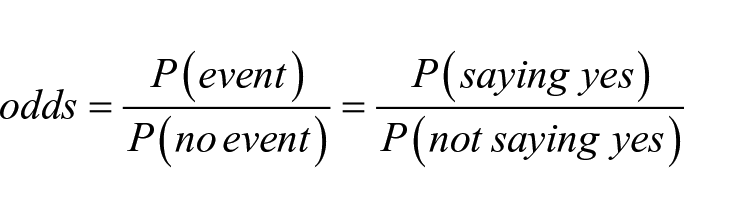
The odds ratio is then the odds of, for example, males saying yes divided by the odds of females saying yes. When there are more than two groups, the interpretation can become rather complex. In this research, it was only if all four tests indicated significant associations that the alternative hypothesis was accepted as being more likely than the null hypothesis.
Results
Respondents were asked, “Did you experience any of the following difficulties during the lockdown period? Please select all that apply to you from the list below.” There were 10 so-called “difficulties” provided, and they were ranked by the researchers according to the highest yes responses obtained (see Table 1). This frequency analysis is then followed by tests into possible associations between the difficulties experienced during the lockdown period and gender, then difficulties experienced by primary school (G4–G7), and secondary school levels (G8 and G12). Learner age, provided in years at the time of questionnaire completion, was grouped by the researchers into early adolescence (10–13 years) and middle to late adolescence (14–19 years).
Table 1 reflects that 45.9% of respondents identified fear as a difficulty. Although fear had the largest frequency of yes responses, this does not necessarily imply that males and females differ significantly with respect to answering yes to fear experienced. Stress, anxiety/panic attacks, difficult family relationships, and financial stress and pressure all formed part of the top five difficulties experienced during the lockdown period, as identified by the participants. This was followed by depression, difficult romantic relationships, suicidal feelings, gender-based violence (GBV), and substance abuse.
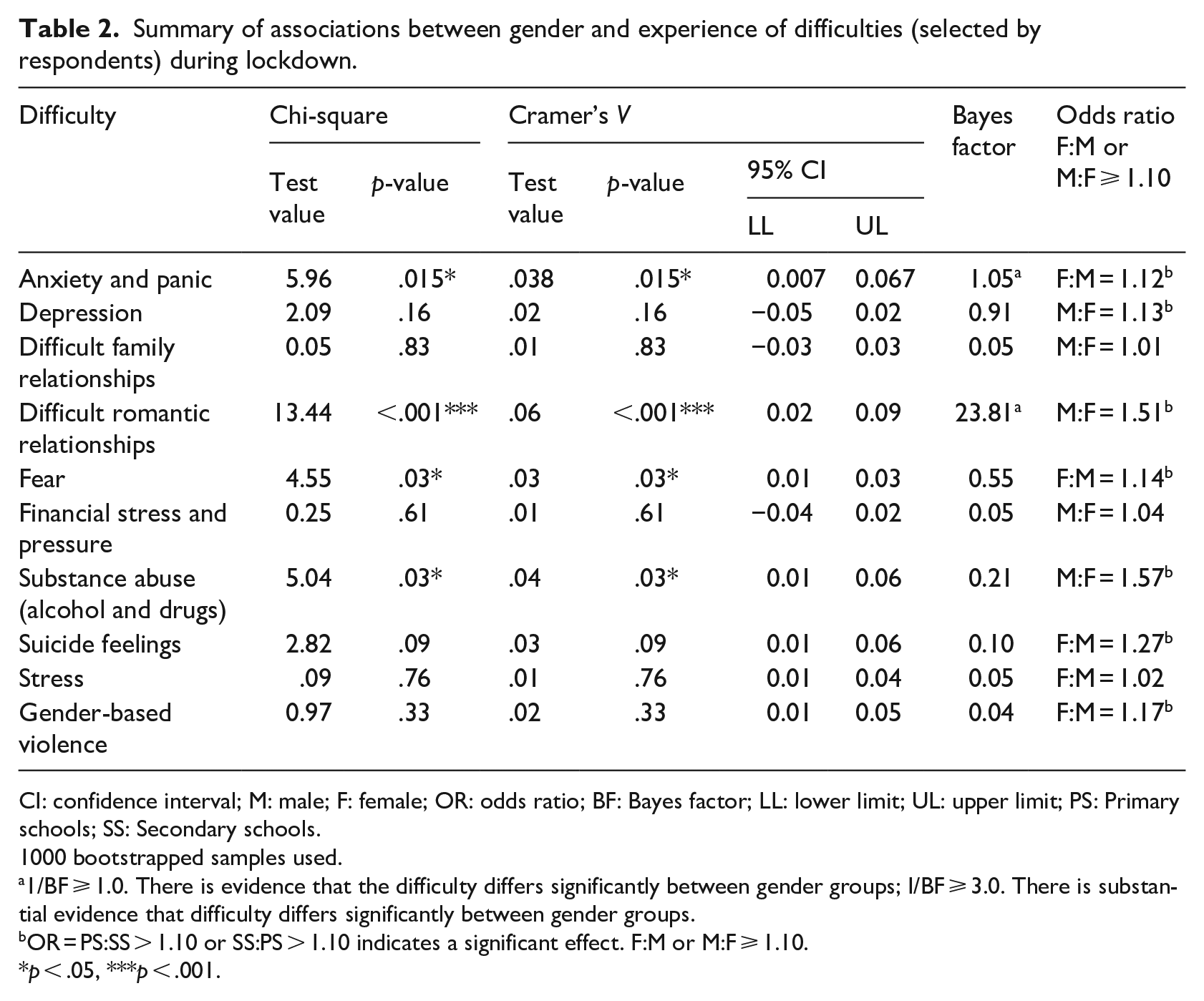
Table 2 shows the tests for gender differences in terms of the difficulties experienced during the lockdown. The difficulties were not the result of COVID-19, but difficulties respondents had experienced during the lockdown period.
Summary of associations between gender and experience of difficulties (selected by respondents) during lockdown.
CI: confidence interval; M: male; F: female; OR: odds ratio; BF: Bayes factor; LL: lower limit; UL: upper limit; PS: Primary schools; SS: Secondary schools.
1000 bootstrapped samples used.
1/BF ⩾ 1.0. There is evidence that the difficulty differs significantly between gender groups; I/BF ⩾ 3.0. There is substantial evidence that difficulty differs significantly between gender groups.
OR = PS:SS > 1.10 or SS:PS > 1.10 indicates a significant effect. F:M or M:F ⩾ 1.10.
p < .05, ***p < .001.
The data in Table 2 show that when all four categorical association tests were used, they indicated that only perceived difficult romantic relationships were statistically significantly associated with gender. The chi-square test value was significant (p < .001) as was the Cramer’s V. In addition, the 95% confidence interval (CI) in Cramer’s V, obtained from 1000 bootstrapped samples, did not contain zero (lower limit [LL] = 0.02, upper limit [UL] = 0.09). Hence, it is likely that there is a genuine effect in the population (Field, 2018). There was strong support for the alternative hypothesis, namely, that there is a statistically significant difference between males and females regarding their experience of difficult romantic relationships (1/BF = 28.6). In addition, males were 1.5 times more likely than females to have answered yes to difficulties experienced in romantic relationships. Regarding fear experienced during lockdown, there was a significant association with small effect size in terms of gender, with the odds ratio of F:M = 1.20. This again confirmed that females were slightly more likely to have answered yes to experiences of fear than males were. Anxiety and panic had results like fear, namely females were about 1.20 times more likely to have answered yes than males were. Suicidal feelings were 1.27 times more likely among female respondents than males, while GBV was 1.11 times more likely to have received a yes response from females than from males. Regarding substance abuse, all tests showed that males were more likely to have answered yes than females. The odds ratio (OR) shows males were about 1.6 times more likely to have responded with a yes regarding substance abuse than females.
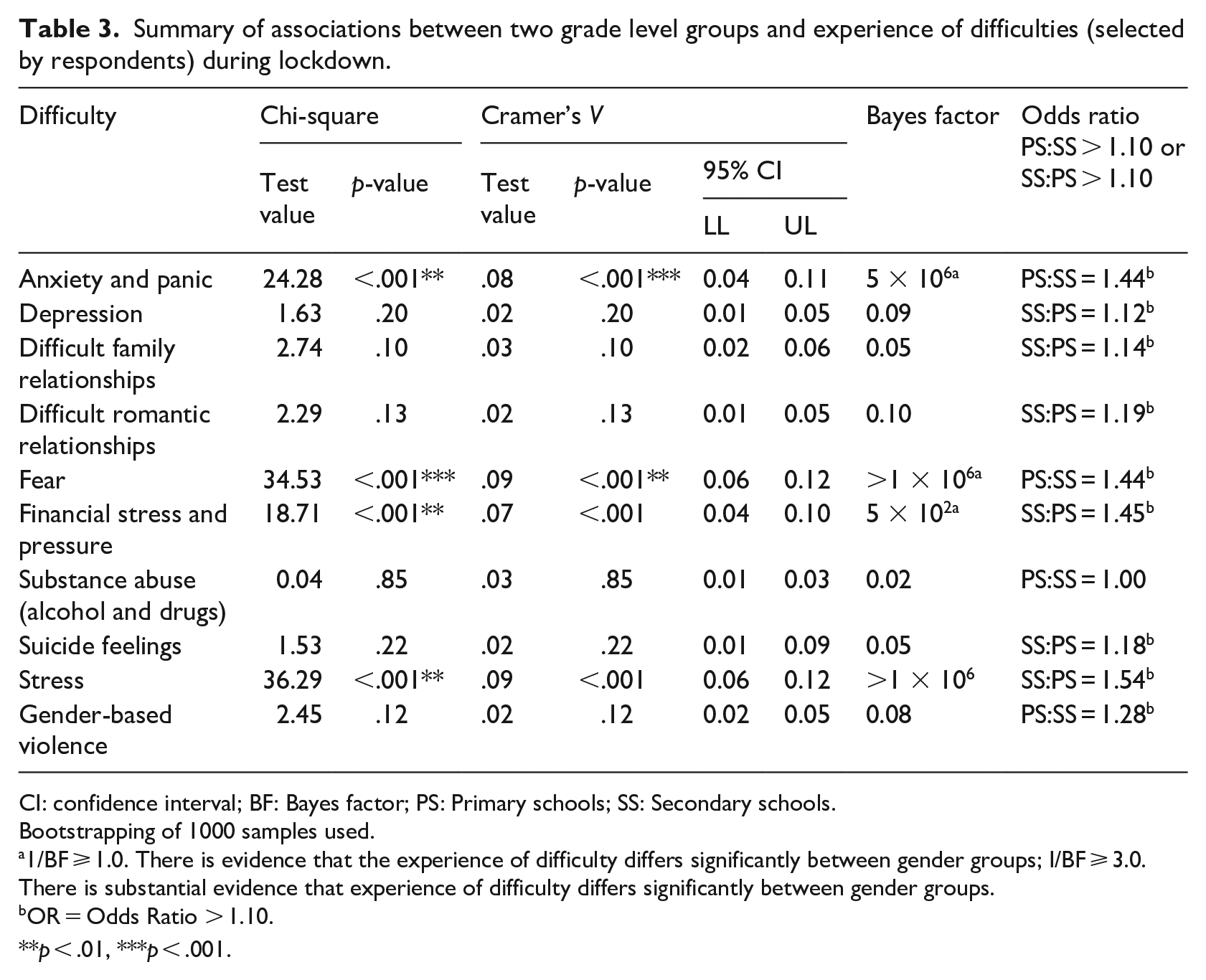
Table 3 summarizes the various tests of association between difficulties experienced during the Covid-19 lockdown and the two school type groups. Grades 4 to 7 were grouped as primary schools and G8 to 12 as secondary schools as mandated in education regulations.
Summary of associations between two grade level groups and experience of difficulties (selected by respondents) during lockdown.
CI: confidence interval; BF: Bayes factor; PS: Primary schools; SS: Secondary schools.
Bootstrapping of 1000 samples used.
1/BF ⩾ 1.0. There is evidence that the experience of difficulty differs significantly between gender groups; I/BF ⩾ 3.0. There is substantial evidence that experience of difficulty differs significantly between gender groups.
OR = Odds Ratio > 1.10.
p < .01, ***p < .001.
The data in Table 3 show that four of the listed difficulties experienced showed significant differences between primary and secondary school respondents, in all four tests used. These difficulties were as follows:
Anxiety and panic: The chi-square test showed that the probability of learners in primary school saying yes was significantly greater than it was for secondary school learners (p < .001). Cramer’s V of .08 had a 95% probability of being found between .04 and .08 (p < .001). Bayes factor was large and provides substantive evidence that the alternative hypothesis is more likely (the two school groups differ significantly from one another regarding the frequencies of yes to no responses). The OR indicates that learners in the primary school were 1.44 times more likely to have answered yes to experiencing the difficulty anxiety and panic than were secondary school learners.
Fear: The results for fear were like those for anxiety and panic. All four tests showed significant differences, and, in each test, the primary school respondents had the largest yes to no frequency ratio. Primary school respondents were 1.44 times more likely to have answered yes to experiencing fear as difficulty during the lockdown period than were secondary school respondents.
Financial stress and pressure: The result suggests that respondents in secondary schools were more prone to experiencing financial stress and pressure than were primary school respondents. The odds ratio showed that respondents in secondary schools were 1.45 times more likely to have answered yes to experiencing financial stress and pressure than were respondents from primary schools.
Stress: This difficulty had the largest values in all four tests regarding the frequency of yes to no responses with secondary school respondents having significantly more yes responses than primary school respondents. All four tests had the highest values of the 10 difficulties listed. Furthermore, the results of the tests for stress were like the difficulty of fear possibly showing the two emotions go together.
The odds ratio was significant in 9 of the 10 difficulties experienced, with substance abuse (alcohol and drugs) being the lone exception (PS:SS ≈ 1.00). GBV as difficulty experienced showed that PS respondents were about 1.3 times more likely to have responded with yes rather than no.
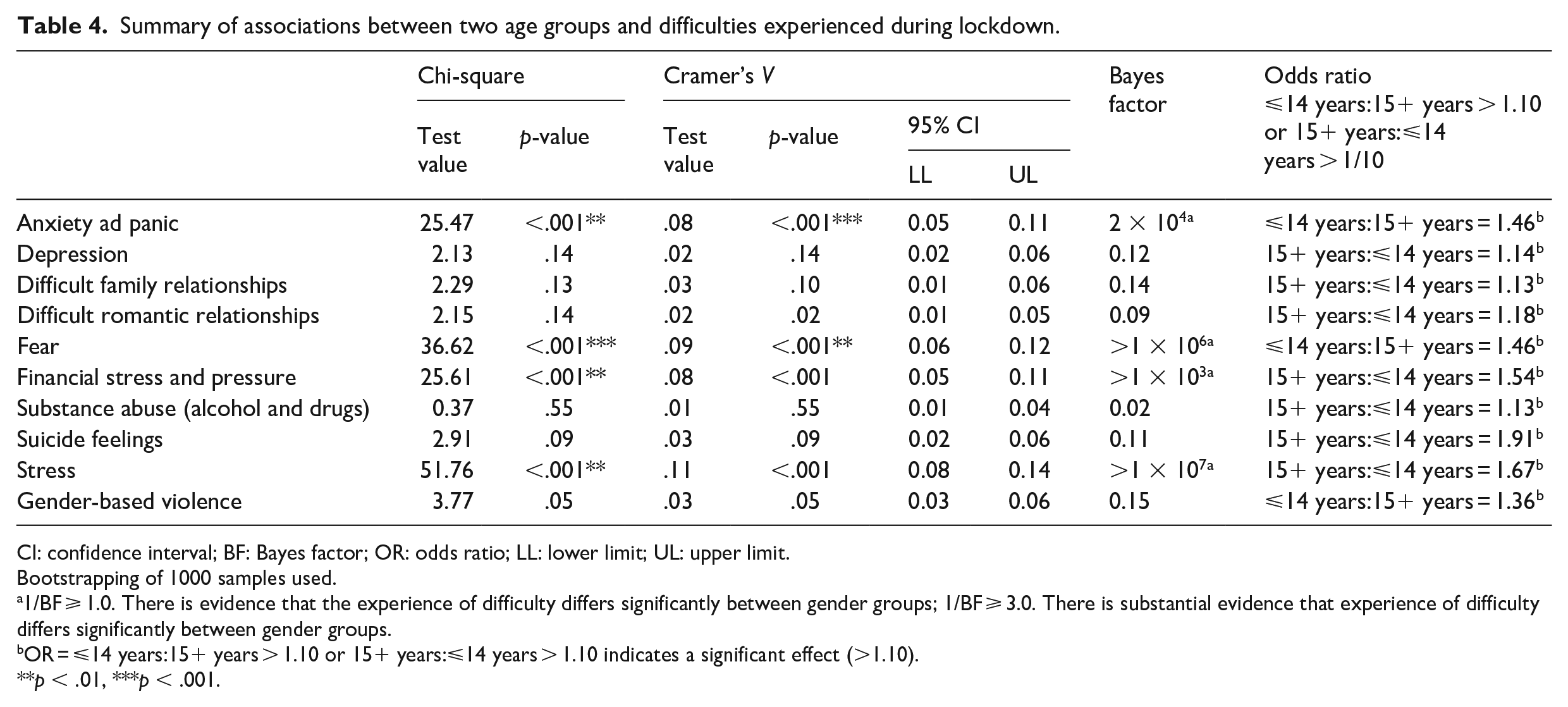
Table 4 compares the yes to no responses of the two age group categories with respect to the difficulties they experienced during the Covid-19 lockdown. The age groups had some learners who were 19 years old in Grade 12 and to equalize the groups to five each, the researchers decided to group respondents 14 years old or less as one group and 15 or more years as the other group. Such a grouping does result in an overlap of 14-year-old learners in both primary and high schools. Placing the 14-year age group with the younger age group compensates for the 19-year-old learners in the older group.
Summary of associations between two age groups and difficulties experienced during lockdown.
CI: confidence interval; BF: Bayes factor; OR: odds ratio; LL: lower limit; UL: upper limit.
Bootstrapping of 1000 samples used.
1/BF ⩾ 1.0. There is evidence that the experience of difficulty differs significantly between gender groups; 1/BF ⩾ 3.0. There is substantial evidence that experience of difficulty differs significantly between gender groups.
OR = ⩽14 years:15+ years > 1.10 or 15+ years:⩽14 years > 1.10 indicates a significant effect (>1.10).
p < .01, ***p < .001.
The data in Table 4 display the four difficulties that exhibited significant differences between ⩽14 years of age and 15+ year old groups. All four of the statistical tests used showed significant differences in the following difficulties experienced:
Anxiety and panic: The chi-square test was significant (p < .001) and so was Cramer’s V at .08 with 95% CI between 0.05 and 0.11 indicating significance between these two values. With zero not present between the intervals, the effect was likely to be present in the population.
Fear: All tests showed statistically significant differences between the two age groups with the ⩽14-year-old group answering yes significantly more often than the 15+ year age group regarding fear as difficulty experienced. The younger age group were almost 1.5 times more likely to have answered yes than were the older age group.
Stress: The older respondents in the 15+ year age group showed significantly more yes responses in all the tests than did the ⩽14-year-old group. This older age group were 1.4 times more likely to have answered yes to experiencing stress during the lockdown period than were the younger age group.
Financial stress and pressure: The older age group of 15+ years had all tests indicating that they answered yes significantly more often than no regarding financial stress and pressure as difficulty experienced during the lockdown period.
The odds ratio showed values >1.10 for all 10 of the difficulties provided in the questionnaire. In 7 of the 10 difficulties listed, the OR showed that the 15+ year age group had significantly more yes responses than the younger age group. It was only in anxiety and panic, fear, and GBV that the younger age group of 14 years or less of age had OR with more yes than no answers compared to the older age group.
Discussion
There are three key findings in this study. First, fear emerged as the most prominent difficulty experienced in this study. Second, some difficulties experienced are gender specific. Third, some of the difficulties experienced are associated with the age and school level of adolescents.
In this study, fear emerged as the greatest difficulty experienced which is likely to impact on mental health challenges experienced by adolescents. Fear is one of six universal emotions, and it seems plausible that it should be identified as the highest by respondents of the difficulties experienced. Other studies found anxiety, depression, stress, post-traumatic stress disorder (PTSD), and grief negatively impacting on the mental health of adolescents during the COVID-19 lockdown (Pavarini et al., 2020; Qi et al., 2020). However, these are all comorbid difficulties, associated with mental health, since adolescents who are anxious, depressed, and stressed also experience fear that usually exacerbates these difficulties. Many adolescents might also use alcohol and drugs as a coping mechanism because of their fears (Khoza & Shilubane, 2021). All the other difficulties listed, such as difficult family and romantic relationships, suicidal thoughts, and GBV, are likely to be associated with fear. Therefore, the researcher further expounds on fear, which was identified as number one in the current study.
Young people often imitate the fear of their parents or caregivers, and one would expect that this would be evident during COVID-19 (Clemens et al., 2020). Studies have noted that during COVID-19, young people feared exposure by them and their families to people who were COVID-19 positive. They were uncertain about the future, and they were angry about what was happening in the world due to the virus (Cuartas, 2020). Also, they feared for their health and the well-being of family members (Henderson et al., 2020; Wang et al., 2020). They were also concerned about their families’ financial survival during the lockdown period (Imran et al., 2020; Knopf, 2020; Singh et al., 2020). The fears of adolescents were exacerbated by school closures and their inability to successfully complete the academic year. The lack of adequate information, disinformation, and rumors on the pandemic and lockdown regulations also escalated their fears (Cui et al., 2020; Liang et al., 2020; Usher et al., 2020), and this was also the case within the South African context.
Another important finding was that family relationships and financial stress were identified by participants as being higher than suicidal thoughts, GBV, and substance abuse. In other parts of the world, the focus seems to be more on anxiety, stress, and depression (Nearchou et al., 2020). Pavarini et al. (2020) also found that concerns about family being infected with the virus and financial stress appear to be a greater concern for young people in Africa. The reasons for this difference are not clear but one may postulate that in an African worldview, family and community are essential (Eaton & Louw, 2000). Adolescents often expect their families and communities to support them through anxiety, depression, and stress (Mohammadi et al., 2020). Furthermore, in an African context, poverty is rife. Therefore, it is expected that adolescents and their families would fear an escalation in poverty due to COVID-19, which led to increased unemployment and starvation (Kelly et al., 2020). GBV is a common problem in South Africa (Mbunge, 2020; Mittal & Singh, 2020) and according to Rasool (2017) there were high levels of GBV among South African adolescents. So, it is surprising that the participants in this study did not see GBV as a problem. The reasons are not known but possibly within an African context, it may not be socially desirable for adolescents to disclose information about their families (Idang, 2015). Also, the participants could have hesitated to disclose such information because they doubted the confidentiality, despite assurances.
The findings indicate that some important aspects of difficulties experienced are gender specific. Results show that males experienced more difficulties with romantic relationships than females. Generally, this is not unexpected since females are often seen as more committed to a single relationship rather than multiple ones (Myruski & Buss, 2020). Teenage boys are in the experimental stage of forming romantic relationships (Myruski & Buss, 2020). However, a plausible explanation for the findings in this study could be that girls usually do not initiate romantic relationships (Anderson, 2015). Anderson (2015) found that teenage boys are 65% more inclined than girls to use social media to engage in romantic relationships. This probably explains why boys highlighted romantic relationships as a significant difficulty because they used social media more frequently during the COVID-19 lockdown (Werling et al., 2021).
Furthermore, the findings revealed that female adolescents experienced fear slightly more than males. This finding corroborates the study by Johansson et al. (2009), who found that teenage girls experience more fear than boys. The findings in this study that depression, suicidal feelings, and GBV were more likely to be experienced by females than males support previous studies (Duan et al., 2020; McLoughlin et al., 2015). However, substance abuse was more prevalent among male respondents than females in this study. This was also noted by Vannucci et al. (2021).
The last key finding was that difficulties experienced were associated with age and school level. The younger age group (⩽14 years) experienced anxiety, panic, and fear significantly more than the older age group (15+ years). This finding corroborates with other studies that indicate that children younger than 12 years of age are at higher risk for mental health problems than adolescents (Cowie & Myers, 2021; Singh et al., 2020). Financial difficulties and stress were more common among the older age group of 15+ years. A similar trend was an association between difficulties and level of schooling. For example, fear, anxiety, and panic were difficulties experienced more by primary than secondary school respondents. However, financial stress and pressure and stress were more often experienced by secondary school respondents.
The above findings should be noted with caution due to certain limitations: One limitation of the study was that only two provinces of nine participated in the study. However, as explained, this was unavoidable. Another limitation was the poor representation of the sample in terms of race and culture. Here again, predominantly Black schools were more eager to participate. Gender imbalance, with an over-representation of female adolescents, was another limitation. However, the Mpumalanga province is noted for having more females than males. Self-reporting and social desirability were important limitations since participants may have given responses that they think are more acceptable. Even though confidentiality was assured, participants may have hesitated to give honest responses. Finally, the questionnaire was in English and this could have affected the responses of the participants who did not have English as a first language. Despite the limitations, the study identified key findings in terms of difficulties experienced by adolescents during the COVID-19 lockdown based on gender, age, and school levels. These difficulties are most likely to contribute to mental health problems and have implications for early interventions.
Implications for early mental health interventions
The above findings imply the following for mental health practitioners providing support interventions to adolescents during COVID-19 and other crisis situations: the various difficulties identified in this study may be viewed differently in African and Western contexts. Therefore, a joint treatment is needed for fear and other related comorbidities such as anxiety, panic, depression, and PTSD. In addition, difficulties were specific to gender, age, and school levels. A bio-ecological systems treatment approach would be useful since it emphasizes the interrelatedness and interconnections between various subsystems. This implies that the difficulties of adolescents (individual subsystem level) during crisis situations are most likely to have a ripple effect on their functioning within the family, school, and community subsystems. Mental health interventions should address the fears, stress, anxiety, and all the other difficulties identified. Most interventions seem to treat one or two mental health difficulties at the same time; however, an approach that treats multiple mental health difficulties simultaneously should be utilized.
In this regard, the Common Elements Treatment Approach (CETA) developed by Johns Hopkins University would be a good approach to support adolescents (Murray et al., 2014). This approach is aligned to the bio-ecological systems approach, which takes the adolescent and the various subsystems into consideration. For example, it would look at specific treatment strategies for jointly addressing the fears, anxiety, and stress, of adolescents during COVID-19 through methods such as psychoeducation and cognitive behavior therapy. These strategies would be beyond the individual and should include support programs for parents, schools, and communities. The CETA would also address the other difficulties that did not emerge as significant concerns during COVID-19 lockdown in the current study, such as GBV, substance abuse, and suicide, despite being serious problems in South Africa.
Furthermore, it is imperative that mental health practitioners consider gender, age, and primary and secondary school levels when mental health support interventions are designed and implemented. For example, girls experience fear, anxiety, stress, and depression more than boys in this study, and this also appears to be true for primary school children. Therefore, the interventions for girls and primary school children should emphasize dealing with these difficulties. For boys and secondary school learners, support interventions should focus more on personal and family relationships, managing financial stress and substance abuse.
Conclusion
This research identified fear, stress, anxiety, and family relationships as important difficulties experienced by South African adolescents during the COVID-19 lockdown period. Furthermore, the findings indicate that some difficulties are specific to gender, age, and school levels and mental health practitioners providing early mental health interventions for adolescents should take this into consideration. Finally, the implications noted in this study would be useful in a global context since COVID-19 has impacted all countries, schools, families, and communities.
Footnotes
Declaration of conflicting interests
The author(s) declared no potential conflicts of interest with respect to the research, authorship, and/or publication of this article.
Funding
The author(s) disclosed receipt of the following financial support for the research, authorship, and/or publication of this article: This work was supported by the South African Research Chairs Initiative of the Department of Science and Innovation and the National Research Foundation of South Africa (grant number: 87300).
