




Abstract
According to conventional wisdom, organized criminal activity is perpetrated primarily by non-state, private actors who are occasionally [or not] protected by corrupt government officials. From this perspective, a hard distinction is made between those who provide protection to criminals (e.g., politicians or law enforcement officials) and the criminals themselves (e.g., smugglers or producers of counterfeit goods). It further treats the involvement of state-affiliated actors as a by-product of corruption in public office, rather than, in some places, a feature of it. This article builds on emerging evidence that state representatives play a far more direct role in supervising, organizing and sometimes managing crime than assumed in the majority of the literature. It shows that there are inherent theoretical, policy-level biases that misguide the analytical thinking about organized crime in the Global South, and argues that there is a need to reconsider existing approaches to develop more accommodative definitions of organized crime.
The field of organized crime studies is dominated by the focus on non-state “underworld” actors including mafias (Gambetta 1996; Varese 2001) and gangs (McLean 2019) as well as the nexuses of extremists and radical Islamists (Makarenko 2004), and of rebels and militias (Steenkamp 2017). However, growing evidence has highlighted rogue state-embedded networks organizing serious crimes in different parts of the world. The empirical evidence underlines that corruption is not just a facilitating factor as conceptualized (Marquette and Peiffer 2021), and there is a need to recognize that the complicity and complacency of government representatives goes beyond the occasional moonlighting of police officers (Civico 2012), providing protection (Gambetta 1996), forbearance (Holland 2016), and other forms of involvement discussed in the literature.
The dominant perspectives treat the involvement of state-affiliated actors in organized crime as a by-product of corruption in public office and describe criminality as a field mainly populated by non-state actors. The topic of power shifting away from states and onto non-state actors has gained new salience in the context of globalization. Increased connectivity and advances in technology are perceived to undercut the authority of individual states, with greater power flowing to non-state actors. The research on non-state actors has also dominated the field of organized crime, with some such studies claiming that they indeed pose a more significant threat in international crime compared to state-based actors (van der Laan 2017). In rare exceptions, some scholars suggest that politicians may be using this discourse to divert attention away from their own connection to illegal activities. For example, Shelley (2014, 220) criticized the term “narcoterrorism” because it “ignores the high-level corruption of government officials that facilitates this drug trade.” Similarly, in Kenya, the preoccupation with al-Shabab and its complicity in poaching is a convenient distraction from addressing the issue of corruption among rangers, police, and high-ranking government officials (Felbab-Brown 2018). Non-state actors are the “usual suspects,” an assumption that is often not based on evidence, as demonstrated in the case of the largest shipment of amphetamines ever seized. In 2020, Italian police were quick to assign the trafficking of 14 tons of captagon to ISIS, but it soon became clear that it was rather the Syrian ruling regime behind the shipment (OCCRP 2020). More recently, scholars unraveled how Afghan state officials profited much more from the regional drug trade compared to the Taliban (before coming to power in 2021). Pro-government powerbrokers collected about twice as much as the Taliban in revenues from drugs, one report found (Mansfield and Smith 2021). Other recent scholarship suggests that the state and its institutions should be placed at the core of understanding the links between non-state actors and various types of illegal trade. 1
In the past decade, we have seen many cases of high-ranking politicians and bureaucrats in places as diverse as Paraguay, Montenegro, Honduras (U.S. Department of Justice 2019), Ukraine, Belarus (Calderoni et al. 2016), Jordan (OCCRP 2019), and Guinea-Bissau (Shaw 2015) directly participating in organizing crime. In the literature, such cases are typically “explained away” as aberrations, with scholars and the media mostly focusing on the imagined distinction between the underworld and upperworld, and the former “infiltrating” the latter. However, research suggests that there is an increasing overlap between state and criminal actors and there is growing evidence of high-level state complicity in—if not outright direction of—criminal markets (GI-TOC 2019a). In fact, the recently published Global Index of Organized Crime found that state-affiliated actors are the most prominent category of criminal actor. It states that “the role of state actors as vectors of organized crime by facilitating or taking part in illicit economies is underscored emphatically by the findings of this report” (GI-TOC 2021, 8). Earlier GI research on the African continent found that state-affiliated actors are the key players and the role of mafias is negligible (GI-TOC 2019b). Meanwhile, Zaitch and Antonopoulos (2019) reported that one of the most important recent trends in Latin America is the increasing involvement of state agencies and politicians in organized criminal activities. For instance, researchers of wildlife trafficking have found that complicity of high-level officials and law enforcement structures, rather than just bribery or collusion, is an important problem (Basel Institute of Governance 2019). Meanwhile, researchers of drug smuggling have shown that high-ranking law enforcement officials are the key actors in organizing drug trafficking in Central Asia (De Danieli 2014). In addition, network analysis has demonstrated that border authorities, militaries, and customs are playing a central role in the illegal trade of cassava and timber on the Cambodian-Vietnamese border (Mahanty 2019). Finally, in his recent book, Florian Weigand found that “state actors are considerably more important players in the smuggling economy at the Myanmar–Bangladesh border than non-state armed groups, both with regard to the smuggling of people and goods” (Weigand 2020, 95–96). He goes on to say that rather than corrupt officials turning a blind eye, this involvement is more direct and systemic (Weigand 2020).
Existing approaches of “collusion,” “state penetration,” and “political-criminal nexuses” fail to explain cases of state-affiliated actors supervising and sometimes managing serious crimes, and therefore countermeasures based on such assumptions are likely to fail. This article looks at the involvement of state-affiliated actors in organized crime and argues that theoretical frameworks need to be revised to accommodate the increasing role they play. There is evidence that state-affiliated actors play a participatory role in various forms of organized crime as opposed to more distant and passive functions of “providing protection” or “forbearance.” The argument also suggests the blurring distinction between organized crime and corruption, as the two often overlap to the point of being indistinguishable from each other.
Argument
This article demonstrates that the mechanical divisions between corruption and organized crime should be problematized and there is a need to reconsider existing approaches to develop more accommodative definitions of organized crime. It shows that there are inherent theoretical, policy-level biases that misguide the analytical thinking about organized crime in the Global South. Moreover, it is argued that state representatives play a far more direct role in supervising, organizing, and sometimes managing crime than assumed in the scholarly and grey literature.
The article also engages with both definitional issues as well as explaining modes of involvement of state-affiliated actors and presents its main argument in several steps. First, it reviews the dominant approaches and concepts that currently guide our thinking on the relationship between organized crime and corruption. The problem of deficient theoretical constructs is exacerbated by disciplinary divisions, gaps in data as well as measurement problems. At the policy level, there is fundamental resistance to the idea that organized crime often acts out of state structures. The article then moves on to discuss the nature of the involvement of politicians and state organizations. It shows how elite bargains over corruption rents are important to understanding the distribution of illicit markets. Finally, the article concludes by offering several policy implications.
Methodology
This article is based on a review of the theoretical literature and secondary sources of empirical data. The political science and criminology literature on organized crime and corruption has been scrutinized with the purpose of extracting suitable disciplinary and sub-disciplinary approaches to define the relationship between the two phenomena, as well as identifying the ways in which these strands of literature conceptualize the mechanisms of involvement of state-affiliated actors in criminality.
The empirical material brought in to support the argument originates from the wide-ranging literature on illegal trade, smuggling, and political–criminal collaboration. The article provides examples from the drugs trade and the tobacco trade since these two represent the most profitable forms of criminal business (Mavrellis 2017). The importance of the organized-crime-related tobacco trade is on the rise and the global retail value of the illicit trade in tobacco products may now be comparable in size to the cocaine market (Calderoni, Savona and Solmi 2012). Indeed, previous research in the Global South has revealed the need to shift the attention from trade in illegal goods to the illicit trade in legal commodities (Harriss-White and Michelutti 2019).
Literature Review: Gaps in “Western” Theoretical Constructs of Organized Crime and Corruption
There are several reasons for the gaps in the definitional and operational constructs of organized crime and corruption. “Western” constructs are discussed in the literature review section here, while data and measurement problems and policy-related issues are discussed in the next section.
First, there is a lack of interdisciplinary dialogue in this regard. In the past “corruption has rarely been the focus of criminological research” (Huisman and Vande Walle 2010). There is a clear disciplinary segregation between research on corruption and that on organized crime, as discussed in detail by Marquette and Peiffer (2021) in their recent paper. Moreover, corruption is often understood as a governance issue and is mostly studied by political scientists whereas organized crime is often approached as a law enforcement problem, with criminologists on the whole taking the most interest in it. This problem was starkly illustrated in the attempts made to understand the impact of COVID-19, when the discussion of the pandemic's impact on corruption was separated from the discussion of its impact on organized crime.
The gap in the organized crime literature stems from the evolution of how organized crime is scrutinized. In the 19th and 20th centuries, there was limited comparative empirical research in the field apart from the research on the Italian mafia and the Cosa Nostra in the United States (Marquette and Peiffer 2021; Woodiwiss 2015). The field of organized crime research has grown out of Italian and American mafia studies and hence many concepts and models are fed by “cliché-ridden conceptions of Mafia” (von Lampe 2002). The common denominator in mafia studies is the assumption that mafia-type structures emerge in contexts of state weakness or absence (Paoli 2020). However, this assumption does not always help in understanding organized crime in the Global South because it underestimates the extent to which state organizations can be run efficiently by corrupt actors for rent-extraction purposes. In some cases, state organizations can be absent, weak, or inefficient when it comes to enforcing the law but they function efficiently when it comes to serving corrupt interests.
Apart from “mafia studies,” state-crime criminology has also examined the interaction between the two phenomena. Ever since William Chambliss's (1989) presidential address to the American Society of Criminology, this sub-field has focused on “state-organized crime,” classified as “acts defined by law as criminal and committed by state officials in the pursuit of their jobs as representatives of the state.” However, criminologists have mostly scrutinized cases “either committed in pursuit of the organizational goals of state agencies, or tolerated for organizational reasons” (Green and Ward 2004, 11; Rothe 2009, 22) thus leaving out organized criminal activity engaged in by individual political elites for direct personal benefit.
The most widely accepted approach in the organized crime literature is the empirically-naïve protection theory that makes a distinction between producers of illicit goods and services, counterfeiters and smugglers on the one hand, and suppliers of forms of regulation, protection, and governance on the other (Shortland and Varese 2014). This logic separates out those who provide protection and those who engage in “business,” those who insure perpetrators against predators and unfulfilled promises, and those who trade in illicit commodities. 2 This dichotomous way of thinking imposes clear-cut organizational and structural boundaries, the result of which is a tendency to look at public officials as rather passive actors and at organized crime networks as private, “underworld” entities that are completely or partially autonomous from the state and are trying to “undermine,” “penetrate,” and/or “capture” state structures by using corruption as an “operational tool.” 3
In the corruption literature, similar dichotomous thinking is fed by the core distinction made between “public” and “private.” The most-cited definition of corruption, namely as the “abuse of public office for private gain,” has been criticized on the grounds that public and private offices are often not distinguishable in non-Western contexts (Ledeneva 2018). More recent debates in the corruption literature have revolved around understanding corruption as a principal-agent or collective action problem. Principal-agent theory sees corruption as an outcome of information asymmetry where the principals are unable to effectively monitor the behavior of agents, while the collective action problem emphasizes that since corruption is often systemic, principals are also corrupt and pursue particularistic interests (Mungiu-Pippidi 2006, 2011). At the core of the collective action approach is the notion that politicians would not opt out of corruption because doing so would disadvantage themselves as all their political competitors would remain corrupt. Inevitably, this political process involves bargaining over shares in illicit markets. In underdeveloped institutions, informal arrangements are necessary to sustain the distributive requirements of various groups (Khan 2010). Mushtaq Khan and colleagues developed their work on political settlements and elite bargains in order to better understand how resources and benefits are distributed and how power is exercised in weakly-institutionalized settings in the Global South (Khan 2018). Elite bargains function as “provision pacts” regulating the distribution of exclusive economic privileges and opportunities, or rents between elites (Cheng et al. 2018). These pacts are renegotiated constantly, and their nature depend on the distribution of power within political settlements. As the empirical discussion demonstrates below, elite bargains over corruption rents are important to grasp the involvement of state-affiliated actors in organized crime at the individual and organizational level.
The notion of a “weakly-institutionalised setting” as understood in the elite bargains literature is important but the meaning of “weak” here has to be problematized. For instance, states in the Global South often behave differently from how Weber understands modern states, namely as those underpinned by legal rules. Thus, elites in the Global South often opt for “rule by few” rather than “rule of law,” and the legality that gives the state its right to monopolize violence in Weber's understanding, is missing (Pearce 2020). In many non-Western contexts, it is often a matter of choosing [not] to enforce the law rather than a lack of enforcement capacity. Indeed, enforcement is often a tradable good which is manipulated by state officials and deployed arbitrarily and selectively (Beckert and Dewey 2017). This sort of practice is often underappreciated in the context of the Global South where states are traditionally regarded as “weak” even though they are making significant investments in boosting their coercive capacity in order to control society or rather they inherit this capacity from an authoritarian past (Greitens 2016). This is not limited to authoritarian states but often appears to be the case in semi-democracies, especially in those where state-led modernization has prioritized the enhancement of its enforcement capacity (Light 2014). The weakness or strength thereof is often multi-layered: law enforcement structures may exhibit weaknesses in territorial reach or may lack clearly-defined mandates, but they can be quite efficient in penetrating society and in detecting and unraveling clandestine networks (Fukuyama 2014; Heathershaw and Schatz 2017). In fact, most of the criminal activity in developing countries requires some kind of complacency on the part of state-affiliated individuals, as states are wealthier and more powerful than non-state criminal networks (Kassab and Rosen 2018).
To be sure, underworld criminal actors still need to be enlisted by the state for certain geopolitical reasons and foreign policy goals (Galeotti 2022; Ong 2018), so that states can fill the gaps between what they desire and what is possible for them to do (Chambliss 1989). However, there are obvious limits to what state representatives can indeed do, for example in terms of exercising power in remote regions that can be outside their formal jurisdictional control, or taxing economic transactions that escape state control such as underground casinos (Kupatadze 2019). Depending on the specific context, enlisting criminals as a preferred strategy in cases of trafficking outright illegal commodities (e.g., cocaine) as opposed to legally produced but illegally diverted goods (e.g., pharmaceuticals) can also be expected.
The concept of forbearance has recently been introduced in the literature (i.e., states tolerating and regulating illegal activities for their distributional and electoral considerations) (Holland 2016). Forbearance may be practiced as a result of geopolitical rivalry (Gilroy 2020), maintaining social peace (Gallien 2020a), gathering intelligence in the borderlands in exchange for tolerating smuggling 4 or co-opting political factions in governance systems via giving these factions shares in illegal markets. Such tolerance may also be motivated by anti-corporatist attitudes, especially among leftist governments whereby big corporations are seen as taking advantage of the people, and counterfeiting and illegal trade is viewed as a way for the people to get by (Macolini 2019, 129). For instance, Libyan dictator Muammar Gaddafi is on record as stating “you may think that black markets are negative. On the contrary. As far as we are concerned as revolutionaries they show that the people spontaneously take a decision and without government make something which they need: they establish a black market because they need it . . . What are black markets? They are people's markets.” 5
Yet another under-represented strand of the literature argues that legitimate actors can play an essential role in orchestrating criminal networks (Morselli and Giguere 2006, 197). As Peter Andreas writes (2021), the conventional view that corruption is a one-way penetration of the state by criminal elements is problematic. He outlines that “often state actors penetrate and informally regulate illicit markets.” The literature sometimes describes this as a “shadow state” (Reno 1998) or “a parallel universe of power relations” (Scott 1972) even though it is usually classed under “corruption” than “organized crime” (Mandic 2021, 172). However, in many cases, the distinction between corruption and organized crime has only limited, and mostly analytical, value. As the sections below demonstrate, state-affiliated actors are often “organizing” crimes, for example, politicians owning/controlling private companies that are directly implicated in smuggling/counterfeiting activities and/or police officials running/managing networks that move drugs across borders. Such scenarios defy the dominant explanations outlined above because these are forms of direct complicity which blur the boundary between “protector” and “protected.” A traditional distinction between corruption and organized crime does not apply here either because these cases fall under both categories: public officials abuse entrusted power in order to profit from illicit market activity. The distinction between organized crime and corruption is further diluted by the nature of political power arrangements and elite bargains, which determine the allocation of rents and provide various factions of the political elite with access to illicit markets.
Data and Measurement Challenges and Policy-Level Disagreements
The gaps in conceptualization are not only driven by deficiencies in the literature but by data-related challenges as well. Both corruption and organized crime are clandestine, hidden away from observation, which makes detection and measurement challenging (Marquette and Peiffer 2021).
One important challenge in particular is to identify the extent of knowledge of complicit officials in illicit supply chains. The proof or “hard evidence” that can be used in the research could be a court judgment convicting an official or a politician of complicity, but such cases are rare due to rampant corruption as well as prosecution-related difficulties in proving the culpability. As noted in open-source reporting, evidence of wrongdoing often does not go beyond a photo of a politician and criminal taken together, as in the case of the tobacco trade in Montenegro (IN4C news 2018) or drug trafficking in Mexico (Daily Mail 2022).
It is a lot easier to assume that the state is involved in one form or another because “many smuggling operations could not be conceived without the active participation of state authorities or at least their toleration” (Hoffstaedter and Missbach 2021, 10). But disentangling exactly how state actors participate can be very difficult. For example, in some cases it is nearly impossible to distinguish between “turning a blind eye” and direct complicity whereby the former may actually be an implication of a corrupt relationship. Furthermore, governments sometimes exercise altruistic leniency towards legally produced, illegally diverted goods leaving the country (that then become “someone else's problem”), while applying much more effort and scrutiny to incoming commodity flows. This could easily be confused with the state instrumentalizing illegal trade for geopolitical purposes, or state-sponsored organized crime (Gilroy 2020). In fact, it is often difficult to tell one from the other unless there is clear evidence of a carefully orchestrated facilitation from the government side including changes in regulatory and tax policies.
Accessing good and trustworthy data also represents a problem. For example, arrest and seizure data have inherent biases. Government and law enforcement representatives are arrested only on rare occasions, mostly due to the competition between various agencies over the sharing of the spoils (Kupatadze 2015). By punishing low-ranking individuals, the blame is shifted onto the individual, thus avoiding any investigations of institutional failure. Arresting these “bad apples” is a mechanism of organizational face-saving and an attempt to symbolically uphold the public faith in state organizations (Hoffstaedter and Missbach 2021). The involvement of higher levels is difficult to prove because their subordinates are often unwilling to testify against them (Turlubekova 2022). Crucially however, it would be difficult to imagine a strictly-hierarchical and institutionally-corrupt law enforcement structure where lower-level employees were involved in corruption without the approval of those higher up.
Official data of seizures, for example in the case of drugs, are even more problematic and contain significant selection biases. At the very least, seizure data are conditioned and shaped by political considerations. For example, Afghanistan and Tajikistan do not agree on the estimates of the volumes of heroine transiting through the “northern route.” Tajikistani authorities often downplay Afghanistan's estimates because doing so lowers the expectations for seizures (the volume of which is often used to judge their performance) (Kupatadze 2021). Hence, official seizure data are influenced by numerous factors including politically-motivated number-crunching, corruption, lack of reporting capacity, lack of willingness to report, and incompetence.
Law enforcement organizations are often keen boast using various statistical graphs demonstrating the amounts of commodities seized. Mostly, these goods are confiscated in smaller quantities. Seizures of large shipments also happen but most frequently these occurrences are the outcome of competing interests (e.g., attacking the markets under the protection of a competing politician or competing agency), and/or they are part of a pre-election public relations campaign (showing to the general public that something is being done about the problem). The crackdowns can also be motivated by the corrupt interest to limit the power of smuggling networks that have the potential to pose a challenge (Herbert and Gallien 2020) or may represent an attempt to increase the amount of bribes payable to prevent any future crackdowns. 6
Even with the utmost regard for seizure data, seized commodities are not always taken out of the illegal market. A widely reported form of law enforcement's complicity in organized crime is when their representatives confiscate illicit goods and divert them to illegal markets instead of either destroying them as required by law or taking further legal action. 7 For example, in East Africa confiscated goods regularly show up on black markets (Roberts 2021). Mark Shaw's recent book shows how police officers in charge of the destruction of decommissioned guns decided to sell them on the black market instead (Shaw 2021). In some cases, selling confiscated items is legalized despite obvious contradictions with international legislation on intellectual rights. For example, the Indian government resells some smuggled cigarettes it seizes in special customs shops (Snyckers 2020).
At the national and international policy level, there is opposition to the idea that corrupt state representatives can be active participants in organized crime. For instance, the United Nations Convention against Transnational Organized Crime (UNTOC) does not acknowledge or address state involvement in organized crime, beyond passive bribery by a state official, and treats organized criminal activity as something carried out by private actors (Rose 2020).
National governments would clearly rather think of their own representatives as passive receptors of bribes from an obscure category of “bad guys” than active participants in organizing crime. Furthermore, there would be little if any interest from UN member states in drawing attention to this discrepancy between international legislation and the empirical reality (Rose 2020), and even less interest among powerful yet at the same time very corrupt countries. Meanwhile, the author of this paper partook in the process of drafting a paper on heroin trafficking from Afghanistan (compiled by one of the UN agencies) in 2020, whereby the state delegations of Russia together with a few other Central Asian countries systematically undermined any efforts to emphasize the importance of drugs-related corruption and the participation of state actors in the smuggling activity. The author's experience with another UN agency highlighted the fact that there is an acute awareness of the problem of state-affiliated actors participating in crime, but the dominant thinking is that any reference to these practices is undiplomatic and hence problematic and overly sensitive for inclusion in published reports.
The article now turns to discussing some empirical details of the involvement of state-affiliated actors including high-ranking politicians and law enforcement agencies.
How Politicians are Involved: the Illicit Tobacco Trade in Montenegro and Paraguay
Montenegro and Paraguay are perhaps the best-known cases of politician involvement in illicit trade. In June 2007, the Italian agency Ansa brought details of an investigation from the city of Bari, accusing Milo Djukanovic, the Montenegrin Prime Minister, of being the head of a criminal organization that was set up between 1993 and 2000. The Italian and Swiss authorities accused Djukanovic and his associates of cigarette smuggling and money laundering, and other criminal activities. Yet, in May 2009, court proceedings against Djukanovic on charges of running a joint criminal enterprise in the form of an international mafia association had been dropped because of Djukanovic's return to politics as his country's prime minister, hence acquiring diplomatic immunity (Schecter 2009). Later, his associates were acquitted by the court in Italy but Djukanovic admitted to Italian reporters that the Montenegrin government did participate in cigarette smuggling during the Yugoslav wars because of UN sanctions, but he did not personally profit from it (Schecter 2009). However, some research has asserted otherwise. According to court documents filed in the United States on behalf of the European Community, Montenegro's government and individual officials, including Djukanovic, received US$30 for each case of cigarettes passing through Montenegro (EC v. R.J. Reynolds et al. 2002). Investigative reports also suggested that behind the phantom company registered in the UAE controlling Podgorica Tobacco Factory, stood a group of Greek tobacco traders, who were closely connected with the Montenegrin state leadership (BalkanInsight 2018). The illegal trade activity lasted until the end of 2018, when the factory in Podgorica was closed. Even though the case has never been formally proven in court, overwhelming evidence points towards the probable involvement of state agencies (Griffiths 2004).
Meanwhile, despite the geographical distance, a case in Paraguay bears an astonishing resemblance to the Montenegrin one described above. This highlights that corrupt kleptocracies can function in surprisingly similar ways despite divergent political and social contexts. Illicit trade and the involvement of state-embedded actors in Paraguay dates back to the dictator Alfredo Stroessner's time when key actors were members of his Colorado Party. The regime distributed lucrative shares in profits from agricultural and illicit trade among high-ranking generals and different units in the armed forces (Newell 2019).
Since the mid-2000s, Paraguay has been widely considered the main source of the illegal cigarette trade in the Western Hemisphere. Most of its annual production of cigarettes is illegally exported, with only 3 percent consumed domestically. Paraguay accounts for approximately 11 percent of the world's supply of contraband cigarettes (Gomis and Carrillo 2016; Ramos 2009). A significant part of its tobacco production is linked to the family business of the country's former president Horacio Cartes. Founded in 1994 Tabesa is today one of Paraguay's largest companies. By the late 2000s, it had become a major supplier of illicit tobacco products across Latin America, and increasingly further afield (GaudÃn 2014). Buoyed by his success as a businessman, Horacio Cartes was elected president of Paraguay (2013–2018) and then became a senator in the country's legislative body. Today, Cartes continues to exercise significant power via his Honor Colorado parliamentary faction.
An estimated 70 percent of Tabesa's revenue comes from sales in Brazil, a country to which the company does not officially export. Crucially, Tabesa makes its products legally but claims that it has no control over further transportation and retail thereof. Tabesa pays taxes and hence technically complies with Paraguayan law (Gomis 2018). A number of other so-called “border businessman” and regionally-entrenched family clans who formally export cigarettes from Paraguay are also described as “front men,” “middlemen,” and “close associates” of Cartes (Olaya and Saffon 2021). A recent investigation related to money laundering in Brazil draws a direct link between Cartes and Roque Silveira (Federal Public Prosecutor's Office, Brazil 2018). The latter is a well-known producer and smuggler of illicit cigarettes in Asuncion and the notorious Tri-border Area (TRB) next to Argentina and Brazil (Walker Guevara, Rehnfeldt and Soares 2009). In 2022, Cartes was blacklisted and banned from entering the United States due to his alleged involvement in significant corruption (US Department of State 2022).
In a 2009 interview, Jose Ortiz from Tabesa argued: “we have the function of supplying the market: If you have a butcher shop and someone likes your ribs, will you stop selling if you have the meat?… We have no way of knowing where our cigarettes are smoked, nor is it our problem” (ABC Color 2009). According to Cartes, the problem lies with customs officials in destination countries: “For me, contraband is a customs problem. We don't do any of it; we have a clear conscience” (ABC Color 2012). However, over-supplying/over-manufacturing has often been interpreted as indirect proof of complicity in the case of Big Tobacco companies (OCCRP 2021) and many have raised suspicions that Tabesa could be doing exactly that. The claim of a lack of knowledge made by such politicians is weak because it would be easy to detect the scale of discrepancy between what is produced by the company and the cap of the local market. Tabesa company officials like Jose Ortiz 8 have claimed that many of its products—millions of which have been seized by Brazilian law enforcement officials—are counterfeited in clandestine factories. However, based on data on the company's imports of acetate tow (a fiber used for cigarette filters) and other materials needed for cigarette production, it is estimated that Tabesa imports enough to produce 25–36 billion cigarettes per year (Gomis 2018). This is disproportionately large compared to the national demand/consumption.
The level of sophistication in the smuggling operations also matters, as some scholars have indicated, and can be an important indicator of official complicity (Correa-Cabrera 2020). Most smuggling and counterfeiting on a large scale would not be possible without the involvement of state-affiliated actors. Recent investigations have uncovered clandestine ports in the Salto del Guairá area and established that members of the Paraguayan navy were working for the smugglers in various guises (Ultima Hora 2019). Indeed, more than 200 clandestine ports have been unveiled to have been operating in this area which has a heavy Paraguayan navy presence. A notebook was also seized detailing payments to corrupt officials in various agencies including the National Anti-Drug Secretariat, the Attorney General's Office and the National Police (Insight Crime 2021). Importantly, similar to tobacco manufacturers’ [im]plausible deniability, blaming rogue employees for industrial actors’ complicity, the relevant governments have also apportioned the blame on deviant individuals in state organizations. It needs to be acknowledged here that the role of high-ranking bureaucrats or politicians is mostly supervisory (Mandic 2020, 26), however not entirely passive. The nature of politicians’ involvement largely defines the complicity of state organizations; nonetheless, historical and contemporary elite bargains add an important aspect to understanding complicity, as discussed in the next section.
How Organizations are Involved: Elite Bargains and Smuggling in Post-Soviet Eurasia
Complicit networks often hybridize in many ways, composed of a complex mixture of the representatives of various organizations. The nature of the involvement may depend on the type of commodities involved, the specific agenda and formal mandate of a particular organization described below, or their relative power given the political constellation. As the political settlement and elite bargains literature would predict, ministries and agencies often are “corruption profit centers” acquired as “franchises” (Guliyev 2012). In Central Asian countries, various factions of elites or members of the “ruling families” are in charge of particular ministerial appointments for public services jobs and extracting rents from the domains of their control. For instance, in Azerbaijan, all import–export sectors are monopolized by companies connected to the family of the country's president Ilham Aliyev (Kopeček 2016). In Kazakhstan, companies linked to ex-president Nazerbayev's family had preferential access to rents linked to China-Kazakhstan trade flows and related large-scale smuggling (Lillis 2022). Hence, the nature of power distribution defines the access to illicit rents including from various types of organized criminal activity.
Under such regimes, where top-ranking officials are implicated, it is almost impossible to know where the institutional involvement stops, and individual involvement begins. State organizations (e.g., customs and law enforcement agencies) hijacked by corrupt networks are more likely to act as centralized rent-extracting institutions (Kupatadze 2015). Indeed, complicity with crime can be an outcome of inadequate pay (Wozniak 2017) but more often this is not a principal-agent problem, and is rather fuelled by institutional design described as “corruption pyramids.” The rents are collected in pyramid-like, top-down extortion schemes, and the amount of these rents and their allocation mechanisms follow pre-established informal rules (Marat and Botoeva 2022; Osipian 2007). Hence, instances of facilitation payments at the border can be integral parts, and observable implications of organized political corruption. These mechanisms of rent collection are strikingly similar across cases in post-Soviet Eurasia and beyond.
Changes in illicit market shares can be dictated by, and understood according to, the power configuration arrangements that patron-clientelist networks in charge of formal organizations have negotiated and agreed upon. These configurations are constantly negotiated and re-negotiated between political actors (Bojicic-Dzelilovic et al. 2015). For example, in 2019 in Ukraine, a significant share of the illicit tobacco market was seized by the State Security Service from the Interior Ministry (Lough and Dubrovskiy 2018). This has been explained by a combination of several factors including the increase in the personal power of the Minister of Interior within the political system. The bargaining between elite networks defines the formal and institutional regulations used by the various law enforcement agencies to claim their own shares of illicit markets. Bargaining can be especially fierce in competitive and pluralistic political entities (e.g., Ukraine and Kyrgyzstan) and more predictable and tightly-controlled in authoritarian countries (e.g., Kazakhstan and Belarus) but it never happens in a vacuum or without some organizational context. In authoritarian systems, there is usually a main arbiter (ruler in charge) deciding on and supervising the rent allocation, and in more democratic systems this function is more devolved and decentralized.
The variations in the nature of involvement can be explained by other factors as well, such as the historically-acquired roles of certain organizations. In post-communist countries, secret services often enjoy wide-ranging powers without much oversight and accountability, as their communist past has established a pattern of military subservience to the civilian authorities (Favarel-Garrigues and Le Huérou 2004). In some Middle Eastern countries, the particular role played by the military in its history and their negotiated participation in the country's economy (legal and shadow) has a decisive effect. For example, in Morocco, the army and national police are key pillars of the palace's power and the main tool used to supress dissent (Abitbol 2014), and as a result high-ranking army officers have come to play a central role in illicit markets (Gallien 2020a, 2020b, 159; Veguilla 2009).
Historical and contemporary elite bargains define how many formal rights are given to organizations in terms of fighting against corruption and smuggling, monitoring, and inspection. Formal rights and responsibilities (including the functions of punishing the perpetrators of smuggling and/or detecting and investigating corrupt behavior in the organizations that are designed to fight against illicit trade) are very important when it comes to rent-seeking opportunities. Border guards and customs due to their raison d’etre have leverage over organized smuggling in all contexts (Jancsics 2019). This is why the appointments in customs and border guard structures are often “for sale” (Engvall 2014) with the positions in key border crossings (with large trade and smuggling flows) being the most expensive. For instance, the position of a customs officer at the Tursunzoda border crossing on the border between Tajikistan and Uzbekistan is reported to “cost” around US$100,000 (Marat and Botoeva 2022).
The organizations that have institutional control over customs and border guards are also in privileged positions in terms of extorting rents. These agencies (usually ministries of interior or finance) can negotiate some share in illicit cross-border trade (Gounev and Bezlov 2010). However, the definitions of the rights and obligations of these agencies vary (e.g., customs) and so do the inspection rights of other monitoring agencies (e.g., the agency in charge of investigating corruption within the ranks of customs). The nation-specific constellation of these conditions defines the distribution of illicit markets in particular contexts. Moreover, organizations with an official mandate to inspect often abuse their rights and extort illegal fees. For example, if security services have a monitoring right over customs, they usually demand a cut from the bribes that customs charge the smugglers (Earthsight 2018).
In another example from pre-war Ukraine, illicit trade and smuggling has traditionally been considered the business of the “sylovyky” (representatives of law enforcement and security agencies), with the Security Service of Ukraine (SSU) being the most important actor (Lough and Dubrovskiy 2018). The SSU capitalized on its formal and informal powers to facilitate its involvement, as its operational staff are authorized to be in the customs control zone and supervise any necessary case of customs clearance. They are also formally authorized to issue a so-called orientation (denoting a formal notice for search and arrest) for specific vehicles to the Customs Service, which is then required to inspect them. These notices are widely perceived as an extortion tool and they are usually issued on trucks neglecting to bribe representatives of the SSU (DSnews.ua 2016, Info Korruptsya, undated). Meanwhile, there are cases when inter-agency competition does not emerge and agencies collaborate in extorting rents from illicit trade (Saakov 2018).
Less profitable and hence less important, petty trade is less regulated by elite bargaining and is up for grabs among lower-ranking customs and border employees who either extort bribes in exchange for facilitation or smuggle commodities on their own. There are many examples of related bribery or law enforcement officers smuggling various commodities in their own vehicles. 9
Of course, this does not mean all personnel of state organizations are corrupt. It also needs to be acknowledged that there are complex dynamics involved at the institutional level. A customs agency can be totally corrupt, for example, but it still needs to complete a number of formalities including paperwork, annual reporting, and filing for state auditing, and it usually cannot afford to be completely incompetent or inefficient. Research by Auyero and Sobering (2019) introduces the helpful concept of “duality of state performance” whereby state actors simultaneously enforce and break the law within the same space.
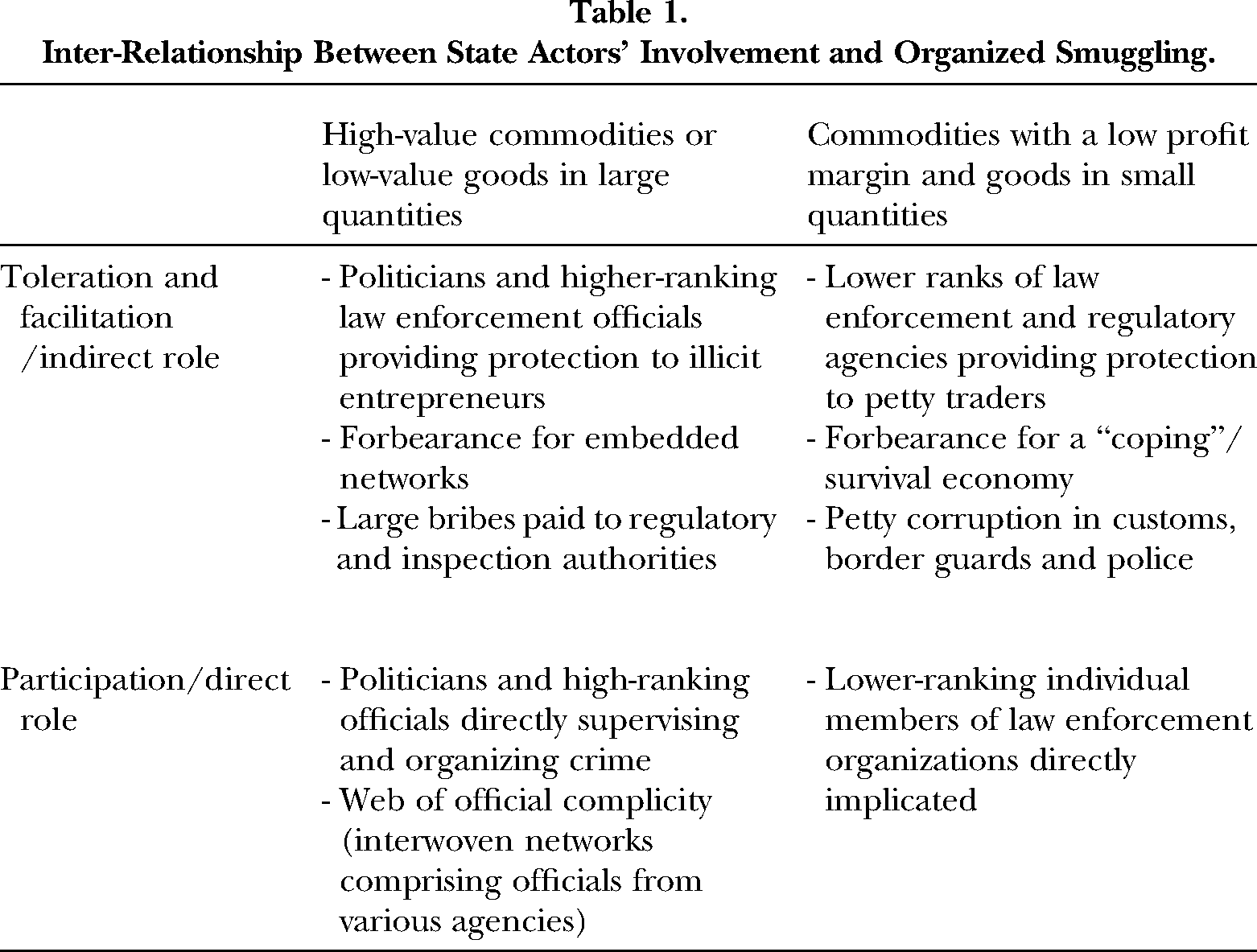
Table 1 summarizes the above discussion, distinguishing between two major forms of complicity and complacency performed by state-affiliated actors (indirectly and directly).
Inter-Relationship Between State Actors’ Involvement and Organized Smuggling.
Conclusion and Policy Lessons
The argument put forward in this article does not suggest that “mafia states” dominate the scene (Naím 2012). The article also does not argue that government institutions are always purposefully designed to further criminal interests. In fact, total criminalization of the state is a rare phenomenon. Even in the most corrupt settings, there are many honest politicians and bureaucrats trying to uphold the rule of law and improve formal functions of state organizations instead of running them as a criminal enterprise. For example, in such contexts, a prominent way in which customs employees are complicit is by alerting smugglers about the safest time to cross the border (i.e., when specific customs officers are more likely to accept a bribe) (Gallien 2020a, 2020b). In some cases, the whole sub-branch of a corrupt organization may “go clean” due to political changes. 10 Furthermore, this article does not argue that political–criminal collaborations do not happen either. As suggested above, under some conditions, non-state underworld actors need to be enlisted for the purpose of plausible deniability or to overcome structural constraints that limit state-embedded actors.
However, many of the existing approaches lead to a misplaced analytical and policy focus. Therefore, we need to rethink our constructs of organized crime, and move away from an implicit focus on the underworld (Levi and Lord 2011). The debate is currently framed in unhelpful terms that suggest distinct worlds of “upperworld and underworld,” “protector and protected,” and “corrupt officials and organized criminals.” We need to revise these approaches in order to reflect the reality of wide-ranging, hybrid illicit networks and revise our understanding of concepts in light of power arrangements, elite bargains, and rent-seeking opportunities.
Explaining corruption as a consequence of the presence of organized crime or vice versa (Buehn and Farzanegan 2012) is a tautological argument. Corruption and organized crime should instead be seen as a composite whole (Roberts 2021) and we need to acknowledge clearly that in some cases organized crime can function from inside the official state (Schmid 2018). At the policy level, corruption and organized crime should be approached as two sides of the same coin, and the solutions to both problems should be synchronized and integrated accordingly.
The lack of state reach and hence police control in “ungoverned spaces” often equates to favorable conditions in which to conduct illegal activity. As one report claimed, smugglers “thrive in border regions that are mostly underdeveloped and where the presence of state law enforcement agencies is limited” (Dhaouadi 2019). 11 The related assumption is that smuggling would decrease if law enforcement increases its control (KPMG 2017). A consensus has nearly emerged in criminology that a massive increase in police presence (linked with “hot spots policing” literature) within a certain geographic area is an effective strategy for crime reduction. Indeed, it is often the case that smuggling thrives in difficult-to-police borderlands, however it should not be assumed that in the counterfactual, boosting law enforcement presence would necessarily lead to the decrease of criminal activity. Indeed, more law enforcement personnel may mean that illegal markets remain and simply become dominated by state-affiliated actors. The related policy-level lesson is to avoid the mechanical increase of the law enforcement presence, and instead be more strategic about how this presence is structured and executed.
It is not surprising that many programs focusing on the provision of training and equipment to address government weakness have failed to increase stability in all of Africa, the Middle East, and fragile states in other parts of the world (McNerney et al. 2014). Another policy-level recommendation is that bilateral and multilateral donors should undertake a far more rigorous assessment of the deal-making and bargaining that affects the involvement of public officials in the illicit economy. This would avoid ineffective and costly intervention which is imperative because poorly-planned aid to law enforcement agencies can eventually exacerbate the problem of organized crime.
Footnotes
Acknowledgements
The author owes gratitude to four anonymous reviewers and to Dr Emma Norman, editor-in-chief of World Affairs, for their helpful comments.
