




Abstract
The purpose of this study was to investigate the durability of e-textile electrodes for use in human body communication. Two types of e-textile electrodes were fabricated: a woven copper nickel-plated cotton and a knit jersey consisting of 63% cotton, 35% silver yarn, and 2% spandex. The signal transmission and surface resistivity of each type of electrode were initially measured as a control group. Subsequently, sets of each electrode were exposed to various durability tests in accordance with standards established by the American Association of Textile Chemists and Colorists and the American Society for Testing and Materials. The results of these tests were used to evaluate the durability of the electrodes, and the effects of the durability tests on the surface resistivity and signal transmission characteristics were analyzed and discussed.
Keywords
On-body wireless communication refers to the use of wireless communication technologies, such as Bluetooth or Zigbee, to transmit and receive data between devices worn on the body.1 –4 This type of communication is commonly used in wearable technology, such as smartwatches, fitness trackers, and smart clothing. For example, a fitness tracker worn on the wrist can transmit data about the wearer's activity level and heart rate to a smartphone, where the data can be analyzed and used to provide insights into the wearer's health and fitness.
One of the specific wireless communication technologies designed for on-body communication is the wireless body area network (WBAN). The IEEE 802.15.6 WBAN standard specifies three types of on-body wireless communication protocol at the physical layer level: narrow band, ultra-wideband, and human body communication (HBC). 1 While narrow-band communication is the most widely used commercial protocol, it requires the design and implementation of a miniaturized antenna with size and power restrictions. Ultra-wide communication requires a wide bandwidth and is sensitive to interference from other signals in the same frequency range. HBC, which utilizes the human body itself as the signal transmission channel, shows superior performance in terms of reliability, security, and energy efficiency.2 –4
Traditional HBC systems use self-adhesive Ag/AgCl electrodes that are attached directly to the skin to transfer electrical signals around the body. However, these electrodes have limited usage before the electrolytic gel dries and replacements are needed, which can be inconvenient and time-consuming. In addition, they require the use of wires and snaps to connect the electrodes to the signal transmitter and receiver, making the overall system bulky and cumbersome. On the other hand, electronic textile electrodes (ETEs) offer a more convenient and streamlined alternative.5 –15 ETEs offer several notable advantages, which underscore their importance in various applications. These electrodes can be easily integrated into textile materials, such as fabrics and yarns, and can be made from a variety of materials, including conductive polymers, metals, and carbon nanotubes. ETEs are typically flexible and lightweight, making them well-suited for use in wearable electronic devices. ETEs hold immense significance in the medical field as they address the limitations of traditional Ag/AgCl pre-gelled self-adhesive electrodes. Unlike the latter, fabric electrodes exhibit a prolonged lifespan, mitigating the need for frequent replacements. Moreover, they alleviate issues such as skin irritation, which can arise from the adhesive nature of conventional electrodes. Furthermore, fabric electrodes maintain a consistent performance even after the electrolytic gel has dried, ensuring reliable and accurate measurements.
This paper studies the development of ETEs for HBC applications. Previous research5 –9,13 –15 has utilized ETEs in a variety of wearable applications, such as measuring physiological signals as in the electrocardiogram (ECG), electromyography (EMG), and electroencephalogram (EEG). ETEs provide high-quality measurement results comparable to those obtained using standard Ag/AgCl gel electrodes. This is particularly evident in applications such as electrocardiographic monitoring, where fabric electrodes demonstrate the capability to capture reliable signals and deliver comparable performance to the established standard. More recently, Zaarour et al. 16 found that piezoelectric nanogenerators (PENGs) can be integrated into fabric textiles and used for energy harvesting, implying that fabric ETEs could be used to provide a comfortable, flexible, and durable transmission line for both power and data. However, several common challenges were encountered in these efforts. One challenge was the integration of ETEs into textile materials. Researchers have been exploring different approaches, such as printing, weaving, and embroidering, to make integration more seamless and the process more efficient. Another challenge was ensuring that the resulting e-textile electrodes were robust and durable enough to withstand the demands of everyday use. The aim of this study was to address both challenges, specifically for HBC applications.
In this study, the reliability and durability of two e-textile electrode types were evaluated. Prior to our study, no analysis of the performance of ETEs for use in HBC transmission had been conducted. Previous works have utilized the traditional Ag/AgCl pre-gelled electrode for use in HBC transmission. Our study is the first to analyze the durability of fabric ETEs for HBC transmission. To date, there is a lack of analysis on the actual durability of electrodes when exposed to conditions of wear and care. The HBC signal transmission and surface resistivity of the fabric electrode pads were used to determine reliability. Durability was assessed by examining the performance of the fabric electrodes after undergoing tests based on the American Association of Textile Chemists and Colorists (AATCC) and the American Society for Testing and Materials (ASTM) standards. This paper is organized as follows: the second section presents the fabrication of e-textile electrodes and the measurement setup. The third section shows the measurement results under different environmental conditions. The fourth section concludes this research work.
Fabrication and measurement setup
E-textile electrode fabrication
In this study, a cuff made of conductive e-textiles was used to couple signals to the human body without the need for electrolytic gel. Previous studies have employed a variety of materials and methods to fabricate conductive pads, including the use of stainless-steel yarns or silver-plated yarns embroidered onto backing material7,13 and the use of screen-printing with conductive paste such as silver or graphene5,8,9 to create conductive traces. These methods can produce high-quality conductive pads for use in fabric electrodes, but they require specialized tools and materials, such as screens, stencils, and embroidery machines, that may not be easily accessible. In contrast, this study used commercially available materials and a simple stitching method for the fabrication of the electrodes.
Two types of e-textile electrodes were fabricated for this study. The first type was made from a woven copper–nickel-coated polyester textile pad with a plain weave pattern. The second type was a knitted jersey consisting of 63% cotton, 35% silver yarn, and 2% spandex with a plain stitch. The different types of fabric organization structures were considered when selecting the two types of conductive fabric, as they provide different advantages and disadvantages for wearable e-textiles. The conductive woven fabric used in this study was a plain weave and it was chosen as it offers a more durable and structured material face as compared to knit jersey. Unlike knit jersey, the woven fabric is tighter and stiffer, resisting deformation when placed on the human arm. The tradeoff would be a more durable and lasting e-textile electrode with reduced surface contact on the body.
Knit jersey was previously found to have a larger surface resistivity than that of woven electrodes by Xu et al. 17 However, simple knitted jersey provides a flexible, stretchy, and conformal surface face that can be comfortably worn over the contours of the body. With the lack of electrolyte present in the e-textile electrodes and the large surface resistivity, it was hypothesized that the conformal nature of knitted jersey would aid in the coupling between the electrode and the skin. The disadvantage of the knitted conductive fabric is its fragile nature, which can easily tear, especially when contacting an abrasive material.
The final fabricated electrodes are shown in Figure 1. The conductive pads were cut into 1-inch × 1-inch squares with a 5-cm strip and were both adhered using a polyamide fusible web and sewn with a zig-zag stitch onto a compression fabric to provide stable mounting. The polyamide fusible web was used to facilitate the manufacturing of the ETE samples. Due to the small volume of fusible material used in the e-textile electrode, the effects on the performance of the electrode are not significant. The same cuff body material was used for both types of fabric electrodes. By utilizing the ratio of capacitances, we find that the effective permittivity of the electrode backing is 1.03, which for the frequency of operation does not significantly affect the performance of the electrodes when used for intrabody communication (IBC). Two conductive pads were placed on the fabric backing with a separation of 1 inch. The 5-cm strip of conductive fabric, corresponding to the pad type, was included to allow the electrode snaps to be attached away from the face of the electrodes and to facilitate interfacing with the conductive pads without obstructing test equipment. A total of 36 samples were fabricated, 18 sample pairs for each electrode type. The samples were separated into sets of two for each fabric test and a set of five for laundering tests.
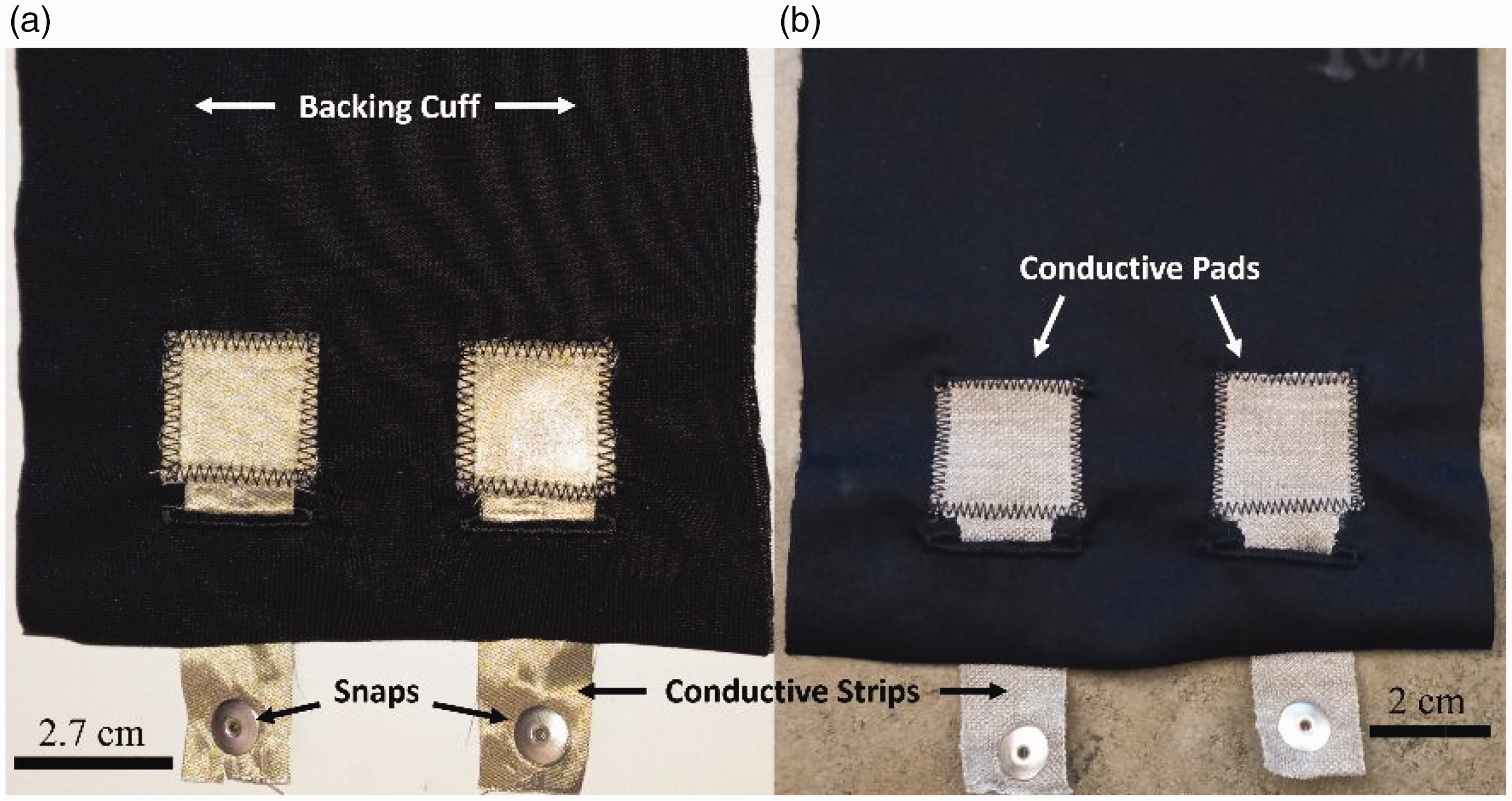
Final fabricated textile electrodes with (a) woven copper–nickel-coated cotton and (b) knitted silver-coated cotton spandex material.
Surface resistivity measurement setup
Surface resistivity is a measure of the resistance of a material to the flow of electric current on its surface. It is typically measured in ohms per square (Ω/sq) and is used to evaluate the electrical conductivity of a material. A lower surface resistivity value indicates higher conductivity, while a higher value indicates lower conductivity. Surface resistivity is an important property for materials used in electronic devices and applications, such as electrodes for HBC, as it determines how well the material can transfer electric current across the electrode. Factors that can affect surface resistivity include the composition and structure of the material, as well as the surface treatment and processing methods used.
The surface resistivity of each electrode was initially measured as a benchmark before any modifications were made. Figure 2 illustrates the measurement setup for the weft/course and warp/wale thread orientations. The resistivity measurements were taken using a Wave Tek Meterman LCR55. Each electrode pad was treated as an individual sample for the surface resistivity measurement.
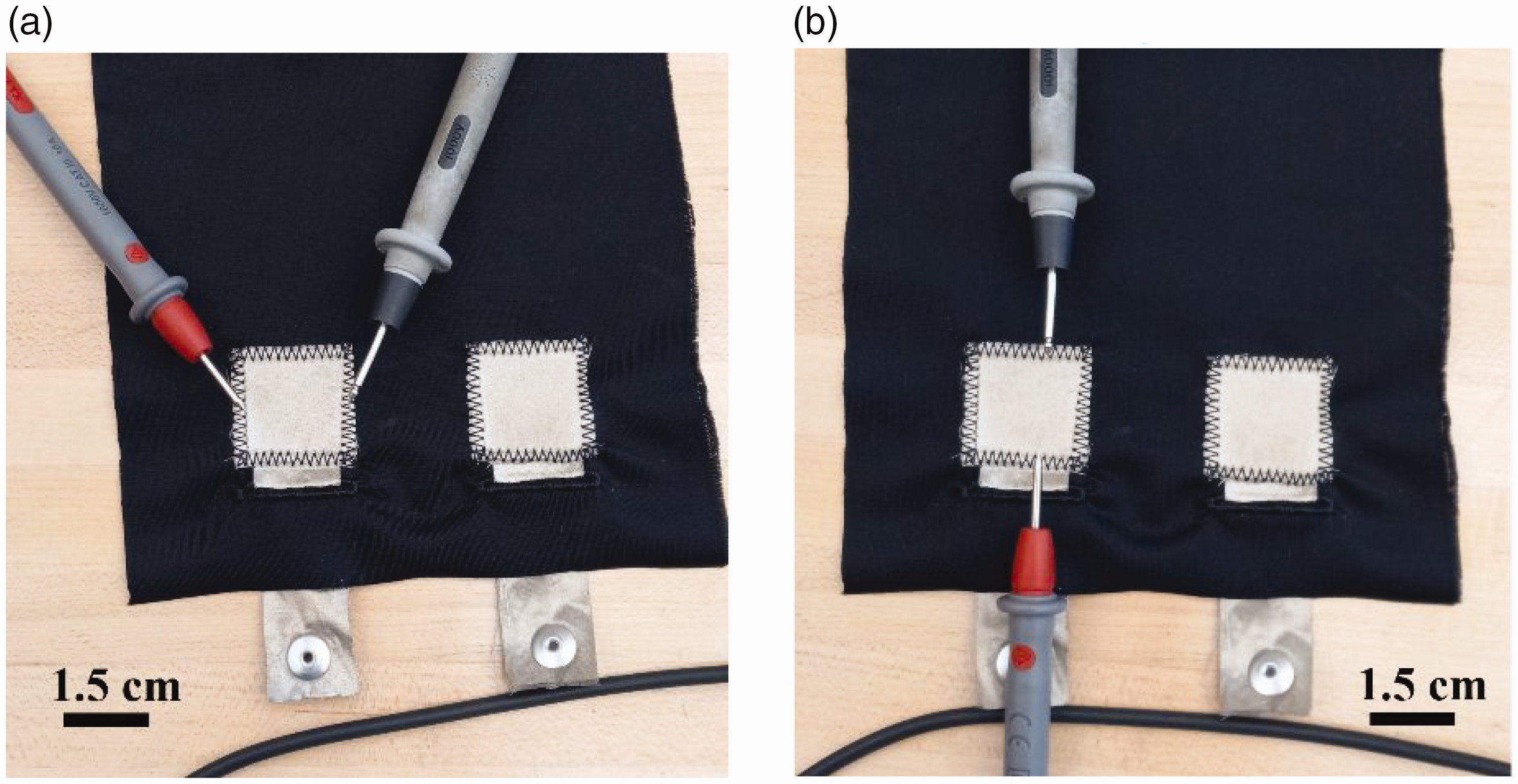
Surface resistivity measurements for the (a) weft/course and (b) warp/wales.
Human body communication measurement setup
Measurements of HBC were taken on three college-aged students of average height and weight. The measurement campaign was reviewed and approved by the institutional review board (IRB). Figure 3(a) illustrates the setup for the measurement of HBC using a two-port Agilent N5230C PNA-L vector network analyzer (VNA). Signals from the VNA were coupled to the human body using coax cables. Baluns were used to decouple the common ground of the electrodes from the ground of the VNA. This provides a balanced signal to the electrodes and eliminates the potential for the signal to short through the VNA ground. As noted by Lucev et al., 2 decoupling the electrodes from a common ground reduced the effects of shorting signal at lower frequencies, which removed transmission gain that cannot be attributed to the HBC. The frequency of the transmitted signal was swept from 0.2 to 250 MHz to cover the transmission frequency bands reported in previous papers.1 –4 The transmission gain was recorded as |S21| and is plotted against frequency for analysis.
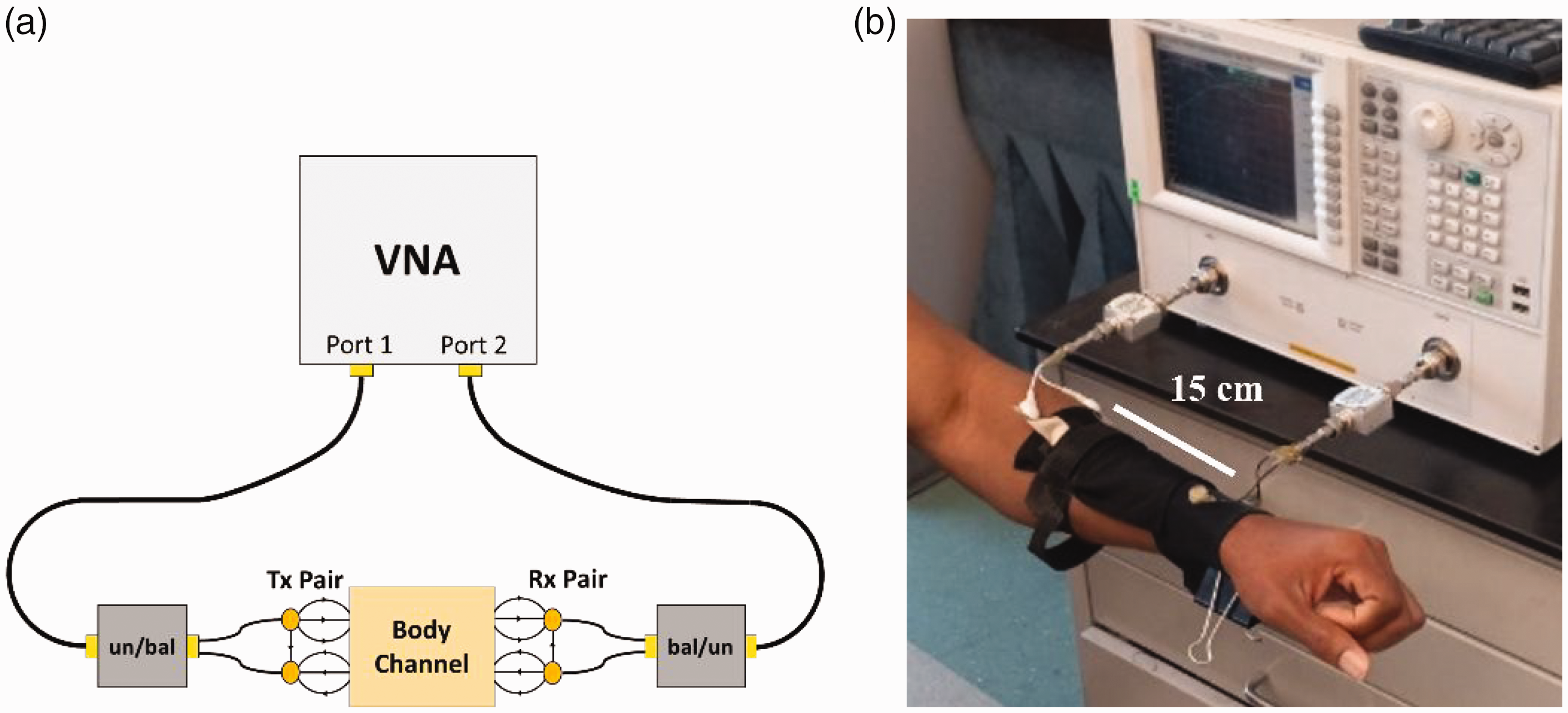
(a) Human body communication and vector network analyzer (VNA) measurement setup and (b) Example of electrode placement.
Figure 3(b) illustrates the placement of the electrodes on the arm. The electrode pairs were positioned 15 cm apart on the left forearm, with the transmitting electrode pair located near the elbow of the test subject and the receiving electrodes placed near the wrists. The electrodes were secured tightly to the body using Velcro® straps to ensure proper electrode-to-skin contact. A single control electrode pair was used as the receiving electrode to minimize variation in the HBC measurement. The receiver electrode was of the same construction as the transmitting electrodes. To further reduce variation in the HBC measurements, only the transmitting electrode pair, not the receiving electrode pair, were subjected to the durability testing described below.
Durability tests
As discussed by Thiry, 10 the measure of durability of a fabric depends on the expected use cases the fabric will undergo. Durability can be separated into three categories: durability to wear, durability to care, and durability to the environment. Five types of durability tests were performed on the electrode sample pairs, based on standards from the AATCC and the ASTM, namely launderability, wrinkle resistance, perspiration resistance, abrasion resistance, and piling. The tests were selected to encompass the conditions that a garment of this type might be exposed to by the consumer within these durability categories. Wrinkle, perspiration, and abrasion tests emulated the conditions of wear and environment; the launderability test, as well as the abrasion and pilling tests, emulated the conditions of care, as the consumer would launder these garments with prolonged use. Previous research has included these tests to determine the durability of e-textiles.7,11,18,19
Table 1 lists the electrode samples and their corresponding fabric tests. After the durability tests were conducted, the surface resistivity of the electrode pads and HBC were re-measured and compared to the initial measurements. For the laundering testing, five combinations of water and detergents were added to the procedures, including tap water, AATCC standard detergent without optical brighteners, Hexcare detergent, and Texcare detergent.
Fabric test standards with brief description of the test procedure
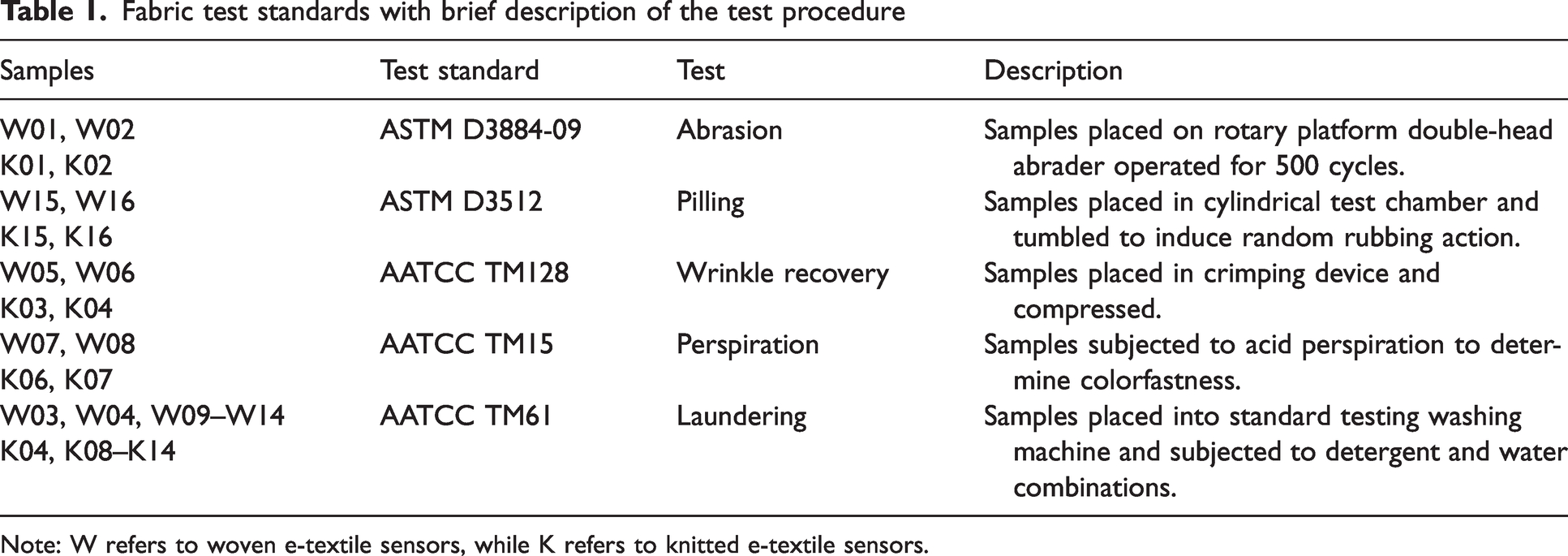
Note: W refers to woven e-textile sensors, while K refers to knitted e-textile sensors.
Results and discussion
This section examines the durability of e-textile electrodes based on the type of fabric testing. The averages for both knitted and woven electrodes are presented, including the course and wales of knitted electrodes, and the weft and warp of woven electrodes. The standard deviation is also shown in the plots as error bars. The pre-test averages were from 32 electrode pads before any fabric testing. The averages for each fabric test were from the electrode samples specifically separated for that test. For example, the averages in Figure 4 are from the four electrode pads after the abrasion test was conducted, while the pre-test averages are from all 32 pads prior to testing. The initial surface resistivity for the woven ETE conductive pads was 0.05 Ω/sq, while that of the knitted e-textile conductive pads was ∼2.25 Ω/sq.
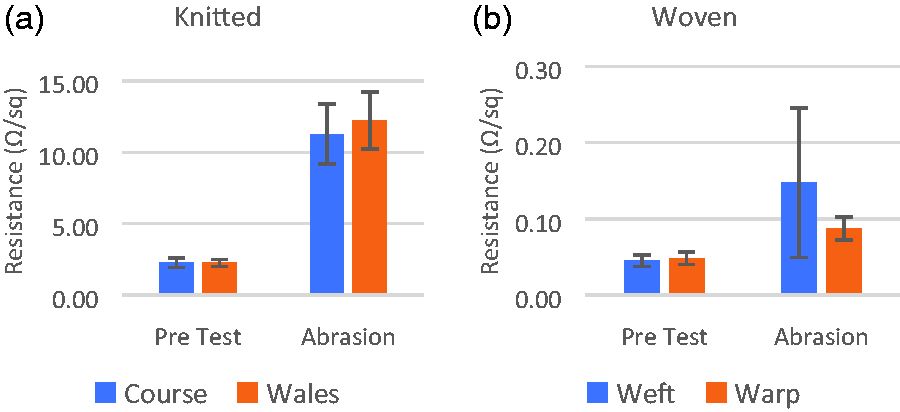
Pre- and post-abrasion testing of surface conductivity for the (a) knitted and (b) woven conductive pads.
Abrasion
Figure 4 illustrates the results of the abrasion testing on the surface resistivity of the conductive pads for both knitted and woven electrodes. As shown in Figure 4, the abrasion testing had a more detrimental effect on the knitted samples, with the surface resistivity of the conductive pads increasing by a factor of 6, resulting in an average resistivity of 12 ohm/sq for both the course and wales. The damage on the woven samples was less severe, as the resistivity of the woven samples increased by a factor of about 2–3, resulting in an average value of 0.15 ohm/sq for the weft and 0.08 ohm/sq for the warp.
One explanation for the increase in resistivity was that the knitted electrode conductive pads experienced the loss of conductive coating in the localized area beneath the abrasive discs during testing. The remaining conductive pad retained its conductivity but experienced an increase in resistivity rather than a total loss of conductivity. The abrasion testing also caused significant tears to form in the knitted conductive pads, as the threads of the knitted conductive pads were caught by the abrasive discs (see Figure 5). Although these visible tears did not greatly impact the electrical performance of the conductive pads, the structural integrity of the knitted electrodes was greatly reduced, which means a decrease in the longevity of the knitted electrodes.
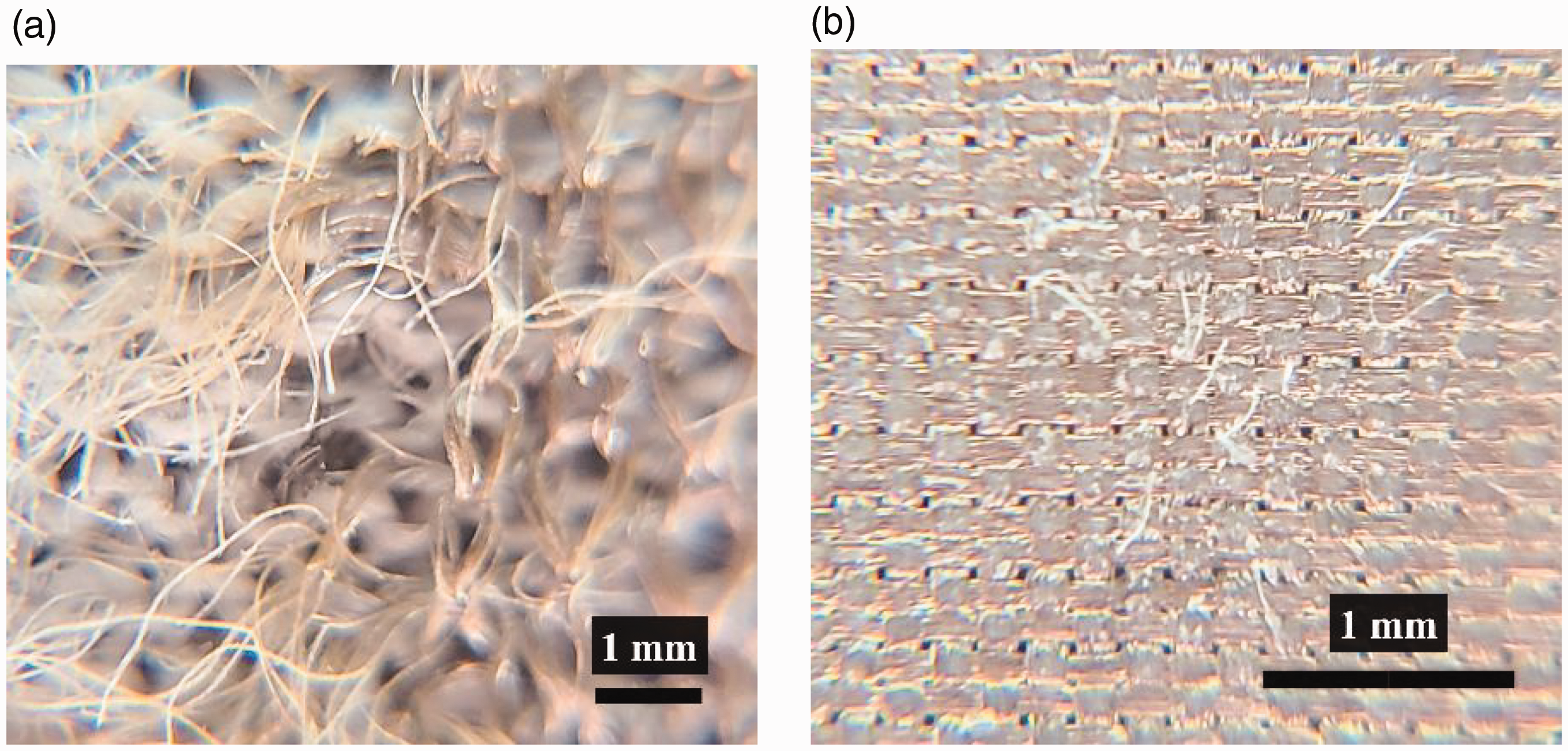
Magnified images (1.5×) for the (a) knitted and (b) woven conductive pads subjected to abrasion.
Abrasion had a negative effect on the woven electrodes as well, as it increased their surface resistivity by a factor of about 2–3. Like the knitted conductive pads, the increase in surface resistivity was caused by the removal of the conductive coating from the cotton fabric by the abrasive discs. The reduction of conductive surface area on the conductive pads resulted in an increase in channel resistance. Unlike the knitted conductive pads, the woven conductive pads did not experience tears during the abrasion tests. The only visible damage was the loss of conductive coating, which appeared as a loss of metallic coloration on the woven threads. It can be concluded that the woven electrodes were more resistant to damage caused by the abrasive disks compared to the knitted electrodes.
Figure 6 presents the results of the HBC measurements for the electrodes subjected to abrasion. Two commonly used types of HBC were studied: capacitive coupling and galvanic coupling. Firstly, commercially available pre-gelled electrodes were used to establish the baseline for the study (pre-gelled capacitive and pre-gelled galvanic). Then the performance of the original textile electrodes were added in (capacitive pre-test and galvanic pre-test), which were found to be similar to the results with pre-gelled electrodes. Lastly, the post-abrasion e-textile electrodes transmission curves (capacitive post-test and galvanic post-test) were added to demonstrate the effect of abrasion testing on HBC performance.
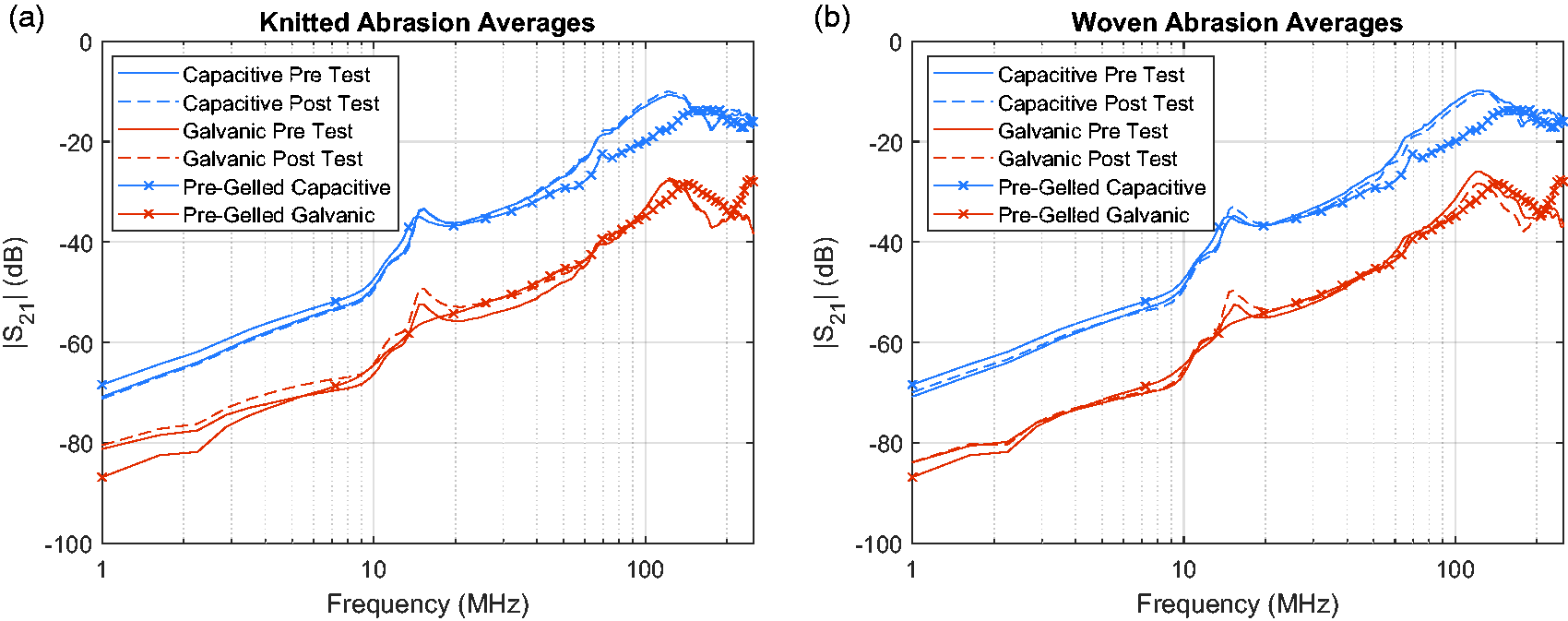
Human body communication transmission result comparison of the abrasion averages for the knitted (a) and woven (b) electrode samples.
Figure 6 shows that the pre- and post-abrasion test transmission curves overlap for both knitted and woven samples. There was a slight discrepancy between the post- and pre-test curves in the galvanic case of the knitted and woven electrodes. However, as seen in previous studies,1,3,4 the galvanic configuration tends to exhibit large variations in IBC transmission curves among samples. It is therefore concluded that the slight discrepancies seen in Figure 6 were more likely due to the nature of the galvanic configuration rather than the effects of the abrasion testing. The capacitive cases show almost complete overlap between the pre- and post-test transmission gain for both knitted and woven electrodes. Capacitive configurations are typically less affected by variations in electrode-to-skin contact.
In summary, the increase in surface resistivity were not substantial enough to significantly affect the performance of the HBC transmission gain on the body. For applications that required critical communication, using a capacitive configuration and woven electrodes may be beneficial in situations where significant abrasion to the conductive pads is anticipated. It is possible that electrodes made of woven conductive pads would be a viable option for all future wearable applications.
Pilling
Figure 7 illustrates the impact of pilling on the surface resistivity of the knitted and woven electrodes. The surface resistivity of knitted textile electrodes increased by a factor of 2 after the pilling test. However, for the woven electrodes, the pilling test caused a significant increase in surface resistivity to the mega-ohm range. Due to this substantial increase in resistivity value, the averages for the woven conductive pads subjected to the pilling test are not included in Figure 7.
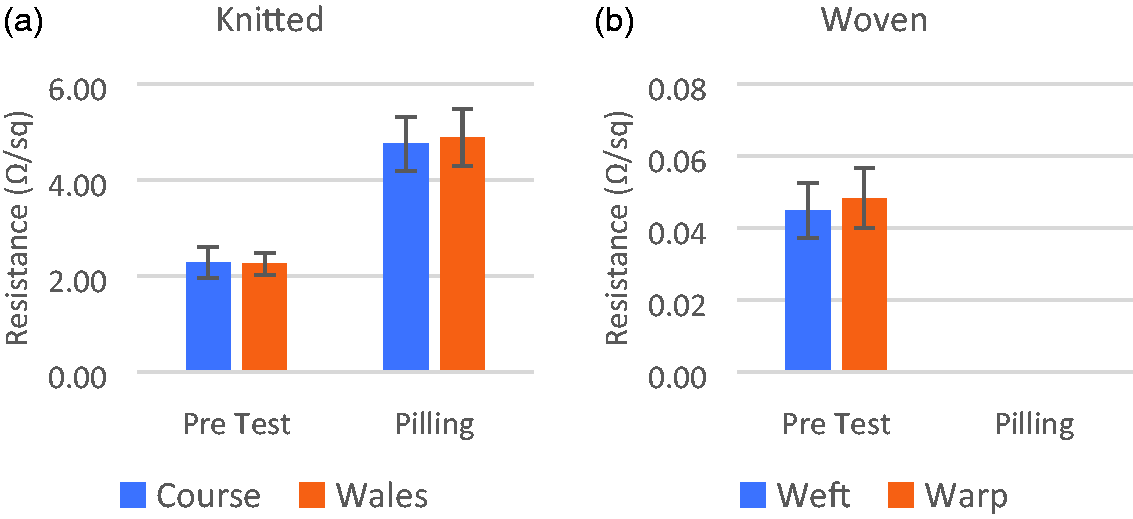
Pre- (a) and post- (b) pilling testing surface conductivity for the knitted conductive pads.
The severe increase in resistivity of the woven conductive pads was caused by the stripping of the conductive coating from the cotton threads. Figure 8 displays magnified images of the post-pilling test knitted and woven conductive pads. As seen in the images, there was discoloration of several regions of the woven conductive pads. These areas of discoloration were small and not noticeable to the naked eye. However, the accumulation of these regions rendered the woven electrodes inoperable. The woven cotton fibers themselves did not show visible tears, and only the conductive coatings were stripped.
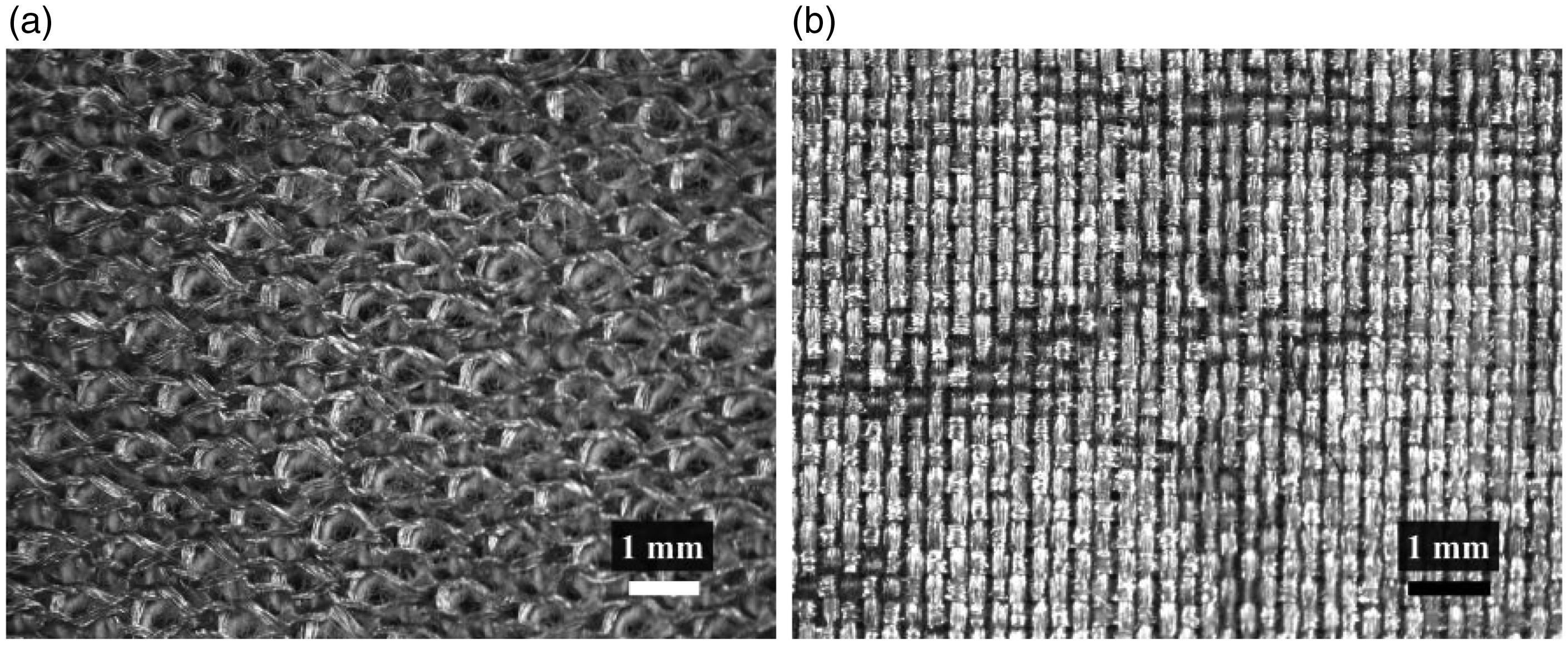
Magnified images for the (a) knitted (1.0×) and (b) woven (1.5×) conductive pads subjected to pilling.
Unlike the woven electrodes, the knitted electrodes were more resilient to the pilling test, experiencing an increase in surface resistivity of the conductive pads from 2 to 4 Ω/sq, which is even less than the increase caused by abrasion. This resilience to pilling may be attributed to the loose structure of the knitted yarn. The stiff woven yarn would have had minimal deformation during the pilling test, leading to maximum contact with adjacent fabric, while the knitted yarn would have deformed in a way that minimized contact with the adjacent fabric. Like the abrasion test, the areas of the conductive pad that came into contact with adjacent material would have had the conductive coating stripped off, resulting in an increase in surface resistivity. The surface area not in contact with adjacent material, due to the deformation of the conductive pad, maintained the conductive coating. However, the downside of the loose nature of the knitted conductive pads was their susceptibility to tearing, as discussed in the previous section. Visible tears in the conductive pads of electrodes that were subjected to the abrasion test were observed for the knitted conductive pads but not for the woven pads.
The pilling process not only significantly increased the surface resistivity of woven e-textile electrodes, but it also severely affected the HBC transmission gain. The data in Figure 9 illustrates a substantial decrease in performance for woven electrode samples that underwent pilling during post-fabrication testing. This is evident by the decline in HBC transmission, as shown in the plot of Figure 9(b). The pre- and post-fabrication test results show a 20 dB drop in transmission gain for the capacitive configuration and a 5–10 dB drop for the galvanic configuration after the conductive pads were subjected to pilling. On the other hand, the knitted samples experienced much smaller HBC deterioration, as shown in the plot of Figure 9(a).
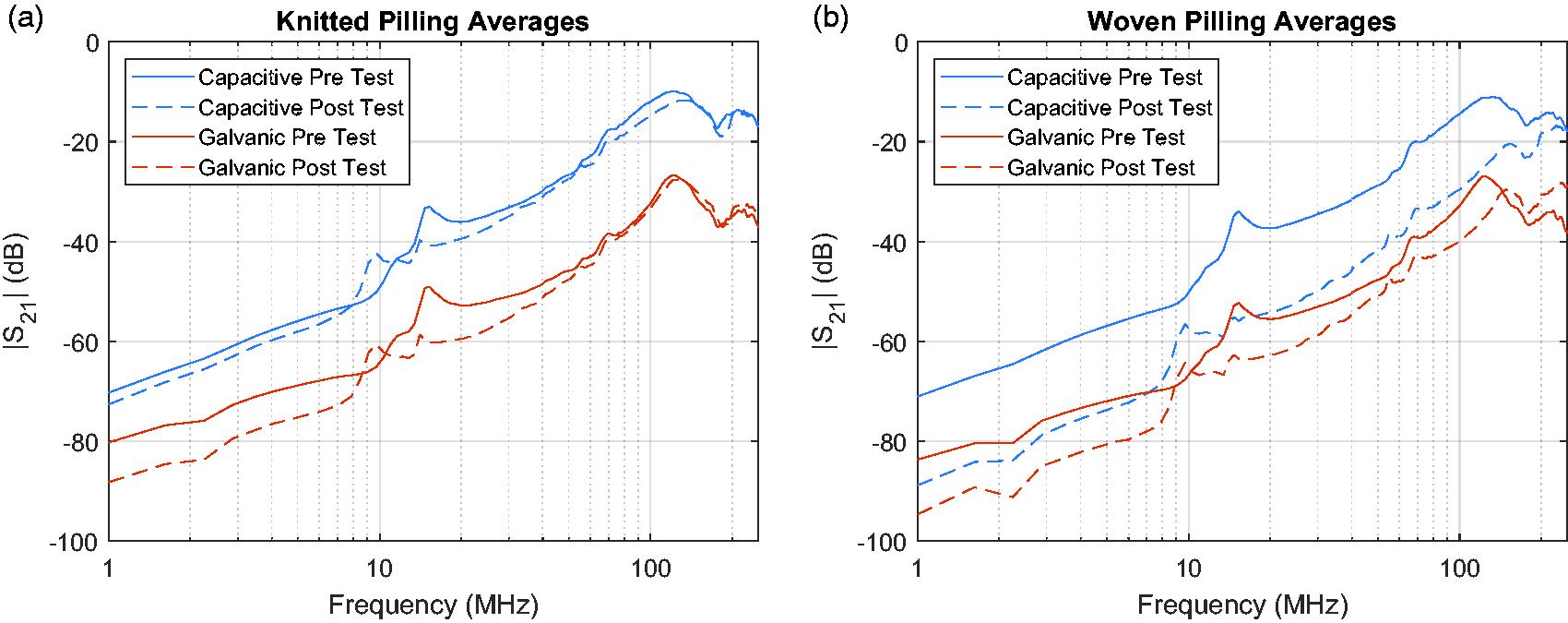
Human body communication transmission result comparison of the pilling averages for the (a) knitted and (b) woven electrode samples.
The decrease in performance seen in the post-pilling test results may be attributed to the significant increase in conductive pad resistance as observed in the surface resistivity results. Previous studies have shown that the capacitive configuration is insensitive to variations in electrode-to-skin contact and channel variations, but this assumption was based on a strong contact between the electrodes and the skin. Without proper contact, the signal cannot be effectively coupled. The high surface resistance resulting from pilling effectively destroyed the contact between the conductive pads of the electrodes and the skin surface of the test subjects, leading to high signal rejection and limited transmission of the signal along the body's channel.
The severe impact of pilling on the woven conductive pads highlights the importance of proper care considerations for similar electrodes. To prevent excessive abrasion and pilling, hand-drying methods for garments with woven conductive pads may be beneficial.
Perspiration
As illustrated in Figure 10, the perspiration test resulted in a significant increase in resistivity for the woven samples, causing the standard deviation to fall outside of the range of the pre-test average. However, this effect was not observed in the knitted samples.
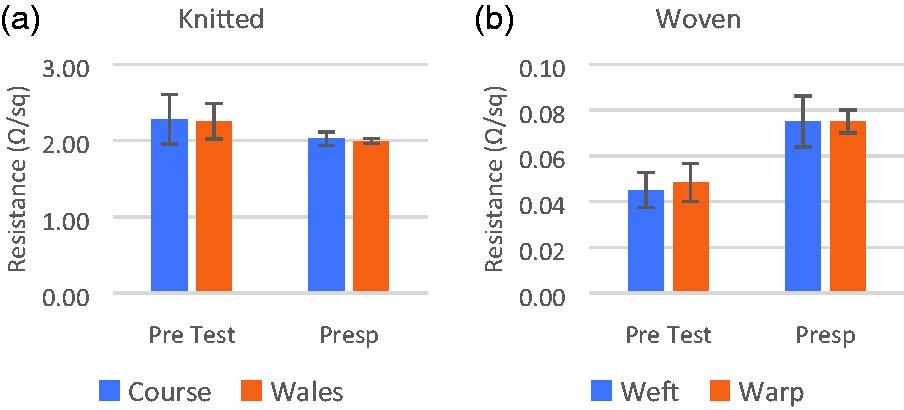
Pre- and post-perspiration testing surface resistivity for the (a) knitted and (b) woven conductive pads.
The increase in surface resistivity was caused by the chemical scuffing of the surface of the woven conductive pads. The woven conductive pads were made of copper–nickel alloy-coated cotton threads. Although copper–nickel alloys are known to be highly resistant to corrosion, they are also known to be more susceptible to corrosion in the presence of acid, salt, and high temperature. In this study, the woven conductive pads showed a buildup of material on the surface of the woven conductive pads that appeared white with a slight green coloration. Figure 11 shows the buildup of material on the woven conductive pads. This suggested the presence of oxidized copper in the material, indicating that the perspiration testing caused the normally corrosion-resistant coating to degrade and oxidize, resulting in an increase in the surface resistivity of the samples.
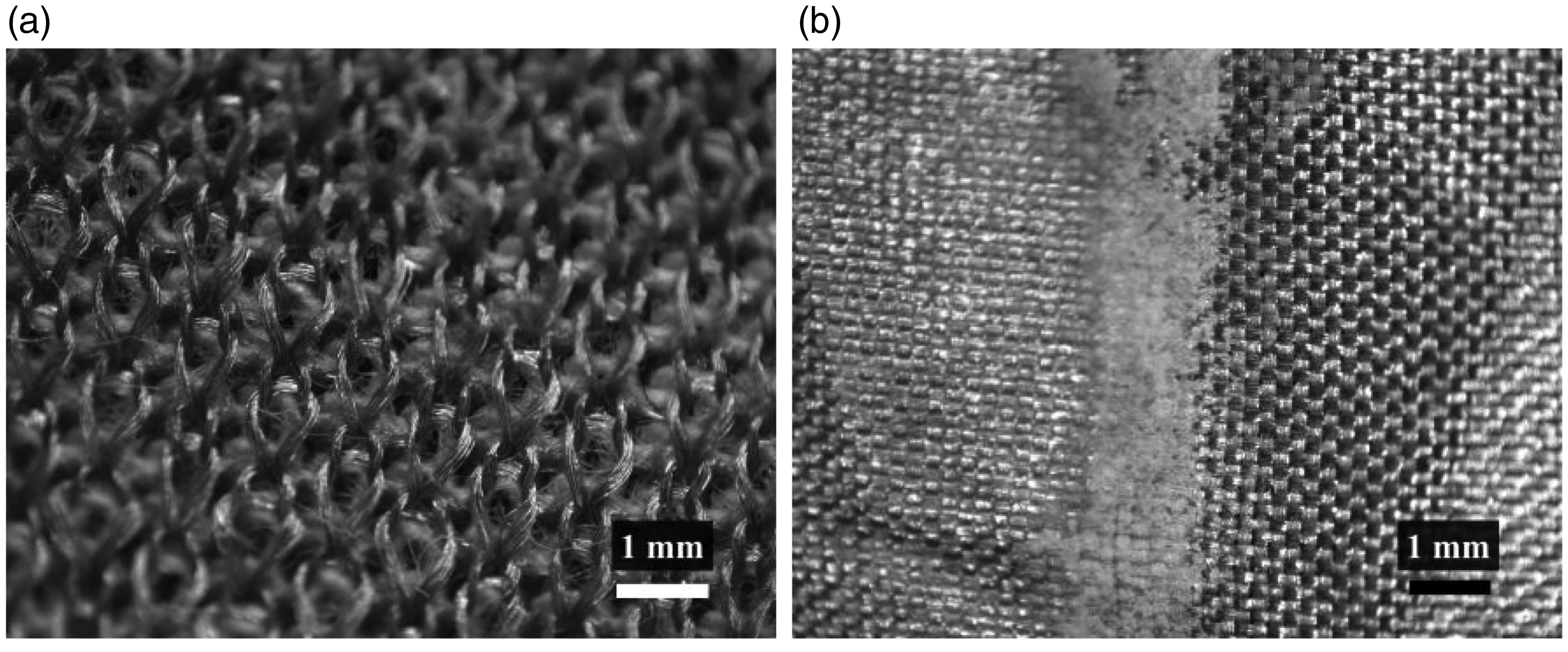
Magnified images for the (a) knitted (1.5×) and (b) woven (1.0×) conductive pads subjected to perspiration.
In contrast to the woven conductive pads, the knitted conductive pads showed no signs of corrosion or tarnishing. The coating appeared the same before and after the perspiration testing. This is supported by the results shown in Figure 10, which indicate that the surface resistivity did not increase after the perspiration testing. The knitted conductive pads were made of silver-coated cotton, which is also known to be highly resistant to corrosion. While silver is also affected by factors that affect the corrosion resistance of copper–nickel alloys, it was found to be more resistant to degradation in our testing. It can be concluded that the knitted electrode pads have a longer lifespan than the woven electrodes when exposed to the natural perspiration of the human body. The woven electrodes may require additional care to reduce these effects.
The results of the HBC measurements for the electrodes exposed to perspiration are shown in Figure 12 and are similar to the results seen for abrasion. Although the resistivity of the woven conductive pads increased because of perspiration, neither the knitted nor woven electrodes experienced a change in HBC performance.
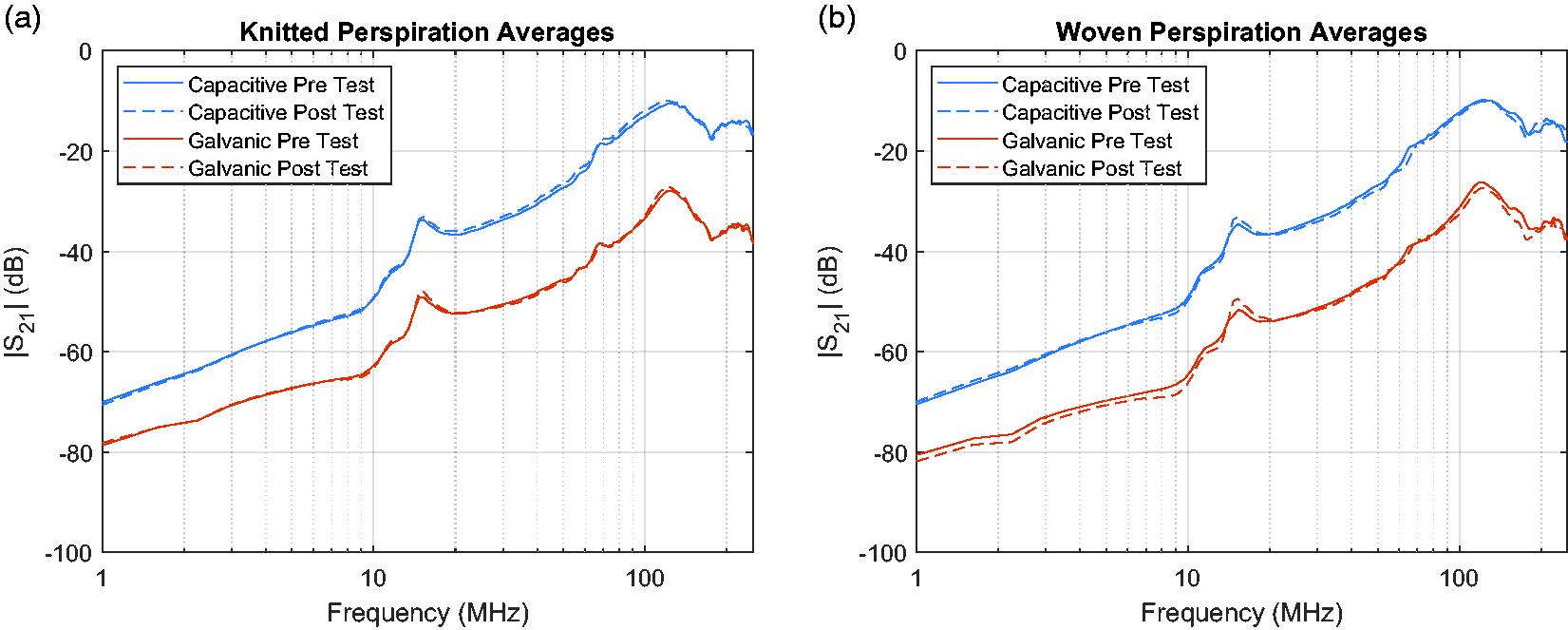
Human body communication transmission result comparison of the perspiration averages for the (a) knitted and (b) woven electrode samples.
Wrinkle recovery
The wrinkle test for both the knitted and woven electrode samples produced insignificant changes in the surface resistivity of the conductive pads, as shown in the results presented in Figure 13. Similarly, the HBC transmission showed no significant changes between pre- and post-testing, as depicted in Figure 14. Unlike the abrasion, pilling, and perspiration tests, which directly affected the conductive coating of the knitted and woven conductive pads, the wrinkle recovery test distributed stress across the entire construction of the electrodes. The conductive coating was minimally affected by the mechanical compression of the fibers of the textiles. As long as the conductive coating is maintained, any mechanical changes to the fibers of the textiles do not significantly increase the surface resistivity or the HBC transmissions.
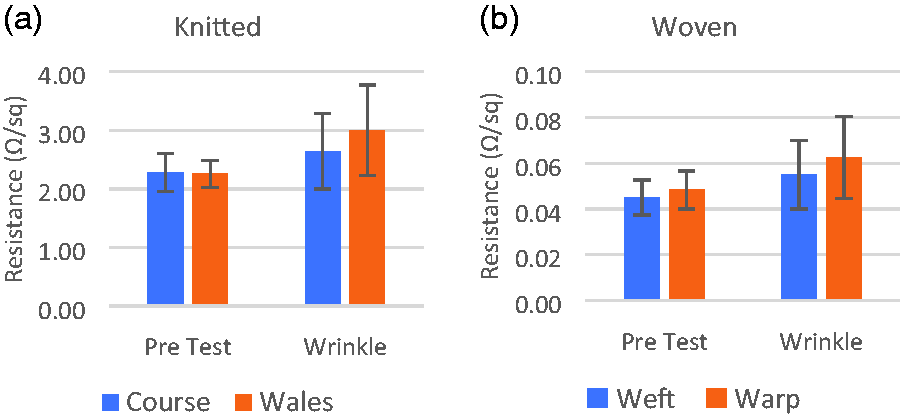
Pre- and post-wrinkle testing surface conductivity for the (a) knitted and (b) woven conductive pads.
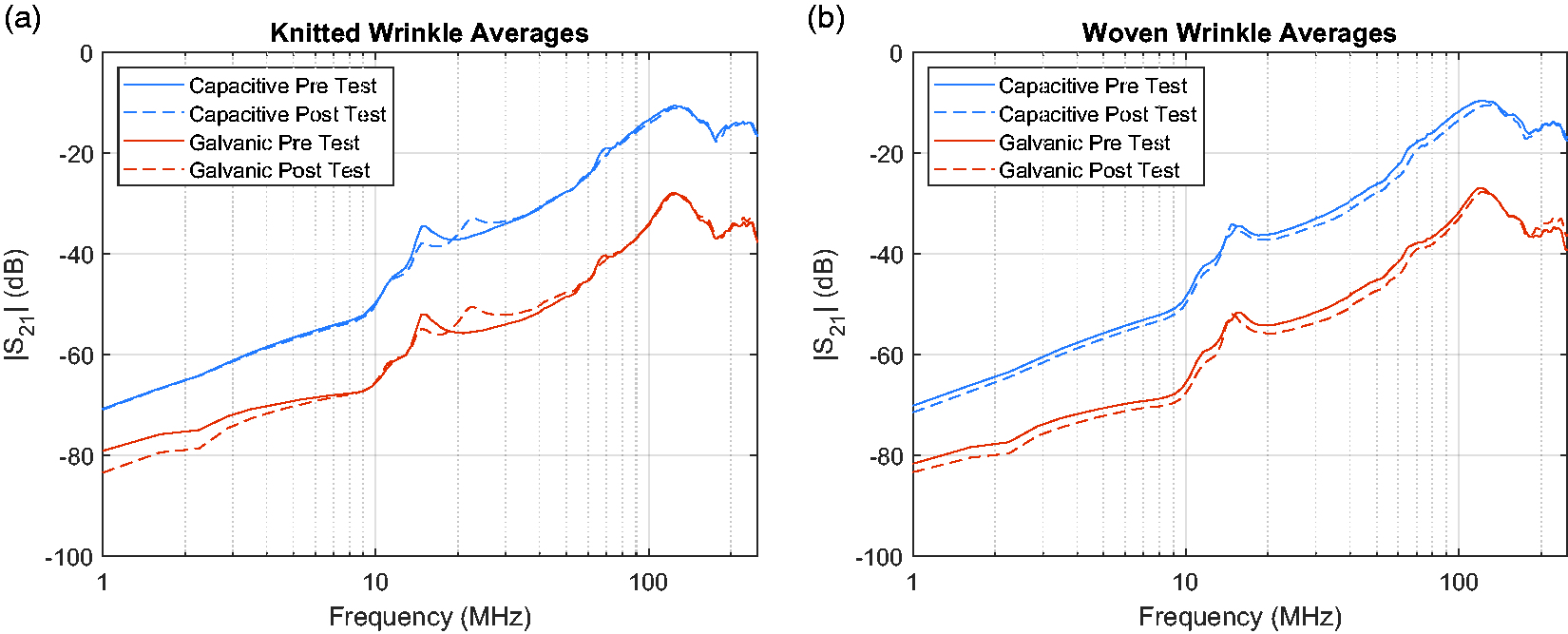
Human body communication transmission result comparison of the wrinkle averages for the (a) knitted and (b) woven electrode samples.
Laundering
The resistivity measurements for the five laundering combinations are presented in Figure 15. The results of the laundering tests were consistent with those of the wrinkle recovery tests, showing minimal changes in the surface resistivity of the samples even with the use of different laundering materials, as illustrated in Figure 15.
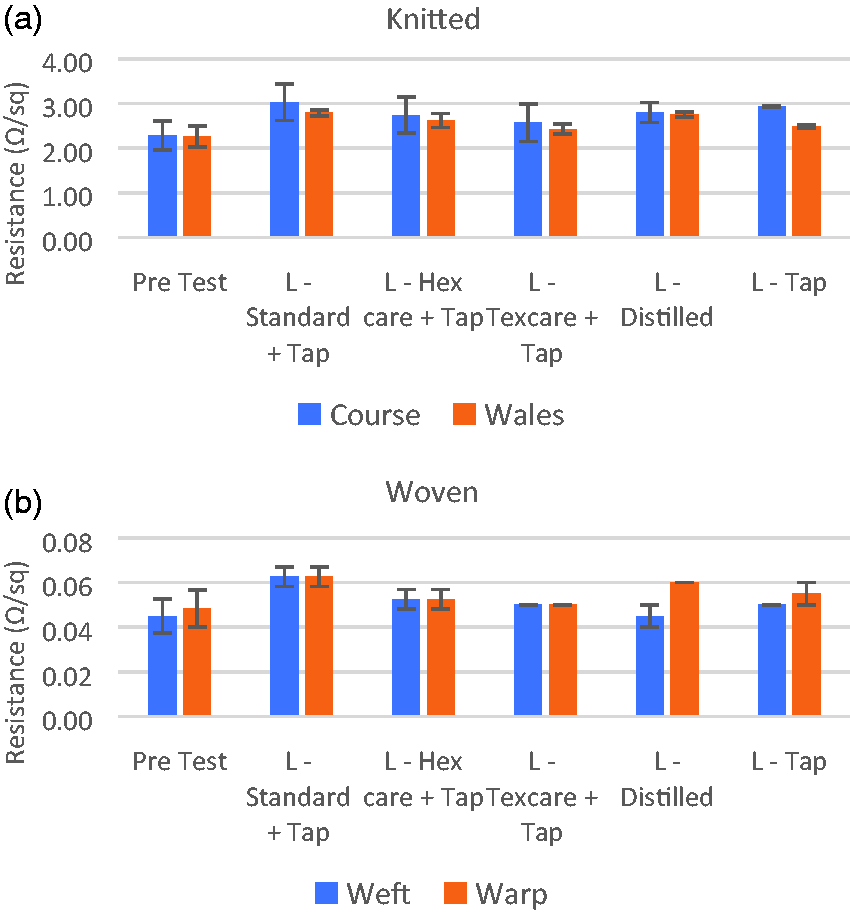
Pre- and post-laundering testing surface conductivity for the (a) knitted and (b) woven conductive pads.
From Figure 15, it can be observed that the resistivity of the knitted electrodes increased slightly in three of the laundering tests. The increases were small, ranging from 0.5 to 0.6 Ω/sq, and are consistent with the findings of previous studies. For instance, Sigrid 18 reported that many textile electrodes with silver coatings experienced cracking and loss of silver material from the surface of the yarns due to the abrasion, deformation, and heat encountered during laundering.
Figure 15 also shows that the surface resistivity of woven electrode samples laundered with standard detergent and tap water, as well as with distilled water, undergoes significant changes. These changes in surface resistivity could be due to the reduction of conductive coating on the electrode conductive pads. The stiffness of the woven conductive pads may have contributed to this loss of conductivity. In contrast, the more flexible nature of knitted conductive pads may have reduced the amount of surface area exposed to abrasion during laundering and allowed the threads to return to their original shape after laundering. The woven conductive pads, however, did not exhibit this same ability.
From Figure 16, it is observed that the knitted conductive pads do not exhibit any scuffing or loss of conductive coating and remains in its original shape after laundering testing. The woven conductive pads, however, show slight discoloration around some of the threads, with the discoloration being significantly less than that seen in samples subjected to pilling. This discoloration is mostly found between the weaves and not on the exposed threads, indicating a potential loss of conductive coating and widening of the space between threads.
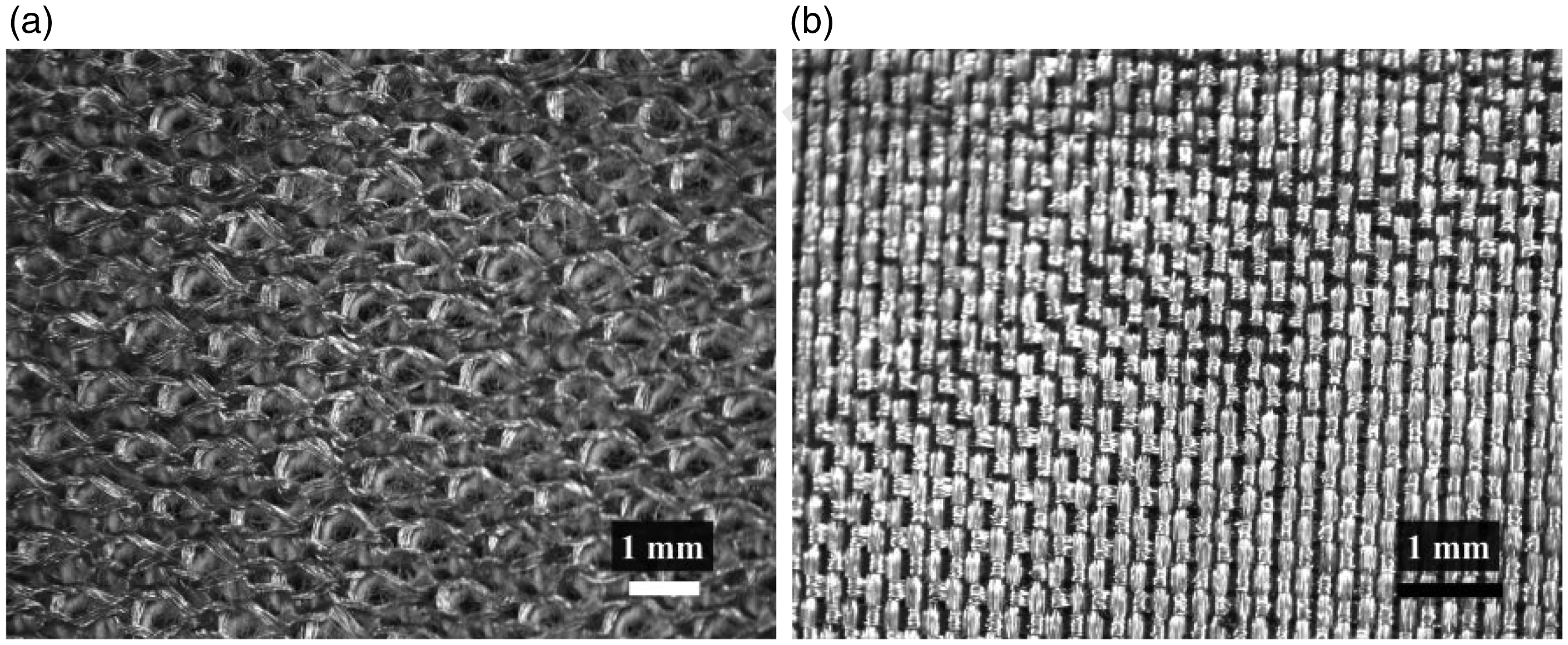
Magnified images for the (a) knitted (1.0×) and (b) woven (1.5×) conductive pads subjected to laundering.
As anticipated, the results of the HBC transmission for laundered electrode samples show minimal change after the fabric tests were conducted. Figure 17 illustrates that the pre and post-test curves for both knitted and woven electrodes and both coupling configurations overlap throughout the plot. It was expected that a minimal change in surface resistivity would lead to a minimal change in HBC transmission characteristics. However, a slight discrepancy was observed for the knitted electrodes, where a peak in the transmission curves at 15 MHz is seen for the pre-laundering testing electrodes but shifts to 22 MHz for the post-laundering test.
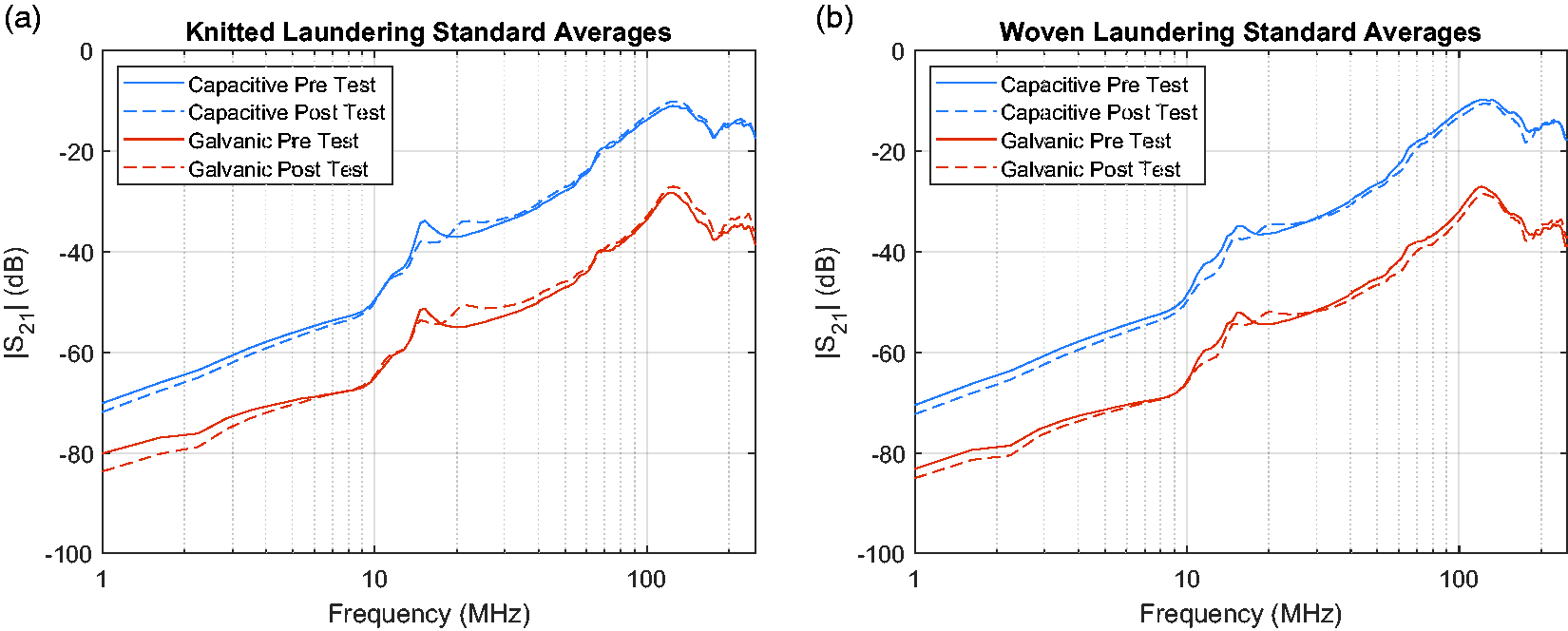
Human body communication transmission result comparison of the laundering averages for the (a) knitted and (b) woven electrode samples.
The shift in the peak of the transmission curves for knitted conductive pads is likely caused by the deformation of the pads during compression. This compression may have shortened the sides of the conductive pad, reducing its electrical size, which in turn would cause the lower frequency peak to shift to a higher frequency. The higher frequency peak, however, remains largely unchanged as the transmission mechanism is different at higher frequencies. According to Kibre et al., 12 this second peak was caused by the antenna properties of the human body at frequencies around 100 MHz.
Conclusions
This study revealed three key findings for the durability of the fabricated ETEs. The first finding is that the ETEs are able to provide performance for use in HBC transmission comparable to that of traditional Ag/AgCl pre-gelled electrodes. This is true for both the electrodes consisting of the knitted conductive pads and the electrodes consisting of the woven conductive pads.
Secondly, we were able to determine that the fabric ETEs could withstand all fabric testing. Except for pilling on the woven conductive pads, all of the fabric tests had little effect on the performance of the fabric ETEs for use in HBC transmission. They also had little effect on the surface resistivity of the conductive pads. In all cases, the ETEs were able to perform as expected.
Finally, our study found that both types of fabric electrodes have a significantly longer lifespan use than that of traditional Ag/AgCl pre-gelled electrodes. The samples were able to couple the HBC signal to the human body after having been subjected to various durability tests. Unlike traditional Ag/AgCl pre-gelled electrodes whose performance degrades as the gel dries, the fabric ETEs were able to maintain performance throughout the study.
This study can also inform the design of care instructions for ETEs. 19 Abrasion can cause tears to form in knitted conductive pads, and care instructions for these types of electrodes should include reducing their exposure to friction to increase their structural longevity. Perspiration can also lead to oxidation on the surface of conductive pads that contain copper. Although this buildup does not greatly affect the electrical performance, care should be taken to ensure that it can be removed before it accumulates and disrupts the electrode–skin contact. In addition, electrodes constructed using woven conductive pads were most susceptible to losing their conductive properties due to pilling. Future electrodes constructed with woven e-textile material may require special care instructions such as hand-drying to reduce additional friction damage to the woven conductive pads. Future studies regarding the durability comparison of e-textile electrode and e-embroidered electrode performance would provide further insight into manufacturing processes and longevity for product integration.
This paper acknowledges that the laundering test was limited to a few combinations of water and detergent. The results presented in this paper serve as a benchmark for what future research on these materials can expect when subjected to laundering. Future studies on laundering would benefit from a more comprehensive examination of launderability, involving a greater range of water, detergent, and wash conditions. Nonetheless, this paper provides a general understanding of the durability of e-textile electrodes and potential challenges that may arise when exposed to wear and care conditions.
Footnotes
Declaration of conflicting interests
The author(s) declared no potential conflicts of interest with respect to the research, authorship, and/or publication of this article.
Funding
The author(s) received no financial support for the research, authorship, and/or publication of this article.
