




Abstract
The improvement in the thermal resistance of firefighter’s outer garments has been traditionally achieved with the implementation of phase change materials or aerogel as an added protective measure. This study proposes supplementary novel cost-effective measures to enhance the thermal resistance of conventional firefighter outer garments. The proposed measures consist of auxiliary protective layers of meta-aramid fabric of a plain weave and a honeycomb structure. A custom built vertically oriented bench-scale apparatus was used to simulate extreme to life-threatening fire environments characterized in terms of an incident radiative flux of 84 kW/m2 and 126 kW/m2. The fluctuations in experimental heat flux density were treated by employing a Gaussian empirical model. The heat dissipation rate within the skin layers was predicted with a numerical model based on finite element methodology. The skin burns were classified with Henrique’s integral. The conventional outer garment when exposed to 84 kW/m2 and 126 kW/m2 resulted in a superficial second and third-degree burn. The auxiliary layers, in conjunction with the outer garment, mitigated second and third-degree burns. The meta-aramid fabric of a plain weave exhibited better thermal resistance than the honeycomb structure layer. The proposed measures reduced the epidermis temperature by 32%. An inner garment made of meta-aramid fabric is recommended to be worn concurrently with an outer protective suit for severe fire incidents due to its relative ease of use. Honeycomb structure layers are not recommended due to their weak structure and restriction in mobility.
Keywords
Thermal protective clothing is of great importance in firefighting due to the high probability and unpredictability of fire accidents in a compartment setting or a forest fire. 1 This suit can be categorized as: (a) station wear – single layer garment worn in the fire station; and (b) turnout gear – multiple layer garment worn when reporting to fire incident. 2 A turnout gear consists of three fabric layers: (a) an outer shell (OS); (b) a moisture barrier (MB); and (c) a thermal liner (TL). It is designed to shield from various fire conditions, categorized as routine, hazardous and emergency.3,4 The work in this study focuses on the implementation of the turnout gear and proposes measures to improve its performance in severe thermal environments.
The performance of turnout gear has been majorly associated with thermophysical characteristics of aramid fabrics.5–9 However, recent studies have shown that orientation also influences the assessment of these fabrics, and concluded that horizontal configuration underestimates performance level, 10 with a similar finding on cone calorimeter orientation tests. 11 A vertical orientation, in bench-scale testing, depicts the actual body position.12–14 Therefore, it is preferred over horizontal configuration. A standard value of incident heat flux of 84 kW/m2, proposed by Behnke in 1984, 15 is accepted as an upper limit for flash fire. International test standards such as NFPA 1971 16 and ISO 6942:2002 17 have adopted 84 kW/m2 as a representation of emergency conditions. Experiments conducted on modern compartment settings have been shown to exceed this limit and can reach 150 kW/m2.18,19 To date, no performance data are available in the literature for heat flux greater than 84 kW/m2, to the best knowledge of the authors. This study addresses this by accessing a turnout gear in a vertical orientation subjected to an incident heat flux of 84 and 126 kW/m2, a representation of emergency/extreme and life-threatening conditions.
Researchers have proposed several approaches to reduce skin burn injuries by employing different techniques. The increase in fabric thickness and air gap enhances fabric performance.20–22 The application of shape memory alloy, which at a certain actuation temperature expands the cavity between fabric layers, enhances insulation capability. 23 Thermal conductivity and specific heat had a significant effect on fabric performance relative to optical properties such as emissivity, transmissivity and reflectivity. 24 Controlling radiative heat transfer with the application of the aluminum coating on the fabric takes advantage of the reflective property of aluminum. 25 However, it is recommended only for radiant exposure, as on flame contact aluminum coating degrades. 26 This concept has also recently been investigated for nano silver coating on the external surface of the fabric assemble, for 10–20 kW/m2 of incident radiative flux, with prominent improvement reported compared with uncoated fabric. 27 These studies addressed a novel aspect of improving fabric performance which is either physically impossible to implement with existing protective assemble or requires rigorous manufacturing. Moreover, air gaps between fabric layers cannot be controlled and will vary with the position on the body.28,29 A more practical approach to improving the performance of the existing garment is the use of aerogel or TLs treated with aerogel, which can enhance existing assemble performance by approximately 10%, with a reduction of weight by 24.3%.30,31 To improve the performance of the protective garment, its capacity to store thermal energy must be improved. Phase change materials (PCMs) that absorb latent heat by altering their phase from solid to liquid or vice versa have been proposed.32,33 An improvement in performance was documented when PCM was positioned adjacent to the innermost layer 34 or close to the skin for the incident flux of 84 kW/m2. 35 The increase in thickness was found to be directly related to the improved performance. 36
Most PCMs are flammable and their application in firefighting clothing, near a fire, is not recommended. To this end, a combination of organic PCMs with aerogel treated TL reported better performance output, to delay burn injuries as opposed to using either of them separately. 37 Treating the TL or any fabric layer of the turnout gear increases its overall weight. A recent study conducted by placing an underlayer to an existing multilayered suit to predict thermal comfort showed a positive relationship; however, little information was provided on thermal protection. 38 A TL cut into the honeycomb structure using laser replacing conventional TL structure was implemented and tested for an incident flux of 83 kW/m2 in a horizontal orientation. 39
The existing literature on improving thermal performance requires a rigorous approach to be embedded into an existing turnout gear. The application of underlayer and honeycomb, as auxiliary measures, is promising and is further explored in this study. Implementing it requires minimum adjustment to the existing turnout gear. It can be exercised when severe fire conditions are expected. Radiative flux is selected in accordance with the ISO 6942 standard recommendation for vertical orientation to depict a standing individual. It will help in mitigating firefighter fatalities by providing increased performance and delaying burn injuries.
Test apparatus
The test apparatus utilized for this study is shown in Figure 1, developed by the cooperation of Korean Conformity Laboratories (KCLs) and Ulster University. It consists of a radiant panel, a specimen assembly shown in Figure 2, and a trolley. The two-layered halogen quartz tube can output a consistent radiant flux of 126 kW/m2 for more than 60 s. To keep radiant panels from overheating a water channel was used. The apparatus specimen has an assembly of 200 cm × 200 cm, that can grip multiple fabric layers with a 2 N force. A 100 cm × 100 cm fabric area of the test sample can be exposed to radiative heat flux. Four type K thermocouples were attached to the back of the fabric using pressure contact to record the temperature of the innermost layer. Irradiance at skin surface level was logged using a heat flux gauge. The test apparatus was configured in a vertical orientation. The apparatus consistency and development procedure have been detailed and discussed in the KCL publication. 40
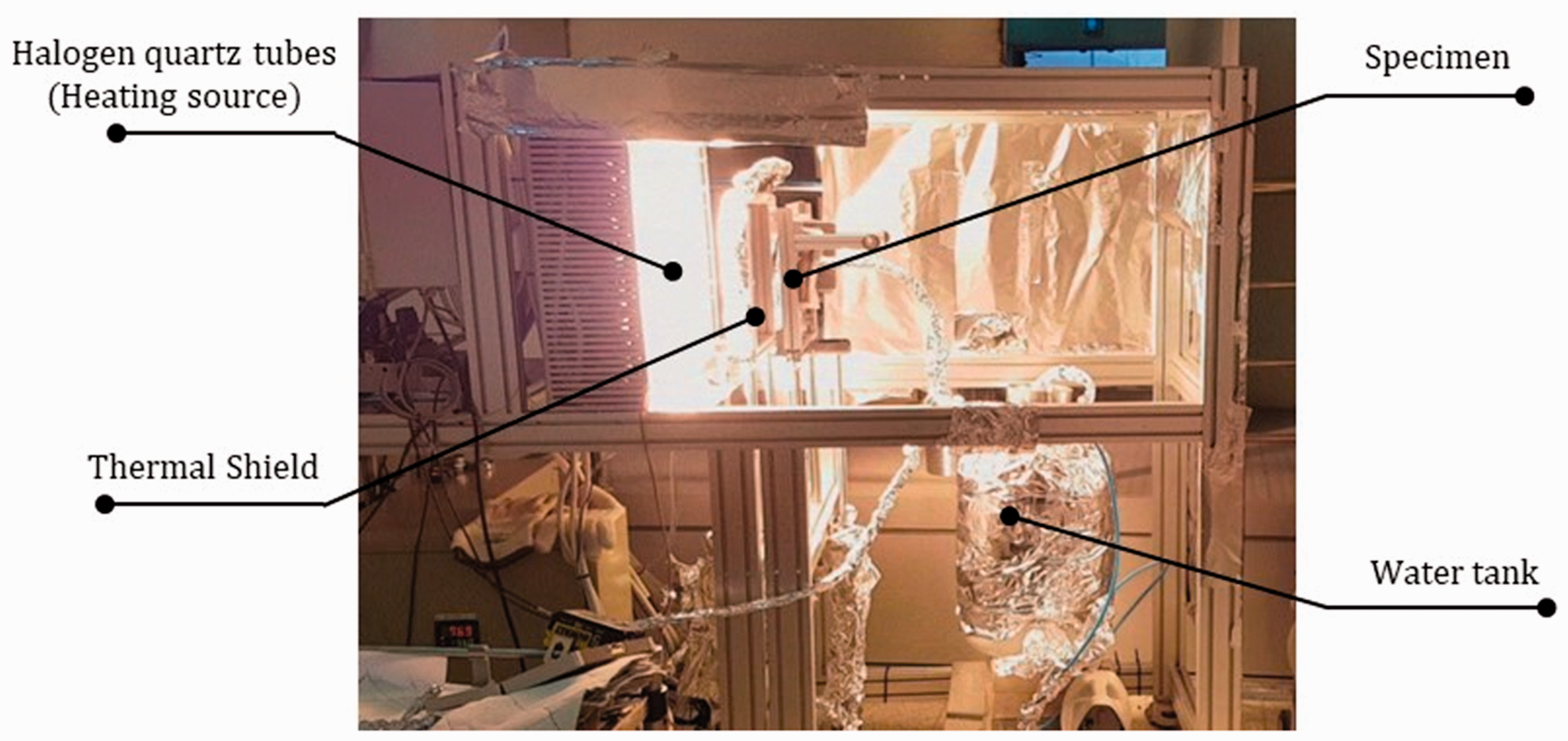
Test apparatus.
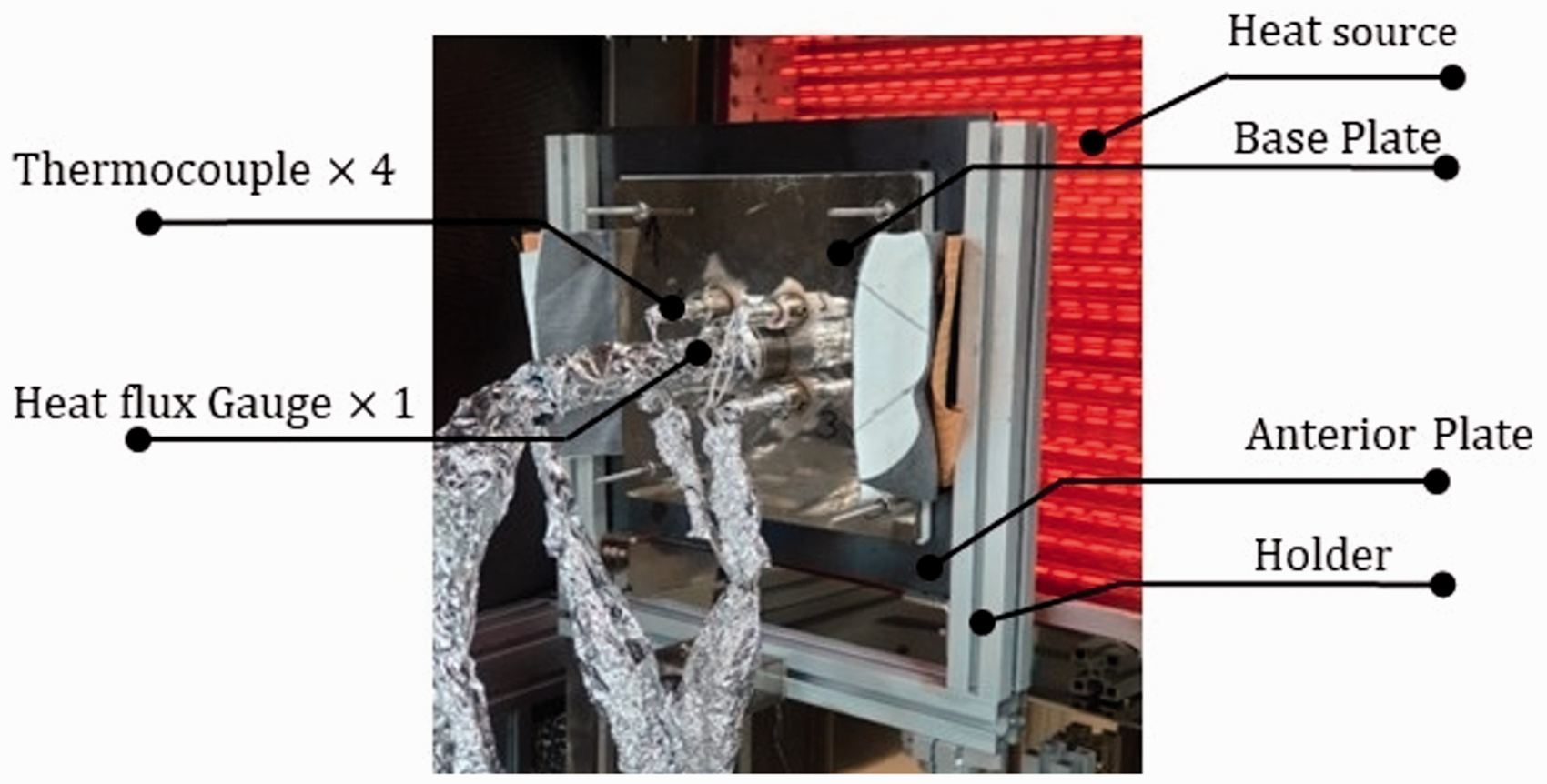
Experimental set-up.
Specimen preparation
In Figure 3(a) a conventional lay-up of the turnout gear is presented consisting of fabric layers such as:
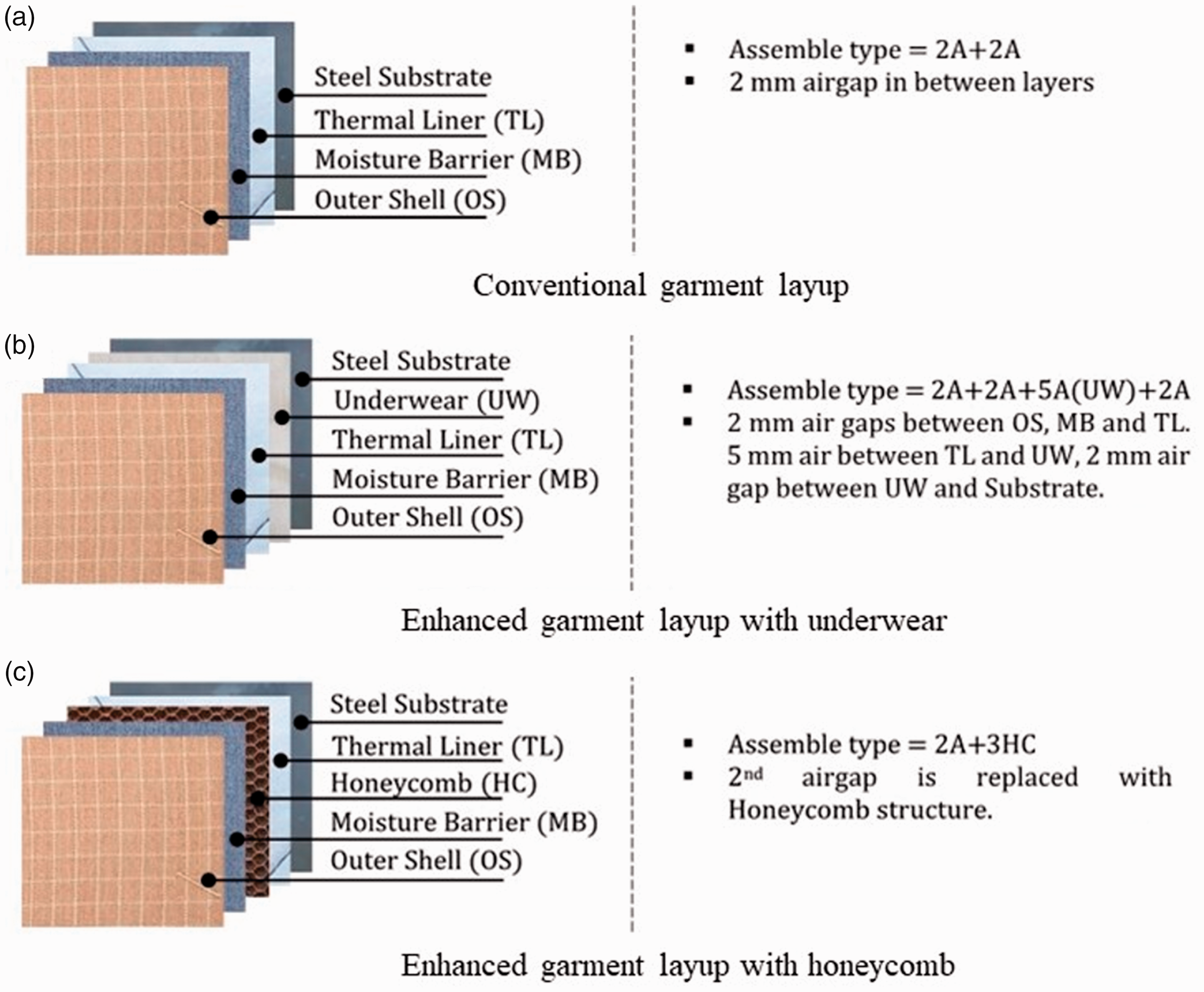
Three protective assembly lay-ups: types A, B, and C. (a) Conventional garment layup; (b) enhanced garment layup with underwear and (c) enhanced garment layup with honeycomb.
OS: to resist heat, protect the wearer from chemical spills, blood and flames and alternatively, let pass vapors from body sweat.
MB: an added aid in heat resistance and control of moisture flow.
TL: for comfort, to provide additional heat resistance and permit metabolic heat release to the environment.
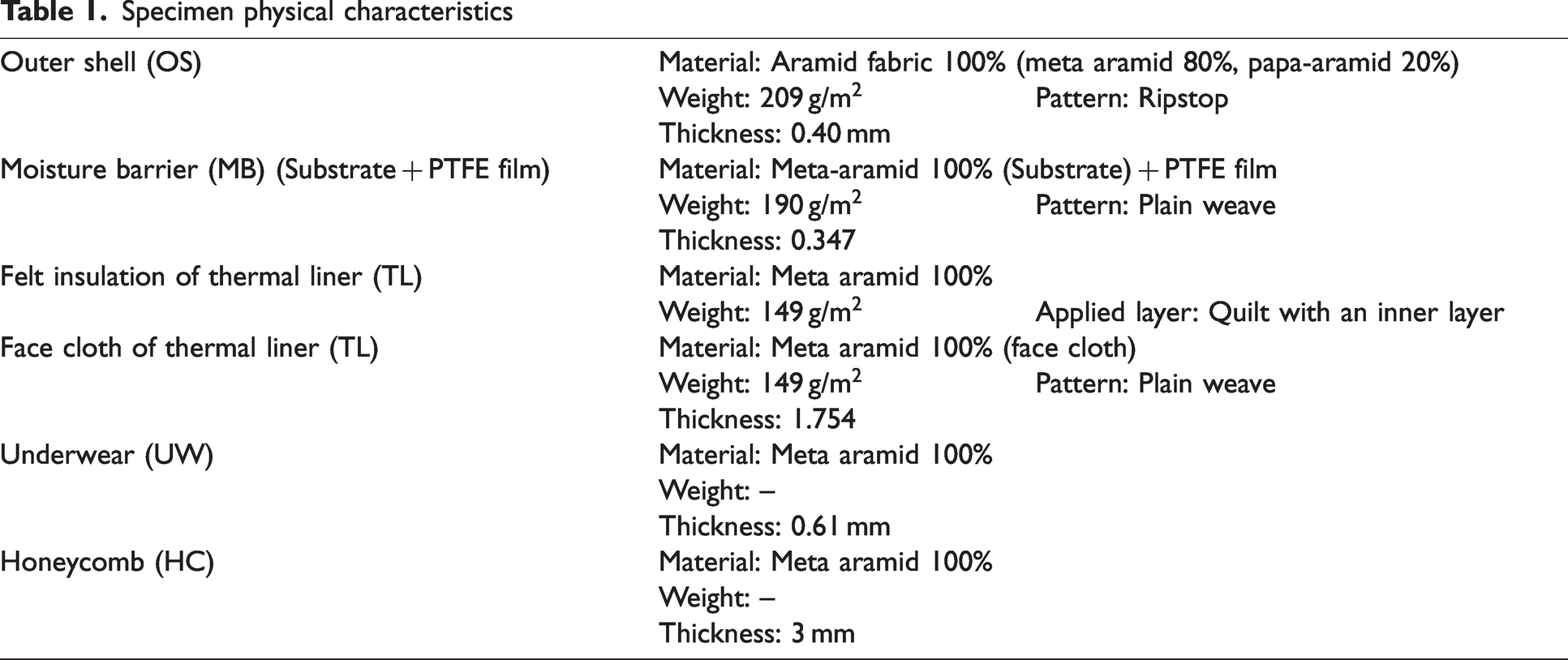
A 2 mm air spacing was ensured between the fabric layers and 6.5 mm between the TL and the substrate. These spacings are representative of average airgaps reported based on three-dimensional (3D) scanning.28,41–43 In addition to the lay-up shown in Figure 3(a), two more lay-ups were prepared according to Figure 3(b) and (c). In Figure 3(b) an additional layer of Nomex underwear, 44 worn by formula 1 drivers, was inserted at a distance of 5 mm from TL and 2 mm behind the substrate. In Figure 3(c) a Nomex honeycomb 45 structure layer replaces the air gap between the MB and TL. Type A, selected as benchmark, is a currently adopted protective assemble in the Korean Fire Service. Types B and C are enhancements of type A with additional layers, based on availability for practical applications. The specimens were preconditioned at room temperature and relative humidity of 65%. 16 Physical characteristics are summarized in Table 1.
Specimen physical characteristics
Skin numerical model
Skin tissue damage can be associated with an increase in tissue cells temperature at a certain depth.46–49 A bio-heat transfer model proposed by Pennes
50
is used for finite element (FE) analysis, as shown in equation (1). It is based on the Fourier law of heat conduction with heat exchange between tissue and blood with metabolic heat generation. The numerical model is developed based on FE methodology solved on a commercially available package ABAQUS®Standard. The transmitted irradiance recorded by the apparatus is implemented as an initial boundary condition to predict skin temperatures:

Rigorous testing of equation (1) has shown that the profusion term, 

The accuracy of the numerical model is verified against:

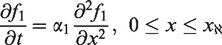
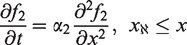

For layer 1:

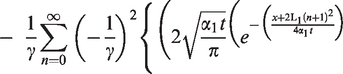
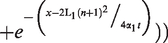


For layer 2:
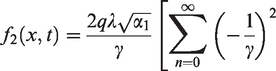


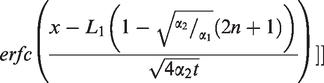
For basal layer temperature, 
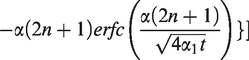
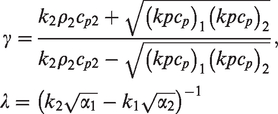
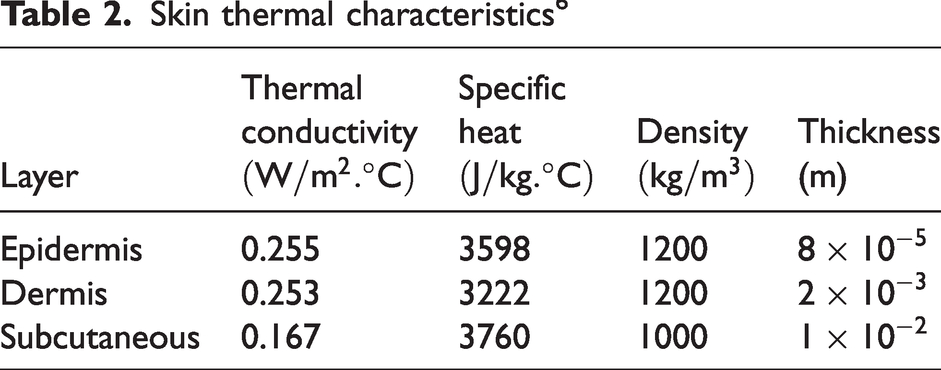
Time temperature histories in the basal layer are plotted in Figure 4, for an irradiance of 4.186 kW/m2 at nude skin, as recommended by Stoll and Greene. 49 The skin thermal properties are stated in Table 2. Two distinct phases are visible: (a) heating phase of 34 s; and (b) subsequent cooling phase. Predictions made by the variational method closely match the experimental temperature reported by Stoll and Greene in the later part of the exposure. A small deviation is observed at the initial stage of the heating phase with slight overpredictions. Comparing it with Glerkan’s weighted residual method, 51 both schemes of FE model predict well for the duration of exposure; however, the variational method predicted better in the cooling phase.
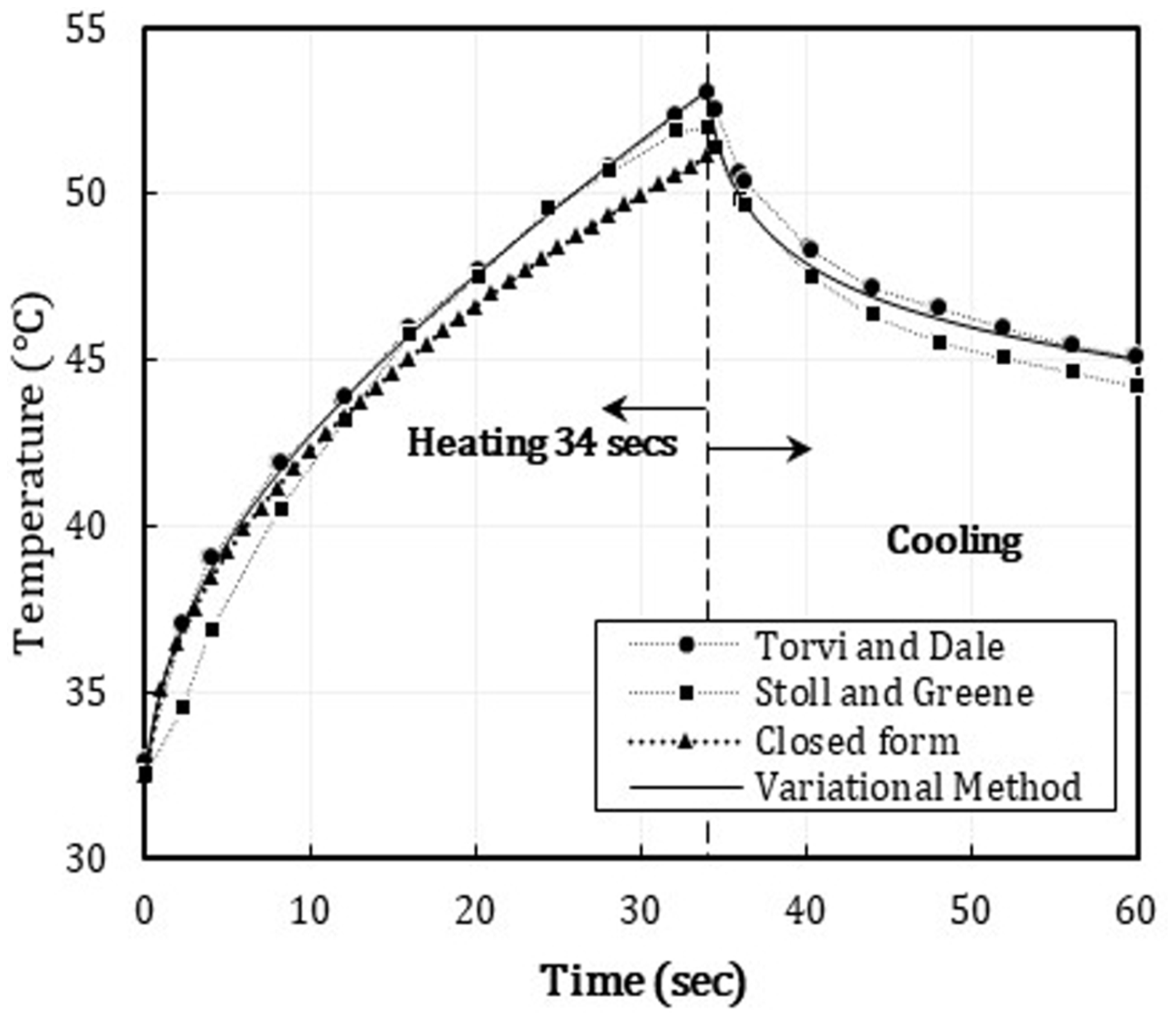
Basel layer temperature history predicted by finite element model and as reported in the literature using numerical analysis and experiments at 4.186 kW/m2 for 34 s.
Skin thermal characteristics 6
As shown in Figure 5, further verification is conducted at an incident flux of 41
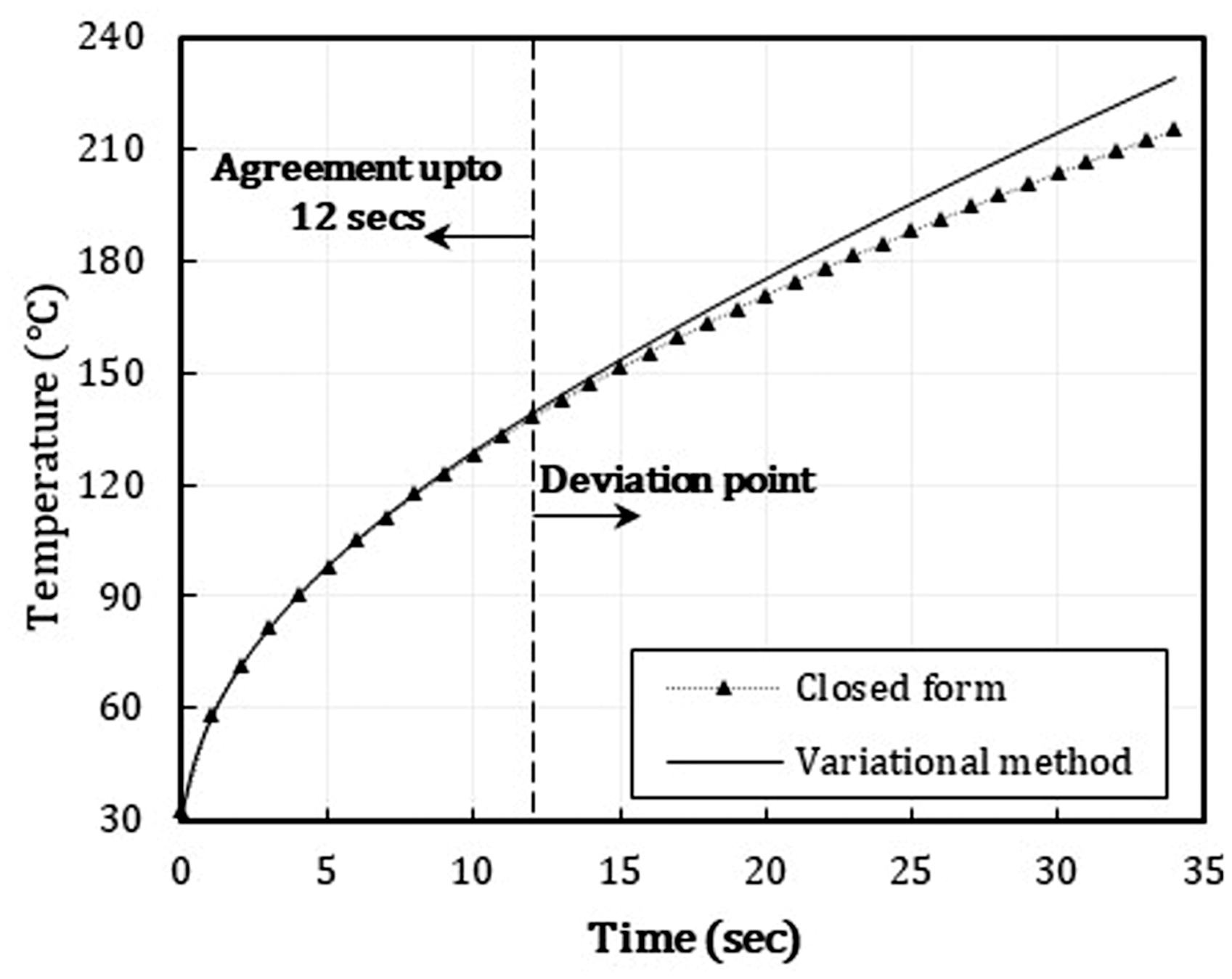
Basel layer temperature history at irradiance of 41 kW/m2 for 34 s on nude skin.
Henrique integral
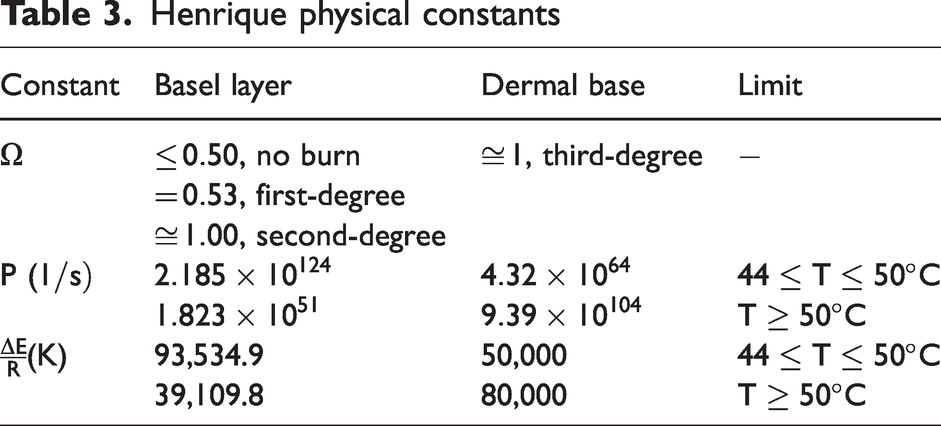
Burn damage to the skin is described by Henrique as a chemical rate process of the first order.
46
Skin tissues sustain irreversible damage when the basal layer temperature exceeds the threshold level of 44
Henrique physical constants
where
ΔE is the activation energy (J/mol).
P is the pre-exponential factor.
T is the time-dependent absolute temperature of the basal layer.
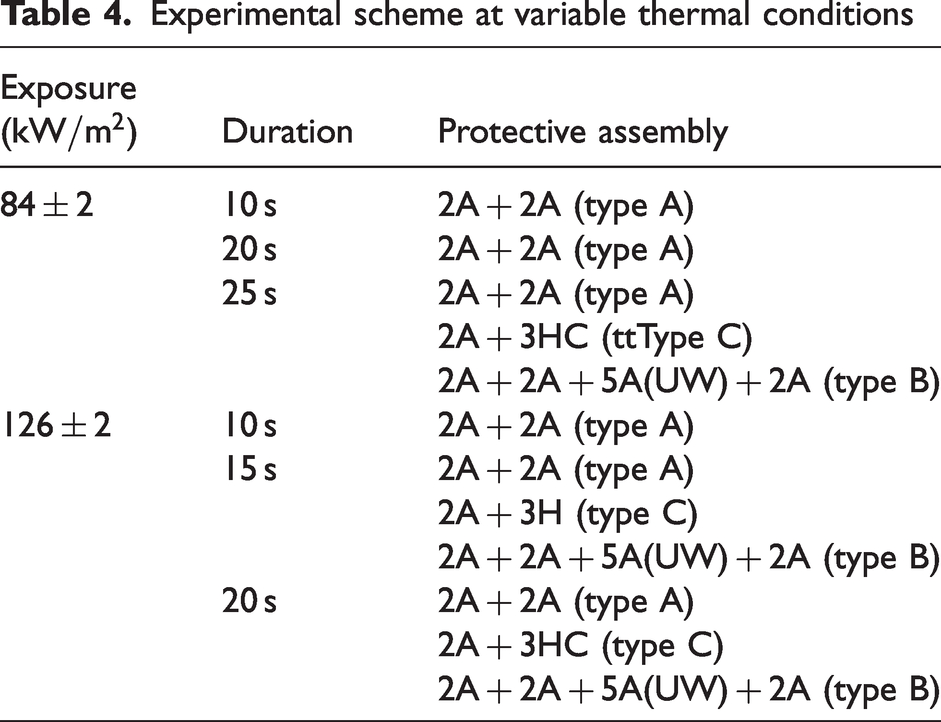
Experimental study
Three types of fabric lay-up configuration, types A, B and C, were tested at exposure level of 84 and 126
Experimental scheme at variable thermal conditions
Treatment of experimental data
Type A lay-up was first exposed to an incident flux of 84 
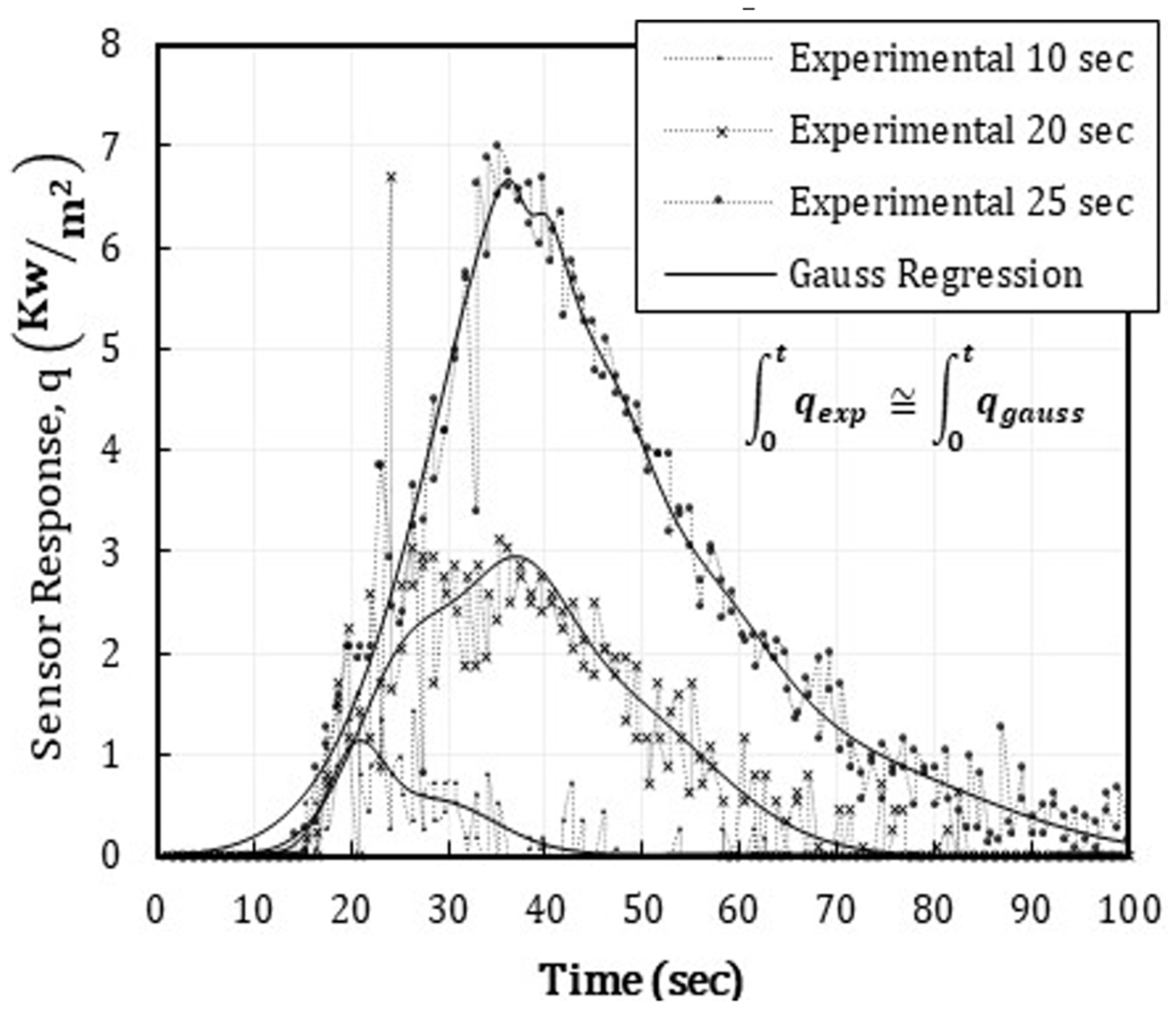
Gaussian model regression fit for type A lay-up at incident flux of 84
The steady response is compared with the experimental data, as shown in Figure 6. Gaussian numerical fitting is validated with a trapezoidal numerical integration. The total heat flux received at the skin level estimated with fitting function is in
Experimental results
Irreversible skin damage occurs when the basal layer temperature exceeds 44
The performance of each lay-up at an incident flux of 84
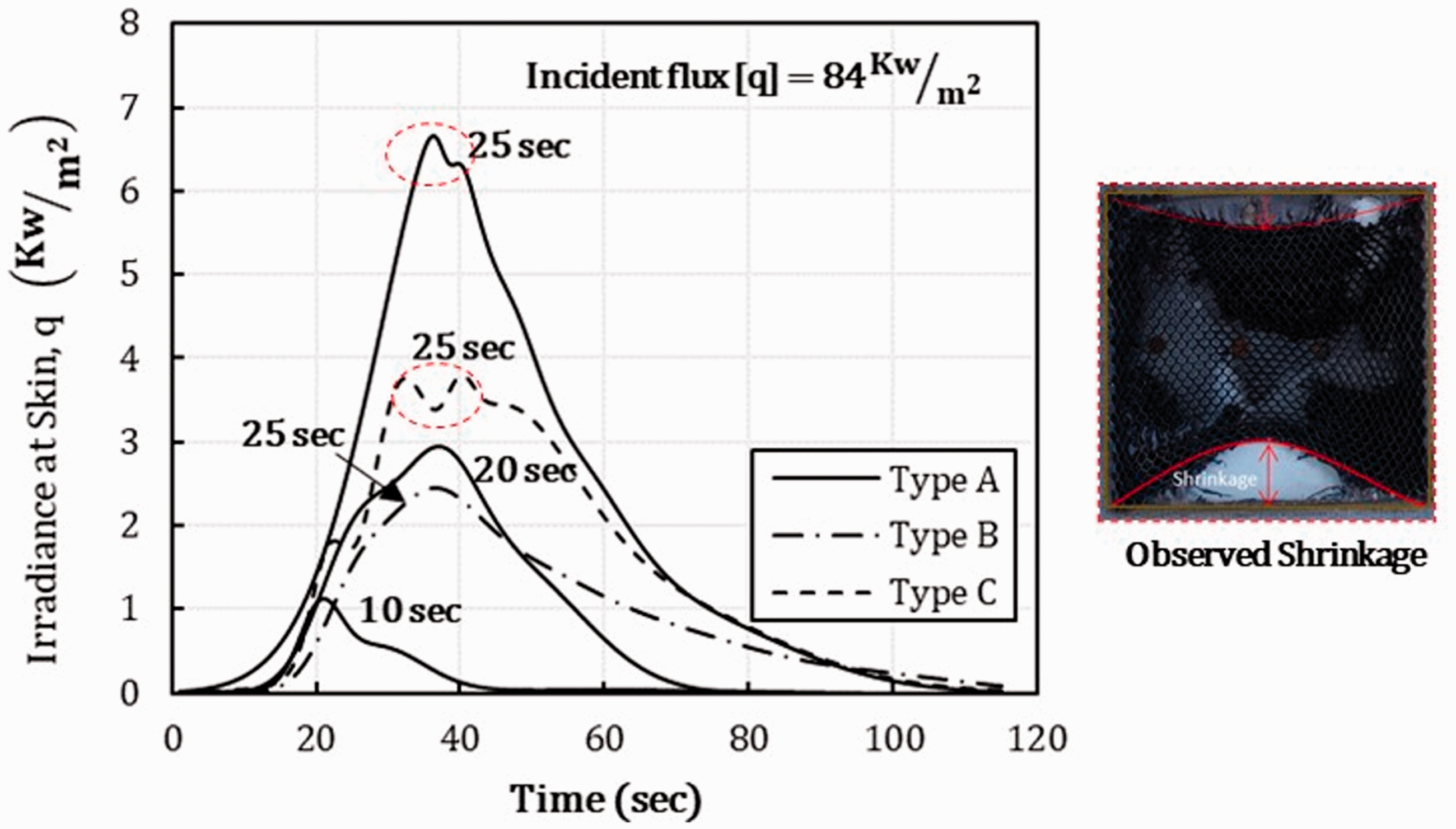
Fabric assemble performance at 84
Time temperature histories for the basal and dermal layer are presented in Figure 8. Basel layer temperature for type A at 10 and 20 s exposure remains below the threshold value of
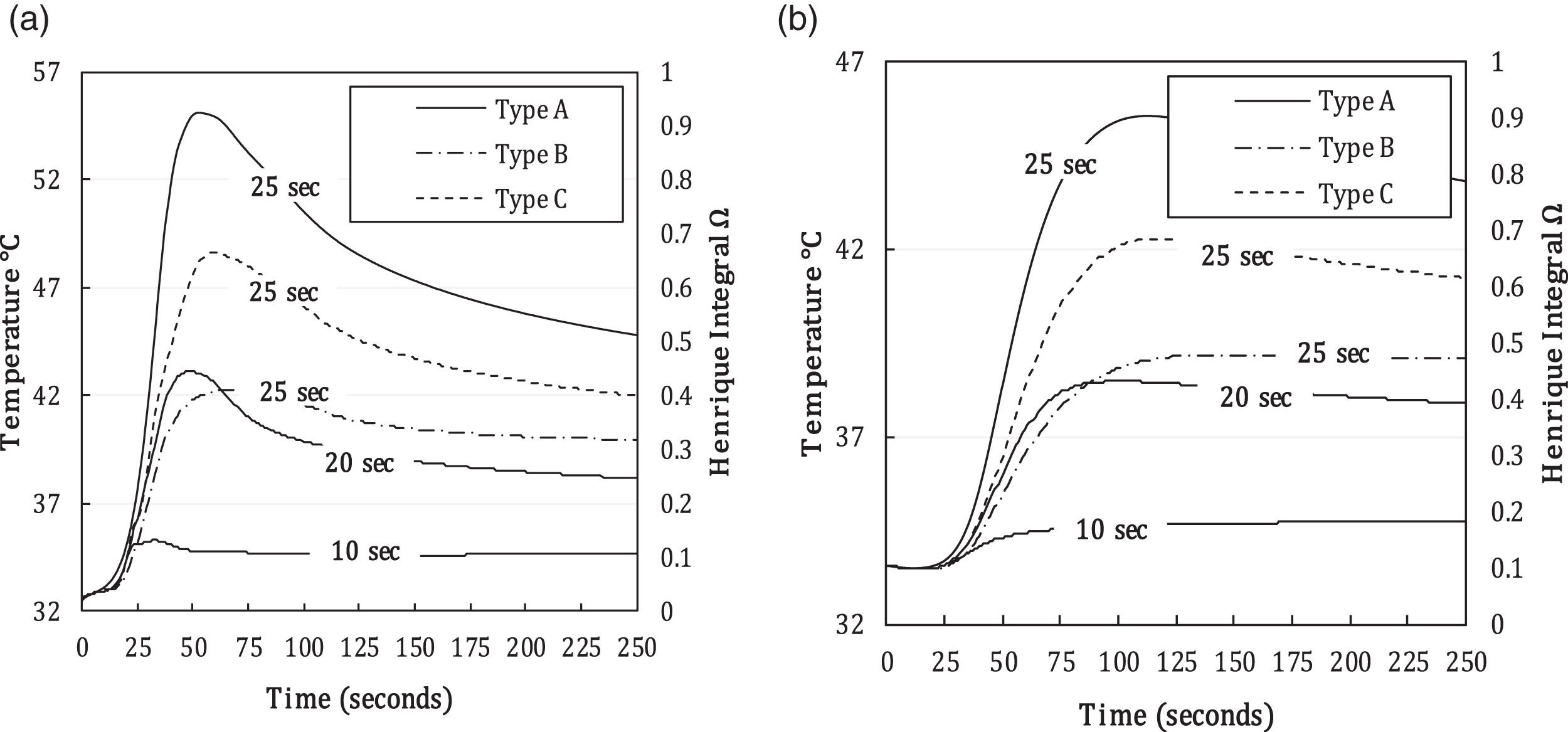
Predicted skin layer temperature at an incident flux of 84
The performance of types A, B and C protective assembly is also assessed at an upper limit of 126
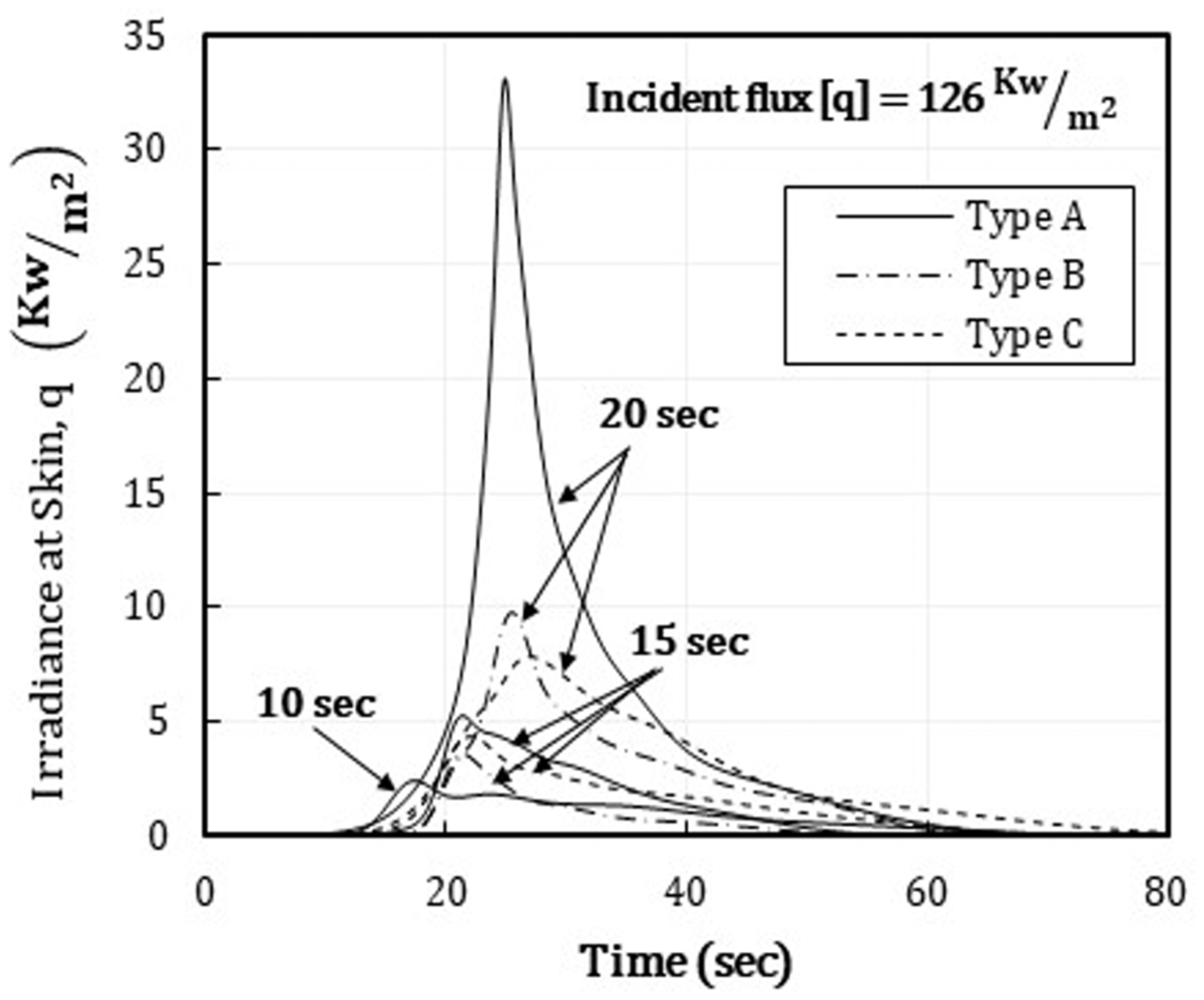
Fabric assemble performance at 126
The addition of an extra layer (types B and C) proved to be beneficial for working under life-threatening conditions. The added underlayer improved protection from burn injuries by 32%. The temperature time history of types A, B and C is presented in Figure 10 for an incident flux of 126
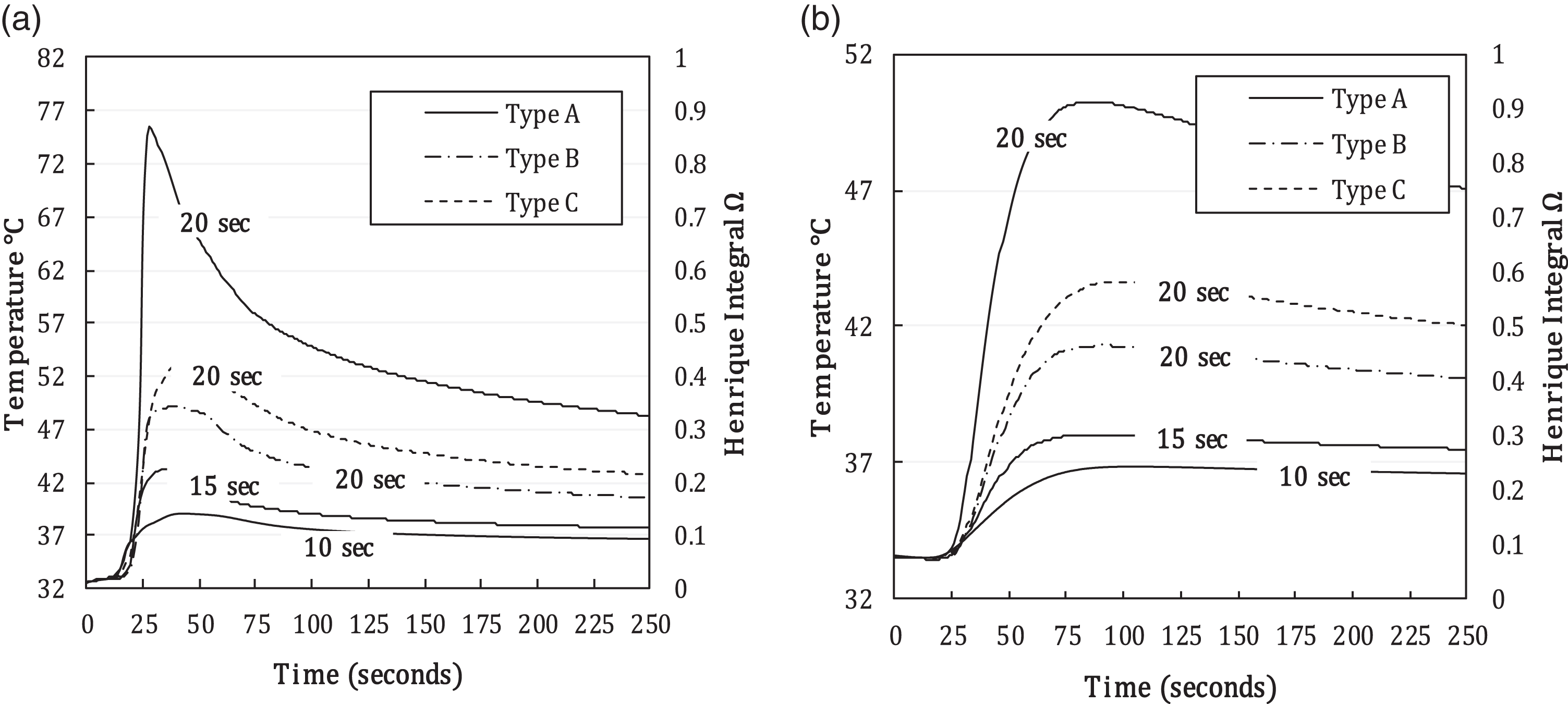
Predicted skin temperature at an incident flux of 126
Discussion
The significance of auxiliary layers is estimated based on superficial burn injuries. Type B and type C provided more protection by delaying the time to burn injuries. In the case of type A, no burn is predicted for an incident heat flux of 84
Time to superficial burn Injury
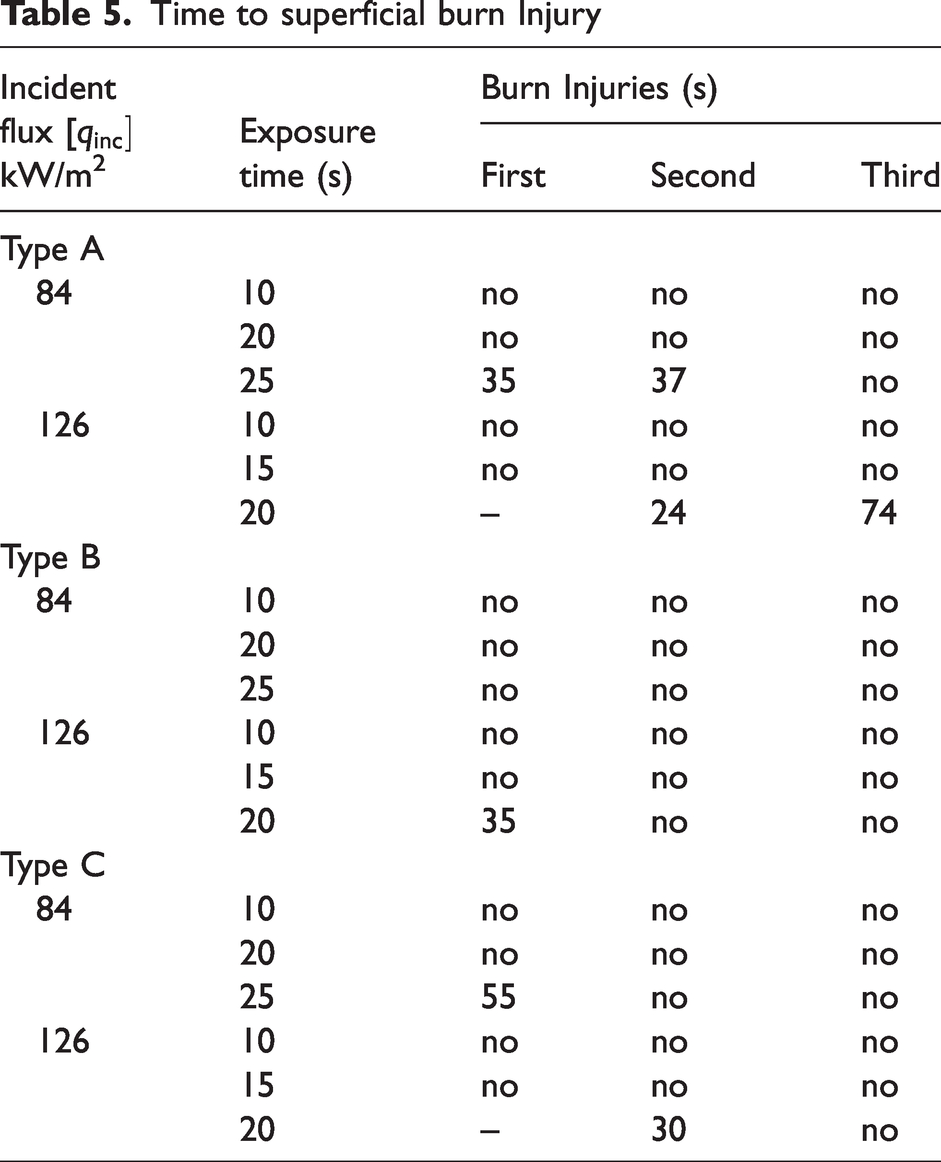
At life-threatening conditions of 126
In vertical orientation garment assembly performs well by protecting for a prolonged duration of time.
60
For type A lay-up, burn injuries predicted by a similar experimental study of Mandal and colleagues
61
in a horizontally configured apparatus showed that under exposure of 84
Skin temperature profile
The burn injuries can occur due to: (a) fabric layers failure under exposure; (b) stored thermal energy in the fabric layers; and (c) prolonged exposure duration. To understand this, the temperature profile for three skin layers: epidermis, dermis, and subcutaneous are studied further. In Figure 11 and Figure 12, temperature profiles of the skin layer representative of four distinct phases of the experiment are shown. Three temperature points defining one temperature profile are plotted as: (a) the first point represents the epidermis surface temperature; (b) the second point represents the basal layer temperature; and (c) the last point represents dermal base temperature.
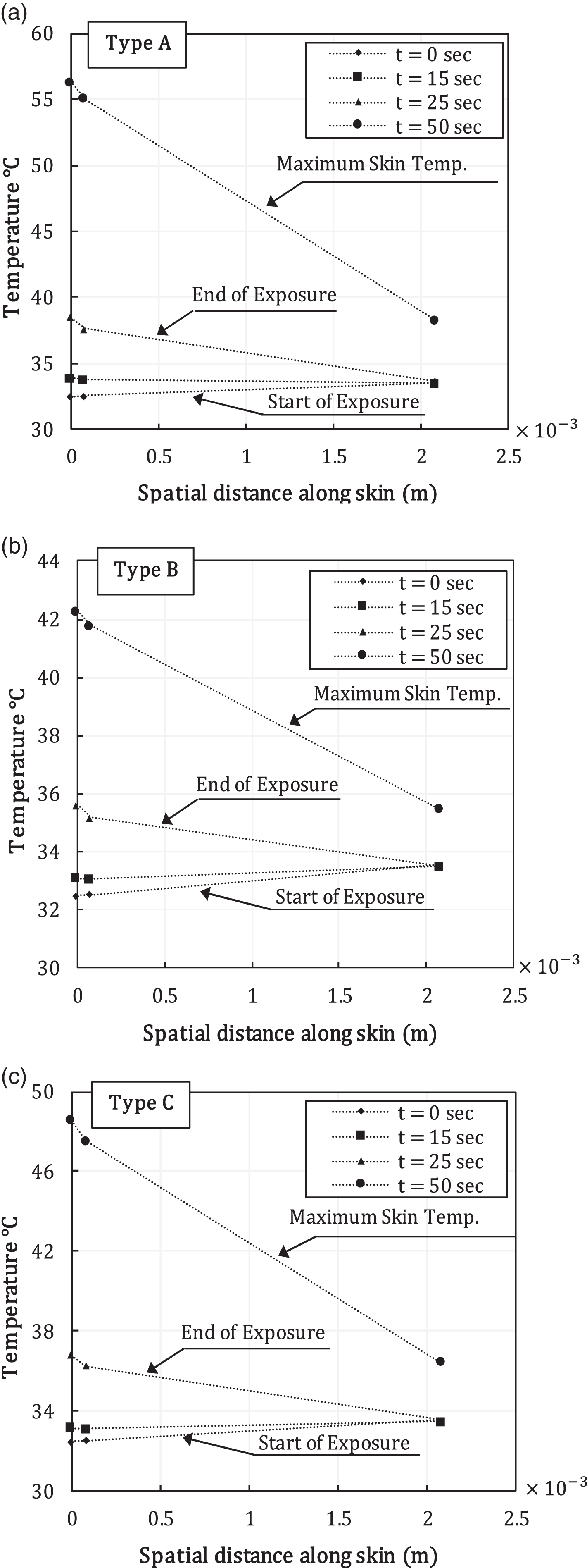
Predicted skin temperature profile at an incident flux of 84
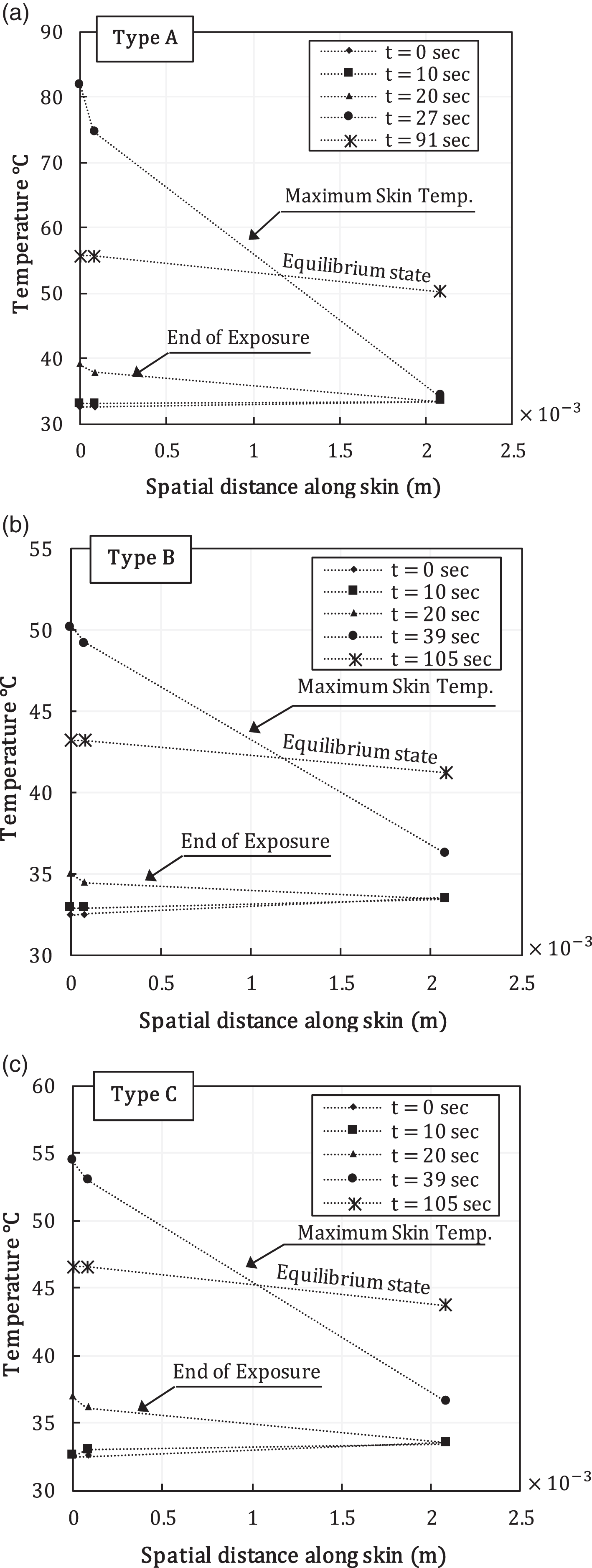
Skin temperature profile at an incident flux of 126
Skin temperature profile at an incident flux of 84 t = 0 s, representative of skin temperature distribution before thermal load. t = 15 s, skin temperature distribution mid-way into an experiment. t = 25 s, when the thermal load is removed. t = 50 s, maximum skin temperature representing the effect of stored thermal energy in fabric.
In all three types of lay-up, a common trend is observed, the skin temperature for the duration of exposure remains within
In the case of 126
Implications on thermal comfort and moisture
Adding an extra layer to the existing protective suit has proved to mitigate burn injuries. However, the implications of the thermal comfort of firefighters with added layers is not addressed in this study. Application of the honeycomb structure between the MB and the TL is demonstrated to be beneficial. Due to the difficulties in retaining its shape during an active routine, it is advised to insert it at the front chest or back area. Consequently, it is not recommended, as it will restrict mobility. In comparison, the meta-aramid fabric layer is comfortable and can easily be worn inside an existing suit. More work needs to be done to assess the thermal comfort of auxiliary layers. Based on current work, type B lay-up is recommended. However, care must be taken while implementing the results of this study to real-life conditions as the assessment is done under laboratory conditions. Furthermore, the results of the current study are limited to dry garments only and future studies are required for moisture transport and the effect of physical changes for the four-layered garment.
Conclusions
Three types of protective suit lay-ups were tested: type A (convectional lay-up); type B (added layer of meta-aramid fabric); and type C (added extra layer of a honeycomb structure made of Nomex). Their performance level is accessed under extreme conditions of
Footnotes
Acknowledgements
The authors express our gratitude to Dr. Sungwook Kang and Dr. J. Yoon Choi at Korean Conformity Laboratories (KCL) in South Korea for their support in procurement of the test materials and for providing technical assistance during the experiments.
Declaration of conflicting interests
The author(s) declared no potential conflicts of interest with respect to the research, authorship, and/or publication of this article.
Funding
The author(s) disclosed receipt of the following financial support for the research, authorship and/or publication of this article: This project is funded by National Fire Agency through R&D programme on Development of Fire Safety Technologies for Emergency Response to Fire Hazards (Grant No. 20008021).
