




Abstract
Today, the fashion industry faces challenges related to the sustainability problem due to its richness, heterogeneity, and globality. Taking into account the complexity of the fashion industry, this review of the literature analyzes the sustainability of fashion, beginning with the development of fibers and ending with the use of worn garments and considers the environmental, economic, and social sustainability aspects that must be evaluated throughout the life cycle of the product. The results of the literature review have shown that the integration of complex decisions into the business models of both manufacturing and marketing companies must be implemented to develop the sustainable fashion industry from a long-term perspective.
The fashion industry is the second-most polluting industry in the world.1–3 This is the main reason why it has to be transformed into a more sustainable one. Fashion sustainability is a complex issue 4 that covers three equivalently important aspects: environmental, social, and economic.3–9 The environmental aspect considers the creation of ecological value and resource saving. The social aspect aims to ensure the benefit of customer satisfaction. The aesthetic and cultural aspects are also crucial. 4 The economic aspect analyses the profit of the industry company or the trade company. Covering all aspects to ensure knowledge of fashion sustainability, law and regulation, interfunctional collaboration, research and development investments, and innovation-oriented learning have also to be involved.10,11 Interfunctional collaboration ensures synergy among the different sectors internally as well as among the stakeholders involved in the development of environmentally sustainable products and delivery processes. 12 However, fashion sustainability should not be used as a key instrument for the creation of a story or marketing strategy for a fashion brand. 3 Otherwise, this could force customers to buy more or select a particular product. 13 Therefore, today, the transparency of each process and material must be ensured.
Results of the analysis of the sustainability aspects of fashion
The sustainability analysis related to the fashion industry was focused in a deep way on the environmental element, discussing it in the context of the economic and social elements necessary to evaluate when creating a comprehensive sustainability map.
Environmental aspects of sustainability
The environmental aspects of sustainability were analyzed based on five criteria, namely sustainable fibers and materials, design methods and approaches to sustainable fashion, the impact of clothing technologies on sustainability, the sustainability problems faced due to the washing of textile products, and the utilization of waste.
Sustainable fibers and materials
Textile fibers and finishes used for material production must be ecological and biodegradable or easy to recycle (Figure 1).
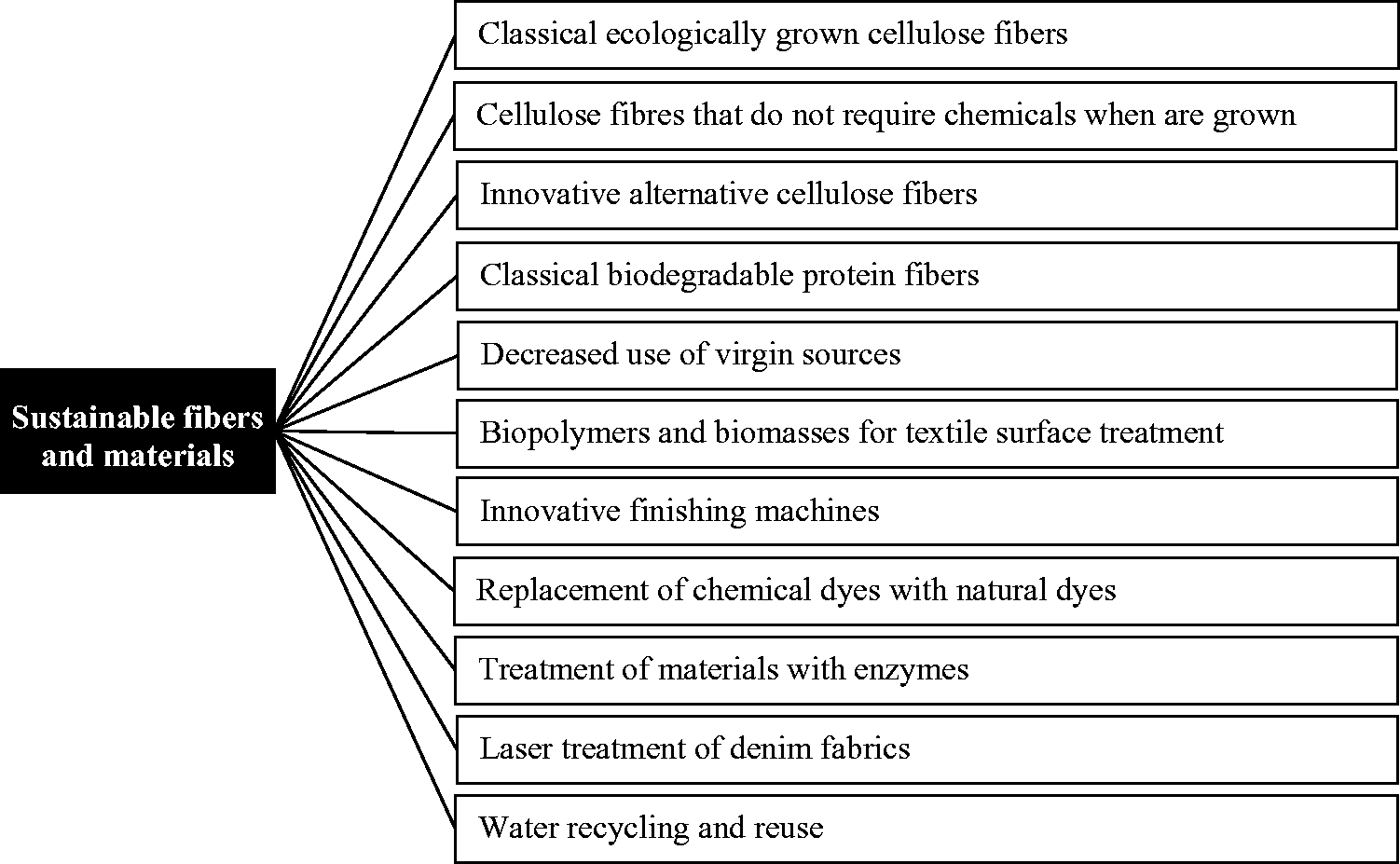
Sustainable fibers and materials.
The greater use of organically grown natural classical cellulose fibers, such as cotton and linen, protein fibers, such as silk and wool, and recently popular cellulose fibers, such as hemp and bamboo, that allow the elimination of unwanted chemicals has a lower negative impact on the environment, and help textile companies increase their sustainability. 14 When looking for ways to increase textile sustainability, new biopolymers developed from modified Kombucha bacterial cellulose with properties similar to those of clothing materials have also gained importance. 15 Innovative cellulose-based fibers, recycled fibers, or reused materials reduce the use of virgin resources. 16 The use of recycled fibers in clothing also helps ensure circularity in the fashion industry. The circular business model, which is more advantageous than the linear one with respect to sustainability, is more widely discussed in this review of the literature later.
Textile manufacturing processes must also be eco-friendly. Today, the textile industry is making many environmentally friendly decisions, such as replacing chemical dyes with natural dyes, the use of enzyme biocatalysts, and the application of biopolymers and biomasses for the treatment of textile surfaces.14,17,18 An example of such treatment is the use of enzymes in the textile industry where they are applied for the treatment of carrageenan, which is produced from seaweed biomass and is used during textile printing to modify its physical characteristics as a thickener.17,18 The use of automated dosing machines and controllers in the different stages of textile finishing, pulsating rinse technology, both water recycling and reuse, and similar decisions are efficient in increasing the sustainability of manufacturing processes. 14 Moreover, the application of laser technology for very popular and highly consumed denim fabric finishing also helps to increase the sustainability of the textile industry. For example, a properly selected CO2 laser of IV class with 500 mW output is less harmful to the environment and human health than the classical washing with acid or chlorine. 19 Laser finishing is even more environmentally friendly than enzyme-based textile washing, which has recently replaced less sustainable chlorine bleaching. 20 Furthermore, laser finishing does not use water, sand, or stones, as does sandblasting. 19 The discussion of the sustainability of fibers, materials, and finishing technologies can be finished by stating that new textile technologies improve the application of recycled and ecological approaches and decrease the quantity of released microfibers. Furthermore, scientists 21 suggested a novel approach to decrease microfiber release by more than 80% during the washing of synthetic textiles. For this purpose, coatings with two biodegradable polymers, such as poly (lactic acid) (PLA) and poly (butylene succinate-co-butylene adipate) (PBSA), were suggested for application on polyamide fabrics by an electrofluidodynamic (EFD) method. The problems related to the release of microfibers into the environment are also discussed in this review of the literature later.
Design methods and approaches for sustainable fashion
Claxton and Kent 11 concluded that most fashion brands prioritize sustainability strategies largely associated with the materials and production stages of circular design. In addition, those scientists 11 pointed out designs for durability, recycling, zero-waste approaches, and disassembly (Figure 2). However, it is not easy to take into account everything from the stages of the product life cycle to the end-of-life solutions in the design process of a fashion collection.
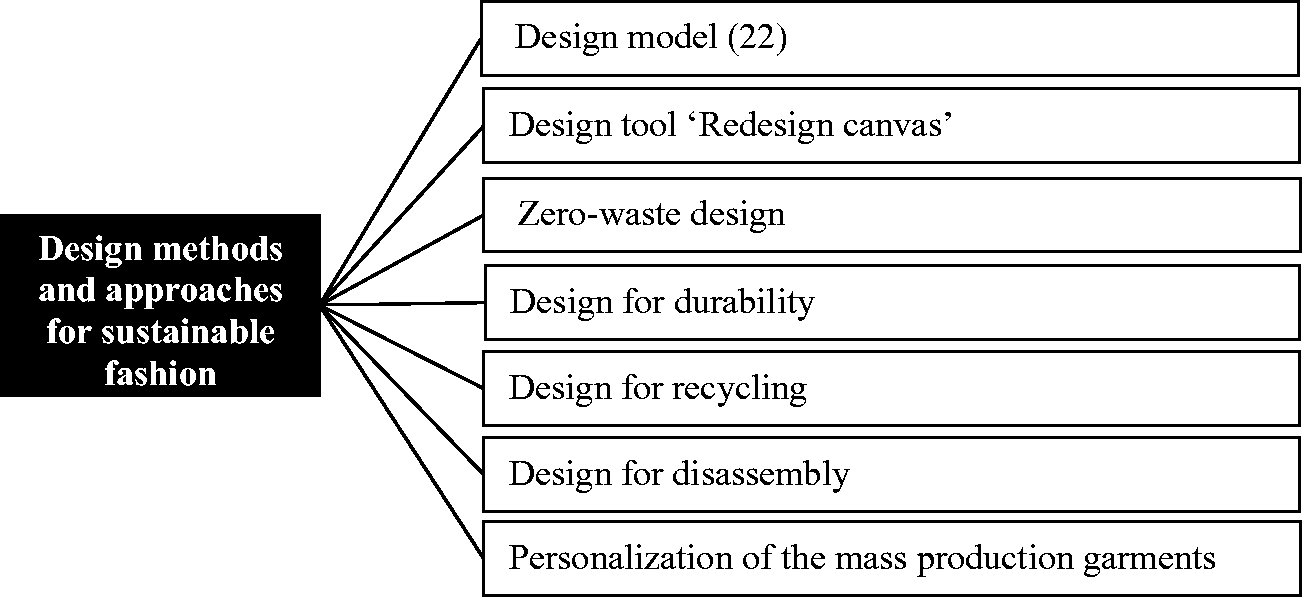
Design methods and approaches for sustainable fashion.
For example, Wu and Devendorf 2 analyzed innovative designs of completely disassembleable knitted and woven fabrics suitable for smart clothing production. Similarly, Gam et al. 23 suggested decisions that ensure a simple way to disassemble a garment and, later, to sort and recycle the disassembled garment pieces. It was possible to produce a disassembleable jacket by replacing the fusible textile interlining with infusible interlining to stabilize the front pieces, as well as by joining the outer layer of the jacket with its polyester lining using longer stitches. Furthermore, the disassembled jacket pieces can be recycled or reused to design new fashion products employing laser cutting technology.5,24,25 For example, ‘rows of loops’ were laser cut from pieces of denim fabric from worn trousers and ‘knitted’ into a new dress. 24 The additional advantage of the application of laser technology was the possibility of cutting the ‘loops’ of the newly designed ‘knitted’ dress independently of the shapes of the disassembled trousers. 24 Stankūnienė 25 also made similar design decisions. Plain and twill fabrics were developed from denim fabric strips cut by laser from dissembled worn clothing to manufacture a collection of fashion accessories, such as collars and belts. Paras et al. 26 also suggested original design ideas to increase the sustainability of fashion products, and created a design that employed detachable garment parts and provided the possibility to personalize mass-production garments. Hwang and Zhang 27 also suggested innovative redesign methods to reduce post-industrial and post-consumer waste. However, there are significant differences between upcycled design and standard fashion design, research, and manufacturing processes. Another design method called ‘zero-waste design’ is also a good way to reduce textile waste in clothing manufacturing.15,28–30 Zero-waste fashion is the development of clothing models, the design of which significantly reduces or eliminates waste in the pattern-making and cutting stage.29,30 However, it strongly depends on the width of the fabric. 31 Furthermore, limitations of this fashion design concept exist because of the dependence of clothing design on seasonally changing fashion trends, among which quite strict limits are set for the silhouettes of garments. Therefore, more initiatives must be considered to increase sustainability. Zheng et al. 22 suggested a design model consisting of key elements of garment design, such as colors, silhouettes, styles, themes, details, and fabrics. Therein, significant attention was paid to material selection, testing, and production with respect to sustainability and identified factors strictly related to the requirements of fabric suppliers and manufacturers. 22 Other scientists 32 suggested the design tool called ‘the redesign canvas’ that was based on the design thinking methodology suitable for simpler designs with respect to sustainable performance. The suggested canvas consisted of 12 building blocks, namely the concept; consumer; (de)branding; circular design and economies; business models; value propositions and innovation; design and smart material selection; prototypes and product development; revenue streams and costs; data management; sourcing; supply chain and stakeholders, which are described in detail in the canvas and must be encountered when creating a sustainable fashion brand.4,32 Each building block consists of a list of features and questions that are explained in addition by smaller text on the canvas. The canvas provides a clear and concise mechanism for structuring thinking and discussion about the opportunities and challenges design entrepreneurs face in the sustainability context.
Impact of clothing technologies on sustainability
In the context of mass clothing production, reducing waste from clothing production must be one of the most valuable contributions to greater sustainability.22,33 In clothing manufacturing companies, textile waste appears after the quality inspection of textile materials, garment cutting, and detection of sewing defects. 34 The applied technologies must help save virgin resources, materials, time, and labor costs, and be more friendly to the environment. Therefore, the impact of clothing technologies on fashion sustainability was discussed (Figure 3).
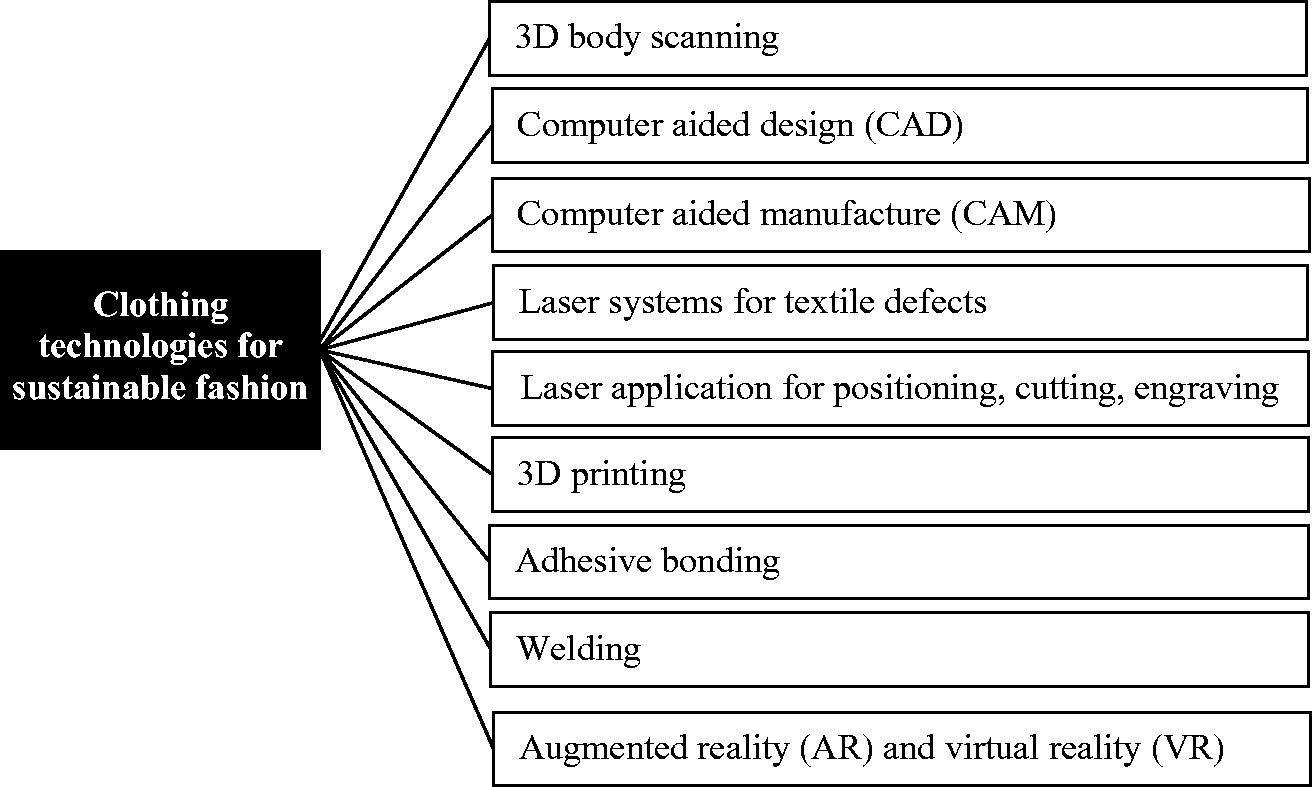
Clothing technologies for sustainable fashion. 3D: three-dimensional.
Although leading companies have developed innovative computer-assisted design (CAD) technologies, such as ‘Lectra®,’ ‘Gerber Technology®,’ CLO, and many others, which can provide high flexibility and time efficiency in the clothing design and fabric cutting stages, they cannot adequately reduce the amount of waste generated in garment manufacture. 30 For example, scientists35,36 showed that Lithuanian companies generated on average 6500 tons per year of textile waste in the period 2009–2014. However, several new production technologies suggest decisions that help to increase fashion sustainability. For example, it was stated in many researches5,7,19,24,37–39 that recently popular laser technology has several advantages with respect to fashion sustainability. It can detect textile faults or automatically position garment pieces on sewing machines, thus replacing visual observation during sewing operations. 19 In addition, laser technology is advantageous for marking,38 accurate cutting of garment pieces,7,19 material welding, 19 leather and denim engraving or fading,19,38 and three-dimensional (3D) body scanning, 19 among others. The application of laser technology reduces processing costs. 19 It is flexible when applied to bleach not only a whole piece, but also locally. 19 Laser treatment influences very small changes in the denim structure,19,20,38 and it is a water-free and waste-free process. Laser technology is also suitable for anticounterfeiting. 19 Being managed without contact using one tool for different and complex designs, including 3D designs and constructions, it reduces the number of manual labor operations for workers. When using laser technology for textile treatment purposes and integrating it into the manufacturing process of a company that manages different CAD and computer-aided manufacture (CAM) systems, according to the flexibility factor, it can even be evaluated as more flexible than screen printing.19,38 The application of 3D body scanners ensures the mass customization of products through integration with existing CAM technology when producing efficiently well-fitting products according to rapidly taken body captures of multiple scans from a target customer. It replaces time-consuming manual measurement techniques, suggesting advantages such as efficient collection of replicable, more consistent, and much larger data sets that can be stored for ongoing comparative analysis alongside new consumer data. 40 When applying textile joining technologies, such as adhesive bonding or welding, sewing threads are not used and the seam allowances are narrower. Thus, the costs of materials are reduced. Furthermore, the recycling of the used textile products is easier. The welding and bonding processes are faster and more flexible than sewing; thus, efficiency increases and time is saved. Furthermore, the implementation of additive manufacturing (AM), industry 4.0, 14 and 3D printing technology increases the sustainability of production with respect to two important aspects, namely eliminating waste and decreasing transportation costs.41,42 Products or their components manufactured closer to the location of customers or even in consumers’ homes can reduce transportation and improve the carbon footprint, which is an indirect benefit of AM technology in reducing air pollution. 42 The augmented reality (AR) and virtual reality (VR) technologies adopted in the fashion industry can also increase fashion sustainability.43,44 AR integrates physical environments and virtual elements, including images or information, for example, ‘magic mirrors’ in retail centers.44,45 In contrast to AR, VR is separated from the real-life environment via a head-mounted display or a screen. 45 For example, when trying on the garments or participating in a virtual fashion event, aspects such as unnecessary transportation and excessive use of materials that are used for in-person live events or in regular stores are eliminated.
Sustainability problems faced due to washing of textile products
The research published by Browne et al. 46 was among the first to state that microfibers occur because of domestic washing of clothes. Browne et al. 46 studied microfiber release and compared microfibers collected on the shorelines of six world continents with microfibers found in both wastewater treatment stations and the filters of domestic washing machines. The composition of the microfibers collected in each of the studied regions was very similar to that of the most widely spread polyester microfibers. The largest amount of microfibers was found in mostly populated areas. In addition, they existed even in wastewater treatment equipment that had not been used for a decade. Textiles and clothing are the main sources of microplastic pollution in aquatic environments, such as rivers, shorelines, oceans, and seas, due to their care processes, such as washing and rinsing. 47 Microfibers are even found in hard-to-reach areas around the world.48,49 Today, synthetic clothing is the main primary source of synthetic microfibers that negatively affect both the environment and human health.50,51 Recent research carried out in different countries and investigating textiles of different fibrous compositions confirmed that microfibers are released during washing.47,52–55 The reviewed literature showed that many factors influence the amount of microfiber released during washing (Figure 4).
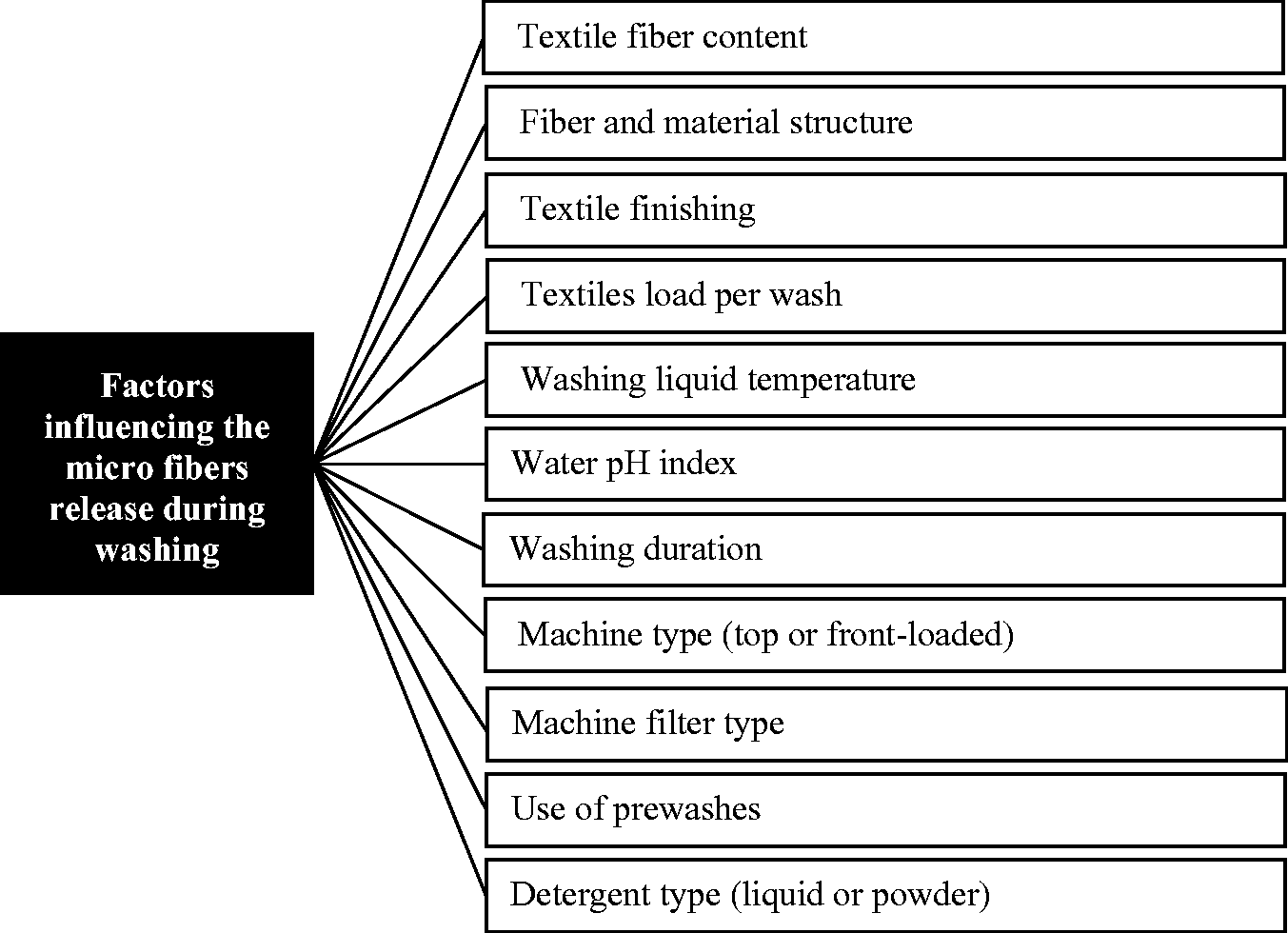
Factors influencing the microfiber release during washing.
Vassilenko et al. 55 determined that mechanically treated polyester samples dominant in fleeces and jerseys released six times more microfibers than nylon samples with woven construction and filamentous yarns. Reviewed research47,54,55 confirmed that garments made from natural fibers released the largest amount of microfiber that can easily degrade. 54 However, synthetic microfibers do not easily degrade and they pollute the environment for a long time. Therefore, other researchers analyzed the problems associated with the release of synthetic microfibers. 46 The emission of microfibers depends on washing parameters, such as the ratio between the amount of water and clothes, washing liquid temperature, water pH index, washing duration, machine filters, and use of both prewashes and detergents.56–59 It was confirmed that the increase in the washing duration influences the higher intensity of microfiber release. 57 During the washing of synthetic textiles, the amount of fiber released increases due to mechanical and chemical stresses that clothes undergo in washing machines.59–61 Softener and bleach reduce microfiber release. 60 Napper and Thompson 62 showed that when both the duration and temperature increase, the release of microfibers also increases due to the decrease in the stiffness of the microfibers. Furthermore, Napper and Thompson 62 determined that more than 700,000 fibers are released for an average of 6 kg of textile load per wash. Some researchers56,60,63,64 stated that the use of liquid washing agents increases the release of microfibers in a different way. Furthermore, several studies stated that the influence of washing agents on microfiber release is insignificant.57,59,65
The effect of the mechanical action that occurs in the washing process on the release has not been studied in depth. Therefore, few studies have been published. Yang et al. 66 investigated textile washing with or without metal balls and did not determine a significant influence of mechanical action on the amount of microfiber released, supposedly due to the short duration of treatment. Comparison analysis between washing with liquid agents and washing with washing powder showed that the use of powder influences a higher release of microfibers than the use of liquid agents.60,64 It was assumed that a governing factor for this tendency is the friction that appears between the surfaces of the washing powder particles and the textile microfibers. However, De Falco et al. 60 and Cai et al. 67 added that a hypothesis about the greater influence of washing powder than washing liquid on microfiber release must be further tested and confirmed, not only evaluating friction but also considering the pH index of the washing powder. Furthermore, Hartline et al. 68 identified the significant impact of the type of washing machine on the release of microfibers. They determined that the amount of microfiber released by using a top-loaded washing machine was seven times higher than that by using a side-loaded machine. It must be stated that there are many factors that influence the release of microfibers during the washing of clothing. However, only a few decisions that decrease the release of microfibers during textile washing are known. McIlwraith et al. 69 determined that a Cora Ball consisted of a plastic ball with many ‘arms’ (donated by Rachel Z Miller) and the Lint LUV-R filter having a stainless steel mesh filter with a pore size of 150 µm diameter can decrease microfiber release by count, and also the Lint LUV-R filter can reduce microfiber release by weight in the effluent of the washing machine.
In addition to the problems related to microfiber release during domestic washing, according to the Swiss Textiles report published in 2019, it should be mentioned that the textile finishing processes applied in industrial companies in the European Union used approximately 15,000 different types of chemicals that also pollute the environment. Therefore, the negative effect of textile finishing processes also has to be taken into account when looking for ways to reduce environmental pollution.
Waste utilization
As considered above, both textile manufacturers and consumers generate textile waste that negatively affects the environment.33,70 A huge amount of textile waste, such as textile pieces with textile faults, textile scraps generated in pattern cutting, garments with sewing defects that are not suitable for sale, and others, is generated during, for example, textile material quality inspection, pattern cutting, and sewing. Textiles used for a basic garment create 15%–25% waste.
71
Furthermore, a large amount of worn clothing is not recycled or reused, making it waste. Thus, textile waste recycling could help reduce waste (Figure 5).35,36
Waste utilization methods. 
However, recycling of textile waste is complicated because almost all textile products consist of more than one type.5,23,35,36 Mixed and synthetic fiber materials account for the largest part of textile waste generated in clothing production processes, and it reaches up to 20%–25% of the total amount of the textiles used in Lithuanian clothing companies.35,36 This problem leads to difficulties in recycling both textile cutting waste and used textile products or reusing them into a new product.35,36 In addition, textiles are chemically treated or coated with polymeric films or laminated with functional membranes to improve their performance properties. This group of materials, together with the accessories, creates a complicated disassembled garment system. Different garment designs use accessories such as buttons, zippers, and others made of metal, bone, plastic, or other materials. The fiber content of the sewing threads also usually differs from the fiber content of the textiles used for the manufacture of garments. Furthermore, the rapidly evolving markets of smart clothing with integrated electronics components in textiles pose an even greater challenge than common clothing with respect to waste recycling, reuse, redesigning, and remaking. 2 One of the suitable ways to solve this problem is to design easily disassembled garments.2,23 Gam et al. 23 demonstrated that after a decrease in the variety of materials used in a formal men’s jacket, it became easily detachable in just 1.5 minutes for sorting the waste into biodegradable wool fibers and recyclable polyester fibers. It is also worth mentioning that the recycling of used textiles requires innovative technologies, such as the ‘Fibersort™’ 72 technology suggested by the ‘Valtech Group’ and similar. ‘Fibersort™’ technology is a new technology based on a combination of NIR (near-infrared) and RGB camera technology, allowing the recycling industry to identify and separate textiles based on fiber composition, such as polyester, nylon, wool, acrylic, viscose, and cotton, and color properties. The NIR camera analyzes the fiber composition and the RGB camera analyzes the color composition. As this technology is new, it has several limitations, such as difficulties when sorting the blended fibers (three types or more), dark colors have worse recognition than the light colors, wet textiles are not accurately scanned, separation by color is suitable only for single-colored textiles, and single-colored textiles can only be separated from multicolor textile products.
Social aspects of sustainability
When starting the discussion about the social dimension of sustainable fashion, two things are worth mentioning. The first is a lack of awareness of consumers and information about the fashion products they buy (Figure 6). The second is related to communication about sustainability that could help increase consumer awareness. Product traceability and transparency throughout the product development process and the supply chain became extremely important in demonstrating the brand’s originality and sustainability. There are three main components of customer awareness, namely the cognitive and behavioral characteristics of customers and their employment status. 73 Cognitive and behavioral characteristics were found to depend on culture and religion, and employment status has an essential impact on awareness, feelings of sustainability, and decision, but gender governs only purchase decisions. 73
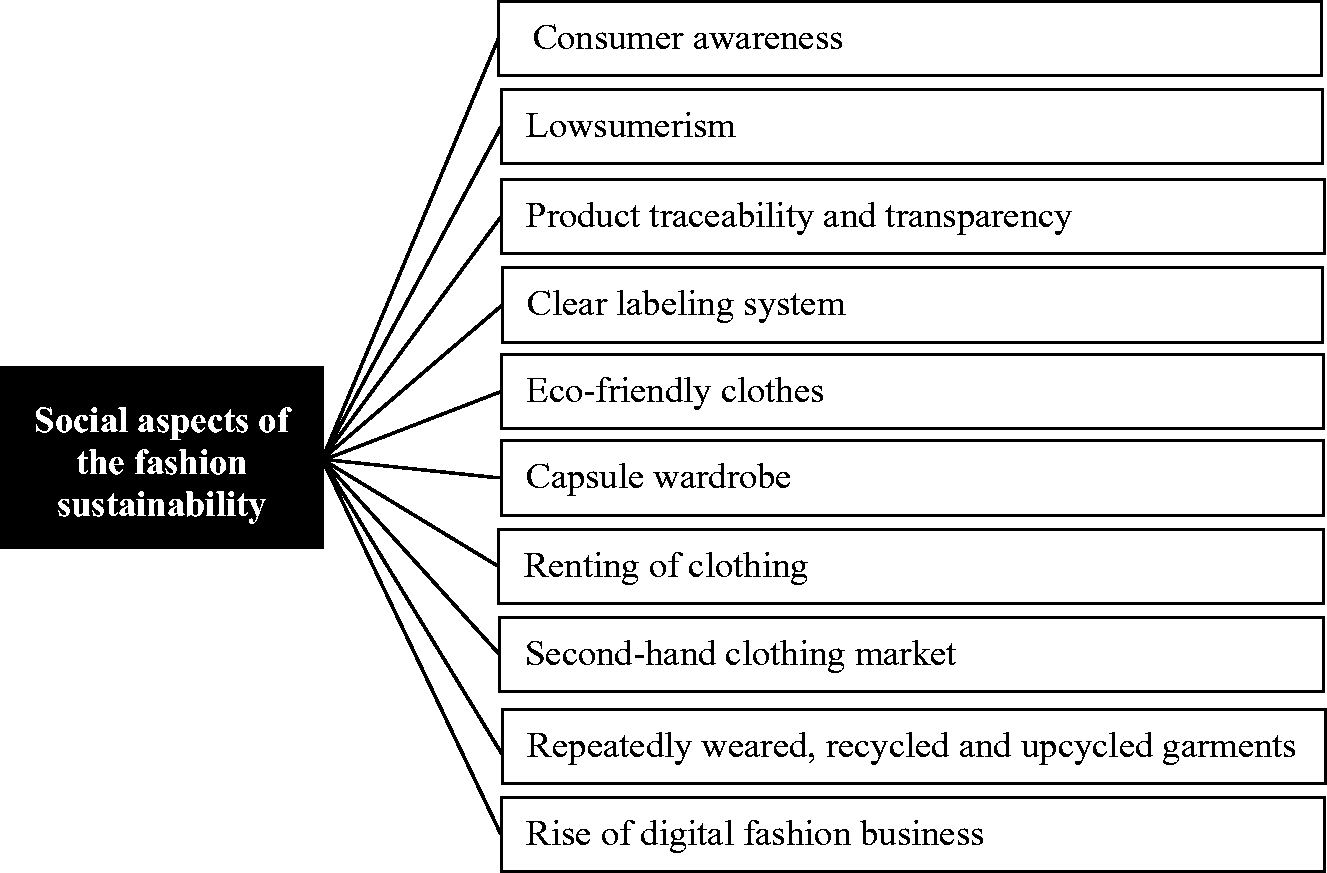
Social aspects of fashion sustainability.
There is a problem in how to distinguish sustainable fashion products from those that are not sustainable for customers due to the non-transparent labeling system applied even for sustainable fashion products.5,74 Staniukaitytė 74 analyzed this problem and developed a prototype of a labeling system consisting of four circular shape labels of different colors made from eco-friendly paper with integrated plant seeds. Each label of the designed set provided different information to the consumer and communicated the idea of ‘prolonged use of the product,’ suggesting sowing and growing a plant. 74 Furthermore, pre-established instructions on recycling, sorting, reuse, and repair could also reduce environmental pollution.39,74 Due to fast fashion that has been popular lately, people easily decide not to wear unfashionable clothing and replace them with new ones. 75 A huge number of cotton shirts and jeans become waste instead of being recycled, reused, or remade. 5 With the spread of the idea of sustainability, consumers are often encouraged to adopt the principles of timeless fashion (slow fashion) instead of the strict following of forthcoming fashion trends. Products representing slow fashion are associated with ‘durable products, traditional production techniques, or seasonless design concepts.’ 75 Based on the slow fashion concept, customers are encouraged to buy fewer, but more durable, ecological, or recycled textile products. 39 From the slow fashion movement, a new approach called lowsumerism originated. According to the lowsumerism approach, clothing is designed to be versatile and timeless, so garments can be used in many different ways and situations. 76 In that case, fashion designers suggest creating capsule wardrobe – a limited number of interchangeable classical clothing pieces of neutral colors that allow creating different costume variations using a few items of clothing. Furthermore, the ‘Linchpin’ digital agency suggested several ideas related to the social concept of fashion sustainability, such as a capsule wardrobe, the second-hand clothing market, eco-friendly clothing, rental of clothing, repeated wear, recycled, and upcycled garments, and increased transparency. Furthermore, scientists76,77 concluded that early education intervention is essential to shape customer and manufacturer behavior and to promote critical thinking toward a more sustainable future for both the fashion industry and the market.
Economic aspects of sustainability
There are many factors that influence sustainability practices, such as closed-loop and market pressure, value creation, authenticity, innovation, government exclusivity and regulatory pressure, functionality, equity, and localism. 78 Heinze 79 showed that emotional management is a key element in sustainable fashion design that influences the financial and prosocial motives of entrepreneurs, the management of ethical complexities, and entrepreneurial risk in sustainable fashion businesses. Therefore, the main tool to ensure sustainability in fashion is to replace the linear model that governs the idea of ‘take–make–waste’ with the circular business model based on the concept of ‘reduce–reuse–recycle’ (Figure 7). To become more sustainable, the fashion industry must overcome the costly demand for the design and technological expertise necessary for the innovations in manufacturing processes and communication with customers that would support slow fashion, strong brands, or buy and rent used clothing. Furthermore, the industry must also be interested in new economic approaches based on, for example, de-growth theory or others.80,81
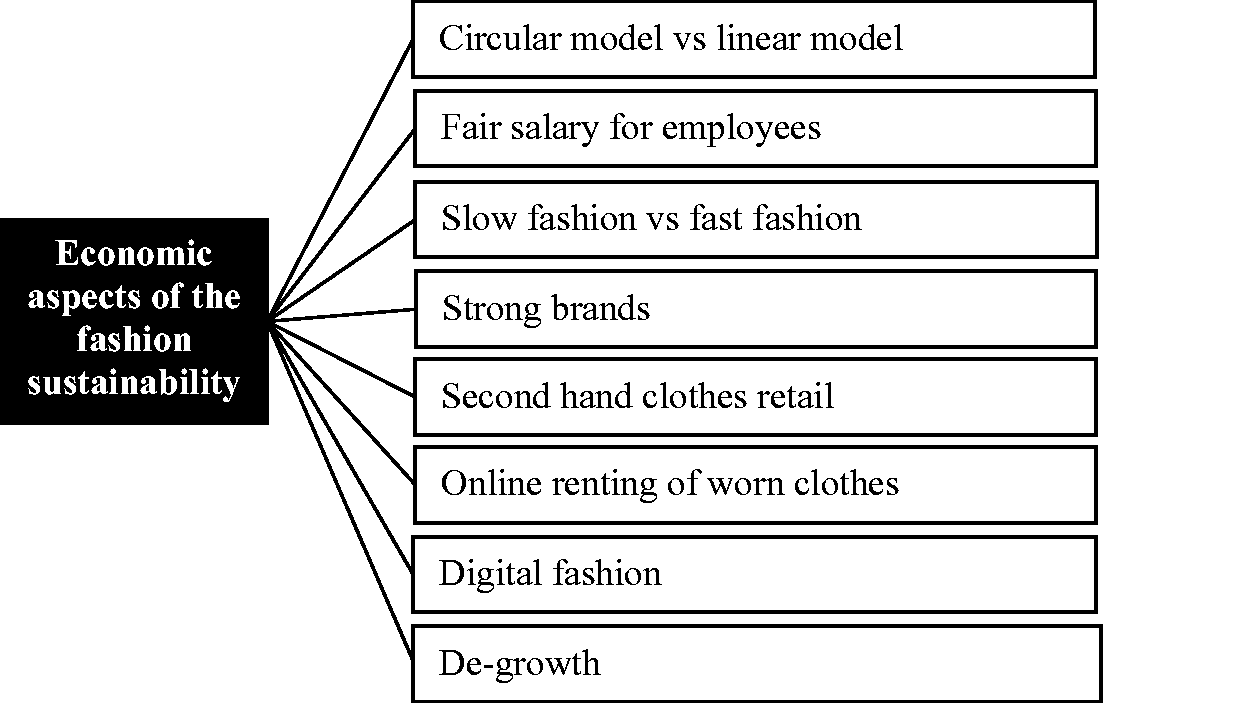
Economic aspects of fashion sustainability.
In the circular model, resources are kept in the loop for a long period, maintaining their value while in use, and repurposed to develop new textile products after their use. 14 For essential changes in the fashion market, companies must know their end customer and find ways to collect or reuse the products used. For example, the company ‘H&M’ has built its sustainable supply chain, including the development of eco-materials, safe training, sustainable manufacturing, reduced carbon emissions in distribution, and the promotion of eco-fashion. 82 ‘H&M’ made some of its bestseller items suitable for recycling and demonstrated valuable input in the creation of its circular system. The second example of good practice can be the Spanish clothing brand ‘Ecoalfs’ that turned broken fishing nets into polyester fibers, which were used to make bags and clothing. However, companies must strive for a long-term sustainability strategy. Both sustainability and the circular economy mainly influence the long-term competitiveness of fashion companies. 83 In addition, they can strengthen the preservation of values such as ecological awareness, tradition, and ethics. However, it is easier to implement these initiatives for small companies than for large ones. These companies manage the entire production cycle, which starts with knitting processes and ends with garment manufacture and finishing. In addition, these companies are usually involved in the ‘Greenpeace’ detox campaign. To ensure sustainability control within the entire textile manufacturing cycle, all manufacturing processes, including chemical finishing, should be carried out within a textile company or a partnership company having the possibility of controlling every manufacturing process to ensure sustainability. For example, the Danish organic underwear brand ‘Dilling’ integrated the sustainability concept into its financial system, investing its money in the processes of other companies that are not profitable but that can be controlled with respect to sustainability.
Furthermore, the retail market of most fashion companies is global. Therefore, manufacturing companies face a great challenge in deciding to recycle garments produced by themselves. Therefore, collaboration between brands, research institutions, and industry companies can help further understanding of the final customers and suggest relevant decisions to ensure the sustainability of the fashion business. Furthermore, Lica et al. 84 showed that research and design (R&D) management within the company region and (or) within the country allows achieving competitive advantage in terms of product design, quality, and brand name reputation. To ensure sustainability, companies should also guarantee fair salaries for employees and transparency for the company itself. Furthermore, slow fashion should change fast fashion, which highly prioritizes growing profit.3,75,85 Emerging businesses such as online clothing rental or second-hand clothing sale also lead to increased environmental and economic sustainability, as well as the circularity of fashion. 86 In addition, de-growth theory has emerged as a collective economic approach that aims to produce a substantial change in the current culture of production and consumption, so that human well-being and planet survival become the central axis of market orientation.80,81 The de-growth theory reduces energy and resource use to bring the economy back into balance with the living world, reducing inequality and improving human well-being.87–91
Conclusions
The success of industrial companies with respect to sustainability depends on their ability to be sustainable throughout both the global supply chain and throughout the product life cycle. Sustainable fashion business requires integrating complex considerations into the company’s business model, mainly through R&D and production from the long-lasting perspective.
The complexity of the design of fashion products and the wide variety of materials used for their manufacture are still major challenges for the majority of fashion industrial companies as well. Simpler product design, commonly called timeless, and higher textile quality would also help increase the sustainability of fashion products in terms of reducing waste after textile use. In addition, companies must think about the collection and recycling of worn clothing. According to the circular economy theory, it is necessary to keep the life of products as long as possible, that is, technically upgrading, reselling, repairing, or recycling.
Compromising the environmental aspects of fashion sustainability, it was also noticed that fashion industry experts focus mainly on national and international legal regulations on the ecology of materials and manufacturing processes. However, they lack original internal initiatives and ideas. Clothing manufacturers should collaborate with fiber manufacturing companies to ensure greater transparency with respect to ecology within the supply chain. In addition, the company could strengthen the retention of values such as tradition, ecological awareness, and ethics.
The fashion industry has to become more sustainable and to be able to implement the principles of the circular economy, overcoming costly demand for great design and technological expertise in remanufacturing processes, lack of a system for the collection of used garments, and very low interest of customers in remanufactured products.
Footnotes
Declaration of conflicting interests
The author(s) declared no potential conflicts of interest with respect to the research, authorship, and/or publication of this article.
Funding
The author(s) received no financial support for the research, authorship, and/or publication of this article.
