




Abstract
Different fiber blends, knit patterns, and treatments may be applied to increase the functionality and comfort of knitted fabrics. In this research, the physical properties and bending stiffness of 1 × 1 rib and half-milano rib fabrics with four fiber blends (90% cotton/10% antistatic PET, 80% cotton/20% antistatic PET, 70% cotton/30% antistatic PET, and 65% cotton/35% antistatic PET) applied to each knit pattern were studied. The effect of fabric direction (course and wale), technical side (face side and back side), and treatment (dying, softening with Aquasoft® SI hydrophilic softener, and Polygiene VO-600 antibacterial finish) on the physical characteristics and bending stiffness of the fabrics was evaluated. The results revealed that dyeing and softening increased the fabric area density and both wale and course densities and decreased fabric thicknesses compared to the control fabrics. The antibacterial finish applied to the softened samples did not change the physical properties. Bending stiffness in the course direction was lower than in the wale direction, and it was higher for technical face samples than for technical back ones. The 1 × 1 rib knitted fabrics showed lower stiffness than the half-milano rib fabrics. Treatment of the investigated fabrics decreased bending stiffness for both treatment sample groups compared to the control group.
Introduction
Knitted fabrics have a loose structure, high extensibility, and formability, which are all excellent comfort properties for clothing.1,2 Antistatic knitted textiles are also well suited for wearable e-textile applications due to their high flexibility and comfort. 3 Knitted fabrics are widely used in composites engineering as well. 4 Knitted fabrics can be manufactured using a wide range of fibers, yarns, and machine settings, with different combinations of knit stitches being chosen for their patterning purpose. Therefore, they may exhibit different qualities. 5 Tactile comfort is a key parameter for consumers when purchasing a particular garment. Soft fabrics provide more drape and are soft to the touch, which attracts consumers. The comfort level of the fabric is dependent on the knitted fabric structure. 6 Tactile comfort can be characterized by the mechanical properties of fabrics, for example shear, tensile strength, bending stiffness, and so on. These mechanical properties are also important for 3D garment virtualization. 7
Many researchers have investigated the bending stiffness of knitted fabrics. The effect of yarn linear density, yarn tension, fabric density, and other such parameters on fabric bending stiffness has been studied. 8 – 11 Telli and Ozdil 9 showed that the percentage of natural and synthetic fibers present in the yarn composition affects the bending stiffness of knitted fabrics. An increase in the percentage of synthetic fibers in the blend lowers fabric stiffness. Chidambaram et al. 12 and Majumdar et al. 13 showed that the cross-sectional shape of fibers also affects the bending stiffness of fabrics. Yüksekkaya et al. 14 determined that fine yarns result in fabrics that are not as stiff, and wire-like or coarse yarns increase the fabric stiffness due to the high stiffness of the yarns themselves.
Various yarn manufacturing techniques produce yarns with different qualities independently of yarn linear density. Yarn manufacturing processes affect the level of stiffness in the yarn and the fabric stiffness later. Kim and Kim 11 showed that air vortex yarn knitted fabric had higher bending stiffness than ring and compact yarn knitted fabrics. 15 Choi and Ashdown 16 showed that an increase in fabric density or the high tightness factor of the knitted structure increases fabric bending stiffness. High stitch length produces slack fabrics and results in less bending stiffness. A combination of knit stitches also changes fabric stiffness. The knit miss and knit tuck combination provides different fabric bending stiffness. 6 Knitted fabrics, especially those with a rib structure, show anisotropic mechanical behavior in both wale and course directions. 17
This study aimed to investigate the influence of knit pattern, yarn type, fabric direction, technical side, and treatment on the physical properties and the bending stiffness of blended cotton/antistatic polyester knitted fabrics.
Materials and methods
The research objects were selected considering the growing demand for functional textiles such as antistatic, antibacterial, and so on. The presence of antistatic fibers in the materials allows them to be used not only in special applications but also in the production of casual wear. Clothing made from such materials will stay clean for longer and will be washed less frequently because it will not accumulate dust and other dirt in its structure. An antibacterial finish also allows the product to be washed less often. This is especially important for knitted fabrics with a high content of cotton fibers, which absorb moisture well but evaporate it slowly. All this will ensure the sustainability of the textiles. In addition, it is known that fashion designers choose materials first according to their appearance, and only afterwards do they analyze their properties. The appearance of two rib knit structures—1 × 1 rib (MR) and half-milano rib (MMR) knitted fabrics—chosen for the current research is almost the same (Figure 1). Thus, garment developers may be misled, and the performance of garments with different uses and designs will not be able to be guaranteed if the differences in the fabrics’ properties cannot be determined. For these reasons, this research planned to compare the two rib knitted structures, each with four different fiber contents and two different treatments (dying and softening as well as treatment with antibacterial finish) applied for each fiber content case. The investigated knitted fabrics were comparable for two-knit structure (MR and MMR) across three samples groups (raw, dyed with softening (S), and treated with antibacterial finish (S+P)).
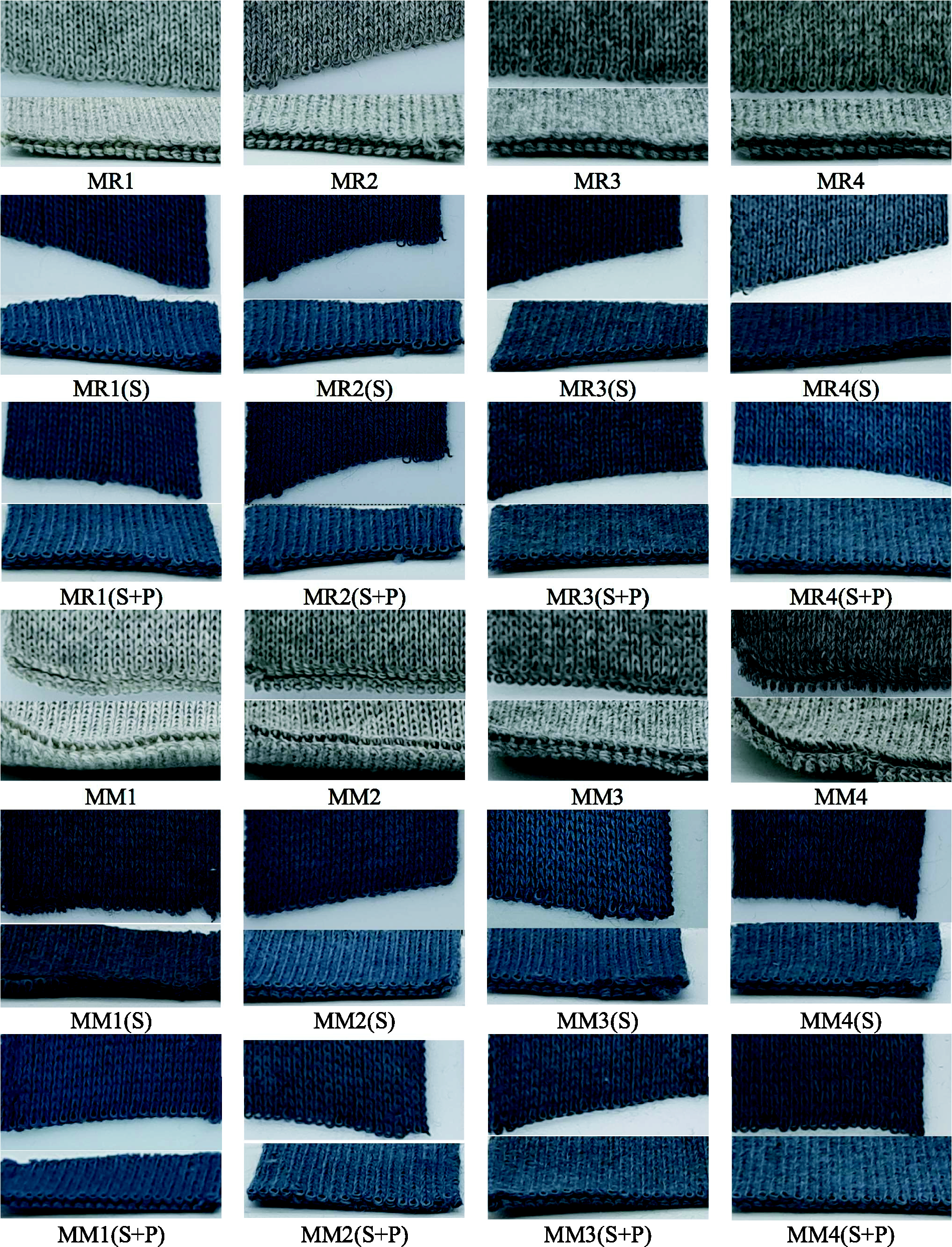
Knitted fabrics images: untreated (control) samples of 1 × 1 rib knitted fabrics (MR1, MR2, MR3, and MR4) and of half-milano rib knitted fabrics (MM1, MM2, MM3, and MM4).
The reasons for choosing fundamental rib-knit structures were their high elasticity in width and a higher dimensional stability than single jersey fabrics. 1 In addition, rib structures exhibit a tendency to curl, which decreases when decreasing the knit repeat. 1 Further, 1 × 1 rib knitted fabrics are highly elastic in the crosswise direction and are suitable for complete garments or for garment elements such as sleeves and neck bands, sweater waistbands, and different trims for use with other knit structures or woven fabrics. Half-milano rib knitted fabrics have an unbalanced structure and are suitable for making sweaters. Half-milano rib fabrics are knitted repeating one course of all knit on both needle beds and the second course of all knit on front needles only.
A M-100 fully automatic flat knitting machine (Matsuya) with 14E gauge was used, applying constant machine settings.
Four commercially available blended cotton/antistatic polyester Z-twisted yarns (Table 1) produced by Haining Taierxin New Materials Co. Ltd. were chosen to investigate the knitted fabrics. The strength of the used yarns (Table 1) was equal to 2.0 cN/dtex. Their elongation was equal to 72%. The yarns were composed of antistatic polyester staple fibers that were 38 mm long and which contained 0.6% conductive polyester with carbon particles.
Yarn structural parameters

The yarn characteristics were available from their manufacturer.
The antistatic property of the chosen yarns was ensured by adding carbon black to the structure of the polyester fibers. This technology provides the semiconductor properties for both the front and back technical sides of the knitted fabrics. Because of these properties, the fabrics quickly and uniformly eliminate static electricity from the clothing when it is in contact with either a human body or the outside world. Thus, these antistatic knitted fabrics do not accumulate electrical charge in the garments.
From the chosen antistatic one-ply yarns (Table 1), the three- or four-ply yarns were produced to ensure the same thicknesses and densities for both the raw 1 × 1 rib (MR) and half-milano (MM) knit patterns groups (Table 2).
Characteristics of the raw knitted fabrics samples
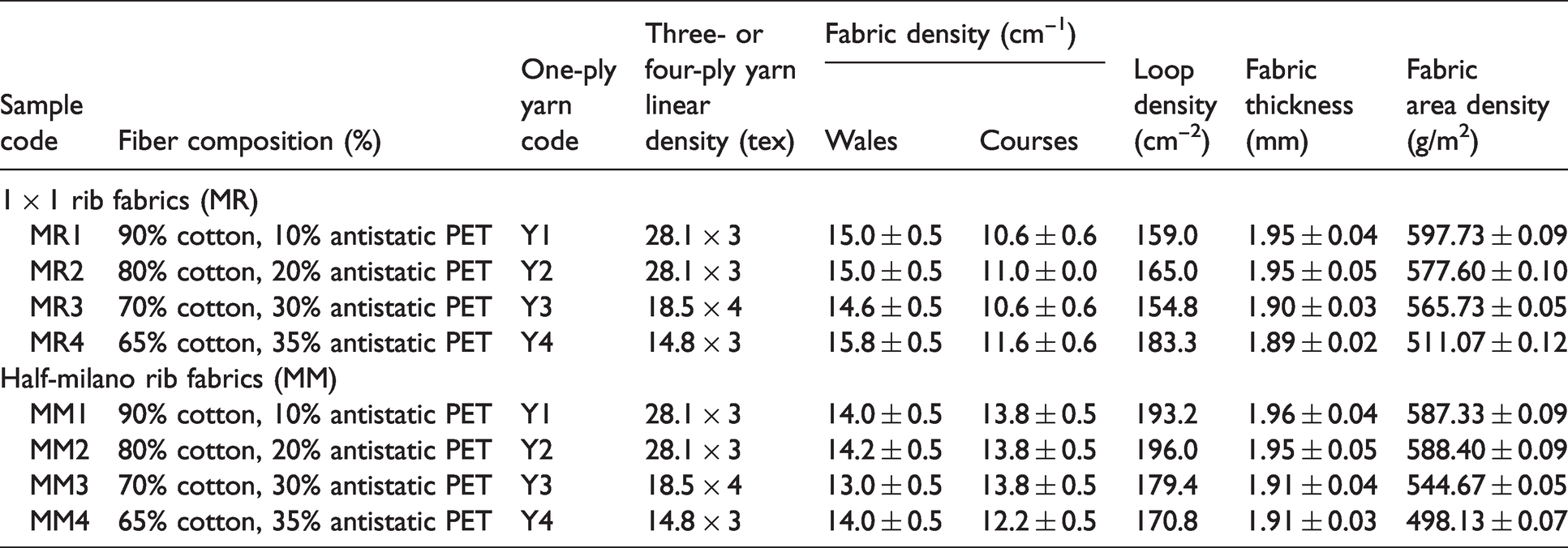
The thickness as well as the wale and course densities are very important characteristics when choosing a fabric for a particular garment. The thickness was equal to 1.89–1.95 mm, and the wale and course densities were equal to 14.6–15.8 cm−1 and 10.6–11.6 cm−1, respectively, for all 1 × 1 rib (MR1, MR2, MR3, and MR4) fabrics. The parameters of half-milano rib raw knitted fabrics (MM1, MM2, MM3, and MM4) were: 1.91–1.96 mm thickness, 13.0–14.2 cm−1 wale density, and 10.6–11.6 cm−1 course density. Variations in these parameters for the knitted fabrics with different fiber compositions were not significant and were equal tenths or hundredths of the values of the analyzed parameters. These variations could be explained by the differences in the fiber/yarn thicknesses and partially to measurement errors in fabric thicknesses and densities.
To evaluate the influence of treatment on the structure and bending thickness of the investigated knitted fabrics (Figures 2–6), the developed raw knitted fabric samples (Table 2 and Figure 1) were divided into three groups. The first group was composed of the raw/control/untreated knitted fabrics. The second group was composed of the dyed samples and those subsequently treated with softener (S). The third group was composed of the samples treated with softener and antibacterial finish (S + P). The knitted fabric was dyed using a Thies Minisoft dyeing machine (model 1995). The softener and antibacterial finish were applied using a Santex CH9555 Tobel machine. Aquasoft® SI hydrophilic softener was applied at 20 g/L at a temperature of 40–50°C for 15–30 min, and pH was maintained at 5–6. The antibacterial finish Polygiene VO-600 was applied using the normal pad process at a concentration of 25 g/L and a temperature of 30–40°C for 20–30 min.
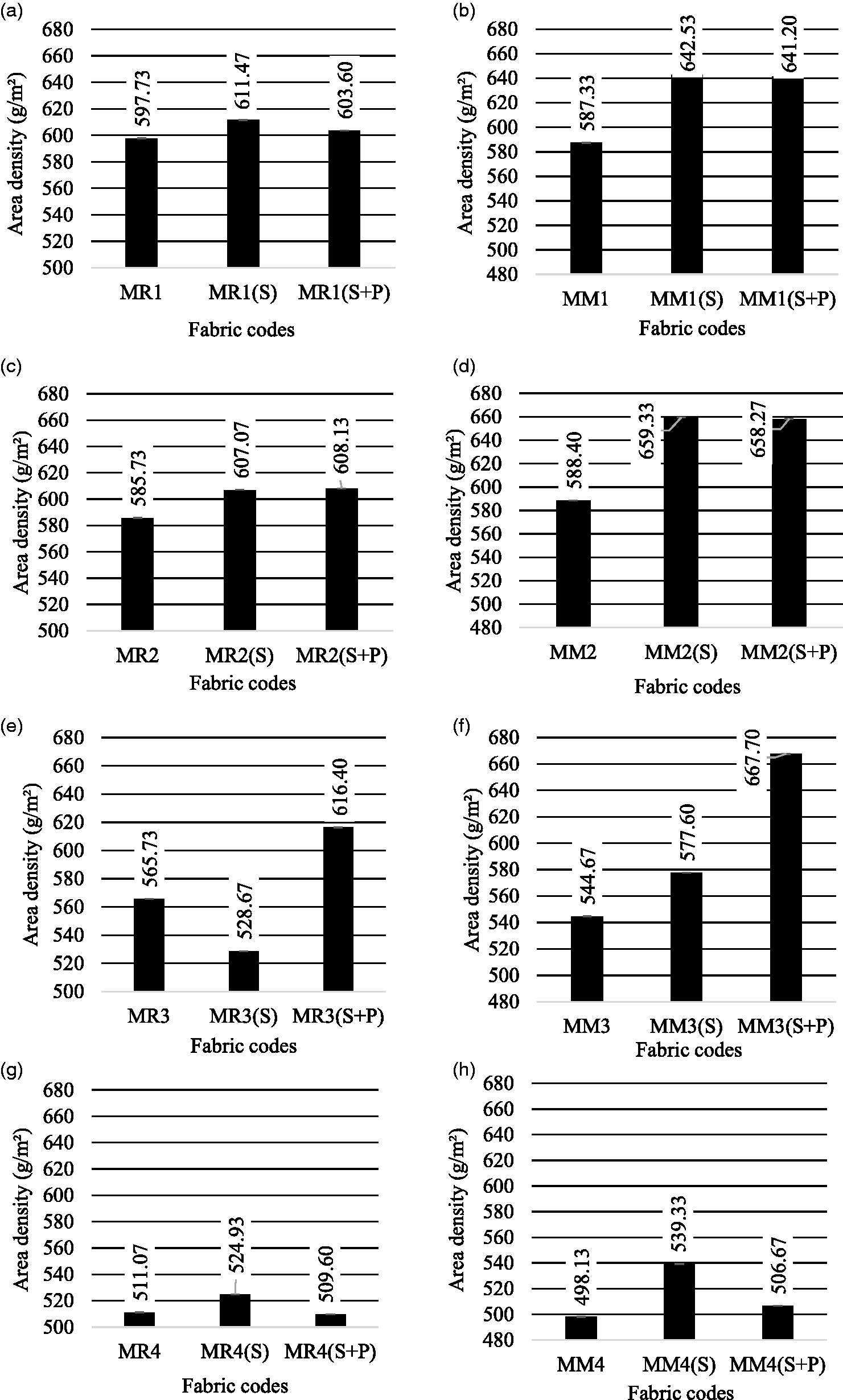
Test results of knitted fabrics area density: untreated (control) samples for 1 × 1 rib knitted fabrics (MR1, MR2, MR3, and MR4) and for half-milano rib knitted fabrics (MM1, MM2, MM3, and MM4).
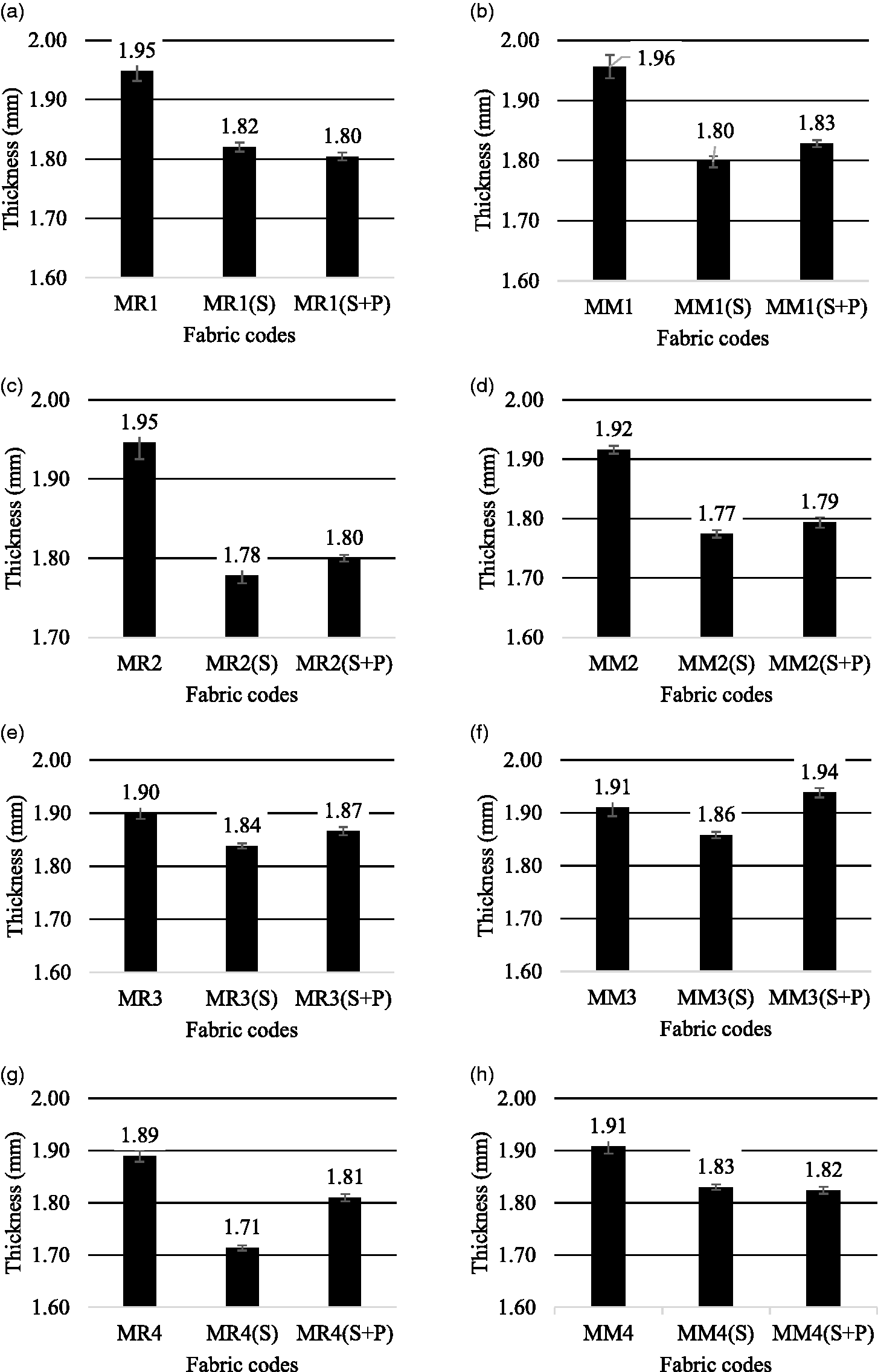
Test results of knitted fabric thickness: untreated (control) samples for 1 × 1 rib knitted fabrics (MR1, MR2, MR3, and MR4) and for half-milano rib knitted fabrics (MM1, MM2, MM3, and MM4).
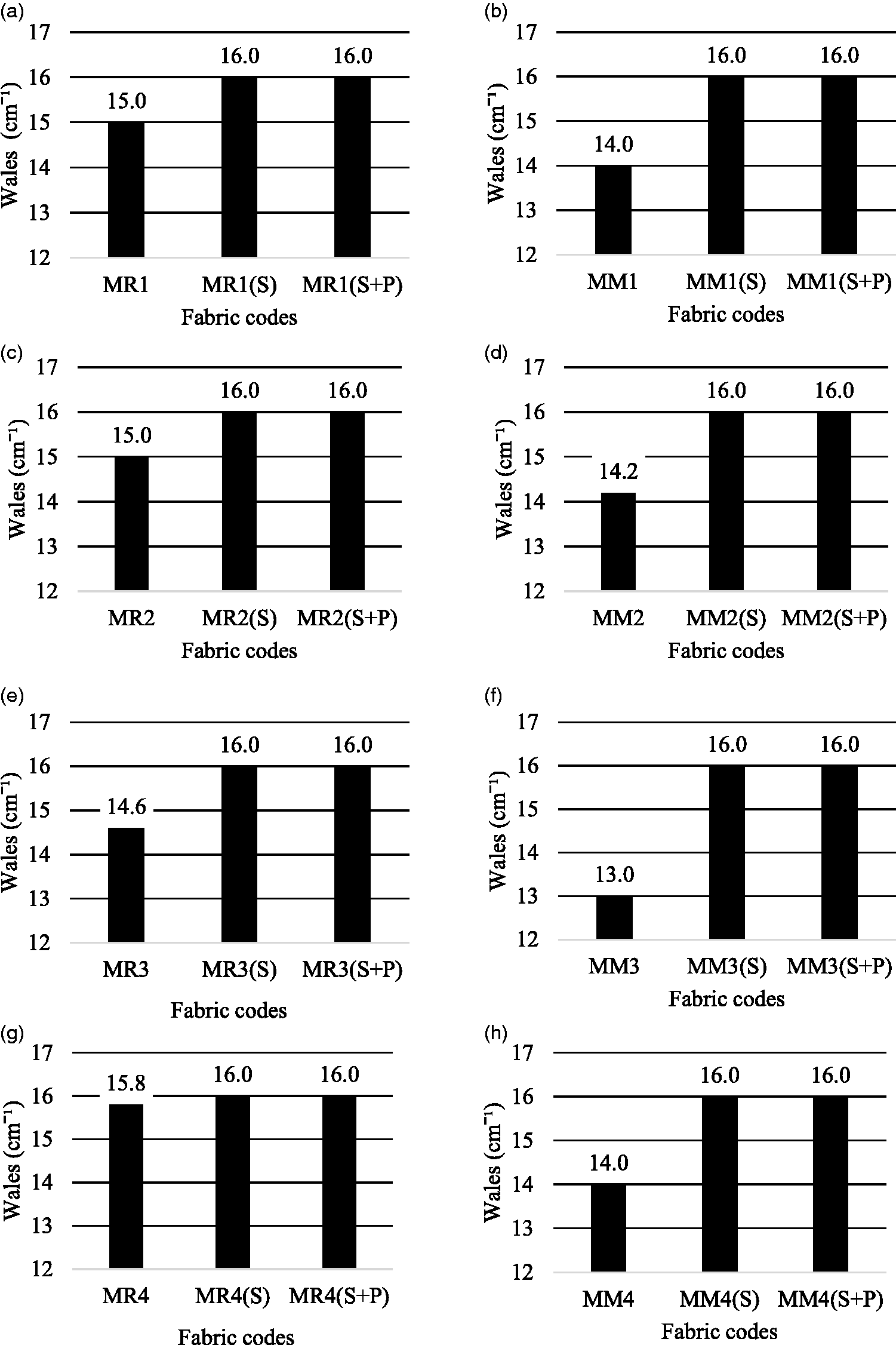
Wale density (cm–1) of knitted fabrics: untreated (control) samples for 1 × 1 rib knitted fabrics (MR1, MR2, MR3, and MR4) and for half-milano rib knitted fabrics (MM1, MM2, MM3, and MM4).
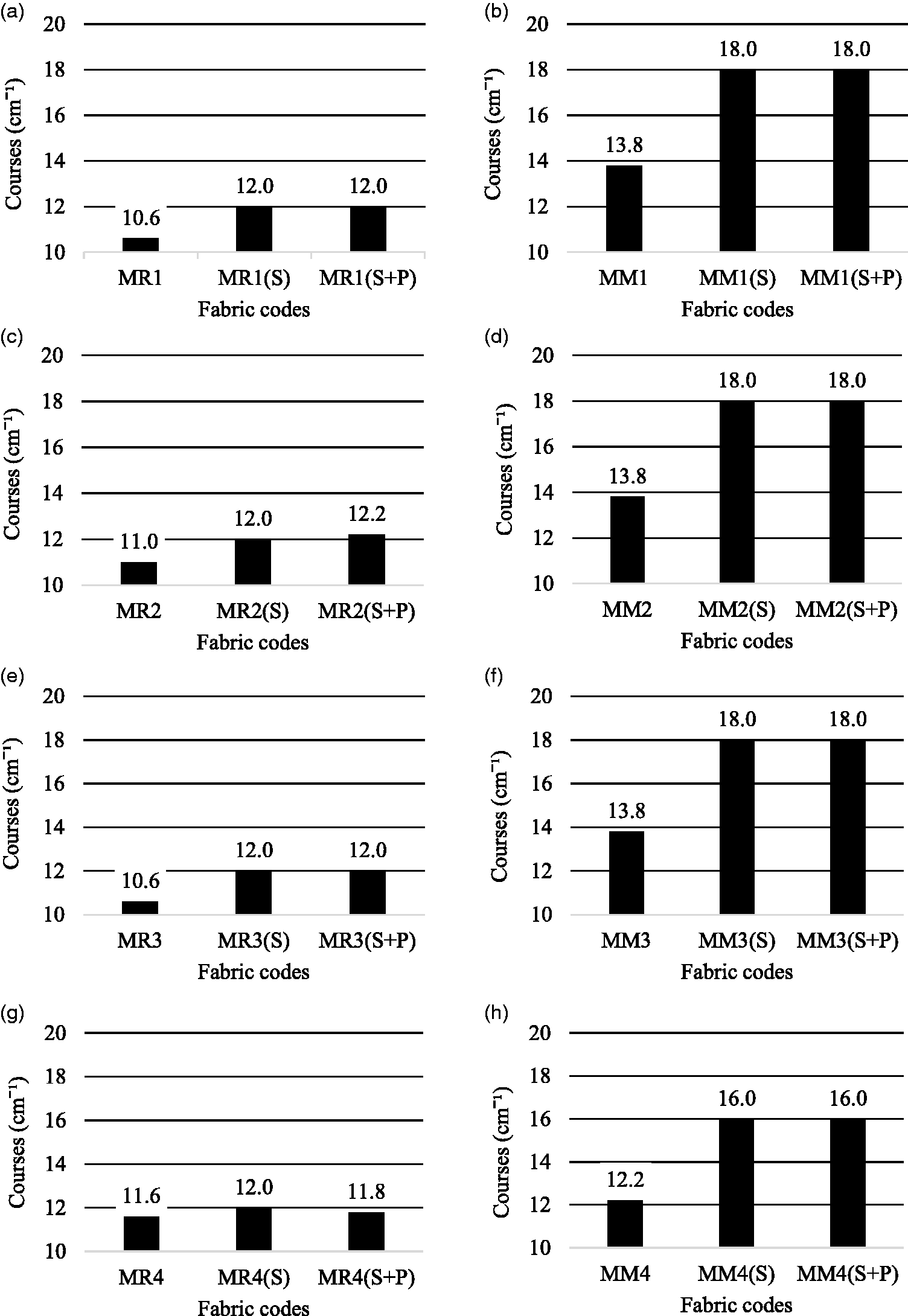
Course density (cm–1) of knitted fabrics: untreated (control) samples for 1 × 1 rib knitted fabrics (MR1, MR2, MR3, and MR4) and for half-milano rib knitted fabrics (MM1, MM2, MM3, and MM4).
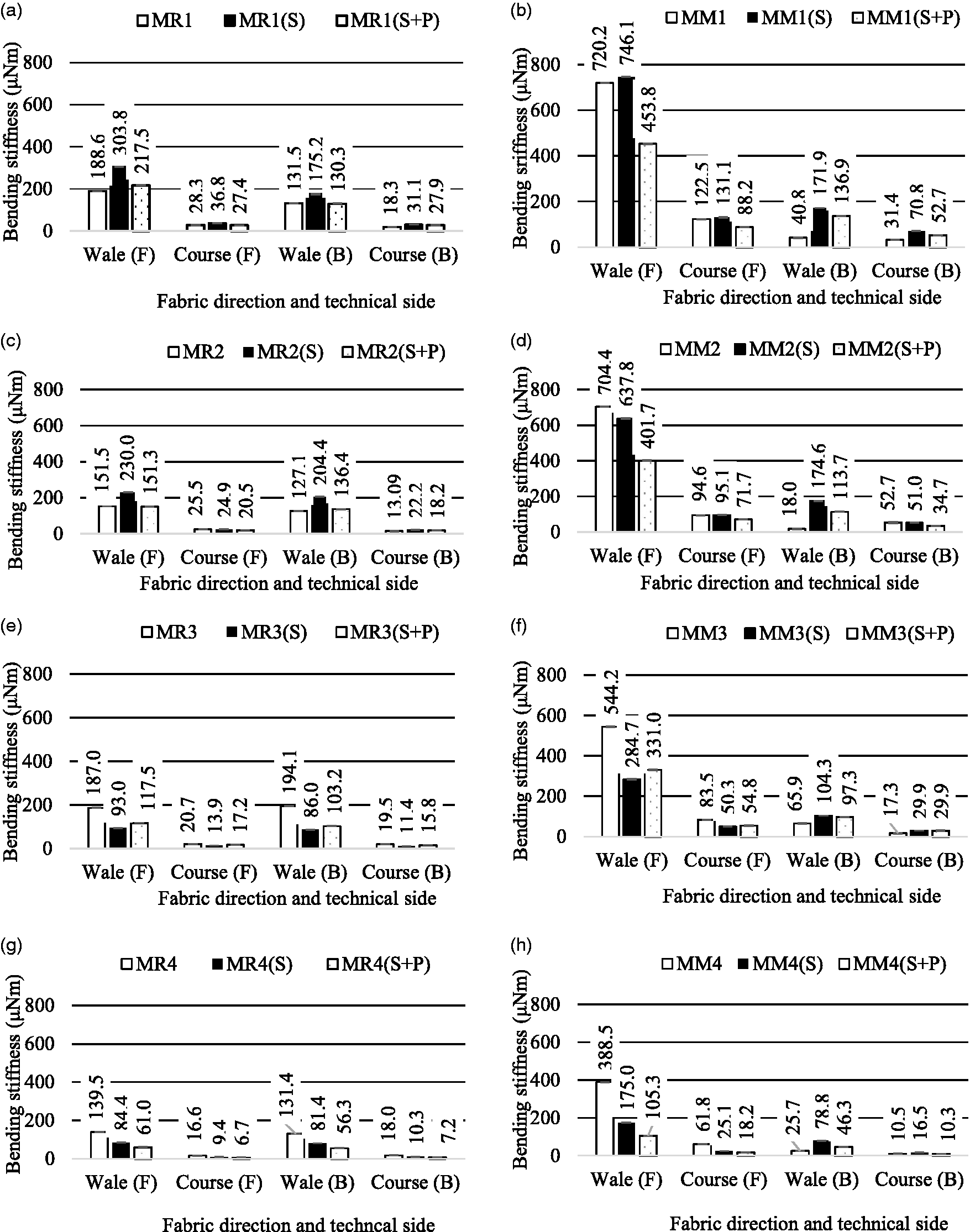
Bending stiffness of knitted fabrics in course and wale directions: untreated (control) samples for 1 × 1 rib knitted fabrics (MR1, MR2, MR3, and MR4) and for half-milano rib knitted fabrics (MM1, MM2, MM3, and MM4). B: fabric technical back side; F: fabric technical face side.
Fabric area density (g/m2), wale and course densities (cm−1), and fabric thickness (mm) of the investigated samples were determined according to the ISO 3801, EN 14971, and ISO 5084 standards, respectively. Bending stiffness of the tested fabrics was evaluated according to the cantilever method using a FAST-2 meter. Bending lengths, l, of 50 × 150 mm rectangular specimens cut in both wale and course directions from each samples group of the investigated knitted fabrics were measured for five specimens in each sample group. Bending stiffness, BS (μNm), was calculated using equation (1):

The values of all the measured parameters were statistically verified. The variation coefficient did not exceed 5%.
Results and discussion
The test results evaluating the effect of knit pattern, yarn type, fabric direction, technical side, and treatment on the physical properties and bending stiffness of the investigated fabrics are presented in Figures 2–6. Figure 2 shows the values of the knitted fabric area densities.
Figure 2 shows that the fabric treatment increased the area density of the S and S+P samples compared to the untreated knitted fabrics. After dyeing and treatment with the softener, the fabric relaxes, the stitch density increases due to the swelling of the cotton fibers, and the fabric weight increases. 18 A decreasing trend in the area density of knitted fabrics could be seen as MR1>MR2>MR3>MR4, and it may be considered as the effect of a change in yarn linear density and an increase in the antistatic PET fiber percentage in the yarns. Coarse yarns increase the area density, and fine yarns decrease the area density compared to fabrics having the same characteristics. 19
Results of the thickness measurement presented in Figure 3 show that the thickness values of S and S+P samples are lower than those of the control samples. The decreased thickness could be due to the mechanical operations during fabric finishing. The differences between the thickness values of the S and S+P samples were insignificant.
Figures 4 and 5 show that the finishing applied to the investigated knitted fabrics increased the fabrics’ wale and course densities compared those of the untreated samples because of fabric relaxation and shrinkage for both of the investigated knit patterns. 20 The wale densities of both knit patterns was equal after the treatment processes of the investigated knitted fabrics (Figure 4). After the finishing process, internal stresses stored during spinning and knitting dissipated. There were no differences for the wale and course densities when comparing S and S+P samples.
The course densities of the half-milano rib knitted fabrics increased more than they did for 1 × 1 rib knitted fabrics after the finishing processes of the investigated raw knitted fabrics were applied (Figure 5).
The wale densities of both knit patterns and the half-milano rib were equal after the treatment processes of the investigated knitted fabrics (Figure 4).
The results of the bending stiffness test presented in Figure 6 show that the bending stiffness of the investigated knitted fabrics is higher in the wale direction than in the course direction for all the tested samples. Similar results were found by other researchers, who stated that the rib knitted fabrics show anisotropic mechanical behavior in the wale and course directions. 17 Lower bending stiffness in the course direction could be influenced by the absence of loop columns (wales) in the course direction because loops make a column and reinforce each other to withstand the stress applied on the fabric to bend. The bending stiffness in the wale direction for both technical face (F) and technical back (B) sides was approximately the same for 1 × 1 rib knitted fabrics samples. A significant difference in the bending stiffness for technical F and B sides was shown for half-milano rib fabrics. Unbalanced fabric structure with a combination of knit and float loops caused lower fabric stiffness for the technical B side of half-milano rib knitted fabrics. 21 A comparison between 1 × 1 rib and half-milano rib fabrics samples showed more stiffness for the half-milano rib fabrics (Figure 6). Choi et al. 16 also observed similar behavior, and they considered it to be influenced by low stress in the curved area in the course direction, as the yarns are more mobile, thus influencing higher stretchability of the fabric along its course direction.
Yarn fiber content and linear density also influenced the bending stiffness of the tested knitted fabrics, decreasing it, starting from the case of coarse yarns containing a higher percentage of cotton fiber and ending with fine yarns having the lower amount of cotton fibers. Süle also stated in his study 22 that coarse yarns tend to increase fabric bending stiffness, while fine yarns decrease bending stiffness. A decrease in the bending stiffness of knitted fabrics was found with an increase in antistatic polyester fiber percentage. 9 The bending behavior of MR1 (S) and MR2 (S) samples was different. It was higher than for the untreated and S+P samples for both fabric technical F and B side samples. This phenomenon will be studied further in future research aiming to explain the absorption capacity of softeners and antibacterial materials by the investigated cotton/antistatic PET textiles.
In addition, it was determined that fabric dyeing and softening decreased the bending stiffness of the tested knitted fabrics due to both removed impurities and decreased inter-yarn and inter-fiber friction.23,24
Figure 7 shows the relationships between bending stiffness and area density of the investigated knitted fabrics. The significant (when R2 > 0.9) linear dependencies between bending stiffness and area densities were determined for the control samples (F) of the half-milano fabrics (Figure 7b) and for all the S samples of both knit patterns (Figure 7c and d). These results show that dying and softening processes (for S samples) ensured a strong linear relationship between bending stiffness and area density for all the 1 × 1 rib and half-milano rib fabrics composed from 90% cotton/10% antistatic PET, 80% cotton/20% antistatic PET, 70% cotton/30% antistatic PET, and 65% cotton/35% antistatic PET fiber blends.
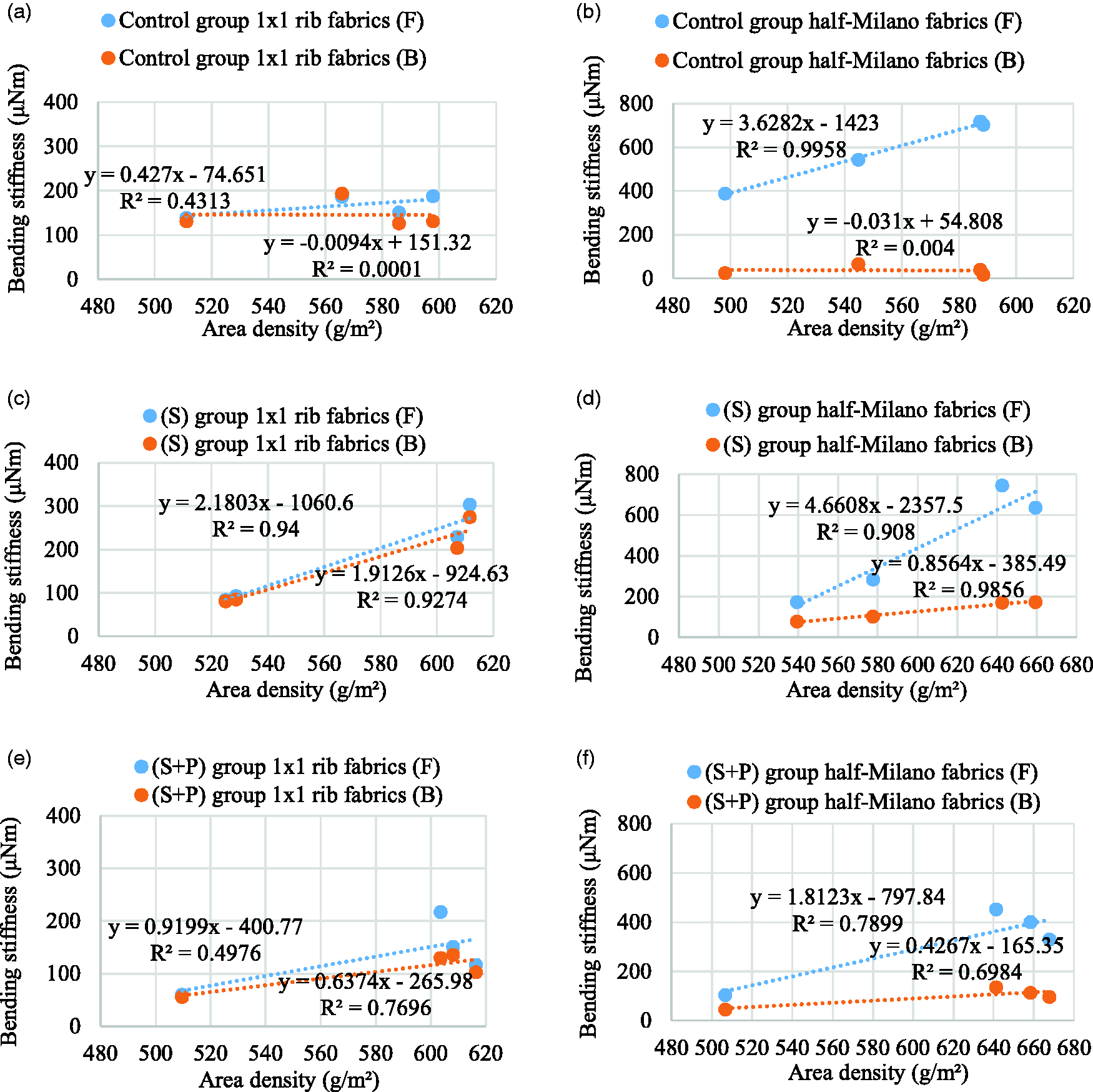
Dependence between bending stiffness and area density: untreated (control) samples for 1 × 1 rib knitted fabrics (MR1, MR2, MR3, and MR4) and for untreated (control) samples for half-milano rib knitted fabrics (MM1, MM2, MM3, and MM4).
Conclusion
Physical properties and bending stiffness of 1 × 1 rib and half-milano rib fabrics manufactured applying four fiber blends in the yarns used to knit the fabric samples of both knit patterns were studied in this research. The effect of the dying and treatment of the fabrics with Aquasoft® SI hydrophilic softener and Polygiene VO-600 antibacterial finish on these properties was evaluated.
The results revealed that dyeing and softening increased the fabrics’ area density, which was strongly related to the bending stiffness of all the tested knitted fabrics. Wale and course densities also increased for S samples compared to those of the control samples. The course densities of the half-milano rib knitted fabrics increased more than for 1 × 1 rib knitted fabrics after the finishing processes of the investigated raw knitted fabrics were applied. The antibacterial finish applied for S+P samples did not change the physical properties of fabrics compared to those of the S samples. Fabric thickness decreased after dyeing and softening, which was supposedly due to the mechanical stabilization applied during finishing as well as due to both increased fabric softness and removed impurities.
The bending stiffness of the half-milano rib fabrics was higher than that of the 1 × 1 rib knitted fabrics. Bending stiffness in the course direction was lower than in the wale direction. Bending stiffness evaluated for the technical F samples was higher than for the technical B sample. The 1 × 1 rib knitted fabrics showed lower bending stiffness than the half-milano rib fabrics. The treatment applied to the investigated fabrics decreased the bending stiffness of both S and S+P samples compared to the untreated samples. Bending stiffness demonstrated a decreasing tendency when increasing the antistatic PET fiber percentage in the yarn fiber blends.
Footnotes
Declaration of conflicting interests
The authors declared no potential conflicts of interest with respect to the research, authorship, and/or publication of this article.
Funding
The authors received no financial support for the research, authorship, and/or publication of this article.
