



Abstract
This study presents a comprehensive framework of dynamic traffic microsimulation modeling system that considers travelers’ departure time (DT) choices in response to sudden risk events in the transport network. The novelty of the model is that it captures the nonlinear responses of travelers to sudden risk events during DT choice-making by utilizing a Cumulative Prospect Theory (CPT)-based approach. For model testing, the study considers a case of transportation systems’ critical infrastructure (CI) renewal in Halifax, Canada that poses considerable uncertainty for travelers in the morning rush hours during a construction period. Two models were evaluated: (1) a model without the DT component (Model 1) and (2) a model with the DT component (Model 2). Model 2 offers methodological promises in studying traveler behavior under uncertainty. The proposed CPT-based DT model is advantageous to capture nonlinearity in quantifying travelers’ perception of transportation choice utility. The results of Model 2 significantly differ from the results of the traditional model without the DT component in terms of network performance. For instance, if the DT choice is considered, total traffic delays significantly increase in the early rush hours due to construction-related sudden bridge closure. In Model 2, queue increases at local intersections for initial hours if drivers’ DT adjustment is explicitly modeled within the traffic microsimulation modeling framework. Results of this study provide insights into developing emergency transportation management strategies in the case of sudden disruptions to daily travel activities and traffic operations in the network.
1. Introduction
Choice of departure time (DT) from home is a key component of decision-making regarding daily travels. Determination of DT is of paramount importance as traffic congestion is increasing dramatically in urban transport networks, which leads to uncertainty on destination arrival time. In addition, cities are showing an interest in adopting travel demand management (TDM) strategies, such as flexible office hours and work from home, which warrants for a clear understanding of DT choice of commuters. Furthermore, DT choice becomes critical in case of disruption in the road network as travelers may adjust their DT in accordance with their scheduled commitments. For instance, unscheduled closure of a bridge or a road crash force adjustment to DTs if travelers need to arrive at their workplaces on time. However, behavioral modeling of DT choice during sudden interruption in the network is an under-explored area. In addition, modeling this behavior is complex as DT choice under uncertainty is a variant of typical daily travel related decision-making. Generally, during unfamiliar and sudden network disruptions, travelers are not certain about the outcomes of their travel decisions. Thus, DT from home proves to be an important decision during an unscheduled incident in the transport network. Since people are generally guided by their previous experiences while making a decision, modeling DT choice decisions should account for the travelers’ risk seeking and/or risk averse attitudes in relation to their prior experiences.
The interests in studying DT choice have grown over the last decade due to the advancement in dynamic traffic microsimulation. Despite many advantages of the microsimulation models, earlier studies rarely include a stand-alone component for DT choice decisions within the simulation platform. Few microsimulation models1–3 accounted for the DT choice dimension. The shortcoming of these studies is that they do not consider travel time uncertainty in their models. Most importantly, the dynamics of DT choice, that is, how uncertainty in the traffic network might influence people in choosing a DT is rarely observed in the existing studies. 4 Nevertheless, some studies focused on modeling route choice decisions under uncertainty. Gao et al. 5 examined travelers’ strategic route choice behavior in response to revealed traffic condition in a stochastic network. They used Cumulative Prospect Theory (CPT) that accommodates flexible risk attitude to capture travelers’ within-day adaptive route choices. They found that in the case of certain losses, travelers prefer taking a riskier choice. Ben-Elia and Shiftan 6 developed a learning-based route choice model that investigates the effects of information provided in real time. This study concluded that information and experience have a combined effect on drivers’ route choice behavior. In addition, it was found that informed drivers are more risk seeking compared to non-informed drivers. On the contrary, Avineri and Prashker 7 found that risk averse attitude is dominant for route choice decision with static prior pre-trip information. Alam et al. 8 examined the traffic impacts for sudden partial and full closure of a bridge in peak hour. However, the authors did not account for potential changes to DTs that travelers might consider given their constraints, such as scheduled activities and a fixed arrival time at workplaces. 9 This issue is more crucial as business establishments and employers do not often have TDM policies in place during these type of big construction projects. Infrastructure renewal projects and other sudden incidents, such as traffic crashes, have the potential to create disruptions in the traffic network. These disruptions add uncertainty for travelers during their trips, particularly, commute trips in the morning. Therefore, modeling travelers’ DT adjustment under uncertainty is practically needed and relevant, but mathematically challenging and sophisticated.
Given the relevancy and necessity of travel behavior modeling under uncertainty, this paper develops a decision support system for contingency traffic operation during sudden interruption to daily travel activities. To accomplish this task, this study develops a CPT-based DT choice model, which captures nonlinear attitudes to the uncertainty with the consideration of travelers’ risk seeking and/or risk averse attitudes in the wake of bridge renewal project (leading to bridge closure) in Halifax Regional Municipality (HRM), Canada. The proposed theory in this study models the way travelers make choices from probabilistic alternatives that involve risks. It is assumed that this bridge closure event news is disclosed to the road users shortly before they depart from home (through cell phone message, applications, and social media accounts of the Halifax Harbor Bridge (HHB)). This means that a share of the demand had the possibility to know that the road conditions may be changed due to the unexpected/unscheduled bridge closure event. A dynamic traffic microsimulation model is utilized to demonstrate the efficacy of the developed DT choice model in predicting traffic flows during the event. The reason behind choosing dynamic microsimulation is that it accounts for route-choice behavior of travelers. It is expected that in case of the bridge closure incident, people will be avoiding the bridge route and will choose a more convenient route. Dynamic traffic microsimulation models route choice by allowing travelers to update their routes in real-time based on current network conditions, such as congestion or incidents. This adaptive behavior reflects how travelers seek alternative, more convenient routes in response to disruptions like a bridge closure, making the simulation more realistic and responsive. The novelty of this study is that it develops a framework for DT choice modeling in the network subjected to sudden traffic disruptions, which is a variant of typical daily travel related decision-making. This study aims to capture travelers’ nonlinear responses to sudden risky event in the network leading to a systematic adoption of CPT. In addition, the study enables to assign a nonlinear weight to choices of different levels of risky prospects. Therefore, a CPT-based approach is taken to differentiate the travelers’ propensity to different levels of loss situations. This study develops an integrated model combining a CPT-based DT choice and traffic microsimulation model for assessing travel behavior under uncertainty. The outcomes of this study are critical to understand how traffic network responds if commuters adjust their DTs anticipating a disruption on the travel path.
2. Literature review
Studies in the fields of “decision-making under risk/uncertainty” have evolved dramatically in recent years in economics and transportation.5,10–12 In the case of DT choice, the majority of the studies examined fixed attitudes toward uncertainty.4,13,14 Consideration of flexible attitudes requires understanding nonlinear responses toward the gains and losses in relation to a reference point, for instance, typical travel time, work start time, and arrival time. This framing issue was partly addressed by Mahmassani and Chang 15 that introduces “indifference band,” a tolerable schedule delay late, which is the difference between the preferred arrival time (PAT) and the actual arrival time (AAT). The flexible response under uncertainty is further investigated by several studies in recent years using prospect theory. For instance, Jou et al. 16 used a prospect theory–based approach to account for drivers’ asymmetric responses by modeling how they perceive gains and losses differently when choosing DTs. Specifically, the model captures the tendency of drivers to be more sensitive to potential delays (losses) than to early arrivals (gains), influencing their DT decisions accordingly. Tian et al. 17 proposed a cumulative perceived value-based dynamic user equilibrium model by using the prospect theory to formulate the travelers’ risk evaluation on arrival time. They have found that commuters’ choices under risk have a big influence on traffic flow distribution. Prospect theory is a non-expected utility (EU)–based theory, which addresses the violations of few assumptions held by mainstream models of travel choices. Other non-EU methods that address limitations of the EU theory include, CPT, 10 Fuzzy Logic, 18 Elimination by Aspects, 19 and so on. CPT is likely to be the most preferred non-EU model, 20 which is an extension of the original prospect theory that sufficiently accommodates the attitudes of decision makers toward risky prospect.21,22 It captures the cognitive bias in which people make inconsistent choices depending on their own perception obtained from the experience.
Efficient mobility of a transportation system is greatly dependent on the satisfactory performance of critical infrastructures (CIs) within that transport network. Critical transportation infrastructure, e.g., bridge, is a vital link that provides commuters with mobility and access to many facilities. Sudden disruption to any network link and/or CI could lead to a cascading failure of the system from a very low level. Cascading failure takes place when collapse of one element triggers failure of the other interconnected parts of the system.23,24 There are abundant examples in literature regarding network disruptions due to a sudden failure of CI and random incidents which impact the traffic operation in the network.25–27 Most of these studies used a microsimulation-based approach for assessing the impacts of disruptions in the traffic network. The main advantage of using a traffic microsimulation is that it is capable of representing multiple transportation choice dimensions, such as DTs, routes, modes, and destinations. 28 In addition, microsimulation models efficiently capture the interaction between the individual decision maker and the performance of the overall transportation system. However, as discussed in the previous section, most of the existing studies investigating traffic network disruptions under sudden disruptive events do not possess a self-sufficient tool for DT choice modeling within their developed frameworks. This in turn, reduces their capacity to incorporate travel time uncertainty in their simulation platforms. This paper considers these gaps in the literature and develops a DT choice model based on CPT, integrates it with the dynamic microsimulation framework to analyze how sudden disruptions in the road network may influence people to choose a DT. The developed framework captures the uncertainties related to travel time during a CI renewal project to enable a deeper understanding of individuals’ decision-making under risk.
3. Methodology
This study develops a traffic microsimulation modeling framework that accounts for adjustments in DTs due to risky events within the traffic simulation processes. The inclusion of a CPT-based DT choice component enables the model to articulate traffic attributes such as speed, density, and shockwave related to sudden interruptions in the network. Figure 1 presents the conceptual framework of this study, with the green box representing Model 2, which incorporates an explicit CPT-based DT choice model. Model 1 represented by the purple box includes all components of Model 2 except the DT choice module. Figure 1 also shows a process of calibration and validation of the microsimulation model, which will be discussed in the following sections.
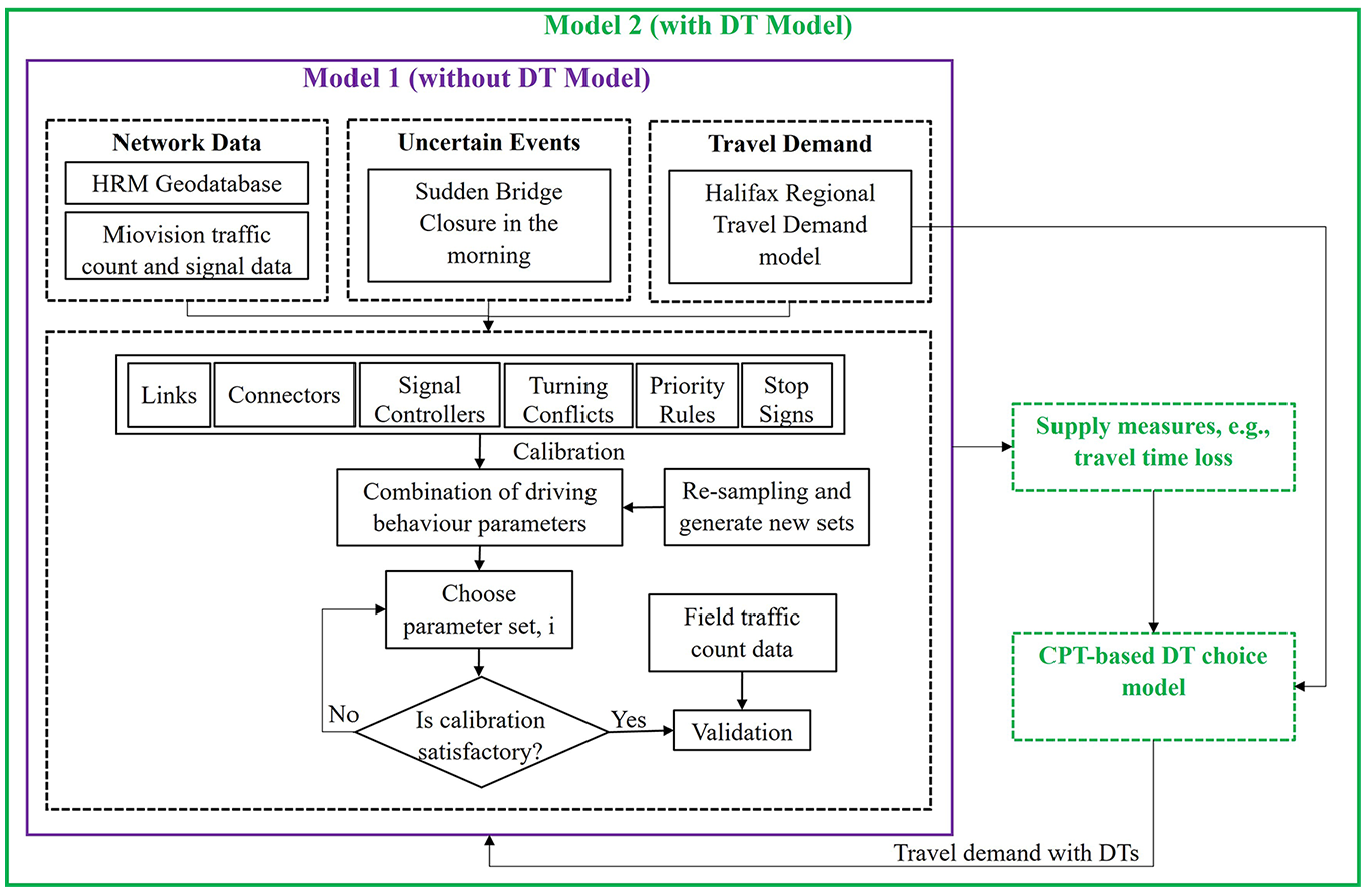
A conceptual framework of traffic microsimulation modeling with DT choices under risks.
3.1. DT choice modelling
DT choice primarily depends on anticipated travel time and PAT for daily activities. Travelers depart from home aiming at avoiding delays in their schedule. An individual chooses his or her DT to achieve an arrival time that is as close as possible to a PAT. Therefore, departure time (DT) can be expressed as follows:

In Equation (1),

Here,

Here,
Supposedly, the mental model is updated from travelers’ prior experiences. It is assumed that the mental model infers a full awareness of the traveler and that they will adjust their future travel decisions on the day of reoccurrence of a similar event. This study simulates a previous day with a sudden disruption within a traffic microsimulation model when travelers did not change their daily travel plans. For the next simulation of the day of re-occurrence of the event, travelers’ adjustment to their DT is considered given their previous experiences. It is also presumed that travelers will consider their daily commuting travel time as a reference point to evaluate uncertain outcomes during the given incident. It is understandable that travelers would weight the outcomes of the uncertain prospects differently depending on their risk-seeking or risk-averse attitudes rather than behaving neutral to the outcomes.
In this research, a traveler perceives travel time loss (delay) or gain by comparing his or her travel time for a bridge closure incident against travel time on a typical day (i.e., a no bridge closure scenario). The travel time differences,


In Equations (4) and (5), “b” stands for “base” and “inc” stands for incident. Sub-indices of the elements of

which can be identified as loss or gain based on the following two conditions.
If
If
Understanding the attribute
This study considers multiple classes of DT segments (
Following the CPT, utility of a trip can be estimated by accounting the perception of the uncertainty where utility functions are nonlinear in probabilities. The CPT model perceives the utility of choosing a DT segment,

The parameters
To address the travelers’ weighting to the outcomes of uncertain prospects, probability weighting function is utilized in this study. The probability weighting function that depicts distortions in decision-making takes the following equation:
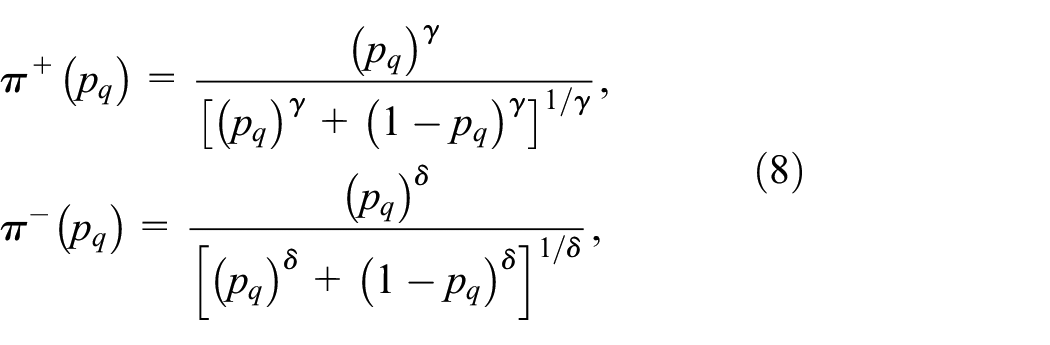
Where,
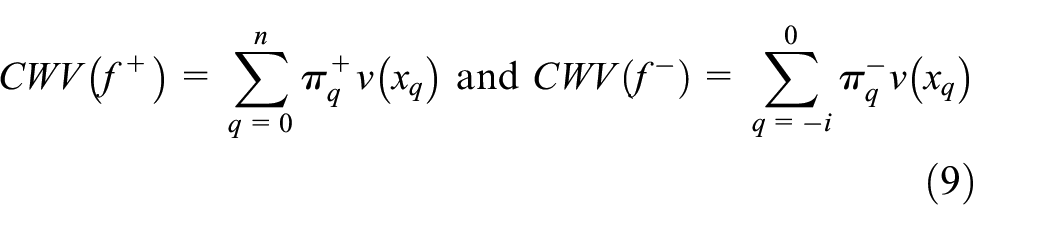
where the decision-weighting factors,
Furthermore, this study introduces a general logarithmic term in the estimation of the probability value to adjust the individual’s (flexibility of departure at any instance within the DT segment interval. The model can be defined according to Gao et al. 5 as follows:


Here, “depsegmentsize” stands for the segment time period, which is taken as 15 min. The 15-min intervals were chosen to balance granularity in departure choices with computational efficiency, aligning with common practices and ensuring manageable analysis while capturing key decision-making processes. In this study,
The proposed CPT-based DT choice model is capable of reflecting flexible attitudes of the travelers toward choosing a DT under a given unexpected incident in the transport network. This novel framework improves the existing microsimulation modeling approach by explicitly modeling the DT under uncertainty. Furthermore, the proposed framework offers an improved and reliable traffic impact estimation process that considers DT and route choice dimensions within the microsimulation model. A description of the microsimulation modeling is presented in the following section.
3.2. Traffic microsimulation modelling
3.2.1. Network coding
This study uses a dynamic traffic assignment (DTA) modeling framework, which can efficiently estimate the time varying link flow in the network and evaluate time varying network performance with the aid of traffic dynamic simulation. 29 The study area is shown in Figure 1. The traffic microsimulation model includes all the arterial roads, key collector roads, two bridges, and Highway 111 in Halifax, Canada. The network model consists of 613 links and connectors, 18 major intersections equipped with signal controllers, 13 zones making 169 OD pairs, 1275 origin–destination (OD) paths, 894 resolved turning conflicts, and other road network features (i.e. priority rules and reduced speed areas). Road geometry information such as number of lanes, grades, and lane directions are obtained from HRM Geodatabase 2012. Google Street View is utilized for verification and validation purposes. Signal time data have been obtained from the Public Work Traffic Study of HRM 2014. Moreover, the OD traffic demand for the morning commute period has been obtained from the Halifax Regional Transport Network Model. 30 Figure 2 shows the production and attraction values at 1 zones over Halifax region.
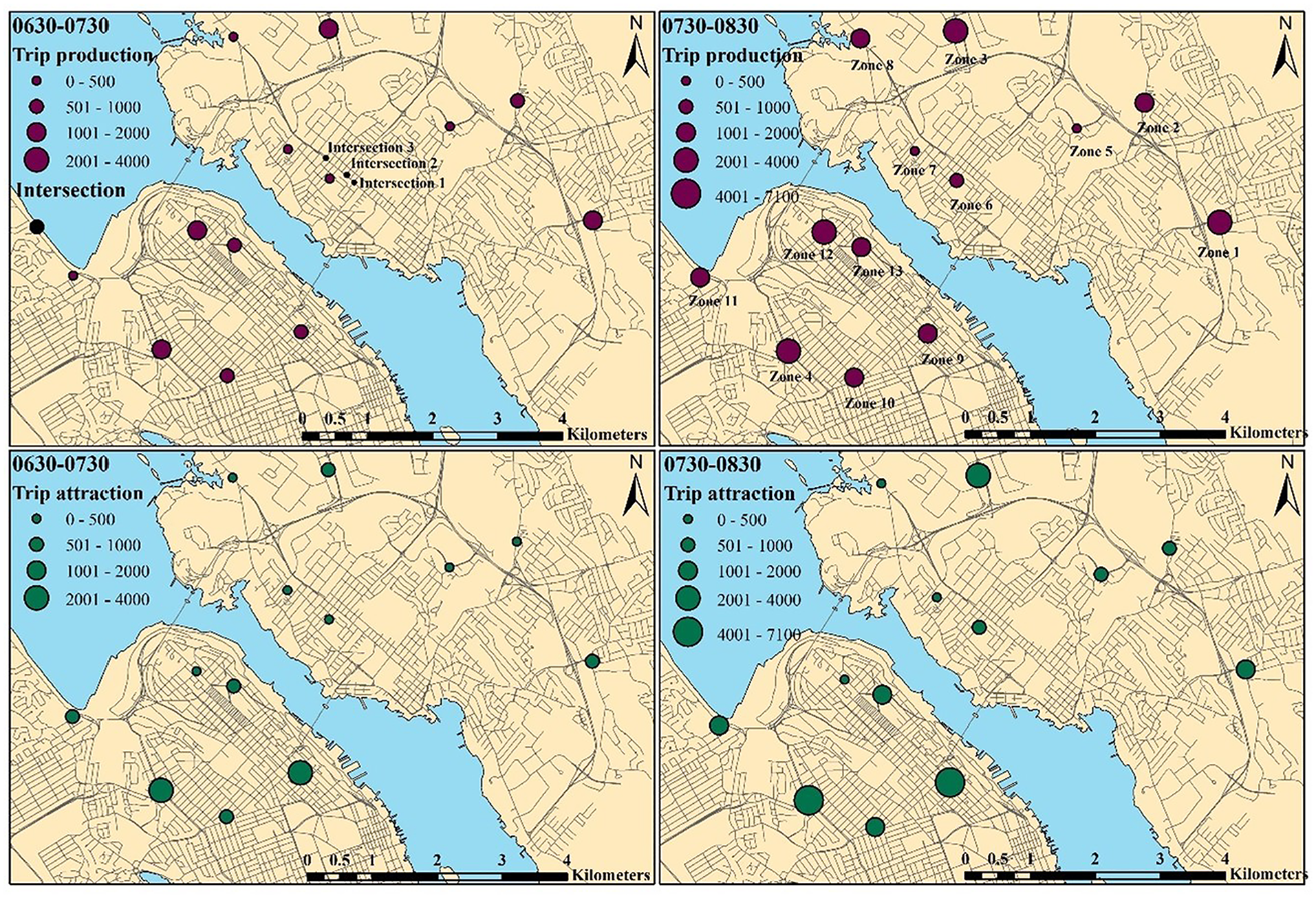
Trip production (top left to right) and trip attraction (bottom left to right) at 13 zones (numbered) in Halifax for the period 06:30-08:30 a. m.
3.2.2. Calibration and validation
The simulation model has been calibrated to replicate the traffic movement of the Halifax transport network within the simulator. This study implements a car-following model proposed by Wiedemann
31
that uses three car-following parameters, namely average standstill distance,

where,
To ascertain parameter values, the method of Latin Hypercube Sampling (LHS) is employed, generating 13 distinct combinations of parameter values. LHS is a statistical approach for creating a quasi-random sample of parameter values from a multidimensional distribution. In this method, a Latin hypercube generalizes the concept to an arbitrary number of dimensions, ensuring that each sample stands alone in each axis-aligned hyperplane containing it. When sampling a function of N variables, each variable’s range is divided into M equally probable intervals. Sample points are strategically positioned to satisfy the Latin hypercube requirements, enforcing an equal number of divisions (M) for each variable. Notably, this sampling scheme does not demand more samples for increased dimensions (variables), a key advantage. Finally, 13 parameter combinations were obtained, which are used to test 13 car-following models in the simulations. The model performance is evaluated in terms of the deviation between observed and simulated link travel time and all car-following models that limit the deviation within 20% are accepted for further evaluations. In total, eight such car-following models are obtained in this process.
In the next stage, route choice calibration has been conducted by adding link surcharges (i.e., cost components) to adjust the link flows where links anticipate traffic volume more than expected. The provision is that the links that attract more traffic volume than observed will be added a positive surcharge to be undertaken. In the absence of any well-defined guideline on the relationship between the surcharge value and the traffic divergence, a surcharge value of 30 is considered as the starting value. The surcharge values that have been used for route choice calibration through iterations include 50, 100, 150, 200, and 500 and these values are assigned to 24 links in the network. We observed that route choice calibration improves the performance for all eight models. All selected models are validated utilizing the observed traffic count data. The model that yields an R2 value of 74.5%, which is the highest compared to other model outputs is selected for bridge closure scenario analysis. The values of the parameters for this model are 1.0 for parameter 1, 0.6 for parameter 2, and 0.7 for parameter 3.
Traffic is loaded into the network between the period 05:30–08:30 a.m. where travelers departing within 06:30–08:30 a.m. are considered to adjust their DT. The simulation was conducted for an extended period, until 11:30 a.m., to estimate the impacts on later DTs as well. A warming period of 30 min is used during simulation. The 30-min warming period was chosen based on standard microsimulation practices and previous studies, ensuring the model reaches a steady state before data collection for stable traffic conditions in the Halifax network.
4. Numerical application of DT choice model
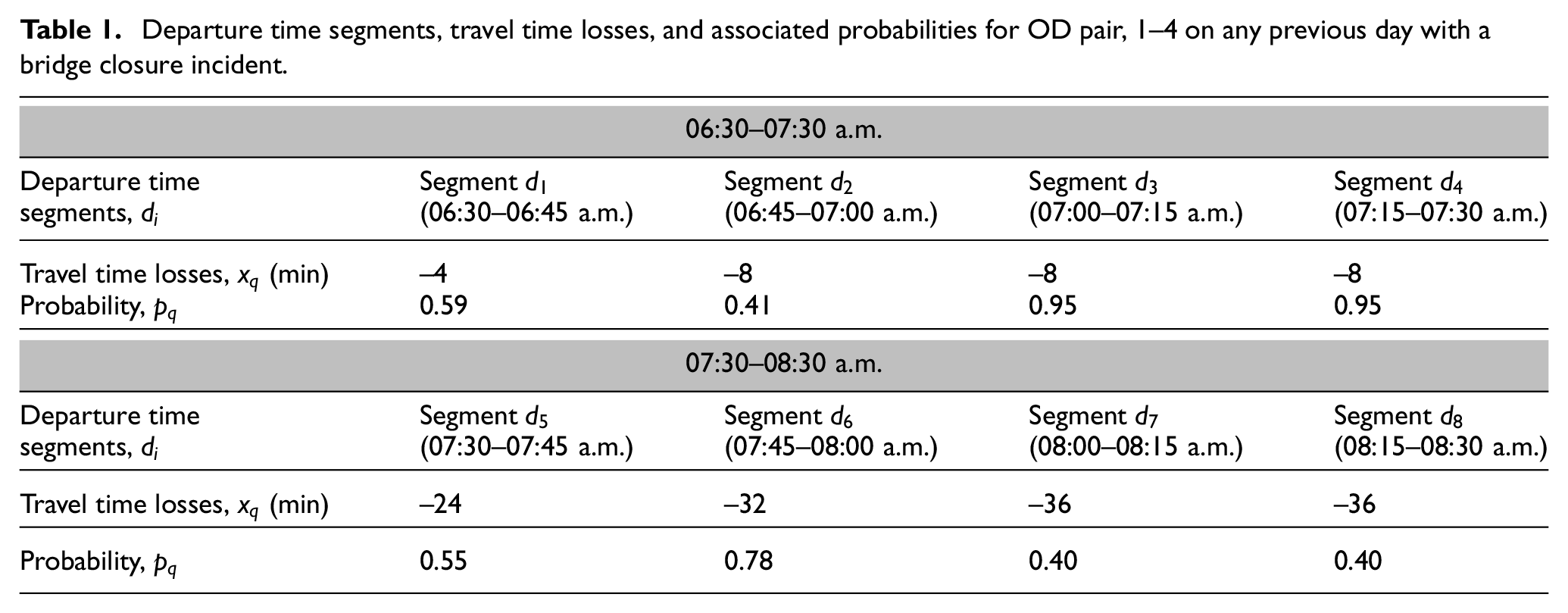
During the implementation of DT choice within the traffic microsimulation model, a total of eight DT segments (d1 to d8) are considered between 06:30 and 08:30 a.m. at 15-min intervals (see Table 1).
Departure time segments, travel time losses, and associated probabilities for OD pair, 1–4 on any previous day with a bridge closure incident.
Segment
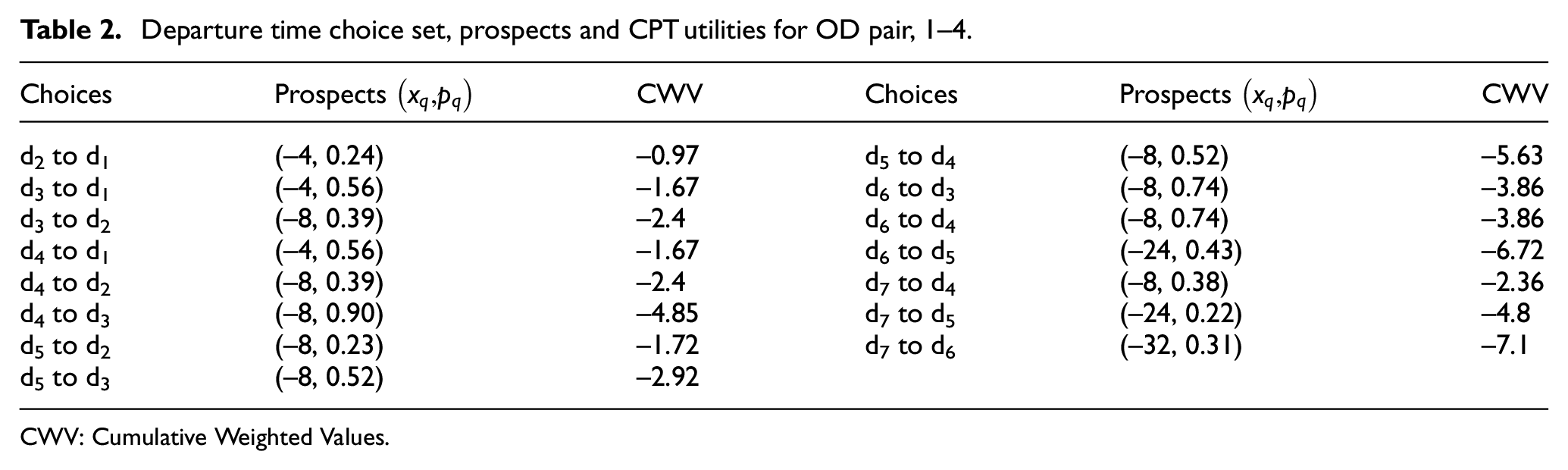
Next, the choice set for the drivers of each DT segment is determined. After that, the risky prospect for each choice in the choice set is derived using the loss values as well as utilizing the probability of its occurrence. A frequency analysis of the simulated travel time is performed, and median value of different travel time classes is considered for developing prospects in different DT segments. Now, if travel time loss for the drivers who belong to
Departure time choice set, prospects and CPT utilities for OD pair, 1–4.
CWV: Cumulative Weighted Values.
Table 2 is repeatedly generated for all OD pairs in the network. Individual DTs are then determined utilizing the CPT utility and logit model for simulating interrupted traffic flows resulting from the bridge closure. The consequent traffic patterns are analyzed to demonstrate the efficacy of the developed model and to provide insights into traffic congestion while accounting for the effects of uncertain network disruptions.
5. Model testing for accuracy
This study focuses on a unique bridge closure incident that occur rarely and has significant traffic impacts. Specifically, the re-decking project considered in this study is only the second of its kind in Canada, involving night construction and daytime traffic operations. Due to the nature of such events, it is difficult to directly observe these events. In addition, many mid-sized cities, including Halifax, do not have any permanent traffic data collection stations that could help assess the ramification of this type of events. As a result, the limited knowledge and data unavailability surrounding CI failure events reinforces the needs for experimenting these types of scenarios using traffic flow theory. Traffic simulation rooted into traffic flow theory combined with extensive calibration and validation of the simulation model is expected to develop credible models and results. Following this approach in this study, the model results are evaluated based on their compliance to the fundamental traffic flow theory such as shockwaves. The outcome of this approach indicates that results from Model 2 better represent the traffic flow theory. To ascertain the applicability of the simulation model, this study extensively calibrated and validated the business-as-usual traffic simulation model prior to the application of the model for scenario analysis and validation of the model outcomes with traffic flow theory.
This study tests accuracy for both Models 1 and 2 based on the fundamental traffic flow theory. In addition to utilizing the traffic count for model calibration and validation, this study uses speed–flow relationships to examine whether Model 2 outperforms Model 1 in replicating traffic streams under risks and uncertainty. Figure 3 shows speed–flow relationship for the network obtained through the execution of Models 1 and 2.
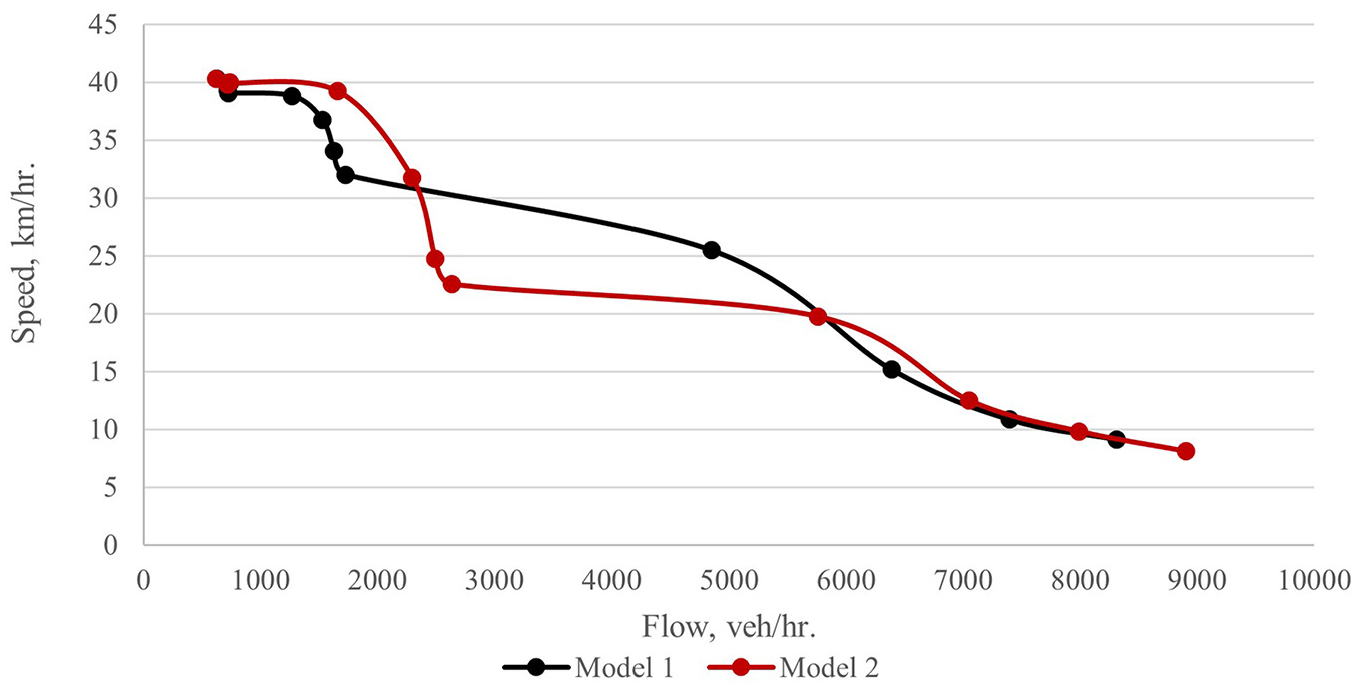
Model 1 and Model 2 performance evaluation based on speed–flow relationships.
The traffic scenario presented in this study involves a sudden bridge closure that leads to the propagation of a forward shockwave from areas of lower traffic flow to areas of higher flow. A forward shockwave occurs due to an increase in traffic flow, leading to a rapid decrease in speed as vehicles enter a congested area. Traffic conditions resulting from sudden interruptions, such as a bridge closure, can be accurately defined by forward shockwave theory. The developed Model 2 demonstrates the capability of reproducing such traffic conditions, as shown in Figure 3. Figure 3 indicates that the curve for Model 2 clearly shows a steep decline in speed, while Model 1 exhibits a similar trend with less pronounced effects. Model 2 also shows sustained congestion during the shockwave. After the shockwave has passed, traffic flow stabilizes at a new, higher flow level with lower speeds.
6. Results and discussions
6.1. DT choice under uncertainty
This study adopts a CPT framework, which determines how commuters would react to a sudden bridge closure incident. The travelers evaluate their DT choices based on their pre-set arrival time at destinations. The CPT model works better and more relevant to actual scenario than an EU model since an EU model only considers travel time criteria to select DTs without the consideration of uncertainty associated with the outcomes of travelers’ decisions.
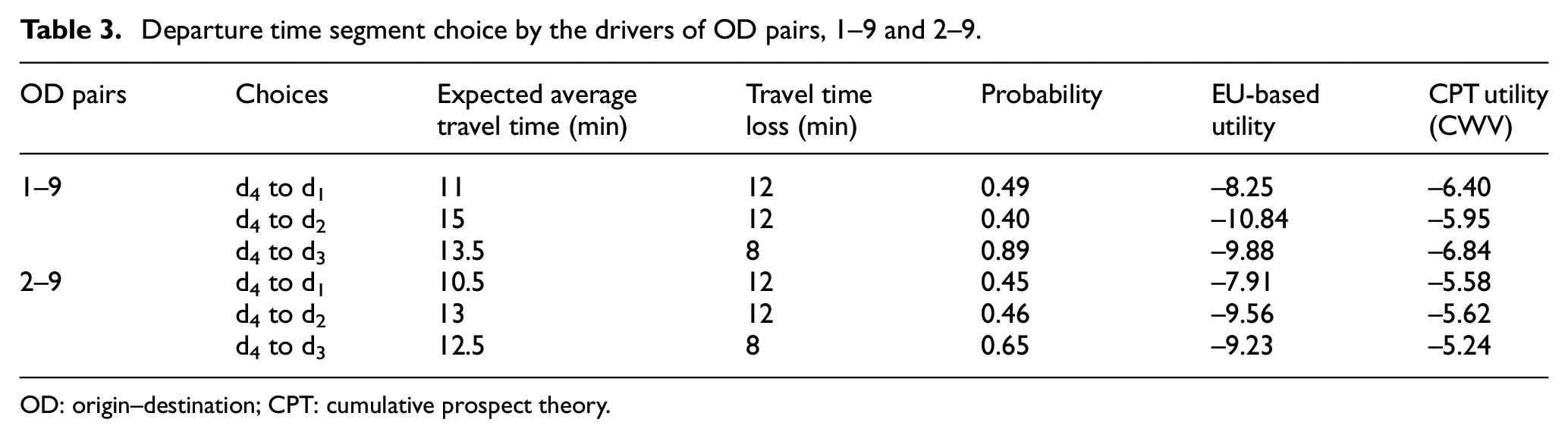
Table 3 shows the DT choices for travelers of OD pairs, 1–9 and 2–9, who depart at DT segment d4 when DT choice is not considered. The results suggest that drivers of these groups should prefer DT segment d1 based on EU results during the incident. To do so, they need to depart from home 45 min earlier with respect to their usual DT. On the contrary, CPT-based choices suggest that drivers prefer DT segments d2 and d3 in the case of OD pairs 1–9 and 2–9, respectively, which deviates from the EU results. The CPT-based approach allows travelers to reflect their risk attitudes (risk taker or risk averse) by evaluating the outcome of a choice with respect to a degree of uncertainty
Departure time segment choice by the drivers of OD pairs, 1–9 and 2–9.
OD: origin–destination; CPT: cumulative prospect theory.
In addition, Table 3 shows that in the case of OD pair 1–9, three prospects, such as “d4 to d1,”“d4 to d2,” and “d4 to d3,” have utility values of –6.4, –5.95, and –6.84, respectively. The prospect “d4 to d2,” which has a lower likelihood (0.4) of occurrence of losses (12 min), presents a higher utility and reveals a loss aversion situation under a sudden disruption in the network. Econometric models and other traffic assignment models (4) failed to interpret this risk attitude based only on expected travel time and its variance.
Risky prospects, as shown in Tables 2 and 3, are generated for travelers of the OD pairs crossing the bridge in the morning. Such OD pairs include zones 1, 2, 3, 6, 7, and 8 as origins and 4, 9, 10, 11, and 12 as destinations or vice versa. Travelers perceive utility of a prospect and choose accordingly. Percentage of travelers who participated in a different DT segment is estimated and shown for the key OD pairs in Figure 4. In Figure 4, Model 1 does not contain a DT choice component, whereas Model 2 has an explicit DT choice module.
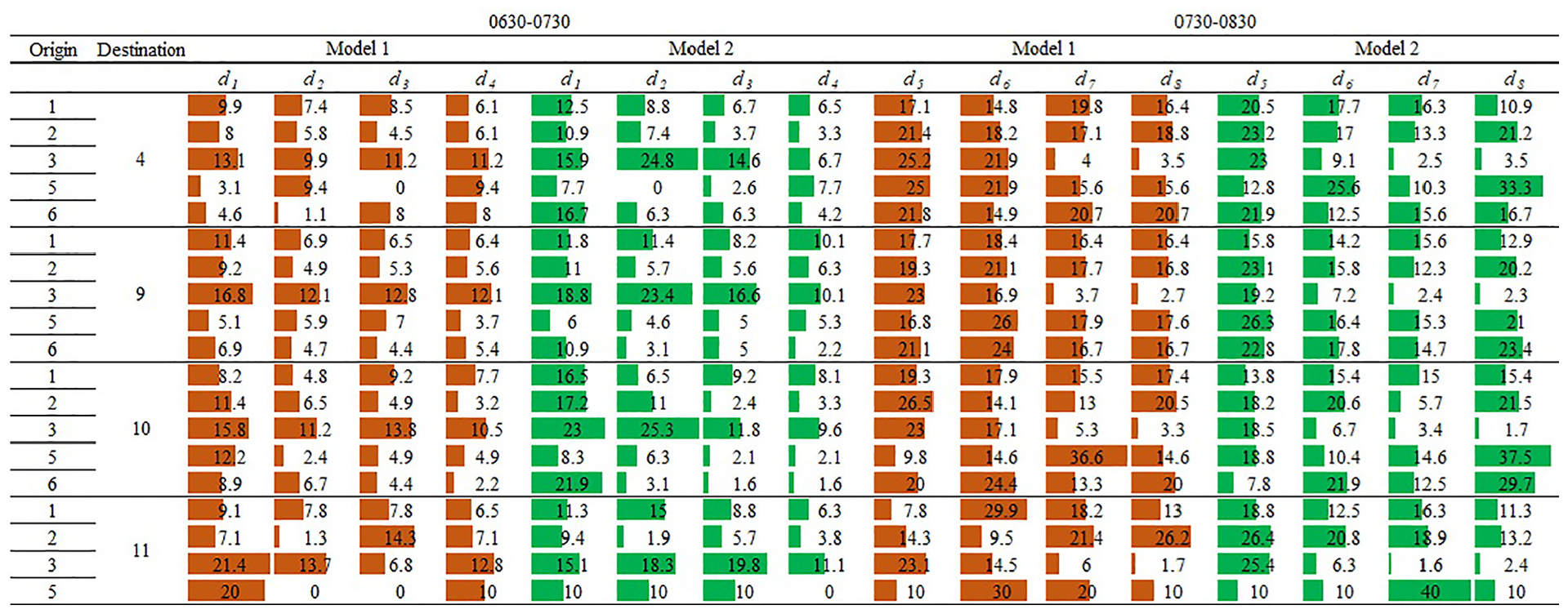
Travelers’ departure time choice distribution obtained from the CPT-based departure time choice model.
The results indicate that in the case of Model 2, travelers leave earlier between the period of 06:30 and 07:30 a.m. This model suggests that travelers switch to earlier DT segments, e.g., from “d4 to d2” On the contrary, Model 1 shows a uniform distribution of the travelers across different DT segments when travelers’ adjustment of their DT is not considered in response to the sudden incident in the network. Similar conclusions can be drawn for the DTs between 07:30 and 08:30 a.m. However, Model 1 still shows a higher percentage of travelers in some early DT segments, which is due to higher demand at that hour. Moreover, Model 2 estimates higher demand in DT segment d8 due to shifting of travelers from next DT segment, which could not be captured by Model 1. The results suggest that accounting for travelers' adjustment of DT under these conditions allows for reliable predictions of peak hours and shifts in traffic congestion.
6.2. Implications of integrating CPT and traffic microsimulation
The inclusion of a CPT-based DT choice model in the traffic simulation modeling framework has shown promising performance and outcomes. In the case of Model 1, travelers follow typical daily DTs, resulting in a temporally uniform traffic propagation that does not capture the impacts of sudden network interruptions. Uncertain events, such as sudden bridge closures, are expected to create shockwaves in the network due to fluctuations in traffic diffusion, and consequently, affect traffic conditions such as speed and density. To accurately simulate appropriate traffic regimes, incorporating DT choices is crucial; particularly, it is essential for capturing demand fluctuations under risks to avoid underestimating or overestimating traffic demand in the simulation process. This study enhanced Model 1 by incorporating a CPT-based DT choice model, resulting in a traffic regime that better represents conditions associated with sudden network interruptions. Figure 5 plots link-level density obtained from both models, suggesting that density fluctuations are higher in Model 2, which reflects forward shockwave conditions due to the sudden bridge closure. The narrow box for Model 1 in Figure 5 suggests that due to the inherent limitations of Model 1, which depends on typical daily schedules, it exhibits consistent density across the network, failing to demonstrate the sudden changes in traffic conditions caused by the bridge closure.
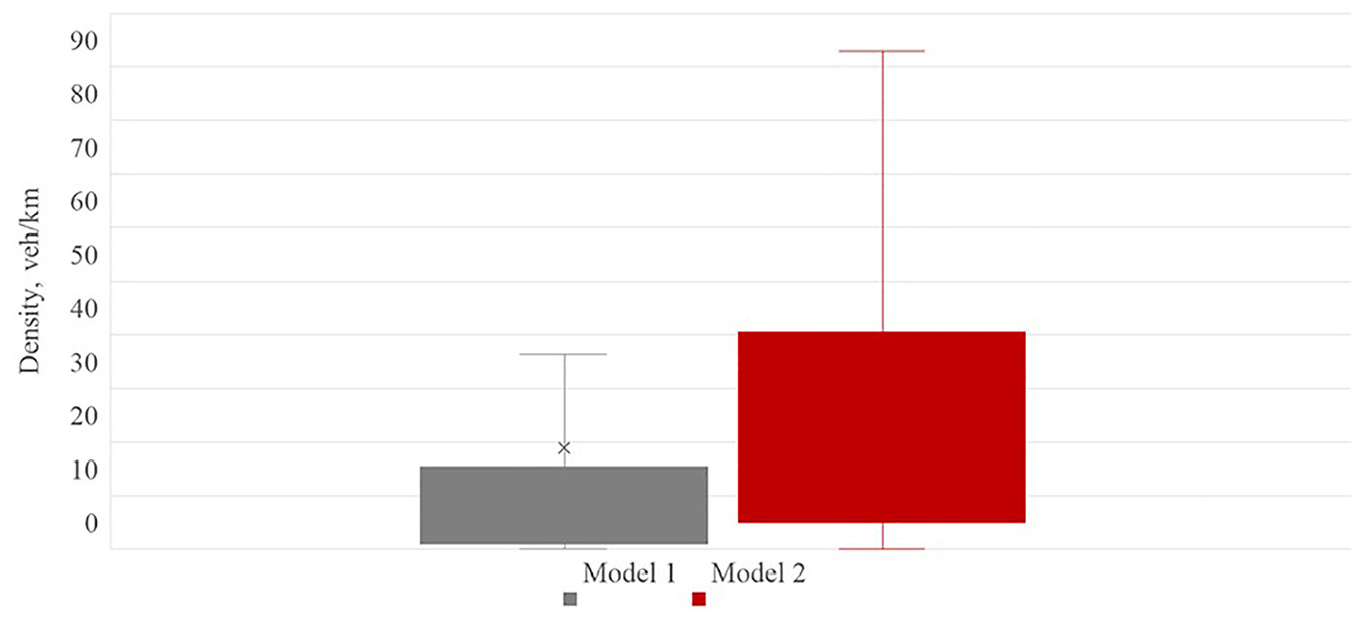
Link-level traffic density for Model 1 and Model 2.
The outcomes shown in Figure 5 are also supported by Figure 3, which represents the steep decline in speed due to the shockwave in the traffic regime. In summary, based on fundamental traffic flow theory, Model 2 is more capable of capturing the impacts of sudden interruptions on traffic flows within the network.
6.3. Traffic impact results
6.3.1. Overall network performance
Figure 6(a) and (b) illustrate hourly traffic congestion propagation anticipated by the traffic microsimulation model before (Model 1) and after (Model 2) the inclusion of DT choice dimension within the simulation framework. Simulation results suggest that the consideration of DT choice causes a higher rate of vehicles staying in the network compared to that of Model 1. The outcomes postulate that congestion increases until 09:00 a.m. The destination arrival rate predicted by both models remains similar; though in Model 2, traffic demand increases in the network due to an adjustment of DT of travelers between 06:30 and 08:30 a.m. Consequently, with the current network capacity, the number of travelers waiting in queue (alternatively “latent demand”) to be introduced into the network increases. Based on Model 2, Figure 6(b) shows that early demand latent is higher until 09:00 a.m. and then gradually decreases afterwards.
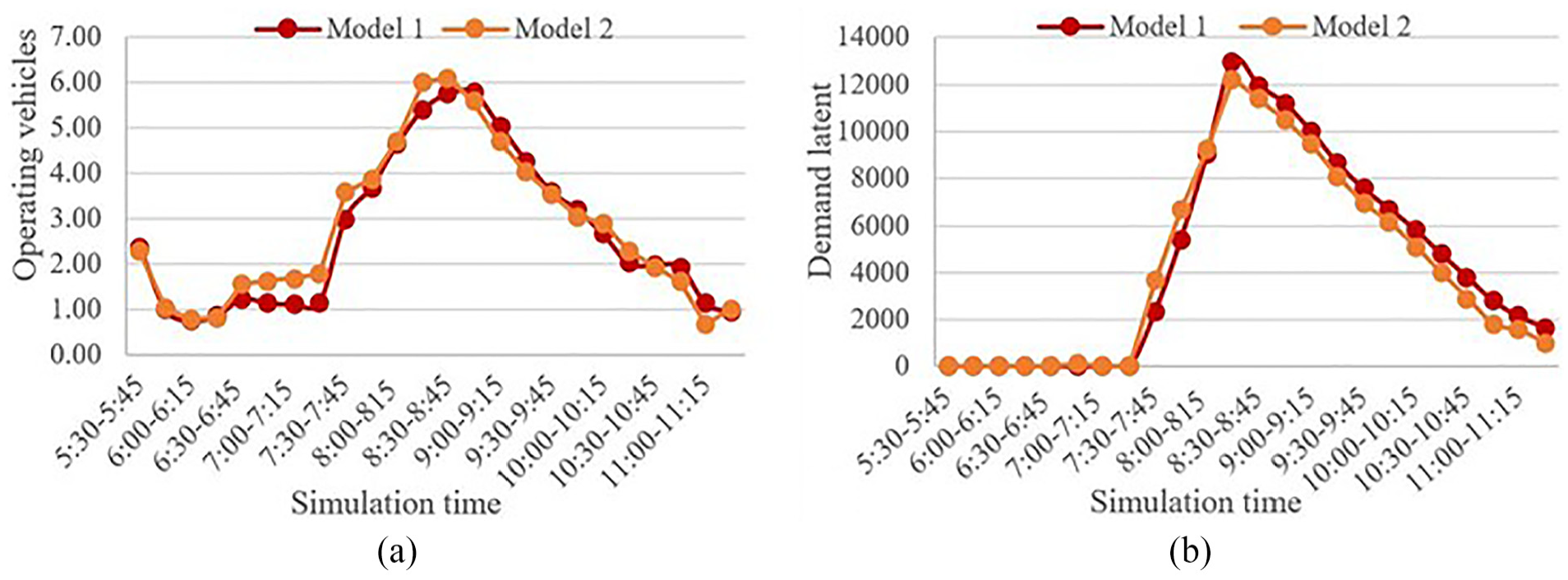
Traffic congestion level in terms of (a) operating vehicles and (b) latent demand before and after DT choice inclusion into traffic microsimulation model.
Due to the increased number of operating and latent vehicles resulting from travelers’ DT adjustments, traffic delay increases in the network. Model 2 results exhibit a significant increment in average traffic delays between the period of 06:45 and 08:30 a.m. with respect to Model 1 (see Figure 7).
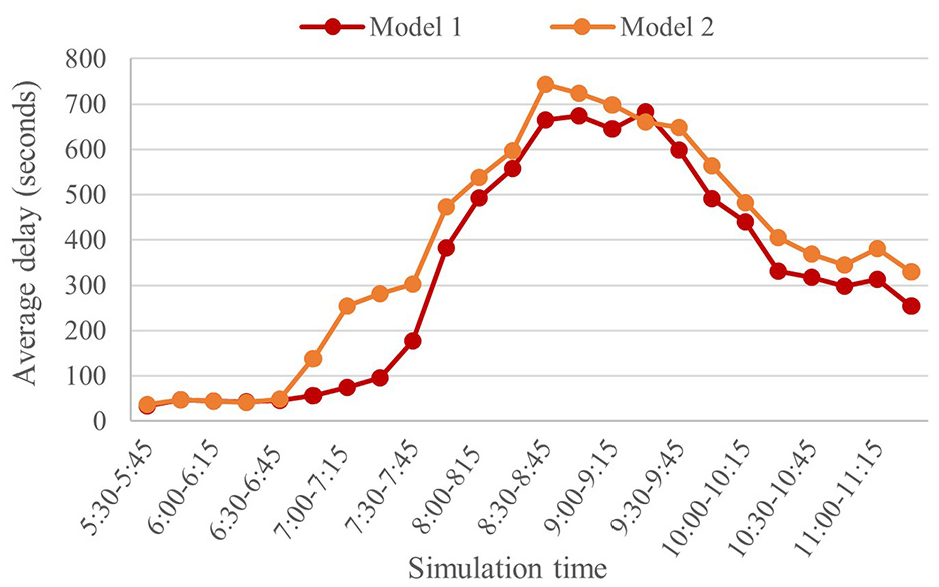
Average traffic delay before and after DT choice inclusion into traffic microsimulation model.
This is due to individuals switching to earlier DT segments to avoid arriving late to their workplaces. Results from both models show that average traffic delay continues to increase until 09:30 a.m. However, the delay is higher in the case of Model 2. Traffic delay after the complete loading time (08:30 a.m.) is still higher for Model 2 due to an initial higher latent demand, which arrives at destinations after a substantial delay time. Higher delay values after 08:30 a.m. are most likely a result of travelers who did not change their travel plans even after knowing the bridge closure event news.
Between the hours of 05:30 and 11:30 a.m., total traffic delays predicted by Model 2 are higher by 1676 h with respect to the results predicted by Model 1. Specifically, traffic delays solely between 06:30 and 08:30 a.m. in Model 2 represent 76% of the total delay hours. Hence, Model 1 may underestimate the average traffic delay in the absence of a DT component during a traffic flow analysis. It may also inaccurately interpret the temporal variations in traffic congestion under risky events, including a sudden bridge closure in the network, or an accident. Moreover, the study results assert that travelers’ decision-making under risk impacts traffic condition significantly. This finding is analogous to the existing literature. 17 Impacts on traffic network can extend until 11:30 a.m., which can only be estimated through Model 2 that considers the DT choice behavior.
6.3.2. Local traffic impacts
This study evaluates multiple strategic locations in the network to understand local traffic impacts. For instance, queue length is observed at three intersections including, (1) Boland Rd and Victoria Rd (Intersection 1 (In-1)), (2) Woodland Avenue and Victoria Rd (In-2), and (3) Albro Lake Rd and Victoria Rd (In-3). Average and maximum queue lengths at these intersections are estimated for both Models 1 and 2 and presented in Figure 8. Model 1 predicts that the average queue length at these intersections is lower than the maximum queue length value for most instances (top and bottom left in Figure 8). In the case of Model 2, the average and maximum queue lengths are identical, which indicates a saturated traffic congestion in the local network (top and bottom right in Figure 8). Model 2 results suggest that due to the adjustment of DT choice, more vehicles appear in the network and queue grows to its threshold values. For example, with regard to In-2, the queue length is maximum due to a high arrival of diverted vehicles from the bridge to this intersection (top right in Figure 8). However, after 4 h, the queue length seems to be identical in both models. This indicates that the effects of DT adjustment on the local network starts to diminish after 4 h.
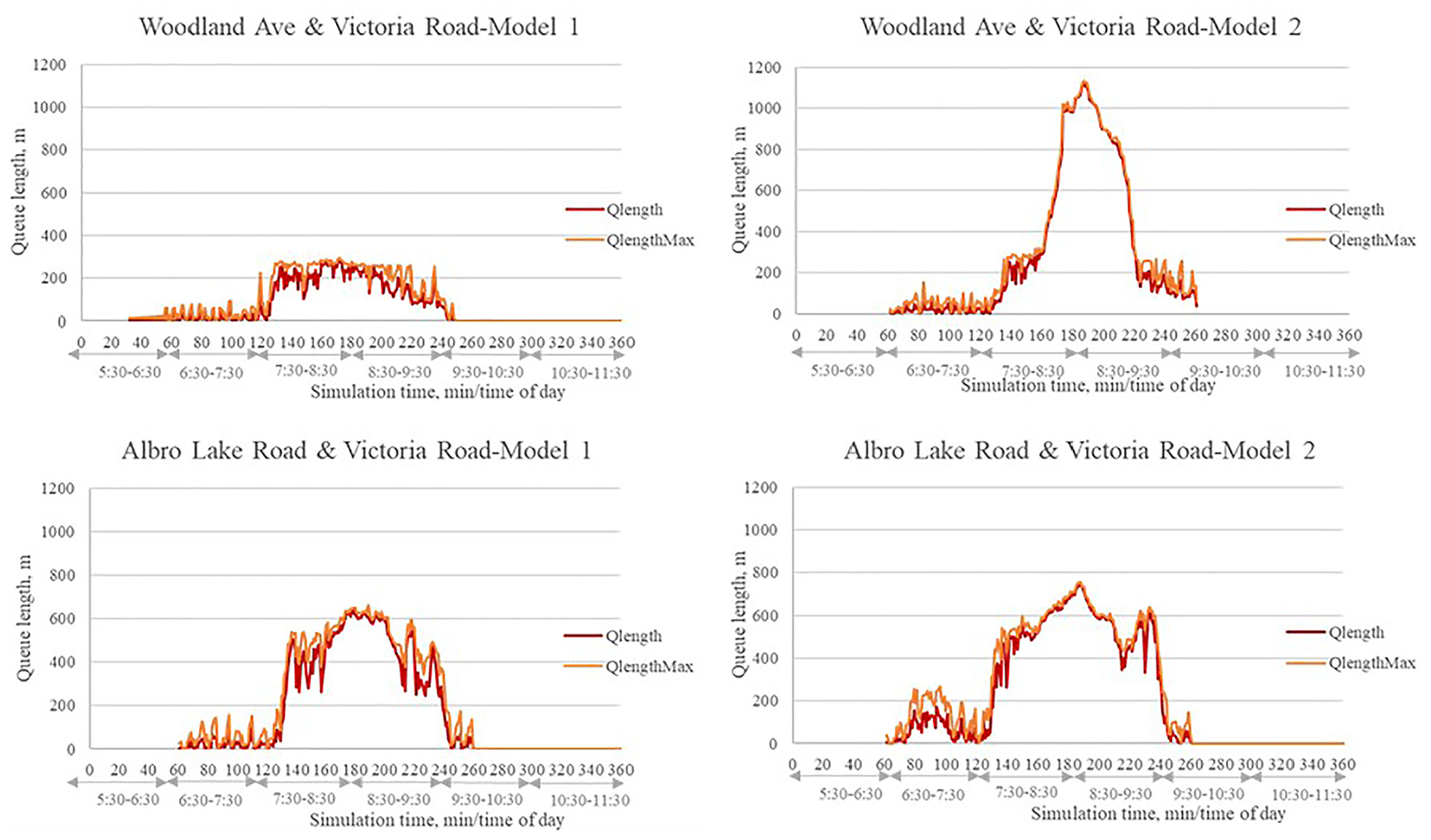
Local traffic congestion in terms of average and maximum queue length at In-2 (top left to right) and In-3 (bottom left to right) before and after inclusion of DT choice in traffic microsimulation.
In short, the model with a DT component implicates that if the DT choice dimension is not included into simulation model, specifically the CPT-based DT choice model, it could offer inaccurate estimates of the performance measures considered in traffic studies. In addition, the outcomes of this study offer insights into the effects of a decision made by travelers under uncertainty on local traffic network operations.
7. Application of the CPT-based model for traffic management and policymaking
Disruptions to urban CI may arise from a wide-ranging incident, including construction-related issues. Traffic management must account for uncertain factors such as collisions, constructions, extreme weather events, and road maintenance, all of which can cause network disruptions. These disruptions are inherently uncertain, which further makes it difficult to understand how travelers may behave under this uncertain network conditions. Traditional traffic models may not fully capture how drivers make decisions during these disruptions.
The CPT-based model developed by this study offers valuable insights into travelers’ behavior during sudden network disruption events. How travelers may behave predominantly depends on their perceptions of the events and experience. This may result in the overestimation of the impact of unforeseen events and underestimation of the benefits of alternative travel plans such as different DTs or routes. CPT-based simulation model can provide insights into these unique traffic behaviors and inform traffic management authority with the alternative policy interventions such as providing real-time traffic conditions through either social media outlets or mobile apps. In addition, traffic management policy could consider alternative commuting policies such as flexible work hours and work from home based on the traveler behavior pattern derived from the CPT-based models. This may need collaborations between traffic management authority and employers to develop a contingency plan to facilitate their employees with the opportunities of “working from home” or flexible work hours in case of a sudden incident. This includes road or bridge closure in the network. In addition, by understanding how traveler may behave under sudden network disruptions, traffic management authority can efficiently plan resource allocations, including traffic police to tackle newer traffic peaks through detour or traffic signal modification to better manage extreme traffic conditions. In addition, queue results from Model 2 suggests that optimal traffic signal planning should be carried out to reduce the queue length in case of a planned disruption in the road network. Ferry services can also be utilized and promoted as an alternative to the routes encountering sudden disruptions.
8. Conclusion
This study developed a traffic microsimulation modeling framework that incorporates a CPT-based DT choice model demonstrating the improvement in simulation outcomes. The proposed framework is an improvement of the existing microscopic traffic models studying this topic. Traditional simulation models lack DT choice modeling component that incorporates travelers’ adjustment of DT under risk and uncertainty. The novelty of the study is that it captures differential responses of travelers to sudden risk events and estimates traffic flow accordingly in an urban transport network. Model testing and speed–flow relationship analysis reveal that the developed model is more capable of representing traffic conditions under risks compared to traditional models. The developed model provides insights into temporal variations in traffic congestion and other traffic flow indicators that result from travelers’ decision-making under risk.
The framework is applied to a case of a bridge closure in Halifax, Canada to observe impacts on road network, such as traffic delays, traffic congestion, and maximum queue length. The application demonstrated the potential efficacy of the proposed framework in predicting travelers’ responses to a sudden bridge closure incident. Model 2 (with the DT component) predicts higher increments in traffic congestion and average traffic delay in the network than Model 1 (without DT component). The results suggest that individuals shift to earlier DT segments to accommodate the anticipated delays in the network. In the absence of a flexible work hour, Model 2 predicts that travelers who need to travel in between 06:30 and 08:30 a.m. incur a higher economic loss compared to other travelers. Traffic delay increment within this period is 76% of the total increment between 05:30 and 11:30 a.m. Emergency construction management policies should focus on the critical time period to adopt strategies, such as, alternative routes, lane-based priority so that travelers making trips at that time can try to reduce their delays.
One of the limitations of this study is that it did not consider CPT for route choices. Future research should include the development of a CPT-based route choice model combined with a CPT-based DT choice model in a single dynamic traffic microsimulation framework. Moreover, there is need for the application of the developed model for other case studies. Considering the futuristic nature of the topic, and unavailability of real-world data, it is extremely difficult to validate the models against observed data. These types of events are rare and present challenges to collection of traffic flow data during the events. Our study validates the business-as-usual scenario within the simulation model to enable an exploration of these types of rare events while corresponding predictive models and evidence are limited. It would be interesting if the model outcomes could be validated when such data become available. Such data will also provide insights about loss aversion and asymmetry within the CPT-based model.
Nevertheless, this research contributes to the existing literature by offering a comprehensive system of traffic simulation with an explicit CPT-based DT choice component. The framework will assist in improving the estimation of traffic impacts and could be useful for policy makers, particularly, in developing emergency transportation management strategies. Furthermore, the study could be used to develop TDM strategies to minimize the potential impacts of daily travel activities on road networks.
Footnotes
Author contributions
The authors confirm contributions to the paper as follows: study conception and design: MD Jahedul Alam, Muhammad A Habib; model formulation: MD Jahedul Alam, Muhammad A Habib; data collection: MD Jahedul Alam, Muhammad A Habib; analysis and interpretation of results: MD Jahedul Alam, Muhammad A Habib; draft manuscript preparation: MD Jahedul Alam, Muhammad A Habib, Md Asif H Anik. All authors reviewed the results and approved the final version of the manuscript.
Funding
The authors would like to thank Natural Sciences and Engineering Research Council (NSERC), Social Science and Humanities Research Council (SSHRC), and Nova Scotia Department of Energy for their contributions in supporting the research.
