




Abstract
Human faces are critical for social communication, enabling individuals to make rapid judgments about traits like trustworthiness and competence. Previous research suggests that face masks can enhance perceptions of trustworthiness and, to a lesser extent, competence, although findings on competence are more variable and context-dependent. Additionally, age-related facial cues influence social judgments, with older and younger faces being evaluated differently. This research examined the impact of face masks on perceptions of trustworthiness and competence across two age groups: young adults (Study 1) and old adults (Study 2). Study 1 revealed that face masks increased perceptions of trustworthiness and competence for young faces. In contrast, Study 2 found no significant effects of face masks on trustworthiness or competence for older faces, suggesting that age-related facial features and stereotypes may overshadow mask-induced perceptual biases. Altogether, the findings indicate that the impact of face masks on social perceptions, particularly trustworthiness and competence, may not generalize reliably across different age groups.
Human faces are powerful tools for social communication (Jack & Schyns, 2015). They serve as immediate sources of information, allowing individuals to form judgments about others’ emotional states, intentions, and personal characteristics, including traits such as trustworthiness and competence (Dong et al., 2018; Saribay et al., 2024; Todorov et al., 2009; Willis et al., 2011). Whether in personal, professional, or public health settings, people rely heavily on the face to judge others’ trustworthiness and competence (Todorov et al., 2009). For example, during personal interactions, people tend to form swift assessments of a person’s trustworthiness by observing facial expressions (Willis & Todorov, 2006). Such judgments can significantly influence social decision-making where individuals are more likely to cooperate or interact positively with those they view as trustworthy (Van’t Wout & Sanfey, 2008). Perceptions of trustworthiness and competence can also influence relationships, in professional and public health settings, where facial cues play a significant role in decision-making (Hendrawan & Utama, 2024; Mayer et al., 2024).
As inherently social beings, humans sometimes engage in practices that involve partially covering the face. For example, some Muslim women wear face-covering veils like the niqab, which can restrict an observer’s capacity to interpret facial expressions (Fischer et al., 2012; Kret & De Gelder, 2012). The COVID-19 pandemic led to the widespread use of face masks in public spaces. Masks cover portions of the face that are crucial for conveying facial cues, making facial recognition and non-verbal communication more challenging (Lau & Huckauf, 2021).
Trustworthiness and Competence
Nonverbal facial cues play a crucial role in evaluation of trustworthiness and competence. For example, expressive features such as smiles can communicate emotional intent and enhance judgments of trustworthiness (Centorrino et al., 2015; Krumhuber et al., 2007; Schmidt et al., 2012) and competence (Min & Hu, 2022; Wang et al., 2017); while structural cues such as facial sexual dimorphism contribute to perceived competence (Oh et al., 2019; Walker & Wänke, 2017; Wen et al., 2020). Face masks obscure such facial cues, hindering emotion recognition. The spate of research exploring the impact of face masks on social perception during the COVID-19 pandemic indicates that masks enhance judgments of trustworthiness, with more mixed results regarding competence. Across multiple studies, face masks were found to significantly increase perceptions of trustworthiness, suggesting that covering the lower face may reduce negative social cues and bias (Guo et al., 2022; Oldmeadow & Koch, 2021). For instance, Guo et al. (2022) and Oldmeadow and Koch (2021) reported that face masks heightened trustworthiness, and the latter study even noted a reduction in racial biases. Similarly, masks increased perceptions of warmth—a trait closely linked to trustworthiness—and competence across racial groups, though this effect was less pronounced for Asian faces (Stosic et al., 2024). In a longitudinal study spanning two years, Fang and Kawakami (2024) found that individuals generally rated masked faces as more competent, warm, and trustworthy compared to unmasked faces. Notably, the differences in perceived trustworthiness, dominance, and warmth between masked and unmasked faces increased over time, suggesting that mask mandates can significantly alter social perceptions.
The influence of masks on perceived competence is less consistent. While some studies found negligible effects on competence-related traits (Guo et al., 2022; Oldmeadow & Koch, 2021), others reported increases in competence judgments (Stosic et al., 2024). This variability suggests that while masks reliably enhance trustworthiness perceptions, their impact on competence depends on factors such as emotional expression, facial structure, and observer characteristics (Grundmann et al., 2021; Kamatani et al., 2021; Malik et al., 2021; Marini et al., 2021).
Research on face perception highlights the role of facial age in social judgments, which may influence how masks affect perceptions of trustworthiness and competence. Zebrowitz et al. (2014) found that participants were more accurate in judging health and competence for younger faces and health for older faces, suggesting that age-related facial cues significantly affect social evaluations. Similarly, Chen et al. (2022) demonstrated that younger adults exhibited greater trust towards older faces than younger ones, with neural analyses showing that age-related differences in facial judgments emerge during later stages of processing. However, other research has shown that individuals perceive younger faces as more trustworthy (Pehlivanoglu et al., 2023).
Current Study
While previous studies have explored how face masks influence perceptions of trustworthiness and competence, the findings remain mixed. Some studies suggest that masks enhance trustworthiness and, to a lesser extent, competence (Fang & Kawakami, 2024; Guo et al., 2022; Oldmeadow & Koch, 2021), whereas others indicate minimal or context-dependent effects on competence (Grundmann et al., 2021; Marini et al., 2021; Stosic et al., 2024). This inconsistency highlights a significant gap in understanding when and how masks affect social judgments. Additionally, the potential influence of age as a moderating factor has been largely overlooked. Since facial perception tends to differ by age—older and younger faces are often assessed differently—the effects of mask-wearing may vary between age groups (Chen et al., 2022; Pazhoohi & Kingstone, 2022; Zebrowitz et al., 2014).
Therefore, the current research aimed to address mixed findings on the effect of face masks on perceptions of trustworthiness and competence, as well as to examine whether these effects are consistent across different age groups. The two studies focused specifically on young and old faces. In the first study, participants evaluated young faces presented with and without face masks, assessing their trustworthiness and competence. The second study employed the same methodology but used older faces as stimuli. This approach allowed us to investigate whether the influence of mask-wearing differs by age and to assess the generalizability of the findings across age groups. Given the mixed evidence, this research was primarily exploratory. We expect masked faces to be perceived as more trustworthy than unmasked faces, to show weaker or inconsistent effects for competence, and to exhibit possible age-related differences—examined without firm directional predictions—with any increase in perceived trustworthiness from masking potentially stronger for younger faces.
Study 1
Method
Participants
A total of 164 participants (58 men and 106 women), between the ages of 18 and 75 years (M = 40.6, SD = 14.3), were recruited from the TurkPrime panel. The marital status of the participants indicated a total of 92 participants (56.1%) as being married, 1.2% as widowed and an additional 8.5% as divorced or separated, while 24.4% reported being single, and 9.8% in a relationship. In terms of their highest level of education, one participant reported elementary school, 30.55% of the participants had a high school diploma, 7.3% had a post-secondary diploma, 25.0% had an undergraduate degree, and 36.6% had a post-graduate degree.
Stimuli and Procedure
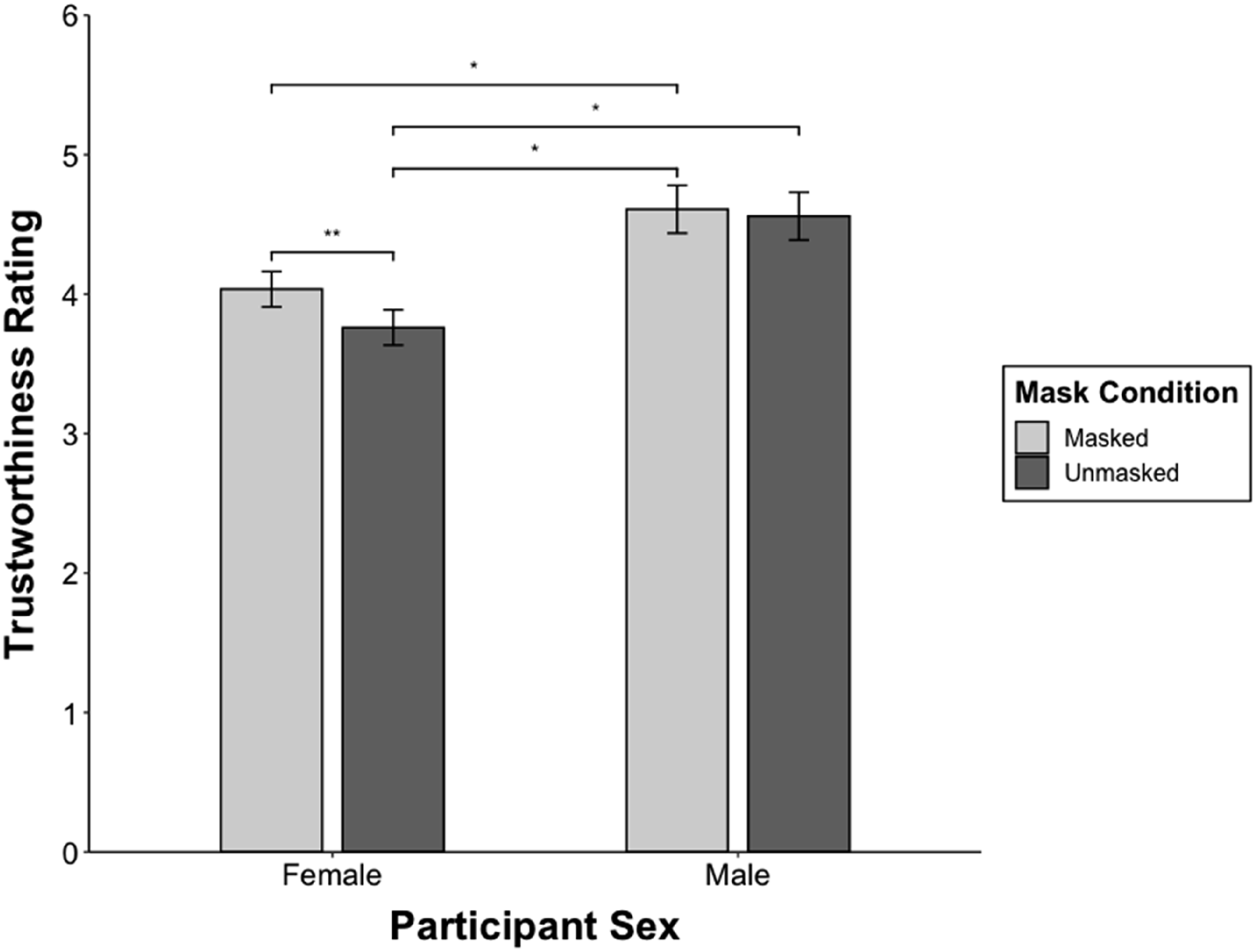
Images of 25 male and 25 female faces, which totals 50 faces were obtained from the FACES database (Ebner et al., 2010). The faces were aged between 19 and 31 years with a neutral expression. Another set of 50 stimuli of the same identities were created by superimposing a facial mask on the original images (Figure 1). Each set of stimuli which included masked and unmasked faces were randomised and presented in separate blocks. After consenting to participate in the study, participants answered sociodemographic questions. This was a within-subjects experimental design and participants randomly observed either the block with facial masks first or the block with unmasked faces first. Participants were asked to respond to the questions “How trustworthy do you find this person?” and “How competent do you find this person?” on a 7-point scale from 1 (not at all) to 7 (very), for each face (Figure 2). Examples of young female and male faces used in Study 1 Trustworthiness ratings (Mean and SEM) for mask condition as a function of participant sex when viewing young faces. *p < 0.05, **p < 0.01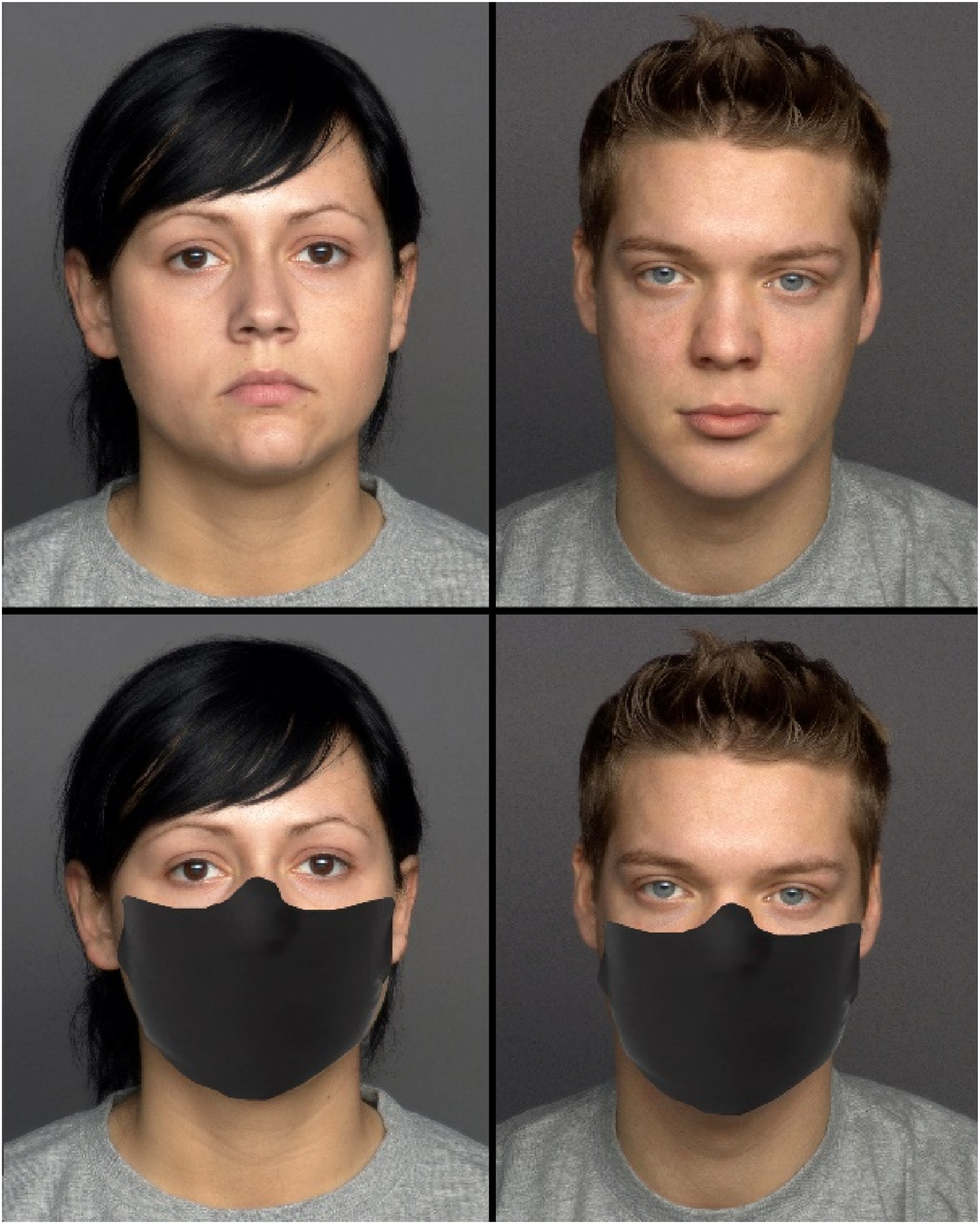
Data Analysis
All post hoc comparisons throughout the results of this and the next studies were performed using Bonferroni correction, and this is reflected in the p values. A G*Power analysis for a 2 × 2 × 2 mixed effects design indicated that 138 participants would be sufficient to detect a small effect size (f = 0.10, β = 0.80).
Results
Trustworthiness
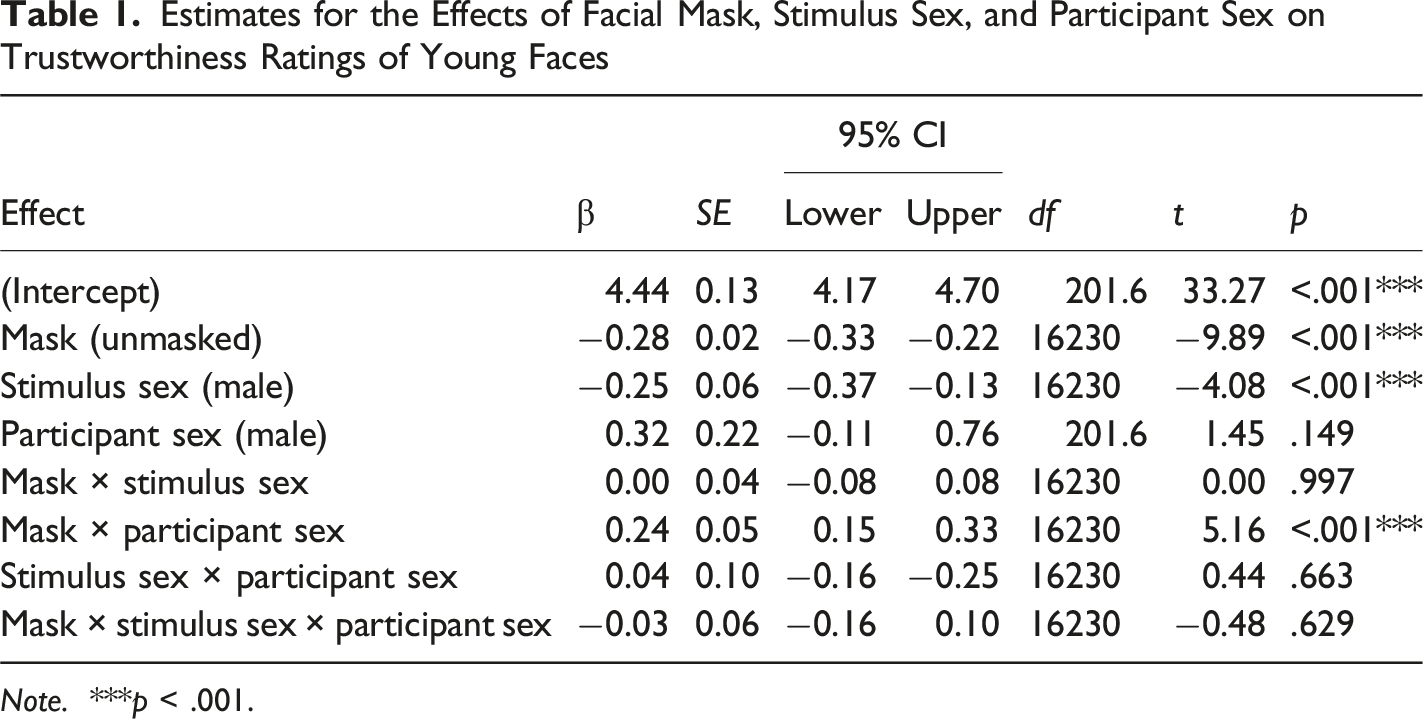
Estimates for the Effects of Facial Mask, Stimulus Sex, and Participant Sex on Trustworthiness Ratings of Young Faces
Note. ***p < .001.
Competence
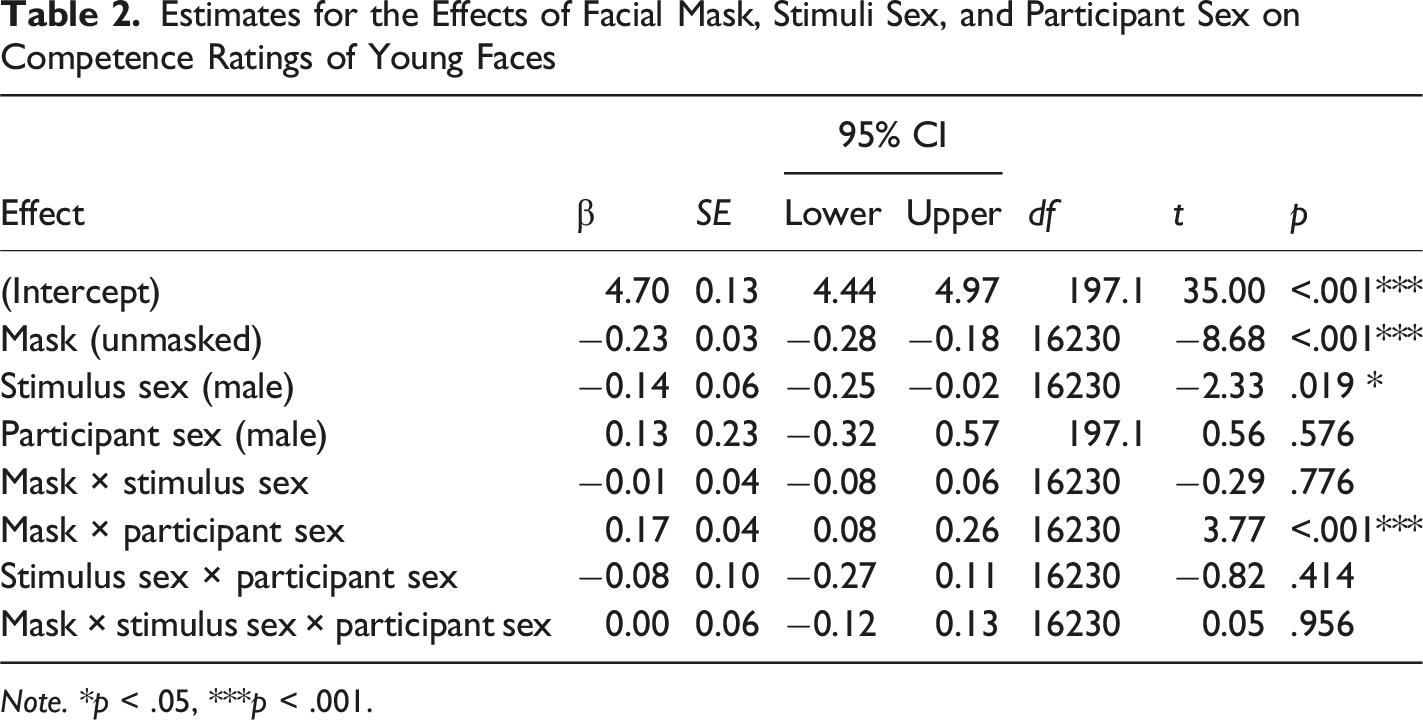
Estimates for the Effects of Facial Mask, Stimuli Sex, and Participant Sex on Competence Ratings of Young Faces
Note. *p < .05, ***p < .001.
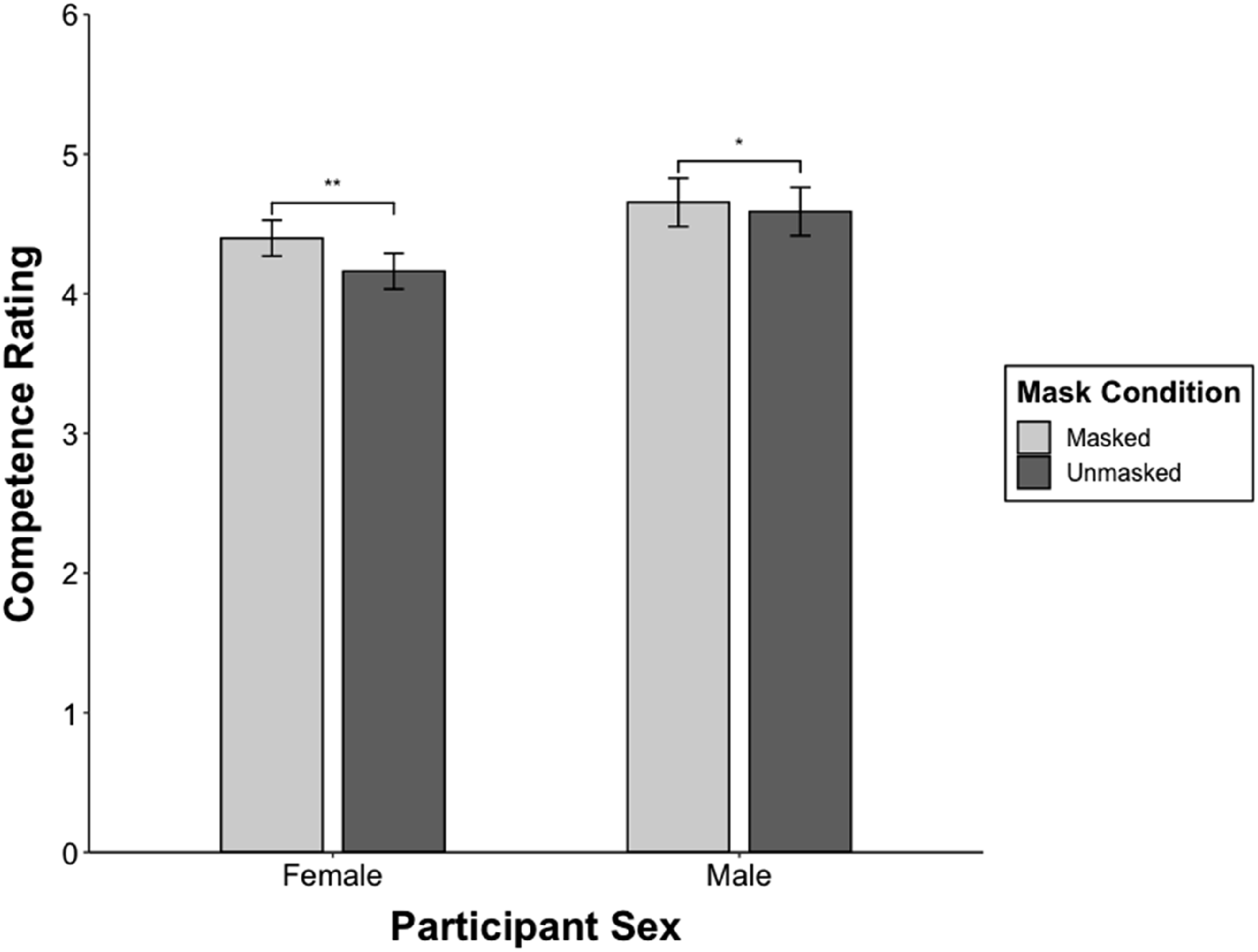
Competence ratings (Mean and SEM) for mask condition as a function of participant sex when viewing young faces. *p < 0.05, **p < 0.01
Discussion
Study 1 was conducted to examine how face masks influence perceptions of trustworthiness and competence for young people’s faces. The results showed that participants consistently rated female stimuli as more trustworthy than male stimuli, potentially reflecting gender-based stereotypes associated with trustworthiness. Additionally, masked faces were perceived as more trustworthy than unmasked faces. An interaction between participant sex and mask presence revealed that female participants were more sensitive to the masking effect than male participants.
The presence of face masks positively influenced perceptions of competence as well, with masked faces being rated as more competent than unmasked faces across both sexes. One speculative interpretation is that this arises because of an association between masks and professionalism (e.g., health-related roles during the pandemic era). As with trustworthiness, this effect of masks on perceived competence was greater for female participants than male participants.
While these results demonstrated that face masks enhance perceptions of trustworthiness and competence, especially for female participants, the findings may be limited to the young age group used as stimuli, leaving the effects of face masks on perceptions of older or diverse age groups largely unexplored (Fang & Kawakami, 2024; Guo et al., 2022; Oldmeadow & Koch, 2021; Stosic et al., 2024). Facial age strongly influences social judgments. Studies show that age-related cues affect perceived health, competence, and trustworthiness. Some findings suggest greater trust toward older faces (Chen et al., 2022; Zebrowitz et al., 2014), while others report higher trust for younger faces (Pehlivanoglu et al., 2023). To address this, Study 2 replicated the present paradigm using older adult faces. This design extension enables us to test whether the observed mask and sex effects are consistent across age categories, thereby offering a more comprehensive view of how multiple facial cues jointly influence social perception.
Study 2
In the second study, faces of older individuals were used to extend the findings of the first study, aiming to test whether the observed effects persist when using facial stimuli from a different and older age group.
Method
Participants
A total of 181 participants (72 men and 109 women), between the ages of 18 and 90 years (M = 45.3, SD = 16.9), were recruited from the TurkPrime panel. The marital status of the participants indicated a total of 73 participants (40.3%) as being married, 4.4% as widowed and an additional 11.6% as divorced or separated, while 30.9% reported being single, and 12.7% in a relationship. In terms of their highest level of education, one (0.6%) participant reported elementary school, 45.3% of the participants had a high school diploma, 11.6% had a post-secondary diploma, 24.9% had an undergraduate degree, and 17.7% had a post-graduate degree.
Stimuli and Procedure
Images of 25 male and 25 female faces, which totals 50 faces were obtained from the FACES database (Ebner et al., 2010). The faces were aged between 69 and 80 years with a neutral expression. Another set of 50 stimuli of the same identities were created by superimposing a facial mask on the original images (Figure 4). The procedure was the same as Study 1. Examples of old female and male faces used in Study 2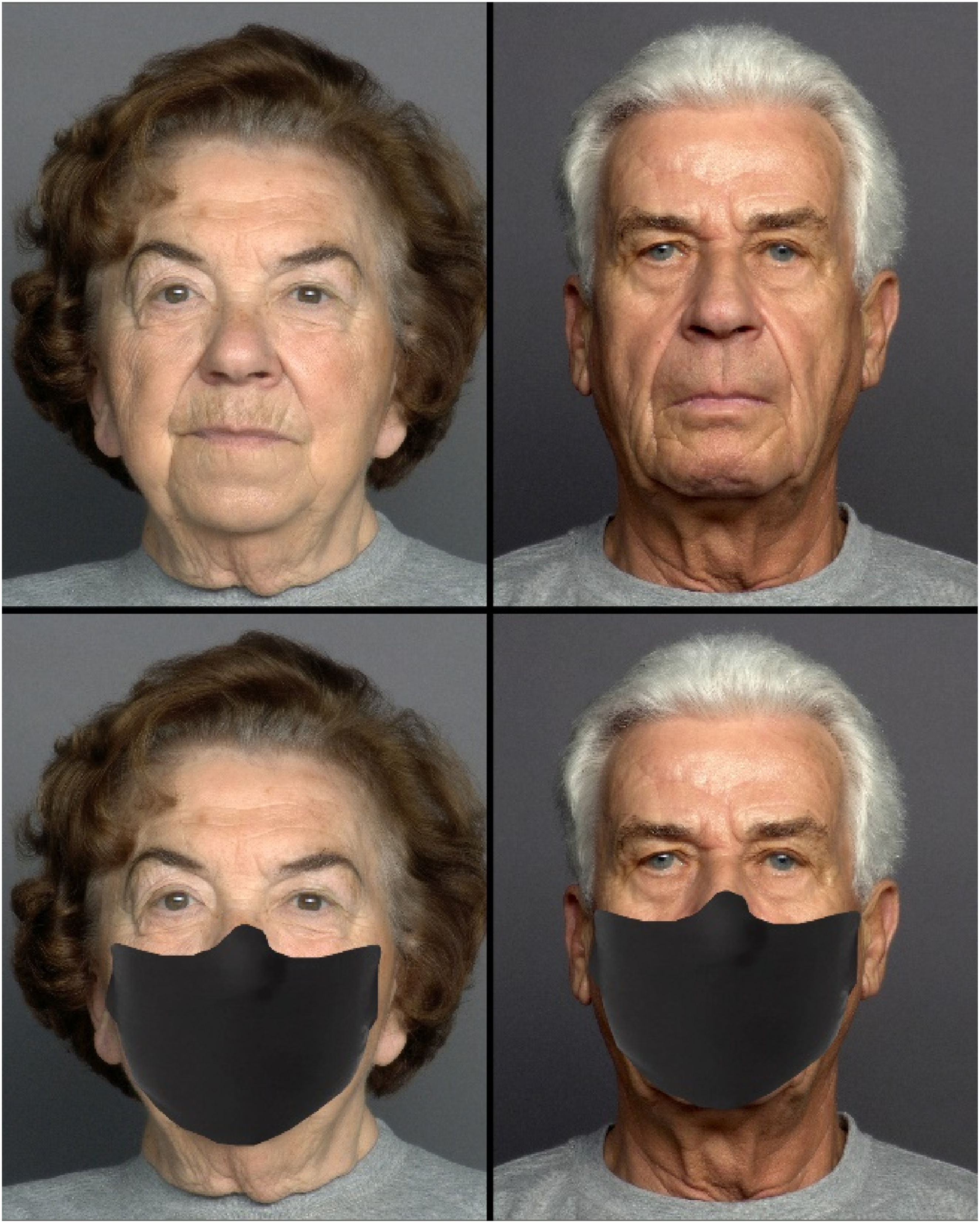
Results
Trustworthiness
Estimates for the Effects of Facial Mask, Stimulus Sex, and Participant Sex on Trustworthiness Ratings of Old Faces
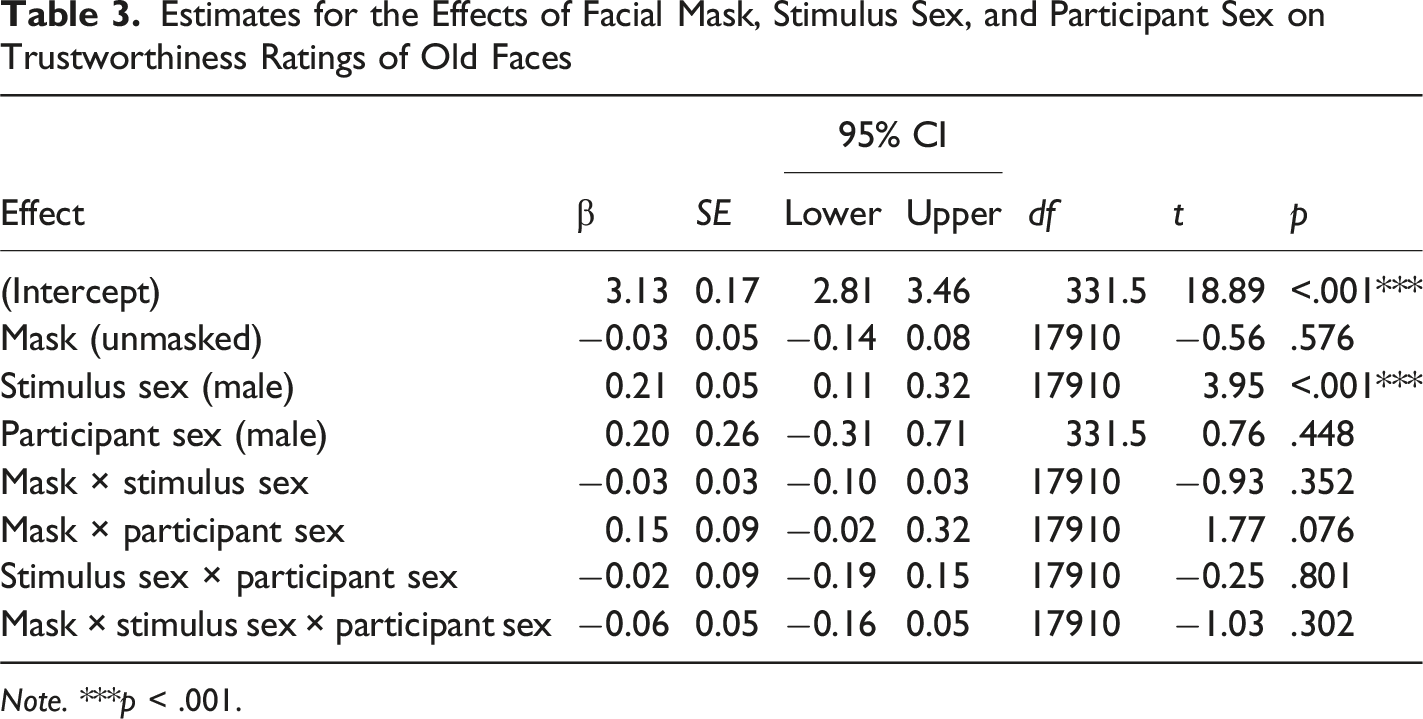
Note. ***p < .001.
Competence
Estimates for the Effects of Facial Mask, Stimulus Sex, and Participant Sex on Competence Ratings of Old Faces
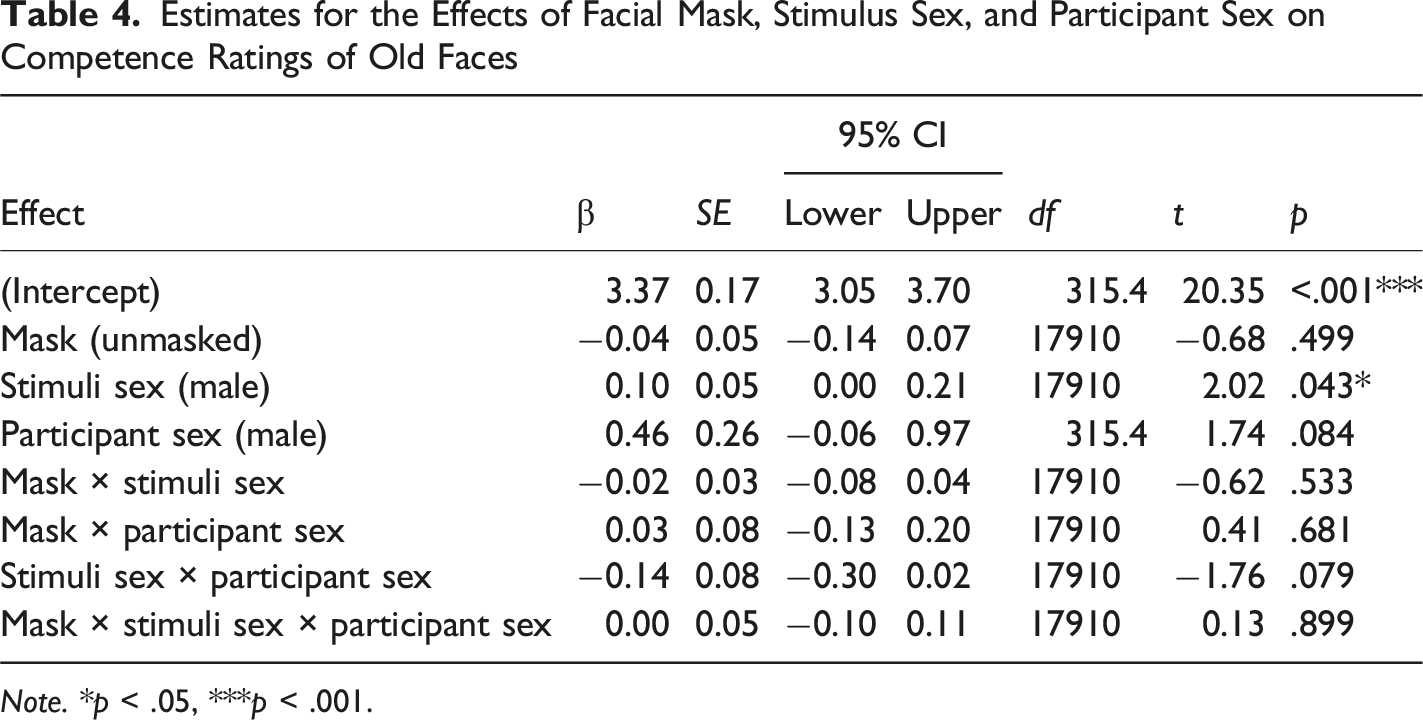
Note. *p < .05, ***p < .001.
Discussion
In contrast to the Study 1, the results of Study 2 found no effect of masks on perceptions of trustworthiness or competence for old faces. This outcome was consistent across male and female faces, as well as among both male and female participants. In other words, the findings suggest that the influence of face masks on social perceptions, specifically trustworthiness and competence, may not generalize, at least from young to old faces.
Cross Study Analysis
An additional cross-study analysis combining data from both studies to examine the moderating role of facial age (young vs. old) across identical experimental conditions was conducted. By treating Study as a between-subjects factor representing facial age, we tested whether the influence of mask condition, stimulus sex, and participant sex differed across stimuli age groups.
Trustworthiness
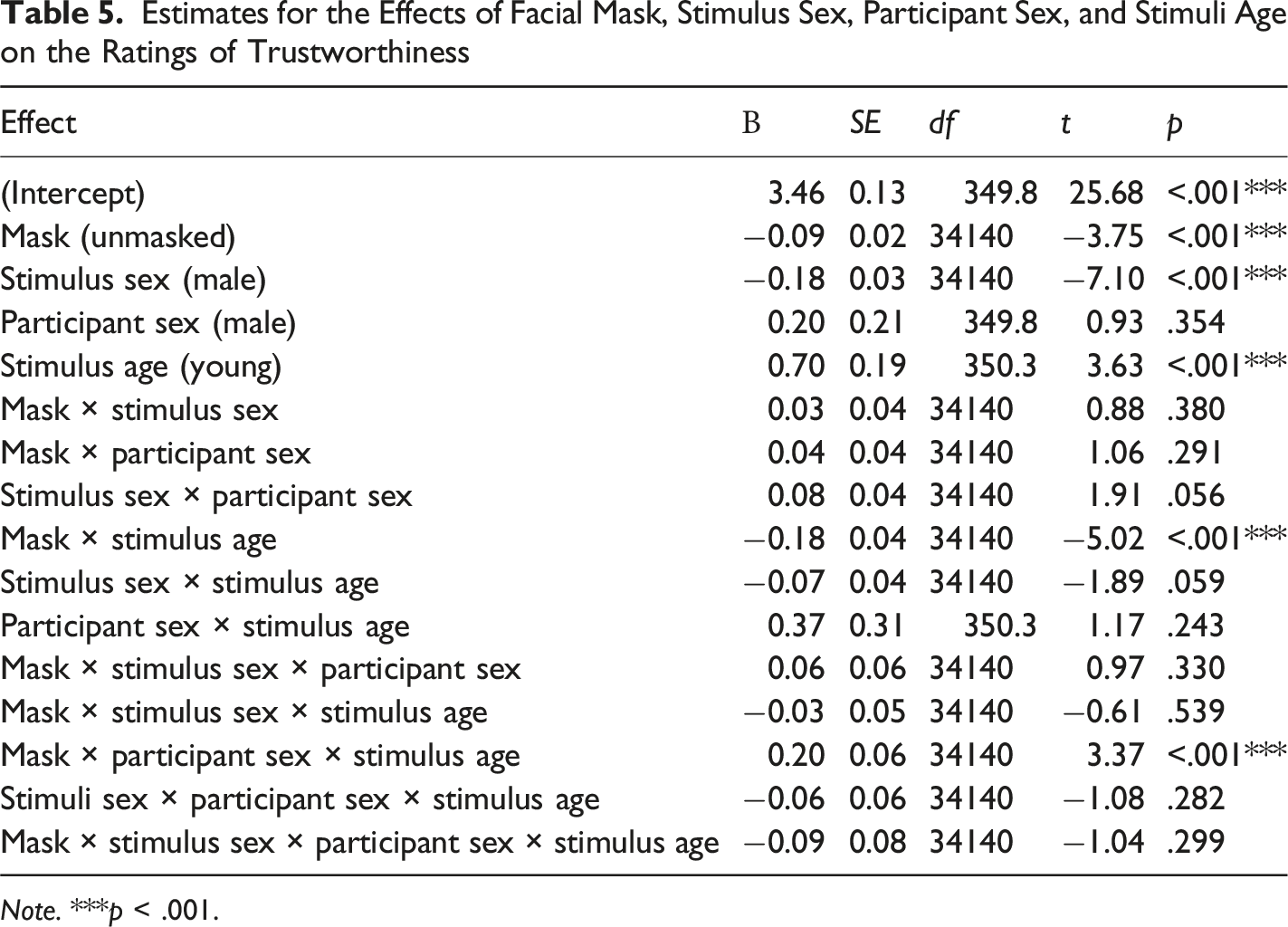
Estimates for the Effects of Facial Mask, Stimulus Sex, Participant Sex, and Stimuli Age on the Ratings of Trustworthiness
Note. ***p < .001.
Results showed that unmasked stimuli (M = 3.80, SEM = 0.07) were rated as less trustworthy than masked ones (M = 3.91, SEM = 0.07); male stimuli (M = 3.76, SEM = 0.07) were rated as less trustworthy than female stimuli (M = 3.95, SEM = 0.07); and young stimuli (M = 4.24, SEM = 0.11) were perceived as more trustworthy than old faces (M = 3.47, SEM = 0.10).
The significant Mask × Stimulus Age interaction was qualified by a significant three-way interaction between mask condition, participant sex, and stimulus age. For female participants masked young faces (M = 4.04, SE = 0.14) were rated as more trustworthy than masked old faces (M = 3.37, SE = 0.13, p = .013). No other comparisons for female participants reached significance (ps > .05). For male participants, masked young faces (M = 4.61, SE = 0.18) were rated as more trustworthy than masked old faces (M = 3.61, SE = 0.17, p = .001). Likewise, unmasked young faces (M = 4.56, SE = 0.18) were rated higher than unmasked old faces (M = 3.60, SE = 0.17, p = .0032. These findings indicate that young faces were judged as more trustworthy than old faces by male participants, regardless of masking.
Female participants rated masked young faces (M = 4.04, SE = 0.14) more trustworthy than unmasked young faces (M = 3.76, SE = 0.14, p < .0001). Also, male participants (M = 4.56, SE = 0.18) gave higher trustworthiness ratings than female participants (M = 3.76, SE = 0.14, p = .012) for young unmasked faces. No significant differences between male and female participants were observed for old faces (ps > .05).
Competence
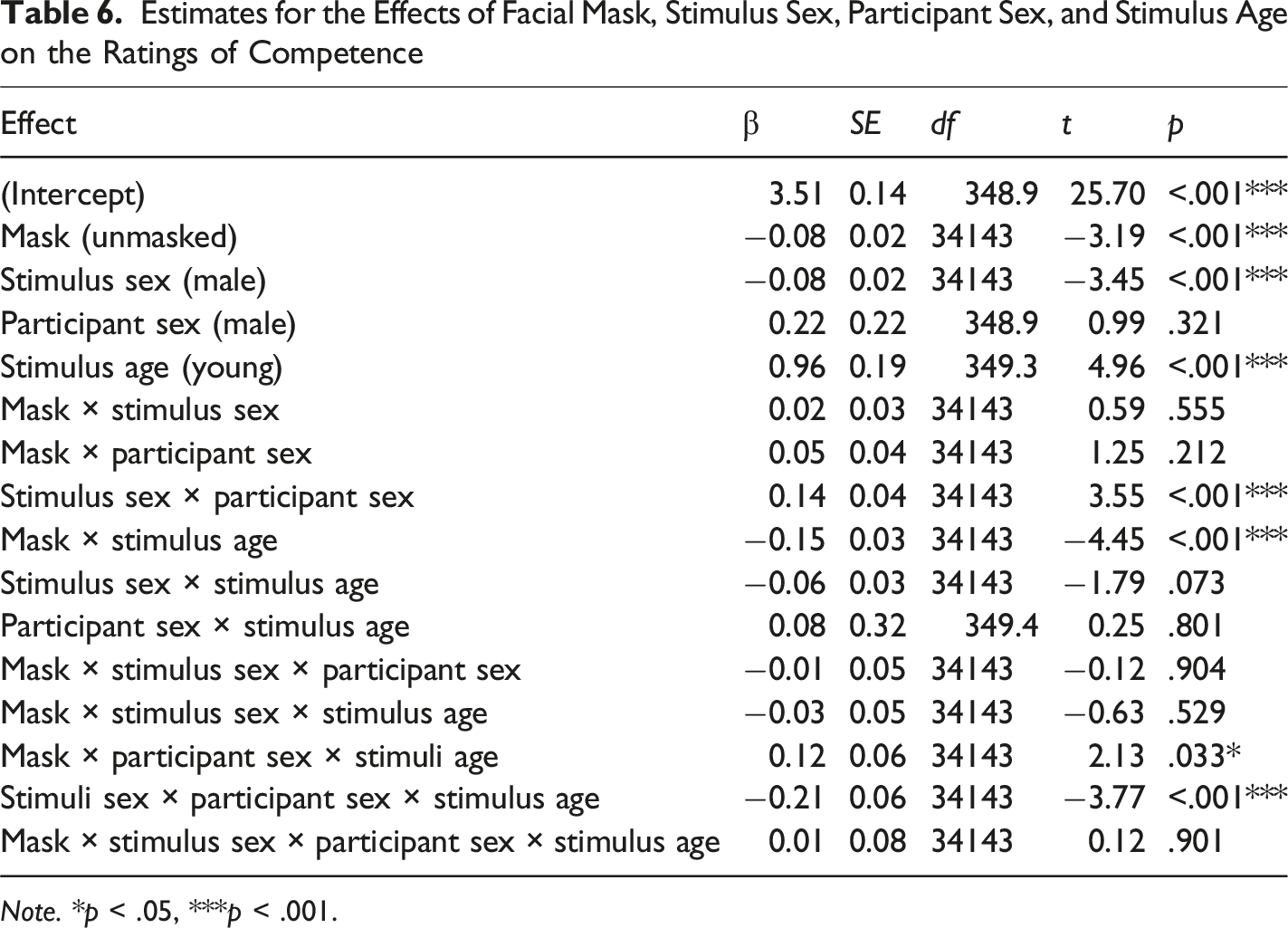
Estimates for the Effects of Facial Mask, Stimulus Sex, Participant Sex, and Stimulus Age on the Ratings of Competence
Note. *p < .05, ***p < .001.
Results showed that unmasked stimuli (M = 3.97, SEM = 0.07) were rated as less competent than masked ones (M = 4.07, SEM = 0.07); male stimuli (M = 3.97, SEM = 0.07) were rated as less competent than female stimuli (M = 4.07, SEM = 0.07); and young faces (M = 4.45, SEM = 0.11) were perceived as more competent than old faces (M = 3.58, SEM = 0.10).
The two-way significant interactions were qualified by significant three-way Stimulus Age × Mask × Stimulus Sex, and Stimulus Age × Participant Sex × Stimulus Sex interactions. Pairwise comparisons for the Stimulus Age × Mask × Stimulus Sex interaction indicated that for female participants, masked old faces (M = 3.46, SE = 0.14) were rated less competent than both masked young faces (M = 4.40, SE = 0.14, p < .001) and unmasked young faces (M = 4.16, SE = 0.14, p = .008). Similarly, male participants rated masked old faces (M = 3.75, SE = 0.17) less competent than masked young faces (M = 4.65, SE = 0.19, p = .008), and unmasked older faces (M = 3.73, SE = 0.17) less competent than unmasked young faces (M = 4.59, SE = 0.19, p = .014). Finally, for female participants masked young faces (M = 4.40, SE = 0.14) were rated more competent than unmasked young faces (M = 4.16, SE = 0.14, p < .001.
Pairwise comparisons for the Stimulus Age × Participant Sex × Stimulus Sex interaction indicated that for female participants’ ratings of older faces, female faces (M = 3.47, SE = 0.14) were judged as more competent than male faces (M = 3.39, SE = 0.14, p < .001. Moreover, when comparing female participants’ ratings across face age, old female faces (M = 3.47, SE = 0.14) were rated as less competent than both young female faces (M = 4.36, SE = 0.14, p < .001) and young male faces (M = 4.20, SE = 0.14, p = .004). Similarly, male participants rated old female faces (M = 3.71, SE = 0.17) as less competent than both young female faces (M = 4.74, SE = 0.19, p = .001) and young male faces (M = 4.51, SE = 0.19, p = .032). Likewise, male participants rated old male faces (M = 3.77, SE = 0.17) less competent than young female faces (p = .003).
Finally, for both female and male participants, young female faces (Female participants: M = 4.36, SE = 0.14; Male participants: M = 4.74, SE = 0.19) were rated as more competent than young male faces (Female participants: M = 4.20, SE = 0.14, p < .001; Male participants: M = 4.51, SE = 0.19, p < .001). For male participants, young female faces were rated as more trustworthy than young male faces (p < .001).
General Discussion
The current research investigated the effect of face masks on perceptions of trustworthiness and competence for face stimuli drawn across two age groups: young adults (Study 1) and old adults (Study 2). The results of Study 1 indicated that for young faces, male participants provided overall higher ratings of trustworthiness than female participants. Face masks increased perceptions of trustworthiness consistent with previous research (Guo et al., 2022; Oldmeadow & Koch, 2021).
In contrast, Study 2, which used old faces as stimuli, found no significant effect of face masks on trustworthiness. While participants rated female faces as more trustworthy than male faces overall, the absence of a mask-related effect suggests that age-related facial features may reduce the salience of mask-induced biases. This discrepancy between young and old faces aligns with prior findings suggesting that age-related changes in facial appearance may influence how social judgments are formed (Chen et al., 2022; Pazhoohi & Kingstone, 2022; Zebrowitz et al., 2014). Older faces may convey trustworthiness through age-related stereotypes (e.g., wisdom, warmth), which could overshadow the masking effect observed in younger faces.
Regarding the effect of face masks on perceived competence, consistent with a previous study (Stosic et al., 2024), the results of Study 1, which used young faces, showed that face masks positively impacted perceptions of competence. Masked faces received higher ratings than unmasked faces from both male and female participants. This finding may reflect the association between masks and professionalism or health-consciousness, particularly in the context of the COVID-19 pandemic.
In Study 2, no significant effects of face masks on competence ratings for stimuli of old faces were observed. One explanation for this null effect is that age-related facial cues, such as wrinkles or sagging skin, might dominate competence judgments for older individuals, reducing the influence of masks. Furthermore, competence judgments for older faces may be shaped by age-related stereotypes (e.g., perceptions of reduced capability), which masks do not seem to mitigate.
Cross Study Analysis showed that young faces were rated more trustworthy and competent than old faces, regardless of masking or participant sex. This pattern aligns with previous research showing that facial cues associated with youthfulness enhance positive social impressions (e.g., Chen et al., 2022; Zebrowitz et al., 2014).
The findings of this research underscore the importance of age as a moderating factor in the social perception of masked faces. While masks increased ratings of trustworthiness and competence for young faces, these effects were absent for old faces. This divergence highlights the role of age-related facial cues in shaping social judgments. Although previous research has shown that face masks enhance the attractiveness of both young and old faces (Pazhoohi & Kingstone, 2022), this does not appear to extend to perceptions of trustworthiness and competence. These findings show that facial age is a primary organizing cue in social impression formation, shaping how other signals—such as mask-wearing—are interpreted. Rather than masks exerting uniform effects, their influence on trustworthiness and competence is age-contingent: young faces are consistently judged as more trustworthy and competent than older faces, and masking amplifies these advantages mainly for younger targets.
Several limitations should be noted. First, the study relied on neutral expressions, which might not fully capture the dynamics of social perception in real-world interactions where emotional expressions play a significant role. Future research could examine how masks interact with various emotional expressions to influence trustworthiness and competence judgements. Another limitation involves the potential valence bias of neutral expressions. Although the stimuli were intended to appear neutral, research shows that neutral faces are often perceived as slightly negative (Rollins et al., 2021), which may have subtly affected trustworthiness or competence ratings. A third limitation is that inserting digital masks, while controlling for other differences, may have reduced ecological validity compared with photographs of faces wearing real masks. The importance of this potential limitation could be examined by a future study directly comparing the effect of digitally generated masks versus real masks. Moreover, while this research focused on two age groups, the inclusion of middle-aged faces could provide a more comprehensive understanding of age-related differences in mask perception, potentially capturing the point at which the mask effect begins to disappear. Finally, the absence of measures for other social facial cues, such as perceived attractiveness or attitudes toward face coverings, may have influenced our findings. Future studies may wish to include these covariates and examine potential mediators.
In conclusion, this research highlights the role of face age in moderating the impact of face masks on perceptions of trustworthiness and competence. Masks enhanced these traits for young faces but had no significant effect on old faces. This study contributes to the growing body of research on the social implications of mask-wearing. Our results findings revealed insights into how mask-wearing influences these social judgements and how these effects vary depending on age, participant sex, and stimulus sex.
Footnotes

Ethical Considerations
This and the following research were approved by the Behavioural Research Ethics Committee of the University of British Columbia and was conducted in accordance with the Declaration of Helsinki as it pertains to research with human participants.
Consent to Participate
All participants consented to taking part in the study.
Consent for Publication
All the authors consent.
Funding
The authors received no financial support for the research, authorship, and/or publication of this article.
Declaration of Conflicting Interests
The authors declared no potential conflicts of interest with respect to the research, authorship, and/or publication of this article.
Data Availability Statement
Authors will share upon request.