




Abstract
Policing organizations are currently experiencing more pressure than ever to address systemic racism and police brutality. Advocates and academics have suggested a range of changes, such as defunding the police, moving towards more body-worn cameras, ensuring higher educational levels of new recruits, implicit bias training, and so on. Our article draws attention and advocates for a different avenue: moving our understanding of crime towards a public health issue. By drawing on some data from the University of Alberta Prison Project, we argue that looking at justice clients with a public health lens would significantly change the way police are trained and respond to incidents. We believe this would have monumental consequences for both justice clients and policing organizations: justice clients will benefit from a police service that is trauma informed, compassionate, and understands their client base, while policing organizations will arguably increase their trust relationship with the public, therefore building legitimacy in the community.
Introduction
On May 25, 2020, 46 year-old George Floyd was arrested on suspicions of using fake currency in Minneapolis, United States. He died on the streets due to asphyxiation caused by a knee the arresting officer pressed on his neck for nearly 9 minutes. Instant outrage about the police action that caused the death of Mr Floyd resulted in riots and calls to defund and/or abolish the police rang across the globe. The police officer was eventually charged with second-degree murder and second-degree manslaughter. Since the death of Mr Floyd, police leaders and officers across the world have openly denounced the officer’s actions as criminal. However, unfortunately this was not the first time that the actions of police have highlighted the need for change.
Rodney King, for example, was viciously beaten by police in 1991. In this case, the officers were indicted but not convicted, quickly resulting in public demonstrations and riots against police brutality and systemic racism and massive distrust for police (Jones, 2020). Since the famous Rodney King case, multiple high-profile incidents of police brutality have occurred, contributing to the discussion about policing. And while some police agencies have taken positive steps to improve the relationships between vulnerable communities 1 and the police and implemented policies to address police brutality, 2 we have also seen a stark increase in the militarization of the police since Rodney King (Balko, 2013).
Canada is not immune to police violence. In Toronto, Ontario, Sammy Yatim was experiencing a mental health crisis and pulled a knife out in a streetcar. Police were called and the streetcar was cleared of other passengers. However, when Sammy Yatim was coming off the streetcar with his knife, a police officer, James Forcillo, shot him. As Sammy Yatim tried to get up after the first three shots, Forcillo fired additional six shots. Dan Pravica, Forcillo’s sergeant, also deployed a Taser conducted energy weapon on Yatim. The prosecution questioned Forcillo in court for not trying to deescalate the situation arguing Yatim posed no imminent threat. Forcillo claimed he deescalated the situation by removing his firearm from its holster and acted in self-defence. Forcillo was convicted of attempted murder. The judgement indicated that Forcillo was justified in firing the first three shots but not the second round of shots. Following the incident, a report on ‘Police Encounters with People in Crisis’ submitted by retired Supreme Court Justice Frank Iacobucci (2014: 13) recommended that the Toronto Police Service ‘consider ways to bridge the divide between police officers and people living with mental health issues’.
While the murder of George Floyd has sparked international attention to the topic of police brutality and systemic racism at an unprecedented scale, we question whether this tragic event will truly become the catalyst for sustained police reform.
Policing scholars and advocates have suggested many different avenues for reform such as Body Worn Video, De-escalation training, Implicit Bias Training, Early Intervention Systems and Civilian Oversight (Engele et al., 2019; Oriola, 2020a). There has also been attention on the necessity for police to stop the practice of carding as a continued form of systemic racism (Tobias and Joseph, 2020). While we agree with many of these suggestions; we believe policing needs an even more substantial change by providing a public health lens to policing and crime. This would not only change the way police are trained and respond to incidents, but also avoid that George Floyd’s death will just be yet another incident that goes down in the annals of policing as a tragic misstep, without leading to sustained and drastic change. While we will rely on data from the Canadian context, we believe our suggestions will have broader relevance and could be useful beyond the Canadian border.
Background
Police disproportionally deal with the most vulnerable members of society (Sanders and Hannem, 2012), including individuals with histories of substance use/abuse (Oriola et al., 2012), street-involvement (Deukmedjian, 2013), mental illness (College of Policing, 2015; Iacobucci, 2014; Normore et al., 2016), and physical and sexual victimization (Messing et al., 2014; Meyer, 2011). These encounters speak to the need for a different ideational and strategic approach to policing. For instance, of the 26 fatalities proximal to the use of Taser CEW in Canada, only five were armed – with baseball bats, knives or metal pipes (Oriola et al., 2012). The majority had a history of mental health problems, drug abuse and poverty (ibid). Available evidence demonstrates that new tools and appurtenances of surveillance have not altered the focus on the usual suspects (Sanders and Hannem, 2012). Black, Indigenous, and People of Colour (BIPOC) members are over-represented at every stage in the Canadian CJS (Oriola, 2020b). For example, findings from the Canadian Broadcasting Corporation (CBC) database on police use of deadly force from 2000 to June 2020 indicate that Black Canadians constitute 8.63% of victims (Singh, 2020) despite making up only 3.5% of the Canadian population. In addition, between 2000 and 2017, Black Canadians comprised 36.5% of fatalities in citizen encounters with Toronto police though they constitute 8.3% of the population of Toronto (Singh, 2020). Racial disparities in the correctional system have also steadily increased over the last 20 years and have reached a ‘new historic high’ (Office of the Correctional Investigator, 2020: 20). A 2020 report found that over the past decade, the incarceration of non-Indigenous individuals decreased by 14%, while the incarceration of the Indigenous population increased by 43% (Government of Canada, 2020). This trend continues to be particularly pronounced in the Prairie provinces, including Alberta. While making up only 6.5% of the province’s population, over 45% of people housed in Alberta’s prisons are Indigenous, with the Edmonton Institution for Women housing, on average, 65% Indigenous women (Short, 2020).
While prison data look at the ‘end stage’ of the criminal justice system, the police are responsible – and can exercise a certain degree of discretion – of who is put into the correctional system. In other words, police are the first contact-point in identifying who might eventually be put into the prison system while the disparities in sentencing are the responsibility of the courts. Numerous studies in the Canadian context have shown that members of BIPOC groups are disproportionally likely to attract police attention, are disproportionally likely to be negatively impacted by mandatory minimum sentencing decisions, and are disproportionally likely to be disadvantaged at every stage of sentencing (Chartrand, 2001; Wortley and Owusu-Bempah, 2012).
Two of the authors are involved in the University of Alberta Prison Project (UAPP), a multi-year, multi-site research project on prison life in Western Canada. As part of this project, we collected data on the victimization history, drug use history, and history of homelessness among the people housed in prison (among other things). For the purposes of this article, we draw on our data set garnered from federally incarcerated people (63 women and 84 men) – i.e. those having received sentences of 2 years and above. 3
While the scholarly literature on the victim-offender overlap (the idea that offenders are also victims) has tended to concentrate on the co-occurrence of criminal involvement and victimization (Averdijk et al., 2016; Bottoms and Costello, 2010; Daday et al., 2005; Erdmann and Reinecke, 2019, Klevens et al., 2002; Lauritsen et al., 1992) our research findings clearly show that almost everyone incarcerated in Alberta, regardless of gender, were victims before becoming offenders (see also Bucerius et al., 2020; 2021). Our findings further show that official data sources such as the General Social Survey (GSS) data are clearly not representative of the incarcerated population and that the victimization rates for incarcerated populations are much higher than in the general population (based on the GSS). As evidenced in Figure 1, 95% of incarcerated Indigenous women and 86% of Indigenous men in Alberta experienced violent victimization in their lives (in contrast to 90% of white women and 79% of white men), with the majority of these victimizations happening during the childhood and teenager years. 84% of both Indigenous and white women who are incarcerated in Alberta prisons and 71% of Indigenous men and 48% of white men incarcerated in Alberta prisons experienced sexual victimization, with, again, the majority of these victimizations happening during childhood and teenager years (Figure 2). The average age for the first violent victimization among the Indigenous women in our sample is 9.8 years (in comparison to 11.2 years for white women) and 8.8 years for Indigenous men (in comparison for 13.1 years for Indigenous men) (Figure 3). For sexual victimization, the average age when first victimized is 7.3 years for Indigenous women (in contrast to 8.2 years for white women) and 8.8 years for Indigenous men (in comparison to 9.7 years) (Figure 4).
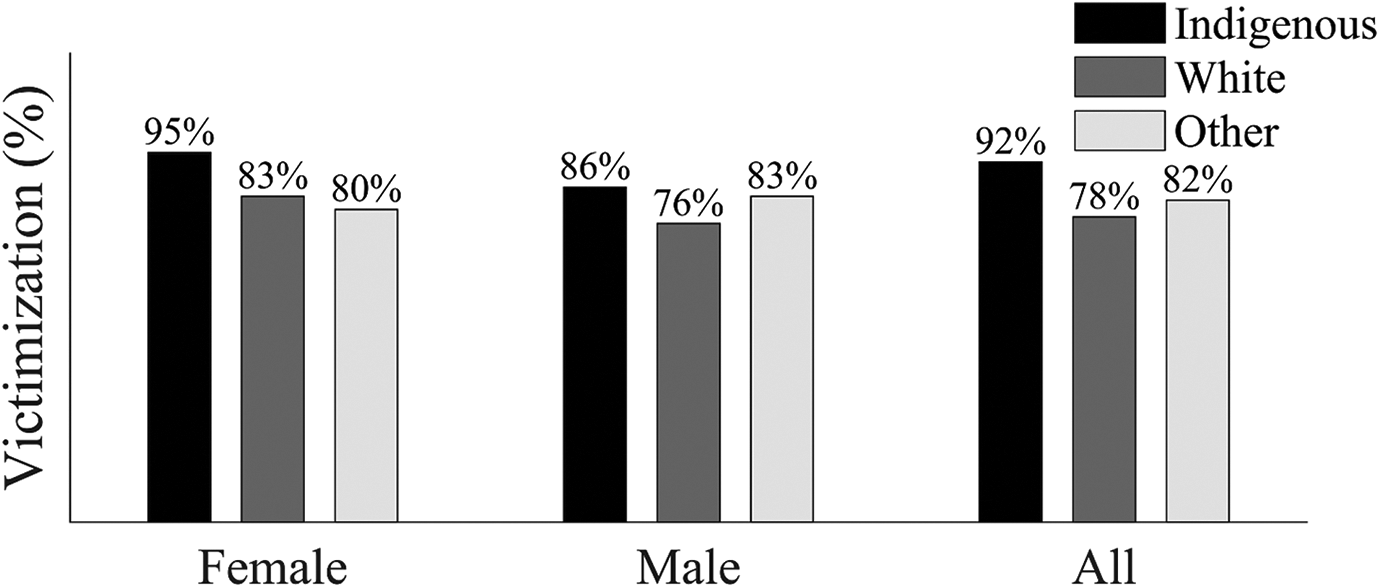
Physical victimization.
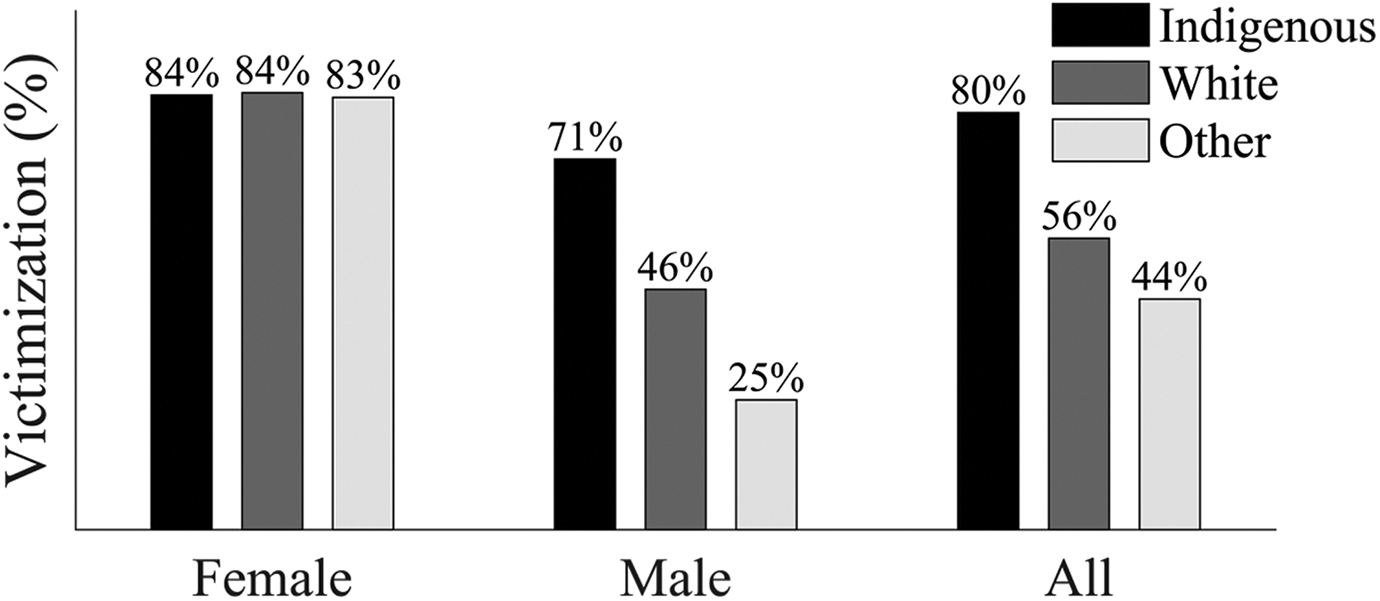
Sexual victimization.
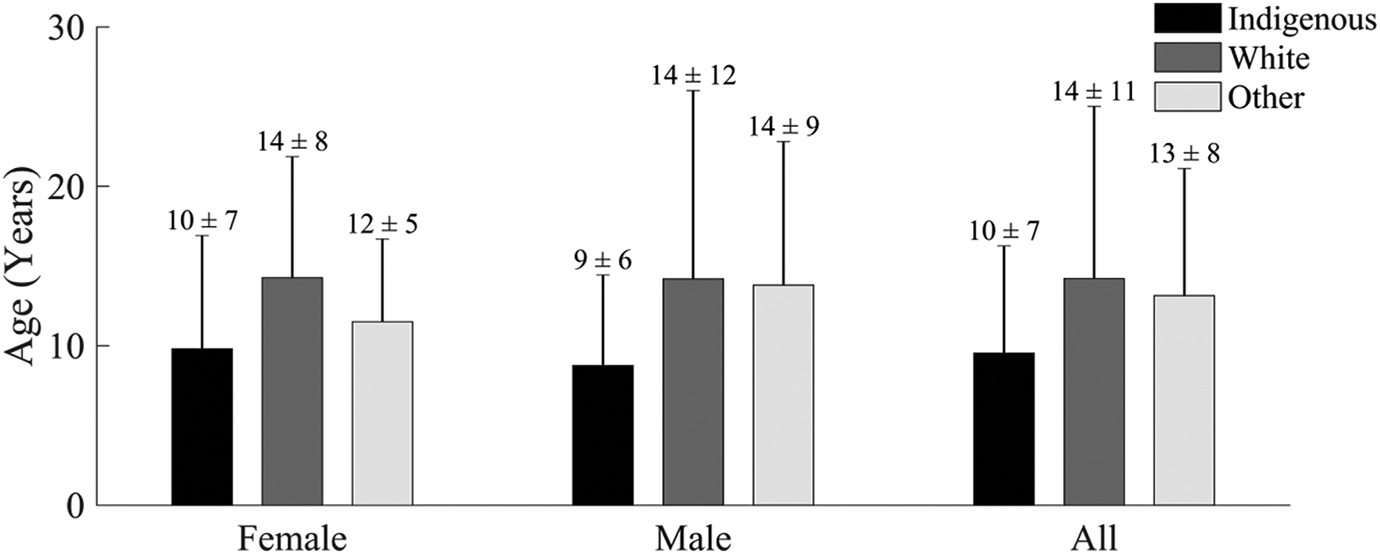
Age of first physical victimization.
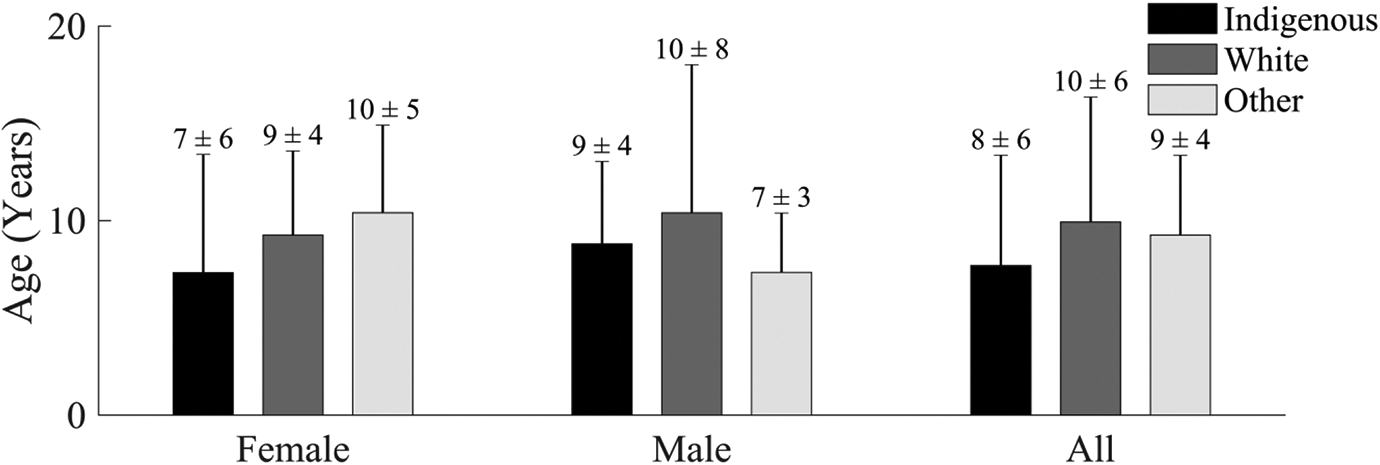
Age of first sexual victimization.
The majority of participants in the UAPP also have extensive histories of drug use, with the majority having used outside of prison prior to their most recent incarceration. Again, our data indicate racial and gender disparities (see Figure 5).
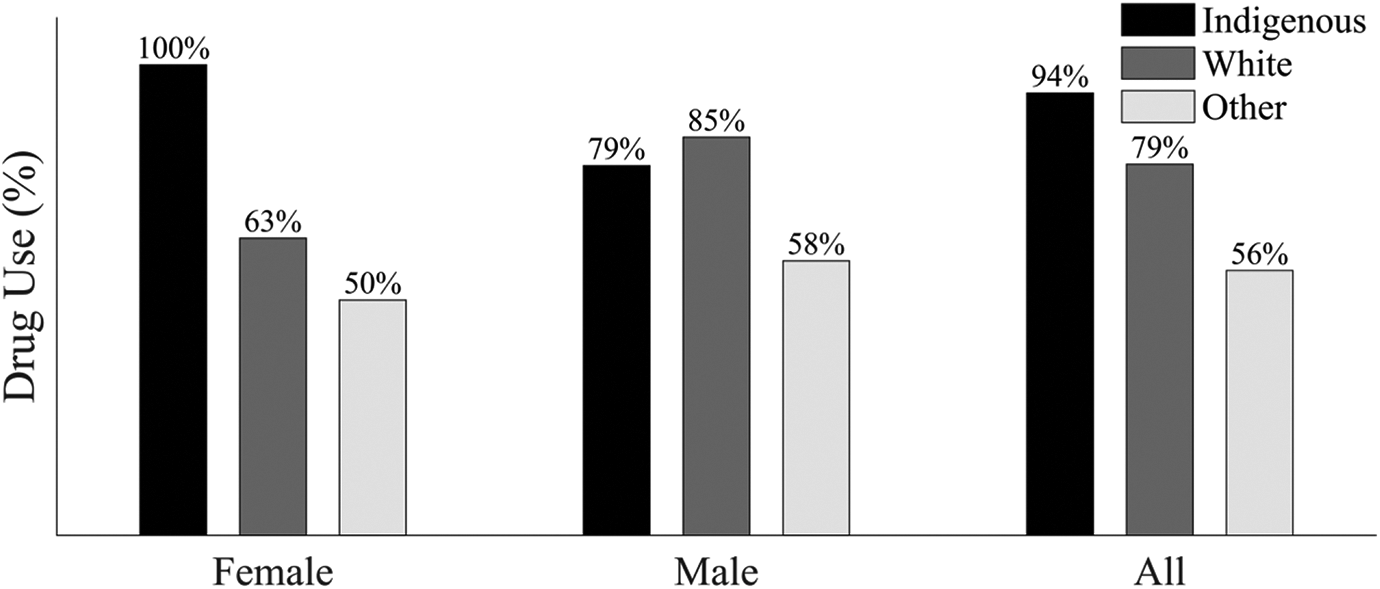
Drug use outside prison.
Lastly, the majority of Indigenous and white women in the sample had a history of being homeless (82% and 61%, respectively) at some point in their lives, while men in our sample had experienced homelessness at a lower rate (see Figure 6).
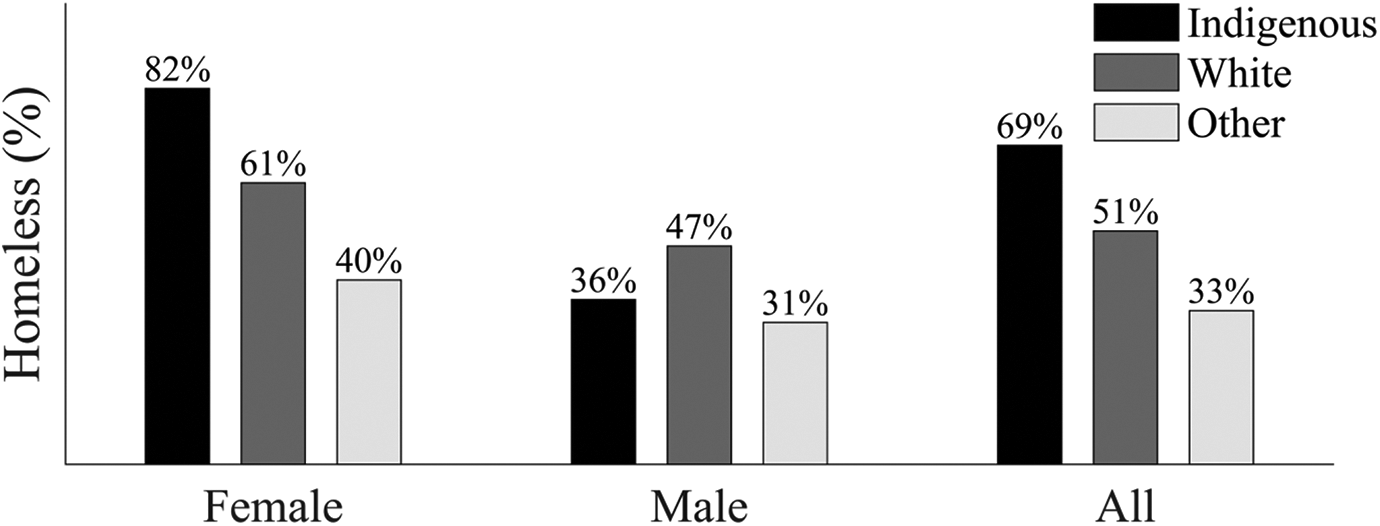
Ever been homeless.
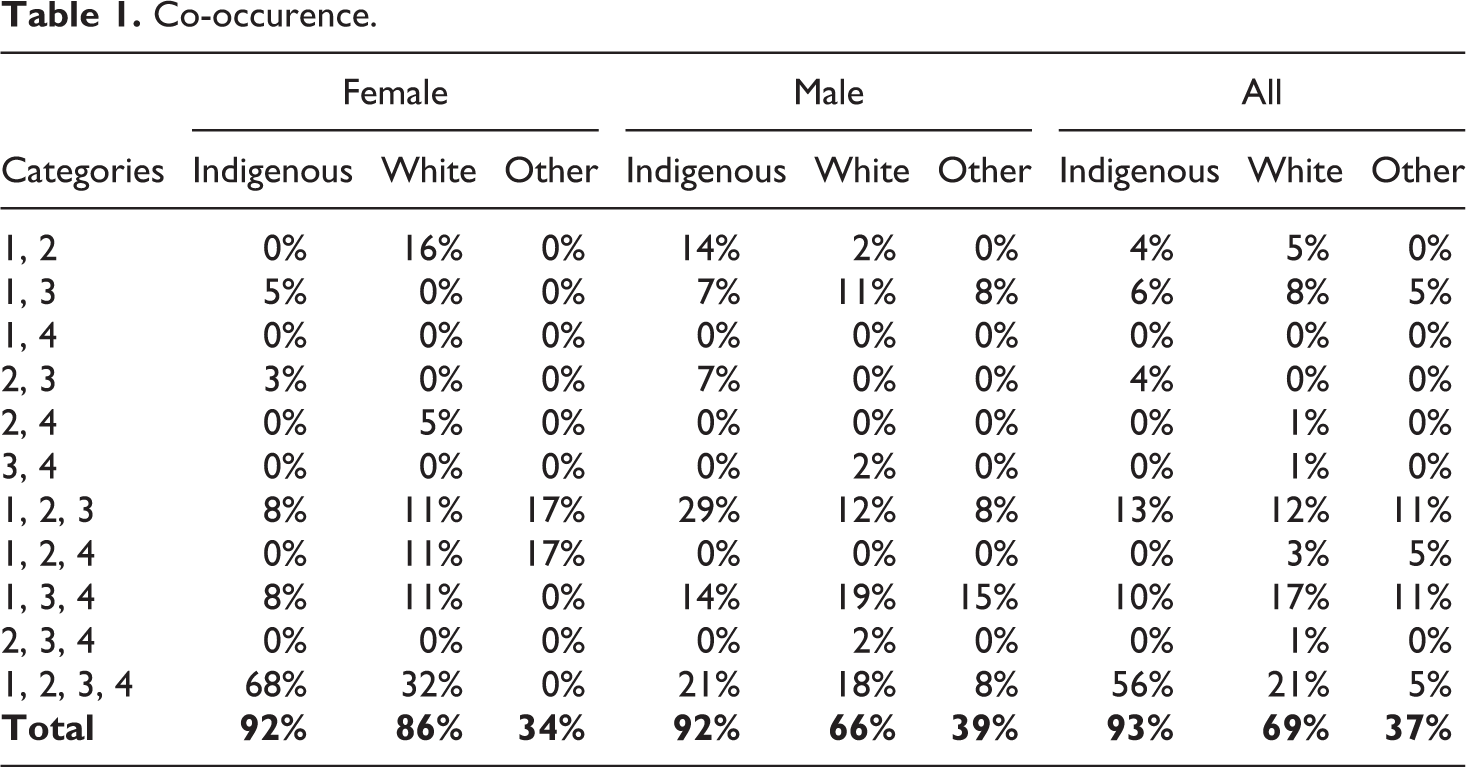
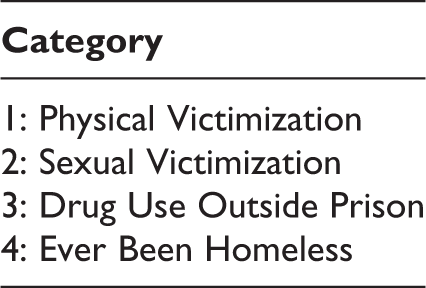
Perhaps most strikingly, when looking at the co-occurrence of sexual victimization, physical victimization, drug use outside of prison and having experienced homelessness, the majority of all Indigenous and white participants experienced at least two of these aspects in their lives (93% of all Indigenous participants and 69% of all white participants), with many having experienced more than two of these aspects (see Table 1). When looking at gender differences, we find no difference between Indigenous men and women having experienced at least two factors (92%, regardless of gender), however, 68% of Indigenous women have experienced all four aspects, while only 21% of Indigenous men have experienced all four aspects. We also observe a similar gender disparity among white participants, with 86% of white women having experienced at least two factors and only 66% of white men, and 32% of white women having experienced all four, while only 18% of white men have experienced all four.
Co-occurence.
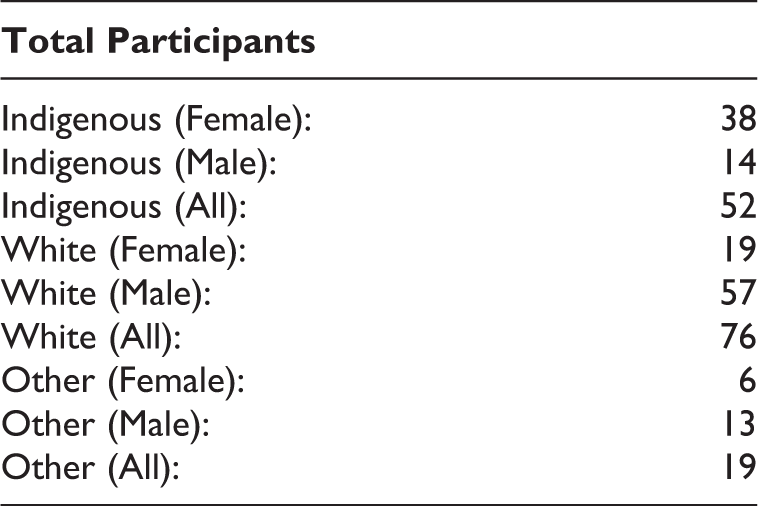
While the data presented here can only speak to federally incarcerated people in Western Canada, the findings generally hold true for people incarcerated in the provincial and territorial systems (i.e., held in remand custody before trial or sentenced for up to 2 years) as well (Bucerius et al., 2020, Jones et al., 2019). Overall then, police disproportionally deal with an extremely vulnerable population. Further, they are dealing with this population on an ongoing basis. All of our participants have been incarcerated multiple times in their lives, suggesting that they have had ongoing police interactions throughout most of their adulthood. Indigenous people in our sample are incarcerated more often than their white counterparts and their counterparts of other racial backgrounds. However, the disparity is particularly stark for Indigenous women, who have been incarcerated 15 times on average with the highest number of incarcerations (including times spend in remand custody) for an individual woman being 35. The average number of incarceration for white women in our data set was 6, i.e. less than half of Indigenous women’s, with the highest number of incarceration any individual experienced being 14. For those of other racial backgrounds, the average number of incarcerations was 2, with the highest number being 3. For men in our sample, the average number of incarcerations was highest for white men (7 incarcerations on average), however, not significantly higher than for Indigenous men (6 incarcerations on average).
Viewing crime as a public health issue
Taking into account these background factors we believe that policing has to move ideationally and strategically towards viewing crime as a public health issue. Our suggestion mirrors some newer developments in the United Kingdom, with initiatives like the mayor of London’s approach to tackling violence or the Scottish violence reduction unit (
Policing through a public health lens allows police officers to think of how to reduce incarceration and provide access to services that will assist the individuals that they are interacting with, focusing on rehabilitation rather than punishment (Christmas and Srivastava, 2019). This will also require greater collaboration with the social safety net in the community to ensure that there is responsivity to the ‘justice client’ (Christmas and Srivastava, 2019). What does that mean?
When trying to understand who police deal with on a consistent basis, it becomes evident that there is stark overlap between clients that are regularly seen by health specialists and those who are in regular contact with police services. To illustrate, the Social Determinants of Health as outlined by the Public Health Agency of Canada are as follows: Income and social status Employment and working conditions Education and literacy Childhood experiences Physical environments Social supports and coping skills Healthy behaviours Access to health services Biology and genetic endowment Gender Culture Race/Racism
There are a plethora of articles that analyse and discuss the Social Determinants of Crime and Health (Brosnan, 2018; da Silva, 2014; Sinha and Sengupta, 2020). Caruso shows that these are intertwined with the social determinants of crime (Caruso, 2017): Poverty Domestic Violence or Abuse Housing Cultural and family background level of education Cultural characteristics Mental Health Age Gender Social environments Physical environments
Considering these similarities, we propose that policing evolves to view crime with a public health lens ensuring that any and all interventions employed by police address the impacts of the social determinants of health and crime. For this to be effective police must be provided with education to enhance their understanding of the social determinants of crime (and health) and the impact this has on their day-to-day work.
As a first step, we believe police need a better understanding of who they are dealing with on an ongoing basis. That is, police need to be trained on the background factors of the clients they deal with. With respect to the stark victim-offender overlap (i.e., the understanding that the vast majority of offenders are also victims, and, as evidenced above, are often victims before becoming offenders), we believe that moving to a trauma informed training model is pivotal (Jones, 2020). This would involve two key aspects: Conveying knowledge and raising awareness about the prevalence of sexual and physical victimization among a vast majority of people that police interact with and instilling an understanding that trauma, especially when experienced as children, can have lasting consequences on people’s lives, including a higher likelihood of drug use and addiction (Dube et al., 2003), disease and psychiatric disorders, and engaging in high-risk sexual behaviour (Felitti and Anda, 2010). The literature on Adverse Childhood Experiences (ACEs) is particularly useful in this regard. ACE’s include criminal victimization, neglect, family dysfunction, witnessing domestic violence, and growing up with family members who have substance abuse disorders. Scholarly research shows that those who experience four or more ACEs are at greater risk of heart disease, cancer, alcohol abuse, drugaddiction, and are more likely to become involved in crime and be incarcerated later in life (Danese and McEwen, 2012; Felitti and Anda, 2010; Felitti et al., 1998; Schilling et al., 2008). In addition to raising awareness, police organizations should also train their officers and new recruits in trauma-informed practices. Trauma informed training has proven to be effective in other settings such as foster care (Lotty et al., 2020), Education (Bartlett et al., 2018) and in Child Advocacy Centres (Kenny et al., 2017). The use of trauma informed training has thus far been relatively specific to youth and particular crime types such as sexual assault. However, the training on trauma has been evaluated to determine the impact on the victims of sexual violence and shows better outcomes when working with sexual assault victims (Rich, 2019). Similar positive outcomes for how youth experience the justice system after a victimization have been identified when trauma informed training and services interact with youth (Graves et al., 2019). We recommend that trauma awareness programmes be evaluated to determine efficacy in changing awareness and behaviour (i.e., do police interact differently with justice clients after taking the training and show more compassion?)
As a second step, as we look to move policing to view crime through a public health lens, there must also be a link to policing and the concept of procedural justice. Procedural justice is policing with a guardian mindset to ensure community safety and well-being and ensuring that all people are aware of their rights under the law (Lum et al., 2016). The tenets of trauma informed training – trust, safety, respect, collaboration, hope and shared power (Levenson, 2020) – are quite similar to the tenets of procedural justice – respect, impartiality, voice and trustworthiness (Maxwell and Maxwell, 2020).
There has been some evaluation of procedural justice training and how it is a promising opportunity to increase the satisfaction of people interacting with the police and having better community relations (Antrobus et al., 2019).
What has yet to be evaluated, however, is providing both trauma informed training coupled with procedural justice training so that the officers understand their role in procedural justice but also understand the role that trauma plays in the lives of the vast majority of justice clients.
Finally, we recommend ensuring that adopting a public health lens is coupled with robust evaluations to determine the efficacy for both the police and the community.
Conclusion
There has been some success in utilizing the concept of policing through a public health lens in England and Wales (Christmas and Srivastava, 2019). There is also recognition of the similarities in clients as well as desired outcomes between health providers and police (Van Dijk et al., 2019). This is an opportunity to move towards a public health ideology of policing. This will help to focus on community safety and well-being and ensure that the interventions are based in public health for better outcomes.
We believe our suggestions have far-reaching implications. On the one hand, those having regular interactions with police will ultimately benefit from a police service that is trauma-informed, compassionate, and understands their client base (Bucerius et al., 2020). On the other hand, police organizations themselves will benefit. In 2015, a report commissioned by President Obama entitled ‘The Presidents Task Force on 21st Century Policing’ (Office of Community Oriented Policing Services, 2015) identified ‘Building Trust & Legitimacy’ and ‘Procedural Justice’ as a way forward in policing. Our suggestions would work towards both of these goals. When using a trauma informed approach, police will arguably increase their trust relationship with the public, therefore building legitimacy in the community. Likewise, when combining procedural justice training (Antrobus et al., 2019) and trauma informed training there is a possibility that interactions with the public can become less aggravated and more compassionate.
One of the main barriers for implementation will likely come from existing membership in police agencies. Police culture is often resistant to change and adoption of research-led practice (Oriola, 2016; Sutherland et al., 2019). Police officers and newly recruited officers are likely not predisposed to thinking of offenders also as victims. As such, any training for police organizations needs to be prefaced by outlining how such training can result in heightened police legitimacy, which ultimately has shown to have an effect on less offending and less re-offending in communities (Sunshine and Tyler, 2003; Tyler et al., 2014).
As a final point, when adopting a public health model, this will also allow policing organizations to offer health-oriented strategies to address health-related concerns of police officers themselves, such as PTSD and other mental health issues (Foley and Massey, 2019). Supporting their staff and providing appropriate resources and training for officers to address mental health issues will allow them to be in a better position to carry out their jobs. This, in turn, will ultimately benefit police-client interactions as well.
Footnotes
Declaration of conflicting interests
The author(s) declared no potential conflicts of interest with respect to the research, authorship, and/or publication of this article.
Funding
The author(s) received no financial support for the research, authorship, and/or publication of this article.
