



Abstract
Sweetpotato seed degeneration, mostly caused by virus infections, is a persistent constraint undermining crop yields and food security in Tanzania, where informal seed systems and seed recycling predominate. This study examined farmers’ perceptions of degeneration and the strategies they apply when crop performance declines. Data were collected through 37 in-depth interviews (20 women, 17 men) across four districts in the Lake Zone of Tanzania. Sixty-two percent (62%) of interviewed farmers had encountered degeneration, with women reporting notably higher incidence. Farmers associated degeneration with progressive yield decline, stunted vines and foliar symptoms indicative of virus infection. They attributed the declining performance to the variety becoming ‘tired’, without linking it to their seed multiplication or sourcing practices. Most respondents managed degeneration by replacing affected varieties with different ones acquired through social networks, rather than sourcing virus free planting material or rogueing symptomatic plants. Seed sourcing remained primarily non-monetary, embedded in norms of reciprocity and trust, particularly among close social contacts. While trained vine multipliers were viewed as important sources of quality seed, their use was sporadic and largely driven by scarcity. These findings underscore that strategies to address degeneration must integrate informal seed exchange networks with decentralised clean seed production, strengthen farmer knowledge and confidence in virus management and address the social and gender dynamics shaping seed sourcing decisions. Leveraging women's central role in sweetpotato production and social learning will be critical to sustainably improving seed health and enhancing the crop's contribution to household food security.
Introduction
Sweetpotato is propagated vegetatively through vine cuttings (usually app. 25–30 cm long, having 5–7 nodes), from here on referred to as vines or seed. Oftentimes, more than 95% of sweetpotato seed is sourced through informal seed systems, where farmers save vines from their own fields or obtain them through exchanges with friends, relatives and neighbours (Namanda et al., 2011). Recycling of sweetpotato seed, driven by its vegetative propagation and farmers’ capacity to reproduce seed vines independently (Kreuze et al., 2021), leads to the accumulation of pathogens over successive cycles, a process known as seed degeneration (Adikini et al., 2015; Jacobsen et al., 2019; Ogero et al., 2023; Shirima et al., 2019).
In Tanzania, seed degeneration of sweetpotato is predominantly driven by virus infections, particularly a synergistic interaction between sweetpotato feathery mottle virus (genus Potyvirus) and sweetpotato chlorotic stunt virus (genus Crinivirus), resulting in the sweetpotato virus disease (SPVD) complex. The SPVD is highly destructive, causing yield losses of over 90% in susceptible varieties (Adikini et al., 2016; Gibson and Kreuze, 2015). Compounding the problem, sweepoviruses (genus Begomovirus), which may cause 10–80% yield loss depending on cultivar susceptibility, are becoming increasingly important (Kim et al., 2015; Wanjala et al., 2020). These viruses often cause damage without visible above-ground symptoms (Andreason et al., 2024). Environmental factors such as temperature and rainfall also shape the expression and spread of viruses, with areas of bimodal rainfall supporting year-round cultivation and acting as hotspots for virus buildup (Sseremba et al., 2017).
The predominant sweetpotato seed system at the Lake Zone, Tanzania, involves farmer-to-farmer exchange of planting material (Adam et al., 2018). This is an informal system that involves recycling vines and hence is often seen as the main cause for virus perpetuation. The informal system involves conservation of planting material during the dry season, often near water sources e.g., along riverbeds, near the lake, in swampy areas (Namanda et al., 2011). This is usually in lowlands therefore referred to as ‘lowland crop’. Lowland vine conservation begins in June when the dry season is setting in and farmers are completing harvesting (Figure 1). Expansion of the lowland fields is done in September going into October as farmers anticipate the short rains. The lowland crop is transferred to upland farms during the short rain season in October – December. This is the first upland crop. A short dry period occurs in January – February. Harvesting of the upland crop planted during the short rains in October – December starts in February, in time to provide planting material for the next season upland crop. This is the main season and occurs during the long rains in March – May.
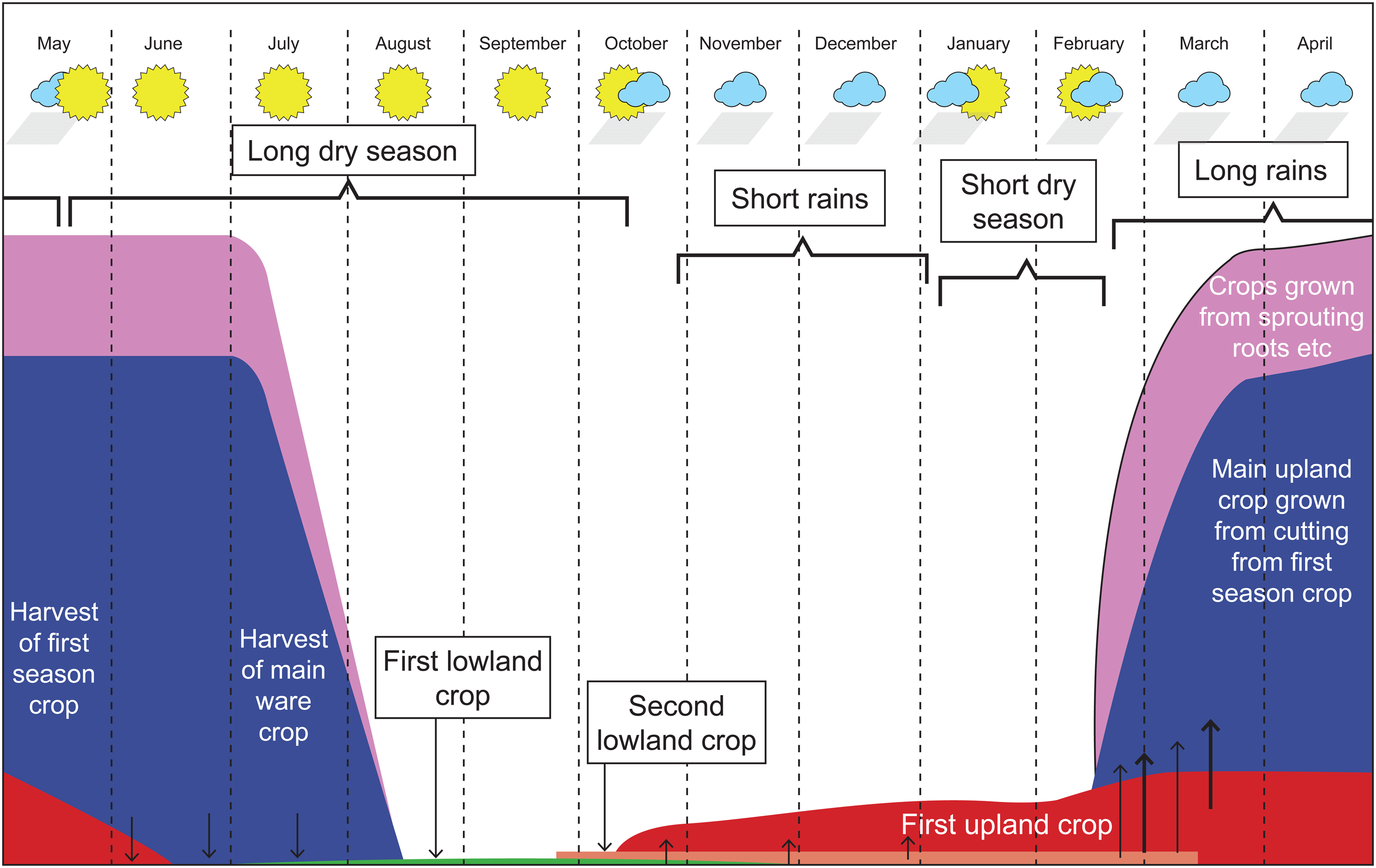
Sweetpotato production cycle and seed conservation in Tanzania (Lukonge et al., 2015).
While informal systems are valued for their accessibility and affordability, they rarely incorporate proper seed quality assurance or virus management strategies, making them a major conduit for degeneration. Additionally, social and gender dynamics strongly influence seed access and use. In this study, we use the term ‘social networks’ to refer to webs of kinship, neighbourhood and friendship relations through which small quantities of vines are accessed and shared, often informally. Women, who frequently manage household-level sweetpotato plots and food provision, tend to access planting material primarily through these social relationships, whereas men are more likely to engage in market-based transactions or larger-scale commercialisation. These gendered modes of sourcing influence how farmers perceive degeneration risk and which replacement strategies they view as feasible (Adam et al., 2018; Echodu et al., 2019; Kapinga et al., 1995).
The informal system results in a cyclical seed flow that not only supports continued availability of planting material but also facilitates the accumulation and spread of viruses over time. In response to this challenge, formal seed systems have been developed to produce and distribute clean virus-tested seed. These systems are often decentralised, involving research institutes and trained farmers/seed producers, sometimes referred to as Decentralised Vine Multipliers (DVMs), to multiply and disseminate high-quality seed within their communities. The process begins with pre-basic seed production at centralised facilities operated by research institutes, which is then disseminated to the decentralised seed producers to produce certified and quality declared planting material for root producers (Figure 2; McEwan, 2015). The decentralised seed producers are equipped with agronomic and business training, enabling them to serve as key entry points for improved seed and knowledge dissemination (Adam et al., 2015; Low and Thiele, 2020; McEwan, 2016).
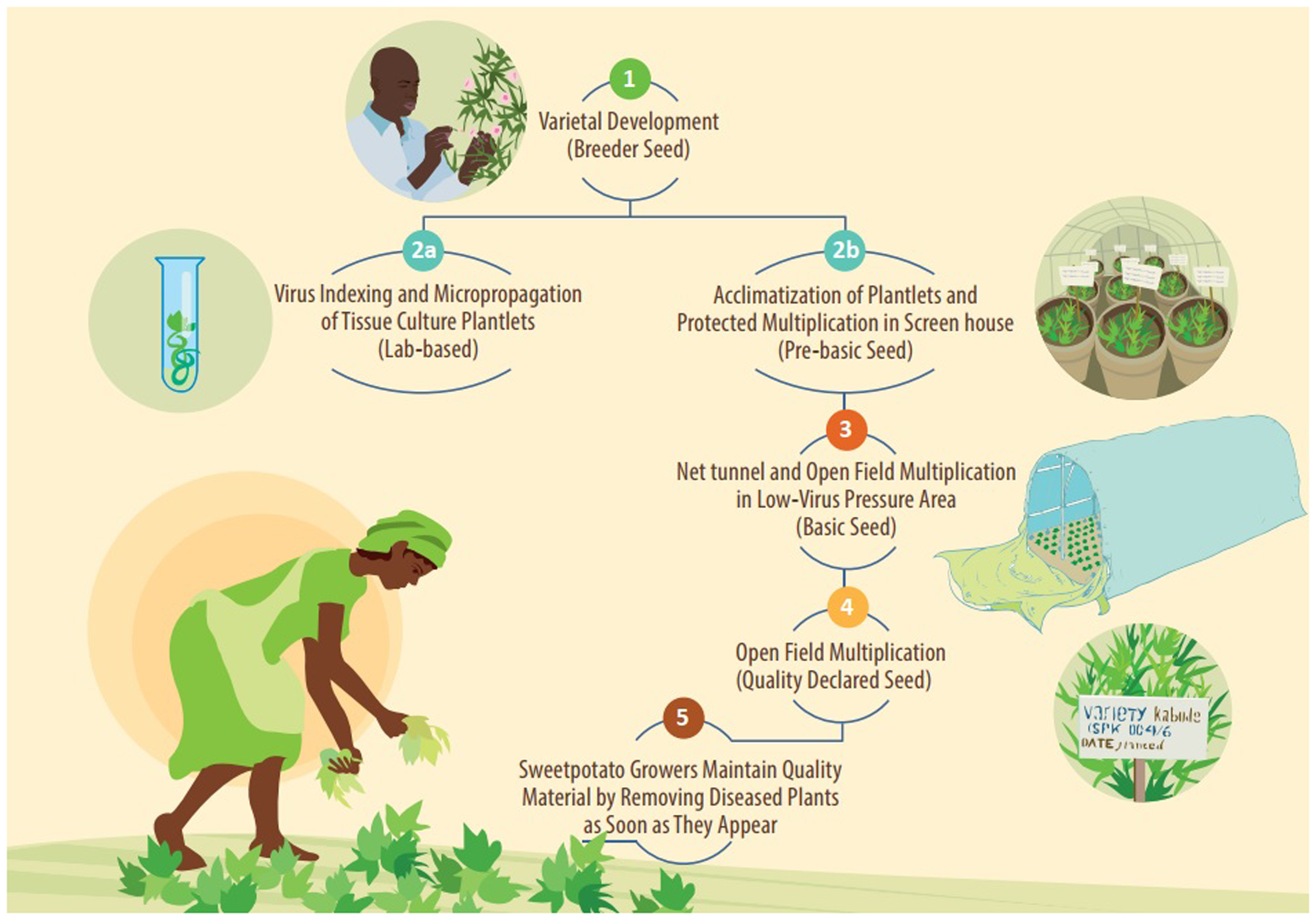
Schematic diagram of the formal seed system for sweetpotato (McEwan, 2015).
Although these formal systems hold promise for reducing seed degeneration and improving productivity, their success depends on farmer awareness, trust and the perceived benefits of using clean virus-tested seed. However, public extension systems remain under-resourced, and the weak linkages between researchers, extension agents and farmers have been recognised as a key barrier to technology adoption in Tanzania (The United Republic of Tanzania, 2013). Farmer-to-farmer networks remain the dominant sources of information, with limited diffusion of formal knowledge on seed degeneration, virus management and clean seed sources (Atieno et al., 2023; Damtew et al., 2018; Gildemacher et al., 2009; Navarrete et al., 2022; Obong et al., 2018).
Despite the importance of degeneration in limiting sweetpotato productivity, little is known about how farmers understand and experience this phenomenon, what actions they take to address it and how their seed sourcing strategies intersect with degeneration dynamics. Existing assumptions that yield loss due to degeneration will automatically stimulate demand for quality seed may not hold if farmers do not recognise degeneration or do not link it to seed health.
In this study, we investigated farmers’ experiences with sweetpotato seed degeneration in Tanzania. Specifically, we (i) explored farmers’ perceptions of degeneration and their actions to manage it, (ii) analyzed seed sourcing and sharing behaviours to uncover how viruses spread through local networks, and (iii) identified key sources of information related to sweetpotato cultivation. Our findings aim to inform effective seed system interventions that combine the strengths of informal and formal channels to improve access to clean seed and therefore enhance sweetpotato productivity and food security.
Methodology
Study area
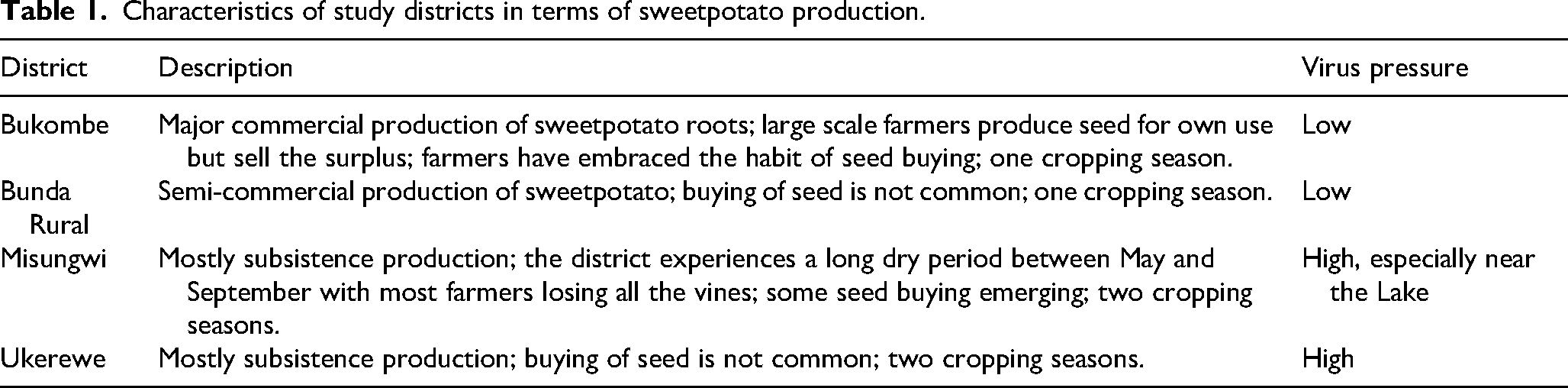
This research was conducted in Geita, Mara, and Mwanza regions in the Lake Zone Tanzania (areas bordering Lake Victoria), the leading region in sweetpotato production in Tanzania. Four districts that had previously benefited from a sweetpotato seed systems intervention (Marando Bora) (Melka et al., 2011) were purposively selected to cover differences in sweetpotato production practices (Figure 3, Table 1).
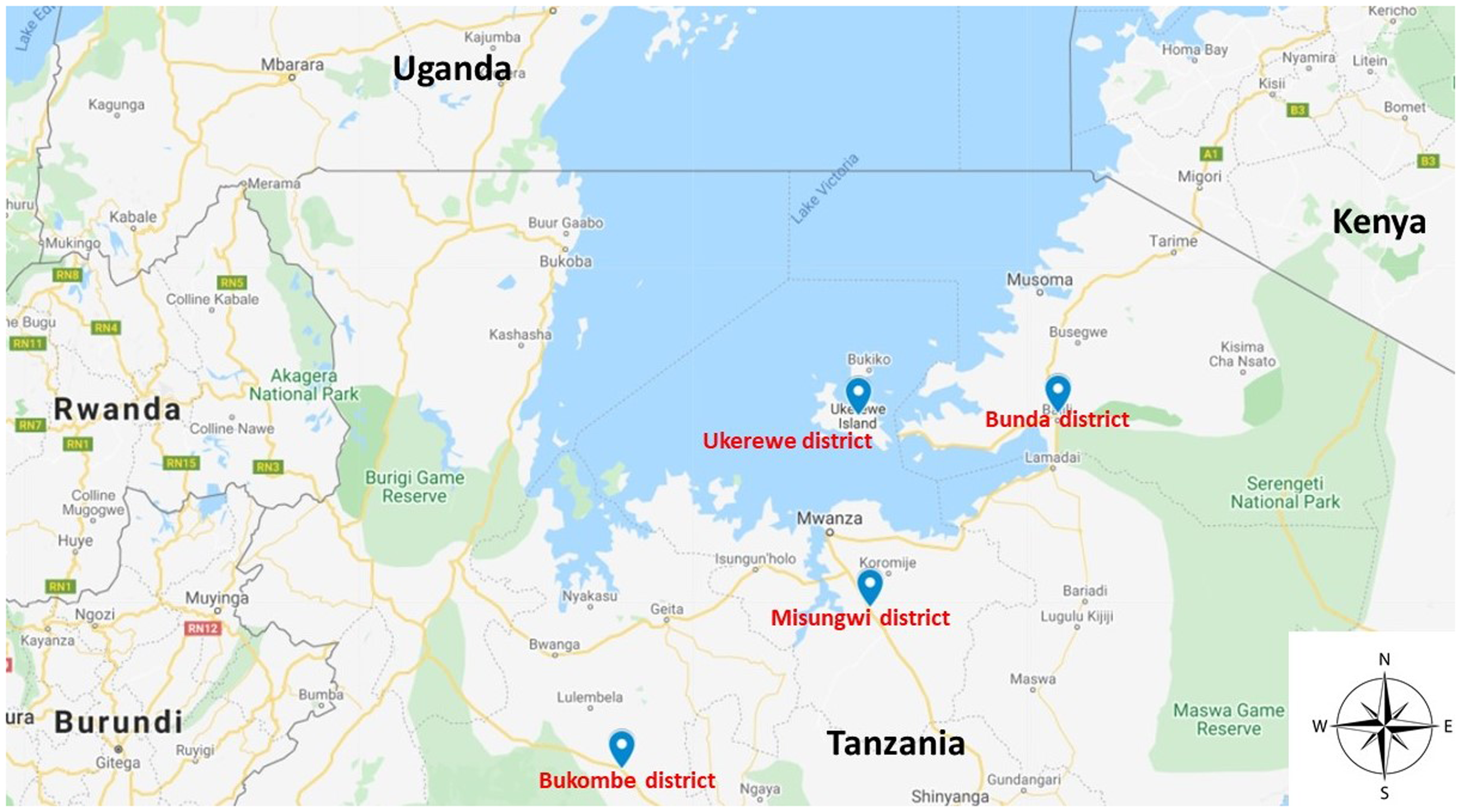
Map indicating the sites in Bukombe, Bunda, Misungwi and Ukerewe where farmers were interviewed.
Characteristics of study districts in terms of sweetpotato production.
Signs and perceived reasons for sweetpotato seed degeneration.
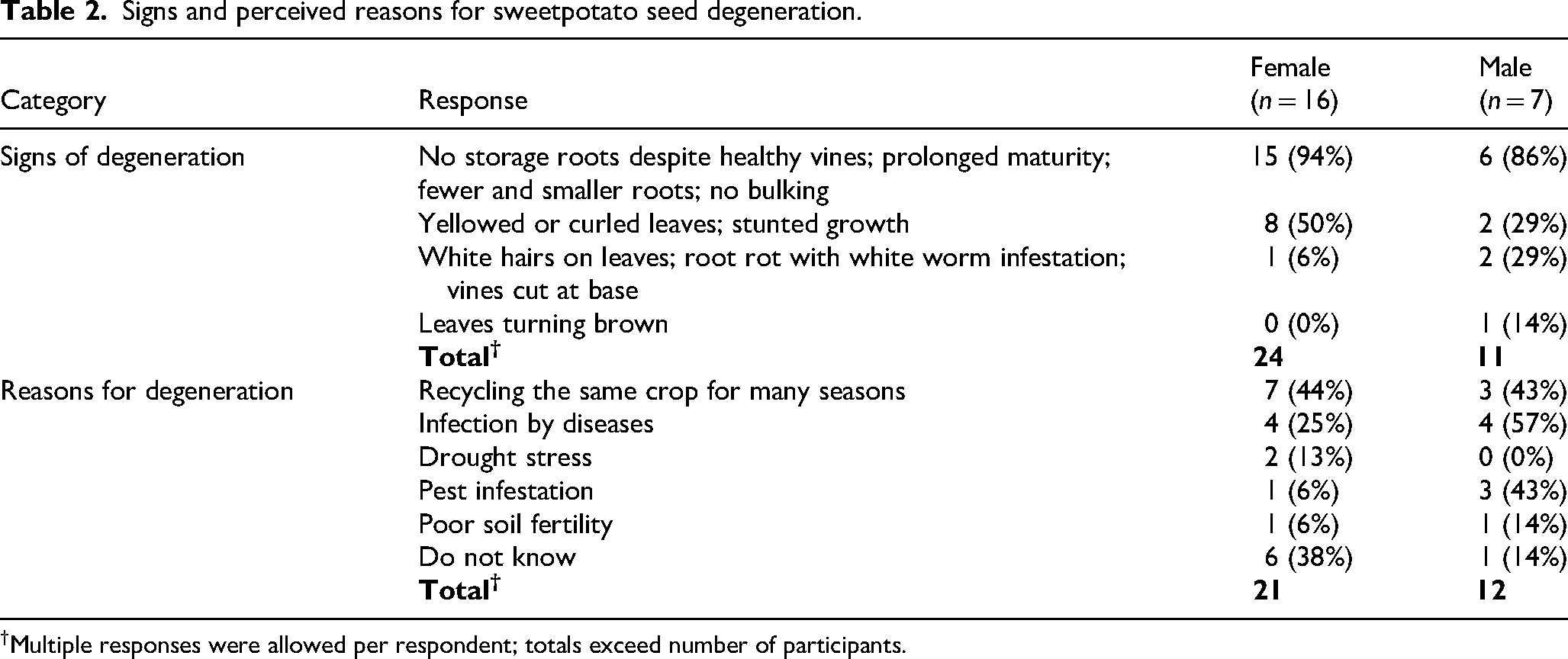
†Multiple responses were allowed per respondent; totals exceed number of participants.
Study design, data collection and analysis
The study piggy-backed on another study that aimed at assessing the status of DVMs established under the ‘Marando Bora (Quality Vines)’ component of the Sweetpotato Action for Security and Health in Africa Phase 1 project which was implemented in the Lake Zone, Tanzania from 2009 to 2012 (Melka et al., 2011). This helped to also know if active linkages still existed between farmers and the DVMs. The DVMs were farmers who had been trained in good agronomic practices and business skills for sweetpotato seed production. They were usually located in areas where there was extensive sweetpotato production and were linked to upstream sources of virus free early generation seed, including the Tanzania Agricultural Research Institute.
A ‘small-N’ exploratory case study design (Almekinders and Bentley, 2021) was used to collect in-depth data from 37 respondents (20 women, 17 men). With the assistance of village extension officers, we purposively selected farmers who were known to be actively involved in sweetpotato cultivation over several seasons and who were considered knowledgeable about local seed sourcing practices. In this context, ‘level of involvement’ referred to the frequency and scale of their sweetpotato production, their role in deciding which varieties to plant and where to source planting material, and, where relevant, their participation in vine multiplication or training activities. This sampling strategy aimed to capture information-rich cases rather than a statistically representative sample. The interviews were conducted in Kiswahili and technical terms were phrased in ways that farmers could understand them. To elicit farmers’ own understandings of degeneration in a way that resonated with local vocabulary, we framed the core question around the notion of the crop becoming ‘tired’ (kuchoka in Kiswahili), a term that farmers themselves use to describe declining performance. Respondents were first asked: ‘Some people talk about the sweetpotato crop becoming tired. Have you experienced that?’ Those who answered yes were then probed to describe the signs they observed, why they thought this happened and what they did in response. We deliberately did not introduce the term ‘disease’ or mention viruses in the question until after farmers had articulated their own explanations, to minimise researcher-induced bias. Qualitative and quantitative data were collected using a semi-structured questionnaire. Each interview took approximately 1.5 h. Interviewers recorded contextual notes (additional information) covering household cropping systems, recent shocks (e.g., drought) and community seed dynamics. Field observations included visual inspection of sweetpotato fields, noting chlorosis, vein clearing, leaf distortion, reduced vigour, shortened internodes and misshapen roots consistent with degeneration symptoms. These observations supported interpretation of narratives but were not used as diagnostic confirmation.
Open-ended responses from the interviews were first summarised into short, descriptive phrases (e.g., ‘no storage roots’, ‘yellow curled leaves’, ‘recycling same vines many seasons’) and then coded into thematic categories that were iteratively refined by the research team. Multiple codes could be assigned to a single response when farmers mentioned several signs or reasons. Codes that occurred only once and did not relate to the research questions were retained in the database but not included in the summary tables. Quantitative variables (e.g., number of sources mentioned, Likert scores for seed sources) were analysed using descriptive statistics disaggregated by gender. To explore whether men and women evaluated seed sources differently, we conducted separate one-way analyses of variance (ANOVA) for each gender, treating the type of seed source (own farm, neighbour, relative, DVM, project) as the factor and the 1–5 scores for accessibility, availability, affordability, quality and trust as outcomes. We checked normality of residuals visually and assessed homogeneity of variances using Levene's test; given the small sample sizes, these tests were interpreted cautiously. Post-hoc Tukey tests were applied only where the ANOVA indicated statistically significant differences (p < 0.05).
Results
Farmers’ experiences and actions towards degeneration in sweetpotato
A significantly higher proportion of women than men reported experiencing sweetpotato seed degeneration (80% [16/20] vs. 41% [7/17]; χ2 = 4.35, p = 0.037; Fisher's exact p = 0.021), suggesting gendered differences in seed health perceptions or exposure. The most described symptoms were reduction in yield, including fewer and smaller roots, delayed maturity and failure of storage root development despite apparently healthy vines. Foliar symptoms such as yellowing, curling and stunted growth, typically indicative of virus infection, were also frequently mentioned (Table 2). Farmers referred to these symptoms collectively as kuzara. Nearly half of respondents attributed degeneration primarily to long-term recycling of seed (kuilima kwa miaka mingi), with some likening it to aging in humans. One female farmer associated this to aging in human beings, saying, ‘The plant has become old. It is the same as human beings, a person is active when young but becomes less and less active as he/she grows old’. Other cited causes included disease infection, pest damage and drought.
When degeneration was observed, most respondents opted to replace the degenerated variety with a different one sourced from other farmers (Figure 4). Few farmers reported roguing diseased plants or acquiring new clean planting material of the same variety.
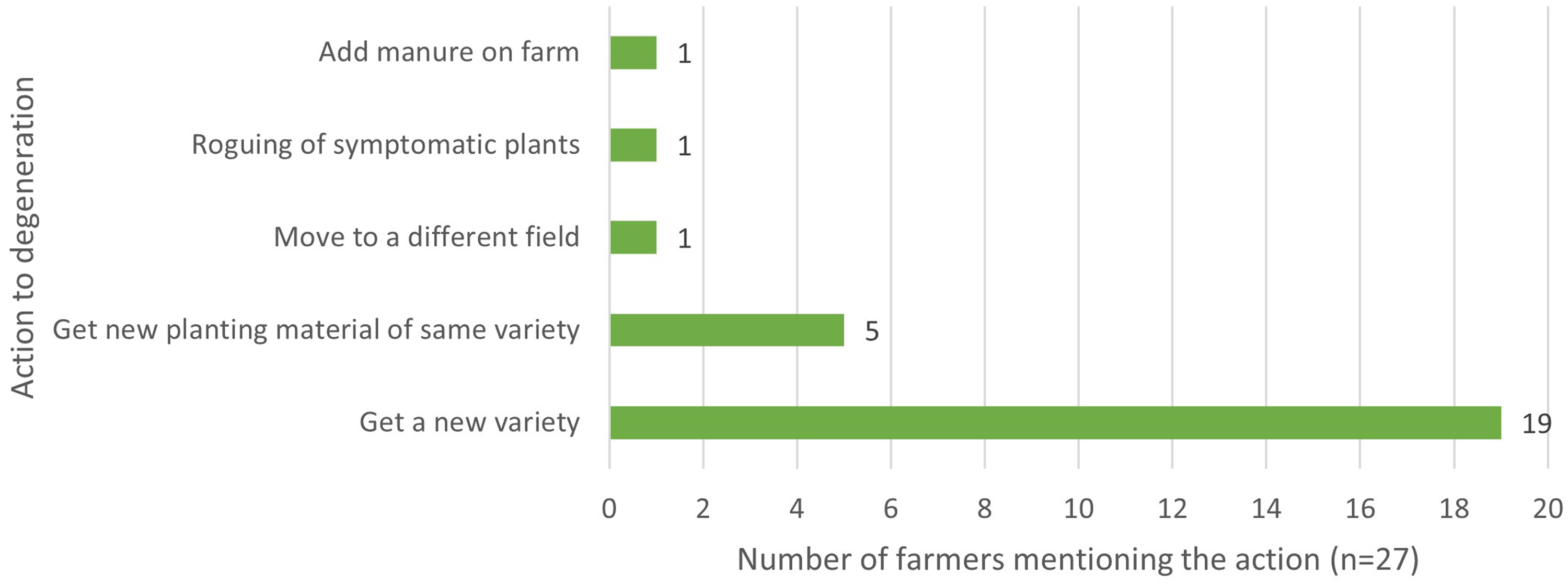
Actions taken in response to degeneration. Farmers could mention more than one action.
Seed sourcing practices
Most farmers did not follow any fixed schedule for replacing planting material (Figure 5). Seed replacement was typically opportunistic, based on availability or observed decline.
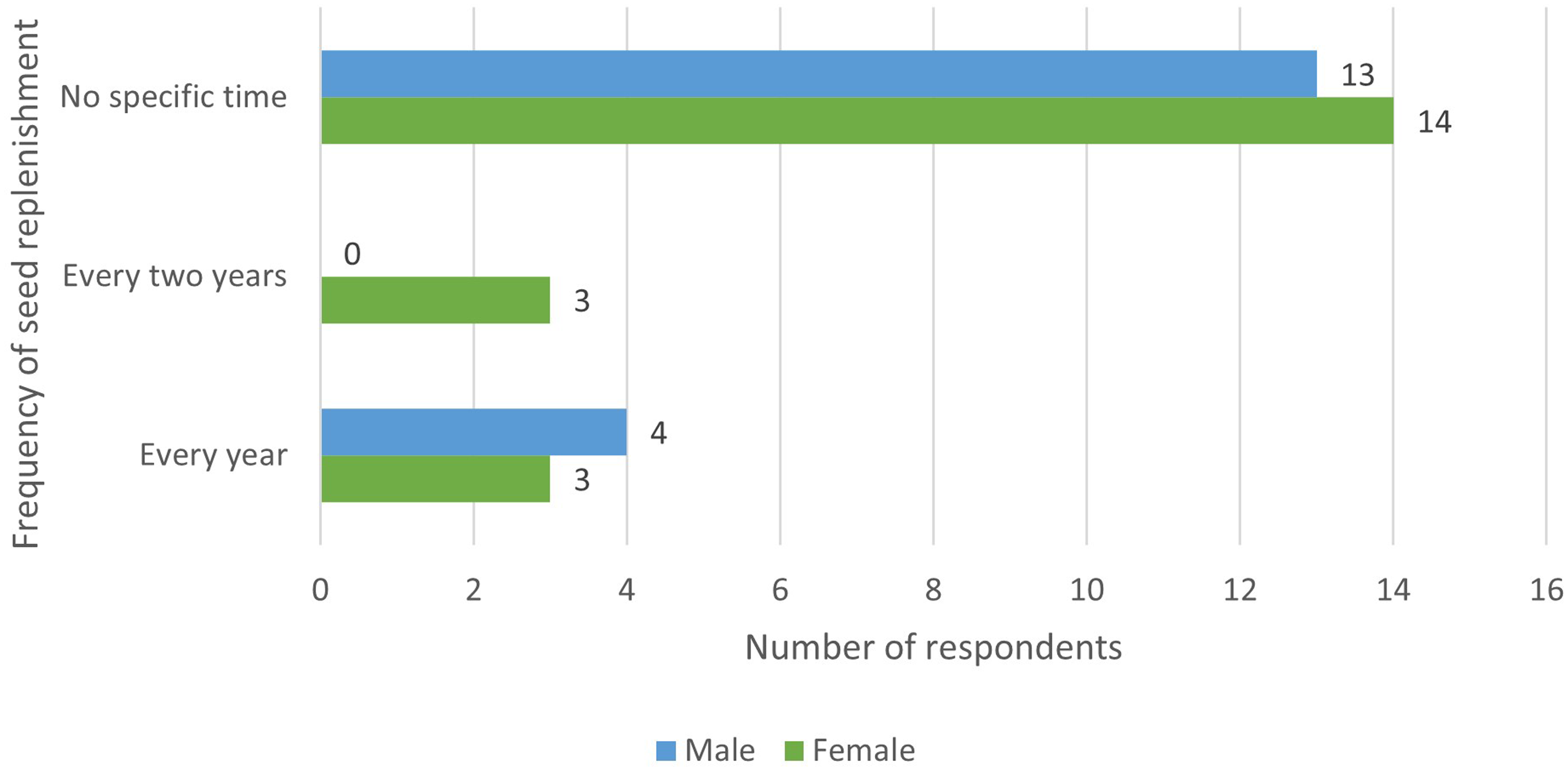
Frequency with which farmers replenished their sweetpotato planting material.
The own farm was the most frequently cited seed source across both genders, valued for convenience, cost savings and perceived trustworthiness (Table 3). However, many farmers, especially women, also obtained vines from DVMs and project distributions.
Sources of sweetpotato seed by gender and associated motivations (n = 37).
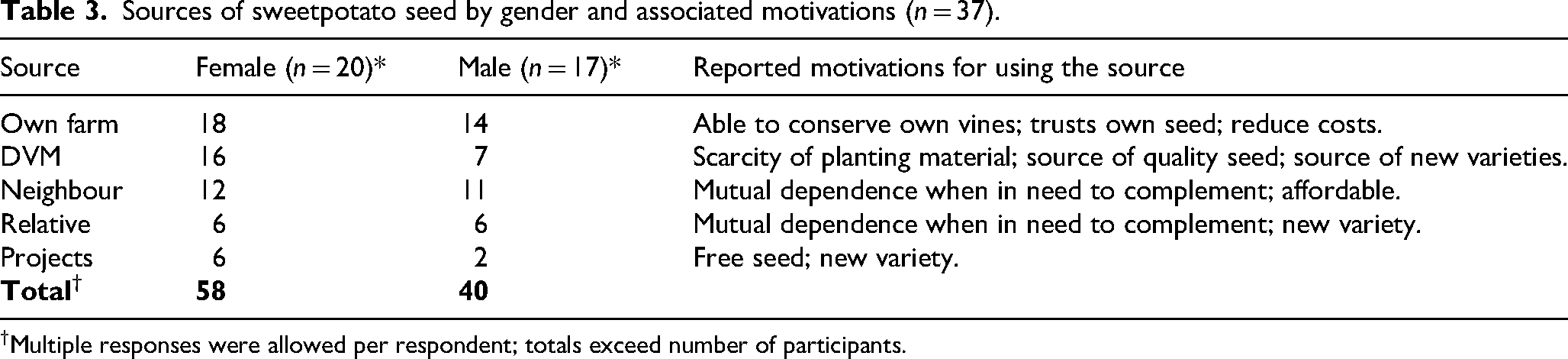
†Multiple responses were allowed per respondent; totals exceed number of participants.
Transactions were predominantly non-cash based (Figure 6). Local varieties were usually acquired as gifts, while improved varieties were equally likely to be obtained through gifts or purchase.
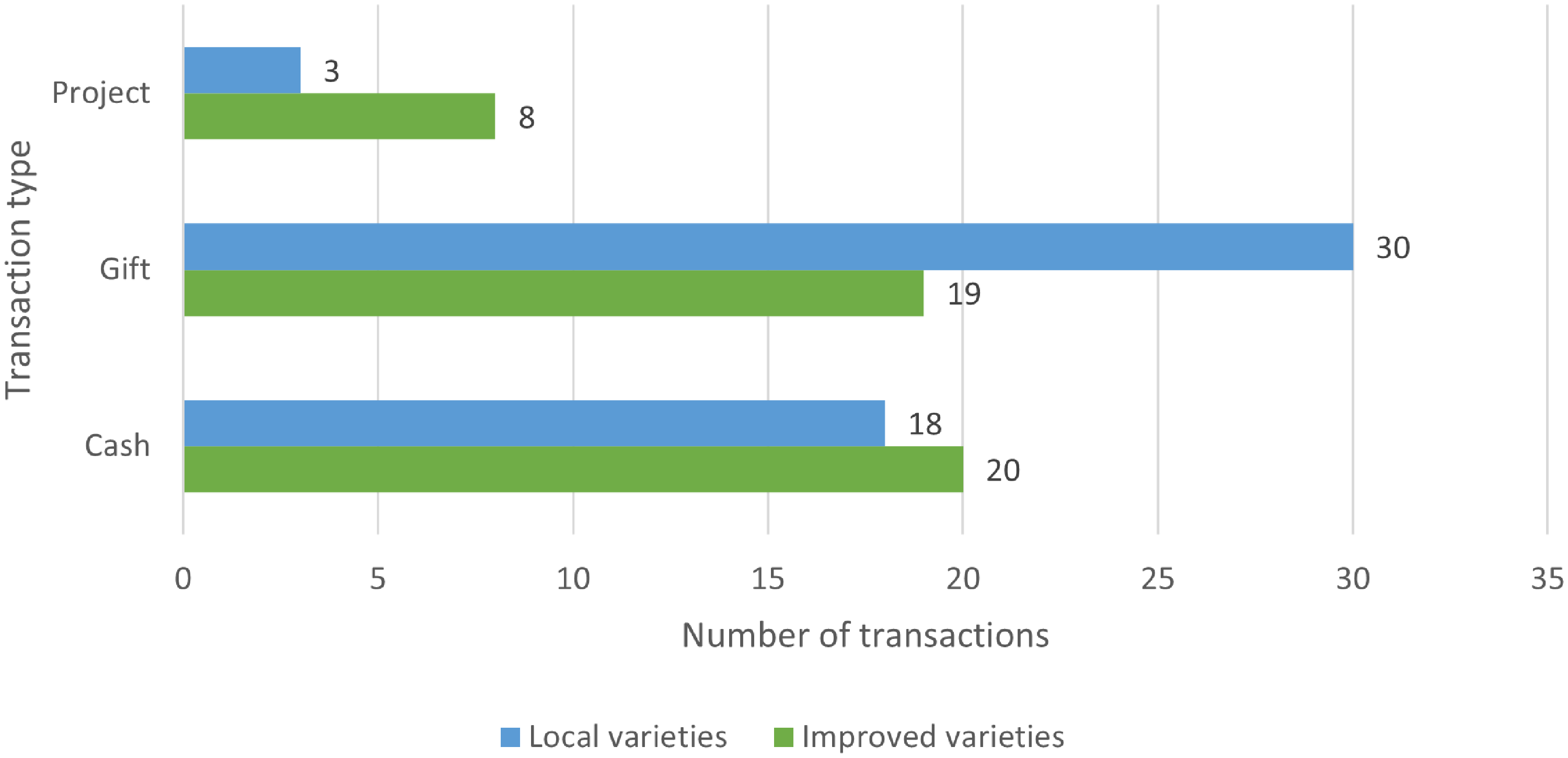
Type of transactions when sourcing seed.
Women rated seed from their own farms and from DVMs highly across most attributes, with statistically significant differences between sources emerging only for perceived quality and trust (Table 4). In contrast, among male respondents the differences in scores between sources were not statistically significant for quality, availability, affordability or trust and only accessibility differed significantly between sources.
Scoring of common sources of sweetpotato seed in terms of access, availability, affordability, quality and trust.
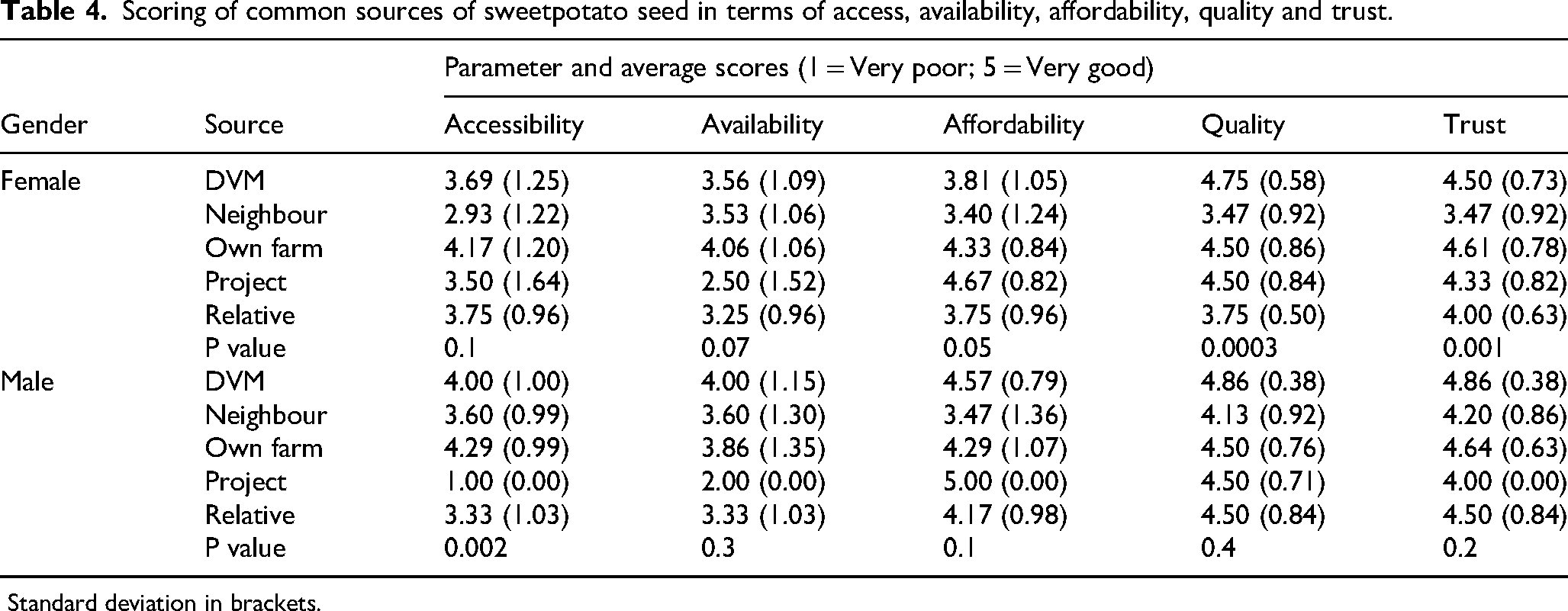
Standard deviation in brackets.
Giving out seed
The maximum number of vine cuttings (25–30 cm long and with 5–7 nodes) given out by the farmers for improved varieties was 1000 per transaction. On the other hand, farmers shared between 1000 and 6000 cuttings for local varieties. Some farmers did not bother to quantify how much of the local varieties they gave and preferred the beneficiary to go to the farm and harvest, without monitoring. However, farmers considered it important to show someone how to harvest. A female respondent narrated how she lost her vines due to bad harvesting techniques: ‘One day people from Simiyu region came to get vines and I directed them to the farm without showing them how to cut and they cut at the soil level. The plants did not re-sprout, and I lost everything’. Gifting was common at the end of the season when most people had a lot of ‘unwanted’ vines. While the rains in this region normally start in October, the peak season for selling seed was December to allow time for multiplication of enough quantities. Also crop prioritisation meant that most people would be planting maize first, in November. A male farmer in Bukombe district, said ‘I sell most vines in December because I do not like selling directly from the multiplication plot to avoid having a shortage myself’. A female respondent from Bunda district reiterated ‘I start selling in November, but the peak is December because people are still planting maize in November’. Stress conditions in a village can influence seed selling decisions. A male respondent observed that ‘It is not the tradition to sell vines. However, we started selling/buying when drought became frequent’. There were no differences in observations and comments observed between female and male respondents.
Sweetpotato planting material was given out as a gift, sold or exchanged with another item (Table 5). Gifting was the most common mode of giving out seed but depended on several aspects. The respondents said that if someone asked them for a lot of seed, they would have to pay whereas smaller quantities could usually be given for free. This is reflected in the data on the seed transactions around improved varieties. The average number of vine cuttings of improved varieties per transaction was higher in cash-based exchanges as compared to gifts.
The type of transactions and average quantity associated with giving out sweetpotato seed.
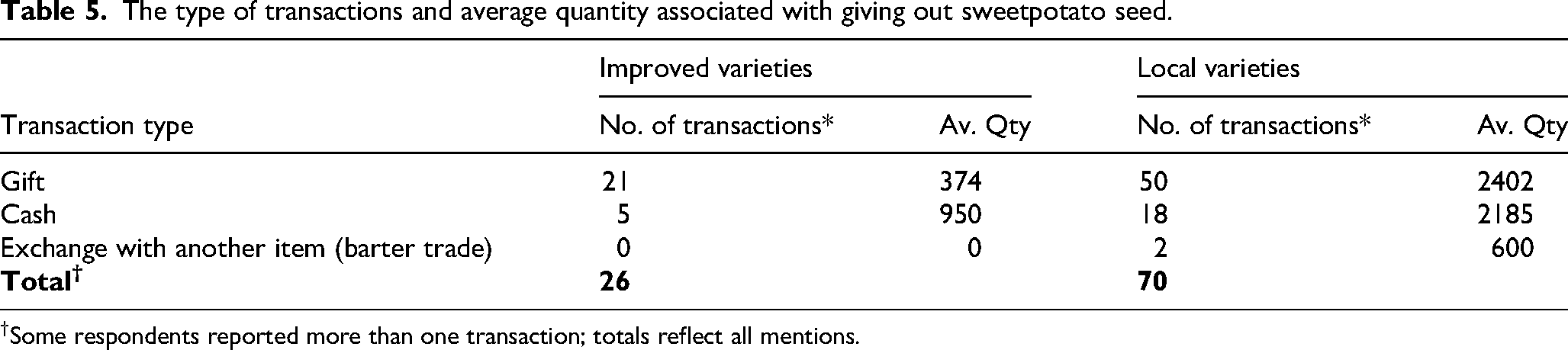
†Some respondents reported more than one transaction; totals reflect all mentions.
Selling and gifting were also influenced by the social closeness and gender of the beneficiary and the seed producer. Of the 96 sweetpotato seed transactions reported, 81 (84%) occurred within close social networks, specifically among relatives, friends and neighbours. Of these socially linked transactions, 71 (88%) were given as gifts. In contrast, 15 transactions (16%) involved individuals outside the farmers’ networks, with 10 (67%) of these being cash-based.
Information sources
Neighbours and other farmers were the main source of information in relation to growing sweetpotato, both in frequency and the breadth of the information (Table 6). Decentralised vine multipliers and extension staff followed in importance, whereas signboards and mass media were the least used sources. There was no gender-related difference in use of different sources.
Sources of sweetpotato-related information, type of information accessed and reasons for use (n = 67).
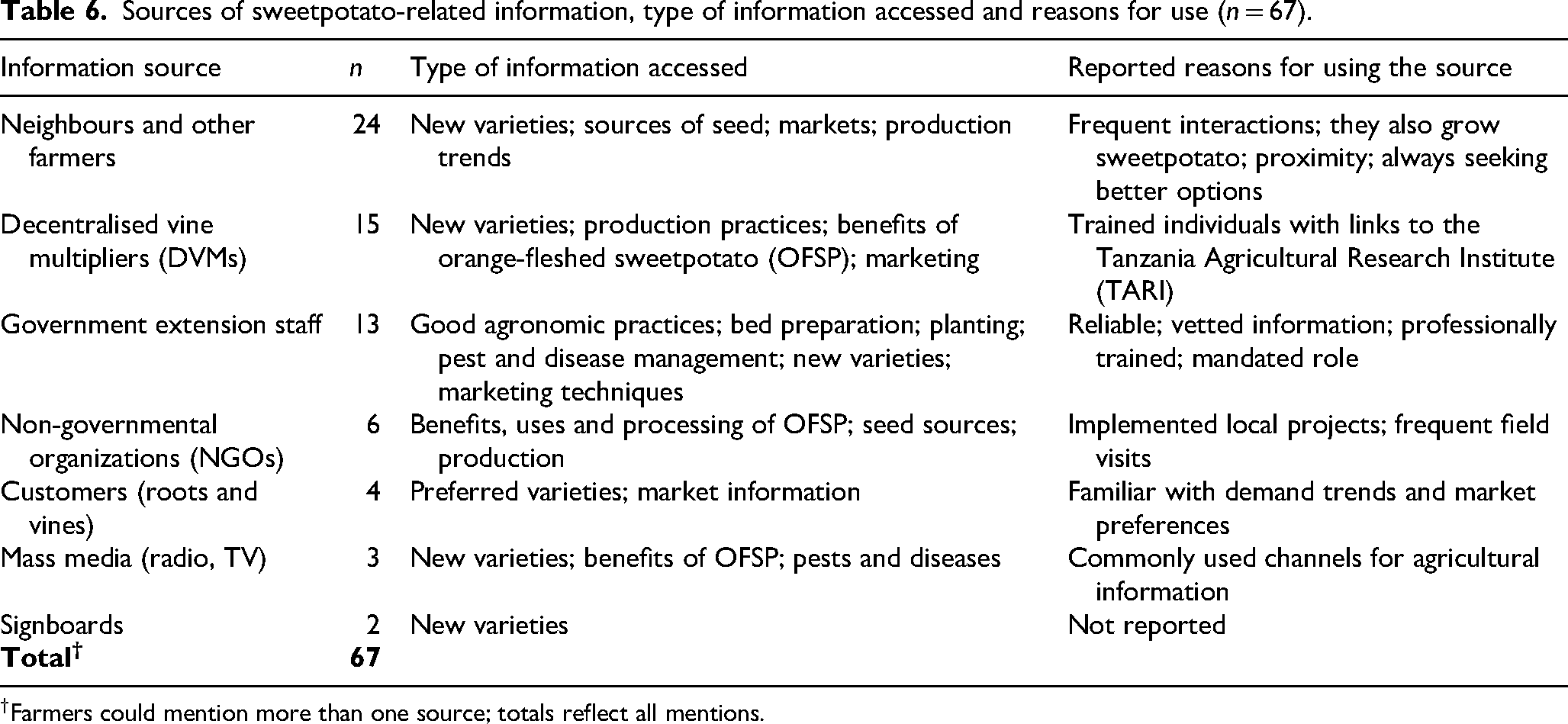
†Farmers could mention more than one source; totals reflect all mentions.
Discussion
This study offers critical insights into how farmers in Tanzania perceive, experience,and manage sweetpotato seed degeneration. Despite widespread recognition of degeneration symptoms including yield reduction, recycling of seed is still a common practice. This persistence underscores the complexity of behavioural change in seed systems characterised by high informality and social embeddedness (McEwan et al., 2021; Tadesse et al., 2017).
The higher proportion of women reporting degeneration experience reflects both their more intensive involvement in sweetpotato cultivation and their greater exposure to degeneration risks. This gendered pattern is consistent with earlier evidence that women are primary custodians of household-level sweetpotato production and seed management (Adam et al., 2018). Both women and men primarily relied on vines conserved on their own farms underscoring the centrality of on-farm seed conservation for all respondents. Women, however, reported a somewhat broader portfolio of sources overall. More women reported sourcing from DVMs and project distributions, suggesting that they combined own-farm saving with more opportunistic access to DVMs and project-linked seed channels. This highlights the dual role of women as both recipients of and potential conduits for clean seed dissemination strategies.
Farmers overwhelmingly attributed degeneration to the cumulative effects of prolonged recycling – conceptualised locally as ‘the variety becoming old’. Few respondents however reported undertaking roguing of symptomatic plants, despite this being a fundamental on-farm virus management strategy (Gibson and Kreuze, 2015). Although the declining performance was attributed to the variety becoming ‘tired’, farmers did not link the decline to their seed multiplication or sourcing practices. This may explain the observed reluctance to rogue symptomatic plants. In addition, practical barriers may play a role, such as labour constraints, limited confidence in disease identification and perceptions that degeneration is inevitable rather than preventable. These findings echo the observation that knowledge alone does not predict behaviour in vegetatively propagated crops (Almekinders et al., 2019).
Seed sourcing behaviours were shaped by a combination of trust, accessibility and social norms of reciprocity. The strong preference for own-farm and social network highlights the embeddedness of informal seed systems. Although DVMs were highly rated for seed quality and were used by a substantial share of respondents they tended to function as a safety-net source that farmers turned to when vines were scarce, rather than as a routine replacement channel (McEwan et al., 2017). The tendency to replace degenerated varieties with different ones rather than seeking clean planting material of the same variety illustrates how varietal turnover is used as a coping strategy in the absence of reliable seed health information. This perception reflects a variety-specific conception of degeneration, whereby farmers attribute declining performance to the particular crop ‘getting old’, rather than recognising degeneration as a general phenomenon affecting all sweetpotato varieties. While variety replacement can facilitate diffusion of improved germplasm, its effectiveness is constrained if clean virus-tested seed is unavailable or unaffordable (Namanda et al., 2011).
Patterns of seed exchange were also shaped by the social proximity between giver and recipient. Gifting remained the predominant mode of exchange for both local and improved varieties, reflecting long-standing norms of mutual assistance. However, cash transactions were more likely when larger quantities were involved or when the recipient was outside the farmer's immediate network. These observations corroborate prior work demonstrating how social relationships mediate both access to planting material and the feasibility of transitioning toward more commercial seed systems (Kilwinger et al., 2021; Tadesse et al., 2017).
Finally, the centrality of farmer-to-farmer networks in knowledge dissemination was evident: Neighbours and peers were the main sources of information on varieties, seed sourcing and production practices. While DVMs and extension staff contributed technical guidance, their reach was relatively limited. This underscores the importance of leveraging informal networks to accelerate the spread of virus management practices and awareness on the benefits of clean seed (Adam et al., 2015). However, such strategies must be accompanied by investments in trust-building, capacity strengthening and locally adapted business models if clean seed supply is to be sustainably integrated into existing systems (Legg et al., 2022).
Overall, these findings highlight that the persistence of degeneration is not merely a consequence of inadequate technical knowledge but also a reflection of interlinked economic, social and gendered dimensions of seed health management. Efforts to reduce degeneration must therefore combine accessible clean virus-tested seed, farmer-led learning and culturally appropriate incentives that can gradually shift practices within the informal systems on which most farmers rely.
Conclusion
This study highlights the paradox between farmers’ awareness of sweetpotato seed degeneration and the persistence of practices that exacerbate it most notably, the widespread recycling of seed sourced from their own farms. Despite recognising symptoms such as reduced productivity and virus infection, few farmers adopted key on-farm management strategies like roguing, suggesting that constraints to adoption go beyond knowledge and may be rooted in labour availability, perceived risk or cultural norms.
Farmer-to-farmer networks were found to be the dominant pathway for acquiring new varieties due to their affordability, accessibility and social embeddedness. However, these same networks facilitate the accumulation and dissemination of viruses, including symptomless ones, thereby increasing the rate of seed degeneration. The high reliance on informal sources, combined with the absence of structured seed replacement plans for the same varieties, presents a barrier to sustaining the benefits of quality seed and undermines the profitability of formal seed enterprises.
Importantly, farmers’ adaptive response to degeneration by switching varieties – rather than replacing planting material of the same variety presents an underexploited opportunity to accelerate varietal turnover. This behaviour aligns with the goals of the CGIAR 2030 strategy, which emphasises the scaling of improved varieties for enhanced resilience and food system transformation (CGIAR, 2021). However, without reliable information on the health status of planting material in circulation, such turnover may offer limited agronomic gains.
Given the entrenched role of informal seed systems in sweetpotato production, sustainable seed system development will depend on integrating these social networks into broader strategies. Enhancing the capacity of key local seed producers to detect and manage virus infections, especially through training and surveillance will be critical. Furthermore, interventions must account for the socio-economic realities shaping seed exchange, aiming to balance cultural practices like gifting with the gradual introduction of commercial incentives that can sustain a quality seed supply at scale.
Footnotes
Ethical approval and informed consent statements
There were no ethical approval or informed consent statements required for this research.
All authors agree that:
The manuscript submitted followed ethical principles in publishing. This research presents an accurate account of the work performed, all data presented are accurate and methodologies detailed enough to permit others to replicate the work. This manuscript represents entirely original works and/or if work and/or words of others have been used, that this has been appropriately cited or quoted and permission has been obtained where necessary. This material was part of a PhD thesis titled ‘Degeneration of Sweetpotato Seed in Tanzania: Can Cleaned-up, Virus-tested Seed Help?’ published by Wageningen University and Research and defended in public on December 7, 2022. The manuscript is not currently being considered for publication in another journal. That generative AI and AI-assisted technologies have not been utilised in the writing process. That generative AI and AI-assisted technologies have not been used to create or alter images. All authors have been personally and actively involved in substantive work leading to the manuscript and will hold themselves jointly and individually responsible for its content.
Funding
The author(s) disclosed receipt of the following financial support for the research, authorship and/or publication of this article: This research was undertaken as part of, and funded by, the CGIAR Research Program on Roots, Tubers and Bananas (RTB) and the CGIAR Research Program on Policies, Institutions and Markets (PIM) and was supported by CGIAR Fund Donors, including the NWO ( ). Funding support for this work was provided by: Gates Foundation through grants to SASHA (ID: OPP1019987) and SweetGAINS (ID: OPP121332).
Declaration of conflicting interests
The author(s) declared no potential conflicts of interest with respect to the research, authorship and/or publication of this article.
Data availability statement
Data will be made available on request.