



Abstract
The objective of the study was to describe beef production systems and constraints among subsistence farmers across the Fijian windward–leeward divide. Data were collected from a total of 200 beef cattle owners from windward and leeward locations (100 each) using a structured questionnaire. In both geographical regions, the heads of the households were mostly males and married. Cattle were ranked as the most important species of livestock kept in both leeward and windward areas. In both leeward and windward locations, cattle were mainly kept as a source of income and draught power. Challenges to cattle production differed with the production environment. The major challenges faced by cattle farmers in leeward locations were drought and pasture shortage while farmers in windward locations mainly had theft and disease cases. The odds ratio of Hindu farmers practicing tethering as a grazing method was five times higher than Christian farmers (p < 0.05). Farmers with medium pieces of land were 14 times more likely to use paddocks for grazing their cattle than those with small pieces of land (p < 0.05). Farmers in both leeward and windward locations mostly kept non-descript cattle breeds (>60%) and did not control mating. It was concluded that challenges faced by farmers differed with the production environment but feeding and breeding practices were the same across windward and leeward management locations.
Introduction
Beef is a high-quality source of protein and is high in demand in the world. Even non-beef-consuming nations like India are among the top producers vying for export market share due to the increasing worldwide demand (Narayanan, 2019). Despite a substantial Hindu population that does not consume beef in Fiji, there is a high demand from locals and tourists (Cole et al., 2019). Because of low quality and volume, some outlets cannot utilize even the few available beef products. The quality and volume of beef produced in Fiji cannot be guaranteed and, thus, the top-end food and hotel sectors typically import prime cuts (Cole et al., 2019). Unlike in other developing countries, such as neighboring Vanuatu whose beef industry is now recognized in the South Pacific (Cole et al., 2019), Fiji's production of beef fluctuated substantially in the past decade, recording a substantial decrease of more than 15% in 2020 (MOA, 2020). Low off-takes are evident due to the low number of cattle slaughtered in abattoirs (Cole et al., 2019). There is a need to increase local production and improve quality to meet beef demand in Fiji. Fiji also has the potential to increase beef exports, which will decrease over-reliance on tourism for income.
Efforts to increase the productivity of the Fijian beef industry such as importing and distributing breeding stock to farmers have been in place (MPI, 2009). The success of these strategies is, however, low as evidenced by the persisting low off-take and market gap. Although there is no empirical evidence, the low success rate of the intervention programs on beef production in Fiji can be attributed to poor production practices and climatic conditions. Studies in other developing regions such as Asia and Africa have shown that production practices applied to breeding, feeding, grazing, and health management are determinants of the productivity of beef herds (Scholtz et al., 2011; Agus and Widi, 2018). In Fiji, challenges such as diseases, parasites, poor nutrition, drought, and cyclones are potential drawbacks to beef production both economically and climatically, and the same challenges have been reported in similar regions. There is, however, no scientific data on challenges to beef production in Fiji.
Fiji and most small tropical islands are characterized by a great environmental division based on the windward–leeward dichotomy (Austin, 2001). The mountains of Fiji's major Islands, Viti Levu and Vanua Levu create wet climatic zones on their windward sides and dry climatic zones on their leeward sides. Fiji's biogeographic distinction in climate and vegetation, thus, occurs as the windward side receives moisture-laden prevailing trade winds associated with perennial torrential rainfall which supports lush vegetation. In contrast, the leeward side is sheltered by mountains that block much of the precipitation, resulting in prolonged dry periods and distinct seasonal variation in pasture availability. The environmental context is recognized as an important factor influencing beef productivity, including the quality of the meat (Kögel, 2005; Walmsley et al., 2016). The productivity of beef across Fiji's leeward–windward divide is, therefore, expected to differ. Cattle productivity, production practices, and challenges in the two Fijian divisions are also likely to differ. Despite the importance of cattle and their adaptation to harsh environmental conditions, to our knowledge, no studies have been carried out to characterize, understand, and evaluate beef cattle production systems in Fiji.
The low productivity and market deficit of beef in Fiji, as reported by Cole et al. (2019) could be due to a lack of comprehensive information on market availability, production practices, and challenges faced by beef cattle producers. There is, therefore, a need to document such information. The information can be the basis for planning the management of cattle genetic resources at local, national, and even regional levels. The uptake of any livestock improvement initiatives heavily depends on how they blend with social, cultural, economic, and environmental conditions facing the farmers who own and use the livestock (Ritter et al., 2017; Liu et al., 2019). One of the major reasons why current beef improvement initiatives in Fiji have low success rates could be that there is limited if any, consideration of the beef producers’ perceptions, sociocultural practices, economic, and environmental conditions. If the initiatives to improve beef production systems in Fiji are to be viable and sustainable, they should be directly founded on the current objectives, production practices, and constraints of the target farmers. The objective of the current study was to document production practices and constraints faced by subsistence beef cattle producers in Fiji's leeward and windward locations. It was hypothesized that production practices and constraints faced by Fijian subsistence-oriented beef producers differ across the leeward–windward divide.
Materials and methods
Study site
The study was conducted in Rakiraki and Cakaudrove provinces. The two locations were selected based on the contrast between their windward and leeward marine environments. Rakiraki (17.37° S, 178.17° E), located in Viti Levu, lies on the leeward side of Fiji's biggest island and experiences a tropical semi-dry climate. The area is characterized by average annual precipitation between 600 and 1600 mm, and a dry season that ranges from five to eight months between April and November (Kumar, 2005). The vegetation is mainly grassy hills with occasional forests (Kumar, 2005). Cakaudrove (16.58° S, 179.51° E), situated on the windward side of Vanua Levu, experiences a tropical wet climate. The area receives mostly orographic rainfall throughout the year, totaling about 3500 mm (Rhee and Yang, 2018). In terms of vegetation, Cakaudrove is characterized by lush tropical emerald rainforest and deep valleys (Sutton, 2013).
Sampling procedure
A total of 200 cattle owners were selected to participate in the survey, 100 from each of the two provinces. For each of the two study sites, a list of beef producers was obtained from Fiji's Ministry of Agriculture provincial offices and was used as the sampling frame. The list was entered in excel sheets and participants were selected randomly using the random function in Microsoft Excel. Farmers with at least two cattle were considered.
Data collection
Trained enumerators interviewed the farmers at their homesteads using a pretested structured questionnaire. The questionnaire was developed based on questions from previous and similar studies. The face validity of the questionnaire was established by comparing the questions with theoretical constructs and expectations. The questionnaires were written in English and translated to i-Taukei and the Fiji Hindi languages with the assistance of linguistics experts in Fiji National University's College of Humanities and Education. Data collected included age, sex, and level of education of the head of the farm, species of livestock owned, number of cattle kept, number of different classes of cattle kept, breeds of beef cattle kept, reasons for keeping beef cattle, feed sources, grazing systems, mating systems, and challenges faced. The study was granted an ethical clearance certificate by the Fiji National University Human Research Ethics Committee (FNU-HREC-21-22).
Statistical analyses
Data were analyzed using SAS 9.4 (SAS Institute, 2012). The PROC FREQ was used to compute frequencies of farmers’ demographic information and farm characteristics. The effect of location (leeward or windward location) on herd and flock sizes and rank scores for the importance of different livestock species, uses of cattle, and challenges faced by beef cattle producers was determined using PROC GLM. The following model was used:

Logistic regression (PROC LOGISTIC) was used to estimate the probability of farmers using different grazing systems for their cattle. The logit model fitted the following predictors: location (leeward and windward locations), education level, religion, size of household, occupation of farmer, and size of land. When computed for each predictor (β1… βt), the odds ratios were interpreted as the proportion of farmers that used a specific grazing system from the total number of farmers interviewed. The following logit model was used:

Results
Demographic characteristics
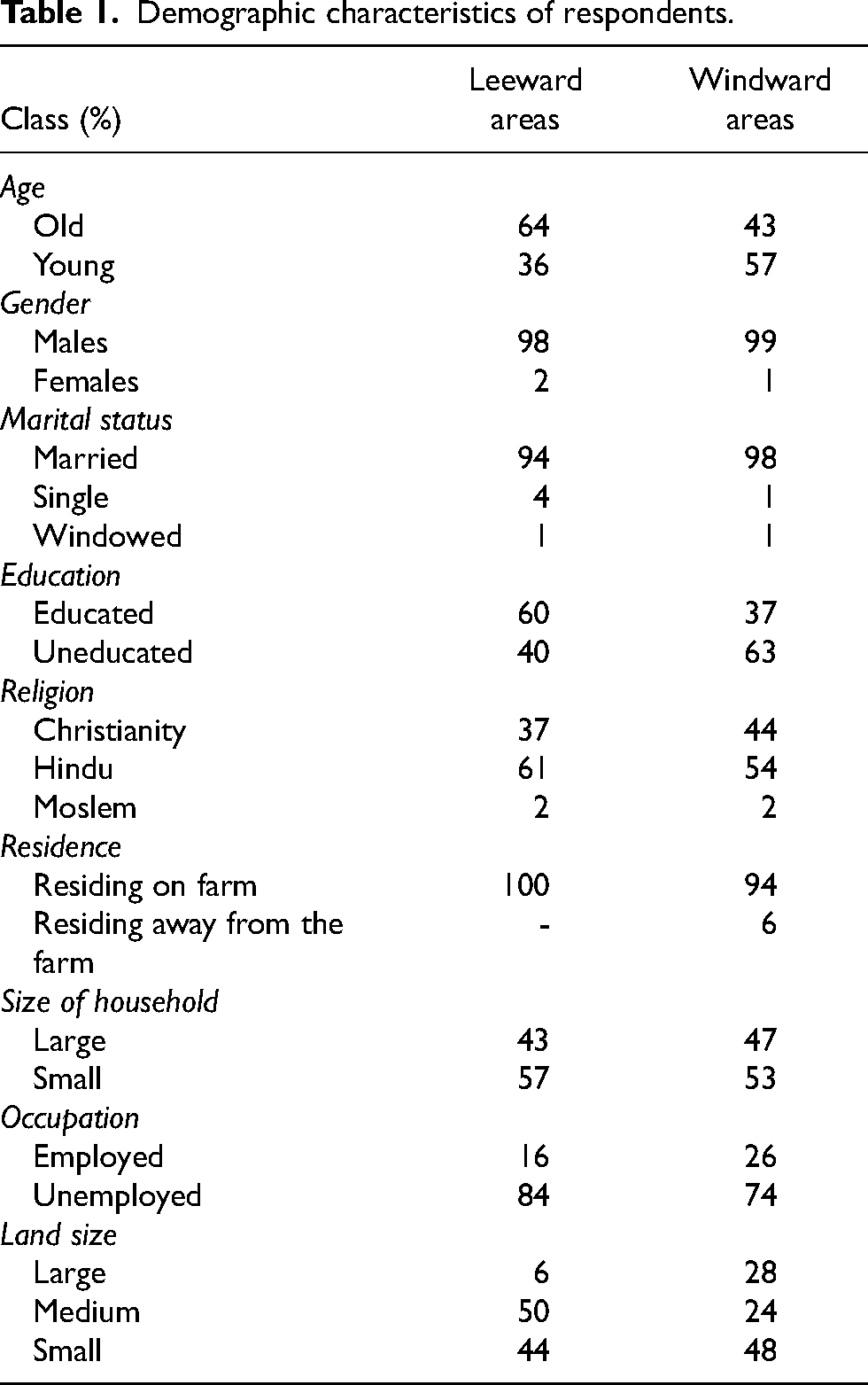
The demographic characteristics of the respondents are shown in Table 1. More than 60% of the farmers in leeward areas were old compared to less than half of those in the windward locations. In both environments, almost all the household heads were males and mostly married. In leeward areas, most of the household heads were educated, while the opposite was true for windward areas. More than half of the respondents were Hindu in both areas. Six percent of respondents in the leeward locations had large pieces of land compared to almost one-third in windward locations.
Demographic characteristics of respondents.
Importance of livestock and cattle herd composition
Farmers from both areas mainly raised cattle, goats, sheep, chickens, and ducks. The flock size for sheep and ducks was the same in both areas while the flock sizes for chickens and goats were larger (p < 0.05) in leeward areas than in windward areas (Table 2). Herd size for cattle was the same (p > 0.05) in both areas. Rankings on the importance of different livestock species are shown in Table 2. Although the mean rankings were significantly different, farmers in both leeward and windward areas ranked cattle as the most important livestock species they are keeping. Farmers in the leeward locations ranked goats as the second most important species kept in contrast to the windward area where they were ranked third. In both areas, sheep were ranked fourth (p > 0.05). Farmers in both areas had the same (p > 0.05) number of different classes of cattle except bulls and oxen, which were more (p < 0.05) in leeward areas when compared to the windward areas (Table 3).
Mean herd and flock sizes (±SD) of the livestock species owned and mean rank scores (ranks) of the importance of different livestock species at leeward and windward locations in Fiji.
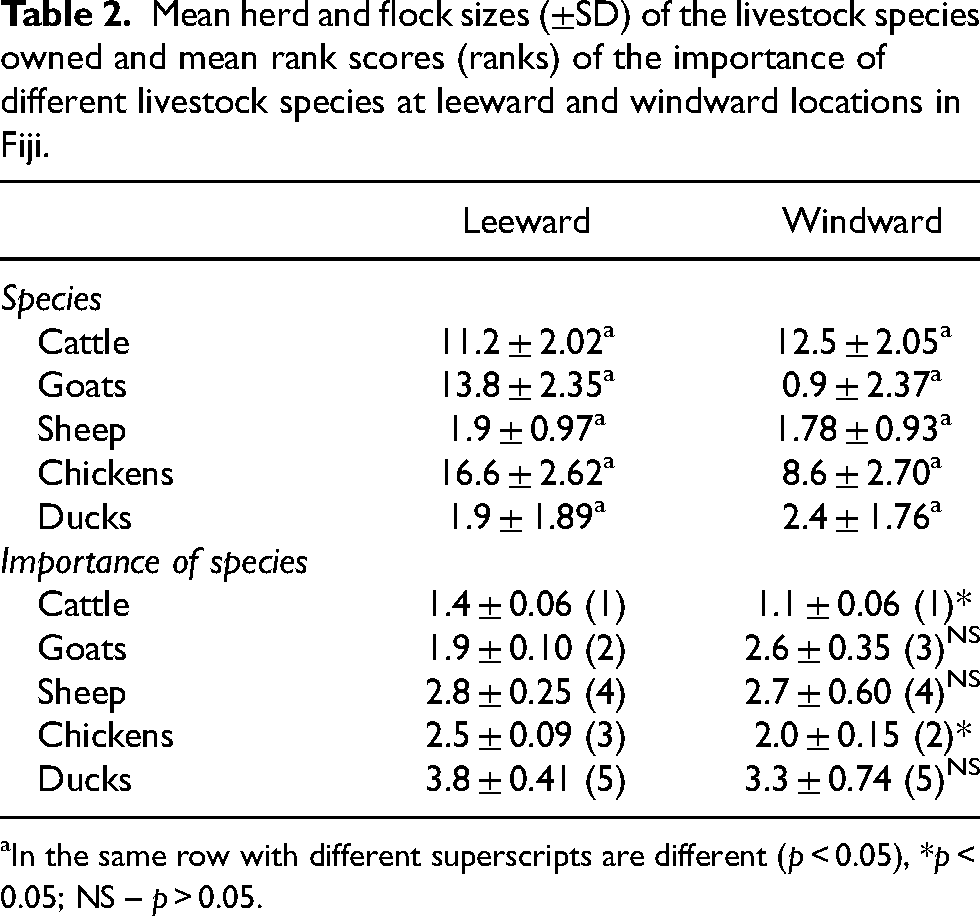
In the same row with different superscripts are different (p < 0.05), *p < 0.05; NS – p > 0.05.
Means (±SD) of different cattle classes at leeward and windward locations in Fiji.
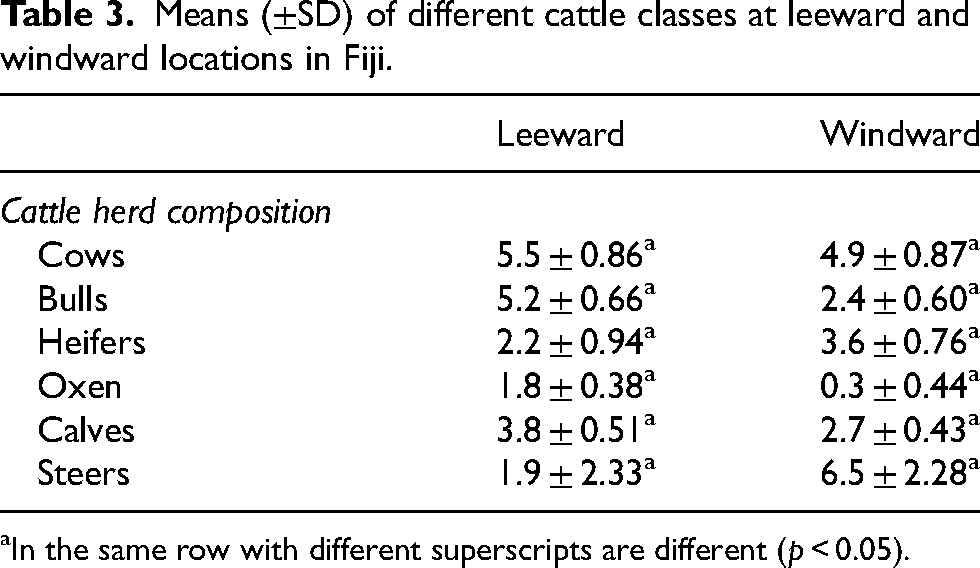
In the same row with different superscripts are different (p < 0.05).
Purposes for keeping cattle and challenges faced
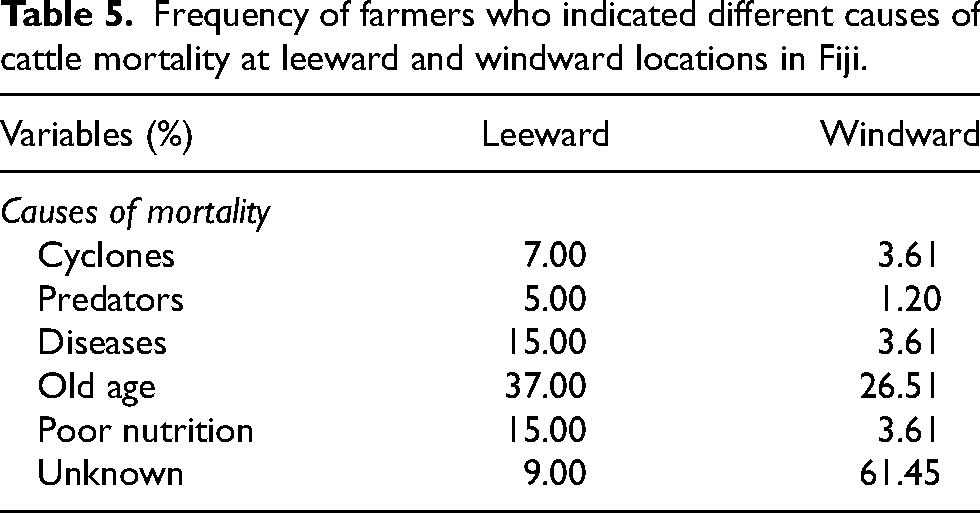
Table 4 shows the rankings of purposes of keeping cattle and challenges faced by beef cattle producers. Farmers in the leeward and windward areas ranked purposes of keeping cattle differently (p < 0.05). In the leeward areas, the most important purpose for keeping cattle was as the main source of income, which was ranked lowly in windward locations (p < 0.05). Draught power was ranked highly as a purpose of keeping cattle in both windward and leeward locations (p > 0.05). Farmers from both areas ranked meat fifth (p > 0.05). Rank scores for many of the challenges faced by cattle farmers were the same (p > 0.05) across the two study sites except for drought, diseases, cyclones, and theft (p < 0.05). Although drought was the most common challenge faced by farmers in leeward areas, in the windward areas it was ranked sixth (p < 0.05). Theft and diseases were ranked first and second, respectively, as challenges to cattle production in windward areas but in leeward areas, they were ranked lowly (p < 0.05). Predation was one of the least ranked challenges faced in both areas (p > 0.05). Old age was the leading cause of mortality in leeward areas while, in windward areas, farmers were not aware of the cause of most of the mortalities (Table 5).
Mean rank scores (ranks) on purposes of keeping cattle and challenges faced by farmers at leeward and windward locations in Fiji.
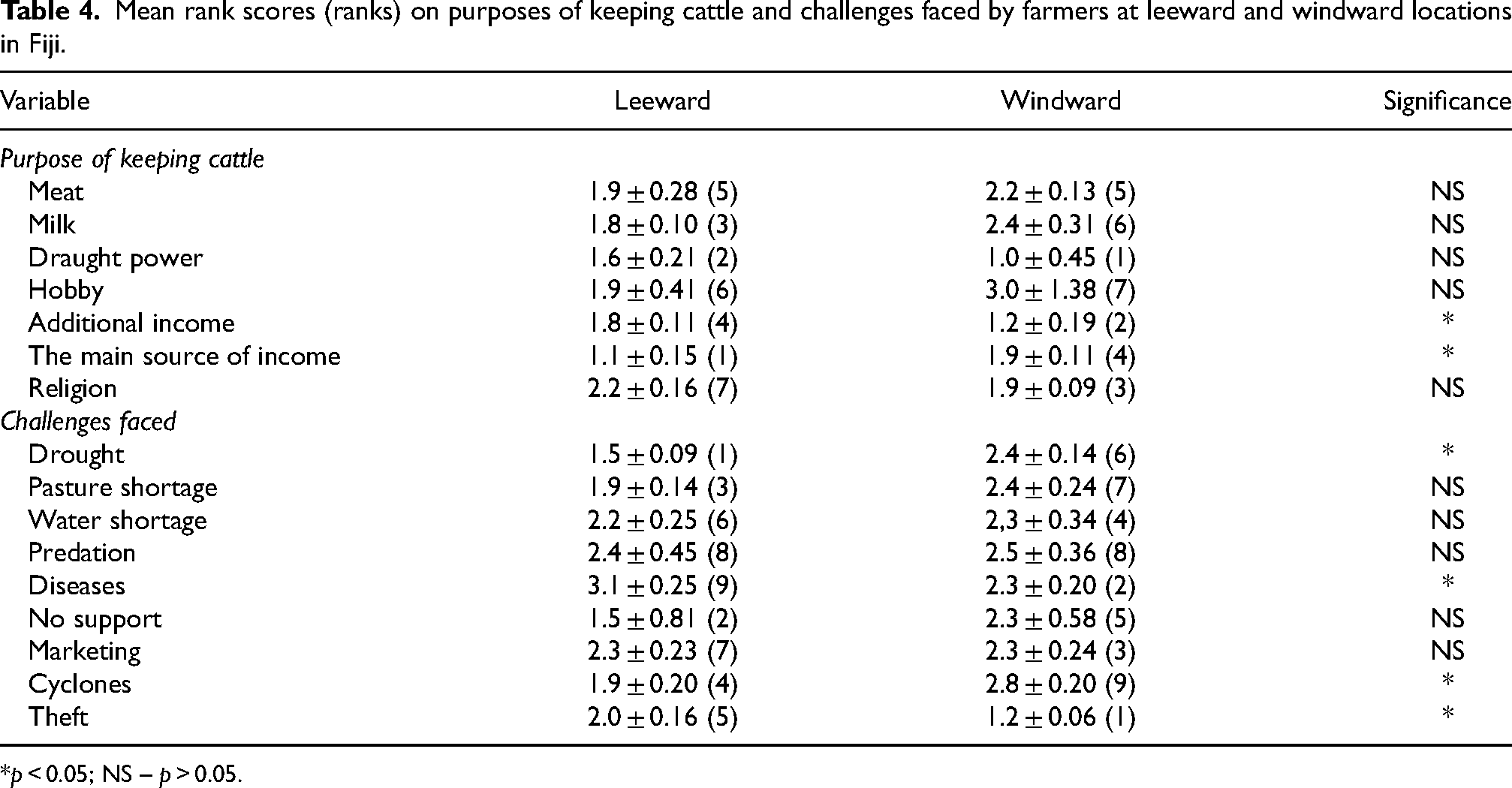
*p < 0.05; NS – p > 0.05.
Frequency of farmers who indicated different causes of cattle mortality at leeward and windward locations in Fiji.
The frequencies of beef cattle producers facing different fertility problems in their herds are shown in Figure 1(a). Only 6% and 19% of farmers in leeward and windward areas, respectively, reported that their cattle have fertility problems. In windward areas, almost all of the farmers indicated a lack of conception and long calving intervals as the fertility challenges they face. Stillbirths and abortions were mainly reported in windward locations with only 2% of the farmers in leeward locations reporting stillbirths as a challenge. Almost all the farmers who reported fertility problems in windward locations indicated that they can be attributed to poor nutrition, old age, and diseases (Figure 1(b)). Very few farmers in the leeward areas pinpointed poor nutrition, old age, and diseases as causes of fertility problems. Almost all farmers in both areas did not know of any prevalent diseases in cattle (Figure 2). Very few farmers in the windward areas indicated TB and skin diseases as prevalent among their cattle herds.
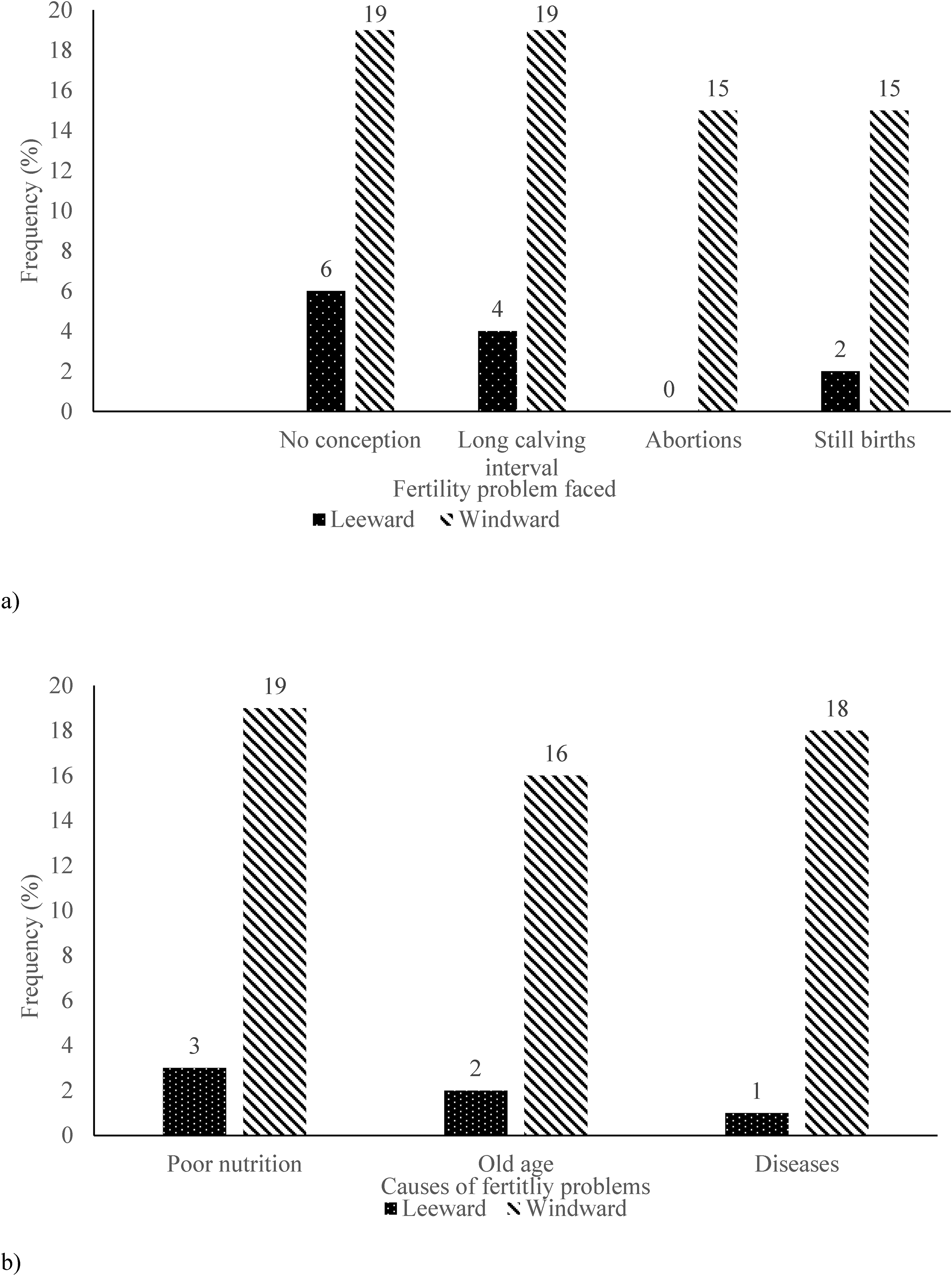
Frequency of farmers at leeward and windward locations in Fiji (a) facing different fertility problems (b) indicating different causes of fertility problems faced by their cattle.
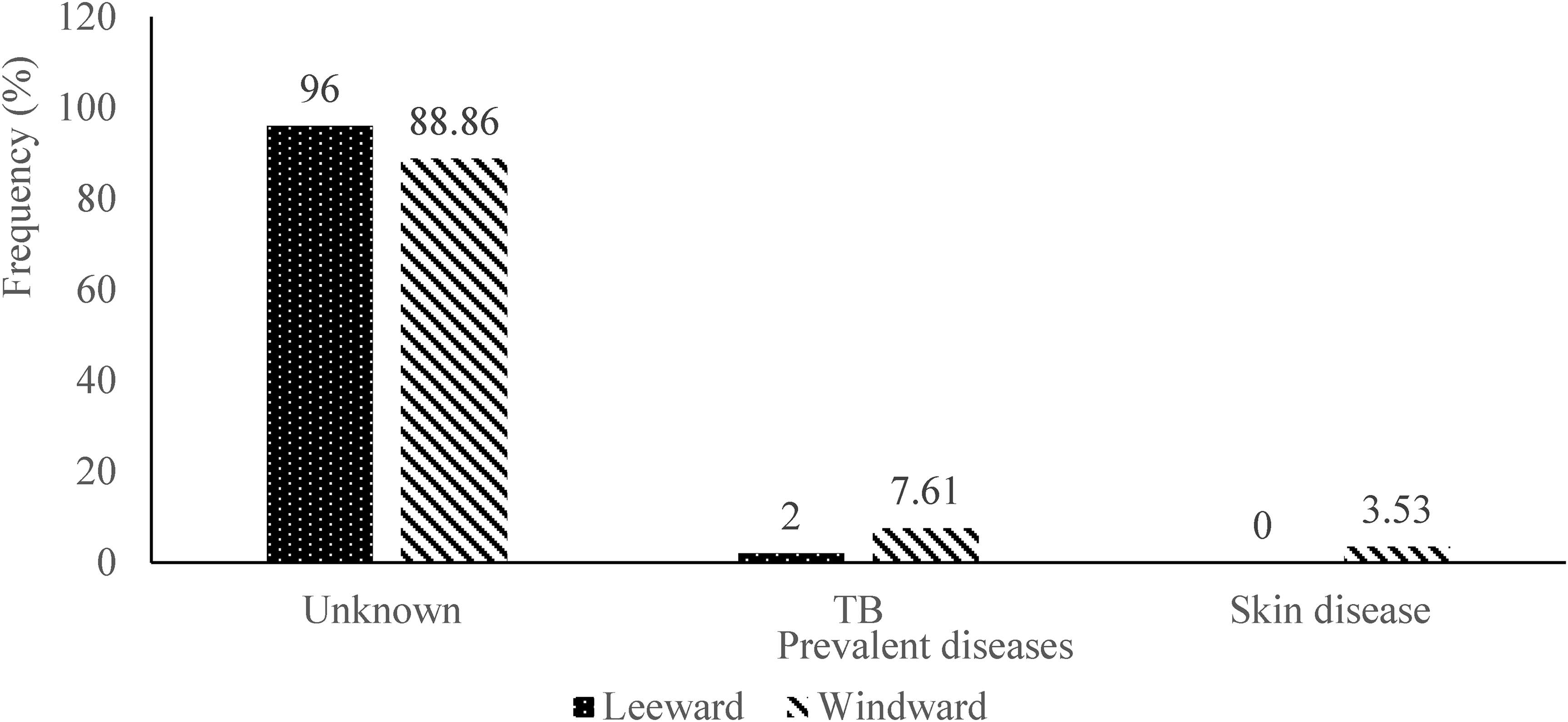
Frequency of farmers at leeward and windward locations in Fiji whose cattle experienced different diseases.
Feeding and health management practices
Figure 3 presents the frequencies of farmers using different feeding practices in Fijian leeward and windward areas. Grazing was the most common source of feed for cattle in both areas (Figure 3(a)) with over 97% and 98% of the farmers using it in leeward and windward regions, respectively. In the leeward areas, crop residues were also used as a feed source for cattle by 21% of the farmers compared to 1% in the windward region. Hay and commercial feed were hardly used as feed sources for cattle. Frequencies of farmers using different grazing practices are shown in Figure 3(b). In the leeward areas, the most common grazing practice used by cattle farmers was tethering while farmers in windward locations mostly used the free-range grazing system. Nearly half of the farmers (44%) in windward locations used paddocks for grazing their cattle while, in leeward locations, less than a quarter of the farmers (13%) used the practice. Very few farmers indicated that they herd their cattle. Figure 3(c) presents the supplementary feeding practices for beef cattle producers interviewed. In both areas, most farmers were not providing any form of supplementary feed to cattle.
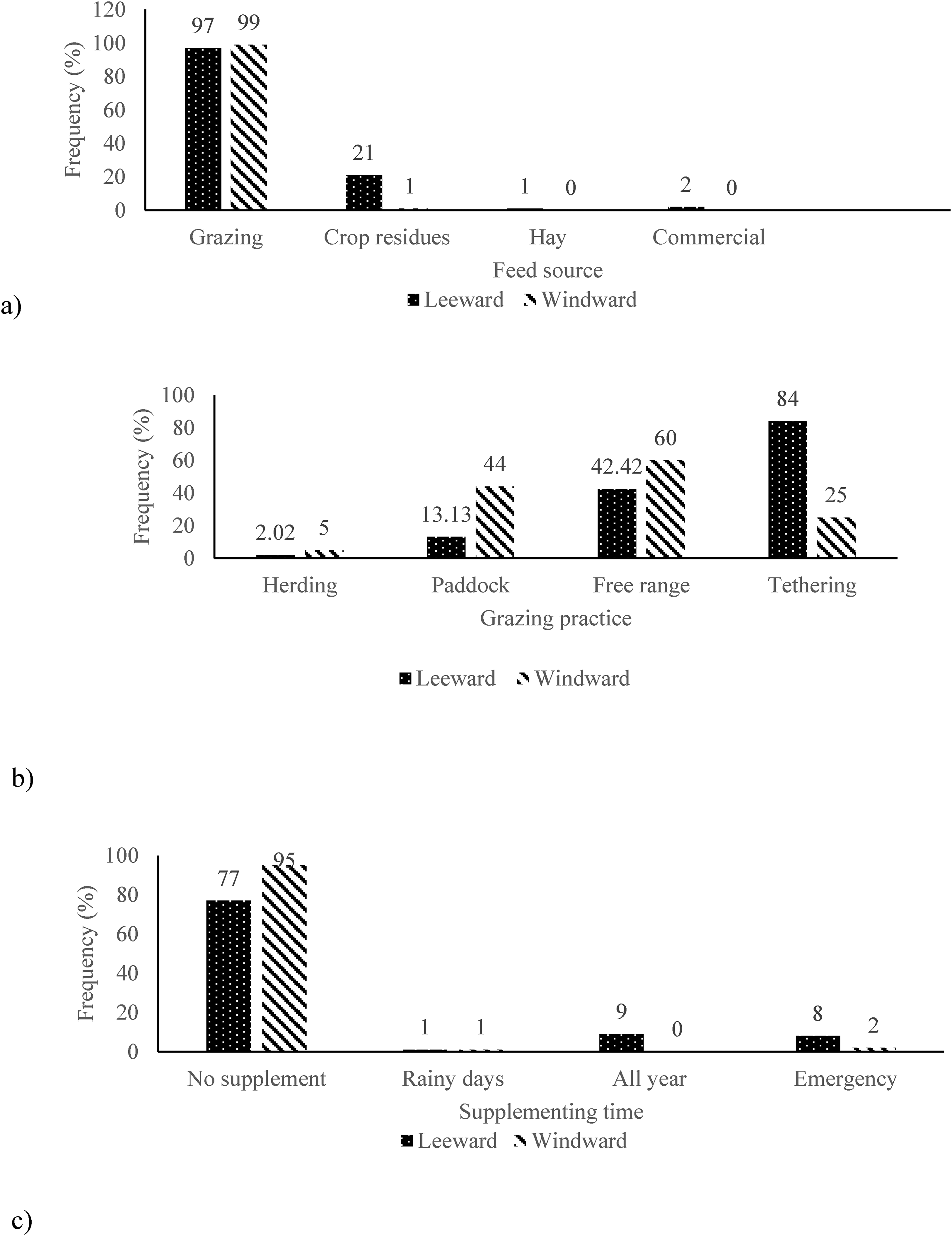
Frequency of (a) farmers using different sources of feed (b) farmers using different grazing practices (c) farmers who supplemented their cattle at Fijian leeward and windward locations.
The odds ratios of farmers using different grazing systems are shown in Table 6. Hindu farmers were five times more likely to practice tethering than Christians (p < 0.05). Unemployed farmers were six times more likely to practice tethering than employed farmers (p < 0.05) while employed farmers were six times more likely to practice free grazing than unemployed farmers (p < 0.05). Farmers with medium-sized pieces of land were 14 times more likely to use paddocks for grazing their cattle than those with small pieces of land (p < 0.05). Farmers with small pieces of land were two times more likely to use tethering as a grazing system than those who had bigger pieces of land.
Odds ratio estimates, lower (LCI) and upper (UCI) confidence interval, of farmers using different grazing systems.
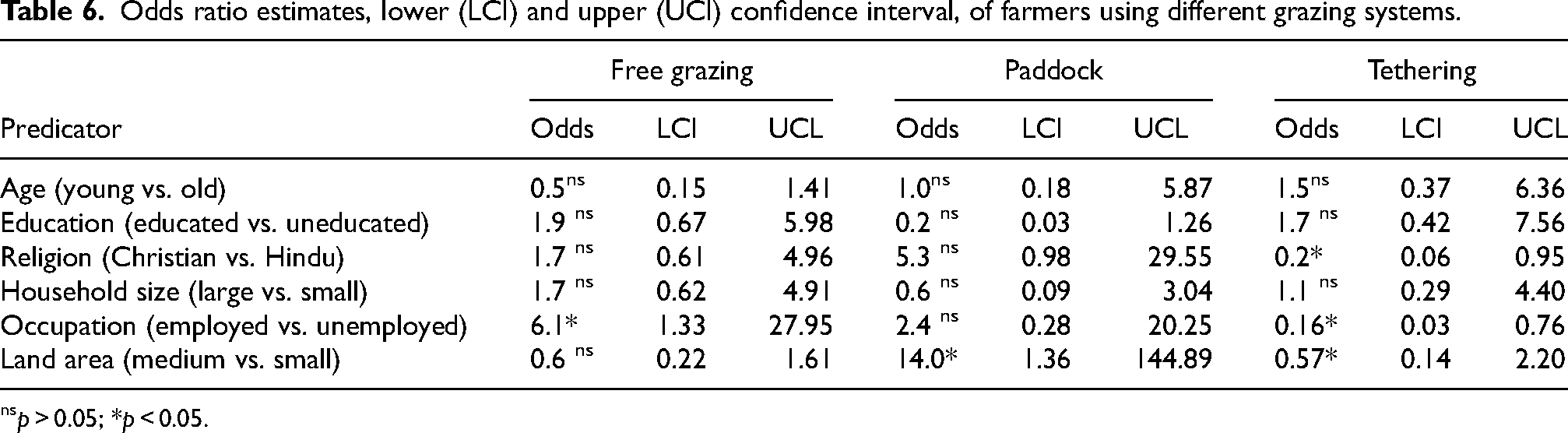
p > 0.05; *p < 0.05.
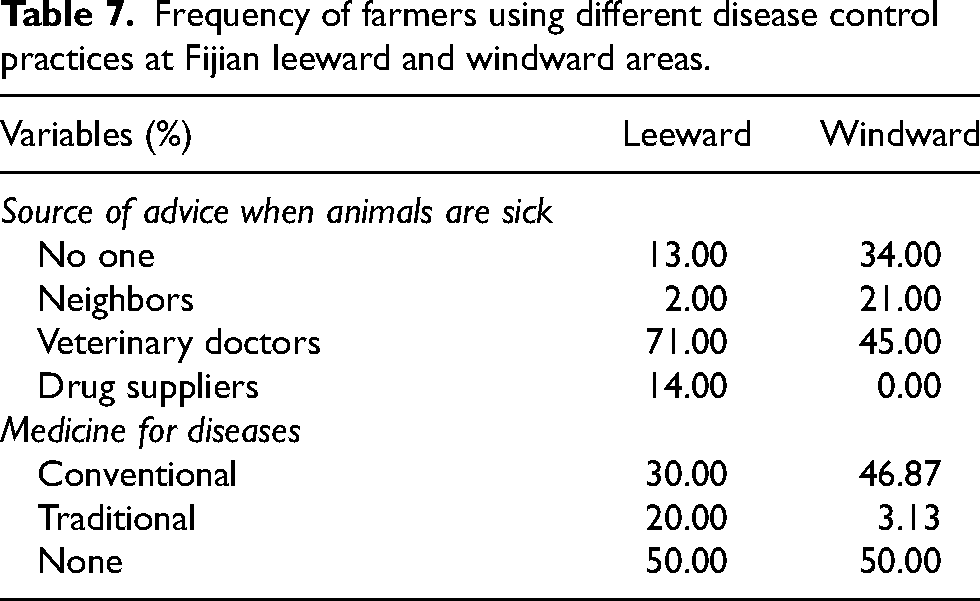
Figure 4 shows the frequencies of farmers using different health management practices for their cattle. More than half of the respondents (59.6%) in the leeward areas said they vaccinate their cattle against diseases (Figure 4(a)). No respondents in the windward areas vaccinate their cattle. In both areas, half of the respondents said they treat their animals when they get sick (Figure 4(b)). Most of the respondents in the leeward areas indicated that they seek veterinary advice while less than half did so in the windward areas. In both the leeward and windward areas, less than half of the farmers used conventional medicine to treat sick animals (Table 7).
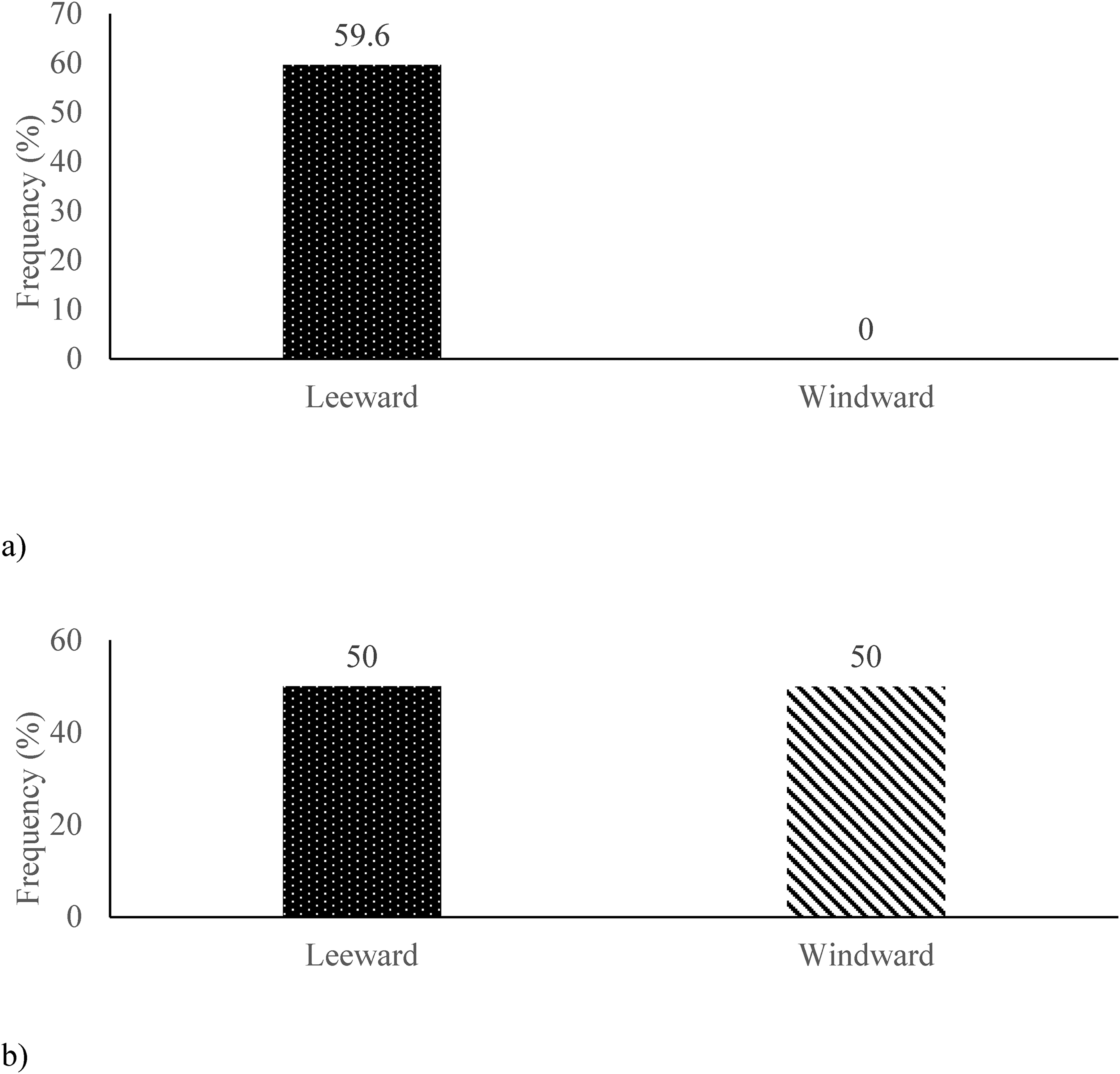
Frequency of (a) farmers who vaccinate their cattle (b) farmers who treat sick cattle at Fijian leeward and windward locations.
Frequency of farmers using different disease control practices at Fijian leeward and windward areas.
Breeding practices
Frequencies of farmers using different breeding practices are shown in Figure 5. The frequency of farmers using different breeds of cattle in the leeward and windward locations is shown in Figure 5(a). In both areas, more than 60% of the farmers owned non-descript breeds. A small proportion of farmers in both areas kept the Brahman and Draughtmaster breeds, respectively. About one-third of farmers in the leeward locations were not aware of the names of some of the breeds they kept.
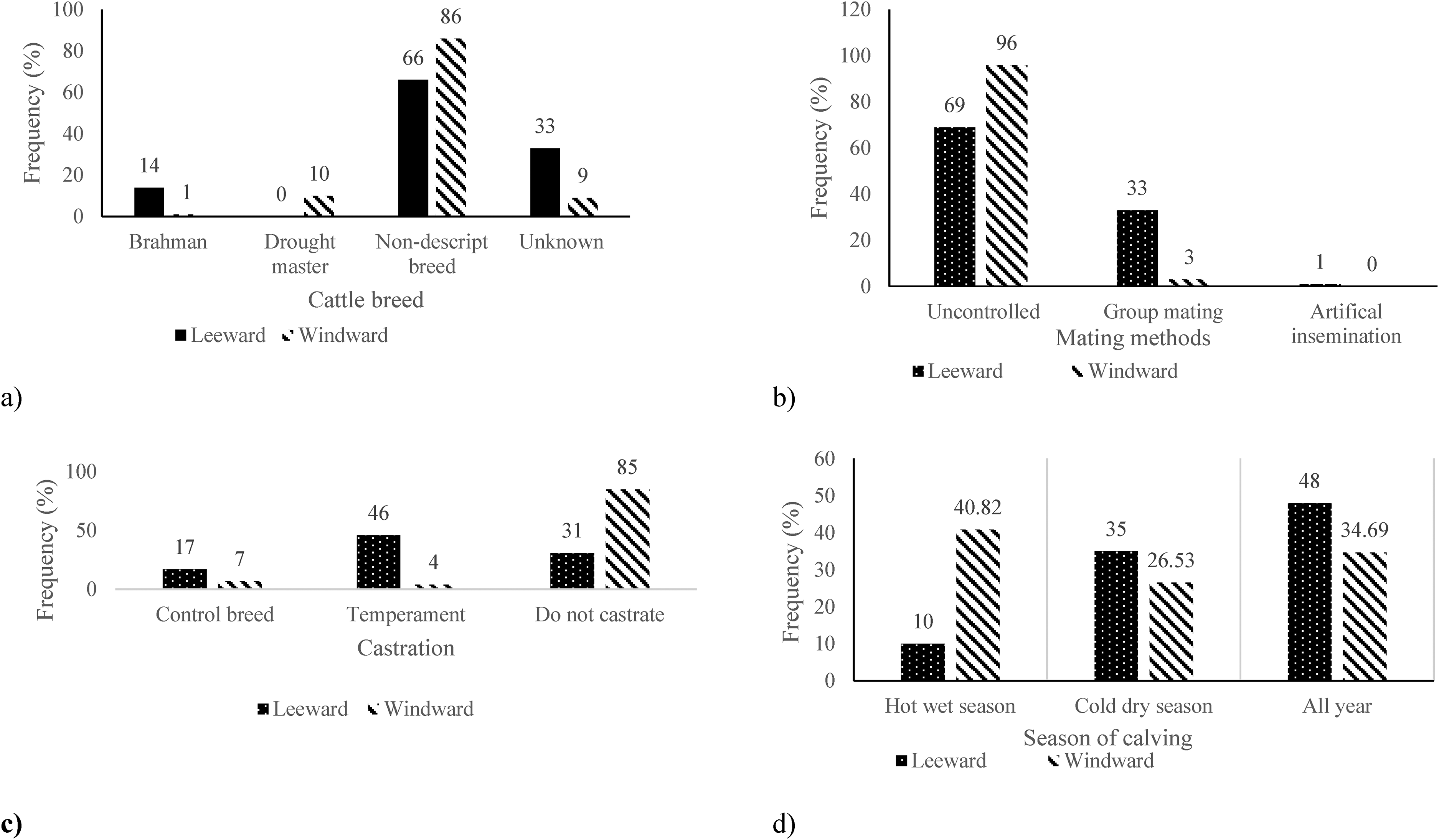
Frequencies of farmers using different breeding practices at Fijian leeward and windward locations. (a) Frequency of farmers who own different cattle breeds. (b) Frequencies of farmers using different mating methods. (c) Frequencies of farmers castrating their cattle for different reasons. (d) Frequencies of farmers using different calving seasons for their cattle.
The most practiced method of mating by cattle farmers in both areas was uncontrolled mating (Figure 5(b)). One-third of the farmers in leeward locations practiced group mating compared to only 3% in windward locations. Artificial insemination was seldom used. Figure 5(c) presents the reasons why farmers castrate their animals. In the leeward areas, nearly half of the farmers (46%) indicated that they castrate their cattle for better temperament while more than three-quarters of farmers in the windward areas said they do not castrate their animals at all. In both areas, very few farmers said they castrate their animals to control breeding.
Almost half of the cattle farmers in the leeward areas did not have any fixed season for calving (Figure 5(d)). In contrast, only 30% of the farmers in the windward area indicated that their cattle calve all year round with the wet-hot season being the most preferred season for calving. Less than 40% of farmers in both areas indicated the dry-cold season as the calving reason for their cows.
Discussion
Low-input beef cattle development programs are considered a viable poverty mitigation strategy in many resource-poor countries. Such programs may seek to enhance beef cattle productivity by overcoming prevailing challenges. It is important to understand the production systems and challenges of beef producers before implementing any intervention programs. The finding that most of the beef cattle owners are males agrees with reports on communal livestock production systems that cattle ownership is gender-based (Galiè et al., 2015). In agreement with the findings herein, Tikai and Kama (2010) reported that, in Samoa, more males are involved in farming than females. Although in some regions women can be involved in the day-to-day management of cattle (Zindove and Chimonyo, 2015), a few of them own or make the absolute decisions on cattle (Patel et al., 2016). Cole et al. (2019) reported that women and youths typically own and make decisions on poultry, while large stocks such as cattle are largely owned by men. Fijian women and youths should be included in cattle production intervention programs. The finding that farmers in both leeward and windward locations mostly had small and medium land sizes can be the reason for the farmers having a low number of beef cattle. Roessali et al. (2011) stated that the availability of land is an important factor influencing farmers’ decisions, production practices, and productivity. In Pacific Island countries such as Fiji, Samoa and Vanuatu, land ownership and leasing are important factors that impacts livestock production (Cowley et al., 2019). It is, therefore, important to make more land available for beef cattle farmers in Fiji or for them to form cooperatives for subsistence-oriented beef production.
The cattle herd size was the same across leeward and windward areas that were unexpected considering that the windward areas are wetter and have abundant pastures throughout the year. Zindove and Chimonyo (2015) attributed the similarity in herd sizes between wet and dry areas to the fact that heavy leaching in wet areas results in poor nutritional quality of the abundant pastures hence reduced productivity. Waldron et al. (2019a) suggested that in Samoa, whose geo-topography is like Fiji, low livestock productivity in wet areas is partly a result of low potassium and phosphorus in pastures due to high rainfall and steep slopes that promote leaching. Differences in herd structure between leeward and windward were expected. Gerber et al. (2015) highlighted that cattle herd structures in low-input systems are adapted to deliver desired functions of cattle and to buffer against the environment and socioeconomic crisis. Fiji's leeward areas are characterized by extensive sugarcane farming and thus, as expected, farmers in the areas had more bulls and oxen for draught power. The farmers need to be educated on the importance of castrating male animals for better draught power capability and controlled mating.
The current study shows that the purpose of keeping cattle is mostly the same between leeward and windward locations. In the leeward areas, the main source of income was highlighted as the major reason for keeping cattle which was expected considering reports by Cole et al. (2019) that the bulk of beef cattle suppliers to abattoirs are from the leeward locations. The finding that draught power was ranked highly as the reason for keeping cattle tallies with reports on similar production systems where cattle, mainly oxen, provide more than three-quarters of draught power for tillage and transport (Scholtz et al., 2008; Natarajan et al., 2016). Considering that crop production is an important agricultural practice in Fiji, especially the high-scale sugarcane farming in leeward locations, draught power is fundamental to many integrated farming systems. The finding that meat production is ranked lowly as a purpose for keeping cattle in both areas contradicts with reports in other Pacific islands countries such as Samoa and Tonga where most cattle are slaughtered on-farm for social events such as ceremonies and church conferences (Waldron et al., 2019a; Waldron et al., 2019b). The contrasting findings can be attributed to religion. Most of the cattle producers in Fiji are Hindus who do not consume beef. It is important to encourage other religions, such as Christians and Muslims, who can consume and directly sell cattle to slaughterhouses to be involved in beef cattle production. The finding that the uses of beef cattle for milk production was lowly ranked by farmers in the windward areas differs from earlier reports in sub-Saharan Africa and some developing regions in Asia where subsistence farmers milk their cows on daily basis for household consumption (Mapekula et al., 2009; Phillips, 2021). It is important to educate Fijian beef cattle producers on the rich nutritional attributes of cattle milk which can assist in reducing expenses and generating income by making products and by-products from milk.
The differences in the ranking of challenges faced by farmers in leeward and windward locations can be attributed to the fact that many challenges to cattle production are influenced by the production environment (Bernabucci, 2019). Drought was highlighted as the major challenge in the leeward areas most likely because the leeward areas are in the dry zone of Fiji, which experiences very low rainfall and, consequently, frequent droughts (Anderson et al., 2018). Droughts are becoming more frequent and severe in South Pacific Island countries (Bakare et al., 2020a). Waqainabete-Tuisese (2016) highlighted pasture and water shortages during drought periods as major challenges in cattle production in Fiji's dry lands. This might explain why most of the farmers in the present study indicated poor nutrition as a cause of mortalities for their cattle. Greater death rates associated with emaciation have been reported among older cattle than young ones (Ring et al., 2018). There is a need to come up with drought and pasture shortage mitigation strategies for beef cattle producers in Fiji's leeward locations, especially considering that it was found herein that inadequate support was also ranked highly as a challenge by beef cattle producers in this area. Cole et al. (2019), Quigley and Waldron (2019), and Waldron et al. (2019a) suggested that considering the limitation in extension services and lack of training, rebuilding of the skills of support agency staff in basic cattle husbandry in the face of climate change in South Pacific Island countries is a requirement.
The observation that diseases were highly ranked as a challenge in windward areas agrees with reports by De La Rocque et al. (2008) who indicated that hot and humid weather conditions are associated with a high prevalence of cattle diseases and parasites. Brioudes et al. (2015) reported that diseases are among the major causes of low productivity in the livestock sector in Fiji, Papua New Guinea, Solomon Islands, and Vanuatu. Due to a lack of proper veterinary structures, surveillance, and diagnostic programs, farmers in most developing regions, Fiji included, are aware of the sickness of their cattle but might not have information on the actual diseases and/or parasites (Cheneau et al., 2004). Naden (2020) argued that the actual prevalence of infectious diseases in South Pacific Island countries is not clear due to a lack of proper veterinary health care. This might also explain why, in the current study, most of the farmers in the windward areas were not aware of the causes of the mortalities of their cattle. This might also explain the finding that, despite diseases being indicated as one of the major challenges to beef cattle production in Fijian windward areas and the well-documented prevalence of Bovine Tuberculosis in Fiji (Borja et al., 2018), almost all the respondents in this study could not name any prevalent disease. Common cattle diseases in Fiji deserve further investigation. Due to their frequency and severity in Fiji, cyclones were expected to be reported as one of the major challenges to cattle production but that was not the case. This could be evidence that cattle, unlike small stock such as sheep and goats, can withstand cyclones. Livestock producers in cyclone-prone regions such as Fiji should be encouraged to prioritize cattle production.
More farmers in windward areas indicating long calving intervals, abortions, lack of conception, and stillbirths than those in leeward areas can be due to differences in the nutritional quality of the pastures. Although there are no data in Fiji, high rainfall areas in Samoa are reported to be characterized by low nutritional quality pastures as a result of leaching while leeward areas have high nutritional quality pastures (Waldron et al., 2019a). In agreement with the findings of the current study, Quigley et al. (2021) attributed low reproduction rates in smallholder beef herds in Vanuatu's wet regions to the low nutritional quality of pastures because of leaching. Poor nutritional quality of the pastures might also explain findings that old age and diseases were reported as causes of infertility of cattle herein. Old cattle are more prone to nutritional stress (Ring et al., 2018) and the poor nutritional status of cattle compromises immunity (Walsh et al., 2011). Although there might be abundant pastures throughout the year, improvement of the nutritional quality of the pastures in the Fijian windward locations is a necessity.
The observation that grazing was the most common feed source for both areas is comparable with previous findings in similar production systems and environments such as low-input production systems in Vanuatu, Africa, and Asia where extensive livestock grazing is practiced (Molefi et al., 2017; Modernel et al., 2019; Quigley et al., 2021). Since they are the main source of cattle feed, the productivity of rangelands is a proxy for the sustainability of beef cattle production in Fiji. Erratic rainfall in leeward areas and excessive rainfall in windward areas, among other factors, can cause a decline in the quality and quantity of natural pastures in Fiji. Careful rangeland management and cattle feed and feeding strategies are, therefore, important. Literature shows that farmers in dry areas, like the Fijian leeward areas, supplement their grazing cattle mostly with crop residues during dry periods (Dzavo et al. 2018; Tinsley et al., 2019). Fijian farmers in both leeward and windward areas, however, barely supplement their cattle as shown by results from the current study. Cole et al. (2019), Quigley et al. (2021), and Waldron et al. (2019a) also reported that very few beef cattle farmers in Fiji, Vanuatu, and Samoa supplement their cattle using relatively expensive supplements such as copra meal. Fijian staple crops, such as cassava and dalo, do not frequently produce residues that can be used to feed cattle. Stover from high-turnover crops such as cereals, which are commonly used as supplements for cattle in other regions such as Africa and America (Molefi et al., 2017; Modernel et al., 2019), are not commonly cultivated in Fiji. Different food industry by-products and agricultural wastes that can be used as cattle feed supplements should be explored. Feed conservation techniques such as hay and silage making should also be promoted.
The finding that tethering was the most common practice in leeward areas should be a concern for cattle producers, animal welfare experts, and agricultural policymakers in Fiji. Tethering of cattle is also a common practice in South Pacific Island countries such as Vanuatu and Tonga (Waldron et al., 2019b; Quigley et al., 2021). Since it involves a lot of discomfort for cattle, tethering is not a common practice among beef cattle producers in many parts of the world (Higashiyama et al., 2007). Considering that there is limited pasture availability in the leeward areas, tethering cattle may result in limited feed intake, nutritional deficiencies, and, thus, reduced productivity. Hindu farmers were more likely to practice tethering than Christian farmers, and this might explain why tethering was more common in the leeward areas where there were more Hindu farmers. Tethering is usually practiced because of land shortages (Ayantunde et al., 2008) and animal control. This explains the findings in the current study that farmers with small pieces of land were more likely to practice tethering. Unemployed farmers were also more likely to practice tethering maybe because they do not have resources for herding and/or paddocking. Although paddocking reduces herding labor requirements and is important for controlling grazing, breeding, disease, parasites, and theft, it is capital-intensive due to fencing requirements (Mapiye et al., 2009). Paddocking and free-range grazing also require large pieces of land which is a challenge in Fiji as observed in this study where most farmers reported that they have medium and small pieces of land. This also might be the explanation for the finding herein that farmers with larger pieces of land were more likely to practice free grazing than those with smaller pieces of land. There is a need to design and implement appropriate and viable grazing strategies such as grouping cattle herds and taking turns in herding or coming up with communal grazing sites.
Low vaccination rates in windward areas may be the reason why diseases are ranked high as a challenge to cattle production. It is not clear why, unlike those in the leeward areas, farmers in windward areas do not vaccinate their cattle at all despite the well-documented prevalence of bovine tuberculosis in Fiji (Borja et al., 2018). There is a need to investigate the reasons why farmers in windward areas do not vaccinate their cattle and its impact on productivity. The finding that only half of the farmers in both areas treated their cattle when they are sick resonates with Naden (2020) who indicated that diagnosis and treatment of sick cattle in South Pacific Island countries is a challenge due to a lack of proper veterinary health care. Sen and Chander (2003), Weaver et al. (2012), and Duguma and Debsu (2019) also reported that due to limited veterinary services and financial constraints, many cattle producers in developing countries do not diagnose and treat their cattle. The observed low proportion of farmers who used conventional medicine to treat their animals can be attributed to the same reason. If conventional medicine is expensive, farmers should also be encouraged to use ethnoveterinary medicine (Bakare et al., 2020b). Veterinary extension services in Fiji, especially in the windward locations, require improvement.
Farmers kept mostly nondescript breeds of beef cattle and this agrees with the findings in other South Pacific Island countries such as Solomon Islands and Samoa where random crossing of different bloodlines of cattle due to lack of structured breeding programs was reported (Waldron et al., 2019a; Quigley and Waldron, 2019). Delcurto et al. (2005) and Mamogobo et al. (2020) indicated that pure breeds are rare under subsistence farming. Considering that most of the farmers indicated that they practice uncontrolled mating and do not castrate their cattle, the introduction of any pure breeds in the farms without establishing controlled mating will not yield the desired results since the pure genes will be diluted. Rebuilding of the farmers’ herds with specific pure breeds and/or crossbreds can be achieved through establishing multiplication centers to supply the breeding stock and formulate policies that minimize uncontrolled movement and mating of cattle. The finding that mating was mainly uncontrolled, and many farmers did not castrate their animals to control breeding agrees with the reports by Jeyaruban and Rahman (2009) and Ouedraogo et al. (2020) who indicated that one of the major causes of low productivity of cattle in low-input extensive systems is inbreeding because of uncontrolled breeding. In South Pacific Island countries, extension services and training on cattle production practices such as castration and dehorning are mainly confined to a few large commercial farms and research stations (Waldron et al., 2019a). The extension services should be extended to small-scale beef producers and encourage farmers to select bulls and castrate those with undesirable genes.
Conclusion
Tailor-made interventions can help improve the uptake of livestock improvement initiatives and, thus, productivity among subsistence-oriented farmers. Although there are some similarities, beef cattle production practices and challenges in Fiji differ between the windward and leeward locations within the Islands. The uses of cattle in leeward and windward areas were similar but constraints to beef cattle production were different. Fiji should recognize the distinctiveness of cattle production environments in the region and design improvement programs that suits the challenges and current practices of the farmers. For example, beef cattle producers in leeward areas should be prioritized when it comes to drought mitigation programs while increasing the effectiveness of the fight against cattle theft should target windward areas. The study shows a lack of organized veterinary, feeding and breeding practices among subsistence-oriented Fijian beef producers, reflecting the importance of including these farmers in livestock extension plans. It is also important to note that sociodemographic characteristics of beef cattle producers influence the management practices employed and, thus, productivity. Any interventions should, therefore, recognize that a diversity of potential beef cattle producers exist in Fiji in terms of characteristics such as gender, age, religion, and education level.
Footnotes
Declaration of conflicting interests
The author(s) declared no potential conflicts of interest with respect to the research, authorship, and/or publication of this article.
Funding
The author(s) disclosed receipt of the following financial support for the research, authorship, and/or publication of this article: This work was supported by the Fiji National University research office (grant number GS005).
