



Abstract
Seed system network analysis can reveal exchange connections between stakeholders and test scenarios such as those of seed systems shocks. We investigated the seed exchange network structure, disease surveillance risk, and gender contribution in Burundi, under two banana disease risk scenarios. Two sites where banana bunchy top disease (BBTD) is endemic in Cibitoke Province were compared with a site free of the disease in Gitega Province. All sites had formal seed interventions using community nurseries. A quantitative survey on seed sharing was done followed by a qualitative evaluation through focus group discussions. Banana seed sourcing options were fewer in the disease-free site, which also had higher cultivar diversity. Most farmers sourced seed informally within a three-kilometer radius. Seed sharing within and between villages was based on social and family linkages, especially for women. The interaction between the formal system and informal seed exchange was more active where new cultivars, or better seed quality was expected. The BBTD endemic region had lower seed quality assessment stringency. Farmers used both direct mother plant assessment and seed source reputation in seed evaluation. The formal banana seed systems are sources of new varieties, and trusted for clean seed but the informal system was still used as a main source of seed, especially local cultivars. Assessing disease surveillance scenarios shows women in a weaker position for healthy seed acquisition. Identifying the roles of individuals in seed systems can support decision processes for seed interventions in vegetatively propagated crops.
Keywords
Introduction
The efficient dissemination of healthy planting materials is important for realizing crop genetic improvement to support production gains (McEwan et al., 2021). Seed selection is the initial investment in the genetic capacities of a crop linked to its productivity, nutrition, and resilience (Sperling et al., 2020; Sperling and Mcguire, 2010). It is the vehicle through which genetic gains from breeding are delivered to farmers and used in the production system. Seed is a crucial input for agricultural production, and as the most affordable external input for smallholder farmers, it deserves particular attention. For example, failure to appreciate the unique constraints of poorer farmers in Ethiopia led to low adoption of improved seed and new seed technologies (Bentley et al., 2018). The planting material for banana and other vegetatively propagated crops (VPCs) is often bulky and may readily spread pests and diseases to new plantings (Almekinders et al., 2019; Bentley et al., 2018; Jacobsen et al., 2019). In developing countries, seed exchange is largely local and unregulated, which results in increased risk of disease transmission (Bentley et al., 2018; Biemond et al., 2013; Kumar et al., 2011; Simbare et al., 2020) and reduced probability of sharing high quality seed (Simbare et al., 2020).
The term ‘seed system’ refers to the different channels that farmers use to obtain planting materials. Seed sources can be grouped as ‘formal’ and ‘informal’ sector sources (Sperling and McGuire, 2012). Seed systems are indispensable for bringing breeding results to farmers’ fields and improving production (McEwan et al., 2021). The formal seed system provides farmers with the seed that results from a series of activities starting with breeding through to the commercialization of seed sold in the market by seed companies, distributors, government sources, and agencies for international aid. Yet efforts to build more efficient seed systems for smallholder farmers in low-income countries have too often failed (Gibson et al., 2009). Seed systems for root, tuber, and banana (RTB) crops get relatively less attention from development-oriented research and commercial seed sector actors, despite their importance for food security, nutrition, and rural communities (Almekinders and Louwaars, 2002) in low-income countries. By using their own seed, farmers can draw on their experience of the performance, consumption, and production characteristics of the cultivars they know well. It is also less expensive for farmers to use their own seed compared to finding seed off-farm. The greater the physical proximity and familiarity, the easier it is to obtain information about the seed and the more familiar farmers are with the environments where the seeds grow (Almekinders and Louwaars, 2002). The production and distribution of seed, in the informal system, are not subject to any official control and regulations, and are therefore relatively more prone to seed-borne diseases, especially those that cannot be accurately diagnosed by farmers (Jacobsen et al., 2019; Simbare et al., 2020).
Informal systems are dominant where farmers have little or no access to clean seed options, or for crops with very bulky seed or low replacement rates. For bananas, for example, new planting is rare and seed sourcing is done to either fill gaps or acquire desired cultivars. Informal systems are also more common where farmers can recycle available seed across generations of cultivation (Monyo et al., 2004). Small scale farmers depend mainly on informal seed sources, mainly composed of a household's or family's conservation of seeds and a community-based system (Biemond et al. 2013; Croft et al. 2018; Iradukunda et al. 2019; Mulugo et al. 2020a; Sperling et al. 2020; Sperling and Mcguire 2010). In developing countries, 60–100% of farmers depend fully on informal seed systems for their planting material. Smallholder farmers often depend on seed-producing farmers or their own seed saved from their food harvest (Almekinders and Louwaars, 2002; Biemond et al., 2013; Wencélius et al., 2016). In such cases, the introduction of new genetic material is often opportunistic, following disease outbreaks, large production shifts, or the efforts of influential adopters and channels. Assessing seed networks is, therefore, a valuable way to identify key characteristics of the seed network, and important players that could be useful in future seed dissemination efforts.
Emerging pathogens can cause system shocks such as rapid and devastating losses, often motivating replacement with resistant cultivars. Environmental factors are a primary cause of the development, spread, and distribution of disease. For example, Fusarium wilt caused the replacement of highly susceptible banana varieties like Gros Michel by Cavendish, especially in Latin America and in global dessert banana markets (Dita et al., 2018; Ploetz, 2015; Warman and Aitken, 2018). In Burundi and Rwanda, the more susceptible Kayinja – (Pisang Awak) was replaced by more Fusarium-tolerant Yangambi Km5, as the main beer banana cultivar. The banana bunchy top disease (BBTD) outbreak in the region has created an increased demand for clean seed to rehabilitate infected gardens, and simultaneously reduced supply. The Banana bunchy top virus (BBTV, Badnavirus, Nanoviridae) is seedborne and insect transmitted (Jacobsen et al., 2019). Invasion into a new region mostly by seed leads to a rapid contamination of the seed systems as a result of vector transmission. Due to lower access to certified seed, farmers have often relied on the use of apparently clean material from their own production, and on exchanging asymptomatic but possibly infected planting material, which results in continuing risk of disease spread (Simbare et al., 2020). Network analysis is a useful approach for evaluating seed systems and system risks and assessing the effect of system shocks (Garrett et al., 2018; Pautasso et al., 2013; Sievers-Glotzbach et al., 2020) and potential pathways of seed dispersal and introduction of new cultivars.
The impact network analysis (INA) tool can be used to evaluate likely outcomes for a current seed system and potential interventions, in scenario analyses (Andrade-Piedra et al., 2022; Garrett, 2021). INA provides a network analysis that looks at the effects of innovation such as a new cultivar, a management strategy, or other information as it influences the outcomes of linked socioeconomic and biophysical networks (Garrett, 2021; Shaw and Pautasso, 2014; Staudt et al., 2016). It helps to identify geographic and temporal priorities for interventions for contributors in different frameworks and provides decision support to implementers, stakeholders, funders, and policymakers about the prioritizations to take into consideration, as a complement to traditional approaches in monitoring and evaluation (Garrett, 2021). Banana is produced as a perennial crop often with very low seed replacement. Seed demand is generally low and opportunistic (e.g. to introduce new cultivars), but the demand rises where there is need for rehabilitation of infested gardens e.g. in disease outbreak. Thus, seed interventions introducing new cultivars provided an opportunity to assess downstream seed distribution in intervention areas, and assess the interaction between the formal sources and informal distribution in different disease pressure backgrounds. Comparison of the banana seed networks, in regions where farmers have been affected differently by system shocks, can reveal the effects associated with disease spread on seed acquisition possibilities and preferences.
This study aimed to characterize the seed exchange networks, identify the key conditions and players in seed movement and compare these in BBTD endemic and non-endemic areas of Burundi. We assess the potential impacts of BBTD in banana seed flow and gender-linked seed sourcing risks. For the observed banana seed exchange networks, we assess the higher risk nodes and surveillance priority nodes (seed distribution players) in the network. This research provides information about the potential spread of new banana cultivars and the channels through which smallholder banana growers obtain seed.
Materials and Methods
Study zone
We studied banana seed sharing networks in three sites in two provinces of Burundi (Figure 1). Two sites (Kagazi and Rusagara) were in the BBTD-endemic province of Cibitoke and one (Muremera) was in a BBTD-free region, in Gitega province. In all three sites, banana production is dominated by local cultivars (farmer landraces), exchanged between farmers. Muremera site, Gitega Province lies at an altitude of between 1600 and 2000 m above sea level (a.s.l), monthly average rainfall of 94 mm and an average annual temperature of 20°C. As such it is considered largely above the altitude limits of BBTD. Cibitoke Province lies between 800 and 1750 m a.s.l with monthly average rainfall of 85 mm and average annual temperature between 25 °C. Cibitoke Province is BBTD endemic and lies in a frontier zone bordering Rwanda and the Democratic Republic of Congo (DRC). In all study sites, the banana production is dominated by local landraces of the East African Highlands Banana Group (AAA-EA) selected as beer/juice and dessert cultivars; and Fundación Hondureña de Investigación Agrícola (FHIA) hybrids, introduced in the 1990s (Simbare et al., 2020). Banana is produced in plots of variable sizes ranging from backyard gardens, small intercropped gardens to relatively large monocrops of over 4 hectares.
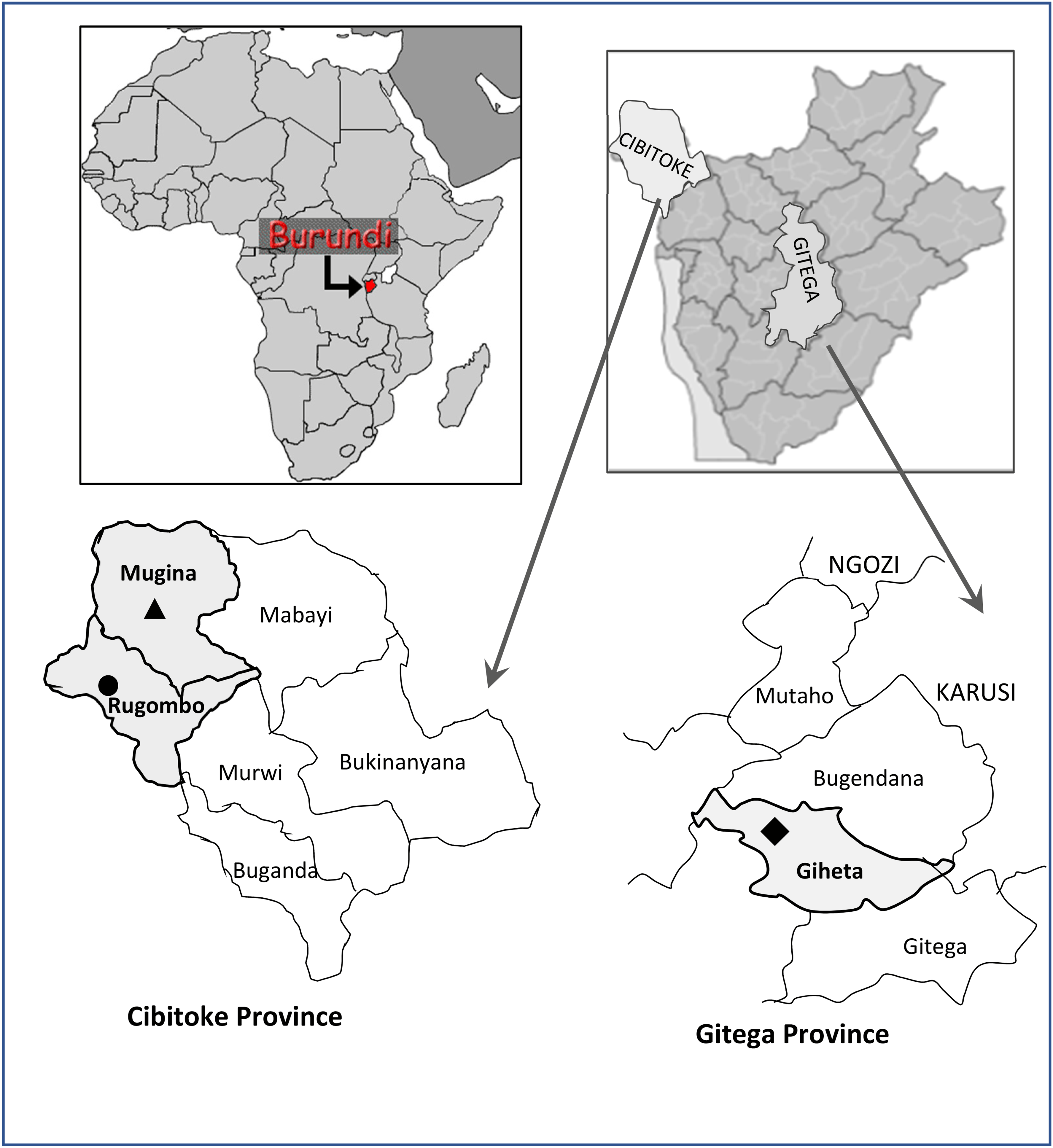
Three study site locations in two regions, comparing a BBTD endemic area in Cibitoke province (map in the lower left) and a BBTD-free zone in Gitega province (map in the lower right).
Seed systems interventions have been installed in all three sites to provide clean planting material for disease control and for nutrition interventions. Thus, all sites had comparable contributors distributing planting material, either from tissue culture hardening nurseries or from macro propagation. Cibitoke was one of the pilot provinces where management of BBTD was already initiated in 2011, including a seed system intervention using local nurseries for tissue culture plantlets. Farmers in these localities continue to supplement their seed needs by using locally accessed suckers even where seed from tissue culture is available.
Data collection
A mixed method was used to collect data, combining household surveys and Focus group discussions (FGD). The household surveys were used to evaluate the exchange networks for planting material and establish seed sharing connection characteristics. The farmers surveyed were those presently owning a banana garden and who had planted some new bananas in the past three years. The initial 180 households – from Cibitoke Province: 76 farmers in Rusagara (52 men; 24 women), 44 farmers in Kagazi (29 men; 15 women) and from Gitega Province: 60 farmers in Muremera (24 men, 36 women) – were selected randomly from those who received banana seedlings from intervention nurseries and non-beneficiary neighbors farming within the landscape. To assess seed sharing, a contact tracing beginning with the seed distribution nurseries and randomly selected non-beneficiary farmers in the same location were assessed. Subsequent contacts came from the first connections and seed sharing connections followed until no further sources or recipients could be recalled. Each farmer was asked about banana planting material provisioning and sharing, people who shared seed, the type of seed and cultivars shared, and information accompanying seed exchange. Data were also collected on social relations and the distance between farmers who shared seed.
Data were collected using the Open Data Kit COLLECT (https://getodk.org/) application supplemented by paper questionnaires when needed, and imported into Microsoft Excel.
FGD were used to collect qualitative data, to assess farmer appreciation of seed sources and motivation for using different sources. Groups comprised of eight participants, disaggregated by sex, and animated by same sex research assistants. Responses were recorded verbatim by a note-taker and edited to decode shorthand signals and produce final transcripts that were translated for analysis.
Statistical analysis
The quantitative data collected were cleaned to harmonize measurement units, place names, and cultivar names to enable analysis. Data were coded into source-recipient transaction files for input into Excel and formatted in a command separated values (CSV) file with information about seed source and recipient. The CSV file was then read into the R programing environment (R Core Team, 2021). To construct the banana seed exchange networks, we evaluated all the sources reported per site and per household for each of the three sites separately. For each respondent, we assessed to whom they provided banana seed and from whom they received banana seed, and their relationship. Based on these banana planting material exchange records, we constructed and analyzed the planting material exchange networks for the three sites separately using the igraph (Csardi and Nepusz, 2006) and INA (Garrett, 2021) R packages. In each planting material exchange network, each node represents a household, nursery, NGO, project, research institution, or tissue culture laboratory.
The reported seed exchange networks were analyzed and evaluated for invasion risk of pests and disease using the multistart function, a component of the smartsurv function in the INA R package (Garrett, 2021). Each reported planting material exchange network was evaluated as a local planting material distribution system. The invasion of pathogens can cause different levels of damage to this system depending on the initial invasion locations. For this epidemic network simulation, we evaluated invasions starting from each node of the local planting material distribution system in turn. We then evaluated each node for its importance for detecting an invasive pathogen in these scenarios, identifying nodes that could be important in epidemics in seed sharing networks.
We compared men's and women's reported seed connections to assess major banana seed sources and also a destination in the different study sites using a chi-square test. This was done separately for formal and informal seed sources. The approximate distances between the source of seed and where it was planted were recorded for each transaction. This was used to compare seed acquisition options for farmers of different sexes in each village. The network centrality measured by gender was used to compare gardens owned by men and women based on their node degree (number of links a farm has to other farmers) distribution and surveillance score (importance for detecting invading pathogens) distribution based on the network analysis.
A Chi-square test at the 5% significance level was used to compare varietal diversity in BBTD endemic and non-endemic areas. The banana seed information exchange in the communities was used to assess the criteria used in evaluating seed sourcing options. The distances between plantation area and seed source were recorded to evaluate how far planting material could reach, evaluating the frequency distribution of seed movement distances across households.
Qualitative data using FGD was collected to capture the community understanding about banana seed exchange to assess how formal and informal seed systems in banana seed are structured in rural communities. We evaluated how commonly banana seed is shared and who exchanges seed. Verbatim FGD transcripts were coded to assess themes linked to seed sourcing practices. The responses were scored per theme to assess the strategies used by male and female farmers for engaging specific seed sources; and the reason for sourcing seed from specific seed sourcing options when used. The themes scored were collated and summarised to reveal patterns of opinions, and on unarticulated norms (Halcomb et al., 2007). Comparisons were then made to compare men and women in different villages and across villages. Illustrative quotations were also obtained to show specific observations and social norms linked to them.
Results
Banana seed exchange
The key banana seed sources were a farmer's own plantation, neighbors/friends for suckers and research institutions, NGOs, development projects, and nurseries for plantlets. Both men and women in the surveyed households indicated that they obtained most of their planting material from their own fields and neighbors/friends (Figure 2). The BBTD-endemic sites had a higher diversity of seed sources compared to the non-endemic site. At the Kagazi site, 83% of women obtained their seed from neighbors and only 45% of men obtained their seed from their own plots. In Rusagara, 41% of men and women got their planting materials from their neighbors or friends, while in Muremera 48% of men and 45% of women got their seed from their own fields (Figure 2).
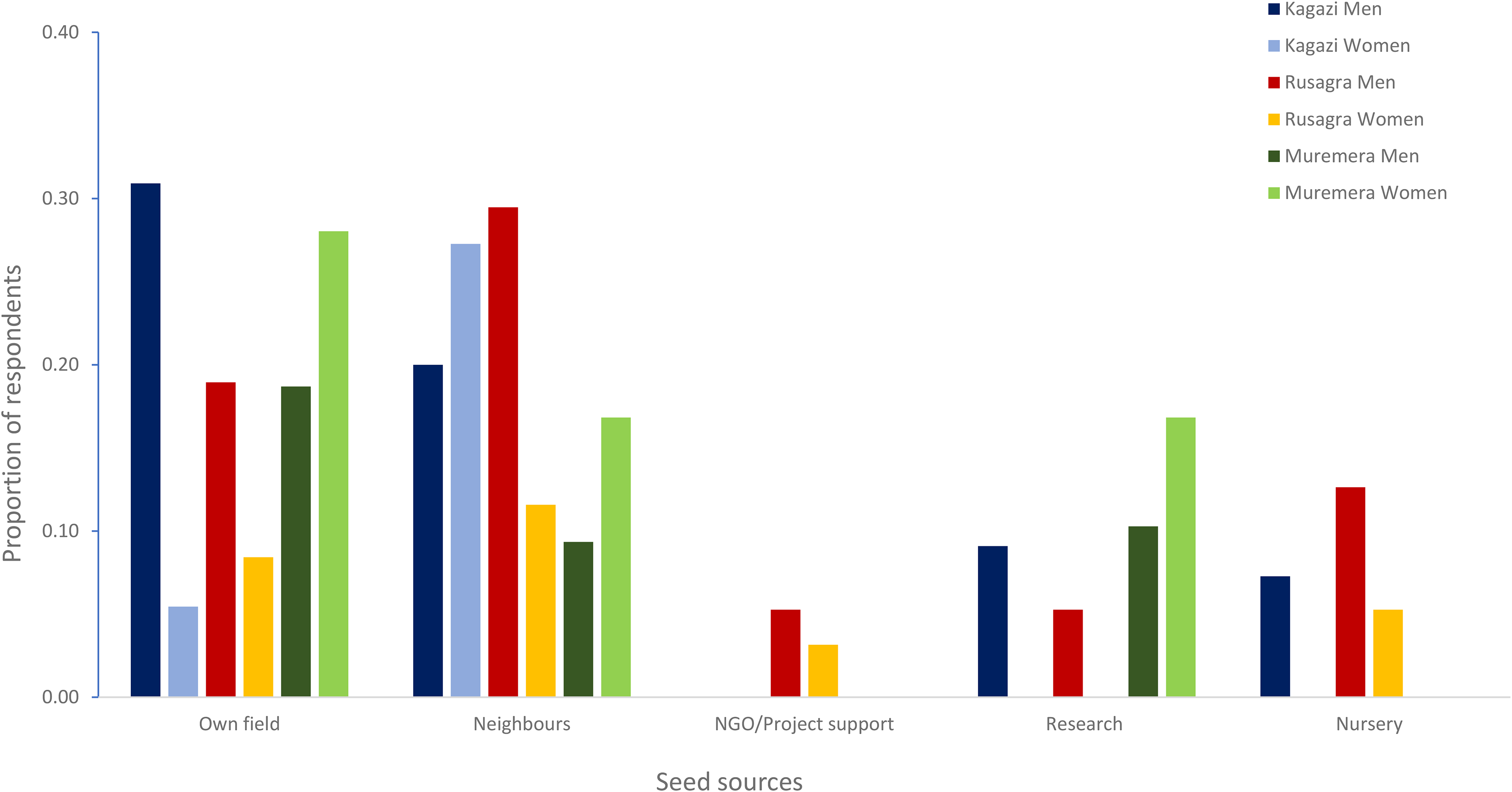
Banana seed sources reported in the study sites. In all sites, informal sources of seed within the vicinity were key sources of seed. In BBTD endemic sites, men were more likely to plant off-farm sourced seed.
Analysis of banana seed recipients indicated that men from Kagazi and Rusagara made substantial contributions to seed provision to neighbors from the same village while women were less important as seed sources. At Muremera, women contributed more in banana seed sharing with family and neighbors from the same village compared to men. The comparison of seed recipients from men and from women reveals to whom they shared seed and where, to assess at which level they contributed and the reasons for sharing (Figure 3).
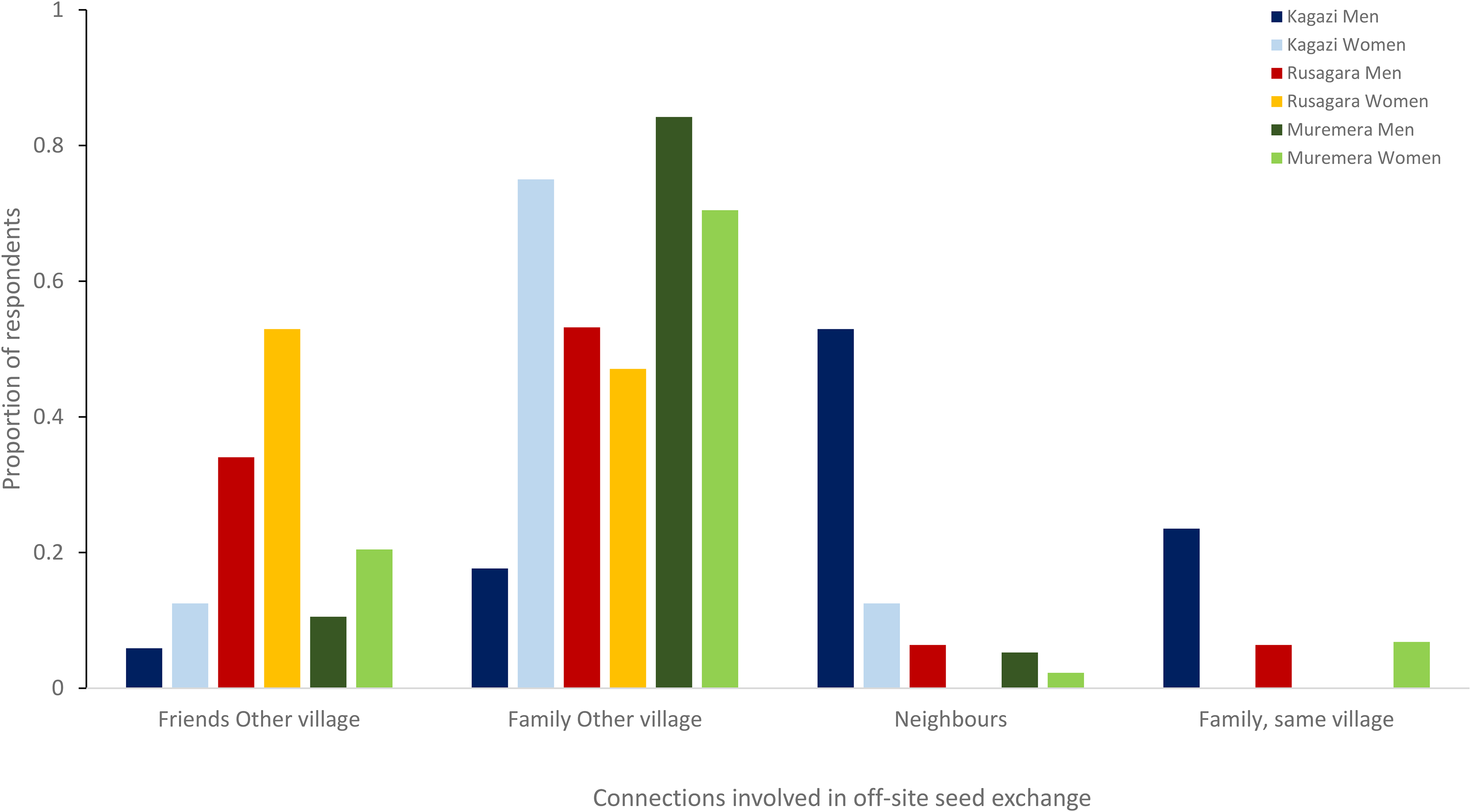
Seed recipients reported in the study area with similar roles played by men and women in the infected zone and different roles in disease-free zone.
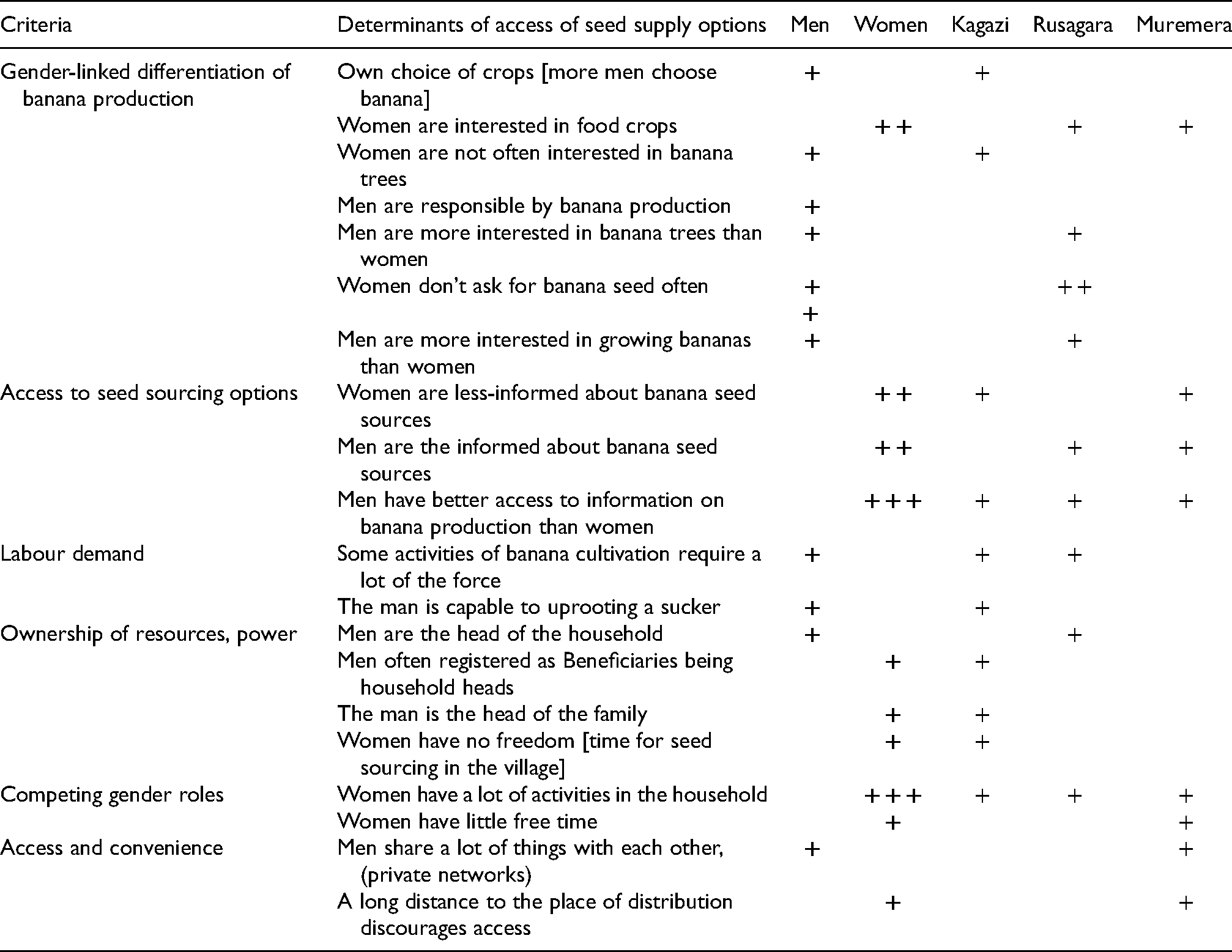
Although several formal efforts involving seed sourcing from tissue culture laboratories (formal seed system) exist in the sites, informal seed exchange continues and is the dominant source of seed locally. Farmers were aware of and accessed seed from both formal seed sources (Projects, NGOs and Research nurseries) and informal sources, sucker sourcing from other farmers in the community (Table 1). The motivation for each seed source and an evaluation of their assessment shows that they were complementary, and both served specific uses but also had associated weaknesses (Table 2). For example, suckers were usually used as planting material, not as high-quality seed but because they are what is available locally, robust and relatively more practical to establish, needing little care after planting. Tissue culture material sourced from formal sources were trusted clean and often a source of new high yielding cultivars. However, the plantlets issued were less robust, and the resulting plants lacked longevity desired in perennial gardens. Also, in the absence of the mother plant, the varieties were not always true to the desires of the community. Access to these sources was also women were somewhat less accessible, through property ownership, competing gender roles and existing social power connections (Table 1) Social connections form part of seed acquisition networks, but seed is also evaluated directly or trusted as good if the source is trusted. “Before planning to grow banana when planting season approaches, once we are traveling within the village, we observe the banana plantation in our neighbours’ gardens and request some suckers based on the physical and healthy appearance of banana stand. We are used to getting seed from our neighbours, own plantations as the banana source commonly known. It is easy to get seeds from relatives. We could not find other types of banana seed due to their unavailability, except for some beneficiaries of NGOs and development projects. We appreciate our local cultivars available locally and FHIA's as newly introduced with big bunch production. Men contribute a lot in seed supply due to their role in household land ownership and their enough energy in uprooting suckers”.
Summary of the determinants to sources of seed men and women engage with the three pilot sites.
Seed source evaluation characteristics from focus groups discussion data. a
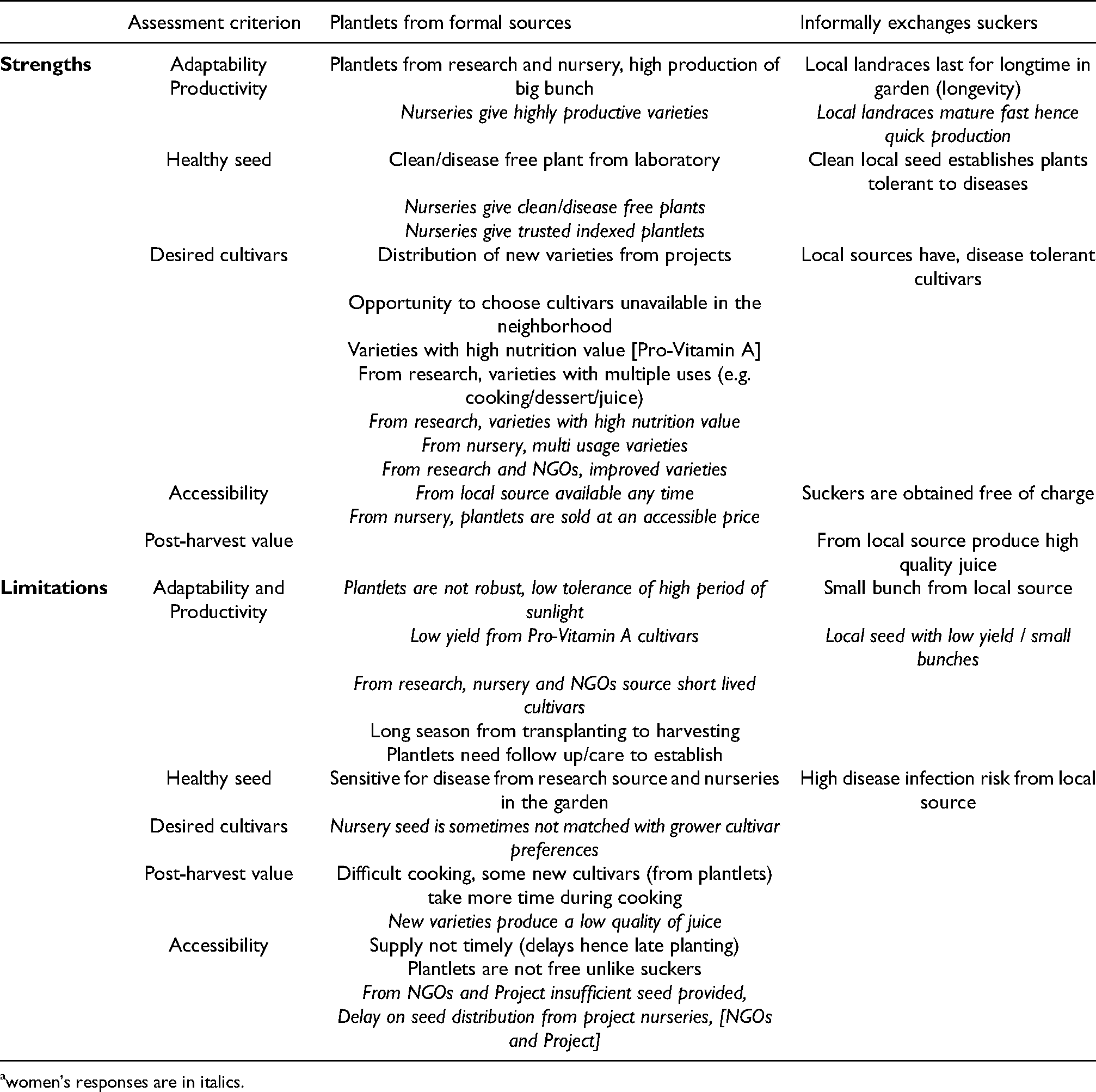
women's responses are in italics.
Male participant, Rusagara”
“Here at home, women are not used to looking for banana plants. But the known sources are NGOs, own fields, neighbours and friends of the village but also ISABU gave for some. In order to get seedlings in the neighbourhood, it is necessary to have a good relationship, to visit sometimes, to participate in different ceremonies. Widows alone can take the suckers in their household because they are the managers of everything. The cultivars commonly exchanged are FHIA, [Yangambi] Km5 and Igisahira, Umuzuzu rarely”
Female participant, Rusagara
Seed exchange predominantly involved farmers within the same locality, with the seed quality assessment involving trust relationships, farm/ mother plant examination and some seed assessment. “We give suckers to our friends, relatives, and neighbours as we do not have another kind of seeds. It is common here to share planting material free-of charge, when neighbours pass and request seed from our plantations, we give to them.”
Male participant, Muremera
Increasing banana production was a desired objective of sourcing new planting material from the available sources. Farmers, especially in BBTD-endemic areas hoped that these seed would be disease free hence capable of contributing to disease control. “We have few sources of reliable healthy seed locally to start with and to assure sustainable production, increasing family incomes. Organizing training on banana cropping systems is also a need or request to some of the research even extension services at the local level. Research could contribute to creating cultivars with high productivity”
Female participant, Kagazi
Banana seed networks
The network structure reveals varying relationships between the stakeholders in organizations or communities. Each network was built based on the reported seed source and seed recipient. The banana seed exchange network is composed of two distinct seed systems. The informal seed system is dominated by the farmers themselves (men and women) and the formal system is composed of nurseries, research institutes, tissue culture laboratories, and some projects and NGOs. The reported links capture some aspects of the system; larger samples would provide more information about the network as a whole. The reported seed exchange networks reveal difference in seed exchange patterns and the analysis of key surveillance nodes shows the potential role of individuals and institutions in the study area (Figure 4). Each link could represent both potential spread of BBTV or aphid vectors, or other diseases transmitted through infected planting material.
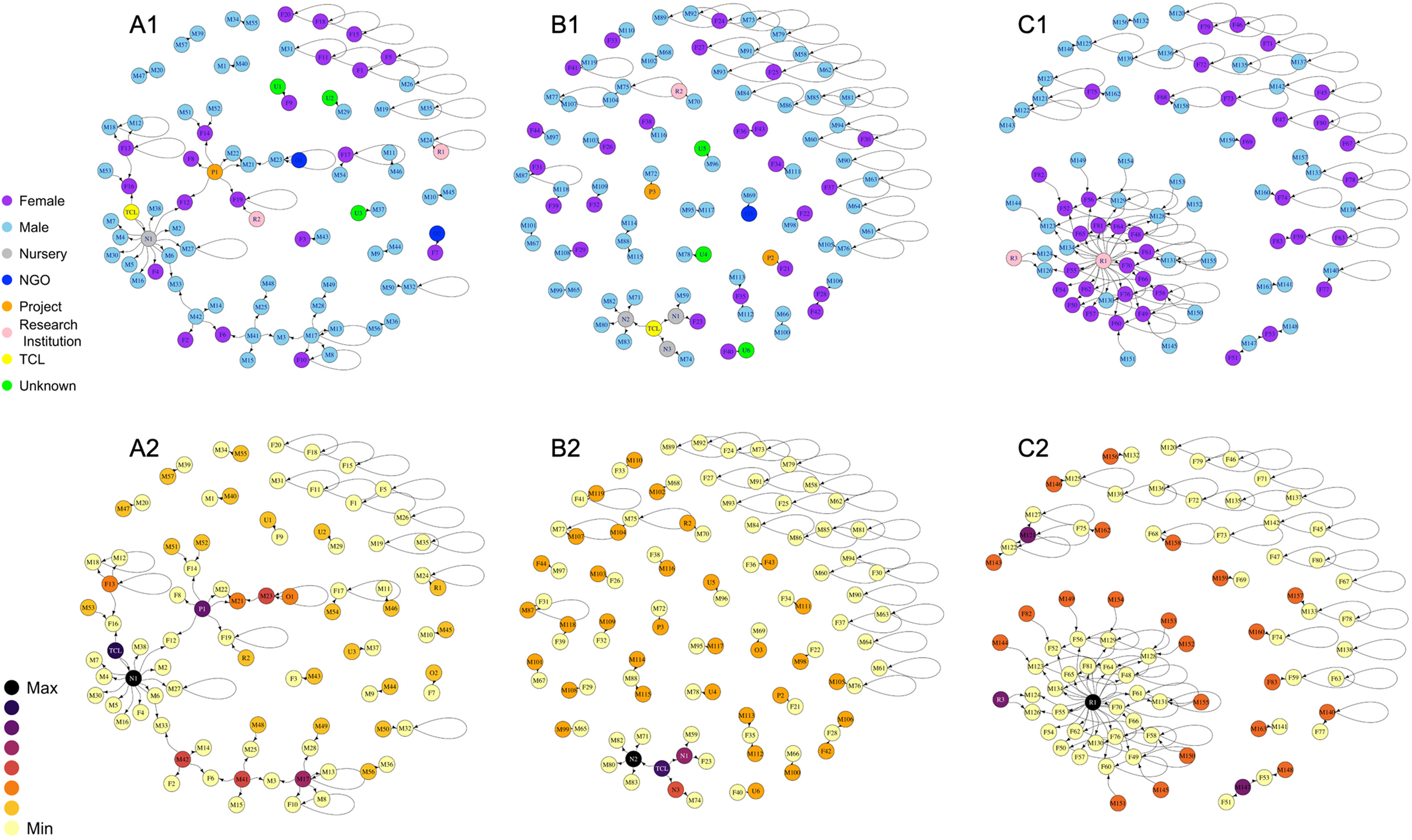
Seed exchange network (A1 Rusagara, B1 Kagazi, C1 Muremera); assessment of key surveillance nodes and disease risk projection (A2 Rusagara, B2 Kagazi, C2 Muremera) in the study area. F: female; M: male; N: nursery; R: research institution; P: development project; U: unknown; TCL: tissue culture laboratory. The links with an arrow between nodes indicate the planting material exchange flow in the last three planting seasons.
Muremera had a high level of seed sharing between farmers compared to the sites in Cibitoke. In this site, a lot of linkages were observed around the distribution nurseries of Pro-Vitamin A rich cultivars, which purposefully recruited more women recipients. Also, the degree distribution graphs show that gardens owned by women tended to have more links than gardens owned by men in all three study areas. The surveillance score distribution graphs suggest that plots owned by women tended to have higher invasion risk of pests and disease and that most of the plots owned by women were receivers of seed while plots owned by men were contributors of seed. The BBTD endemic sites Rusagara and Kagazi present a greater disease invasion risk surveillance priority. Similarly, plots owned by women show a higher seed-linked infection risk in each of the sites, based on their position in the reported networks (Figure 5).
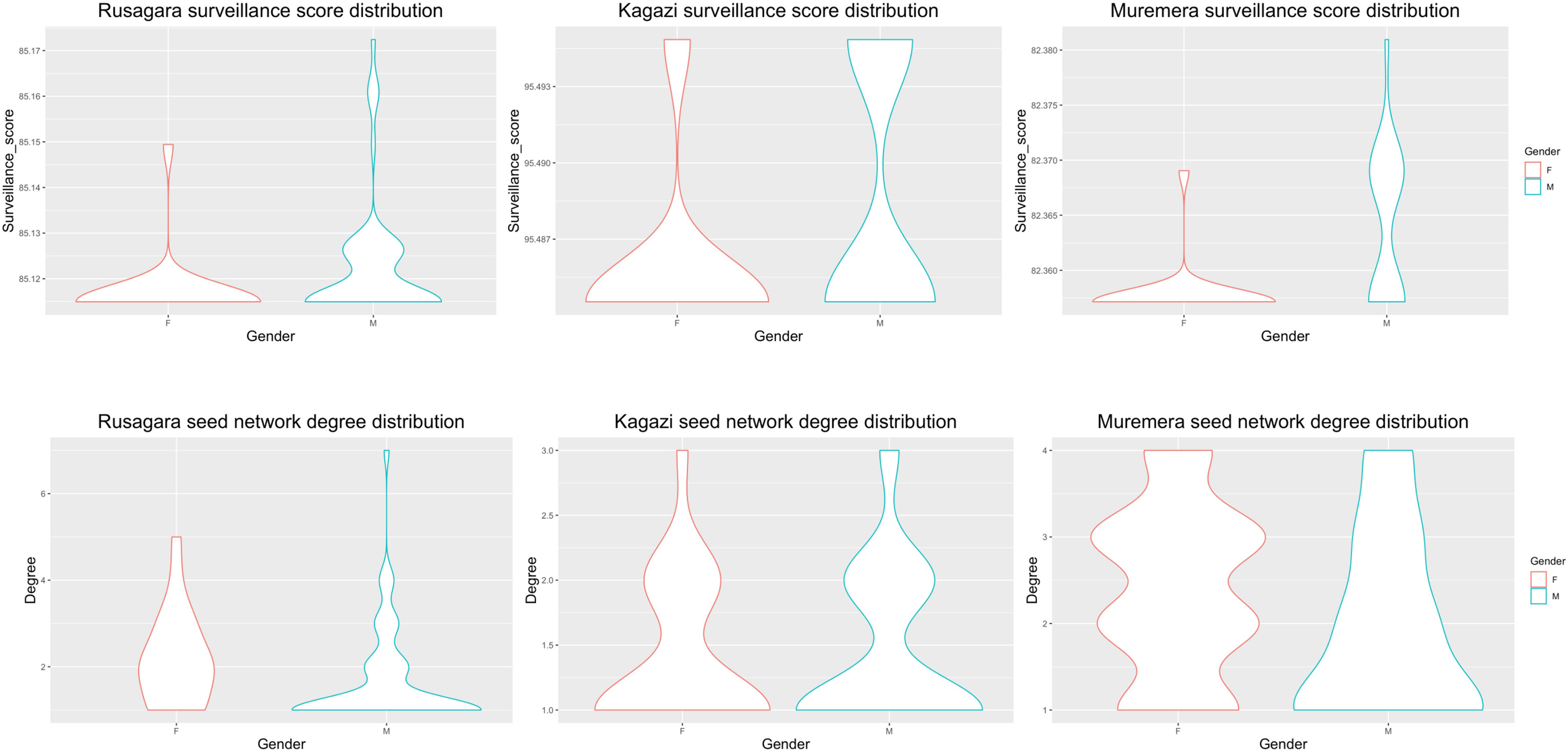
Degree (number of links to or from a node) distribution by gender and surveillance score (importance for detecting disease before it has spread widely through the system) distribution by gender.
Forms of banana seed exchange
The dominant seed type shared between farmers was suckers, representing 72.6% in the surveyed households. Suckers also are the major type of seed available and accessible in the community and there are few banana seed types existing in the surveyed areas (Figure 6). Plantlets from macropropagation and tissue culture are also used but are dependent on specific projects, NGOs and research interventions. Commercial tissue culture nurseries only existed in the BBTD-endemic sites.
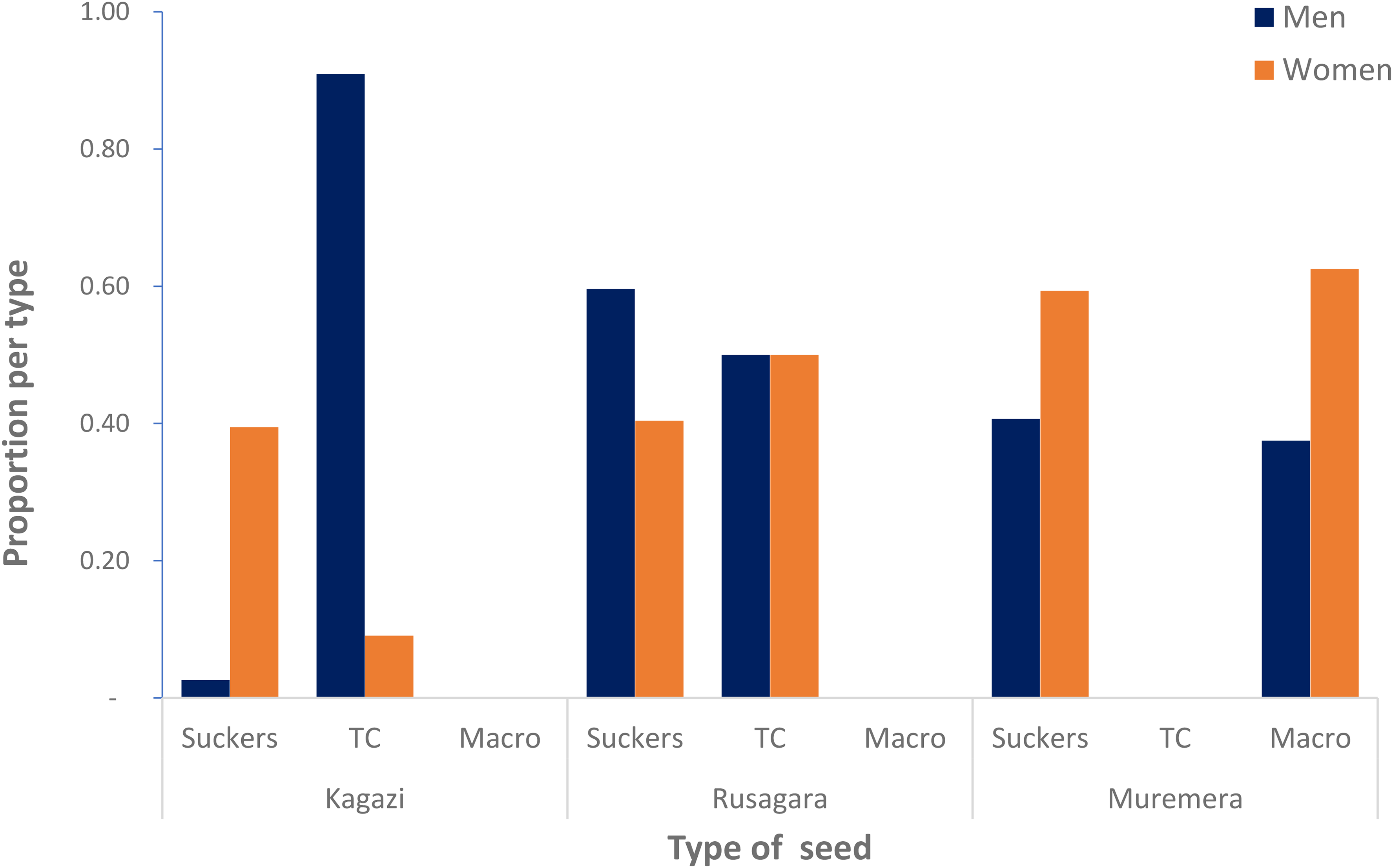
Banana seed type exchange in study sites by sex indicates that suckers are the main planting material type shared in the study zone by both men and women.
Varietal diversity in Banana seed systems
Two varieties, FHIA and Yangambi Km5 were dominant in the BBTD endemic sites and represented an average of 39% and 42% respectively of all seed exchanged. FHIA and Yangambi Km5 are both recently introduced into the area in the last two decades. In Rusagara and Kagazi, 90% and 68% of households used FHIA, respectively; while Yangambi Km5 was used by 95% in Rusagara and 68% in Kagazi. In Muremera, the use of these newly introduced cultivars is slightly lower (62% and 28% respectively). In the BBTD infected sites, the diversity of exchanged banana cultivars was lower than in the non-endemic area (Figure 7). The local landraces Igisahira (cooking cultivar) and Igitsiri (beer cultivar) were the dominant cultivars in the non-BBTD endemic sites and were very rarely found or not encountered at all in the BBTD endemic area (χ2 = 36.41, p = 0.0000, Figure 7).
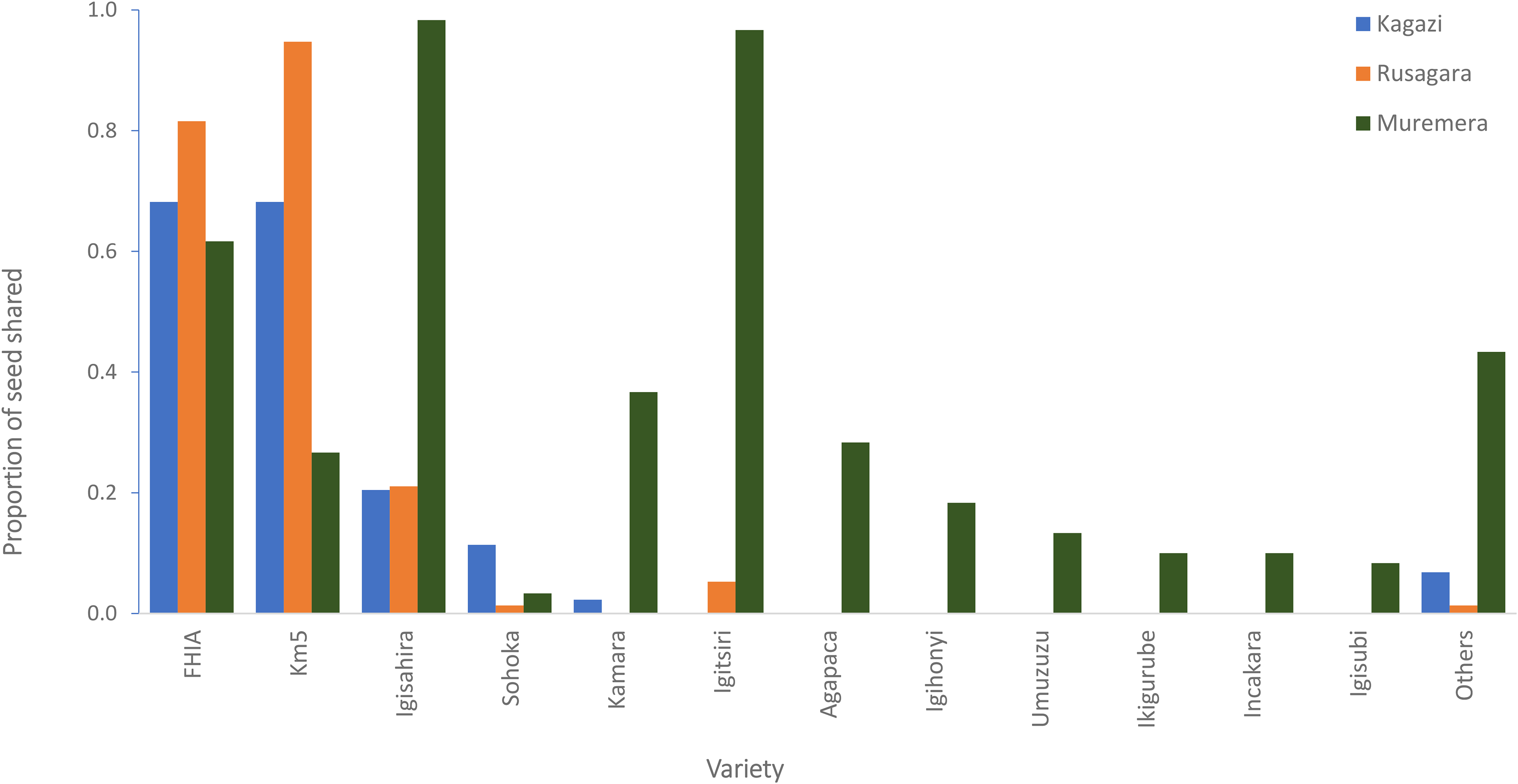
Banana diversity in study zone. The BBTD endemic regions show a reduction in banana diversity and dominance of recently introduced cultivars.
BBTD impact evaluation
The distances that banana seed moved between source and plantation were recorded to evaluate how far a seed borne disease could be disseminated through farmer seed exchange. We found that the surveyed households received seeds for their neighboring communities which exposed them to disease spread during seed sharing. On average 68% in BBTD affected areas and 85% in a disease-free zone of our respondents obtained seed 0 to 3 km from their plots. Seed sharing declined at greater distances between contacts. There is a high risk of disease spread within a village resulting from this seed sharing strategy (Figure 8).
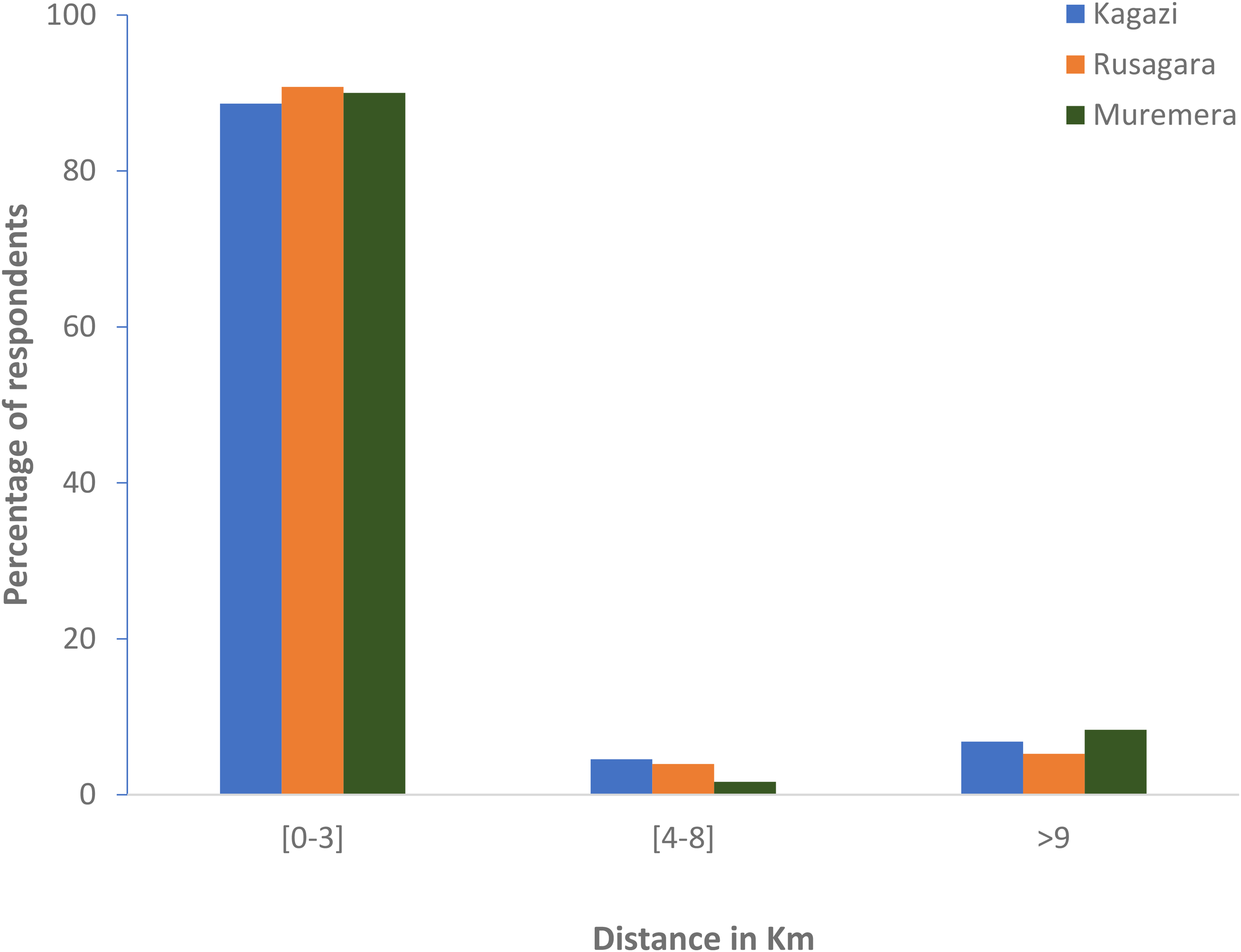
Seed sourcing distance from the final planting farm sites. In all three communes, seed is predominantly sourced at shorter distances. The risk of seed-borne disease dispersal is largely within smaller landscapes.
Banana seed information sharing
We assessed which seed-linked concerns were shared alongside seed between banana growers during seed exchange (Figure 9). The most important kinds of information exchanged varied between sites and sex of farmers. Agronomy and cultivar identity were the most dominant details sought irrespective of the source or recipient of the seed in the non-BBTD endemic zone, sought by over 70% of all respondents. In the BBTD endemic zone, the disease status was the most important seed trait exchanged. Interestingly, the potential yield of the cultivar and crop cycle were much less important assessment criteria in all sites. Men were more concerned about agronomic traits and variety identity in all the sites; and comparatively shared more information on disease status on the BBTD-endemic sites. The FGD data however showed that varietal attributes, availability and access to seed were important considerations for both men and women in sourcing seed from specific suppliers. While men highly relied on the ability of a seed source to satisfy their demand in seed sourving, women tended to rank the reputation of the seed source and convenience of seed sourcing as also important, unlike the men (Figure 10).
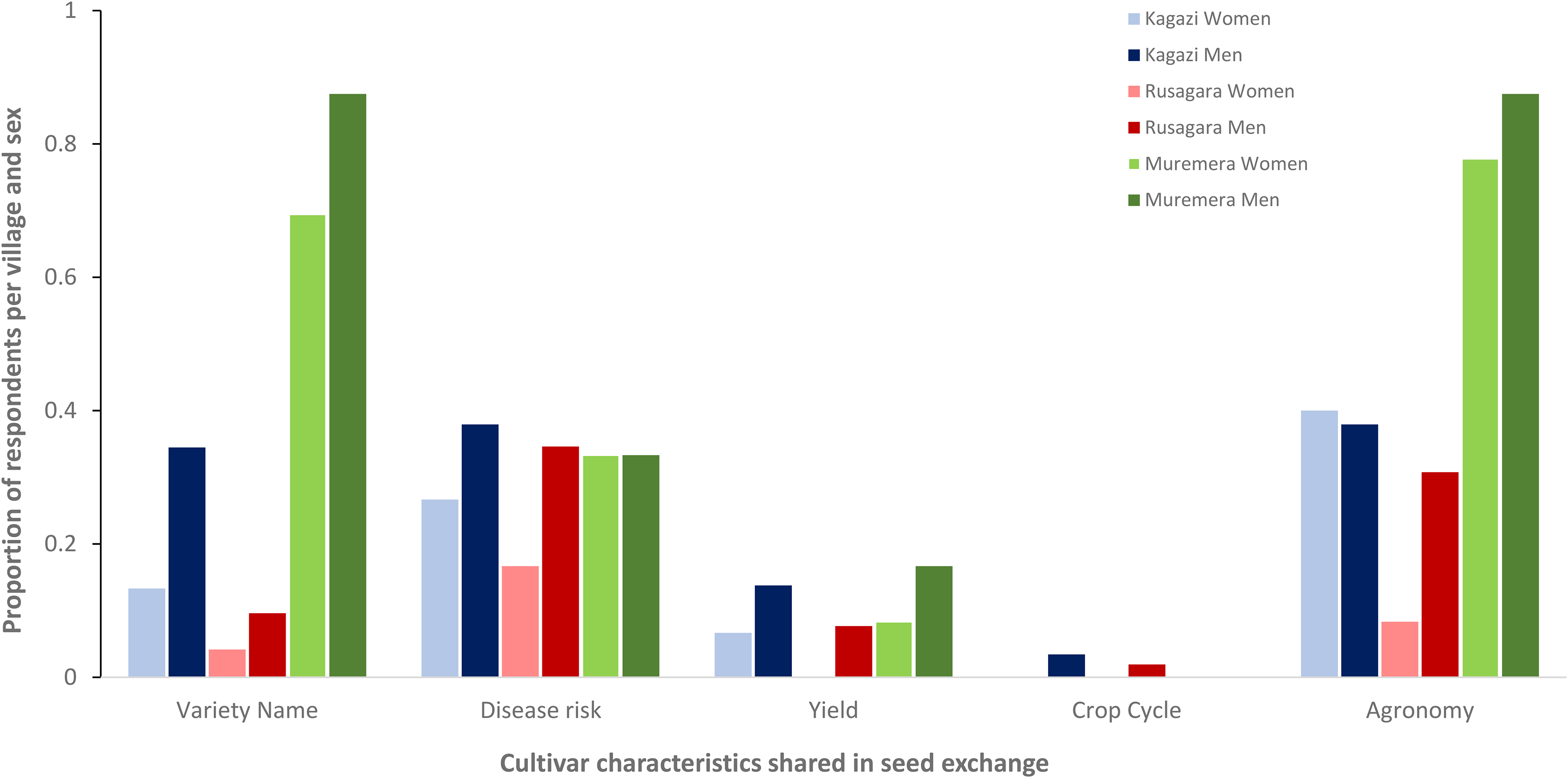
Key information shared during banana seed exchange in the study zone. More quality attributes were shared about seed during exchange in the BBTD-free region than in the endemic regions. Seed exchange with men involved sharing more information types.
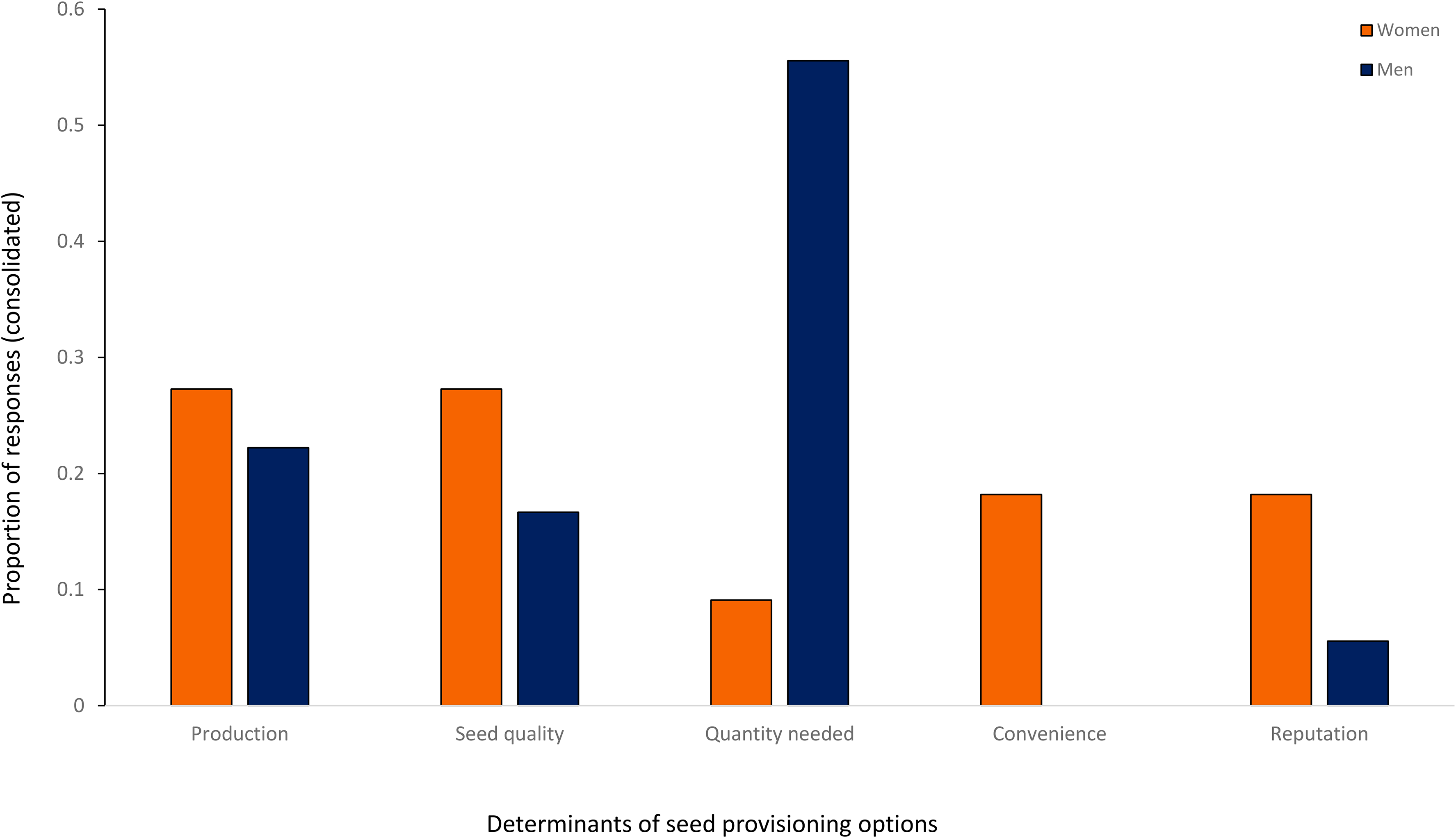
Assessment of seed sourcing options by men and women in the three pilot sites in Burundi, from FGD data reveals some gender gender linked differences in seed provisioning and power. Only women consider the convenience of the seed source (distance, seed form and inspection rules), and they are more likely to infer the quality of seed from the reputation of the seed source.
Discussion
Seed systems include the players, relationships, regulations, and options that influence a farmer's access to seed (McEwan et al., 2021). A seed system naturally involves many interconnected players dealing with each other directly or remotely. As the overall goal is farmer access to quality, safe, adaptable seed of the desired cultivars, farmers are potentially connected to all seed system actors. Seed network analysis investigates the players that deal directly with seed (often controlling it physically) by evaluating the transactions between them and the implications of the transactions. We investigated banana seed networks in Burundi with the aim of assessing the consequences of disease, crop and gender norms. We studied these factors in three regions in Burundi and assessed how seed systems and farmer options are shaped by an invasive seed-borne disease. Our goal was to identify how some of these would result in gaps or opportunities for efficient and equitable delivery of acceptable quality seed.
Structure of the seed system
We found that the banana seed systems were highly dependent on local informal seed sourcing from farmers’ own gardens and close relatives within a locality. Social connections and physical familiarity were important in determining seed transactions. Formal seed sources supplying plantlets were an opportunity for the introduction of new cultivars into the community, and represented a small percentage of the total seed planted in a year. They were then associated with well-branched downstream sharing through the informal networks. Such observations are similar to informal seed systems elsewhere (Abay et al., 2011; Song et al., 2019). Overall, the key differences between sites and players in the seed system were shaped by the access to available seed in the subsequent seed sharing steps. The lower threshold of seed information shared in BBTD-endemic areas could be attributed to seed demand in such areas, needed to rehabilitate infested gardens. The seed systems interventions in all pilot sites created opportunities for healthy planting material or new cultivars, with similar seed access strategies. We also observed a greater diversity of cultivars in the BBTD-free site of Muremera. Men were generally better positioned to obtain clean seed through closer connections to formal seed distribution nurseries, compared to women.
Variety-related diversity
Sourcing new cultivars or traits of importance was a key motivation in banana seed sourcing noted in this study. Indeed, seed sources were more likely to be evaluated by generalized attributes of cultivars obtained through them, than their own role in seed supply. For example, plantlets were generally considered as being a source of new, high yielding cultivars, even though some Pro-Vitamin M varieties were flagged as low yielding. This is not surprising. An opportunity to increase the diversity of banana in one's garden motivated sourcing seed from both formal and informal sources. A significant reduction in cultivar diversity in the seed exchange networks was revealed in the BBTD endemic sites. These sites had a significantly lower diversity in the local landraces of the East African highland bananas. Two of the three dominant cultivars were introduced in this area only recently. Yangambi Km5 is associated with the loss of Kayinja (the main beer cultivar) following the Fusarium wilt outbreak about ten to twenty years ago (Ocimati et al., 2013). The FHIA group of hybrid varieties was introduced about 20 years ago in the region (Gaidashova et al., 2010, Kamira et al., 2013), and has been dominant in both the formal and informal seed sector. It is notable however that FHIA dominance could also be associated with its integration into the local production objectives and multiple uses to which they have been put, and clear production-linked genetic gains provided by this group of cultivars in terms of market value and ecological adaptability (Ocimati et al., 2013). A reduction in the cultivars grown has been previously described by Simbare et al. (2020) who also indicated a reduction in diversity over time for the farmer cultivars. Banana disease-associated cultivar sweeps have been reported before. Gros Michel declined and was replaced by Cavendish varieties as the dominant dessert banana cultivar as a result of the Fusarium Race one invasion (Dita et al., 2018). Our observations are however more related to a reduction of cultivars of local landraces, mainly exchanged through the informal seed sector, without an indexing possibility. This is due to the severity of the disease, which caused a progressive loss of banana landraces that were grown before the BBTD invasion, and the loss of cultivar diversity due to susceptibility. The loss of cultivar landraces from production (Simbare et al., 2020) and seed exchange noted in this study threatens the global banana gene pool, since these cultivars represent a unique secondary diversity of this crop (Kitavi et al., 2020; Perrier et al., 2019). Recently, Mulugo et al. (2020b) have cautioned about reliance on formal seed-based systems to address seed borne pathogens, proposing a concomitant improvement in seed health in systems closer to informal systems. Seed system efforts should provide a possibility of conservation of banana diversity in the face of increasing emergence of invasive banana pests and diseases, and climate change restrictions.
Gender gaps in seed acquisition
Our study revealed significant gender gaps in seed access in both BBTD endemic and non-endemic areas. In both areas, men were better placed to access relatively disease-free seed both formally and informally. For instance, where interventions introduced nurseries, men represented a higher proportion of recipients of seed and tended to receive more seeds than women in the same community. Where project interventions purposefully targeted women (e.g. the Pro Vitamin A banana project), again men formed a majority of recipients of seed shared out from the initial recipients. This gap is further represented in a higher proportion of men being identified as seed monitoring priority points (dominant sources of seed) compared to women, and a lower score on seed health risks in our study. The men were better able to access seed due to gender roles and access to seed supply networks not equally accessible to women; and were generally considered the banana farmers or property owners. In Cameroon, Nkengla-Asi et al. (2020) had reported that system shocks linked to disease risk left the more vulnerable farmers (women farmers and non-natives) more exposed, given their restricted seed sourcing options. Indeed, in Uganda, Mulugo et al. (2020a, 2020b) reported that women would be more willing to adopt tissue culture seedling technology, especially for cooking varieties of banana, where the varieties were perceived to promote household food security objectives. Both studies, therefore, recommended prioritization of seed sourcing space for vulnerable growers at small scale access, since infected gardens would remain a risk to all re-established gardens at the landscape scale. Information sharing spaces could also consider accessing exogenous information since most of the new information and innovation come through community leaders and spread through their contacts in the community, more likely to be men. Preferential seed access by males has also been previously linked to access to production resources, mainly land and extension information (Iradukunda et al., 2019; Nkengla-Asi et al., 2020) which are patrilineally inherited in many communities in our study area. Better access to land through inheritance would influence demand for seed but also access to perennial banana plantations, thus influencing both demand for new genotypes and supply of local cultivars at the same time. A more logical comparison should therefore consider the proportion of seed needs met by women and men in different communities. Addressing such gender gaps could accommodate a fair comparison based on satisfied seed supply, adaptable, preferred cultivars, and quality, as steps toward identifying gender and social equity seed exchange spaces in intervention at the community level. If the rate of seed degeneration is determined in part by the scale of seed sharing, it may also be argued that these key seed sharing farmers might provide a decentralized seed access platform to supplement the formal system. Characterization of the key seed and cultivar ambassadors (sharing hotpots) through network analysis would be useful.
The concerns of seed information sharing show the quality traits considered by the farmers as important. These differed between men and women farmers depending on the BBTD status of the production zone, a potential indication of seed demand. In the whole study area, agronomic management and varietal identity were considered more important in the three sites. However, men were more concerned about diseases in the seed component than women in the BBTD endemic zone; and also considered details of the seed important during seed transactions. Information about the sanitary status of the planting material would be more critical for off-farm seed sources where the mother plant was not available for evaluation. Larger holding farmers are also more likely to be sensitive to seed sanitation. This gender-linked constraint could be related to banana production objectives (subsistence or commercial) and the differences in the relative scale of production between men and women, which were not assessed in this study. The seed information gap may also be related to relatively greater reliance on mother plant observation than information shared by the seller, especially for farmers relying on trusted sources for seed acquisition. Thus, community seed gardens and local sentinel farmers could serve as additional components of the hub-and-spoke seed distribution model after the nursery providing an opportunity for seed monitoring and mother plant evaluation, especially when introducing new cultivars.
Systems shocks and impact on seed systems
Impact network analysis provides a tool for analysing scenarios in intervention, hence predicting the potential effects of seed systems shocks, relevant to seed interventions. Such shocks could be linked to diseases, weather conditions, and investment in seed systems. Thus, one can predict the potential effects on seed security of quality seed sourcing, disease invasion risk, and surveillance objectives. By simulation of potential scenarios of seed systems shocks, this approach can be used to predict the downstream effects on seed health and supply, potentially building on analyses of cropland connectivity (Andersen et al., 2019; Andersen Onofre et al., 2021; Buddenhagen et al., 2017, 2022; Garrett, 2021; Xing et al., 2020). One caveat to keep in mind in evaluating the results is that only a portion of the complete network is reported in studies such as this; a complete census of the networks would reveal other aspects of the seed system structure (Newman, 2018). The actual seed degeneration status through the successive nodes in the network could differ widely between disease endemic zones and so should be studied experimentally. The distribution of newly introduced cultivars also provides a potential avenue to study cultivar penetration and delivery of genetic improvement. Such studies would enable the understanding of potential disease risks and the performance of seed networks in delivering genetic gains to farmers. Understanding these networks can guide prioritization of interventions and the assessment of their performance and that of seed system stakeholders.
To our knowledge, this is the first use of INA in banana seed networks. The tool has previously been used in assessing the movement of potato seed through hubs of cooperatives (Buddenhagen et al., 2017), sweet potato in Uganda (Andersen et al., 2019) and cassava in Vietnam (Delaquis et al., 2018). This study uniquely adds a disease invasion and intervention scenarios in understanding seed systems networks (Andersen et al., 2019). For banana however, seed tracing and network studies can be challenging owing to the perennial planting system, which makes source contact tracing difficult. In many situations, due to small farm holdings, banana growers usually need only small quantities of seed (Nkengla-Asi et al., 2021). Improved methods of seed-sharing documentation such as through known cultivars might help address this shortcoming. In Ethiopia, Tadesse et al. (2017) found that larger-scale male farmers were more likely to share seed with smaller-scale farmers around them, and so sharing new cultivars with them resulted in better penetration to poorer farmers than if these were shared directly to the target poorer farmers. Possibly the characterization of seed sources as safe is often linked to social approval of the producer, where knowledge of seed quality assessment is lacking. It would also be interesting to characterize significant seed sharing hubs (community mother gardens or farmers who are more likely to share seed received). This way implementation of interventions would work with existing seed sharing behavior to introduce and distribute new genotypes and cleaner seeds. It would also be interesting to assess the relative seed health (degeneration status) across the sharing chain. The INA method would thus be useful in identifying key stakeholders and how the system enables achievement of a low-risk quality declared seed option from small-scale farmers, hence addressing seed access gaps in VPCs.
Footnotes
Acknowledgements
We thank the CGIAR Research Program on Root Tubers and Bananas (RTB); through funding to Seed Systems and Banana Viral Diseases clusters. We are most grateful to banana farmers in Cibitoke and Gitega who volunteered to be part of this study. We also thank ISABU which hosted the field trials through which the correspondents were recruited.
Author roles
Designed the study – BAO, KAG
Designed and tested study tools – IN, BAO, SS
Collected data – IN, AS
Analysed and interpreted the data – IN, YX, AS, SS, BAO, KAG
Wrote the manuscript – All authors
Revised and authorized the MS for publishing – All authors
Declaration of conflicting interests
The author(s) declared no potential conflicts of interest with respect to the research, authorship, and/or publication of this article.
Funding
The author(s) disclosed receipt of the following financial support for the research, authorship, and/or publication of this article: This work was supported by the Consortium of International Agricultural Research Centers, (grant number CG Programe on Roots Tubers and Bananas, CC 2.1; BA 3.4).
