




Abstract
Global warming has increased the frequency and intensity of extreme climate change events. The authors study the impact of severe climate change events, particularly wildfire smoke, on consumer purchases of sustainable products. They exploit the random dispersion of wildfire smoke as a natural experiment and analyze three large-scale wildfires from 2018, 2020, and 2023. They combined retail scanner data with air quality data for the first two events and conducted online surveys for the last event. They show that stores exposed to severe wildfire smoke experience an increased demand for sustainable cleaning products relative to stores facing little to no wildfire smoke. The increase occurs promptly after the wildfire smoke exposure, which is short-lived. The authors also find stronger effects for refill products and sustainable brands. Survey results corroborate and extend the empirical findings by demonstrating the effect of exposure on attitudinal changes. In summary, this study documents the meaningful impact of climate change events on sustainable consumption by analyzing multiple events over the years using a multimethod approach. The study offers relevant and timely managerial insights as consumers are increasingly exposed to more intense and recurrent climate change events.
Keywords
Since the 1800s, human activities have increased the amount of carbon dioxide in the air, warming the surface of our planet (United Nations 2025). Hotter temperatures and drier environments have consequently led to more severe wildfires. For example, most of California's largest and most destructive wildfires have occurred in recent years: 5 of its 20 most destructive wildfires occurred in 2020 alone (Legislative Analyst’s Office 2022). According to a report by the United Nations Environment Programme (2022), the likelihood of catastrophic wildfires worldwide is expected to increase by one-third in 2050 and to more than 50% toward the end of the centry.
The focus of this study is wildfires’ hazardous byproduct—wildfire smoke. Wildfire smoke spreads far from the fire itself and has been shown to negatively affect mortality, respiratory diseases, and pregnancy outcomes (Abdo et al. 2019; Matz et al. 2020). Wildfire smoke also induces human behavior changes, such as lending support for environmental regulation and laws (Hazlett and Mildenberger 2020; Owen et al. 2012) and voting (Blais and Young 1999; Harder and Krosnick 2008). However, no prior study has examined the impact of severe wildfire smoke on consumer purchase behavior. This study contributes to the literature as the first attempt at documenting the meaningful effects of climate change events on sustainable consumption by analyzing multiple wildfire events over several years using a multimethod approach. We specifically investigate the relative shift in demand from nonsustainable to sustainable products in response to severe wildfire smoke, utilizing both observational retail scanner data and survey data.
Wildfire smoke is ideal for examining consumer response to climate change events for several reasons. First, the local level of wildfire smoke can be quantified with the U.S. Environmental Protection Agency’s (EPA's) national air quality measure, Particulate Matter 2.5 (PM2.5). We can track substantial variations in the severity of exposure to wildfire smoke across the United States using this publicly available data. 1 Second, unlike other events (e.g., flooding, hurricanes), wildfire smoke tends to leave supply systems intact. Thus, store operations and the supply chain are generally unaffected by the smoke. This helps us isolate the impact of the climate change event on the demand side by observing changes in consumer purchases. Lastly, where the haze of smoke lands depends on fire intensity, geographic features, and various meteorological conditions (e.g., the strength and direction of the jet stream and the weather patterns; Goodrick et al. 2012). This creates random variation in wildfire smoke exposure across different regions. Leveraging this natural experiment, we compare consumer responses at stores in the regions that are affected by severe wildfire smoke against those with little or no wildfire smoke using a causal inference framework.
We examine three severe wildfire events in 2018, 2020, and 2023, characterized by noticeable smoke effects such as orange skies and poor ground-level air quality. We analyze retail scanner data for the first two events on the U.S. West Coast and utilize survey data for the last one on the U.S. East Coast. We start by analyzing the effect of wildfire smoke on sustainable consumption during the 2018 Camp Fire. We then supplement the analysis with the 2020 California wildfires. Lastly, to further our understanding of consumer attitudes toward sustainable consumption, we conducted an online survey during the 2023 Canadian wildfires and a follow-up survey in 2024 using the same pool of participants.
As previously mentioned, our primary outcome of interest is the demand for sustainable products. Given the lack of consensus on the definition of sustainable products, we rely on a U.S. federal certification called “Safer Choice.” Managed by the EPA, the Safer Choice certificate program is designed to help consumers identify sustainable household cleaning products.
For the empirical analyses of the 2018 and 2020 wildfires, we gathered NielsenIQ retail scanner data across relevant product categories and combined them with EPA's air quality measure (PM2.5) in California and neighboring states. We compare the demand for sustainable products in stores impacted by severe wildfire smoke (i.e., the treatment group) with those experiencing little or no wildfire smoke (i.e., the control group). Specifically, after matching stores in these two groups, we assess changes in the market share of sustainable products at the store level using a difference-in-differences (DiD) approach and further our analysis by examining demand at the individual product level to better control for unobserved product-level characteristics.
We find that stores exposed to severe wildfire smoke, relative to those with minimal to no smoke, experience increased demand for sustainable products postexposure, ranging from 4.7% to 9.3% across different model specifications and product categories. We conduct a battery of robustness checks and find consistent results. Evidence indicates that consumers are likely to substitute nonsustainable products for sustainable products following severe wildfire smoke exposure. However, the prompt increase in sustainable product demand following the exposure seems short-lived.
We also find heterogeneous effects based on product and brand characteristics in both the 2018 and 2020 wildfire events. First, we show stronger wildfire smoke effects for refill products, indicating that consumers shift to more sustainable options after being exposed to wildfire smoke. Second, sustainable brands (i.e., brands with more sustainable products) show a larger increase in sustainable demand, underscoring the competitive advantage of being perceived as more sustainable in the marketplace. These findings were robust in both the 2018 and 2020 events.
The 2018 wildfire event further provides evidence for heterogeneous effects based on product and store characteristics. There are stronger effects on unscented products, suggesting that consumers are more likely to prefer sustainable options perceived as healthier. In contrast, we document smaller effects of exposure in stores with higher market shares of sustainable products prior to the event, suggesting the saturation effects. In other words, customers at these stores were likely already environmentally conscious and engaged in sustainable consumption prior to encountering severe climate change events. While these results are not robust in 2020, likely due to the COVID-19-pandemic-related factors, we consider the 2018 results more reliable and generalizable given the prepandemic context.
Several mechanisms may explain the observed increase in sustainable product purchases in response to wildfire smoke. The first mechanism is extrinsic social responsibility. Iyer and Soberman (2016) highlight the role of extrinsic social responsibility—values shaped by social interactions and comparisons—in driving purchases of socially responsible innovations, such as the Toyota Prius or sustainable clothing. While this factor cannot be ruled out entirely, it is likely less relevant in our context, as household cleaning products are not typically considered conspicuous goods that drive social comparisons. The second mechanism is intrinsic social responsibility, or in this case, altruistic environmental concern. Severe wildfire smoke may serve as a salient cue that heightens environmental concern, leading consumers to favor products endorsed by the EPA, whose name signifies environmental stewardship. The third mechanism involves self-centered health concerns, which may also contribute to the observed effects. Wildfire smoke can cause immediate health issues, such as coughing, throat irritation, and nasal discomfort, prompting consumers to seek products perceived as beneficial to health. For instance, consumers may associate the word “Safer” in the Safer Choice logo with health benefits. In addition, since our focus is on cleaning products, consumers exposed to smoke may prefer less harsh products to limit cumulative chemical exposure, as exposed consumers may use more cleaning products as a result of the smoke. 2
To further investigate how wildfire smoke exposure can result in attitudinal changes in addition to behavioral changes documented with scanner data, we conducted an online survey during the 2023 Canadian wildfire—the most severe in recorded Canadian history (Dion 2023). Consistent with our empirical findings, respondents exposed to more severe wildfire smoke exhibited a significantly higher willingness to purchase sustainable products. The survey provides evidence that both altruistic environmental and self-centered health concerns shift in response to smoke exposure. Additionally, respondents experiencing more intense smoke were more likely to attribute wildfire severity to climate change and global warming, signaling a shift in beliefs alongside willingness to purchase. We further conducted a follow-up survey in 2024 to confirm the transient nature of the effect. Results suggest that the treatment effects on both willingness to purchase and belief in climate change dissipate over time, corroborating the short-lived effects on purchases observed in prior empirical analyses.
The study offers relevant managerial implications for understanding consumer responses to severe climate change events. First, consumer demand shifts toward sustainable products after being exposed to severe wildfire smoke, and the variation in effect size is influenced by product, brand, and store characteristics. For example, customers show stronger preferences for refill sustainable products. Sustainable brands also stand to gain more from these adverse events. These insights can be useful for retail managers to respond better to future wildfire events. In addition, our research suggests that both altruistic environmental and self-centered health concerns play a role in sustainable consumption, rather than one of these factors alone. Brand managers should account for this when developing sustainability-focused brands as consumers face more frequent and severe climate events.
The remainder of the study is organized as follows. We begin by reviewing the relevant literature and highlighting our contribution. Next, we describe the research setting and the data. We then outline the empirical strategy, present the main findings, and examine the temporal changes of the effect of wildfire smoke for the first wildfire in 2018. We further extend our findings to different categories, a more granular level of analysis, and an additional wildfire in 2020. We then describe the survey settings and discuss the results in the context of the third fire in 2023 and the subsequent 2024 follow-up survey. Finally, we conclude with limitations of our findings.
Related Literature
In this section, we draw connections to the existing literature on climate change, air pollution, the drivers and deterrents of sustainable consumption, and environmental sustainability and marketing.
First, our study contributes to the literature examining the causal impact of climate change events on human behavior change. For example, Hazlett and Mildenberger (2020) and Owen et al. (2012) show that wildfires, extreme heat waves, and droughts can lead to greater support for environmental regulations and laws. In contrast, our study sheds light on the effect of a climate change event on consumer purchase behavior using retail scanner data.
Our work is also closely related to the substantial literature on the impact of air pollution on human health, worker productivity, criminal activity, and consumer spending (e.g., Herrnstadt et al. 2021; Kim and Trusov 2025; Schlenker and Walker 2016; Zivin and Neidell 2012). Another related body of work documents the negative health consequences of wildfire smoke exposure, including mortality, pregnancy outcomes, respiratory issues, and cardiovascular problems (e.g., Abdo et al. 2019; Aguilera et al. 2021; Matz et al. 2020; Wettstein et al. 2018). While these studies examine the effect of general air pollution or wildfire smoke, which has long been a chronic public health concern, our study focuses on an acute event driven by climate change that accompanies severe wildfire smoke for a short period. Our analysis also contrasts from this literature by investigating consumer demand shifts toward sustainable products.
Our study also speaks to the literature on drivers and deterrents of sustainable consumption. Despite the marked increase in stated preferences for sustainability, a consistent “green gap” persists between stated preferences and revealed behaviors (White, Habib, and Hardisty 2019). Existing work has identified perceptions of higher prices and lower quality of sustainable products, skepticism about the impacts of sustainable consumption, and skepticism about firms’ sustainable marketing as deterrents of sustainable consumption that widen the green gap (Gleim and Lawson 2014; Gupta and Ogden 2009; Lin and Chang 2012). In addition, researchers have identified personal, social, and psychological factors that promote more sustainable behavior (see literature reviews in Gifford and Nilsson [2014] and White, Habib, and Hardisty [2019]). Unlike these works, which are conceptual or rely on surveys, our research combines observational retail scanner data and survey data to study consumers’ first-hand exposure to real-life wildfire smoke and its impact on demand for sustainable products.
There has also been a growing stream of empirical research on environmental sustainability and marketing. For example, Bollinger and Gillingham (2012), Bollinger et al. (2022), and Gillingham and Bollinger (2021) examine the role of peer effects, the visibility of peers’ adoption, and municipal promotional interventions in solar panel diffusion and installation. Brecko and Hartmann (2023) demonstrate the importance of customer heterogeneity in promoting smart irrigation devices. Karmarkar and Bollinger (2015) study how an environmentally and socially conscious initiative of consumers, such as bringing their own reusable grocery bags, changes their in-store shopping behaviors. In the context of consumer packaged goods, Bollinger, Kronthal-Sacco, and Zhu (2024) assess how demographic variables affect the availability of sustainable products in mass merchandisers after accounting for product profitability, and Brecko and Kim (2024) examine strategic differentiation for sustainable products in the absence of regulation. There is also a stream of literature on consumer adoption of alternative fuel vehicles (e.g., Chen et al. 2019; He et al. 2021). By contrast, our study shows the causal, heterogeneous, and temporal effects of severe climate change events on consumers’ purchase of sustainable products using the random dispersion of wildfire smoke. We further contribute to this body of literature by documenting how exposure to wildfire smoke can result in attitudinal changes in addition to behavioral changes, showing updated beliefs on climate change and increased environmental and health concerns.
Research Setting and Data
This section provides background information about wildfires with severe smoke and the sustainable products we examine in this study. It also offers details on data preparation and presents summary statistics.
Wildfires and Tracking the Smoke Dispersion
Background information
Wildfires that generate significant heat can produce their own clouds, sending smoke and ashes into the air. The wildfire smoke then spreads across different regions and can travel hundreds of miles away from the fire through the atmosphere. The intensity of wildfire smoke in the air can be measured by monitoring the level of Particulate Matter 2.5 (PM2.5). PM2.5 is the EPA's national air quality standard and measures particles smaller than 2.5 micrometers in diameter in terms of micrograms per cubic meter (μg/m3). The EPA installs and operates an array of PM monitoring sites across the United States. We gathered the EPA's PM2.5 data during our sample period in California and the neighboring states (Arizona, Nevada, and Oregon). Although our main level of analysis is at the store level, we aggregate PM2.5 data to the county level since the retail scanner data only identifies each store's location at this granularity.
The EPA considers PM2.5 ≥ 55.5 μg/m3 unhealthy for the general population, as it is known to increase aggravation of heart or lung disease and premature mortality in people with cardiopulmonary disease and the elderly (Holm, Miller, and Balmes 2021). 3 Therefore, we define the stores that are severely affected by wildfire smoke (i.e., PM2.5 ≥ 55.5 μg/m3) during the fire as the treatment group, and those with little or no wildfire smoke (i.e., PM2.5 < 55.5 μg/m3) as the control group. Although we use the binary treatment for expositional purposes in the main analysis, we find consistent results when considering a continuous measure of PM2.5 and an alternative threshold of air quality to define a control group, as robustness checks.
Study samples
Our study analyzes three wildfires that occurred in 2018, 2020, and 2023. For the first two incidents on the West Coast, we explore customers’ revealed preferences for sustainable products by analyzing retail scanner data. For the third incident, which affected the East Coast, we examine customers’ stated preferences through surveys deployed during and after the fire.
For empirical analyses, we focus on California wildfires with severe smoke (PM2.5 ≥ 55.5 μg/m3) that affected customers in multiple counties in recent years. First, we concentrate on wildfires with severe smoke characterized by noticeable effects such as orange skies and poor ground-level air quality (e.g., Figure 1), providing a salient first-hand experience of the smoke's impact on consumers. More subtle and nuanced climate change events are outside the scope of our study. Second, we focus on wildfires whose severe smoke affected customers in multiple counties, ensuring that we have a sufficient number of treated stores after excluding counties under evacuation orders. For example, the 2018 Mendocino Complex Fire primarily impacted Mendocino County, which was under evacuation orders and thus excluded from our study, leaving no treatment stores. Another example is the 2018 Woolsey Fire in southern California, whose smoke spread toward the Pacific Ocean and did not directly affect consumers in the counties without evacuation orders. This resulted in two viable California wildfires in 2018 and 2020. Our study examines retail scanner data during these wildfires to present evidence of changes in sustainable consumption.
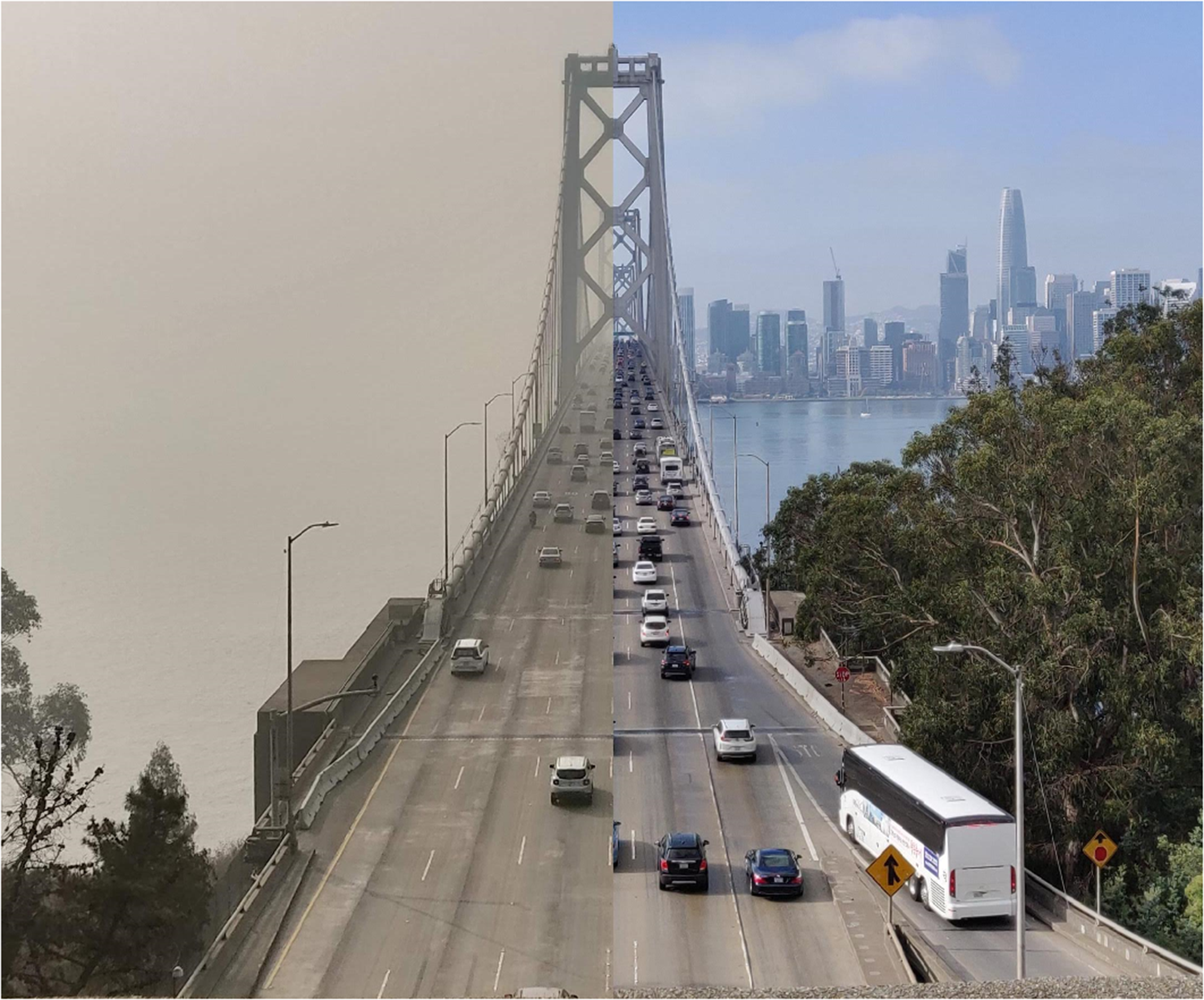
Air Quality When Exposed (vs. Not Exposed) to Wildfire Smoke.
We also conducted a national online survey during the 2023 Canadian wildfires to gain better insights into shifts in consumer purchase intent for sustainable products, potential factors behind the intent, and attitudes toward global warming and climate change in response to wildfire smoke. We then followed up with the same participants in 2024 to assess the long-term effects.
Among the three incidents examined, the 2020 incident coincided with the COVID-19 pandemic, a period marked by unprecedented, significant macroeconomic shifts. The survey data collected in 2023 and 2024 are analyzed using stated preferences in surveys rather than the revealed preference approach in scanner data. Therefore, we analyze the 2018 Camp Fire as the main climate change event and use other incidents for supplementary analyses. Despite the different methodologies and locations of the wildfires, our results consistently show an increased demand for sustainable products in response to wildfire smoke.
Randomness and duration of smoke dispersion
This section discusses the randomness and duration of smoke dispersion and illustrates air quality levels for the affected versus unaffected areas. First, regarding the randomness, where the haze of smoke lands depends on fire intensity, geographic features, and various meteorological conditions at the time of the fire (e.g., the strength and direction of the jet stream and the weather patterns; Goodrick et al. 2012). As shown in Figure 2, wildfire smoke can spread in any direction. The impact of wildfire smoke is influenced not only by its direction but also by its altitude. If smoke stays high in the atmosphere, ground-level air quality, measured by PM2.5, may not significantly deteriorate, further complicating the prediction of smoke exposure to consumers. Predicting the precise timing of wildfire smoke is also challenging, as fires can start from a variety of sources, including human activities, equipment malfunctions, and lightning. Moreover, not all wildfires produce significant smoke; substantial smoke is generated only by uncontrolled wildfires.
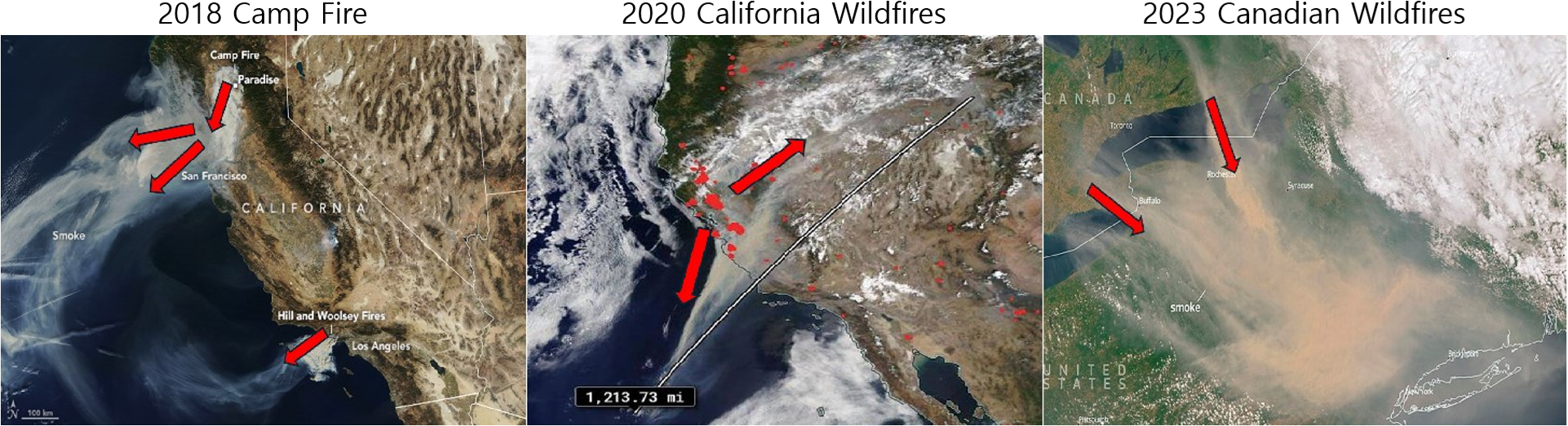
Randomness of Smoke Dispersion.
Figure 3 presents the average PM2.5 level for the treatment and control groups during the 2018 Camp Fire, with the vertical dotted line representing the onset of the fire. Both groups initially follow similar PM2.5 trends. During the three weeks of the fire, however, the treatment group's PM2.5 sharply increases close to 100 due to smoke, whereas the control group remains low. The wildfire smoke dissipates after three weeks, and the PM2.5 levels normalize. Therefore, this study explores the potentially lasting impact of a relatively short-lived climate change event on consumer purchases.
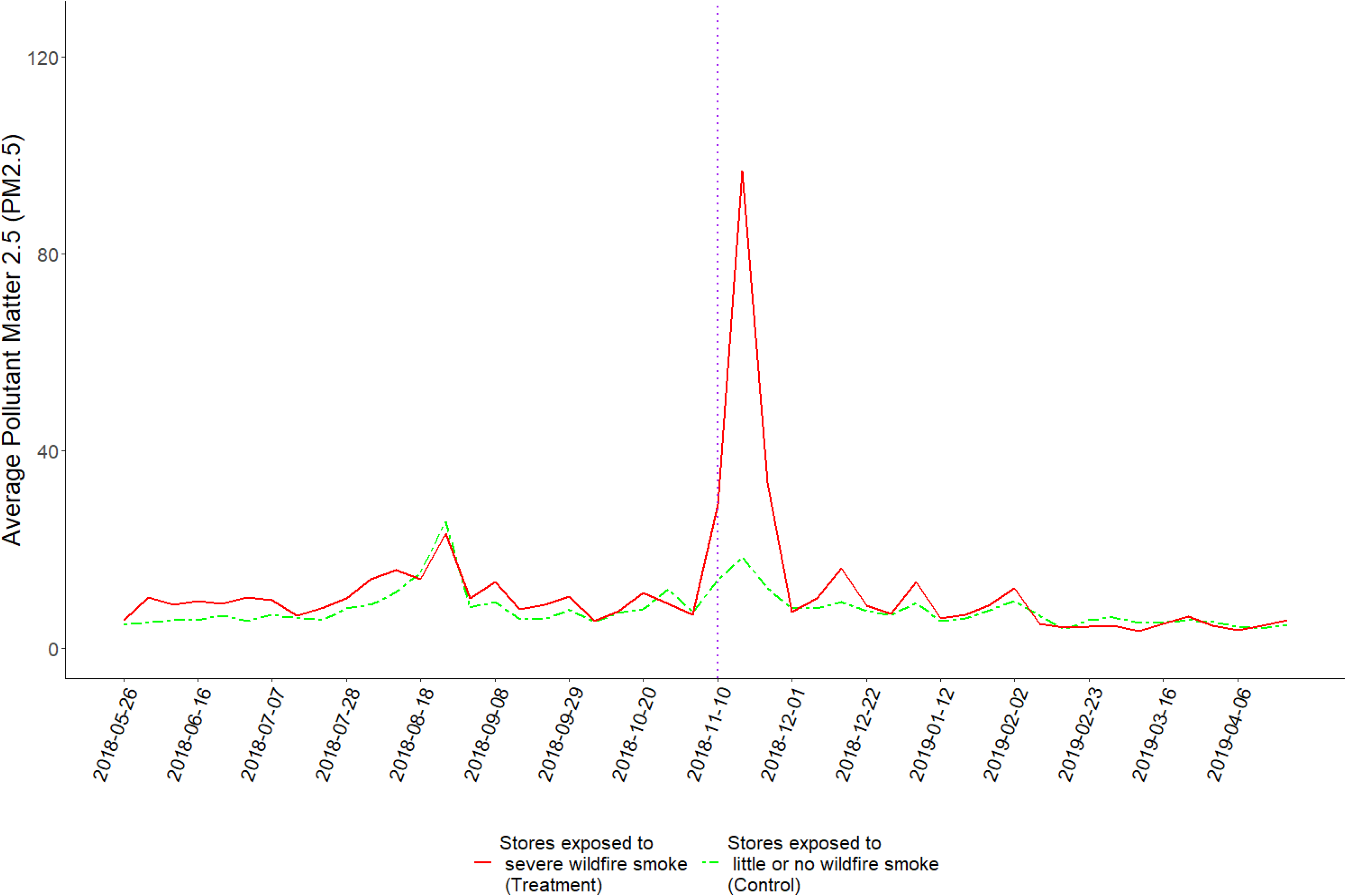
PM2.5 Levels of the Treatment and Control Groups During the 2018 Camp Fire.
Sustainable Products
Safer Choice certification
Due to the lack of general consensus on what constitutes sustainable products, we rely on a U.S. federal third-party certification. The EPA launched the Safer Choice Program in 2015 to “help consumers, businesses, and purchasers find products that perform and contain ingredients that are safer for human health and the environment” (https://www.epa.gov/saferchoice) in the household cleaning product category. Companies can voluntarily participate in the program to obtain the Safer Choice certification for their products (see Figure 4 for the label). The certified products must pass stringent criteria such as being produced with safer chemical ingredients, meeting product performance standards, implementing packaging sustainability, and disclosing all ingredients through the EPA's regular surveillance and audits. We use the Universal Product Code (UPC) information of the certified products from the EPA's website to identify sustainable products in retail scanner data. The EPA's longitudinal records also enable us to track the entry of Safer Choice products throughout the sample period.
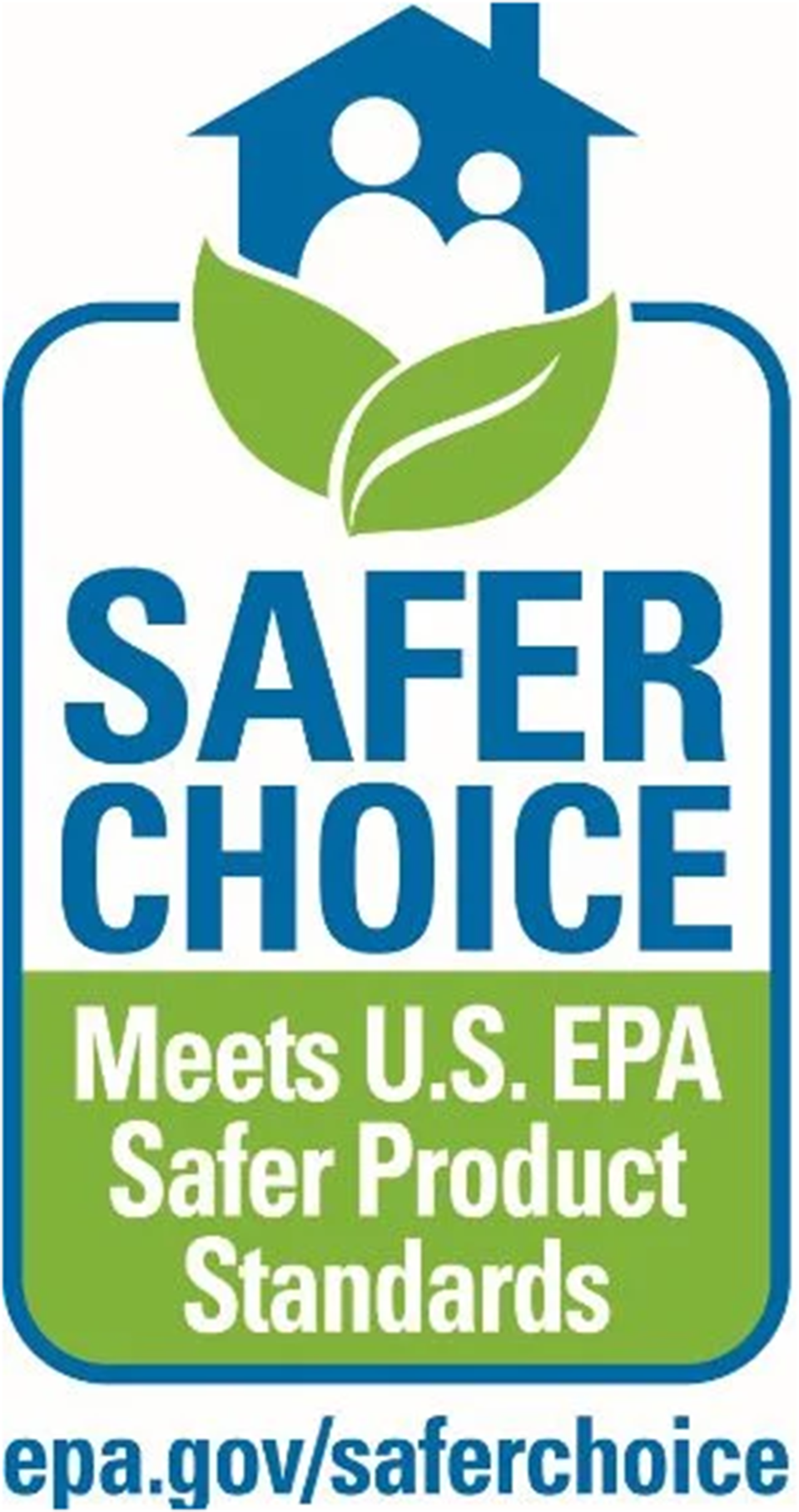
The Safer Choice Label.
Relevant product categories
Among the household cleaning products eligible for the Safer Choice certification, three product categories—dish soap, all-purpose cleaners, and laundry detergents—have a meaningful presence of sustainable products and market shares (see Web Appendix A.1 for details). Among the three product categories we examine, we use the dish soap category for the main analysis for the following reasons. First, unlike laundry detergents and all-purpose cleaners, dish soap is primarily used indoors. Therefore, its effectiveness against wildfire smoke, dust, or soot is irrelevant, allowing us to focus on changes in consumer preferences rather than variations in product performance or market size due to wildfire smoke. Additionally, the dish soap category has the largest market share of Safer Choice–labeled products in the preperiod, providing sufficient data variation across the market and time. Nevertheless, we observe an increase in demand for sustainable products across all three categories in response to wildfire smoke.
Data Cleaning, Sample Construction, and Matching Procedure
We gathered data on relevant product categories and store information using NielsenIQ retail scanner data. 4 We first collected demand and price data for dish soap, all-purpose cleaners, and laundry detergents at the store-month level. We then calculated each store's market share of sustainable products based on the total volume in ounces (see Web Appendix A.2 for details).
To understand the impact of wildfire smoke on the demand for sustainable products, we merged the market share data with the EPA's air quality measure (PM2.5) data mentioned in the previous sections. We exclude counties without PM2.5 data and those impacted by evacuation orders due to the possibility of customer displacement or supply chain disruption. We then winsorized stores with limited selections of sustainable products and specialty stores (see Web Appendix A.3 for details).
For the 2018 Camp Fire, we collected retail scanner data on the aforementioned three product categories and air quality measure (PM2.5) data in California and neighboring states (Arizona, Nevada, and Oregon) six months before and after the week of November 10, 2018 (the onset of the Camp Fire); our sample period spans the week of May 26, 2018, to the week of April 20, 2019. For the 2020 California wildfires, we limit our analysis to four months before and three months after the fires, given that they coincided with the early stages of the COVID-19 pandemic, when dynamic and fundamental macroeconomic shifts were occurring at the same time. In addition, we limit our analysis to California due to variations in stay-at-home orders and other pandemic responses across states.
To improve comparability between treatment and control group stores, we apply propensity score matching based on county-level demographics (e.g., median income, age, Democratic vote share) and store characteristics (e.g., price, features, assortment). For the 2020 sample, we also use the number of COVID-19 deaths as an additional matching variable. The matched samples demonstrate sufficient overall balance, showing improved covariate balance postmatching. Further details regarding the matching process and results are available in Web Appendix B.
Our study extends the store-level market share analyses with product-store level (UPC-level) analyses. The UPC-level analysis removes outliers through winsorization and incorporates UPC-level fixed effects. Details on the data cleaning process at the UPC level are provided in Web Appendix A.3.
We focus on the dish soap category for store-level analyses because the category's use (primarily indoor) and effectiveness are not influenced by wildfire smoke, dust, or soot. Unlike dish soap, products such as all-purpose cleaners and laundry detergents may have unobserved product attributes (e.g., labels, package design) that influence consumer perceptions of product performance against wildfire smoke. Therefore, we examine all-purpose cleaner and laundry detergent categories at the product level to account for unobserved product attributes using fixed effects.
Summary Statistics
This section presents summary statistics for the main analysis sample, which is used to examine the effect of the 2018 Camp Fire smoke on sustainable dish soap consumption at the store-month level. Our matched data has 3,168 store-month observations for 264 stores, of which 194 (73.5%) belong to the treatment group and the remainder to the control group. Table 1 presents summary statistics of the variables used to estimate the treatment effects. The average PM2.5 level is 10.538 μg/m3. The average market share of sustainable products is 9.4%, with the average price of sustainable (nonsustainable) dish soap products being $.139 ($.151) per ounce. The average number of sustainable (nonsustainable) dish soap products with in-store feature promotion is .705 (10.720), and the average assortment of sustainable (nonsustainable) dish soap products is 5.113 (42.980). Summary statistics for product-level analyses and summary statistics before and after the exposure are available in Web Appendix A.3.
Summary Statistics for Examining the Effect of 2018 Camp Fire on Dish Soap.
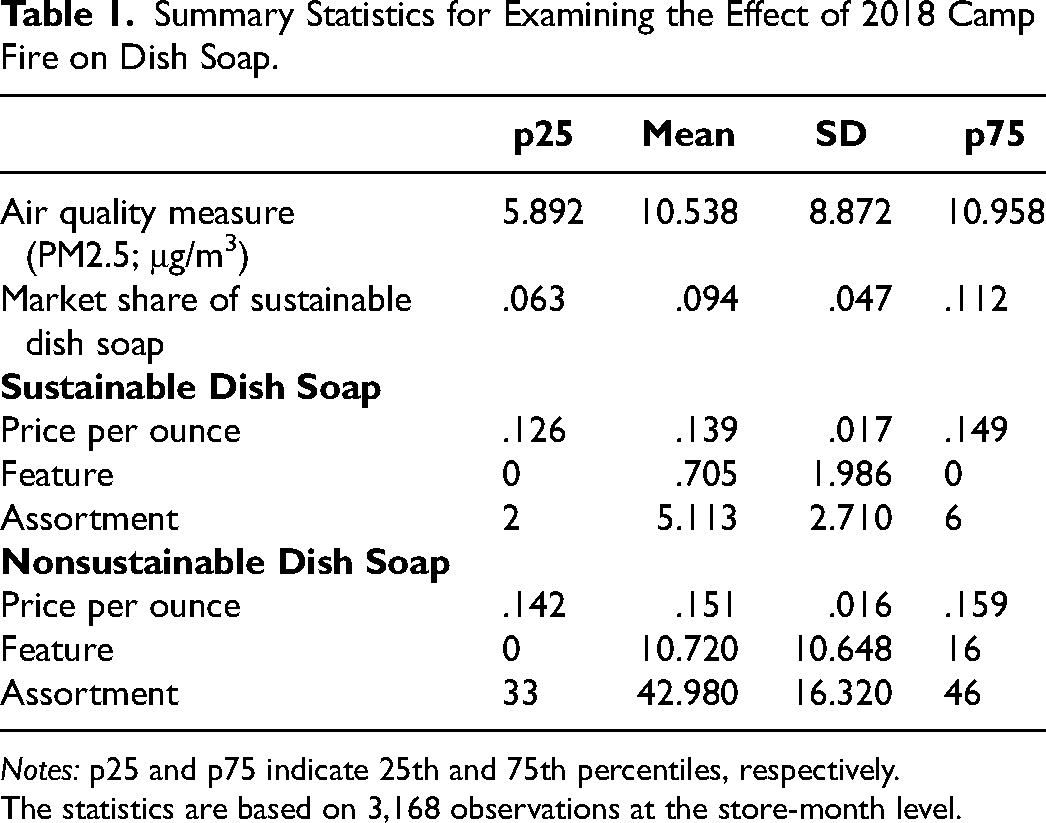
Notes: p25 and p75 indicate 25th and 75th percentiles, respectively. The statistics are based on 3,168 observations at the store-month level.
Wildfire #1: 2018 Camp Fire
We first investigate the effect of the 2018 Camp Fire smoke on the consumption of sustainable products.
Empirical Specification for Store-Level Analyses
We examine the change in consumer purchase behavior after exposure to severe wildfire smoke at the store level using a DiD design with the following two-way fixed effects model in Equation 1.
Yst indicates the market share of sustainable products (i.e., market share of products with the Safer Choice label) at store s in month t of our main dish soap category. As previously discussed, the unpredictability of smoke haze provides random variation in assigning stores to the treatment or the control group. We define stores with severe wildfire smoke (PM2.5 ≥ 55.5 μg/m3) as the treatment group and those with little or no smoke (PM2.5 < 55.5 μg/m3) as the control group. Treats equals 1 for treatment stores and 0 for control stores. Postt equals 1 during and after the onset of the wildfire smoke and 0 otherwise. β is the parameter of interest: A positive (negative) β would imply a positive (negative) relationship between the choice of sustainable products and severe wildfire smoke.
FEs and FEt represent store and month fixed effects. FEs captures time-invariant factors, including local demographic and political compositions and baseline attitudes toward environmental sustainability. ɛst is an idiosyncratic error term assumed to be normally distributed.
Control Variables
Xst includes a set of marketing variables—relative measures of price, feature promotion frequency, and assortment of sustainable dish soap products (see Web Appendix A.2 for details on the control variables). While including control variables is standard practice to reduce omitted variable bias and improve covariate balance between treated and control groups, it is known that some control variables—so-called “bad controls”—can introduce bias. In our context, “bad controls” refer to variables that could potentially be influenced by severe wildfire smoke. Marketing variables, which are often endogenous, might fall into this category. However, it is unclear whether marketers respond consistently to unpredictable wildfire smoke.
We include marketing variables in our main specification for two reasons. First, we find no meaningful store-level marketing responses (in price, feature, or assortment share of sustainable products) to severe wildfire smoke (see Web Appendix C). This suggests that these controls are unlikely to be “bad” in our setting, possibly due to the unpredictability of wildfire smoke or firms’ reluctance to appear opportunistic during climate events. Second, marketing control variables improve the balance between the treated and control stores. As shown in postmatching diagnostics (Figure W.1), while matching enhances the overall and demographic balances, it worsens the balance on price and assortment. Controlling for marketing variables addresses this imbalance. 5 Therefore, our preferred specification includes marketing controls. We further discuss our motivation for including these control variables in Web Appendix D.
Effects of Wildfire Smoke
Estimation results for dish soap products during the 2018 Camp Fire are presented in Column 1 of Table 2. The estimate for Treats × Postt is positive and significant (.008, p = .008), indicating a 9.3% increase in the market share of sustainable dish soap relative to the preperiod average for the treatment group. 6 This estimate corresponds to an increase of approximately 1,734 ounces in sustainable dish soap monthly volume sales per store. 7
The Effect of Wildfire Smoke Exposure on Sustainable Dish Soap Demand.
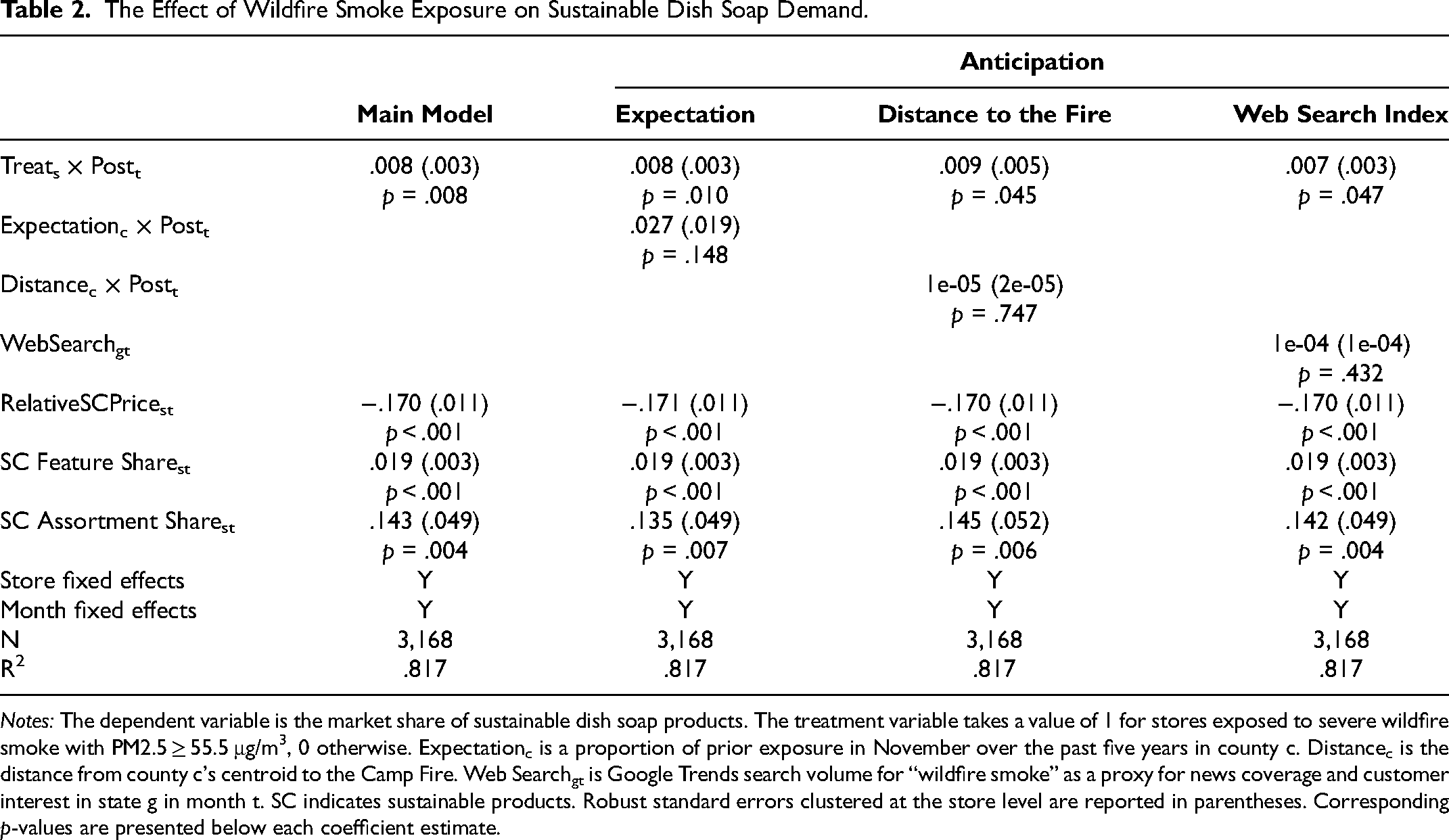
Notes: The dependent variable is the market share of sustainable dish soap products. The treatment variable takes a value of 1 for stores exposed to severe wildfire smoke with PM2.5 ≥ 55.5 μg/m3, 0 otherwise. Expectationc is a proportion of prior exposure in November over the past five years in county c. Distancec is the distance from county c's centroid to the Camp Fire. Web Searchgt is Google Trends search volume for “wildfire smoke” as a proxy for news coverage and customer interest in state g in month t. SC indicates sustainable products. Robust standard errors clustered at the store level are reported in parentheses. Corresponding p-values are presented below each coefficient estimate.
To check whether the market share growth results from substitution between sustainable and nonsustainable products, we estimate Equation 1 by replacing the dependent variable with the log-transformed values of total volume sold (in ounces) for sustainable, nonsustainable, and all dish soap products. We present the results in Web Appendix E, and they indicate no significant changes in overall volume sold due to wildfire smoke. In other words, the increase in sustainable purchases is not due to market expansion. In exposed stores, the total volume sales of sustainable dish soap increase by 9.7 percentage points (.097, p = .015), while sales of nonsustainable dish soap decline by 2.2 percentage points (−.022, p = .046), relative to the pretreatment period. The estimates correspond to an increase (decrease) of 167.78 (372.13) ounces in sustainable (nonsustainable) dish soap monthly volume sales per store. These findings corroborate that, in the dish soap category, consumers substitute nonsustainable products for sustainable products after wildfire smoke exposure.
Realization Versus Anticipation of the Smoke
This study uses the PM2.5 air quality measure to determine which store is treated with severe wildfire smoke, and this implicitly assumes that the relevant treatment is the realization of the smoke rather than its anticipation. 8 For example, hurricane events can trigger spikes in demand as consumers prepare for a storm in anticipated areas (Levine and Seiler 2023). However, as previously explained and illustrated in Figure 2, predicting the intensity, direction, and timing of wildfire smoke is challenging. Therefore, it is unlikely that the anticipation of wildfire smoke drives sustainable consumption. This section further supports this claim by examining the robustness of our results against three potential sources of anticipation related to the likelihood of exposure to severe wildfire smoke: local historical expectations, proximity to the fire, and media coverage (or consumer interest).
First, the interaction term Treats × Postt in Equation 1 may reflect local historical expectations of severe wildfire smoke in November, derived from past experiences. Accordingly, we measure this customer expectation using data on previous November exposures over the last five years (Expectationc) and introduce its interaction with Postt into Equation 1. Our analysis yields robust results regarding the impact of wildfire smoke on sustainable consumption after adjusting for these local historical expectations (Column 2 of Table 2).
Second, proximity to the Camp Fire may lead consumers nearby to anticipate greater exposure. To address this, we include an interaction term between Distancec—the distance from county c's centroid to the Camp Fire—and Postt into Equation 1. The results in Column 3 of Table 2 demonstrate robust effects of wildfire smoke.
Lastly, the media coverage may lead consumers to anticipate wildfire smoke exposure. To address this, we control for Google Trends search volume for “wildfire smoke” as a proxy for media coverage and customer interest in state g in month t (Web Searchgt). 9 The estimation results in Column 4 of Table 2 again show consistent effects of wildfire smoke.
These findings, along with the previously discussed randomness of smoke dispersion, indicate that the actual exposure to smoke, measured by PM2.5, is likely the relevant treatment in Equation 1 rather than consumer anticipation.
Dynamic Effects of Wildfire Smoke
This section examines the dynamic effects of wildfire smoke on sustainable dish soap demand using an event study framework outlined in Equation 2. In this analysis, we substitute Treats × Postt in Equation 1 with interaction terms between Treats and monthly indicators, with t = 0 (the month before exposure) as the reference period. βj (βj′) indicates the difference across treatment and control stores in month t = j (t = j′) relative to the reference.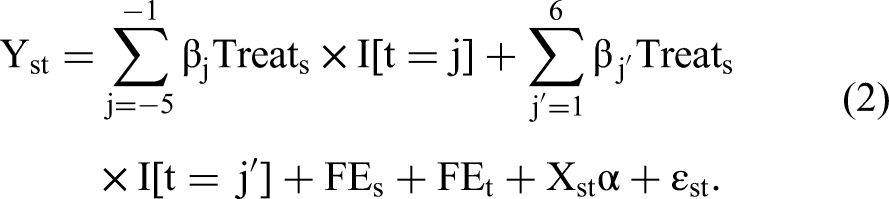
Figure 5 illustrates that the estimated coefficients in the preperiod are not statistically significant, thereby supporting the parallel trends assumption. We also conducted formal tests to verify the parallel trends assumption, including a joint significance test of the interaction terms in the preperiod, a linear trend test (Roth 2022), and a falsification test. These tests further support the parallel trends assumption (see Web Appendix F for details). More importantly, the plot reveals that the effect of wildfire smoke on sustainable product market shares increases promptly after the onset of the Camp Fire and persists for four months. This suggests that severe wildfire smoke—though it lasted less than a month—may have lasting effects on sustainable consumption beyond that, as shown in Figure 3. The effect becomes statistically insignificant after four months, similar to the short-lived effect of the boycott on sales found in Liaukonytė, Tuchman, and Zhu (2023). 10
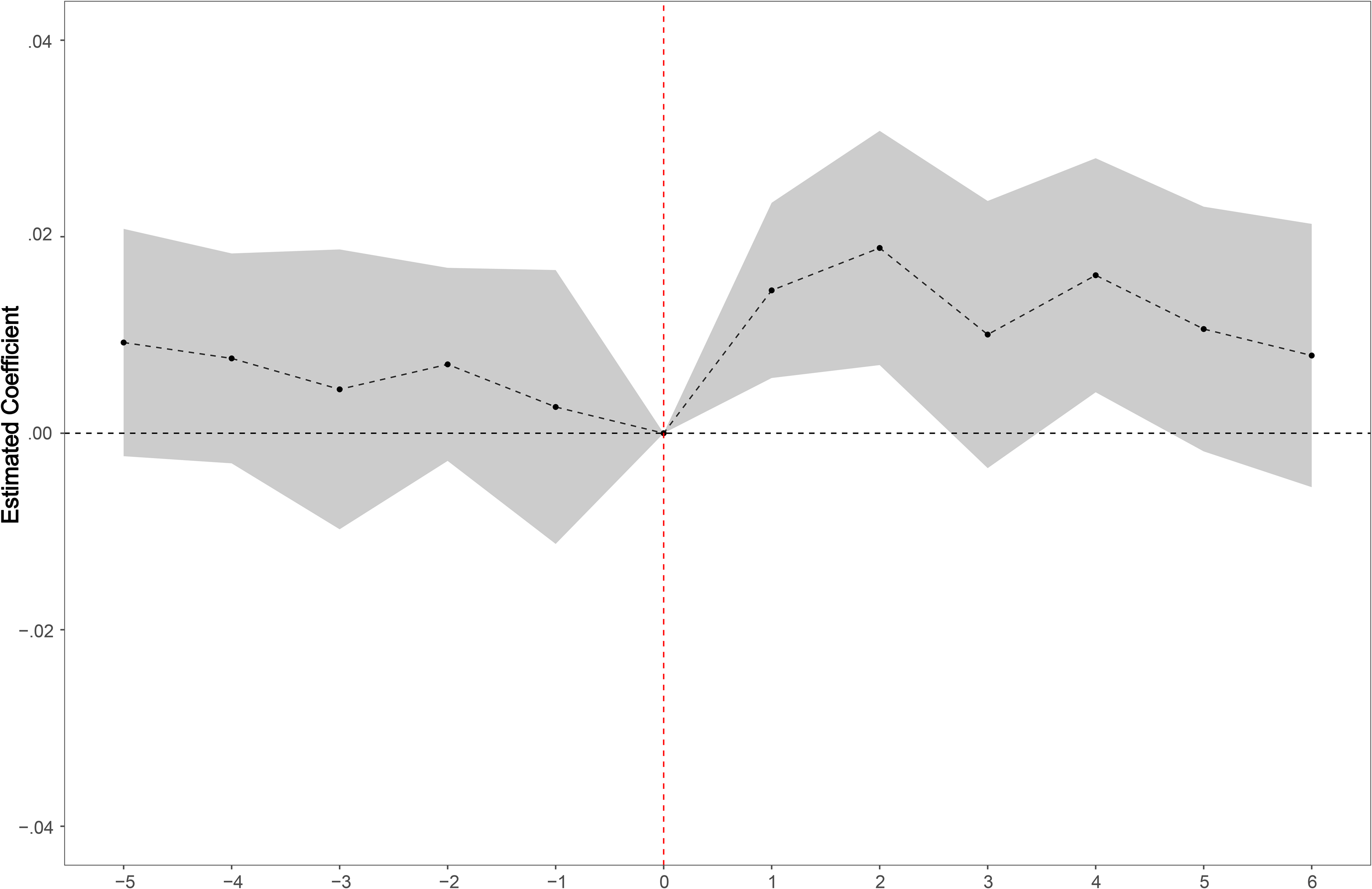
Dynamic Effects of Wildfire Smoke on Sustainable Dish Soap Consumption.
Robustness Checks
We perform a battery of robustness checks. First, we conduct analyses with an alternative function of the treatment variable by replacing the binary treatment variable with a continuous measure of PM2.5 levels in Equation 1. Second, we estimate treatment effects using an alternative control group with stores below a lower threshold of air quality. Third, we estimate an alternative specification using the beta regression model, given that the dependent variable is a proportion. Fourth, we control for linear and quadratic trends to better account for gradually changing unobservables. Fifth, we change the assortment control variable from quarterly to monthly. Sixth, we use an alternative definition of sustainable products by considering products sustainable if they carry either the Safer Choice or the U.S. Department of Agriculture Certified Biobased Product label. Seventh, instead of DiD, we use the generalized synthetic control method (Xu 2017), which constructs the counterfactual treatment-free outcome for the stores exposed to severe smoke to estimate the treatment effects. Our findings regarding the effects of wildfire smoke remain consistent across these robustness checks and do not significantly alter our conclusions (see Web Appendix G for further details).
UPC-Level Analyses with Additional Product Categories
Store-level analyses in the previous sections allow us to visually and empirically check the parallel trends assumption of the DiD specification and validate our argument that wildfire smoke dispersion is orthogonal to sustainable product consumption. In this section, we extend our store-level findings with UPC-store-level analyses to better account for unobserved time-invariant product attributes and observed product features, as well as examine heterogeneous effects at the product level (see Web Appendix A.3 for UPC-store-level summary statistics). We also extend our analysis to two additional product categories: all-purpose cleaners and laundry detergents. We estimate the wildfire smoke effect on sustainable product demand at the UPC level using the following equation:
For a given product category, Ypst represents the number of bottles sold for product (UPC) p at store s in month t. Treats equals 1 for stores in the treatment group and 0 for the control, and Postt equals 1 during and after the onset of the Camp Fire and 0 otherwise. Sustainablep equals 1 for products with the Safer Choice label (i.e., sustainable products) and 0 for nonsustainable products. β3 is the parameter of interest, capturing the effect of wildfire exposure specifically on the demand for sustainable products at treatment stores during the postperiod.
The model also includes product–store pair fixed effects (FEps) to capture time-invariant characteristics of the product at each store and month fixed effects (FEt) to account for time-specific factors. It is worth noting that FE captures product features and any correlations between products and stores during the sample period. This may include product characteristics, such as unobserved attributes (e.g., labels, package design), as well as the baseline attitude toward different products at each store. Xpst includes control variables such as price per bottle of product p at store s in month t (Pricepst) and feature frequency of a product p at store s in month t (Featurepst). ɛpst is an idiosyncratic error term assumed to be normally distributed.
The estimation results are presented in Table 3. Column 1 shows that the coefficient estimate for Treats × Postt × Sustainablep is positive and statistically significant (.883, p = .027). This implies that wildfire smoke results in a 4.7% demand increase for sustainable dish soap, relative to the average demand in the preperiod. 11 In Column 2, the positive and significant coefficient for the triple interaction term (.910, p = .035) suggests an 8.4% demand increase for sustainable all-purpose cleaners. The positive and significant coefficient in Column 3 (.675, p = .006) also implies a 9.2% demand increase for sustainable laundry detergents relative to the average demand in the preperiod. These results corroborate our store-level analysis, further supporting the notion that exposure to severe wildfire smoke can lead to meaningful increases in sustainable product consumption.
Product Level Estimation from the 2018 Camp Fire.
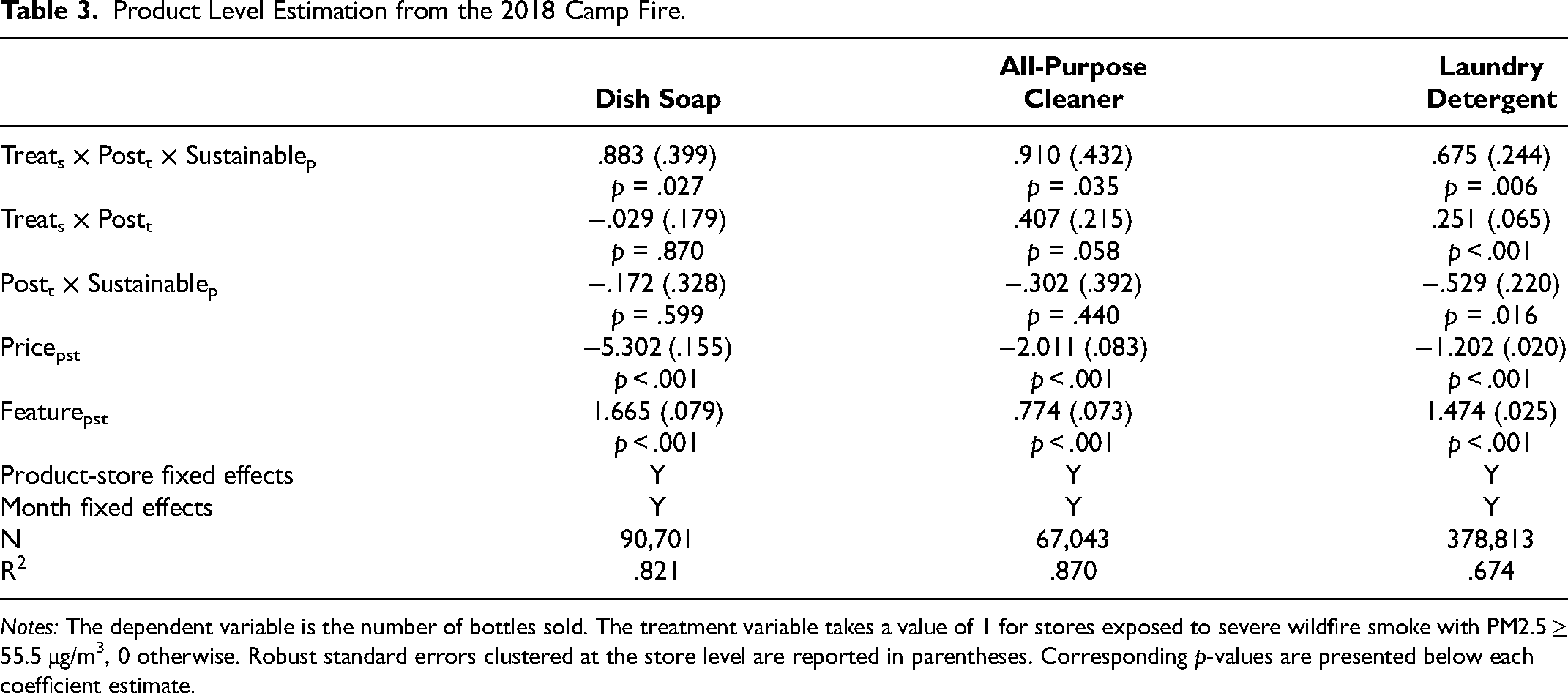
Notes: The dependent variable is the number of bottles sold. The treatment variable takes a value of 1 for stores exposed to severe wildfire smoke with PM2.5 ≥ 55.5 μg/m3, 0 otherwise. Robust standard errors clustered at the store level are reported in parentheses. Corresponding p-values are presented below each coefficient estimate.
Table 3 also suggests substitution effects between sustainable and nonsustainable products, as the estimates for Treats × Postt × Sustainablep (demand increase for sustainable products) are substantially larger than those for Treats × Postt (demand increase for nonsustainable products) across all three categories. For the dish soap category, a negative and insignificant estimate for Treats × Postt suggests a possible decline in nonsustainable product demand, implying substitution. However, caution is needed when interpreting substitution effects for all-purpose cleaners and laundry detergents, as these categories exhibit category expansion effects with positive estimates for Treats × Postt.
Heterogeneous Effects of Wildfire Smoke
We examine heterogeneous effects of wildfire smoke based on product, brand, and store-level characteristics. First, we create two product indicator variables for refill (Refillp) and unscented (Unscentedp) products to examine whether product-level attributes can moderate sustainable consumption. Second, to examine whether sustainable brands stand to gain more from the effects of wildfire smoke, we create an indicator variable for brands with more sustainable products, determined by a median split (SustainBrandb). Lastly, we similarly define stores with the higher average market share of sustainable products in pretreatment (SustainStores). We then interact each indicator with Treats × Postt × Sustainablep and include all of these terms simultaneously in Equation 3.
Results in Table 4 generally show positive estimates for refill and unscented products across categories. 12 The stronger effects for refill products support our main findings, indicating a shift toward more sustainable options after smoke exposure. Additionally, the stronger effects for unscented products suggest that health-related attributes may play a role in consumers’ shift to sustainable products following smoke exposure. 13
Heterogeneous Effects of Wildfire Smoke from the 2018 Camp Fire.
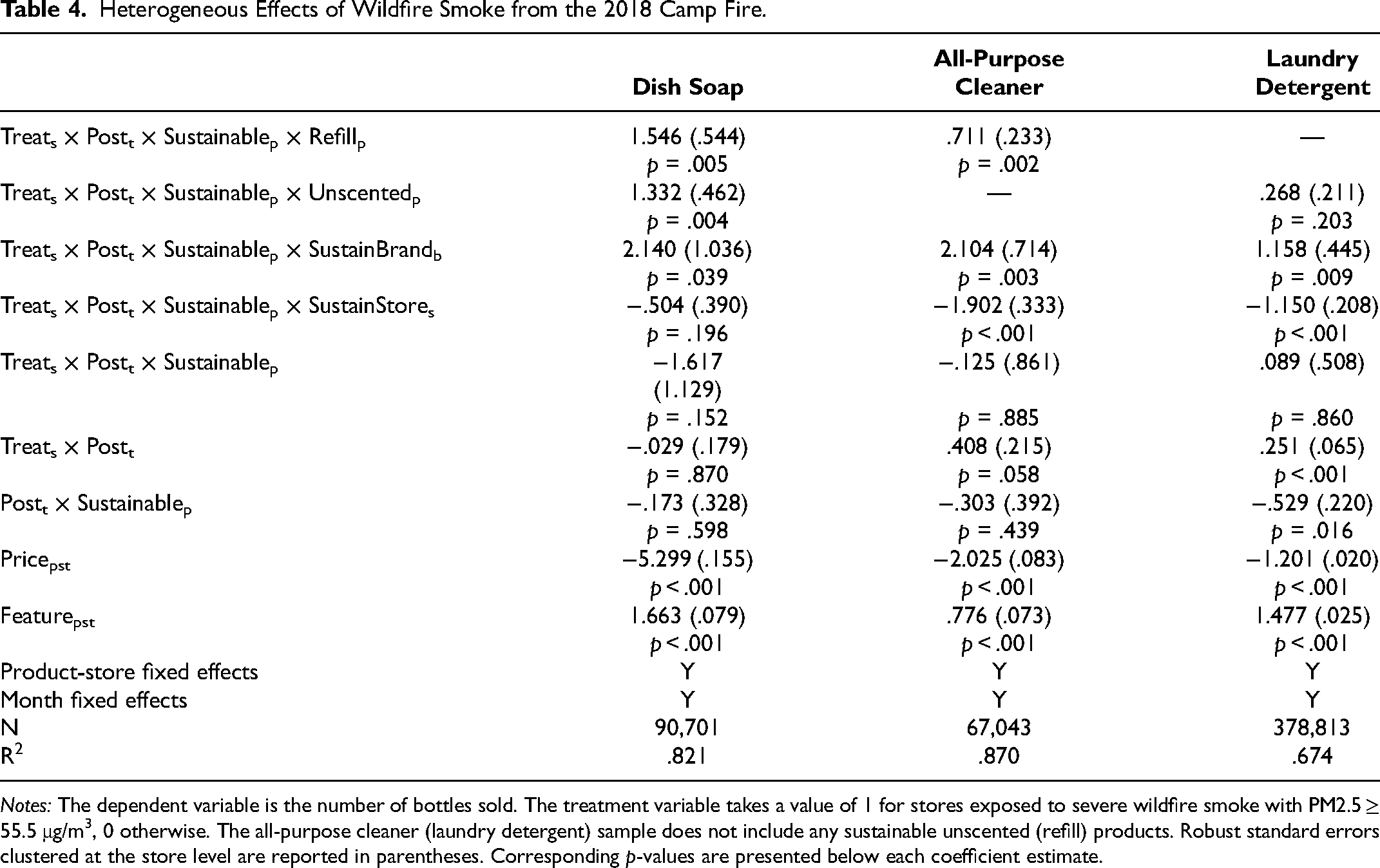
Notes: The dependent variable is the number of bottles sold. The treatment variable takes a value of 1 for stores exposed to severe wildfire smoke with PM2.5 ≥ 55.5 μg/m3, 0 otherwise. The all-purpose cleaner (laundry detergent) sample does not include any sustainable unscented (refill) products. Robust standard errors clustered at the store level are reported in parentheses. Corresponding p-values are presented below each coefficient estimate.
We also find positive and statistically significant parameter estimates for brands with more sustainable products across different product categories. This highlights the competitive advantage for brands perceived as more sustainable in the marketplace, particularly during climate change events. In contrast, stores with a higher share of sustainable products show weaker effects, suggesting saturation. This implies that their customers were likely already environmentally conscious and engaged in sustainable consumption before the event. These results remain robust even after accounting for demographic heterogeneity (see Web Appendix Table W.17). Overall, our findings demonstrate that the effects in the 2018 wildfire analyses are found to be heterogeneous across product, brand, and store characteristics in response to climate change events.
Wildfire #2: 2020 California Wildfires
In this section, we supplement our analyses on the 2018 Camp Fire with the California wildfires that occurred in August 2020. Although 2020 is not an ideal year to examine changes in sustainable consumption behaviors due to the COVID-19 pandemic, we examine this period because it represents the most recent data available in the scanner records at the time of writing. We conduct analyses similar to those of the 2018 Camp Fire. The summary statistics of the sample and an event study validating the parallel trends assumption are included in Web Appendices A.3 and G.10, respectively.
Estimation results in Table 5 show positive and statistically significant parameter estimates for Treats × Postt × Sustainablep across all three product categories (dish soap, all-purpose cleaners, and laundry detergents). These findings again corroborate increased demand for sustainable products in response to severe wildfire smoke.
Product Level Estimation from the 2020 California Wildfires.
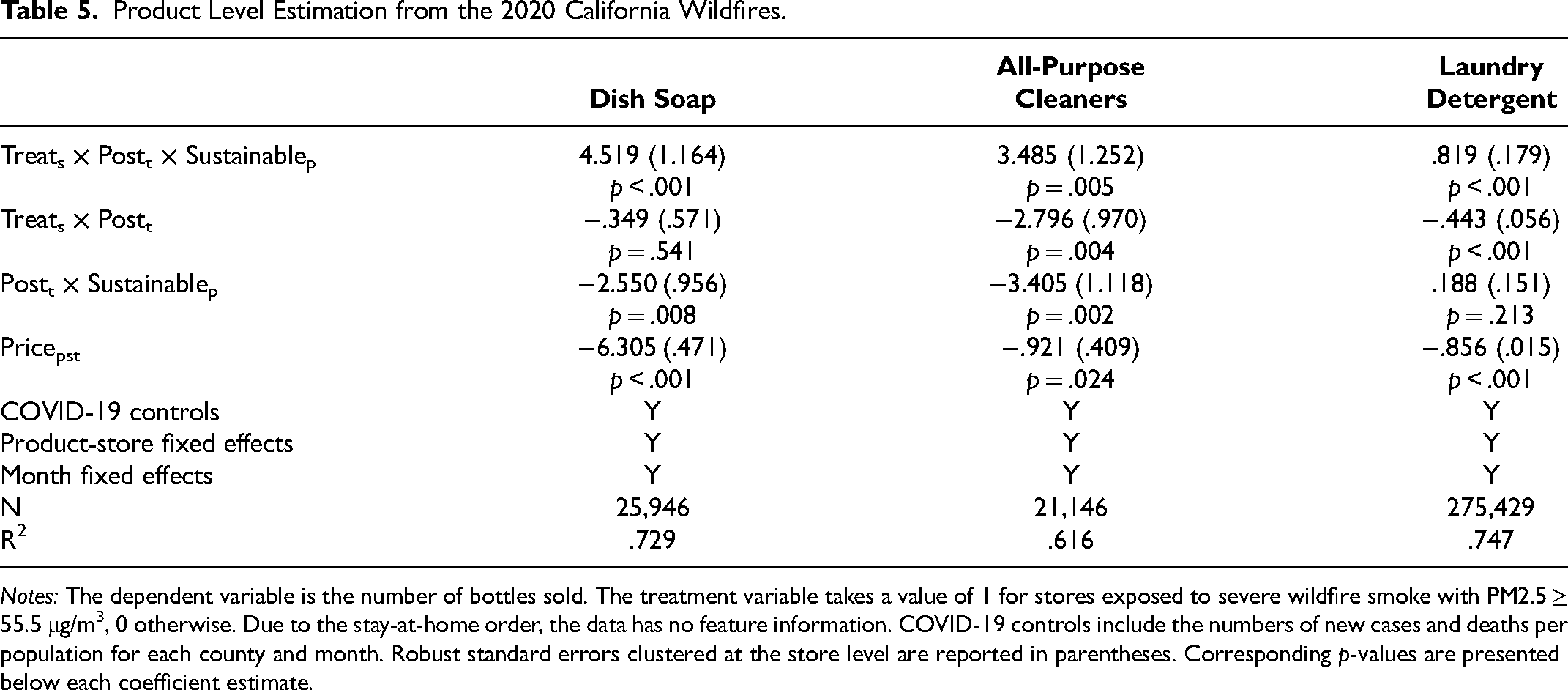
Notes: The dependent variable is the number of bottles sold. The treatment variable takes a value of 1 for stores exposed to severe wildfire smoke with PM2.5 ≥ 55.5 μg/m3, 0 otherwise. Due to the stay-at-home order, the data has no feature information. COVID-19 controls include the numbers of new cases and deaths per population for each county and month. Robust standard errors clustered at the store level are reported in parentheses. Corresponding p-values are presented below each coefficient estimate.
Compared with the 2018 wildfire analyses, the 2020 wildfire analyses show considerably larger effect sizes, with relative increases in sustainable consumption ranging from 3.7% to 22.3% across categories, compared with the preperiod average for sustainable product. We attribute these differences, at least in part, to COVID-19-related factors—such as supply-side disruptions, heightened health concerns, and demand-side behavior changes like stockpiling—which may have amplified the observed effect sizes. Further, unlike the 2018 analyses, our 2020 specification only includes price, as the data provider could not collect in-store promotion information (e.g., feature promotions) during this period due to stay-at-home orders. Consequently, the effect sizes for the 2020 fire should be interpreted with caution. 14
Wildfire #3: 2023 Canadian Wildfires
Previous sections show the effects of exposure to wildfire smoke on sustainable product consumption across two separate large-scale wildfires in 2018 and 2020 using retail scanner data. To further our understanding of consumer attitudes toward sustainable consumption, we launched an online survey during the 2023 Canadian Wildfires—the most severe wildfire in recorded Canadian history. Using the same pool of participants, we also conducted a follow-up survey in 2024, approximately one year after the Canadian wildfires, to further examine whether the effect exhibits long-term persistence.
Unlike our previous wildfires, the smoke from the 2023 Canadian Wildfires affected the U.S. Northeast, peaking in severity on June 7 with orange skies and extremely poor air quality (Dion 2023). As with previous wildfires, our survey study leverages the random dispersion of wildfire smoke. The following sections outline the survey design, present key findings, and compare them with results from previously examined wildfires.
Survey Design
For our main survey, we recruited 600 participants on Prolific during the week of June 12, 2023, one week after the peak of the 2023 Canadian wildfire smoke. As shown in the right panel of Figure 2 and Figure W.5 in the Web Appendix, the dispersion and drift patterns of the smoke from June 6–8 show that the smoke mostly affected the states on the East Coast and traveled eastward. To ensure that we have enough respondents with varying levels of smoke exposure, we recruited 300 participants from states that were severely affected by the Canadian wildfire smoke (mostly East Coast states) and the other 300 from states that were mildly affected or not affected at all (Midwest and West Coast states). After excluding 6 participants who were not eligible, our final sample includes 594 participants (53.2% male, 44.4% female, 2.4% other). See Web Appendix H for more details on survey designs.
To understand the impact on consumer attitudinal shifts toward sustainable consumption, we first asked participants to rate the extent to which they experienced the Canadian wildfire smoke during the previous week using a seven-point Likert scale ranging from 1 (“did not experience”) to 7 (“experienced heavy smoke”). We then measured four outcomes on a seven-point Likert scale: willingness to purchase sustainable products, beliefs about climate change and global warming, health concerns, and environmental concerns.
We first assessed willingness to purchase sustainable products by asking participants the extent to which they were likely to purchase a cleaning product (e.g., dish soap) with Safer Choice certification in light of the Canadian wildfire smoke. Exposure to wildfire smoke may also heighten beliefs about climate change or global warming. Accordingly, we asked respondents to indicate the extent to which they believed that climate change or global warming contributed to the scale and spread of Canadian wildfire smoke during the previous week.
Furthermore, wildfire smoke exposure may influence consumers’ perceptions of the connection between their daily purchases and their environmental or health-related impacts. We examine these concerns given that the EPA's standards for Safer Choice certification ensure safety and sustainability for both human health and the environment. Consumers may associate the term “Safer” in the Safer Choice logo with health benefits or expect the product to be more environmentally sustainable as the product is certified by the EPA. Since our focus is on cleaning products, it is possible that consumers exposed to smoke may prefer less harsh products to limit cumulative chemical exposure, as exposed consumers may use more cleaning products as a result of the smoke. To evaluate these perceptions, participants were presented with the Safer Choice label (Figure 4) and were asked to separately rate the extent to which they believed they would feel better about their health and the environment if they were to use a cleaning product (e.g., dish soap) with this certificate compared with a noncertified alternative. The order of the environment and health items was randomized across respondents. We also collected demographic information to use as proxies for political, economic, and cultural views and used these variables as controls in our analyses.
We conducted the follow-up survey in 2024 using the same set of questionnaires and participant pool to examine possible longitudinal effects. This survey added a question measuring the perceived association between unscented products and health concerns. For details on the survey design and measures, see Web Appendix H.
Estimation Model
We estimate Equation 4 to measure the effect of wildfire smoke on the four outcomes from the survey.
Yi denotes one of the four previously mentioned outcome variables, all measured on a seven-point scale: willingness to purchase sustainable products, beliefs regarding climate change, environmental concern, or health concern of respondent i. Smokei is a seven-point measure of the severity of smoke exposure, and β1 is the parameter of interest that measures the effect of smoke exposure on the outcome measures. Zi is a set of demographic variables to control for the potential differences among the participants, including age, gender, race, place of residence, income level, education level, and political affiliation. ɛit is an idiosyncratic error term assumed to be normally distributed.
Results
We present the estimation results in Table 6. First, we find that respondents who experienced more severe wildfire smoke exhibit a significantly higher willingness to purchase sustainable products (.080, p = .014; Column 1). This aligns with our observations from the 2018 and 2020 wildfires in scanner data, which show that severe wildfire smoke leads to increased demand for sustainable products. It is worth noting that the Safer Choice label often coincides with the unobserved product or brand characteristics and reputation, which we account for using fixed effects in observational data. In the survey, we mitigate these issues by deliberately presenting the Safer Choice label in isolation, without any product designs or brand identifiers (see Web Appendix Table W.22). The literature on sustainable consumption often documents a gap between stated and revealed preferences (e.g., White, Habib, and Hardisty 2019). While consumers express positive attitudes toward pro-environmental behaviors (Trudel and Cotte 2009), these attitudes frequently do not translate into sustainable actions (Auger and Devinney 2007; Gatersleben, Steg, and Vlek 2002; Kollmuss and Agyeman 2002; Young et al. 2010). However, in response to wildfire smoke, this attitude–behavior gap does not seem to be present, at least across multiple wildfires.
The Effects of Wildfire Smoke from the 2023 Canadian Wildfires.
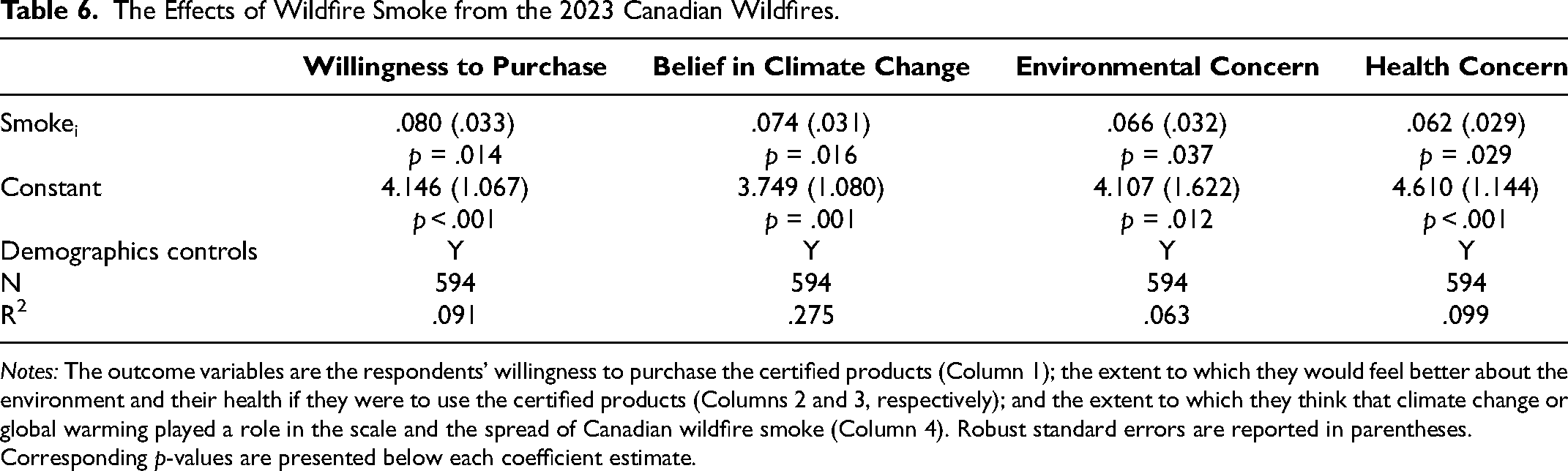
Notes: The outcome variables are the respondents’ willingness to purchase the certified products (Column 1); the extent to which they would feel better about the environment and their health if they were to use the certified products (Columns 2 and 3, respectively); and the extent to which they think that climate change or global warming played a role in the scale and the spread of Canadian wildfire smoke (Column 4). Robust standard errors are reported in parentheses. Corresponding p-values are presented below each coefficient estimate.
We also find that respondents who experienced more severe wildfire smoke are more likely to attribute the scale and spread of wildfire smoke to climate change and global warming (.074, p = .016; Table 6, Column 2). As expected, respondents exposed to higher levels of wildfire smoke are more likely to feel better about the environment when using products with the Safer Choice certification (.066, p = .037; Column 3). Lastly, the respondents are more likely to feel better about their health when using the certified products (.062, p = .029; Column 4). However, the differences between these estimates are not statistically significant. These results align with our findings on heterogeneous effects in the 2018 wildfire analyses—showing stronger responses for refill and unscented products—and suggest that wildfire smoke exposure shapes consumer beliefs about climate change and about how their purchases affect environmental and health outcomes.
The follow-up survey, combined with the 2023 survey, suggests that wildfire smoke effects on attitudinal changes are short-lived: The significant impacts we find in 2023 on willingness to purchase sustainable products and belief in climate change dissipate by 2024 (see Web Appendix H.3 for more details). This finding aligns with empirical findings with the scanner data from the 2018 and 2020 wildfires, which also show temporary behavioral shifts (i.e., a short-lived increase in sustainable consumption) in response to wildfire smoke.
Concluding Remarks
Extreme climate change events have noticeably increased and intensified in recent years, and they are expected to worsen. Therefore, understanding consumer responses during these events is timely and relevant. This study is the first to examine consumer response to a climate change event—in the context of the impact of wildfire smoke—on demand for sustainable products using a causal inference framework.
We examine three wildfire events in 2018, 2020, and 2023, characterized by severe smoke effects such as orange skies and poor ground-level air quality. We analyze retail scanner data for the first two events on the West Coast and utilize survey data we collected for the last one on the East Coast. We start by analyzing the effect of wildfire smoke on sustainable consumption during the 2018 Camp Fire. We then extend the analysis with the 2020 California wildfires. Lastly, to further our understanding of consumer attitudes toward sustainable consumption, we conducted an online survey during the 2023 Canadian wildfires and a follow-up survey in 2024 to assess the longitudinal response to wildfire smoke.
For the empirical analyses of the California wildfires in 2018 and 2020, we combine air quality measure data with the demand data for sustainable cleaning products before and after the incidents. Leveraging the random spread of wildfire smoke as a natural experiment, we compare changes in sustainable product demand between stores exposed to severe wildfire smoke (i.e., treatment group) and those that were not (i.e., control group) using a DiD framework. We assess changes in the market share of sustainable products at the store level and further our analysis by examining demand at the individual product (UPC-store) level to better control for product-level attributes.
We find that the stores exposed to severe wildfire smoke, relative to those with minimal to no smoke, experience increased demand for sustainable products postexposure, ranging from 4.7% to 9.3% across different model specifications and product categories, such as dish soap, all-purpose cleaners, and laundry detergents. This change in consumer purchases occurs promptly after the wildfire smoke exposure but is short-lived, underscoring the transient nature of the consumer response.
We also observe heterogeneous wildfire smoke effects based on product, brand, and store characteristics. Refill and unscented products show stronger responses to wildfire smoke. Brands with more sustainable products also experience a greater increase in demand. In contrast, stores with higher shares of sustainable products experienced smaller impacts, suggesting possible saturation effects. This pattern indicates that customers at these stores were likely already environmentally conscious and engaged in sustainable consumption before encountering severe climate events. Although the heterogeneous effects based on unscented products and sustainable stores are not robust in the 2020 wildfire analyses—likely due to the COVID-19-pandemic-related factors—we present these findings, as the 2018 results are considered more reliable and generalizable because they are based on prepandemic data.
The findings from the surveys conducted during and after the 2023 Canadian wildfires provide further insights into consumer attitudes toward sustainable consumption. Our findings indicate that exposure to wildfire smoke increases environmental and health concerns that are associated with consumer purchases. In addition, we observe a significant increase in the willingness to purchase and beliefs regarding climate change and global warming for those who are more exposed to wildfire smoke. However, these attitudinal shifts dissipate within a year. Our survey findings corroborate and extend our findings from the scanner data from the two other wildfires and further demonstrate that severe wildfire smoke drives both behavioral and attitudinal shifts toward sustainable consumption.
There are several limitations. Although we examined three major wildfires in 2018, 2020, and 2023, our results are based on a single type of climate change event, and future research should examine other climate change events such as flooding, droughts, and heat waves. We also examine severe wildfire smoke, a salient experience for consumers. More subtle and nuanced climate change events need further investigation. Our analysis focuses on cleaning product categories because the EPA's Safer Choice certification only applies to them. In addition, our observational data and survey are not suitable for studying consumers’ emotional responses to climate change events. Whether wildfire smoke acts as a salient cue to trigger increased altruism and civic duty or decreased guilt from choosing sustainable products has implications for crafting marketing messages. Teasing them apart or testing other potential mechanisms is beyond the scope of this study; we leave these for future research to investigate. Lastly, our findings in 2020 should be interpreted with caution, as the timing of the California wildfires overlaps with the early stages of the COVID-19 pandemic, a period characterized by significant dynamic and macroeconomic shifts. Despite these limitations, we hope that documenting the first causal effect of a climate change event on product demand helps managers and policy makers better understand consumer responses in developing future sustainable marketing plans and policy formulations.
Supplemental Material
sj-pdf-1-mrj-10.1177_00222437251352490 - Supplemental material for Consumer Response to Climate Change: Wildfire Smoke and Sustainable Product Choice
Supplemental material, sj-pdf-1-mrj-10.1177_00222437251352490 for Consumer Response to Climate Change: Wildfire Smoke and Sustainable Product Choice by Taewook Lim, TI Tongil Kim and Suh Yeon Kim in Journal of Marketing Research
Footnotes
Coeditor
Brett R. Gordon
Associate Editor
Bryan Bollinger
Author Contributions
The authors contributed equally to the project and are listed in reverse alphabetical order.
Declaration of Conflicting Interests
The author(s) declared no potential conflicts of interest with respect to the research, authorship, and/or publication of this article.
Funding
The author(s) received no financial support for the research, authorship, and/or publication of this article.

Notes
References
Supplementary Material
Please find the following supplemental material available below.
For Open Access articles published under a Creative Commons License, all supplemental material carries the same license as the article it is associated with.
For non-Open Access articles published, all supplemental material carries a non-exclusive license, and permission requests for re-use of supplemental material or any part of supplemental material shall be sent directly to the copyright owner as specified in the copyright notice associated with the article.
