




Abstract
Composite materials are becoming widespread in many sectors today, especially in the defence and space industry. Composite materials can be exposed to significant temperature changes and various environmental conditions depending on their usage areas. Therefore, composite materials with high resistance to high temperatures and harsh environmental conditions are being studied today. In this study, four types of 6-layer composite pipes with glass/glass/glass, basalt/basalt/basalt, glass/basalt/glass and basalt/glass/basalt stacking sequences were fabricated with filament wound method. In order to simulate the behavior of composite materials under environmental conditions, specimens were subjected to hydrothermal aging in pure water at 70°C for three different periods of 500, 1000 and 1500 hours. During the aging process, the mass changes of the pipes were measured regularly, and the water absorption behavior was determined with reference to ASTM D5229 standard. Hardness tests were carried out with Rockwell hardness tester based on ASTM D785 standard. As a result of the study, it was determined that the mechanical performance of hybrid specimens was higher than that of non-hybrid specimens. It was observed that the hydrothermal aging process caused a loss of mechanical strength in all specimens. It was concluded that the hybrid composite specimen with basalt/glass/basalt stacking order had the highest resistance to hydrothermal aging.
Introduction
Composite materials, widely used in many sectors today, have solved mainly the strength-to-weight ratio issue, which is one of the biggest problems especially in the space, aerospace and defense industries. Composite materials are widely used in critical structures and components exposed to harsh environmental conditions. In many industrial sectors, materials are exposed to extreme temperature fluctuations and various environmental conditions. Therefore, there is a rising demand for composite materials that can withstand high temperatures and environmental challenges without compromising their mechanical performance.1–3 In order to satisfy this demand, studies have been carried out on developing hybrid composite materials. Hybrid composites combine two or more types of reinforcement, such as glass and basalt fibers, to provide the desired superior properties. The stacking order of these reinforcements can be adjusted to enhance the desired mechanical properties and resistance to environmental factors.4–6 Karamooz et al. (2021) applied low velocity impact tests to kevlar, basalt and hybrid kevlar/basalt fiber reinforced epoxy matrix composite plates they produced in their study. As a consequence of the study, they concluded that kevlar and basalt fiber hybridization exhibited better impact behavior than single fiber reinforced composites. 7 In their study, Kishore et al. (2021) produced jute fiber, basalt fiber and hybrid jute/basalt fiber reinforced composite samples. They investigated the effects of hybridization on the drilling and machining performance of the samples. As a result of the study, they observed that hybrid fiber reinforced composites showed the best machining and drilling performance. They obtained the smoothest surface after machining in hybrid fiber reinforced samples. 8
Considering the areas where cylindrical composite materials are used such as aerospace and defence industry as well as fluid transmission lines, the stresses to which they are exposed are generally in the form of tangential stresses. Therefore, it is of great importance to investigate the tangential tensile strength of these materials. The hoop tensile test is applied to composite materials to determine the tangential tensile strength of cylindrical specimens. In the literature, various studies investigate the tangential tensile strength of various composite materials with cylindrical geometry.9–12 Sepetçioğlu et al. (2021) aged the graphene nanoplatelet doped basalt fiber reinforced epoxy composite pipe samples at 80°C in the pure water. As a result of the study, they observed significant losses in mechanical properties such as density, hardness and hoop tensile strength of the samples. 11 Kara et al. (2021), aged carbon nanotube added carbon fiber/epoxy composite pipes in 80°C pure water for 3 weeks. As a result of hoop tensile and low-velocity impact tests, they observed that tangential tensile strength and impact resistance decreased as the hydrothermal aging time increased in all samples. 12
Hydrothermal aging is a widely used accelerated aging method that simulates the effects of long-term high temperature and humidity exposure of composite materials. The aging process causes changes in composites’ microstructure, leading to deterioration in microstructure and reduction in mechanical performance. Polymer composite materials can be exposed to moisture or direct water in many use areas. Due to their proneness to humidity and water absorption, the service life of composite products used in humid working conditions may be reduced. As a result of moisture or water absorption, degradation may occur at the fiber-matrix interface, and the material’s mechanical properties may be adversely affected by this situation.13–15 It is, therefore, necessary to find solutions to this situation by carrying out studies on water absorption behavior. Several studies on this subject exist in the literature.1,16–18 Shao et al. (2021), hydrothermally aged glass fiber/polycarbonate and glass fiber/nylon six composite samples in 80°C pure water for 25, 100, 400, 900 and 1600 hours. They investigated the water absorption behavior of the aged samples. They showed that the time-dependent water absorption results were in accordance with Fick’s law. 17 Oğuz et al. (2021), hydrothermally aged hybrid glass/aramid composite samples at 25°C and 80°C in pure water and seawater environments. As a result of the study, they showed that the hybrid composites exhibited water absorption behavior according to Fick’s law. They also concluded that temperature, specimen dimensions and stacking order significantly affect water absorption. 1 Frej et al. (2021), investigated the effects of hydrothermal aging on carbon fiber/acrylic and carbon fiber/vinyl ester composites. They aged the composite samples they produced for 5000 hours at 70°C in a pure water environment. As a result of the study, they showed that hydrothermal aging adversely affected the mechanical properties of both material types, reducing both tensile and interlaminar shear strength. 18 Glaskova-Kuzmina et al. (2021) investigated the effect of hydrothermal aging on the electrical and mechanical properties of basalt fiber reinforced epoxy composites. They found that electrical conductivity increased and flexural strength decreased in aged samples. 19
In this study, the effect of hydrothermal aging on the mechanical properties of 6-layer composite pipes with glass/glass/glass, basalt/basalt/basalt, glass/basalt/glass and basalt/glass/basalt stacking sequences produced by the filament winding method was investigated. Unlike the existing literature, the contributions of the hybrid production of the samples to the performance changes due to the aging process were studied in detail. In addition, the consistency of the water absorption variations with Fick’s law was assessed.
Materials and methods
Production of composite pipes by filament winding method
Mechanical properties of materials used in composite pipes. 20

Epoxy resin and hardener were mixed until homogenized. The homogeneous mixture was then placed in a resin bath after stretching the fibers with a tensioner to preserve the mechanical properties and disperse air bubbles. The fibers were impregnated in the resin bath. The impregnated fibers were wound on a rotating aluminum mandrel at a winding angle of ±55°. Figure 1 shows the filament winding process. Production of hybrid composites by filament winding method.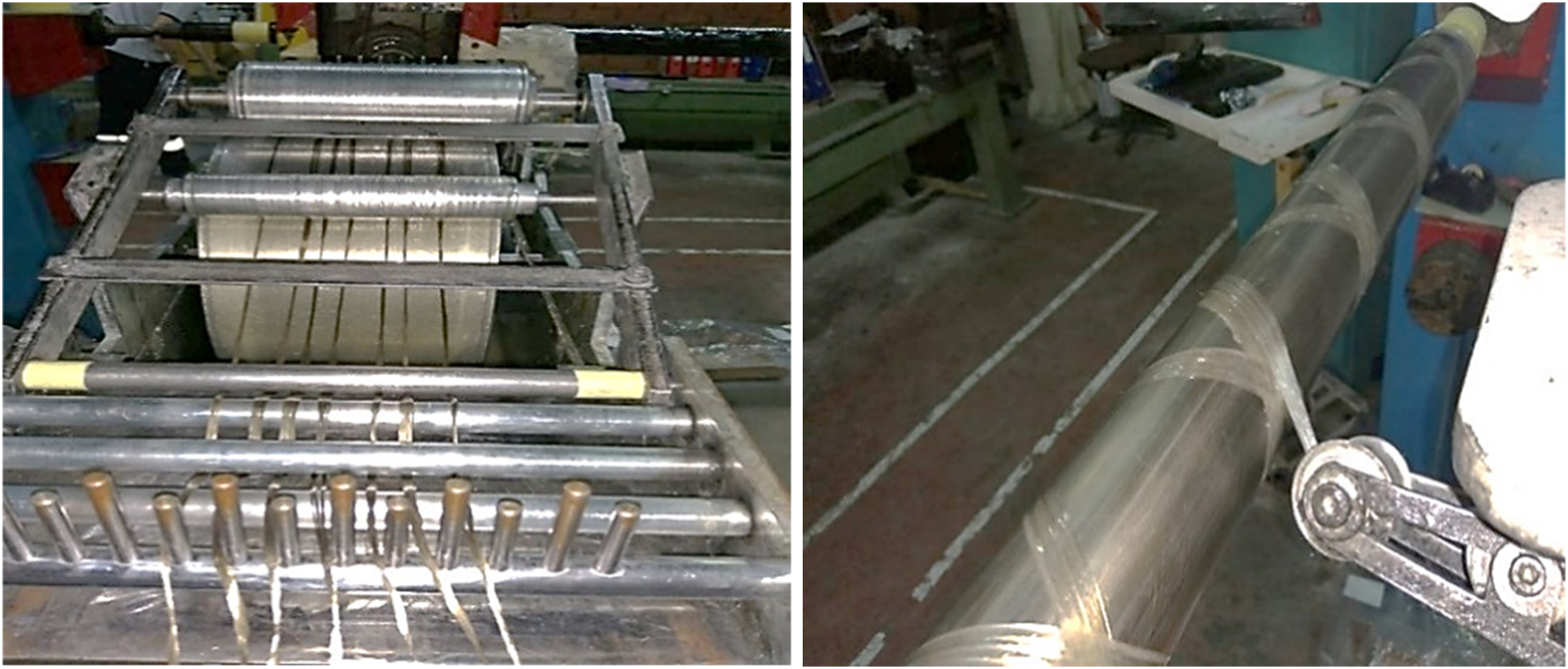
In this study, glass and basalt fiber reinforced cylindrical composite specimens with four different stacking orders were produced. First, only glass fiber (CCC) and only basalt fiber (BBB) were wrapped on aluminium mandrel to produce non-hybrid composite specimens. Then, hybrid composite specimens were produced with basalt/glass/basalt (BCB) and glass/basalt/glass (CBC) stacking sequences.
The winding angle for the specimens was determined to be ± 55°. The service area of the composite pipe and the loads to which it may be subjected were taken into account in deciding the winding angle. This is the optimum winding angle required for filament-wound composite pipes to withstand tangential and axial loads.
21
The winding angle is shown on the specimen in Figure 2. Demonstration of filament winding angle on composite specimen.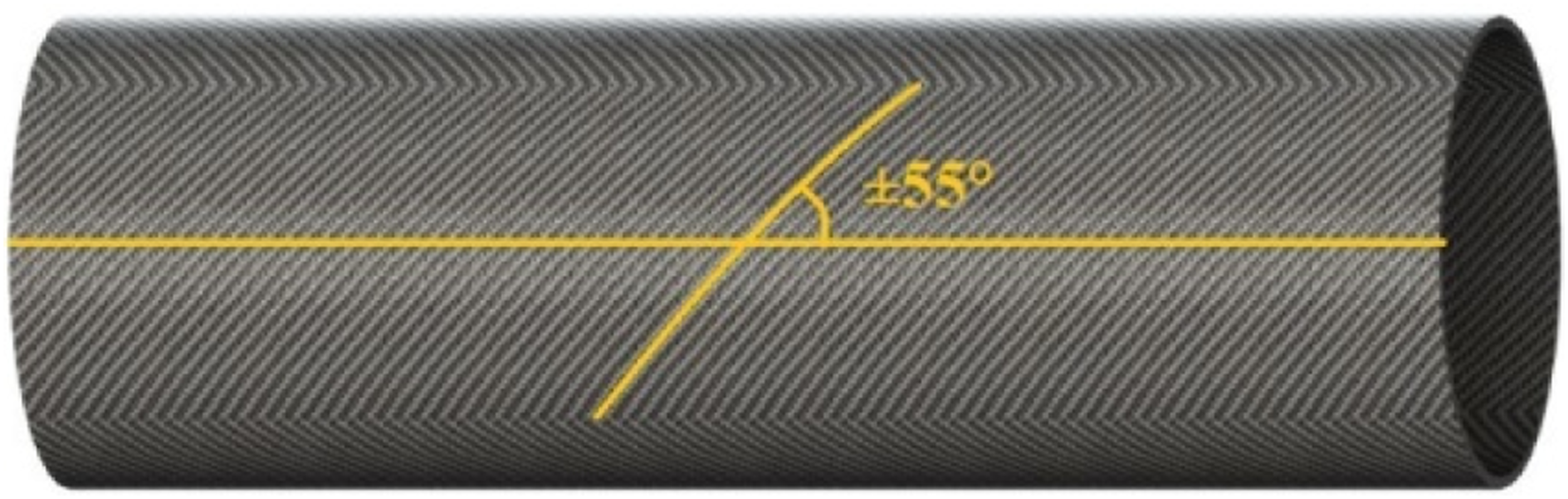
Hydrothermal aging
The hydrothermal aging process was carried out with a 400 × 400 × 400 mm3 hydrothermal aging unit with a volume of 64 L developed in the Mersin University laboratory. The hydrothermal aging unit prepared for use in the experimental study, is shown in Figure 3. Hydrothermal aging unit.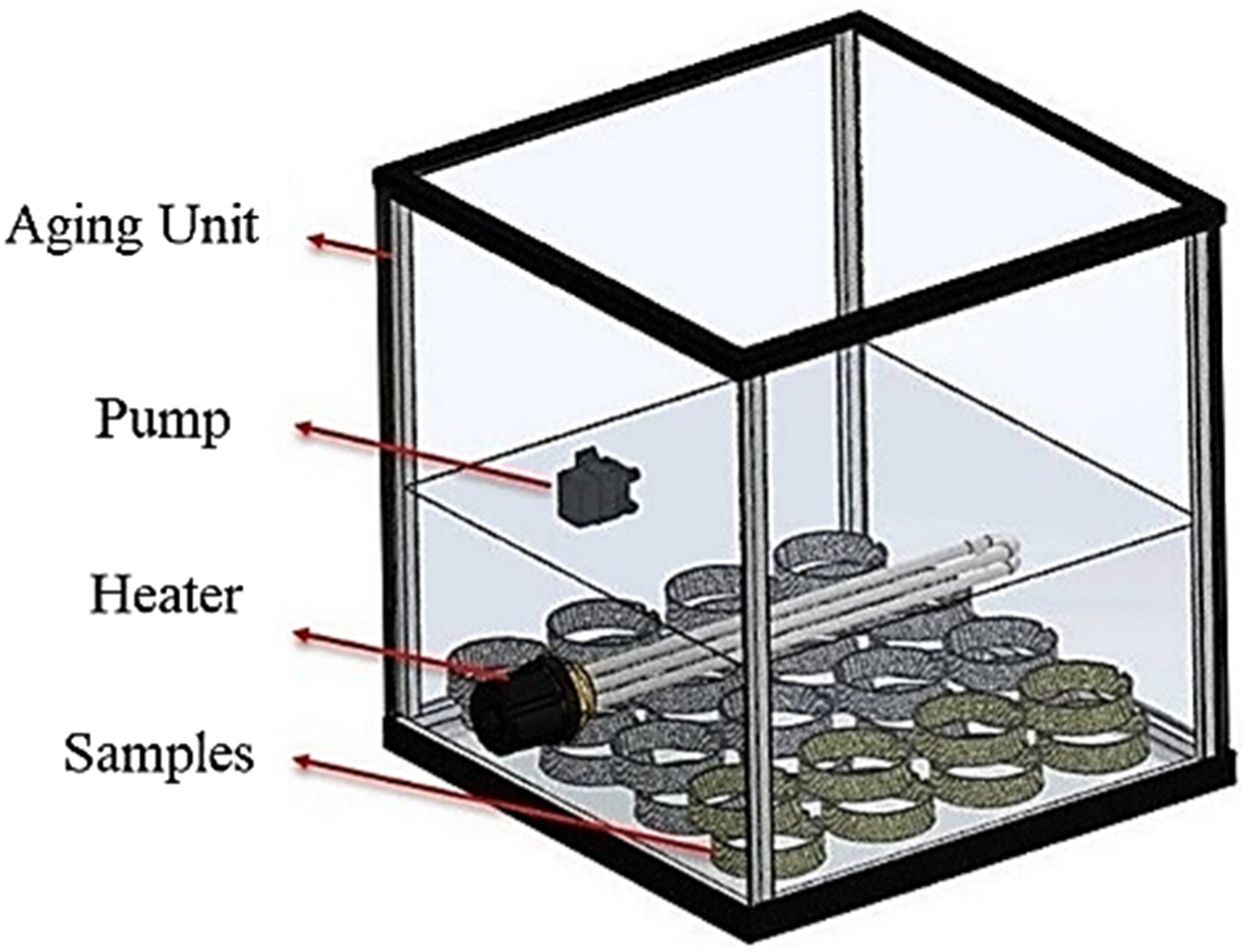
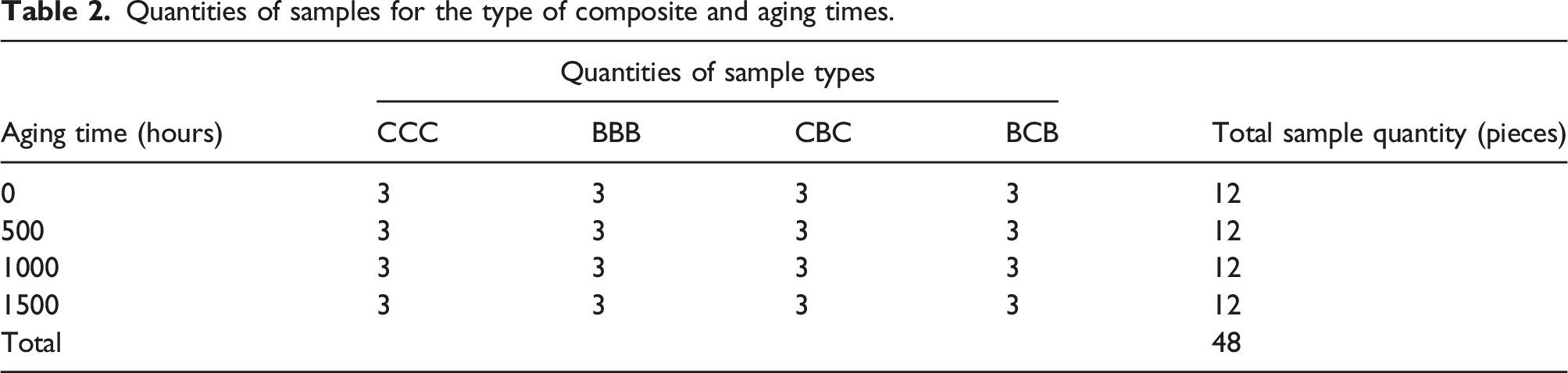
Quantities of samples for the type of composite and aging times.
Water absorption behaviour of composite pipes
The hydrothermal aging process was carried out based on ASTM D5229/D5229M-14.
22
The amount of water absorption was calculated as in equation (1).



Diffusion coefficient D is calculated by using equation (5) as follows:
Hoop tensile test
A hoop tensile test was applied to the specimens to determine the mechanical strength of the composite specimens and to observe the changes in the mechanical strength of the specimens depending on the hydrothermal aging time. Firstly, the hoop tensile strengths of the unaged specimens were determined. Then, at the end of each aging period, the specimens taken from the aging unit were subjected to the hoop tensile test. The application of the hoop tensile test was based on the ASTM D2290 Procedure A standard.
24
An Alşa brand testing machine with a capacity of 100 kN was used for the tests. A split disc-shaped apparatus, specially manufactured for hoop tensile testing, was placed in the hydraulic arms of the machine. With the help of this apparatus, the specimens were connected to the tensile test device and subjected to a tensile test. The hoop tensile test apparatus is shown in Figure 4. Hoop tensile test setup.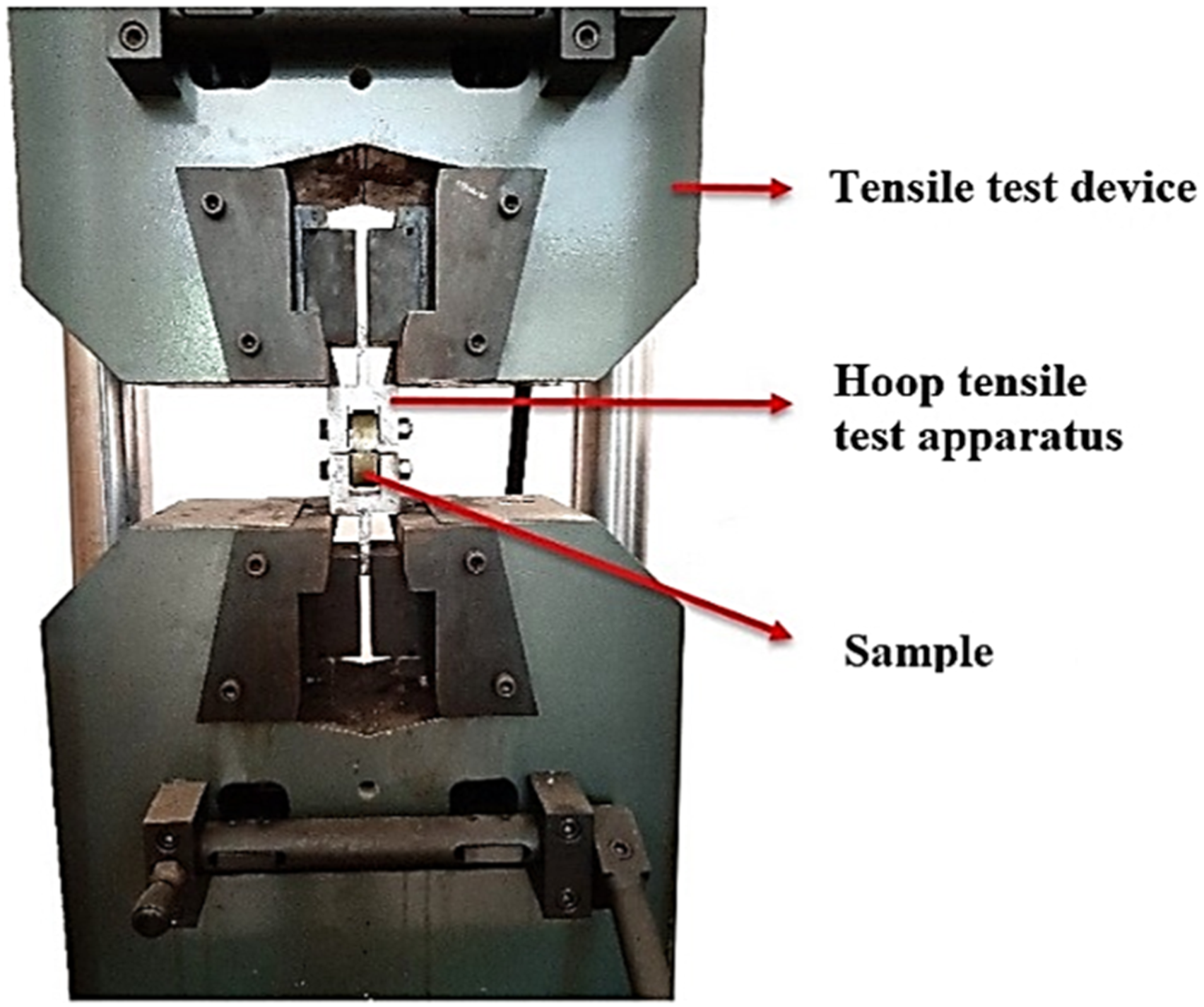
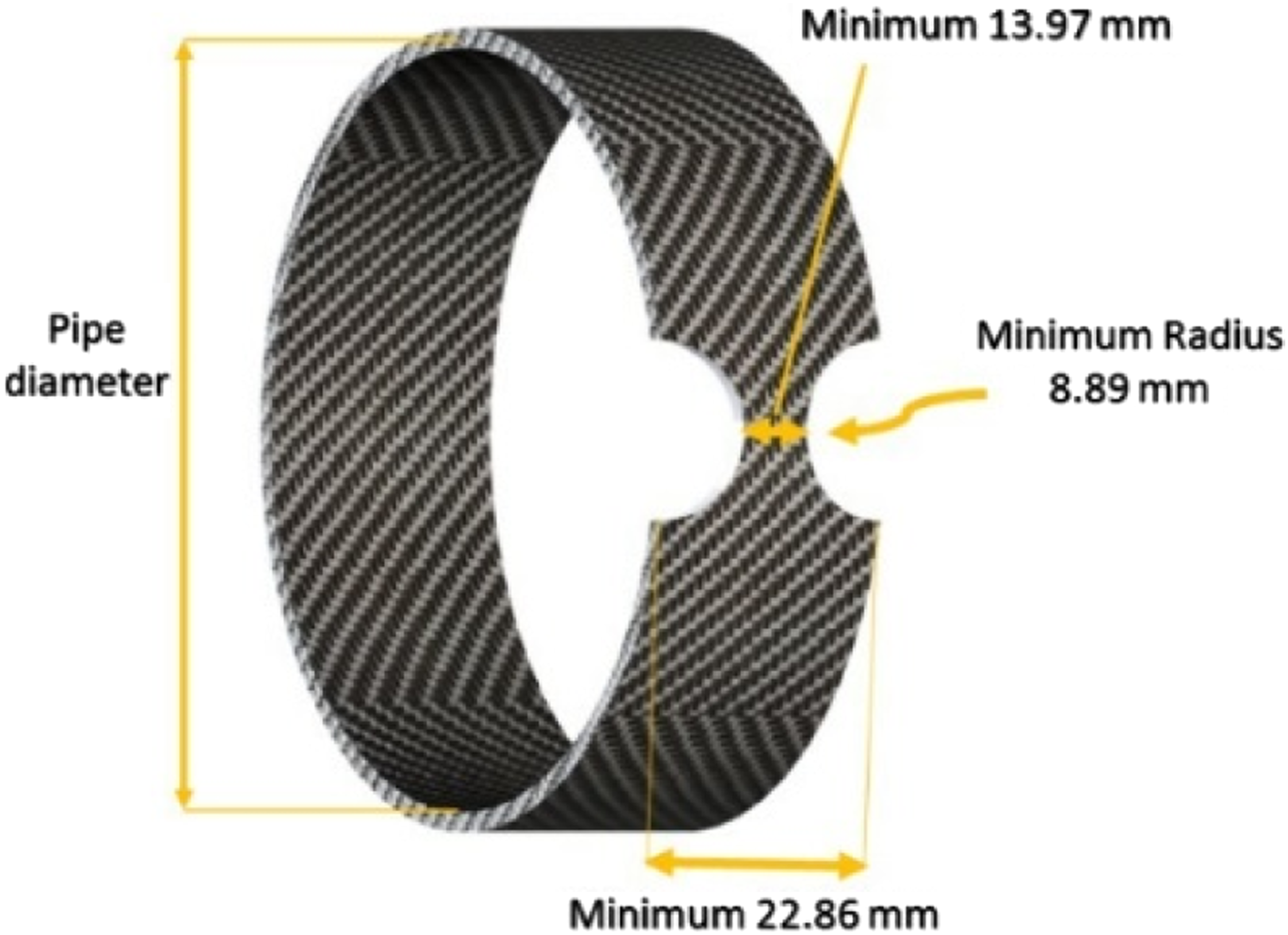
Semicircular notch zones were formed in the test specimens in accordance with the standard in order to control the damage area and to direct the damage. The geometry of the test specimens prepared following ASTM D2290 Procedure A
24
is shown schematically in Figure 5. Dimensions of hoop tensile test specimen.
24
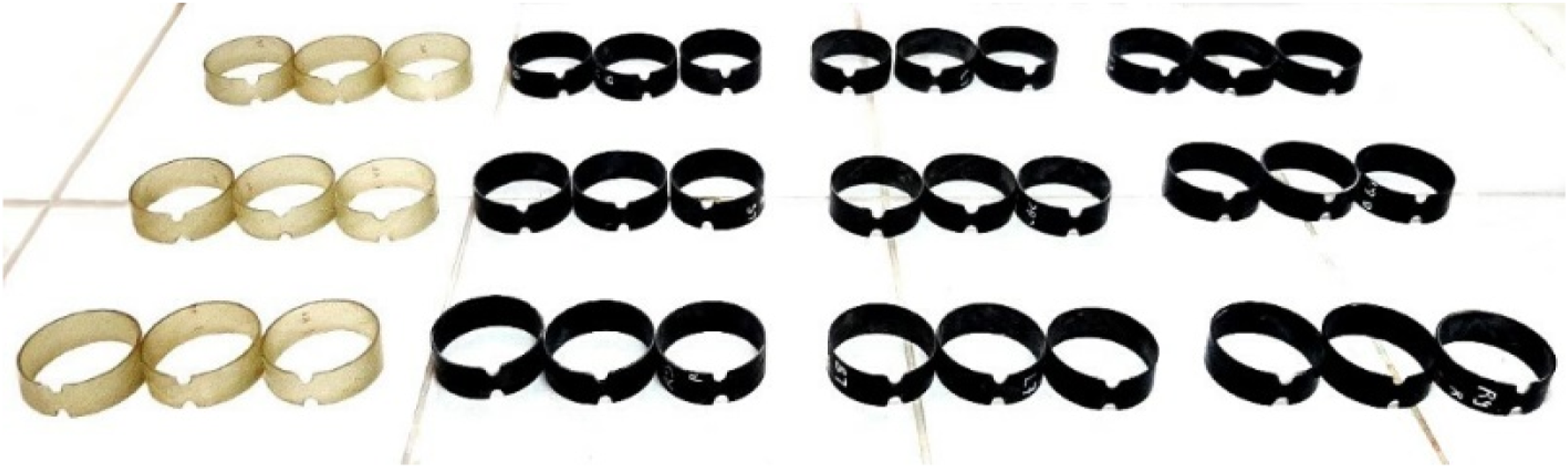
Load and elongation data were recorded until the specimens were damaged. The hoop tensile strengths of the specimens were calculated using the load-elongation data obtained from the device. Equation (6) was used to calculate the hoop tensile strength. Specimens prepared for hoop tensile test.
Hardness test
The Rockwell hardness tester shown in Figure 7 was used to measure the hardness of the composite samples. Digital Rockwell hardness tester.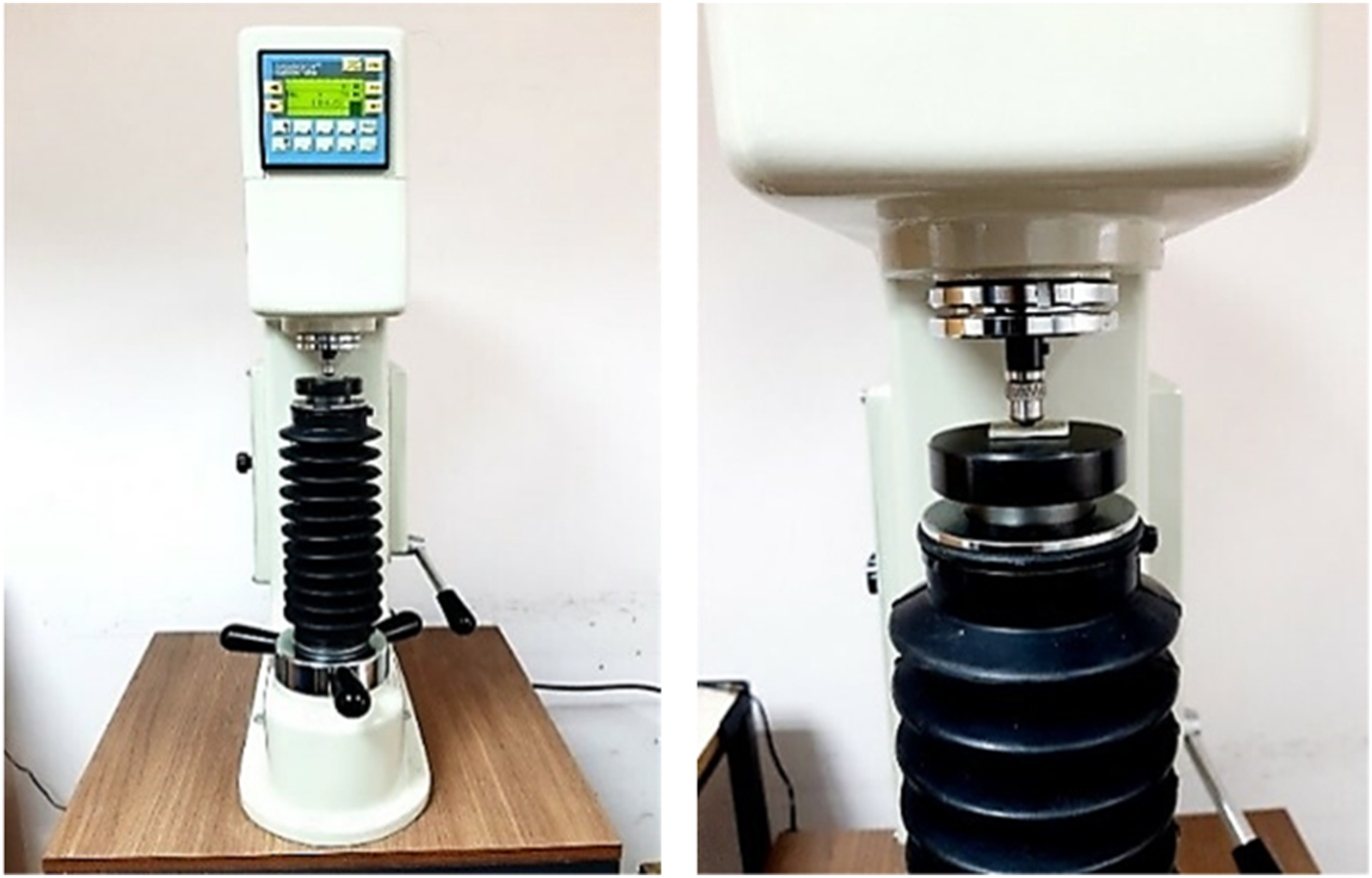
Hardness tests were performed following ASTM D785. 25 The hardness values of the composites were determined using the L scale of the Rockwell hardness tester. In line with the L scale, the maximum load was 60 kg, and the diameter of the indenter was 0.25 inches. The Rockwell hardness test was performed at 25°C for all specimens. All measurements were taken 10 seconds after the indenter was in contact with the specimen. Measurements were taken at three points on each specimen, and average hardness values were calculated.
Results and discussion
Water absorption behaviour of hybrid composite pipes
To determine the water absorption behavior of the hydrothermally aged samples, all sample types were analyzed in terms of percentage mass gain. The samples’ experimental (Mexp) and theoretical (MFick) weight changes were determined. Figure 8 shows the percentage water absorption as a function of the square root of time for hybrid and non-hybrid composites immersed in pure water at 70°C. In addition, the experimental (Mexp) and theoretical (MFick) mass measurement results for all aging periods of the specimens are shown in Table 3. Experimental and theoretical water absorption behavior of samples coded (a) CCC, (b) BBB, (c) BCB and (d) CBC. Experimental and theoretical mass gain rates of samples.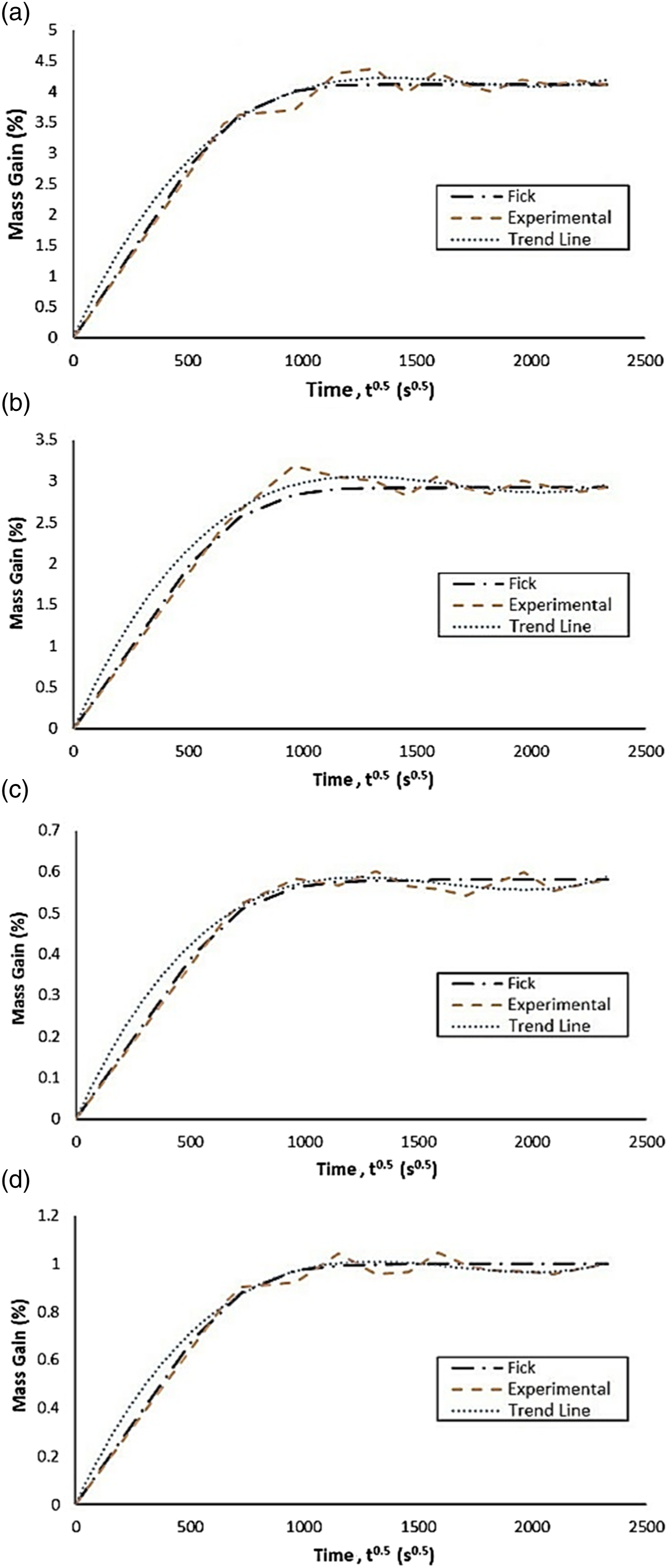
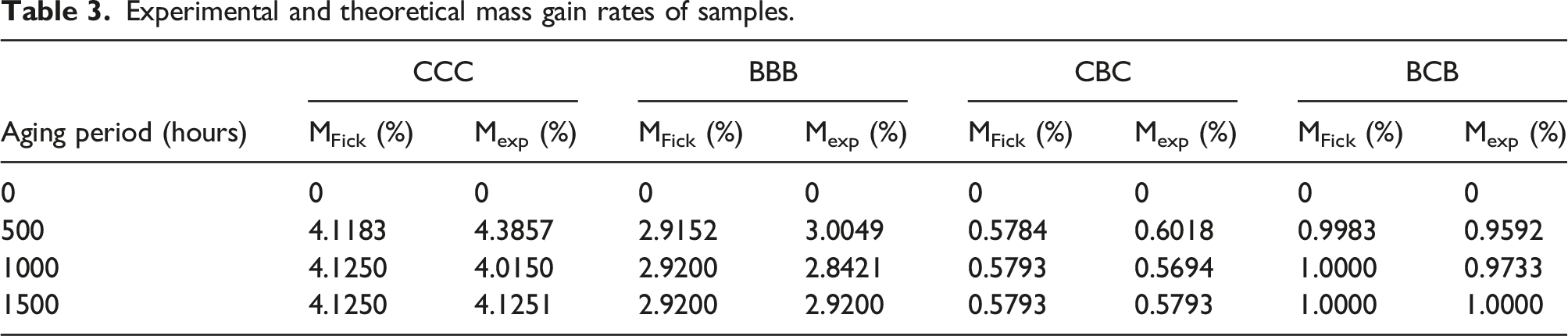
When Figure 8 is examined, it is seen that the water gain rate increases with time in the first stage of aging for all composite samples and then reaches equilibrium. It was observed that all samples showed a behavior in accordance with Fick’s law. The increasing trend in the first part of the water gain is due to the moisture concentration difference between the composite structure and the environment. In addition, the increase in the water gain rate of the composite samples also depends on the water absorption potential of the epoxy matrix because the epoxy system tends to absorb water due to the presence of hydroxyl (OH-) groups that can attract polar water molecules by hydrogen bonding. 26
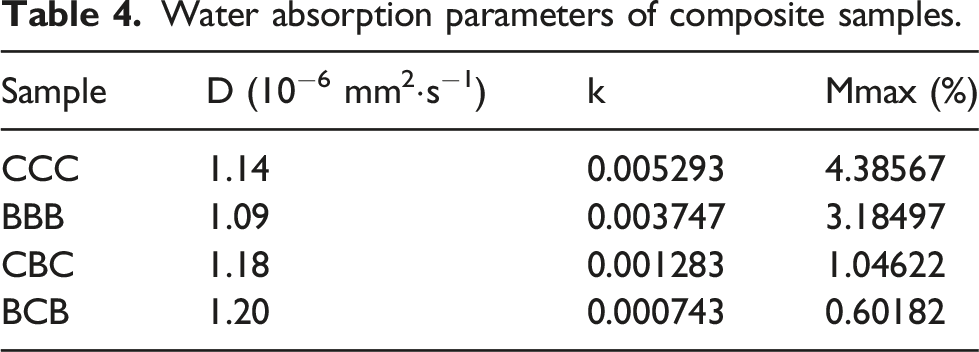
The experimental mass gain curve for all sample types is shown in Figure 9. The figure shows that the water gain rate is high for the CCC and BBB samples and lower for the hybrid samples. This situation indicates that producing the composite structure in the hybrid form is more advantageous. This is because the loss of mechanical properties is less when the amount of water absorbed by the composite is lower.12,17 Water absorption behavior of hybrid composite specimens.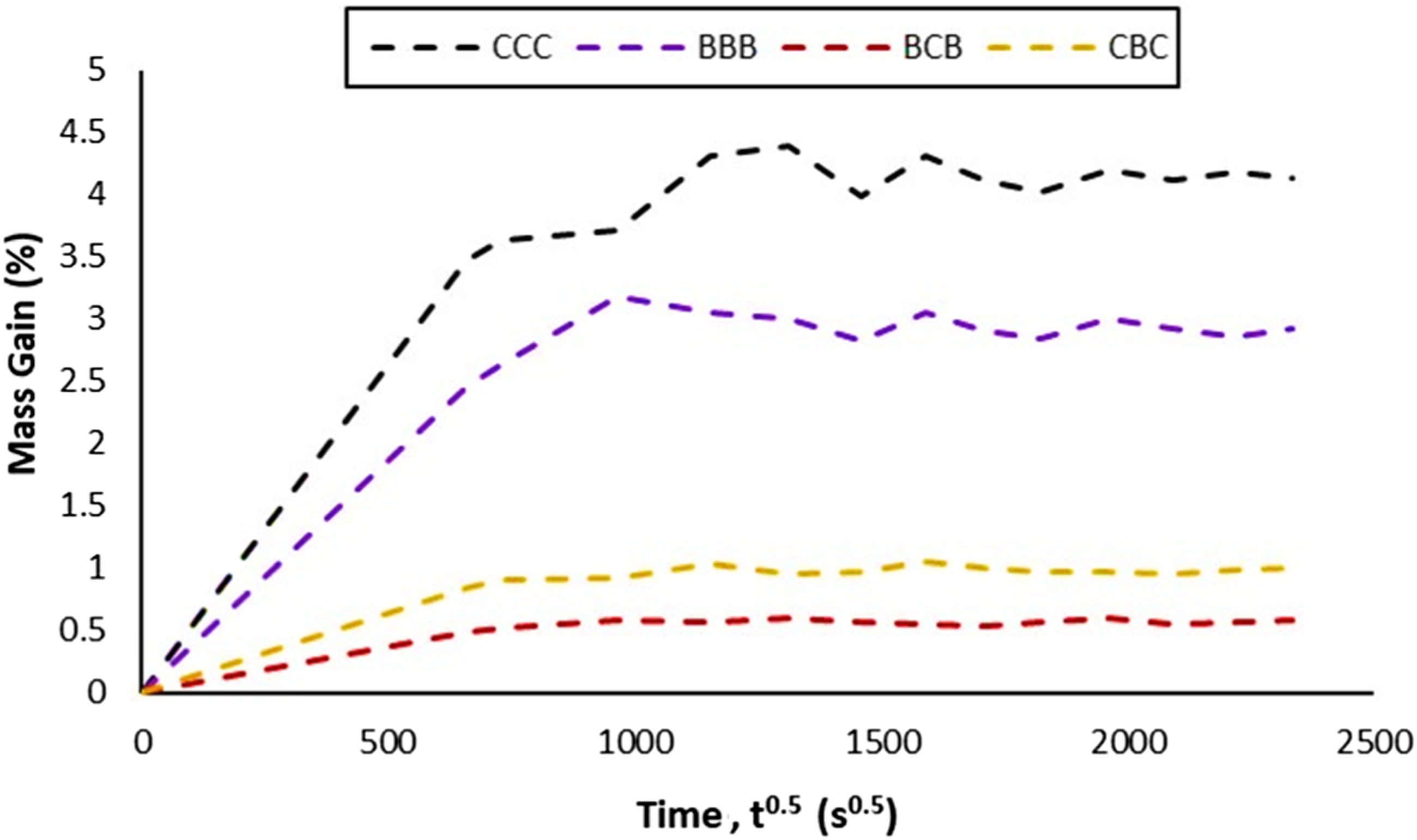
Water absorption parameters of composite samples.
Hardness test results
Hardness measurements of the composite specimens were performed according to ASTM D785
25
using the HRL scale in a Rockwell hardness tester. Three measurements were taken from different points of each specimen, and the average value was calculated. The hardness test results of aged and unaged specimens are presented in Figure 10. Hardness values of composite samples.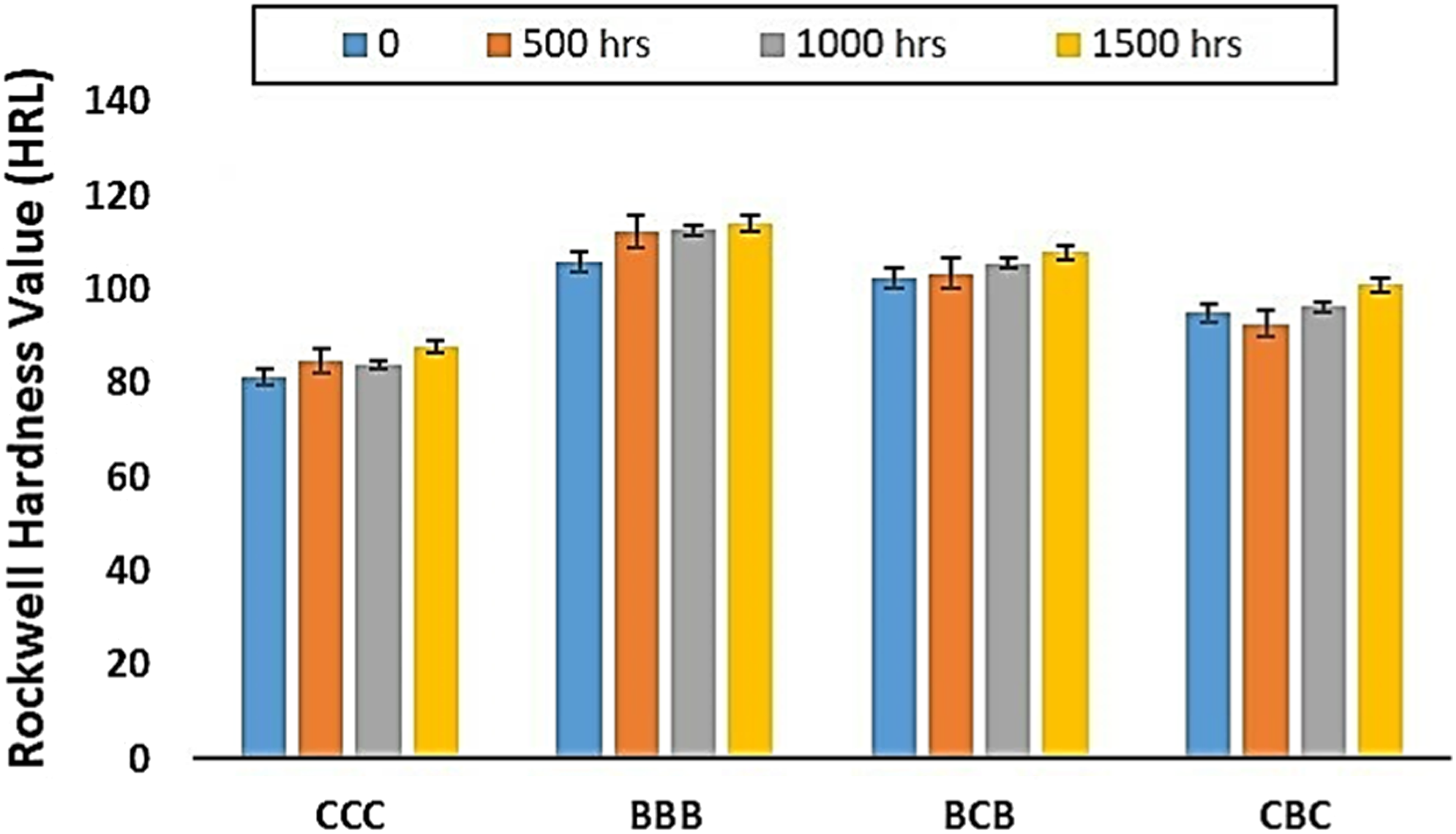
When Figure 10 is examined, it is seen that the hardness value increases as the aging time increases as a general trend for each composite sample compared to the hardness value of the unaged sample. This increase in hardness can be associated with the increase in the fiber/matrix ratio due to aging. Epoxy matrix tends to absorb water due to hydroxyl (OH-) groups which can attract polar water molecules by hydrogen bonding. 26 The absorbed water molecules chemically interact with the epoxy matrix via Van der Waals force and hydrogen bonds, leading to the mobility of the chain fragments. 27 The samples continue to absorb water until equilibrium is reached between the system’s internal structure and the environment. Once equilibrium is reached, the molecules forming bonds with hydroxyl groups begin to break down and separate from the epoxy system under the influence of temperature. This results in an increase in the fiber/matrix ratio. Since the hardness of the fiber reinforcement is higher than that of the epoxy matrix, increasing the fiber/matrix ratio also increases the hardness of the composite.5,18 As a result of the 1500 hours of the hydrothermal aging process, the percentage increase rates of hardness values in the samples coded CCC, BBB, BCB and CBC were observed to be 8.1%, 7.4%, 5.4% and 6.5%, respectively. Considering the water absorption amounts of the samples in Figure 9, the highest absorption occurred in the sample coded CCC. This shows that the sample coded CCC, which absorbs more water, has a greater hardness value due to the fiber/matrix ratio increase.
Hoop tensile test results
Hoop tensile tests were performed on CCC, BBB and hybrid composite specimens following ASTM D2290.
24
The experiment was repeated three times for each specimen type. Figure 11 shows the change in hoop tensile strength with standard deviations for specimens subjected to hydrothermal aging for different durations. Hoop tensile test results.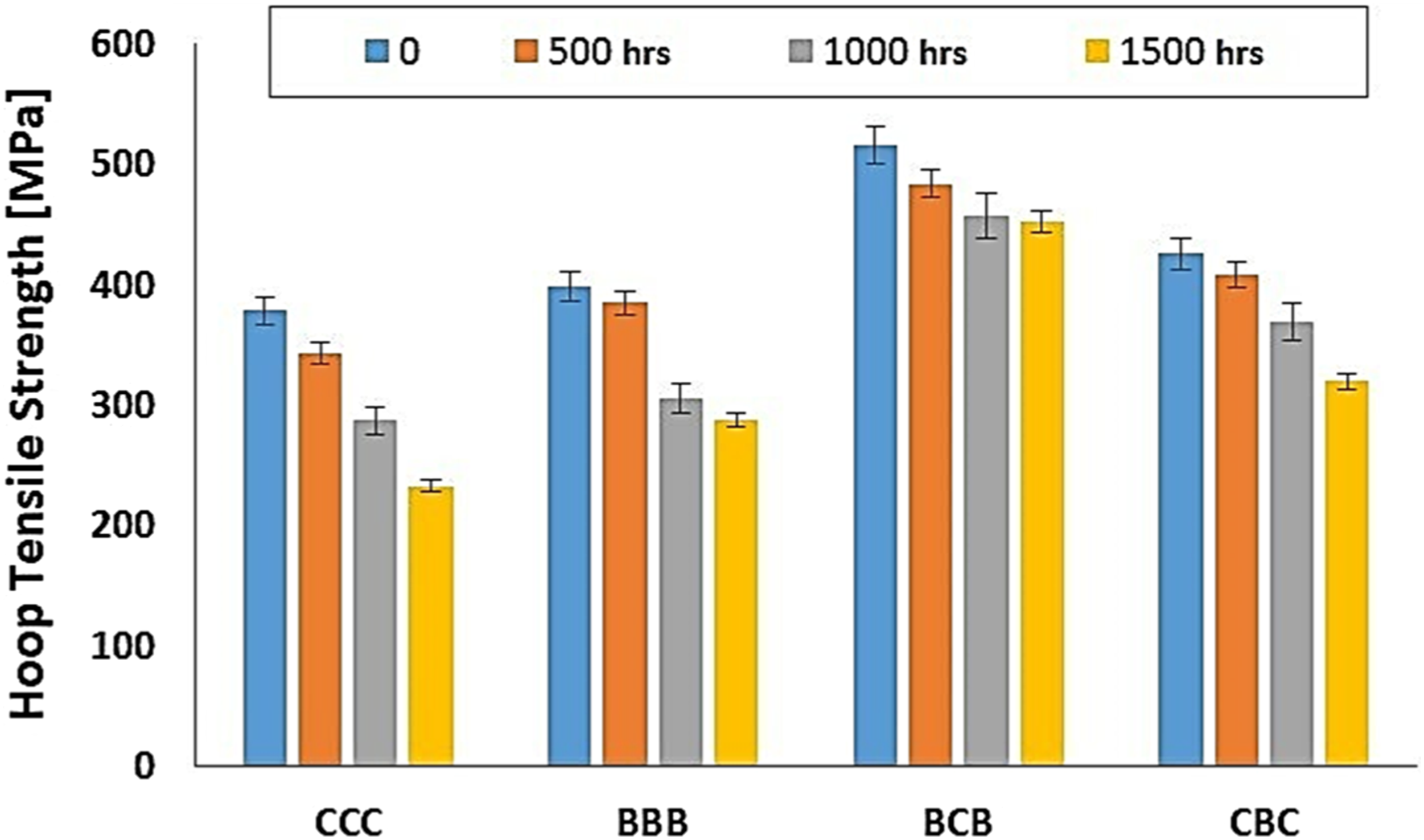
The figure shows that the hoop tensile strengths of the hybrid specimens are higher than those of the non-hybrid specimens for all aging times. This shows that the mechanical performance of the materials can be improved by hybridization. It can be seen that the hydrothermal aging process reduces the tensile strength of the composite structure for all specimens. As the aging time increased, the strength of the composite structure decreased. The reason for this can be explained as follows. Non-hybrid and hybrid composites were placed in 70°C water for hydrothermal aging. Thermal expansion occurs in the composite structure exposed to hot water. However, the thermal expansion coefficients of the epoxy matrix and the fiber, which are the composite structure components, are different. Compared to glass or basalt fibers, the thermal expansion coefficient of the polymer epoxy matrix is very high. This results in shear stresses at the fiber/matrix interfaces in the composite structure. These stresses weaken the bond at the fiber/matrix interface.5,11
The tangential tensile strength of the CCC coded specimens decreased by 9.3% at the end of the 500 hour aging period. This rate was 24.1% at the end of 1000 hours and 38.4% at the end of 1500 hours. The hoop tensile strengths of the BBB coded specimens decreased by 3.3%, 23.3% and 27.6% after 500, 1000 and 1500 hours, respectively. The mechanical strengths of CBC coded hybrid composite specimens decreased by 3.9%, 13.2% and 24.8%, respectively, at the end of the aging periods. For the BCB coded hybrid composite specimens, the hoop tensile strengths decreased by 6.2%, 11.3% and 12.3%, respectively, at the end of the same aging periods. The highest resistance to hydrothermal aging was observed in the BCB coded hybrid specimens.
The force applied to the specimen, and the amount of elongation occurring in the specimen are recorded instantaneously. The force-elongation variations obtained from the hoop tensile tests of the unaged specimens are shown in Figure 12. When the figure is examined, it is seen that the lowest elongation amount is realized in the BBB coded specimens, and the highest elongation amount is realized in the BCB specimens. Force-elongation changes of unaged specimens.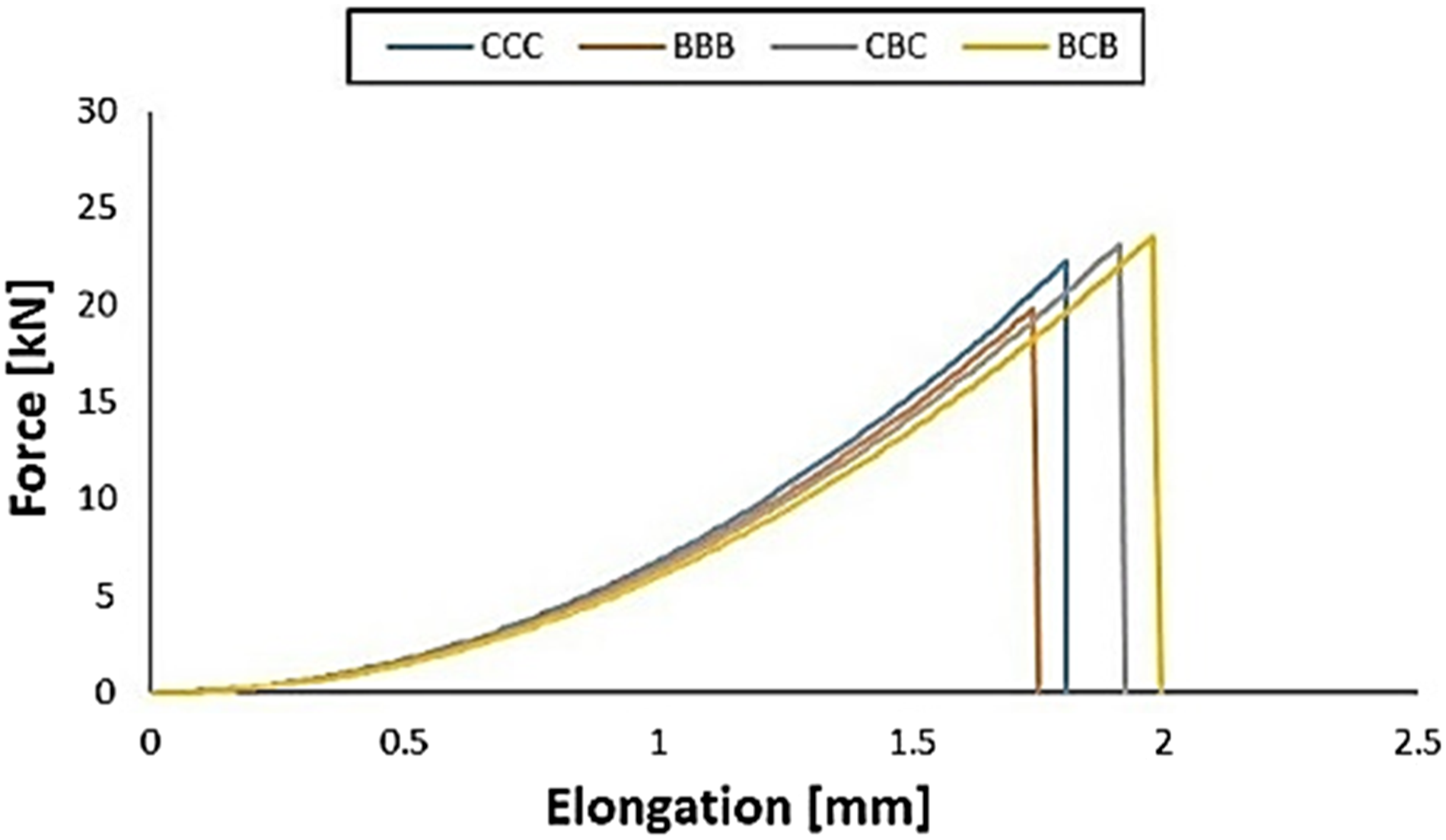
Samples were subjected to a hoop tensile test after completing each aging period. The force-elongation plots of all specimens for each aging period are shown in Figure 13. The plots show that the amount of elongation increases as the aging time increases for all specimens. The main reason is the gradual weakening of the fiber/matrix interface bond with aging time. The weakening of the interfacial bond results in a decrease in the load carried by the fibers. The decrease in the load carried by the fibers caused the composite specimen to elongate more at lower force values, as seen in the force-elongation plots. Force-elongation changes of (a) CCC, (b) BBB, (c) CBC and (d) BCB coded specimens for different aging times.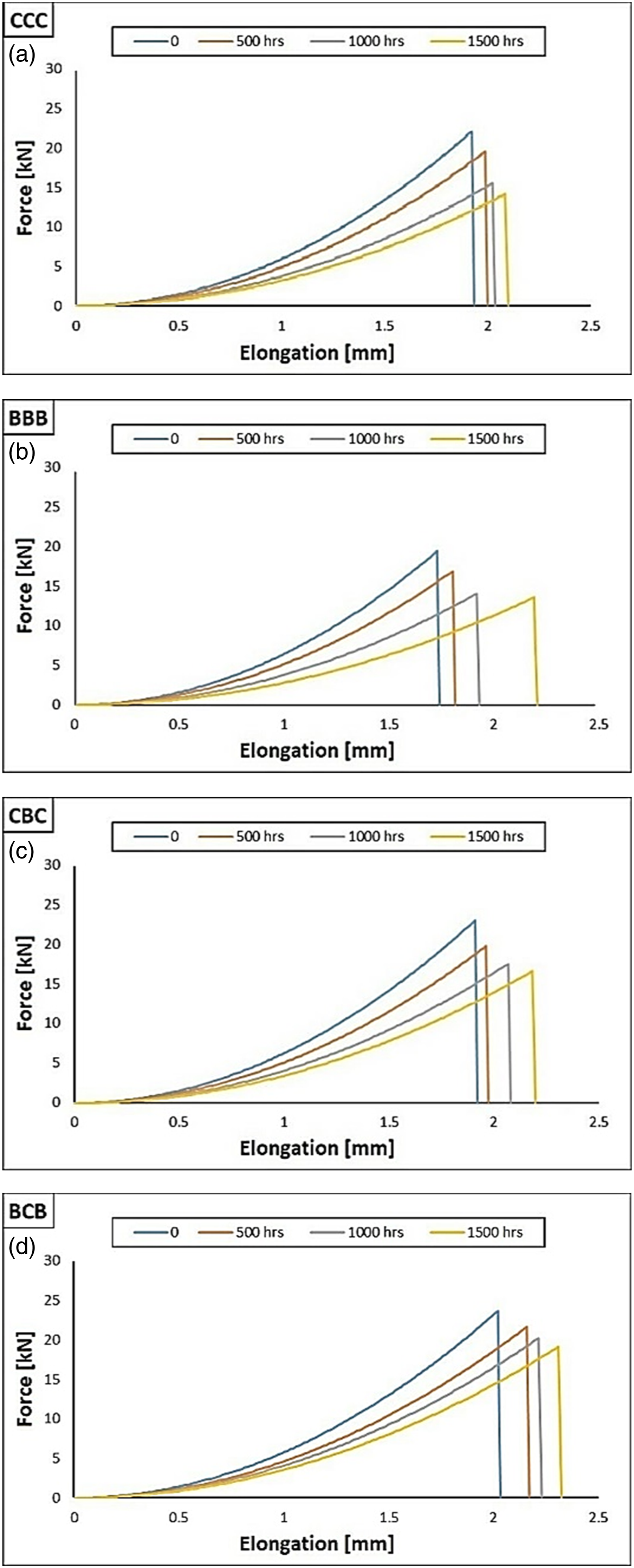
The tests were repeated three times for each case, and the average values were determined. The elongation curves corresponding to the applied load show good repeatability for the different cases. The repeatability plots of unaged CCC, BBB, CBC and BCB coded specimens obtained from hoop tensile tests are shown in Figure 14. Repeatability plots of (a) CCC, (b) BBB, (c) CBC and (d) BCB coded samples.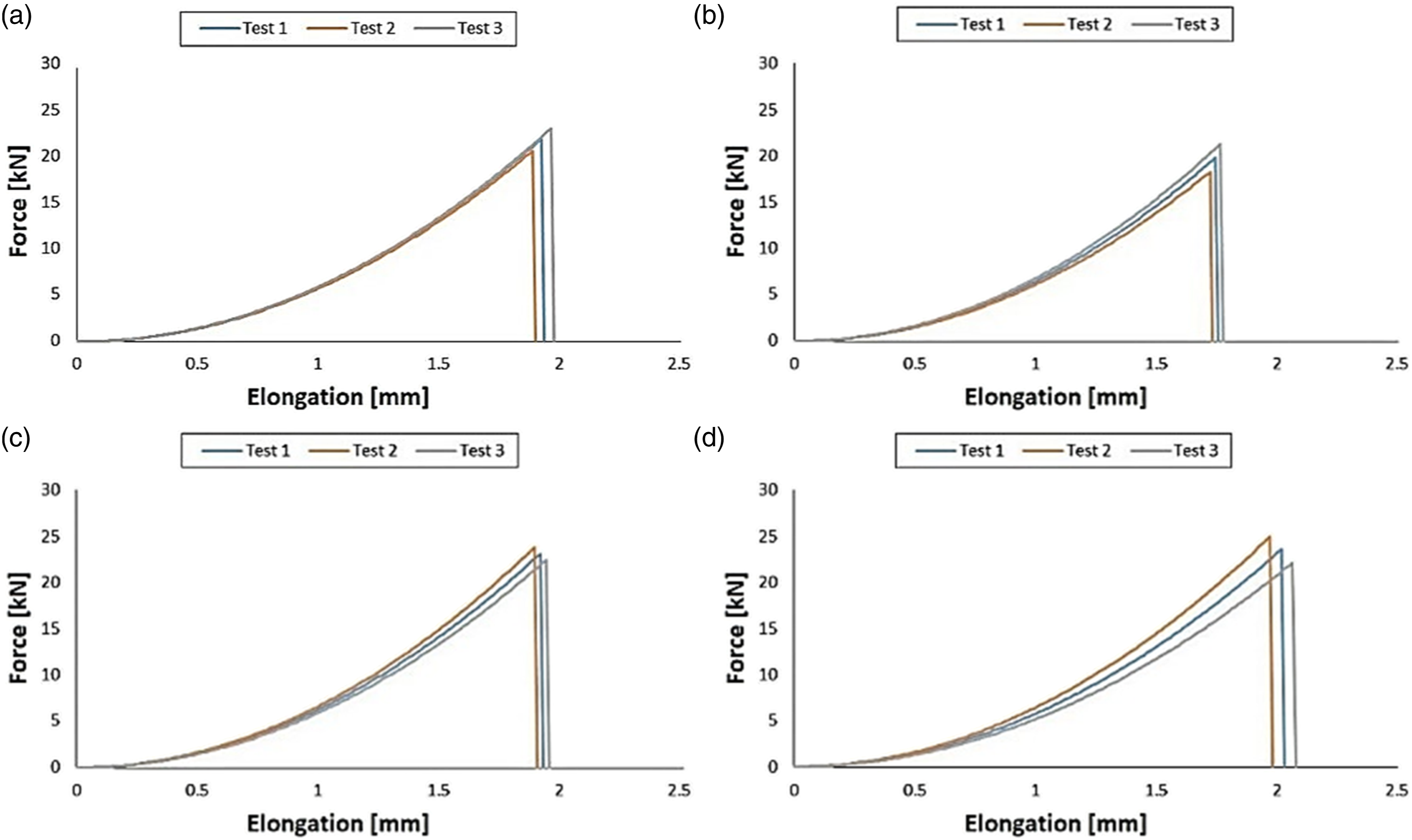
Damage behaviors of hybrid pipes
Damage images of composite samples subjected to hoop tensile tests are shown in Figure 15. During the hoop tensile test, as the force begins to increase, the fibers at ±55° start to move in the tangential direction (towards the 90° winding angle). Fibers with a winding angle of +55° and −55° will move in the opposite direction to the tangential direction. Therefore, shear stresses occur between layers with different fiber orientations. These stresses gradually increase as the force increases. Therefore, the interfacial bonds between the fibers and matrix gradually weaken. When a certain force is reached, the fiber begins to separate from the matrix. Cracks appear in the matrix, and delaminations occur between layers with different fiber orientations. The delaminations gradually increase. All fibers separate from the matrix, and final damage occurs in the form of fiber breakage. In all specimens, the damage is observed to occur in the ±55° fiber winding direction. Damage images after hoop tensile test.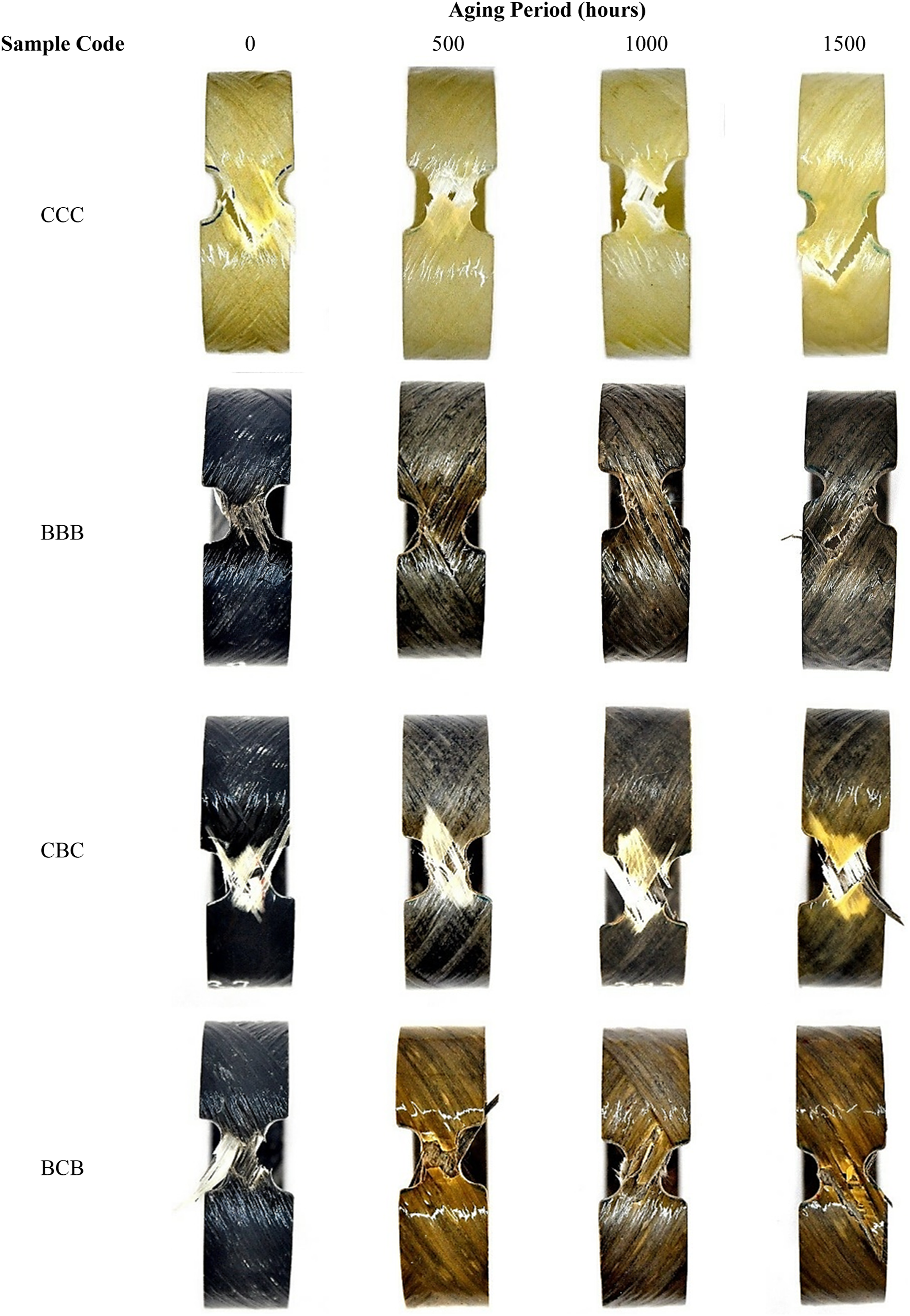
Conclusion
In this study, the effects of hydrothermal aging on the mechanical properties of CCC, BBB and CBC-BCB hybrid fiber/epoxy composite samples produced by hybridization of both fibers were investigated. Hoop tensile and hardness tests were first performed on unaged specimens. Then, hoop tensile and hardness tests were performed on composite specimens aged in 70°C pure water for 500, 1000 and 1500 hours at the end of each aging period. At the end of the hoop tensile tests, the damages occurring in the specimens were examined. The results of the study were as follows. • The water absorption behavior during the hydrothermal aging process was in accordance with Fick’s law for all specimens. At the end of approximately 280 hours, all specimens reached saturation, and the amount of water absorbed remained approximately constant until the total aging time of 1500 hours. The amount of water absorbed was less in the hybrid specimens than in the CCC and BBB specimens. • It was observed that there was an increasing trend in the hardness of all the samples due to the increase in the fiber/matrix ratio with hydrothermal aging. Considering the hardness values of aged and unaged samples, the highest was observed in samples coded BBB, while the lowest was observed in samples coded CCC. • Hydrothermal aging was found to decrease the tensile strength of the composite structure for all specimens. As the aging time increased, the strength of the composite structure decreased. Higher tensile strength values were obtained when the specimens were fabricated as a hybrid compared to non-hybrid ones. • Due to the degradation of the composite structure, the strength values decreased over the hydrothermal aging time while the force-dependent elongation values of the specimens increased. • As a result of the hoop tensile test, ultimate damage occurred in the form of rupture in all specimens. All specimens ruptured in the direction of the fiber winding angle (±55°).
Footnotes
Acknowledgments
This study is a part of a Master’s Thesis carried out by Yusuf KEPIR at Mersin University, Institute of Science. Memduh KARA is the advisor of this thesis.
Declaration of conflicting interests
The authors declare no potential conflicts of interest concerning the research, authorship, and/or publication of this article.
Funding
The author(s) disclosed receipt of the following financial support for the research, authorship, and/or publication of this article: This study received support from the Scientific Research Projects Unit of Mersin University (Project number: 2019-3-TP2-3685).
