




Abstract
This research investigates the motivations driving the utilization of urban open spaces for subsistence agriculture and assesses its impact on the livelihoods of residents in Esikhaleni Township. Employing a mixed-methods approach, the study conducts structured interviews with local farmers and in-depth interviews with municipal officials from the uMhlathuze Municipality. The findings highlight food insecurity, the necessity for accessible fresh produce, agricultural passion, and rising food costs as primary drivers compelling Esikhaleni residents towards open space farming. Moreover, the research underscores the significant contribution of open space agriculture to the livelihoods of Esikhaleni residents, including improved access to fresh food, reduced food expenditures, and supplementary income generation through produce sales. The study concludes by recommending the integration of urban agriculture into urban planning efforts to safeguard land for agricultural purposes, thereby enabling residents of Esikhaleni Township to engage in sustainable agricultural practices.
Introduction
In urban environments, vacant land and open spaces present valuable opportunities for urban agriculture, serving as essential resources for residents. Recent studies by scholars such as Brown and Jameton (2000) emphasize the significance of urban agriculture in supplementing household food sources and ensuring food security. Urban agriculture, particularly on open spaces, has emerged as a vital practice for meeting the basic needs of urban communities while promoting sustainable food production (Brown and Jameton, 2000).Public green spaces, recognized as integral components of urban infrastructure, offer promising avenues for integrating urban agriculture into city landscapes (Chowdhury et al., 2021). These spaces provide multifunctional opportunities for urban farming and foster a deeper connection between residents and their food sources (Chowdhury et al., 2021).
The establishment of community gardens in public open spaces not only contributes to reducing crime rates but also strengthens social bonds within neighborhoods (Davies et al., 2020). By sharing gardening knowledge and resources, urban residents build resilient communities and promote local food initiatives (Davies et al., 2020). For urban dwellers lacking access to traditional farmland, open spaces serve as crucial alternatives for engaging in agricultural activities (Chowdhury et al., 2021). Recognizing the importance of preserving these spaces for urban agriculture is imperative for addressing food insecurity and fostering sustainable urban development.
In urban landscapes, the utilization of vacant land and open spaces for urban agriculture has garnered increased attention due to its potential to address various socio-economic and environmental challenges. Recent research by Smith et al. (2022) underscores the role of urban agriculture in promoting food sovereignty and resilience against food shortages in cities. By converting underutilized spaces into productive agricultural areas, urban farming contributes to a more sustainable and equitable food system (Smith et al., 2022).The integration of urban agriculture into public green spaces has gained traction as a means to enhance urban biodiversity and ecosystem services (Majid et al., 2023). Studies by Majid et al. (2023) highlight the ecological benefits of urban agriculture, such as improved soil health and increased habitat diversity for urban wildlife. Moreover, urban farming practices in green spaces can mitigate the urban heat island effect and contribute to local climate adaptation efforts (Majid et al., 2023).
Community-led initiatives that establish and maintain gardens in public open spaces play a crucial role in fostering social cohesion and community resilience (Smit et al., 2021). Through collaborative gardening activities, residents not only cultivate nutritious food but also build relationships, share resources, and exchange knowledge about sustainable agricultural practices (Smit et al., 2021).For marginalized communities and individuals with limited access to land and resources, open spaces offer vital opportunities for economic empowerment and food security (Blair and Giesecke, 2020). Blair and Giesecke (2020) highlight the importance of policy support and community engagement in preserving and repurposing vacant lots for urban agriculture, particularly in underserved neighborhoods. This paper aims to discover how urban open-space farming contributes to the livelihoods of people residing in Esikhaleni Township.
Drivers of open-space agriculture
Open-space farmers are driven by different circumstances to pursue open-space farming. This section is devoted to a discussion of these.
Food insecurity
Food insecurity remains a pressing challenge in many African urban centers, disproportionately affecting poor households reliant on markets for sustenance. Studies by Simatele and Binns (2008) in Lusaka, Zambia, and Zezza and Tasciotti (2010) in several African countries highlight how urban agriculture on open spaces has emerged as a vital strategy for enhancing food security among vulnerable urban populations.
Recent research by Muvhunzi et al. (2021) in Zimbabwe underscores the role of open-space farming in mitigating food insecurity by enabling households to produce their own food and diversify their diets. Similarly, Mwonga et al. (2023) in Nairobi, Kenya emphasize the importance of urban agriculture in improving access to nutritious food, particularly for female-headed households and low-income communities.
While urban agriculture has historically received little policy attention, its potential to improve nutrition and alleviate food insecurity is increasingly recognized by governments and organizations across Africa. The United Nations Development Program (UNDP), for instance, has prioritized urban agriculture as a means of addressing malnutrition and enhancing food access in urban areas (UNDP, 2021).
Moreover, urban agriculture serves different purposes across socio-economic groups, acting as a supplementary income source for some high-income earners while providing a critical strategy for securing food access among middle-class households (Bryld, 2017; Saha and Hovorka, 2021). As African cities continue to expand, securing land for agriculture within urban environments becomes increasingly challenging. Yet, the opportunity to grow and obtain food locally is crucial for survival and well-being, particularly for low-income urban residents (Mwonga et al., 2023).
Recent studies emphasize the health benefits associated with urban agriculture, including reduced malnutrition and improved dietary intake among urban populations (Kurpierz, 2020; Nicholls et al., 2020). Promoting urban and open-space agriculture thus emerges as a viable solution to combat food insecurity and enhance overall health outcomes for vulnerable urban communities across the African continent.
Government and non-governmental organizations increasingly recognize the potential of urban agriculture in enhancing food security and promoting sustainable urban development. Initiatives led by organizations like the UNDP prioritize urban agriculture as a means of addressing malnutrition and improving food access in urban areas (UNDP, 2021).Furthermore, urban agriculture serves not only as a means of subsistence but also as a source of income for households across different socio-economic strata. Bryld (2017) highlights how urban agriculture contributes to livelihood strategies for both high-income earners seeking additional food security and middle-class households securing their well-being.
As cities continue to expand, securing land for agriculture within urban environments becomes increasingly challenging. However, the benefits of local food production and community resilience underscore the importance of preserving and utilizing open spaces for agriculture (Smith et al., 2023). Recent research also emphasizes the health benefits associated with urban agriculture, including improved nutrition and reduced malnutrition rates among urban populations (Kurpierz, 2020). Promoting urban and open space agriculture not only addresses immediate food needs but also contributes to long-term health and well-being outcomes for urban residents.
Food inflation
The spike in global food prices from 2007 to 2008 not only impacted nutrition and food security but also exposed the vulnerability of food systems, especially in Africa, to economic and environmental shocks. Recent research by the FAO (2021) and Raimundo et al. (2022) underscore the ongoing challenges posed by high oil prices, supply chain disruptions, and crop price fluctuations, which continue to drive up food costs and exacerbate food crises across the continent.
These crises disproportionately affect vulnerable urban populations by eroding their purchasing power and threatening livelihoods (Saha and Hovorka, 2021; Smith, 2019). In cities like Nairobi and Cape Town, rising food prices significantly constrain access to nutritious food for poor households (Battersby and Crush, 2022; Mwonga et al., 2023). Consequently, many urban dwellers in African cities have turned to subsistence agriculture, utilizing open spaces as a means to secure fresh and nutritious food amidst soaring market prices (Gallaher et al., 2021).
In South Africa, the rise in food prices driven by factors like fluctuations in global markets, exchange rate dynamics, and high fuel costs has led to severe food inflation, impacting both imported and domestically produced food items (Rangasamy, 2019; UNDP, 2020). The increasing commercialization of urban food distribution networks further exacerbates challenges in accessing affordable, nutritious food for the urban poor (Crush and Battersby, 2022; Smith et al., 2020).
As a result, open-space farming has gained prominence as a sustainable strategy for urban residents to reduce their dependence on costly market supplies and enhance food access through local production (FAO, 2021; Mwonga et al., 2023). By promoting urban agriculture initiatives, particularly in open spaces, African cities can build resilience against food price shocks and mitigate the effects of high food inflation on vulnerable populations (Gallaher et al., 2021; Raimundo et al., 2022).Continued research and policy support are crucial to strengthen urban agriculture as a viable solution for ensuring food security amidst rising food costs across the African urban landscape.
Lack of access to land
Lack of access to land poses a major barrier to urban agriculture across many African cities, limiting opportunities for poor urban residents and threatening food security. Recent studies in South Africa by Magidimisha (2019) and Baipheti and Jacobs (2017) highlight the scarcity of available land for farming purposes in urban areas. Poor residents often lack access to sufficient plots to cultivate food to sustain their households, frequently resorting to renting or borrowing land for agricultural activities.
However, the absence of secure tenure over this land exacerbates the challenges faced by urban cultivators, who live under the constant threat of losing access to their farming spaces without legal protection (Crush and Battersby, 2022; Magidimisha, 2019). This insecurity inhibits their ability to effectively engage in agricultural practices and jeopardizes long-term food security for urban populations (Saha and Hovorka, 2021).
As urbanization accelerates across Africa and competition for land intensifies, the space available for cultivation continues to diminish, further exacerbating the reliance of the urban poor on commercial food markets (Baipheti and Jacobs, 2017; Gallaher et al., 2021). Research in South African cities like Esikhaleni underscores the detrimental impact of limited land access on urban agriculture and household food security (Magidimisha, 2019; Mwonga et al., 2023).
Addressing barriers to land access is crucial for promoting sustainable urban agriculture and enhancing food security in African cities. Policy interventions aimed at securing land tenure rights for urban cultivators are essential to empower them to engage effectively in agricultural activities and contribute to local food production (Muvhunzi et al., 2021; Saha and Hovorka, 2021). Additionally, efforts by urban planners to optimize land use and allocate dedicated spaces for urban agriculture can help mitigate the adverse impacts of land scarcity on food access for vulnerable urban populations (Crush and Battersby, 2022; Jaka and Shava, 2018).
The impact of urban subsistence agriculture on livelihoods
The contribution of urban subsistence agriculture to enhancing livelihoods is increasingly recognized as crucial for sustainable urban development in Africa, particularly for vulnerable households. Recent studies by Baipheti and Jacobs (2021) in South Africa and Magidimisha (2020) in Zimbabwe highlight the positive impacts of urban agriculture on food security and economic stability for urban residents.
Urban agriculture serves as a vital livelihood strategy for poor urban households across the continent, offering opportunities for income generation and economic diversification (Gough and Kellet, 2017; Mwonga et al., 2023). Research suggests that engaging in open space farming enables households to supplement their income and reduce economic insecurity (Saha and Hovorka, 2021). Additionally, savings on food expenditure resulting from cultivating surplus produce for sale contribute significantly to household budgets, particularly for unemployed female-headed families responsible for meeting basic needs (Bryld, 2015; Muvhunzi et al., 2021).
While urban households do not rely solely on subsistence agriculture, it plays a crucial role in meeting their food needs and improving living conditions across African cities. Open space gardens provide affordable, nutritious food and utilize otherwise vacant land, contributing to environmental sustainability (Drakakis-Smith, 2018; Nicholls et al., 2020). Moreover, urban agriculture enhances dietary diversity, creates employment opportunities, and fosters community development (Crush and Battersby, 2022; Rogerson, 2016). The involvement of middle-income families in urban farming further underscores its potential to create informal job opportunities and alleviate poverty in urban contexts (Gallaher et al., 2021; Magidimisha, 2020).
Globally, and particularly in Africa, urban farming offers income opportunities for millions and provides access to nutritious food, which is especially beneficial for meeting the nutritional needs of children in vulnerable urban households (FAO, 2018; Jaka and Shava, 2018).
The significance of urban agriculture in enhancing livelihoods has been highlighted in studies like the one conducted in Esikhaleni, South Africa, underscoring its role in providing economic opportunities and improving food security for urban farmers. As urbanization continues to accelerate across the continent, recognizing and supporting urban agriculture initiatives is essential for promoting sustainable urban development and addressing the needs of vulnerable urban populations (Crush and Battersby, 2022; Mwonga et al., 2023).
Urban agriculture and town planning
Urban agriculture, particularly open space agriculture, presents a myriad of benefits including greening urban environments and enhancing visual esthetics and human well-being. However, despite these advantages, urban planners and policymakers often overlook the potential of urban agriculture in improving urban food systems (Vandermeer et al., 2018). Consequently, urban agriculture tends to be excluded from comprehensive city plans, impeding its integration into urban development strategies.
The rapid expansion of human settlements has intensified competition between traditional urban land uses and urban agriculture, particularly in peri-urban areas where both coexist (Smit et al., 2016). Acknowledging this competition, urban planners are beginning to recognize the peri-urban zone as a mixed-use area conducive to agricultural activities alongside traditional urban functions, while reserving the intra-urban zone primarily for conventional urban land uses (Smit et al., 2016).
Despite its potential to enhance urban food systems, urban agriculture is not universally acknowledged as a legitimate urban land use. Some urban planners and policymakers perceive urban agriculture as incompatible with urban development and consequently exclude it from urban spatial planning processes (Vandermeer et al., 2018). This oversight persists despite arguments that urban agriculture has always been part of urban landscapes and should be formally recognized as such (Vandermeer et al., 2018).
Moreover, urban agriculture often occurs in areas not designated for agricultural use, complicating its integration into urban planning frameworks (Smit et al., 2016). However, some cities in South Africa, such as Cape Town and Johannesburg, have initiated efforts to integrate urban agriculture into urban land use planning endeavors. Nevertheless, challenges persist, contributing to the suboptimal practice of urban agriculture in the country (Smit et al., 2016).
Furthermore, the involvement of open space farmers in maintaining urban open spaces can reduce costs for municipalities by minimizing the need for municipal cleaning and maintenance services (Smit et al., 2016). This underscores the potential for collaboration between urban agriculture initiatives and local governments to create more sustainable and cost-effective urban environments.
Land access and urban agriculture
Securing access to land is a critical challenge for urban cultivators, particularly those from low-income and marginalized communities (Cabral and Weger, 2022; Goldstein et al., 2016). The rapid pace of urbanization and the competition for land use in cities have led to a scarcity of available spaces for agricultural activities (Crush et al., 2011; Simatele and Binns, 2008). This land scarcity is exacerbated by the lack of formal recognition and integration of urban agriculture into urban planning and zoning regulations (Battersby and Marshak, 2013; Simatele and Binns, 2008).
In many urban areas, cultivators rely on informal access to vacant lots, public spaces, or land owned by others, which creates a constant threat of displacement or eviction (Crush et al., 2011; Goldstein et al., 2016). The absence of secure land tenure inhibits long-term investment in agricultural practices and undermines the potential of urban agriculture to contribute to sustainable food systems and livelihoods (Cabannes, 2012; Cabral and Weger, 2022).
Studies from cities across the Global South, such as Kampala (Kabeer, 2020), Cape Town (Battersby and Marshak, 2013), and Maputo (Crush et al., 2011), have highlighted the precarious nature of urban agriculture due to insecure land access. Urban cultivators often face harassment, fines, or the destruction of their crops by authorities or landowners, further exacerbating their vulnerabilities (Goldstein et al., 2016; Kabeer, 2020).
Addressing land access challenges requires a multifaceted approach that involves policy interventions, urban planning frameworks, and community-driven initiatives. Some cities, such as Havana (Altieri et al., 1999) and Rosario (Dubbeling et al., 2010), have successfully integrated urban agriculture into their urban planning strategies, allocating land specifically for cultivation and providing support to urban farmers.
Additionally, innovative land tenure models, such as community land trusts (Cumbers et al., 2018) and urban land banking (Cabral and Weger, 2022), have emerged as potential solutions to secure land access for urban agriculture. These approaches aim to create a pool of land resources that are collectively managed and protected from speculative development, ensuring long-term access for urban cultivators.
Community-driven initiatives, such as guerrilla gardening (Adams et al., 2015) and urban agroecology movements (Arruda, 2017), have also gained traction as grassroots responses to land access challenges. These initiatives often involve the reclamation and cultivation of abandoned or underutilized urban spaces, challenging traditional notions of land ownership and promoting food sovereignty (Adams et al., 2015; Arruda, 2017).
Furthermore, research has highlighted the potential for collaboration between urban agriculture initiatives and local governments or private landowners (Cabral and Weger, 2022; Cumbers et al., 2018). Such collaborations can involve leasing agreements, land-sharing arrangements, or the adoption of policies that incentivize the temporary use of vacant spaces for urban agriculture (Cabral and Weger, 2022; Cumbers et al., 2018).
Overall, addressing land access challenges for urban agriculture requires a multidisciplinary approach that considers the complex interplay between urban planning, policy frameworks, community empowerment, and innovative land tenure models. By recognizing and supporting urban agriculture as a legitimate land use, cities can harness its potential to enhance food security, improve livelihoods, and promote sustainable urban development.
Study area and methodology
The research was conducted within Esikhaleni Township, situated under the jurisdiction of the uMhlathuze Municipality within the King Cetshwayo District Municipality, in the province of KwaZulu-Natal, South Africa. Geographically, Esikhaleni is adjacent to the towns of Empangeni and Richards Bay, approximately 15–20 km apart. Established in 1976, Esikhaleni originated as a predominantly Black township primarily inhabited by middle-income residents (Ngubane, 2009). As reported by the uMhlathuze Municipality in 2017, the township’s current population is around 50 000 people.
The inception of Esikhaleni occurred during the early 1970s, coinciding with South Africa’s industrial and commercial revolution. With the emergence of large industries in Richards Bay and other commercial activities in Empangeni throughout the 20th century, a significant influx of individuals migrated to these areas in pursuit of employment opportunities, spanning both skilled and unskilled labor sectors. Notably, individuals possessing qualifications, particularly those with matriculation, were highly sought after, given the limited access to education among the Black population at the time (Ngubane, 2009).
In response to the demand for labor in these burgeoning industries, many individuals were employed, albeit predominantly in lower-tier positions requiring minimal professional training (Ngubane, 2009). Consequently, there arose a need for housing accommodations tailored to the industrial workforce, leading to the development of Esikhaleni as a Black township inhabited by middle-income residents in 1976 (Ngubane, 2009).
During the early 1990s, industries in Richards Bay undertook initiatives to provide housing for their employees, ranging from five-bedroom homes to three-storey apartment complexes (Hostels). The overall structural planning of the area was overseen by Thorrington, Smith, Rosenberg, and McCrystal, with residential layout and engineering design executed by Steyn and Partners. Esikhaleni was partitioned into two distinct sections, denoted as the H and J sections, collectively spanning an area of 2.5 km2 (Ngubane, 2009). Figure 1 is a map illustrating Esikhaleni Township.
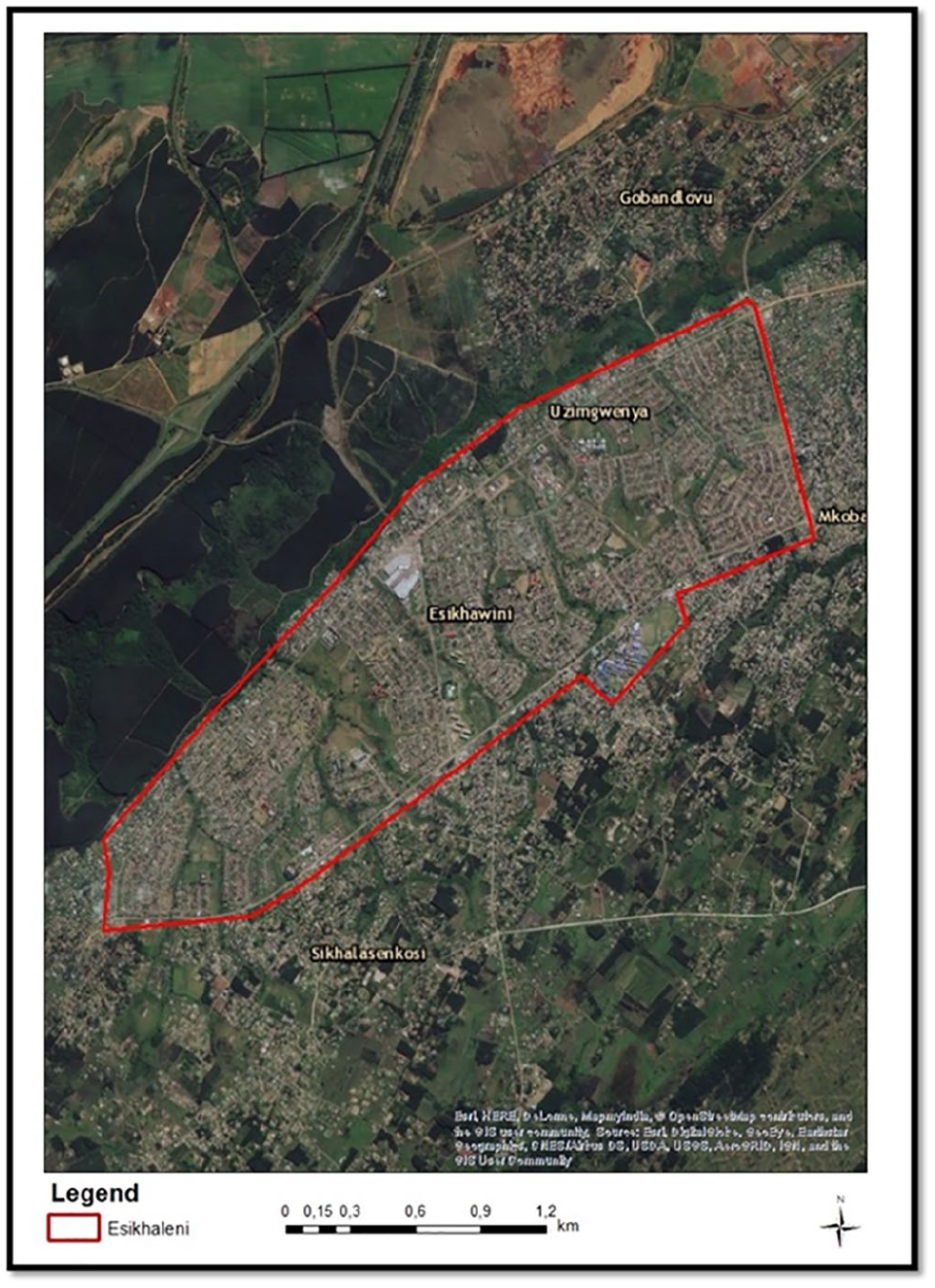
Aerial photo map showing Esikhaleni township. (Source: Map creted by the Author, 2017.)
This study employed a qualitative research design with quantitative aspects to achieve an in-depth, contextualized exploration of the lived experiences and perspectives of open space farmers and municipal officials in Esikhaleni Township. The primary objective was to elucidate the intricate relationship between open-space agriculture and the livelihoods of farmers within this community. Qualitative methodologies are characterized by their emphasis on rich, nuanced understanding of phenomena, rather than statistical generalization, which typically necessitates smaller sample sizes compared to quantitative approaches (Denzin and Lincoln, 2018).
The sample size of 50 respondents, comprising open-space farmers, was determined to be appropriate and justifiable within the context of this qualitative inquiry. Purposive sampling techniques were employed to identify information-rich participants capable of providing valuable insights into the research topic (Patton, 2015). Furthermore, a systematic random sampling approach was utilized to enhance the representativeness of the sample, drawing from municipal records of open space farmers (Lohr, 2009).
While the sample size may be considered relatively small in quantitative terms, it aligns with the qualitative research paradigm, which prioritizes depth and richness of data over large sample sizes (Creswell and Poth, 2018). The systematic sampling strategy and the implementation of trustworthiness strategies, such as triangulation of data sources, member checking, and maintaining an audit trail, collectively contribute to the credibility and transferability of the findings (Creswell and Poth, 2018).
It is imperative to acknowledge that the aim of qualitative research is not statistical generalization but rather the generation of nuanced, contextually grounded insights into the phenomenon under investigation (Patton, 2015). Within this framework, the chosen sample size of 50 respondents is deemed appropriate and justifiable for achieving the study’s objectives of exploring the intricate relationship between open-space agriculture and the livelihoods of farmers in Esikhaleni Township.
Theoretical framework
The theoretical framework appropriate for this study on urban open space utilization for subsistence agriculture and its impact on livelihoods can be drawn from the sustainable livelihoods approach (SLA). The SLA is a holistic and comprehensive theoretical framework that explores the complexities of livelihoods and the various factors that influence their sustainability.
The SLA provides a robust theoretical framework for understanding the role of open space agriculture in enhancing livelihoods and promoting sustainable urban development. Developed by the Department for International Development (DFID) in the late 1990s, the SLA recognizes that people’s livelihoods are shaped by a complex interplay of multiple factors, including their access to various assets, the vulnerability context they operate within, and the policies, institutions, and processes that govern their lives (DFID, 1999; Scoones, 1998).
The SLA framework consists of five key elements: the vulnerability context, livelihood assets, transforming structures and processes, livelihood strategies, and livelihood outcomes (DFID, 1999). The vulnerability context encompasses the external factors that pose threats to people’s livelihoods, such as economic shocks, environmental degradation, and social conflicts (Serrat, 2017). Livelihood assets, often referred to as the “capital” upon which livelihoods are built, include human capital (skills, knowledge, and health), natural capital (land, water, and other natural resources), financial capital (savings, credit, and income), physical capital (infrastructure and productive assets), and social capital (networks, relationships, and trust) (DFID, 1999; Morse et al., 2009).
Transforming structures and processes refer to the institutional arrangements, policies, and legislation that shape the livelihood options and opportunities available to individuals and communities (DFID, 1999). Livelihood strategies encompass the range of activities and choices people make to achieve their livelihood goals, such as open space agriculture, income diversification, and migration (Serrat, 2017). Finally, livelihood outcomes represent the desired results of livelihood strategies, including increased income, improved food security, and enhanced well-being (DFID, 1999).
In the context of this study, the SLA framework provides a comprehensive lens through which to examine the drivers, strategies, and contributions of open space agriculture to the livelihoods of farmers in Esikhaleni Township. The vulnerability context, characterized by food insecurity, lack of access to land, and rising food prices, creates challenges that compel residents to engage in open space agriculture as a livelihood strategy (Baipheti and Jacobs, 2017; Drakakis-Smith, 2018; Magidimisha, 2019). The availability of open spaces and natural resources, combined with the human capital (agricultural knowledge and skills) and social capital (community networks and support), constitute the livelihood assets upon which open space agriculture is built (Brown and Jameton, 2000; Smit et al., 2021).
The transforming structures and processes, such as municipal planning regulations and policies related to urban agriculture, can either facilitate or hinder the integration of open space agriculture into urban development strategies (Smit et al., 2016; Vandermeer et al., 2018). The livelihood strategy of open space agriculture contributes to various livelihood outcomes, including improved food security, reduced food expenditures, and supplementary income generation, thereby enhancing the overall well-being and resilience of urban farmers (Baipheti and Jacobs, 2021; Gough and Kellet, 2017; Magidimisha, 2020).
The SLA framework emphasizes the importance of recognizing the diverse and dynamic nature of livelihoods, as well as the need to address the vulnerabilities and constraints faced by individuals and communities. By integrating open space agriculture into urban planning and policies, local authorities can support sustainable livelihood strategies and promote resilient urban development (Blair and Giesecke, 2020; Smit et al., 2016).
Results
The study assessed open space distribution within the township, revealing that these spaces predominantly align with tributaries throughout the area. This pattern of utilizing open spaces along waterways for urban agriculture is well-documented in literature (Dunkley, 2004; Zeeuw et al., 2011). Analysis of the data indicated that 52% of respondents cultivated plots located in section H, while 48% of respondents were engaged in farming activities within section J. This observation suggests a higher level of participation in open space agriculture among residents residing in the H-section of Esikhaleni, as opposed to those in the J-section (refer to Figure 2).
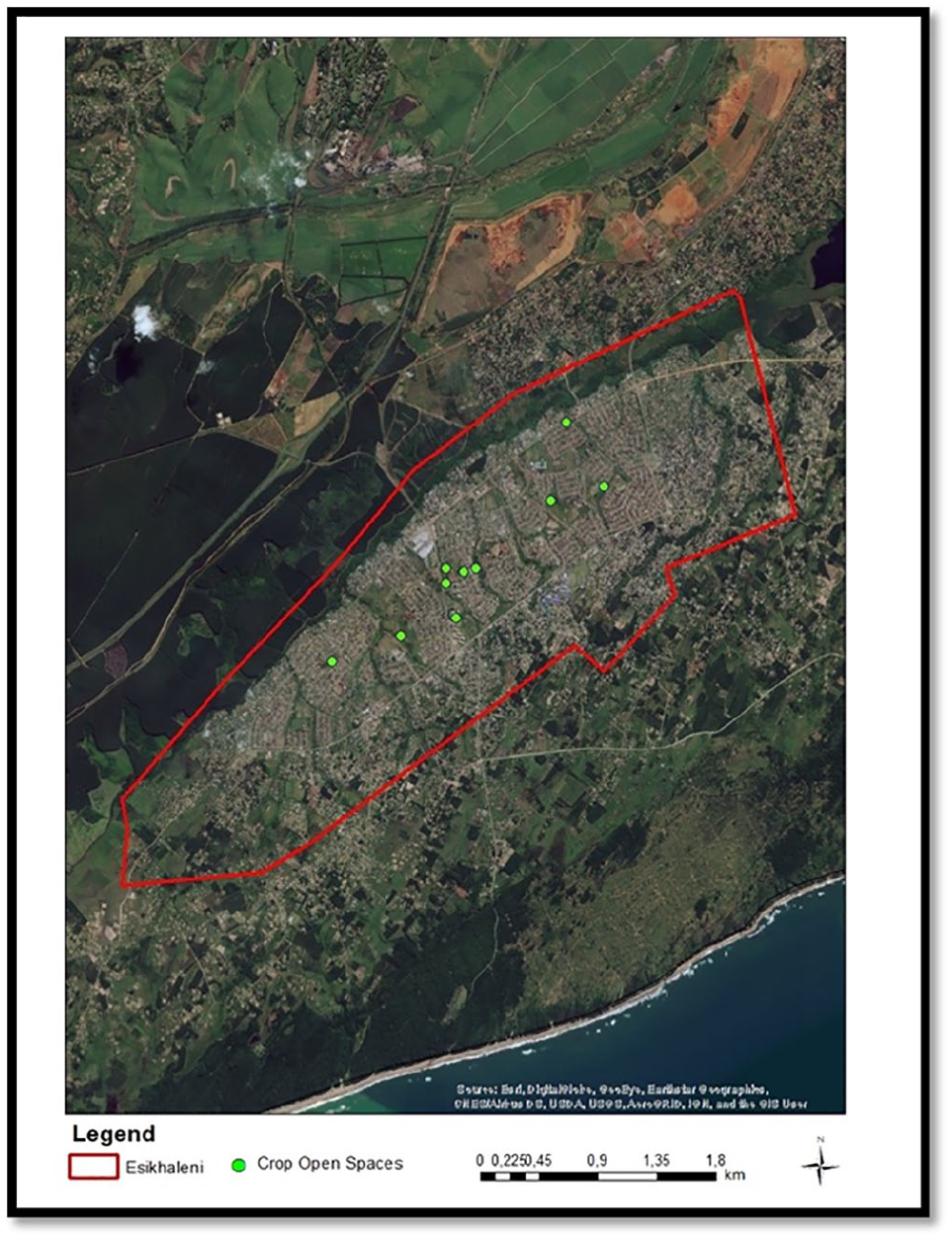
Map showing the spatial distribution of open spaces in Esikhaleni township. (Source: Map creted by the Author, 2017.)
Spatial distribution of open spaces in Esikhaleni Township
This study delved into the mechanisms through which subsistence urban farmers in Esikhaleni acquire access to open space plots. Responses from the participants revealed various avenues for accessing these plots. A significant portion of respondents, constituting 54%, reported utilizing open spaces without formal permission, reflecting the informal use of such spaces for urban agriculture, a trend observed in many low-income areas (Mkwambisi et al., 2011; Zingoni et al., 2009). Additionally, 16% indicated that they obtained permission directly from local councillors, a practice consistent with the role of local authorities in facilitating access to land for urban agriculture (Crush et al., 2011; Kanosvamhira, 2019). Meanwhile, 8% received plots from fellow farmers who previously cultivated them, highlighting the importance of informal networks and social capital among urban farmers in accessing land (Rogerson, 2011).
Furthermore, some farmers took proactive measures to clean and cultivate open spaces, motivated by the need to improve the tidiness of these areas and address issues of littering. This sentiment was echoed by one participant during an interview conducted in September 2017. Such environmental motivations for open space cultivation have been observed in other urban agriculture contexts (Battersby, 2013; Salau and Musemva, 2019). Moreover, a small percentage of respondents, totaling 4%, were encouraged by the Municipality to engage in agricultural activities on these plots, reflecting a growing trend of municipal support for urban agriculture initiatives, albeit limited in this case (Frayne et al., 2009; Kutiwa et al., 2010).
The breakdown of means of accessing open space plots is summarized in Table 1:
Means of accessing open space plots.
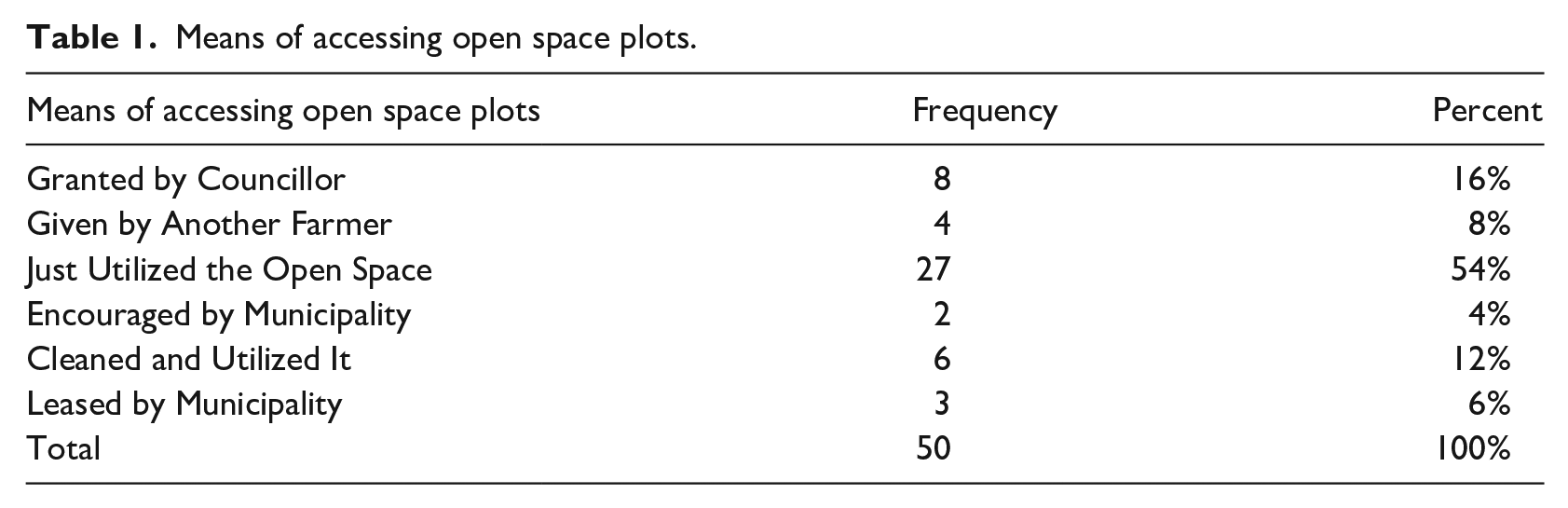
This table highlights the diverse strategies employed by urban farmers in Esikhaleni to secure land for agricultural purposes, emphasizing the importance of informal arrangements and community-driven initiatives in facilitating access to resources.
Types of crops commonly found on open spaces
The study successfully identified the types of crops predominantly cultivated on open spaces in Esikhaleni. The findings reveal that cabbages, spinach, and onions are among the most commonly planted crops in these areas. Additionally, open space farmers in Esikhaleni cultivate a diverse range of crops, including maize meal, sweet potatoes, beetroot, beans, colacasia esculenta, lettuce, carrots, tomatoes, pumpkins, green pepper, broccoli, potatoes, eggplant, and bananas. This diversity underscores the adaptability and versatility of urban agriculture practices in meeting the nutritional and economic needs of the community.
Figures 3 and 4 provide a visual representation of the prevalent crops cultivated in open spaces in Esikhaleni. The depicted images corroborate the study findings, highlighting onions, cabbages, and spinach as the predominant crops grown in these areas. This visual evidence reinforces the study’s conclusion regarding the types of crops commonly found in urban agricultural practices within Esikhaleni, offering valuable insight into the local farming landscape.
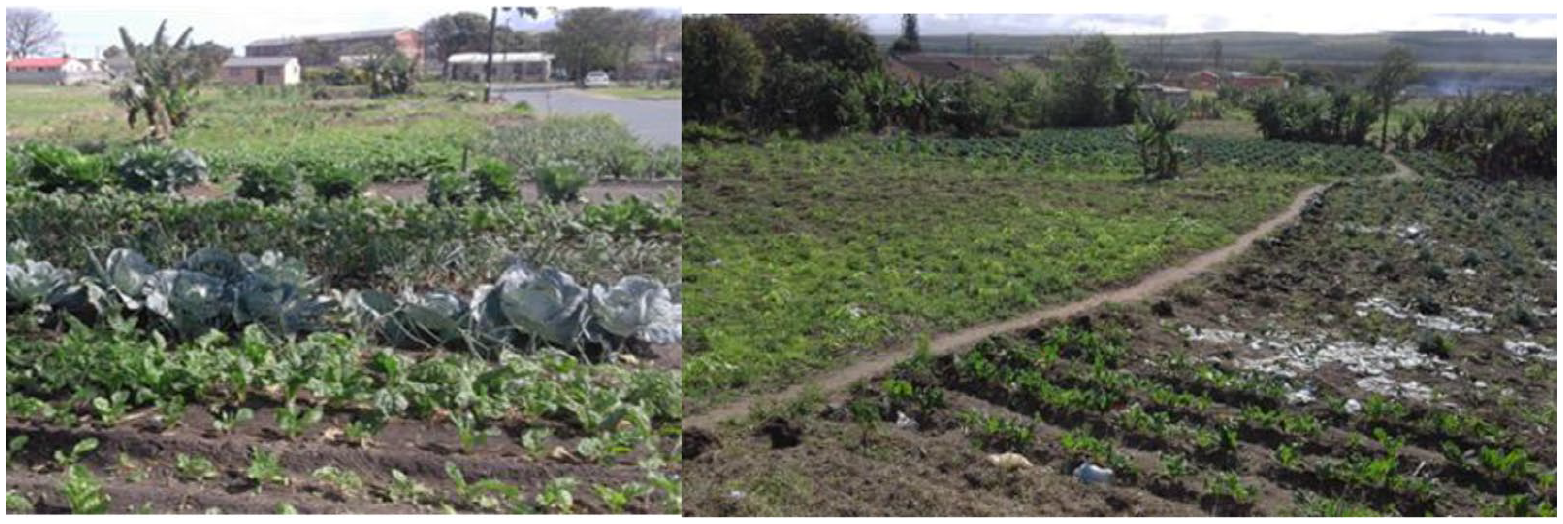
Crops grown by Esikhaleni farmers. (Source: Image captured by the Author, 2017.)
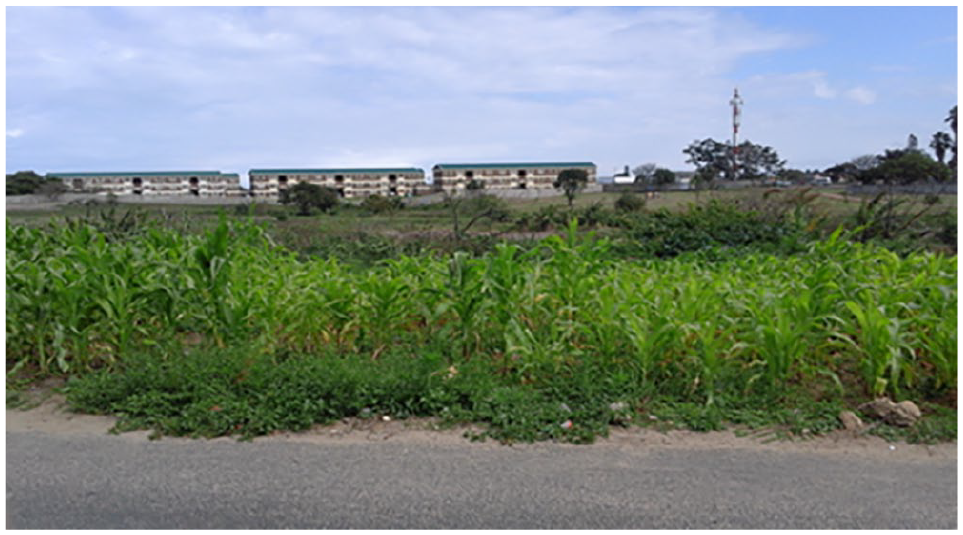
Maize meal crop in H1 section of Esikhaleni. (Source: Image captured by Author, 2017.)
Irrigation of open space crops
The study investigated the irrigation practices of farmers in Esikhaleni concerning their open space crops. The findings reveal that a significant majority, comprising 98% of open space farmers, engage in irrigation to nurture their crops. However, a small minority, constituting 2% of the sampled farmers, do not employ irrigation methods. This minority typically cultivates crops that do not require irrigation, such as maize meal. These results underscore the widespread adoption of irrigation techniques among open space farmers in Esikhaleni, highlighting its importance in sustaining agricultural productivity within the community.
Sources of water for irrigation
This study investigated the water sources utilized by open space farmers in Esikhaleni for irrigation purposes. The findings reveal diverse practices among respondents regarding their water sources, reflecting the resourcefulness and adaptability of urban farmers in securing water access, as observed in other contexts (Hochmair et al., 2021; Mngumi, 2020).
A majority of participants, residing near their plots, predominantly rely on tap water for crop irrigation. Additionally, many farmers strategically plant crops adjacent to bridges, allowing them to utilize water from these structures for irrigation, thereby reducing reliance on municipal water sources and minimizing water expenses. This practice aligns with the literature on urban farmers’ innovative strategies to access alternative water sources, such as rivers and canals, for irrigation (Mngumi, 2020; Yengoh and Ardö, 2022).
Participants also reported utilizing water from nearby swamps for irrigation, particularly those whose plots are situated close to such water bodies. This finding resonates with studies highlighting the use of wetlands and other natural water bodies by urban farmers for irrigation purposes (Muvhunzi et al., 2021; Mwonga et al., 2023). Furthermore, a subset of respondents constructed small artificial dams adjacent to their open-space crops to capture and store rainwater for subsequent irrigation use, a practice documented in various urban agriculture contexts (Hochmair et al., 2021; Mngumi, 2020).
An excerpt from an interview with one open space farmer in September 2017 emphasized the cost-saving aspect of utilizing water from bridges and swamps. This multifaceted approach to water sourcing highlights the resourcefulness and adaptability of open-space farmers in Esikhaleni, contributing to sustainable agricultural practices within the community, a common theme in urban agriculture literature (Crush and Battersby, 2022; Saha and Hovorka, 2021).
Figure 5 depicts the condition of rivers utilized by some open-space farmers as a water source for crop irrigation. The image also illustrates the extent of pollution observed in certain bridge areas, highlighting environmental challenges associated with water access in these locations.
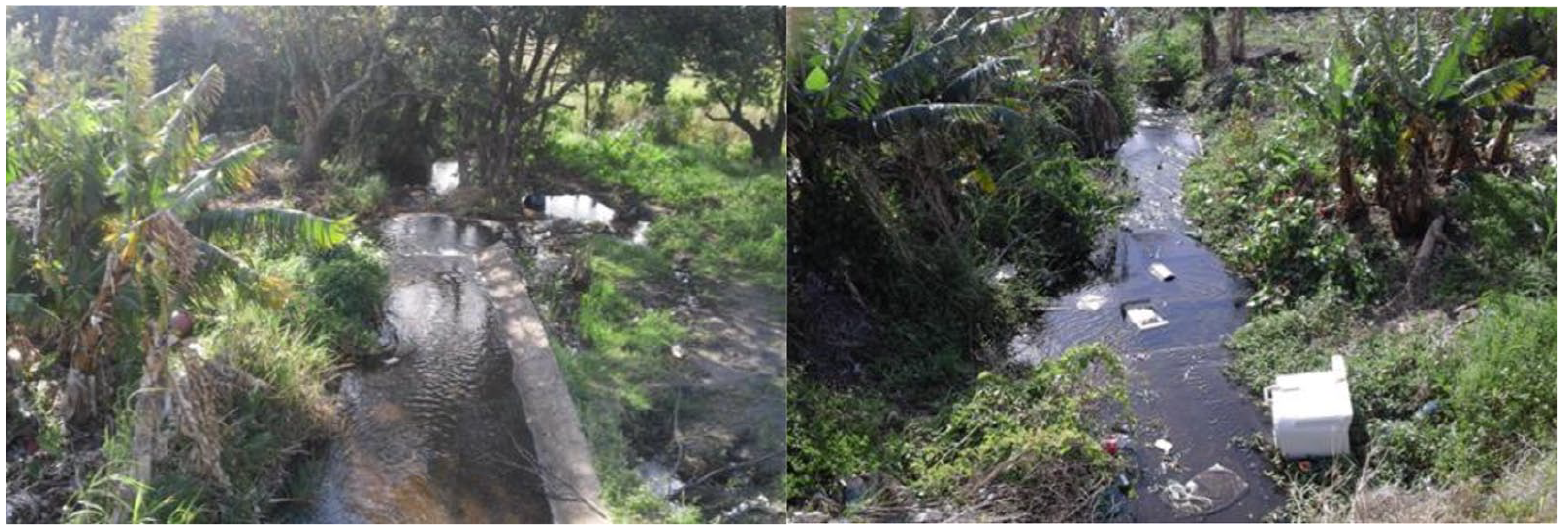
Rivers used by Esikhaleni open space farmers for irrigation. (Source: Image captured by Author, 2017.)
Additionally, this study investigated the proximity of farmers to their plots, revealing noteworthy findings regarding travel distances. The research uncovered that a significant proportion of open-space farmers reside in close proximity to their cultivation areas, a pattern observed in other urban agriculture studies (Mngumi, 2020; Saha and Hovorka, 2021). Consequently, these farmers face minimal travel distances when transporting water from taps to their open space plots for irrigation purposes. This proximity facilitates ease of access to water resources and simplifies the irrigation process for farmers, contributing to efficient agricultural practices within the community, as noted in literature on the benefits of localized urban agriculture (Crush and Battersby, 2022; Hochmair et al., 2021).
Knowledge of open space farmers on farming methods
This study investigated the knowledge of open space farmers in Esikhaleni regarding soil conservation farming methods. The findings revealed that a majority of farmers, sampled in the study, possess knowledge on soil conservation farming methods, consistent with observations in other urban agriculture contexts (Jaka and Shava, 2018; Nicholls et al., 2020). The primary sources of this knowledge were reported to be experiential learning and insights gained from interactions with other farmers, aligning with the literature on knowledge exchange and social learning among urban cultivators (Gallaher et al., 2021; Mwonga et al., 2023).
Further examination of the sources of farming knowledge unveiled that most open space farmers acquired their understanding through practical experience gained over time, a pattern noted in studies on experiential learning in urban agriculture (Gallaher et al., 2021; Shava et al., 2022). Additionally, some farmers attributed their knowledge to their agricultural backgrounds, inherited from family traditions or previous generations engaged in farming activities, reflecting the intergenerational transfer of agricultural knowledge (Muvhunzi et al., 2021; Nicholls et al., 2020).
A smaller subset of open space farmers mentioned obtaining soil conservation farming methods from peers and attending agricultural workshops, aligning with research highlighting the role of farmer-to-farmer knowledge exchange and extension services in disseminating sustainable agricultural practices (Jaka and Shava, 2018; Saha and Hovorka, 2021). For instance, one farmer recalled attending an agrarian transformation workshop in 2015, facilitated by the Ministry of Agriculture, where experts imparted knowledge on farming methods aimed at enhancing productivity while preserving the environment, underscoring the importance of formal training initiatives (Mwonga et al., 2023; Nicholls et al., 2020).
Overall, the study underscores the diverse avenues through which open space farmers in Esikhaleni acquire knowledge on soil conservation farming methods, highlighting the importance of experiential learning, community exchange, intergenerational knowledge transfer, and educational initiatives in promoting sustainable agricultural practices, consistent with the broader literature on knowledge systems and urban agriculture (Crush and Battersby, 2022; Gallaher et al., 2021; Shava et al., 2022).
Ownership of open spaces and perceptions on changes brought by agriculture on the environment
This study uncovered that all open space farmers in Esikhaleni cultivate their crops on land owned by the uMhlathuze Municipality, reflecting the precarious land tenure situation faced by many urban cultivators across Africa (Crush and Battersby, 2022; Magidimisha, 2019). Lacking secure land rights or a sense of ownership over these spaces, farmers instead rely on leasing arrangements with the municipality without being granted complete tenure security. Consequently, they face the constant risk of potential eviction if the municipality decides to repurpose the land, posing a significant threat to their agricultural livelihoods (Baipheti and Jacobs, 2017; Saha and Hovorka, 2021). For many of these farmers, access to open spaces is vital for ensuring household food security, sustaining their families, and generating much-needed income (Muvhunzi et al., 2021; Mwonga et al., 2023).
Furthermore, the study examined farmers’ perceptions of open space agriculture, revealing predominantly positive attitudes toward its environmental impact. Respondents highlighted the ecological benefits of cultivating these open spaces, emphasizing the role of urban agriculture in cleaning and beautifying the surrounding urban environment. Many farmers expressed a sense of responsibility for neglected open spaces, taking the initiative to clean, cultivate, and productively utilize them for agricultural purposes. One farmer emphasized the transformative effect of open space farming, noting how it enhances the esthetics of the local environment by promoting cleanliness and greenery, echoing findings from other studies across the African continent (Drakakis-Smith, 2018; Nicholls et al., 2020).
Overall, the findings underscore the dual significance of open space agriculture in Esikhaleni and other African cities: not only does it serve as a crucial source of sustenance and income for urban farmers, but it also contributes to environmental improvement and esthetic enhancement within local communities (Gallaher et al., 2021; Rogerson, 2016).
Drivers behind the utilization of open spaces for subsistence agriculture
This study identified the primary drivers behind open space agriculture among respondents, contributing to the growing literature on motivations for urban farming (Crush and Battersby, 2022; Nicholls et al., 2020). The majority of open space farmers (38%) cited food insecurity as the main motivation for engaging in subsistence agriculture on open spaces, a common driver observed in urban agriculture studies across various contexts (Muvhunzi et al., 2021; Mwonga et al., 2023). For many, the imperative to address food insecurity led them to supplement their household food supply with produce from open space crops, as expressed by one farmer who stated, “Due to food insecurity, I decided to pursue open space subsistence agriculture to supplement the food supply for my household” (interview with open space farmer, September 2017).
Another significant driver identified by 22% of respondents was the desire for access to fresh food, aligning with findings from other urban agriculture studies (Jaka and Shava, 2018; Saha and Hovorka, 2021). These individuals opted for open space agriculture to obtain fresh produce without the need to spend money on grocery store purchases. One farmer highlighted this motivation by explaining, “Through open space agriculture, we get to save money by cutting expenditure on groceries since we get some food items from our gardens rather than buy them. This saves us money” (interview with open space farmer, September 2017).
Approximately 20% of respondents cited a passion for agriculture as their primary driver, often stemming from an agricultural background, a factor commonly observed in studies on urban farmers’ motivations (Gallaher et al., 2021; Nicholls et al., 2020). Additionally, factors such as increasing food prices and food inflation were noted as drivers for some individuals, prompting them to turn to open-space agriculture as a means of coping with rising food costs (Figure 6), reflecting the economic motivations for urban farming documented in the literature (Crush and Battersby, 2022; Mwonga et al., 2023).
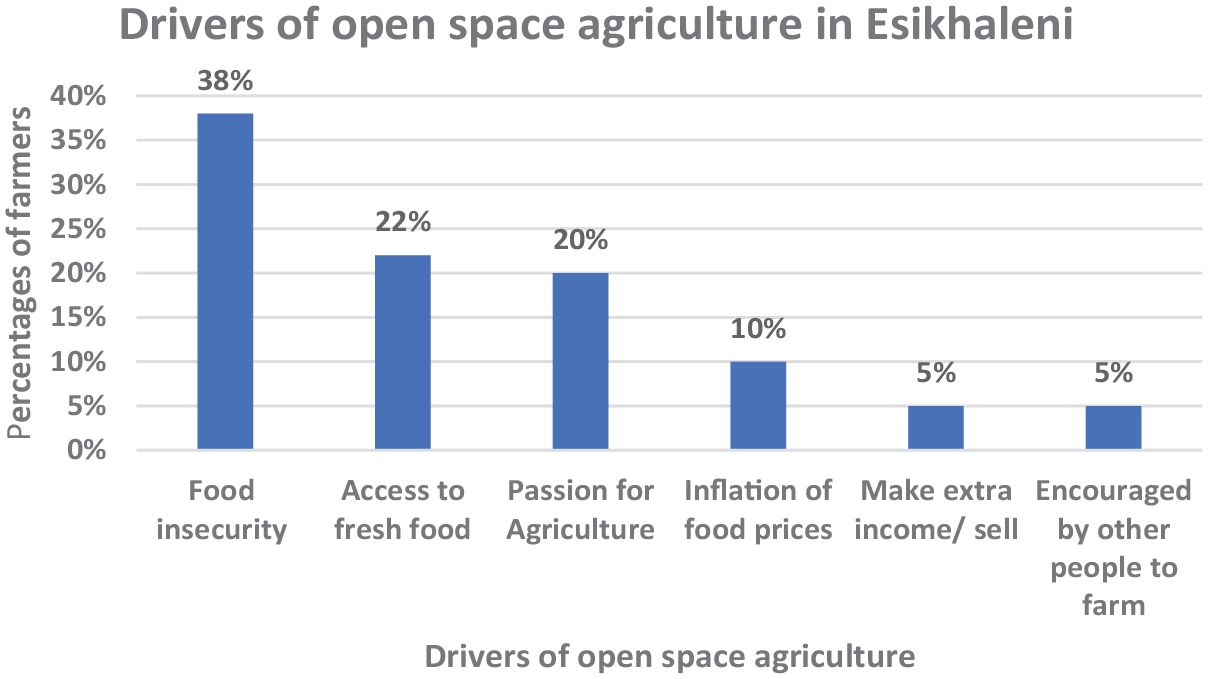
Drivers of open space agriculture.
Furthermore, some respondents mentioned encouragement from other farmers or government initiatives, such as the agrarian transformation workshop held in Esikhaleni in December 2015, as factors influencing their decision to pursue open space agriculture, highlighting the role of social networks and extension services in promoting urban agriculture (Jaka and Shava, 2018; Saha and Hovorka, 2021). These findings highlight the multifaceted motivations driving individuals to engage in open space farming, with food insecurity emerging as a primary concern, followed by the desire for fresh food, agricultural passion, and economic factors such as rising food prices and income generation, consistent with the broader literature on drivers of urban agriculture across various contexts (Crush and Battersby, 2022; Gallaher et al., 2021; Muvhunzi et al., 2021).
Contribution of open-space agriculture to livelihoods
This study confirmed that open space agriculture significantly contributes to the livelihoods of farmers in Esikhaleni, aligning with findings from numerous studies that have documented the multidimensional benefits of urban farming (Crush and Battersby, 2022; Gallaher et al., 2021). The primary contribution identified was the substantial savings on food expenditure achieved through harvesting produce from open space crops instead of purchasing certain food items, a benefit widely recognized in the literature on urban agriculture and household food security (Mwonga et al., 2023; Saha and Hovorka, 2021). By relying on their own crops, farmers can reduce their grocery expenses and improve their overall financial stability.
Moreover, open space agriculture plays a crucial role in providing food security for farmers and their families, ensuring access to nutritious food without the need to incur transportation costs to reach grocery stores, consistent with observations in other urban farming contexts (Muvhunzi et al., 2021; Nicholls et al., 2020). Additionally, many farmers generate extra income by selling surplus produce (Figure 7), a practice documented in various urban agriculture studies as a means of supplementing household income (Crush and Battersby, 2022; Jaka and Shava, 2018). While some initially did not plan to sell their harvest, they later recognized the demand for their products and seized the opportunity to earn additional income, reflecting the adaptive and entrepreneurial nature of urban farming (Gallaher et al., 2021; Mwonga et al., 2023).
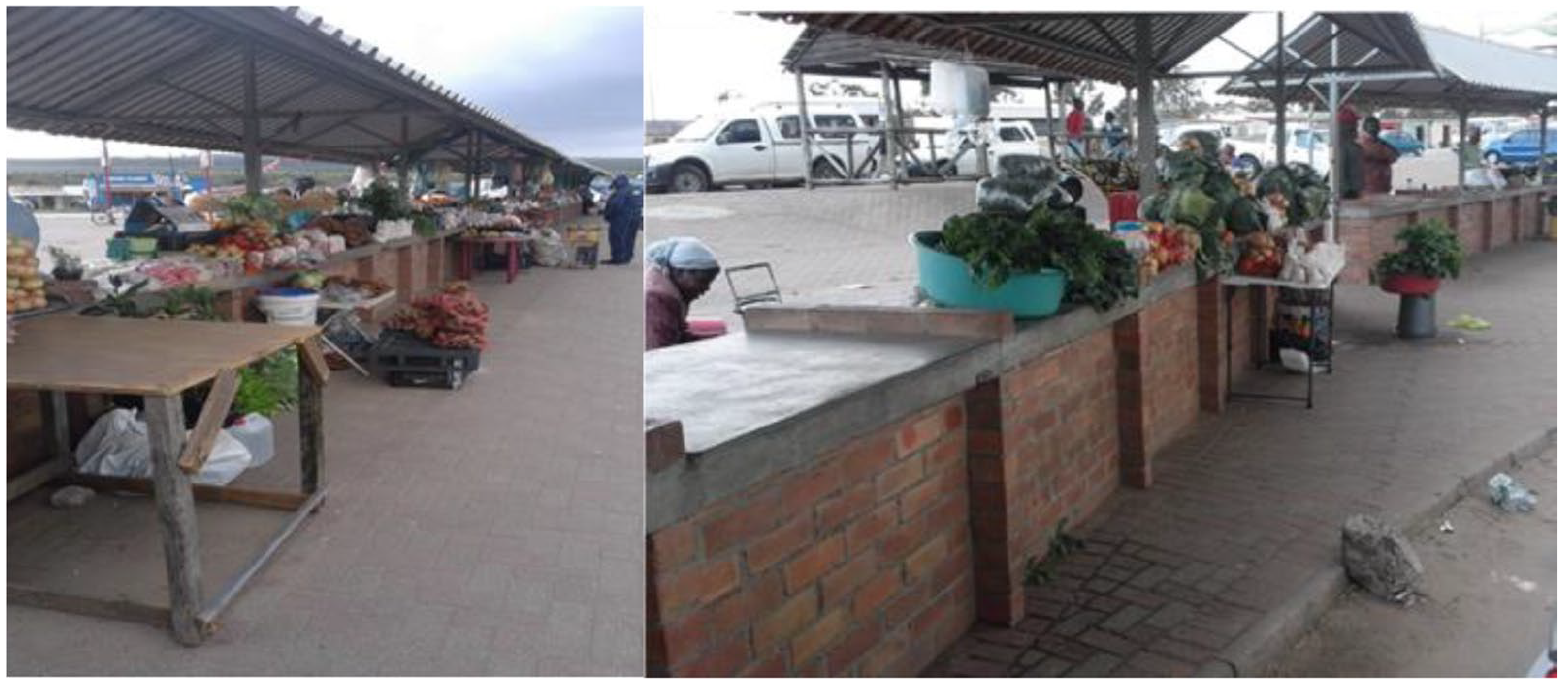
Selling of agricultural produce by open-space farmers. (Source: Image captured by Author, 2017.)
Regarding income generation, the study found that open space farmers in Esikhaleni earn between a minimum of R90 and a maximum of up to R4000 from selling their produce. This income is particularly valuable for unemployed individuals and households with limited wage earners, providing crucial support for personal and family expenses, aligning with literature on the role of urban agriculture in income diversification and poverty alleviation (Muvhunzi et al., 2021; Saha and Hovorka, 2021).
Furthermore, the study identified other economic activities in which farmers engage besides open-space agriculture, such as cleaning, teaching, security guarding, informal business ventures, and construction work. Given that these are typically low-income jobs, open space agriculture serves as a significant supplement to the income derived from these activities, contributing to overall livelihood sustainability, a trend observed in various urban agriculture contexts (Crush and Battersby, 2022; Gallaher et al., 2021).
Open space agriculture and municipal planning
This study examined the relationship between open space agriculture and municipal planning regulations in Esikhaleni. Through in-depth interviews with municipal officials from the planning department at uMhlathuze Municipality, it was determined that open space agriculture does not contravene municipal planning regulations, aligning with observations from other African cities where urban farming is increasingly being recognized and integrated into urban planning frameworks (Gallaher et al., 2021; Mwonga et al., 2023).
According to the findings, the municipality collaborates with open space farmers by leasing vacant land to them and facilitating the formation of agricultural cooperatives, reflecting a growing trend of municipalities actively supporting urban agriculture initiatives (Battersby and Crush, 2022; Saha and Hovorka, 2021). This cooperative approach allows farmers to collectively utilize and cultivate the land, fostering collaboration in poverty alleviation efforts, a practice documented in various urban agriculture studies across the continent (Jaka and Shava, 2018; Muvhunzi et al., 2021).
Moreover, the planning department ensures that no current or future development plans are in place for the open spaces or vacant land allocated to open space agriculture. If the land is deemed suitable for agricultural use and has no imminent development plans, the municipality issues permits leasing the land to farmers for cultivation purposes. Importantly, the officials affirmed that there are no formal future development plans for open spaces in Esikhaleni, reducing the likelihood of open space farmers facing displacement by municipal initiatives, a concern raised in other contexts where urban agriculture is often seen as a temporary land use (Battersby and Crush, 2022; Nicholls et al., 2020).
Overall, open space agriculture aligns with municipal planning regulations in Esikhaleni and is supported by collaborative efforts between farmers and the municipality to promote sustainable land use practices and community development, reflecting a broader trend in African cities towards integrating urban agriculture into urban planning and development strategies (Gallaher et al., 2021; Mwonga et al., 2023; Saha and Hovorka, 2021).
Land tenure in urban agriculture
The study’s findings on land tenure and access to open spaces for agriculture in Esikhaleni Township resonate with several cases documented in the urban agriculture literature from other African contexts. However, some notable differences and nuances highlight the diverse challenges and strategies employed by urban cultivators across the continent.
Like the case of Esikhaleni, where 54% of respondents reported utilizing open spaces without formal permission, studies from cities such as Kampala, Uganda (Kabeer, 2020) and Cape Town, South Africa (Battersby and Marshak, 2013) also reveal the prevalence of informal land access arrangements among urban farmers. The lack of secure land tenure and the constant threat of eviction or displacement remain persistent challenges, inhibiting long-term investment and undermining the potential of urban agriculture to contribute to sustainable livelihoods (Crush et al., 2011; Goldstein et al., 2016).
However, the Esikhaleni case also highlights a notable aspect of collaboration between the municipality and urban farmers, with 16% of respondents obtaining permission from local councilors and 4% being actively encouraged by the municipality to engage in agricultural activities on open spaces. This level of formal recognition and support from local authorities contrasts with cases in cities like Maputo, Mozambique, where urban cultivators often face harassment, fines, or the destruction of their crops by authorities (Crush et al., 2011).
Similarly, in Nairobi, Kenya, urban agriculture has faced significant challenges due to restrictive policies and zoning regulations that fail to recognize it as a legitimate land use (Simatele and Binns, 2008). The Esikhaleni case, where municipal officials affirmed the alignment of open space agriculture with planning regulations and the absence of formal development plans that could displace farmers, presents a more favorable institutional environment.
Nonetheless, the precarious nature of land tenure in Esikhaleni, with farmers cultivating on municipally-owned land under lease arrangements, aligns with cases documented in cities like Dakar, Senegal, and Lusaka, Zambia (Zezza and Tasciotti, 2010). In these contexts, urban cultivators often rely on temporary access to public or private lands, leaving them vulnerable to changes in land use priorities or ownership.
Innovative land tenure models, such as community land trusts and urban land banking, have emerged as potential solutions in some African cities (Cabral and Weger, 2022; Cumbers et al., 2018). These approaches, which aim to secure collective land access and management for urban agriculture, could provide valuable lessons for addressing land tenure challenges in contexts like Esikhaleni.
Additionally, the study’s findings on community-driven initiatives, such as farmers cleaning and cultivating open spaces to address littering and neglect, resonate with the practices of guerrilla gardening and urban agroecology movements documented in cities like Rio de Janeiro, Brazil (Arruda, 2017), and Detroit, USA (Adams et al., 2015). These grassroots efforts challenge traditional notions of land ownership and promote food sovereignty while transforming urban landscapes.
Overall, while the Esikhaleni case shares some commonalities with other African contexts in terms of land access challenges faced by urban cultivators, it also highlights unique aspects of institutional support and collaborative efforts between farmers and local authorities. Integrating lessons from innovative land tenure models and community-driven initiatives could further strengthen the sustainability and resilience of open space agriculture in Esikhaleni and similar urban settings.
Discussion
The findings from our study on open space agriculture in Esikhaleni Township reveal a complex interplay of factors that both support and challenge urban farmers’ livelihoods. By critically examining these results through the lens of the SLA, we can uncover deeper insights into the dynamics of urban farming in this context.
Land access and tenure security
The prevalence of informal land use (54% of farmers) exposes a critical vulnerability in the asset pentagon of the SLA framework. This aligns with studies by Drechsel and Dongus (2010) and Zezza and Tasciotti (2010), who highlighted the widespread nature of informal land access in urban agriculture. This precarious situation not only undermines farmers’ natural and physical capital but also creates a ripple effect across other capitals. The lack of secure tenure inhibits long-term investments in land improvement, potentially limiting productivity gains and environmental sustainability.
However, our finding that 20% of farmers received formal permission or encouragement from local authorities represents a significant shift in the institutional landscape. This contrasts with studies reporting limited municipal involvement (Brown and Jameton, 2000; Lee-Smith, 2010) and aligns more closely with the collaborative approaches described by Dubbeling et al. (2009) and Ratta and Nasr (1996). This development actively reshapes the transforming structures and processes that mediate access to various forms of capital. By fostering a more collaborative approach between farmers and authorities, this engagement enhances social capital through improved networks and relationships, potentially creating a positive feedback loop where increased legitimacy leads to greater investment in farming practices.
Drivers of open space agriculture
The primary motivations identified in our study—food insecurity, access to fresh produce, and economic factors—echo findings from Zezza and Tasciotti (2010) and Crush et al. (2011). These drivers are deeply intertwined with the SLA’s conceptualization of vulnerability context and livelihood strategies. They shape how farmers navigate and utilize their asset base, potentially influencing decisions between diverse crop selection for food security and cash crops for income generation.
Our unique finding that 20% of respondents cited passion for agriculture as their primary motivation offers a nuanced perspective on human capital within the SLA framework. This intrinsic motivation suggests that cultural and traditional factors play a more significant role in shaping urban agricultural practices than previously recognized, challenging us to reconsider how we conceptualize and measure human capital in urban farming contexts.
Livelihood contributions
The reported improvements in food security, income generation, and household resilience align with previous research (Battersby, 2011; Crush et al., 2011; Zezza and Tasciotti, 2010) while demonstrating how urban agriculture functions as a transformative livelihood strategy within the SLA framework. These outcomes create synergies across the entire asset pentagon, with potential improvements in health (human capital), investments in farming equipment (physical capital), or education for children (human capital).
The specific income range reported (R90 to R4000) provides crucial quantitative evidence of the economic impact, filling a gap in existing literature. However, this finding also raises important questions about equity and the distribution of benefits within the urban farming community, underscoring the need for targeted interventions that address the specific constraints faced by lower-earning farmers.
Water access and irrigation practices
The diverse water sources and widespread irrigation practices (98% of farmers irrigating crops) reveal sophisticated strategies for managing natural capital under constraints. This finding aligns with research by Hochmair et al. (2021) on water accessibility in urban agriculture but provides more detailed insights into the specific strategies employed in Esikhaleni. Within the SLA framework, this adaptive capacity illustrates how farmers are actively reconfiguring their asset base to overcome resource limitations, building resilience into their livelihood systems.
Municipal planning and support
The alignment of open space agriculture with municipal planning regulations and the support provided through land leasing and cooperative formation represent a significant positive shift in the institutional environment. This contrasts with challenges reported in other African urban contexts (Crush et al., 2011; Simatele and Binns, 2008) and suggests a more favorable policy landscape in Esikhaleni. Within the SLA framework, this supportive policy landscape actively expands the opportunity space for farmers to pursue sustainable livelihoods by facilitating access to land (natural capital) and promoting collective action through cooperatives (social capital).
Moreover, this supportive institutional environment has the potential to create virtuous cycles of development. As farmers gain more secure access to resources and markets, they may be more likely to invest in sustainable farming practices, which in turn could lead to increased productivity and income. This positive feedback loop exemplifies how changes in transforming structures and processes can lead to sustained improvements in livelihood outcomes over time.
In conclusion, this analysis through the SLA lens reveals that open space agriculture in Esikhaleni is not just a survival strategy but a complex system of asset management and livelihood development. The interplay between farmers’ motivations, institutional support, and adaptive practices demonstrates the dynamic nature of urban agriculture as a livelihood strategy. Moving forward, interventions should focus on strengthening these positive dynamics while addressing key vulnerabilities, particularly in land tenure security and equitable access to resources.
Based on these findings, the following policy recommendations are proposed:
Formalize land tenure: Implement policies to provide secure land tenure for open space farmers, potentially through long-term leases or community land trusts.
Integrate urban agriculture into urban planning: Officially recognize urban agriculture as a legitimate land use in municipal plans, ensuring the protection of agricultural spaces.
Enhance agricultural support services: Provide targeted extension services, focusing on sustainable farming practices and market access to enhance farmers’ human and financial capital.
Improve water infrastructure: Invest in water harvesting and irrigation systems to support sustainable water use in urban agriculture.
Promote knowledge exchange: Establish platforms for farmers to share traditional agricultural knowledge and innovative practices, leveraging the passion for agriculture identified in this study.
Develop tailored financial services: Create microfinance options specifically designed for urban farmers to support investment in their agricultural activities.
These recommendations aim to address vulnerabilities, enhance access to capital, and strengthen the institutional support for open space agriculture in Esikhaleni and similar urban contexts.
Conclusion
In conclusion, this comprehensive study has shed light on the multifaceted dynamics of open space agriculture and its impact on the livelihoods of farmers in Esikhaleni Township. Through a combination of quantitative and qualitative methods, we have explored various aspects of open space agriculture, including its distribution, crop types, irrigation practices, drivers, contributions to livelihoods, and interactions with municipal planning regulations.
The findings underscore the significant role that open space agriculture plays in addressing food insecurity, supplementing household incomes, and promoting access to fresh and nutritious food for residents of Esikhaleni. The study revealed that the majority of open space farmers engage in agriculture as a response to food insecurity, seeking to secure their families’ food needs while also generating additional income.
Furthermore, this research has highlighted the importance of collaborative efforts between farmers and local authorities in supporting open space agriculture initiatives. The positive engagement between open space farmers and the uMhlathuze Municipality exemplifies how effective partnerships can facilitate sustainable land use practices and community development.
However, challenges such as land tenure insecurity and limited access to resources remain significant barriers to the long-term sustainability of open space agriculture in Esikhaleni. Addressing these challenges will require concerted efforts from various stakeholders, including policymakers, community leaders, and development organizations, to ensure the continued viability of open space agriculture as a livelihood strategy.
Overall, this study contributes valuable insights into the complex interplay between urban agriculture, livelihoods, and municipal planning in Esikhaleni Township. By understanding the drivers, contributions, and challenges associated with open-space agriculture, we can inform evidence-based policy interventions and strategies aimed at promoting sustainable urban development and enhancing the well-being of communities reliant on agricultural practices for their livelihoods.
Footnotes
Declaration of conflicting interests
The author declared no potential conflicts of interest with respect to the research, authorship, and/or publication of this article.
Funding
The author received no financial support for the research, authorship, and/or publication of this article.
