




Abstract
The novel coronavirus disease (COVID-19) has spread over 219 countries of the globe as a pandemic, creating alarming impacts on health care, socioeconomic environments, and international relationships. The principal objective of the study is to provide the current technological aspects of artificial intelligence (AI) and other relevant technologies and their implications for confronting COVID-19 and preventing the pandemic’s dreadful effects. This article presents AI approaches that have significant contributions in the fields of health care, then highlights and categorizes their applications in confronting COVID-19, such as detection and diagnosis, data analysis and treatment procedures, research and drug development, social control and services, and the prediction of outbreaks. The study addresses the link between the technologies and the epidemics as well as the potential impacts of technology in health care with the introduction of machine learning and natural language processing tools. It is expected that this comprehensive study will support researchers in modeling health care systems and drive further studies in advanced technologies. Finally, we propose future directions in research and conclude that persuasive AI strategies, probabilistic models, and supervised learning are required to tackle future pandemic challenges.
Keywords
The year 2020 started with the advancement of numerous digital technologies beneficial for health care. These technologies 1 —including the internet of things (IoT) with fifth generation (5G) networks,2,3 bigdata, 4 artificial intelligence (AI), including machine learning (ML) and deep learning (DL),5,6 and blockchain technology 7 —are used to tackle problems in traditional health care systems and the pandemic. 8 The world is now challenging a global health catastrophe instigated by the coronavirus disease (COVID-19). 9 COVID-19, initiated by the novel coronavirus (severe acute respiratory syndrome coronavirus-2 [SARS-CoV-2]), was identified by the World Health Organization (WHO) in December 2019 in China. 10 The WHO acknowledged the Chinese outbreak of COVID-19 as a public health emergency on January 30, 2020, and declared a global pandemic on March 11, 2020, 10 that posed a serious hazard for public health systems. The COVID-19 pandemic is now moving like a wave and has affected 219 countries, with more than 2.8 million deaths in the world, reported on April 5, 2021.11,12 The pandemic has globally created negative impacts on socioeconomic, health, and political environments. The ways of tackling the spread of the coronavirus are initial identification, isolation, rapid management, spread prediction, and execution of systems for contact tracing. 13 However, the major challenges are delays of virus tests, drugs, or medicines and providing services to critical zones. The main goal now is early detection and diagnosis of the virus, continuous checking and nursing of contacts, analysis of epidemiological and medical reports from patients, and progress of treatment procedures and drugs. In the fight against the coronavirus, Industry 4.0 technologies including AI, 5G-based IoT devices, and other digital technologies are vital for health, social, and economic performance. These technologies possess the competence of providing enhanced digital solutions for tackling the challenges throughout the calamity14–17 and mitigating the global health crisis of this epidemic.1,7,18,19
AI is one of the prospective technologies in health care for better understanding and addressing the COVID-19 crisis.20,21 For the present pandemic purposes, AI can be defined as ML or DL, natural language processing (NLP), and computer vision applications that catalyze to build effective systems using big data for the global health emergency. These applications include: (a) AI-based clinical data analysis and robotic and remote surgery, 22 (b) research and drug discovery, 23 and (c) automatic health care activities, processes, and management. 24 This article addresses the present status of AI, as well as the potential of AI approaches (including ML, DL, and NLP) in health care. It provides a comprehensive study of these AI approaches for better understanding and describing the COVID-19 pandemic crisis.
Background
In the past few decades, human civilization has faced several worsening pandemics and global public health emergencies. Since 2009, the WHO has declared 6 public health emergencies of international concern owing to global spread of diseases of the 2009 H1N1 (Swine flu) epidemic, 25 the 2014 polio outbreak, 26 the 2014 Ebola virus disease in Western Africa, 27 the 2016 Zika virus epidemic, 28 the ongoing 2018 Kivu Ebola epidemic, 29 and the COVID-19 pandemic. 30 The 2019 novel coronavirus (2019-nCoV) outbreak is the newest among the major epidemics and, thus, the WHO declared a health emergency due to the biggest viral disease outbreaks. The eruption of COVID-19 triggering novel-coronavirus-infected-pneumonia has hampered the lives of 132 million people in the globe, reported on April 4, 2021, according to the WHO.11,12,30 The 2019-nCoV is now rapidly grown and distressing 219 countries and territories and 2 international conveyances (Figure 1), according to the Worldometer, updated on April 4, 2021. 11 The WHO officially renamed the disease as COVID-19 on February 11, 2020, and the virus that causes the disease as SARS-CoV-2 and declared a global health emergency. Researchers suggested a significant genomic similarity of 2019-nCoV with the severe acute respiratory syndrome (SARS) virus that appeared as a pandemic in 2002. 31
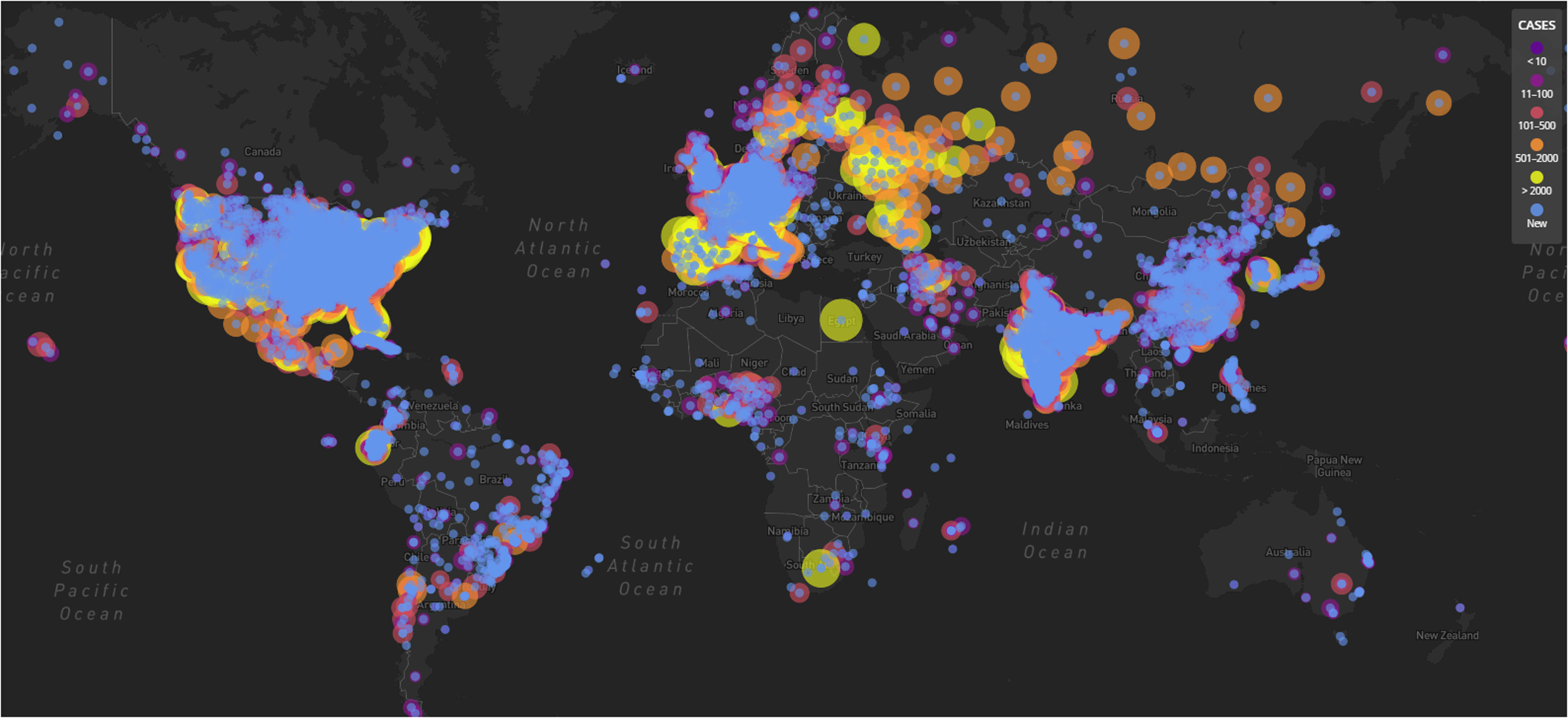
Illustration of the geographical spread of confirmed coronavirus disease (COVID-19): the highlighted areas are affected.
In dealing with the COVID-19 global pandemic, AI and related technologies have potential to help human societies and health care. In health care, AI and ML tools provide significant opportunities in the clinical areas of diabetes, heart disease, cancer, neurological disease, and infectious disease (see Figure 2). 32 These technologies can be introduced to design efficient systems and to support researchers and physicians in addressing and overcoming challenges of the infectious coronavirus crisis. Various companies have launched a series of AI technologies to support organizations in the fight against COVID-19, such as estimation of outbreak size, coronavirus detection, diagnosis, analysis data and treatment procedures, research and drug development, and the future prediction of outbreak. AI is not one technology, but rather a group of technologies,33,34 which can make significant contributions in the field of health care (Figure 3).
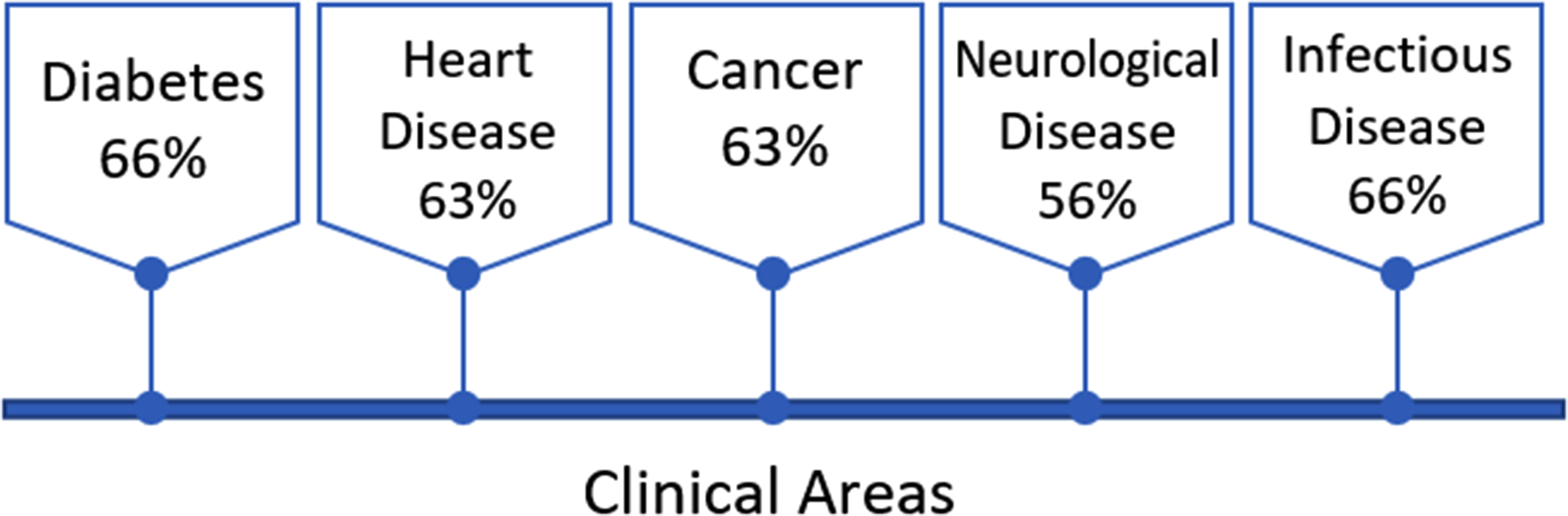
Major clinical areas where AI and ML hold the most promise.
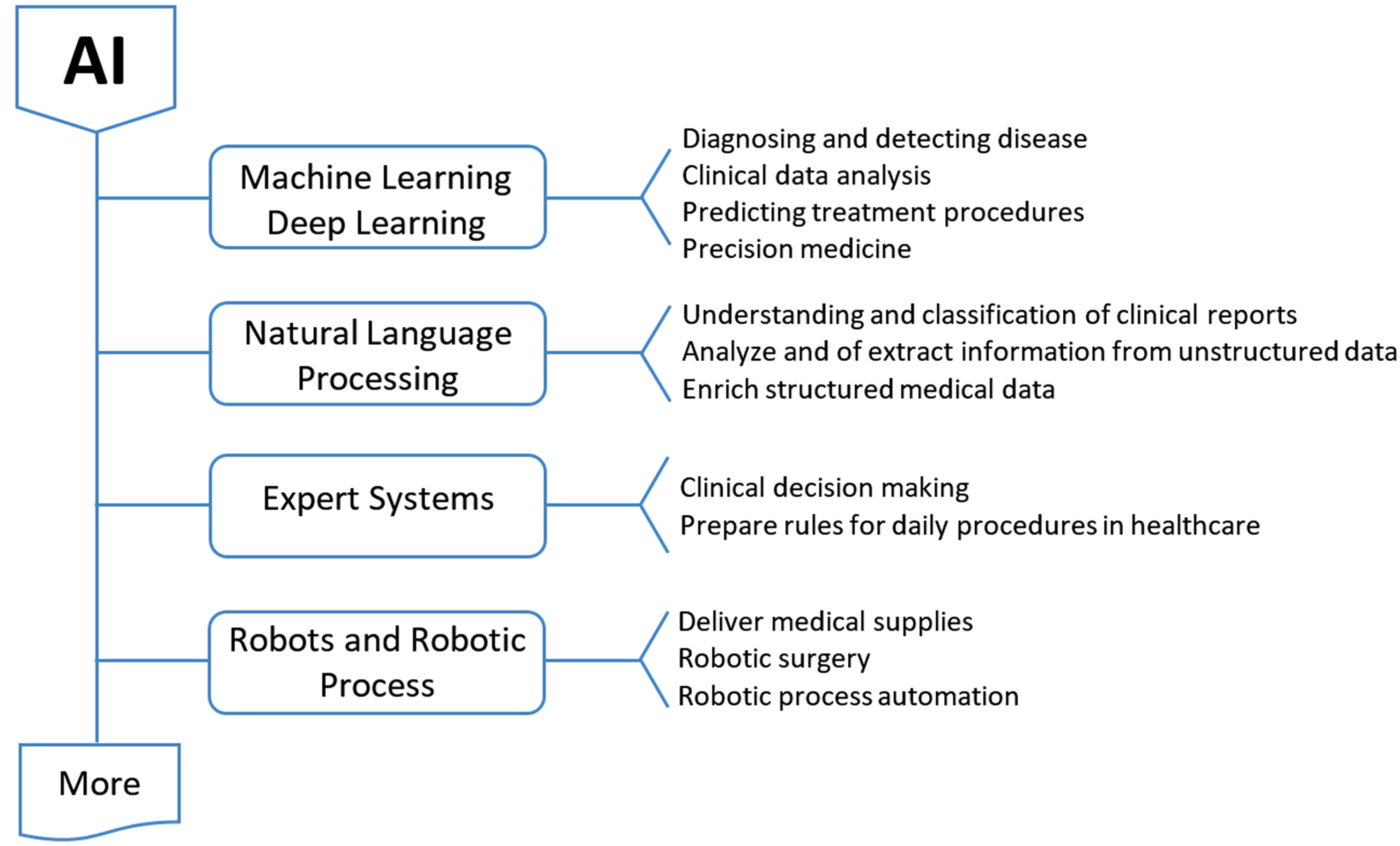
Various aspects of artificial intelligence (AI) technology in health care.
Machine Learning and Deep Learning
The most important form of AI is ML, which has uses for various contexts in health care, such as diagnosing patient attributes, predicting treatment procedures, and precision medicine. 35 The composite forms of ML include DL or neural network models used in clinical data analysis and detection of particular diseases.36,37
Natural Language Processing
The applications of NLP include design, construction, identification, understanding, and classification of clinical documents as well as research papers. The NLP can scrutinize unstructured medical information about patients, organize reports from radiological investigations, transcribe patient interactions, and extract information from unstructured data to enrich structured medical data.38,39 It is combined with the ML-based knowledge graph to find a connection between the coronavirus and potential drug candidates and to provide outputs.40,41
Expert Systems
Expert systems, involving human experts and knowledge engineers, are widely employed for clinical decision making 37 and electronic medical records providers prepare a set of rules with daily procedures in health care.
Robots and Robotic Process
Robots are used to deliver medical supplies in hospitals and other quarantine areas. AI-capable surgical robots can provide superpower to surgeons for improving their abilities; regular surgical measures employing robotic surgery 22 include gynecologic surgery, prostate surgery, and head and neck surgery, among others. Robotic process automation does not actually involve robots, rather utilizing computer programs to perform repetitive tasks, such as authorization, modernizing medical histories, or billing processes in health care. 33
There are several potential contributions of AI against the coronavirus pandemic, such as early detecting, tracing, and forecasting, diagnosis and projection, treatments and medications, and social management and services, 21 which are categorized in the following subsections.
Understanding and Detecting
To prevent the spread of infectious diseases, viruses should be tracked earlier. Quick detection of virus helps for patient isolation, contact tracing, treatment, and the delivery of emergency alerts to others. AI-based systems can learn to detect virus outbreaks by analyzing news reports, social media posts, and other outbreak-related documents. AI system BlueDot, 42 using ML algorithms, was used to track and detect infectious disease outbreaks in Wuhan, China. Another AI predictive system, ClosedLoop C-19 index, 43 using expert knowledge in health care can identify those people who are at the highest risk of critical complications from COVID-19. AI-based surveillance systems, using facial recognition tools and temperature sensors, can identify people who have fevers and who have coronavirus. Several search engines, social networking sites, and media sites using ML approaches can be used to track flu-related disease outbreaks in real time. 44 But the main challenge here is data safety and security. It is required to establish a standard protocol to permit communication between devices and systems without compromising data integrity.
Diagnosis, Genome Analysis, and Treatment
Quick and correct findings of COVID-19 cases can save lives and prevent further outbreaks. AI technology has a superior impact on faster disease identification and diagnosis. 20 It can extract information from various clinical reports, analyze DNA sequences, and advise on treatment procedures. 45 A DL method 46 and a supervised neural network model (known as COVNet)47,48 were developed to examine the chest x-ray and computed tomography (CT) scan images of patients and identify COVID-19 cases. 49 The model can accurately distinguish between COVID-19(+) and COVID-19(−) patients. 50 Multiple AI companies have launched AI-powered diagnosis systems that can help physicians diagnose the virus and monitor disease outbreaks. In the United States, XR Health 51 recently announced a virtual reality telehealth support group to assist persons in isolation due to the virus, so that patients with similar diseases can get support from each other and from physicians. Also, DL approaches are applied in SARS-CoV-2 genomic sequencing that can process large and complex genomic datasets.52–54 For instance, Google DeepMind's AI algorithms can help to understand the protein structure of the virus and support the development of treatment procedures for new diseases. 55 The AI systems for diagnosis, analysis, and treatment face logistical difficulties in implementation, because of dataset swing, new populations, and the negative consequences of new algorithms on health outcomes.
Prediction and Forecasting the Outbreak
AI has been employed for keeping track of and predicting how COVID-19 spreads over time and space. 21 Akhtar et al 56 presented a dynamic artificial neural network prototype to forecast the span of the COVID-19 pandemic. This approach was applied for the prediction of the 2015 Zika virus pandemic. HealthMap 57 and BlueDot 42 have been developed using ML algorithms that can efficiently predict the outbreak of the virus. Wang et al 58 proposed a prognosis model for influenza diagnosis, depending on analysis of the real-time Twitter information that can help to prevent future outbreaks. 59 The XGBoost model 60 is another ML-based prediction model that was used to diagnose a patient disease caused by the coronavirus. The model is convenient for analyzing whether a person should be isolated due to the COVID-19. Several studies have been performed to gather training data from the present pandemic and to develop a precise prediction model for the pandemic. 61 Google Flu Trends 62 presented an approach that employs online searching for estimating and predicting real-time flu activity using AI and big social data. This forecasting and prediction enable health officials to make better response plans and manage the pandemic. 63 Lacking sufficient datasets, AI-based forecasting models may not represent true transmission patterns.
Speeding up Research and Drug Discovery
Amazon Web Services (AWS) developed a new search engine, CORD-19, 64 using ML and NLP that can help scientists and researchers search huge volumes of research articles and documents quickly. In California, an AI-based company, C3.ai, 65 recently founded a research consortium aimed at tackling COVID-19 by utilizing AI and related strategies in finding the virus spread, forecasting its evolution, developing new drugs, and fighting future outbreaks. 66 AI and ML can identify and predict viral proteins of 2019-nCoV for drug development, support that can speed up the discovery of medications and vaccines to treat COVID-19.54,55,67 An AI company in the United Kingdom, BenevolentAI, 68 aimed at discovering drugs and immediate medicines for COVID-19 by employing AI, DL, and other cutting-edge technologies. Even before the COVID-19 outbreak, AI had potential contributions to health care for new drug discovery.69,70 Generally, AI is still in its initial stages in this area, and the prediction accuracy of ML methodologies, together with more real-world relevance, will continue to develop.
Public Health Management and Services
Several AI-based activities have the potential to contribute to management of the pandemic, such as helping doctors to monitor health crises and handle multiple patients in hospitals, scanning infected people in public spaces using thermal imaging, measuring social distancing and lockdown procedures, and providing health consultation services to raise awareness around the world. Also, AI-based systems and virtual reality technology provide social services for COVID-19 patients and help to educate others. Such systems, therefore, illustrate how society and public administrations can benefit from the use of AI technology. AI-based drones are used for safe and fast delivery of medical supplies in critical zones 71 ; AI-enabled robots are used for cleaning, sterilizing, and delivering food and medicine to avoid human-to-human contact; and ML-based UVD robots using ultraviolet light can disinfect and autonomously kill bacteria and viruses to limit the spread of coronavirus. The major threats against the safety of the people and AI devices as well as their interference with air traffic are needed to be addressed.
Related Datasets
Data is a vital factor in helping public, governmental, and health care sectors combat the COVID-19 pandemic. It is key to remember that not all data is complete and accurate. Thus, it is necessary to handle uncertainty and inconsistency in coronavirus datasets. Very recently, different datasets have been used by researchers and scientists for their research related to COVID-19. A few of the used datasets related to the coronavirus pandemic are listed below.
The GISAID data
72
from all influenza viruses and the coronavirus, including virus genomic sequence and related medical and epidemiological data, used for predicting protein structures and RNA sequencing.
73
Coronavirus genome sequence dataset in the Kaggle repository
74
used for RNA sequencing of a taster of bronchoalveolar lavage fluid from a patient identified by a new RNA virus injure from the family of Coronaviridae named as 2019-nCoV.
73
CORD-19 dataset comprising more than 29 000 academic papers on COVID-19, SARS, Middle East respiratory syndrome (MERS), and allied viruses in the Kaggle repository,
75
used to extract the most relevant information about the disease. GitHub coronavirus repository
76
provides the daily COVID-19 case count files, and all data operations are vectorized, from which users can generate new CSV, JSON, or Pickle files. COVID-19 Korean dataset
77
with patient routes and patient age/gender/diagnosed date on the disease from Korea, used for data visualization with features of displaying infected patient routes and regional patient count. COVID-19 image dataset,
78
a public dataset in GitHub repository, contains chest x-rays and CT scans of patients who are affected by COVID-19 or other viral and bacterial pneumonia, such as MERS, SARS, and acute respiratory distress syndrome. Data are gathered from different open sources, clinics, and physicians and used to design AI-based applications to understand and detect contamination. Coronavirus Tweets dataset in Kaggle repository
79
contains the Twitter data of the hashtags: #coronavirus, #coronavirusoutbreak, #coronavirusPandemic, #covid19, #covid19, #epitwitter, and #ihavecorona, and is utilized to forecast coronavirus outbreaks. COVID-19 coronavirus dataset in European Union Open Data Portal
80
is public data on the COVID-19 pandemic, including daily updates and worldwide cases. The dataset is published by the European Center for Disease Prevention and Control. COVID-19 pandemic data in the Hum Data repository
81
shows global COVID-19 data with confirmed cases and deaths in places with humanitarian response plans; data is sourced from the WHO. The novel coronavirus (COVID-19) cases data in the Hum Data repository
82
is COVID-19 epidemiological data compiled by the Center for Systems Science and Engineering of Johns Hopkins University
83
from various sources, including the WHO and others. The dataset contains fields of last update, confirmed, suspected, recovered, deaths, and locations. COVID-19 dataset in Github repository
84
is a set of COVID-19 pandemic data, updated daily and including up-to-date data on confirmed cases, deaths, and testing, throughout the duration of the pandemic. Coronavirus (COVID-19) Tweets dataset in IEEE Data Port
85
contains real-time Twitter data for coronavirus-related tweets using keywords of corona, coronavirus, COVID, pandemic, lockdown, quarantine, social distancing, N95, SARS-CoV-2, 2019-nCov, COVID-19, etc. Coronavirus disease (COVID-19) dashboard
29
powered by the WHO provides up-to-date pandemic data (new cases, confirmed cases, and deaths) from around the world and visually displays the latest global coronavirus outbreak on the world map. COVID-19 coronavirus pandemic analyzer, powered by Worldometer,
86
analyzes and aggregates worldwide pandemic data from thousands of sources in real time. This analyzer visually displays global outbreak graphs according to dates and location. The COVID-19 Open Research Dataset used CORD-19,
64
which was developed by AWS. It receives natural language questions and provides the answers from Amazon Kendra, with the dataset updated regularly. Chest x-ray images (pneumonia) dataset
87
consists of 5863 JPEG images with 2 classes, pneumonia and normal, available on the Kaggle repository. These images were collected from early aged patients with pneumonia from the Guangzhou Women and Children’s Medical Center, China. ImageNet database
88
contains more than 14 million images across 20 000 categories that were generated for image analysis competitions
89
by Stanford Vision Lab at Stanford University and Princeton University. CATNAP database
90
consists of antigen and antibody structures of viruses, such as human immunodeficiency virus (HIV), H1N1, Dengue, SARS, and Ebola. The CATNAP tools have been developed to promote the investigation of neutralizing antibodies over the detection of prospective genetic signatures.
91
Protein data bank,
92
funded by the U.S. National Science Foundation and the National Institutes of Health, provides data about the 3-dimensional patterns of proteins and nucleic acids and helps researchers synthesize protein patterns for understanding the diseases. COVID-19 data lake
93
is a public, up-to-date database, where anyone can experiment with and analyze real-time coronavirus pandemic data worldwide (confirmed cases and deaths), according to country and date.
Artificial Intelligence Approaches in Health Care
AI methods can be categorized into 2 main classes in health care applications: ML, including DL, and NLP approaches. The ML and DL strategies94,95 investigate structured data, such as imaging, genetic, and electronic medical records data, and attempt to classify patients’ characteristics or deduce the possibility of infection consequences. 39 NLP 96 procedures collect data from unstructured sources, such as medical notes, reports, or journal data, to enrich the structured data. 38 This study summarizes different AI models that can be used to detect and diagnose coronavirus infections, monitor the spread of COVID-19 outbreaks, and provide various health care services.
Machine Learning Models for Detection and Diagnosis
ML architectures, such as convolutional neural networks (CNNs), provide widespread applications in medical image analysis for feature selection, classification, segmentation, and lesion detection for medical data.97–100 Medical imaging and signal data, such as x-ray, CT, and magnetic resonance imaging, are analyzed with the help of DL models. These analysis results have a great impact on the detection, identification, and diagnosis of several diseases, such as cancer, brain tumor, diabetes, and pneumonia.50,101–105 Recently, the reverse transcription–polymerase chain reaction is a standard test method used in detecting and categorizing respiratory viruses. 106 Although this standard method of diagnosis is capable of detecting COVID-19, computer-aided ML techniques nevertheless aid faster detection and diagnosis. Accordingly, rapid and cost-effective solutions for fast COVID-19 detection utilize AI- and ML-based techniques107,108 for clinical image processing on the coronavirus.109–113 In most of the research, x-ray and CT scan images are used as the input of ML and DL prototypes for early detection of virus-infected cases.49,50,114,115
Different pretrained DL models, such as ResNet50, InceptionV3, VGG-19, and Inception ResNetV2, have been presented for detecting COVID-19-infected patients by employing chest x-ray and CT scan images.106,112,115 For the experiment, COVID-19 patients’ imaging data have been collected from the GitHub 78 and the Kaggle 87 public repositories. The residual neural network (ResNet) architecture is an improved form of the CNN model 116 and ResNet50 is a 50-layer neural network-based model employing a scheme of skip links between layers, known as residual learning and trained on the ImageNet dataset. 89 InceptionV3, 117 one kind of CNN model that contains a fully connected neural network, improves the use of manipulated resources inside the network. The Xception 118 CNN model developed by Google was an updated form of the Inception model. VGG-19, 119 having 19 layers of deep neural network architectures with low convolution filters, was modeled to reach high accuracy in health care applications with a high volume of image data. 120 Another pretrained architecture contains a deep neural network employing the Inception ResNetV2 model that was trained on the patients’ image dataset and provided the output as a list of estimated class probabilities of the diseases. 121 The schematic illustration of conventional CNN, including pretrained ResNet50, InceptionV3, VGG-19, and Inception ResNetV2 architectures for COVID-19 detection and diagnosis, is shown in Figure 4. It provides the 3 types of detection, such as COVID-19(+), COVID-19(−), and others. This model helps health staff determine which cases should be investigated with standard methods and which management approaches should be employed in distinguishing COVID-19 and non-COVID-19 cases.
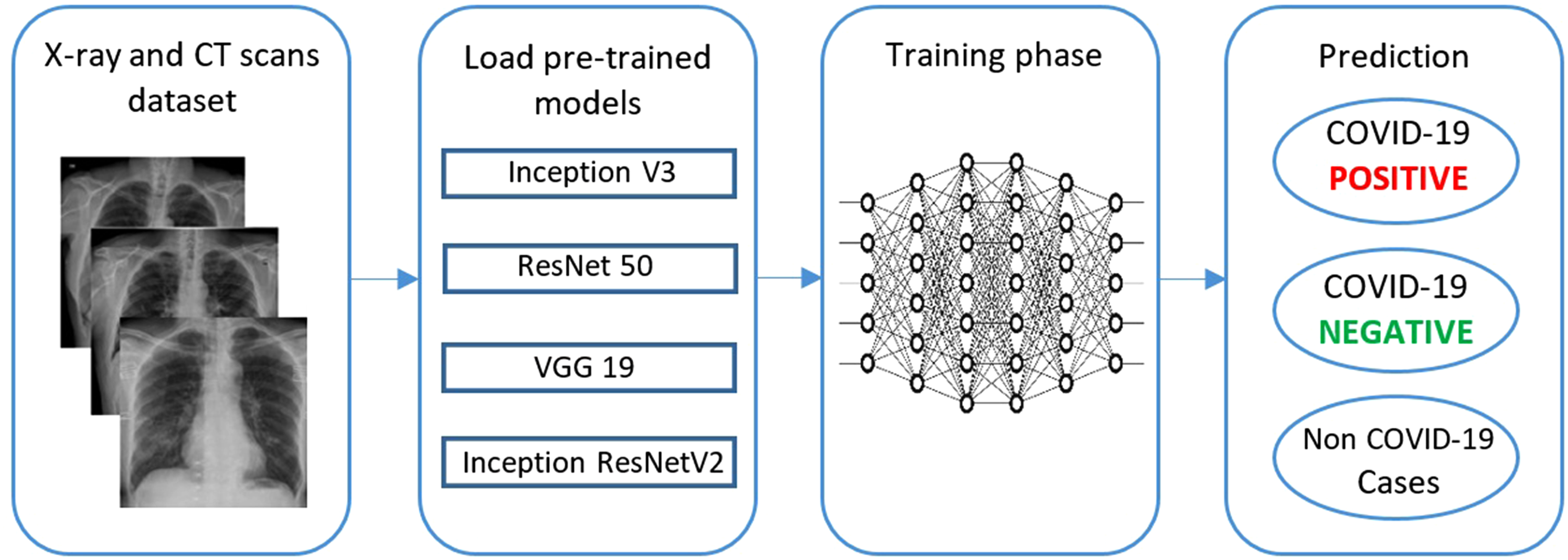
DL-based frameworks for COVID-19 detection and diagnosis.
Narin et al 112 presented 5 pretrained DL models, such as ResNet50, ResNet101, ResNet152, InceptionV3, and Inception-ResNetV2, for finding COVID-19 patients using chest x-ray images. The datasets contain the chest x-ray images of bacterial and viral pneumonia, comprising coronavirus and other cases as well as data from healthy people, using data acquired from the GitHub 78 and Kaggle 87 open repositories. They investigated the detection success of COVID-19 (+), COVID-19 (−), or other cases, and the performances of these 5 models on both training and testing datasets are illustrated in Figures 5 and 6. The ResNet50 model provided the supreme average success rate of 98.43% for all datasets, whereas the InceptionV3 model had a detection performance of 100% in only the COVID-19 dataset. Haque et al 122 proposed a CNN-based model that identified only COVID-19 patients using the chest x-ray images, and this approach achieved an accuracy rate of 97.56%. The pretrained ResNet50 proposed by Song et al 123 achieved a success rate of 86% using CT images. Another study proposed by Xu et al 124 achieved an accuracy of 86.7% in identifying COVID-19 cases utilizing the ResNet model. Wang et al 49 used CT images in the modified inception model and achieved a sorting precision of 82.9%. In the study, 125 a deep neural network model was implemented that offered the precise diagnostics for multiclustering, such as COVID-19(+), pneumonia, and none, using chest x-ray images. This approach applied the combined ResNet50–support vector machine (SVM) models and performed the classification with 95.38% accuracy. Although ML-based imaging approaches show a significant role in the analysis of COVID-19 cases, the irregularities in datasets remain the prime challenge in COVID-19 diagnosis from image data.
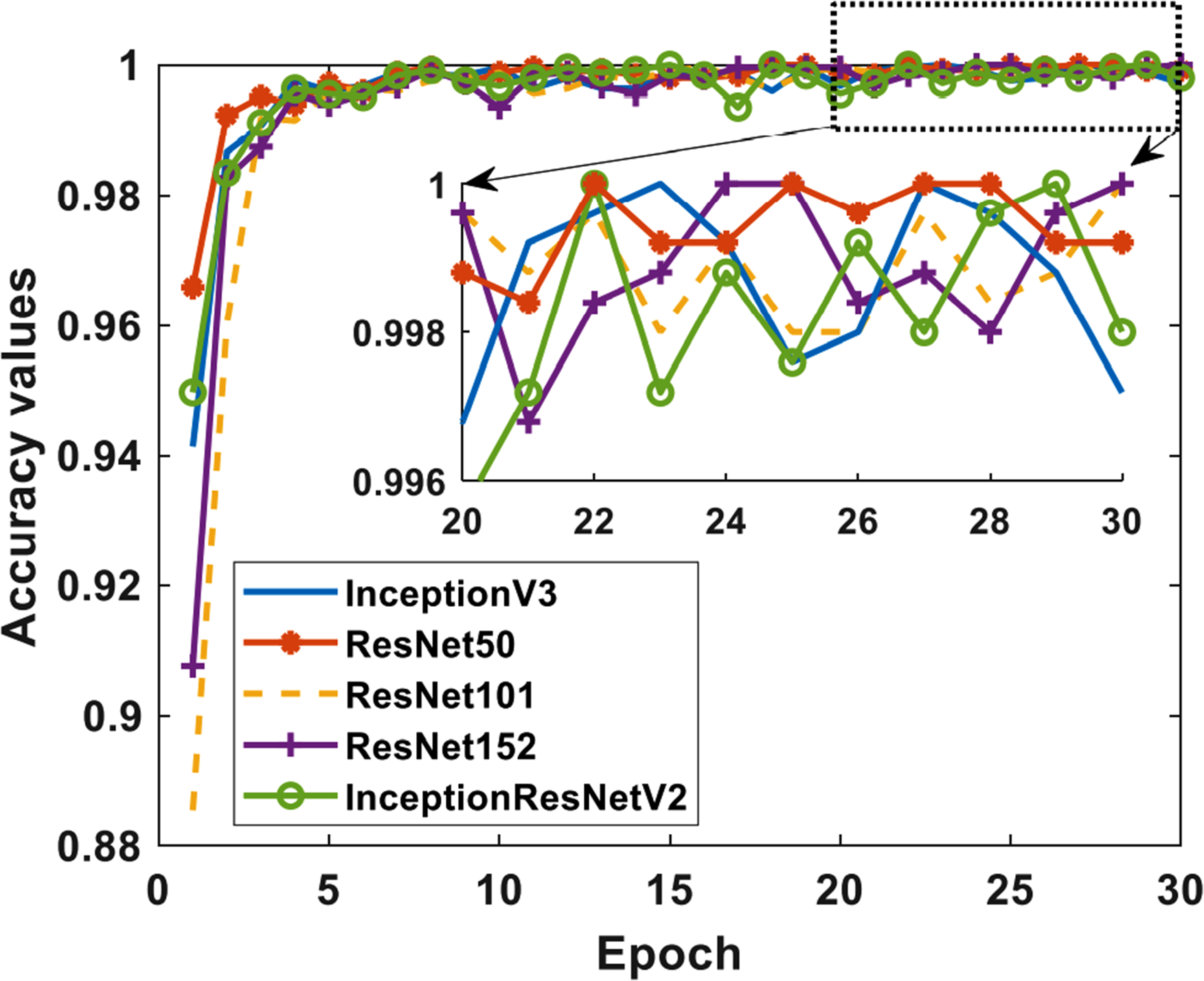
The comparison plots of training accuracy of the 5 pretrained convolutional neural network (CNN)-based models. 112
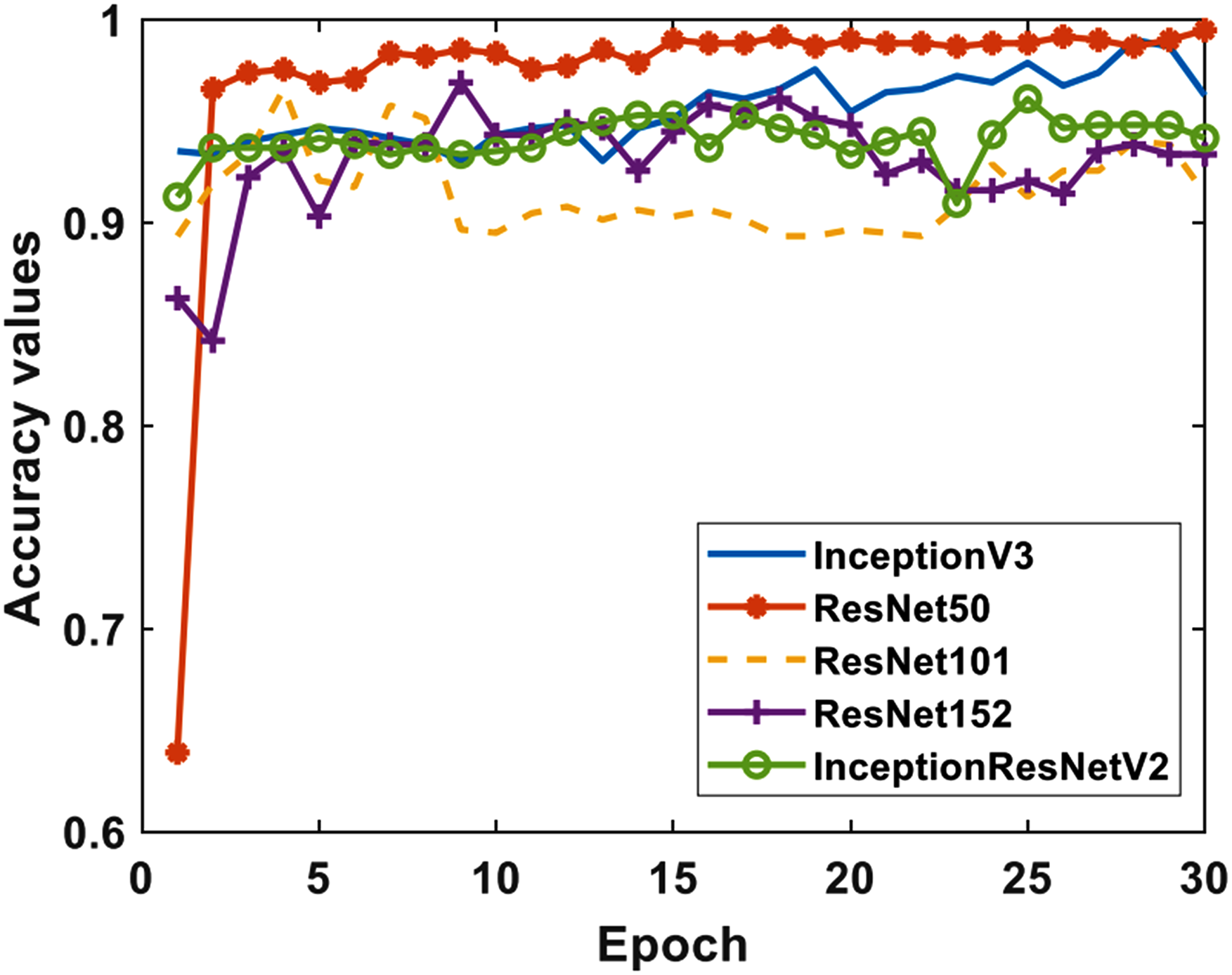
The comparison plots of testing accuracy of the 5 pretrained convolutional neural network (CNN)-based models. 112
Machine Learning and Natural Language Processing Model for Clinical Decision Making and Management
Data collected from various sources are not always structured and require NLP procedures to extract data features from disorganized data sources to enrich structured medical data. 38 ML-based approaches are then applied to analyze structured clinical data, provide the clustering of patients’ reports, and subsequently assess the probability of disease outcomes. 39 Thus, NLP procedures generate machine-readable structured and clustered data from texts, and then the clustered data can be analyzed by ML techniques to provide outputs, as shown in Figure 7. 126 The figure illustrates the process flow of structured data generation from clinical documents, including images, genetic data, electronic medical records, and electrophysiological data, through NLP and ML, to suggest clinical activities.
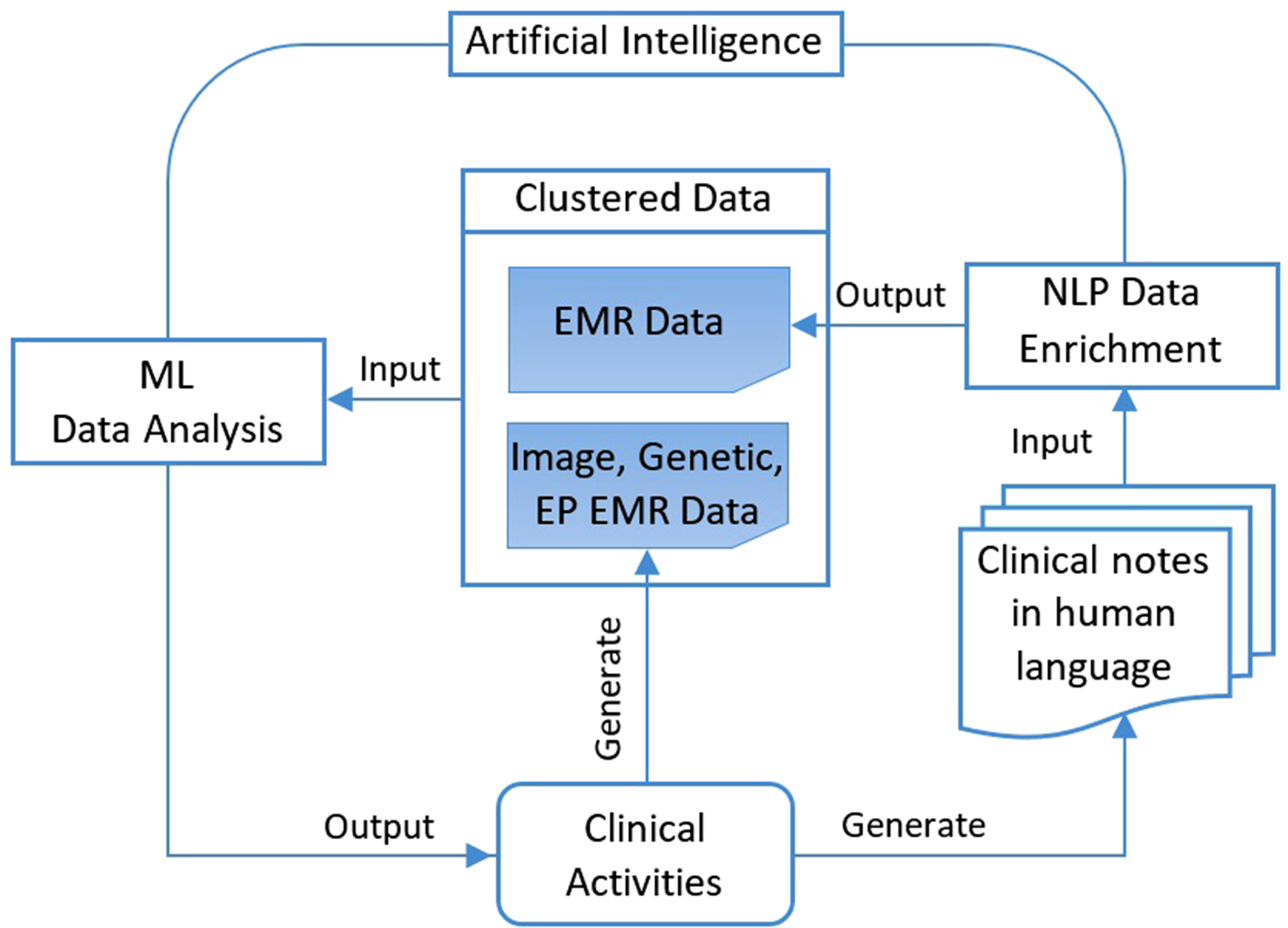
AI-based clinical models, including NLP-based data enrichment and ML-based data analysis.122
AI-based models can be applied to solve clinical problems and to assist medical practices in primary detection, identification, diagnosis, treatment, and management of critical COVID-19 cases.127–129 Another AI-based model is shown in Figure 8. DL (or deep neural network) approaches could be useful tools for the differential diagnosis of COVID-19, and the genomic variants from normal or severe COVID-19 patients can be classified by the ML analyzer to predict potential COVID-19-infected patients. 53 This model could also be used to monitor critically ill patients and assist physicians in decision making about further therapy. Although ML models provide significant improvements in clinical decision making, a large volume of studies is needed to ensure these outcomes and to increase their acceptance in health care sectors.
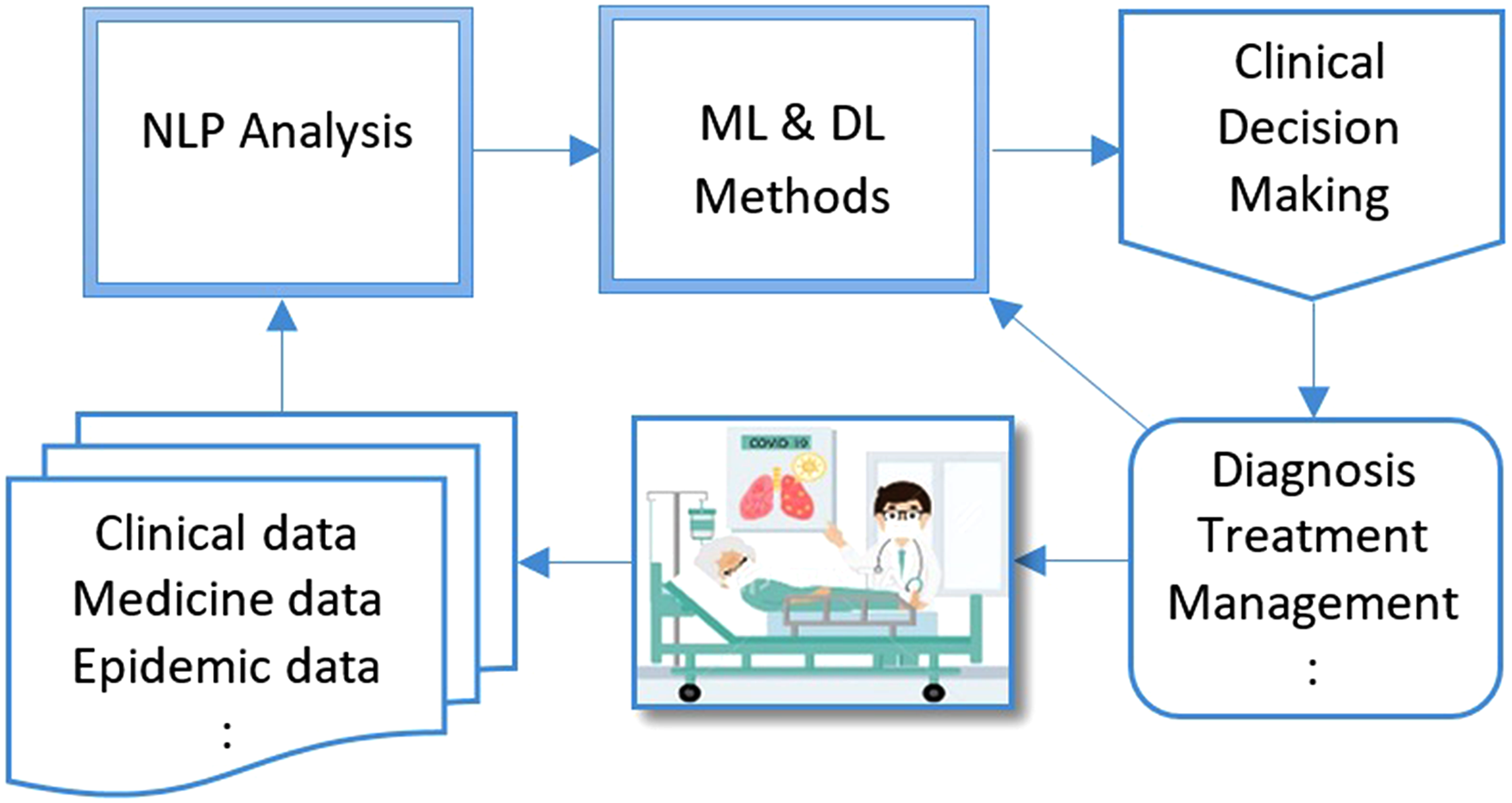
Artificial intelligence (AI) models for clinical decision making and management.
Artificial Intelligence System for Identifying COVID-19 Symptoms
AI technology can be conveniently employed for keeping track of the spread of virus outbreaks, identifying extremely critical patients and regions, and controlling virus infections expeditiously. AI can forecast the death risk and recovery cases by analyzing patients’ earlier data. Figure 9 illustrates the methodological steps of an AI-based system that can help medical staff to identify the COVID-19 symptoms and suggest the necessary treatments for COVID-19 patients. 130 The system starts with COVID-19 symptoms and patients’ test analysis. After confirming COVID-19-infected cases with the aid of AI, doctors decide further therapy and start treatment procedures and monitoring. The doctors are paying attention to treatment of the patients as well as AI applications to administer the spread of the infection. Thus, AI is a useful tool to identify early infections of COVID-19 and to improve treatment consistency by continuously monitoring infected patients using ML algorithms.
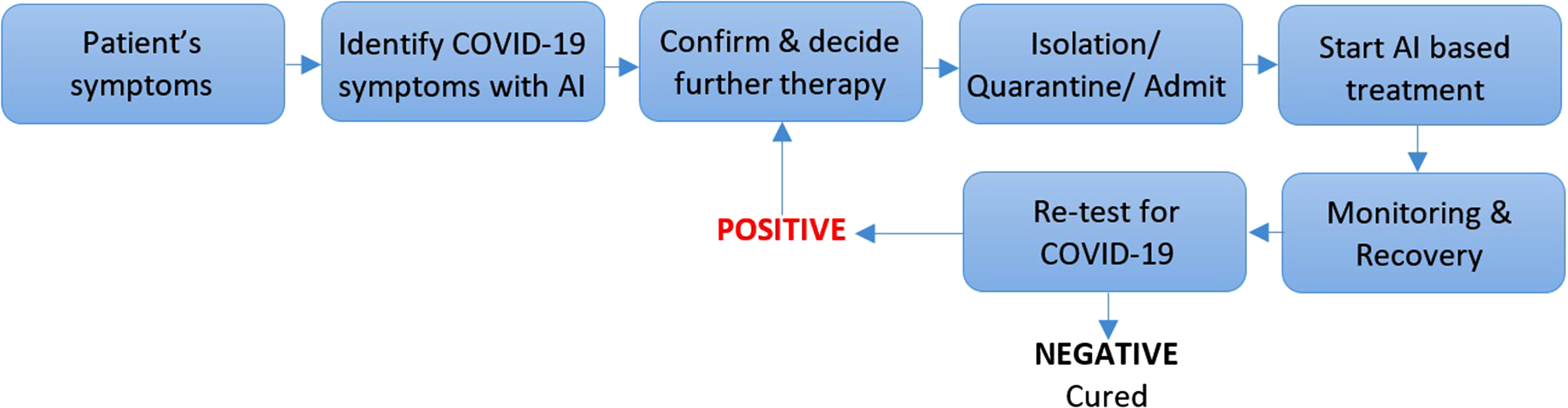
General procedure of AI-based approach to identify COVID-19 symptoms.
Machine Learning-based Forecasting Methods
Fong et al
63
presented an ML methodology with a small dataset and conducted an investigation with the recent coronavirus eruption found in Hubei, China. It was an optimized forecasting model with a polynomial neural network that was able to forecast with a relatively low prediction error. The prediction architecture was designed with 5 classes of data analytics, and these classes embraced different types of ML algorithms.
131
Class 01: Prediction employing ML architectures with manifold regression analysis. These models include some extent of neural network architectures that possess extremely configurable organizations and parameters, applied to multivariate datasets.
132
With the perspectives of initial stages of epidemic prediction where long dimensional data are not obtainable, these models would be required for reducing forecasting errors. Class 02: Prediction employing complex ML architectures. These models employ comparatively complicated ML processes, such as SVM or neural networks, which involve iterative hyperplanes or weights modifications for minimizing errors. Hence, these complex models consume significant time and space complexity. Class 03: Prediction employing lightweight ML architectures. They are more reliable ML models, which run faster and produce results as conventional time series predictions. Class 04: Simple data analytics. Most are traditional statistics, such as mean, median, minimum, maximum, increment, rate of increases of suspected cases, rate of recovery, etc. Class 05: Econometrics kind of time series prediction. Classical econometrics, such as autoregression, exponential regression, moving average, autoregressive integrated moving average and its variants, etc. These approaches typically are employed on univariate time series with nil or small parameters.
From the study, it is noted that traditional prediction from Class 05 can be initially used, possibly simultaneously with Class 04 statistical analysis. With available resources and enough time, the strategies from Classes 03, 02, and 01 can be used in forecasting models that provide relatively low prediction errors. Moreover, forecasting is a dynamic process whose estimated outcome is sensitive to the model parameters and the availability of data. Thus, it is crucial to test popular ML algorithms with complete datasets in the new field.
Machine Learning for Accelerating Drug Development
Because there are still no explicit medications available for COVID-19, it is crucial to determine quick and effective solutions to inhibit COVID-19 infection and virus incidence. Magar et al 133 introduced an AI-based model that combines big data and medical knowledge with ML to determine the antibody sequences that can prevent the progress of coronavirus. 106 A pictorial diagram of the proposed model is shown in Figure 10, 133 which consists of 4 major modules: training dataset, extracting features, learning, and selecting hypothetical candidates. This ML model was trained on the dataset consisting of 1831 antigen and antibody sequences of numerous viruses (such as H1N1, Dengue, SARS, Ebola, and HIV) from the CATNAP tool 91 and 102 samples of the RCSP protein data bank 92 ; hence, the final dataset consists of 1933 samples.
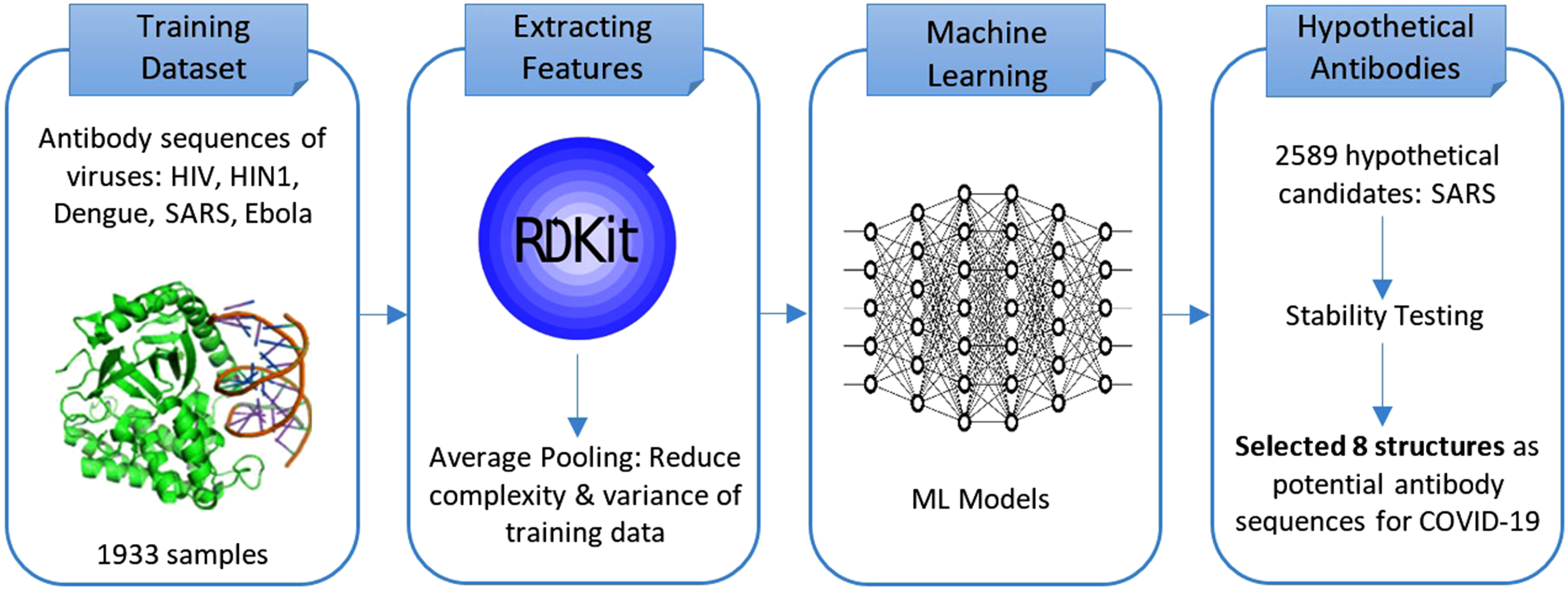
A data-driven framework for discovering antibody sequences to treat coronavirus disease (COVID-19).
An ML-based cheminformatics software, RDKit, 134 was used to represent the molecular graph and extract the features from the dataset of 1933 samples. Five ML frameworks, including random forest, XGBoost, multilayer perceptron, SVMs, and logistic regression, 133 have been applied to assess their performance, and the experimental results showed that the XGBoost architecture achieved the best performance to determine the impending antibody candidates for COVID-19. Because the COVID-19 virus has similar characteristics as SARS-CoV-2, 135 the researchers recommended producing 2589 hypothetical candidates based on neutralizing antibodies and sequence features against SARS, and among these candidates, eventually, 8 structures were taken as prospective antibody sequences for neutralizing COVID-19.
As COVID-19 is caused by a novel coronavirus, proper understanding of viral structures helps to accelerate drug discovery. The vaccine development for a new disease is expensive and time-consuming; ML approaches can help to accelerate the entire process efficiently. 136 As discussed earlier, ML with NLP methods allows for a rapid processing of extensive medical data and extracts the key information from the data that helps to enable new structural predictions and the repurposing of existing drugs. The study and results would be useful for finding effective medicines and vaccines for COVID-19. AI helps to speed up the entire pharmaceutical process, from disease prediction to drug development (Figure 11). 55 ML and DL methods have the potential to assist drug development and biological research, but some limitations should be considered, such as knowledge about the selection of appropriate models, need for large training datasets, and high computational costs of training.
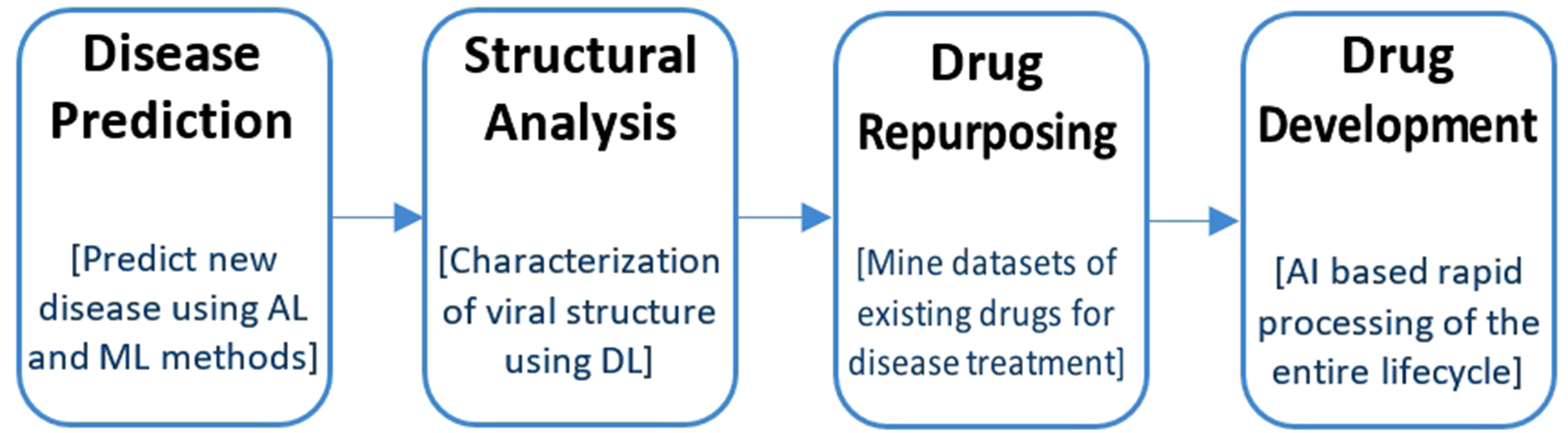
AI and ML methodologies in emerging disease.
Machine Learning-based Search Engine
An ML-based search engine launched by AWS, named CORD-19, 64 can help researchers find coronavirus-relevant documents using natural language questions. The CORD-19 search offers an easy search interface in which researchers can make queries using natural language and produces detailed answers as well as source documentation. Firstly, the NLP tool is used to enrich the dataset, and the ML method is used to mine pertinent health information from unstructured text data about disease, treatment, and related information. The relevant information is then mapped to COVID-19 medical models using inference procedure and multilevel classification, involving different enrichment sources, and indexed in Amazon Kendra, 137 which is a precise search provision based on ML and DL approaches. Figure 12 illustrates the overall architecture of the CORD-19 search model. 138 It has robust natural language query capabilities that make it convenient to find and rank associated documents. The Amazon search model is developed and built from public data, available on the AWS COVID-19 dataset. 93 In the vast information world, NLP-based intelligent search engines provide an appropriate platform in which users must only input text without having to make judgments for the search results. Thus, it produces the correct documents and saves time and effort for users.
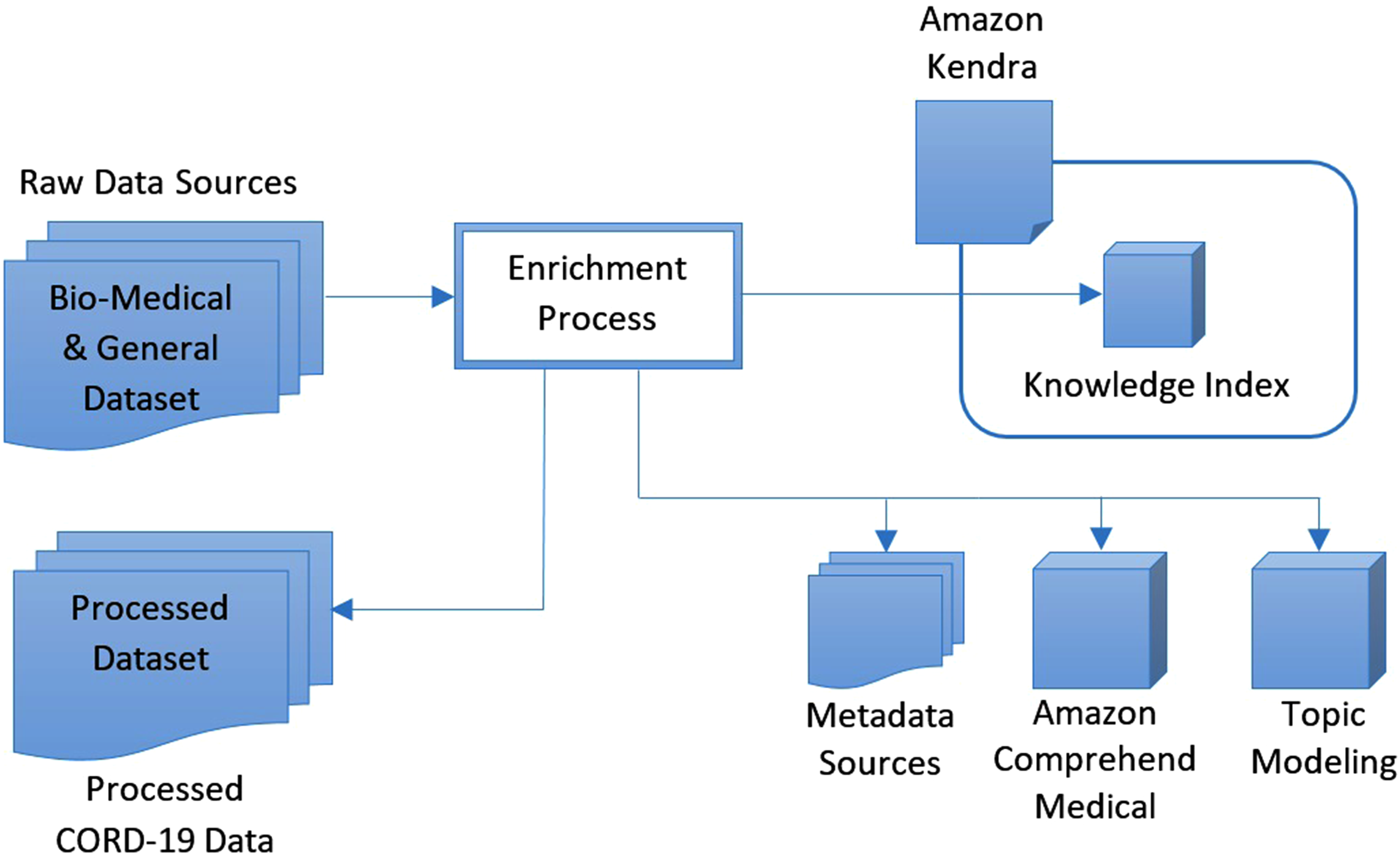
CORD-19 search architecture.
Discussion and Future Directions
A huge number of data has to be aggregated and analyzed to get useful information about the coronavirus. This aggregated data would be able to show the latest details about the onset and spread of the virus, as well as the latest findings related to the transmission of the disease. Thus, ML with big data analysis is used in health care to build a strong prediction tool for coronavirus outbreaks. On the other hand, NLP is used to extract information from unstructured data to enrich structured medical data. It is the matter of training a proper neural network on a prepared dataset that supports the machine in diagnosing the disease. ML models can also analyze chest x-ray and CT scans using deep neural networks that provide significant information on the patient's status, and the blood sample visual analysis can provide additional information on a patient's health and overall condition. Some companies have made efficient tools based on ML and DL to help health care professionals in detection and diagnosis of the virus, surveillance of contagious illnesses, and prediction of the virus outbreak efficiently, as well as researching and collecting a huge amount of data from various sources. Nowadays, the ML model with big data can be mined for the relevant information from social media for tracking the spread of coronavirus. Technology-based health care has great potential to improve patient outcomes, predict outbreaks of epidemics, forecast current virus infection, gain valuable insights, screen patients, map and prevent diseases, determine the chances of disease incidence, detect risk areas and stop the spread of the disease, deliver medical supplies, and foster the quality of daily life. According to the study, technology can help to accelerate research activities in health care as well as manage clinical and social services.
Two key points have to be noted in the literature, the datasets and the methodologies. The most crucial issue is that researchers have studied a limited volume of COVID-19 data in their studies. Increasing the data with many clusters will empower stable systems. The data were collected from many different sources, not a centralized repository. Both male and female cases were analyzed in COVID-19 datasets, in which a remarkable number of aged patients were available. No feature extraction and feature selection procedures were employed in many studies, and they utilized the methods directly with raw data. Moreover, the ML and DL approaches have potential in combating the COVID-19 pandemic with limited resources. Many emerging technology-based solutions can be suggested to improve the public safety, security, and privacy concerns during this pandemic and in the future. The advanced technologies, including blockchain, 7 federated ML, 139 incentive mechanisms with big data, 140 combined AI and cloud computing, 141 5G wireless technologies, 142 and others, can offer effective solutions for confronting the COVID-19 pandemic. Researchers attempted to develop an effective approach by combining various models and methodologies with various technologies. Although these models show encouraging outcomes, they need further improvements with large datasets and clinical trials for employment in the health care sector.
The following research directions could be taken with AI technology to further the fight against future pandemics such as COVID-19:
Developing specialized, AI-based IoT architectures with big data to solve epidemic-related issues and build a comprehensive system to respond to COVID-19-like crises, such as prognostic modeling, real-time patient observing, and emergency operations in health care. Using emerging ML to support decision making, drug discovery and treatment, medical devices, and the overall modernization of the medical industry. Hospital management and health care professionals are considering the advantages of applying AI in technology and keeping patients’ information in private clouds, such as Google Cloud Platform. AI provides hospital management and doctors with ways to store patient data on clouds more securely and access health records via AI-infused technology. Improving AI approaches for medical imaging analysis will help to examine patients’ radiological and pathological reports accurately by machine, with doctors making proper decisions for treatment. Speech and text recognition using NLP could be employed for patient–doctor communication and capturing of clinical notes in remote treatment. Collecting centralized, worldwide COVID-19 datasets could be beneficial for technological research to develop smart systems for prediction, diagnosis, forecasting, transmissibility, pathogenicity, and therapeutic methods during pandemics.
Conclusion
The outbreak of COVID-19 is observed keenly and this study concerns the reasons, impacts, and prevention policies at the very early stage of the pandemic. The outcomes of the study are summarized and a profound alignment with technology, especially AI and ML, is explored. This investigation intends to provide the current technological aspects of ML strategies that are appropriate to use in health care for facing the current pandemic situation. This article addresses the link between the technologies and the epidemics as well as the potential impacts of technology in medical services with the introduction of ML, DL, and NLP tools. AI has played an important role in confronting the coronavirus pandemic and supported researchers in developing systems to reduce human interaction in infected places, deliver services, and manage health emergency situations, but it needs ample resourcing and financial support to respond to public health threats. AI-related technology is being applied to track the span of infection rapidly, and the developed systems have potential to predict future outbreaks of the virus by early screening or diagnosis of patient data as well as inform the legal and ethical challenges of drug development in response to public health emergencies. Privacy and security are important concerns in health care data, and it is imperative to protect individuals’ personal data through proper policies and authorization requirements. The designated methods should address the protection of data from pernicious attacks and ensuring that data is shared appropriately. The best, persuasive AI strategies, AI-based searching strategies, probabilistic models, and supervised learning are required to tackle future pandemic challenges and public health issues.
Footnotes
Acknowledgments
The authors wish to thank the Department of Computer Science and Engineering of the Jatiya Kabi Kazi Nazrul Islam University (@JKKNIU, Bangladesh) and the ISE of the Universiti Tenaga Nasional (@UNITEN, Malaysia) for their supports and cooperation in conducting the research.
Declaration of Conflicting Interests
The authors declared no potential conflicts of interest with respect to the research, authorship, and/or publication of this article.
Funding
The authors received no financial support for the research, authorship, and/or publication of this article.

Supplemental Material
Supplemental material for this article is available online.