



Abstract
Accurate prediction of ship fuel consumption represents a critical technical challenge in intelligent shipping optimization, holding dual significance for route planning enhancement and carbon emission control in green shipping initiatives. To address the limitations of existing methods in handling complex, high-noise industrial data, this study introduces a novel Poisson-Delayed Markov Jump Particle Swarm Optimization (PD-MJPSO) algorithm. By incorporating non-Gaussian white noise perturbations regulated by Poisson distribution and a time-delay feedback mechanism, the proposed algorithm significantly improves global search capability and convergence stability in high-dimensional parameter spaces. For rigorous validation, an intelligent fuel consumption prediction framework integrating data preprocessing, feature engineering, and LightGBM modeling was developed and applied to a ship operational dataset from Nigerian waterways. Experimental results demonstrate that the PD-MJPSO-optimized model not only achieves high-precision forecasting but also exhibits superior robustness and generalization performance compared to conventional methods. This research provides an effective tool for energy efficiency optimization in intelligent shipping systems through algorithmic innovation and industrial application verification, thereby advancing green shipping technology development.
Keywords
Introduction
Fuel consumption prediction is a critical challenge in modern shipping energy efficiency management, where prediction accuracy directly impacts operational cost optimization and compliance with carbon emission regulations.1,2 With the progressive implementation of the International Maritime Organization (IMO) Carbon Intensity Indicator (CII), developing high-precision and robust fuel consumption prediction models has become an urgent requirement for the digital transformation of the shipping industry. 3 Accurate fuel consumption forecasting provides a scientific basis for decision-making in speed optimization, route planning, and carbon emission accounting, which holds strategic significance for achieving the “dual carbon” goals.4,5 However, the inherent nonlinearity and heterogeneous nature of ship operational data pose significant challenges to traditional prediction models, limiting their practical applicability.
In recent years, machine learning methods have demonstrated considerable advantages in fuel consumption prediction.6–10 For example, A hybrid XGBoost-IGWO-LSTM framework employs an improved gray wolf optimization algorithm to tune LSTM hyperparameters while utilizing XGBoost for feature selection, 11 effectively addressing model generalization issues caused by varying ship operational characteristics. Comparative studies show that an ensemble empirical mode decomposition-based LSTM model exhibits better stability for long-term (30–60 step) prediction, 12 while bidirectional LSTM achieves higher accuracy in short-term (≤ 30 step) forecasting. Furthermore, a comprehensive analysis of Amazon River shipping data indicates that CatBoost maintains an R2 value above 91% under complex operational conditions, 13 outperforming other ensemble learning methods due to its ordered target encoding strategy and symmetric tree structure. However, although deep learning models excel at capturing temporal dependencies, they rely heavily on high-quality, large-scale labeled data and incur high training costs,14,15 which may pose a bottleneck in practical maritime scenarios where data acquisition is limited.
Notably, the random initialization of parameters in machine learning implementations may compromise model robustness, as predictive performance can depend significantly on initial conditions. 16 Consequently, evolutionary computation algorithms have emerged as a natural solution for optimizing model parameters to maximize effectiveness. Among these, the particle swarm optimization (PSO) algorithm, introduced by Kennedy and Eberhart, has shown particular promise. 17 Inspired by the foraging behavior of bird flocks, PSO iteratively adjusts particle velocities and positions to explore the solution space. Each candidate solution is represented as a particle, which dynamically updates its trajectory based on both personal best and global best information. This unique cooperative mechanism enables efficient exploration of the solution space and eventual convergence to optimal regions.18–20 To address the drawbacks of standard PSO, such as premature convergence and insufficient global exploration capability, researchers have proposed various improved strategies. For instance, a Levy flight-based inverse adaptive comprehensive learning PSO (LFIACL-PSO) algorithm has been demonstrated to effectively enhance optimization performance on complex multimodal functions. 21 Another hybrid optimization strategy that combines PSO with the cuckoo search algorithm, by introducing adaptive step-size control and an elitism preservation mechanism, has shown stronger capability to escape local optima in multimodal engineering optimization problems. 22 These studies provide valuable insights into leveraging optimization algorithms to enhance machine learning model performance. However, designing more efficient and robust mechanisms to handle the inherent non-stationarity and high noise levels commonly present in ship operational data remains a critical challenge in current research.
This study proposes an improved Markov jump particle swarm optimization algorithm (PD-MJPSO). Compared to traditional PSO variants, this algorithm introduces two key innovations: (1) a Poisson-modulated Gaussian white noise perturbation mechanism, which enhances global exploration and helps avoid premature convergence; (2) a time-delay feedback mechanism, which stabilizes the optimization process by effectively utilizing historical search information. These two mechanisms work synergistically to improve the algorithm’s adaptability in non-stationary optimization tasks such as ship fuel consumption prediction. The contributions of this work are clearly stated as follows: (1) the proposal and validation of the PD-MJPSO algorithm, demonstrating its superior convergence and stability; (2) the successful application of the algorithm to optimize LGB model, achieving higher accuracy and robustness in fuel consumption prediction under diverse real-world operating conditions.
The rest of this paper is organized as follows: Section 2 presents the overall framework for ship fuel consumption prediction. Section 3 systematically examines the theoretical foundations of PSO and its variants while detailing the innovative design of PD-MJPSO. Section 4 validates the convergence and stability advantages of PD-MJPSO through comparative experiments on benchmark functions. Section 5 constructs a fuel consumption prediction model based on PD-MJPSO and verifies its superior performance via ablation studies and comparative analyses. Finally, Section 6 concludes the study and outlines future research directions.
System framework
The proposed framework for ship fuel consumption prediction is illustrated in Figure 1, which consists of four core components: algorithm design, data preprocessing, model construction, and performance validation. First, an improved PD-MJPSO optimization algorithm is developed by incorporating Poisson-distributed noise perturbation and time-delay feedback mechanisms, significantly enhancing the optimization performance. Benchmark function tests demonstrate the algorithm’s superior convergence speed and stability compared to conventional methods. During data preprocessing, systematic processing is performed on ship fuel consumption records, including label encoding for categorical variables (e.g. ship type and fuel category) and standardization of selected continuous features. Statistical analysis of fuel consumption data leads to the division of the dataset into two subsets: normal consumption and high consumption patterns. Based on the processed data, two prediction models are established for distinct fuel consumption patterns: a PD-MJPSO-optimized LightGBM model for normal consumption scenarios and a PD-MJPSO-optimized linear regression model for high-consumption scenarios. Experimental results confirm that the optimized models outperform traditional approaches in both prediction accuracy and robustness, providing an effective technical solution for ship energy efficiency management. Detailed implementations of each component are elaborated in subsequent sections.
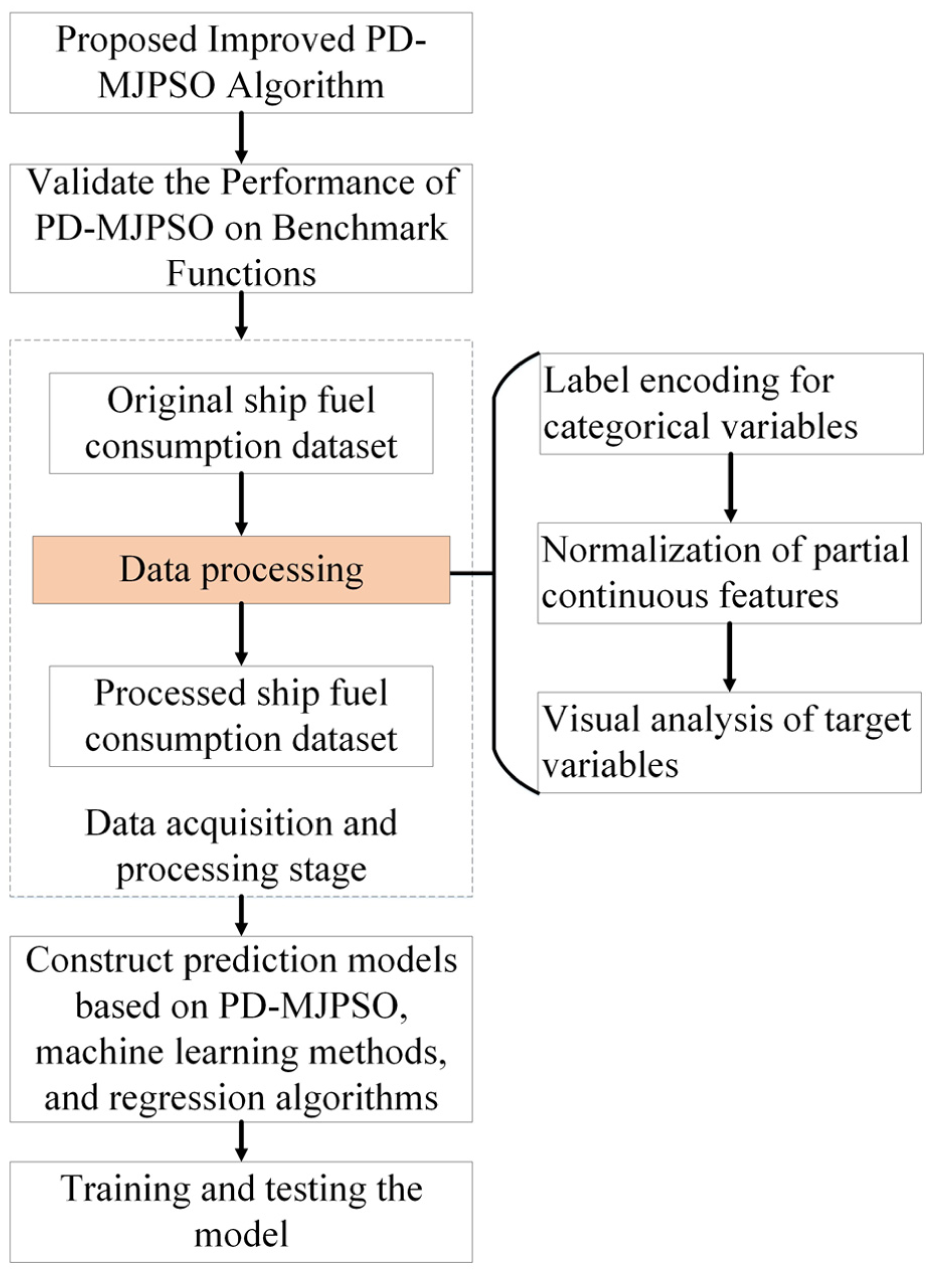
Diagram of the proposed framework based on the PD-MJPSO.
Remark 1
Based on the objective characteristic of operational regime differentiation in ship data, this study proposes a dual-model architecture. To address the failure of unified modeling caused by data distribution differences under different operational conditions, a state-separation modeling strategy is adopted. This approach resolves modeling conflicts arising from data heterogeneity at a mechanistic level.
Particle swarm optimization algorithm
Traditional PSO
PSO is a collective intelligence optimization algorithm inspired by the collective behavior of biological entities such as flocks of birds or schools of fish, seeking the optimal solution to a problem by simulating the cooperation and information sharing among individuals in the group. In PSO, candidate solutions in the solution space are referred to as particles, which move at certain velocities in the solution space. Each particle has a position vector and a velocity vector, where the position vector represents the particle’s current position, and the velocity vector represents the particle’s direction and speed of movement at the current position. During the search process, each particle adjusts its position and velocity based on its own position and velocity update rules to find a better solution. Additionally, particles are influenced by other particles in the group, guiding their search direction through shared information. 23 The core of the PSO algorithm lies in the position and velocity update rules of the particles, typically taking the following form:


Where
The advantage of the PSO algorithm lies in its simplicity, fast convergence speed, and insensitivity to initial parameters. It finds wide application in addressing various optimization problems such as continuous optimization, combinatorial optimization, and multi-objective optimization. However, the PSO algorithm also has limitations, such as susceptibility to local optima and poorer optimization performance in high-dimensional spaces. To overcome these limitations, researchers are actively working on developing variants of the PSO algorithm tailored to different problems to enhance its search performance.
Variants of the PSO algorithm
The standard PSO is widely used to solve practical problems due to the simplicity of its concept and the efficiency of its implementation. At the same time, many researchers are working on developing various variants to improve search performance.27,28 For instance, in PSO, a shrinking factor is introduced to enhance search performance(PSO-CK), it is recommended to use


where
On the other hand, by introducing adaptive mechanisms to alter the search strategy, the algorithm can adjust according to changes in the problem and environment. For example, Learning Based PSO (LBPSO) utilizes machine learning techniques to automatically adjust algorithm parameters and behavior. 32 It learns and adapts based on problem characteristics and search history, thereby enhancing search efficiency and convergence. Dynamic Environment PSO (DEPSO) is specifically designed to adapt to dynamic environments, incorporating new strategies and mechanisms to cope with environmental changes, enhancing flexibility and robustness, enabling more effective search and maintenance of good performance in dynamic environments. 33 Adaptive Group PSO (AGPSO) dynamically adjusts group structure and composition based on problem complexity and difficulty, as shown in equation (5), aiming to optimize search efficiency and convergence. By introducing adaptive mechanisms, the algorithm becomes more intelligent, better suited to adapt to various problem and environmental changes. 34
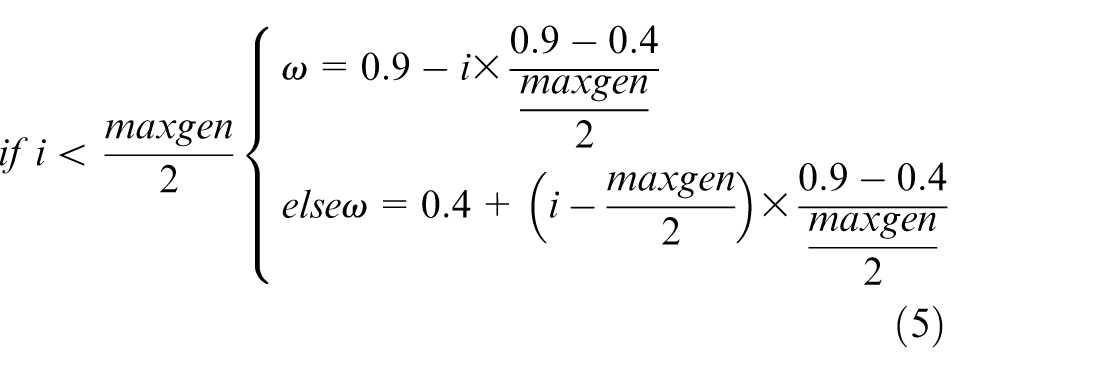
Where
Novel PD-MJPSO algorithm
This section presents an enhanced particle swarm optimization algorithm, termed the Poisson-distribution noise and time-delay enhanced Markov jump particle swarm optimization (PD-MJPSO). Developed based on the Markov jump particle swarm optimization (MJPSO), 35 for which the stability and convergence have been rigorously mathematically proven, 36 the proposed algorithm incorporates two key improvements to enhance its optimization performance. First, non-Gaussian Poisson white noise is introduced into the particle velocity update equation to increase search randomness and prevent premature convergence to local optima. Second, a time-delay mechanism is implemented to better utilize historical information for velocity adjustment, thereby improving global search capability while maintaining population diversity and convergence speed. Compared with MJPSO, PD-MJPSO demonstrates superior exploration ability in unknown search spaces and exhibits better adaptability to complex optimization problems through the synergistic effect of Poisson noise and time-delay mechanisms.
The velocity and position update equations of the PD-MJPSO algorithm are shown as follows:




where, the jump parameter
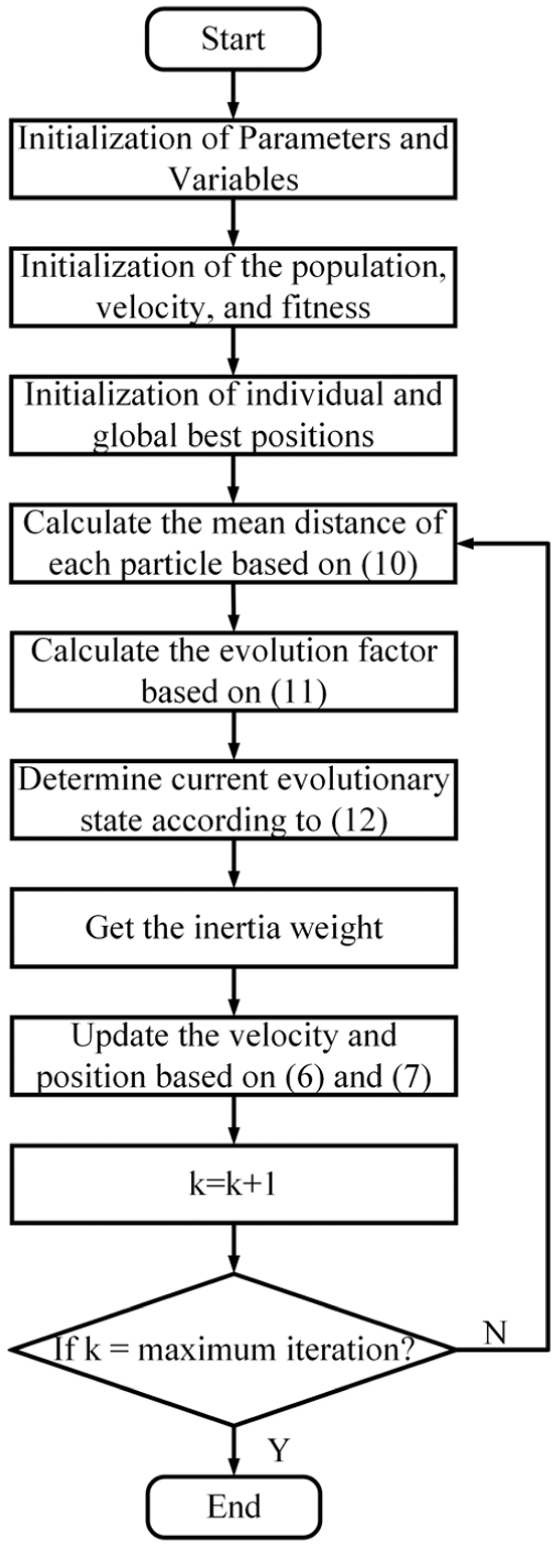
Flowchart of PD-MJPSO algorithm.
Convergence comparison experiment
Selection of benchmark functions
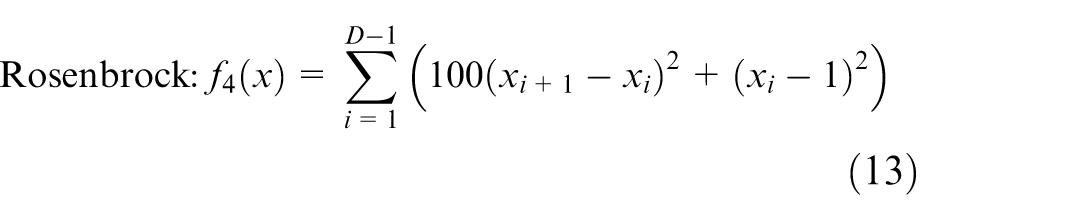
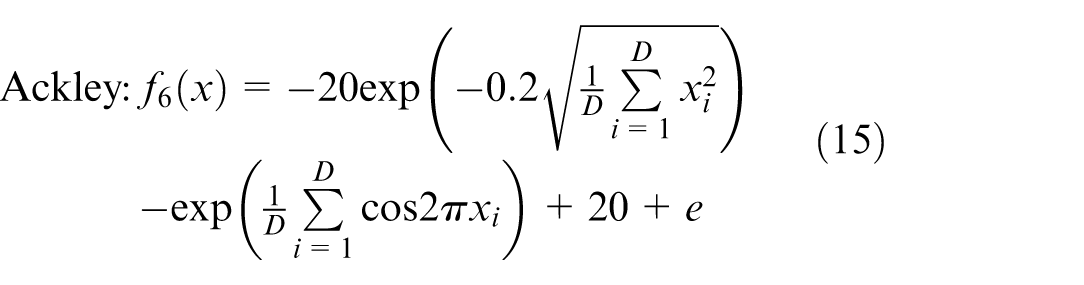
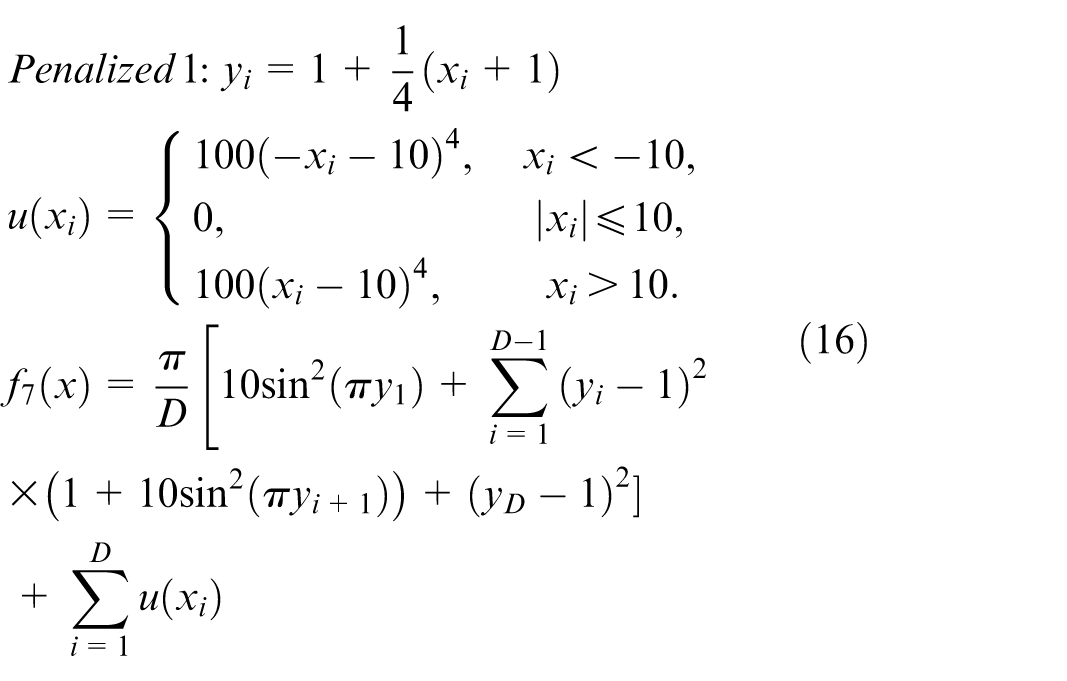
This chapter introduces eight optimization functions used to compare the performance of different PSO variants, as shown in equations (10) to (17). They are widely employed in global optimization problems. By analyzing the properties and characteristics of these functions, the performance of algorithms on different types of problems can be better assessed, laying the groundwork for further analysis and discussion.
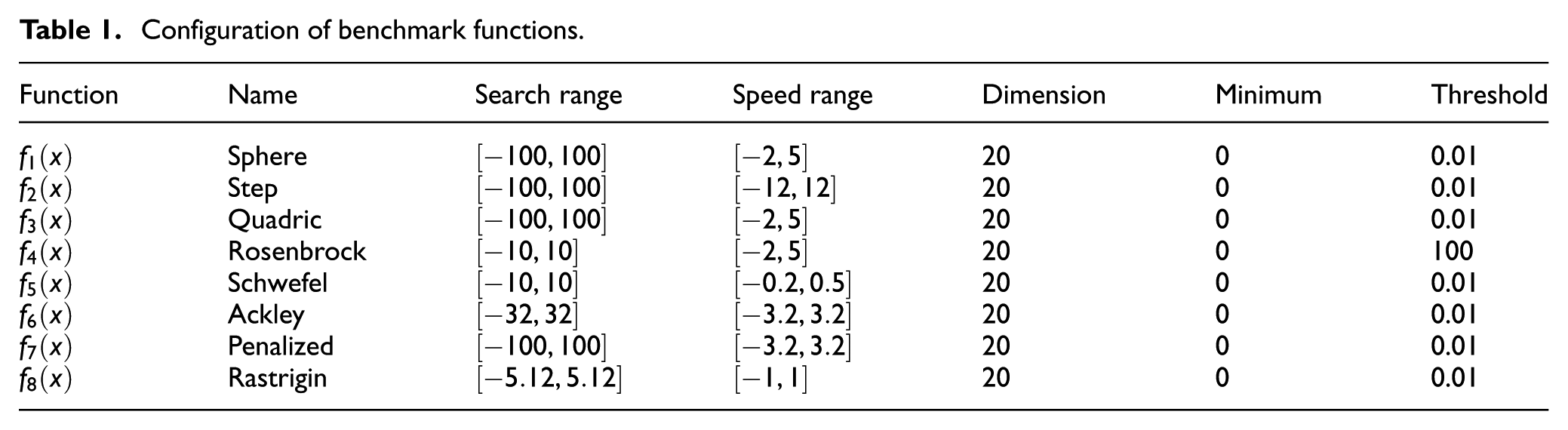
The functions evaluated in this study are assessed in a 20-dimensional space. Based on their complexity and surface characteristics, these functions can be broadly classified into several categories. Firstly, there are relatively simple functions, such as the Sphere function, which represents a simple convex optimization problem with a smooth bowl-shaped surface, where the global optimum is located at the center. Similarly, the Step function exhibits a surface with distinct step-like structures, where the global optimum is located between specific steps. Moving further, there are functions of moderate complexity, such as the Quadric function, which has a quadratic form, and its surface can be either smooth or rugged, depending on the parameters set. Lastly, the study also considers relatively challenging functions. For instance, the Rosenbrock function presents a narrow valley-shaped surface, making it difficult to find the global optimum in the early stages of optimization. The Schwefel 2.22 function has multiple local optima and a complex surface, characterized by numerous pits and peaks. The Ackley function poses challenges due to its complex and rugged surface, multiple local optima, and a single global optimum. The Penalized 1 function introduces penalty terms, resulting in a non-smooth surface with possible pits and peaks. The surface of the Rastrigin function features sharp peaks and pits, requiring a large number of iterations and robust convergence performance to find the global optimum. It is worth noting that all functions describe minimization problems and possess a global minimum. The parameter configurations of the eight functions are shown in Table 1. The Search Range defines the feasible domain for particle positions, ensuring the optimization process remains within a meaningful and bounded solution space for each benchmark function. The Threshold value serves as the convergence criterion, where an algorithm run is considered successful if it finds a solution with a fitness value below this predefined precision level. The specific settings for both the search range and the convergence threshold are adopted from the established benchmark configurations, 35 ensuring consistency and fairness in the comparative evaluation of optimization algorithms.





Configuration of benchmark functions.
Experiment results and discussion
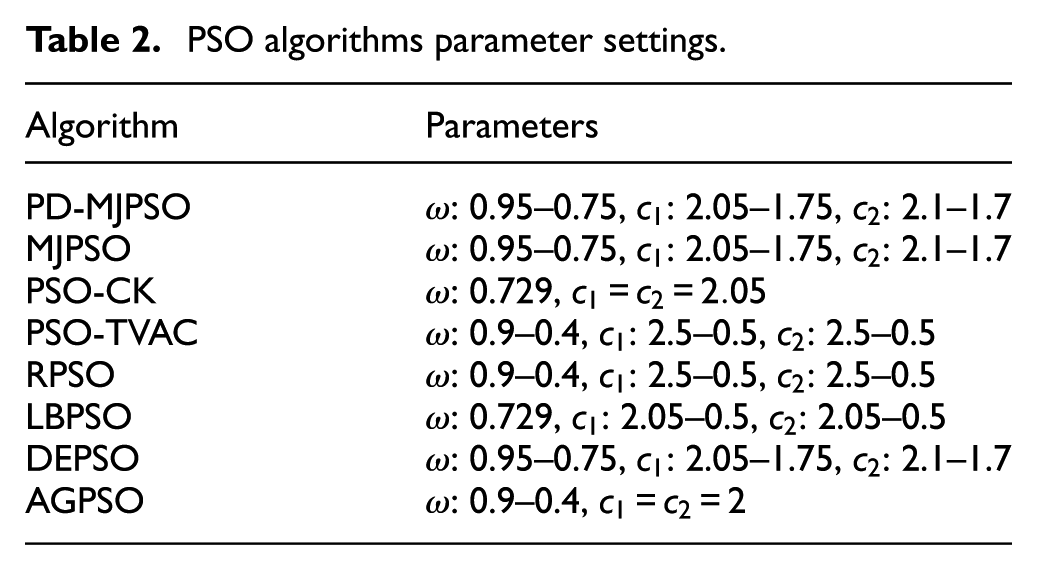
This study aims to compare and analyze the performance of eight different PSO algorithms, including the proposed PD-MJPSO algorithm, on eight standard test functions. Table 2 provides detailed configuration information for these eight PSO algorithms. The population size for all algorithms is set to 20, with a maximum of 10,000 iterations. To eliminate errors caused by randomness, each algorithm undergoes 20 independent repeated experiments, all experiments are conducted in the same computational environment. The experimental results are summarized in Table 3, which records the optimal values achieved by each algorithm across different test functions, with the best-performing result for each function highlighted in bold.
PSO algorithms parameter settings.
Performance comparison of PSO variants on benchmark functions.
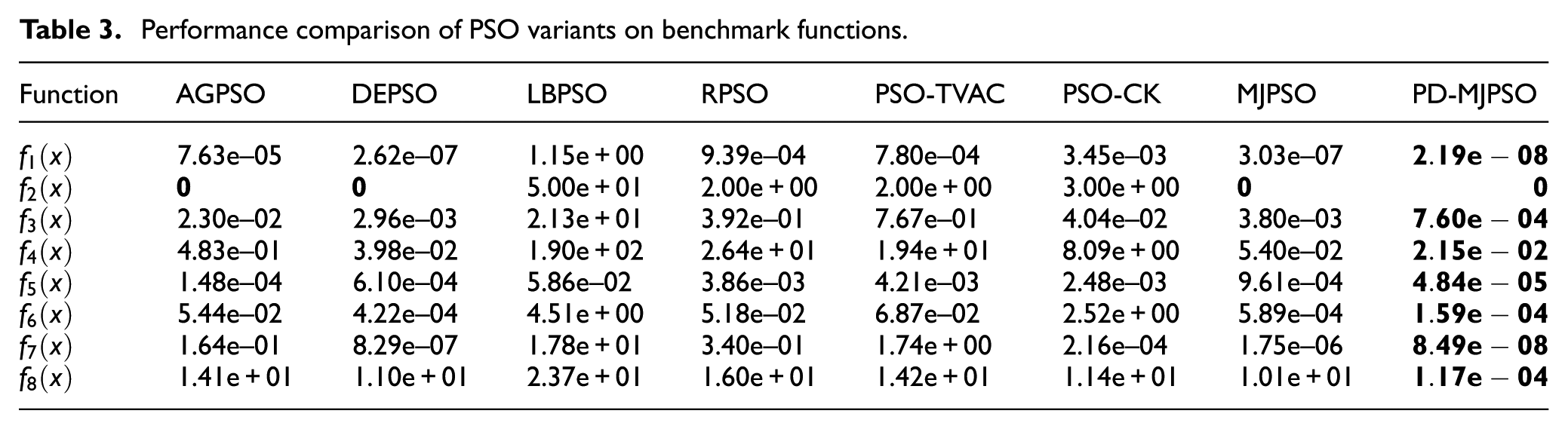
Below, we summarize the analysis of the experimental results. As shown in Table 3 and Figure 3(a), (b) and (f),
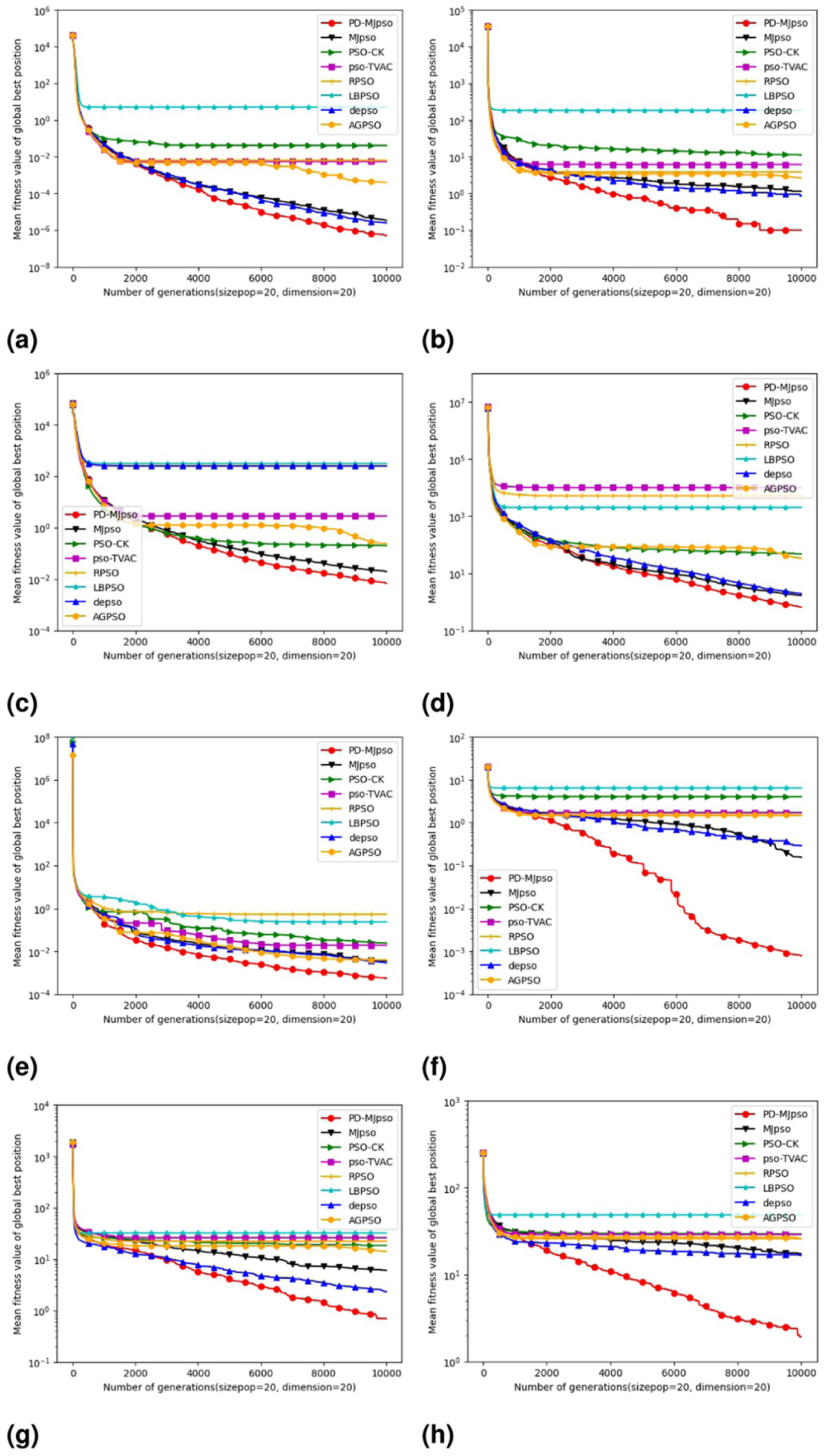
Performance of eight PSO variants on 20-dimensional benchmark functions: (a) Sphere, (b) Step, (c) Quadric, (d) Rosenbrock, (e) Schwefel, (f) Ackley, (g) Penalized and (h) Rastrigin.
To assess the models more accurately and obtain more precise experimental results, this study conducted 20 independent experiments for each PSO variant algorithm on the eight benchmark test functions. Box plots, as illustrated in Figure 4(a) to (h), were generated to better understand the performance of each algorithm. In the box plot, the distribution of data to quartiles is presented, with emphasis on the mean and outliers. The box in the box plot represents the middle 50% range of the data, with the median indicated by the middle line. The upper and lower bounds of the box correspond to the third quartile (75%) and the first quartile (25%), respectively. The lines extending from the top and bottom of the box in the box plot are called “whisker line”, which represent the range of data variation, with points beyond the whiskers considered outliers. A short box in the box plot implies that most data points are concentrated within a narrow range, indicating relative consistency among the data points. Conversely, a tall box suggests a wide distribution range of data points, indicating significant differences among most data points.
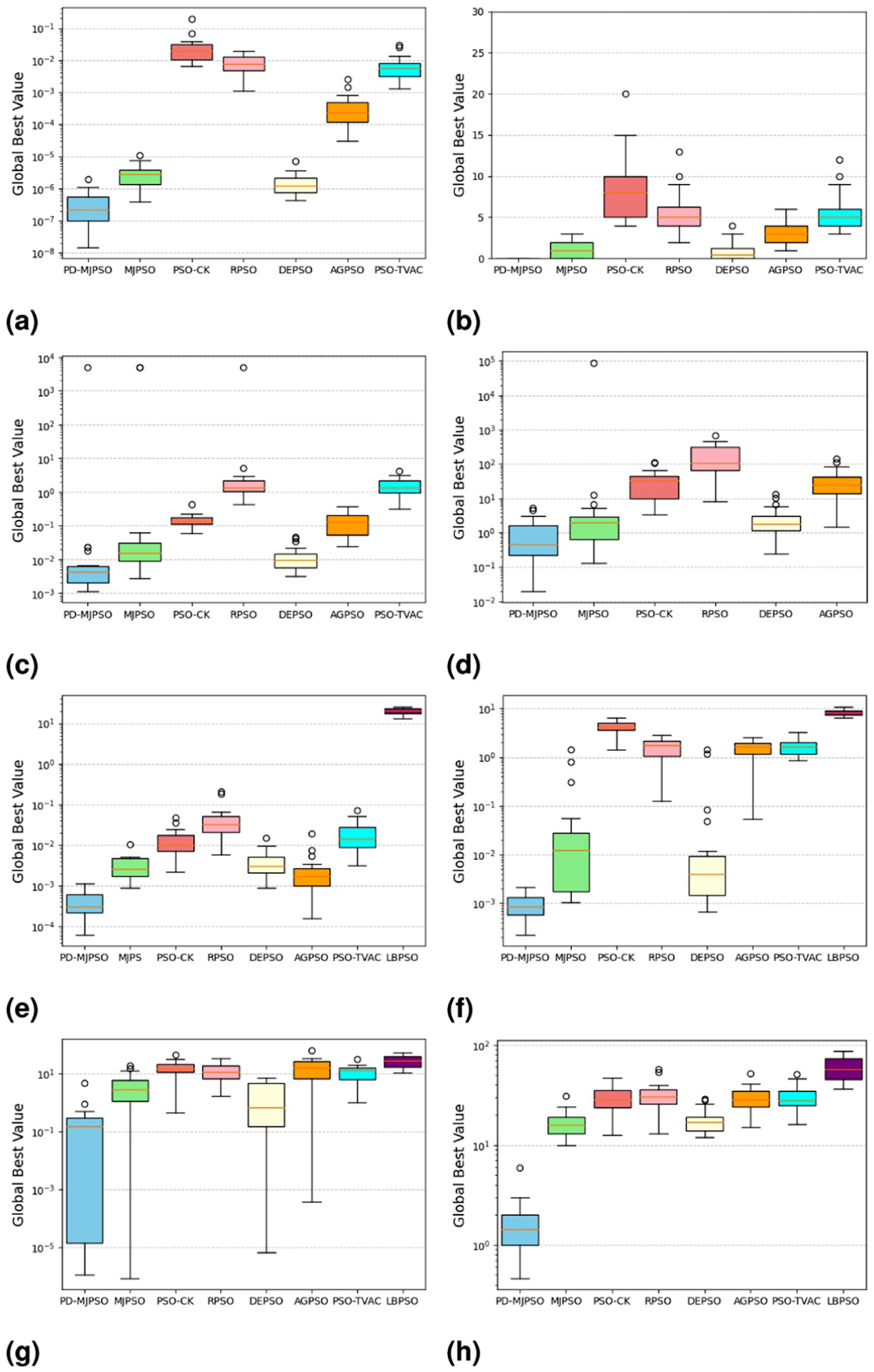
Box plot comparisons of eight PSO variants on 20-dimensional benchmark functions: (a) Sphere, (b) Step, (c) Quadric, (d) Rosenbrock, (e) Schwefel, (f) Ackley, (g) Penalized and (h) Rastrigin.
As shown in Figure 4 (LBPSO and PSO-TVAC are not displayed due to their poor performance on some functions), it can be observed that compared to other PSO variant algorithms, PD-MJPSO algorithm exhibits more concentrated global convergence values on the eight benchmark functions, demonstrating lower data variability. Experimental results indicate that PD-MJPSO possesses strong local optima avoidance capability and satisfactory convergence performance.
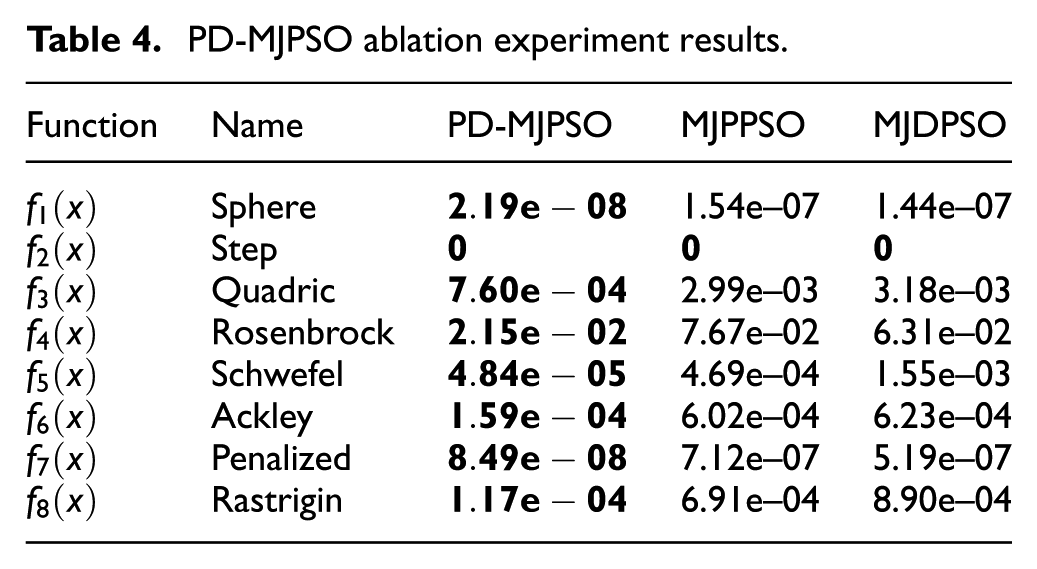
To elucidate the individual and synergistic effects of the Poisson noise and time-delay feedback mechanisms, an ablation study was conducted. As summarized in Table 4, the complete PD-MJPSO algorithm achieved the best convergence performance across all benchmark functions, significantly outperforming both MJPPSO (which includes only Poisson noise) and MJDPSO (which includes only the time-delay feedback). These results underscore that the synergistic integration of both mechanisms is crucial to enhancing algorithmic performance. Specifically, the Poisson noise enhances the swarm’s global exploration capability by introducing discrete perturbations following a Poisson distribution, thereby effectively mitigating premature convergence. Meanwhile, the time-delay feedback mechanism improves convergence stability by integrating historical optimal information. Experimental findings confirm that the combined approach not only accelerates convergence but also maintains algorithmic robustness, demonstrating the beneficial role of Poisson noise in the optimization process. Based on this rigorously validated algorithmic framework, subsequent research will explore its application to the complex practical engineering problem of ship fuel consumption prediction.
PD-MJPSO ablation experiment results.
Remark 2
The superior performance of PD-MJPSO stems from the synergistic effect of its dual mechanisms: Poisson noise prevents premature convergence, while time-delay feedback enhances convergence stability. The integration of these two components jointly ensures the algorithm’s high accuracy and strong robustness in complex scenarios.
PD-MJPSO-LGB for fuel consumption prediction
Source of data
The dataset employed in this study was derived from operational records of vessels navigating Nigerian waterways, comprising 1440 complete data samples across 4 primary ship types: oil service vessels, trawlers, speedboats, and tankers. Each record includes key variables such as vessel ID, ship type, route, month, voyage distance, fuel type, CO2 emissions, weather conditions, engine efficiency, and fuel consumption. During data preprocessing, categorical variables were first encoded numerically—for instance, fuel types were labeled as HFO = 1 and Diesel = 2. Boxplot analysis revealed a significant outlier distribution in fuel consumption, identifying 226 high-consumption records exceeding the threshold of 4892 l, as illustrated in Figure 5. To mitigate potential model bias induced by these outliers, a stratified modeling approach was adopted, partitioning the dataset into two subsets: a normal-consumption subset and a high-consumption subset. Separate predictive models will be developed for each subset to ensure accurate performance across different consumption patterns.
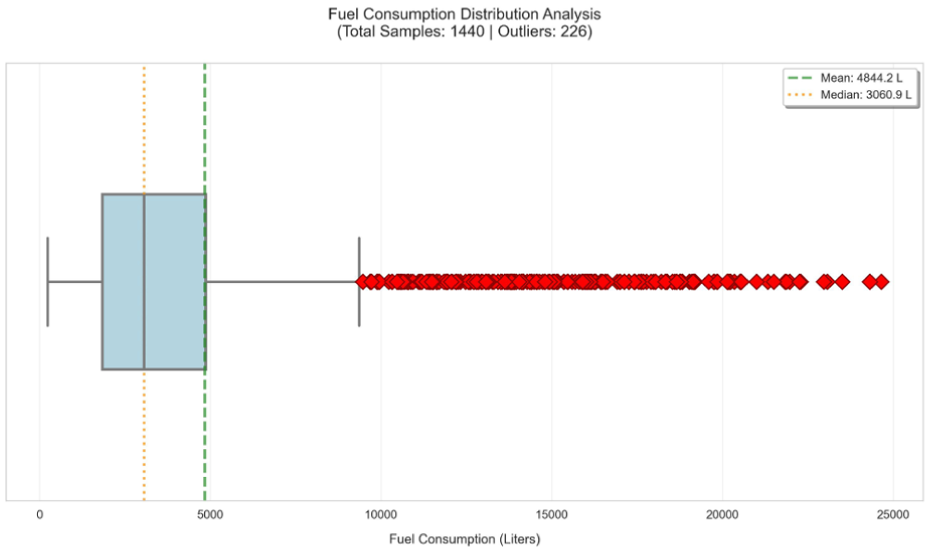
Boxplot of vessel fuel consumption.
Experiment setting
This study proposes a hierarchical modeling framework for fuel consumption prediction in maritime operations, developing dedicated PD-MJPSO-LGB and PD-MJPSO-Linear models for normal and high-consumption patterns, respectively. Compared to conventional global modeling approaches, this stratified strategy significantly enhances prediction accuracy and engineering applicability through explicit identification and differentiation of energy consumption characteristics under various operational conditions. The validation process employs a rigorous experimental design featuring repeated 10-fold cross-validation to ensure statistical reliability of evaluation results. Systematic ablation studies first analyze the performance improvement contributed by the PD-MJPSO optimization algorithm. Comprehensive comparative experiments are then conducted, pitting PD-MJPSO-LGB against XGBoost, 37 Random Forest, 38 and Gradient Boosting 39 methods for normal consumption patterns, while evaluating PD-MJPSO-Linear against Huber regression 40 and Ridge regression 41 models for high-consumption scenarios. All comparative experiments follow standardized assessment metrics and experimental protocols to guarantee result comparability and statistical significance, thereby objectively demonstrating the superiority of the proposed methodology.
Experiment results and discussion
Table 5 presents the ablation study results of the PD-MJPSO optimization algorithm. The experimental results demonstrate that the proposed algorithm significantly enhances the predictive performance of baseline models. In the normal-consumption subset, the PD-MJPSO-LGB model achieves an MAE reduction from 126.83 to 123.96 and an R2 improvement from 0.9894 to 0.9902. For the high-consumption subset, the optimization effect is more pronounced, with MAE decreasing from 521.7 to 425.56 and R2 increasing from 0.9582 to 0.9689. Through systematic ablation analysis, we confirm that the PD-MJPSO algorithm effectively improves the predictive capability of different baseline models. The optimized LGB and linear regression models exhibit higher prediction accuracy and robustness. These findings indicate that the PD-MJPSO algorithm, with its unique optimization mechanism, provides a more effective approach for fuel consumption prediction modeling.
Model ablation experiments (Bold values indicate the best performance for each metric).

Figure 6 presents the comparative performance of different models optimized by the PD-MJPSO algorithm. The results demonstrate that the optimized LGB and linear regression models exhibit superior predictive performance in their respective operational scenarios. For the normal fuel consumption subset, the PD-MJPSO-LGB model achieves an MAE of 123.96, representing a 4.3% reduction compared to PD-MJPSO-XGB (129.59) and a 27.4% reduction relative to PD-MJPSO-RF. Additionally, its R2 value reaches 0.9902, outperforming PD-MJPSO-GB (0.9893). In the high-consumption subset, the PD-MJPSO-Linear model demonstrates significantly better performance, with an MAE of 425.56 and R2 of 0.9689, surpassing PD-MJPSO-Huber (MAE = 433.24, R2 = 0.9596) and PD-MJPSO-Ridge (MAE = 496.03, R2 = 0.9582). These systematic comparisons validate the exceptional performance of PD-MJPSO-LGB under normal operating conditions and PD-MJPSO-Linear in high-consumption scenarios.
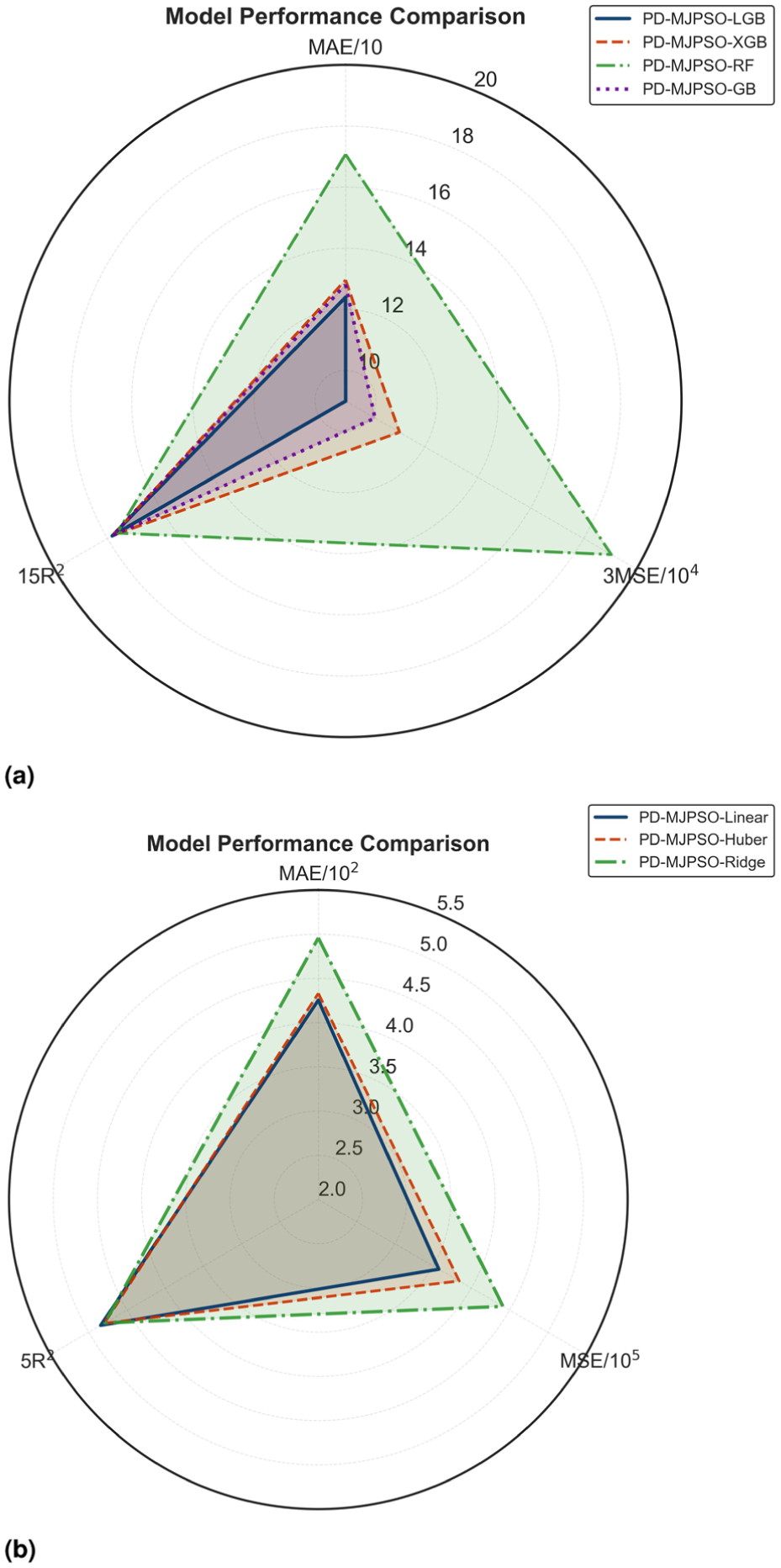
Model comparison experiments: (a) Normal-consumption subset and (b) High-consumption subset.
Based on the ablation and comparative experimental results, PD-MJPSO demonstrates notable effectiveness and adaptability in ship fuel consumption prediction. The experimental results reveal that the optimized LGB and linear regression models achieve MAE reductions of 2.3% and 18.4%, respectively, while maintaining stable advantages in comparisons with multiple model architectures. This overall performance improvement indicates that the exploration enhancement and convergence stabilization mechanisms integrated into the algorithm can synergistically adapt to different data scenarios: under highly volatile high-consumption conditions, the algorithm improves the model’s ability to capture dynamic variations by incorporating historical information feedback; during the optimization of complex models, the controlled perturbation introduced helps expand the search space and alleviate local convergence issues. This study provides systematic methodological support for complex engineering application scenarios such as ship energy efficiency prediction.
Remark 3
Research indicates that an optimizer possessing both robustness in convergence trajectory and coverage of the state space is a key foundation for constructing highly generalizable prediction models.
Conclusion
This study proposes a novel Markov Jump Particle Swarm Optimization (PD-MJPSO) algorithm, whose core innovation lies in the integration of Poisson noise and a time-delay feedback mechanism. By introducing Gaussian white noise regulated by a Poisson distribution to enhance the stochasticity of particle search, and combining it with a time-delay feedback mechanism that enables dynamic fusion of historical optimal information, the algorithm significantly improves convergence accuracy and stability in high-dimensional complex spaces. The primary contribution of this work is the development of a robust optimization tool suitable for modeling high-noise industrial data. To validate the practical efficacy of PD-MJPSO, we applied it to the challenging engineering problem of ship fuel consumption prediction, constructing a dual-model prediction framework comprising PD-MJPSO-LGB and PD-MJPSO-Linear. Experimental results demonstrate that under normal operating conditions, the PD-MJPSO-LGB model achieves optimal performance with MAE = 123.96 and R2 = 0.9902, reducing the mean absolute error by 4.3% compared to the suboptimal model. Under high-energy-consumption conditions, the PD-MJPSO-Linear model performs particularly well, with MAE = 425.56 and R2 = 0.9689, improving the mean absolute error by 1.8% over the suboptimal model. These results fully demonstrate the algorithm’s applicability in complex industrial scenarios.
The PD-MJPSO algorithm proposed in this study, through the synergistic mechanism of Poisson noise and time-delay feedback, enhances the global exploration capability of traditional PSO while improving convergence stability in dynamic environments. The core contribution of this research lies in establishing a novel optimization methodology suitable for high-noise, non-stationary industrial data, providing a methodical framework that balances rigor and feasibility for complex industrial data prediction. Empirical research on ship fuel consumption prediction validates the effectiveness of this framework in addressing high-dimensional, strongly nonlinear engineering optimization problems. Future research will focus on two main directions: first, deepening the study of adaptive optimization of algorithm parameters to enhance its generalizability; second, expanding the framework’s applications to areas such as ship emission monitoring and route optimization, and exploring its potential in other smart manufacturing scenarios, thereby fully leveraging the method’s value in industrial optimization.
Footnotes

Ethical considerations
This work did not involve humans and animals. Ethic approval was not required for this research.
Consent to participate
Not applicable.
Consent for publication
Not applicable.
Funding
The authors disclosed receipt of the following financial support for the research, authorship, and/or publication of this article: This work was supported in part by the National Natural Science Foundation of China under Grant 12104289 and the National Natural Science Foundation of Shanghai, China under Grant 25ZR1401149.
Declaration of conflicting interests
The authors declared no potential conflicts of interest with respect to the research, authorship, and/or publication of this article.
Author contributions
Jiawei Chu conceived the methodology and research idea presented in this work, and validated the associated theories through computational experiments. Bei Jiang, Xiu Kan, and Jianzhen Wu provided guidance and encouragement for this study. All authors discussed the research findings and contributed to the finalization of the manuscript.