



Abstract
Although most countries of the world seek to improve their performance to achieve prosperity for their citizens, the performance of some other countries is still disappointing and has witnessed a deterioration in recent years due to civil wars, poverty, and failure to identify shortcomings and work on them. Many global indexes are concerned with ranking and evaluating the performance of countries, the most prominent of which is the Legatum prosperity index. This study presents a novel tool based on the MCDM approach under uncertainty. Twelve pillars were considered as criteria for evaluating the performance of the 19 poorest-performing countries globally, according to the 2021 Legatum prosperity index. The rough-entropy and rough-TOPSIS methods were used to assess the performance of countries and analyze the pillars of prosperity to determine their shortcomings. Further, a comparison with the 2021 Legatum prosperity index and sensitivity analysis is conducted to validate the obtained results. This study analyses and identifies that South Sudan gets the worst ranking while Cameroon is the best. Likewise, the results indicate that the worst performance pillar was the governance pillar, while the best pillar was the health pillar at the level of the studied countries. The proposed approach is essential for researchers working on performance measurement and ranking, as it ensures the robustness and realism of the results. It also gives a glimpse to the leaders of the countries about the actual situation of their countries to work on addressing the failures. In addition, it makes a significant contribution to the current scientific knowledge by providing a novel tool for evaluating performance indexes.
Introduction
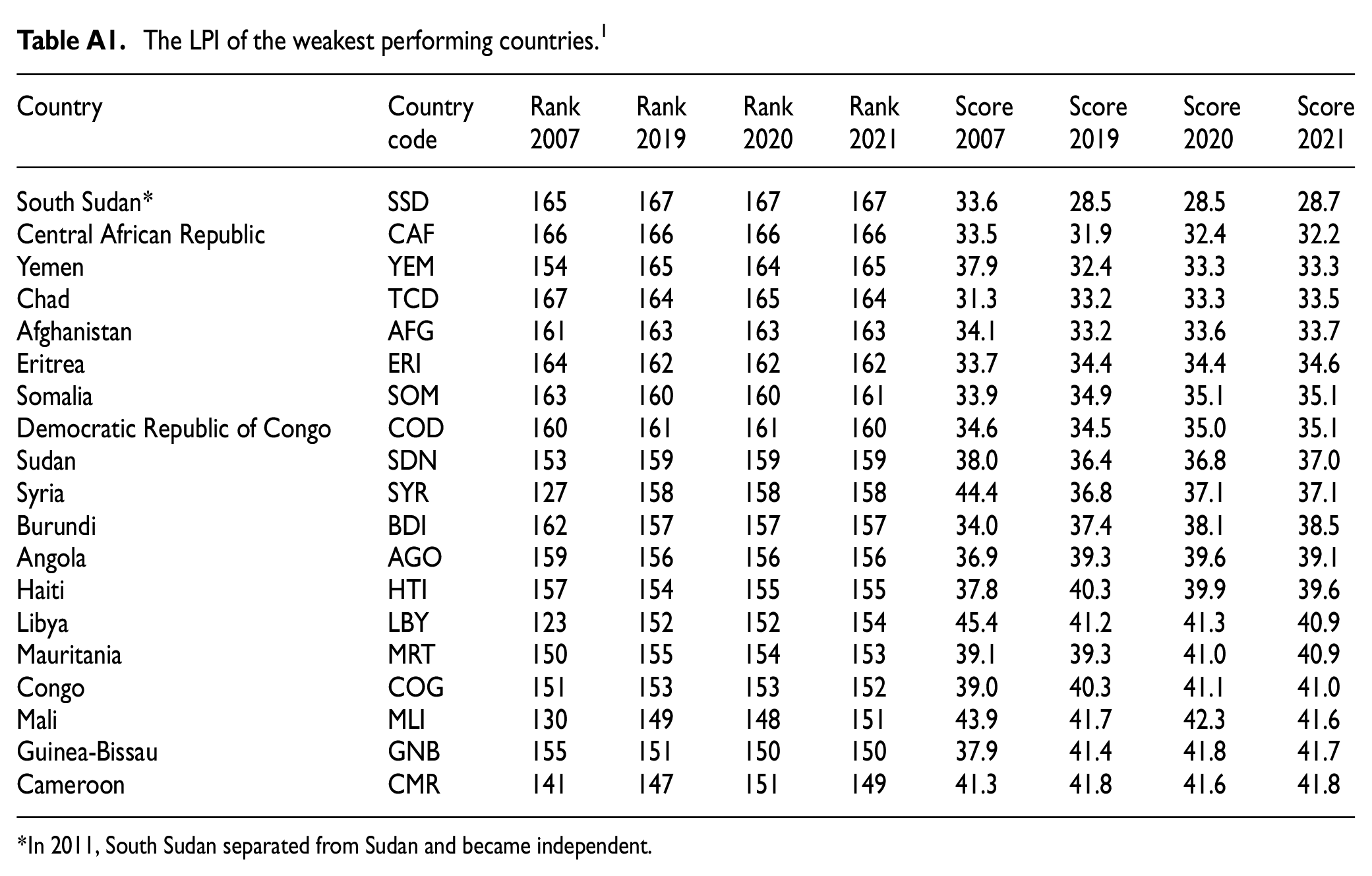
All countries strive to achieve the ultimate and essential goal of providing prosperity and welfare to the residents. Herein, sustainable prosperity can be achieved by creating a stable, developed social and political environment based on sustainable development goals. Prosperity is measured via pillars that address all aspects of the main and sub-main of the society’s prosperity. So, the pillars of prosperity have become essential for both developed and developing countries because it is the basis for establishing a specific framework for developing and managing a policy of prosperity. Any country’s focal point of prosperity is assessing its progress in implementing sustainable prosperity in all its pillars. A good evaluation is done by selecting efficient methods for evaluating and analyzing the improvement or degradation. Firstly, the shortcomings of each pillar and its causes are identified. Then, the determination of the most appropriate method to treat them according to the requirements of society. One of the famous indicators for analysis performance is the Legatum Prosperity Index (LPI). 1 The LPI measures the performance at the global and international levels of 167 countries on the pillars of sustainable prosperity with the help of over 100 expert advisors. It identified three main key aspects: inclusive societies, open economies and empowered people. LPI measures 12 main pillars, 65 sub-pillars, and nearly 300 indicators using a large array of open data sources. The index is issued every year and is now in its 15th edition (2021-LPI), making it an inspiration for countries to evaluate their performance and helpful for interested politicians, decision-makers, businesspeople, and researchers. LPI can set government priorities and identify areas that need support to increase prosperity, improve the investment environment and business climate, hold governments accountable for deficiencies, and conduct data extraction and analysis. According to the Legatum prosperity index for 148 countries out of 167 countries, the world has been in continuous development at the level of all pillars of prosperity since 2007. These countries have seen remarkable improvements, and people’s lives have been increasingly prosperous over the past decade. However, this does not apply to the remaining 19 countries that did not improve, but rather that they witnessed a severe deterioration during the past 10 years and are still at the bottom of the ranking list. Hence, we have chosen these countries as a case study for this work for further analysis and discussion of the performance of these countries, which sheds light on failure points that may contribute to paying attention to them by decision-makers in these countries. The situation worsened in 2020 because of the COVID-19 outbreak, as many countries responded to the COVID-19 pandemic by severely restricting civil rights and economic freedoms. Even though COVID-19 is more prevalent in high-prosperity countries 2 prosperity has declined in all world countries, especially 19 countries. Table A1 (in Appendix 1) reports the score and rank of the 19 countries in 2007, 2019, 2020, and 2021. We can clearly see the decline in most of these countries from 2007 to 2021. Comparing 2021 ranking with 2007, we find 10 countries deteriorated: South Sudan, Yemen, Afghanistan, Sudan, Syria, Libya, Mauritania, Congo, Mali, and Cameroon. Two countries kept their ranking without improvements: the Central African Republic and the Democratic Republic of Congo. In contrast, there is a slight improvement for seven countries like Chad, Somalia, the Republic of Congo, Burundi, Angola, Haiti, and Guinea-Bissau. Obviously, there is no improvement in the performance of these countries, but rather a deterioration, and they are still at the bottom of the ranking list.
On the other hand, selecting the optimal decision is usually not easy, especially in the presence of various and overlapping decisions in a complex environment. Therefore, the dimensions of the problem must be understood, analyzed, measured, and evaluated before the decisions are made, resulting in an informed and conscious decision that achieves the desired results. In the LPI, traditional statistical and mathematical methods were used during the evaluation and ranking process, but they may not be able to deal with the uncertainty data as well as the pairwise weights among different elements and the pillars. Hence, using various other tools to implement evaluation, ranking, scalable, overcoming ambiguous data, and avoiding subjectivity, such as the MCDM approach is better. The best tool for supporting decision-making is Multi-Criteria Decision-Making methods (MCDM), which help the decision-maker make optimal decisions by considering his preferences. Thus, the (MCDM) approach is used to differentiate solutions in multiple criteria optimization problems. Furthermore, many methods have been proposed to solve MCDM problems, but the most famous of them are the Analytic hierarchy process (AHP), 3 Evaluation Based on Distance from Average Solution (EDAS), 4 Technique for the Order of Prioritisation by Similarity to Ideal Solution (TOPSIS), 5 VIseKriterijumska Optimizacija I Kompromisno Resenje VIKOR, 6 Entropy,7,8 and other MCDM methods, which are still in continuous development by proposed novel methods or by expanding the current methods. The MCDA methods are widely used in various fields such as sustainable development goals, energy,9–14 resource management,15,16 healthcare,17,18 education,19–21 agriculture,22–24 prosperity, 25 etc. Several studies addressed one or more of the prosperity pillars, such as: In Rubio et al., 26 the authors discussed poverty, where they used Geographic Information Systems (GIS) with AHP to integrate quantitative and qualitative information and poverty degree for a rural area in the Monte Desert to assess its multiple dimensions. Whereas the authors in Wati et al. 27 used the PROMETHEE method to determine the priority of beneficiaries according to several criteria which are eligible for government aid. Ali et al. 28 discussed peace, where they employed the AHP and TOPSIS methods to analyze questionnaires from Indian and Pakistani citizens about the role of the cricket game in making peace between the two countries. AHP and TOPSIS techniques were used to measure the gender inequality index and to rank the European Union countries based on this indicator. Sarul and Eren 29 used seven main criteria, including death rate, the proportion of shares in parliament, education ratio, and labor force ratio. The well-being index was measured using PFAHP and TODIM methods. Also, Turkey’s provinces were classified according to the index’s criteria, namely house, life, income and wealth, health, education, environment, safety, civic engagement, access to infrastructure, services, social life, and life satisfaction. 30 Healthcare18,31 determined the priority groups using the neutrosophic MCDM approach and designed an optimal COVID-19 global humanitarian response model for high-priority countries. While Aung et al. 32 used the AHP method to assess medical waste management in eight major hospitals in Myanmar under WHO standards. Refugee camps, in Abikova, 33 the DEMATEL and ANP methods were used to select the suitable sites for refugee camps that satisfied the main and sub-criteria. The obtained results showed that long-term planning, optimal distribution, and opportunity for growth were highly ranked among the other criteria. A similar and interesting study in Younes et al. 34 addressed the site selection of refugee camps in Kenya using GIS and fuzzy AHP. City Sustainability, in Yi et al., 35 the SWA method was used to assess sustainability criteria and dynamic status, as well as the Monte Carlo stochastic simulation method was also used to predict the city sustainability for 14 cities in China. Business excellence, the authors in Marković et al. 36 ranked the banks based on the most critical indicators of their business performance using fuzzy MCDM methods. In fact, hundreds of studies addressed the sustainable development goals using the MCDM methods, but to the authors’ knowledge, there are no studies that addressed the unified prosperity pillars using the MCDM approach.
Needs of the paper
Based on the existing studies of the indicators for performance analysis, we identified the following challenges and motivations for this study:
i. The need for new diverse tools used in analyzing and evaluating the performance of countries.
ii. No study addresses the MCDM approach for evaluating the performance of countries.
iii. Our urgent need to introduce the concept of uncertainty to handle the lack of information and to avoid the shortcomings of the objective or subjective weighting models.
iv. The diversity of the evaluation tools confirms each indicator’s shortcomings and achievements, which gives the decision-makers a clear glimpse of points of strength and weakness.
Research Contributions
We present the notable research contributions of the paper as follows:
i. For the first time, this paper employs the MCDM approach for evaluating countries’ performance, where no study has used the MCDM approach for evaluating the performance of countries.
ii. The rough concept is used to avoid the shortcomings of objective or subjective weighting models.
iii. Nineteen countries were selected as a case study, as these countries are at the bottom of the global rankings list according to the Legatum prosperity index. Moreover, a comparison was held between the obtained results and the Legatum index.
Research methodology
The performance of 19 countries at the bottom of the global ranking list was evaluated as a case study.
i. The 12 pillars mentioned in the Legatum Index were considered as criteria. We also normalized the mean of the pillars mentioned in Legatum Institute 1 and considered them as weights for the criteria.
ii. We found the rough interval that was taken from scores of the prosperity pillars for the years 2020 and 2021.
iii. We applied the rough-entropy and rough-TOPSIS methods to evaluate the performance of the studied countries and analyze the pillars.
iv. We propose suggestions for the governments and makers’ decisions.
Research organizations
The remnant of this work is organized as follows: Section 2 defines the main pillars of prosperity. Section 3 introduces the proposed approach. In Section 4, the results, discussion, and some sensitivity analyses are reported. Finally, the conclusion and some hints for future work are given in Section 5.
Criteria selection (Pillars)
In this section, three domains of prosperity have been identified 1 : inclusive societies, open economies and empowered people, where each contains four pillars. Thus, there are 12 pillars or criteria that measure all aspects of prosperity. A brief description of the pillars is as follows 1 :
The first domain revolves around inclusive societies, which include the protection of social and legal institutions, freedoms, security, the citizen’s relationship with the state, degrees of violence and war, as well as the relationships of individuals with each other and contains four main pillars.
1. The criteria of Safety and Security
2. Personal Freedom
3. Governance
4. Social Capital
The second domain revolves around four pillars related to open economies, the progress of innovation, the increase in investment, and the transfer of knowledge and experience occur strongly in open and competitive economies, and this, in turn, is reflected in economic growth and attracting capital, innovation, talent, and ideas, which creates a fertile economic environment and increases the prosperity and well-being of society and people.
5. Investment Environment
6. Enterprise Conditions
7. Market Access and Infrastructure
8. Economic Quality
The third domain contains the remaining four pillars related to empowered people in terms of their health, food, their education, security, and living conditions without discrimination.
9. Living Conditions
10. Health
11. Education
12. Natural Environment
Proposed Methodology
This section introduces the concept of rough numbers. Next, the steps for integrating the rough with the entropy method are presented. After that, the rough concept was combined with the TOPSIS method. Finally, the steps of the proposed approach are summarized.
Rough number
In this work, we used the rough concept, 37 due to it is one of the effective mathematical tools that overcome subjectivity and ambiguity, and it provides a more objective description of the information using upper and lower approximations.
Let suppose a set of
Let take
Lower approximation:
Boundary region
Hence, we can represent the
Rough number:
Interval of boundary region
We can normalize the rough number
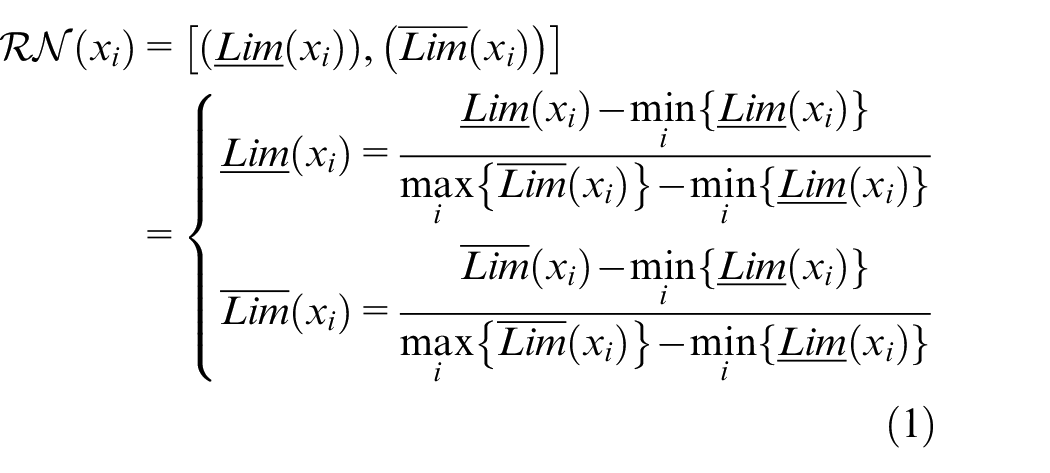
Also, equation (2) is used to de-roughness of the rough number in (1).
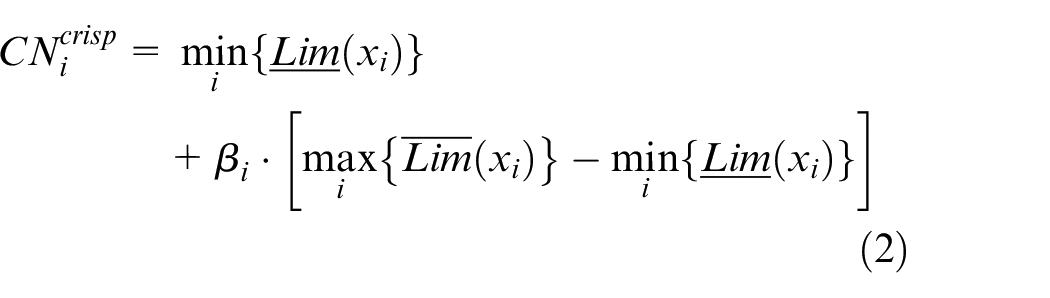
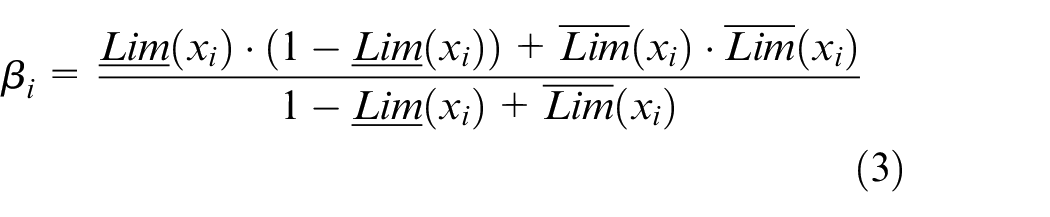
where
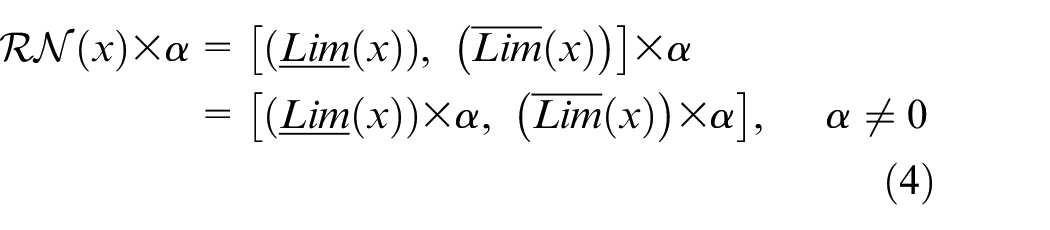
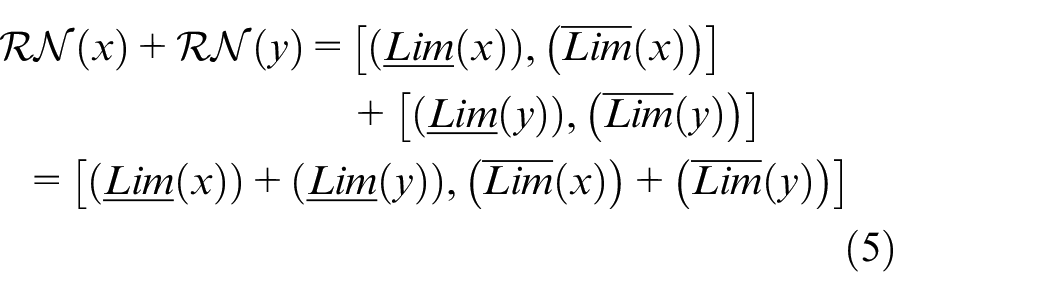
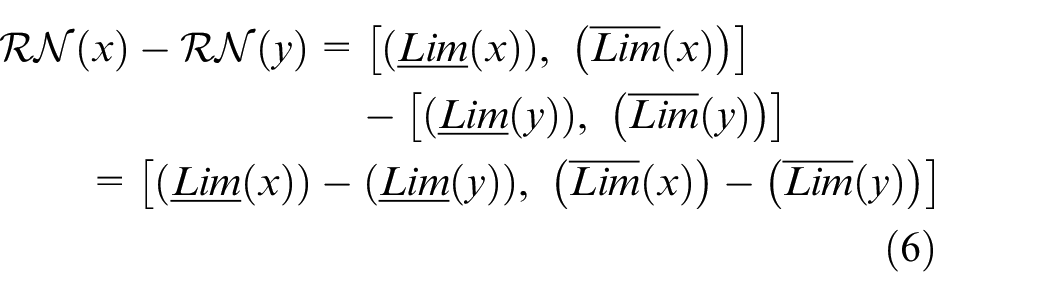
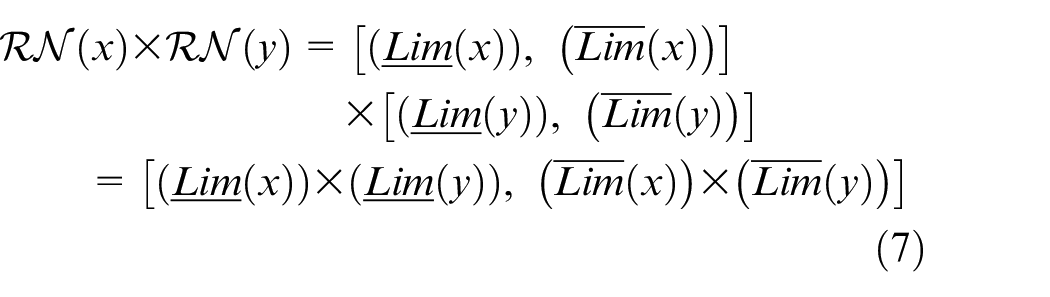
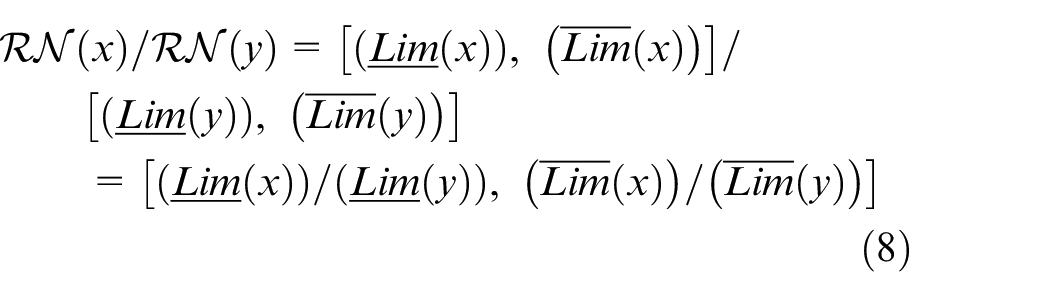
Moreover, the basic arithmetic operations for two rough numbers
Rough Entropy
The entropy7,8 method is one of the MCDM methods widely used to solve many complicated decision-making problems. On the other hand, the authors in Liang et al. 38 combined the rough set concept with information entropy to be an effective assessment framework to deal with alternatives based on the related multiple criteria. Herein, the main procedures of the R-Entropy as presented as follows:
Step 1: Formed the rough group decision matrix
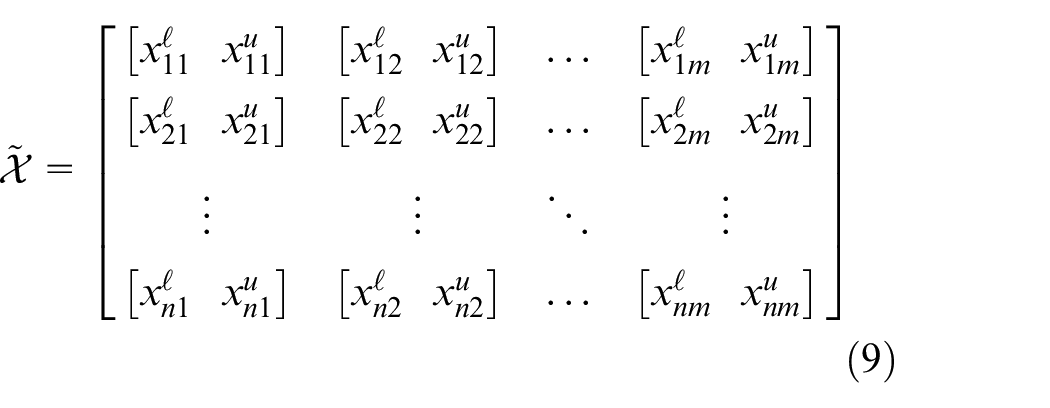
Step 2: The rough pairwise matrix in equation (9) can be converted into crisp pairwise matrix as showed in equation (10) using applying the equations (11–13)

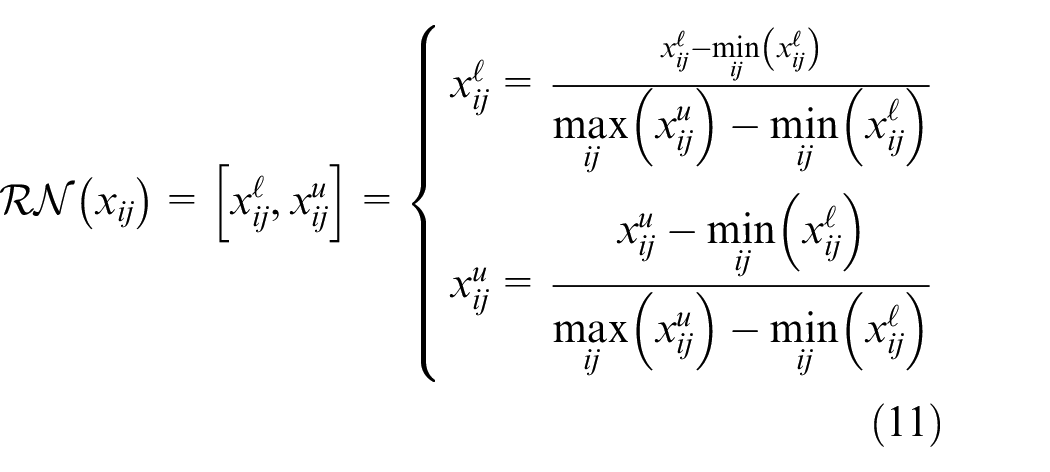
Hence, the crisp value is calculated using equation (12).
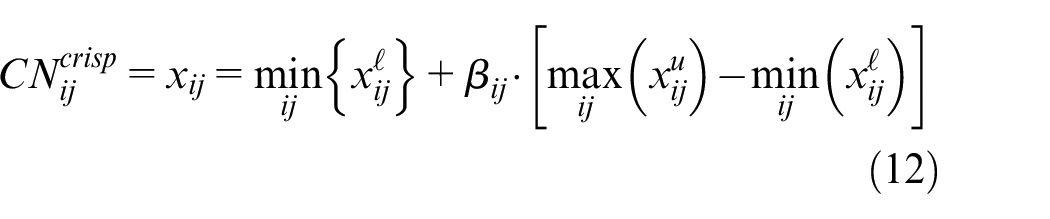
where

Step 3: Obtain on the crisp weights using equations (14)–(17).




Rough TOPSIS
In 1981, Hwang and Yoon 5 proposed a new efficient MCDM method, namely, the TOPSIS method. The method is based on finding the positive and negative ideal solutions where the best alternative is the nearest to the positive ideal solution and, at the same time, is the farthest from the negative ideal solution.
The main steps of the modified rough-TOPSIS method are:
Step 1. Construct the rough group decision matrix
Step 2. Use equation (18) to normalize the decision matrix.
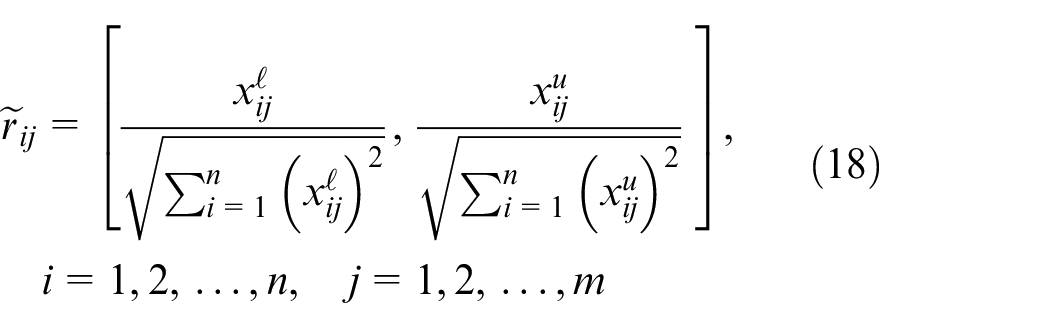
Step 3. Calculate the weighted normalized matrix via equation (19)
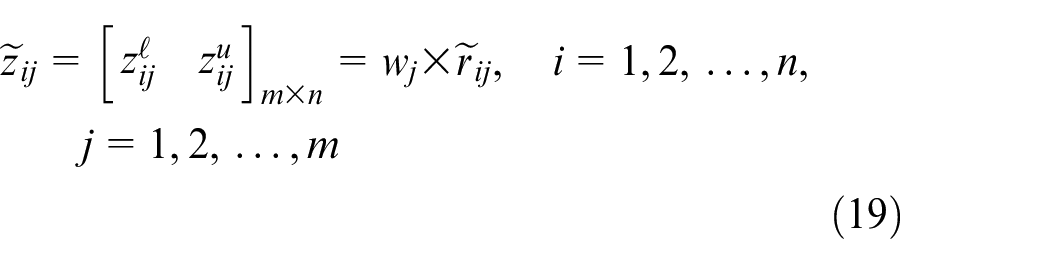
where
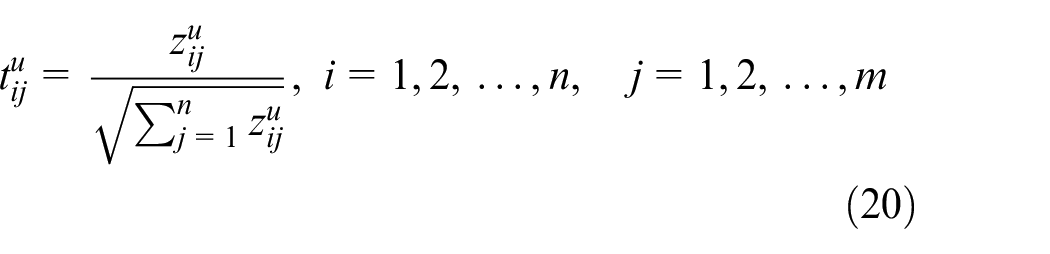
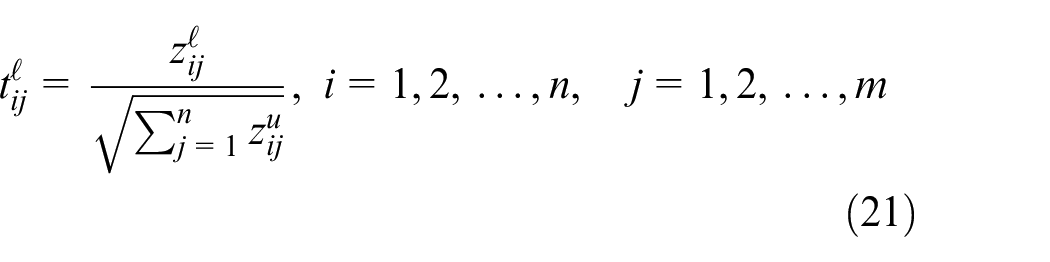
Step 4. Convert the weighted normalized matrix in (19) to the pairwise matrix using equations (20) and (21):
Step 5. Compute the


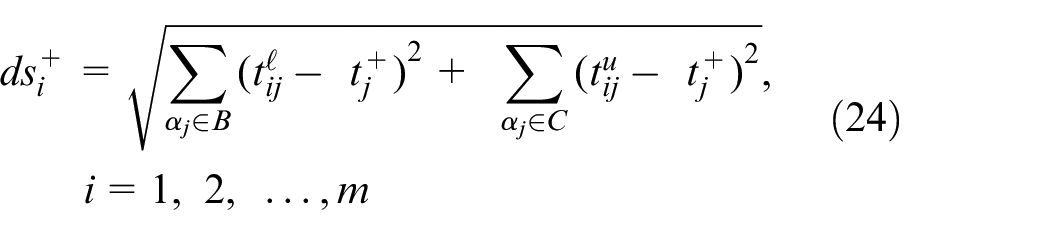
Step 6. Employ equations (24) and (25) to calculate the Euclidean distance between the positive ideal solution
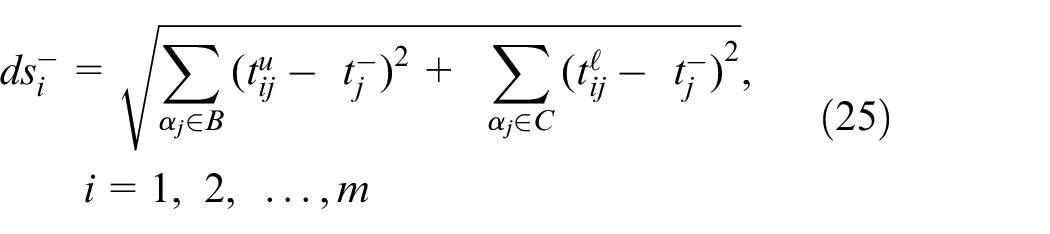
Step 7. Compute the proportional closeness to the negative ideal solution for each alternative using equation (26).

The alternatives will be ranked based on the proportional closeness score
Proposed Approach
This section presents the main procedures followed in this study, where data were collected from Legatum Institute 1 for the target countries. Since we are studying measurements under uncertainty, the values obtained are represented as rough numbers. Thus, the interval length was the difference between the maximum and minimum values. Then, the rough interval matrix was converted to crisp values using equation (2). In the second phase, each of the two methods was applied to rank each pillar and evaluate each country’s performance. Finally, based on the results obtained, we compared the obtained results with 2021 LPI.
The main steps of the proposed methodology is summarized in the following flowchart (Figure 1):
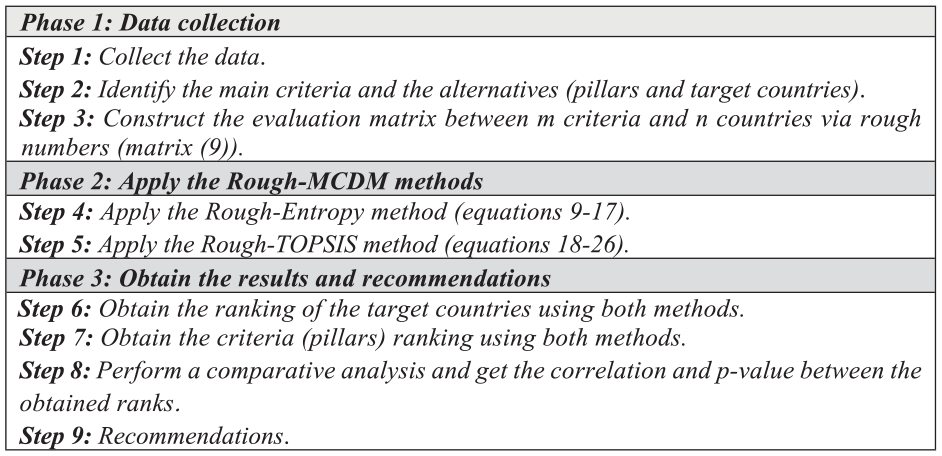
The flowchart of the proposed approach.
Discussions
Data collection
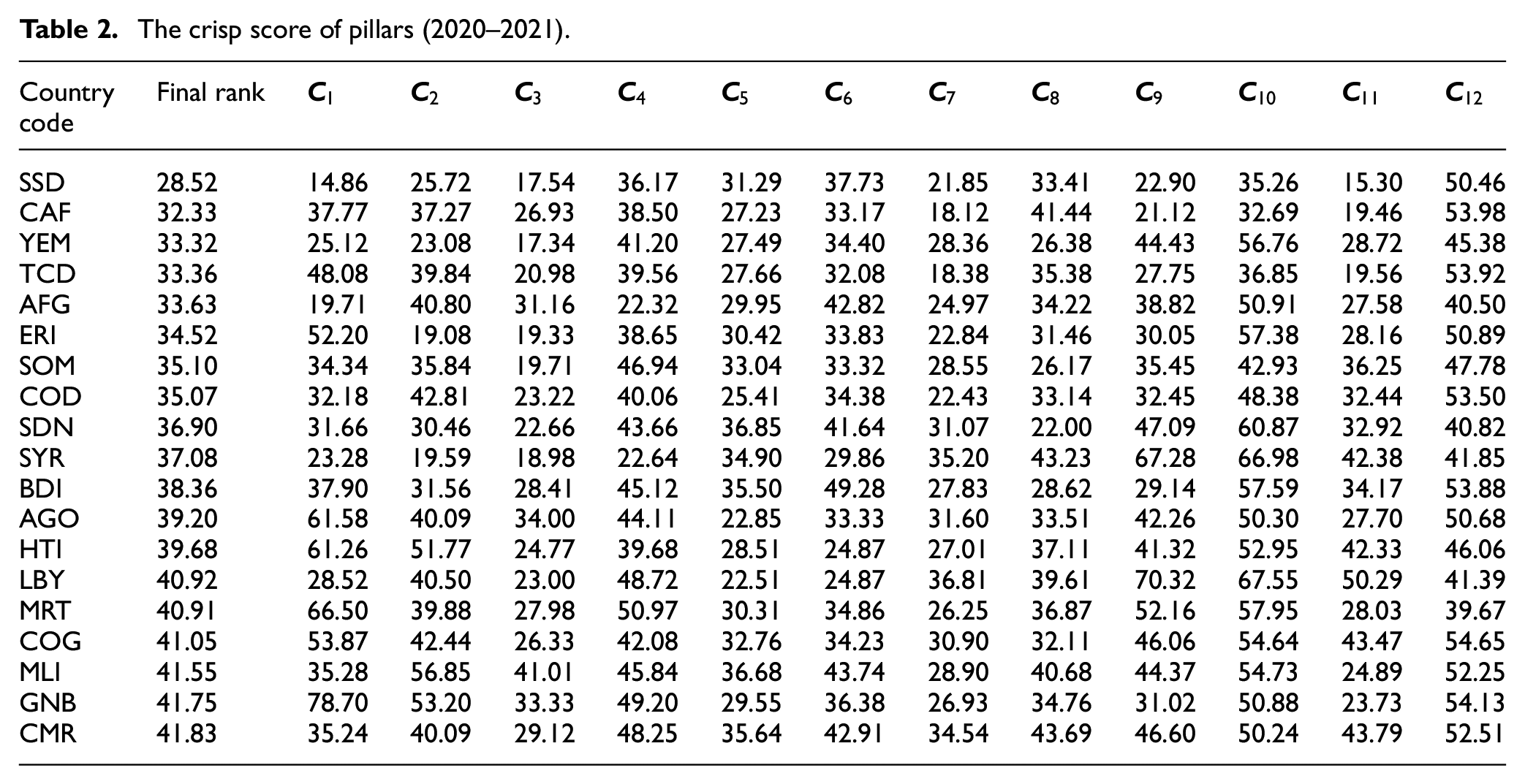
We used real data collected based on Legatum Prosperity Index 20211 to validate the efficacy and practicality of the proposed MCDM approach. In this study, the 19 countries in the bottom list of the 2021 LPI ranking are studied as a case study. We compare the results obtained by both methods with the ranking in the 2021 LPI. Finally, management implications are provided to assist decision-makers in developing relevant ranking indexes. Table 1 reports the pairwise interval rough matrix of the countries and the pillars. The approximation boundaries of the rough interval were found by finding the minimum and maximum of the scores 2020 LPI and 2021 LPI. While Table 2 shows the crisp score, which can be calculated using equation (2).
The interval rough of pillars (2020–2021).
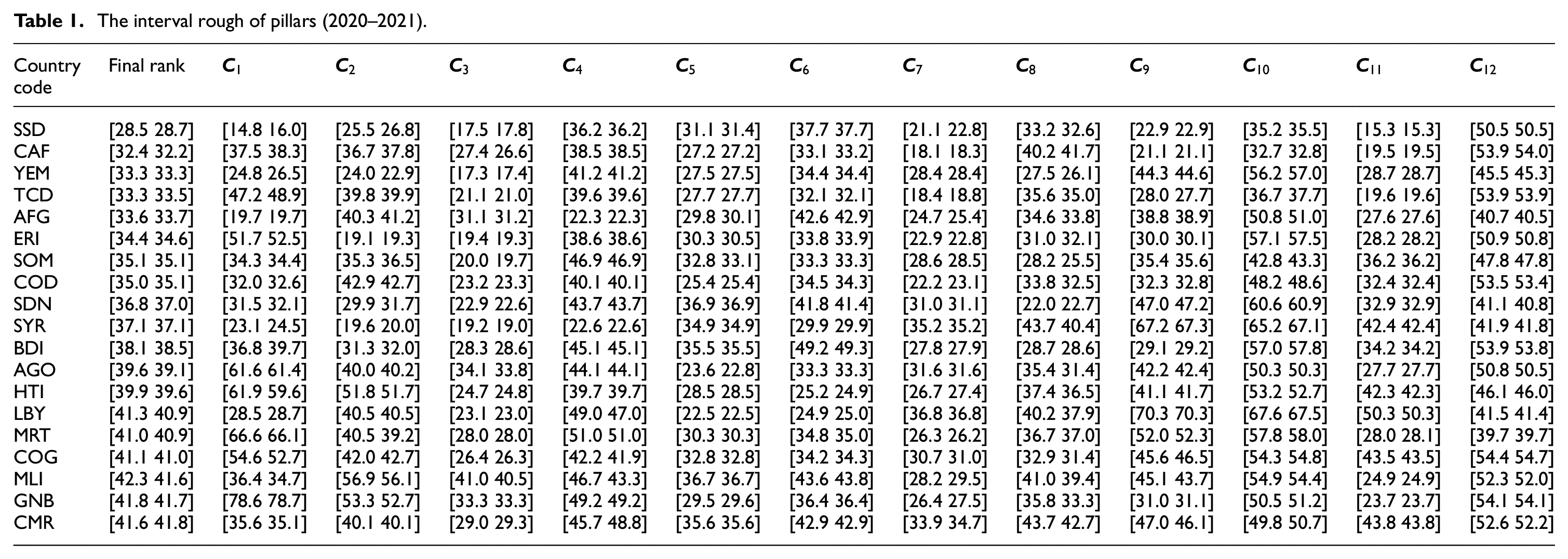
The crisp score of pillars (2020–2021).
Results
Result of rough entropy
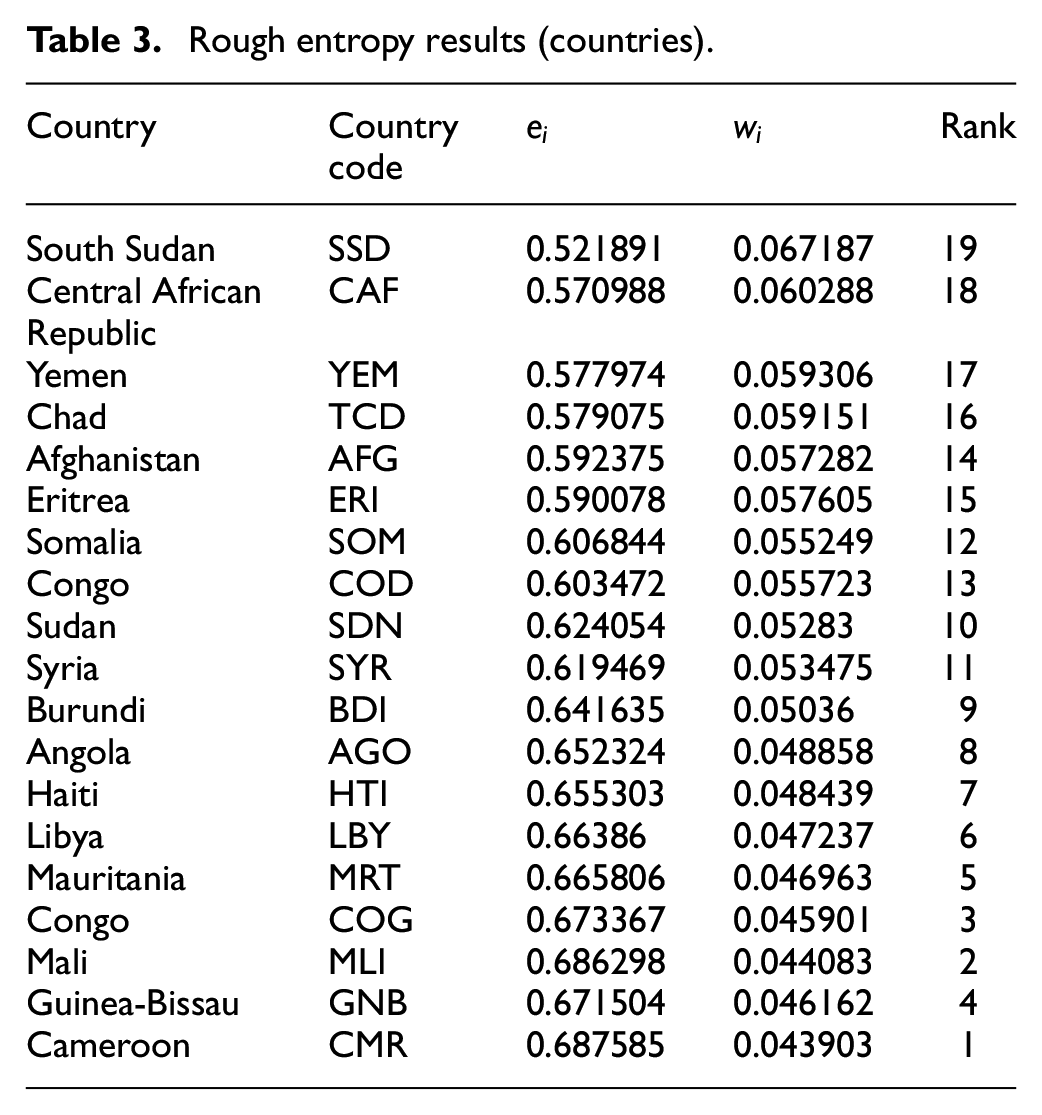
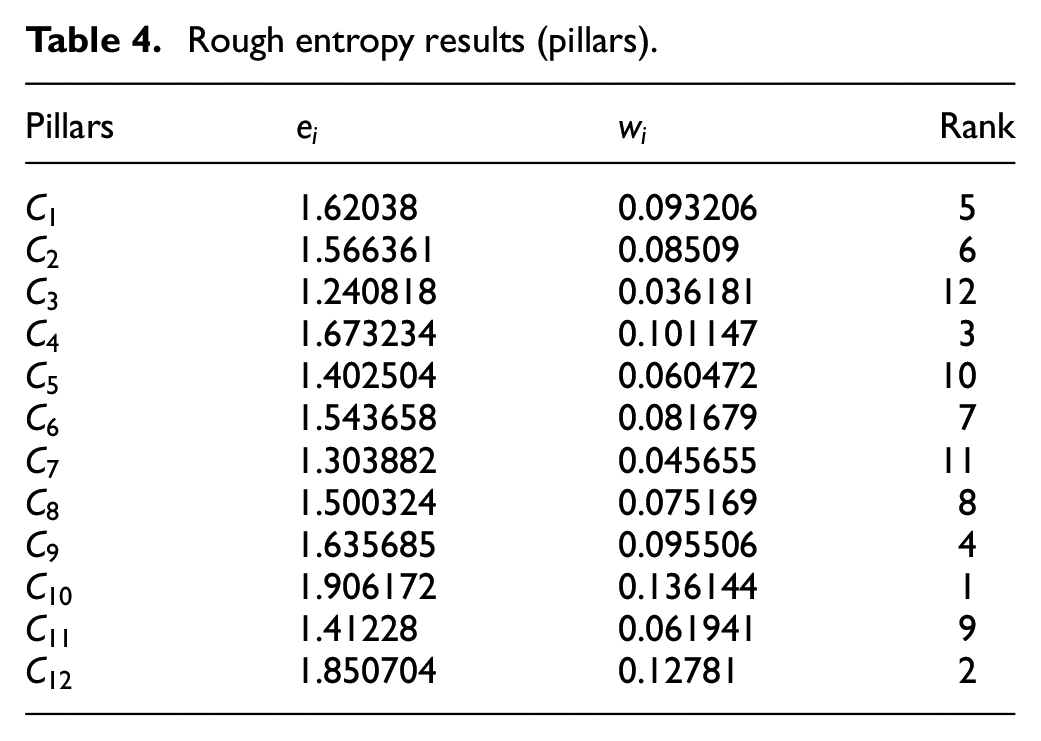
Table 3 and Figure 2 show the obtained results using the rough entropy method (using equations 9-17) for ranking the countries under study. It shows both the
Rough entropy results (countries).
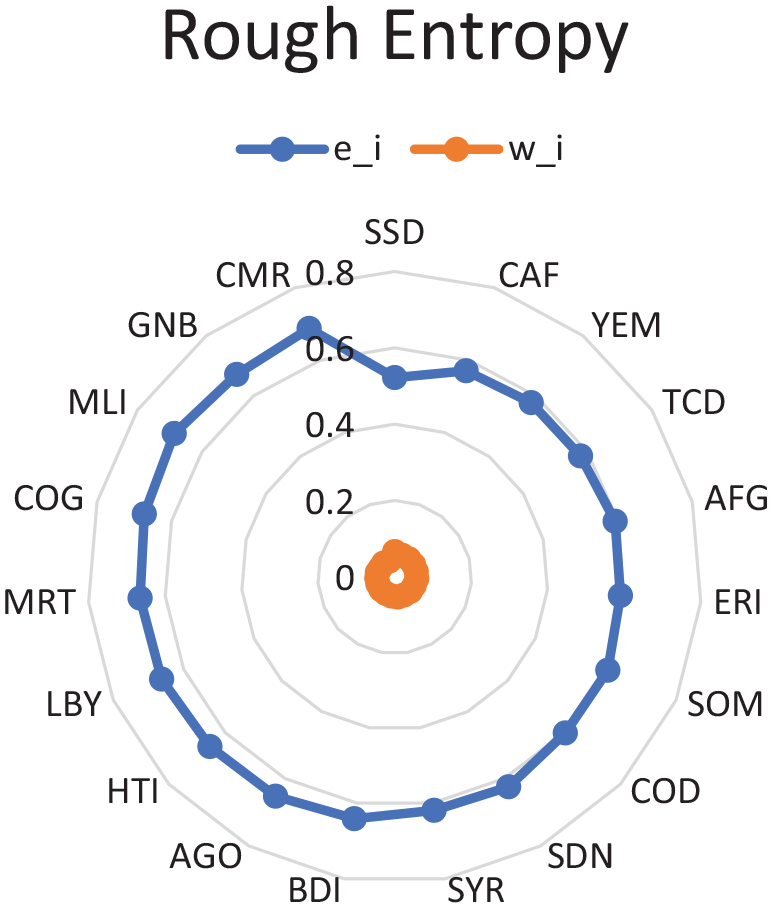
The results of the countries (rough entropy method).
Rough entropy results (pillars).
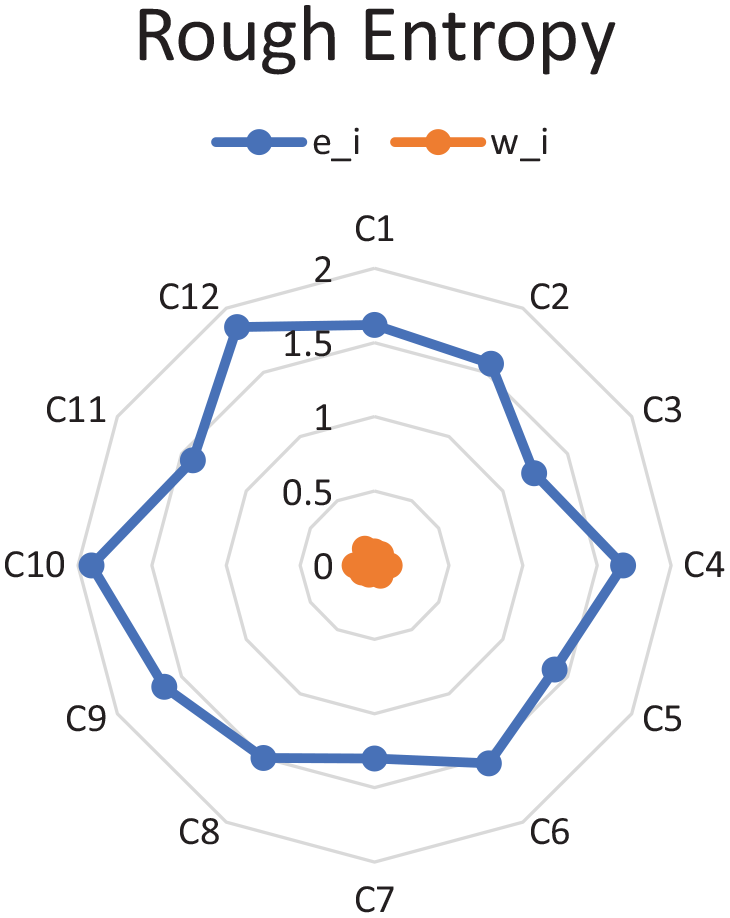
The results of the pillars (rough entropy method).
Results of rough TOPSIS
Table 5 and Figure 4 show the obtained results using the TOPSIS method (using equations 18-26) for ranking the countries and show both the Euclidean distance from the positive ideal solution
The rough TOPSIS results (countries).
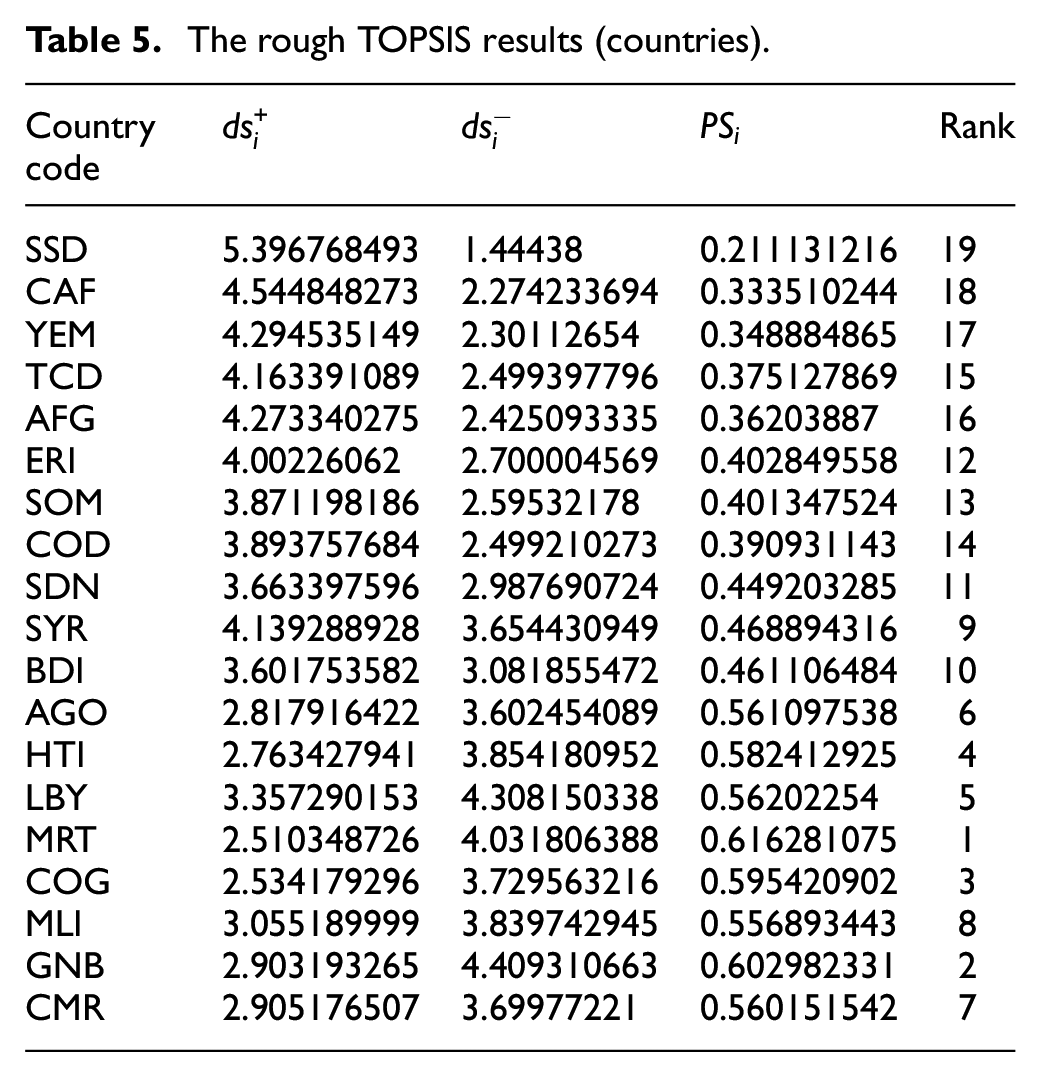
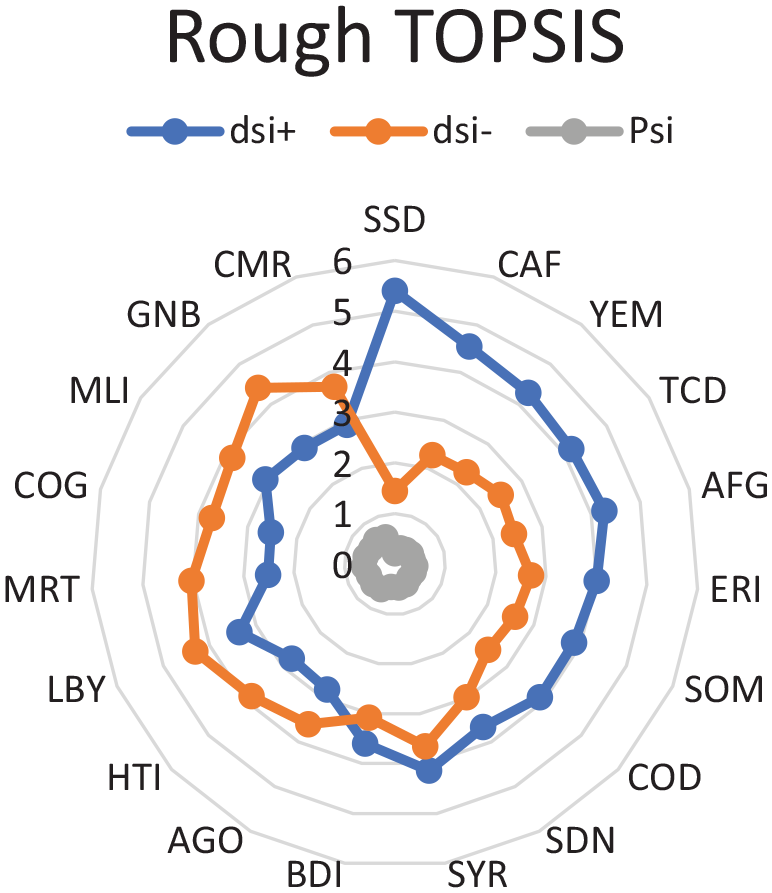
The results of the countries (rough TOPSIS method).
The rough TOPSIS results (pillars).
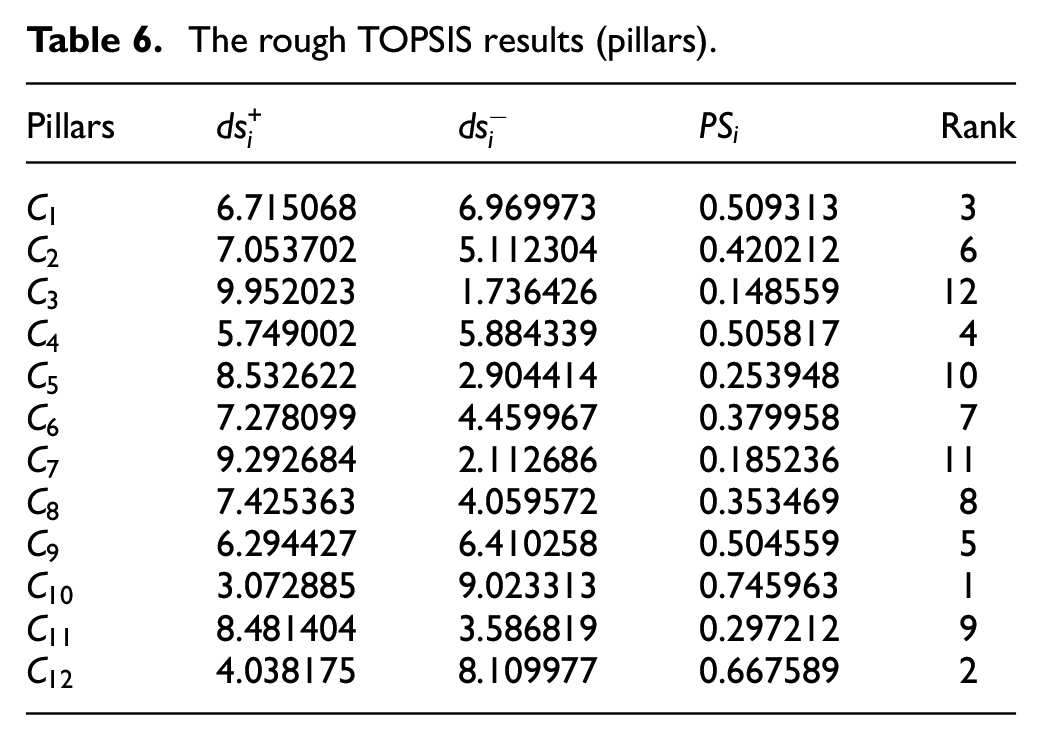
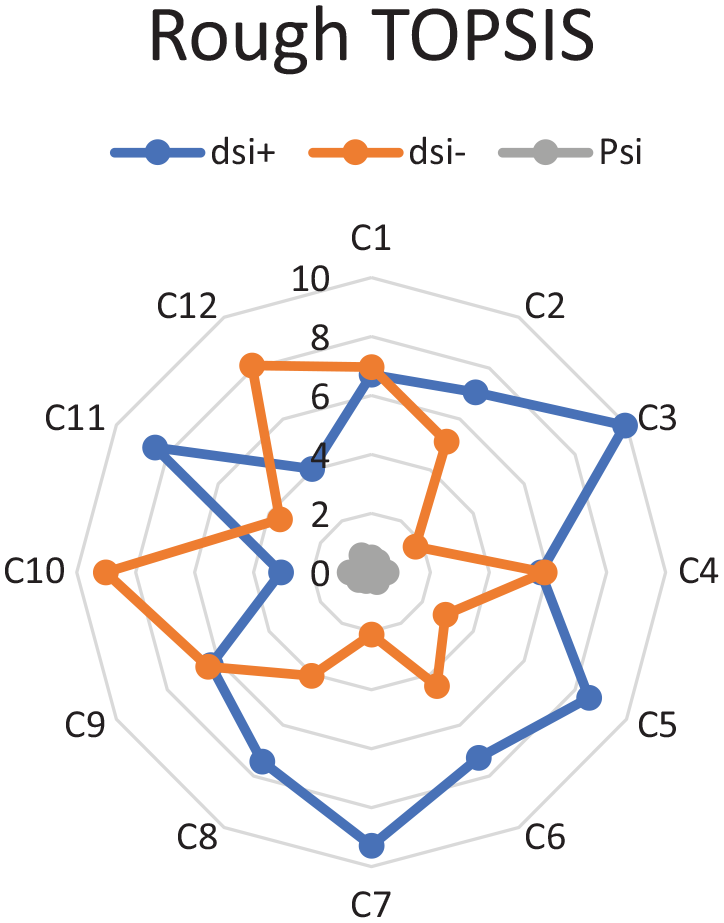
The results of the pillars (rough TOPSIS method).
Comparison
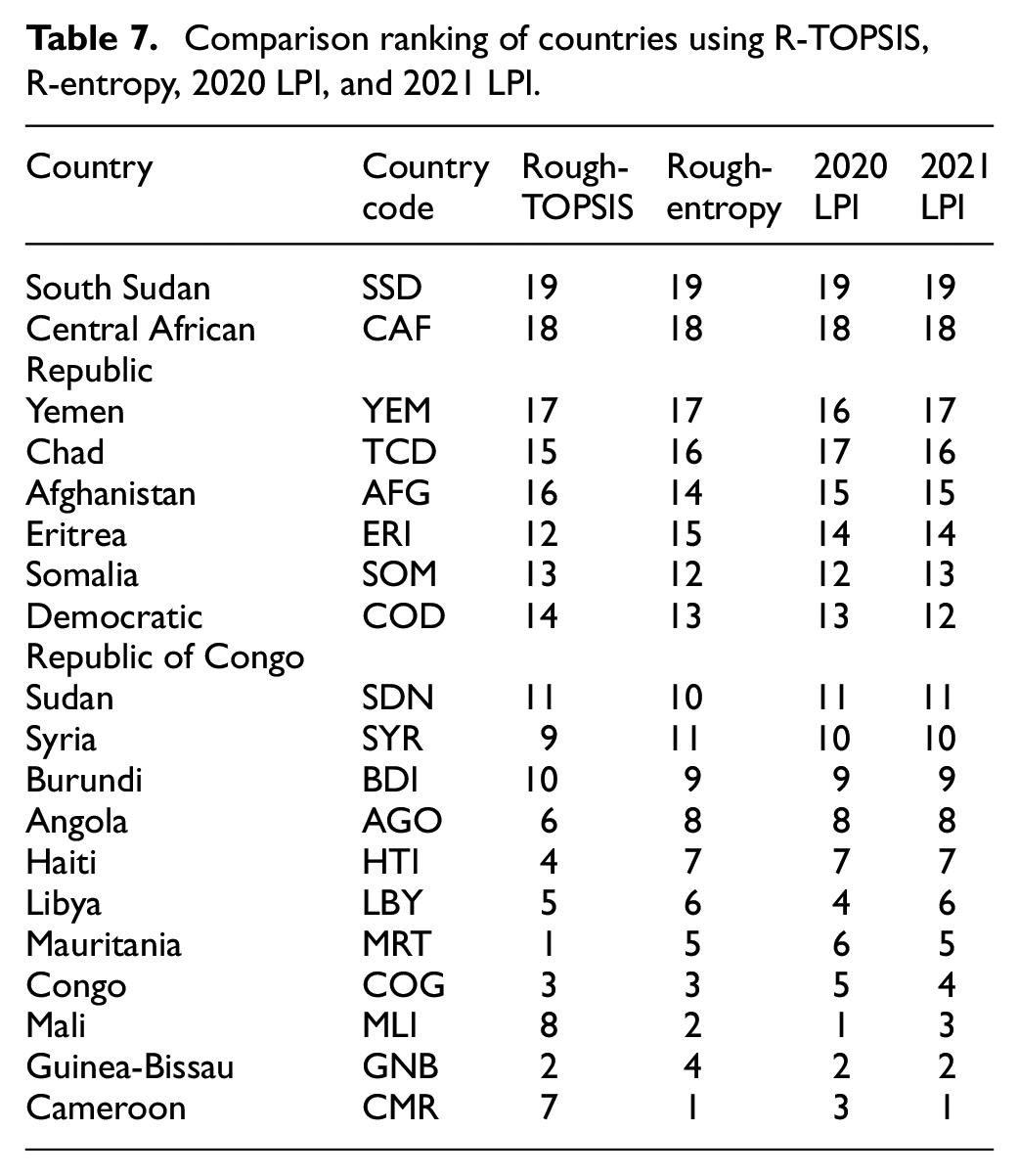
Table 7 and Figure 6 show the comparison results using rough TOPSIS, rough entropy, LI2020, and LI 2021 for ranking the countries. Both proposed methods indicated that South Sudan has the worst rank, identical to the Legatum Index 2020 and 2021. It is at the bottom of the ranking list and is considered the least prosperous country in the world, and this is a natural result of the continuation of civil wars, which led to the deterioration of all aspects of life. In contrast, the best rank was volatile, whereas Cameroon got the best rank using the rough entropy method, which aligned with the 2021 LPI. In contrast, Mauritania comes in the best rank using the rough TOPSIS method.
Comparison ranking of countries using R-TOPSIS, R-entropy, 2020 LPI, and 2021 LPI.
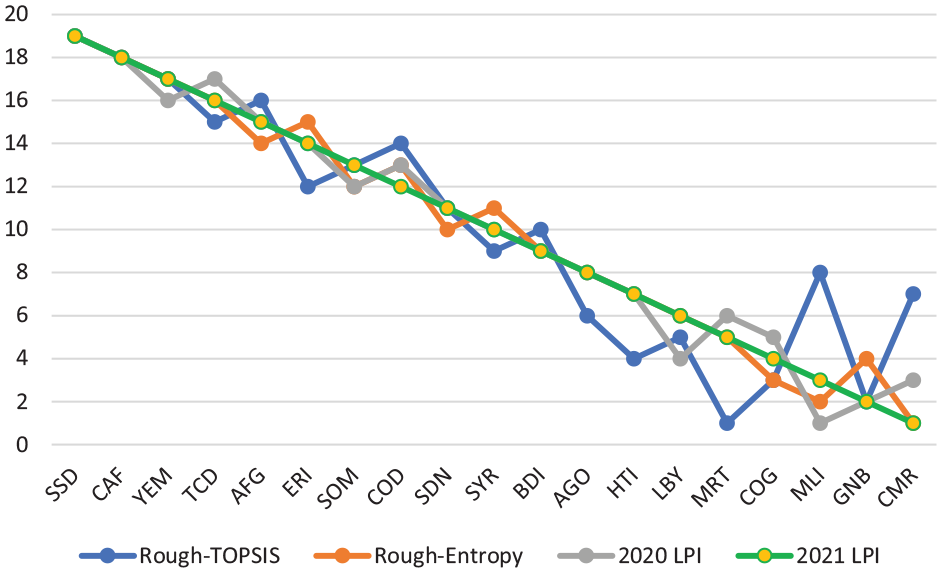
Comparison among R-TOPSIS, R-entropy, 2020 LPI, and 2021 LPI of preference ranking of the countries.
Countries with the same ranking using both methods and 2021 LPI are South Sudan, Central African Republic, and Yemen. The results of the R-TOPSIS method meet with the 2021 LPI in five countries rankings: South Sudan, Central African Republic, Yemen, Somalia, and Sudan. In comparison, the results of the R-entropy method meet with the 2021 LPI in 10 countries rankings, which are: South Sudan, Central African Republic, Yemen, Chad, Burundi, Angola, Haiti, Libya, Mauritania, Cameroon. Also, only South Sudan, the Central African Republic, Yemen got the same ranking using both R-TOPSIS and R-entropy. By comparing the 2021 ranking with 2020, we find that 10 countries kept on their ranking without improvements, namely South Sudan, Central African Republic, Afghanistan, Eritrea, Sudan, Syria, Burundi, Angola, Haiti, and Guinea-Bissau. In contrast, there is a slight improvement for three countries like Chad, the Republic of Congo, Mauritania, and Cameroon. In contrast, four countries deteriorated: Yemen, Somalia, Libya, and Mali.
The obtained ranks from R-entropy are very similar from 2021 LPI and slightly different from the R-TOPSIS method due to the different methodology. However, there is consistency between the rankings to a significant extent.
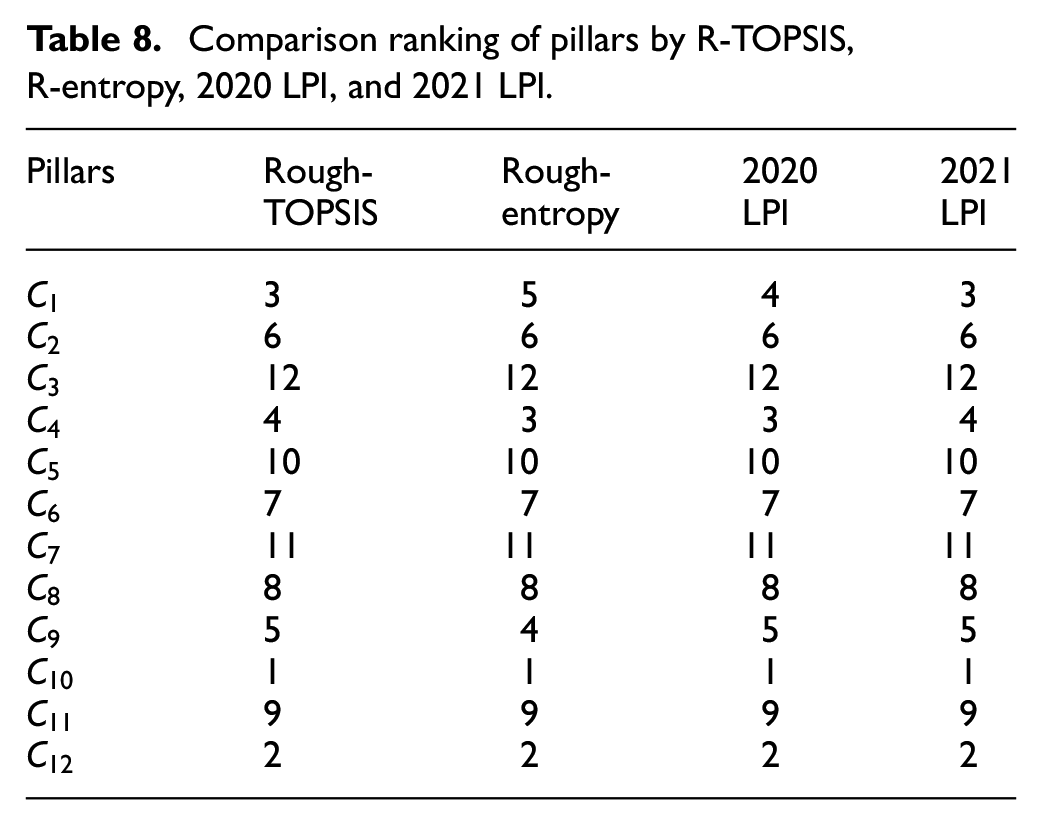
Table 8 and Figure 7 show the comparison results using rough TOPSIS and rough entropy methods with the ranks of 2020 LPI and 2021 LPI to rank the pillars. It is clear from Table 6 that Governance was the worst of all using both methods, while the health got the best rank using both methods, which is similar to ranking 2020, 2021.
Comparison ranking of pillars by R-TOPSIS, R-entropy, 2020 LPI, and 2021 LPI.
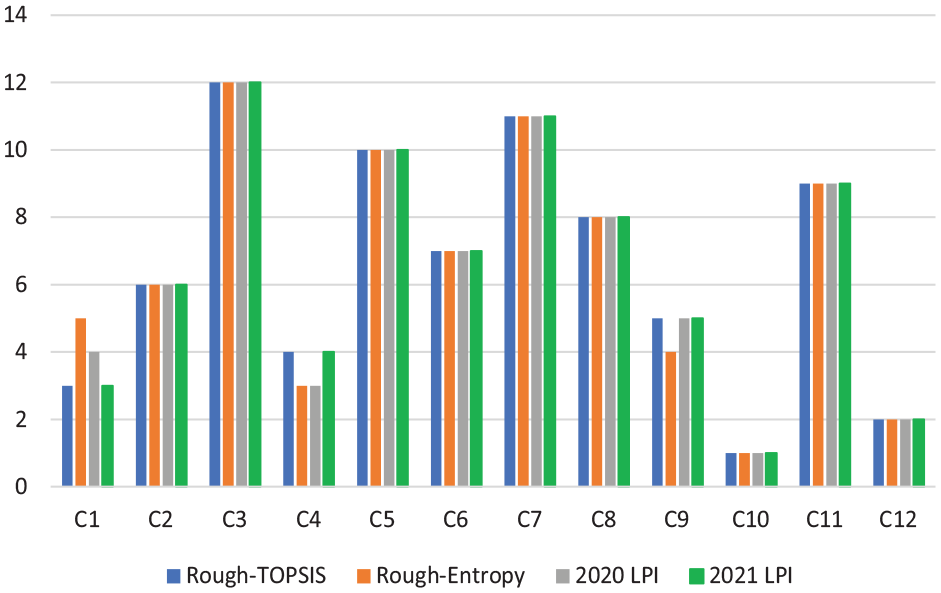
Comparison among R-TOPSIS, R-entropy, 2020 LPI, and 2021 LPI of preference ranking of the pillars.
Pillars with the same ranking using both methods and 2020 LPI, 2021 LPI are Personal Freedom, Investment Environment, Enterprise Conditions, Market Access, and Infrastructure, Economic Quality, Education, and Natural Environment.
The main pillar that has seen deterioration was Governance. Then, market access and infrastructure, and the investment environment. On the other hand, the best pillars were health, then the natural environment. In general, the empowered people domain was the best, followed by inclusive societies, and finally, open economies.
In a word, the results show that most rankings are almost the same. These results confirm that the proposed methods are stable and credible for design concept evaluation.
Sensitivity analysis
To show the relationship between the ranking of countries obtained by both methods, we calculated the Pearson correlation coefficient as reported in Table 9. A positive scientific relationship can be seen between the ranking obtained R-TOPSIS and R-entropy with a correlation value of 0.887719298 and a P-value of 3.97332E-07. Although the rough-TOPSIS and rough-entropy methods used belong to MCDM, the results obtained are slightly dissimilar due to the differences in their methodologies.
Pearson Correlation coefficient and p-value results of the given methods pairwise for the countries.
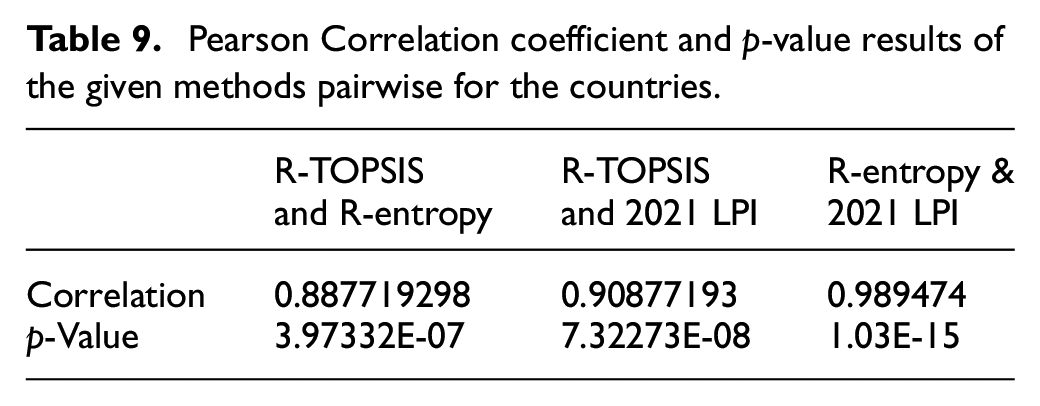
Moreover, there is a good positive relationship of the ranking from the R-TOPSIS and 2021 LPI with a correlation value of 0.90877193 and a p-value of 7.32273E-08. In addition, there is a strong positive relationship of the ranking obtained by the R-entropy and 2021 LPI, where the correlation value was 0.989474 and a p-value of 1.03E-15. Figure 6 shows the comparison of preference ranking of the countries using both proposed methods and 2020 LPI and 2021 LPI.
Furthermore, to investigate the relationship among the ranking of pillars obtained by both methods, Table 10 presents the Pearson correlation coefficients were calculated and the p-values. Again, there is a positive scientific relationship between the ranking obtained by R- TOPSIS and R-entropy, where the correlation value was 0.979021 and a p-value of 3.0898E-08. And there is a very strong positive relationship of the ranking using the R- TOPSIS and 2021 LPI with a correlation value of one and a p-value of 1.0135E-157. Moreover, there is a good-positive relationship between the R-entropy and 2021 LPI (the correlation value was 0.979021, and the p-value was 3.0898E-08). Figure 7 shows the comparison of preference ranking of the pillars using the given methods. We can note that the positive relationship among the ranking of pillars is better than the positive relationships among countries.
Pearson correlation coefficient and p-value results of the regarded methods pairwise for pillars.
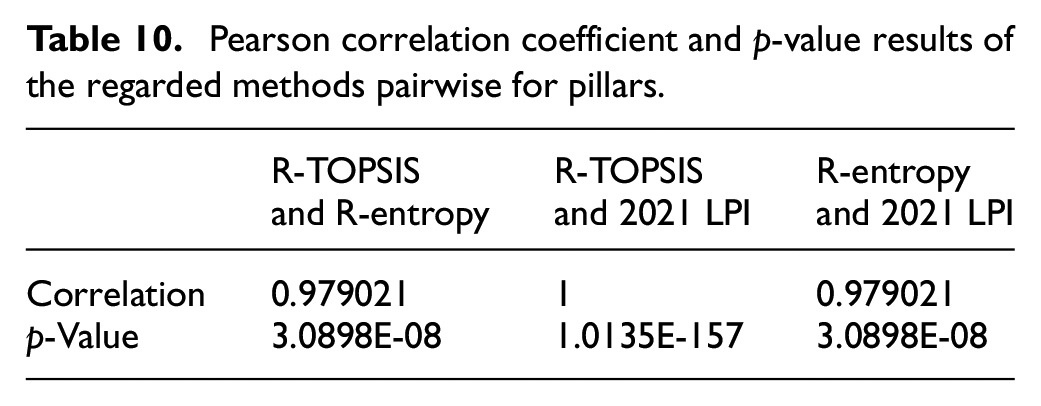
The strong positive relationship came from the fact that most rankings are nearly identical using the proposed methods with the 2021 LPI.
Overall, we can conclude that the results obtained using both methods were consistent with the results released by the 2021 Legatum Prosperity Index. However, the results for R-entropy are more consistent with those for R-TOPSIS.
Also, from comparisons, the main benefits of the MCDM methodology are for both those interested in creating a ranking indicator, as well as for decision-makers such as:
The constancy and consistency of the obtained results make the MCDM approach a feasible and effective tool for evaluating and analyzing data in this field.
The MCDM approach’s ability to handle uncertainty makes it a more flexible and capable tool than other tools.
The MCDM techniques can be used as a tool alongside the tools used for evaluating and analyzing data in the different global performance indicators
Giving glimpses and recommendations of the shortcomings at the level of the pillars in these countries. Thus, decision-makers in these countries can improve their ranks and address deficiencies.
And therefore, the aims of this work have been achieved, which were represented as follows:
✓ Building a robust tool for performing the related ranking.
✓ Develop MCDM in uncertain environments to deal with ambiguous data without subjectivity.
✓ Using more than one approach to obtain a robust and realistic ranking by implementing the sensitivity analysis on the validation results.
Conclusions
Evaluating the performance of countries is a complex problem due to the presence of overlapping qualitative and quantitative indicators. This work aims to present a new approach based on MCDM methods to assess the performance of the most vulnerable countries on the pillars of prosperity from a rough perspective. In this regard, rough-TOPSIS and rough-entropy methods are presented. To expose the rationality and solidity of the obtained outcomes, a comparison with the 2021 LPI ranking was conducted. The findings of the outcomes were almost similar to the 2021 LPI ranking. This indicates how important, powerful, and highly consistent the proposed approach is compared to previously presented tools. This also underscores the need to develop MCDM techniques for assessing and analyzing the pillars of prosperity. Moreover, the proposed approach results will help decision-making achieve the pillars of prosperity and sustainable development goals.
The method proposed in this study has some limitations, which are:
This paper did not determine the weights of the criteria using the MCDM approach,
Sub-criteria were not considered.
As a future work, it would be exciting to improve the limitations of the present study by:
Include all sub-criteria in determining the weights of criteria using the MCDM approach. In addition, this study can be extended to address other uncertainty concepts such as fuzzy or neutrosophic can be applied to other MCDM methods.
Footnotes
Appendix A
The LPI of the weakest performing countries. 1
| Country | Country code | Rank 2007 | Rank 2019 | Rank 2020 | Rank 2021 | Score 2007 | Score 2019 | Score 2020 | Score 2021 |
|---|---|---|---|---|---|---|---|---|---|
| South Sudan* | SSD | 165 | 167 | 167 | 167 | 33.6 | 28.5 | 28.5 | 28.7 |
| Central African Republic | CAF | 166 | 166 | 166 | 166 | 33.5 | 31.9 | 32.4 | 32.2 |
| Yemen | YEM | 154 | 165 | 164 | 165 | 37.9 | 32.4 | 33.3 | 33.3 |
| Chad | TCD | 167 | 164 | 165 | 164 | 31.3 | 33.2 | 33.3 | 33.5 |
| Afghanistan | AFG | 161 | 163 | 163 | 163 | 34.1 | 33.2 | 33.6 | 33.7 |
| Eritrea | ERI | 164 | 162 | 162 | 162 | 33.7 | 34.4 | 34.4 | 34.6 |
| Somalia | SOM | 163 | 160 | 160 | 161 | 33.9 | 34.9 | 35.1 | 35.1 |
| Democratic Republic of Congo | COD | 160 | 161 | 161 | 160 | 34.6 | 34.5 | 35.0 | 35.1 |
| Sudan | SDN | 153 | 159 | 159 | 159 | 38.0 | 36.4 | 36.8 | 37.0 |
| Syria | SYR | 127 | 158 | 158 | 158 | 44.4 | 36.8 | 37.1 | 37.1 |
| Burundi | BDI | 162 | 157 | 157 | 157 | 34.0 | 37.4 | 38.1 | 38.5 |
| Angola | AGO | 159 | 156 | 156 | 156 | 36.9 | 39.3 | 39.6 | 39.1 |
| Haiti | HTI | 157 | 154 | 155 | 155 | 37.8 | 40.3 | 39.9 | 39.6 |
| Libya | LBY | 123 | 152 | 152 | 154 | 45.4 | 41.2 | 41.3 | 40.9 |
| Mauritania | MRT | 150 | 155 | 154 | 153 | 39.1 | 39.3 | 41.0 | 40.9 |
| Congo | COG | 151 | 153 | 153 | 152 | 39.0 | 40.3 | 41.1 | 41.0 |
| Mali | MLI | 130 | 149 | 148 | 151 | 43.9 | 41.7 | 42.3 | 41.6 |
| Guinea-Bissau | GNB | 155 | 151 | 150 | 150 | 37.9 | 41.4 | 41.8 | 41.7 |
| Cameroon | CMR | 141 | 147 | 151 | 149 | 41.3 | 41.8 | 41.6 | 41.8 |
In 2011, South Sudan separated from Sudan and became independent.
Acknowledgements
We should like to thank the Editors of the journal as well as the anonymous reviewers for their valuable suggestions that make the paper stronger and more consistent.
Authors’ contributions
Ahmad Alshamrani, Data collection and curation, Formal analysis, Funding acquisition, Investigation, Methodology, Project administration. Ibrahim M. Hezam, Conceptualization, Formal analysis, Funding acquisition, Investigation, Methodology, Project administration, Resources, Software, Validation, Visualization, Writing - original draft, Writing - review editing. All authors read and approved the final manuscript.
Declaration of conflicting interests
The author(s) declared no potential conflicts of interest with respect to the research, authorship, and/or publication of this article.
Funding
The author(s) disclosed receipt of the following financial support for the research, authorship, and/or publication of this article: The authors extend their appreciation to the Researchers Supporting Project number (RSPD2023R533), King Saud University, Riyadh, Saudi Arabia.
