




Abstract
The COVID-19 pandemic has left severe impact on livelihood, security and health of informal sector workers, especially domestic workers, majority of whom are women. Being least organised and lacking institutional support, domestic workers are extremely vulnerable to exploitation and human rights violations, and the pandemic has aggravated the situation. Telephonic interviews were conducted with 260 domestic workers from three cities, namely Delhi, Mumbai and Kochi with focus on working conditions, livelihood and household dynamics, health scenario and state support during the pandemic. The data was substantiated with qualitative inputs from in-depth interviews conducted with 12 domestic workers across the cities. In the results, widespread job loss is reported among domestic workers during March–June 2020 along with drastically reduced income and increased workload. About 57% domestic workers reported stigma and discrimination at workplace, and 40% worked without any safety measures. Incidence of domestic violence at home, increased work burden at home, issues in access to health care, etc., were reported. The study findings point out the urgent need to have a national-level policy and state support specifically targeting women domestic workers, without which the situation of poverty, health hazards and social exclusion will continue to exist.
I. Introduction
The COVID-19 disease, declared as a pandemic in 2020 by World Health Organization has been causing unequivocal challenges to the global public health system (World Health Organization [WHO], 2020). The global economy came to a standstill with countries announcing partial or complete lockdown resulting in unprecedented social and economic distress to the world population. The public health crisis comes at a time when India’s Gross Domestic Product growth was already slowing down, and unemployment was on the rise (Dev & Sengupta, 2020). While the pandemic has affected livelihoods across the social classes in India, the employment protection and social security of those in the informal sector, who constitute 86% of the workforce stands most affected, as they struggle to meet the basic necessities as well as the threat of infection (International Labour Organization [ILO], 2020a,b). Though different groups of workers are going through similar constraints in terms of livelihood and social safety net, the women domestic workers faced total or near unemployment and economic insecurities due to social distancing and lockdown restrictions. They remained mostly outside the picture of relief mechanisms in the country.
II. Situation of the Domestic Workers: Before and During the Pandemic
The current number of domestic workers in India range from official estimates of 4.2 million to unofficial estimates of more than 50 million. Two-thirds of the total domestic workers in India live in urban areas and about 75% of them are women (Ghosh, 2013). The women work as part-time or stay-at-home domestic workers, and their household expenses are predominantly met through the income they earn. In spite of the large worker population, domestic work is not recognised as ‘work’ and is always treated as the lowest in the occupation hierarchy. This structural issue of injustice where the society deny recognition of the domestic workers as ‘workers’ have left them at the mercy of their employers (Chandramouli, 2018). Domestic workers face tough working conditions and are left without any social security protection. They are unprotected by labour legislations except for the Unorganised Workers Social Security Act, 2008 (Ghosh, 2013), the benefits of which mostly do not reach the workers due to the informality of the contracts and ignorance about the social security provisions. National Policy for Domestic Workers has been drafted by Government of India to ensure the rights and social protection of the workers formally through legislative measures but has yet not been materialised.
In India, women participation in domestic work sector is a common feature which indicates feminisation of domestic work (Augustine & Singh, 2016). Low wages and lack of legal protection (Neetha & Palriwala, 2011), unpaid overtime and occupational health problems (Paul et al., 2018), poor bargaining power, working without leave under coercion, child care issues and health ailments such as back pain and skin allergy (Moghe, 2013), physical and sexual violence (Hamid, 2006; Paul et al., 2018), exploitative working conditions and human right violations (Chandramouli, 2018), absence of a formal organisational framework for domestic workers, lack of representation of domestic workers in associations, exclusion of domestic workers from legal rights for minimum wages (Bhattacharya et al., 2010; Chandramouli, 2018) were found to be issues affecting social justice of women domestic workers in various studies. In the context of India, caste, religion and gender dimensions also play a major role in determining the features of domestic work as well as nature of exploitation (Raghuram, 2001) which also influences the bargaining power of the domestic workers.
The social and economic distress faced by domestic workers across the country due to the COVID-19 pandemic, added to the existing inequities and right violations especially in urban areas. In Mumbai, many domestic workers from slum areas working in the upper middle-class houses of the neighbourhood were sent back on unpaid leave amidst the lockdown (Parth, 2020). In Delhi, domestic workers complained of reduced wages and non-payment during March–April 2020 and later joblessness. Those who were not listed in the ration registry based on 2011 census and migrant labourers were left out from public provisioning (Goel et al., 2020; Yadav, 2020). Whereas majority of 180,000 migrant workers in Delhi without documents were unable to access social security and relief measures offered by the government during the pandemic, the native workers in Kerala, could avail free ration and community kitchen services instituted by the state (Self-Employed Women's Association [SEWA], 2020). Absence of formal registration with social security board denied women domestic workers of any government relief during the pandemic times whereby 51% had difficulty buying essential food items and 36% had difficulty with health care access (Institute of Social Study Trust, 2020). Telephonic survey with 500 domestic workers in Jaipur showed that only 51% of the workers were paid salary for the work they did in the month of March and 44% of the workers ended up borrowing money from money lenders at exorbitant interest rates (Bharti, 2020). Deshpande (2020) highlights the gender gap in the average hours spend on work which increased post-lockdown for the domestic workers. Due to lack of uniformity in wage structure, the marginalisation and vulnerabilities of the domestic workers in Cuttack doubled during the pandemic (Nanda, 2016). About 80% of the high-volume domestic workers (more than 10 jobs per week) ended up almost jobless and half of them reported poor access to medical care during the period (National Domestic Workers Alliance, 2020). Anandi and Deepa (2020) based on their study in Chennai city concluded that working in high-risk conditions without safety measures and lack of access to health care made domestic workers most vulnerable amongst the informal sector employees.
Comparable conditions of women domestic workers are reported from other parts of the world. Termination of employment, salary cuts and denial of payment, increased and uncompensated loads of labour, lack of access to government relief and subsidies, and lack of care for own health risks due to pandemic (International Domestic Workers Federation [IDWF], 2020), contextual vulnerabilities which include caring for at-risk population (aged people), extra workload without extra pay, lack of access to health care, lack of safety at workplace, health risks in Latin American and Caribbean countries (UN WOMEN, 2020), lack of access to comprehensive protection schemes resulting in poor access to essential food items, constraints in immunisation for infants and safe childbirth in Peru where 90% of the domestic workers are women (Perez & Gandolfi, 2020), increased instances of violence both at home and workplace and feeling of isolation, fear and anxiety among women domestic workers in Ethiopia (Amdeselassie et al., 2020) and stigmatisation and harassment by employers (ILO, 2020) were reported globally.
Considering the universality of the structural inequities faced by the domestic workers and the significance of having a deeper understanding of the phenomenon in the context of the pandemic, a study was undertaken to develop a comprehensive outline of the constraints faced by domestic workers. The study attempted to assess the situation of domestic workers in relation to changed working conditions, livelihood and family dynamics and also to document the state support systems in place to address the issues. The study outcome is expected to have policy implications towards addressing the experience of social exclusion of domestic workers from the state welfare framework and also towards tackling the existing systemic labour right violations.
III. Materials and Methods
The study was undertaken using mixed methods, through which quantitative and qualitative dimensions of the issues related to livelihood and working conditions of the domestic workers during pandemic scenario in India were explored. The data was collected from 260 women domestic workers from three major cities in India, namely New Delhi, Mumbai and Kochi. The cities were chosen based on preliminary newspaper reports about the plight of domestic workers in these cities during the lockdown period. The contact details of the women domestic workers were collected through non-governmental organisations and Domestic Worker’s Collectives working in these cities who maintain the data of workers registered with them. In Kochi, 305 people were registered, followed by 256 in Mumbai and 227 in New Delhi and one-third of the workers from these lists were selected with due permission. Accordingly, using lottery method, we selected 101, 84 and 75 samples from Kochi, Mumbai and New Delhi, respectively. The survey focused on socio-demographic details, working conditions, employer–worker relationships, impact of the pandemic on livelihood and family conditions, health care and state support systems for the workers during the pandemic situation. Data analysis was done using SPSS package and descriptive statistics presented using figures and tables. Qualitative evidences were also collected through telephonic conversations with 12 domestic workers, 4 each from New Delhi, Mumbai and Kochi. These 12 workers were selected as they are the peer leaders who are organising the workers under the NGO’s guidance. The interviews were transcribed and coded and a manual analysis was done to identify the emerging themes. The study protocol and the tool were submitted to the Internal Human Ethics Subcommittee of the University and the necessary approval was sought. Informed consent was taken during interview and the confidentiality of the collected data is maintained.
IV. Results and Discussion
The data analysed here include the general socio-economic profile of the women domestic workers, their working conditions, livelihood and household dynamics during the pandemic, health issues and access to health care during the period and the nature of state support extended to the domestic workers.
General Profile of the Respondents
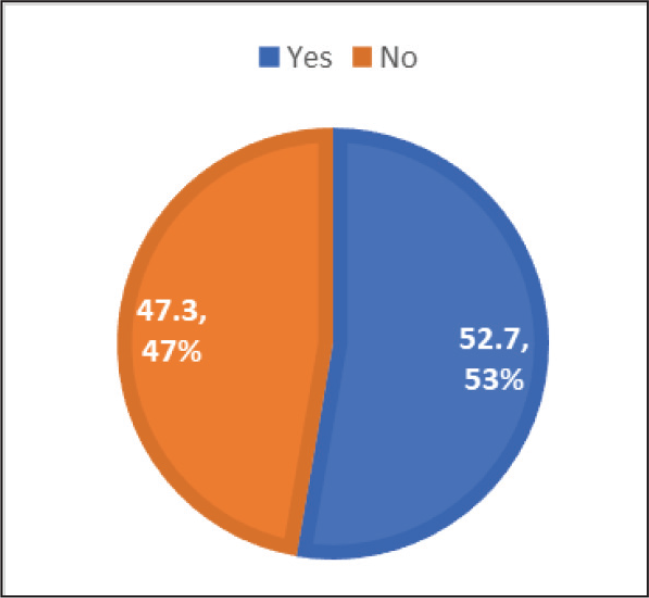
Among the 260 women domestic workers who participated in the study from New Delhi, Mumbai and Kochi, 30% belonged to Other Backward Classes (OBC), 28.5% General, 24.6% Scheduled Castes (SCs) and 16.9% Scheduled Tribes (STs) communities. In the age wise categorisation, majority of the respondents belonged to 42–49 years (26.5%), 34–41 years (21.5%) and 26–33 years (19.2%). The age group of the rest of the respondents belonged to 50–57 years (15.8%), 18–25 years (10%) and 58–65 years (6.9%). Among the respondent domestic workers, 53% were migrants (predominantly from a rural village to the city) while the rest (47%) were natives (see Figure 1). The interstate analysis of the respondents showed that Delhi has the most number (69) of migrant domestic workers followed by Mumbai (62), while it was the lowest (6) in Kerala.
Migration Status.
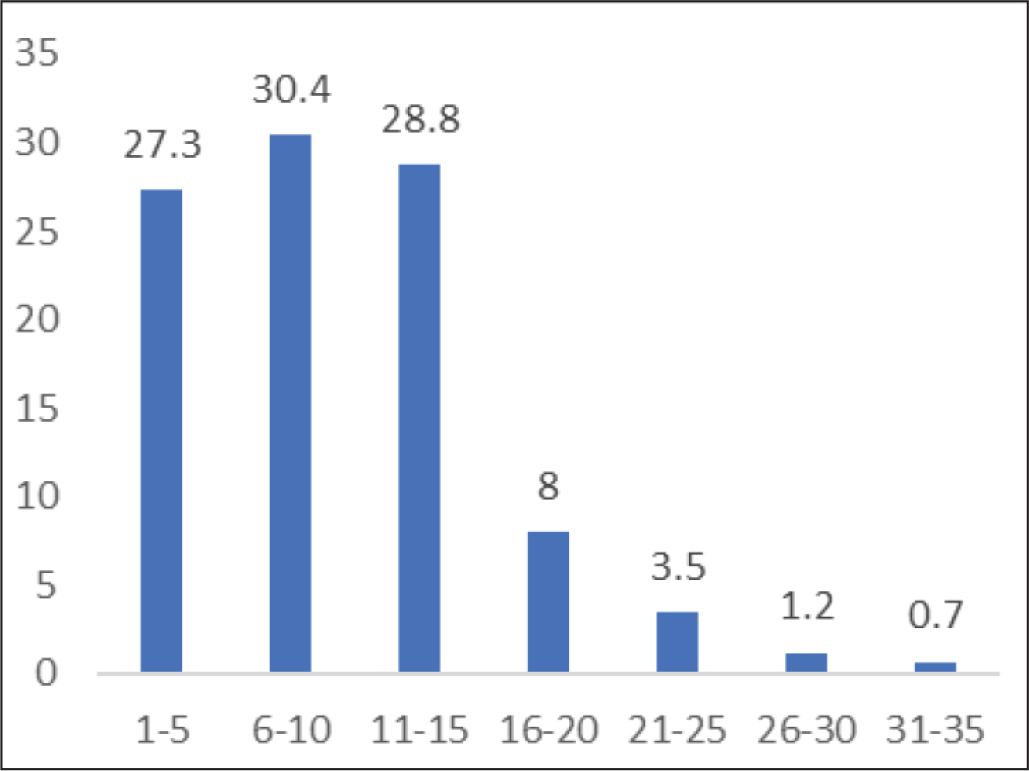
On enumerating the number of years spent as domestic workers, it was found that 27.3% of them are engaged in domestic work for the last 1–5 years, 30.4% have served 6–10 years and 28.8% have completed 11–15 years. Of the rest 8% have spent 16–20 years, 3.5% have spent 21–25 years, 1.2% have spent 26–30 years and 0.7% between 31 and 35 years (see Figure 2). About 95% were working as part-time and 5% were working full-time. Out of 260, 60.7% worked for more than five hours a day, whereas 23% worked for 3–5 hours followed by another 16% who worked for less than three hours. About 82% worked in multiple houses whereas 18% worked only in one house. About 78% were engaged in cleaning tasks, followed by 5.7% in child rearing help during office hours and 16.2% were involved in cooking–cleaning together. It was seen that 36.5% of them travelled more than 30 minutes to reach the workplace, covering distance of more than 10 km.
Number of Years Spent.
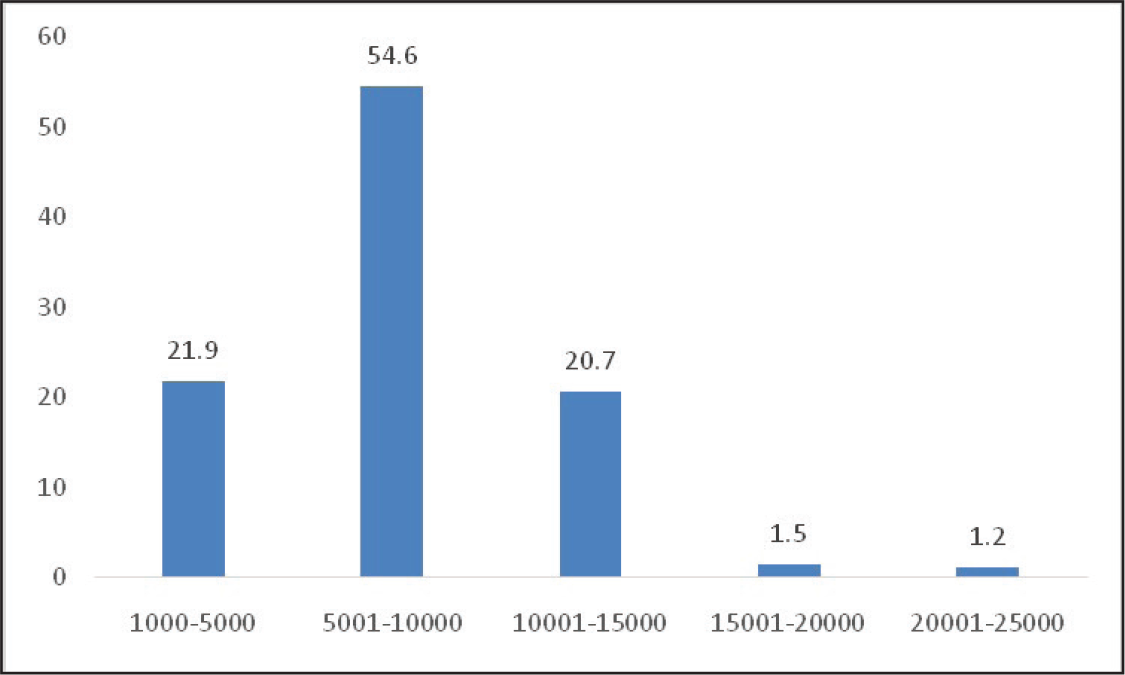
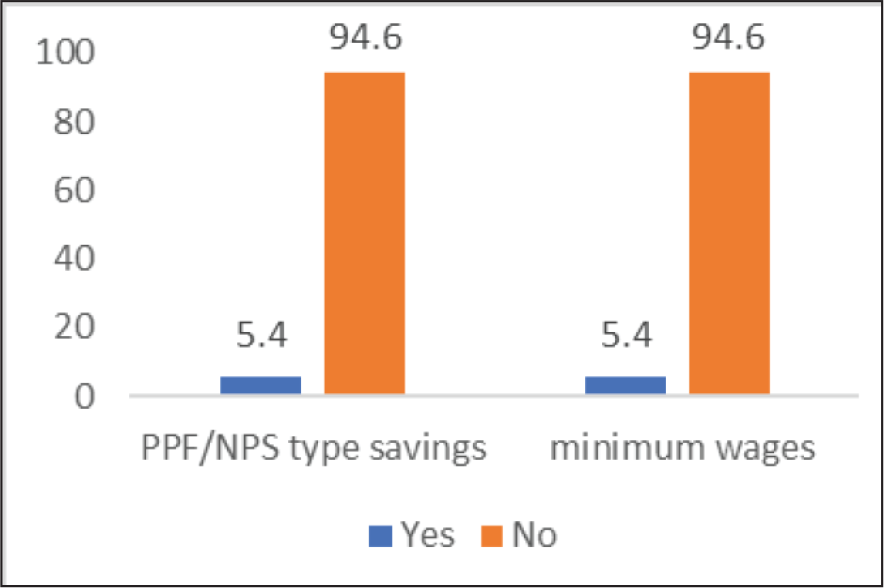
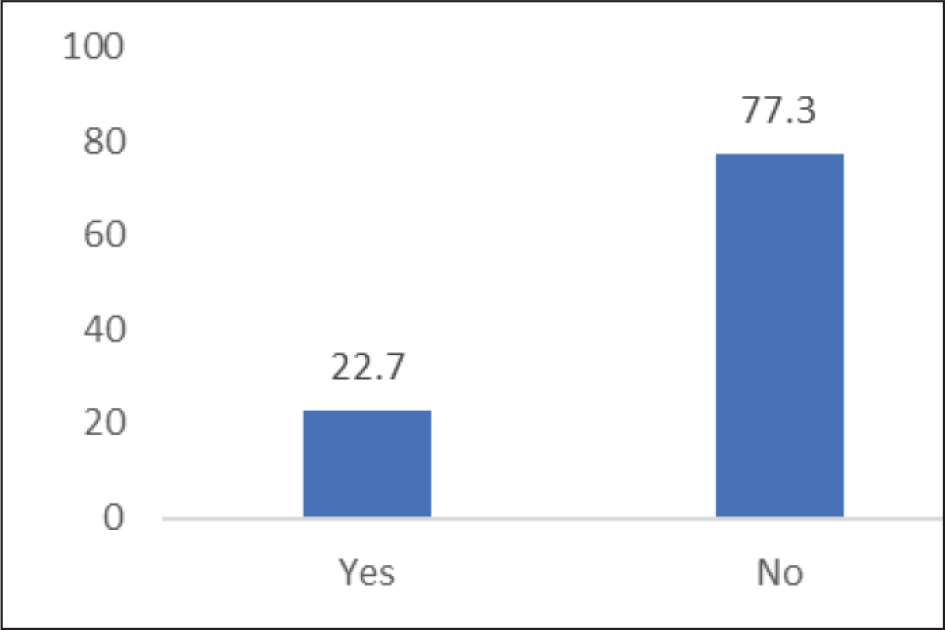
Before COVID-19 pandemic affected their livelihood, 54.6% reported a monthly income of Rs 5,001–10,000, followed by 21.9% having a monthly income of ₹ 1,000–5,000. Only 20.7% had a monthly income between ₹ 10,001–15,000. Of the rest 1.5% reported a monthly income between ₹ 15,001–20,000 and 1.2% between ₹ 20,001 and ₹ 25,000 (see Figure 3). Majority of the respondents (94.6%) did not avail minimum wages for the work done. Only 5.4% were paid their salaries as per the minimum wages rate of the city, and their wages were revised once in a year. It was also seen that 94.6% of the domestic workers did not have access to PPF/NPS type savings and are outside the bracket of security measures. Even before the pandemic times only 5.4% of the workers availed PPF/contributory savings, the reason being they were recruited through placement agencies (see Figure 4). A good majority (77.3%) did not have membership in any associations working to ensure social security of domestic workers. Only 22% of the respondents had membership in any organisation/association that is working for the rights of the domestic workers (see Figure 5).
Monthly Income.
Savings and Minimum Wages.
Membership in Associations.
Amongst the 12 cases under qualitative enquiry, 6 belonged to OBC, 3 to SC and 3 to ST category. All were educated below 8th Standard. Among the 12, 6 have been working for more than 5 years; 3 of them for the last 4 years and the remaining 3 for the last 2 years. None of them have membership in any association. Only 1 respondent had a PF account for the last 9 months.
Working Conditions of the Domestic Workers During the Pandemic
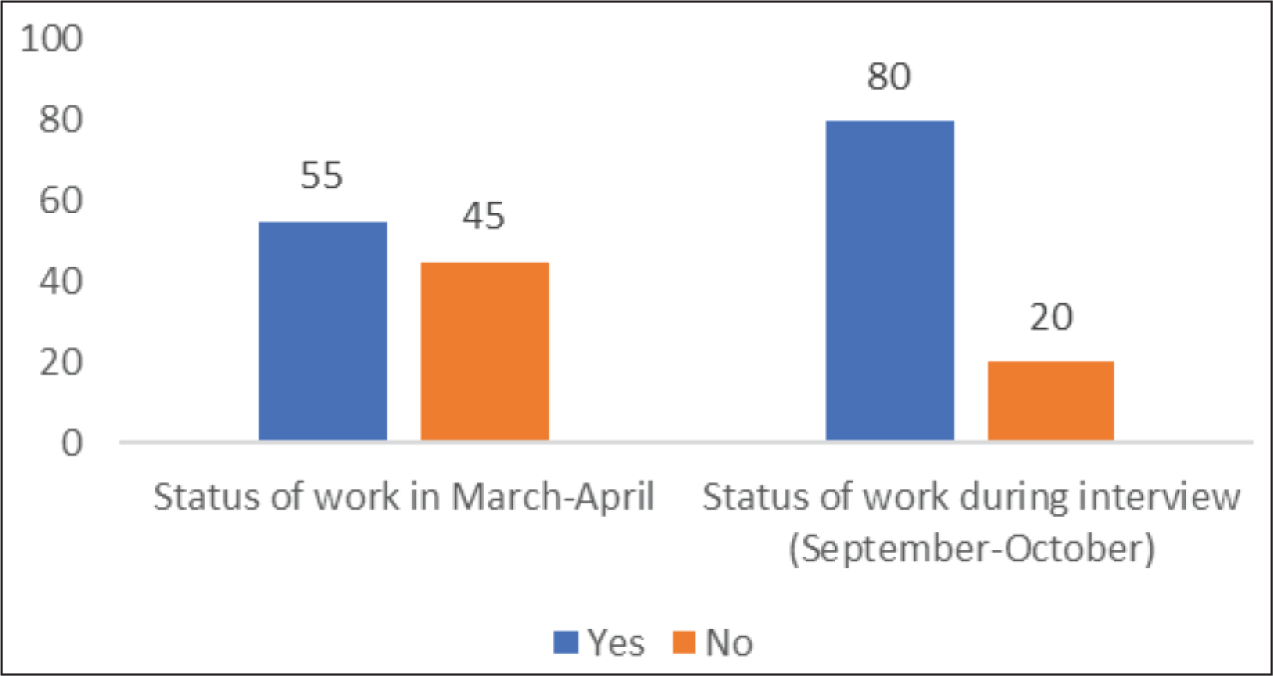
Out of the total respondents across three cities, 117 had (45%) lost their jobs during March–June 2020. Of these, majorities faced job loss in the month of March (57.3%). About 31 respondents (26.5%) lost their job in April and 19 respondents (15.9%) lost jobs during May. Out of these 117 respondents, after a break in job, 65 (55.6%) rejoined work during the months of June (32.5%), July (16.2%) and August 2020 (6.8%). During the time of the interview in September–October 2020, 52 respondents (44.4%) remained jobless. After resuming work by August–September 2020, 208 (80%) are working currently, whereas 52 (20%) remain jobless (September–October 2020). Figure 6 shows a comparison of the status of work of the domestic workers during March–April 2020 and September–October 2020.
Status of Work During March/April and September/October 2020.
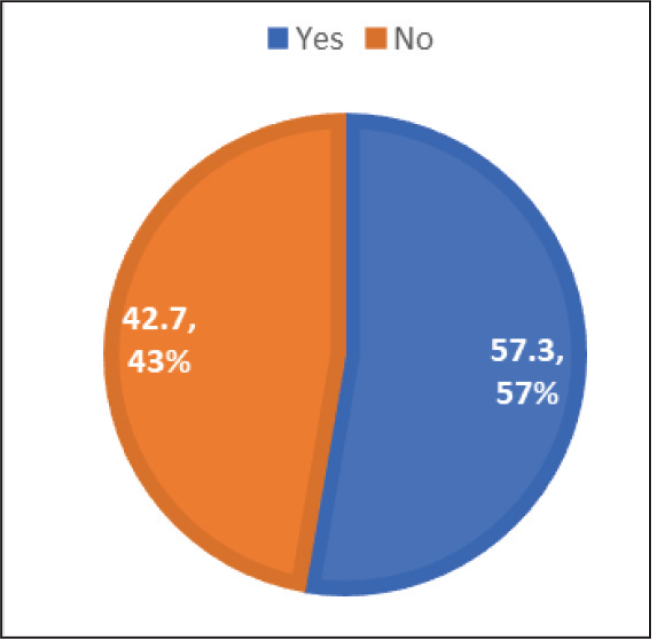
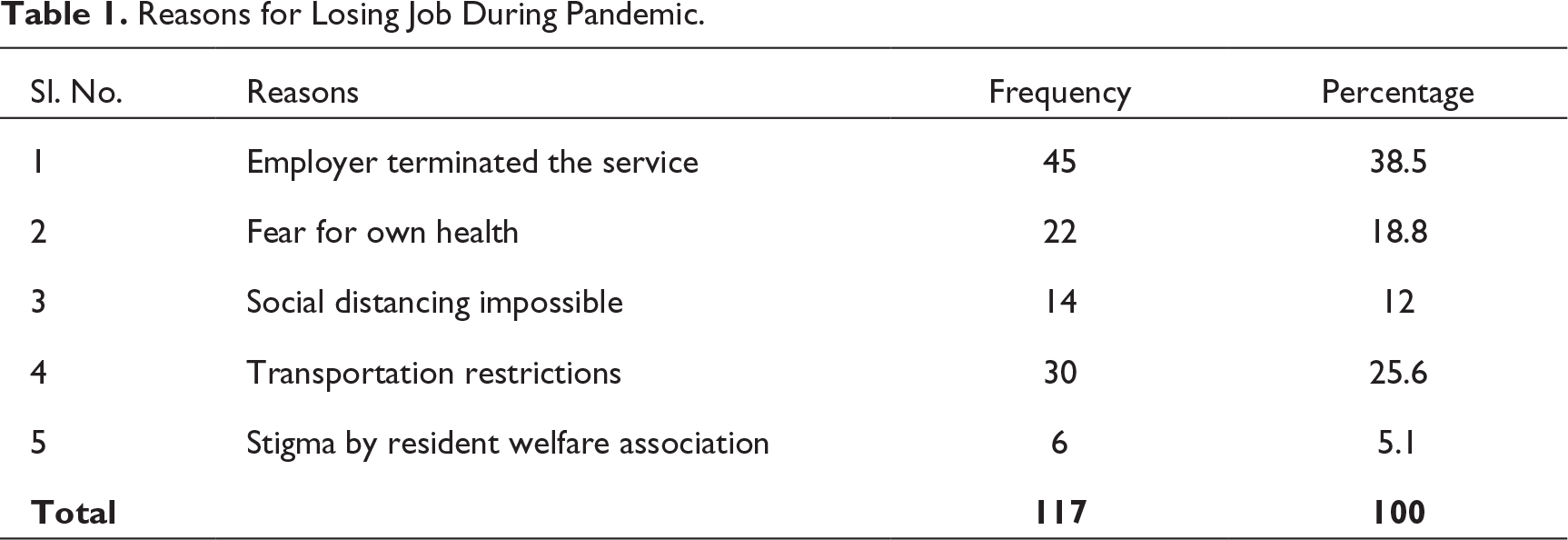
The interstate analysis of data showed that during the time of the interview in September–October, 47 respondents in Mumbai, 38 in New Delhi and 32 in Kochi were left without job. In the case of 27 respondents in Mumbai and 18 respondents in New Delhi, the employers had unilaterally terminated the workers due to stigma associated with the pandemic, whereas in Kochi the major reason for loss of job was the lack of public transportation. Figure 7 shows the distribution of the domestic workers who faced stigma due to the pandemic situation. Workers faced stigma and discrimination (57%) during the period where they were projected as carriers of virus and were humiliated in many instances. All of them responded that there was no effective intervention from the state to curtail the stigma.
Stigma Faced During Pandemic.
Reasons for Losing Job During Pandemic.
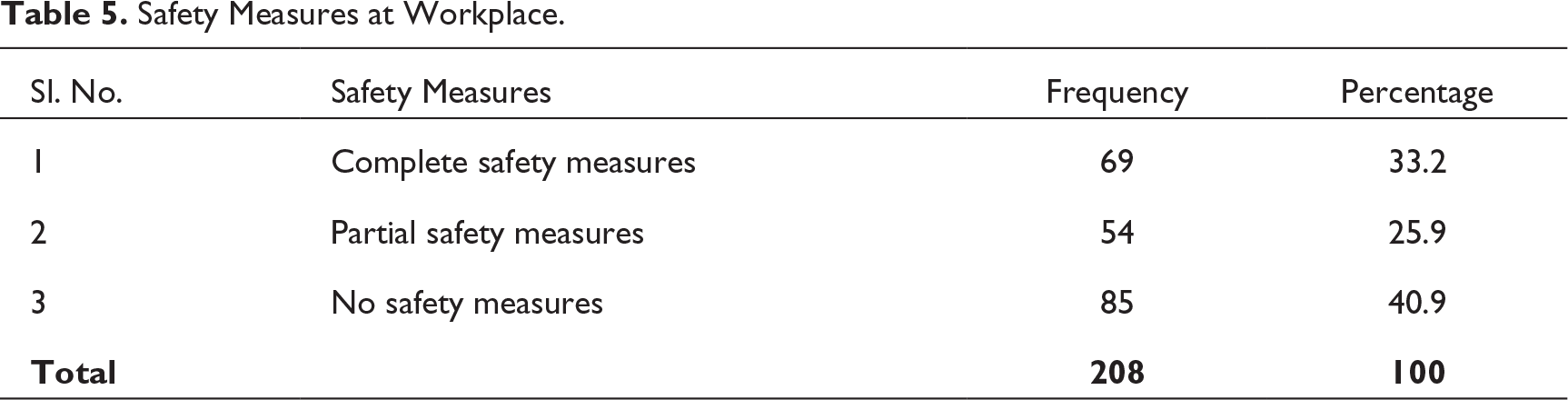
Payment During Last Month of Working.
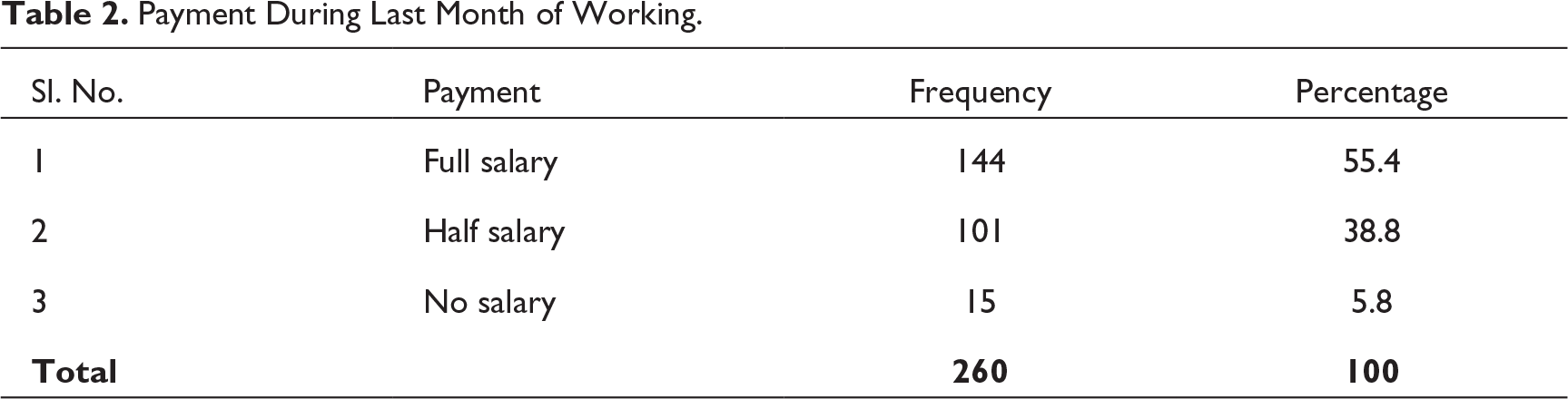
Table 3 shows that among the respondents, 50.4% experienced reduced salary, increased workload or both together. They felt that employers consciously tried to exploit their vulnerability and exercised their bargaining power to negotiate and reduce salaries or increase the workload with same salary. This generated a feeling of helplessness among the workers. A domestic worker in Mumbai was retained by her employer during the lockdown period by asking her to stay with the family for catering to the needs of an elderly bedridden woman. But there was no increase in her salary (₹ 4,000) considering the additional work burden and estrangement from her own family with small kids. Mahadevi, the domestic worker, tried to cooperate with this arrangement initially as she needed money. She says,
Employer Exploitation During Pandemic.
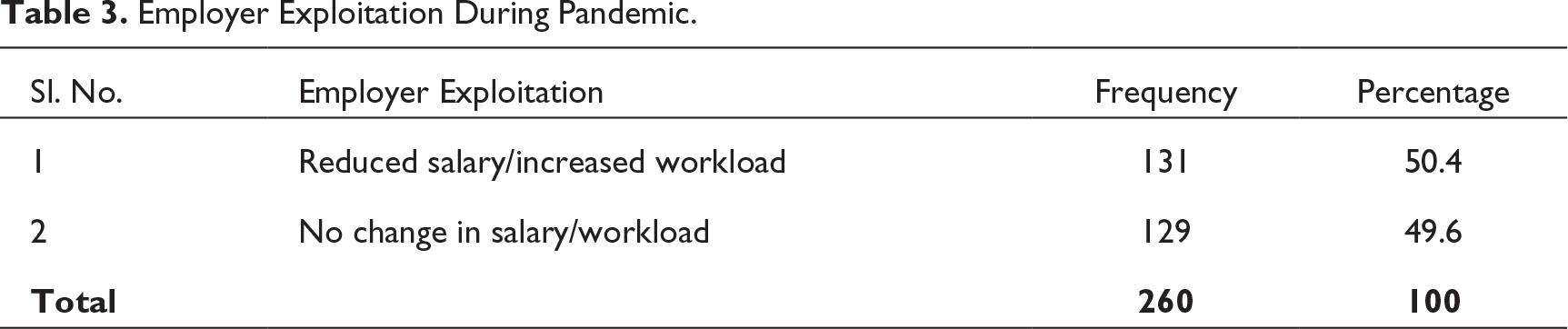
Employer Support During Pandemic.
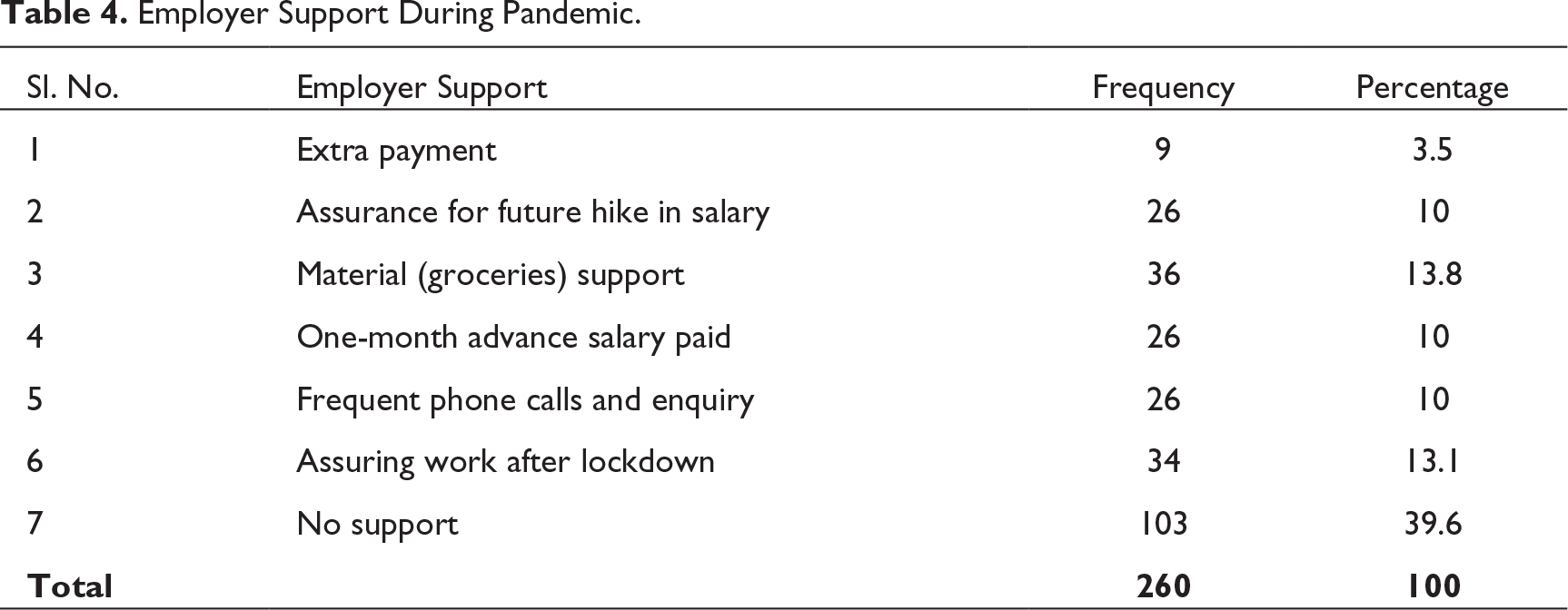
Safety Measures at Workplace.
It is observed that gender-based discrimination aggravated during the pandemic period. For example, the payment of the March month was withheld for women domestic workers whereas the salaries of male gardeners and security guards were released by the houseowners and resident welfare associations. Similarly, COVID safety protocol was not given importance when they were reemployed after a break in the job.
The three major problems reported by the migrant women workers during pandemic are house rent payment, stigma faced in the neighbourhood and worries about families/children who are left behind in the villages. Out of 138 migrants (which is 53% of the total sample), 83% (115) reported the major worry is rent payment followed by 7.2% (10) as stigma and 9.4% (13) worried about the children left back in the villages. The workers preferred to stay back because of their long-term association with the city, in terms of livelihood and a hope to get back to the job as early as possible. Among 138 migrants, majority (70%) feared that, if they go back to the villages, the possibility of getting a livelihood back in the city will be difficult, and they have to start from scratch. About 20% wanted to stay back because their spouse was still having some earning and livelihood option available. Another 10% had some plan to return back to village by the year end if no alternative is available.
Livelihood and Household Dynamics During the Pandemic
Reduction in Household Income.
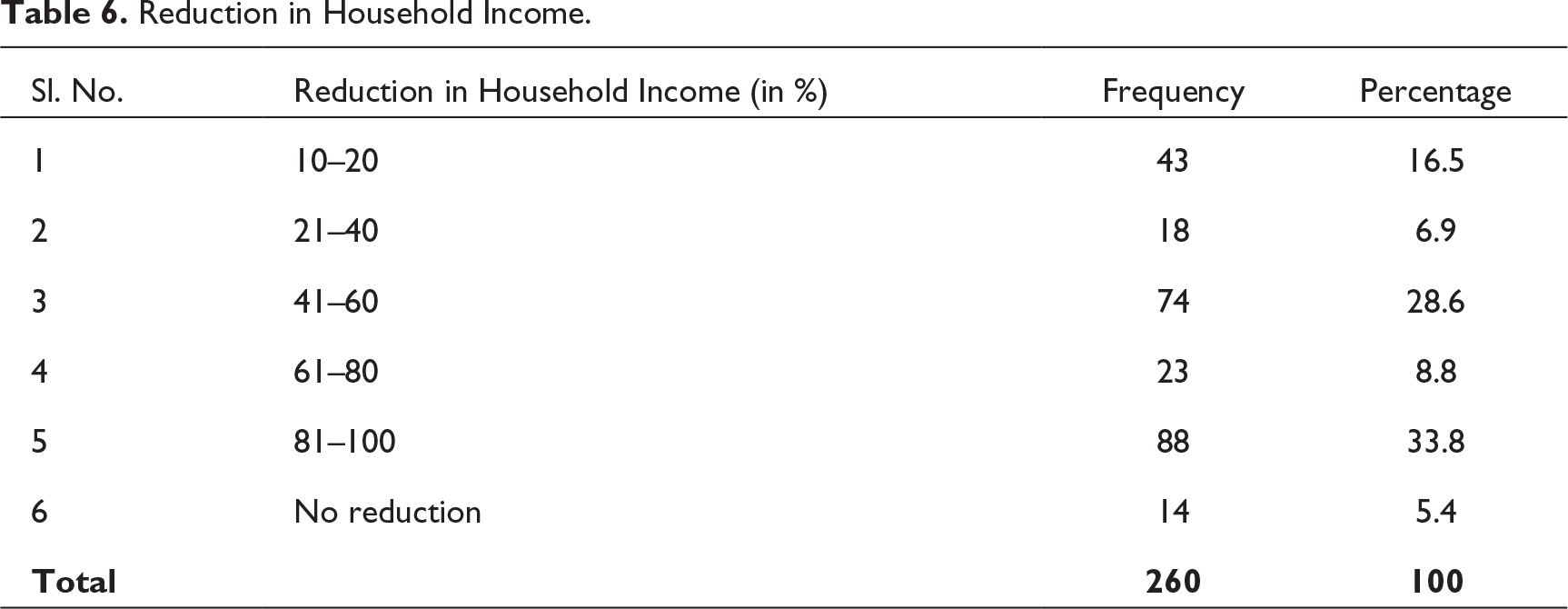
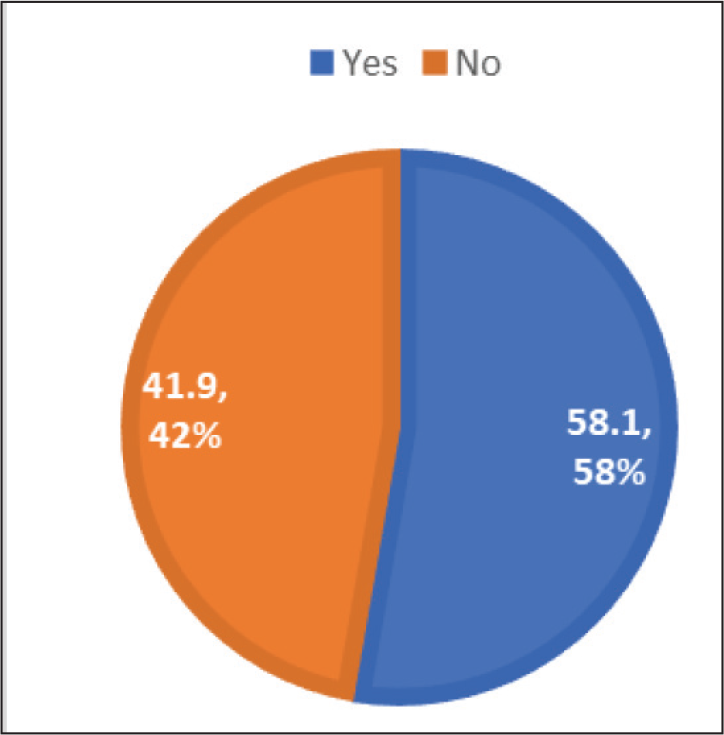
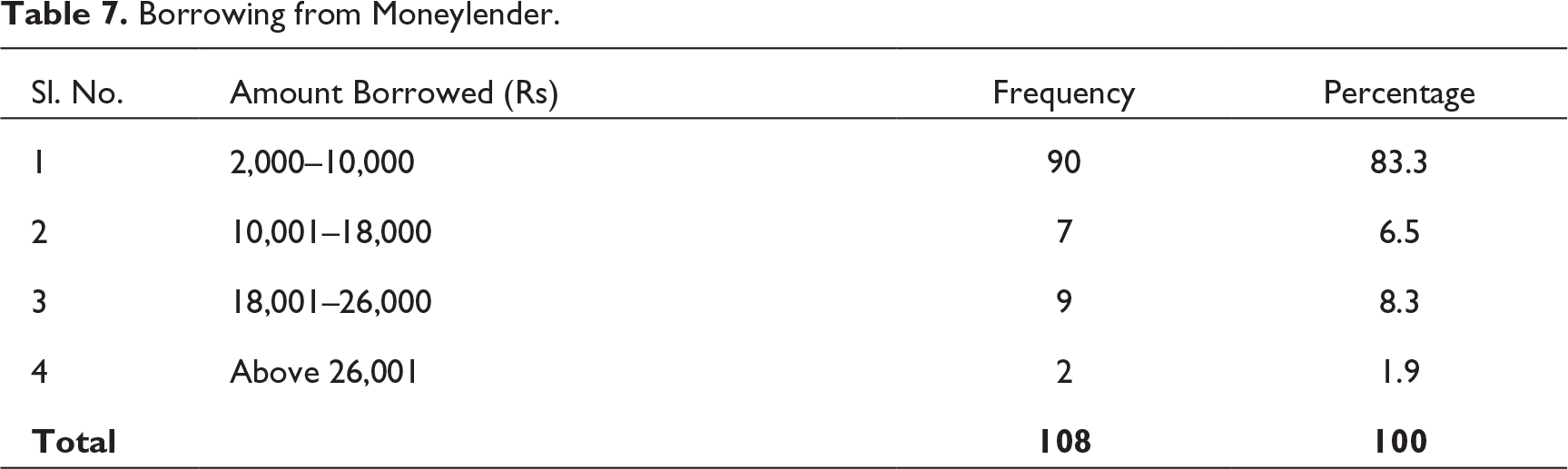
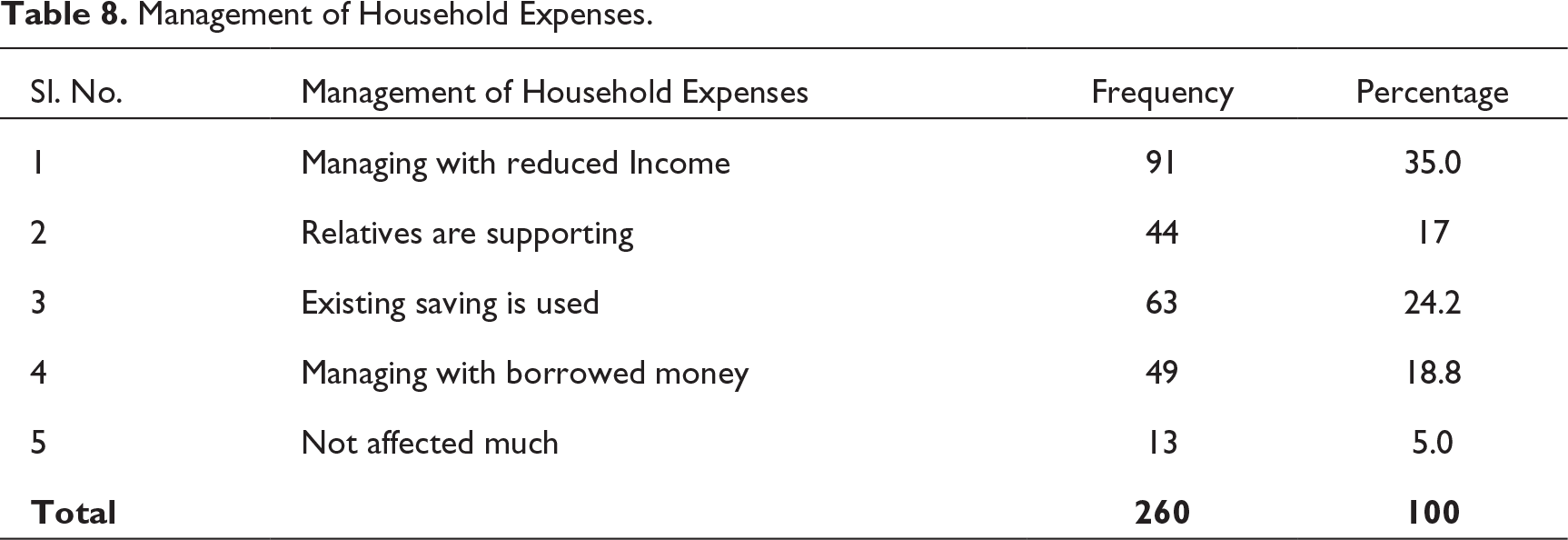
The sudden reduction in income adversely affected the savings of the families of the domestic workers. About 58% reported that their limited savings withered off (see Figure 8). Due to the reduction in income, the families ended up using their savings or borrowing money predominantly from money lenders. Of all the respondents, 42% had borrowed money from the money lenders (see Figure 9). A good majority of the respondents incurred a debt amount between ₹ 2,000 and ₹ 10,000 (see Table 7). It was found that 35% of the respondents managed the household expenses with the reduced income whereas 24.2% families made use of the existing savings to meet their needs. About 44 families (17%) are taking help in cash/kind from the immediate relatives, while 49 families (18.8%) are managing the household expenses with borrowed money from money lenders (see Table 8).
Withered Savings.
Borrowing from Moneylender.
Management of Household Expenses.
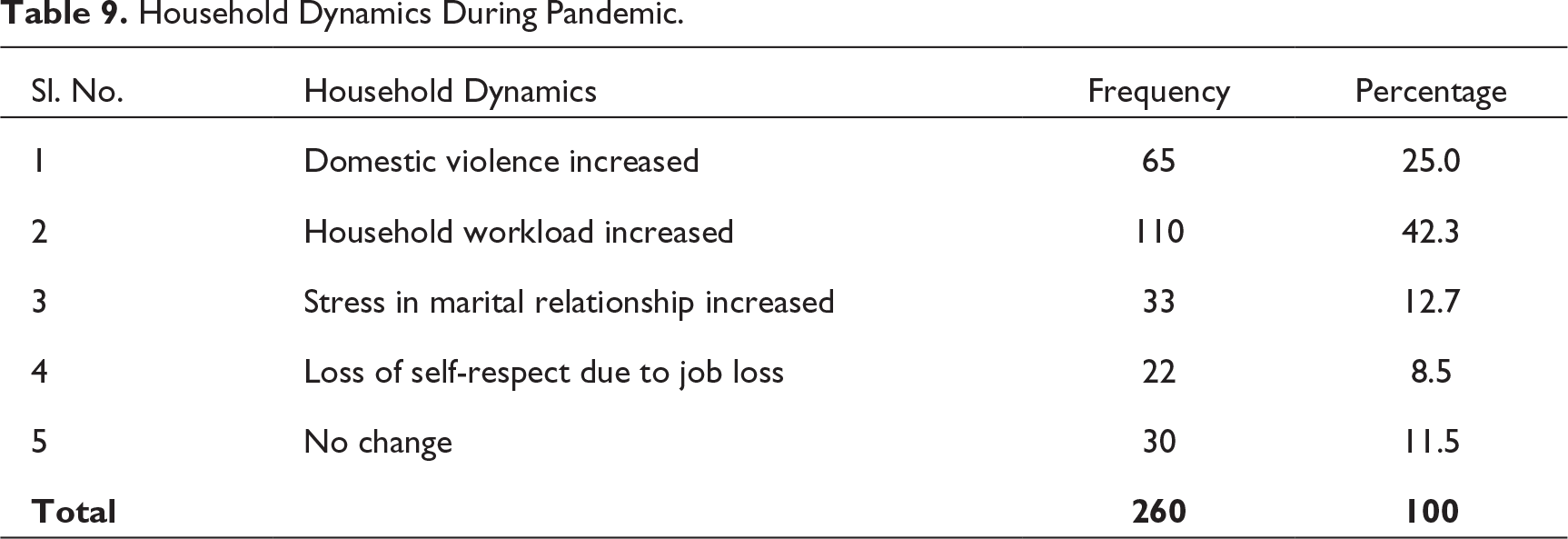
Household Dynamics During Pandemic.
For the last six years, he is not going for any work complaining backache and footache. When I was working, I used to pay for his cigarettes and liquor. Now that has stopped, and by evening, he will start beating me. Once his TV serials start and children are back home, he will stop and go and sit in the veranda …. The house owner has threatened that if the issue continues, he will throw us out ….
The frustration, anxiety and financial compulsions during the pandemic are in a way ventilated on women. All the family members staying together the whole day (four to eight members in one or two rooms) in congested living conditions causes increased workload, strife and privacy issues in the household, especially affecting women. Taking care of children who remain at home for the whole day also is an added concern for many women. All the women said that their quality of life deteriorated which they expressed as time available for rest and recreation with social interaction. Leisure derived from conversations with friends or neighbours too have reduced compromising their social life. Inability to recharge television cables or mobile phones has reduced ways of recreation as well.
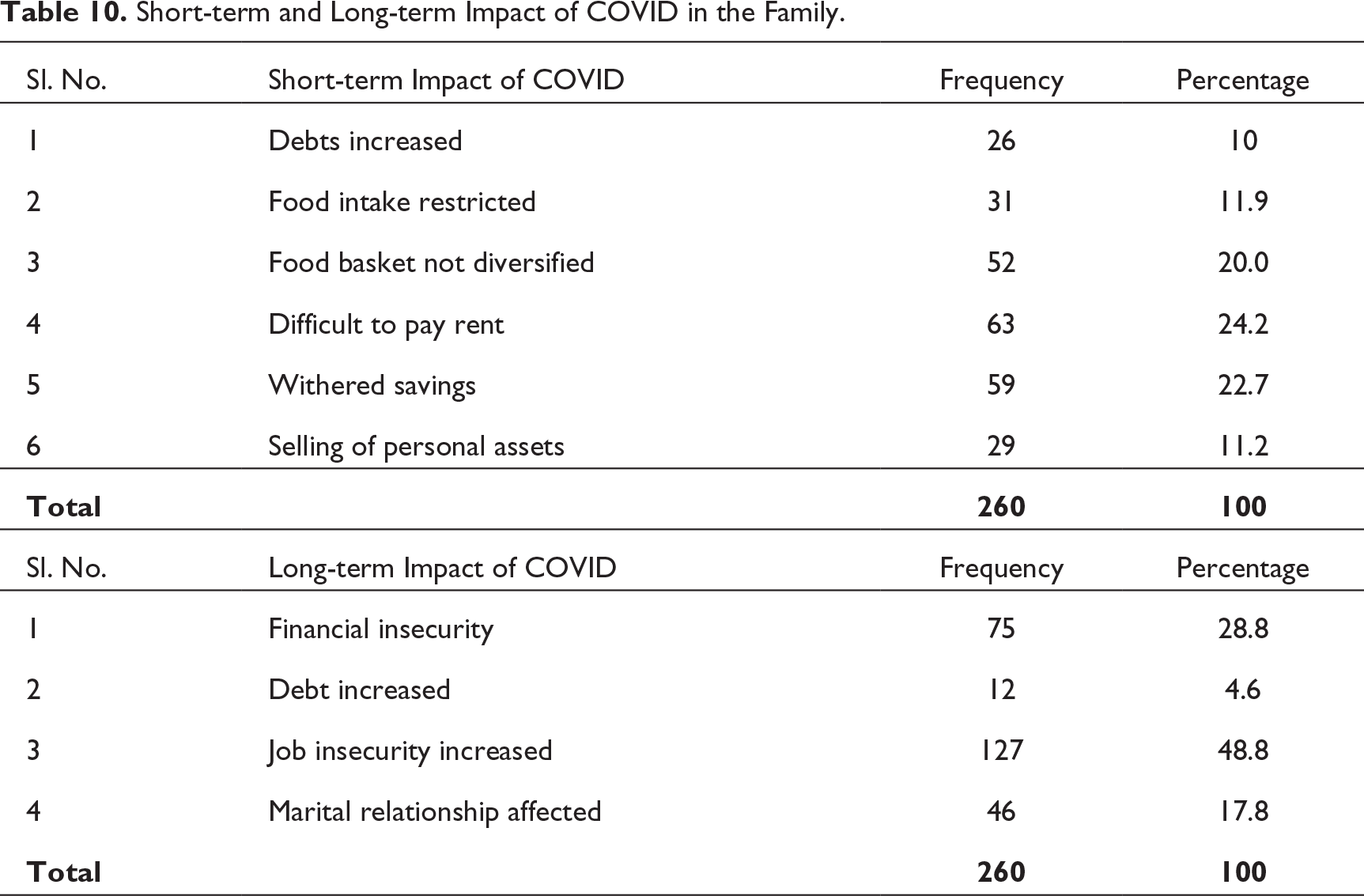
Short-term and Long-term Impact of COVID in the Family.
I have started eating meals only once in a day as I have to manage with the available groceries until I can resume work. There are seven members in the family including me. I used to buy wheat, flour, etc., from a shop nearby, but now they stopped giving things on credit. The temple nearby distributes lunch on alternate days, and I send my children there to have food.
The food insecurity in family predominantly affects the health of the women in the family since they are always the ones to sacrifice food for men, elders and children in the family. Many of the workers are malnourished and anaemic and reported consistent fatigue. Ensuring meals three times a day has become a luxury now for all of them and so other regular expenses remain unpaid. This includes rent, water and electricity bills to the house owner, interest of loan taken from illegal money lenders and school expenses. There is absolutely no or limited savings among the women to meet the unexpected expenses during distress times. In addition to borrowing money from local money lenders at an interest rate of 30%–40% with a guarantee to return within next three months in instalments, the workers also have sold assets to have liquid cash in hand for meeting the requirement of consumables other than food items. Santhi from Delhi said,
I sold my child’s cycle for ₹ 700/- to meet the expenses for the month of March. It is not just food that we need in a family. There are other expenditures such as medical expenses, cleaning materials and house rent. How are we supposed to meet them?
Many workers were facing indebtedness even before the lockdown. Paying the loan amount in time has become impossible because of shortage of money. Subhadra from a suburban area in Kochi said,
When the repayment of the loan taken from the bank was due before lockdown, I had borrowed from Kudumbashree (Women Self-help group) for paying it back. With continuing unemployment due to lockdown, it is very difficult to pay back the loans. I feel stressed thinking about all these.
Increasing indebtedness and loan burden will have adverse impact especially in those families with children, elderly or bedridden members. Few metro city-based workers are fearful that they will not be able to send their wards to school this academic year as resuming work and regaining financial balance will take some time.
Health Issues and Health Care Access During Pandemic
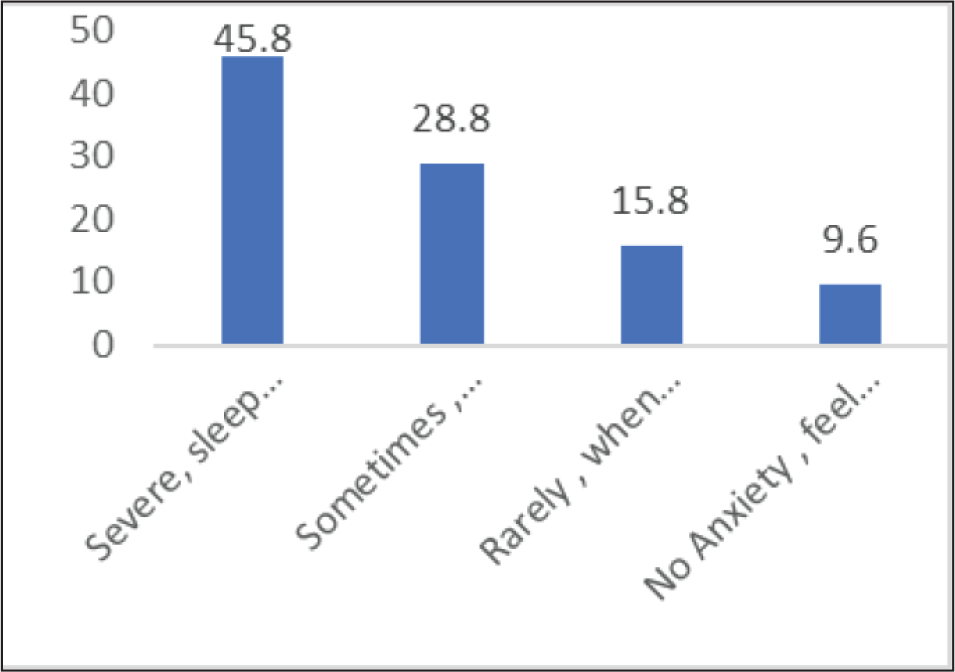
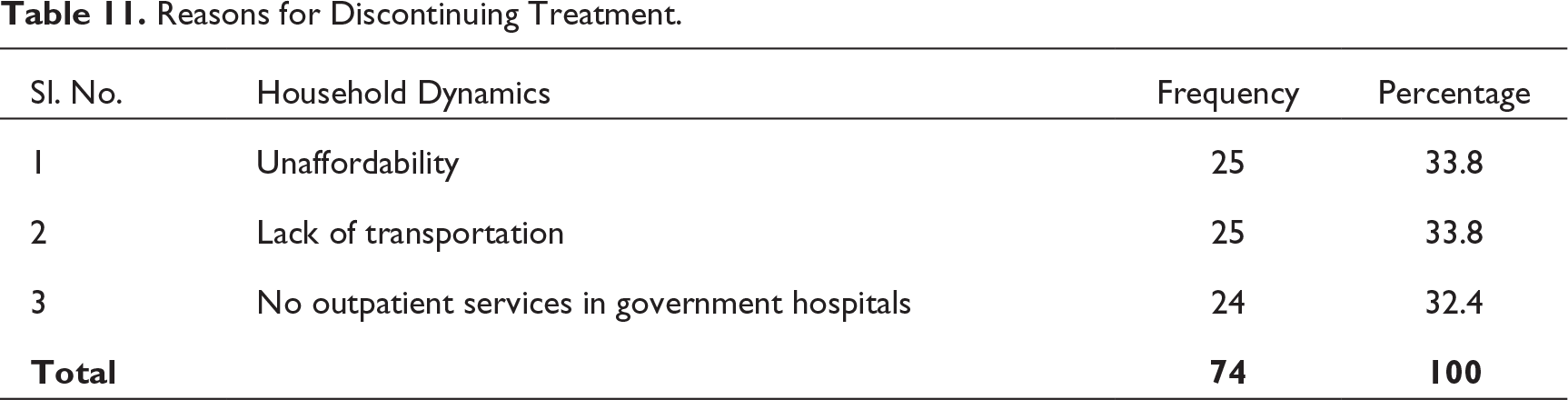
The study probed the mental and physical health issues faced by the domestic workers and the access to health care facilities during the pandemic. It is important to note that, more than 90% of the domestic workers reported anxiety as a mental health condition (see Figure 10). Amongst 260 domestic workers 45.8% had severe anxiety that their sleep patterns got highly disturbed and another 28.8% reported that they sometimes feel anxious (see Figure 11). During the period of the pandemic, 42.3% of the domestic workers had health issues for self/family member which required medical consultation. In this category 67.3% had to discontinue treatment of the illness. The major reasons pointed out for discontinuation of treatment are unaffordability, lack of transportation and absence of outpatient services in Government hospitals. Constraints in access to health care have affected a good number of domestic workers with both physical and mental health concerns (see Table 11). Financial distress, transportation constraints and curtailment of medical services has added to the adversities faced by the families. Qualitative enquiry also substantiated that the medical treatments have taken a backseat during the pandemic. Two workers during interview said that regular medical follow up of their children were stopped due to financial constraints.
Borrowing from Moneylender.
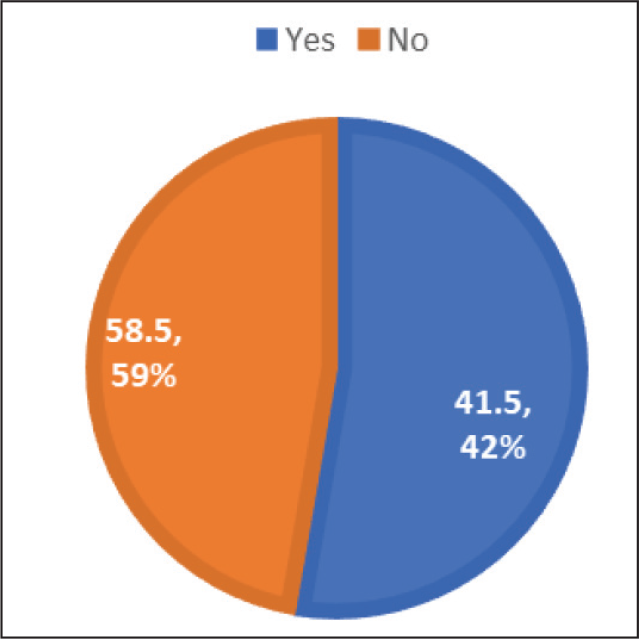
Experience of Anxiety.
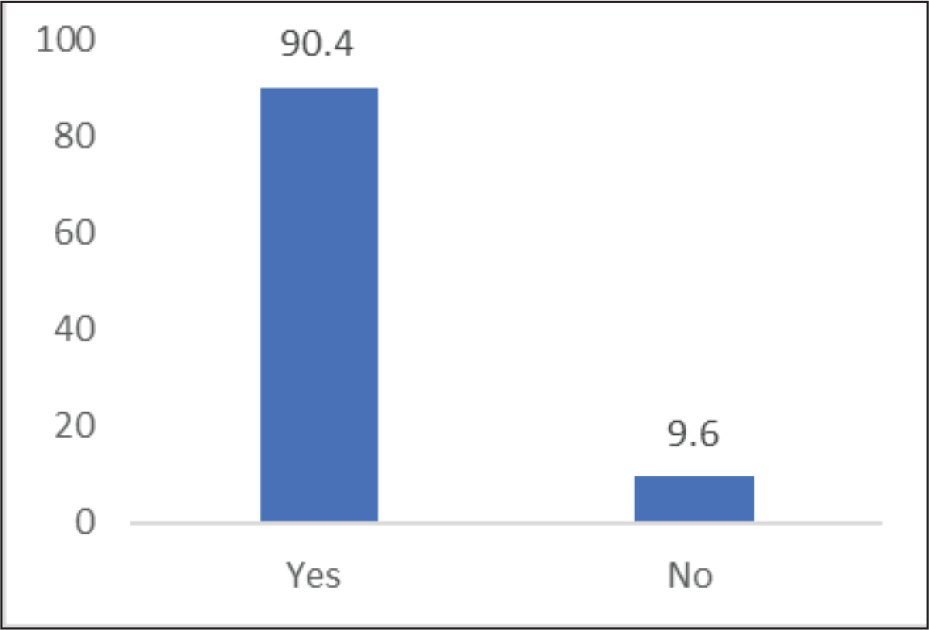
Level of Anxiety.
State Support During Pandemic.
Reasons for Discontinuing Treatment.
State Support Received During the Pandemic
Expectations Regarding State Support.
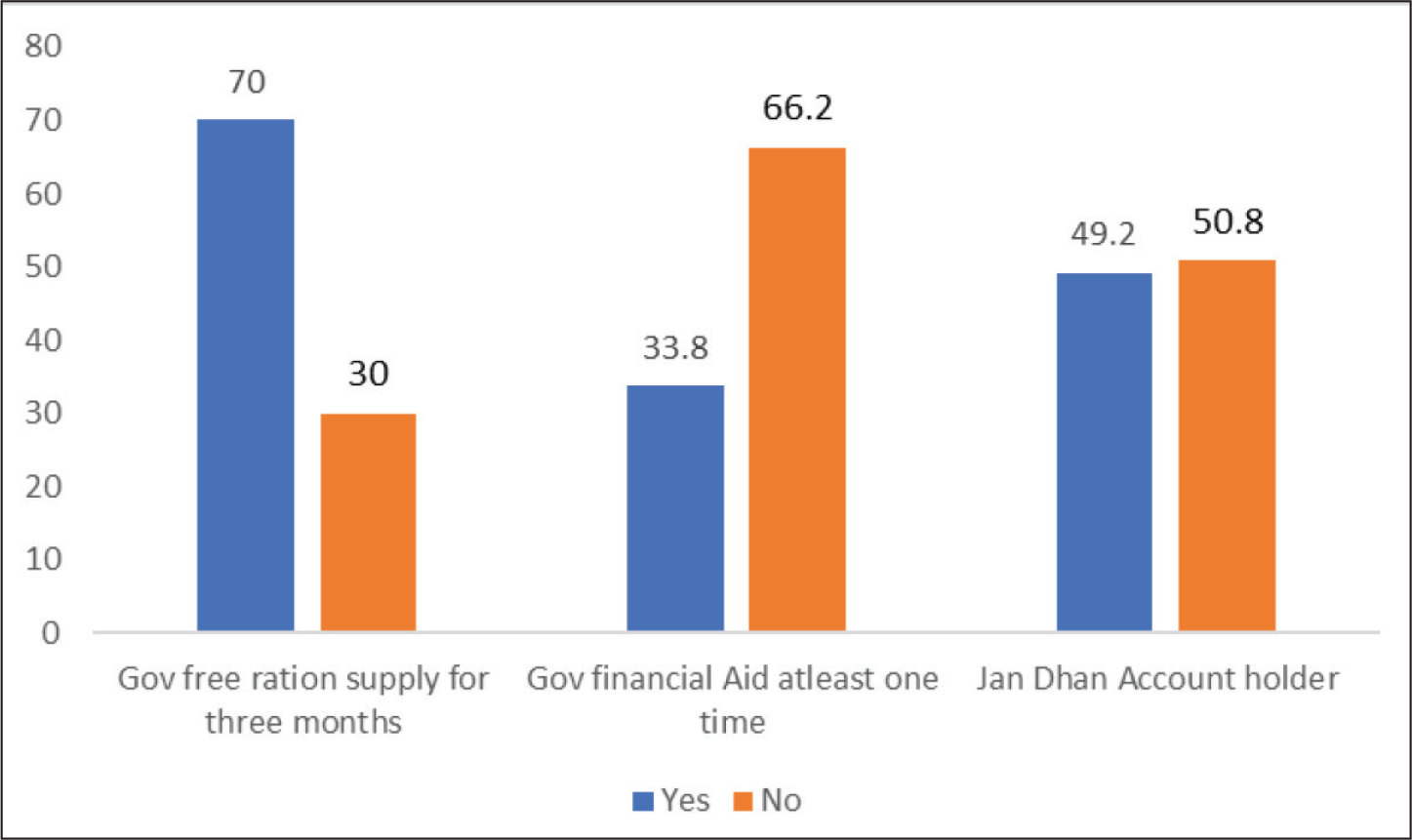
An overview of the results outlines the constrained conditions at workplace, deterioration of livelihood and difficult family conditions of the domestic workers during the pandemic. The existing exploitative work conditions of the domestic workers have only aggravated with the pandemic scenario. In the initial days of lockdown across the country, most of the workers lost their job completely/partially and unexpected unemployment and income shortage adversely affected the livelihood of domestic workers. Though the lockdown was lifted, in cities such as Mumbai, Delhi and Kochi many employers are reluctant to re-employ domestic workers due to the fear of infection. This in a way led to loss of jobs for many domestic workers even after unlock process was initiated. Transportation restrictions have also resulted in job loss. Lack of transportation facilities restricted the workers who need to travel to workplaces and engage in domestic work. Some of them lost jobs due to the financial problems of their employers who were mainly working in Information Technology (IT), hotel and entertainment sectors, which is a global phenomenon (ILO, 2020). Majority of the workers expressed fear and strong anxiety about their future. In addition to reduction in payments, many instances of exploitation by employers were also reported. Loss of income and indebtedness have adversely affected the families causing food and income insecurities. Many workers were facing indebtedness even before the lockdown. Increasing indebtedness and loan burden have made adverse impact on the welfare of the families of the domestic workers. Though state agencies announced moratorium for the payment of loans, the money lenders from whom these domestic workers have taken loan do not come under this moratorium. Majority of the workers received free ration (food grains) from the state, but meeting rest of the expenditures such as house rents, electricity bills, paying students’ fees and LPG bills is a major issue. In many cases, food basket is not diversified and in few other cases hunger/starvation is reported. Many also find it difficult to meet emergency expenditure such as medical treatment and drugs. Added to these are issues such as domestic violence, strain in marital relationships and increase in household workload. Many workers also raised health related concerns regarding the availability of protective gears such as masks and gloves in the workplaces and the possibility of infection while working in multiple households. Absence of formal health protocols to access the services of domestic workers and compensation measures in case of infection made lives difficult for the workers (United Nations, 2020). Uncertainty with regard to the containment of the pandemic and social distancing also aggravated adversities for the domestic workers.
V. Conclusion
The prevailing vulnerability of women workers emanating from the informality, invisibility and non-recognition of domestic labour is largely obvious. Informal contracts, irregular labour, exploitative and undefined wage and working conditions as well as policy and legal loopholes aggravate the social and economic insecurity of the women workers. Along with a gendered view, the nature of exploitation and marginalisation of the domestic workers needs to be probed through the lens of intersectionality, wherein, the intersections of class, religion, caste, ethnicity, region, migrant identity, gender, age and other structural factors function in different permutations and combinations contributing to social injustice and rights violations of the workers in both private and public sphere. Invisibility of the labour force and the dynamics of intersectionality results in poor bargaining power of the women domestic workers further reinforcing the structural inequities.
The global pandemic scenario and the ensuing vulnerabilities have aggravated and reinforced the social, cultural, economic and political inequities surrounding women engaged in domestic labour. The pandemic has resulted in the emergence of new forms of rights violations and situations of social injustice among the informal workforce, characterised by termination of jobs/non-payment of wages/salaries, workload, health risks, indebtedness, poor access to health care, violence, stigmatisation and humiliation, unmet food/education/health requirements of the family, etc. Ignorance of citizenship as well as labour rights, digital gap and poor digital literacy, and unorganised nature of the workforce facilitates the open practice of rights violations against domestic workers contributing to universality of experiences and systemic injustice. At the same time, contextual variations in social injustice based on structural factors and state support systems also needs to be understood.
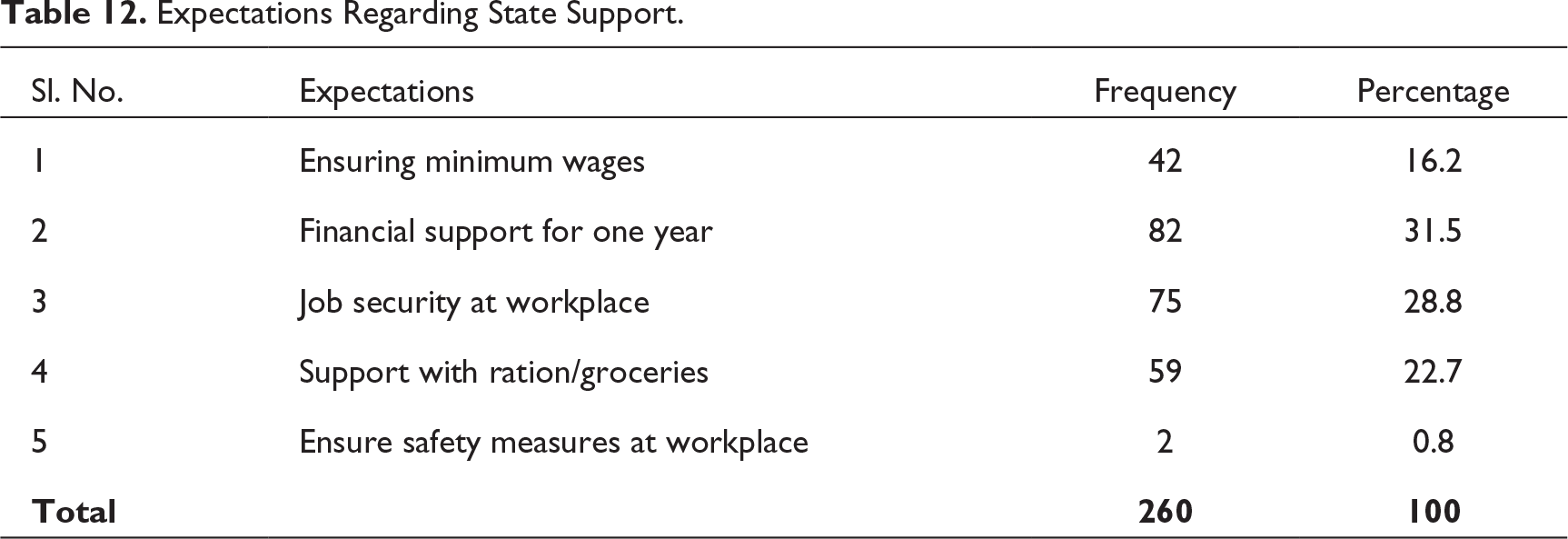
In order to ensure citizenship rights inclusive of labour rights to women domestic workers, their emotional, psychological, social, economic and political well-being needs immediate attention. In a futuristic perspective, the domestic work sector which employs mostly women, requires a gender sensitive, welfarist, rights based as well as an intersectionality approach with long-term goals. The efforts should be taken up through the involvement of multiple stakeholders—central to local state agencies, voluntary organisations, local community, labour welfare activists, worker’s associations, researchers, etc.—functioning in different realms and capacities. Many associations such as the Domestic Workers Rights Union Mumbai, West Bengal Domestic Workers Society and Pune District Domestic Workers Association had taken up campaigns for ensuring labour rights and welfare—paid leave, social security, health care, food/ration distribution, cash assistance, retainment in job, payment of full wages, etc.,—of the domestic workers during the pandemic (Roy, 2020). Government of India had announced relief packages during the pandemic such as Pradhan Mantri Garib Kalyan Package (PMGKP) which broadly included relief funds for programmes Pradhan Mantri Kisan Sammann Nidhi (PM-Kisan) and Mahatma Gandhi National Rural Employment Guarantee Act (MNREGA) intending to help those in the informal sector. The federal as well as the State governments initiated various cash transfers and food ration during the lockdown period to tackle sudden unemployment and income loss in the community. Dreze (2020) has observed that strengthening PDS and doubling food grain rations as well as cash transfers will be of great help to the survival of the workers. However, the plight of the workers in the informal sector continued as non-food expenditures cannot be met easily through these temporary measures alone. India needs a detailed structural plan to overcome the economic slowdown and bigger relief packages to save life and livelihood especially of the marginalised communities. Demand boosting through fiscal and social policies are essential from the part of the government to ensure the return of the economy into the growth trajectory (Chakraborty & Emanuel, 2020) for reducing the social and economic impacts in the country and also among the informal work force.
The intersections of gender, caste, class and region contributing to the invisibility of marginalisation experienced by the domestic workers, especially in the pandemic scenario are difficult to avoid and need to be addressed through short-term and long-term measures. The short-term measures for social protection of the women domestic workers should include distribution of temporary compensations such as food vouchers, PDS ration and cash transfers for a long time. Mechanisms should be developed to ensure temporary relief or provision of extended time to pay rent and utility bills. This could be monitored/liaison by NGOs, local bodies or the law enforcing agencies. Liaison should be done with local self-government and community-based organisations (CBOs) to disseminate factual health information about COVID-19 spread and creating avenues/platform to address domestic violence. Campaigns regarding social security benefits under Unorganised Workers Social Security Act, 2008 and health insurance benefits under Rashtriya Swasthya Bima Yojana which can be availed by domestic workers need to be undertaken.
Long-term policy measures should be designed with focus on interventions for ensuring social security and welfare of the women workers. Budgeting for informal sector welfare should be gender sensitive considering the large majority of women workforce in the informal sector. The existing state support systems from central to local level (state agencies for labour welfare, human rights, women’s rights, minority welfare, migrant welfare, SCs and STs welfare, law and order, local self-government) need to be strengthened along with design of new integrated support systems for ensuring a rights-based and intersectional approach to the developmental issue. Legal action against exploitation and violence at workplace should be strictly ensured by law enforcement agencies. Community intervention programmes can be designed through collaborative effort of state, voluntary organisations and grassroots level people’s platforms for raising consciousness on labour rights and employer responsibilities as well as formal registration of jobs for ensuring social security measures. Evidence based interventions in policy and practice needs to be undertaken which can be facilitated through promotion of funded research through academic and research institutions on various developmental issues of women domestic workers.
Absence of a national-level policy and state supported assistance schemes specifically targeting women domestic workers leave them in a situation of structural and procedural vulnerability to poverty, health hazards and social exclusion. Non-existent policy and legal framework targeting social protection and rights of women domestic workers can be seen reflected in lack of initiatives towards formation of associations, enforcing job security and minimum wages, regulating working hours and ensuring safety at workplace which are few of the pressing issues. National Policy for Domestic Workers and legislative framework for regulation of work and social security of domestic workers should come into force at the earliest to facilitate collective bargaining of the workers for their rights. Only the policy and legal backup can address the issue of limited recognition and representation of domestic workers in the public sphere and enhance their bargaining power for ensuring fundamental rights and social security in a long-term future.
