




Abstract
Background:
Physical activity is important for children’s physical, mental and cognitive wellbeing, but many children are insufficiently active. Schools offer a promising setting in which to enable positive health behaviours and teachers can play an influential role in facilitating pupils’ physical activity. The aim of this study was to use pupils’ physical activity data from wearables to inform teacher-led strategies to improve pupils’ physical activity outcomes.
Methods:
Participants included 11 teachers/classes, and 228 pupils aged 8–11 years from eight primary-schools in England. Baseline pupil physical activity was measured for 2 weeks using a commercially available accelerometer, before data visualisations were used to inform teacher-led strategies with the aim of improving pupils’ physical activity. These strategies were then implemented, with physical activity being measured post-data-sharing discussions. Mixed-methods analysis explored the feasibility of using data visualisations to inform teachers’ understanding of their pupils’ physical activity and the development and implementation of teacher-led, school-specific strategies to increase pupils’ physical activity.
Results:
Teachers understood and reflected on the data visualisations and used their knowledge of the school context to develop and implement bespoke school-specific strategies across the school day which successfully increased physical activity. Strategies included altering the physical or social environment, providing more opportunities and addressing physical activity inequalities. Teachers were encouraged when data showed increases in pupils’ physical activity and many expressed the desire to continue addressing physical activity, with a particular focus on the least active pupils.
Conclusion:
These findings suggest that data-driven insights could be used effectively to inform school-based, teacher-led strategies to increase physical activity.
Background
Physical activity (PA) is important for children’s development and long-term health, however, all over the world children are insufficiently active (Aubert et al., 2021). Children spend a large proportion of their time at school, making it an appropriate setting to enable positive health behaviours (Jago et al., 2023). However, previous school-based interventions have had limited success, particularly when considering whether changes have been embedded into school practices (Cassar et al., 2019; Love et al., 2018). This may be explained in part by the lack of stakeholder involvement in intervention design and implementation. Wearable technologies have become increasingly more accessible and affordable, offering new approaches for both research and educational practice (Barbee and Bennett, 2016). It is reasonable to suppose that the use of PA monitoring through such devices could be used to inform teachers about their pupils’ PA, enabling them to reflect on current practices and potentially implement strategies to improve outcomes.
Schools are an appropriate environment to impact PA, promote wider health behaviours and tackle inequalities (Spotswood et al., 2019). The Creating Active School Framework (CASF), which was co-designed with teaching staff, key-stakeholders, and policymakers and outlines components of the whole-school system which impacts children’s PA, highlights the importance of involving key stakeholders (Daly-Smith et al., 2020b). Indeed, the value of developing school-based interventions with understanding, mutual respect and inclusive participation is now widely recognised (Davies et al., 2012; O’Reilly et al., 2022). For school-based PA interventions to be effective, their design should draw on teachers’ knowledge and insights, fit in with their workload, and not add significantly to their responsibilities (Tibbitts et al., 2021). Instead of relying on externally led, standardised interventions, work is needed to investigate how knowledge translation can be used to improve school practices across diverse school contexts.
Wearable technologies could play an important role as part of a whole-school approach to PA (Barbee and Bennett, 2016). Indeed, there have been calls to integrate data approaches into real-world practices and several studies have shown the benefits of using wearable technologies alongside teacher support to inform school-based PA interventions (Barbee and Bennett, 2016; Hodgin et al., 2020; Morris et al., 2019; Salmon et al., 2011). Prior research has demonstrated that teachers are capable of correctly interpreting PA data, and are positive about tracking progress and encouraging movement (Almusawi et al., 2021; Wort et al., 2021). However, further research is needed to understand how teachers respond to personalised data from pupils within their class, and whether using a systems framework and behaviour change model (e.g. COM-B (with CASF)) alongside data-driven insights can be used to support the development of teacher-led strategies to increase pupils’ PA in school. This study aimed to determine whether feedback from wearable technologies could be used to improve teachers’ understanding of their own pupils’ in-school PA, and whether this could be used to inform setting-specific strategies to increase pupils’ PA.
Methods
Participants
Ethical approval (EP 19/20 009) for the study was granted by the Research Ethics Approval Committee for Health (REACH) at the University of Bath. Schools and class teachers were recruited through email and word of mouth from the south-west of England. Opportunistic sampling was used; schools were recruited on a first-come first-served basis, which was also influenced by device availability. Recruitment initially commenced in October 2020 but was paused due to COVID-19 national lockdowns before re-commencing in March 2021 and ending in September 2021. School characteristics are shown in Table 1. The percentage of free school meals (% FSM) provides an estimate of the socio-economic disadvantage of pupils at school-level: the average in England is 23.8% (UK Government, 2023). Office for Standards in Education, Children’s Services and Skills (Ofsted) ratings are an important measure of whether schools are meeting educational standards, services and skills, potentially influencing decision-making and wider school practices. School headteachers consented to being involved in the project before all pupils in each school aged 8–11 (Year 5–6 pupils) were invited to participate and were provided with participant information sheets for themselves and their parents (N = 489). While information sheets were sent home to parents, it was not feasible to talk to parents due to COVID-19 restrictions at the time of the study; and the research was conducted fully remotely. Year 5 and 6 pupils were chosen as it is well reported that this is the least active class age group in primary education (Jago et al., 2019; Steene-Johannessen et al., 2020). Using wearable technologies with older pupils was also considered preferable given the reduced likelihood of misplacing devices.
School characteristics.
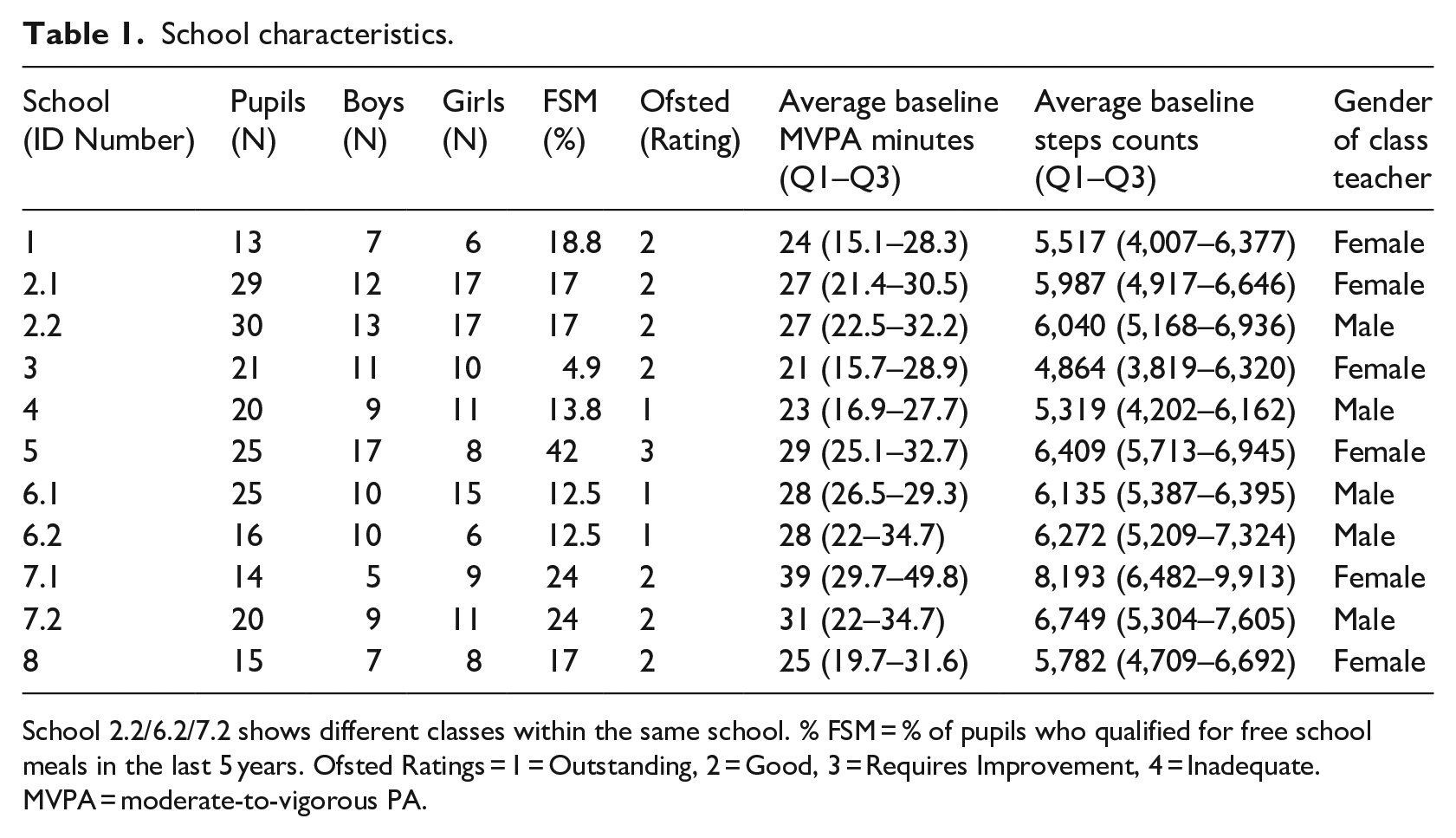
School 2.2/6.2/7.2 shows different classes within the same school. % FSM = % of pupils who qualified for free school meals in the last 5 years. Ofsted Ratings = 1 = Outstanding, 2 = Good, 3 = Requires Improvement, 4 = Inadequate. MVPA = moderate-to-vigorous PA.
Procedure
This study sought to share PA data from school classes with the class teacher so they could develop bespoke strategies with the aim of increasing PA among their pupils. Within-subjects’ in-school PA was measured pre and post data-sharing discussions. This research was conducted remotely, with hardware sent to participating schools and interactions with teachers only taking place via Microsoft Teams and email. Research was conducted remotely due to COVID-19 and the inability to cross class bubbles, a system in which children and teachers could only mix within a fixed year or class group. The five-step process in the study design can be seen in Figure 1.
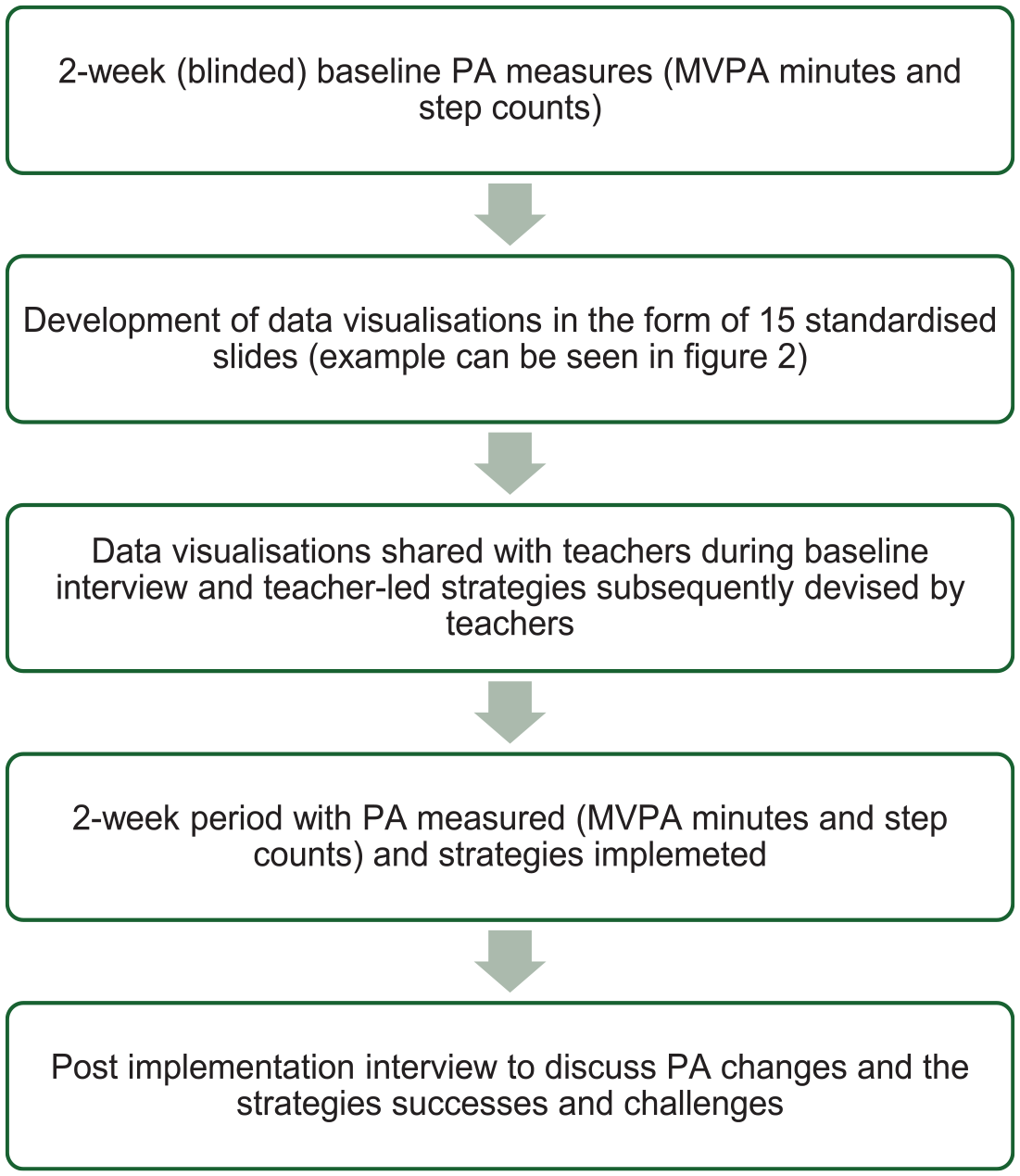
Outline of study procedure.
Step 1
This project was designed to take advantage of the recent introduction of commercially available wearable devices specifically designed for the school environment (Moki Technology Ltd, Atworth, UK). This device includes a wrist-mounted tri-accelerometer without a screen, so pupils’ access to their data is controlled by the teacher. Accelerometers return data using proprietary algorithms that include estimated step count and moderate-to-vigorous PA (MVPA) averaged over 30-minute blocks. Devices are tapped against a contactless (near-field communication) reader to instantly download data which are displayed on a teacher-facing dashboard. Moki devices have good external validity and represent a good option for school-based research (Sun et al., 2021). This type of system also makes it possible to conduct research remotely (e.g. during COVID-19).
Pupils’ baseline in-school PA was assessed over 2 weeks and pupils only wore the devices during school hours. Pupils were blinded to the data and received no feedback. Teachers were able to view the pupils’ data on the accompanying software application if they wished to check that devices were recording data, however, this was not something they were instructed to do. During the 2-week baseline period, teachers were instructed to carry out lessons as normal, not changing their behaviour or encouraging the pupils’ PA.
Step 2
PA data were screened and cleaned; data were filtered to include weekday school hours only, specific to each school. Pupils were included in the analysis if they had ⩾5 days of at least 4 hours of in-school PA for both the baseline and intervention measures. Non-wear time was characterised as 30 minutes of zero step counts. Following baseline assessment, data visualisations were created for each school, showing the percentage of the school day spent in MVPA. Figure 2 shows an example of the graphs shown to teachers at baseline.
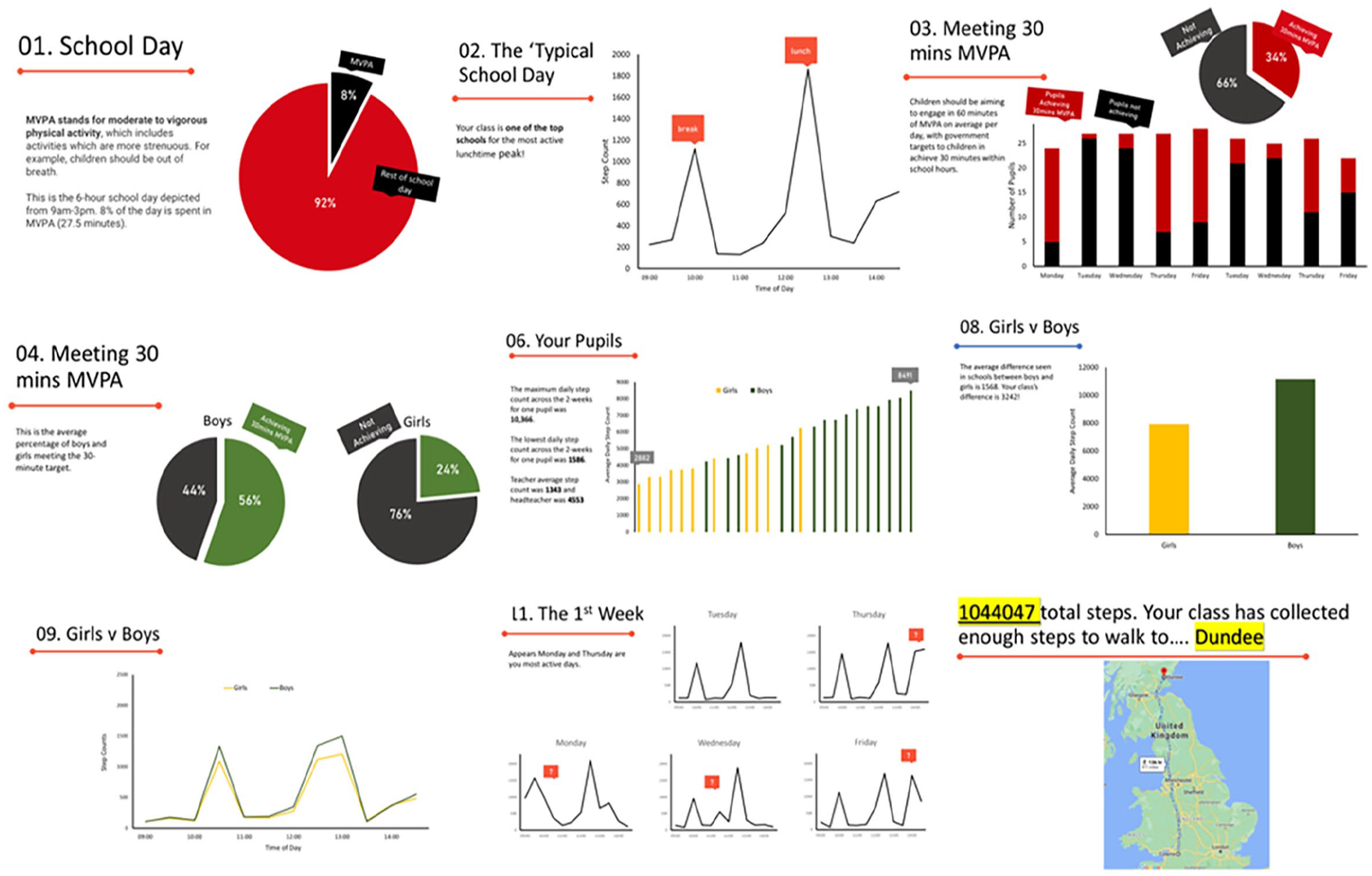
Example of graphs shown to teachers at baseline (for more detail please see Online Supplemental Material).
Step 3
Teachers were presented with, and given the opportunity to reflect on, the visualisations of the baseline data from their class during an online interview. Teachers were not given any information about their classes’ PA or strategies that could be used to promote PA prior to the data sharing discussion. Class teachers were considered best placed to come up with strategies as they had the greatest understanding of their pupils and school setting, and what approaches may best engage pupils. The aim of the project was to implement PA opportunities across the whole-school day. Therefore, while some teachers were the lead for PE in their school, the teacher sample came from different educational backgrounds with a mix of competencies and experiences.
The aim of the data sharing was to highlight pupils’ average daily step counts and MVPA, pupil and gender differences, daily variation, comparisons with other anonymised schools and pupils, and if they were meeting the 30-minute MVPA government target for PA in school time (UK Government, 2016). Teachers did not have access to the graphs prior to the online interview which provided an opportunity to qualitatively capture how they responded to data visualisations in real-time. Teachers were asked at the end of the interviews what 3–5 strategies could be implemented within the following 2 weeks to improve their class’ PA. Teachers were able to suggest and select any strategy they wished, and no restrictions were given. However, if required, teachers were encouraged with further questions and talked through prompts which aligned to the CASF (see Figure 3) (Daly-Smith et al., 2020b). Teachers were not shown this framework, instead it was used as a guiding tool, with the lead researcher (G.K.W.) offering prompts about different parts of the school day if teachers were unable to initially suggest strategies. These interviews functioned as both part of the intervention and part of the data collection to evaluate the intervention.
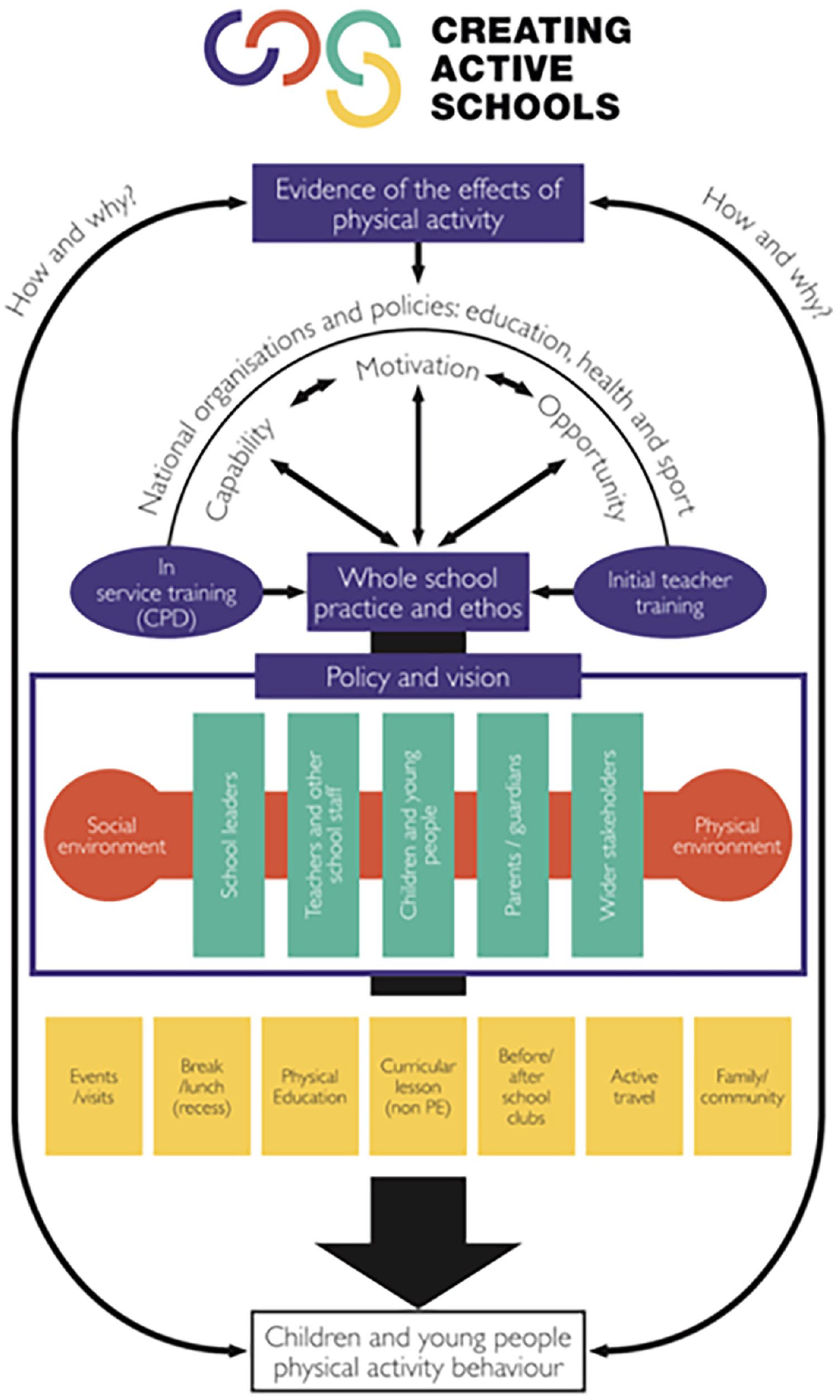
The Creating Active School Framework (Daly-Smith et al., 2020b).
Step 4
During the following 2 weeks, teachers could choose to implement the strategies in any way that they deemed appropriate, and PA was assessed using the wearable devices. Teachers could access live PA data at any point, and thus reflect on the impact of the strategies they were in the process of implementing. Pupils were no longer required to be blinded to the data if the teacher so wished.
Step 5
At the end of this 2-week period, PA data were used to create data visualisations in the same format as previously, depicting changes from the baseline data provided 2 weeks earlier (Figure 4). This was then discussed with each class teacher in a second online interview to reflect on successes and challenges from their perspective, and to better understand how strategies were implemented. This final step was used to understand how teachers implemented their chosen strategies, or if they failed to do so.
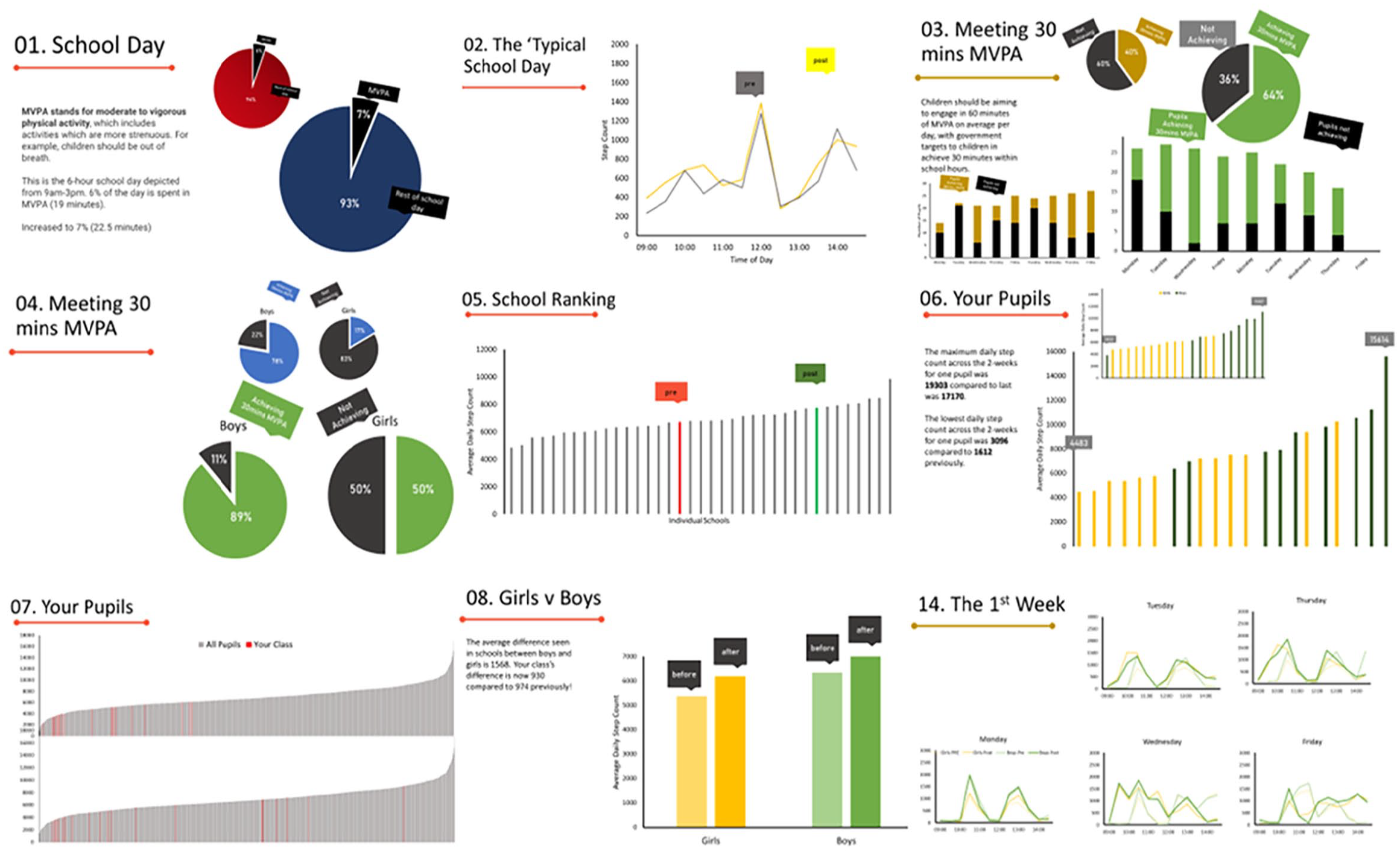
Example of graphs shown to teachers at intervention (for more details please see Online Supplemental Material).
Data analysis
Pupils’ changes in step count and MVPA minutes were examined alongside data from qualitative interviews to understand what and how strategies were implemented, as well as to gain preliminary insight into their success. It was important to understand teachers’ experiences of using the devices and how they interpreted the data, before exploring which strategies they chose to implement and how these impacted pupils’ PA.
Descriptive statistics and t-tests pre–post for step count and MVPA minutes were generated using R and represented as means with 95% confidence intervals.
Interviews were transcribed verbatim promptly after conducting the interviews and anonymised. Data were coded on NVivo 12 using reflective thematic analysis (Braun and Clarke, 2021). The analysis was an iterative process; coding was initially data-driven, following an inductive (‘bottom-up’) approach, before shifting to a more deductive (‘top-down’) approach to align with the research aims, and to interpret the data using the elements of the CASF which ensured the themes were strongly linked to the data. G.K.W. conducted the main analysis, codes and themes were revised several times and discussed between G.K.W. and G.W., until they reflected the data and addressed the research aims.
Quantitative and qualitative data were initially analysed separately, but in parallel to one another, before methodological triangulation was used to create a more complete picture. The descriptive statistics helped provide direction upon returning to the qualitative data, and vice versa. The findings from each data source were compared and interrogated, checking for convergence, complementarity and discrepancy (O’Cathain et al., 2010).
Results
Pupils who received parental consent were able to participate (N = 340). After applying criteria for data inclusion (see Methods above), 228 pupils (67% of total sample) (117 girls, 111 boys) from 11 classes and 8 schools were included in the sample.
A summary of teachers’ responses to the data, their perceptions of the success and failures of strategies, and the class level PA changes are summarised in Online Supplemental Table A.
Teachers’ experiences of using wearable technology
Overall, teachers’ experiences of using the devices were positive and they easily integrated them into classrooms. Teachers gave positive reactions at the end of the project, such as ‘It’s been great, they’ve [children] really loved it. It’s been really good to be part of it, so thank you’ (Teacher 6.1, Intervention). Some teachers were interested in using these types of devices in the future to ‘monitor and pick up things – exactly as you’ve just done – monitor things like the girls, so that it stimulates that conversation. As in, okay we know that’s what’s happening, what could we possibly do about it’ (Teacher 5, Intervention). However, the use of accelerometers was not without concerns, such as disruption to normal school practices, reliability and validity concerns, devices becoming a distraction, concerns over children viewing data, and technical issues.
Teachers’ responses to the data
Teachers responded to the data in ways which demonstrated understanding and interest, giving valuable explanations and insight into each class’s context, as well as the factors impacting the success or failing of strategies and the overall changes in PA. For many, the data appeared to increase their awareness of issues such as how inactive pupils were, exclaiming ‘We’re not as active as I thought’ (Teacher 2.1, Baseline). Data also highlighted the disparities in pupils’ PA, as one participant said, ‘It was just unusual to see children have such vast differences in their steps’ (Teacher 4, Baseline). It also revealed on which days children were the least active. One teacher reflected,
I’m also starting to wonder if on Wednesday and Thursday, when they have very sedentary days in the classroom, if I should maybe do a midmorning get up and jog on the spot . . . because looking at the data, it’s a very long time for them to not have a lot of movement. (Teacher 2.2, Baseline)
The graphs prompted several teachers to reflect that even on Physical Education (PE) days not all pupils meet the 30-minute MVPA government target, as highlighted in the quotation below:
It shows potentially PE twice a week definitely doesn’t have the desired impact that you would want for PA. (Teacher 2.1, Baseline)
Strategy selection
Teachers identified and implemented different strategies to improve pupils’ physical activity across the school day, including altering the physical or social environment, providing more opportunities to be active, aiming to improve pupils’ motivation or address inequalities. Online Supplemental Table B details the barriers and facilitators that teachers believed influenced pupils’ PA, as well as the strategies they implemented across each domain of the CASF.
Teachers believed the inclusiveness of opportunities was important, stating that football – while contributing to MVPA – often dominated the playground space to the detriment of girls’ activity:
There’s a lot to unpick there actually because the games that the boys are playing are dominating. There are a few girls taking part in it, but it’s predominantly a boys’ football game. Which is highly enjoyable for the children taking part, but it’s not inclusive and you can see that. (Teacher 8, Baseline)
Strategies teachers implemented to address gender disparities included ‘no football’ days, introducing equipment to facilitate girls’ PA, consulting with children, sharing female sporting role models and creating inclusive environments. Some teachers wanted to try to change the social environment and create equal opportunities, as illustrated by the following quotes:
So, we had lots of good discussions. And actually, I did notice in PE lessons the kids were really encouraging the children who don’t do PE. (Teacher 3, Intervention) I think it was the playtimes being less gendered, less of the girls’ feeling boys play football, girls do different things . . . It was just having those discussions really, and implementing new things they might not have done before. (Teacher 3, Intervention)
Many teachers chose to share data with pupils and create competitions (e.g. most individual or team step counts), and while they highlighted these were successful strategies (e.g. ‘I think that’s actually had the biggest impact, being able to see their data’ – Teacher 6.1, Intervention), several of them highlighted that this approach did not equally engage pupils (e.g. ‘Some of them just didn’t engage as much. As you’d expect, the less active children, or the children that struggle more with PA didn’t get as motivated’ – Teacher 7.2, Intervention).
Strategy implementation
Teachers described how school policy and academic pressures were a barrier to implementing strategies:
The constraints of our school are just ridiculous. Sounds hard to imagine, but even finding just 5 minutes just to get a movement break can sometimes feel difficult. (Teacher 4, Intervention) The other things that would have been out of my control are our curriculum. (Teacher 3, Intervention)
However, while teachers faced similar barriers, they devised different strategies even within the same school. This may be because some teachers were more conscious than others about mitigating against sedentary time, as demonstrated here:
The exam week’s horrible, so the afternoons we try and get them out. (Teacher 6.1, Baseline)
Teachers’ engagement and commitment to implementing strategies varied between schools. Several teachers admitted that they ‘didn’t actually do that [strategy] I’m afraid’ (Teacher 7.2, Intervention), and that ‘until you really embed them [strategies] it’s so easy to forget’ (Teacher 4, Intervention). It is important to note that at the time of the study COVID-19 disrupted the implementation of some strategies, and some teachers felt that they needed longer to embed changes:
because of the nature of COVID and all the things that happened recently, I don’t really feel that we’ve had a real opportunity to change and embed any changes to our PA. I think we’ve started thinking about it, but I don’t think it’s long enough for us, and for the children, to see a difference. (Class 8, Intervention)
Changes in physical activity
The average difference in pupil step count between pre-intervention and during strategy implementation was +396 steps/day (95% CI = 233 to 559), an 8.1% increase (95% CI = 5.2 to 11.0). The average difference in MVPA was +2.0 minutes/day (95% CI = 1.2 to 2.9), a 9.9% increase (95% CI = 6.2 to 13.5). Ten out of the 11 classes recorded higher PA in the intervention period than they did in the baseline period, however, there was variation across classes, which can be seen in Figure 5.
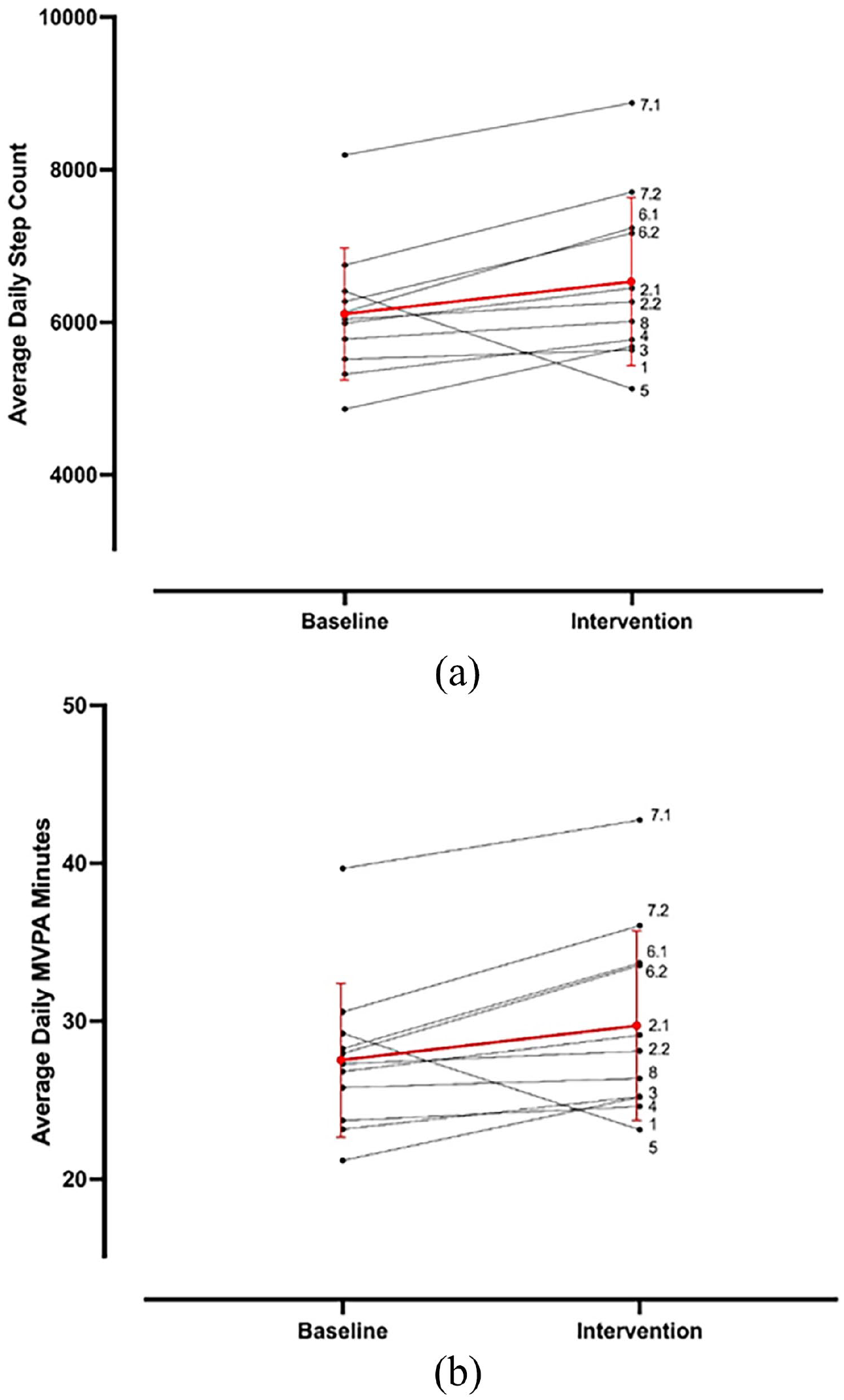
Interaction plots of the average daily step counts (a) and MVPA minutes (b) at baseline and intervention.
Out of the 228 pupils involved in the study, 147 had increases in PA (64%); however, as can be seen in Figure 6, there was large individual variability, in both boys and girls.
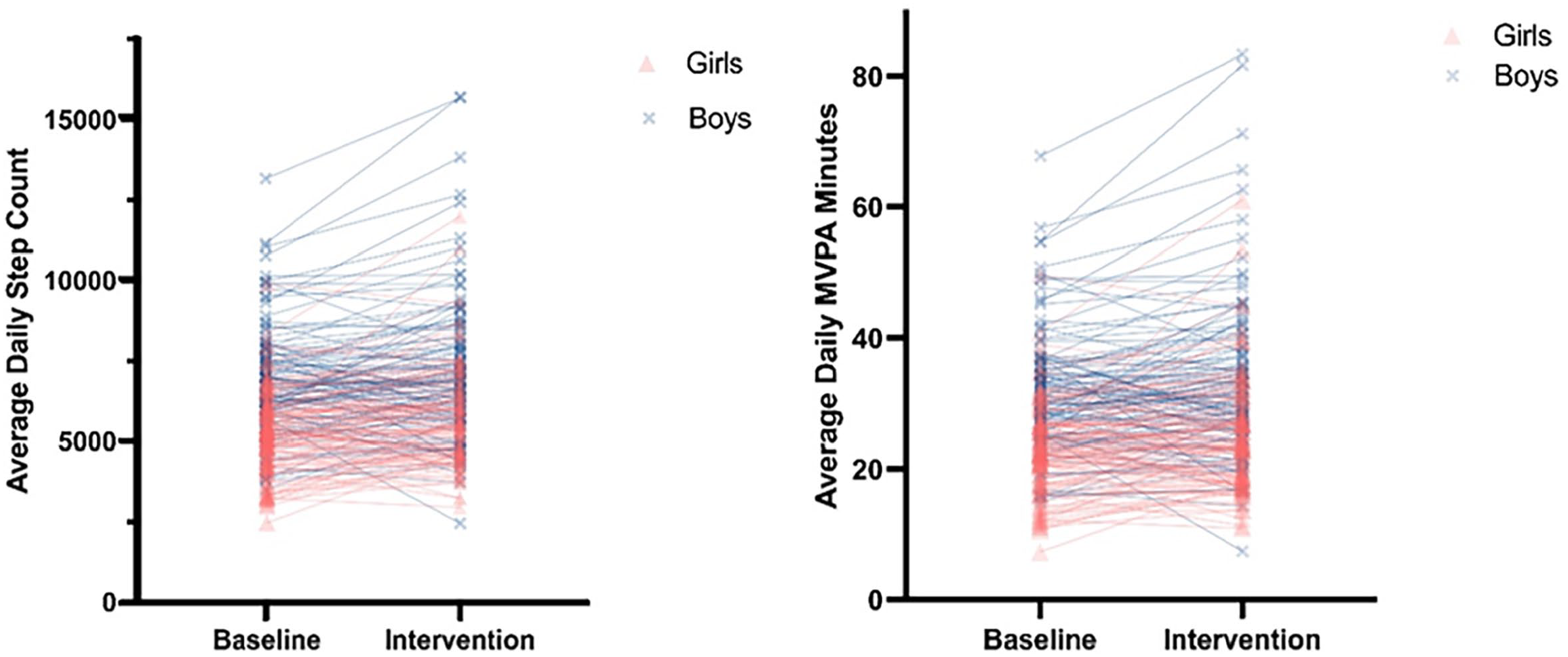
Interaction plots depicting each pupil’s average daily step count from baseline to intervention, split by gender.
Figure 7 provides further insight into the heterogeneity within the data. Pupils’ physical activity data (average daily step counts) across baseline and intervention were used to classify measures into five quintiles. While a large proportion of pupils transitioned to a more active quintile during the intervention period, individual responses to the intervention varied.
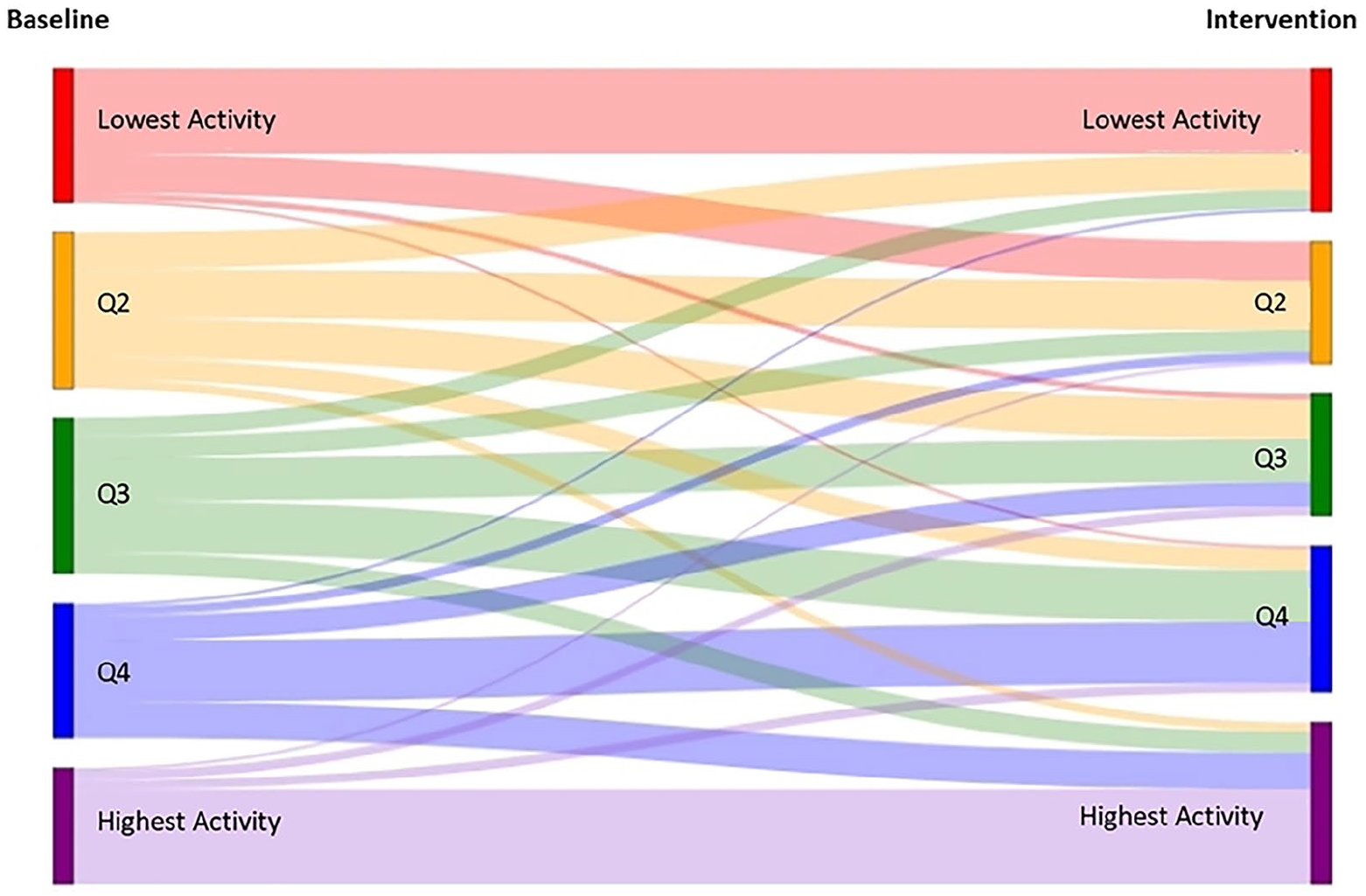
Transitions in physical activity between baseline and intervention.
When comparing changes in pupils’ physical activity across quintiles we can see that the greatest improvements in average daily step counts were for the pupils with the lowest PA at baseline (16%). Those in Q2, Q3, Q4 and Q5 (the most active pupils) increased by 9%, 5.3%, 1.5% and 3.2%, respectively (see Figure 8).
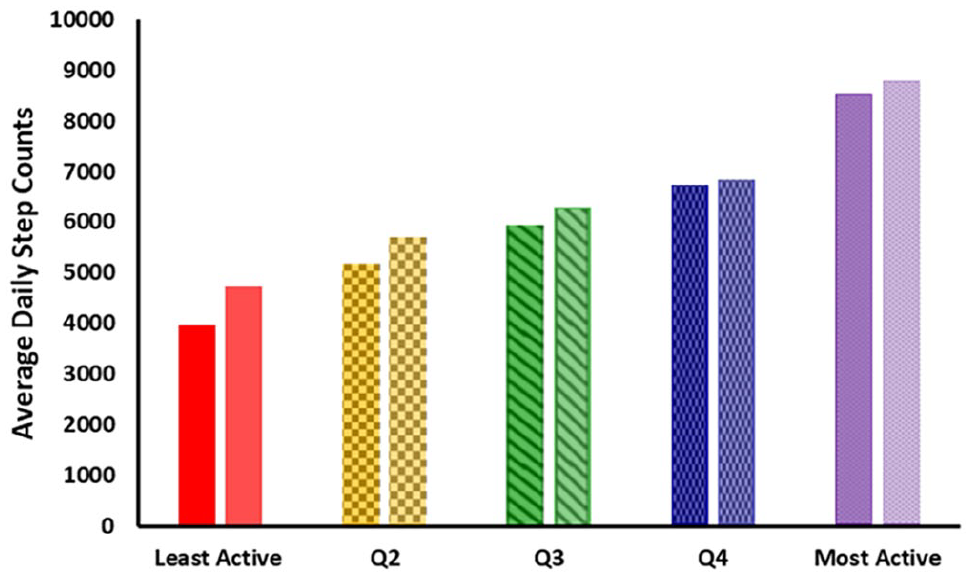
Pupils’ average physical activity during baseline and intervention periods in each quintile. The quartiles (Least Active, Q2, Q3, Q4, most active) mirror those in Figure 7 with the first bar representing baseline values, and the second bar depicting intervention values.
Teachers were positive when their class data showed an increase in pupils’ PA. One said, ‘Well, it’s great isn’t it. I mean it’s much better, a massive increase in children achieving that 30 minutes [of MVPA]’ (Teacher 6.1, Intervention). In contrast, teachers were disappointed when the data showed no change. For example, ‘I guess I’m a bit disappointed that the percentage is still quite low for that’ (Teacher 2.2, Intervention).
Interestingly, for one teacher, increases in girls’ PA demonstrated that strategies could be adopted to encourage girls’ activity: ‘I was quite surprised that [girls’ activity] increased as much. Just my own prejudice I guess, or, seeing this for years now, you just see girls standing around in the playground and you think oh well, they’re not very interested in physical stuff or playing games. But seeing that some of them were getting that [30 minutes of MVPA] has made me question that’ (Teacher 7.2, Intervention).
Finally, many teachers welcomed the opportunity to reflect on the data and wanted to continue to address pupils’ PA after the project, particularly for girls:
I think there’s clearly a group of children, and thank you for highlighting that to us, that we need to be aware of. That group of five or six down the bottom end, that now needs to be a conversation and a target group in some way. (Teacher 8, Intervention) I think if that’s one thing I think I can definitely take away from this is see what the girls want and not just the boys. ‘Cause the boys will just say football, so how can we get the girls being more active? (Teacher 1, Intervention)
Discussion
This study demonstrates that primary school class teachers can (a) effectively implement wearable PA devices designed for school use; (b) interpret the data from these devices; and (c) use data-informed strategies to try and improve pupils’ PA outcomes with minimal researcher support. While previous research has highlighted the influential role teachers can have on children’s PA (Defever et al., 2021), school-based interventions typically involve the roll out of standardised programmes which rarely include educators in the intervention design (Christian et al., 2015). Our findings suggest that sharing pupils’ data could play a key role in helping schools enhance PA provision. Sharing data can help school staff understand pupils’ baseline PA, identify low active groups of individuals, or times of the school day which are less active, and ultimately prompt school staff to think about what strategies could be implemented to improve these outcomes. Alongside deciding what and how strategies were implemented, teachers could hold themselves accountable, accessing live PA data if they wished.
Some teachers were particularly surprised to see that on days with PE, not all children were achieving 30 minutes MVPA (i.e. that PE was insufficiently engaging all pupils). Thus, collecting PA data throughout the whole school day could be used to demonstrate the need for PA opportunities throughout the school day. Teachers were able to identify and implement strategies from across the CASF, such as introducing several different opportunities or targeting the social environment. Ten out of the 11 classes, and 64% of all pupils, experienced increases in PA. Higher levels of PA, regardless of intensity, are associated with a reduced mortality risk (Ekelund et al., 2019) and there have been calls to account for wider ranging outcomes other than improvements in MVPA. Therefore, the increases in both step counts and MVPA, alongside teachers’ responses, suggest the potential for this type of approach to benefit schools, with implications for school policy and practice, particularly to address inequalities in PA. Future research is warranted to further understand the components underpinning the success and challenges of this type of approach, and which strategies, or combination of strategies, may hold the most promise.
This study also suggests that sharing class-based PA data with teachers can motivate them to make changes to encourage PA and address inequalities, for example, through changes to the social environment or physical environments. Strategies to address this include providing additional equipment or activity sessions for girls, or having conversations with pupils to change the social environment and the associated stereotyping which can prevent engagement in activities. These findings highlight the importance of disaggregating data by gender. The desire to address these issues was present not only during the implementation period; several teachers expressed the desire to continue refining school practices following the end of the research project. Therefore, while it was not possible to evaluate the long-term outcomes or continue collecting measures over a longer period, this demonstrates the promise of this approach.
Most teachers included at least one strategy which relied on individual motivation or had a competitive element. Several teachers believed this had the most significant impact on pupils’ PA. However, it was noted that these types of strategies engaged pupils differently, encouraging the most active pupils, rather than the least. While this is supported by previous research findings which have demonstrated that competition may fail to engage those who are least confident and those with low physical literacy (Bernstein et al., 2011), this was not supported by the PA data within this study. Competition is often experienced in schools, and competitive sports often underpin the physical education curriculum (Duncan and Kern, 2020). Despite this, implementing competitive strategies with wearable technologies should be carefully considered before being implemented, particularly if the focus is on targeting demographic inequalities and supporting the least active children. With this in mind, it is reasonable to suggest that teachers require greater support and guidance to ensure that the needs of the least active pupils are prioritised and met.
Strengths and limitations
This novel research contributes to our understanding of pupils’ primary school-based PA and the role of class teachers. However, this study was not designed to provide evidence of the effectiveness of the intervention strategies to change pupil PA. Future studies are required to build on these encouraging initial findings. For example, one limitation of this study was the inability to conduct longer term follow-up measures. While a proportion of pupils appeared to increase their activity, moving into more active quintiles, other pupils experienced declines in PA during this period. Future research, using experimental designs, is needed to further understand the effects of such strategies and interventions, and what drives the observed individual variability.
Previous research assessing the differences in school-based PA internationally has reported that mean in-school MVPA varies from between 14 and 28 minutes (Grao-Cruces et al., 2020). Another study conducted within the north-east of England reported that MVPA ranged from 13 to 22 minutes across six schools (Daly-Smith et al., 2021a). Within our study, two of the classes, from within the same school, were already achieving over the 30 minute daily MVPA target at baseline. This might be explained by the presence of a supportive school culture and a PE lead who highly valued PA, encouraging active breaks throughout the day. While it is important to note that the schools in this study may not be representative of typical schools across England, it is also noteworthy that, despite high baseline PA, they were still able to make meaningful improvements.
Several challenges and disruptions were faced throughout the duration of is project due to the additional challenges associated with COVID-19. A flexible and pragmatic approach is needed when collecting data in schools (Taylor and Owen, 2021), and particularly to accommodate for these additional barriers. This project was run remotely, with the devices and accompanying software being set up by teachers. This meant the researcher was not present in schools, relying on teachers to adhere to the protocol, only having communication via email and Microsoft Teams. Several classes were unable to complete the project and dropped out due to challenges related to COVID 19, such as staff and pupil absences, class bubbles 1 having to be sent home, and the uncertainty around schools remaining open. However, the project shows that novel technologies can be deployed remotely when physical access to schools is restricted, and this supports the feasibility that such studies could be conducted at scale and across diverse geographical regions.
A limitation of wearable devices is their inability to measure all bodily movement, such as muscle strengthening or some upper body activities (Lee and Shiroma, 2014). Thus, while such devices offer improvements on self-report methods, it is possible that activities such as gymnastic exercises and additional practices that could be of value for PA were implemented by teachers but the devices could not detect the associated movements.
Several teachers reported that they wished they had had longer to implement changes or there had been greater whole-school involvement. This study demonstrates proof of concept, showing that data insights can be used in a pragmatic way to enable teachers to reflect on pupils’ PA and the associated inequalities within their class context, helping to facilitate teacher-led strategies to improve pupils’ PA. However, future trials should consider a longer intervention period and/or the involvement of multiple teachers and school-based stakeholders.
However, it is important to acknowledge no teachers were able to implement intervention strategies to address barriers identified at the level of school policy. This demonstrates that, to create meaningful change in school practices which support PA, leadership teams and stakeholders should work together to influence policy and have greater impact. Indeed, previous work has highlighted the need for strategies to target multiple determinants of PA, across different social and physical environments (Hu et al., 2021). A whole school approach, which was not feasible in this study due to the COVID-19 restrictions in place during this project, is likely to have greater impact by changing practices at all levels and embedding and maintaining a physically active ethos.
Conclusion
This study demonstrates that PA data from wearable technologies can be successfully used by primary school teachers to support setting-specific and individualised strategies to increase pupils’ PA. This approach was effective at improving pupils’ PA, particularly those within the lowest quintile of physical activity, but more research is needed to examine response heterogeneity. Furthermore, research including whole-school approaches across different age groups and subpopulations and involving leadership teams is needed to help establish whether data-driven approaches can be used to positively influence whole school practices.
Supplemental Material
sj-docx-1-hej-10.1177_00178969241288048 – Supplemental material for The promise of teacher-led physical activity strategies informed by pupil data
Supplemental material, sj-docx-1-hej-10.1177_00178969241288048 for The promise of teacher-led physical activity strategies informed by pupil data by Georgina K Wort, Gareth Wiltshire, Simon Sebire, Oliver Peacock and Dylan Thompson in Health Education Journal
Footnotes
Acknowledgements
We thank the school stakeholders who helped with recruitment, as well as all the teachers and pupils for their time, involvement and participation in this study.
Declaration of conflicting interests
The author(s) declared the following potential conflicts of interest with respect to the research, authorship and/or publication of this article: the authors have no financial relationships with any organisations that might have an interest in the presented work. DT previously held shares in Moki Technology Ltd but no longer has any financial interest in the company.
Funding
The author(s) disclosed receipt of the following financial support for the research, authorship and/or publication of this article: this work was part of the lead author’s doctorate which was funded by the ESRC’s South West Doctoral Training Partnership, Economic & Social Research Council (ESRC) [ES/P000630/1].

Supplementary materials
Notes
References
Supplementary Material
Please find the following supplemental material available below.
For Open Access articles published under a Creative Commons License, all supplemental material carries the same license as the article it is associated with.
For non-Open Access articles published, all supplemental material carries a non-exclusive license, and permission requests for re-use of supplemental material or any part of supplemental material shall be sent directly to the copyright owner as specified in the copyright notice associated with the article.
