




Abstract
Objective:
The modern Australian diet is largely characterised by too few fruits and vegetables and too many discretionary foods. This is very different to how Indigenous Australians ate prior to colonisation. Native plants and seeds like bush tomatoes, warrigal greens, Kakadu plum and wattleseed are not common features of the contemporary Australian diet. We developed an initiative to incorporate native plants and seeds into a hospital inpatient menu to normalise their use and provide nutrition education to patients, staff and the community of the nutrition and sustainability benefits of native ingredients.
Design:
Between May and August 2022, the Chef’s Special menu (for privately funded patients) featured Australian native ingredients in all dishes. The nutritional benefits of native foods were communicated to patients through a printed brochure delivered with the menu, to foodservices staff through in-service training, and to the broader community through social media.
Setting:
Urban hospital in Brisbane, Australia.
Method:
Data were collected on acceptability, engagement and reach of the education initiative.
Results:
The initiative was successfully delivered, with more than 8,000 patient brochures distributed, 45 staff attending training, and social media reaching approximately 10,000 people. The most frequently ordered main meal on the menu was grilled snapper (fish) with macadamia Asian herb salad and finger lime.
Conclusion:
The work highlighted how the patient menu in hospital can serve as a useful tool to communicate nutrition education to patients, staff and the broader community. In addition, we reflect on the many opportunities to continue to celebrate the nutritional benefits of Australian native foods in healthcare settings.
Context
Across all age groups, the Australian diet is generally poor (Australian Institute of Health and Welfare, 2018), being largely characterised by too few fruits and vegetables and too many discretionary foods. Fewer than 10% of Australians eat enough vegetables and approximately one-third of total energy intake comes from discretionary foods (Australian Institute of Health and Welfare, 2018). It is well accepted that dietary consumption patterns like this contribute to poor physical and emotional health, as well as have a detrimental impact on the environment (Dicken and Batterham, 2022).
How Australians eat now is very different to how Indigenous Australians across Australia ate prior to colonisation. Prior to colonisation, the diets of Indigenous Australians were varied and diverse across regions, featuring nutrient-rich foods that reflected the local flora and fauna (O’Dea et al., 1991). Native plants and seeds like bush tomatoes, warrigal greens, Kakadu plum and wattleseed are not now common features of the contemporary Australian diet. The contemporary use of native plants and seeds is generally limited to processed foods like sauces, drinks or preserves, while fresh produce is typically only found at ‘farmer’s markets’ (Richmond et al., 2019). Commercial production appears to prioritise for the use of native foods as functional food ingredients (Richmond et al., 2019) or advertising to the global export market. For example, approximately 50% of finger limes and 60% of mountain pepper berries produced in Australia are exported (Agrifutures Australia, 2017a, 2017b).
Native plants and seeds can play a significant role in contributing to a healthy and sustainable diet for all Australians. The extraordinary diversity of native plants and seeds have adapted to the geographic and climatic ecologies of Australia. As many native plants have low water requirements and contribute to preserving native biodiversity, they can contribute to more sustainable food systems (Friel et al., 2014). Because of their low water content, native plant foods are typically nutrient dense (Richmond et al., 2019). Compared to their Western counterparts, Australian native fruits have more protein, carbohydrates, vitamin E, folate and thiamine in them (Richmond et al., 2019). In particular, the vitamin C content of the Kakadu plum is much higher than that of Western fruits, with 55 times more vitamin C than oranges, and recognized as one of the richest known natural sources of vitamin C in the world.
Given current global interest in healthy and sustainable diets, we saw an opportunity to incorporate native plants and seeds into a local hospital inpatient menu to normalise their use, celebrate the culture of Australia’s Indigenous peoples and provide nutrition education to patients, staff and the community on the nutrition and sustainability benefits of native ingredients.
Setting
Mater Health, South Brisbane campus, is a large healthcare organisation comprising five individual hospitals serving both publicly and privately funded patients (approximately 860 beds; 55% privately funded). Approximately 6,000 staff are employed at Mater South Brisbane and the campus is located centrally in the city of Brisbane, Queensland (population 2.3 million).
A point of difference in the experience of patients who are funded privately, versus publicly, is the foodservice menu. All patients at Mater South Brisbane are provided with room service–style meal selection. Patients can order from an a la carte–style menu at a time that suits them and the meals are cooked fresh and delivered within 45 minutes. For patients who are privately funded, there is an additional weekly Chef’s Special menu for patients to choose from along with a selection of fresh cold-pressed juices. Since 2020, Mater has partnered with Australian celebrity chef, Luke Mangan, to provide restaurant-quality menus for private patients. The Chef’s Special menus rotate weekly over a 4-week cycle and these cycles change 3 times a year, with each cycle featuring a unique theme. For example, previous menu cycles have featured local, seasonal ingredients (summer season highlighting sun-ripened produce) and dishes which were predominately plant-based, including some vegan options. The theme for the Autumn 2022 menu (May to August 2022) was to celebrate Australian native ingredients, including plants and seeds. The theme of native ingredients was identified as it aligned to a major focus of Mater in developing a Reconciliation Action Plan. As such, there was organisational support for the initiative. For example, at the launch for the artwork for the Reconciliation Action Plan, a morning tea was provided including cold-pressed juices from the menu that featured native fruits and herbs.
Profiling Australian native foods on the menu aligned well with the Dietetics and Foodservices teams’ broader mission to provide quality and nutritious meals to patients while in hospital. In addition to ensuring that all patients are able to meet their nutritional needs while in hospital, Mater Foodservices recognises that a healthy diet is based on a local and sustainable food supply. Australian native plants and seeds fit these criteria, given their nutrient density, ability to grow and thrive in their region of origin, and by supporting local growers/producers and ensuring a shorter supply chain.
Activities
The overall aim of the native ingredient initiative was to educate patients, staff and broader community about the nutritional benefit and utility of native ingredients in everyday meals. The time frame for the activities coincided with the Autumn Chef’s Special menu featuring native ingredients. Autumn was selected for this particular menu as it includes many of the culturally significant dates celebrating and recognising Aboriginal and Torres Strait Islanders in Australia. These include National Sorry Day, National Reconciliation Week, Mabo Day and National Aborigines and Islanders Day Observance Committee (NAIDOC).
Native ingredients in patient meals
Four separate weekly Chef’s Special menus (4-week cycle) were crafted to feature native plant-based ingredients in each dish. In addition, four unique cold-pressed juices were also available during this time. This menu provided patients with an opportunity to taste native ingredients and see how they can be incorporated into common meals. An example menu is provided in Figure 1. The most popular items, by ordering count, are described in Table 1 and a photograph of an example meal is presented in Figure 2.
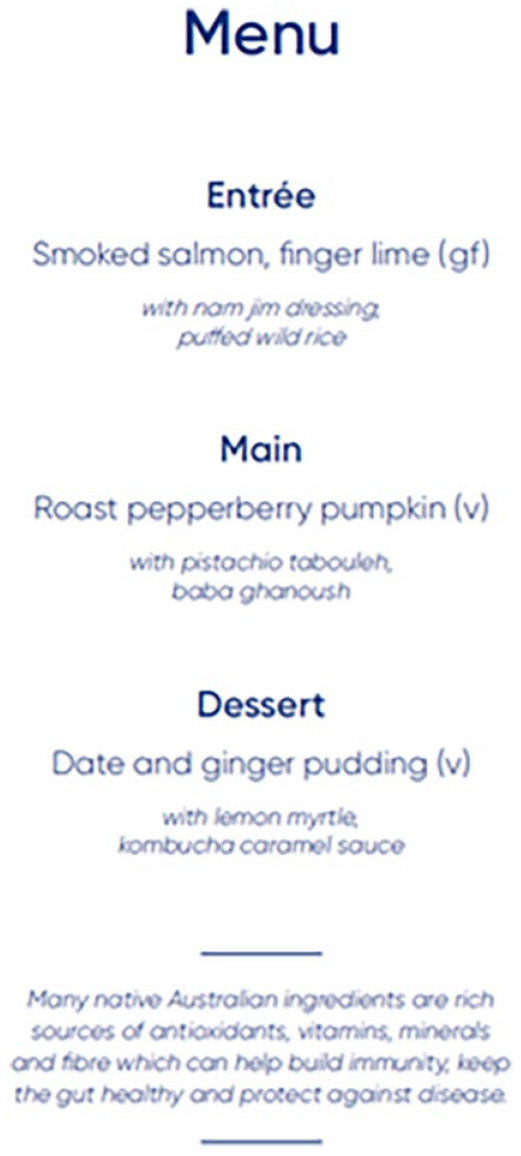
Sample menu.
Popular items from the Chef’s Special menu.
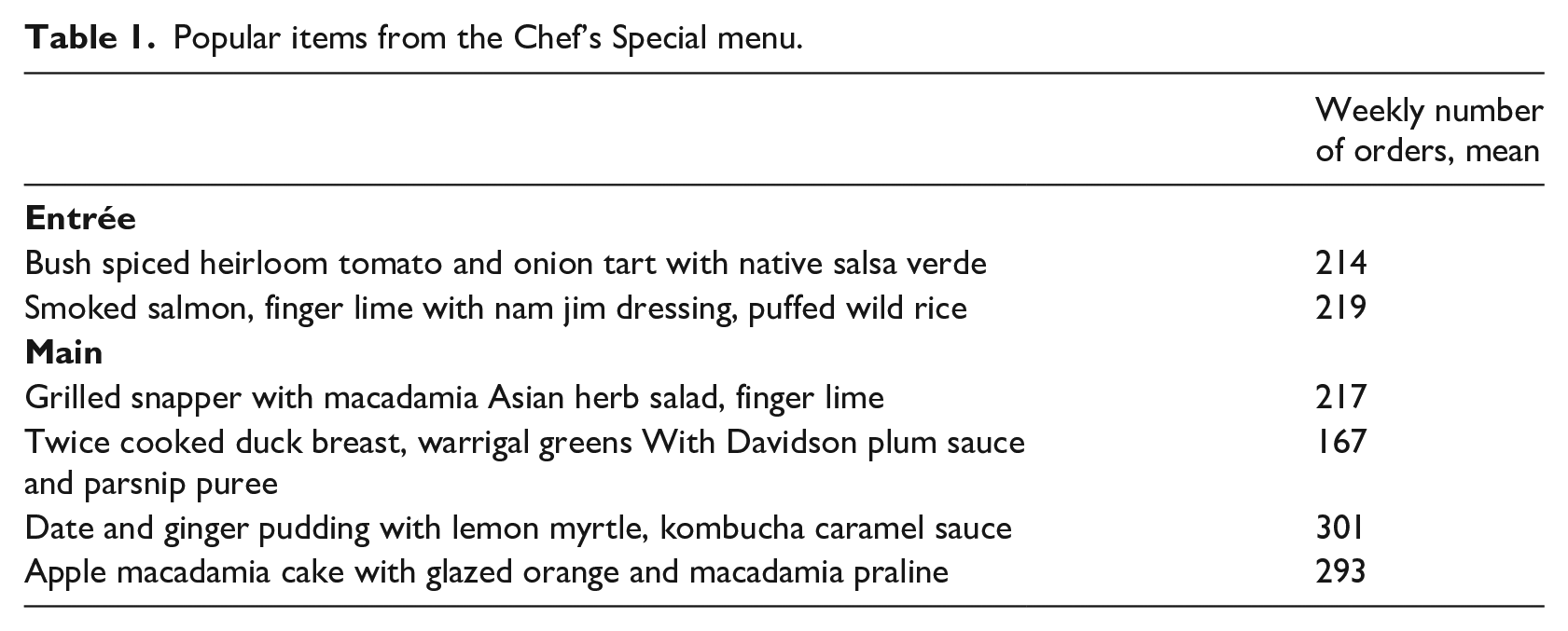
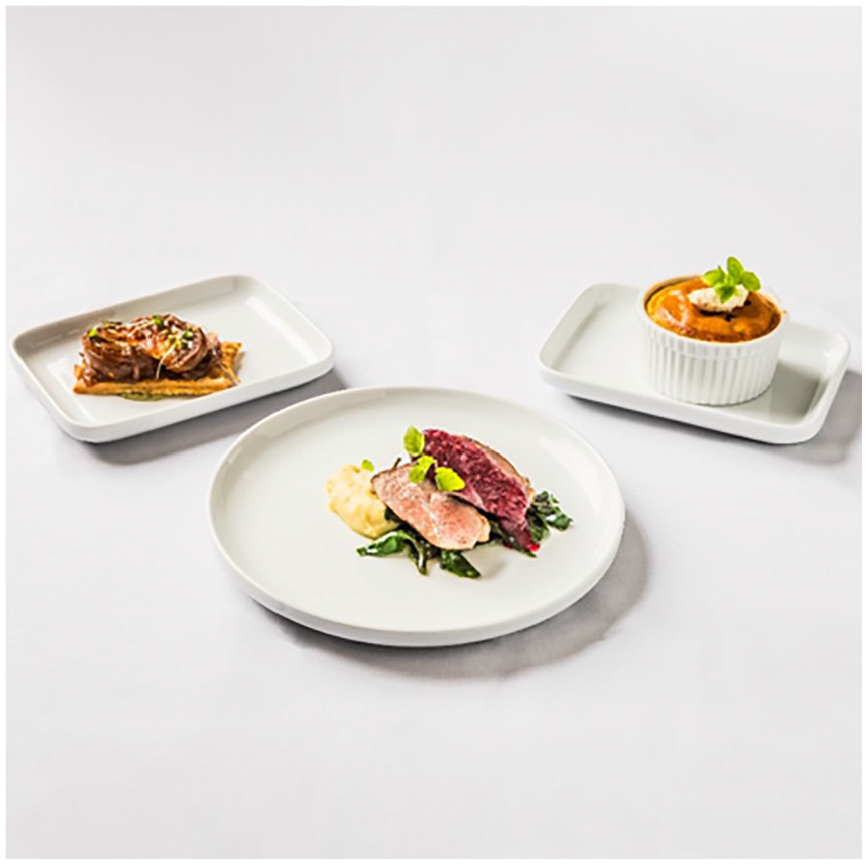
Photo of sample menu items.
Patient education materials
Along with their menu, patients were provided with a tri-fold brochure describing the nutritional benefits of native plant foods and how they can be incorporated into a healthy diet. The educational brochures were created by dietetic interns while on placement. During this initiative, 8,000 brochures were distributed.
Staff Education Sessions
Ahead of the menu launch, foodservices and dietetics staff were invited to participate in one of the five professional development sessions about the nutritional value of native ingredients. The sessions were short (approximately 15 minutes) and the feedback given at each session was positive. Dietetic interns developed and delivered the education sessions to approximately 45 staff. The sessions included viewing and tasting of some native ingredients which not only supported their education but also supported engagement with the initiative.
Juices for staff
During the time period of this menu, members of the hospital executive reached out to our team to assist with a staff appreciation initiative to offer a cold-pressed juice (produced on-site) for staff to celebrate wellness and as a post-COVID-19 thank you. All areas of the campus were visited with juices featuring a native ingredient for staff. Example flavours included carrot, pepperberry and ginger and watermelon, hibiscus and river mint. Staff were also provided with a short nutritional education flyer on the health benefits of native foods. In total, approximately 1,500 juices were delivered.
Social media
Social media tiles (see Figure 3) were developed by dietetic interns to briefly educate the Mater community about the nutritional benefit of native plants and seed. During the initiative, five social media posts about our initiative were made by the marketing department, reaching nearly 10,000 people in total.
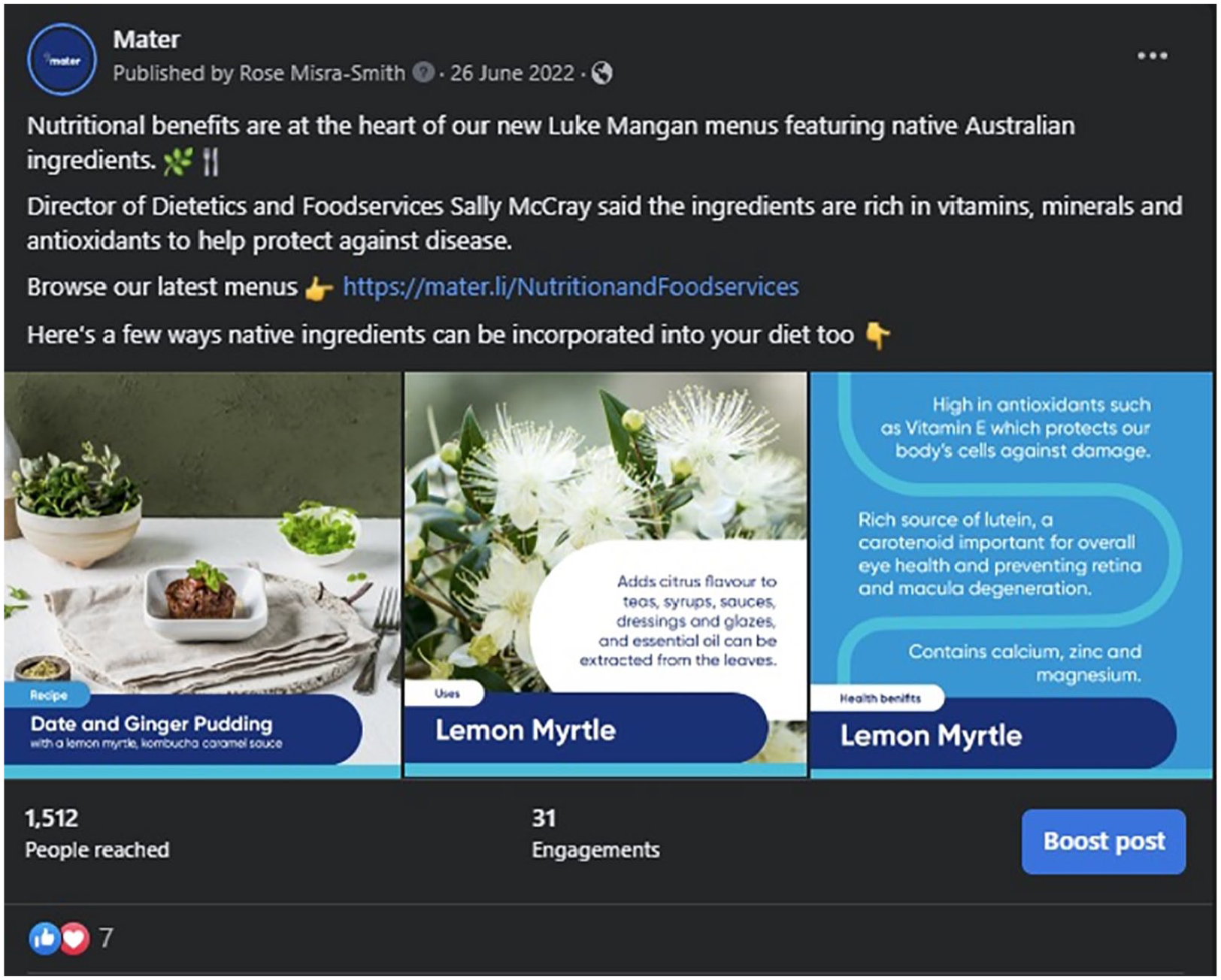
Example social media post.
Going forward
While the Chef’s Special menu celebrating native plants and seeds is finished, we are actively exploring opportunities to continue celebrating and normalising the use of these ingredients into our everyday work. Future opportunities include growing native herbs in the staff herb and vegetable garden, including native ingredients on the standard menus for publicly funded patients and engaging with local suppliers of native produce as a way to prioritise a more local food supply. In addition, this initiative could be improved and extended by effectively engaging Aboriginal and Torres Strait Islanders within the organisation or in the local community, to share their cultural knowledge related to native ingredients in their local area. That said, there are multiple challenges associated with these further opportunities that may include ensuring a regular and consistent supply of native ingredients and the time required for meaningful engagement with the Aboriginal and Torres Strait Islander community. The other key learning from this initiative is that the Chef’s Special menu is a useful tool to promote healthy food choices and nutrition education for patients, staff and the broader community.
