




Abstract
Aquanauts—people who live and work underwater for extended periods—have anecdotally reported cognitive shifts in how they perceive the ocean environment and their role in it. This experience bears resemblance to the cognitive shift astronauts have experienced when first seeing our planet from space, dubbed “The Overview Effect.” This shift involves an intense feeling of awe that increases astronauts’ sense of connection to humanity and the entire planet. In this study, we used semi-structured interviews with aquanauts to document their experiences living underwater. Results show that aquanauts do indeed experience shifts in cognitive, affective, behavioral, perspectival, and relational areas that strengthen feelings of connectedness and commitment to the marine environment. However, the effects of the experience varied between aquanauts, indicating a potential “Underview Effect” that may occur on a spectrum of intensity with a number of core features.
Keywords
Introduction
Oceans face severe challenges including overfishing, rising sea levels, acidification, increasing temperatures, pollution and habitat destruction. The UN has declared 2021 to 2030 the UN Decade of Ocean Science for Sustainable Development (Polejack, 2021), coinciding with other calls to transform humanity’s relationship with our oceans and to recognize the vital role they play in a sustainable future for humanity and the more-than-human world (Bender et al., 2022; Rudolph et al., 2020; Stoll-Kleemann, 2019). People’s relationship with our oceans mirror the myriad positive, negative, and often contradictory connections humankind has with nature more generally, and an analysis of human perceptions and attitudes towards oceans can help promote ocean literacy (Stoll-Kleemann, 2019), guide policy, facilitate environmental rehabilitation and sustainable practices, and foster equitable access to the ocean’s many benefits (Allison et al., 2023).
Prior work shows that direct experience in “nature,” from spending time in protected wilderness and marine areas to hunting and fishing, including in the ocean, strongly influences the development of pro-environmental behaviors in a variety of contexts (Soga & Gaston, 2023; Varade et al., 2022). However, the impacts of time spent in nature can depend on the quality of the interaction and “time spent” is not always a simple predictor, for example, the type of activity and sociocultural context are critical components (Clayton et al., 2016). Prior literature has explored the types of experiences that may best facilitate profound shifts in one’s understanding of the self in relationship to the rest of the natural world (Yang et al., 2018). These experiences are often undergirded by a sense of awe, connectedness, and self-transcendence. One example of such a transformational experience is what astronauts have experienced when viewing earth from low-earth orbit for the first time, known as the “Overview Effect.”
The Overview Effect
Visits to outer space in the mid to late 20th century allowed people, for the first time in history, to see planet Earth in its entirety as one interconnected system. The cognitive shifts experienced by many astronauts in their perceptions of the connectedness of people and the entire planet—dubbed “The Overview Effect” by White (1998)—along with the ability to share this experience with non-astronauts, helped to launch the environmental movement and served as a touchpoint for global interdependence. A major implication of the Overview Effect is that the way we perceive the world cannot be divorced from our physical location in it. We argue that the severe challenges facing our oceans today calls for a similar shift in perception and investigate the potential for a phenomenon akin to The Overview Effect, but experienced underwater from the perspective of aquanauts, people who live on the ocean floor for extended periods.
White (2021) describes the Overview Effect as an expansion of one’s self-concept to include more aspects of the planet, intensifying the understanding of oneself as a small part of the vast, interconnected universe. In White’s (1998) original work on the topic, he identifies patterns linked with the experience: (1) an abiding concern and passion for the well-being of the Earth, (2) changed perceptions of space and time coupled with the experiential impact of silence and weightlessness, (3) an understanding that everything is interconnected and interrelated, (4) a higher level view-point, involving new awareness and consciousness, and (5) the recognized need for a stewardship perspective and a global participatory management of the planet. While such life-altering opportunity remains rare, White also makes it clear that it is possible to experience similar perspective shifts to the Overview Effect without going into outer space, and that the experience may occur in gradations of intensity. Indeed, prior work by philosopher Speed (2010) has proposed we develop a technological analogue akin to the Overview Effect using location-based technologies (i.e., GPS) that emphasize social connections over abstract mapping to develop a global sense of place while remaining on Earth’s surface. Comparatively little is known about how spending time underwater in marine environments, and the type of activity underwater, affects attitudes and behaviors toward the ocean (Allison et al., 2023; Ortenzi et al., 2025). Our study proposes a different kind of experience (an Underview Effect) centered on living underwater for extended periods. However, potentially like the Overview Effect, we hypothesize that aquanauts may develop a worldview of connectedness that facilitates a greater understanding of themselves as part of the larger planet, which can then be shared with broader audiences.
Humans Underwater: Scuba and Saturation Diving
The term
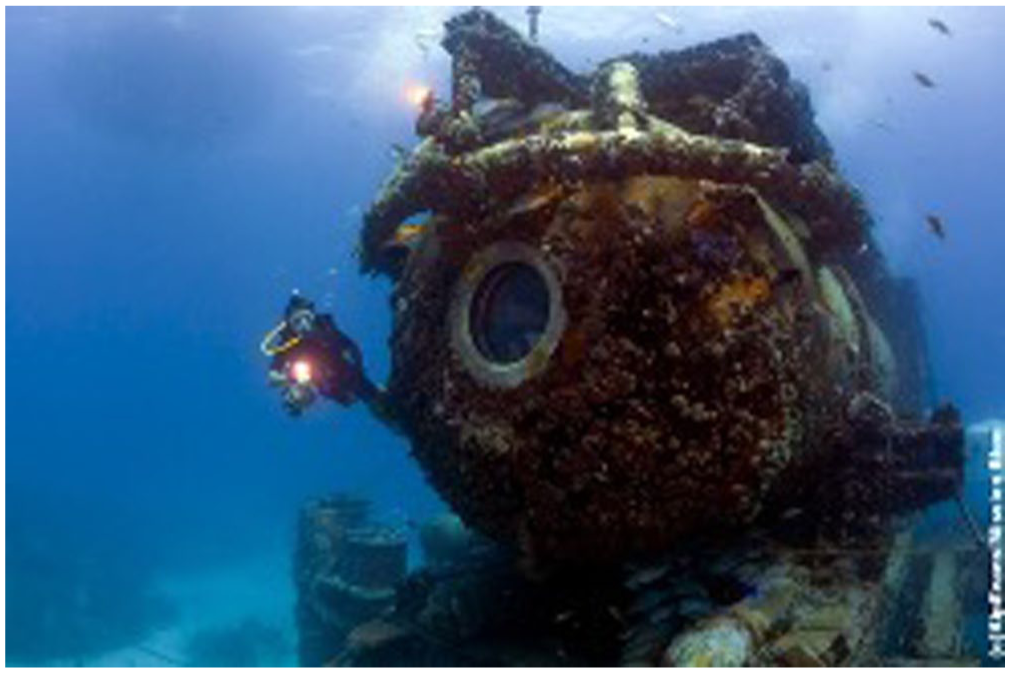
Aquarius Underwater habitat (Photo credit to Kip Evans).
Living in an underwater habitat as an aquanaut differs in some important ways from surface based scuba diving. Saturated divers are able to spend extremely long times in the water (Figure 1), often lasting many hours as opposed to surface-based divers who must adhere to strict limits to reduce risk of decompression illness. Whereas commercial saturation divers live in a pressurized vessel that is brought to a surface ship each day, aquanauts remain on the ocean floor in an undersea habitat without coming to back to the surface (Figure 1). Thus, even while not in the water, aquanauts are still essentially immersed in the undersea environment, with continuous views of the surrounding ecosystems through large portholes in the saturation facility which is attached to the sea floor. Indeed, a favorite activity of aquanauts during their off hours inside the habitat is watching and listening to the marine life surrounding them.
Connection to Nature, Awe, and Self-Transcendent Experiences
To study whether an Underview Effect exists and what psycho-social implications it may have, we turned to the prior literature on the Overview Effect and transformative experiences in nature. Many researchers utilize the concept of Human-Nature Connectedness (NC) to study the shifts in ways humans relate to nature. NC is strongly associated with pro-environmental values, attitudes and behaviors (Mackay & Schmitt, 2019), and has been defined as an experiential, cognitive, and emotional sense of merging or interrelatedness between the self and nature (Capaldi et al., 2014; Mayer & Frantz, 2004; Schultz, 2002; Zylstra et al., 2014). The formation of a strong connection to nature may then involve a shift in the way one understands the self in relationship to the rest of the natural world (Lengieza & Swim, 2021). Transformational experiences that shift the fundamental self-nature relationship may also fall under the subset of experiences known as self-transcendent experiences—transient states characterized by: (1) a feeling of profound connectedness to people and the world beyond the self and/or (2) a decreased self-salience (Yaden et al., 2017). Recent work has identified four varieties of self-transcendent experiences that are linked to pro-environmental attitudes, values and behaviors; awe, flow, mindfulness, and psychedelic experiences (Akçakese et al., 2024; Cuzzolino, 2021; Isham et al., 2022; Zhao et al., 2018).
Awe is a self-transcendent emotion elicited by perceived experiences of vastness and incomprehension, which creates a need for cognitive restructuring, or accommodation of one’s mental frameworks or worldviews (Keltner & Haidt, 2003; Piff et al., 2015). Awe is thus considered a self-expansive or self-transcendent emotion in that it forces one to reassess and reorganize the mental models one holds about the self in relationship with the rest of the world, or shifts their prior concepts about the world (Keltner & Haidt, 2003). Studies of professional scientists in fields ranging from neuroscience to plant ecology to astrophysics have found awe to be a fundamental motivator of continual engagement in their work and the key to conceptual change or a furthering in their understanding of complexity in the natural world (Cuzzolino, 2021).
Scuba diving has also been found to facilitate another variety of self-transcendent experience: flow. Flow states are characterized by intense experiential involvement in an activity where the experience of time is forgotten, and a person performs at their peak capabilities (Csikszentmihalyi, 1975; Csikszentmihalyi et al., 2014). Flow states are achieved through a balance of challenge and skill, where one is optimally engaged by the challenge (preventing boredom) whilst feeling capable (thus not being overwhelmed by anxiety). Given their tendency for decreased self-salience and a merging between the self and the activity one is engaged in—flow states are often categorized as self-transcendent experiences. Using a recollection task on a live-aboard scuba dive cruise, Eisen (2021) found that states of awe and flow are common in immediately recalled experiences of scuba diving and are negatively correlated to anxiety. In addition, experiences of flow are positively correlated to feelings of connectedness, awe, and perceptions of vastness and altered time perception.
Mindfulness is defined as a deliberate mode of perceiving that consists of a curious, nonjudgmental attention to present moment experience, composed of external (sights, sounds, tastes, etc.) and internal sensations (thoughts, emotions, body sensations; Kabat-Zinn, 2001). Mindfulness has been strongly linked to increased NC, and many of the proposed mechanisms underlying this link related to shifts in attention regulation and self-referential processing (Hanley et al., 2017; Schutte & Malouff, 2018). Mindfulness, then, can be classified as a form of mental training that aims to develop self-awareness (meta-awareness), self-regulation (modulating one’s behavior), and self-transcendence (decreased rumination on self-focused needs and increases prosocial characteristics; Vago & Silbersweig, 2012).
Given these prior links between the varieties of self-transcendent experiences and nature-connectedness—we sought to examine whether aquanauts’ may have experienced a similar experience of self-transcendence and whether this shifted their relationship to the natural world.
Current Study
The goals of this study were to identify common psychological and behavioral elements of the experiences of aquanauts through in-depth, participant-driven interviews. We used a qualitative thematic content analysis approach to explore common themes that emerge across aquanauts. Specifically, we asked: (1) Are there psychological, social, and behavioral effects resulting from saturation diving, and if so, how do aquanauts characterize them? (2) What are the potential psychological or environmental roots of these effects? And (3) how does this compare to the Overview Effect? To our knowledge this is the first cognitive study to explore connectedness to nature among aquanauts.
We hypothesized that (1) living under saturation as an aquanaut would have psychological and behavioral effects similar to the Overview Effect, such as feeling more connected to the whole of the planet, and a renewed commitment to stewarding the natural world; (2) awe and a shift in their perception of time, space, and the self, would play a role in the Underview Effect, and (3), the Underview Effect may be tied to more specific connections to the ocean as opposed to the whole planet. Our research questions and hypotheses were derived from the prior work on the Overview Effect as well as Nature-Connectedness, Awe, and Self-Transcendent Experiences. However, we do not attempt to explicate causal relationships between variables or suggest these findings will extrapolate to all people’s experiences living underwater. Rather, we attempt to chart how living for extended periods underwater may facilitate changes in nature connectedness, commitment to and stewardship of marine ecosystems, and shifts in perspective about one’s place in the natural world.
Materials and Methods
Data Collection
Participants
To recruit participants, we utilized snowball sampling, leveraging one author’s experience as an aquanaut and connections within this community. We focused on aquanauts who have undergone saturation missions with the specific goal of conducting or supporting marine science research (or, in one instance, for training as an astronaut). We contacted 23 saturation divers identified via online research and/or networking, with 14 responding and agreeing to an interview (response rate: 61%). Our sample consisted of 11 men and 3 women, between the ages of 31 and 74 (M = 57.2), and included one aquanaut who also had experience as an astronaut. 2 The average time since their last saturation mission was 16.5 years (range: 1 year to 35 years), and the total time spent in saturation in their careers was on average 38.8 days (range: 7 days to 130 days, with an average of 3 missions).
Procedures
Ethics approval was received by Northeastern University’s Institutional Review Board (#23-12-15). Data were collected between November 2023 and March 2024. All interviews were held on zoom, recorded, and conducted by the first author. The interviews were semi-structured; an initial set of open-ended questions was developed by the research team. Given the lack of empirical documentation of aquanauts’ experiences living underwater, we wanted to allow the interview content to be driven by aquanauts’ responses rather than adhering strictly to a set of predetermined questions, so follow up questions were asked based upon participant responses. At the end of the interview, participants were also invited to provide additional comments, information, or memories they felt were relevant to their experience of saturating. See the Supplementary Materials for interview questions.
Data Coding and Analysis
Transcribing Interviews
Transcripts for each interview were automatically generated by Zoom software. These were subsequently checked against the videotaped interviews by a human researcher to ensure accuracy. Coding was done directly from the transcripts; coders consulted the videotaped interviews for clarification as needed.
Generating Areas and Codes
This study applied a “codebook” thematic analysis, and each transcript’s content was thematically analyzed by the first and second authors using NVivo 12 Plus (Lumivero, 2017). The data analysis steps followed Braun and Clarke’s (2006) recommendations: (1) familiarizing ourselves with the data, (2) generating initial codes, (3) creating and collating codes into larger themes, (4) reviewing themes to determine how they fit in relation to the larger data set, and (5) defining, refining and finalizing themes and their subcodes (Nowell et al., 2017).
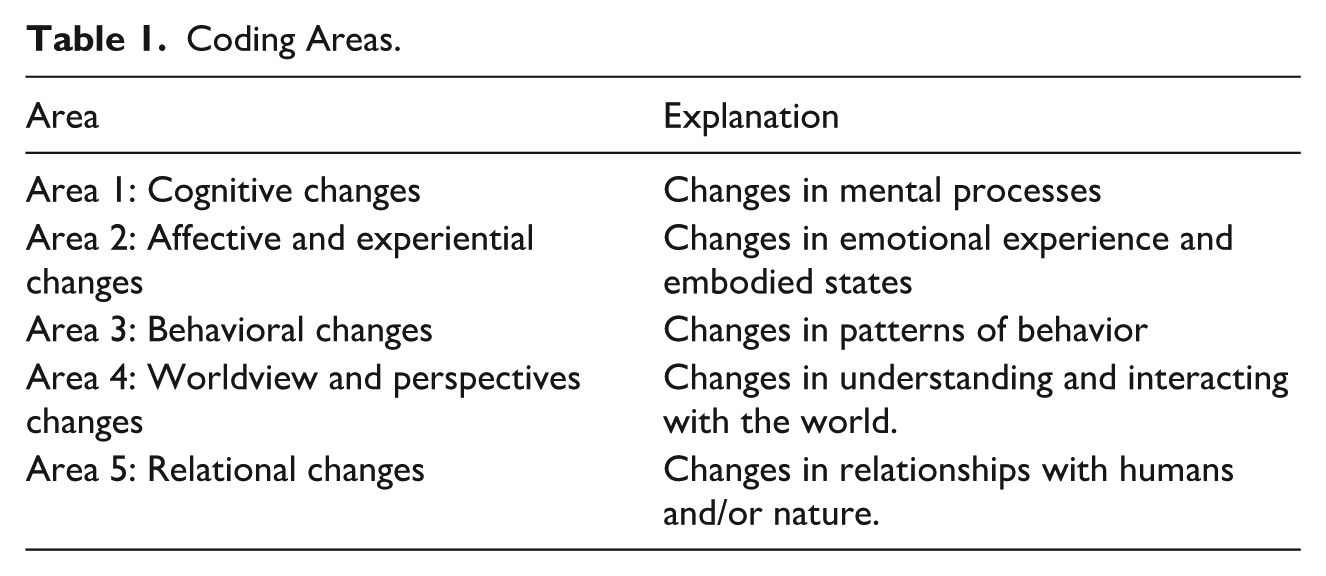
After extracting transcripts, the first author watched interview recordings to gain first impressions, make notes of responses, and identify common trends in participants’ experiences. The first author generated an initial set of codes to form a codebook for both coders to use. Ultimately this process led to a final set of 43 codes. Coders also organized codes into five broad areas representing overarching topical categories (Braun & Clarke, 2019). These areas, with brief explanations, are listed in Table 1.
Coding Areas.
Applying Codes to Interviews
After generating initial codes and a codebook, the first two authors independently coded all the transcripts. Passages where a coder judged an aquanaut’s response that corresponded to a code were marked using NVivo. There were no constraints on length of coded passages, and a single passage could be assigned multiple codes where appropriate. Coders met regularly to review the independently coded transcripts and resolve any differences. As transcripts were coded sequentially, the codes were continually refined using a constant comparative method (Boeije, 2002; Glaser & Strauss, 1998), with researchers returning to previous transcripts to review and update initial codes as the codebook evolved. After all transcripts were coded, the first two authors independently reviewed each coded transcript to ensure that codes were applied consistently.
Generating Themes
After all transcripts were coded, coders used a latent coding approach, which aims to capture and interpret the implicit meanings and potential causes underlying the explicit semantic content (Braun & Clarke, 2006), to identify themes, or patterns of shared meaning across the dataset underpinned by a central concept (Braun & Clarke, 2019). Rather than relying on a quantifiable and measurable criteria to identify a theme, a theme was considered meaningful if it brought together a pattern relevant to the research question (Nowell et al., 2017).
Results
Interviews ranged in length from 24 to 66 min, with an average time of 37.5 min. While the aquanauts we interviewed reported experiencing varying degrees of psychological change following their saturation missions and made meaning of their experience in different ways, shared themes emerged. When reporting divergent findings, we carefully considered and speculated on the potential reasons for such differences based on our contextual knowledge. A total of 43 codes were collated into 10 specific themes to concisely represent the patterns of findings across the participants.
Cognitive Changes
Figure 2 depicts the percentage of aquanauts who exhibited the specific codes falling under themes of
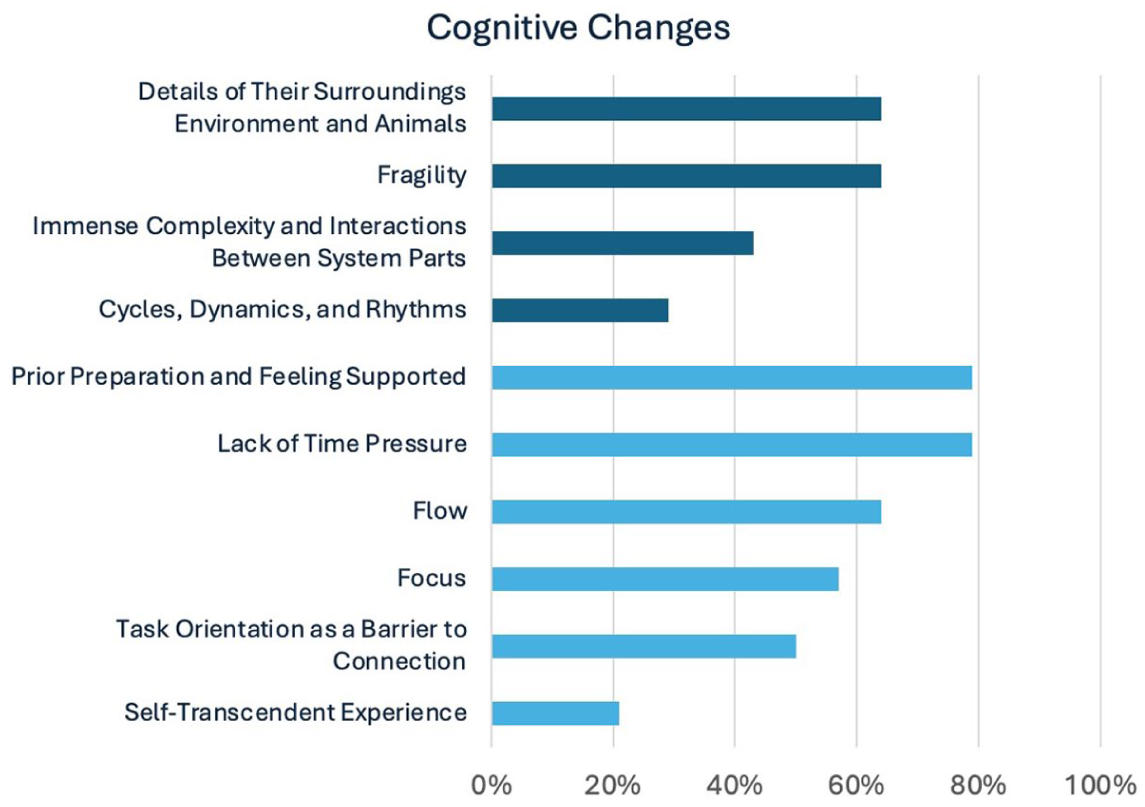
Percentage of aquanauts mentioning different types of changes in what they paid attention to (dark bars, theme “changes in what aquanauts pay attention to”) and qualities and states of attention (light bars, theme “novel sensory and embodied experiences”).
Changes in What Aquanauts Pay Attention To
Most aquanauts (86%) reported that they began to notice aspects of their environment that they would not have noticed before living and working for an extended period underwater. For instance, 64% of interviewees mentioned
Cognitive Changes.
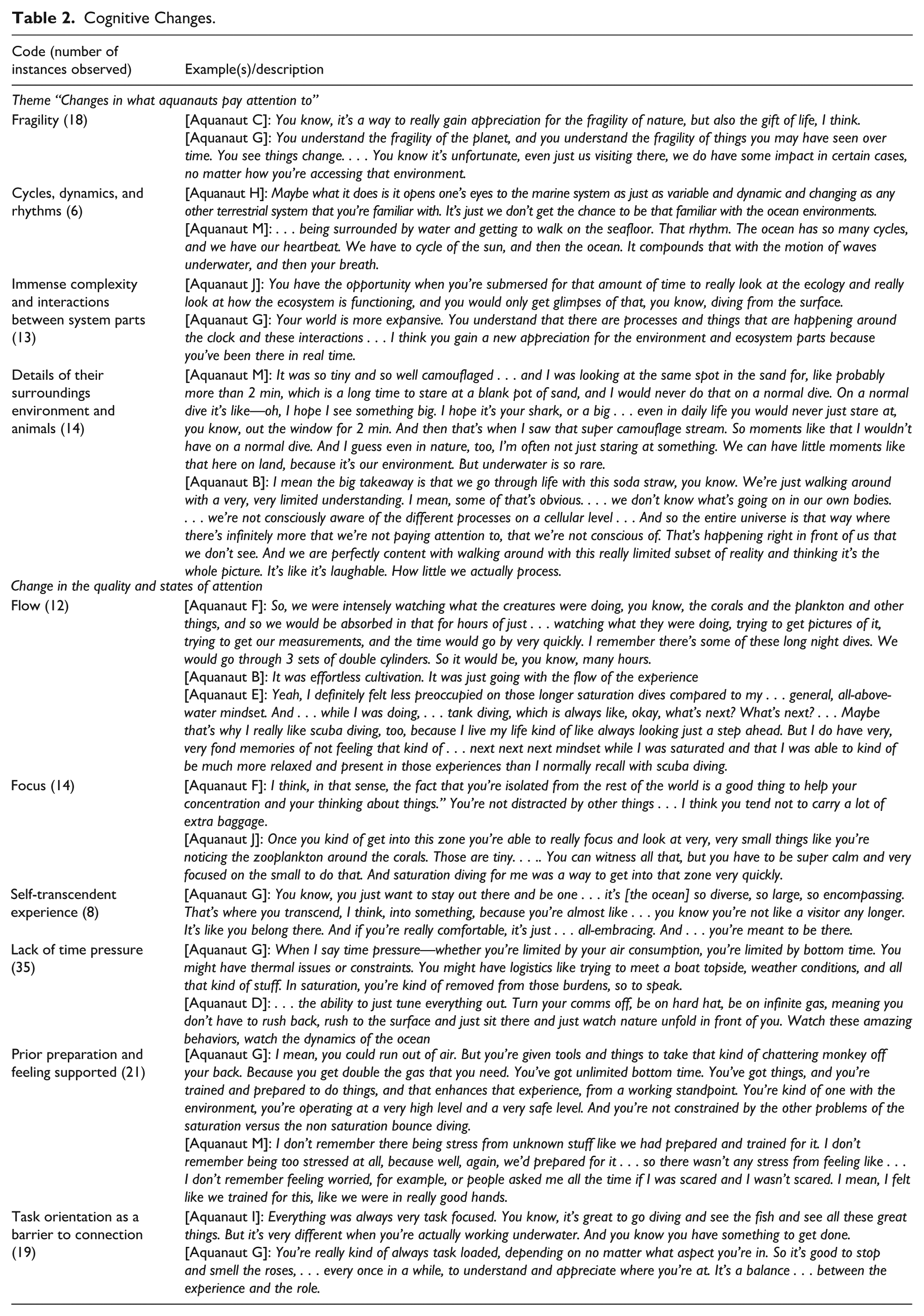
In addition to changes in perception of system dynamics, aquanauts became more attuned to the
Change in the Quality and States of Attention
Not only did we find a pattern of change amongst what aquanauts paid attention to, but we also saw shifts in how they paid attention. For example, many (64%) aquanauts frequently reported becoming deeply engrossed in and engaged with their work. Some of these states qualify as states of
Some aquanauts (21%) also reported having a shift in their sense of self, that is, a
In contrast to the common theme of experiencing a positive shift due to a lack of time pressure, some aquanauts also reported feeling overburdened by work and thereby distanced from their surroundings, reflecting
Affective and Experiential Changes
Figure 3 depicts the percentage of aquanauts who exhibited specific codes falling under themes of
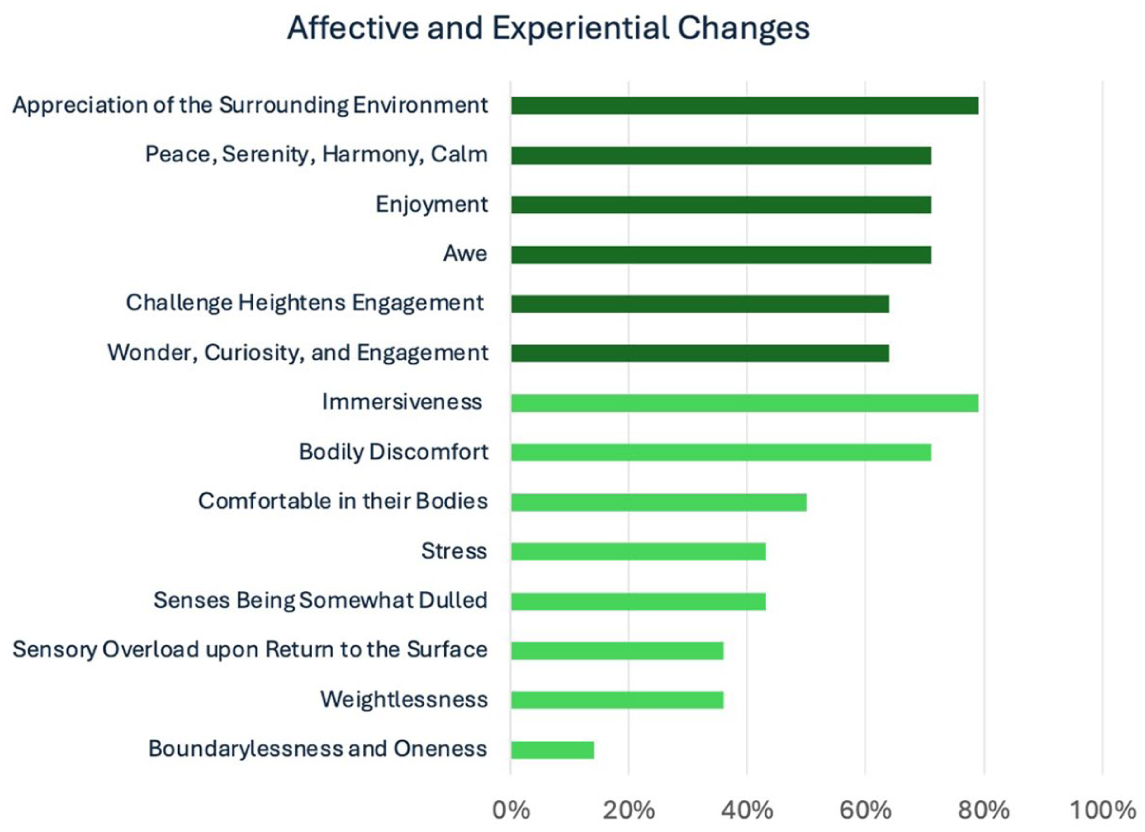
Percentage of aquanauts mentioning different types of changes in strong, positive memories and emotions (dark bars) and novel sensory and embodied experiences (light bars).
Strong, Positive Memories, and Emotions
Aquanauts almost universally reported positive memories of saturation, with a range of different emotions arising during the mission. Positive emotions fell into two subthemes:
Affective and Experiential Changes.
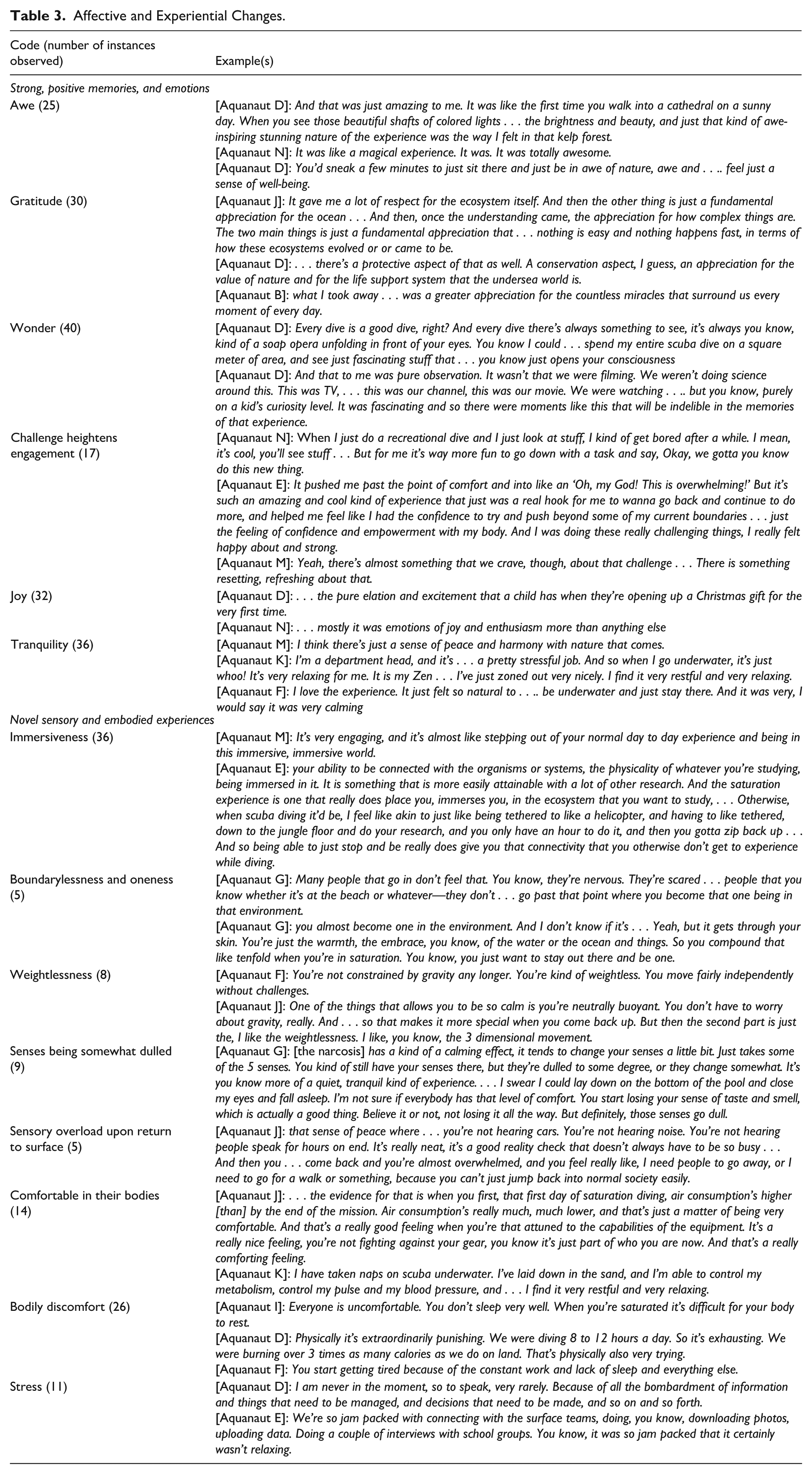
Many respondents (64%) expressed
Aquanauts frequently experienced
Novel Sensory and Embodied Experiences
When asked to elaborate on the moments of tranquility described above, aquanauts often placed them in the context of describing
Another novel sensory experience involved many aquanauts reporting instances of their
Saturation diving can also involve
Behavioral Changes
Apart from emotional and cognitive shifts during the direct experience of saturation, aquanauts also experienced a change in their understanding of themselves and the work they did outside of the saturation diving context. This often led to behavioral shifts and meaningful changes in the broader context of their lives. Figure 4 depicts the percentage of aquanauts who exhibited the specific codes falling under themes
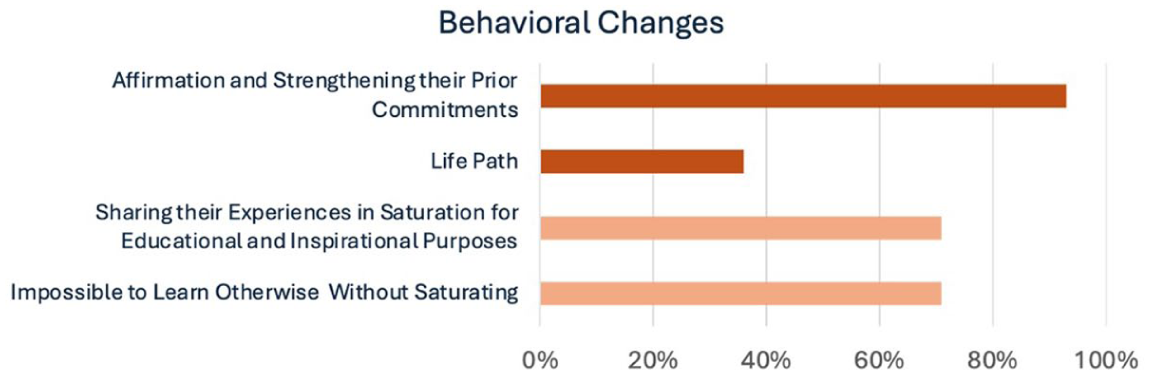
Percentage of aquanauts mentioning different types of changes that had meaning in their personal lives (dark bars) and changes that were significant for science (light bars).
Meaningful and Significant for Personal Life
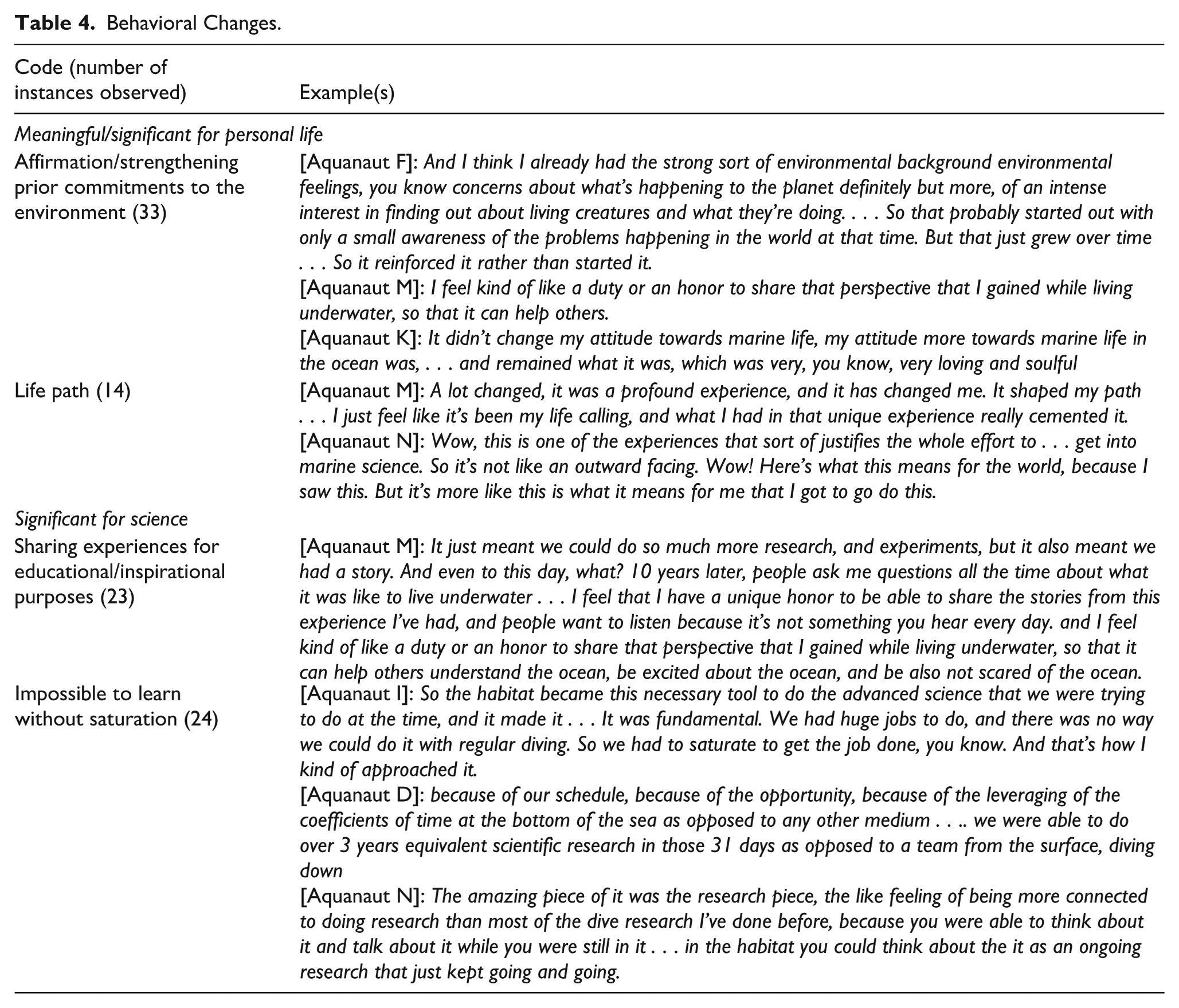
Saturation often served as an
Behavioral Changes.
Significant for Science
Aquanauts also frequently described a realization of how informative and instructive saturation diving was both to science and to aquanauts’ and the broader public’s understanding of the world and our place in it. One common theme was things that would be
Worldview and Perspective Changes
Aquanauts regularly described changes in their worldviews and perspectives, encompassing how they understood, conceptualized, and interacted with the world before and after saturation. This transformation is expressed through systems of knowledge, practices, and beliefs (Pascual et al., 2023). See percentages of the codes that fell under the themes
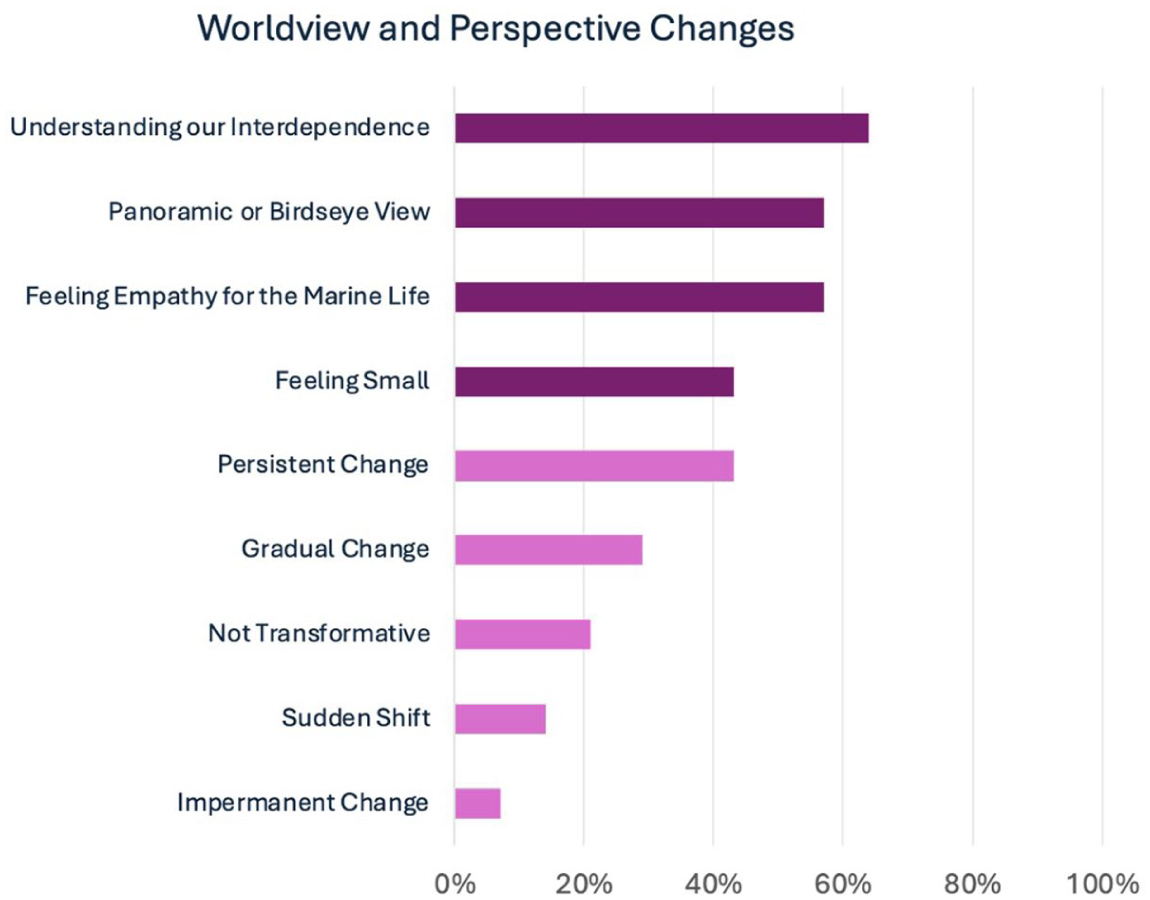
Percentage of aquanauts mentioning different types of worldview and perspective changes regarding egocentric to ecocentric perspectives (dark bars) and time courses of transformation (light bars).
Egocentric to Ecocentric Perspective
The egocentric perspective refers to a “self-centered preoccupation with internal, private events, constraining the sense of self within the physical body’s boundary” (Hanley et al., 2020, p. 4), whereas an ecocentric perspective views nature as deserving of moral consideration for its own sake. In our case, we refer to the ecocentric perspective as relating to the “ecological self,” a construct defined by Naess (1994) and further refined by philosophers in the Deep Ecology movement, whereby we embrace our connection to all of life and have an innate, default awareness and understanding that we too are nature, not separate or superior to it (Albrecht, 2020; Bragg, 1996). This change was apparent in several emergent themes. Aquanauts frequently expressed
Worldview and Perspective Changes.
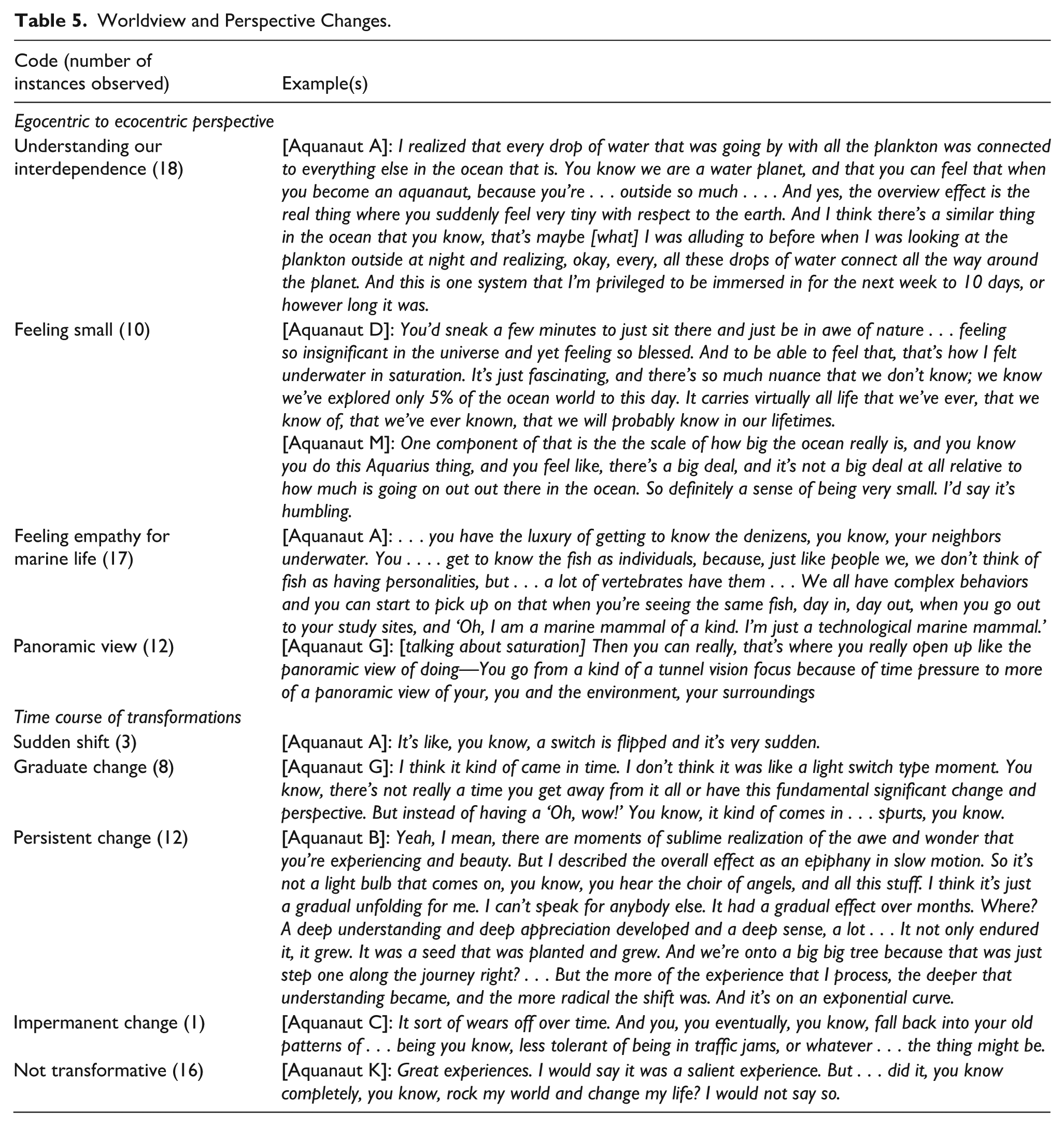
Finally, more than half of the aquanauts described a tendency to take a
Time Course of Transformations
Aquanauts’ experiences of transformation varied in how they unfolded over time, with some describing it as a
Relational Changes
The last area impacted by aquanauts’ experiences was in the realm of relationships. These relational impacts included the existential and spiritual, the physical environment, the social-altruistic, and the professional (team-based). See percentages of the codes and themes in Figure 6.
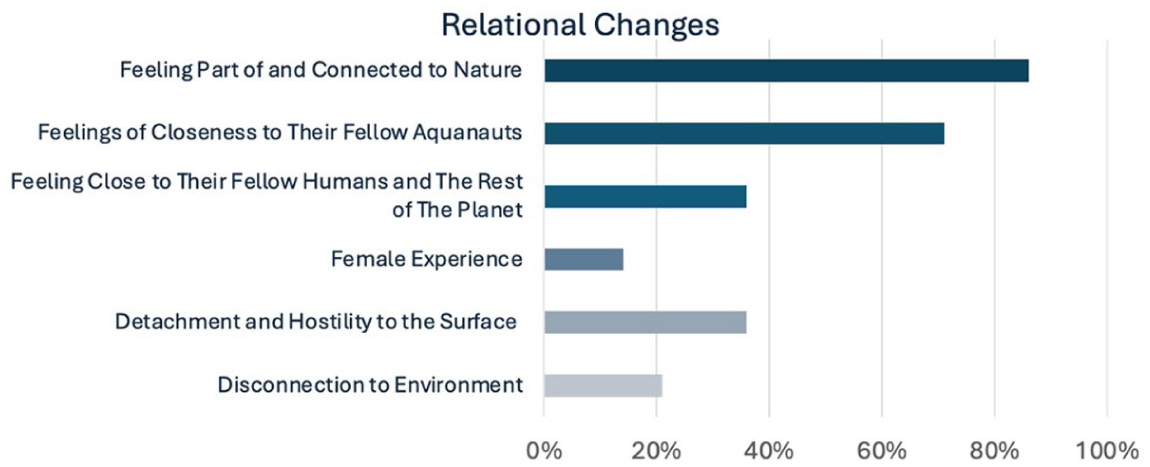
Percentage of aquanauts mentioning different types of relational changes regarding their connection to something large (dark bars) and feelings of disconnection (light bars).
Feelings of Separation
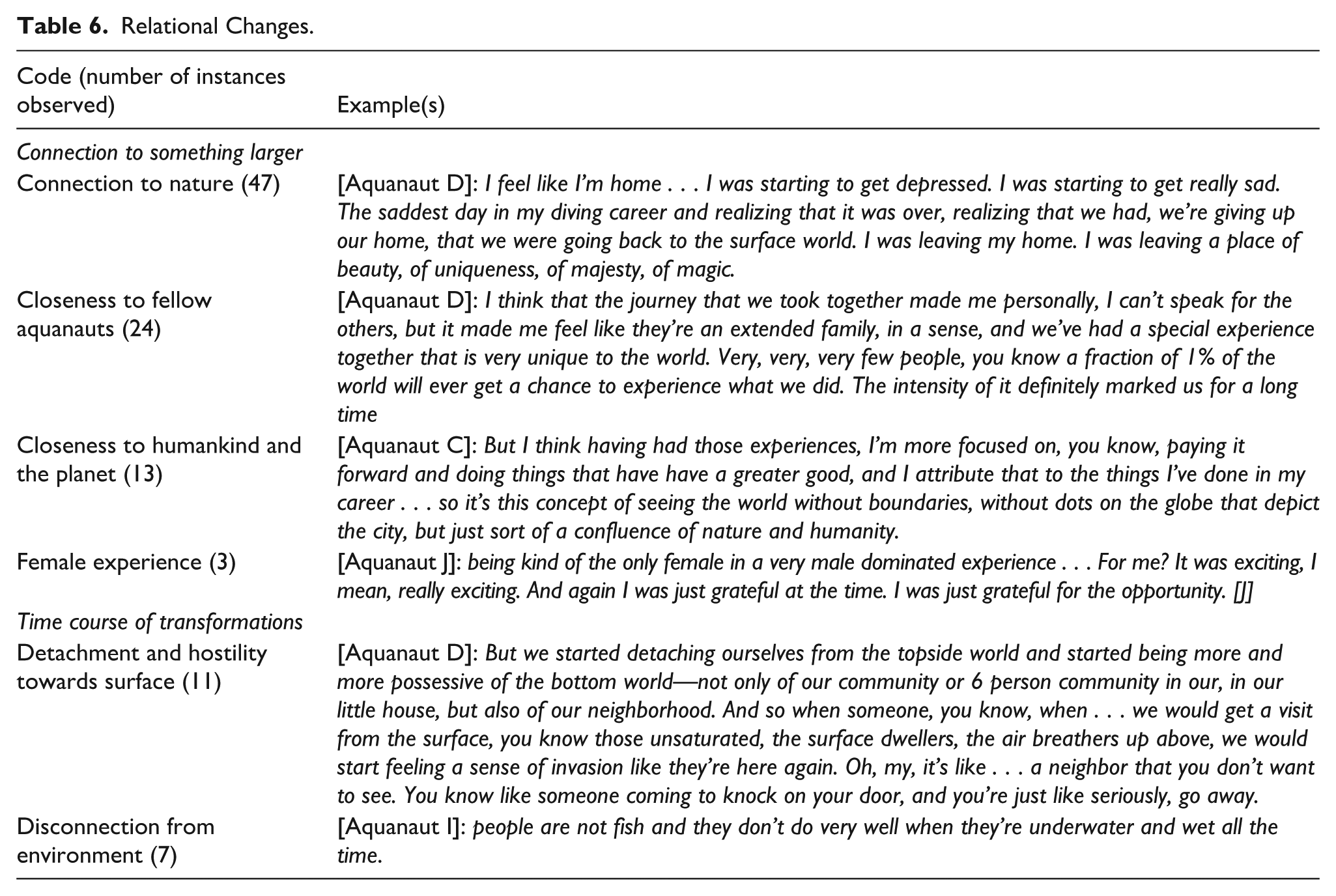
In some cases (21%), saturation lead to feelings of disconnection rather than connection. One way these manifested was
Relational Changes.
Connection to Something Larger
Although all but one aquanaut expressed this theme in some way, the specifics varied widely. Many expressed
The feeling of being part of something larger also manifested as a sense of purpose, sometimes within a research team and mission; aquanauts frequently reported
Finally, the last relational influence that we documented in our sample was the experience of being a woman in male-dominated industry, which led to a unique
Discussion
Our analysis reveals a consensus among aquanauts regarding shared elements of the experience of saturation that together constitute an “Underview Effect.” We now focus our discussion on summarizing the findings of our three main research questions.
Are There Psychological, Social, and Behavioral Effects Resulting from Saturation Diving, and If So, How Do Aquanauts Characterize Them?
Aquanauts consistently reported that saturation diving had a profound effect on how they perceived and understood marine ecosystems. The consistent changes in what aquanauts paid attention to and in the quality and states of attention revealed that living on the sea floor can lead to attentional shifts that facilitate deeper insights into and connection to the marine environment surrounding aquanauts. This sometimes expressed itself as strengthening a commitment to protect the marine ecosystem, and other times took on a more emotional tone, feeling empathy with and connection to marine life and at home in the water. This aligns with prior work on significant life experiences in nature, which indicate they serve as the precursor to viewing the environment from an empathic perspective (Tanner, 1980).
In addition to changes in how they attended to and perceived their marine environment, aquanauts also consistently reported changes in how they perceived themselves, and their relation to the marine ecosystems in which they were immersed. The consistency and frequency of aquanauts’ strong, positive memories and emotions and novel sensory and embodied experiences reveals that saturation diving as an aquanaut can lead to emotional and embodied experiences and includes both self-transcendent emotions (awe, wonder, gratitude), and more self-contained positive emotions (joy and tranquility).
In addition to self-transcendent emotions, there was a nearly unanimous experience of a self-expanding perspective while living underwater. The shift from an egocentric to ecocentric perspective represents perhaps the most consequential shift aquanauts experienced as it relates to their experience of themselves in relation to the wider world. Aquanauts transitioned from a narrow focus on self-centered internal thoughts to a broader perspective that encompassed acting on behalf of an entity or as a stakeholder of the ecosystem as a whole. This was related to feeling connected to something larger, in which aquanauts expressed feeling “one with” or “at home in” the marine ecosystem, and felt the interconnectedness between themselves and all of nature. The default view of our western culture is often one of human exceptionalism, whereby humans are conceived as separate and superior to the rest of the natural world (Kim et al., 2023). However, aquanauts frequently demonstrated an immense humility, reverence, and awe for the marine ecosystem and its inhabitants, even referring to themselves as equal marine mammals of sorts. Having this profound experience in nature has been shown to lead to long term positive effects in how individuals live in relation to nature, feel a greater sense of meaning in their lives, and shift their values from self-focused to more environmentally-oriented (Chawla, 2010; Mathers & Brymer, 2022). Moreover, these formative experiences can serve as powerful antecedents to environmental interest, concern, and action (Chawla, 2010).
Aquanauts also describe how having access to saturation diving not only enabled them to conduct more advanced science and observe hard-to-capture phenomena, but also made them better scientists. They were compelled to ask better questions and become deeply engaged and immersed in their research in ways they never had before. In addition, their perceptions of themselves as scientists, but also stewards of the natural world became apparent in how it affirmed and strengthened prior commitments to the natural world. Many reported feeling personally tied to the health of the ecosystem and described the experience as affirming their commitment to sharing marine science and protecting the health of the ocean. This indicates the experience shifted their understanding of their role as an individual in relationship to the wider world. In sum, the experience of living underwater seems to have left even seasoned marine scientists with the impression that they now looked at the undersea world with different eyes.
What Are the Potential Psychological or Environmental Roots of These Effects?
Although our study doesn’t elucidate the direct causality of these effects, aquanauts frequently expressed that without the saturation experience, they have felt the shifts in both their commitment to the environment and their understanding of marine ecosystems. The idea continually and spontaneously arose that it was an experience that couldn’t be replaced with traditional scuba diving or simulated through a technological analogue, and it allowed them to make scientific discoveries that would otherwise be impossible. This allowed them to gain a unique understanding of the dynamics of the marine ecosystem they studied. One potential mechanism that may have facilitated these profound effects was the novelty and immersive nature of the underwater sensory environment. The immersive saturation environment appears to create a synergistic relationship between these cognitive changes and the insights provided by living within the marine surroundings. This synergy allowed aquanauts to apprehend truths such as the inherent tension between the environment’s beauty and its fragility, the vast complexity of ecosystems, the cycles of ecosystems across time scales, and subtle details that are often unnoticed. Prior work highlights the power of immersion in natural settings that differ from our day to day environments—it engages multiple senses and the affective systems which leads to the formation of more lasting memories (Clayton et al., 2016; Kaplan et al., 1998). Other work exploring this phenomenon suggests that these profound shifts are largely place-based phenomena, meaning the insights could only be gained by being physically present in the environment (Vining & Merrick, 2012).
Another potential mechanism that may have led to this increased understanding of and commitment to the natural world are the self-transcendent emotions that were provoked while saturating—gratitude, awe, compassion and wonder. These emotions facilitate one to focus on something beyond the self, and in this case these emotions facilitated a greater appreciation of the marine ecosystem, the value of nature, and the immense complexity and fragility of the systems that allow humans to survive on this planet. Previous work indicates that experiencing self-transcendent emotions such as awe, compassion and gratitude can lead to prosocial and pro-environmental behaviors, and that time in nature can elicit such positive emotions (Neill et al., 2019; Zelenski & Desrochers, 2021). Such experiences may facilitate further awareness of environmental degradation, a call towards environmental stewardship, and a reaffirmation of prior commitments to protecting the marine environment. The tendency to experience awe in daily life has been shown to be associated with scientific thinking, as awe often stimulates the revision of pre-existing beliefs to align with new evidence or experiences that go beyond prior frames of reference (Gottlieb et al., 2018). Our findings are consistent with this previous work linking awe to pro-environmentalism; aquanauts frequently reported both pro-environmental and prosocial values following the experiences of self-transcendent emotions in saturation.
How Does This Compare to the Overview Effect?
The recurrent themes we have identified in our aquanauts’ narratives mirror patterns originally defined by White (1998): (1) an abiding concern and passion for the well-being of the Earth, (2) changed perceptions of space and time coupled with the experiential impact of silence and weightlessness, (3) an understanding that everything is interconnected and interrelated, (4) a higher level view-point, involving new awareness and consciousness, and (5) the recognized need for a stewardship perspective and a global participatory management of the planet. Ninety-three percent of our aquanauts reported experiencing a strengthening and affirmation of their commitment to stewarding the natural world, reflecting White’s abiding concern and passion for the well-being of the Earth and recognized need for a stewardship perspective. Likewise, 93% of our aquanauts reported changed perceptions and salient novel sensory and embodied experiences, akin to White’s changed perceptions of space and time coupled with the experiential impact of silence and weightlessness. All but one of our interviewees described what amounted to a shift from an egocentric to ecocentric perspective, with 64% explicitly mentioning interdependence, much like White’s understanding that everything is interconnected and interrelated. One potential difference between the Underview and Overview effect lies in White’s reported higher level view-point, involving new awareness and consciousness. Although we found that 57% of aquanauts reported an increased ability to take a panoramic or birdseye view, and 43% described an enhanced appreciation for the immense complexity and interactions between elements of marine ecosystems, aquanauts were more likely to express feelings of intimacy and connection with their surroundings (the ocean) than to report a higher-level perspective (the planet).
In sum, we interpret our findings as evidence for an “Underview Effect.” Nearly unanimous consensus among our aquanauts suggests that spending extended periods of time underwater can lead to a suite of interconnected changes, like those reported for the Overview Effect, including heightened perceptions and amplification of the sense of commitment and connectedness to the environment. However, this Underview Effect is also distinct with respect to the specificity and direction of that connection and commitment. While astronauts often report a holistic sense of connectedness to the entire planet, aquanauts frequently felt a specific bond with the marine ecosystem. Only occasionally did this sense of connection extend to the planet as a whole. As one aquanaut, who also had experience as an astronaut, puts it: Obviously, they’re very different environments, you know, up in space, you’re kind of abstracted from it. And looking back down on this beautiful scene, whereas when you’re diving, you’re enmeshed in it, so they’re really unique.
Limitations and Future Directions
Although we found remarkable convergence across our sample of aquanauts in terms of the cognitive, behavioral, and affective impacts of their saturation experience, it is important to acknowledge that this is a highly select group of individuals. Most are white males, most came to the experience because they already had strong pro-environmental and pro-ocean attitudes and beliefs, and all had the social and economic privilege to spend extended time in an undersea habitat. As such, one important future direction would be to examine the impact of a saturation experience on a different and more diverse set of people (Squire, 2021). It is also important to point out that in some societies only a small portion of people have access to the ocean due to societal, economic, and psychological barriers, and a lack of access to scuba diving opportunities and training. While many cultures around the world center on a deep connectedness to the ocean (Allison et al., 2023; Fache et al., 2022), in many industrialized countries—locations where many environmental problems originate—connectedness or even basic awareness of the importance of the ocean to human well-being can be severely lacking (Jefferson et al., 2021). One way to circumvent these barriers could involve border sharing of the underwater experience that aquanauts had through narrative or virtual means (Perovich et al., 2023), in a similar manner to how astronauts share their experiences with others.
Another future direction is to examine the increase in action that occurs from the profound experience of the “Overview Effect” and the “Underview Effect.” Do these scientists increase humanitarian and environmental advocacy upon return from their experience and back into civilization? Through future work we can assess relations between the experience and increased action (whether humanitarian or environmental) to better understand how to increase ocean stewardship across all demographics whether on land, in space, or underwater. As has been argued for the implications of the Overview Effect, we do not argue that more people need to saturate as aquanauts in order to promote human-ocean connections, just as it is not feasible for large numbers of people to visit outer space. Instead, like space travel, by understanding the experiences of the few people who have lived as aquanauts (fewer even than the total number of astronauts) we advocate for sharing of those experiences in ways that motivate and excite a broad spectrum of society to envision the ocean in new ways that includes humans as part of that vision. This also lends itself to a future study explicitly comparing the experience of living in an underwater habitat (saturation) and surface-based SCUBA diving, and if similar effects would occur, given the increased accessibility of surface-based diving.
Supplemental Material
sj-docx-1-eab-10.1177_00139165251390708 – Supplemental material for An Underview Effect? Psycho-Social Impacts of Saturation Diving Among Aquanauts
Supplemental material, sj-docx-1-eab-10.1177_00139165251390708 for An Underview Effect? Psycho-Social Impacts of Saturation Diving Among Aquanauts by Kristen Kilgallen, Lily Turino, Angela J. Jones, Lisa Truitt, John D. Coley and Brian Helmuth in Environment and Behavior
Footnotes
Acknowledgements
We would like to give a huge thanks to all of the aquanauts (and astronauts) who chose to contribute to this study and share their experiences with us. We appreciate your honesty, vulnerability, and generous use of your time.

Ethical Considerations
Ethics approval was received by Northeastern University’s Institutional Review Board (#23-12-15) on 01/02/2024. Exempt status was obtained given the identity of the Human Subjects cannot readily be ascertained, directly or indirectly, through identifiers linked to the subjects.
Consent to Participate
All participants were fully informed and prospectively provided verbal consent for participation.
Author Contributions
The study and methodology was conceived and designed by BH, JC, AJ, and KK. KK conducted all interviews. KK and L. Turino were responsible for data curation and conducted the formal analysis. The original draft was written by KK and BH. All authors contributed to reviewing and editing of the manuscript.
Funding
The authors disclosed receipt of the following financial support for the research, authorship, and/or publication of this article: The project was funded by NSF award DRL2400411 to JC and BH.
Declaration of Conflicting Interests
The authors declared the following potential conflicts of interest with respect to the research, authorship, and/or publication of this article: BH and L Truitt were employed part time by Proteus Ocean Group, a company engaged in an effort to build an underwater habitat. The remaining authors declare that the research was conducted in the absence of any commercial or financial relationships that could be construed as a potential conflict of interest.
Data Availability Statement
Restrictions apply to the datasets: The datasets presented in this article are not readily available to protect the confidentiality and privacy of participants given the personal nature of the interviews. Requests to access the datasets should be directed to the first author, full interview transcripts may be made available upon request with permission of the interviewees.
Supplemental Material
Supplemental material for this article is available online.
Notes
Author Biographies
References
Supplementary Material
Please find the following supplemental material available below.
For Open Access articles published under a Creative Commons License, all supplemental material carries the same license as the article it is associated with.
For non-Open Access articles published, all supplemental material carries a non-exclusive license, and permission requests for re-use of supplemental material or any part of supplemental material shall be sent directly to the copyright owner as specified in the copyright notice associated with the article.
