




Abstract
Parental involvement and student self-regulation are widely recognized as critical factors influencing academic success. However, quantitative research examining the relationship between these two variables remains limited. This study investigated the association between parental involvement and students’ self-regulation skills, as well as barriers to parental engagement in education. A survey was conducted with caregivers of 119 students from a metropolitan school in Monterrey, Mexico, assessing levels of parental involvement and identifying potential obstacles. Concurrently, teachers completed a rubric evaluating students’ self-regulation abilities. Results revealed that time constraints were the primary barrier to parental involvement, with few caregivers reporting school-related obstacles. Statistical analysis demonstrated significant, though moderate to low, correlations between parental involvement and student self-regulation. These findings underscore the importance of parental engagement in fostering students’ self-regulatory skills and highlight the need for strategies to overcome time-related barriers to involvement.
Introduction
Caregivers have a considerable impact on their children’s learning and development (Alvarez-Valdivia et al., 2013; Kong & Yasmin, 2022; Park & Kim, 2023). Most research has shown that parental involvement is associated with academic results, positive behaviors and social skills of children (Caridade et al., 2021; Lechuga-Peña & Brisson, 2018). Whilst the lack of parental involvement and poor self-regulation among students have been identified as important factors affecting high failure and dropout rates, mainly in schools located in the lowest socioeconomic strata (Geduld, 2024).
Students’ Self-Regulation in Primary Education
Students’ self-regulation can be defined as the ability of learners to regulate their attention, emotions, and behavior in order to respond optimally to external and internal demands of the environment. It is a complex and multifaceted construct that includes cognitive, emotional and behavioral aspects (Žerak et al., 2024). Students’ self-regulation is crucial for primary education, enabling students to take initiative, persevere, and adaptively regulate their learning processes (Oates, 2019).
The development of self-regulation in children has the benefit of strengthening responsibility, providing greater self-confidence, training discipline, understanding what actions are appropriate for each moment, and generating attitudes for resolving problems (González, 2020). Furthermore, autonomous and self-regulated learning capabilities are essential for students’ academic performance (Amani et al., 2020).
Parental Involvement in School
Parental involvement includes direct school participation, home-based academic support, and social engagement (Jeynes, 2010). Parental involvement also can take various forms, including behavioral, intellectual/cognitive, and personal dimensions (Grolnick & Slowiaczek, 1994; Solís & Aguilar, 2017). The behavioral dimension refers to the manifestation of involvement through their behavior when going to school and participating in its activities. The intellectual/cognitive dimension involves exposing the child to cognitive stimulation activities and materials. Whilst the personal dimension refers to the child’s affective experience that the caregiver cares about school and that he or she has interactions with him or her around school.
Moreover, parent involvement in school can be increased through efforts to improve parenting skills. A school readiness intervention focused on children’s self-regulation skills as well as parenting and parental involvement in school has positive effects on children’s self-regulation. Furthermore, the intervention can significantly reduce caregivers’ ineffective parenting prior to school entry and positively influence parental involvement (Pears et al., 2015).
Nevertheless, research has identified that the frequency of parental assistance with homework may negatively correlate with academic achievement. Specifically, assistance perceived as supportive has positive predictive effects, while assistance perceived as intrusive has negative effects (Moroni et al., 2015). Moreover, it is crucial to acknowledge that the positive relationship between parental involvement and students’ academic performance is contingent upon the quality of the parenting style (Amani et al., 2020).
Influence of Parenting on Students’ Self-Regulation
During the childhood process, caregivers play a very important role in helping the development of their children’s socio-emotional skills. These exert an influence on the development of autonomy and self-regulation, generating self-esteem and independence in them. All of this helps create an environment where children feel self-confident and develop socialization skills at school. By developing these skills, students are able to maintain established social relationships and have self-confidence (González, 2020).
The family plays a fundamental role in the cognitive and emotional development of children. The way in which they develop, express themselves and behave in early childhood depends on how caregivers do it and how children observe it within the family nucleus (Razeto, 2016). It is important to acknowledge that families have experienced numerous changes in recent decades, leading to caregivers having increasingly limited time and placing less priority on involvement in their children’s school activities (Razeto, 2016).
Self-regulation develops as caregivers regulate, through their guidance or modeling, the processes that the child is building. Self-regulation in childhood is necessary to adapt to the demands of the environment in which any infant interacts, since it allows them to have control of their emotional reactions and helps them begin to achieve personal goals, that is, it favors effective decision-making, decisions based on reflection and not on emotional impulse (Ortega & García, 2021; Whitebread & Basilio, 2012). Parent-child closeness, as well as the caregivers’ expression of close and affectionate emotions that are directly intended for their children, allow them to feel more emotionally secure and express themselves positively (Losada et al., 2020).
Influence of Parental Involvement in School on Student Self-Regulation
Parental involvement in school has been consistently linked to students’ self-regulated learning and emotional self-regulation (Polat & Bayindir, 2022; Saada, 2021). In addition, this is associated with better school performance, social skills, problem-solving skills, and a reduction in problem behaviors (El Nokali et al., 2010; Jeynes, 2024; Kim, 2020; Lin et al., 2023). Positive associations are also identified between parental involvement and children’s academic, social, and emotional adjustment (Barger et al., 2019; Pears et al, 2015). This participation also plays a crucial role in shaping children’s motivation, perceived competence, and understanding of control (Gonzalez-DeHass et al., 2005).
As children enter school, teachers and classmates become influential figures. For this reason, communication between caregivers and the school and coordinated action are necessary to enhance the development of students and to create optimal conditions for learning (Maestre, 2009). Whilst Hoover-Dempsey and Sandler (1995) suggest that caregivers become involved in their children’s education because they have developed a personal construction of the parental role that includes this involvement. Furthermore, authoritative parenting is associated with higher levels of self-regulated learning in students (Žerak et al., 2024). Additionally, involved caregivers have developed a positive sense of efficacy in helping them succeed in school, and perceive opportunities or demands from their children and the school to get involved.
Barriers to Parental Involvement
Personal, educational, social, and school barriers that affect parental involvement are identified in the literature (Cole, 2020; Gedfie et al., 2021; Hornby and Lafaele, 2023). Described below:
Personal Barriers
How caregivers perceive themselves as capable of helping their children, their empowerment, and their efficacy beliefs are important characteristics in determining their level of involvement (Cole, 2020; Reininger & Santana López, 2017).
Educational Barriers
Caregivers’ level of education can act as a barrier to their participation in their children’s education at school and at home (Gedfie et al., 2021). For example, some are afraid to participate because they do not want others to know that they struggle with literacy (Cole, 2020).
Social Barriers
Caregivers’ financial situation is a major barrier to their involvement (Cole, 2020). Having multiple jobs, demanding work schedules, living in households where both parents worked, or being the sole provider for their children are identified barriers to involvement (Inoa, 2017).
Studies have shown cultural and language barriers to migrant caregivers’ communication and participation in school, as well as caregivers’ ability to help their children with homework (Bachtsiavanou et al., 2023; Inoa, 2017). In addition to nuances of racism on the part of teachers and caregivers. Although all caregivers face challenges in participating in school, low-income mothers face additional barriers that prevent them from participating in their children’s schools. This perceived lack of school participation can generate feelings of helplessness, shame, and stigma (Lechuga-Peña & Brisson, 2018).
School Barriers
The school may also discourage caregivers from wanting to participate. Teacher attitudes are factors that contribute to the lack of parental involvement. Schools that do not accommodate caregivers will prevent them from visiting and sharing their concerns about their children. Additionally, some caregivers feel intimidated by the school as a result of certain protocols and policies that are sometimes ingrained into the structure (Cole, 2020). Caregivers are also demotivated by the negative attitudes of principals and the lack of a welcoming environment (Gedfie et al., 2021).
The invitations given to caregivers and how the invitations are made have been identified as critical to caregivers wanting to participate (Cole, 2020; Gedfie et al., 2021). Teachers do not have enough knowledge and awareness about the barriers to family participation and their responsibilities in school-family communication in terms of family participation (Günay & Aktaş, 2019). This is how the lack of teachers’ skills to implement parental involvement activities is pointed out (Sukhbaatar, 2018).
Teachers’ limited intercultural and interreligious understanding (Cranston et al., 2021), limited understanding of family diversity (Sukhbaatar, 2018), gender issues, and the social status of the teaching profession also contributed to the lack of parental involvement (Sukhbaatar, 2018). Caregivers do not know how to get involved, they are not adequately supported by the school and teachers. Furthermore, they experience communication problems with school administration and teachers (Günay & Aktaş, 2019).
It should be noted that recent studies address the barriers to parental involvement presented in the time of covid. It is identified that new technologies were essential for communication between school and families (Almeida & Pacheco, 2023). Additionally, caregivers who took on a “committed teacher and intervener” role emphasized perceived barriers to remote learning. Regarding perceptions of benefits, caregivers who took on an “autonomy-supporting coach” role more positively rated the child development facilitated by remote education (Knopik et al., 2021).
Research Objective
While it has been established that parental involvement influences both educational performance (Razeto, 2016) and the emotional well-being of students (Guzmán et al., 2019), there is a scarcity of research examining whether parental involvement in school also impacts the self-regulation of primary school children. Therefore, a study focusing on this aspect would be instrumental in developing strategies that promote parental involvement in their children’s education, ultimately supporting better emotional and academic outcomes.
The objective of this research was to examine the relationship between parental involvement, the barriers caregivers identify to their involvement, and the self-regulation of primary school students. Therefore, the research question guiding this study was: What is the relationship between parental involvement, barriers to involvement, and the self-regulation of primary school students?
The results will offer valuable insights for schools and educators on how parental involvement is related to students’ behavior and self-regulation in the classroom. Additionally, this information will assist educators in identifying barriers to parental involvement and devising effective strategies to mitigate these obstacles, thereby enhancing parental engagement in school activities.
Method
Research Design
A quantitative, cross-sectional, non-experimental, correlational study was conducted to investigate the relationship between parental involvement, identified barriers to involvement, and self-regulation among primary school students.
Participants
The sample comprised 119 primary school students and their respective caregivers from an educational institution in the metropolitan area of Monterrey, primarily serving a medium-high economic sector. The students were distributed across four first-grade groups (32 students), four second-grade groups (43 students), and four third-grade groups (42 students).
Instruments
Parental Involvement and Barriers to Involvement
Parental involvement and barriers to involvement were measured using the engagement and barriers items of questionnaire by Schueler et al. (2017). This instrument was selected due to its comprehensive approach to measuring various dimensions of parental involvement and barriers to involvement. The Parental Involvement Questionnaire demonstrated high internal consistency in previous studies, with a Cronbach’s alpha of 0.89, indicating strong reliability. It consisted of three sections with 17 items:
Engagement Scale
Assesses the degree of parental involvement with teachers and the school.
School Barriers Subscale
Gathers information about the perceived openness of the school to parental involvement.
Non-School Barriers Subscale
Focuses on external factors that might hinder parental engagement with the school.
Student Self-Regulation
Teachers assessed student self-regulation using the Classroom Self-Regulation subscale of the Child Behavior Scale by Bronson et al. (1990), structured according to Matthews et al. (2009). The use of the Classroom Self-Regulation subscale is particularly appropriate for this study because it provides a structured and reliable means for teachers to indicate the extent to which various self-regulation behaviors occur within the school environment. This scale draw on teachers’ observations of students’ behavior in real-world classroom settings, ensuring that the data accurately reflect how self-regulation is exhibited in academic contexts. It has also shown strong reliability in previous studies, with a high internal consistency demonstrated by a Cronbach’s alpha of 0.95. This subscale comprises 10 items focusing on students’ behavior, social interaction, and emotional functioning in the classroom.
Procedure
Data collection involved several steps:
1. The school director was contacted and provided with a link to the survey via Gmail.
2. The director distributed this link to caregivers of primary school students.
3. Caregivers completed the survey, including their child’s name to allow correlation of responses.
4. Informed consent was obtained from all participating caregivers.
5. Teachers completed the self-regulation rubric for each student.
The survey was conducted digitally to save on costs and time, despite potential trust issues and the absence of an in-person administrator (Arroyo & Finkel, 2019). The school director reviewed the survey multiple times to ensure clarity and adherence to guidelines.
Data Analysis
Data from the parental involvement survey and the teachers’ self-regulation rubric were compiled into a single database. Descriptive and inferential analyses were performed. Due to non-normality in the self-regulation variable, non-parametric tests were applied. The self-regulation instrument demonstrated high internal consistency (Cronbach’s alpha = .961).
Findings
Descriptive Analysis
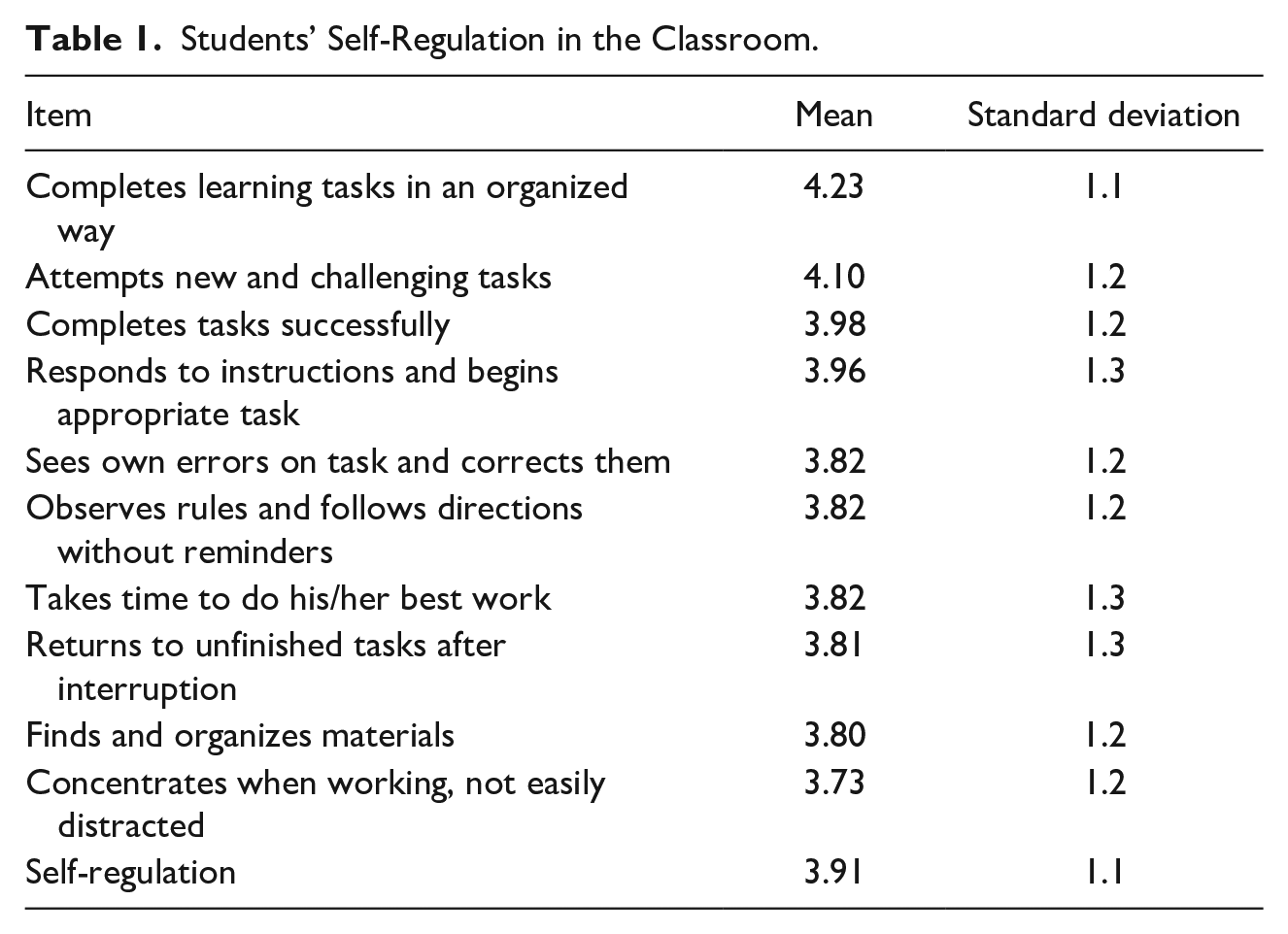
First, we present the descriptive results of parental involvement and student self-regulation. Figures 1 to 3 illustrate the frequency of parental involvement and the tendency of mothers and fathers to identify school and non-school barriers to their involvement. The results of students’ self-regulation are summarized in Table 1.
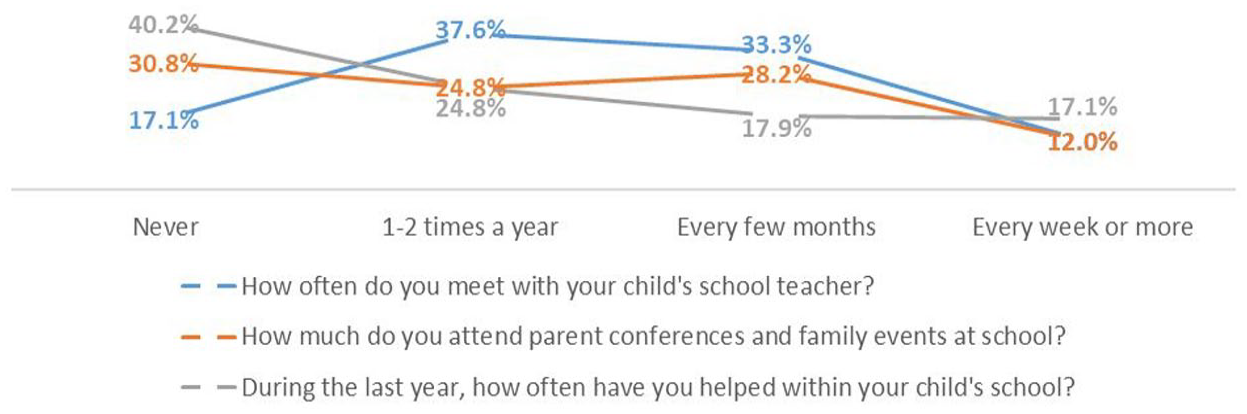
Parental involvement in the school.
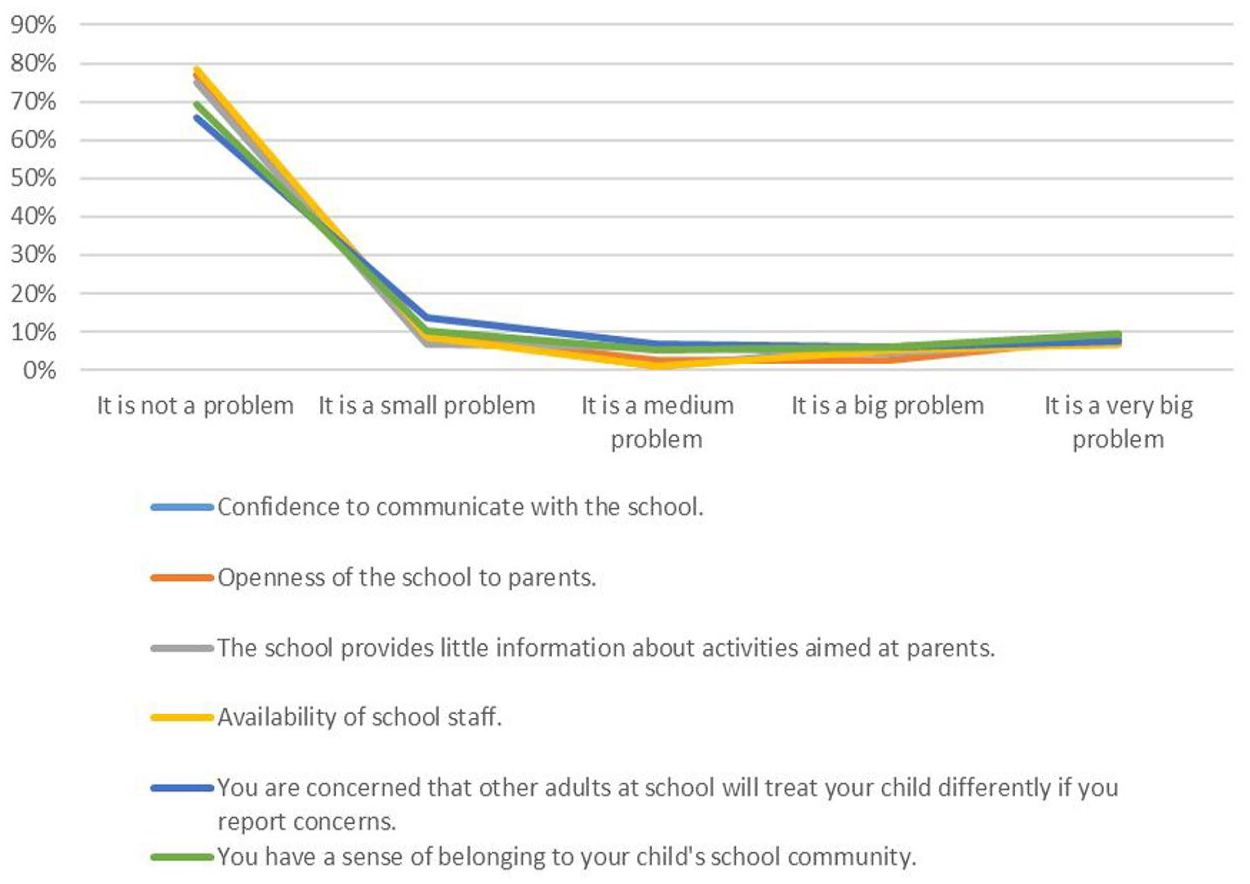
School barriers to parental involvement.
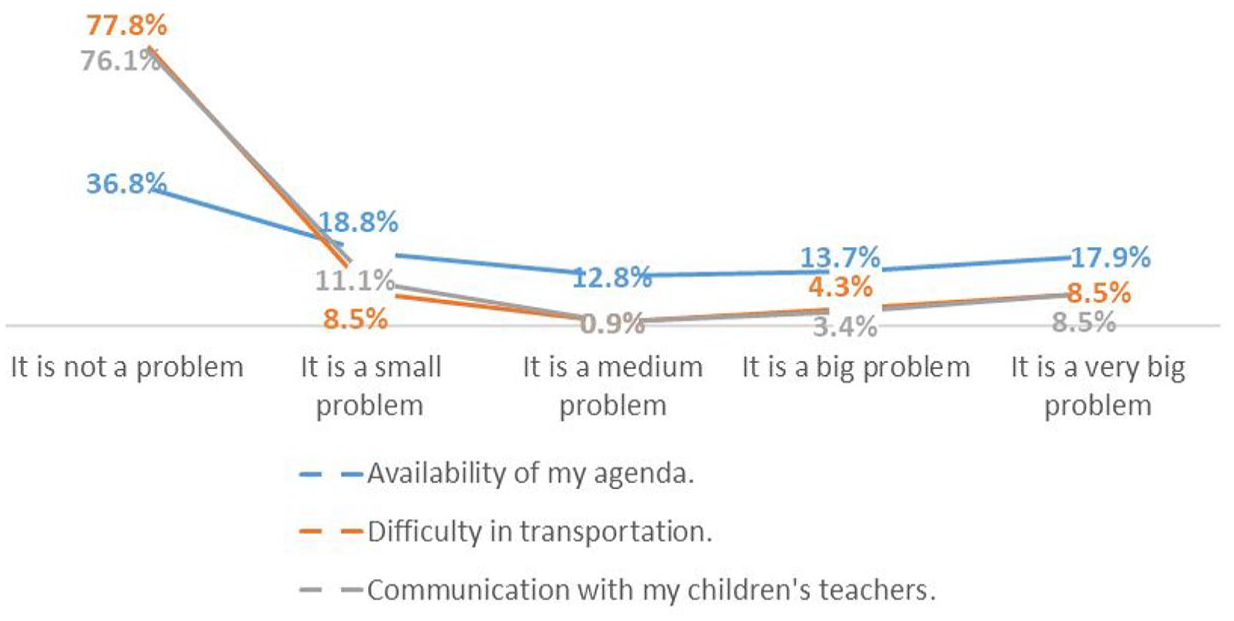
Non-school barriers to parental involvement.
Students’ Self-Regulation in the Classroom.
Parental Involvement
Regarding the frequency of parental involvement, notable findings include that 40.2% of caregivers never meet with their child’s teacher, 30.8% never attend parent conferences or family events at school, and 27.6% meet with their child’s teacher only once or twice a year (see Figure 1).
School Barriers to Parental Involvement
For school barriers, the majority of caregivers (ranging from 65.8% to 78.6%) indicate that these are not a significant problem, suggesting that the school's environment and actions are generally not hindrances to parental involvement (see Figure 2).
Non-School Barriers to Parental Involvement
Among non-school barriers, 36.8% of caregivers indicate that their own availability is not an impediment to involvement. The availability of parents’ schedules poses the greatest barrier, while transportation difficulties and communication with teachers are not significant issues for 77.8% and 76.1% of caregivers, respectively (see Figure 3).
Student Self-Regulation
Teachers reported a general mean self-regulation score of 3.91 with a standard deviation of 1.15. The traits most frequently observed by teachers were “Completes learning activities in an organized manner” and “Attempts new and challenging activities.” Conversely, teachers less frequently observed that students “Find and organize materials” and “concentrate when working” (see Table 1).
First graders had a mean self-regulation score of 4.38 (SD = .88), second graders scored 3.56 (SD = 1.11), and third graders scored 3.91 (SD = .95). A Kruskal–Wallis test revealed a significant difference in self-regulation scores across grades (H = 15.101, p < .001), indicating that self-regulation levels reported by teachers vary significantly by grade level.
Correlational Analysis
Parental Involvement and Student Self-Regulation
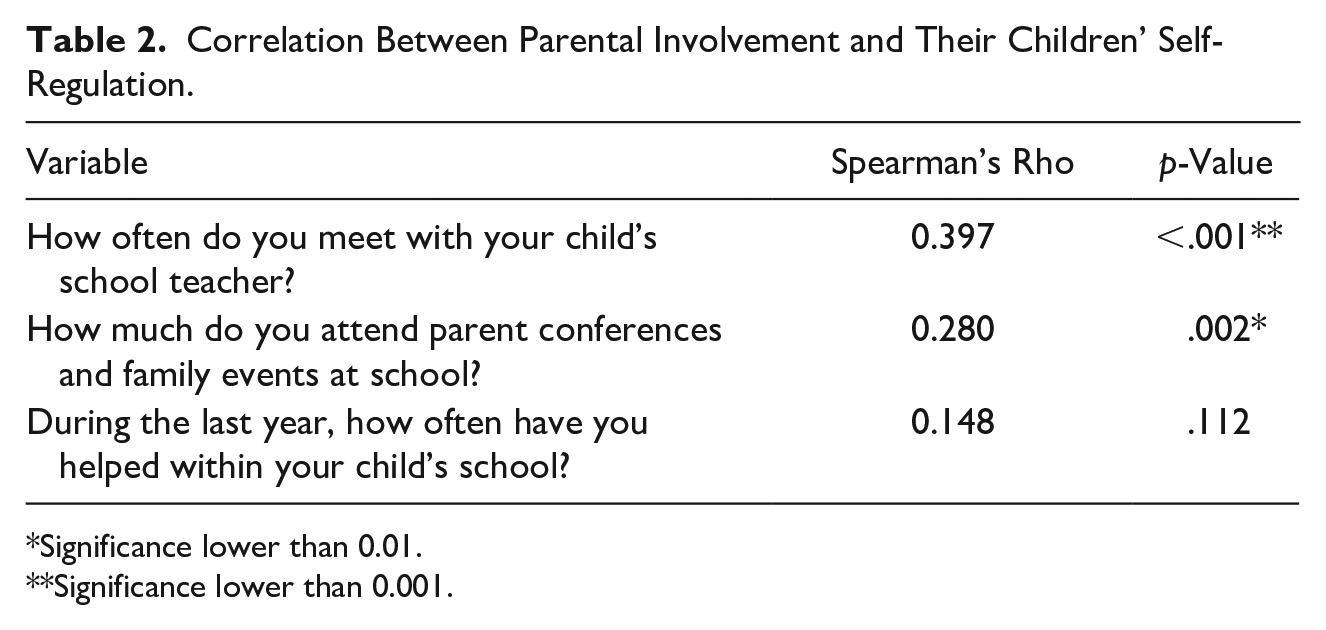
Significant positive correlations were found between the frequency of parental involvement and students’ self-regulation. The strongest correlation was between the frequency of meetings with the child's teacher and the child’s self-regulation (r = .397, p < .001). Attendance at parent conferences and family events, as well as helping within the school, showed weak but significant correlations with self-regulation. No significant differences were found across school grades using the Kruskal–Wallis test (see Table 2).
Correlation Between Parental Involvement and Their Children’ Self-Regulation.
Significance lower than 0.01.
Significance lower than 0.001.
School Barriers and Student Self-Regulation
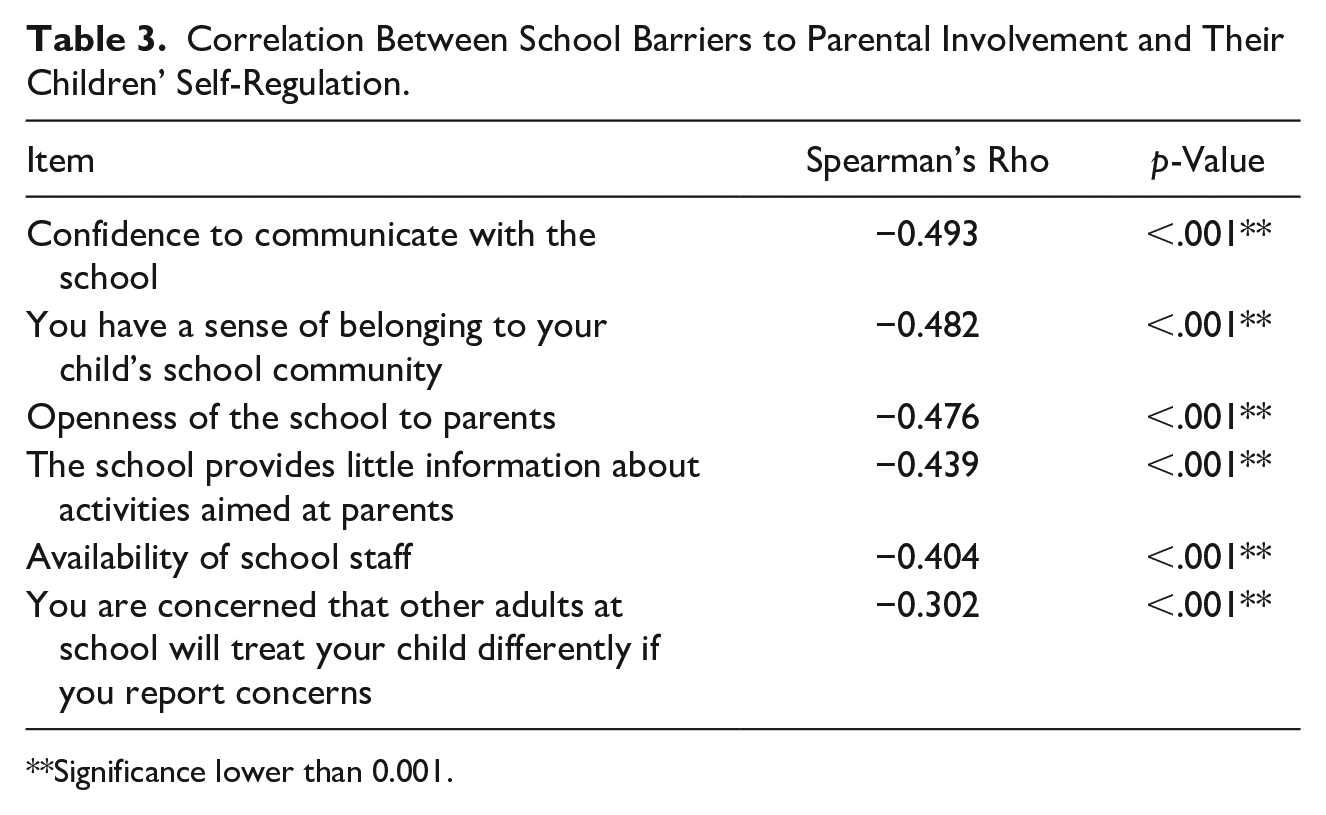
Significant negative correlations were found between perceived school barriers and students’ self-regulation. The strongest negative correlation was with caregivers’ confidence in communicating with the school (r = −.493, p < .001), indicating that as caregivers perceive communication with the school as problematic, their children exhibit lower self-regulation. Other moderate negative correlations were found with caregivers’ sense of belonging to the school (r = −.482, p < .001), the school's openness (r = −.476, p < .001), the amount of information provided by the school (r = −.439, p < .001), and the availability of school personnel (r = −.404, p < .001). A weak negative correlation was found with the concern that other adults would treat their child differently if concerns were communicated (see Table 3).
Correlation Between School Barriers to Parental Involvement and Their Children’ Self-Regulation.
Significance lower than 0.001.
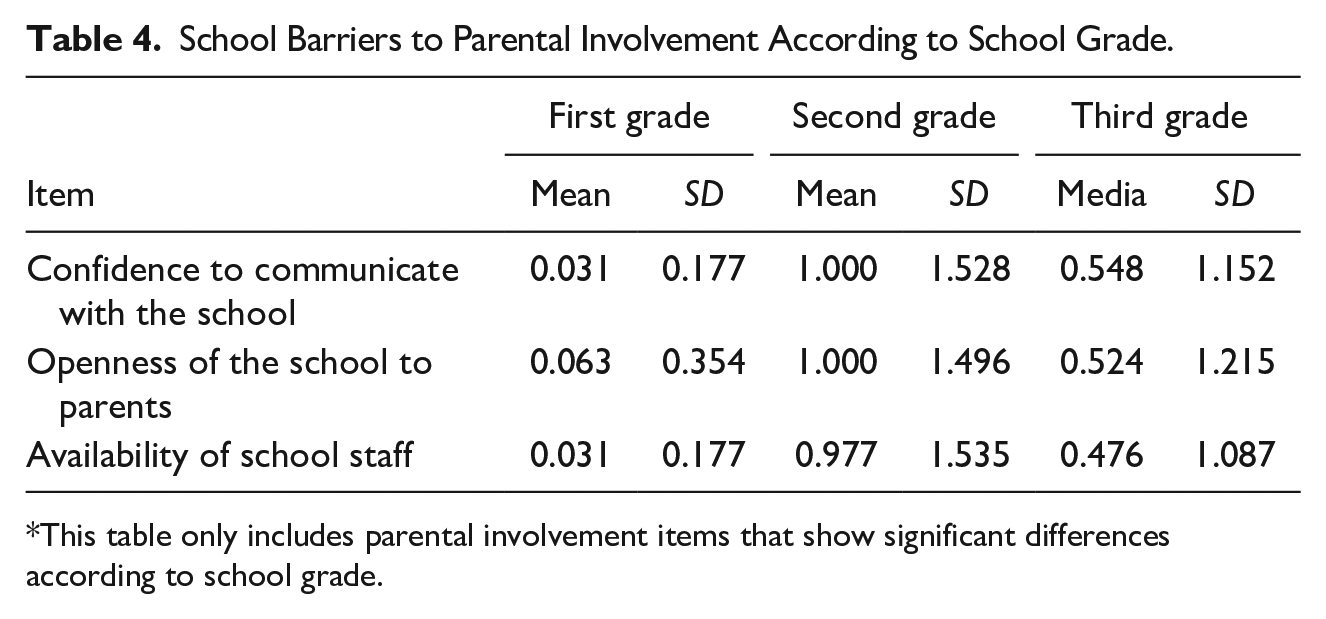
Comparing school barriers by grade level using the Kruskal–Wallis test revealed significant differences in confidence to communicate with the school (H = 12.534, p = .002), the school’s openness to caregivers (H = 15.294, p < .001), and the availability of school personnel (H = 11.654, p = .003). Second grade reported the highest scores for these barriers, followed by third grade, with first grade having the lowest scores, showing no gradual change according to school grade (see Table 4).
School Barriers to Parental Involvement According to School Grade.
This table only includes parental involvement items that show significant differences according to school grade.
Non-School Barriers and Student Self-Regulation
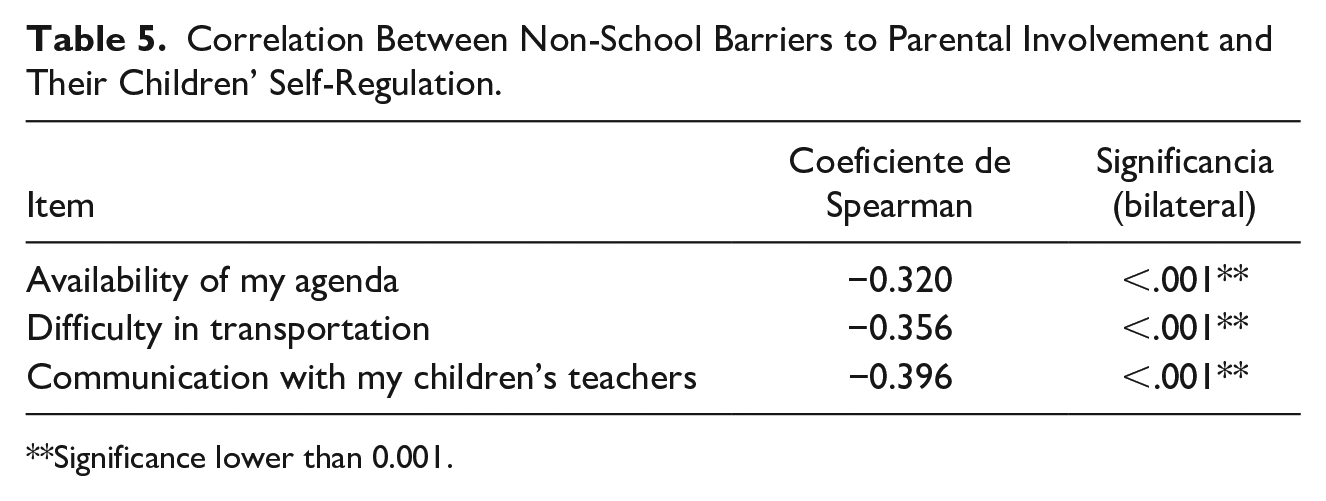
Significant negative correlations were also identified between non-school barriers and students’ self-regulation. The strongest correlation was with caregivers’ availability, indicating that caregivers who perceive their schedule as a barrier have children with lower self-regulation. Transportation difficulties and communication with teachers also showed weak but significant correlations with self-regulation (see Table 5).
Correlation Between Non-School Barriers to Parental Involvement and Their Children’ Self-Regulation.
Significance lower than 0.001.
Relating non-school barriers to school grade using the Kruskal–Wallis test identified significant differences in transportation difficulties (H = 14.300, p < .001) and communication with teachers (H = 12.321, p = .002) according to school grade. Similar to school barriers, second grade had the highest scores, followed by third grade, while first grade had the lowest scores, showing no gradual change according to school grade (see Table 6).
Non-School Barriers to Parental Involvement According to School Grade.
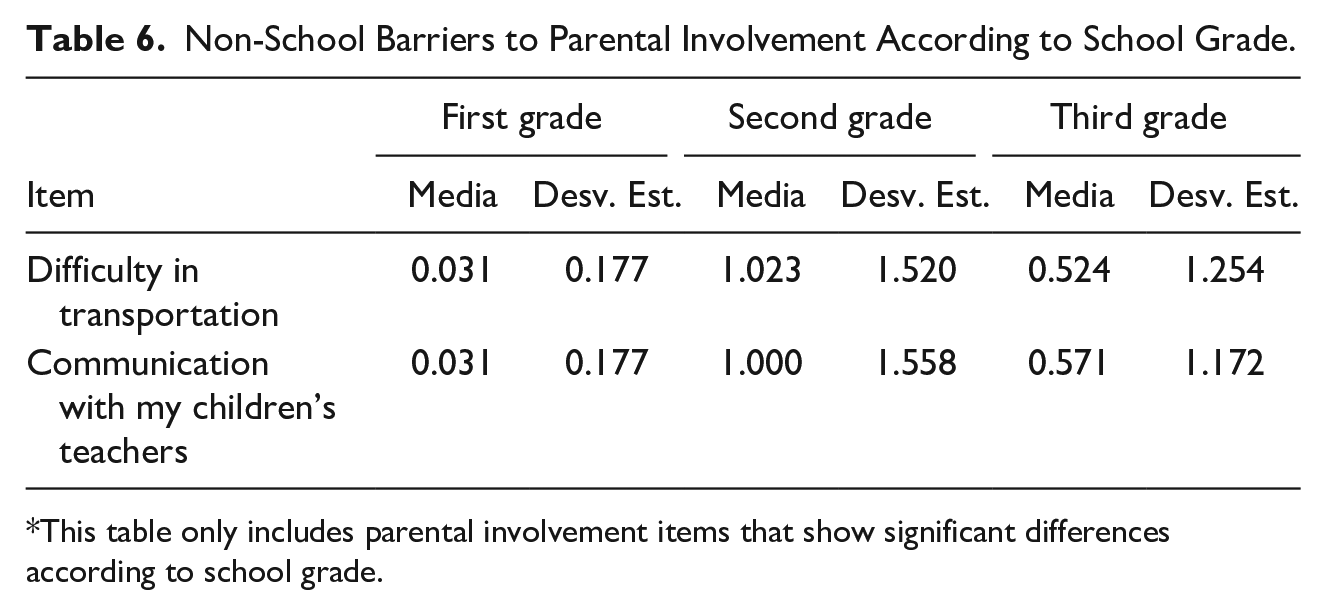
This table only includes parental involvement items that show significant differences according to school grade.
Discussion
The findings of this study emphasize that meeting with a child’s teacher is the most common form of parental involvement in school among the surveyed caregivers. Despite this, a significant proportion of caregivers report that their children never attend conferences or participate in school activities. It is important to note that while parental involvement can include activities such as communication, parenting, and learning activities at home (Kurtulmus, 2016; Newman et al., 2019), this study specifically focused on parental involvement within the school setting.
A notable finding is that the majority of caregivers do not perceive school-related barriers as significant impediments to their participation. This contrasts with previous studies by Cole (2020) and Gedfie et al. (2021), which highlighted issues such as the lack of training and receptiveness among teachers and administrators as major barriers. However, the caregivers in this study did not consider these factors to be the primary obstacles to their involvement in school.
Among non-school barriers, caregivers’ schedules stand out as a significant issue. This aligns with Inoa (2017), who identified multiple jobs, demanding work schedules, dual-working households, and single-parent households as social barriers to parental involvement. The findings of this study underscore the importance of addressing these barriers, as they have a direct impact on students’ self-regulation.
The relationship between parental involvement in school and children’s self-regulation is a topic of great interest to both the educational community and caregivers. This study found that both the level of parental involvement and caregivers’ perceptions of school and non-school barriers are significantly correlated with their children’s self-regulation at school. These findings are consistent with previous research by Gonzalez-DeHass et al. (2005) and Polat and Bayindir (2022).
In summary, this study highlights the critical role of parental involvement in enhancing students' self-regulation and underscores the need for schools to facilitate better communication and engagement with caregivers. Addressing non-school barriers, particularly those related to caregivers’ schedules, is essential for fostering a supportive environment that promotes both academic and emotional development in students.
Conclusions
The results of this research underscore the critical role of parental involvement in their children's education, suggesting that it may significantly influence the development of self-regulation skills in children. Consequently, it is essential for schools and caregivers to collaborate in fostering and promoting parental engagement in educational activities, thereby contributing to the holistic development of children.
Self-regulation is a fundamental skill for academic success and the social-emotional development of children. Children with strong self-regulation skills can control their emotions and behaviors, adapt to various situations, and effectively face everyday challenges. Additionally, these children tend to achieve greater academic success due to their enhanced ability to focus on tasks and learn efficiently.
To further support parental involvement, educational institutions should design programs aimed at addressing barriers to engagement (Gedfie et al., 2021). Despite caregivers not reporting significant school-related barriers in this study, the literature suggests that fostering a welcoming and supportive school environment remains crucial. These programs should focus on improving the skills and attitudes of teachers and administrators in order to address non-school barriers and facilitate opportunities for caregivers to be involved. Future research should explore strategies to overcome time constraints related to parental work commitments, thereby facilitating increased parental involvement.
In summary, the findings highlight the need for concerted efforts by educational institutions and caregivers to enhance parental involvement in school, which in turn fosters better self-regulation and overall development in children. Schools can achieve this by providing opportunities for teacher professional development and innovative and technological alternatives to communicate with caregivers. This collaborative approach can empower students to become self-directed learners, preparing them for academic success and lifelong learning.
Supplemental Material
sj-xlsx-1-eus-10.1177_00131245251314489 – Supplemental material for Parental Involvement Barriers and Their Influence on Student Self-Regulation in Primary Education
Supplemental material, sj-xlsx-1-eus-10.1177_00131245251314489 for Parental Involvement Barriers and Their Influence on Student Self-Regulation in Primary Education by Angela Calderon-Villarreal, Andrea Garcia-Hernandez, Rebeca Olvera-Gonzalez and Josemaria Elizondo-Garcia in Education and Urban Society
Footnotes
Acknowledgements
The authors are grateful to the participants who participated in this study.
Declaration of Conflicting Interests
The author(s) declared no potential conflicts of interest with respect to the research, authorship, and/or publication of this article.
Funding
The author(s) received no financial support for the research, authorship, and/or publication of this article.
Ethical Considerations
This study closely followed all ethical standards established by the Research Integrity Council at Universidad de Monterrey.
Consent to Participate
The participants provided their informed consent to participate in this study.
ORCID iDs

Supplemental Material
Supplemental material for this article is available online.
Author Biographies
References
Supplementary Material
Please find the following supplemental material available below.
For Open Access articles published under a Creative Commons License, all supplemental material carries the same license as the article it is associated with.
For non-Open Access articles published, all supplemental material carries a non-exclusive license, and permission requests for re-use of supplemental material or any part of supplemental material shall be sent directly to the copyright owner as specified in the copyright notice associated with the article.
