




Abstract
Cognition research has demonstrated that babies, from birth, can detect numerical correspondences and abstract properties of objects and events. However, this limited existing research is often distant from educational practice, and thus, this information may be inaccessible to early childhood educators; most of whom hold pre-Bachelor level qualifications. This quantitative study reports on a survey of 466 Australian early childhood educators to examine what relationships may exist between educators’ qualifications and experience in the profession, and their beliefs about mathematics education for babies and toddlers. Findings show that although most educators have strong, positive beliefs about mathematics education for very young children, there are significant differences in beliefs about when mathematical ideas develop in children found between educators without Bachelor level qualifications and those with Bachelor and post-graduate qualifications. Our findings lend support to Australia’s sustained quality improvement agenda for the early childhood educator sector and point to the benefits of Bachelor level teaching qualifications for establishing strong foundations in mathematics education.
Introduction
Cognition research has demonstrated that babies, from birth, are capable of detecting numerical correspondences and abstract properties of objects and events (for example, Feigenson et al., 2004; Starkey et al., 1990). The ability to represent the numerosity of small sets appears to develop in the first week of life (Antell & Keating, 1983), and there is evidence to suggest that infants are able to represent and remember quantities of up to three or four, distinguish between quantities, match small sets of objects, notice changes in quantities and detect spatial changes (Geary, 1994; Lauer & Lourenco, 2016; Montague-Smith & Price, 2012; Starr et al., 2013). However, much of the limited existing research on babies’ and toddlers’ mathematical knowledge largely relies on clinical cognitive assessments, as opposed to considering mathematical development in the context of early childhood educational practice. Indeed, researchers in the areas of mathematics education, psychology and cognitive neuroscience typically research in isolation from one another, with comparatively rare collaboration and cross-citations (Alcock et al., 2016). Of concern for this study is the paucity of research which has specifically examined mathematics education for babies and toddlers (i.e. children under three years of age). MacDonald and Murphy’s (2021) systematic review of early childhood mathematics education peer-reviewed articles published in the last 15 years identified only nine articles focused on children under three years of age, and only three focused on children under two. Thus, the available evidence to suggest that children develop mathematical knowledge from birth is often distant from educational practice and may be inaccessible to early childhood educators. Consequently, early childhood educators may have limited awareness of mathematics development (Björklund & Barendregt, 2016; Phillips & Morse, 2011) or hold narrow views of what constitutes mathematics in their educational programs (Thiel, 2010). This may be compounded by early years curricula and frameworks, such as the Early Years Learning Framework for Australia (EYLF) (Australian Government Department of Education, 2022) which does not articulate specific mathematics teaching strategies or learning targets for children (Cohrssen et al., 2013). Furthermore, previous research has indicated a need for early childhood teacher preparation programs to include greater attention to mathematical content and instructional methods relevant to early childhood contexts (Parks & Wager, 2015). Research which examines the mathematical learning of very young children in the context of early childhood educational practice is required.
MacDonald and Murphy’s (2021) review also highlighted that very few studies have focused on educators’ beliefs about young children’s capabilities in mathematics. However, the available evidence suggests that this is an important area for examination. For example, Björklund (2012) posits that early childhood educators are not always aware of the importance of their teaching role, or their own beliefs and approaches to mathematics, which in turn impacts the learning opportunities for children. Findings from the studies of Browne and Wong (2017) and Knaus (2017) suggest that many educators underestimate children’s mathematical capacities, and that there are cultural or contextual factors that influence educators’ beliefs about children’s mathematical abilities (MacDonald & Murphy, 2021). According to Lee and Ginsburg (2009), some educators hold ‘significant misconceptions about teaching mathematics, including that mathematics education is only for some bright kids with “mathematics genes,” that simple numbers and shapes are enough, and that language and literacy are more important than mathematics’ (p. 38). Further, some early childhood educators may be reluctant to engage with intentional teaching of mathematics (Lee & Ginsburg, 2009), hold a very narrow view of what constitutes mathematics, focussing on numbers and shapes (Thiel, 2010), lack procedural and conceptual understandings in certain content areas (Linder & Simpson, 2018), or have limited awareness of the mathematics with which children engage as part of their everyday activity (Cohrssen et al., 2013). It should, however, be noted that a recent systematic review found clear distinctions between educators’ practices when comparing between countries (Linder & Simpson, 2018).
In this study, the term ‘educators’ is used inclusively to refer to employees in early childhood education and care settings. In Australia, as in many countries, early childhood educators have a diverse range of roles, backgrounds and qualifications (Jackson, 2021). Across the sector, early childhood educators hold qualifications ranging from certificate or diploma level (pre-Bachelor) to post-graduate level. Educators work across a range of settings, including preschools or kindergartens (sessional programs offered in the year prior to school); long day care services (full-day programs for children from birth to school age); or family day care (programs provided in educators’ homes) (Jackson, 2021; MacDonald, 2020). The workforce is highly mobile, with educators’ average length of tenure at their current service only 3.6 years (Australian Children’s Education and Care Quality Authority, 2021). This diversity in qualifications and professional experiences presents both opportunities and challenges for the early childhood education sector. On the one hand, the diversity of the workforce provides more inclusive early childhood education services; on the other, it poses challenges in raising the quality of early childhood education (Cumming et al., 2015; Jackson, 2021). Several studies (for example, Krieg et al., 2015; OECD, 2006; Warren & Haisken-DeNew, 2013) have shown a link between early childhood educators’ qualifications and children’s learning outcomes, suggesting that a high or increasing proportion of more qualified staff is desirable. The introduction of an early childhood education and care reform agenda in 2009 brought substantial changes to the Australian early childhood education sector, including a requirement for a proportion of educators to hold Bachelor level teaching qualifications (Standing Council on School Education and Early Childhood, 2012). However, despite this requirement, baby and toddler settings are consistently staffed by the least-qualified educators (Elliott, 2006; Stratigos & Salamon, 2019).
The Current Study
The current study was conducted as a part of a large-scale, five-year project examining mathematics education for babies and toddlers in Australia. Previous studies from the larger project have examined educators’ beliefs about mathematics education for children under three years of age, and their reported mathematics education practices (MacDonald, 2020; MacDonald & McGrath, 2022). The current study builds upon this work to examine early childhood educators’ beliefs about children’s mathematical development, and what relationships may exist between these beliefs and educators’ qualifications and experience in the profession. Although there is existing research that suggests that educators’ qualifications impact children’s learning outcomes, it appears that this relationship has not been examined in relation to mathematics education, specifically. Thus, this study seeks to address this gap by exploring the following research questions: - Is there a relationship between a sample of early childhood educators’ professional qualifications and their beliefs about mathematical development in children and benefits of mathematical learning? - Are there relationships amongst a sample of early childhood educators’ current professional roles, years in the profession, and their beliefs about mathematical development in children and benefits of mathematical learning?
Methodology
The current study reports on survey data that were gathered from a five-year project that sought Australian early childhood educators’ perspectives on early childhood mathematics education. The study was conducted under Charles Sturt University’s Human Research Ethics Committee Approval Number H18033.
Consistent with internationally accepted definitions of ‘early childhood’ (UNESCO, 2023; World Health Organisation, 2007), the larger project focused on educators of children aged from birth to 8 years. In acknowledgement of the high degree of mobility within the early childhood sector, the survey sample included those currently working with children under three years of age, as well as those who had done so in the past, or may do so in the future. The anonymous, online survey was distributed via a range of national early childhood networks during 2018. The full survey generated a sample of 506 respondents. For the purpose of the current study, we report on a sub-sample of 466 educators who provided complete data on two survey components: beginnings of mathematical development; and benefits of mathematics education.
Survey Instrument
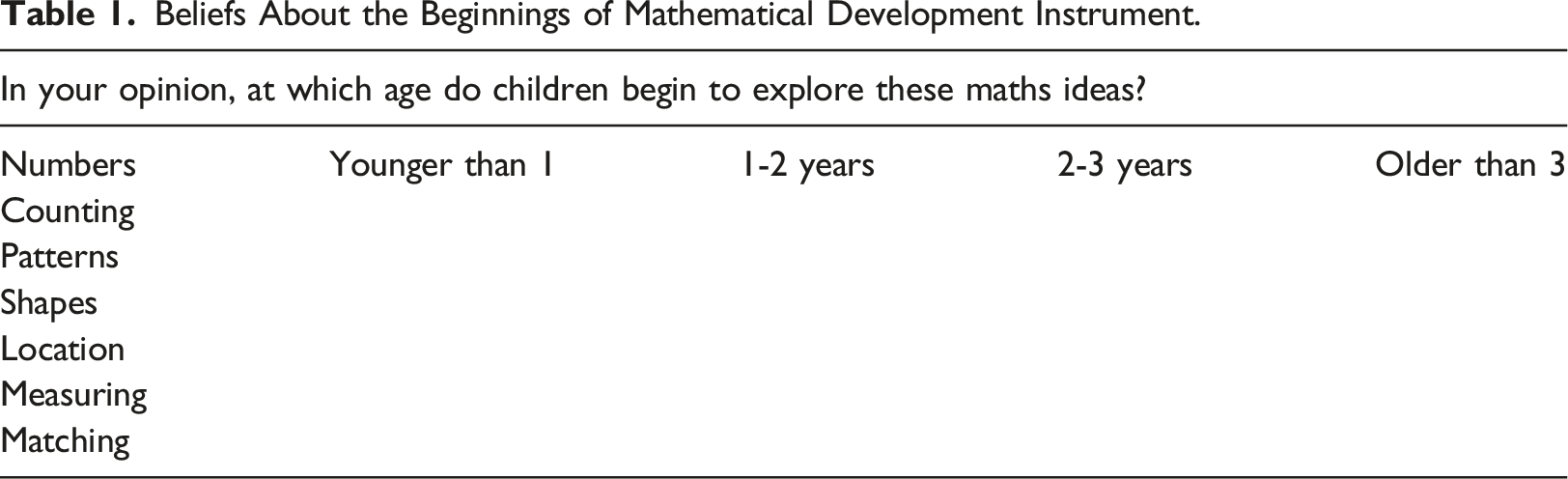
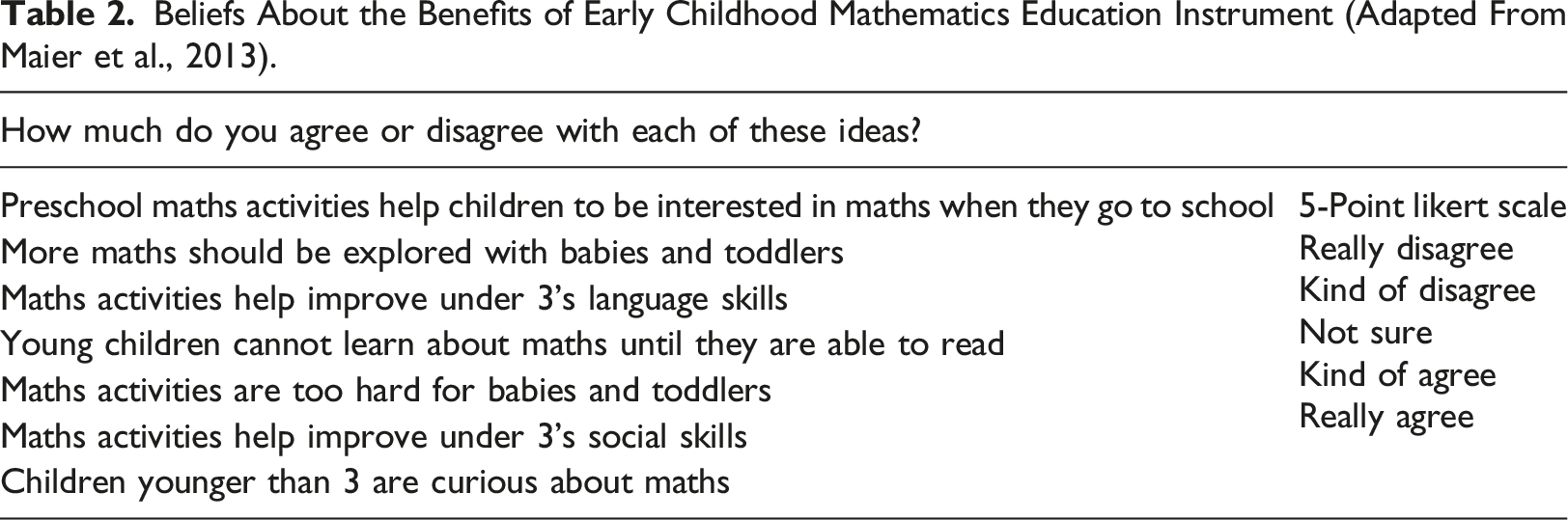
The survey was adapted from Maier et al., (2013) Preschool Teacher Attitudes and Beliefs towards Science (P-TABS) questionnaire, with Likert scale items modified to focus on mathematics rather than science. In addition to the modified P-TABS items, the survey contained demographic and contextual questions, short-answer responses, and open comment prompts. For the purpose of this study, we report on the demographic data and two components of the extended survey: 1. Beliefs about the beginnings of mathematical development; and 2. Beliefs about the benefits of early childhood mathematics education. Findings from the full survey, including the qualitative data, are reported elsewhere (MacDonald & McGrath, 2022).
Beliefs About the Beginnings of Mathematical Development
Beliefs About the Beginnings of Mathematical Development Instrument.
Beliefs About the Benefits of Early Childhood Mathematics Education
Beliefs About the Benefits of Early Childhood Mathematics Education Instrument (Adapted From Maier et al., 2013).
Procedures
The study was approved by Charles Sturt University’s Human Research Ethics Committee (approval no. H18033). An invitation to complete the survey was distributed electronically through the researchers’ national early childhood networks. All respondents provided informed consent prior to completing the survey. Participants completed the survey anonymously and could withdraw from the survey at any point prior to submitting their response.
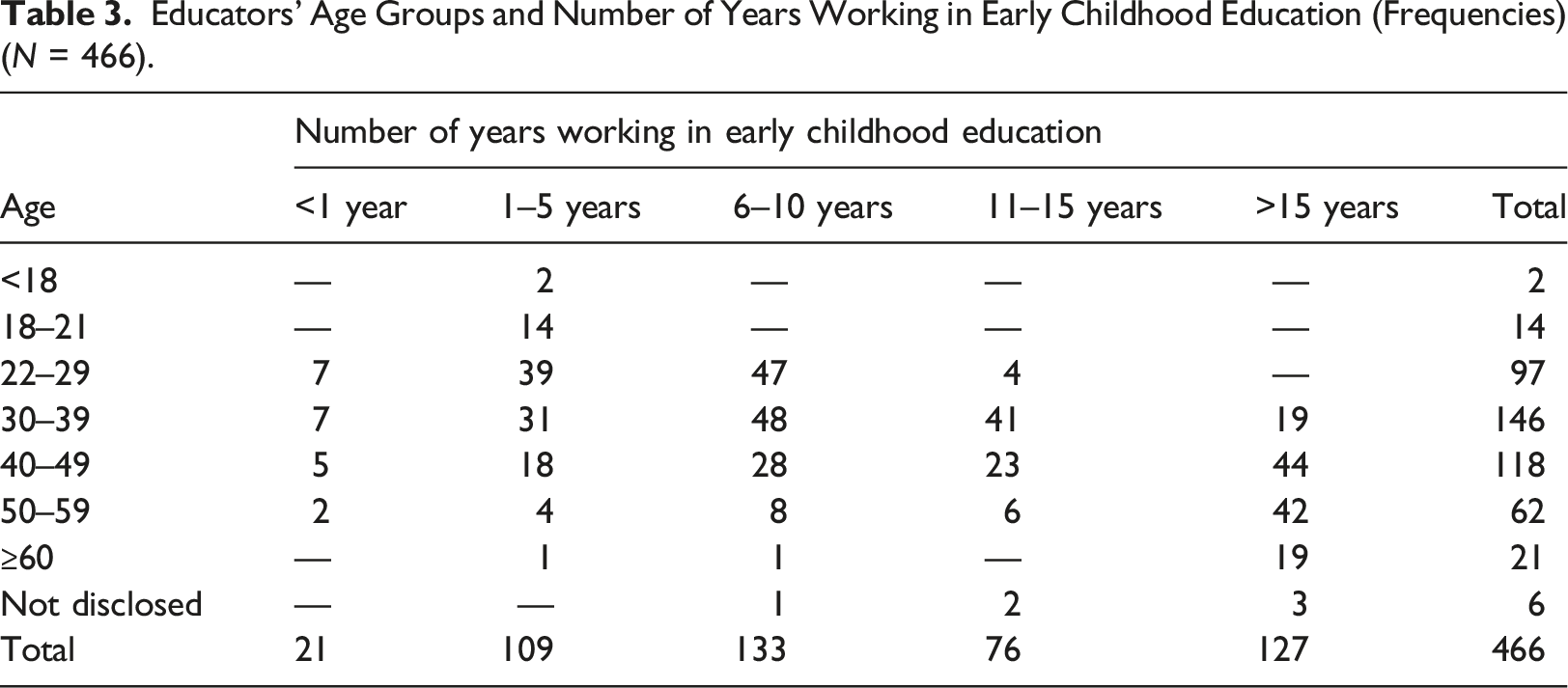
Sample
Educators’ Age Groups and Number of Years Working in Early Childhood Education (Frequencies) (N = 466).
Educators’ Current Place of Employment.
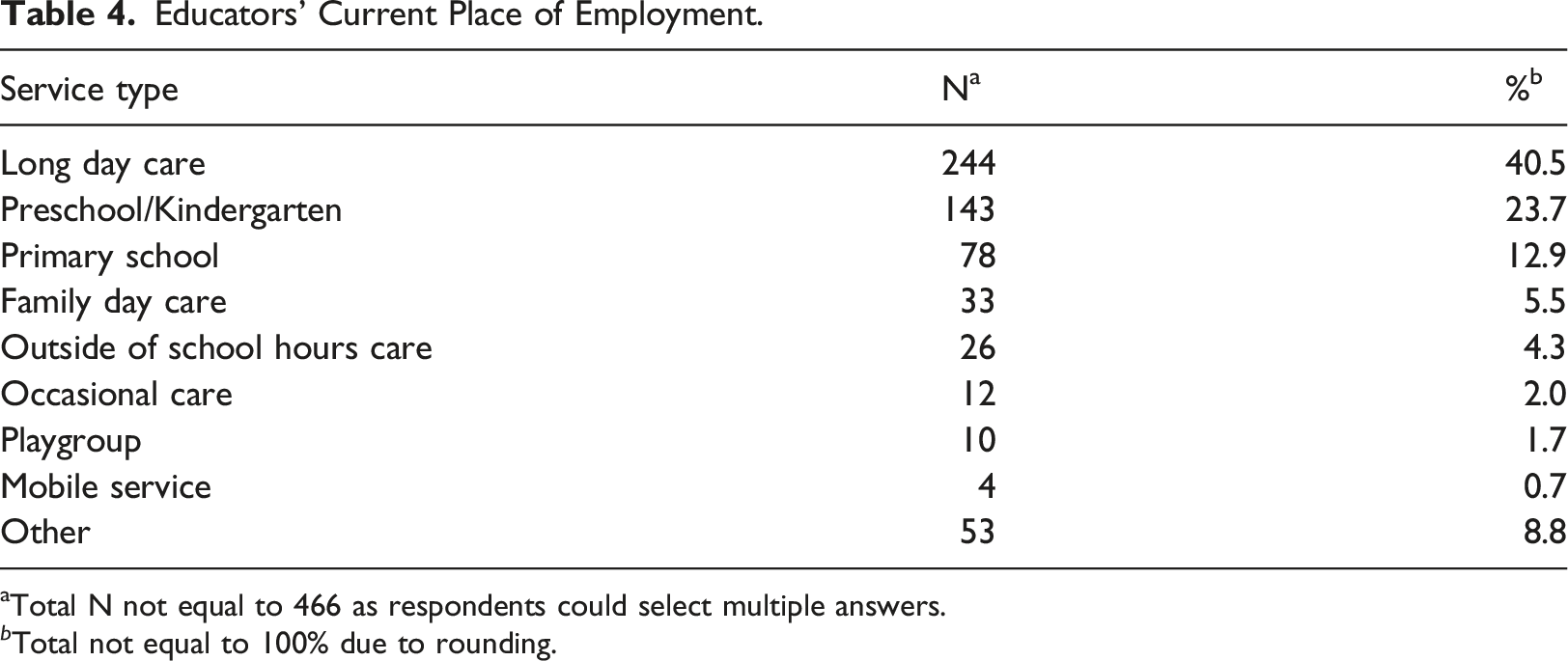
aTotal N not equal to 466 as respondents could select multiple answers.
b Total not equal to 100% due to rounding.
Educators’ Current Role.
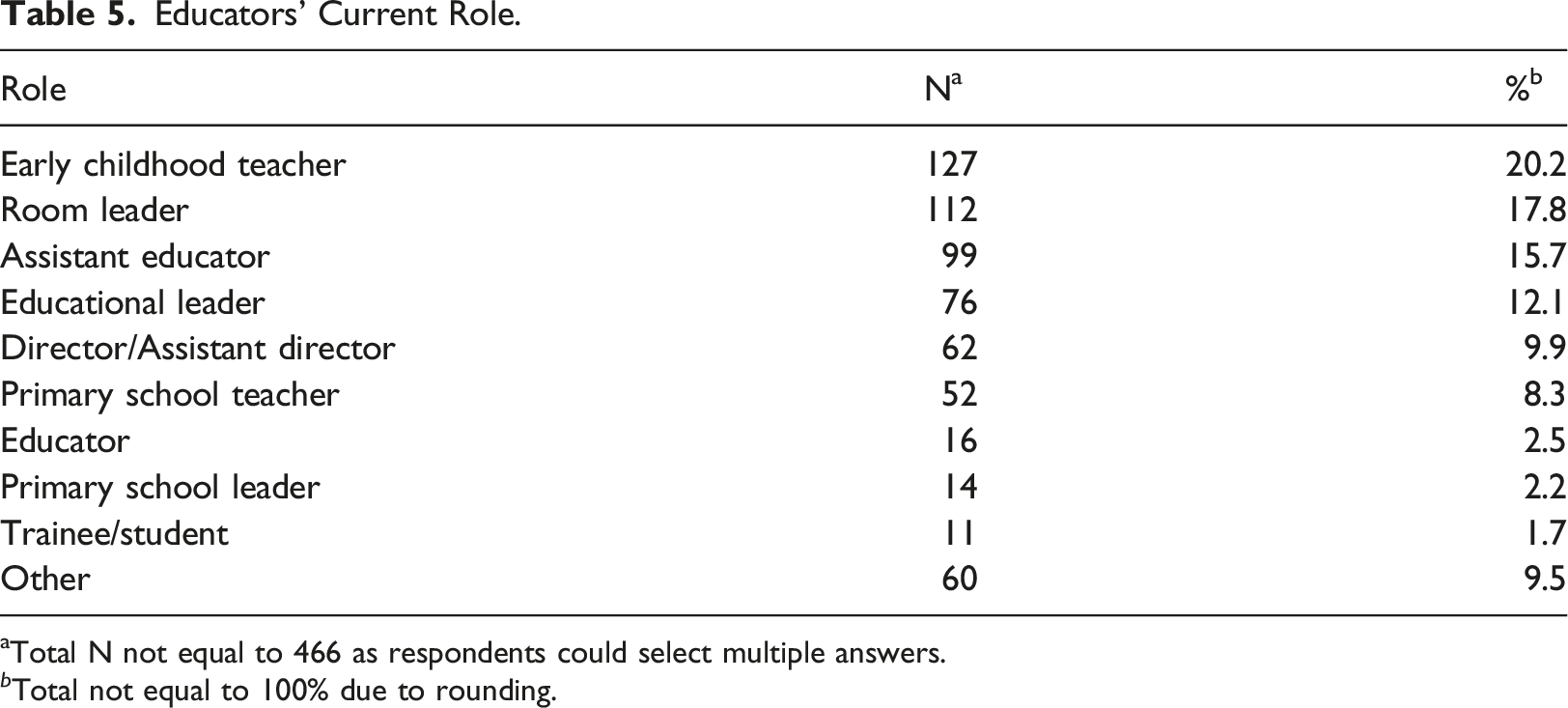
aTotal N not equal to 466 as respondents could select multiple answers.
b Total not equal to 100% due to rounding.
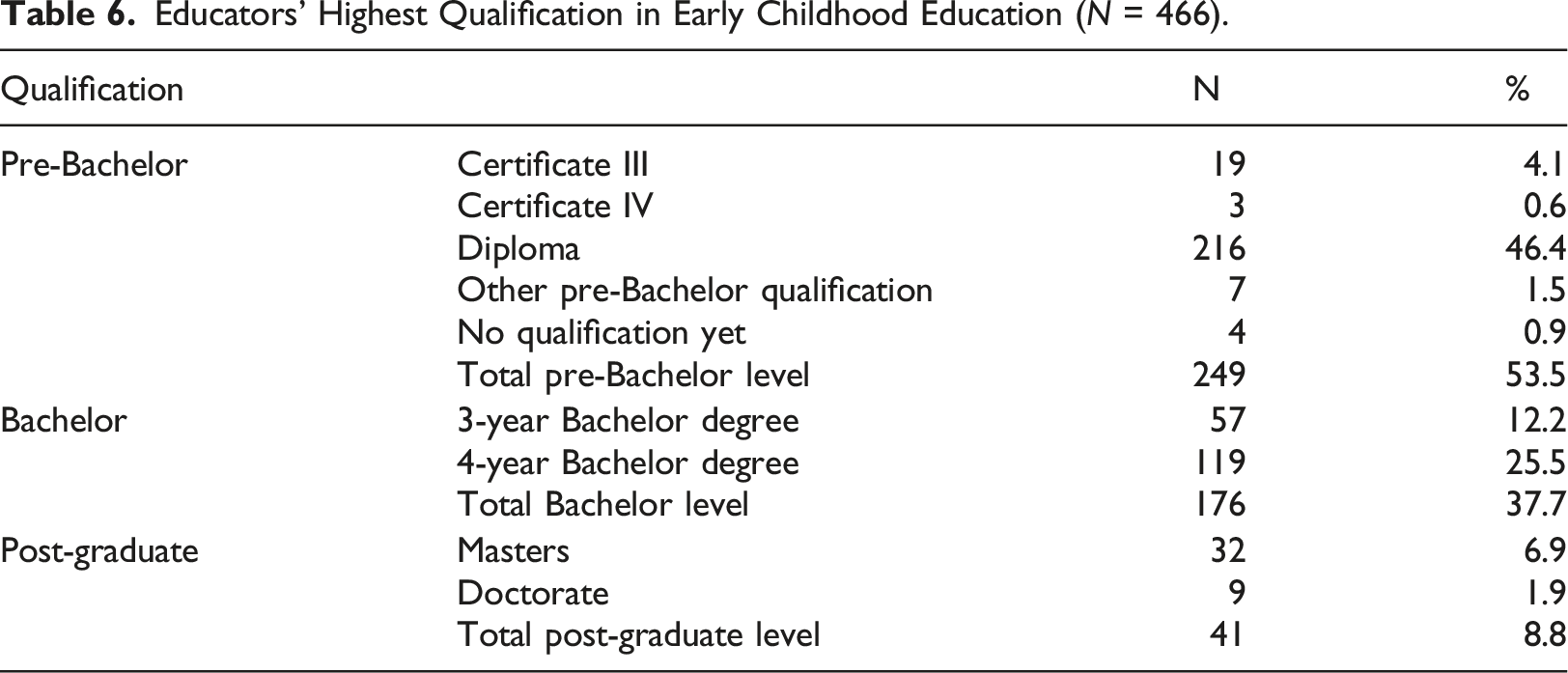
Educators’ Highest Qualification in Early Childhood Education (N = 466).
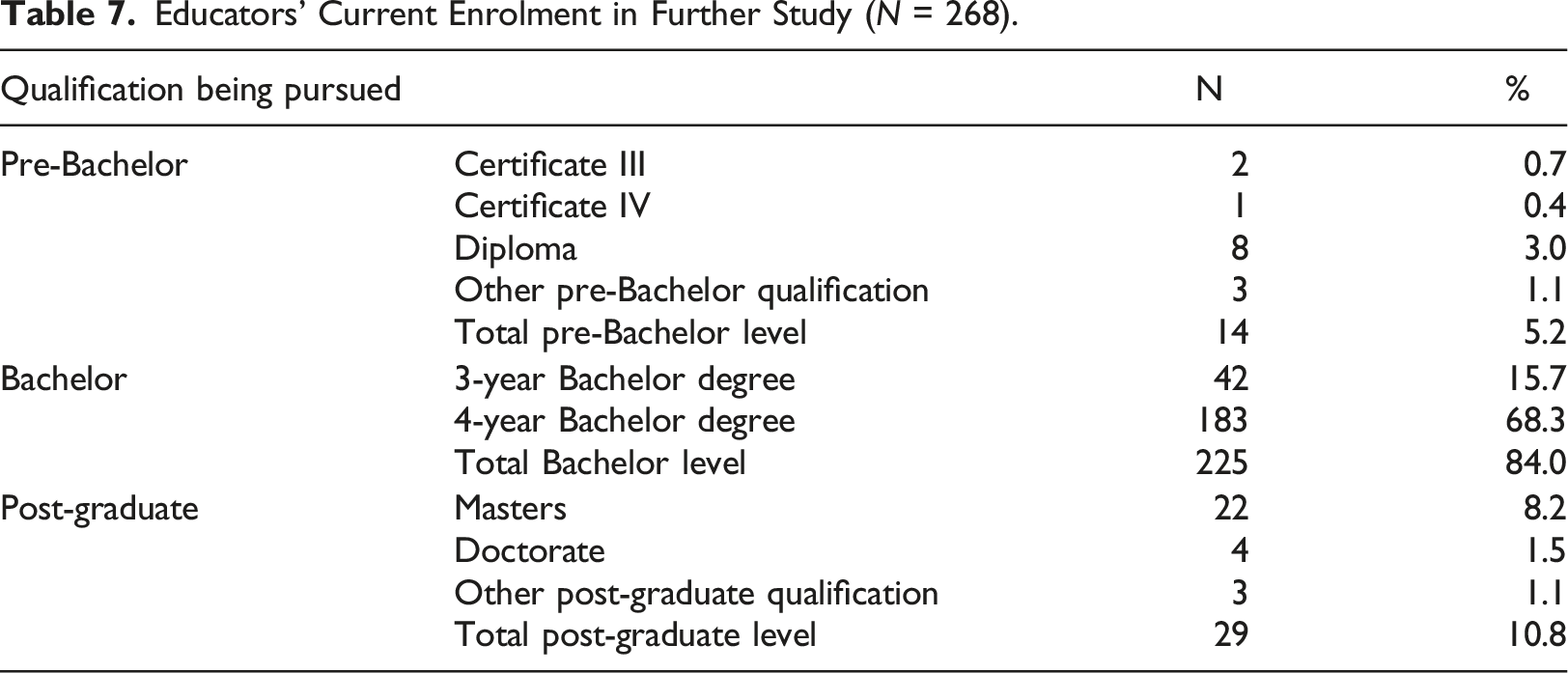
Educators’ Current Enrolment in Further Study (N = 268).
Data Analyses
For the ordinal mathematics development measures (Numbers, Counting, Patterns, Shapes, Location, Measuring and Matching) Kruskal–Wallis H tests were run to investigate group differences by highest qualification (Pre-Bachelor, Bachelor and Post-graduate) and Under 3s education status (Current and Non-current). As the highest qualification independent variable had three levels, a series of Mann–Whitney tests were run to evaluate differences between each of the groups. For the interval scores produced on the Benefits scale of the modified P-TABS instrument (Maier et al., 2013), parametric Analyses of Variances (ANOVAs) were conducted based on the high qualification groups and Under 3s education status (Coleman & Pulford, 2008; Pallant, 2020). The ANOVA of Benefits scale data by highest qualification level was supplemented by three T-tests to investigate potential differences amongst the groups. Post-hoc Bonferroni corrections were applied to reduce the likelihood of Type 1 errors. Hedge’s G effect sizes were calculated to ascertain the magnitude of between groups differences due to the varied number of participants within groups. Data level, independence and homogeneity of variance assumptions were not violated (Algina & Olejnik, 2003). Furthermore, the large sample (n = 466) strengthened the power and resilience to normality threats (VanVoorhis & Morgan, 2007). As the Years of Experience variable was categorical, non-parametric Spearman’s Rho correlation coefficients were used to determine its relationship with the mathematics development measures and the Benefits scale.
Results
The results presented here explore relationships among early childhood educators’ qualifications and professional experiences, and their beliefs about children’s mathematical development and the benefits of mathematics education for young children. We address each of our two research questions in turn.
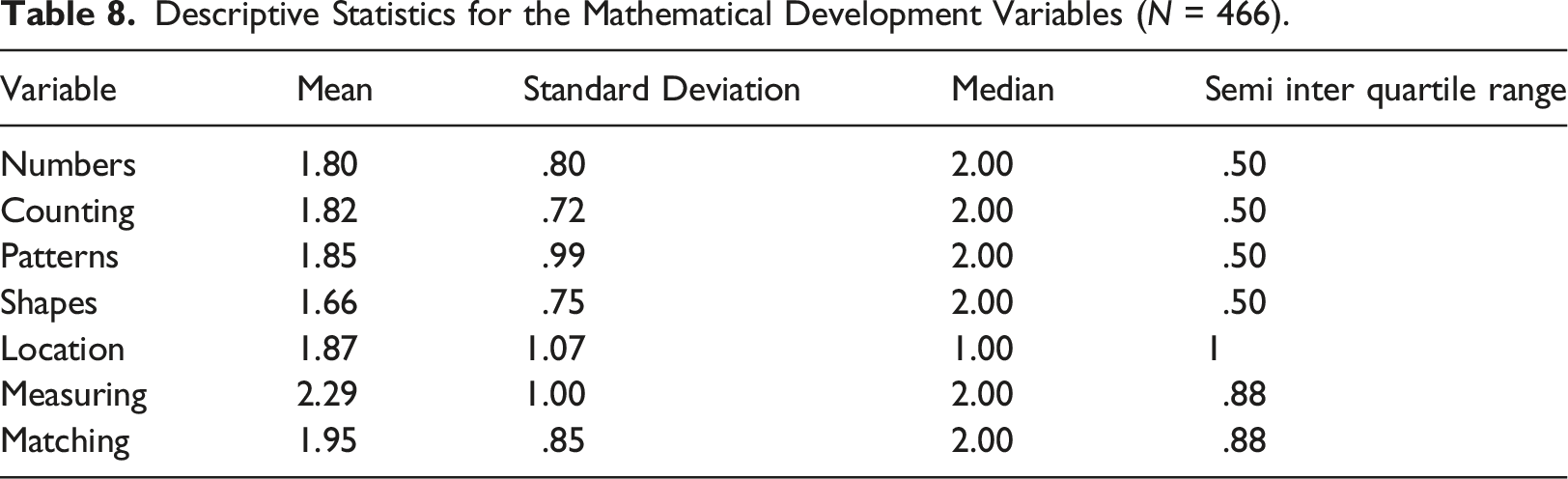
Descriptive Statistics for the Mathematical Development Variables (N = 466).
Kruskal–Wallis Analyses of the Mathematical Development Variables by Highest Qualification Group.
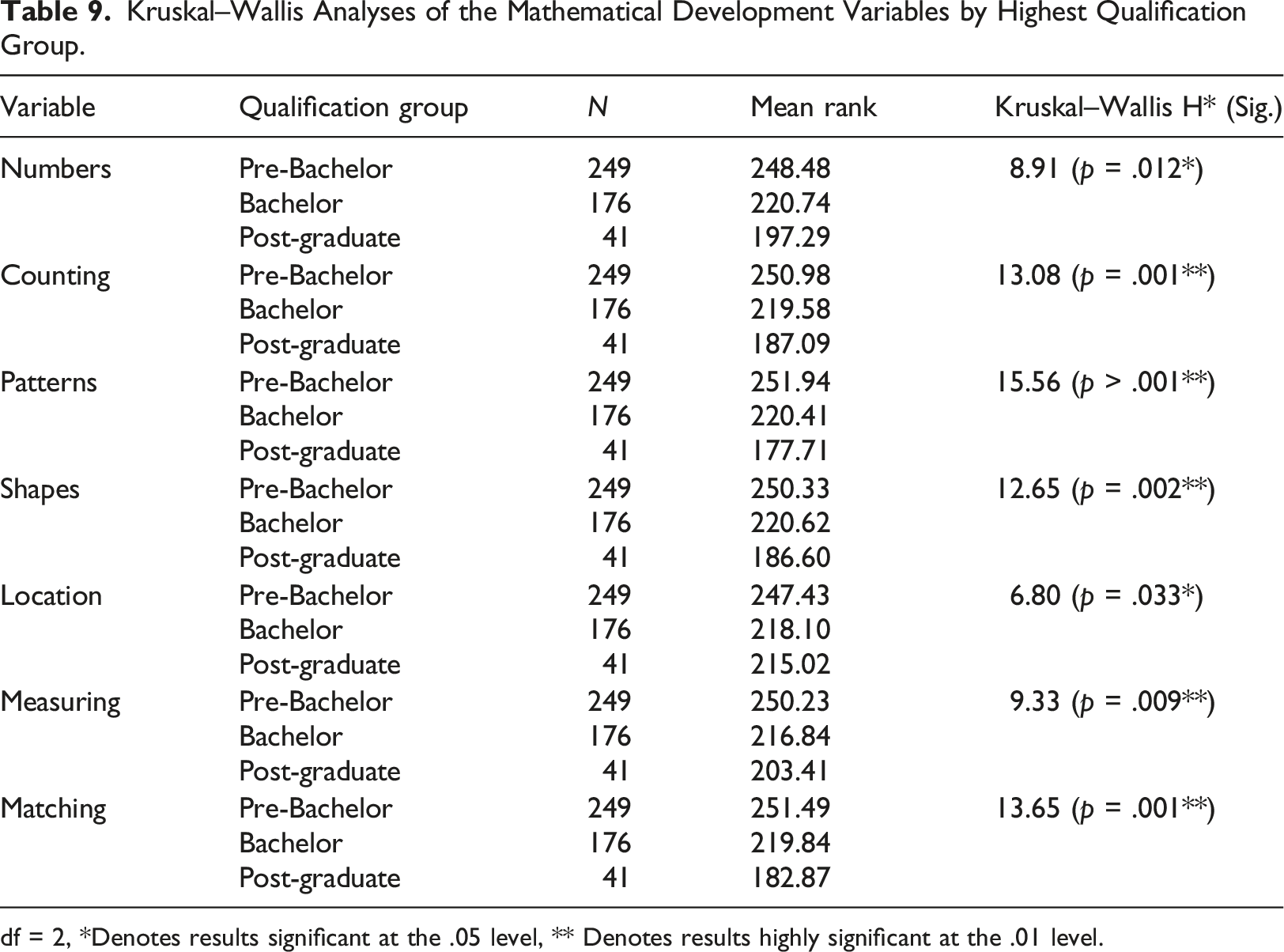
df = 2, *Denotes results significant at the .05 level, ** Denotes results highly significant at the .01 level.
Mann–Whitney U Tests of the Mathematical Development Variables by Highest Qualification Group.
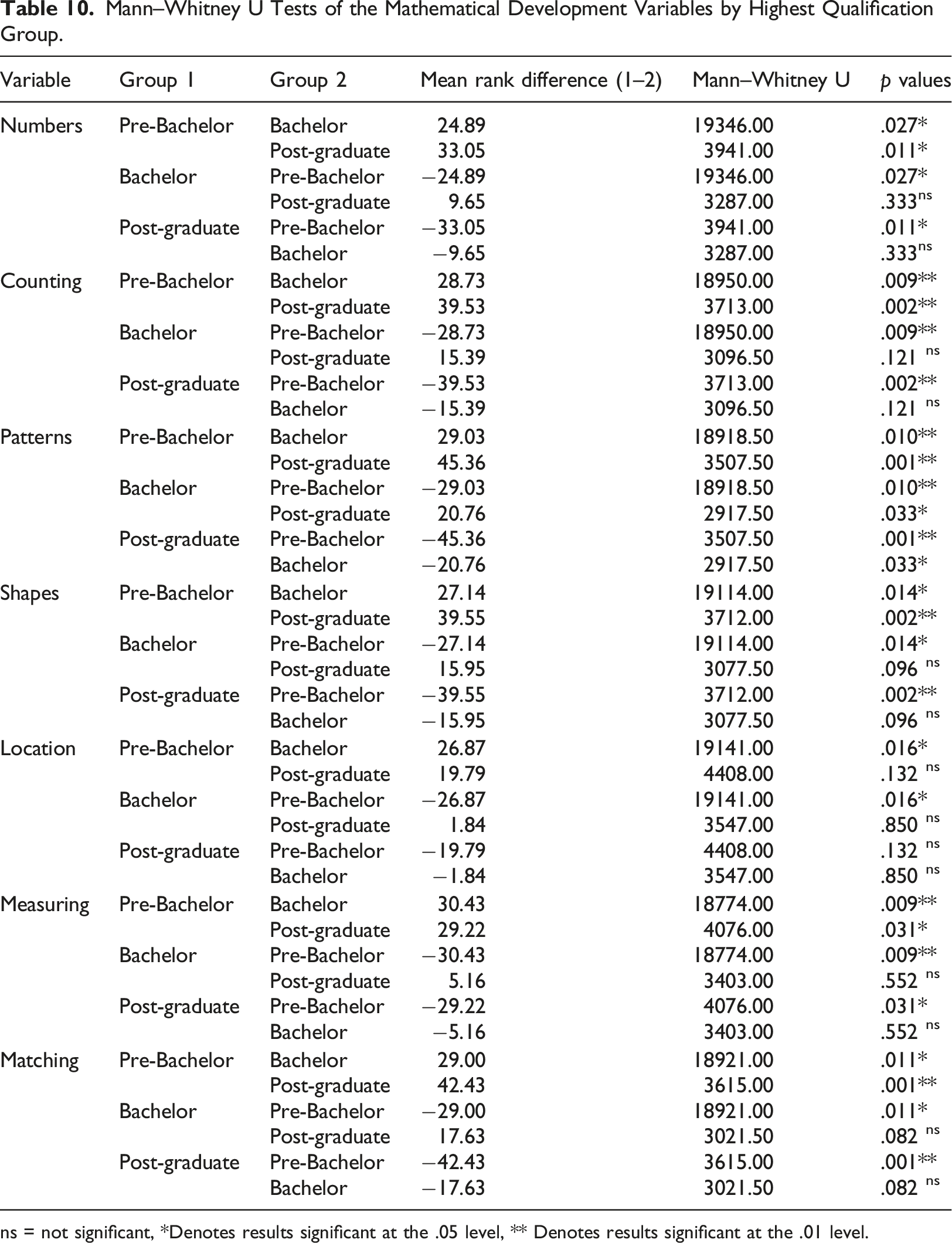
ns = not significant, *Denotes results significant at the .05 level, ** Denotes results significant at the .01 level.
Benefits Subscale Descriptive Statistics, T-Tests and Effect Sizes by Qualification Group.
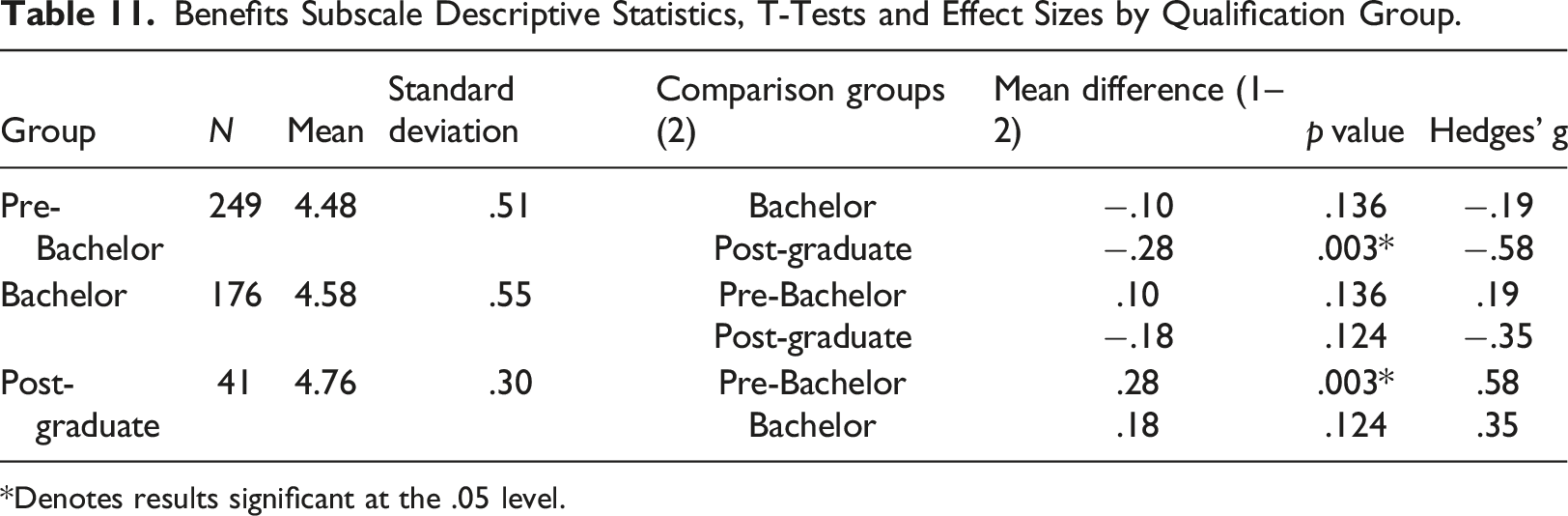
*Denotes results significant at the .05 level.
There was limited evidence from the current analyses to suggest the participants’ reported years of experience were associated with their beliefs about the onset of mathematical conceptual development in children and their perceptions of the benefits of mathematics education in early childhood settings. Indeed, no significant correlations were detected between participants’ years of professional experience and their data on the following variables: Numbers, r (465) = −.009, p = .848, Patterns, r (465) = −.029, p = .538, Shapes, r (465) = .002, p = .071, Location, r (465) = −.011, p = .812, Measuring, r (465) = −.070, p = .131 and Matching, r (465) = −.014, p = .768. There was, however, a statistically significant, yet small negative correlation between participants’ years of experiences and their beliefs about when counting skills begin developing, r (465) = −.122, p = .008, meaning that more experienced educators were slightly more likely to believe counting develops earlier in children. Curiously, there was a significant, but very small positive correlation between early childhood educators’ years of experience and their mean scores on the Benefit scale, r (465) = .100, p = .030. However, the practical application of this finding is limited as years of experience only explains 1% of the variance in participants’ mean scores on the Benefits scale.
Kruskal–Wallis Analyses of the Mathematical Development Variables by Current Under 3s Status.
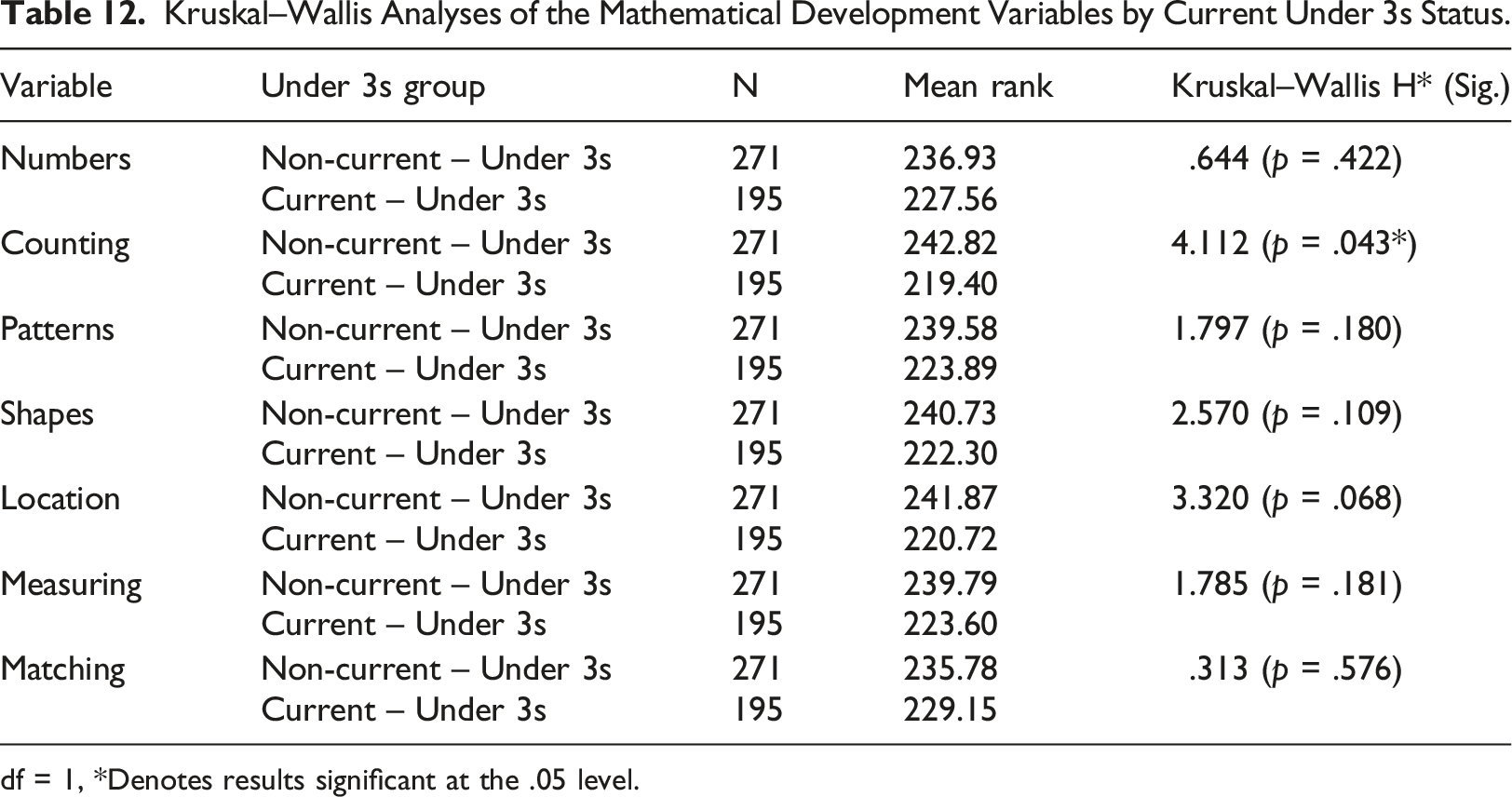
df = 1, *Denotes results significant at the .05 level.
An ANOVA showed that beliefs about the benefits of mathematics in early childhood settings did not differ by current or non-current Under 3s experience, F (1,463) = .12, p = .729. Furthermore, the similarities in the Benefits mean scores and standard deviations between the Non-Current Under 3s group (M = 4.55, SD = .52) and the Current Under 3s group (M = 4.54, SD = .52) suggest near consensus levels of appreciation for the importance of mathematics learning in the early years.
Discussion
The provision of mathematics education for babies and toddlers is an under-researched area of inquiry. This study contributes vital new understandings by examining the relationships among early childhood educators’ qualifications and experience in the profession, and their beliefs about when mathematical understandings develop and the benefits of mathematics education for very young children.
In regards to our first research question, the data for the ‘Beginnings of mathematical development’ items indicate that, despite contrary evidence to suggest that educators underestimate children’s mathematical development (for example, Browne & Wong, 2017; Knaus, 2017), most of the participants believe that children begin to develop core mathematical concepts from one year of age. The similar mean scores for these variables could suggest that the participating educators acknowledge the intersections among these core concepts, such as number sense, counting, pattern recognition and matching. Alternatively, and more consistent with prior research (for example, Björklund & Barendregt, 2016; Phillips & Morse, 2011), the participants may be somewhat limited in their capacity to identify and understand these mathematics concepts as they develop in preverbal babies and toddlers, particularly in demanding educational settings where an educator’s attention must be divided amongst multiple children. It may be beneficial for early childhood teacher education programs to place greater emphasis upon the specific mathematical concepts and processes developed in the early years (Parks & Wager, 2015). Professional learning programs such as the Let’s Count early numeracy program (Gervasoni & Perry, 2015) have demonstrated how additional engagement with mathematics content can have positive benefits for early childhood educators’ mathematics education practices, subsequently enhancing mathematical outcomes for children. Perhaps more importantly, more specificity regarding early childhood mathematics learning also should extend to sector-wide frameworks and guiding documents, such as the Early Years Learning Framework for Australia (EYLF) (Australian Government Department of Education, 2022), to enhance consistency and coherence across the early childhood sector. It was interesting to note that measurement was the only mathematical idea that participants believed began developing more clearly between the ages of two and three. This finding is consistent with curriculum documents which tend to position measurement concepts as developing later than concepts associated with, for example, number, shape and space. However, previous research has found that many young children demonstrate complex measurement understandings, often beyond curriculum expectations (Cheeseman & McDonough, 2019; Downton et al., 2020; Szilágyi et al., 2013). Further research could probe the reasons why measurement is seen as developing in children later than other mathematical areas, and why it is separated from other concepts.
A statistically significant relationship was found between early childhood educators’ professional qualifications (grouped into Pre-Bachelor, Bachelor and Post-graduate levels) and their beliefs about the timing of the development of mathematical concepts in children, with greater numbers of the more qualified participants indicating a belief that mathematical concepts begin developing earlier in life. There were significant differences found in relation to beliefs about the development of counting, pattern, shape, measurement and matching. Significant differences were also found for number and location, though these differences were not as large as for the other concepts. It could be speculated that the educators, consistent with the research literature, perceive these two concepts as more foundational and concrete (Antell & Keating, 1983; Geary, 1994; Montague-Smith & Price, 2012), and are thus they are more broadly recognised among very young children’s repertoires of mathematical knowledge. This is a nuanced finding that warrants further investigation.
Taken as a whole, analyses revealed statistically significant differences between the participants without a Bachelor level qualification and those with Bachelor and post-graduate qualifications on all seven mathematics development variables; a possible indication that early childhood educators with tertiary qualifications believe that most mathematics concepts begin developing earlier in children’s lives. It could be worth investigating how early childhood mathematics concepts are positioned and taught as part of Bachelor level Early Childhood degrees to better understand the differences between qualification levels highlighted in this article. There was also a statistically significant difference between the Pre-Bachelor and Post-graduate groups on the ‘Benefits of mathematics education’ measure. Curiously, the only significant difference detected between the university-educated groups (Bachelor and Post-graduate) was in relation to development of pattern concepts, suggesting that the attainment of post-graduate early childhood qualifications may not shift early childhood educators’ perceptions about when mathematical learning begins in children. Rather, it appears to be the case that Bachelor studies help early childhood educators to understand when mathematical development commences, and further post-graduate study helps them to appreciate the benefits of mathematics education more fully in early childhood settings. However, the proportionally low number of participants with post-graduate level qualifications may have made this research less sensitive to any potential differences. This appears to be a worthwhile area for further investigation in order to ascertain how educators’ beliefs about mathematical development and the benefits of mathematics education are influenced by post-graduate study.
In regards to our second research question, we found limited evidence to suggest the participants’ reported years of experience as an early childhood educator were associated with their beliefs about the onset of mathematical conceptual development in children and their perceptions of the benefits of mathematics education in early childhood settings. Indeed, it appears that experience as an early childhood educator alone does not necessarily result in altered beliefs about the development of mathematical concepts in children. However, there was a very small negative correlation between years of experience and the development of counting, specifically, with more experienced educators believing that counting develops earlier in children. A similar relationship was also detected for counting and current Under 3s status, with current Under 3s educators believing that counting commences earlier than non-current Under 3s educators. When considered alongside the small negative correlation between educators’ Counting mean scores and their years of experience in the early childhood profession, it could be postulated that counting is a unique concept for its association with years and type of experience. This finding may be indicative of the prevalence of counting activities and expressions in everyday play and learning experiences in early childhood settings (Lee & Ginsburg, 2009; Thiel, 2010).
Our analyses found that educators’ beliefs about the benefits of early childhood mathematics education did not differ by current or non-current experience with Under 3s. Indeed, we found near consensus levels of appreciation for the positive benefits of early mathematics learning. Taken with the high mean scores on the Benefits subscale for the entire sample, it appears that the majority of early childhood educators, regardless of qualification, years of experience and Under 3s status, have strong beliefs about the positive impacts that early mathematics education can have on children. At the very least, early childhood educators are likely to be receptive to innovations and changes within the early childhood sector that seek to enhance mathematics learning for children. Perhaps expanded professional development opportunities could offer to further enhance early childhood educators’ mathematics beliefs, understandings and practices.
Limitations and Opportunities for Further Research
We acknowledge the limitations of a volunteer sample. It could be the case that the sample reported here have volunteered to participate in a study of early childhood mathematics education as they are positively inclined towards mathematics education. However, as the sample compares favourably with national workforce data (Australian Government, 2022; Social Research Centre, 2017), it could be argued that there is a degree of transferability, if not generalisability, to the findings reported here.
Methodologically, a move to interval-ratio data for the ‘Beliefs about the beginnings of mathematical development’ instrument, which could be achieved through asking participants to estimate the age in months they believe development of mathematical concepts begins, would permit parametric analyses that enable the magnitude of potential differences to be ascertained.
Conclusion
The findings of this study have shown that the majority of the early childhood educators in this study, regardless of qualification and experience in the profession, have strong, positive beliefs about mathematics education for very young children. However, there does appear to be variation in beliefs about when mathematical ideas develop in children, with statistically significant differences found between educators without a Bachelor level qualification and those with Bachelor and post-graduate qualifications; an indication that tertiary qualifications support educators to understand that most mathematics concepts begin developing very early in children’s lives. Our findings lend support to Australia’s sustained quality improvement agenda for the early childhood educator sector and point to the benefits of Bachelor level teaching qualifications for establishing strong foundations in mathematics education, beginning with babies and toddlers. Further, our research has shown the great potential for examining very young children’s mathematical development within the context of early childhood education practice. Future research should examine the exactment, through teaching practice, of the beliefs about mathematical development and benefits of mathematics education reported here.
Footnotes
Declaration of Conflicting Interests
The author(s) declared the following potential conflicts of interest with respect to the research, authorship, and/or publication of this article
Funding
The author(s) disclosed receipt of the following financial support for the research, authorship, and/or publication of this article: This work was supported by the Australian Research Council [grant number DE180100399].
