




Abstract
Despite increased gender equality in many arenas in most of the Western world, women and men continue to choose different educational paths; this is one reason for the persistent gender segregation in the labour market. Cultural and economic explanations for occupational gender segregation both contend that gendered career choices reflect gendered preferences. By analysing data from a multifactorial survey experiment conducted in Norway, designed to isolate the preferences for occupations from preferences for job attributes with which occupation is often correlated: pay; type of position; and amount of work, this article examines whether and to what extent boys and girls who have not yet entered the labour market have different preferences for different work dimensions. The study shows some gender differences in occupational preferences, while also demonstrating similarities in boys’ and girls’ preferences for work dimensions, such as pay and working hours. This indicates that attributes tested by the experiment, which are typically associated with gendered occupations, cannot independently explain why boys and girls tend to have divergent occupational preferences. Importantly, however, the results suggest that boys’ reluctance to undertake some female-typed occupations might be reduced if they did not pay less than male-typed occupations requiring the same level of education.
Introduction
Despite extensive progress in gender equality in many arenas, many women and men continue to choose different educational fields. This contributes to persistent occupational gender segregation in much of the Western world, which is in turn an important driver of the gender wage gap (Barone, 2011; Charles and Bradley, 2002, 2009; Charles and Grusky, 2004; Smyth, 2005). Although the overall levels of occupational segregation have declined somewhat over recent decades, research suggests that this decline has slowed (Barone, 2011; England et al., 2020). Furthermore, the desegregation that has occurred is mostly due to women moving in to previously male-dominated fields, especially professional and managerial occupations, while there has been little change in the proportion of men in female-dominated fields (England, 2010). Indeed, men's resistance to undertaking gender-atypical work has been recognized as a key barrier to further reductions in occupational gender segregation (England, 2010; Moskos, 2020).
Gender-differentiated preferences are believed to be important drivers of occupational gender segregation in both cultural and rational choice-inspired explanations of occupational gender segregation (England and Folbre, 2005). Women and men have been argued to differ in their preferences for job attributes, such as pay and working hours, as well as in their preferences for different occupations (Becker, 1991; Charles and Bradley, 2009; Charles and Grusky, 2004; Dryler, 1998; Polachek, 1981). However, for preferences to play a decisive role in perpetuating gendered career choices, there must be gender differences in preferences. This article investigates whether gendered preferences are prevalent among adolescents when the first educational decision most relevant to their career choice is made.
Much of the previous research on gender differences in work preferences rely on conventional survey data, where respondents are typically asked directly how important they think a set of dimensions is, or which occupations they aspire to. Since respondents are not obliged to compare different dimensions, such questions cannot examine potential trade-offs and compromises. In contrast to most prior studies on gender differences in preferences among adolescents, this study employs a quasi-experimental approach where upper-secondary students are asked to imagine themselves in various hypothetical future scenarios and then evaluate these based on their level of satisfaction with each situation. These scenarios were generated using a multi-factorial survey design (Auspurg and Hinz, 2014; Auspurg et al., 2017; Wallander, 2009) that varies a range of dimensions experimentally: occupation; pay; number of children; type of position; and amount of work. This makes it possible to disentangle occupational preferences from preferences for some of the dimensions with which occupation is often correlated. This method aims at recreating and capturing some of the complexity that characterizes real-life situations and thus analysing trade-offs. The approach is also well suited to studying between-group differences in evaluations. Hence, the design enables the investigation of whether, and to what extent, boys and girls who have not yet entered the labour market have different preferences.
In Norway, many of the external barriers to gender-atypical life choices have been removed, as have many of the external barriers to educational choices in general due to free higher education; one can thus imagine that gendered preferences may play a larger role in Norway than in other countries. Moreover, the fact that between-occupation wage inequality is relatively low in Norway (Mandel and Semyonov, 2005), makes it an interesting context for examining preferences for gender-typed occupations at different pay levels.
The results presented in this article suggests that gender differences in occupational preferences go hand in hand with very similar preference patterns for other work dimensions. Moreover, the results suggests a trade-off between pay and the gender typing of an occupation, indicating that boys’ reluctance to undertake some female-typed occupations might be reduced if they paid the same as male-typed occupations requiring the same level of education.
Theoretical perspectives
Rational choice explanations
The literature on educational and occupational gender segregation often distinguishes between rational choice explanations and cultural explanations (England and Folbre, 2005). One way in which human capital theory has been used to explain gendered occupational choices is often referred to as the specialization perspective, arguing that men and women choose different occupations because they on average differ in their anticipated family obligations (Polachek, 1981). Women, anticipating spending more time than men tending to the family, are expected to prefer jobs that allow them to combine work and family responsibilities, while men, anticipating inhabiting the role of primary breadwinner, are expected to prefer jobs that maximize lifetime earnings and that offer good career opportunities (Becker, 1991).
It seems somewhat unlikely, however, that boys and girls growing up in a dual-earner society such as Norway, where both men and women are expected to contribute at home, will expect the division of work to be this traditional. Furthermore, if they do so because of internalized norms and stereotypes, the economic explanation above does not really differ in its empirical implications from the gender stereotype perspective reviewed below (Barone, 2011). Specialization might in other words be understood as rational actors adapting to gendered expectations based on cultural stereotypes.
A different rational choice explanation is that anticipated discrimination in hiring might shape individuals’ preferences for gender-typical occupations. If boys and girls anticipate discrimination in gender-atypical occupations, they might perceive such jobs as less appealing which, in turn, might constrain their occupational preferences. Previous social psychological research on employer preferences have documented that women are generally preferred in female-dominated occupations, and although the results regarding men are more mixed, several studies have found that employers do prefer men in male-dominated occupations (Manzi, 2019). Field and survey experiments on gender discrimination in hiring have generally shown a similar pattern (Di Stasio and Larsen, 2020; Riach and Rich, 2002). Interestingly, however, results from two studies suggest a ‘compensating pattern’ in Norway and Sweden, where employers seemed to prefer gender-atypical applicants, which could reflect the progressive gender norms of these countries (Bursell, 2014; Di Stasio and Larsen, 2020).
Cultural explanations
The predominant cultural explanation of occupational gender segregation is that men and women's preferences are shaped and constrained by cultural stereotypes portraying women as superior at communication, nurture and care, while portraying men as mathematical, analytical, physically stronger and more technically oriented than women (Barone, 2011; Charles and Grusky, 2004; Levanon and Grusky, 2016). The stereotypical notions about female and male characteristics are argued to be internalized through socialization processes, and to be sustained by cognitive processes in which evidence in support of pre-existing stereotypes is remembered, while counter-evidence is ignored (Correll, 2001). Gendered expectations resulting from these stereotypes might also ‘push’ individuals in gender-typical directions through the anticipated social sanctions of a gender-atypical choice. There is also evidence to suggest that beliefs about gender differences, even when they are wrong, may lead to differences in self-assessment and self-confidence, which in turn may create gender differences in preferences and aspirations (Correll, 2004). Since gender stereotypes coexist with gender egalitarianism, they can be expected to influence preferences, even in societies with a strong commitment to gender equality. Moreover, gendered preferences have been argued to be especially decisive in educational and occupational choices in economically advanced societies, where post-materialist values such as self-expression and self-realization encourage men and women to ‘indulge their gendered selves’ by choosing careers that reflect their gendered identities (Charles and Bradley, 2002, 2009).
A second cultural explanation, which differs somewhat from the gender stereotype perspective, pertains to how aspects of the labour market, such as the gender composition of an occupation, shape aspirations and choices. Although results are not conclusive, experimental studies have shown that children's preferences for different occupations are influenced by the gender of the typical worker performing a job. One recent experiment that varied the gender of the person performing a depicted job found that children prefer jobs with same-sex workers (Hayes et al., 2018). This highlights how gender segregation in an occupation may, in itself, hinder the under-represented gender from aspiring to it, as individuals might prefer working with others who at are similar to themselves. However, a different study has found that both boys and girls have a higher preference for jobs depicted with male workers (Liben et al., 2001). One possible explanation why both genders may prefer male-typed jobs can be found in Cecilia Ridgeway’s (2011) argument that status beliefs that link greater status worthiness and competence to men are embedded in gender stereotypes. As a result, greater social esteem might also be attributed to male-typed occupations, which is in line with the recurring finding that work traditionally done by women continues to be devalued and associated with lower pay than male-typed work (England, 2010).
Previous research
Previous research on preferences for specific job attributes and work/life balance
There are a number of approaches to studying gender-differentiated work preferences. Studies of preferences for specific job attributes among high school and graduate school students in the US have found that earning a high income and the opportunity of becoming a leader was more important to men compared to women, when analysing conventional survey data (Fortin, 2008; Grove et al., 2011). By contrast, a larger proportion of women than men reported that having the opportunity to work with people rather than things and being helpful to others was important when choosing a career. Similarly, the descriptive results of a study from the Netherlands involving occupational values showed that while high income was slightly more important to boys than to girls, being able help others was slightly more important to girls (van der Vleuten et al., 2016). Similarly, other survey studies have suggested that men generally score higher on extrinsic work values, such as pay and status, whereas other studies have found extrinsic work values to be equally important to men and women in the US (Marini et al., 1996; Rowe and Snizek, 1995). However, a German study employing a discrete choice design have documented that, in contrast to men, women place importance on other job attributes besides the extrinsic ones, such as the intrinsic, altruistic and social aspects of a job (Ochsenfeld, 2016). Consistent with the results suggesting that men attach greater importance to money, studies analysing survey data from both the US and France have shown that expected earnings is a stronger determinant of college major choices for men than for women (Rapoport and Thibout, 2018; Zafar, 2013)
Two studies using quasi-experimental approaches to study preferences for housework sharing between partners (in the US and the UK) found no evidence of systematic gender differences in preferences (Auspurg et al., 2017; Pedulla and Thébaud, 2015). This resonates with a study of work values among German adolescents that found no gender differences in the preference for a good work/life balance (Busch-Heizmann, 2014). However, findings from some earlier studies from the US suggest that men place greater importance on having a good work/life balance than women do (Lueptow, 1980; Marini et al., 1996).
Previous research on gendered occupational preferences
Studies from the field of occupational psychology have shown that although both boys and girls typically express preferences for gender-typical occupations, girls have been found to display greater variability in their occupational preferences compared to boys in the US (Tremaine and Schau, 1979; Tremaine et al., 1982). The fact that there are more high status male-typed than female-typed occupations has been suggested as an explanation for this recurring finding, and in a series of experiments among different age groups of pre-adolescents in the US, Teig and Susskind (2008) found that girls preferred feminine to masculine occupations, and that status only affected preferences for masculine occupations. 1 Both gender typing and status influenced the youngest boys’ preferences, whereas older boys’ preferences were based on status. The authors argue that these findings indicate that status might become more important to boys as they grow older, and that status might influence boys’ occupational preferences more than pressure to conform to masculine gender roles.
Few studies have attempted to disentangle preferences for occupations from preferences for specific job attributes with which occupations are often correlated. To my knowledge, only one previous study has examined gender differences in preferences for different work dimensions by way of a factorial survey experiment (Schunck et al., 2013). However, this study pertains to women and men who are already active in the labour market. An important contribution of the present study is therefore that it uses a quasi-experimental approach to examine whether young men and women, who have yet to enter higher education or the workforce, differ in their preferences.
Summary and hypotheses
To recapitulate, both the specialization perspective and the gender stereotype perspective predicts that preferences for pay, a managerial position and work hours are differentiated by gender, resulting in the following hypothesis: Hypothesis 1: there are gender differences in preferences for pay, a managerial position and working hours.
Moreover, both the anticipated discrimination perspective and the cultural perspective predicts gender differences in preferences for gendered occupations independent of the other job attributes included in the experiment (pay, being a manager and working hours), leading to the following expectation: Hypothesis 2: there are gender differences in preferences for gendered occupations.
Lastly, it is likely that both boys and girls will be more inclined to choose gender-atypically if it pays off economically. Indeed, the fact that male-dominated occupations have often paid more than comparable female-dominated occupations, giving women economic incentives to move in to these occupations, is one of the main explanations why desegregation has mainly occurred in male-dominated fields (England, 2010; Moskos, 2020). In light of this, one can imagine a potential trade-off between pay and the gender composition of occupations, where a gender-atypical occupation is considered more acceptable if it has high pay. Consequently, the last hypothesis to be tested empirically in this study is: Hypothesis 3: satisfaction with gender-atypical occupations increases if pay increases.
Although it should be noted that the gender-differentiated careers of men and women are the results of complex processes involving a number of factors of which preferences are thought to be only one, the aim of the subsequent analyses is to examine the extent to which men and women vary in their preferences for different work dimensions by analysing the data from the multifactorial survey experiment.
Data and methods
The factorial survey approach
The factorial survey approach is a well-established method of studying beliefs and judgements, involving respondents being presented with short descriptions (vignettes) of situations (or people or objects) that they are asked to rate on a scale (Auspurg and Hinz, 2014; Jasso, 2006). The vignettes consist of several dimensions that are varied experimentally. The aim is to determine the (relative) importance of each dimension. In this case, the vignettes comprise hypothetical future scenarios, in which work dimensions are varied. The respondents were asked to rate these scenarios based on the hypothetical satisfaction these situations would bring about if they were to materialize in their future lives. 2 The variations in respondents’ ratings can be interpreted as the varying importance they attach to the different dimensions, or, in other words, as their preferences for these dimensions.
The factorial survey has several advantages over conventional survey items. First, it allows for the construction of multifactorial situations that approximate the complexity of actual decisions better than a battery of unrelated survey items (Auspurg et al., 2017). Second, it allows for the assessment of the relative importance of each dimension, and the joint evaluation forces respondents to think about trade-offs between different dimensions. Third, random assignment of vignettes to respondents ensures that the dimensions in the vignette are uncorrelated with any of the respondents’ characteristics. Fourth, the D-efficient design ensures the orthogonality of the dimensions, which makes it possible to disentangle the effects of dimensions that are usually strongly correlated, such as income and occupation, while avoiding confounding.
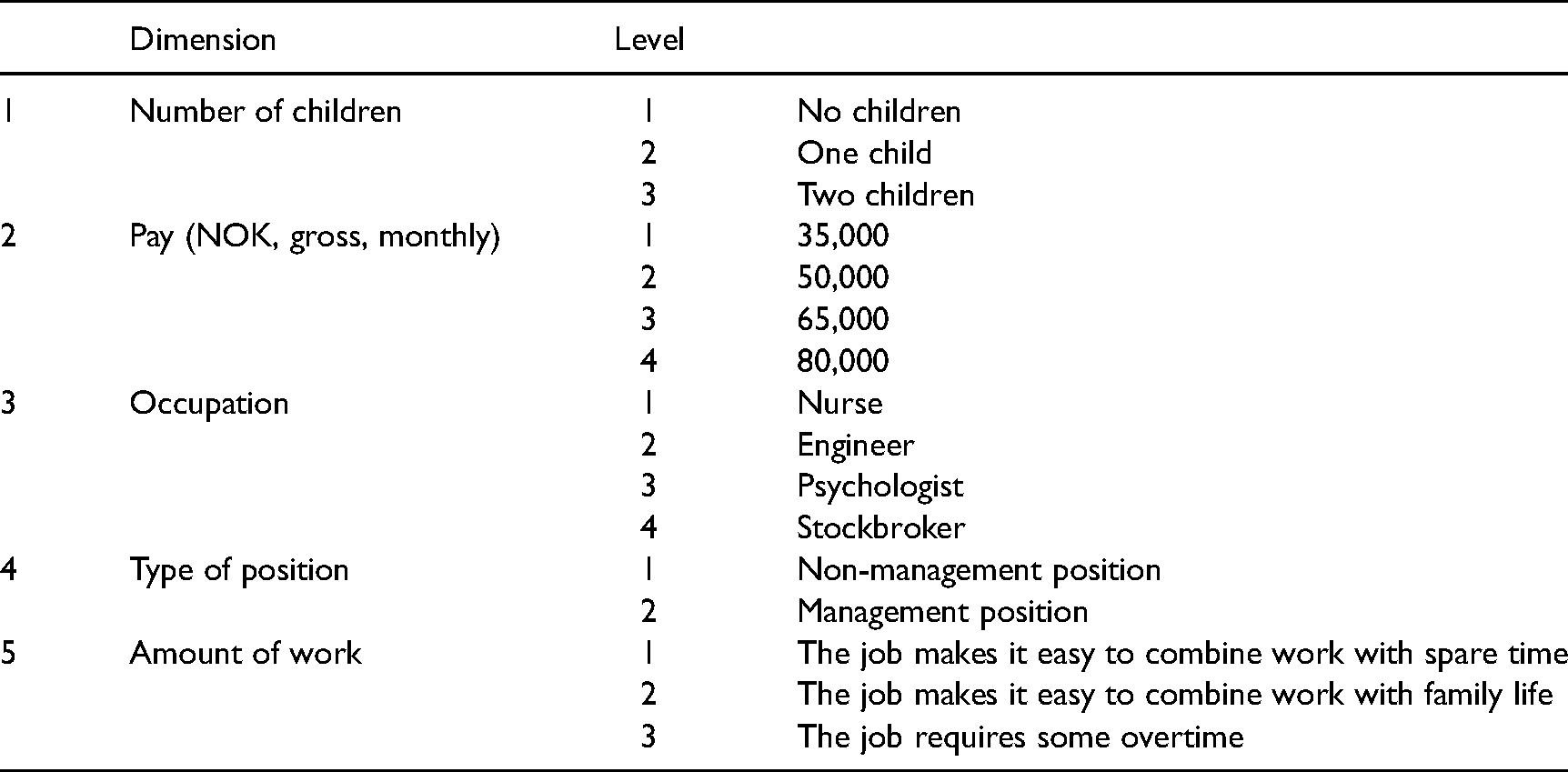
The vignette dimensions and their levels are presented in Table 1 (See Appendix Figure A1, supplementary material for an example of how the vignettes were presented to the respondents). The main dimension of interest is occupation, and the values were selected from a list of the 200 largest occupations in Norway based on their gender composition and their gender typing. While the occupations of nurse and psychologist are female-dominated (>70 percent women), the occupations of engineer and stockbroker are male-dominated (>70 percent men) (Table 2). In addition to being numerically dominated by one gender, it may be argued that occupations are also gender typed, meaning that they correspond to gender stereotypical beliefs about the type of work men and women are best suited to perform. While the work carried out by nurses and psychologists is oriented towards people, and involves aspects of both communication and care, the work carried out by engineers and stockbrokers is oriented towards “things’. Furthermore, engineering involves a technical aspect, while the work performed by a stockbroker is characterized by risk and competition, all of which are typically considered to be masculine qualities. Moreover, these occupations are often used as examples of gender-segregated occupations in the public debate in Norway. The strong under-representation of men in nursing and psychology has for instance led to the introduction of gender points for men at some institutions, meaning that extra points are added to the grade point average (GPA) if they apply to these programmes. Admission to higher education in Norway is based on GPA, and GPA requirements are determined by the number of applicants, the GPAs of the applicants, and how many students are admitted to a programme. 3 Gender points have also been in place for women on several engineering programmes for a longer period.
Vignette structure.
Proportion of women and actual pay level of occupations (in Norway).
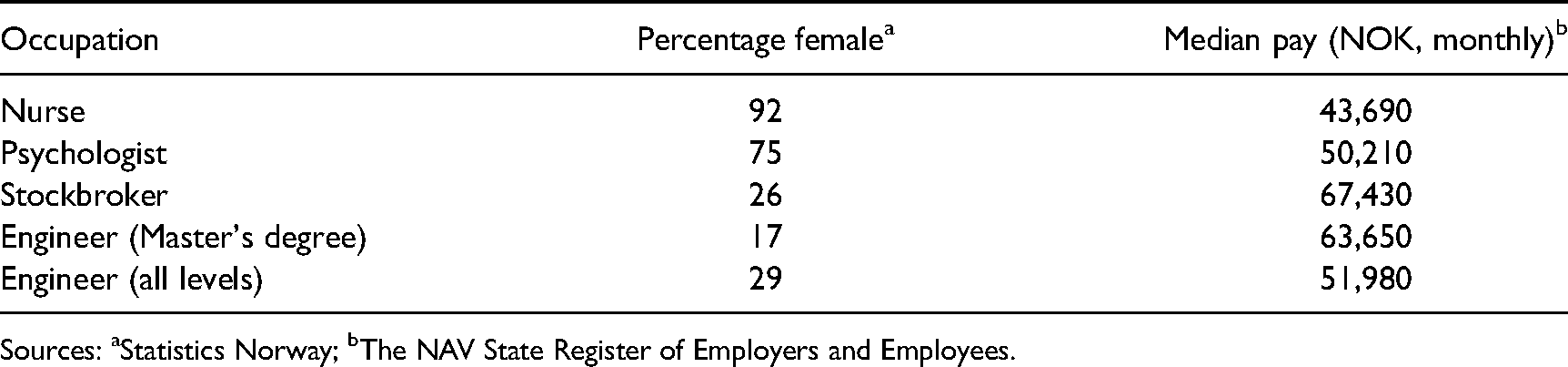
Sources: aStatistics Norway; bThe NAV State Register of Employers and Employees.
Although respondents are likely to think of these occupations as either predominantly male or female given these characteristics, the extent to which they are considered male or female may vary, both because the actual degree to which these occupations are dominated by one gender varies and because of historical differences in the gender compositions within some of these occupations. For instance, ‘psychologist’ has not always been a predominantly female occupation, and may therefore carry different connotations than nurse, which has always been heavily female dominated. Since the study was conducted among academic-track students, most of whom reported plans to pursue higher education, 4 occupations that require some level of higher education were selected. The idea is to examine to what extent women and men differ in their preferences for these gender-typed occupations when other dimensions that are usually correlated with them, such as income, are orthogonalized by the experimental design. 5 The design also includes number of children, as one might expect preferences for some of the work dimensions to depend on preferences for having children.
Each dimension has between two and five values, resulting in 288 possible combinations. 6 When the number of possible combinations of dimensions and levels is too large to be administered by a survey (given the number of respondents), fractions of the full set of combinations are regularly used (Wallander, 2009). A vignette sample consisting of 108 vignettes was extracted from the vignette universe using the SAS macro %Mktex that produces D-efficient designs (Kuhfeld, 2010). 7 Using fractions of the vignette universe always increases the risk of confounding some of the parameters, and valid interpretations of the parameters are only possible if one assumes that the risk of confounding is negligible. D-efficient designs are recommended since they minimize the intercorrelation between the dimensions and interaction terms of interest, while maximizing the variance of vignette levels. Another attribute of D-efficient designs is that they produce minimal standard errors in regression estimations, and hence, maximal statistical power (Auspurg and Hinz, 2014). The D-efficient sampling technique was also used to split the vignette sample into 18 decks (each consisting of 6 vignettes), which minimizes the correlations between dimensions and maximizes the variance of each of the dimensions within each questionnaire version. All vignettes were evaluated by more than five respondents, which is the recommended threshold (Auspurg and Hinz, 2014). Since each questionnaire version was presented to several respondents, the order of the vignettes within each individual questionnaire was randomized to avoid response order effects. The respondents were presented with pairs of vignettes, one below the other, and were then asked to rate them. The idea behind this way of presenting the vignettes is that respondents are implicitly encouraged to compare the two scenarios, which has been shown to increase survey engagement, and hence improve the quality of evaluations (Hainmueller et al., 2015). 8
Respondent sample
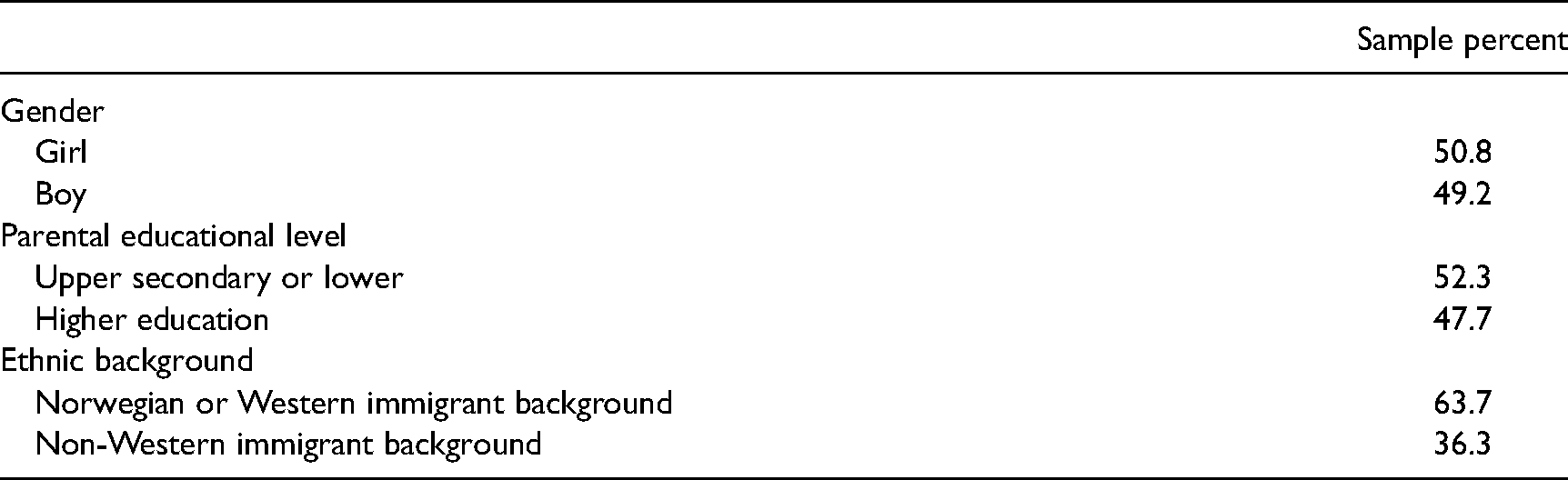
The factorial survey experiment was conducted among academic-track students in their final year of school at five upper-secondary schools in Oslo. An invitation to participate in the study was distributed via e-mail to the 19 public upper-secondary schools in Oslo offering general studies for final-year students. 9 One of the schools accepted the invitation unprompted, whereas four schools accepted after a follow-up mail. The factorial survey experiment was distributed as paper and pencil questionnaires in the students’ classrooms with both a researcher and a teacher present. The students were informed that the topic of the survey was ‘educational choices’. The students participated in the survey experiment in the period between December 2018 and March 2019, right before many of them apply for admission to higher education. The number of respondents is 431, resulting in 2592 vignette evaluations. Table 3 shows the sample distribution of some basic demographic traits. Additional models were run with control for Non-western background and parental educational level, respectively. 10 The results did not differ substantially from the ones reported here. 11
Descriptive statistics for respondent sample, N = 428.
Analytical strategy
Since each respondent rates several vignettes, the data structure produced by the factorial survey is hierarchical, which means OLS regression will yield biased standard errors. This is accounted for by employing a multilevel regression with a random intercept specification (vignette variables are treated as L1, and respondent variables as L2), as recommended by Auspurg and Hinz (2014: 88–91). The use of multilevel methods is appropriate for separating the social and the idiosyncratic parts of evaluations. Random intercept models assume that the threshold of evaluations may differ between respondents, even if the effects of the different vignette variables on the outcome are identical. In other words, the random intercept specification enables modelling of the shared part of the evaluations, which is an important aim of factorial survey experiments.
The vignette ratings (range = −5 to 5) are treated as the dependent variable in all analyses. To investigate gender differences in these preferences, separate analyses by respondent gender are run, and cross-level interactions between gender (L2) and the vignette variables (L1) are used to examine the statistical significance of differences in the effects of vignette variables. It should be noted that null findings cannot be interpreted as showing that there are in fact no differences between boys and girls, since pre-study power calculations are required to ensure null findings are not caused by inadequate sample sizes. However, similarities in the effects of vignette dimensions can be interpreted as indicative of similar preference patterns.
Results
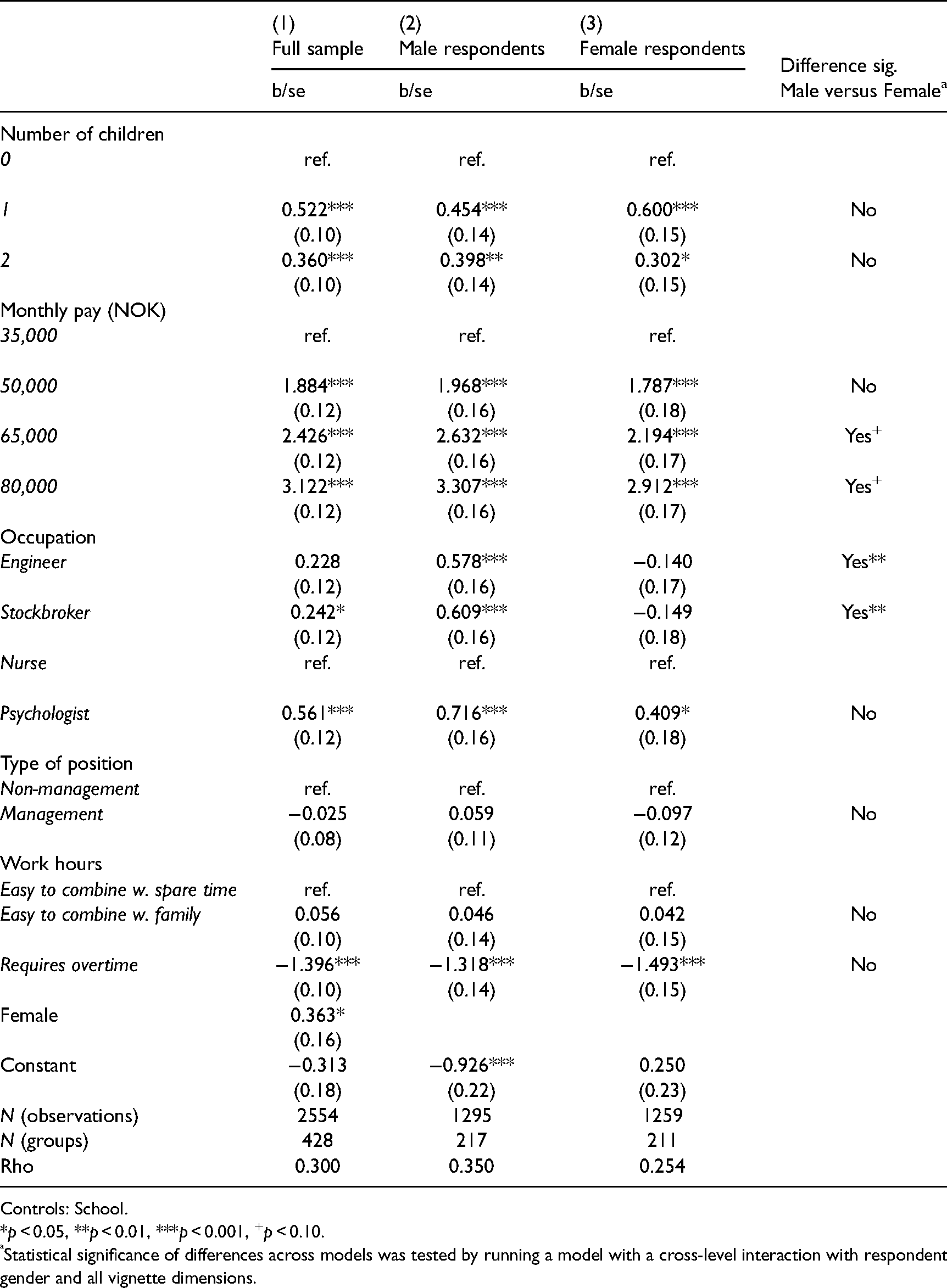
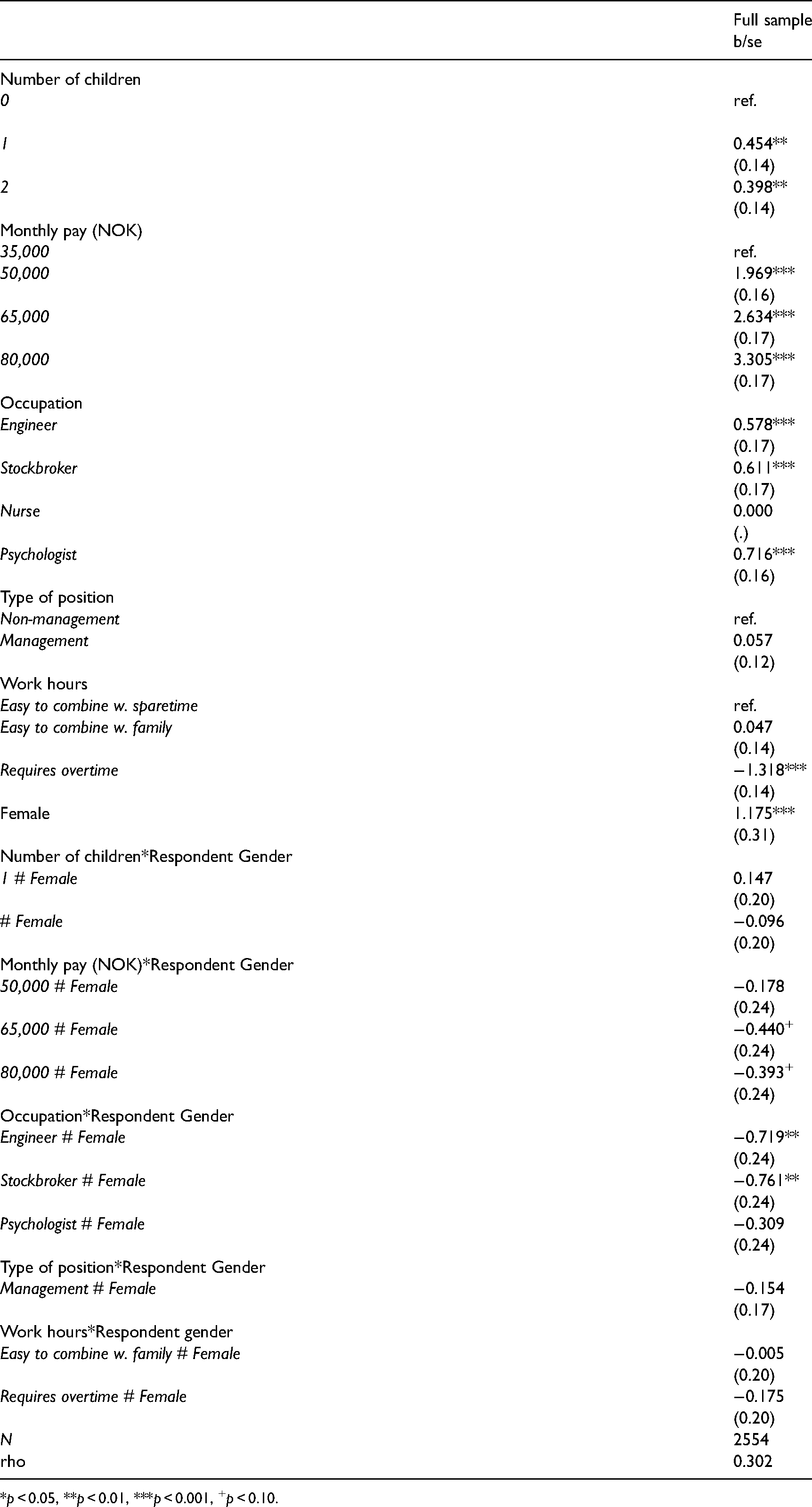
Results from the random intercept model are reported in Table 4 and plotted in Figure 1. The left panel of Figure 1 shows the regression coefficients for the full sample and suggests that having children is associated with higher vignette ratings compared to not having them. One might expect preferences for some of the other dimensions to vary by preferences for having children. However, additional analyses in which number of children was interacted with each of the work dimensions did not reveal this to be the case. 12 Pay is the vignette dimension that has the strongest impact on satisfaction, and all occupations receive higher ratings than nurse. Having a managerial position is not associated with higher ratings than a non-managerial position, and there is no significant difference in the ratings of having a job that is easily combined with family life compared to having a job that is easily combined with spare time (the reference category). 13 Having to work overtime, however, has a negative impact on satisfaction. Lastly, the coefficient for respondent gender shows that female respondents are generally more satisfied than males.
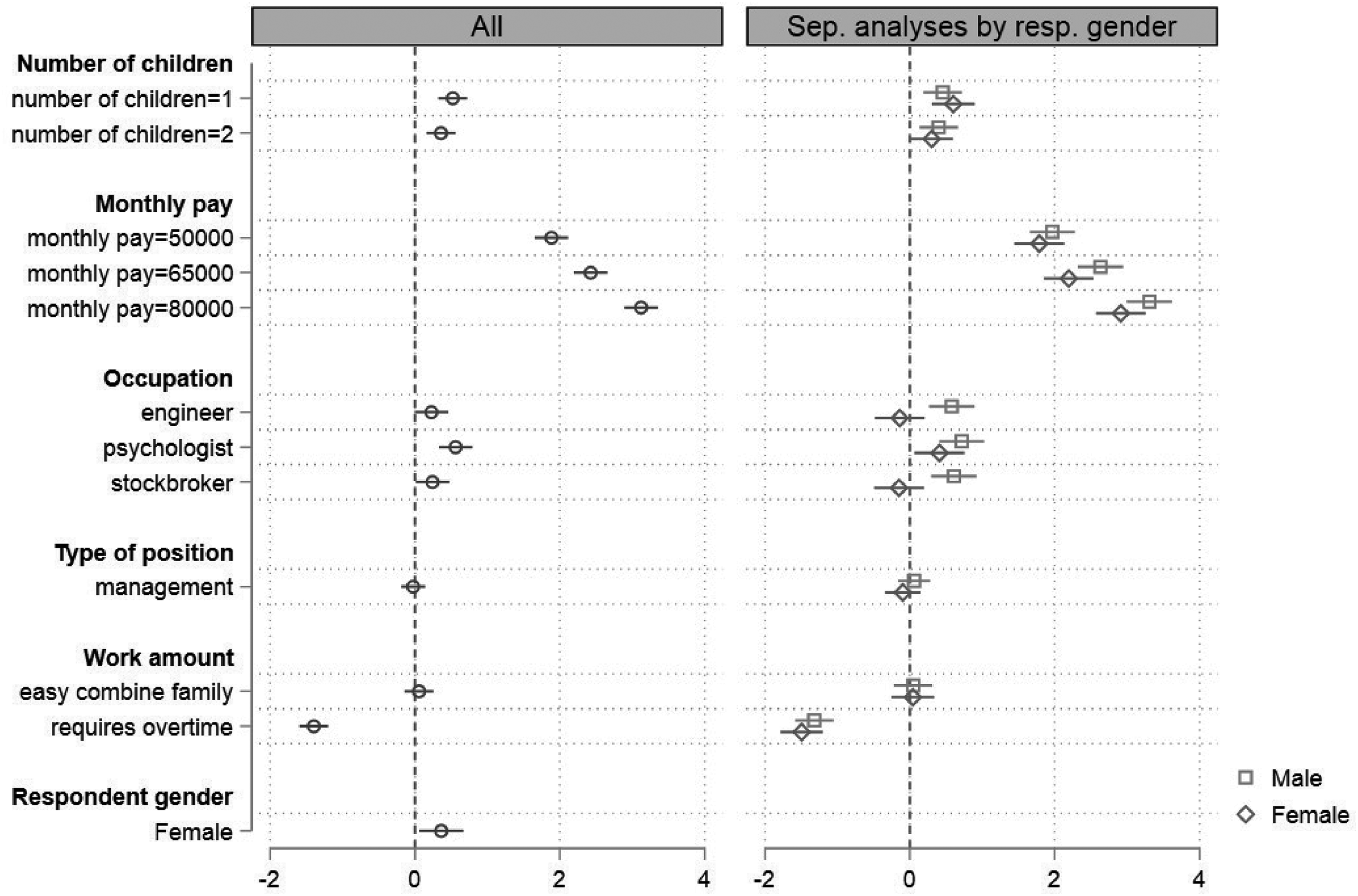
Effects of vignette dimensions on satisfaction score (full sample and by respondent gender). Coefficient plot based on random intercept models. 95% confidence intervals. Notes: Figure 1 shows the β-coefficients of the different vignette dimensions with 95% confidence intervals. Reference categories: No children; 35,000; nurse; non-management position; easy to combine work and spare time.
Random intercept models, full sample and separate analyses by respondent gender.
Controls: School.
*p < 0.05, **p < 0.01, ***p < 0.001, +p < 0.10.
Statistical significance of differences across models was tested by running a model with a cross-level interaction with respondent gender and all vignette dimensions.
The right panel of Figure 1 shows the results for boys and girls separately (see columns 2 and 3 in Table 4 for coefficients) and suggests that the effects of vignette dimensions are quite similar for boys and girls, with two exceptions. First, the effects of pay vary somewhat, indicating that the effect is slightly larger for boys than for girls. For boys the difference between the highest (80,000 NOK) and the lowest pay level (35,000 NOK) is 3.3 points on the satisfaction scale. For girls the difference is 2.9 points. Second, the effects of occupation differ. Boys are significantly more satisfied with all other occupations compared to nurse. For girls, on the other hand, the differences between nurse and the male-dominated occupations are small, and only psychologist has a significantly larger impact on satisfaction than nurse.
The statistical significance of differences across models, reported in the fourth column of Table 4 (see Appendix Table A1, supplementary material for the full table with cross-level interactions), confirms that the effects of occupation differ significantly between boys and girls (p < 0.01). However, the differences regarding pay are only significant at the 0.10 level, which combined with the similarity in preferences regarding type of position and work hours, only lends weak support to Hypothesis 1 that there are gender differences in preferences for pay, being a manager and work hours. Occupational preferences, however, do vary significantly by gender. The results thus support Hypothesis 2 that there are gender differences in preferences for gendered occupations.
Since the coefficients presented in Figure 1 and Table 3 show effects on satisfaction relative to the reference category of each dimension, predicted satisfaction scores were calculated to shed further light on how the preference patterns for pay and income vary by gender. Figure 2 depicts the predicted satisfaction scores for each level of pay and shows that both boys and girls would be more content with higher levels of pay. Figure 3, depicting the gender difference in satisfaction for each level of pay, suggests that boys would be significantly less satisfied with the lowest pay level compared to girls.
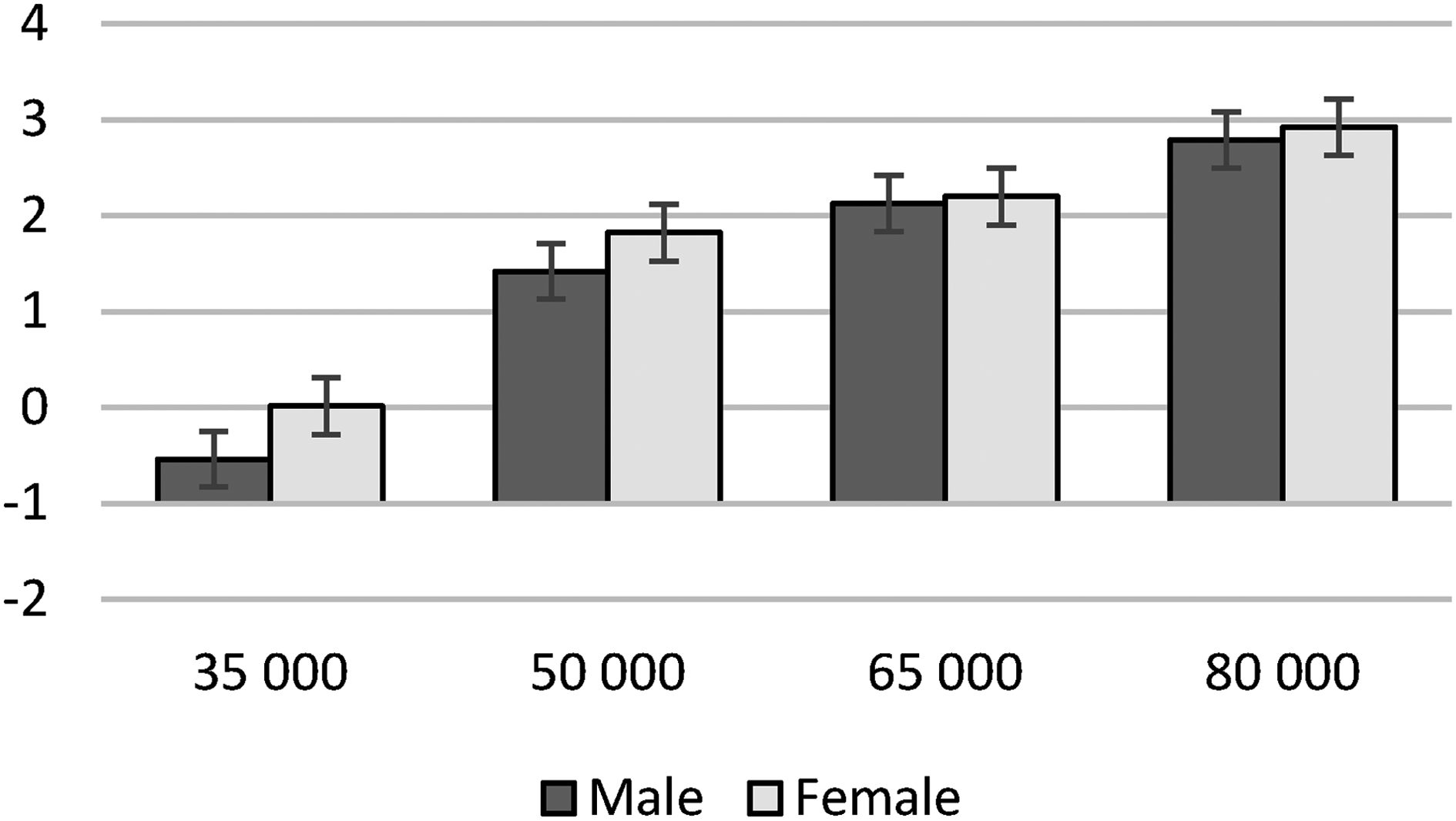
Predicted satisfaction scores by pay level and respondent gender. 95% confidence intervals.
Figure 4 shows the predicted satisfaction score for each occupation by respondent gender, and shows that while boys and girls are equally satisfied with the male-dominated occupations of engineer and stockbroker, they differ in terms of how satisfied they would be with the female-dominated occupations of nurse and psychologist Figure 5 shows the gender differences in predicted satisfaction for each occupation, and confirms that boys would be significantly less satisfied with both female-dominated occupations compared to girls. As shown in Figure 4, the gender difference in satisfaction regarding nurse is a result of boys disfavouring this job relative to all the other occupations included in the experiment, while the difference in satisfaction regarding psychologist is a result of girls preferring it to all the other occupations.
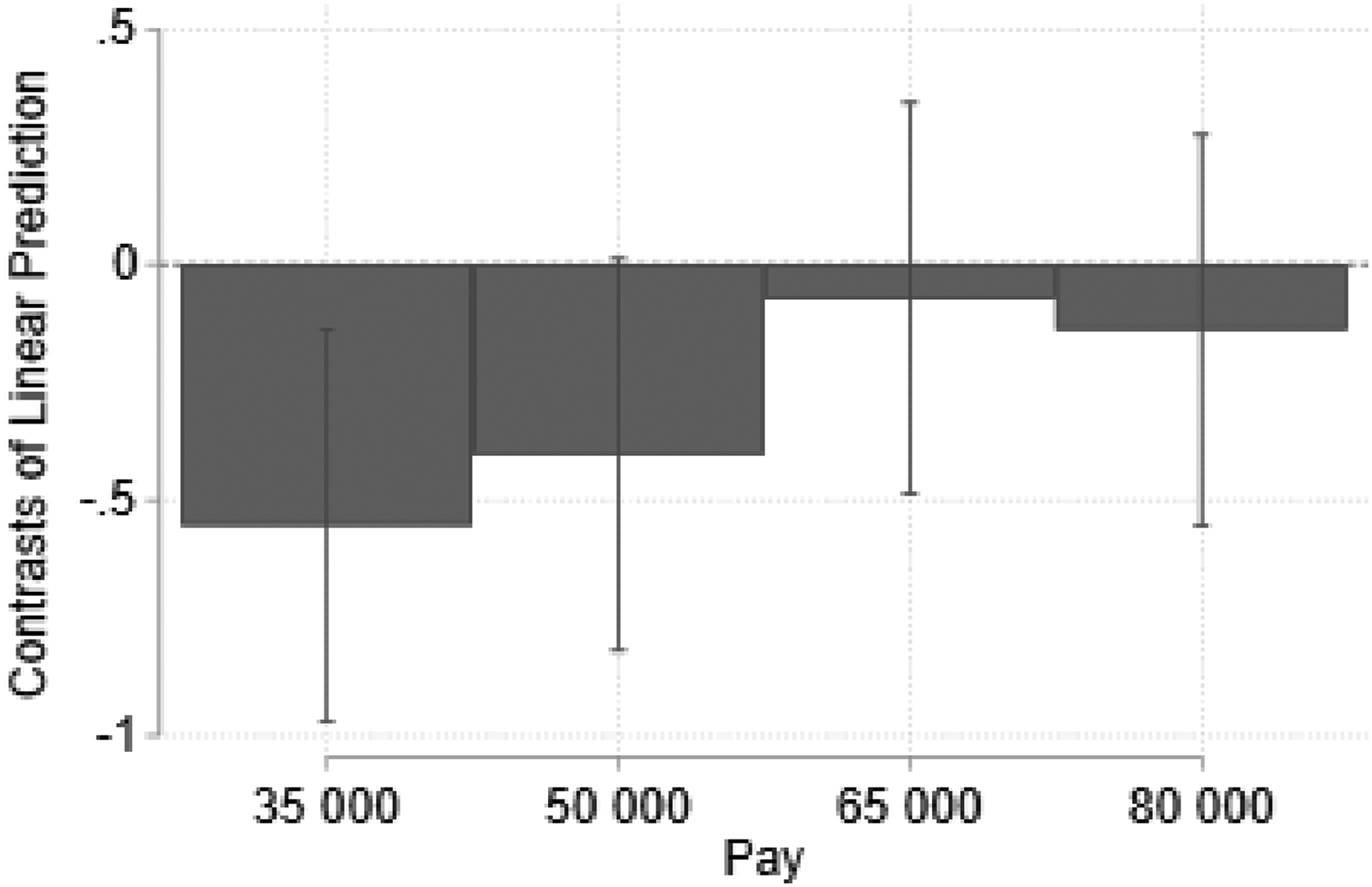
Gender differences in predicted satisfaction scores for each pay level (contrasts of predictive margins of respondent gender). 95% confidence intervals. 0 = Female.
Figure 6 shows predicted satisfaction scores by occupation and pay for male and female respondents. To allow the gender differences in occupational preferences to vary by pay level, a model with a three-way interaction including occupation, pay and respondent gender was specified. First, Figure 6 shows that boys’ and girls’ satisfaction with all occupations increases as pay increases. Second, the gender differences regarding the female-dominated occupations of nurse and psychologist seem to be largest at the lowest pay level.
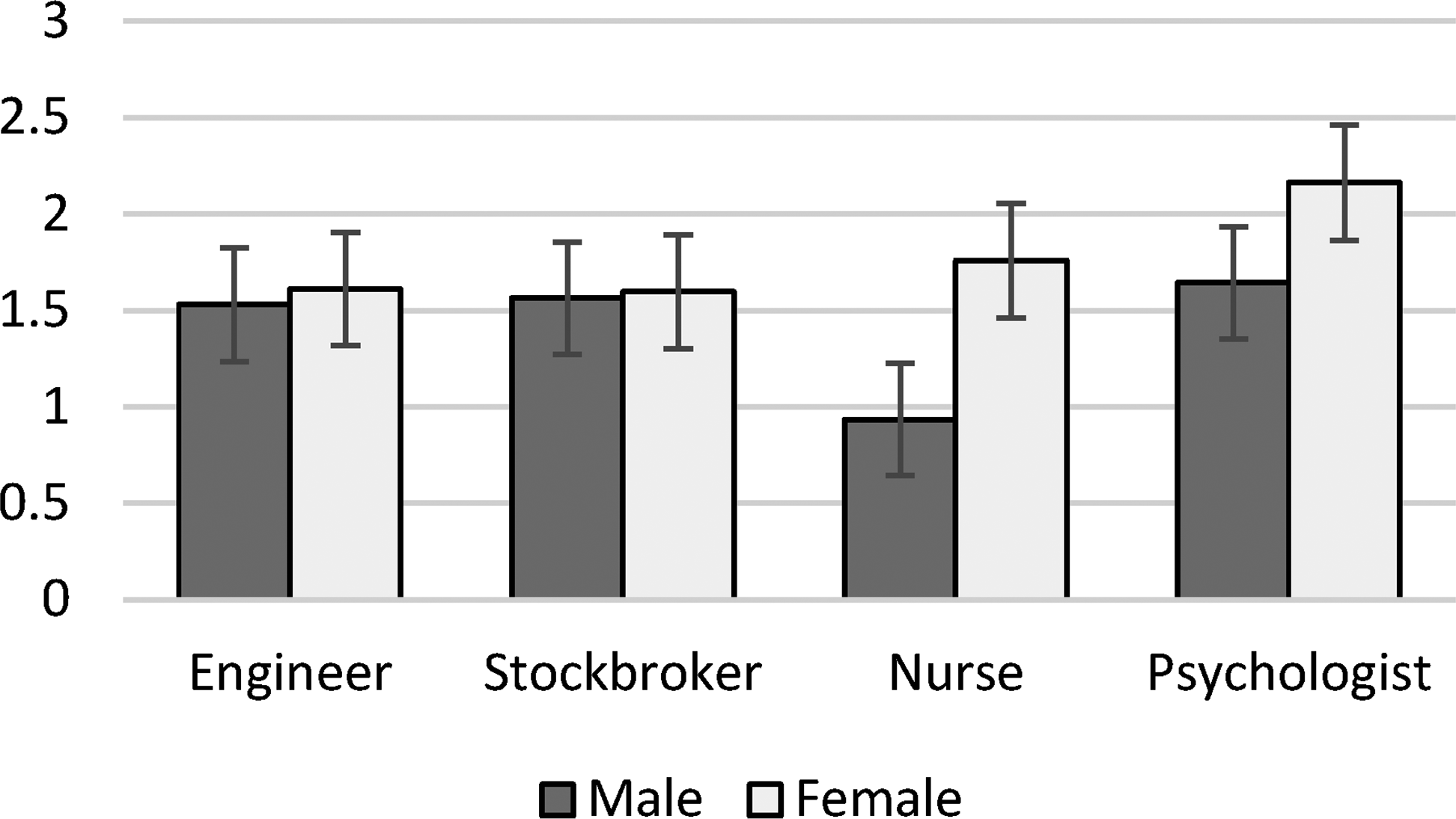
Predicted satisfaction scores by occupation and respondent gender. 95% confidence intervals.
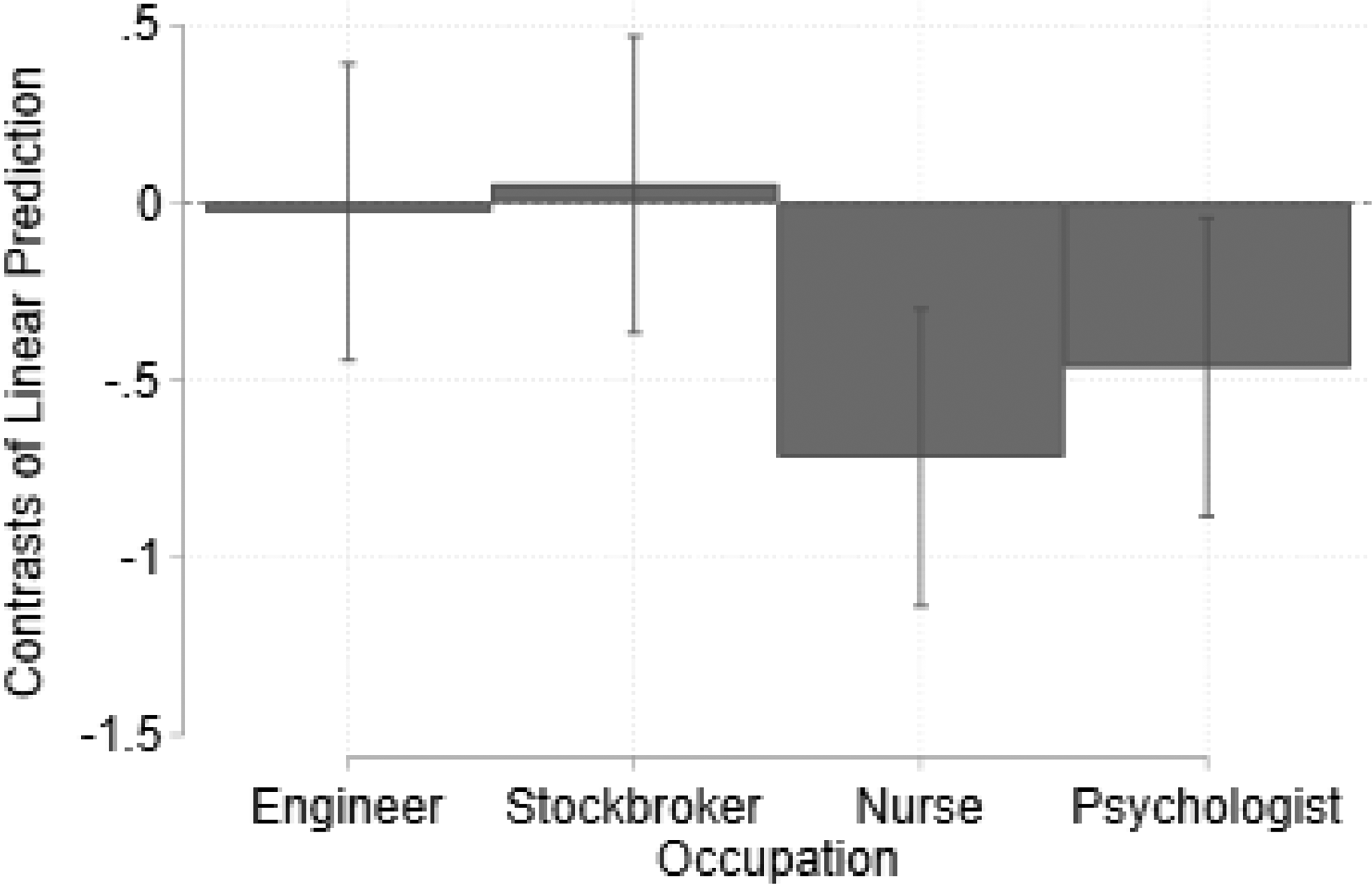
Gender differences in predicted satisfaction scores for each occupation (contrasts of predictive margins of respondent gender). 95% confidence intervals. 0 = Female.
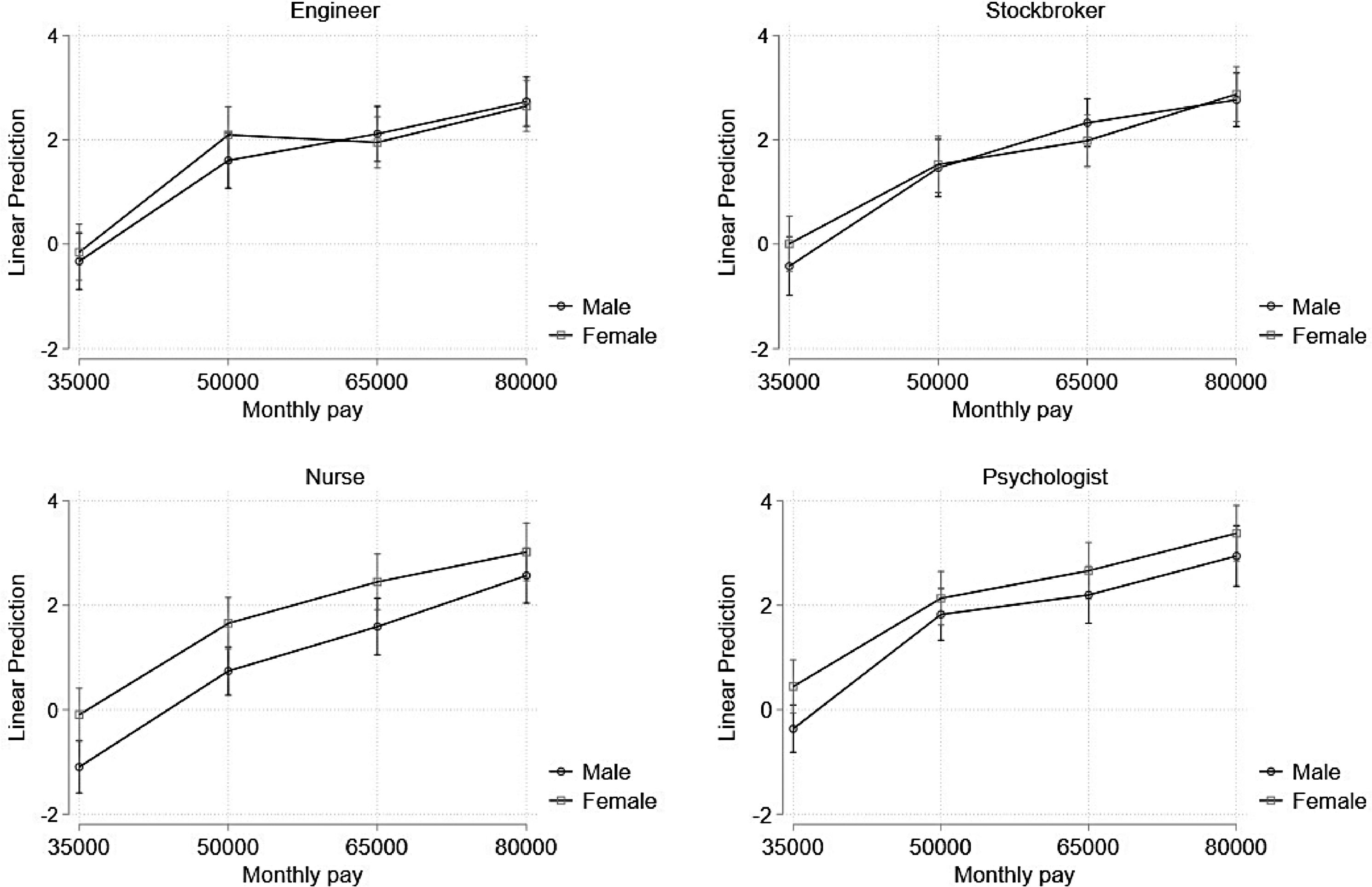
Predicted satisfaction scores by respondent gender, occupation and pay. 95% confidence intervals.
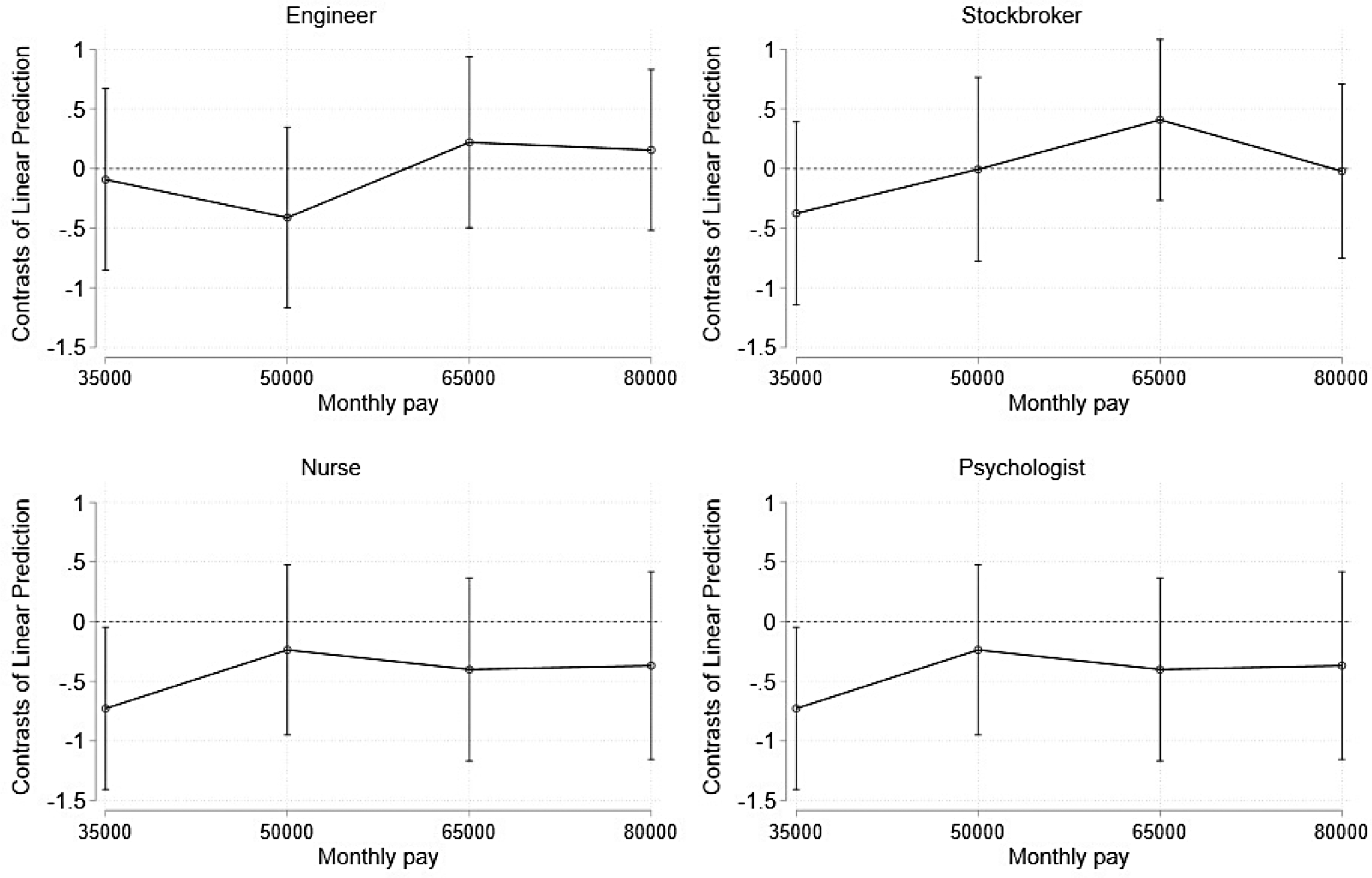
Gender differences in predicted satisfaction by occupation and pay (contrasts of predictive margins). 95% confidence intervals. 0 = Female.
Figure 7 shows that the reported gender differences in satisfaction with the female-dominated occupations of nurse and psychologist are in fact only statistically significant at the lowest pay level, indicating that the gender differences in the ratings of nurse and psychologist reported above (Figure 5) are driven by boys’ lower satisfaction with these occupations in situations when pay is low. Together, this set of findings give partial support to Hypothesis 3 stating that gender-atypical choices are more likely when they pay off economically. However, the results do not support hypothesis 3 for girls, who find the male-typed occupations of stockbroker and engineer to be equally attractive as boys, regardless of pay level.
Discussion and conclusion
This article has examined gender differences in work preferences by analysing data from a multifactorial survey experiment conducted among Norwegian adolescents who have not yet entered higher education or the labour market. The main strengths of the quasi-experimental design is that it enables the isolation of the preferences for gendered occupations from the preferences for other dimensions that are usually highly correlated with them, such as pay and working hours, and that it enables the investigation of trade-offs and compromises.
Main findings
The first main finding of this study is that boys and girls have very similar preference patterns for several of the dimensions included in the experiment. Being a manager does not seem to be important to either gender, and both boys and girls prefer future scenarios that include children. The fact that both boys and girls disfavour future scenarios that involve working hours that would be hard to reconcile with family responsibilities runs contrary to what one might expect based on the specialization perspective, which is that girls should be more concerned with being able to balance work and family obligations than boys should. Although the results suggested that boys were somewhat more dissatisfied with the lowest pay level compared to girls, pay had a strong impact on satisfaction for boys and girls alike. In sum, the results indicate that these job attributes, which are often associated with gendered occupations, do not independently explain why boys and girls tend to have different occupational preferences.
The second main finding is that boys and girls differ in their occupational preferences with regard to the female-typed occupations of nurse and psychologist. These differences, however, are the results of two distinct tendencies. The gender difference regarding psychologist reflects that girls significantly prefer psychologist to all other occupations included in the experiment. Working with people has been shown to be more important to girls than to boys (Busch-Heizmann, 2014; Fortin, 2008), and this might be one reason girls prefer psychologist to the other occupations included in the experiment. However, if this was the main reason girls found this occupation so attractive, they should have had an equally strong preference for being a nurse, which also involves working closely with people. One possible explanation for girls preferring psychologist to nurse might be the higher status of the profession of the psychologist, reflected by the fact that admission to the professional programme in psychology has some of the highest GPA requirements in higher education in Norway. That psychologist is considered a high-status occupation may also be part of the reason why boys are equally satisfied with the prospect of working as a psychologist as they are with the prospect of working as engineers or stockbrokers, despite it being female-dominated. Furthermore, as psychology has not always been a female-dominated field, it might not be as strongly gender stereotyped as nurse.
By contrast, the gender difference in satisfaction with nurse stems from boys’ discontent with nurse relative to all other occupations. This finding is consistent with the extremely small proportion of men in nursing. That nurse has the lowest actual pay level of the occupations included in the experiment might partly explain why boys tend to avoid this occupation in reality. Here, however, pay is orthogonalized from occupation by the experimental design. Hence, even though the lower pay level of this occupation in the real world might influence the status or attractiveness the respondents associate with it, it cannot fully explain boys’ disapproval of nurse in this experiment, suggesting that boys’ reluctance to the occupation of nurse might be related to other aspects of it. In light of previous research, we may suspect the strong female dominance in nursing to be one such aspect. As discussed above, studies have suggested that boys from an early age prefer work that is associated with men (Hayes et al., 2018; Liben et al., 2001). Moreover, nursing differs from the other occupations in that it is more care-oriented and that it often entails shift work. A study by England et al. (2007) also suggests that the degree to which a field of study is female-dominated might be consequential for whether boys consider it appropriate or not, and nurse is the most heavily female-dominated occupation included in the experiment. Lastly, previous research has shown that gender norms differ for boys and girls, in the sense that boys face stronger reactions from their social environments when they do not conform to gender stereotypes (Young and Sweeting, 2004), indicating that the barriers to gender-atypical work might be greater for boys than for girls.
The third main finding is that the observed gender differences in preferences for nurse and psychologist are reduced when pay increases. The cultural explanations suggest that gender differences in occupational preferences should be quite stable, given the stable character of gender stereotypes. However, this study shows that as pay is important for both genders, boys’ and girls’ satisfaction with all occupations increases when pay increases. Moreover, the observed gender differences regarding female-dominated occupations are reduced when pay increases above the lowest level. These results suggest that gender-differentiated orientations rather than being static and independent of context, might change in response to external incentives such as pay.
With regard to the male-dominated occupations, the results indicated that regardless of pay level, girls and boys do not differ significantly in their preferences for the occupations of engineer and stockbroker. The fact that girls do not display dissatisfaction with these male-dominated occupations might reflect the fact that male-typed work has historically offered higher pay and status than female-typed work (England, 2010). This situates girls in the crosshairs of two conflicting logics. On the one hand, girls will benefit from the higher valuation that is often awarded to male-typed jobs and activities if they pursue a gender-atypical career path. On the other hand, this will entail non-conformity with gender stereotypical norms and expectations, which may come with social costs. For boys, however, both these logics ‘push’ in the same direction, as boys are able to choose gender-congruent jobs that often have higher status and pay than female-typed jobs. Even though pay is in this study orthogonalized from occupations, the higher status that is often associated with male-typed work might partly explain why girls are not less satisfied with gender-atypical occupations.
Limitations
Some limitations regarding the experimental design should be mentioned. First, as the vignettes do not include the necessary dimensions, I am unable to test the tentative explanations of the observed differences and similarities in occupational preferences proposed in the preceding discussion. Although this experiment was designed to examine to what extent gender differences in occupational preferences can be explained by gender differences in the preferences for some job attributes with which occupation is often correlated, there are many other job attributes that could be of significance and the reported gender differences in the preferences for female-typed occupations might also reflect this. Second, and relatedly, the design includes only a limited range of occupations. Including additional dimensions and levels (i.e. more occupations) would have made it possible to shed further light on whether the status or gender composition of an occupation has an independent effect on the occupational preferences of boys and girls. However, the selection of the number of levels and dimensions in the vignettes is the result of a trade-off between the number of available respondents and the precision of the estimates. Including more dimensions would require either (1) a higher number of respondents, or (2) a smaller vignette sample which would result in a lower D-efficiency, and consequently lower precision of the estimates (Auspurg and Hinz, 2014). A larger sample of respondents would thus allow for the inclusion of status attributes and other dimensions without sacrificing the precision of the estimates. A suggestion for future experimental studies of work preferences is to include additional status dimensions while also varying the gender composition of specific jobs within the same occupation. This would enable a closer examination of the relative significance of the status of an occupation and its gender composition and gender typing. Third, the finding that, in general, girls were more satisfied with the scenarios than boys were could reflect that boys are more driven by status, as suggested by previous research (Teig and Susskind, 2008).
Moreover, several limitations regarding the external validity of this study should be discussed. First, as the scenarios that are being evaluated are hypothetical, it is not possible to deduce from the evaluations which occupations the respondents actually aspire to. However, the reported results do indicate something about whether, and in what contexts, boys and girls would actually consider the occupations in question, which is a necessary prerequisite for an actual occupational aspiration or choice. Second, as mentioned in the methods section, non-significant gender differences cannot be used to conclude that there are no differences between boys and girls, since this would require pre-study power calculations. The similar effects of some of the vignette variables can arguably be interpreted as indicative of similar preferences for the job attributes in question, although more research is needed to establish the robustness across different experimental designs and contexts. Third, with a convenience sample, the results are not directly generalizable. As argued by Auspurg and Hinz (2014), however, factorial survey experiments are often able to produce reliable results with a convenience sample. Lastly, and related to the previous point, the sample consists of urban, academic track students from the capital city of Norway, who might be less traditional in both attitudes and preferences compared to their rural counterparts.
Concluding comments
In summary, this study has documented gender differences in preferences for female-dominated occupations, while also suggesting similarities in boys’ and girls’ preferences for other work dimensions. This indicates that attributes tested by the experiment, which are typically associated with gendered occupations, cannot independently explain why boys and girls tend to have divergent occupational preferences.
Moreover, girls seem to be as attracted to the male-dominated occupations of engineer and stockbroker as boys are, regardless of pay level. This is somewhat at odds with the strong underrepresentation of women in these occupations. The similarity in preferences regarding male-dominated occupations suggests that their low proportion of women might be driven by something other than girls’ distaste for these occupations. Previous research has shown that girls place high importance on additional aspects of a job besides pay and status, such as being able to help others and work with people (Ochsenfeld, 2016). Although this study has not examined the link between preferences and actual choices, one possible explanation for why so few girls enter these male-dominated occupations could thus be that they have a larger range of alternatives that they find acceptable compared to boys (Gottfredson, 2002). In combination with expectations of discrimination in male-dominated occupations, or social costs associated with gender-atypical choices, this might lead to many girls opting for ‘safer’, female-dominated alternatives.
Lastly, this study suggests that boys’ reluctance to undertake female-typed occupations, such as nurse, could be reduced if they paid more. In other words, boys’ avoidance of female-dominated fields of study and occupations could potentially change, should the labour-market conditions of these female-dominated occupations change too. As boys and men's avoidance of female-dominated fields has been recognized as a key barrier to reductions in occupational gender segregation, this should be examined further in future research.
Footnotes
Ethics statement
Respondents were informed that participation in the study was voluntary and that by filling out the questionnaire they consented to their responses being used for research purposes.
Acknowledgements
I am grateful to Liza Reisel, Silje Fekjær, Paula England and three anonymous reviewers for valuable suggestions and comments. Earlier versions of this article were presented at the ECSR annual conference in Lausanne 12–14 September 2019, and at the Norwegian Sociological Association's winter seminar 31 January–2 February 2020. Thanks to the participants for their feedback and criticisms.
Authors’ note
Sara Seehuus, Centre for the Study of Professions, OsloMet - Oslo Metropolitan University.
Funding
The authors received no financial support for the research, authorship and/or publication of this article.

Supplemental material
Supplemental material for this article is available online.
Notes
Author biography
Appendix
Random intercept model, full sample.
| Full sample | |
|---|---|
| b/se | |
| Number of children | |
| 0 | ref. |
| 1 | 0.454** |
| (0.14) | |
| 2 | 0.398** |
| (0.14) | |
| Monthly pay (NOK) | |
| 35,000 | ref. |
| 50,000 | 1.969*** |
| (0.16) | |
| 65,000 | 2.634*** |
| (0.17) | |
| 80,000 | 3.305*** |
| (0.17) | |
| Occupation | |
| Engineer | 0.578*** |
| (0.17) | |
| Stockbroker | 0.611*** |
| (0.17) | |
| Nurse | 0.000 |
| (.) | |
| Psychologist | 0.716*** |
| (0.16) | |
| Type of position | |
| Non-management | ref. |
| Management | 0.057 |
| (0.12) | |
| Work hours | |
| Easy to combine w. sparetime | ref. |
| Easy to combine w. family | 0.047 |
| (0.14) | |
| Requires overtime | −1.318*** |
| (0.14) | |
| Female | 1.175*** |
| (0.31) | |
| Number of children*Respondent Gender | |
| 1 # Female | 0.147 |
| (0.20) | |
| # Female | −0.096 |
| (0.20) | |
| Monthly pay (NOK)*Respondent Gender | |
| 50,000 # Female | −0.178 |
| (0.24) | |
| 65,000 # Female | −0.440+ |
| (0.24) | |
| 80,000 # Female | −0.393+ |
| (0.24) | |
| Occupation*Respondent Gender | |
| Engineer # Female | −0.719** |
| (0.24) | |
| Stockbroker # Female | −0.761** |
| (0.24) | |
| Psychologist # Female | −0.309 |
| (0.24) | |
| Type of position*Respondent Gender | |
| Management # Female | −0.154 |
| (0.17) | |
| Work hours*Respondent gender | |
| Easy to combine w. family # Female | −0.005 |
| (0.20) | |
| Requires overtime # Female | −0.175 |
| (0.20) | |
| N | 2554 |
| rho | 0.302 |
p < 0.05, **p < 0.01, ***p < 0.001, +p < 0.10.