






Abstract
Knowledge sharing has become an important practice in the era of knowledge economy. This paper concerns the management of contributor performance in social knowledge‐sharing communities. Based on ability‐motivation‐opportunity theory, we propose a hidden Markov model to characterize the change in a knowledge contributor's latent state, which then determines the performance of knowledge sharing in terms of quantity and quality. The proposed model is calibrated using data from a social question‐and‐answer community. Three latent states are identified: unmotivated, exploratory, and sophisticated. Several factors influence the state‐transition process. Specifically, the increase in followers encourages contributors in the unmotivated state to transition to the motivated states and, therefore, contribute knowledge. When the contributors are in the exploratory state, observing the behavior of their followees increases the probability of their transitioning to the sophisticated state, in which they will make high‐quality contributions. These results suggest that followers influence mainly the quantity of contributions, while followees help mainly to increase the quality of contributions. This study contributes to the literature by revealing the dynamics of contributor performance in the context of knowledge sharing and by showing the roles of different social factors in influencing contributor performance. The modeling framework and findings of this study can help managers to identify the latent contribution states and then intervene in the performance of knowledge contributors in a variety of settings.
Keywords
INTRODUCTION
Knowledge sharing, an important practice in the era of knowledge economy, has received considerable attention within and beyond organizations. With an increasing number of people who share their knowledge in online knowledge‐sharing communities, the key challenge for managers is not only to ensure the volume of knowledge shared but also to guarantee the quality, thereby enhancing users’ overall knowledge‐seeking experience. Because knowledge is shared by individual users as contributors, the above managerial challenge becomes a problem of managing knowledge contributors’ performance (productivity), that is, the quantity and quality of contributions. For this purpose, it is critical to understand how the performance of contributors evolves over time and which factors influence the dynamics of their performance.
Despite knowledge‐sharing as voluntary in origin, managers invest considerable resources to nurture contributors who have shown the competence to produce high‐quality content through means such as incentivizing and assisting (e.g., launching contributor support programs, 1 providing traffic subsidization, 2 providing contributor assistance functions 3 ). Managers do so in the hope that, in the future, these contributors will continue to share high‐quality content that can fulfill the needs of knowledge seekers. Whether these contributors can, indeed, maintain high levels of performance in the long run, however, is not known. In fact, managers often observe huge fluctuations in contributor performance (Chen et al., 2018). Some once‐active contributors become silent, while some lurkers become active; some contributors produce low‐quality content in bulk, while others write good content intermittently. As managers have limited resources to manage the sharing behavior of contributors, it is crucial for them to understand the evolution of contributor performance over time to identify their latent contribution states and, further, to devise efficient interventions to improve contributor performance.
A contributor's performance can be affected by the social environment. On knowledge‐sharing platforms, the relationships between users are regulated mainly by the subscription mechanism, which is leveraged to realize efficient information filtering and delivery (Goes et al., 2014). The subscription relationship is directional and results in two types of social ties for a contributor: users who subscribe to the contributor as followers and users who are subscribed to by the contributor as followees. Because a large amount of information flows through this follower–followee relationship, a contributor will inevitably be influenced by it. Therefore, it is important to understand the potential impacts of the social environment on a contributor's performance. With such knowledge, managers can then leverage information from one's social context to achieve better identification of a contributor's latent state and find ways to improve performance.
The extant literature on the management of contributor performance is lacking in several respects. First, although a handful of studies have analyzed how to improve contribution quantity (e.g., Chen et al., 2018; Hwang & Krackhardt, 2020; Moqri et al., 2018), research on its quality, which is especially important in the context of knowledge sharing, is lacking. Second, social factors are becoming a new angle to study issues of operations management (e.g., Cui et al., 2018; Gour et al., 2022; Hwang & Krackhardt, 2020; Lu et al., 2021; Wang et al., 2019; Yan, 2020). In this regard, the impact of followers (i.e., incoming ties) on users’ content‐generation behavior has been well‐studied, but there is still a lack of understanding of the influence of followees and other social‐based mechanisms, such as the invitation mechanism. This hinders managers’ ability to leverage information from the social context to manage contributors’ behavior. Third, contributor performance is dynamic (Chen et al., 2018; Singh et al., 2011). Extant studies, however, have been conducted mainly from a static perspective, and rarely analyze the contributors’ performance‐changing patterns. In this regard, a dynamic model that characterizes the dynamics of contributor performance at the individual level helps to provide an understanding of how and why a contributor's performance evolves in a social environment (Yan, 2018). Such a model is also useful in understanding how to segment contributors along multiple behavioral dimensions and, thus, devise customized interventions (Lee et al., 2018).
This study adopts a dynamic approach that accommodates the quantity and quality of knowledge shared to characterize contributor performance in a knowledge‐sharing community. Based on ability‐motivation‐opportunity (AMO) theory (MacInnis & Jaworski, 1989; Siemsen et al., 2008), we propose that a contributor's latent ability‐motivation state, along with external opportunity, affects his or her observed performance. Using data from Zhihu.com, the largest social question‐and‐answer (Q&A) platform in China, we build a hidden Markov model (HMM) to empirically identify the latent contribution states in which a contributor may reside and the behavioral outcomes, given the states. We further investigate factors that may influence a contributor's transition across states, with a focus on the state‐dependent effects of social factors.
Based on the results of the HMM, three distinct contribution states are identified. The first is the unmotivated state, in which contributors have little motivation to contribute and are, thus, inactive. The second is the exploratory state, in which contributors actively participate but do not perform well (i.e., motivated but incompetent). As a result, we observe the production of a large number of low‐quality answers. The third is the sophisticated state, in which contributors are willing and have sufficient competence to generate high‐quality knowledge. As a result, high‐quality answers are produced.
Our results also reveal how social factors may influence a contributor's transition between states. First, an increase in followers encourages an unmotivated contributor to transition to the motivated (i.e., exploratory or sophisticated) states and retains a sophisticated contributor in the current state. Nevertheless, it cannot result in the movement of an exploratory contributor to the sophisticated state. This indicates that the effect of followers is mainly motivational. Second, the answering behavior of followees improves the probability of a contributor in the exploratory state to move to the sophisticated state. That is, observing the behavior of followees can increase one's ability to contribute high‐quality answers. Third, accepting invitations can prompt contributors in the unmotivated state to transition to a motivated state, but may also demotivate contributors who already are sophisticated. The heterogeneous effects of social factors on contributor performance revealed in this study not only deepens our understanding of the effect of social environment but also can help managers to better utilize information from the social context.
LITERATURE REVIEW
Contributor performance
The concept of performance is rooted in research in operations management (e.g., Chen et al., 2021; Madiedo et al., 2020; Wang et al., 2019; Yan, 2020), which evaluates performance in terms of quantity and quality. As noted by Roberts et al. (2006), performance differs from behavior in that the former is the outcome of an evaluation by others. Although the quantity dimension of performance can be easily evaluated using objective indexes, the evaluation of quality is often subjective. In operationalization, researchers have used various measures, including supervisor rating, colleague reporting, prizes accrued, tasks accomplished, and rate of accuracy, to evaluate the quality of an employee's performance (Chen et al., 2021; Jenkins et al., 1998; Reinholt et al., 2011).
A knowledge‐sharing community can be considered a form of virtual organization that operates on the basis of the performance of content contributors as employees (Hwang & Krackhardt, 2020). For these communities, the evaluation of performance quality is carried out by the audience and manifested in various forms of audience endorsement, such as ratings, number of views, number of downloads, number of likes, and number of votes (Khern‐am‐nuai et al., 2018; Wang et al., 2019). In addition, content analysis criteria, such as completeness (length), objectivity, and readability, are positively correlated with users’ perception of quality and, thus, often used as indicators of content quality (Chua & Banerjee, 2013; Goes et al., 2014; Khern‐am‐nuai et al., 2018; Singh et al., 2014).
The current literature has identified various factors that may influence contributor performance in online communities. For example, the feedback mechanism may influence contributors’ motivations, including reputation, recognition, community status, and altruism, and, thus, influences the quantity and quality of contributions (Huang et al., 2018; Jabr et al., 2014; Moon & Sproull, 2008). Interactions may influence a user's motivation state, which, in turn, influences the quantity of contributions (Chen et al., 2018). Financial incentives and incentive hierarchies can motivate users to contribute more, but not necessarily better, answers (Goes et al., 2016; Khern‐am‐nuai et al., 2018). Social ties also may have significant effects on contributors’ motivation to generate content (Goes et al., 2014; Qiu & Kumar, 2017; Toubia & Stephen, 2013; Wang et al., 2019; Wei et al., 2021). In addition to studies conducted from the perspective of motivation, researchers also have touched on the impact of ability on performance. For example, Singh et al. (2011) found that, in an open‐source software community, users can improve their ability to contribute by interacting with others. Qiu and Kumar (2017) found that ability moderates the effect of audience size on prediction accuracy. Similarly, Huang et al. (2014) highlighted the importance of distinguishing between high‐ and low‐ability contributors in crowdsourcing platforms.
Based on the above research, we can see that both motivation and ability can influence contributors’ performance (Anderson & Butzin, 1974). This is in line with AMO theory (MacInnis & Jaworski, 1989), which emphasizes the role of ability in moderating the effect of motivation (Hughes, 2007). Due to its advantage of addressing the inefficiency of motivation in explaining performance, this theory has been adopted by OM researchers to explain employees’ performance, such as knowledge sharing in organizational contexts (Kim et al., 2015; Siemsen et al., 2008). In our study context, motivation can be used to explain the variance in contribution quantity, that is, whether one is willing to answer questions. Motivation alone, however, cannot fully explain the variance in contribution quality. For example, two equally motivated contributors may generate answers of different quality, with one answer as more welcomed by the audience than the other. In this situation, the difference in quality should be attributed to ability (Huang et al., 2014; Qiu & Kumar, 2017). It is worth noting that, although motivation and ability are often unobserved and intertwined, separating ability from motivation in concept can help researchers to describe the variation in performance in a clearer and more comprehensive way, especially when they care about contribution quality (Hughes, 2007; Kim et al., 2015).
Impact of social ties
There is a growing interest in utilizing social information in operations and management (Cui et al., 2018; Lu et al., 2021), and one of the prominent features that is of interest to researchers is subscription, which is found to have significant effects on contributor performance. According to the direction of the subscription relationship, there are two types of social ties, followers, and followees. As their role in influencing contributor performance may vary, we discuss their effects on contributor performance accordingly.
First, the effect of followers on contributor performance has received considerable attention from scholars. For example, Goes et al. (2014) proposed the “popularity effect,” whereby reviewers tend to share more and be more objective when they have more followers. Toubia and Stephen (2013) determined that, due to the motivation of receiving attention, the increase in Twitter followers encourages the posting activities of unpopular users but discourages those of the popular users. Qiu and Kumar (2017) showed that having a user's prediction broadcast to followers incentivizes the user to make predictions more carefully. Moqri et al. (2018), by investigating contributor behavior in open‐source communities, found that receiving more followers positively affects developers’ contribution level. Overall, the literature has shown that an increase in followers influences one's contribution behavior largely through influencing one's motivation to contribute. In the context of knowledge sharing, the increase in followers may influence one's motivation and, thus, performance, due to the following reasons. First, the increase in followers may enhance one's intrinsic motivation, including self‐efficacy. That is, the increase in followers is a source of feedback that indicates the community's preference for the content and is likely to be interpreted by the contributor as an indicator of competence (Deci et al., 1999; Goes et al., 2014). Second, the increase in followers may enhance the contributor's intrinsic motivation of altruism, as the intrinsic utility derived by a user from contributing knowledge is monotonically nondecreasing in terms of the number of followers (Toubia & Stephen, 2013). Finally, the presence of followers relates to the internalized motivations of recognition and reputation because individuals are more likely to engage in contributing behavior for social approval when the audience is sufficiently large (Goes et al., 2014; Moqri et al., 2018; Qiu & Kumar, 2017).
Second, several studies have considered the effects of followees on contributor performance. For example, Zeng and Wei (2013) found that content contributors tend to imitate the behavior of their followees in posting pictures. Susarla et al. (2012) proposed that contributors can gain informational advantages by following others, thereby increasing the likelihood of their contributions’ being viewed. Qiu and Kumar (2017) also pointed out that followees are information‐sourcing channels that help to improve one's prediction accuracy. Similarly, Moqri et al. (2018) proposed that following others can increase the chance of a user's being exposed to useful information and, thus, increase contribution levels, but found the effect to be insignificant in the empirical analysis. Wei et al. (2021) and Feng et al. (2013), on the other hand, suggested that the behavior of followees decrease the contribution probability of a user because it becomes more difficult to synthesize information (information overload) and to provide valuable information (information redundancy). In the organizational context, Leonardi (2015) pointed out that employees can use the enterprise's social networking technology to observe the behavior of others and, thus, gain meta‐knowledge (i.e., who knows what and who knows whom). Hwang and Krackhardt (2020) found that employees will increase contributions to an internal knowledge community when proximate employees increase their contributions. They describe this as herding behavior and consider it to be closely related to the motivation of altruism and reputation enhancement.
Based on the review of the literature, we can see that the effects of followees are still inconclusive. In particular, in analyzing the effects of followees, there are two key points that should be made clear. First, is it the behavior or the mere presence of followees that influence a contributor's behavior? Second, does the impact of followees manifest mainly in contribution quality, contribution quantity, or both? As suggested by previous studies, followees may influence contributor performance in two ways. From the perspective of informational advantage, one can achieve better performance due to knowing more useful information (this corresponds to the ability aspect of AMO theory). From the perspective of social influence, one is willing to make better contributions because he or she feels the need to do so, corresponding to the motivation aspect of AMO theory. In our study context, as one can gain information (or become motivated) only when his or her followees participate, we expect that it is the behavior rather than the presence of followees that influences a contributor's performance. The second point, that is, whether the impact of followees will manifest in contribution quantity, contribution quality, or both, however, is not straightforward to answer through theoretical analysis. Therefore, we leave this as a question to be tested empirically.
Hidden Markov model
One challenge in capturing individual‐level dynamics is that the structure of such dynamics is usually unobservable. In many scenarios, the underlying states that drive the individual‐level dynamics (e.g., motivation and ability in our research context) are hidden. In this case, HMM can be useful, as it allows us to explicitly characterize the dynamics of contributor performance at the individual level (Chen et al., 2018) as well to structurally account for the impact of situational variables that may be of interest to managers (Singh et al., 2014).
An HMM is a stochastic model used to describe a Markov process, using discrete latent states, and to capture the transition between these latent states and translate these states into observed behavioral outcomes. HMMs are well‐suited for understanding state migrations and have been used to infer latent relationships from observed outcomes. For example, in the field of operations management, HMMs are used to detect on‐shelf out‐of‐stocks by characterizing the unobserved state of the shelf (Montoya & Gonzalez, 2019). HMMs also are widely used to study unobserved customer–firm relationships (e.g., Ascarza et al., 2018; Netzer et al., 2008; Zhang et al., 2017) and users’ hidden states in online communities. For example, Singh et al. (2011) developed an HMM to investigate developer learning dynamics in open‐source software projects; Chen et al. (2018), to formalize the dynamic effect of community motivating mechanisms; Lee et al. (2018), to study consumers’ engagement with web services; Yan (2018), to examine health outcomes in an online weight loss community; and Kokkodis et al. (2020), to predict user engagement in online communities. Our study adds to this stream of literature by investigating the dynamics of contributor performance in terms of contribution quantity and quality from a social perspective.
MODELING CONTRIBUTOR DYNAMICS
Conceptual framework
Based on AMO theory, a comprehensive model that characterizes the dynamics of contributor performance should capture the change in performance as a result of the change in a contributor's inherent motivation and ability as well as external opportunity. To this end, we developed a conceptual framework, as shown in Figure 1. In this framework, a contributor's latent motivation‐ability state, along with external opportunity, affects his or her observed performance. The hidden states can be easily interpreted because each state represents a particular motivation‐ability level that determines the observed contributor performance, that is, contribution quantity and quality. Opportunity captures all of the exogenous factors that enable action. Factors related to motivation and ability are then antecedents that influence a contributor's transition across states and will be discussed in detail in Subsection 4.2.
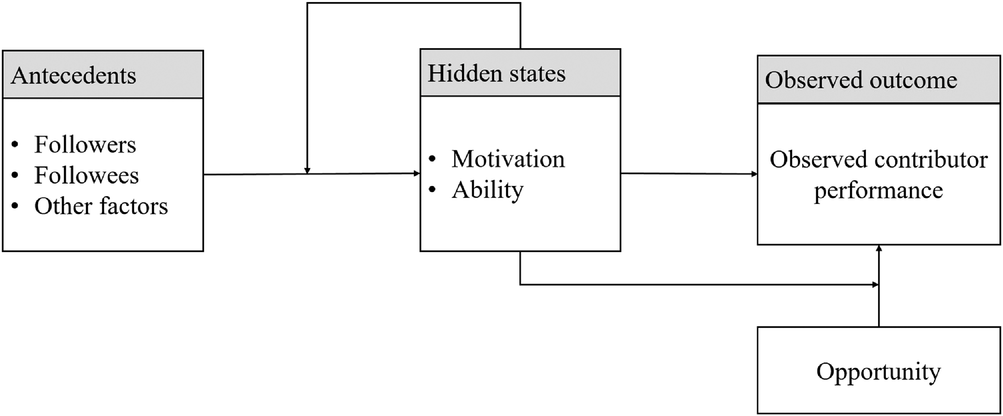
Conceptual framework
Model setup
In our context, contributor dynamics are divided into weeks. For each week, a contributor resides in an unknown state. Given the state, several factors affect his or her performance. A contributor can switch from one hidden state to another, and the transition is affected by contextual factors.
In our model, there is a set of discrete hidden states



For contributor i, there is an observed outcome (i.e., performance) sequence




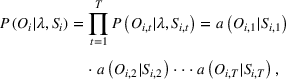


The probability of a state sequence




The probability that



The likelihood of observing



The individual likelihood can be written in more compact matrix notation:



States and state transition matrix
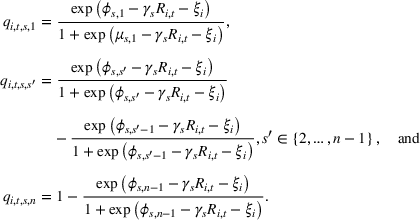
We model a contributor's underlying states using a first‐order discrete‐time discrete‐state HMM. The contributor‐ and time‐specific state transition matrix Q denotes the probability that a contributor migrates from one state to another over periods of time. In our model, contributors are allowed to switch back and forth between the states. In Equation (6),




We model the state transition using an ordered logit model.
4
To do so, we specify a set of threshold values as boundaries between states. The transition occurs if the propensity value passes a corresponding threshold. The state‐transition probabilities can be written as



State‐dependent outcome
The outcomes of concern are contribution quantity and quality, which are observable only if a contributor decides to engage. Therefore, we describe contributor performance with a two‐stage model. In the first stage, a contributor decides whether to engage. This is modeled as


If a contributor decides to engage (





The likelihood of observing

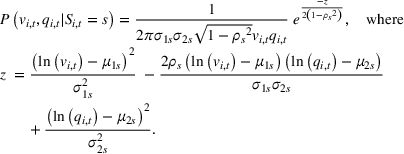
The likelihood of observing

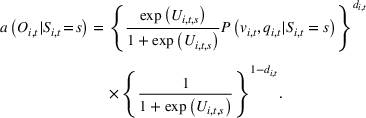
We now specify the components of





We can rewrite the likelihood of observing


EMPIRICAL ANALYSIS
Data description and operationalization of key variables
Our data were from Zhihu.com, a social Q&A platform in which users ask and answer questions, vote for others’ answers, and follow other users (similar to Quora). In this community, the number of votes represents the popularity of an answer, that is, how well it is understood and accepted by the audience. The roles of social ties are reflected in mainly three ways: (1) a user sees his or her followees’ answers on the personalized front page; (2) the platform sends a message to the user when his or her followees answer questions in which the user is interested; and (3) the platform sends a message to the user each time he or she receives a new follower. In addition, a unique design of the platform is that users can invite contributors whom they know to answer questions. If a contributor is invited, then he or she would see a “thanks for the invitation” button when editing the content of an answer. By clicking on this button, the contributor can add an official “thanks for the invitation @” sentence to his or her invited answer. Therefore, we can know whether an answer is invited based on the presence of this sentence. 5
In our context, contribution quantity is measured by the number of new answers that a contributor posted in a week, and contribution quality is measured by the average quality of these answers. We define answer quality as the extent to which an answer is understood and accepted by the viewers, as quality is a subjective concept that should be determined by the recipients (Beck et al., 2014; Roberts et al., 2006). Following Huang et al. (2014), we operationalize answer quality using the number of votes, as it is the best way to gauge overall popularity (Huang et al., 2014) and is a strong reflection of intrinsic content quality (Stoddard, 2015). Evaluating the quality of contributor performance using the number of votes is also practically important in that it is a predictor of the potential traffic that a contributor can bring to the platform. To ensure that the quality of answers posted in different time periods is comparable, we count the cumulative number of votes that an answer received in a fixed duration of 1 month after its appearance. Note that our definition of quality differs from some natural interpretations of intrinsic content quality, such as completeness, readability, and objectivity (Chua & Banerjee, 2013; Singh et al., 2014). In this study, we consider these content characteristics as subdimensions of quality and the number of votes as a comprehensive index of quality. In the robustness checks, we will examine how contributor performance changes along these subdimensions of quality to supplement the results.
To conduct the analysis, we first selected contributors whose information had been recorded by a third‐party website that provides analytical data of Zhihu.com (about 127,000 users) and then collected the information of other users, using a snowball method. 6 Next, to make the sample size manageable, we randomly selected 1500 users who had contributed at least once to the community to track their weekly activities, social relationships, and demographics from April to December 2016. Because some users’ profiles were deleted by themselves or by the platform, we obtain a final sample of 1308 users in 32 weeks, in which the first 25 weeks are used for calibration, and the remaining 7 weeks are held out for validation. On average, a user had 1119 followers and 112 followees at the beginning of the data period. At the end of the period, the average number of followers increased by 87.28%, and that of followees increased by 22.98%. The key variables used in our model are described in Table 1. The correlation matrices are reported in Appendix B in the Supporting Information.
Description of key variables
Variables that affect state transition
In our model, the latent state represents the motivation‐ability level of a contributor. Therefore, we consider factors that may affect a contributor's motivation and ability as variables that affect state transition. First, studies have found that both internal and internalized motivations are drivers of knowledge sharing in online communities. The main motivations include self‐efficacy, social recognition, reciprocity, and altruism (von Krough et al., 2012). According to previous studies, receiving up‐votes helps to enhance the self‐efficacy of a contributor (Chen et al., 2018; Kokkodis et al., 2020), receiving new followers can enhance the motivation for social recognition (Goes et al., 2014; Moqri et al., 2018; Toubia & Stephen, 2013), and asking questions is related to the motivation for reciprocity (Chen et al., 2018). Therefore, we consider these variables as the antecedents of state transitions. In addition, a unique feature of our study context is invitation. For contributors, accepting invitations is an act of helping others, and the unique “thanks for the invitation @” mark can enhance the pleasure that they obtain from helping others (Kankanhalli et al., 2005). Therefore, accepting invitations is related to altruism and considered an antecedent of state transitions. Second, according to social learning theory, one can learn through direct experience (learning by doing) and indirect experience (learning by observing). In our study context, direct experience is achieved by answering questions, so we use the number of new answers to measure direct experience (Ma et al., 2013). Indirect experience can be achieved by observing the behavior of others, so we use the answering behavior of followees to proxy indirect experience (Moqri et al., 2018; Susarla et al., 2012).
Estimation and model selection
We use maximum likelihood estimation (MLE) to estimate the HMM parameters in Equation 13. To control for contributors’ heterogeneity, we use a nonparametric approach (Heckman & Singer, 1984). We approximate the unknown probability distribution G and H by a finite number of support points and the associated probability mass distributions. We rescale η and ξ by two constants, 

As in the case of latent‐class models, we need to specify the number of latent states before estimating the model. We first estimate the proposed models with two, three, and four latent states and compare their performance based on the Bayesian information criterion (BIC; Greene & Hensher, 2003).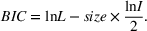

Model performance
FINDINGS
State‐dependent outcome
The estimation results for the main model are shown in Table 3. We can characterize the states by comparing the state‐dependent outcomes. First, in terms of engagement propensity, contributors in State 1 are the most unlikely to engage (


Estimation results for the main model
Note: All of the count variables are log transformed due to skewness. To ensure solution stability, we scaled down the variables 


State transition
The thresholds in Equation 7 provide the intrinsic propensity for a contributor to transition from one state to another. As we allow contributors to jump between different states, these thresholds ensure that moving involves some positive boundary requirements. To get an initial picture of the state‐transition patterns of contributors in knowledge sharing, we calculate the mean transition probabilities by plugging the estimated coefficients and the mean values of covariates (the value of the dummy variable is set to 0) into transition probability equations. The results are reported in Table 4.
State transition matrix
As can be seen from the diagonal of the state transition matrix, State 1 is the most sticky among all of the states. Without further interventions, contributors in State 1 have a 90% probability of remaining in this state. For contributors in the motivated states (i.e., States 2 and 3), the probability of moving to State 1 is also higher than the probability of moving to another motivated state. That is, without appropriate external stimuli, contributors have a natural tendency to become unmotivated and, thus, less productive. Therefore, it is critical to investigate how to use design features to facilitate knowledge sharing (Hwang & Krackhardt, 2020). By observing the transition probabilities for State 2, we can see that the probability that a contributor moves from State 2 to State 3 is the lowest among all of the transition probabilities, suggesting that it is difficult for a contributor to improve contribution quality. Due to this asymmetry in the probabilities of moving up and down, the changes in states cannot be fully explained by only motivation. Therefore, we refer to AMO theory used in OM literature (Siemsen et al., 2008) to explain one's latent contribution state, using both motivation and ability. Finally, we observe that contributors in State 3 are quite likely to transition to State 1, suggesting that an ideal state is difficult to keep if no external stimuli are provided. This further verifies the need for platforms to manage contributor performance, especially in terms of contribution quality (Hwang & Krackhardt, 2020). In addition, it is worth noting that one may transition from State 3 to State 2, which indicates a decrease in ability. This is possible because, in our study context, ability incorporates not only one's cognitive processing ability and expertise but also informational advantages (Qiu & Kumar, 2017; Susarla et al., 2012), such as knowing the trending topics in the community and the current tastes of the audience. Such informational advantages may disappear if one stops paying attention to what is occurring in the community.
We now discuss the variables that may affect state transition. In the second panel (variables that affect state transition) in Table 3, a positive coefficient means that a variable helps to move a contributor to higher states or retains him or her in the highest state. In particular, for State 1, a positive coefficient indicates the motivating effect of a variable, as it helps to transition unmotivated contributors to motivated states. For State 2, a positive coefficient suggests the learning effect of a variable, as it helps to transition contributors to the sophisticated state, in which they can contribute high‐quality answers. For State 3, a positive coefficient indicates that a variable helps to retain the contributor in the highest state. Having established the meaning of the coefficients, we can analyze the impacts of variables by state.
First, the variable 


Second, two variables, 

Third, 


Impact of social factors
To get a better understanding of the impact of social factors on state transition, we recalculated the state transition probabilities by increasing the mean value of a variable by one standard deviation (or changing the value of a dummy variable from 0 to 1), holding other variables constant. The new transition probabilities, due to (1) the increase in followers, (2) the answering behavior of followees, and (3) the change of the invitation status, are shown in Table 5. For ease of comparison, we report the percentage changes in state transition probabilities in Table 6.
New state transition matrices
Percentage changes in state transition probabilities
As is shown in Table 6(a), the effect of followers on state transition is manifested mainly in States 1 and 3, but not in State 2. These results suggest that followers play a mainly motivational role in influencing the quantity of contributions. Although previous studies have found a positive effect of social ties (e.g., Moqri et al., 2018; Wang et al., 2019), our results reveal that the effect depends on the latent state of a contributor, which should be considered by managers when designing interventions related to social ties. The effect of followees is manifested mainly in State 2, as shown in Table 6(b). If the followees become more active, then a contributor in State 2 will become less likely to drop to State 1 and more likely to move up to State 3. Therefore, the main effect of followees is manifested in influencing contribution quality, supporting the view of informational advantages (Leonardi, 2015). Further, compared to the results of Moqri et al. (2018), which reveal an insignificant effect of followees on contribution quantity, our result suggests that, in analyzing or utilizing the value of social ties, researchers and managers should consider the behavior rather than the presence of followees as well as contribution quality, in addition to quantity, as the outcome.
Finally, we analyze the effect of invitation, which is a new feature designed on the basis of social relationships that helps to enhance the pleasure of helping others. According to Table 6(c), we can see that the effect of invitation is heterogeneous. For contributors in State 1, accepting invitations can increase the probability that they move to motivated states, thus increasing contribution quantity. Accepting invitations, however, also may make motivated contributors, especially those in State 3, more likely to transition to State 1, thus decreasing contribution quantity. Therefore, the effect of invitation is manifested mainly in influencing contribution quantity, yet the direction of the influence depends on the state of the contributors. Overall, this result suggests that platforms could implement new social features, such as invitation, to facilitate knowledge sharing (Hwang & Krackhardt, 2020). In the meantime, they should bear in mind that these features may have heterogeneous effects on different groups of contributors.
FURTHER ANALYSES AND ROBUSTNESS CHECKS
Posterior analyses of contributor performance
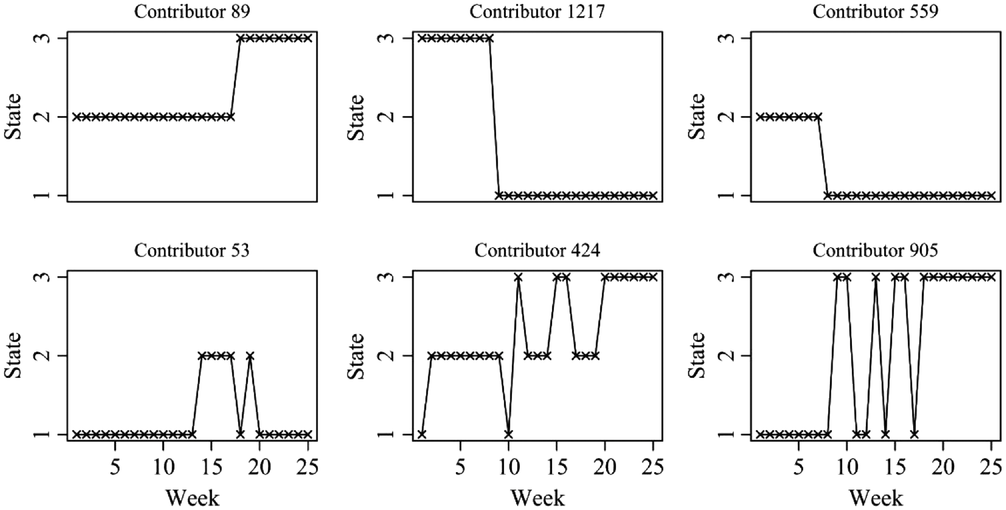
A key advantage of our HMM model is that it offers a means to project a contributor's expected performance paths. To understand the performance‐changing patterns of contributors, we recover a contributor's hidden state through a filtering approach (Hamilton, 1989) that uses the information known up to time t to obtain the posterior probability that a contributor is in a given state at time
Representative state transition patterns
As seen in Figure 2, there are some contributors who jump between States 1 and 3 but never move to State 2. These contributors have sufficient ability to contribute all of the time, either because they keep learning or because they have inherent high ability. Among these contributors, however, some were motivated at first but became inactive later, while some were unmotivated at the beginning but then became active. This result suggests that the short‐term and long‐term value of a contributor might be different, as the contribution frequency may change in the long run. In addition, we find that many contributors remain in State 1 and that a small portion of contributors remain in State 3 throughout the observation period. That is, although State 3 is the ideal state, State 1 is the most common. Further, those in State 2 would either fall back to State 1 or successfully move up to State 3. Once they move up to State 3, the probability that they belong in State 3 in the future would become higher than before, suggesting that the increase in ability is relatively stable in the long run.
Cohort differences
Previous studies on social Q&A communities have found that “what is shared in a social Q&A site is not only information but also experience, opinion, and fun” (Kim & Oh, 2009, p. 718). Accordingly, contributors in a social Q&A community differ in their contribution styles of whether they provide informational, objective facts or emotional, subjective opinions (Chua & Banerjee, 2013). To explore whether there are differences in dynamics across these two types of contributors, we separate the contributors in our dataset into two cohorts: fact‐oriented and opinion‐oriented. In particular, for contributors who contributed at least once in the observation period, we calculate the objectivity of their answer(s), using the percentage of nonemotional words. We then use median split to classify these contributors as fact‐oriented (those who have a high objectivity score) or opinion‐oriented (those who have a low objectivity score) and re‐estimate the model for each group separately.
By comparing the estimated results (reported in Tables C1 and C2 in Appendix C in the Supporting Information), we find that learning by observing is more effective for fact‐oriented contributors than for opinion‐oriented contributors, while learning by doing is more effective for opinion‐oriented contributors than for fact‐oriented contributors. This is possibly because fact‐oriented contributors provide mostly hard facts that have explicit, universal delivery methods, while opinion‐oriented contributors often express emotions that do not have fixed ways to express. In other words, compared to delivering factorial information, it is more difficult for people to learn how to deliver opinions (emotions) through observing others’ behavior. Instead, they need to rely on their own experiences to learn the best way to express their opinions and emotions.
In addition, we find that the effect of invitation is significant only for opinion‐oriented contributors. This suggests that, on the one hand, opinion‐oriented contributors may have a higher motivation of altruism than do fact‐oriented contributors; on the other hand, opinion‐oriented contributors are more likely to become discouraged by writing invited answers, possibly because their expertise is difficult to codify, and, as a result, they may receive invitations that do not match their expertise and have unsatisfactory invitation experiences. 7
Policy simulation
Improving contributor performance is a main operational goal of content‐sharing platforms. In practice, platforms launch various support programs or campaigns to nurture contributors, and one of the main means that they use is “traffic subsidization.” The underlying logic is that, by allocating more traffic to certain contributors, the platform can help them to receive more exposure and, thus, possibly more followers, which can motivate them to participate in the long run.
One of the decisions that managers need to make when launching a contributor support campaign is the selection of candidates, that is, to whom the firm should allocate traffic. For example, in one of the campaigns in Zhihu.com, the candidate selection criterion is those who “contribute at least one answer that passes the quality audition.” 8 Because the resource (i.e., traffic) that managers can deploy is limited, such a selection criterion may not be the most effective. Therefore, in this policy simulation, we aim to answer two questions: (1) whether the increase in followers, due to traffic subsidization, will improve contributor performance in the short run and the long run; and (2) whether using different candidate selection criteria will result in differences in the outcomes.
In carrying out the simulation, we use the observations in the first 2 months in our data to predict the latent state of each contributor and then select 100 contributors to implement the traffic subsidization policy for a duration of 2 months. The selection methods we use are (1) random selection; (2) selecting from contributors in State 1; (3) selecting from contributors in State 2; and (4) selecting from contributors in State 3. Because we cannot observe the actual conversion rate of exposure, we assume that each selected contributor will have a mean number of new followers (i.e., 42 in our dataset) due to the subsidization. We then compare their performance in terms of engagement propensity, contribution quantity, and contribution quality in the short run and the long run. Considering the existence of uncertainty in the system, we use the average results of 500 simulations (as shown in Table 7).
Effect of traffic subsidization
We can reach several conclusions based on the results in Table 7. First, traffic subsidization is effective in increasing the quantity and quality of contributions as well as the number of active contributors (i.e., engagement propensity) on the platform, in both the short run and the long run. Second, the effect of traffic subsidization diminishes over time, indicating that a one‐time campaign will not ensure performance once and for all. Third, the effectiveness of the sample selection methods depends on the goal of a campaign. For example, if the main aim is to increase contribution quantity, then targeting contributors in State 3 is the most effective method. These contributors, however, may have little room for improvement in contribution quality. By comparison, if the main aim is to increase the average contribution quality on the platform, then targeting contributors in State 2 is the most effective method.
Endogeneity of key variables
A common challenge faced by researchers in investigating the impact of social relationships is homophily, which indicates that the social network structure of a contributor is determined by the unobserved characteristics of the contributor. Econometrically, this means that the key variables that we focus on in the model might be correlated with the individual‐specific characteristics. To address the above issue, the following approaches are taken.
First, we note that, although a contributor self‐selects his or her followees, the future behavior of the followees is not endogenously determined by the performance of the focal contributor. This is because the subscription relationship is directional, and, therefore, followees cannot observe the behavior of their followers. The main source of endogeneity, therefore, comes from homophily. That is, a contributor self‐selects users to follow according to his or her individual specific tastes. Therefore, we use a variation (Mundlak, 1978) of the Chamberlain device (Chamberlain, 1980) to explicitly account for the potential correlation between the unobserved individual specific characteristic 


Second, we use a control function approach to account for the endogeneity of followers (Zhang et al., 2017). The first instrument that we use is the average increase in followers of other contributors. This instrument may correlate with the increase in followers of the focal contributor due to common shocks in the environment but should not influence the focal contributor's behavior directly. By rerunning the proposed HMM with the residual from the first‐stage regression as an additional control variable, we find that the main results remain stable. We then incorporated a second instrument, that is, the weekly downloads of the app, which is a proxy for the number of new users. When new users enter into the community, they will see a list of suggested contributors worth following, and, by default, they will follow these contributors. Therefore, we conjecture that more new users to the community means a higher probability of receiving new followers for a contributor. Because a contributor cannot observe the increase in community size, his or her behavior should not be directly influenced by it. 9 By running the first‐stage regression, we find that both instruments have significant effects on the number of new followers, suggesting that they are not weak instruments. 10 We then rerun the proposed HMM with the residual from the new first‐stage regression. The results indicate that the main results are substantially similar (Table C4 in Appendix C in the Supporting Information). Given the above results, endogeneity should not be a serious issue that influences the robustness of the estimations.
Robustness checks
In the main analysis, we evaluate contribution performance, using the number of votes, in keeping with the notion that performance should be evaluated by others (Beck et al., 2014; Roberts et al., 2006). The works of Huang et al. (2014) and Stoddard (2015) also suggest that the number of votes can be used as an index for quality. Nevertheless, the nature of being evaluated by others means that the evaluation outcome may be subject to external interferences. To remove external inferences in the evaluation of contributor performance, we conduct content analysis to extract objective indexes directly from the answer to measure the quality of answers. As shown in Table B2 in Appendix B in the Supporting Information, completeness, readability, and the number of votes are positively correlated with each other, while objectivity is negatively correlated with the number of votes, indicating that objectivity may not be a good proxy for quality in our study context. Therefore, we use completeness and readability as alternative measures of contribution quality. The results, as discussed in Appendix D in the Supporting Information, support our main findings. In addition, we divided contributor dynamics into weeks in the main analysis. To ensure that this specification does not influence our results, we employed an alternative period‐length of 2 weeks to re‐estimate the model. The results, as shown in Table D3 in Appendix D in the Supporting Information, are consistent with those of the main model.
DISCUSSION
Summary
In this study, we developed a dynamic model to simultaneously examine the dynamics of contributor performance in terms of quantity and quality in knowledge‐sharing communities. To this end, we consider motivation and ability as the inherent determinant of behavior, as suggested by AMO theory, and employ a data‐driven method to learn the segmentation of contributor states. Based on the results, we find three states in which contributors may reside: State 1, in which contributors are unmotivated and, thus, do not contribute; State 2, in which contributors actively explore the community but cannot perform well; and State 3, in which contributors are sophisticated, thus generating high‐quality answers. We also find that social factors have heterogeneous effects on contributor performance by influencing the latent states. For example, by comparing the effect of followers and followees, we find that followers influence mainly the quantity of contributions, while followees help mainly to increase the quality of contributions. In addition, we find that accepting invitations can prompt unmotivated contributors to participate in the future but may undermine the engagement of sophisticated contributors.
Theoretical contributions
This paper concerns the management of contributor performance on a social knowledge‐sharing platform and makes several contributions to the literature. First, knowledge sharing has long been a topic of interest to OM scholars (Hwang & Krackhardt, 2020; Siemsen et al., 2008). With the advancement of information technology, online communities have become an important channel for knowledge sharing. Hwang and Krackhardt (2020), however, find that knowledge sharing does not naturally follow the creation of a community and, therefore, call for future research to investigate the design features that may facilitate knowledge sharing and, at the same time, incorporate the quality dimension of contributions in addition to quantity. Our study answers this call by investigating how quantity and quality are intertwined in knowledge sharing and how firms can use specific design features to facilitate knowledge sharing. Our results indicate that sophisticated contributors trade quantity for quality, while contributors in an exploratory state care more about quantity than quality. Moreover, by comparing the effects of different social factors, we find that both subscription and invitation are effective in motivating contributors to engage in knowledge sharing.
Second, there is a growing body of research on the operation of digital platforms in the OM literature. These studies focus mainly on the management of individuals’ performance, such as ideation performance (Chan et al., 2021) and contest performance (Chen et al., 2021) on crowdsourcing platforms, weight management performance in healthcare communities (Yan, 2020), doctor performance on online medical consultation platforms (Zhao et al., 2022), and contributor performance in content‐sharing platforms (Wang et al., 2019; Wei et al., 2021). Our study adds to this stream of literature by providing an analysis of the management of contributor performance on knowledge‐sharing platforms. By adopting a dynamic perspective, we are able to not only reveal how individual performance may change over time but also to demonstrate how platforms can implement various design features and operational campaigns to influence contributor performance.
Third, the value of social information in operations and management, such as using social information to launch remedial actions in healthcare operations (Gour et al., 2022), predict retail sales (Cui et al., 2018), promote conversion and sales rates (Rong et al., 2022), and enhance the management of digital platforms (Lu et al., 2021, Wang et al., 2021, Wei et al., 2021; Yan, 2020), has received significant attention in recent years. Our study contributes to this stream of research by showing the value of different types of social information in influencing contributors’ performance. In particular, we resolve the inconsistency on the effect of followees found in previous studies by noting that researchers should be clear about the source of the impact and the measurement of the corresponding outcome. By addressing the above two issues, we find that contributors can learn from followees’ behavior and, thus, increase contribution quality. In addition, we examined the effect of invitation on contributor performance. The results indicate that accepting invitations, which reflects the motivation of altruism, helps to activate unmotivated contributors but also can demotivate contributors who care about quality and are already highly motivated.
Finally, dynamic models are applied by previous studies in OM to study various problems (e.g., Montoya & Gonzalez, 2019; Yan, 2018). Our study extends the scope of the application by using HMM to analyze the management of contributor performance. More importantly, prior research that uses HMMs often considers hidden states that are linear, such as the motivation (e.g., Chen et al., 2018) or ability (e.g., Singh et al., 2011) of users. In this study, we draw upon AMO theory used in OM studies (e.g., Siemsen et al., 2008) to conceptualize the hidden state of a contributor as a two‐dimensional state that reflects the levels of motivation and ability. This conceptualization enables us to use two outcome variables to pin down the states and interpret each state separately, 11 which can greatly expand the conclusions that we can derive from an HMM. Such a conceptual framework can be used to analyze contributor performance along multiple dimensions in various settings.
Managerial implications
Content‐sharing platforms are investing an increasing number of resources in the management of contributor performance. For example, many platforms have launched the Contributor Assistance feature and various contributor support programs; some platforms even budget large amounts of money and traffic resources to subsidize contributors. Because such resources are limited, it is critical for managers to efficiently manage contributors’ performance. In this regard, our study provides several implications for the management of contributor performance. First, managers can use the HMM developed in this study to statistically segment contributors into different groups, which is the prerequisite to designing customized performance intervention strategies. By recovering the unobservable contribution states dynamically, managers also can gain insight into what drives a contributor to move between states or remain in a certain state and, thus, take effective action. As shown in the robustness checks, our model can be easily extendable if managers have alternative operational goals, as long as contributor performance fluctuates over time.
Second, platforms in the early stages of development may implement the subscription feature and the invitation feature to motivate users to engage. In fact, our results suggest that both subscription and invitation are effective in motivating users to participate. When contributors become sophisticated at providing high‐quality answers, however, the positive effect of invitation diminishes, as altruism is no longer the main motivation that drives participation. In this regard, managers need to use other methods to motivate contributors to continue to participate; managers also may consider improving the algorithm for recommending contributors to be invited to reduce the probability that contributors are invited to answer questions that do not match their expertise, which can result in unsatisfactory experiences.
Third, managers could further utilize the information from followees in operation. In fact, our results suggest that an important mechanism for contributors to increase answer quality is to learn by observing the behavior of followees. Therefore, managers may improve the personalized algorithm for recommending people worth following to contributors (especially contributors in the exploratory state). To help contributors to gain insight into followees’ behavior, managers can further provide analytical tools in the Contributor Assistance module to visualize the popular topics to which followees are paying attention, the keywords that they use in their answers, and so forth, which also helps to reduce the possibility of information overload.
Finally, although platforms are deploying a large number of resources to nurture contributors, the effectiveness of these campaigns can be further improved. For example, most of the campaigns (e.g., traffic subsidization) now select candidates according to the observable characteristics of users. Our policy simulation results, however, suggest that the effect of a campaign can be greatly increased if managers can consider the unobservable state of each contributor. Therefore, based on the goals of the campaign, managers can use our framework to identify the latent state of each candidate and then allocate resources accordingly to achieve the desired outcome more effectively.
Limitations and future research
The current study has certain limitations, thereby offering opportunities for further investigation. First, although we believe that both motivation and ability influence performance, they are actually unobservable due to data constraints, making it impossible to clearly separate ability from motivation. This should not be a serious issue, however, as we use the concepts of motivation and ability mainly for the purpose of explanation. Future studies may validate the proposed underlying mechanisms and quantify the respective impacts of motivation and ability by measuring them explicitly, if possible. Second, our data were collected from a single knowledge‐sharing community. Although the dataset is sufficient to make the findings generalizable to our study context, future research may apply multi‐community analysis to investigate how community‐level factors may influence the results. Third, we evaluate contributor performance in terms of contribution quantity and quality. The latter is measured by the number of votes. Although the number of votes is an important operational index, the voting outcome may be subject to the interference of external factors. In this respect, we use behavioral indexes extracted from the content to enhance the robustness of our results. Future research, however, could use expert scoring or other indexes (e.g., extracted by more sophisticated natural language processing and image analysis techniques) to measure the performance of a contributor to gain a deeper understanding of the dynamics of contributor performance. Finally, although we take multiple actions to account for the potential correlation between the random effects and the covariates, the data‐generation process used in the study is, in itself, endogenous. Our HMM, nevertheless, provides a useful framework to dynamically segment contributors into different latent states and helps to explain how contributor performance evolves over time in a social environment.
Footnotes
ACKNOWLEDGMENTS
The authors thank the Department Editor, the Senior Editor, and three anonymous reviewers for their constructive feedback throughout the review process. The authors are grateful to Bo Li and participants at the 2018 Workshop on Information Technologies and Systems. This work was supported in part by the National Natural Science Foundation of China (#71729001, #72072100, and #72172036), and “the Fundamental Research Funds for the Central Universities” in UIBE (21QN03).
1
See
2
See
3
See
4
Alternatively, we may use the multinomial logit model. This will, however, greatly increase the size of the parameters and hinder the interpretability of the results. Given that we have multiple variables that affect state transition, we opt for the ordered logit model.
5
Considering the possibility that users may add the “thanks for the invitation” sentence manually, we have extended this sentence with related keywords and homophonic words to determine whether an answer is invited.
6
The information about users who do not participate and do not have any social ties may be missing from our data. This should not have a significant impact, as we focus on the behavior of content contributors.
7
The mean number of votes for uninvited answers is significantly larger for opinion‐oriented contributors than that for fact‐oriented contributors (
8
See
9
This type of instrument is used in previous studies (Nunn & Qain, 2014).
10
We also performed the overidentification test by using contribution quantity and quality as the dependent variable, respectively. The Sargan test for overidentification is insignificant, indicating that the instruments are valid.
11
We thank an anonymous reviewer for giving this insightful comment.