






Abstract
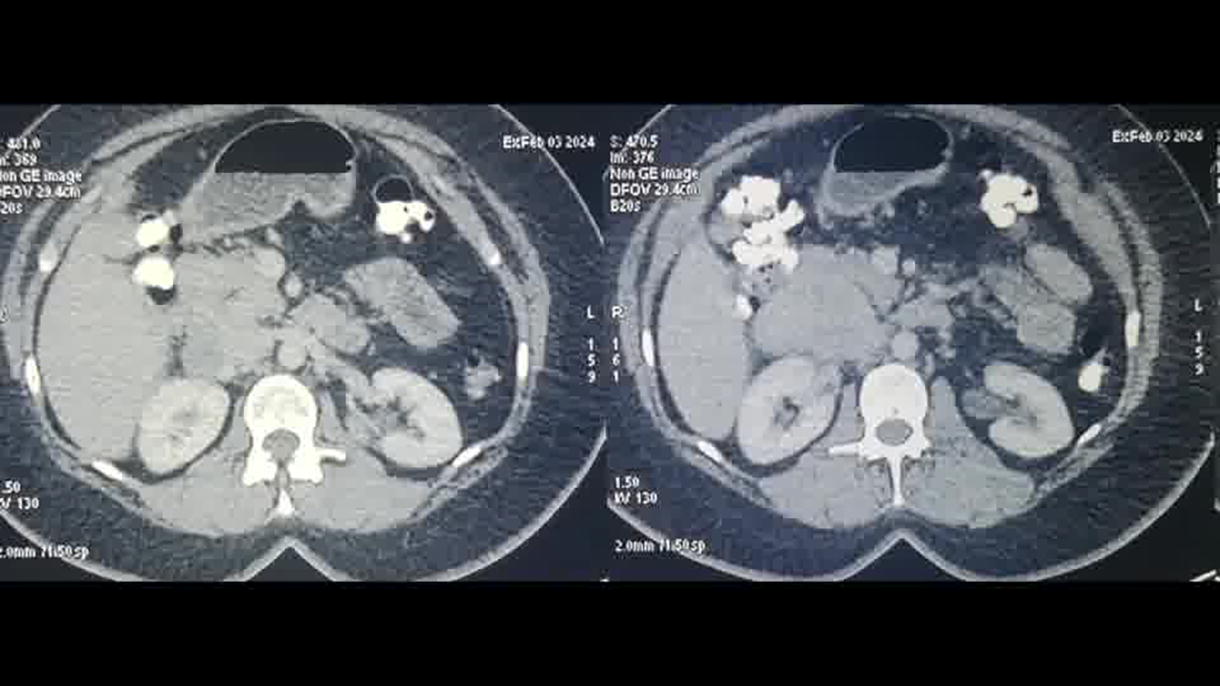
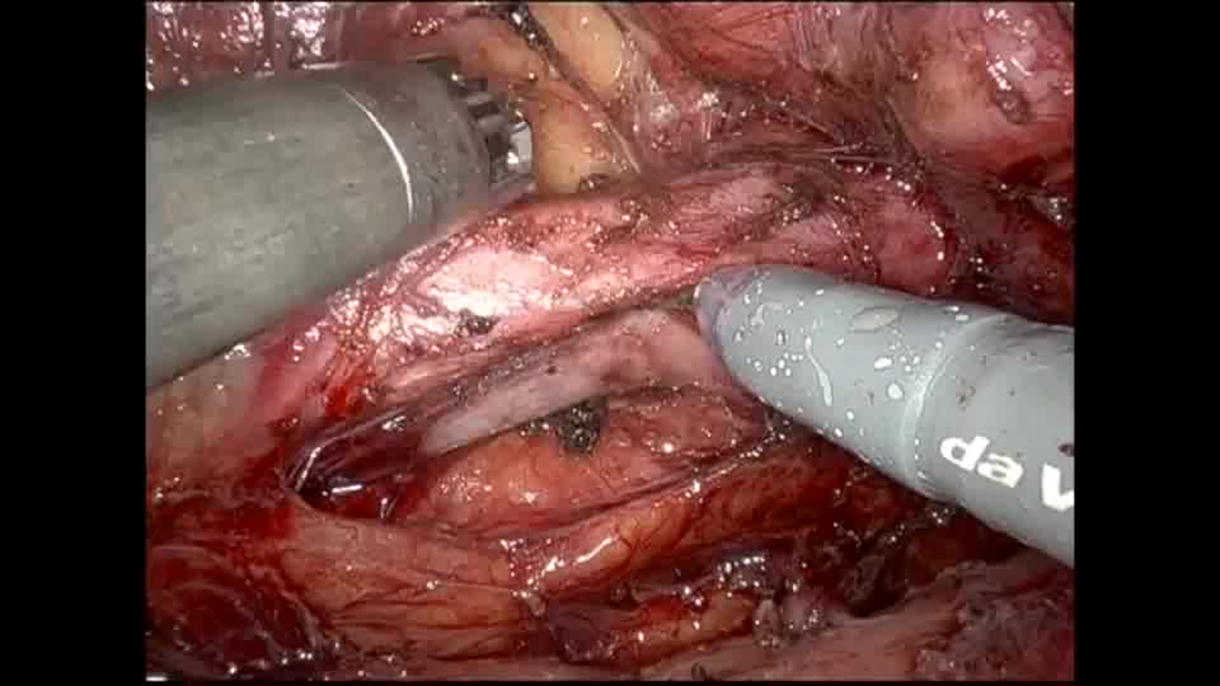
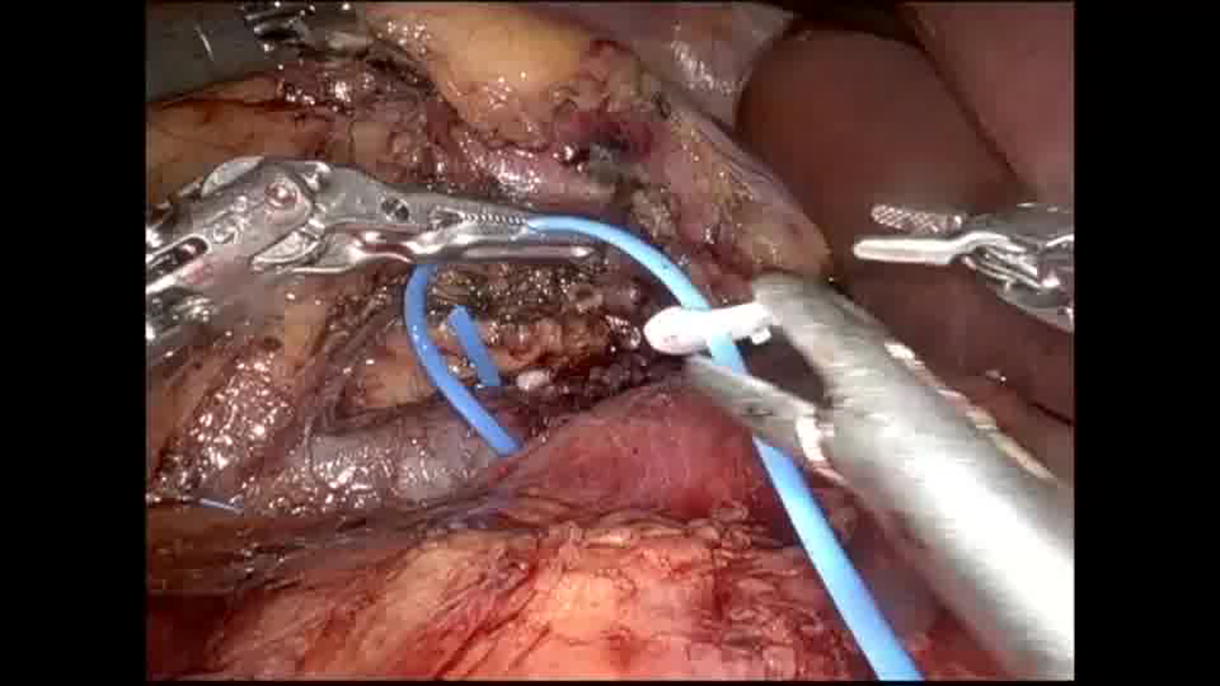
Leiomyosarcomas of the retroperitoneum are rare, and robotic management of inferior vena cava (IVC) leiomyosarcomas is unprecedented. We present the first reported case of a robotic-assisted excision of a 7 cm IVC leiomyosarcoma in a 45-year-old female with diabetes. Using the da Vinci Xi system, the surgery involved a 10-minute dock time, 180-minute console time, and 29-minute clamp time, with 800 mL blood loss. The tumor, measuring 8 × 7 × 4 cm, was successfully excised with negative margins. The patient was discharged on postoperative day 1, demonstrating the procedure’s feasibility and safety.
Introduction:
Leiomyosarcomas of the retroperitoneum are relatively rare tumors for urologists and uro-oncologists to manage. There is no reported literature on the robotic management of leiomyosarcoma of the inferior vena cava (IVC). 1 To date, a video presentation of the excision of leiomyosarcoma from the renal vein using robotic surgery has been reported by Vicente et al. 2 A 45-year-old woman patient with diabetes and no other comorbidities was incidentally found to have a 7 cm retroperitoneal mass originating from the IVC during a health checkup, with no evidence of infiltration into surrounding structures or nodal involvement on contrast-enhanced computed tomography. Preoperative creatinine was 0.8 mg/dL. She was managed by a robotic-assisted approach, making this the first reported case of robotic management of an IVC tumor.
Materials and Methods:
The patient underwent robotic-assisted surgery using the da Vinci Xi system. She was positioned in the left lateral position, and standard ports for a robotic right radical or partial nephrectomy were utilized, including four 8 mm ports (three working and one camera) and two assistant ports (one 12 mm and one 5 mm).
Results:
Key operative metrics included a dock time of 10 minutes, a console time of 180 minutes, and a clamp time of 29 minutes. Intraoperative blood loss was 800 mL. The excised tumor measured 8 × 7 × 4 cm and was histologically confirmed as a leiomyosarcoma with all margins negative. The patient was discharged on postoperative day 1. The patient is disease free at 3 months follow-up with preserved serum creatinine same as preoperative level.
Conclusion:
This case demonstrates the feasibility and safety of robotic-assisted surgery for managing leiomyosarcoma of the IVC.
Conflicts of Interest:
No conflicts of interest as signed by all authors. Form enclosed as separate attachment.
Runtime of video: 5 min 25 sec.
Keywords
Get full access to this article
View all access options for this article.