






Abstract
Summary:
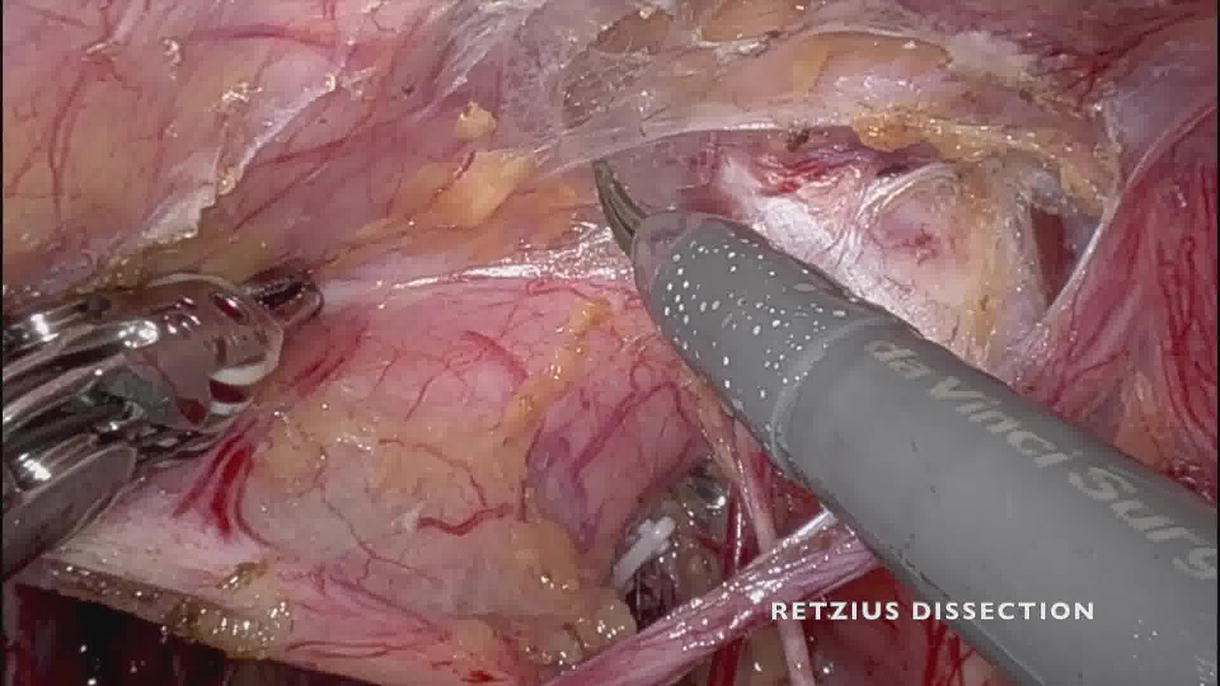
This video demonstrates port placement, operative positioning, and technical nuances during robot-assisted radical cystoprostatectomy in a pediatric patient with embryonal rhabdomyosarcoma.
Introduction:
Publications on robotic surgery applications in pediatric urooncology are limited. However, robotic systems may afford advantages over open surgical techniques in pediatric tumors. 1,2 The video presents technical details of robot-assisted laparoscopic radical cystoprostatectomy, extended lymph node dissection, and ileal loop for bladder embryonal rhabdomyosarcoma.
Methods:
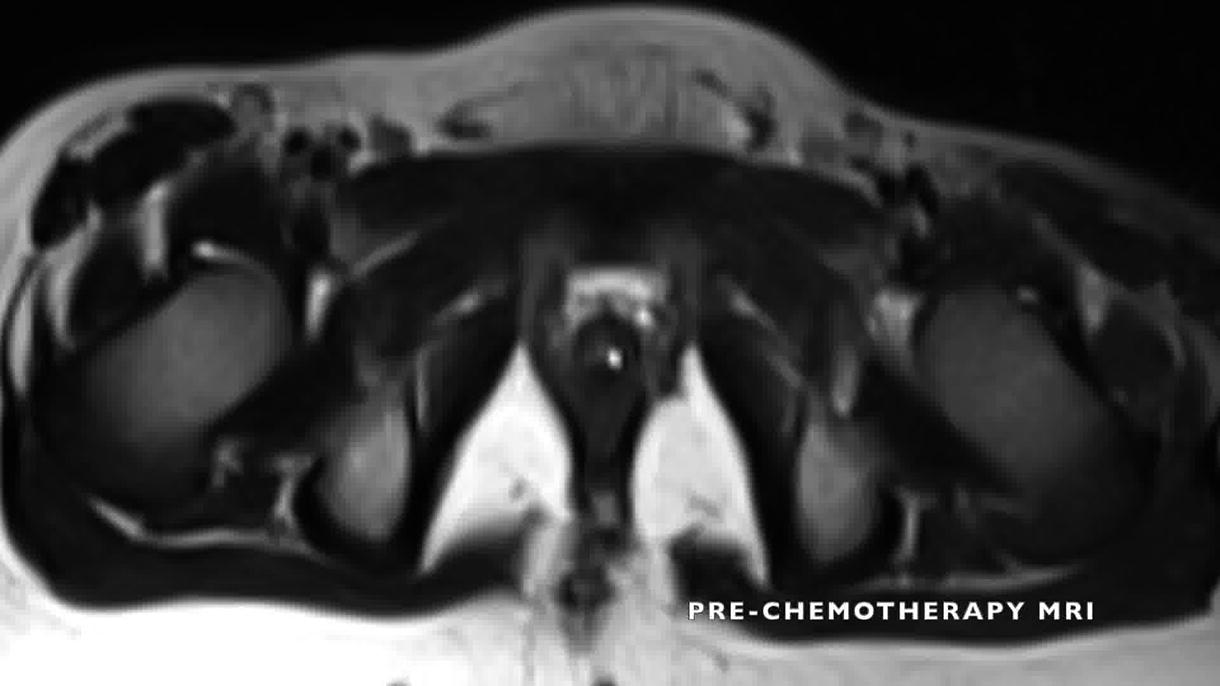
The patient is a 26-month-old male patient with macroscopic hematuria. Radiological evaluation (urinary ultrasound and magnetic resonance imaging) revealed a 3 cm mass lesion originating from the bladder. Although there was a hypointense suspicious lesion on the sacral bone suggesting metastatic involvement on MRI, no lymph node was detected. Diagnostic cystoscopy showed a mass extending from the right half of the trigone through the bladder dome and distally to the prostatic urethra. A double collecting system anomaly was diagnosed on the left. The mass with embryonal rhabdomyosarcoma histology partially responded to IRS-VAC protocol chemotherapy. 3 It was discussed in the multidisciplinary pediatric urooncology meeting, and considering the suspicious sacral bone metastatic involvement, it was decided that it would be appropriate to perform ileal loop diversion instead of the neobladder, as radiotherapy might be needed afterward. Under general anesthesia, four robotic and one assistant trocar were positioned 6 cm apart in a supine position. Then, the patient was taken to a 30-degree Trelendelenburg position, and the Da Vinci XI robot was docked. Radical cystoprostatectomy, bilateral lymph node dissection, and ileal loop were performed (Video).
Results:
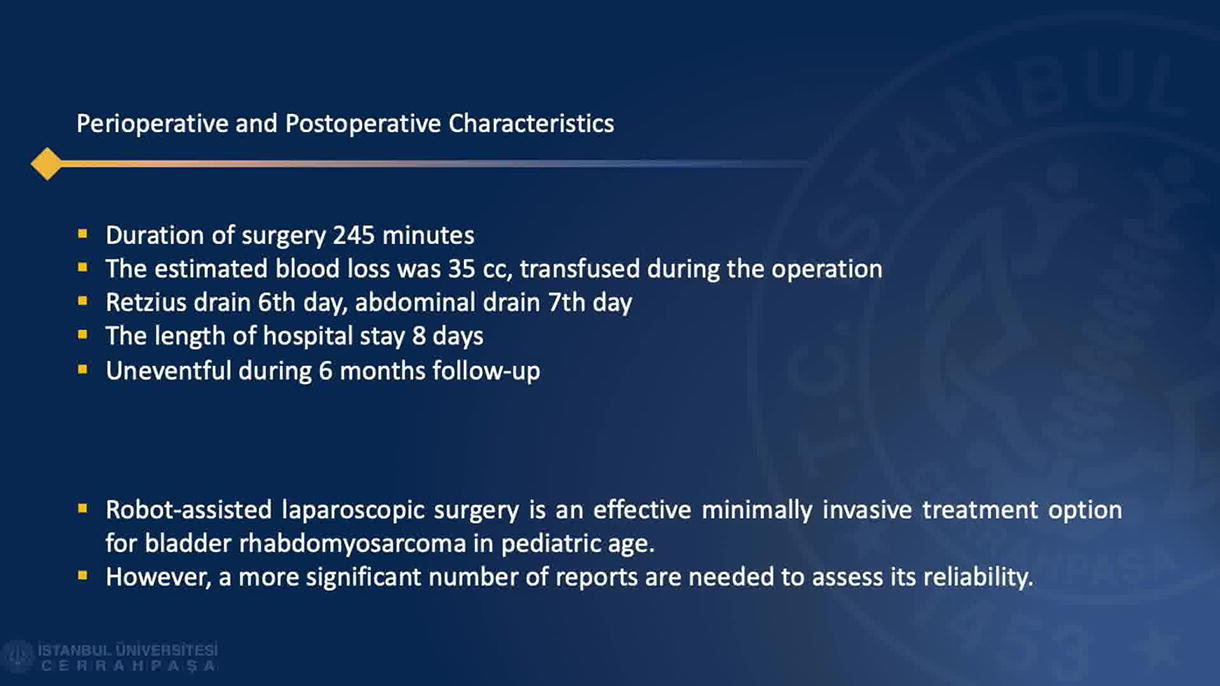
In this case, the operative time was 245 minutes; the estimated blood loss was 35 cc, transfused during the operation. The length of hospital stay was 8 days. No postoperative complications were seen. The patient was tumor-free after the surgery.
Conclusion:
Robot-assisted laparoscopic surgery is an effective minimally invasive treatment option for bladder rhabdomyosarcoma in pediatric age. However, a more significant number of reports are needed to assess its reliability.
Patient Consent Statement:
This video publication received written informed consent for publication of the specific patient’s case and was obtained from both parents. The authors have received and archived patient consent for video recording/publication in advance of the video recording of the procedure.
Funding:
This research did not receive any specific grant from funding agencies in the public, commercial, or not-for-profit sectors.
Conflict of interest:
There is no conflict of interest.
DISCLOSURES:
None.
ACKNOWLEDGMENT:
This video presentation was accepted to video without presentation section in European Society of Pediatric Urology Annual Congress 2024.
https://www.espu.org/meeting/2024/book/Abstracts_book_ESPU_2024.pdf.
Get full access to this article
View all access options for this article.