






Abstract
Introduction:
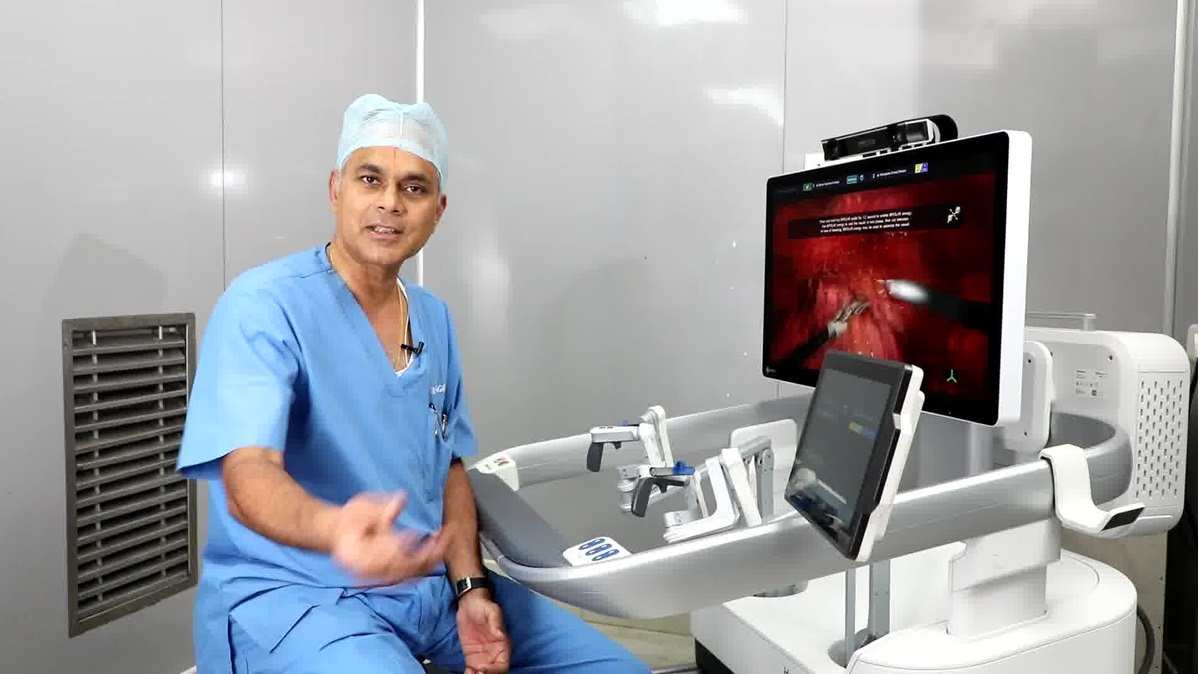
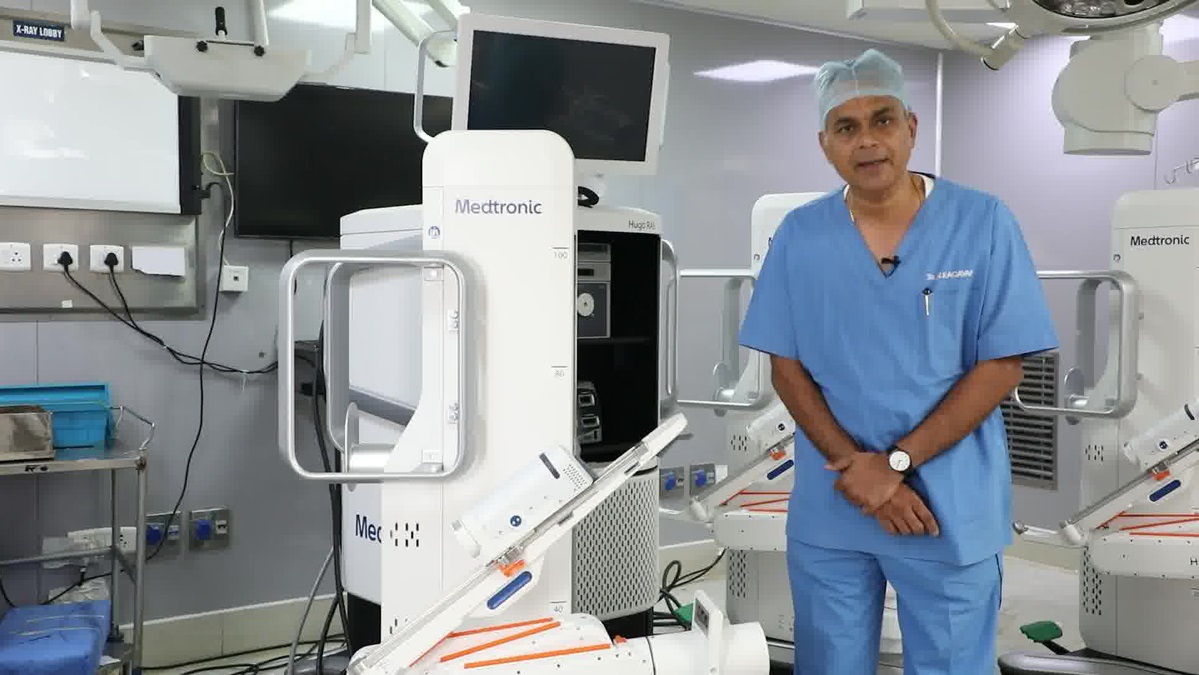
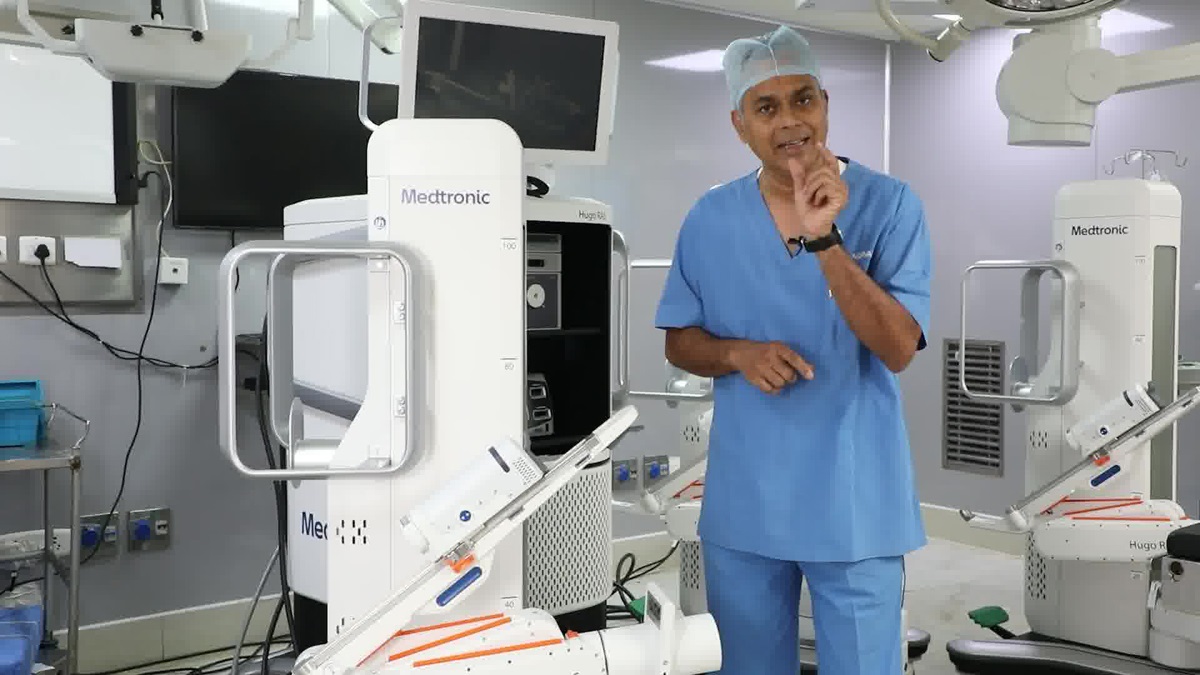
Robot-assisted surgery is widely utilized especially in urologic procedures. This video gives an introduction to the Hugo RAS™, a newly launched robotic system for clinical use.
Materials and Methods:
We have been using the mentioned system in carefully selected patients for major urologic procedures. Institutional ethical approval was obtained, and patients were counseled preoperatively with informed consent. All pre-, intra- and postoperative data were carefully recorded.
Results:
The Hugo RAS has been utilized in performing various urologic procedures including radical prostatectomy, radical and simple nephrectomy, and adrenalectomy since September 2021. The Hugo RAS platform requires ∼500 sqft. of theater space for the tower, four independent arms, and a surgeon console. The surgeons were given dry and wet laboratory training by the manufacturers and excellent offsite and onsite technical support as needed. The console also notably comes with simulation equipment that allows the surgeon to practice simulation exercises similar to the existing platform. A total of 32 cases (24 prostatectomies, 6 radical nephrectomies, and 2 adrenalectomies) were operated on using the newly launched platform with no notable intra- or postoperative complications. The only technical difficulty that the surgeons have faced so far is the extensive safety measures that have been incorporated into the system that causes it to pause after a warning bleep if the arms or instruments come close to each other or have minor clashes. The surgeon must manually dismiss the warning before proceeding with the operation. This has been fed back to the technical team and the issue is expected to be resolved with the next software update, making it possible to use the platform for more complex procedures such as partial nephrectomies.
Conclusion:
The authors from their initial experience believe that the newly launched Hugo RAS is a safe robotic platform for major urologic surgeries. It is a good addition to the existing array of robotic platforms with its unique configuration, thereby decreasing the monopoly of a single robotic system and increasing the reach of robotic surgery to a wider populace.
The authors declare that there is no conflict of interest regarding the publication of this article. All authors confirm that they have been involved in the conception and design of the study, drafting of the work for intellectual content, and are accountable to the accuracy of all aspects of the content.
Runtime of video: 7 mins 40 secs
Get full access to this article
View all access options for this article.