






Abstract
Introduction:
Robot-assisted partial nephrectomy can be challenging in patients with completely endophytic tumors because of the difficulties in observation of the tumor. Endophytic tumors are especially challenging when they are in proximity to the renal hilum. We describe our technique to safely perform robotic partial nephrectomy (RPN) in this complex scenario and report on outcomes.
Patients and Methods:
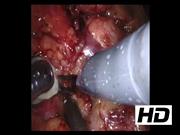
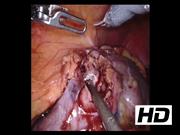
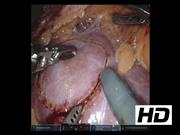
In total, 498 patients from a single surgeon series of transperitoneal RPN were analyzed. After bowel mobilization, ureter identification, and hilar dissection, fourth arm of the Da Vinci Xi® model was used to stabilize the kidney. Using the Tilepro™ feature, intraoperative ultrasonography (US) was performed to localize the tumor, delineate the edges, and assess the depth of the tumor precisely. Subsequently, the healthy parenchyma above the tumor was excised. US was repeated and tumor excision performed. Two-layer renorrhaphy was performed using 3.0 barbed polyglyconate suture and 0 polyglactin sutures. Nineteen (3.85%) patients with completely endophytic and hilar renal masses were analyzed. Results were compared with the rest of the partial nephrectomy cohort (n = 479, 96.15%) to compare perioperative outcomes. Renal tumors were classified based on R.E.N.A.L nephrometry score. Baseline demographic, clinic, and tumor-specific characteristics, and perioperative and postoperative outcomes were compared between both cohorts. Owing to the uneven sample sizes, patients were 1:2 propensity matched.
Results:
All baseline characteristics were similar except for R.E.N.A.L. score. After propensity score matching, 34 (64.15%) nonendophytic and nonhilar and 19 endophytic and hilar (35.85%) patients were compared. R.E.N.A.L. score was the only significantly different variable after matching (6 vs 9; p < 0.001). There was no significant difference in ischemia time (15 minutes vs 15 minutes, p = 0.948), operative time (153 minutes vs 154 minutes, p = 0.698), estimated blood loss (50 mL vs 50 mL, p = 0.665), intraoperative complication (1% vs 0%, p = 1.000), length of stay (1 day vs 1 day, p = 0.848), all complications (8.8% vs 15.79%, p = 0.443), and surgical margin rates (3.76% vs 7.7%, p = 0.443).
Conclusion:
Hilar and endophytic tumors are the most challenging locations in partial nephrectomy. Using intraoperative US and a methodological approach, partial nephrectomy can be effectively performed robotically without the expense of increased complication rates.
Consent Statement:
Authors have received and archived patient consent for video recording/publication in advance of video recording of procedure.
No competing financial interests exist.
Runtime of video: 7 mins 32 secs
Get full access to this article
View all access options for this article.