





Abstract
Introduction:
Patients with multiple renal tumors may have a higher chance of metachronous contralateral renal tumors. 1 Owing to this, efforts must be made to utilize nephron sparing surgery in these cases, wherever possible. Longer ischemia times are expected because of resection and reconstruction of multiple defects. The outcomes of robot-assisted partial nephrectomy (RAPN) for this indication have previously been reported to be comparable with solitary tumors. 2,3 However, other series have shown an increased complication rate. 4 The three goals of surgery are to remove all the tumor with acceptable ischemia time and low complication rate. This video shows the technique and outcomes of RAPN for multiple tumors in a single operative session in a multi-institutional setting.
Materials and Methods:
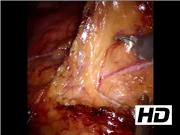
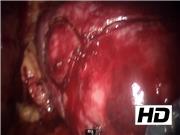
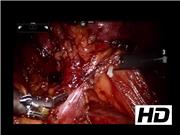
Retrospective analysis of the Vattikuti Collective Quality Initiative prospective database was done. A total of 501 patients underwent RAPN from November 2014 till January 2017 at 14 institutions in 9 countries by 22 surgeons. Out of these, 37 patients underwent RAPN for multiple tumors. The first representative video shows resection of two tumors enbloc with reconstruction of a single defect, whereas the second representative video shows separate excision of renal tumors with reconstruction of individual renal defects.
Results:
A total of 81 tumors were excised in 37 patients (mean [standard deviation (SD)], 2.19[0.66] tumors per patient) with no conversion to open surgery and one conversion to robotic radical nephrectomy. The median [interquartile range (IQR)] tumor size was 3.2 [2.2–5.0] cm. Retroperitoneal and transperitoneal approaches were used in 5 (13.5%) and 32 (86.5%) of the patients, respectively. Zero ischemia was used in 5 (13.5%) patients. Median [IQR] warm ischemia time was 16.00 [range 10.08–20.00] minutes. Median [IQR] operative time was 156.0 [127.0–180.0] min. Median [IQR] estimated blood loss was 150 [50–200] mL. No patients had Clavien–Dindo grade ≥3 complications. Seven (18.9%) patients had grade 1–2 complications. One patient (2.7%) had a positive surgical margin, and the median [IQR] hospital stay was 3 [1.5–4.0] days. The median follow-up was 8.4 months. The mean [SD] drop in estimated glomerular filtration rate at 3 months was 11 [19.8] mL/(min·1.73 m2).
Conclusion:
RAPN can be safely performed for multiple tumors in the same kidney in a single operative session. The procedure has a low morbidity rate and excellent outcomes in a multi-institutional setting.
The authors have received and archived patient consent for video recording/publication in advance of video recording of the procedure.
J.R.P. and A.M. received honorarium from Intuitive Surgical. Dr. R.A. received grants from Conmed, Inc., and Educational program support from Intuitive Surgical, Inc. outside the submitted work. The rest of the authors have no competing financial interests.
Runtime of video: 7 mins 57 secs
Keywords
Get full access to this article
View all access options for this article.