





Abstract
Introduction:
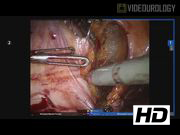
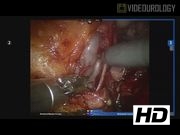
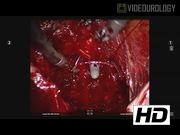
Retzius-sparing robot-assisted radical prostatectomy (RS-RARP) was first described by Galfano et al. 1 It allows the prostate gland to be shelled out from under the overlying detrusor apron and dorsal vascular complex (DVC) with no need to control the DVC, as the plane of dissection passes beneath it. 2 RS-RARP combines the best of retropubic and perineal approaches. It allows a more precise dissection of the urethra and spares the Retzius space, DVC, and the pubovesical ligaments. Moreover, it preserves the endopelvic fascia and pelvic floor musculature, thus, it minimizes the surgical trauma and allows more delicate reconstruction and preservation of pelvic normal anatomy. 3 From our experience with both the anterior and posterior procedures, we think that RS-RARP will gain the upper hand in the future. Earlier results of this technique showed that it is oncologically safe and results in high early continence and potency rates. 2 –4 However, out of hundreds of robotic surgeons all over the world, only few urologists well known by name perform this procedure. We do not know the exact reasons of loss of interest by most surgeons in this technique. We may attribute this to the insufficient data about RS-RARP in the literature or surgical difficulties with the technique. Therefore, the main aim of our teaching video is to describe in detail the technique of RS-RARP step by step in an easy standardized manner, to reach large number of robotic surgeons and help in spreading wide the technique knowledge, in addition to increasing surgeon's interest in it.
Materials and Methods:
A 62-year-old man was found to have prostate cancer upon routine evaluation for elevated prostate specific antigen (6.3 ng/mL). Transrectal ultrasound-guided biopsy revealed prostatic adenocarcinomas in 2 out of 12 cores at right apex (Gleason score 6, 3 + 3, 5%) and left central zone (Gleason score 8, 4 + 4, 5%). Digital rectal examination was normal and sexual health inventory for men (SHIM) score was 21. Preoperative MRI showed left 1.5 cm transition zone lesion. The patient underwent nerve-sparing RS-RARP with standard pelvis lymph node dissection using the da Vinci Xi surgical system (Intuitive Surgical, Inc., Sunnyvale, CA) by an expert surgeon (K.H.R.) who performed more than 370 RS-RARP procedures.
Results:
Total operative time and console time were 120 and 63 minutes, respectively. Estimated blood loss was 100 mL and length of hospital stay was 6 days. No intraoperative or postoperative complications were reported. Postoperative PSA was <0.2 ng/mL and final pathology was adenocarcinoma, acinar type, and Gleasons score 7 (4 + 3) in both lobes and negative surgical margins with no extra-capsular extension or perineural invasion.
Conclusions:
RS-RARP seems to be a feasible and safe technique for surgical treatment of patients with localized prostate cancer. Earlier published literature showed excellent functional results and oncologic outcomes.
No competing financial interests exist.
Runtime of video: 10 mins
Keywords
Get full access to this article
View all access options for this article.