





Abstract
Introduction:
Select urology patients with pelvic trauma and penile arteriogenic insufficiency are candidates for revascularization procedures. Traditionally, this has been performed with the epigastric vessels through an open abdominal incision. Newer studies have begun describing minimally invasive robotic approaches for this procedure allowing for improved cosmetic results, quicker recovery time, and shorter hospital stay. 1
Materials and Methods:
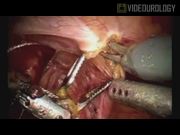
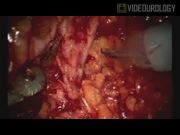
We sought to describe our institution's experience with robot-assisted epigastric artery harvesting for penile revascularization.
Results:
In our series of three patients, the average operative time was 125 minutes, average estimated blood loss was 110 mL, and all patients were discharged on postoperative day 1. At mean follow-up of 9 months, revascularization was effective for survival of subsequent buccal mucosal grafts without evidence of stricture recurrence on postoperative voiding cystourethrograms.
Conclusions:
Robot-assisted epigastric artery harvesting for penile revascularization provides an effective alternative to traditional open procedures with advantages of minimally invasive surgery allowing for quicker recovery time, shorter hospital stay, and more accurate as well as distal dissection of the epigastric vessels.
No competing financial interests exist.
Runtime of video: 6 mins 38 secs

Keywords
Get full access to this article
View all access options for this article.