





Abstract
Introduction:
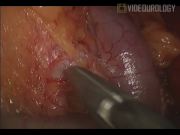
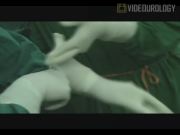
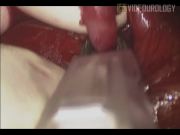
Laparoscopic donor nephrectomy is currently the gold-standard approach for renal procurement for transplantation. Traditionally, the left renal unit is favored for laparoscopic harvest because of the longer procurable length of left renal vein and increased incidence of graft thrombosis after right renal harvest. 1 Occasionally, because of unfavorable vascular anatomy of the left renal unit, the right renal unit needs to be harvested. Various techniques have been forwarded for achieving satisfactory right renal harvest. 2 The video demonstrates our technique of right laparoscopic donor nephrectomy whereby we use a terminal hand-assisted approach during pedicle division.
Methods:
Donors were selected after detailed evaluation. Computed tomography angiogram was the preoperative imaging modality for delineation of vascular anatomy. Donors unsuitable for left renal harvest were selected for right donor nephrectomy. Five ports were employed as shown in the accompanying video. After complete mobilization of the renal unit, division of ureter and vascular pedicle was conducted under hand guidance. In cases of multiple arteries, the most accessible artery was occluded and divided first followed by the next most accessible artery. Renal vein was occluded by two clips and divided. Graft was retrieved through the same incision made for hand placement.
Results and Discussion:
Since January 2002 till January 2011, 80 laparoscopic right donor nephrectomies have been performed by the same operator (Dr. George P. Abraham) in two institutes employing this technique. Single artery was encountered on 60 occasions and multiple arteries in 20 cases. Mean donor age was 32.5 years. Mean body–mass index was 22.6 kg/m2. Sixty-five were men and 15 were women. No cases required conversion to open approach. Mean warm ischemia time was 2.16 minutes for single artery and 2.52 minutes for multiple arteries. Mean blood loss was 175.2 mL. Mean operation duration was 110 minutes. Partial avulsion of right renal vein at confluence of the vena cava was encountered on one occasion that was promptly tackled under hand guidance. No graft thrombosis was encountered. Mean hospital stay for donor was 3.5 days. Mean follow-up serum creatinine at 1 year was 1.3 mg/dL for recipient and 1 mg/dL for donors. Acute rejection was encountered on two occasions. Despite shorter length of renal vein laparoscopic harvesting of right renal units is feasible. Our technique ensures optimum safety during vascular division and ensures procurement of maximum length of the vascular pedicle. Additionally, we have not employed any special equipment like hand port, Satinsky clamp, or Endo TA staplers, and thereby no additional cost is incurred by the donor. The donor morbidity and transplantation outcome is appreciable.
No competing financial interests exist.
Runtime of video: 8 mins 12 secs
Keywords
Get full access to this article
View all access options for this article.