





Abstract
Introduction:
Posterior repairs have been most commonly performed with suture ligation of already weak, native rectovaginal tissues. Compared to the host's native tissues, allograft materials may have improved strength and potentially improved outcome with their reconstructive surgery utilization at least in the short-term (less than one year follow-up). How do human dermal allografts perform with a minimum seven years follow-up?
Materials and Methods:
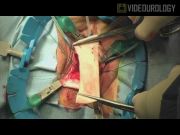
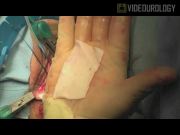
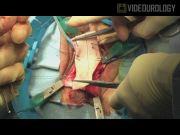
The author performed an observational, retrospective single cohort study of 41 patients who, between October 2001 and October 2004, underwent rectocele repair with human dermal allograft interposition (Repliform, Boston Scientific, Natick, MA) for an International Continence Society Stage 2–3 Rectocele with or without digitation and/or splinting.
Results:
With a median follow-up of 97 months, there was a success rate of 84% with anatomical reduction of prolapse. For splinting and digitation, the cure rate was 82%. There were three paraincisional exposures of the repliform both that responded to estrogen replacement therapy for 6 weeks. Fifty-five percent of patient’s were of primary repairs, whereas 45% were of secondary repairs. No difference was noted in the results of operative repairs in either group. There were no infection or rectal erosion. Patient satisfaction was 85% and would recommend this operation to a friend.
Conclusions:
Our study approaching long-term results demonstrated that rectocele repairs with human dermal allografts interposition and a minimum of 7 years follow-up do provide a good anatomical, functional and low complication rate repair. Additional studies need to be performed to ascertain their 10–15 year efficacy and complications.
No competing financial interests exist.
Runtime of video: 8 mins 52 secs
Get full access to this article
View all access options for this article.