






Abstract

In Memoriam:
Tullis C. Onstott
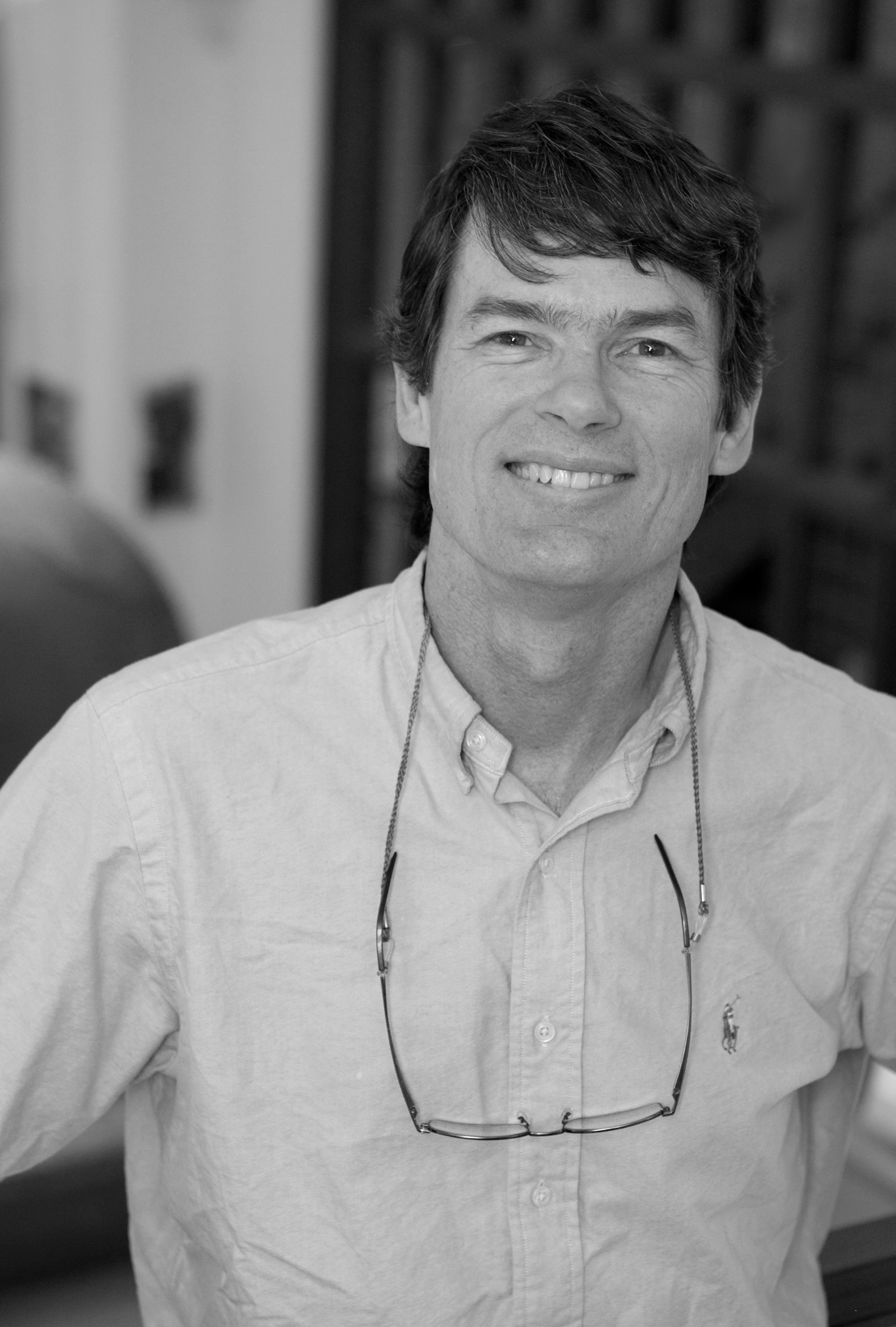
The death of Tullis Onstott, at the age of 66, is an irreparable loss for the astrobiology community. Tullis organized formidable field campaigns to sample and analyze fluids and minerals from deep commercial mines and scientific boreholes, resulting in documentation of a vast ecological niche in fractured continental rocks. His research team unraveled a complex high-energy pathway that coupled abiotic radiolytic splitting of water molecules and subsequent biotic electron transfer from H2 to oxidants by a new bacterial species given the name Desulforudis audaxviator, which lives kilometers below the land surface in the gold-bearing Witwatersrand formation in South Africa. Tullis's approach to science was transdisciplinary, collaborative, and inclusive. During 37 years on the faculty at Princeton University, his enthusiasm for exploration and penchant for resource-bounding calculations introduced numerous undergraduates to the astonishing implications of terrestrial extremophiles as models for extraterrestrial life on Mars, Europa, and Enceladus. The doctoral and post-doctoral researchers he mentored now hold impactful positions in universities and government laboratories around the world. Tullis is the author of “Deep Life: The Hunt for the Hidden Biology of Earth, Mars, and Beyond” (2016, Princeton University Press) and more than 170 scholarly papers. His publication citations were above 9,000 and on an upward trajectory at the time of his passing. He received numerous awards, including a U.S. Presidential Young Investigator Award (1985–1989), and he was named one of Time magazine's 100 Most Influential People in the world in 2007. Tullis rarely said no to requests from his colleagues, and he was generous in serving on scientific boards and participating in outreach activities. One of his last services was his membership in the Committee on Space Research (COSPAR) Sample Safety Assessment Protocol (SSAP) Working Group. In this function, he participated in most meetings and telecons, despite his health conditions. Tullis passed away during the final write-up of the working groups' report. We are grateful for his contributions and for the chance of working with him in his last years as scientist, explorer, educator and above all, fine human being.
— Gerhard Kminek