






Abstract
There is a growing crisis of mental and substance use disorders (MSUDs), especially in adolescents and young adults, and this is expected to further escalate very rapidly as a consequence of the coronavirus disease 2019 pandemic and the economic downturn. Dispositional optimism is an effective buffer against the development of mental disorders and a change from pessimism to optimism empowers individuals with rational choices, decisions, and helps control high-risk behaviors. A proactive preventive intervention with learned optimism skill sets started much earlier in life is expected to offer benefits for the mental health and well-being of young individuals and emerging adults. In this review, we discuss the burden of MSUDs among young individuals and summarize the rationale and unmet need for learned optimism as a protective behavior against MSUDs.
The Rising Epidemic of Mental Disorders in Younger Populations
Suicide is one of the leading causes of death for adolescents, and young adults, with an alarming increase in its global incidence for the past 10 years. 1,2 At least one individual dies due to suicide every 40 seconds, and up to 8% of patients seeking emergency care have acknowledged being actively suicidal when questioned. 3 Half of all lifetime mental disorders generally start by the mid-teens, while about three-quarters of them start by the mid-20s. 4
The Coronavirus Disease 2019 (COVID-19) pandemic and associated economic recession have further compounded an existing mental health crisis with a rapid rise in psychological disorders, domestic abuse, homelessness, and self-harm behavior, including suicides, 5 –7 yet very few of those affected are able to access any form of mental health support. 8 A study based on United States national survey data found that the increased rates of psychological distress due to the COVID-19 pandemic were greatest in young adults aged 18–24 years. 9 The few empirical studies on the implications of the COVID-19 pandemic, specifically on the mental health of young adults, show widespread repercussions. 10,11
The Growing Parallel Epidemic of Social Media Addiction and Drug Dependence in Young Individuals
Mental disorders are commonly associated with excessive social media use, substance use, and drug dependence. 12 Social media use is a very popular channel of communication, especially for young people, and has influenced the way people interact and communicate. 13 However, a relationship between a higher use and number of social media platforms in young individuals with more depressive and anxiety symptoms, drug use, and alcohol consumption has been found. 14,15 Alarmingly, manufacturers portray glorified use of alcohol, vaping, and drug use by celebrities on social media as a tactic for boosting sales and facilitating pairing between sellers and prospective innocent and vulnerable young people. 16 Unfortunately, there is no mandatory requirement for the government or industry for regulating hours of social media use, 17 and the advertising of illicit substances through social media is much harder to regulate. 16 With the COVID-19 pandemic, although social distancing regulations have reduced illegal drug trafficking on the streets, the illegal online dark web and social media sites are gaining further popularity. 18
The current high prevalence of binge drinking and recreational drug use among young individuals is directly linked to several high-risk behaviors, including unsafe or regretted sex or even facilitation of sex-related crimes. 18 The repercussions of the COVID-19 pandemic on mental health, the global economy, and employment opportunities are expected to increase drug abuse, especially in young adults. 19,20
It has been estimated that even half of the burden of the mental and substance use disorders (MSUDs) cannot be prevented with current treatments, regardless of the amount of the funding available. 21 Thomas Insel, the former director of the National Institute of Mental Health, United States, has commented: “Whatever we've been doing for five decades, it ain't working,”…“When I look at the numbers—the number of suicides, the number of disabilities, the mortality data—it's abysmal, and it's not getting any better. Maybe we just need to rethink this whole approach.” 22
An Opportunity for Social Transformation and Mental Well-Being
The psychosocial and mental health burden escalated by the COVID-19 pandemic will become even more evident in the near future. 23 However, the COVID-19 pandemic could also provide us with an opportunity to improve population mental health by rapidly advancing policy changes and shaping optimal mental health care for achieving global mental health objectives. 23,24
Exploring prevention with novel strategies becomes important, and intervening as early as possible is expected to have long-term benefits for population health. 25 It has been suggested that large-scale youth empowerment programs should focus on all young people, starting from middle school children before risky behaviors begin, along with screening and targeted therapy for those at higher risk for mental disorders. 21
Positive psychology views individuals as decision-makers because of their choices and preferences, with the possibility of anyone becoming masterful and efficacious. 26 It is clear that happiness is not something that just happens—it is a state that must be cultivated and defended individually by each person. 26 Day-to-day emotional issues and life adversities can be generally managed by our own skills and actions related to managing our thoughts and willpower instead of being dependent on a substance or prescribed medications.
Negative automatic thoughts (NATs) are a stream of quick and spontaneous pessimistic thoughts arising due to negatively framed interpretations in response to situations. These thoughts cascade persistent negative self-talk, are emotionally distressing, and may also sometimes distort reality. 27 Individuals are often more aware of the feelings resulting from the NATs and fail to recognize and challenge their own NATs, and this concept is often not discussed or taught in schools or in the workplace. 28 Certain meditation practices have been found to significantly increase happiness and self-satisfaction by boosting positive thinking. 29 The beneficial effects have been noticed irrespective of age or duration of meditation practice, although long-term meditators can rapidly shift their mental states during meditation even with their eyes open. 29,30
Optimism is regarded as an important determinant in coping with uncontrollable adversities and life events. 31 A recent study on Turkish adults with a mean age of around 23 years revealed that COVID-19-related stress was found to correlate positively with psychological inflexibility (our inability to focus fully on the present moment, as per what the situation demands) 32 and pessimism, and negatively with optimism. 31 Also, optimism was found to mediate the relationship between coping flexibility and well-being, suggesting that higher optimism and lower pessimism can reduce the negative impact of psychological inflexibility on the experience of COVID-19-related psychological problems. 31 A recent cross-cultural study on COVID-19-related behaviors also showed that pessimists showed a much higher level of fear. 33 Excessive COVID-19-related fear is expected to lead to interference with cognitive processing (knowing, thinking, judging, remembering, and problem-solving), 34 serious psychological distress, and diminished physical health. 35 The psychological impacts related to the fear of inability to provide food and shelter to the family due to COVID-19-related economic consequences can be extreme for those who are poor and unprivileged, and many cases of suicide have been reported. 36
Change from hopelessness to optimism through metacognition (thinking about thinking) has been proven to prevent depression and anxiety. 28 Learned optimism is defined as an explanatory style (self-talk) “that attributes causes for negative events to factors that are external, unstable, and specific.” 37 Dr. Martin Seligman, the “father” of positive psychology, recommends that learned optimism should be taught to everybody starting from childhood (ideally before puberty) as a preventive strategy for depression and anxiety later in life. 28 In fact, all the psychological therapies have similar effect sizes and are built on ultimately generating hope and optimism. 38,39
In the next few sections, we discuss the role of optimism in health and wellness and the advantages of teaching and promoting this trait through schools, universities, and workplaces to maintain a sense of equilibrium in day-to-day lives.
Dispositional Optimism
Dispositional optimism captures the conventional definition of the term optimism and refers to a personal belief and faith that life's outcomes will primarily be positive, and a distressing present has the potential to be transformed into a better future. 40,41 Dispositional optimism, however, needs to be differentiated from “unrealistic optimism” defined as an illusion associated with unrealistic and biased “inflated ratio of positive to negative expected events” versus other people. 41,42
Optimists create mental images of a positive future and enjoy by pre-experiencing their visions through targeted and creative visualizations, yet not vivid imaginations. 43 At the most fundamental understanding, optimism is the opposite of hopelessness—a known risk factor for mood disorders and suicidal behaviors. 44 Optimism is linked to lower levels of inflammation and stress hormones. Optimism correlates with social competence, self-esteem, good temperament, and behavior even in children 45 and optimistic children also display better sleep quality. 46
Positive and negative beliefs regarding the future expectations of an individual may be necessary for understanding the susceptibility to MSUDs, as summarized in Fig. 1.
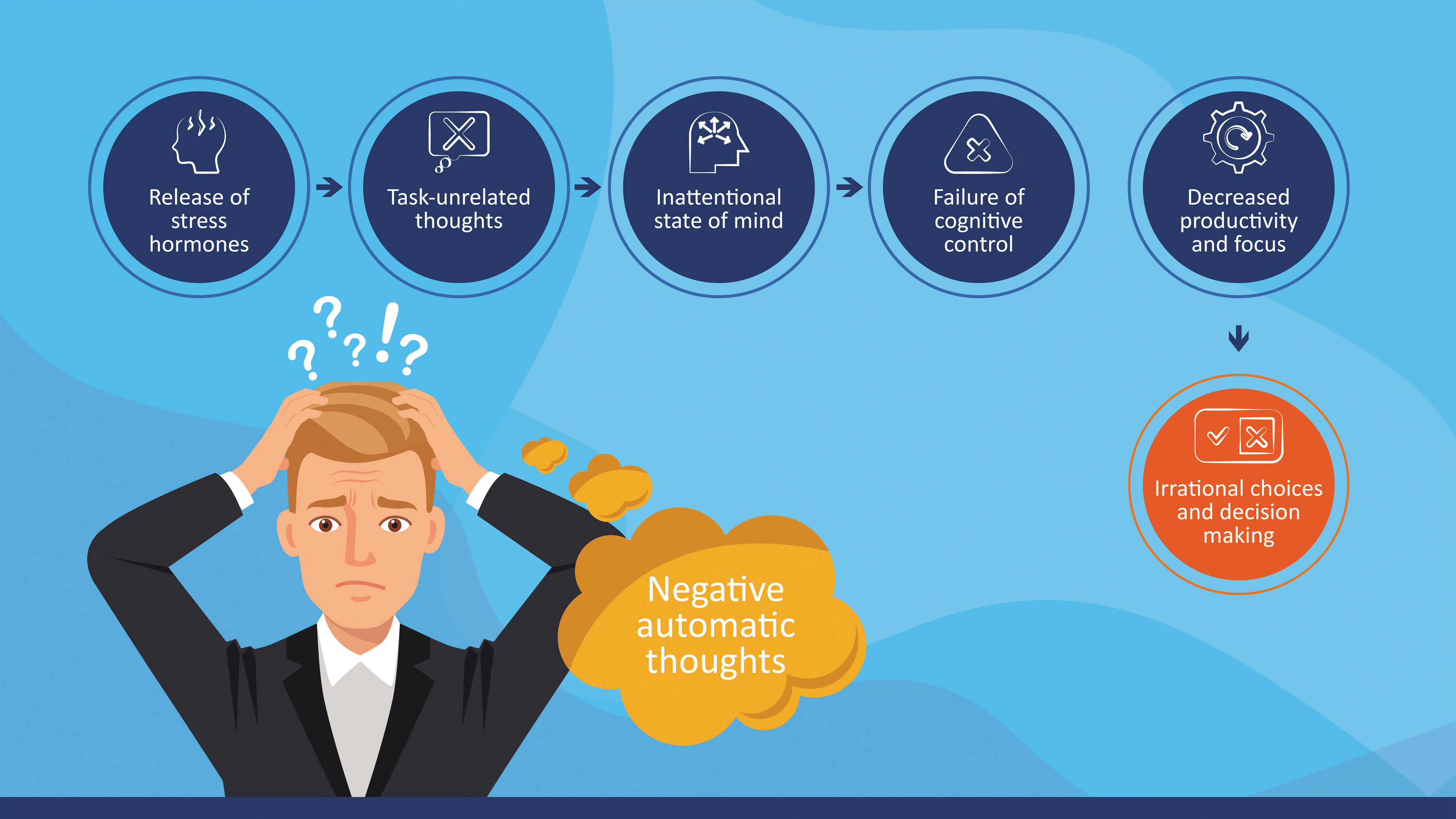
There is a preponderance of data suggesting optimism is a necessary trait for any goal attainment. 40 Associations between cognitive judgment and motivation are demonstrated in animal models, suggesting preclinical modeling of mental health disorders. 47 If an individual is confident and convinced about subsequent achievement, effort persists, while if there is increased doubt, effort diminishes, or the individual gets disengaged, yielding distress and likely failure. 40 There is also a significant constructive relationship between optimism and coping approaches on social assistance during stressful conditions. 48 Optimism significantly impacts mental as well as physical wellness through the promotion of healthful practices and adaptive activities associated with resilience and problem-solving. 48,49 Our body's immune system is impaired during depression, grieving, and stress, with chronic pessimism diminishing immune activity in the long term. 28 The exact biochemical mechanism on how pessimism impairs immunity remains elusive. 28
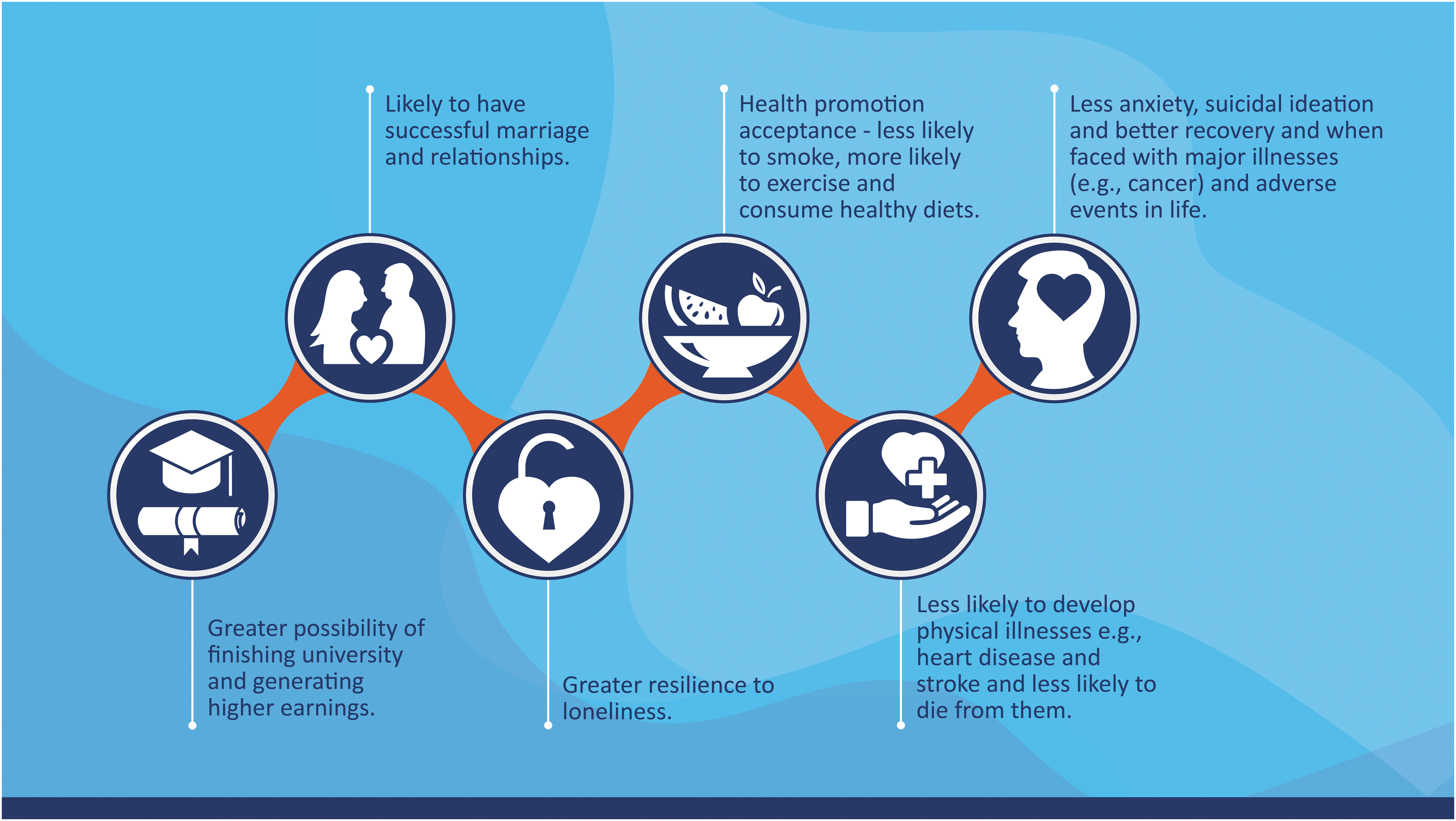
Optimism predicts life achievements, helpful social relations, and better health as a result of constant and affirmative efforts. 40 In recent years, strategic dispositional optimism is also being regarded as a construct for a positive work-life, resiliency, and employee performance in organizations. 50 Strategic optimism is regarded as a viable method for ensuring higher employee mindfulness, and thereby promoting higher work motivation associated with innovation and productivity. 50 The innumerable benefits of dispositional optimism on physical health, productivity, relationships, and mental health based on large-scale epidemiological studies have been captured in earlier reviews 40,51 and have been illustrated in Fig. 2.
Measurement of Dispositional Optimism—The Life Orientation Test
Dispositional optimism is generally measured by the Life Orientation Test (LOT). 41 The original LOT was developed in 1985 by Carver and Scheier. 52 However, this test has since undergone a few revisions and, a shorter yet improved version, the LOT-Revised or LOT-R, is more popular (Fig. 3). 53
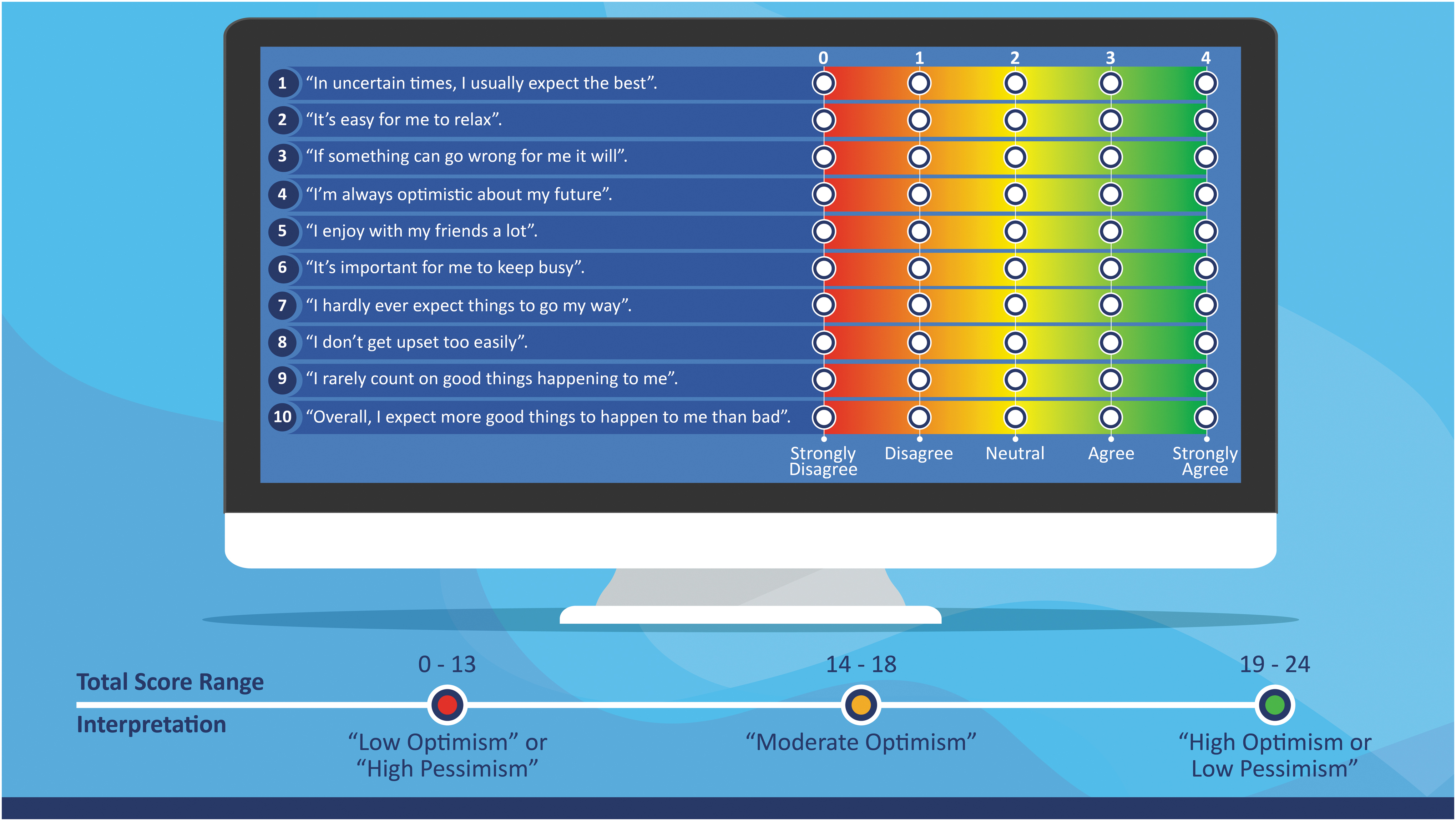
LOT-R measures the level of optimism on a single scale and provides validated results regardless of age, gender, and other demographic variants. 53,54 Extensive studies have confirmed that higher optimistic scores on LOT-R are directly related to quality of life, self-efficacy (belief or confidence in one's ability to accomplish a task or succeed in specific situations), 55 academic performance, and mental health. 53,56,57 Several recent studies have adopted LOT-R to measure “optimism” as a predictor of occupational burnout, 58 psychological distress, 59 and work productivity, 60 including caregiver and nursing care as well as better diet quality, 61 longevity 62 and physical and mental health. 63 This scale is also an indirect measure of happiness, motivation, self-esteem, self-confidence, gratitude, and resilience. 52,53
LOT and LOT-R have also been used in many studies to examine COVID-19-associated mental health problems and persistence to learning along with other COVID-19-related scales. 33,64 However, although there are about 15 validated scales specific for measuring COVID-19-associated mental issues, none of the scales focus on coping strategies, self-harm ideation, and behavioral responses. 65 A robust and validated scale specific for measuring COVID-19-related mental health burden, including participants from diverse geographies, age, and COVID-19 exposure groups, needs to be developed. 65
The Untapped Potential of Inculcating Dispositional Optimism for Younger Populations
Dispositional optimism is linked to the reduced burden of major public health issues, including depression and chronic physical illness such as cardiovascular disease. 40 Hence, instilling optimism has been suggested to be the objective of inexpensive accessible low-intensity yet profound psychological interventions. 43 The skill sets for learned optimism are most crucial and valuable during the day-to-day setbacks in life. 28,66 The Adversity-Belief-Consequences-Disputation-Energization model for learned optimism is one of the simplest yet incredibly useful strategies, which can be used to train even primary school children (Table 1). 28 It was originally developed by Albert Ellis 67,68 and further modified by Martin Seligman. 28 Learning to conduct an “optimistic personal positive dialogue” during adverse situations seems to be the key to mastering the skill set of optimism. 28
Adversity-Belief-Consequences-Disputation-Energization Model for “Learned Optimism”
Learning and practicing to act before NATs grow in intensity prevents learned helplessness. Metacognition, which refers to thinking about our thinking, can help to recognize NATs that usually go unnoticed and hence unchallenged, as well. Effectively disputed beliefs are prevented from reoccurring in similar situations in the future through positive personal dialogues. Change in habitual beliefs that follow any adversity changes our reaction to an undesirable situation. Optimistic dialogues energize us and shift our happiness scale. 28 Adapted from Seligman. 28 Seligman, the father of positive psychology, has illustrated the ABCDE model for “learned optimism,” initially suggested by Ellis. 67,68
ABCDE, Adversity-Belief-Consequences-Disputation-Energization; NATs, negative automatic thoughts.
Encouraging the adoption of optimistic disposition through cognitive behavioral therapy (CBT), especially in pessimistic individuals, has been demonstrated to be a highly effective and efficient strategy to prevent and combat low moods and depression. 28,48 Psychological interventions targeted to boost optimism as an active coping tactic using cognitive science have a vast untapped potential to provide substantial public health benefits for all age groups, including young adults. 43 Several techniques have been illustrated for integrated CBTs to increase motivation in identifying, disputing, and changing NATs. It has been suggested that all health clinics should offer integrated optimism programs in both the prevention and management of mental as well as physical disorders. 48 There is, however, a critical scarcity of mental health providers globally, and with the ever-rising incidence of mental illnesses, utilizing nontraditional providers may be a solution. 69,70 Peer social workers (PSWs) can play a profound role in primary health care, 71 and research has supported that implementation through these roles also achieves good clinical outcomes. 69 Application of these programs through PSWs would also help to reduce the overall stigma of discussions and interventions related to mental health. 72,73 Targeted interventions at workplaces, schools, and universities appear to be promising supplements to help employees and students inculcate adaptive stress-buffering and analytical decision-making skills adopted through dispositional optimism. 74 –77
Destigmatization Opportunities in Mental Health due to the COVID-19 Pandemic
Low levels of mental health literacy are important contributors to the gaps in the treatment of mental health conditions. 78 Despite significant efforts by many credible programs, the stigmatization of people with mental illness remains a significant problem even in developed countries. 79 Mental illness is regularly linked to “danger” or “crime,” and cultural or societal beliefs toward mental health issues are barriers to seeking professional help, regardless of self-stigma. 80 Even in developed countries, racial and ethnic minorities who should meet criteria for a mental disorder remain undiagnosed or misdiagnosed. 81,82 Also, primary care physicians (PCPs) generally tend to focus on only somatic complaints, and patients may also be reluctant to accept psychological causes for their physical symptoms. 83 These factors, along with short visits and a high volume of patients, make it difficult for PCPs to discuss or diagnose mental health issues in clinical practice. Somatization (unexplained and exaggerated physical complaints commonly due to mental stress) often goes unrecognized in the primary care setting and exposes patients to expensive unnecessary diagnostics and treatments. 84
The immense benefits of dispositional optimism have been studied in various ethnicities and family types, including vulnerable families. 85 –87 Optimistic disposition was found to shape the central nervous system's pain processing and enhance endogenous pain inhibition irrespective of the ethnicity of the subjects. 88
The COVID-19 pandemic has triggered a parallel pandemic of panic, anxiety, and depression, 89,90 which continues to further worsen with the global economic crisis. 91 However, the COVID-19 pandemic also may by itself present as an opportunity to reduce stigma related to seeking mental health help globally as at present talking about our mental health is increasingly becoming a new norm. 92 Hope and optimism in people of all age groups, especially in youth, are needed right now more than ever. 93
Moving away from discussion and measurement of depression and anxiety for the general population to the measurement and encouragement of optimism may offer a promising solution for boosting mental health literacy and reducing societal stigma.
Inculcating Dispositional Optimism in Youth—Proposed Implementation Plan and Curriculum
Optimism is a strong correlate for decision-making styles; hence learned optimism has tremendous potential for incorporation in interventions aimed to help youth learn adaptive decision-making skills. 74 However, from a practical point of view, changing any type of behavioral habit is difficult, and modifying the thinking style is one of the hardest habits to change. 94 Also hindering may be the trait of “resistance to change,” which often developed early in life, occurs at diverging levels of consciousness, is also related to past traumatic experiences, and may increase learned helplessness. 95 To deal with these challenges, it is essential to build “learned optimism” into a strategic curriculum that imparts a broader perspective of psychological well-being, promotes self-efficacy and cognitive engagement as well as refrains the vulnerable population from high-risk behavior, including substance abuse.
Table 2 briefly illustrates a suggested course curriculum that is developed by the authors in consultation with an educational psychologist. Integration of learned optimism skill set training with hands-on coaching for goal attainment, mental health, and awareness of the dangers of substance abuse and vigilance on social media would ensure full synergy and efficiency of these programs in the prevention of MSUDs. While there are several existing universal, selective, and indicated programs, many prevention programs were found to be ineffective as they focused primarily on lecturing students or used fear-arousal techniques. 96,97 The ideal program curriculum should include competence enhancement approaches for essential life skills, including adaptive coping for relieving stress, resisting peer and media influences, problem-solving, decision-making, increasing self-esteem, self-control, and assertive skills as well as social resistance skills. Another critical novel element proposed by the authors in the suggested curriculum is project-based learning (PBL) using a set of comprehensive, fun, interactive activities through reflection within real-world practices with hands-on experience in positive psychology (Table 2). The concept of PBL builds on John Dewey's work in education that was started over a century ago with practical hands-on student-directed learning where learners engage in real-world problem-solving. 98 Recent decades have seen revived interest in PBL, although, in many countries, it is still considered to be an innovative approach. 99 PBL is regarded as a critical pedagogy for a 21st-century education, especially when it is infused with appropriate youth-focused technology. 98 Apart from the contribution of PBL in developing long-term learning capabilities and cross-student learning, 100 it has also been shown to enhance health and well-being in youth independently. 101
Success4life: A Proposed Strategic Curriculum for Learned Optimism Through the Promotion of Psychological Well-Being, Self-Efficacy, and Cognitive Engagement
The program was developed keeping in mind that individuals low in dispositional optimism and with higher apprehension of uncertainty benefit significantly from mindfulness meditation. d
PBL is an active form of student-centered instruction characterized by learners' constructive investigations, autonomy, communication through reflection within real-world practices. 100 PBL is a mode to develop long-term learning capabilities, cross-student learning and sharing, ultimately building reflective practitioners. 100
Froh JJ, Parks AC. Activities for teaching positive psychology: A guide for instructors. (American Psychological Association). 2013. Online document at:
Sweeny K, Howell JL. Bracing later and coping better: Benefits of mindfulness during a stressful waiting period. Pers Soc Psychol Bull 2017;43:1399–1414.
PBL, project-based learning.
The positive impact of such programs includes in broader context for boosting mental health, relationships, stimulating work engagement, career planning, productivity, and academic success. 94,102 –106 These educational programs can be introduced in schools, universities, and even workplaces to effectively target youth, but in low-resource settings, immediate priority planning should be for high-risk youth. 107,108 These youth empowerment programs can also serve as effective transitional programs for juvenile delinquents as well as for those completing therapeutic residential care before returning to their communities. 109,110 However, to be really effective, these programs must be tailored and aligned with the learners' age group and maturity. 111
Sustainability and scalability challenges are inherent with these programs and would need close collaboration with decision-makers and policy planners as well as global health partnerships. 112 Lack of consistent and rigorous implementation also causes these programs to lack impact. 97 Lately, blended learning (the combination of live training and e-learning) has grown rapidly and is commonly used in health education. 113 Blended learning makes learning more efficient by removing time, distance, and cost-related barriers of live training as well as removing barriers of stand-alone e-learning related to limited contact with the instructors. 114,115 Blended learning was found to demonstrate consistently improved results on learning outcomes when compared with traditional learning in health education in a recent meta-analysis. 113 However, blended learning requires an effective Learning Management System or LMS (e-learning management platform) that hosts and tracks data related to learner's registration, knowledge assessment, certification, content management, and so on. 115 Blended training using e-learning modules configured with LMS tools along with instructor-facilitated live group discussion and project evaluation may provide economical, productive, and efficient solutions for scalable implementation. 112,116 Specialists and experts may be pioneers at the start for program and module development, but for sustainable implementation, the routine staff, for example, teachers, school nurses, and peers, must be trained as instructors. 97
Limitations
We followed a traditional narrative review methodology as it is better suited for topics with a wider scope 117 to align with our objective to review the rationale and unmet needs for learned optimism as a protective behavior against MSUDs in youth. The methodology for systematic reviews would not have allowed for this comprehensive coverage of a wider range of issues within this topic. 118 This approach, however, may lack specific criteria for article selection and bias assessment of the selected articles. 119
Conclusion
There is an ongoing epidemic of mental disorders and drug abuse worldwide, especially among adolescents and young adults. Current statistics show extremely disappointing results in controlling this escalating scourge, notwithstanding a shortage of mental health providers. The current epidemic could rapidly worsen with the fear, panic, and global financial recession after the COVID-19 pandemic. There is an immediate need for effective preventive strategies to immunize the younger generation against both mental disorders and drug abuse through self-realization, resilience, and self-control. Optimism acts as an effective buffer against the development of mental disorders, and a change from pessimism to optimism empowers individuals with rational choices and decisions and controls high-risk behaviors. The subtle interventions aimed at boosting optimism can guide individuals to choose the optimistic way of thinking and provide coaching of a new set of cognitive skills—metacognition and positive personal dialogues. These could be carefully planned and introduced in schools, universities, and workplaces. However, to ensure synergy and efficiency, these pieces of training should be integrated into complete coaching on mental health and awareness of the dangers of substance abuse and vigilance on social media. Urgent action by policymakers and governments on these and similar strategies is needed to mitigate the mental health burden, which could rapidly escalate due to the COVID-19 pandemic.
Footnotes
Acknowledgments
The authors would like to thank Dr. Michelle Tichy, PhD, Education Director at Transforming Life, Transform Medical Communications and contributing faculty member at Rollins College, Florida, and University of Central Florida, for her valuable contribution and assistance with the development of the proposed program for Success4life—a stepwise integrated curriculum for learned optimism and prevention of MSUDs in youth.
Authors' Contributions
All authors were involved in the conception, design, analysis, and interpretation of the data. All authors were also engaged in the preparation of the article, revising it for scientific content and final approval before its submission for publication.
Disclaimer
The expert views and opinions expressed in this article are those of the authors and do not represent or reflect in any way the official policy or position of their current or previous employers.
Author Disclosure Statement
No competing financial interests exist.
Funding Information
The research and preparation for this manuscript received no grant or sponsorship from any funding agency in the public, commercial, or not-for-profit sectors.▪