





Abstract
The revolutionary Human Genome Project and recent advances in molecular genetic research have transformed the prospects of medicine in providing diagnostic tests for diseases, prognosis of illness course and specific treatment selections for individuals. The identification of carrier states, risk assessment for multifactorial diseases, and whole population screening are possibilities for the future [1]. Advances in this area of biotechnology have opened up the field of pharmacogenetics, which is defined as the study of variability in drug handling and drug response due to genetic variations between individuals and populations [2]. Developments in this domain have focused on how individual genotypes may impact on drug metabolism, response, adverse effects and clinical outcome. Although there may be some overlap, pharmacogenetics is quite distinct from the study of genetics of mental disorders.
In psychiatry, the importance of genomic approaches are increasingly being demonstrated, for example in the studies of serotonin transporter gene associated with the influence of life stress on depression [3], treatment response to antidepressants [4] and lithium prophylaxis [5]. Evidence is emerging that genetic markers may predict response to psychotropic medications in terms of efficacy, safety and tolerability. Drug regulators have also begun evaluating genotype and phenotype data in approving new drugs in medicine [6]. However, although this rapidly changing field is beginning to impact on drug design and development, the role of pharmacogenetics in clinical psychiatry is still unclear. Therefore, this paper aims to critically review the current and future clinical implications of genotyping in psychopharmacotherapy within the contexts of multiple clinical variables and diverse psychiatric practice.
Pharmacogenetics of drug metabolizing enzymes
The pharmacokinetics of psychotropic medications are predominantly mediated by cytochrome P450 isoenzymes (CYP), especially CYP2D6, CYP2C19, CYP1A2 and CYP3A4. They are responsible for the oxidative metabolism of a large number of antipsychotics, antidepressants and anxiolytic medications. Distinct differences are found across ethnic groups in the functioning of these enzymes that lead to variability in pharmacokinetics and drug response to psychotropic agents [7]. Due to the biological diversity within each ethnic group, there are also significant intragroup variations resulting in differences between individuals. Among the various components of pharmacokinetics (absorption, distribution, metabolism and excretion), metabolism is regarded as the most significant factor in determining inter-individual and inter-ethnic differences. It is now well recognized that variability in drug metabolism is related to the genotypic variations of drug metabolizing isoenzymes [8].
The genetic variations of drug metabolizing enzymes result in different levels of metabolic functioning, which are classified into four metabolic phenotype groups [9], [10]. Normal or extensive metabolisers (EMs) are those who have normal to high metabolic activity. Poor metabolisers (PMs) refer to individuals who have low to absent metabolic activity. As there is a lower metabolic clearance rate of substrates in PMs, a higher risk of toxicity may result from medications that are normally metabolized by the isoenzyme whose expression is reduced. Intermediate metabolisers (IMs) also have impaired or slow metabolic function that is greater than PMs but less than EMs. Finally, ultrarapid metabolisers (UMs) have extreme metabolic activity leading to rapid metabolism and excretion of drugs. This may result in under-dosing of medication leading to poor efficacy and therapeutic failure.
The metabolic phenotype groups are closely correlated with variants of the gene coding for drug metabolizing enzymes. Mutant (abnormal) alleles differ from normal functioning (or wild type) alleles by point mutations, gene deletions or gene duplications. By producing alternate forms of the same drug-metabolizing enzyme, gene mutations can result in normal enzyme activity, decreased or absent activity or increased activity [11]. EMs are homozygous for active alleles; IMs are homozygous or heterozygous for low activity alleles; PMs are homozygous defective alleles with no enzyme activity; and ultra metabolisers (UM) have duplicate or multiple copies of the active genes [12].
For CYP2D6, there are over 70 variant alleles that have been identified so far but only a few of these mutations are common and they account for over 95% of the polymorphisms [11]. The consensus for gene nomenclature is that an asterisk separates the gene and its alleles (named by Arabic numerals) with no spaces [13]. The active, wild type allele is designated CYP2D6∗1 while CYP2D6∗2, CYP2D6∗9, CYP2D6∗10 and CYP2D6∗17, are intermediate functioning alleles. The major deficient alleles include CYP2D6∗3, CYP2D6∗4, CYP2D6∗5, CYP2D6∗6 and CYP2D6∗7, while CYP2D6∗8, CYP2D6∗14 and CYP2D6∗16 are rare deficient alleles [13]. For CYP2C19 isoenzyme, CYP2C19∗1 is the active allele while the deficient alleles are CYP2C19∗2 and CYP2C19∗3. The EM phenotypes include either homozygous or heterozygous genotypes for the active allele while PMs have homozygous deficient genotypes [8]. There do not appear to be any ultra-rapid metabolisers associated with CYP2C19 variations [14]. Although genetic polymorphisms have also been identified for CYP1A2, CYP3A4 and other CYP isoenzymes, there is limited data on their effect on functional activity.
Multiple active gene copies of a particular enzyme correlate with drug and metabolite concentrations in plasma. This has been demonstrated in subjects with multiple copies of the CYP2D6∗2 gene and the 10-hydroxylation of nortriptyline [15]. Subjects with 0, 1, 2, 3 and 13 functional copies of the gene received single oral doses of nortriptyline and the kinetics were determined. There was a proportionate increase in the apparent oral clearance of nortriptyline and the number of gene copies. On the other hand, the amount of metabolite (10-OH-nortriptyline) formed increased in proportion to the number of gene copies. The study suggests the utility of genotyping as a tool for individualizing drug therapy.
Ethnic differences in pharmacogenetics
Variations in psychotropic response between different ethnic groups have been observed. Asian patients may respond to lower doses of some psychotropics and are more likely to experience side-effects. These clinically significant issues are related to genetic polymorphisms in drug metabolism, particularly affecting CYP2D6 and CYP2C19 [7], [9]. About 15–30% of Asians are PMs of CYP2C19 compared to 3–6% of Caucasians and 2–4% of Africans. The deficient genotypes, CYP2C19∗2 and CYP2C19∗3, which are prevalent in Asian populations, have been shown to be predictive of PM phenotypes with low metabolic activity [16], [17]. In the case of CYP2D6, about 5–10% of Caucasians and 1–2% of Asians are PMs for CYP2D6 [8]. However, up to 50% of Asians carry the mutant allele, CYP2D6∗10 that is an intermediate functioning allele. This gives rise to a high incidence of IMs with impaired metabolic capacity [7].
Due to the increased likelihood of a lower metabolic clearance rate with both CYP2D6 and CYP2C19 substrates there are clinical implications for pharmacotherapy in Asian subjects. At standard doses, they may have higher drug serum levels and a consequential higher incidence of side-effects resulting in increased sensitivity to both short and long-term adverse effects [18]. The higher rate of extrapyramidal side-effects associated with neuroleptic use among Asian subjects is an example of such drug sensitivities [19]. As a result of lower tolerance to medication, compliance rates may be poor and there is also an increased risk of drug–drug interaction and toxicity with poly-drug treatment. Hence, lower doses of medication (for example 50% of usual recommended dose) are frequently more suitable to produce optimal effectiveness in Asian patients [18], [20]. The differential rates of polymorphism between ethnic groups have important implications for drug development where the clinical drug trial findings in one population group (usually Caucasian) are frequently extrapolated to another group without qualification.
However, caution needs to be exercised in making predictions regarding genetic expression based on ethnicity alone. Stereotypes, on the basis of ethnic group, may be misleading as there are marked inter-individual differences in metabolism within the same ethnic group. Concerns have been raised about the validity of therapy or research based solely on racial differences, for example in relation to the current debate about differential drug response in cardiology for black and white patients [21]. Specific knowledge of both the genotype and phenotype profile may be necessary to accurately predict individual metabolic function. Nevertheless, ethnicity remains a useful and important clinical consideration in pharmacotherapy, which like other variables, such as age, gender, hepatic/renal function, weight and physical status, cannot be disregarded in tailoring individual dosage of medication.
Genetic factors affect both the pharmacodynamics as well as the pharmacokinetics of drugs. In addition to correlating genotypes to variations in drug metabolism rate and differential drug dosing, pharmacogenetic applications can also be based on genetic subtypes of drug receptors or targets that can predict response to a particular drug. Using advanced genetic techniques involving single nucleotide polymorphism scans, genetic variants involved in drug metabolism and response can now be sequenced at the DNA level. Candidate genes related to drug effects in humans include those coding for not just drug metabolizing enzymes, but also receptors (dopamine, noradrenaline and serotonin receptors) and drug transporters [11]. For instance, a combination of six polymorphisms located in serotonin 2A receptor, 2C receptor and serotonin transporter genes predicted clozapine response to a level of 76.7% [22]. Although the gene polymorphisms involving the dopamine D4 receptor and dopamine transporter (DAT1) have previously been studied in relation to attention deficit hyperactivity disorder, more recently an association between homozygosity of the 10-repeat allele of the DAT1 with poor response to methylphenidate has been found [23], [24]. Furthermore, the serotonin transporter is a prime target of action of selective serotonin reuptake inhibitors (SSRIs). A number of studies have shown a relationship between the functional polymorphism of the serotonin transporter gene (5HTTLPR) and treatment response to SSRIs (Table 1). Depressed patients with the long allele genotype show a greater response to SSRIs than those with the short allele [4],[25–28], although inconsistent results have been found in recent studies in Korean and Japanese depressed subjects [29–31]. These may very well represent important ethnic differences but have not been adequately studied. Interestingly, another study even found that placebo response itself is influenced by the genotype [32].
Serotonin transporter promoter gene variants and response to SSRIs
Potential of pharmacogenetics in clinical practice
The recent advances in pharmacogenotyping have the potential use for predicting drug handling and drug function in a way that can inform clinical decision-making on individual medication dosage and choice of medication [33]. With better knowledge of individual metabolic function, more accurate and cost-effective strategies than trial and error can be implemented to avoid underor over-dosing of medication [20]. A key advantage would be the prediction of vulnerability to adverse reactions which may prevent excessive side-effects, for example serotonergic syndrome or even serious idiosyncratic hypersensitivity reactions. This is particularly important in the use of psychotropic drugs with a narrow therapeutic range in PMs where excessive dosage regimens that lead to toxic side-effects can be avoided. A few clinical studies have found an association between CYP2D6 PMs and increased risk of adverse drug reactions [34–36] although one study found a negative result [37]. Identifying UMs prospectively may also avoid inadequate dosage of drugs and poor efficacy that may have been mistakenly attributed to noncompliance or treatment resistance. For example, supratherapeutic dose ranges are likely to be required to achieve recommended serum concentration for individuals with duplicated active CYP2D6 genes [38].
Genotype analyses require only a single DNA test to be done once in a lifetime as genetic variations of drug response remain constant throughout life. Only a small sample is needed, either blood or buccal swab, which is relatively non-invasive. With current technology, this is available as a simple and quick methodology that will become even cheaper and more efficient in the future [39]. Genotyping may be employed to guide accurate dosing of psychotropics during treatment initiation and maintenance [40]. Given the long-term use of medication in many psychiatric disorders, pharmacogenetics may help predict and reduce drug adverse reactions that can have a negative impact on treatment compliance. In short, such advances in phamacogenetics may enable more precise and rational prescribing in clinical practice. However, there are still limitations in this area, particularly in relation to the clinical applicability, costs and impact on clinical outcome that require further research. DNA micro-array technology is currently available which is capable of determining genotypes in hundreds of polymorphic loci for multiple subjects. However, data analysis methodology for testing the association between different genotypes and clinical response has not been systematically developed.
Could future clinicians interpret genotype information and translate it into optimal prescription for the individual patient based on pharmacogenetics and drug response? Such interpretation, needless to say, is not simple or consistent. A continuous range of drug outcome is expected in the clinical population, corresponding to a normal distribution of good to poor responders. Consequently, even within the group of responders, there may be those with high probability and those with low probability of response. A second issue relates to the failure to replicate results in recent pharmacogenetic studies, which may in fact reflect the diversity of individual polymorphisms. Each genotype may only contribute to a small proportion of the overall variance in treatment response and adverse effects so that many negative studies may be statistically under-powered. Further adequately powered studies that take into account such genetic diversity are needed to clarify the utility genotyping in routine prescribing in clinical psychiatry.
A third consideration is the effects of non-genetic variables. Although genetic screening can be useful in understanding variations in medication metabolism and response, drug effects are also moderated by numerous clinical, cultural and environmental factors [8], [10]. The relative importance of the role of non-genetic intervening variables and the genetic–environment interaction in drug response is far from clear. These factors are discussed in the following section.
Impact of environmental variables
Although genotyping could be a useful tool in predicting clinical response, it is by no means the sole consideration. Response to pharmacotherapy is multifaceted and involves the interaction of genetic, environmental and cultural factors (see Fig. 1). Environmental factors play a clinically significant role in determining the pharmacokinetics of psychotropic medications but are often inadequately considered [41]. For example, when CYP2D6 EMs consume drugs or chemicals that are potent CYP2D6 inhibitors (like quinidine), they can be converted into a PM phenotype. Dietary factors, herbal medication, chemicals and even pollutants are exogenous agents that may alter the activity of drug-metabolizing enzymes, particularly CYP1A2 and CYP3A4 [41]. The diversity of dietary habits is socioculturally determined but how various diets can influence drug metabolism remains poorly understood. Studies have shown that Asians and Africans exposed to Western diets and environment do not exhibit the same sensitivity to psychotropics as those living in their native countries [42]. It would appear that variation in diet and lifestyle common to a given ethnic group has the potential to determine differences in drug response.
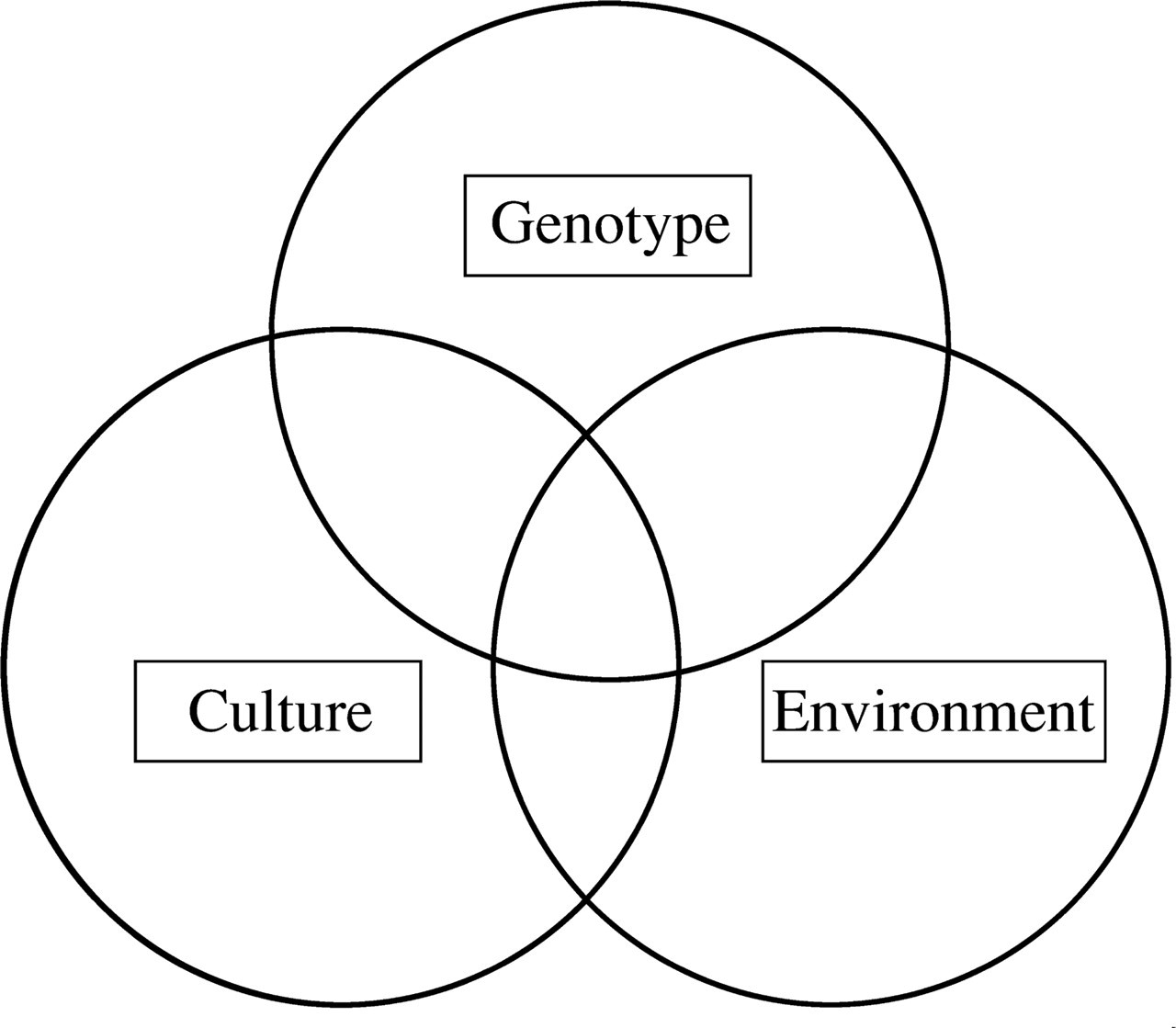
Response to pharmacotherapy: genetic–environment–cultural interactions
It is well recognized that non-genetic factors such as diet, nicotine, alcohol, caffeine, drugs and other substances can influence the activity of liver enzymes. CYP3A4 enzyme induction has been observed with concomitant use of St. John's wort (Hypericum perforatum) which can result in increased metabolism of CYP3A4 substrates [10]. Similarly, food substances found in charbroiled beef, cruciferous vegetables (cabbage and sprouts), high protein diet [43] and constituents of tobacco [44] can induce CYP1A2. On the other hand, inhibition of CYP enzymes may also occur with concurrent use of grapefruit juice containing narigenin [45] that inhibits CYP3A4 which is responsible for metabolism of a large number of psychotropics. Common food ingredients like corn (containing quercetin), coffee, and other flavinoids may inhibit CYP1A2. A variety of Chinese herbs are substrates for drug-metabolizing enzymes and could also interact with CYP enzymes although this has largely not been systematically studied [10].
Sociocultural and systemic factors in clinical response
Sociocultural considerations represent another diverse dimension affecting pharmacotherapeutic response. Cross cultural issues in diagnosis, beliefs and expectations concerning treatment, compliance, placebo effect and use of herbal and other traditional treatment may impact upon drug response in ways that may be more potent than biological mechanisms [41]. Sociocultural factors can influence perceptions and beliefs held about psychiatric drugs and such attitudes have been correlated with treatment adherence to medications. Negative subjective response to psychotropic medications (as opposed to drug effects) has been associated with non-compliance and poorer therapeutic outcome [46]. The impact of culturally specific attitudes toward Western medication on clinical outcomes has not been adequately evaluated.
The expectation of therapeutic effects also plays an important role in producing the clinical effects of pharmacotherapy. In general placebo response is predicted in at least a third of subjects in most antidepressant drug trials [47]. Yet, the underlying mechanism is not well understood and has mostly been attributed to non-specific therapeutic elements such as the doctor– patient relationship that occur in the provision of treatment. On the other hand, transcultural research has shown that patients from non-Western cultures are more likely to present with predominantly somatic symptoms of psychiatric disorders. This may relate to the lack of mind–body dualism in non-Western medical systems where symptoms are often regarded as a disharmony in an integrated entity [48]. As a result, somatic symptoms may sometimes be attributed to medication side-effects and be misperceived as intolerance to Western drugs, leading to premature cessation of psychotropics or poor compliance. As such, the role of culturally related attitudes and expectation effects in both placebo response and the experience of adverse reactions can be important and consequential in psychopharmacotherapy.
Owing to a range of clinical, health systems and health-economic factors, drug prescribing patterns vary across countries and regions. Systemic influences on prescribing habits may include type of health service, prescribing policies and guidelines, drug availability, budgetary restrictions and drug benefit schemes. Training in pharmacotherapy, local medical culture and adherence to clinical guidelines could largely determine whether rational or evidence-based prescription is practised. Other local determinants in prescribing patterns may relate to the differences in cultural response to mental illness, types of symptoms that warrant drug therapy and patients' treatment preferences. Comparative studies of psychotropic drug usage in psychiatric inpatient settings carried out in East Asia have demonstrated profound differences in antipsychotic medication use even among Asian countries of close proximity [49], [50]. The dosage of antipsychotics was relatively higher in countries like Japan, Korea and Singapore. A higher rate of antipsychotic polypharmacy was found in Japan, while a higher use of depot injections in Singapore and prescription of clozapine in China were also revealed. Therefore, the prescribing patterns varying cross-nationally are more likely to be determined by sociocultural, economic and systemic factors rather than any intrinsic biological function in different populations.
Conclusion
The individual differences in therapeutic and adverse effects of psychotropic drugs are largely determined by genetic factors. Recent advances in pharmacogenetics and genotyping technology have highlighted the potential utility in predicting metabolic phenotypes, risks for side-effects and likelihood of drug response for the individual patient. Employing genotyping to guide individual choice and dosing of psychotropic medications is a promising direction in psychopharmacology. Its aims are to optimize clinical response and prevent excessive adverse effects. The systematic characterization of the nature and function of genetic polymorphisms for the key metabolizing enzymes and other advances in pharmacogenetics have the potential to vastly improve clinicians' abilities to determine the most appropriate medication at the correct dose for any particular patient. With our current state of knowledge, the routine use of genotyping in clinical practice is premature. There is a great deal to be learnt before analysis of genetic variation becomes a standard tool in pharmacotherapy.
The potential application of pharmacogenetics must not be considered in isolation, but needs to be viewed within the broader context together with more complex clinical and systemic variables. The expressions of polymorphic genes that control brain function and drug metabolizing enzymes are heavily influenced by environmental and dietary factors. Psychotropic treatment response can be affected by cultural attributes, attitudes to medication and prescribing practices. How pharmacogenetics can help predict clinical response in patients from diverse backgrounds needs further studies. Pharmacogenetic research in different ethnic groups and clinical settings need to be conducted to understand the influence of non-genetic factors in drug response. Although genetic information regarding psychotropic drug handling and response can provide essential and relevant clinical information for pharmacotherapy, it also needs to be taken into account that significant cultural and environmental factors impinge on response to medications. Despite the technological advances in genetics, we still need to strive for ‘holistic’ evaluation of the individual patient and practise the ‘art’ of medicine to ensure optimal care.
Footnotes
Acknowledgements
We thank Agnes Fan and staff of the Professorial Unit, The Melbourne Clinic, for their assistance.