






Abstract
Plant exposures leading to systemic or topical toxicity are common presentations seen in the emergency department. While often nonfatal, certain highly toxic plants result in cardiovascular or respiratory failure requiring invasive management. We describe a 65-y-old patient who presented with a refractory ventricular dysrhythmia secondary to an unintentional ingestion of an aconitine-containing plant after incorrect identification. Despite aggressive treatment with vasopressors, intravenous fluids, antiarrhythmics, as well as electrolyte correction and multiple attempted synchronized cardioversions, the patient remained in a refractory dysrhythmia with cardiogenic shock. Venoarterial extracorporeal membrane oxygen (ECMO) therapy was initiated successfully and resulted in rapid resolution of the unstable dysrhythmia. The patient was weaned from ECMO in under 48 h and was discharged without neurological or cardiovascular sequelae. This case highlights management options available to clinicians who encounter toxicity associated with aconitine ingestion. Fatal consequences were averted, and caution is required with the use of plant-identifying applications and resources.
Introduction
Topical and systemic toxicities related to plant exposures are common emergency department (ED) presentations, with over 50,000 exposures reported to poison centers in the United States in 2020 18 . Aconitum species contain highly toxic alkaloids, including aconitine, and produce neurologic and cardiac effects through alteration of membrane permeability to sodium ions. Treatment of aconitine toxicity is focused on hemodynamic support and antiarrhythmic therapy; however, severe toxicity may be treatment refractory. We describe a case report of refractory ventricular dysrhythmia and cardiogenic shock from Aconitum poisoning secondary to wild plant ingestion successfully managed with extracorporeal membrane oxygenation (ECMO).
Case Report
A 65-y-old previously healthy patient with no regular medications was brought to hospital by emergency medical services (EMS) with altered mental status and ventricular tachycardia (VT). The patient had collected plant leaves from their backyard to include in a sautéed meal after consultation with an unidentified online resource. Approximately 30 min after ingestion, the patient felt unwell, and a family member called EMS after the patient developed vomiting and confusion. On EMS arrival, the patient had repeated vomiting and a Glasgow Coma Scale score of 7 with intermittent episodes of agitation and unresponsiveness. A prehospital patch call to the receiving ED physician was made, including transmission of a 12-lead electrocardiogram showing wide complex tachycardia with a heart rate of 210 beats/min and blood pressure of 140/95 mm Hg. Given the unusual presentation, prehospital cardioversion was not advised. Emergency medical services brought a sample of the culprit plant with them to the ED.
Upon ED arrival, the patient had a Glasgow Coma Scale score of 10 and vital signs that included the following: heart rate, 176 beats/min; manual blood pressure, 65/40 mm Hg; respiratory rate, 24 breaths/min; oxygen saturation, 95% on room air; and temperature, 36.1°C. Initial arterial blood gas showed pH 7.17, Pa
A norepinephrine infusion was started prior to rapid sequence intubation. The patient was intubated using intravenous ketamine and succinylcholine to reduce the sympathetic drive that was felt to be contributing to the ongoing VT storm and to concurrently manage ongoing agitation and aspiration risk from continued vomiting. After successful intubation, the patient was given a dose of rocuronium and placed on a low-dose ketamine infusion for sedation. A lidocaine infusion was started, and 1 further attempt at synchronized cardioversion (360 J) was made.
As the plant was not yet definitively identified and there was concern for anticholinergic toxicity contributing to the presentation, 2 doses of physostigmine were trialed by the ICU team without effect. Given the history, patient presentation, and the presence of bidirectional VT on electrocardiogram, the medical toxicologist consulted from the Poison and Drug Information Service confirmed that aconitine was the most likely toxin in this case. Flecainide administration was recommended, as well as gastric decontamination with activated charcoal.
Despite the above interventions, the patient remained in refractory biventricular tachycardia at approximately 200 beats/min and required high doses of norepinephrine and vasopressin for ongoing hypotension. In discussion with the ICU and cardiovascular ICU teams, the decision was made to activate the ECMO team based on the refractory cardiogenic shock, and the patient was taken to the operating room (OR) approximately 4 h after initial medical contact with EMS.
Standard femoral-femoral venoarterial (VA) ECMO was instituted in the OR by the cardiac surgery team. Extracorporeal membrane oxygenation was initiated at a flow of 4.5 L/min with a sweep of 3 L and fraction of inspired oxygen (FIO2) of 100%. An intraoperative transesophageal echocardiogram showed normal biventricular systolic function. The QRS interval narrowed to <120 ms within 5 min of ECMO initiation. The patient was transported to the cardiovascular ICU on the following infusions: epinephrine, 0.05 microgram/kg/min; norepinephrine, 0.3 microgram/kg/min; and vasopressin, 0.04 U/min. The patient was liberated from ECMO, the ventilator, and all vasoactive agents 2 d later. There were no thrombotic complications. At no time after ECMO cannulation did the patient demonstrate any wide complex tachycardia.
The patient remained in hospital for 2 d after cessation of VA-ECMO. On the 6-wk follow-up, they were mobilizing at baseline without residual neurological or cardiac deficits.
Discussion
Aconitum is a genus of over 300 species of plants that produce toxic alkaloids, including aconitine, mesaconitine, and hypaconitine, that can be found throughout the plant but are most abundant in the roots and root tubers.1,2 Toxic effects of aconitine are due to effects on voltage-sensitive sodium channels on myocardial and neuronal cell membranes. Aconitine binds the open gates of these channels, leading to sustained sodium influx and delayed repolarization; this initiates premature excitation and can induce tachydysrhythmias. Aconitine is rapidly absorbed via the gastrointestinal tract, with onset of symptoms between 10 min and 2 h after ingestion and stabilization of cardiac toxicity expected by 24 h in most patients who survive. 3
Commonly referred to as wolfsbane, aconite, monkshood, or devil’s helmet, these plants are found throughout the Northern hemisphere, commonly in high altitude alpine and subalpine regions.4,5 In Asia, aconitine-producing plants are used in traditional Chinese medicine to treat pain, agitation, indigestion, fever, and other conditions. These uses involve boiling or soaking the plant, which hydrolyzes the toxic alkaloids to less-toxic and nontoxic derivatives. Aconitine toxicity in these instances is encountered due to improper or incomplete preparation from Aconitum plants. 6 In North America, where Aconitum use as a traditional medicine is much less common, aconitine toxicity is rare and occurs most often due to ingestion of the wild plant after misidentification. 7 -9 There have been several recent instances of individual or grouped poisonings of a specific genus, Aconitum, reported publicly in Canada. Most notably, over a dozen individuals were exposed to aconitine via a spice product at a restaurant in Markham, Ontario, in September 2022. The clinical presentation of aconitine toxicity includes neurologic, gastrointestinal, and cardiac symptoms. The severity of symptoms varies based on the amount of plant ingested and the toxicity of the specific plant, with mild toxicity manifesting as nausea, vomiting, and tingling of the face and mouth and the most severe and lethal complications being ventricular arrhythmias or respiratory failure.
Smartphone plant identification has been used increasingly by the public to assist in identification for a variety of recreational plant uses. These applications have been documented in assisting in the critical care of aconitine toxicity; although used alone, they are not yet accurate enough to replace botanist consultation.10,11 While plant identification did not ultimately alter the outcomes of this case, it remains a challenging aspect for clinicians and toxicologists in the clinical setting. Blood aconitine concentrations are neither readily available nor practical for timely clinical management. In our instance, multiple independent sources and means of identification were used to corroborate the identification of the plant acquired by EMS as being Aconitum. Using different pictures (of the plant sample provided by EMS and of the plant patch identified by the patient as its source at a postdischarge visit [Figure 1]), multiple users had confirmation through the PictureThis application. A local expert botanist was consulted by the toxicologist (SL)involved in the case to independently identify the plant and its leaves.
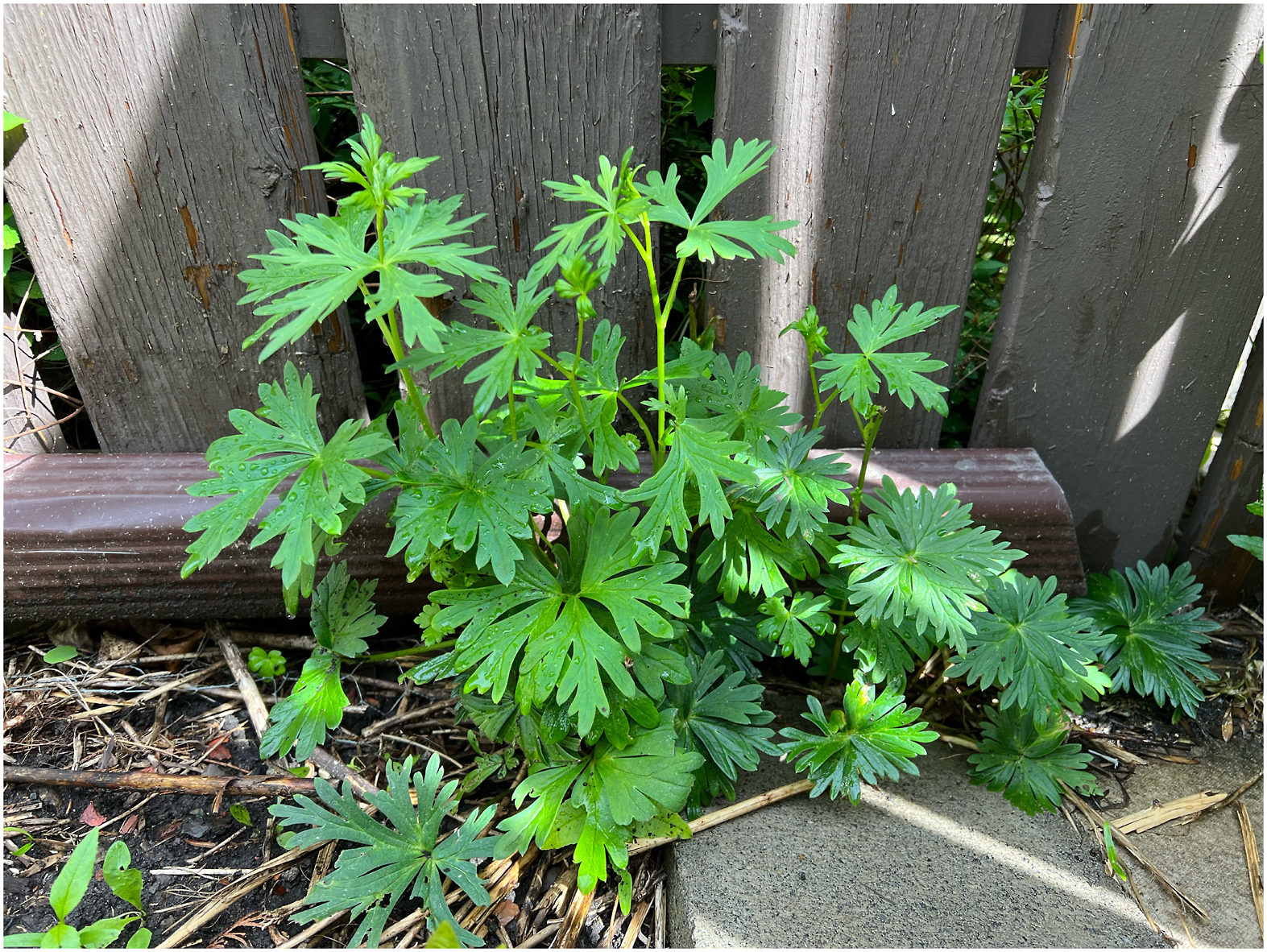
A photo of the aconitine plant eaten by the patient. Picture taken and shared with permission.
With no specific antidote or options for enhanced elimination, treatment of aconitine poisoning remains supportive, with management of ventricular dysrhythmias in these cases being particularly challenging as they are often refractory to cardioversion and multiple antiarrhythmic drugs. 12 Coulson et al 13 performed a review of the literature to identify outcomes of therapies in the management of ventricular dysrhythmias in aconitine toxicity. The therapies investigated included flecainide, mexiletine, procainamide, amiodarone, epinephrine, magnesium sulfate, cardiopulmonary resuscitation (CPR), cardiopulmonary bypass, and direct cardioversion. They concluded that flecainide and amiodarone were associated with a higher incidence of return to sinus rhythm compared to other treatments. In addition to the above treatments, charcoal hemoperfusion has also been described in the literature as a potential treatment for aconite poisoning; however, its effectiveness has not been established. 14 Hemodialysis is ineffective and not indicated in cases of aconitine poisoning due to high lipid solubility and large molecular size. In our reported case, many of the above-named treatments were trialed without success, including flecainide and amiodarone.
The use of ECMO has been shown to be beneficial in select hemodynamically unstable poisoned patients. 15 A recent case report and case series describe success in treating unstable aconitine toxicity in patients with ECMO, which occurred in the context of ingestion of traditional Chinese medicine products known to contain Aconitum.16,17 In their series of 4 cases of aconitine toxicity in which conservative medical treatment failed, Ren et al 16 noted that those who received VA-ECMO earlier after symptom onset (45–50 min) showed no neurological complications, while those who received extended CPR prior to ECMO initiation (80–90 min) had mild neurologic complications including dyspraxia, speech, and sensation disorders. While our patient did not require CPR, they had approximately 240 min of hemodynamically significant VT storm prior to ECMO initiation; fortunately, they did not have any long-term neurologic sequelae on follow-up. The mortality rate in this case series was 25%, and venous thrombotic complications occurred in 50%. The ECMO therapy times ranged from 64 to 79 h. Vo et al 17 also described a case report of aconitine toxicity that failed to respond to multiple interventions, including cardioversion, adenosine, amiodarone, lidocaine, diltiazem, and verapamil. The patient was subsequently treated with VA-ECMO, which resulted in return of normal sinus rhythm after 12 h, although the patient’s course was complicated by multiorgan failure.
Conclusion
Ingestion of Aconitum, even in small amounts, can result in unstable dysrhythmias and cardiogenic shock. The described case demonstrates the successful use of ECMO following the failure of less-invasive measures to manage the resulting dysrhythmia. This case highlights that ingestion can occur outside of the better-known setting of improper preparation for use in traditional medicines as well as emphasizes the importance of clinician understanding of the lethality of these ingestions as well as the potential treatment options.
Footnotes
Acknowledgment
The authors acknowledge Dr Katie Lin for her contributions to clinical care and ensuring the accuracy of the case report.
Author Contributions: concept and design (NLG, JEW, SNL); drafting and critical revision of manuscript (NLG, DNM, JSH, JEW, SNL, PC, JAS); all authors approved the final manuscript.
Financial/Material Support: None.
Disclosures: None.