






Abstract
Introduction
Climate change has been scientifically documented, and its effects on wildlife have been prognosticated. We sought to predict the overall impact of climate change on venomous terrestrial species. We hypothesize that given the close relationship between terrestrial venomous species and climate, a changing global environment may result in increased species migration, geographical redistribution, and longer seasons for envenomation, which would have repercussions on human health.
Methods
A retrospective analysis of environmental, ecological, and medical literature was performed with a focus on climate change, toxinology, and future modeling specific to venomous terrestrial creatures. Species included venomous reptiles, snakes, arthropods, spiders, and Hymenoptera (ants and bees). Animals that are vectors of hemorrhagic infectious disease (eg, mosquitos, ticks) were excluded.
Results
Our review of the literature indicates that changes to climatic norms will have a potentially dramatic effect on terrestrial venomous creatures. Empirical evidence demonstrates that geographic distributions of many species have already shifted due to changing climatic conditions. Given that most terrestrial venomous species are ectotherms closely tied to ambient temperature, and that climate change is shifting temperature zones away from the equator, further significant distribution and population changes should be anticipated. For those species able to migrate to match the changing temperatures, new geographical locations may open. For those species with limited distribution capabilities, the rate of climate change may accelerate faster than species can adapt, causing population declines. Specifically, poisonous snakes and spiders will likely maintain their population numbers but will shift their geographic distribution to traditionally temperate zones more often inhabited by humans. Fire ants and Africanized honey bees are expected to have an expanded range distribution due to predicted warming trends. Human encounters with these types of creatures are likely to increase, resulting in potential human morbidity and mortality.
Conclusions
Temperature extremes and changes to climatic norms may have a dramatic effect on venomous terrestrial species. As climate change affects the distribution, populations, and life histories of these organisms, the chance of encounters could be altered, thus affecting human health and the survivability of these creatures.
Keywords
Introduction
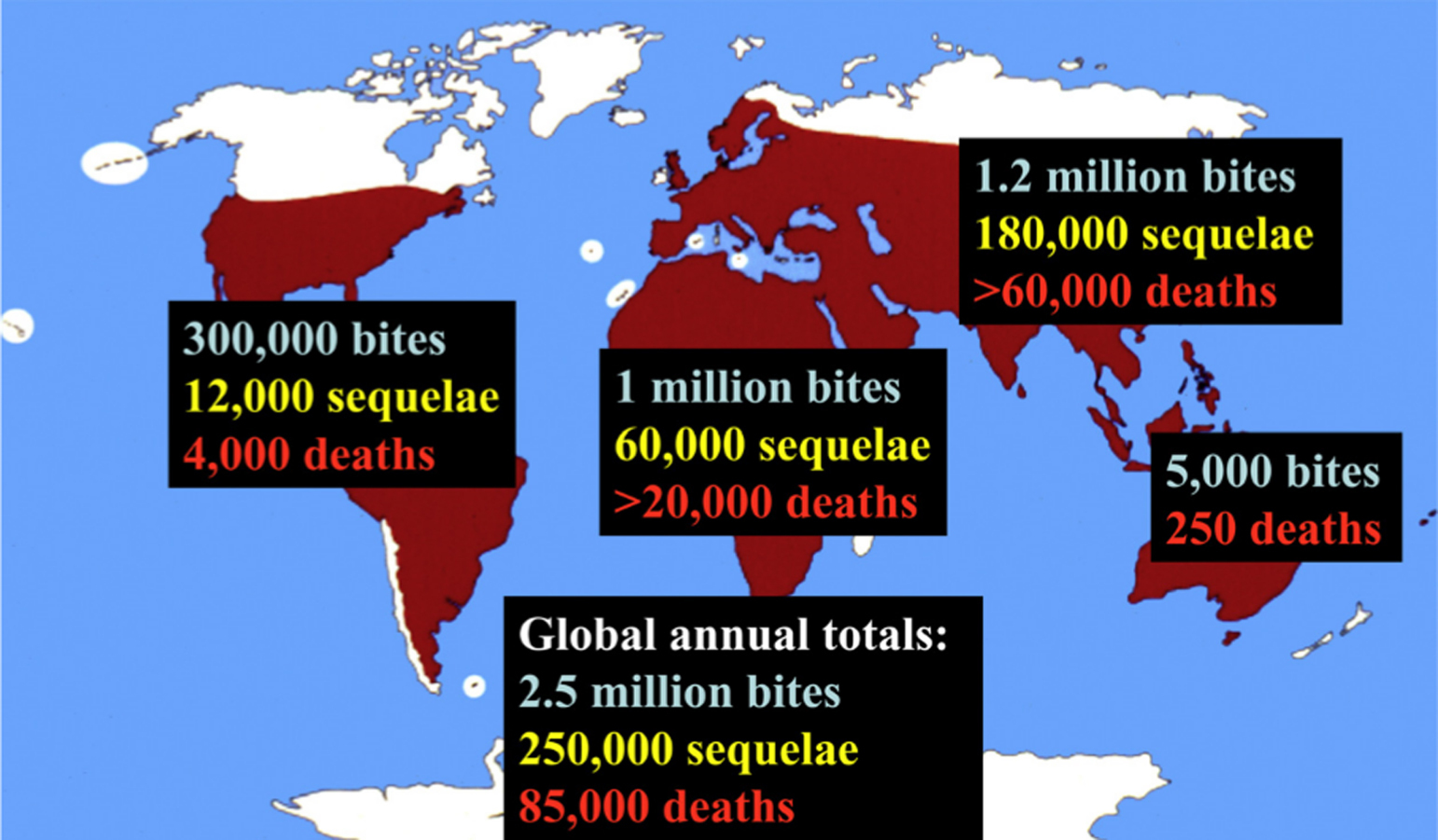
Climate change has been scientifically documented, 1 and its effects on wildlife have been prognosticated. Bites and stings from terrestrial venomous species represent a global public health issue. Venomous snakes alone account for 2.5 million bites per year, with more than 85,000 annual deaths.2,3 Ants sting 9.3 million people each year. Other Hymenoptera species such as bees account for more than 1 million stings annually. Anaphylaxis secondary to Hymenoptera envenomation affects roughly 3% of the general population. 4 Systemic reactions leading to life-threatening manifestations occur in approximately 0.4–0.8% of envenomated children and 3% of envenomated adults. 5
Most terrestrial venomous species are ectoderms and are therefore closely tied to ambient temperature. Wide scientific consensus on the presence of anthropogenic climate change has been established, and its effects on wildlife have been prognosticated in environmental and ecology communities. 1 However, to our knowledge, no study has looked at the global effects of climate change on terrestrial venomous creatures. This review will uniquely focus on climate change and toxinology specific to snakes, spiders, and Hymenoptera species (bees and ants). As more people venture into the wilderness and as climate change affects the distribution, populations, and life histories of many organisms, the chance of encounter could be altered, affecting human health and the survivability of these venomous creatures. Already many forms of media have dramatized the effects climate change may have on human interaction with venomous species.6,7 With possible shifts in venomous species’ regions, limited supply of antivenom may require redistribution to newly populated areas. Additionally, medical practitioners in these new regions may need further education for the timely diagnosis and rapid treatment of envenomation.
Empirical evidence has been accumulating that geographic distributions of many species have already shifted due to changing climatic conditions, particularly away from the equator in polar directions. We sought to review the overall impact of climate change on venomous terrestrial species. We hypothesize that given the close relationship between terrestrial venomous species and climate, a changing global environment may result in terrestrial venomous species migration, geographical redistribution, and longer seasons for envenomation, which may also have repercussions on human health. To this end, we evaluated existing published research that describe and analyze both present and future effects of anthropogenic climate change on individual venomous terrestrial species.
Methods
We conducted a retrospective analysis of environmental, ecological, and medical literature with a focus on climate change, toxinology, and future modeling specific to venomous terrestrial creatures. Species included venomous reptiles, snakes, arthropods, spiders, and Hymenoptera. Animals that are vectors of hemorrhagic infectious disease (eg, mosquitos, ticks) were excluded.
We performed an article review search using the Web of Science core database collection, which provides access to several databases including the Science Citation Index Expanded database (1900–present day), Conference Proceedings Citation Index database (1990–present day), and Book Citation Index database (2005–present day). Additionally, the PubMed NCBI database was used in our search. The keywords used in our search included the following: climate change, anthropogenic climate change, climate, global warming, temperature change, environmental change, envenomation, venomous, distribution, snakes, elapid, viper, rattlesnake, snake bite, ants, fire ants, spiders, recluse, reclusa, black widow, arachnid, scorpions, Africanized honey bees, killer bees, and bees. Each keyword was used independently and, when appropriate, in combination with additional keyword(s) to identify relevant articles. The keyword search generated 705 citations, of which 132 were reviewed. From the reviewed material, 64 journal articles, 7 text book references, and 7 governmental/organizational reports were deemed relevant and included in the results section.
We further analyzed multiple ecological niche model studies that project future species distribution. Ecological niche modeling is an area of study in which species distribution algorithms are created by combining present day species geographic occurrences with climate and environmental predictor variables. These algorithms can then be combined with future climate change scenario information, creating future distribution projections. 8
Results
Snakes
Venomous snakes exist on every continent (except Antarctica) and in almost every country. Approximately 2.5 million venomous snakebites to humans occur per year and result in 85,000 deaths worldwide, mostly in tropical and subtropical regions of Africa, Asia, and America. 9 –11 In the United States specifically, 20% of the 120 indigenous snake species are considered venomous (Figure 1).12,13
The global burden of snakebites. Source: Gutierrez et al. 13 Used with permission.
Snakes, like other reptiles, are ectothermic animals that rely on external heat sources to contribute to many physiological processes. For snakes, increased temperatures have been noted to increase activity time, metabolic rate, digestive function, and activity levels and to extend aboveground time periods. 14 Given the strong correlation between temperature and snake activity, research has evaluated whether a changing climate will lead to changes in distribution. One retrospective study conducted in China noted 9 snake species had significant distribution changes over the last 50 years, largely due to changes of the country’s thermal index. 15
Other researcher groups projected future distribution of venomous snakes using climate change forecasts. Nori et al forecasted the suitable climate spaces for the 5 most venomous snake species in Argentina in 2030 and 2080. They discovered net expansion of suitable climate spaces for 4 snake species with moderate “north to south” displacement. This geographic expansion includes more populated provinces in central-eastern Argentina, where few venomous snakebites currently occur (Figure 2). 16
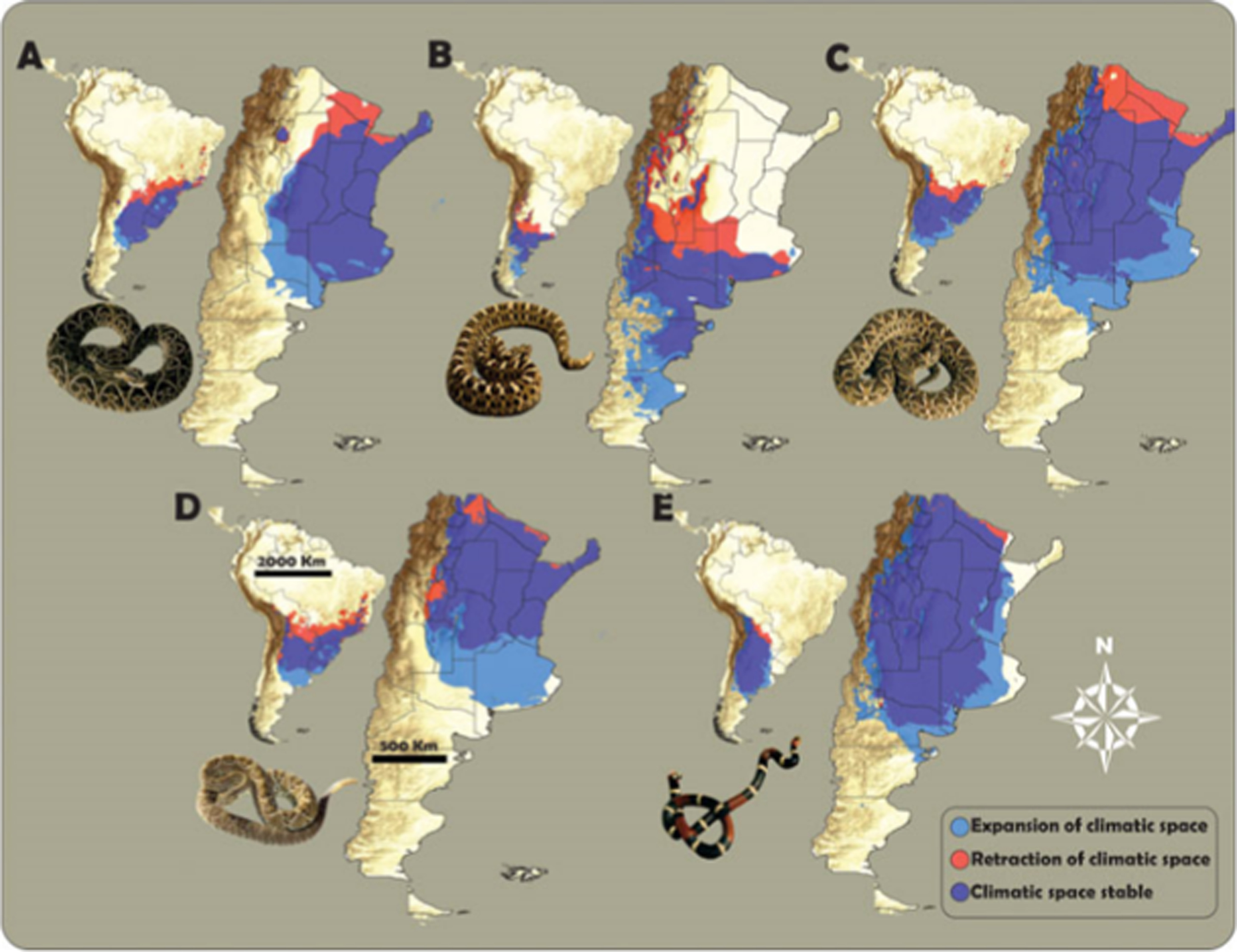
Changes in suitable climate spaces between present climatic conditions and 2080 for 5 snake species. A, Bothrops alternatus. B, Bothrops ammodytoides. C, Bothrops diporus. D, Crotalus durissus terrificus. E, Micrurus pyrrhocryptus. Source: Nori et al. 16 Used with permission.
Another study projected the current and future (2050) snakebite risk of 90 venomous snake taxa across the Americas given anticipated climate change, including Agkistrodon contortrix (copperhead). Overall, the study anticipated that total risk area size would increase northward into northern United States and Canada and southward in Argentina and Chile resulting in an additional 5.5 to 6.7 million people potentially exposed to snakebites. In contrast, future projections in Latin America were mixed based upon species type; approximately half the species showed decreased distributional potential. Interestingly, suitable climatic conditions are expected to expand into Chile, where no venomous snakes currently exist. Another investigation examined the 2100 distribution of 11 North American rattlesnake species (Crotalus). Taking into account rattlesnake adaptability rate, including migration speed, they predict a northern migration of species; however, they also noted significant decreases in distribution with liberal climate projections (6.4°C) because the snakes would not be able to adapt quickly enough to their rapidly changing climate (Figures 3, 4, and 5).17–18
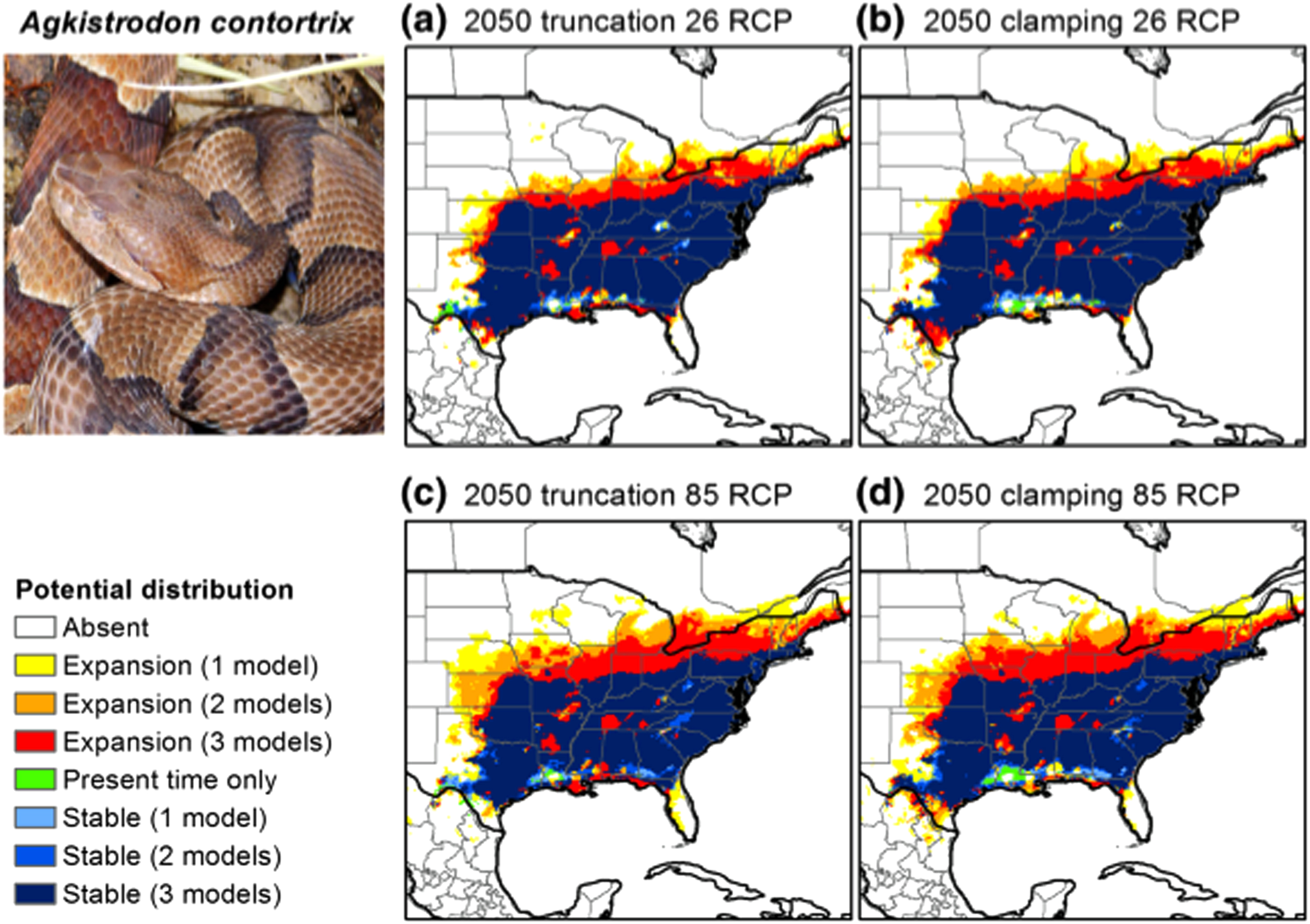
Changes in suitable climatic spaces and potential distributions between current and future conditions for Agkistrodon contortrix (copperhead viper). The 4 maps are categorized by different representative concentration pathways (RCPs), which are greenhouse gas concentration trajectories adopted by the Intergovernmental Panel on Climate Change. Two representative pathways (RCP 26 and RCP 85) were used in the modelling, which represent relatively conservative and liberal degrees of climate change expected, respectively. Source: Yanez-Arenas et al. 17 Used with permission.
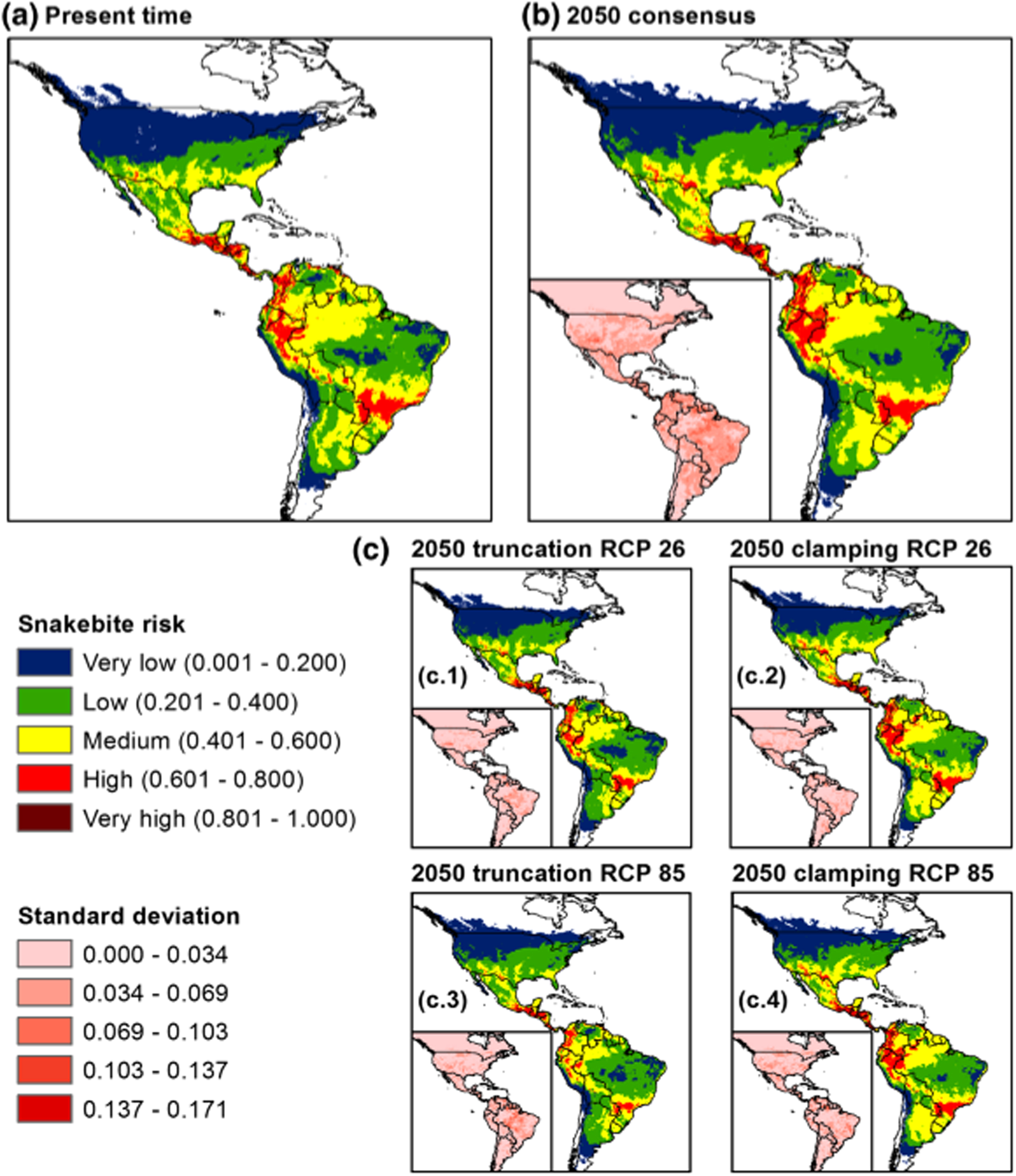
Current and future snakebite risk predictions in America and associated uncertainty (standard deviation). Source: Yanez-Arenas et al. 17 Used with permission.
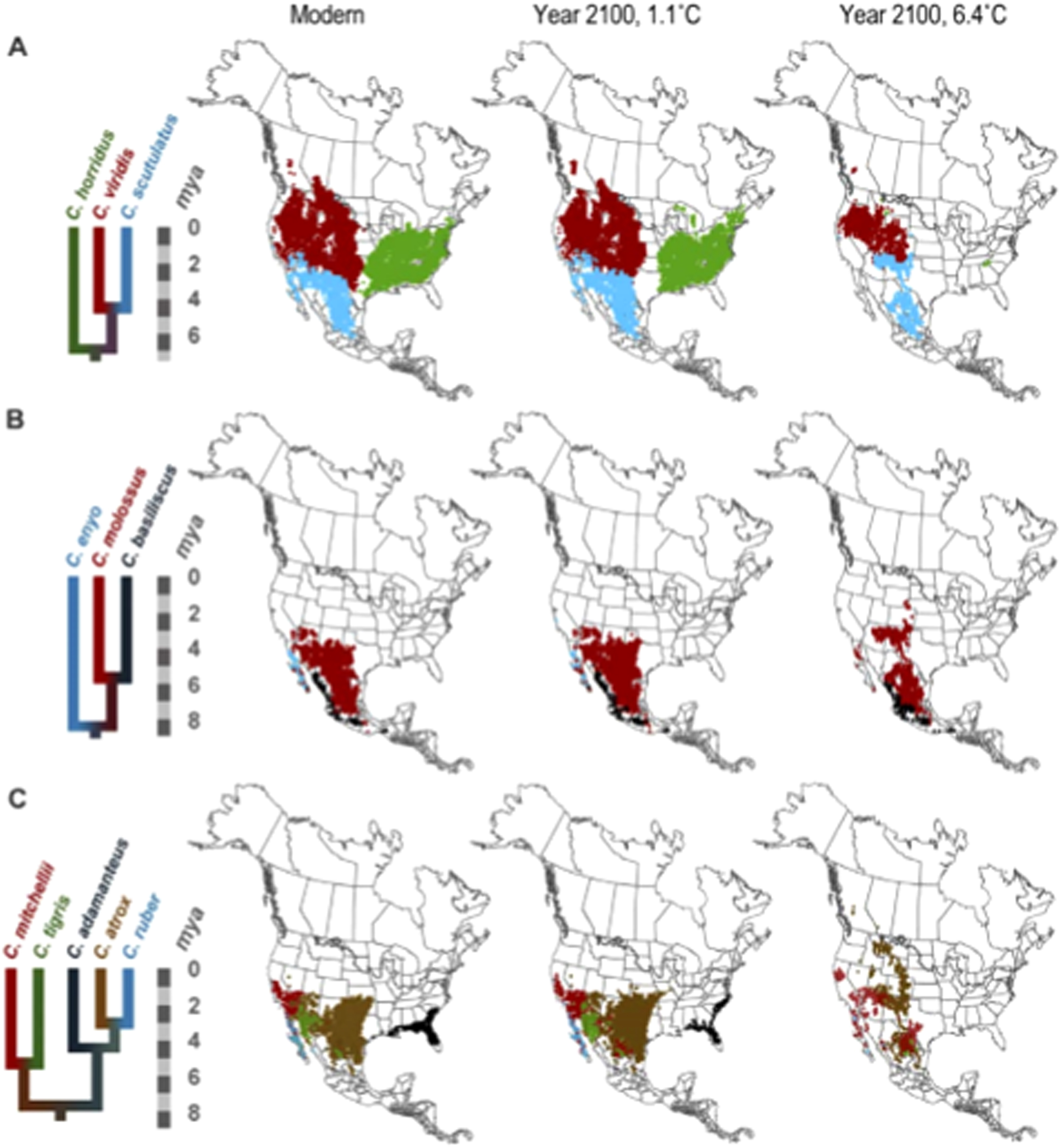
Current and future predictions of suitable habitats under 2 future climate scenarios for the year 2100 for 11 rattlesnake species. Source: Lawing et al. 18 Used with permission.
Spiders
There are nearly 40,000 species of spiders worldwide, 19 most of which cannot inflict serious bites on humans. 20 However, there are a few medically relevant spiders in North America that produce toxic venoms (eg, black widow, brown recluse, and hobo spiders), which can lead to local reactions, systemic illnesses, neurotoxicity, and hematotoxicity. 21 Spiders, like other ectotherms, are closely dependent on temperature to drive physiological and behavioral traits, but to date few studies have investigated the historical change of spider distribution with the increase in temperature over the past century. 22 Despite the limited historical evidence, there is likely a close relationship between temperature and spider survival.
Brown recluse spiders (Loxosceles reclusa) are one of the most well-known venomous spiders indigenous to the United States. Their bites often cause necrotic skin lesions and rarely systemic complications including nausea, vomiting, fever, chills, arthralgias, thrombocytopenia, rhabdomyolysis, hemoglobinuria, renal failure, and hemolysis. 21 ,23–25 Currently, L reclusa is found in the south-central United States, from southern Illinois to Texas and from eastern Tennessee to Kansas, with cold temperature contributing heavily to distribution boundaries. 26 Research evaluating climate change dispersal projections found a significant northward shift. However, the overall amount of suitable area did not differ by more than 7% between present and future projections, as northward migration was matched by distribution loss in the southern-most regions (Figures 6 and 7.)8,27
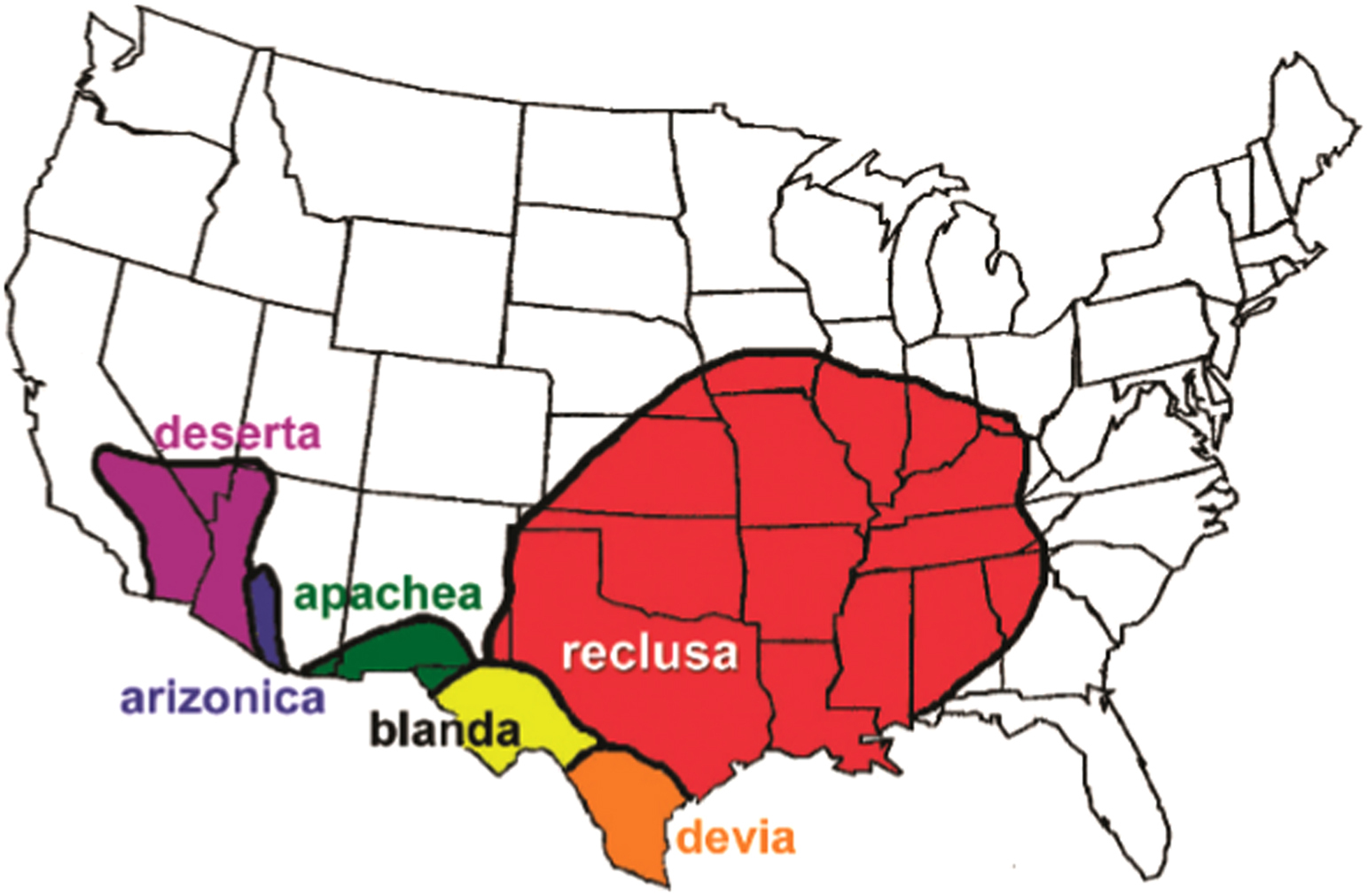
Map of distribution of the 6 Loxosceles species in North America. Source: Vetter. 27 Used with permission.
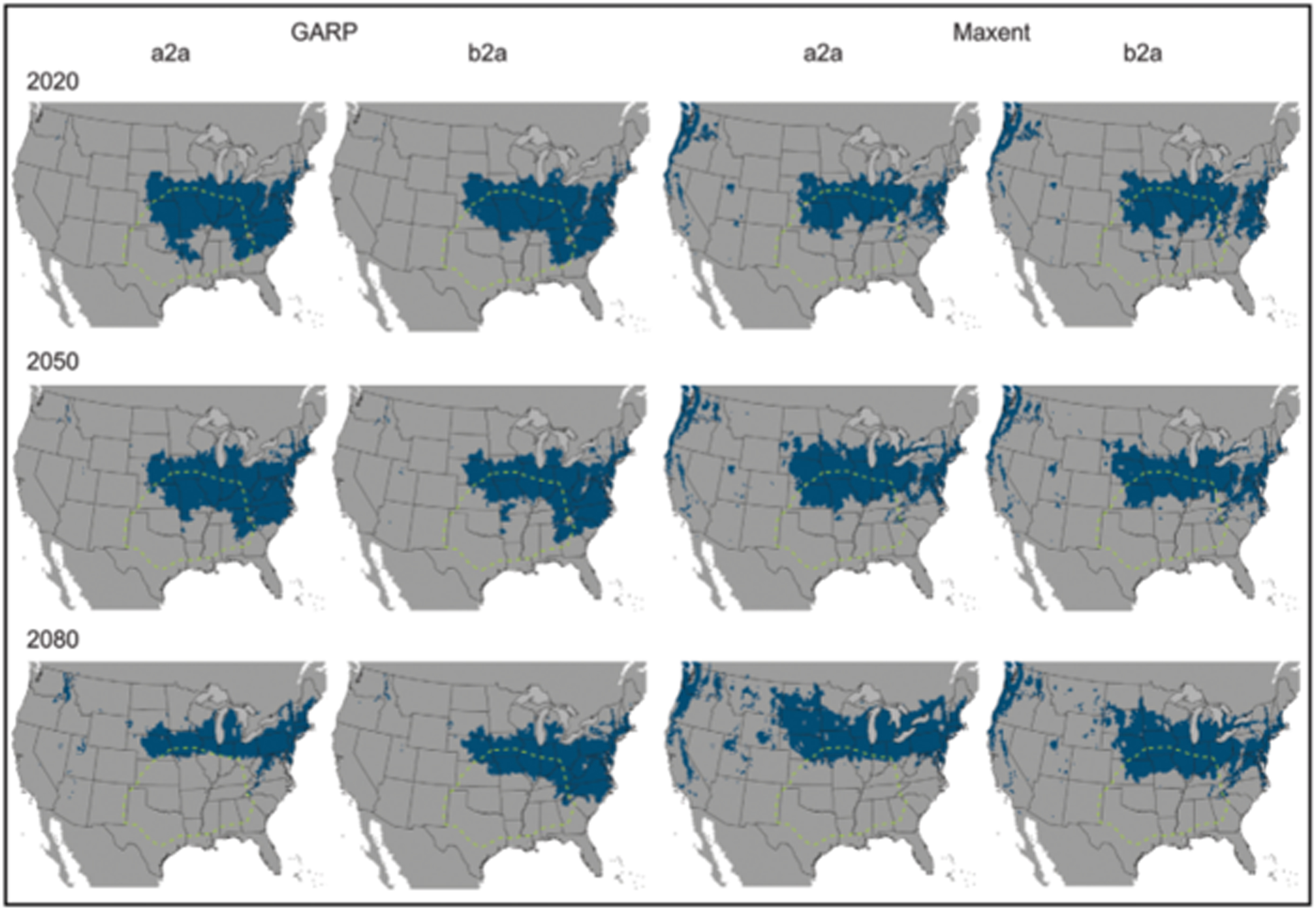
Future niche modeling results for 3 time slices: 2020, 2050, and 2080. This figure includes 2 methods of species niche model programs, Genetic Algorithm for Rule-set Prediction and Maxent. Both are machine-learning methods that rely upon combining species characteristics and survival probability to project distribution. Two climate scenarios were used: a2a (liberal) and b2a (conservative). The dotted shape indicated current distribution of L reclusa. Source: Saupe et al. 8 Used with permission.
Additional studies have modeled the future distribution of other spider species based upon projected temperature changes. One projection saw the European distribution of 10 spider species in 2050 using distribution models based on climate change and human land usage. The results of this study noted that projected distribution varied widely, with approximately half of species anticipated to experience negative net change while the other half experienced positive net change. Despite such variability, all distribution patterns tended to shift north of their current range secondary to anticipated temperature increases at the northern distribution boundaries. 28
Ants
The ant family (Formicidae) comprises 14,550 species, 29 with over 200 species established beyond their native range. 30 The effects of such invasions are diverse and significant, including human medical impacts. In the United States alone, an estimated 17,000 people seek medical care from ant stings annually. 31 Ants are poikilotherms and cannot regulate body temperature except by behavioral means such as basking and burrowing. Ants are therefore sensitive to environmental factors such as temperature and humidity,32,33 which directly influence performance, fitness maximization, invasion rate, and survival.34,35 As a result, ant distribution is largely limited by climate, 36 which is thought to be the most important factor determining ant distributions on a global scale. 37 –39 Given this close relationship, the general consensus is that progression of climate change will alter distribution patterns.
One study selected 15 of the most invasive ant species and modeled suitable global areas in 2080 given climate change projections. 40 In 2080, 8 of the 15 species are predicted to have decreases in suitable areas, ranging from −64% to −3%, while 5 of the 15 species experience increases. Notably, Solenopsis invicta (a stinging red imported fire ant) was projected to increase distribution in all geographical regions, with overall projections of +16% in suitable area increase (Figures 8 and 9). 40 –42
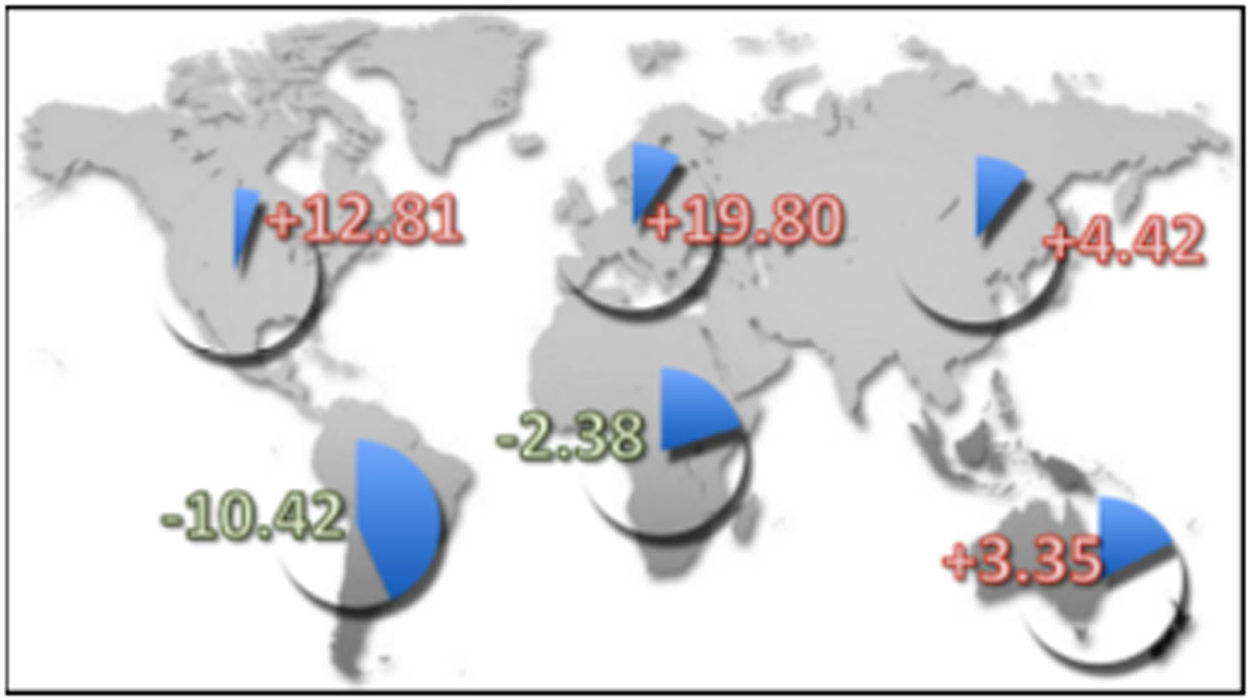
Average predicted proportion of current climatically suitable landmass on each continent for 15 invasive ants studied (blue pie chart) and predicted change after climate change (red percentage indicates an increase in range; green percentage indicates a decrease). Source: Bertelsmeier et al. 42 Used with permission.
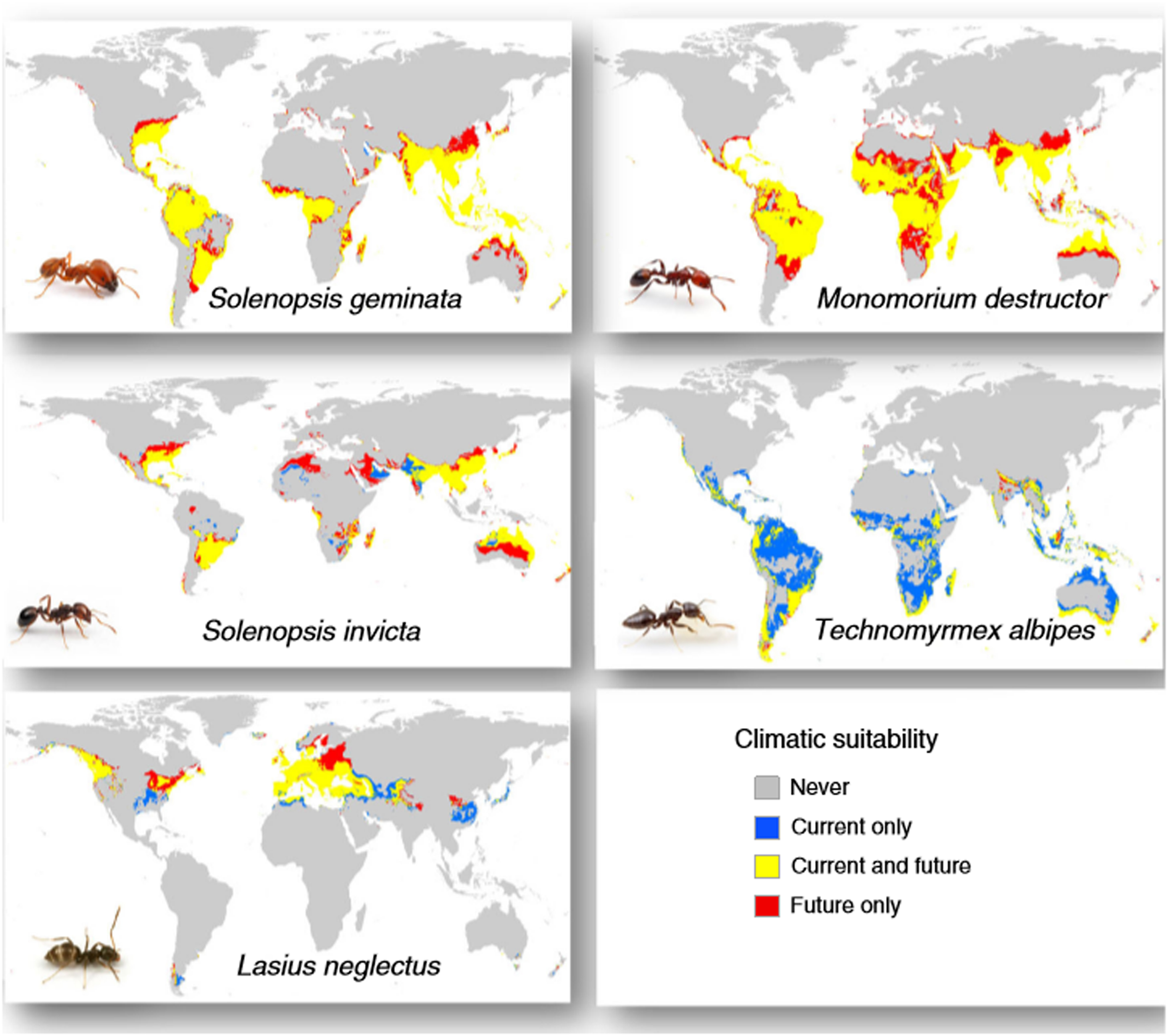
Spatial shift of suitable areas of 5 ant species that demonstrate different patterns. Source: Bertelsmeier et al. 40 Used with permission.
In the United States, there are 5 known species of fire ants (Solenopsis), 21 with S invicta responsible for 95% of North American clinical cases. 43 Multiple stings in sensitive individuals can promote histamine release and lead to a spectrum of symptoms ranging from nausea, vomiting, and dizziness to angioedema and respiratory arrest, with 10% of victims having some degree of hypersensitivity reaction. 44
S invicta was accidentally introduced in the southern United States in the 1930s45,46 and has since spread to 13 states, 47 occupying much of the southern United States and California.48,49 Multiple studies have investigated the relationship between S invicta and temperature and have found that high summer temperatures reduce population growth rates while winter temperatures stop colony growth and may cause colony death. 50 –53 Future projections in the United States anticipate further S invicta distribution, in part due to temperature increases. One research team predicted that the US habitable area may increase by approximately 5% over the next 40 to 50 years with northward expansion. By 2100, the habitable area is expected to increase to >21% because global warming is expected to accelerate in the latter half of the upcoming century. 54 Similar population expansion is expected in Australia, 55 but unlike the United States, Australia does not have cold temperature extremes; S invicta population growth therefore is expected to be more rapid (Figure 10).54,56
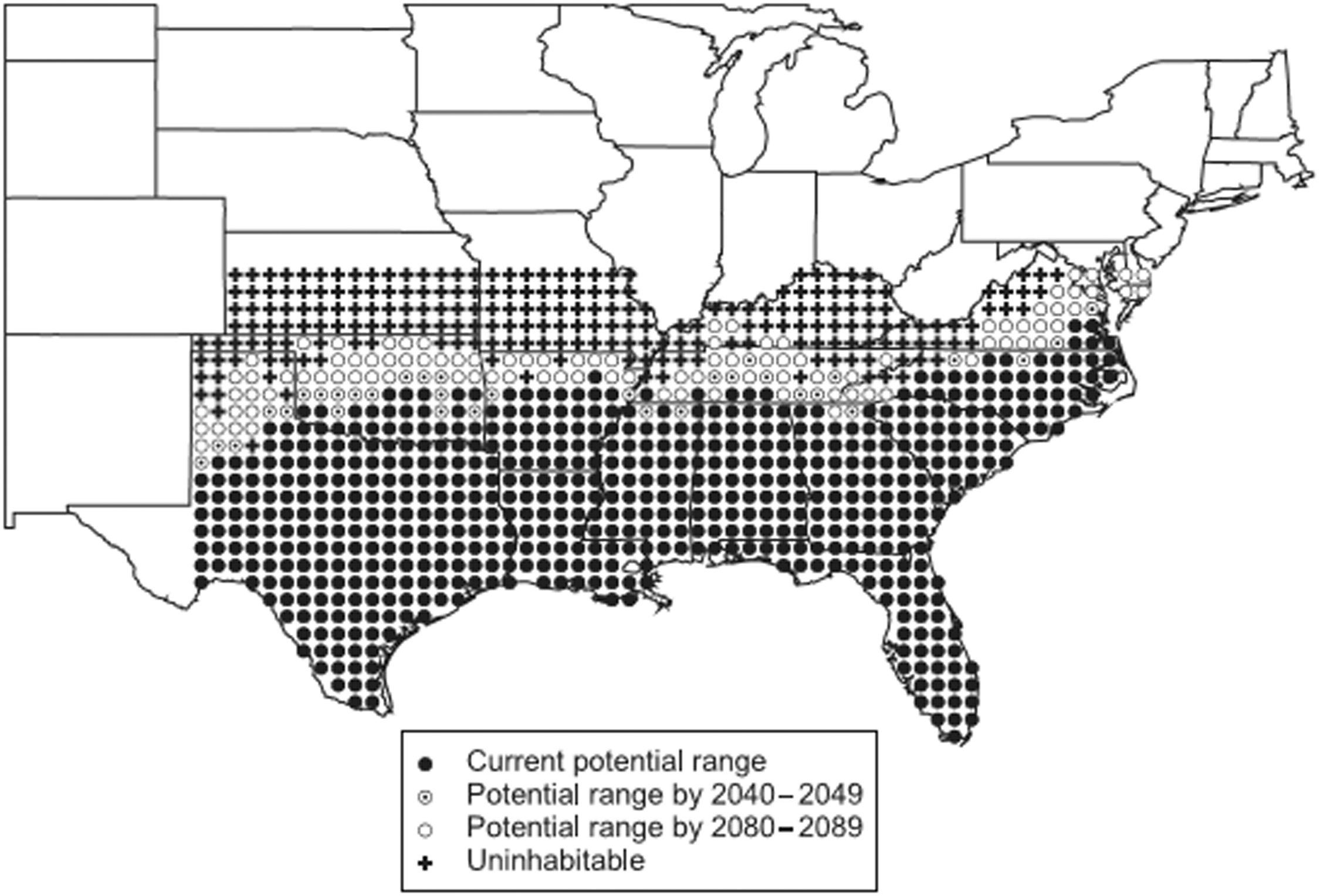
Map showing current and predicted potential range of Solenopsis invicta in the southeastern United States under expected climate change scenario. Source: Morrison et al. 54 Used with permission.
Africanized Honey Bees
The south African honey bee subspecies Apis mellifera scutellata was introduced to Brazil in the mid-1950s 57 ; it quickly escaped containment and began to hybridize with European honey bee strains, 58 –60 creating a hybrid species known as the Africanized honey bee. This new strain is notable for its highly aggressive behavior that has led to instances of massive bee envenomations to humans, which can result in rhabdomyolysis, 61 acute renal failure, 62 and even death. 63 The Africanized honey bee spread rapidly through the neotropics, 64 –67 reaching the United States in 199068,69 and spreading throughout the Southwest.70,71 Upon reaching the southern US border, the rate of spread slowed considerably. 72
Multiple factors have contributed to the slowed and erratic progression through North America, including genetic, physiological, and climate variables. 73 –76 Winter temperatures seem to be a significant factor affecting range limitations, with no consensus on specific temperature limitations.61,77 One study evaluated the Africanized honey bee distribution patterns in southern Utah and southern California. 72 In each location, minimum temperature was the primary controlling factor, with winter precipitation also contributing to distribution patterns. In general, Africanized honey bees in the United States appear to prefer habitats with moderate to low levels of winter precipitation and temperatures that fluctuate greatly across seasons but rarely persist below freezing. 72 ,73,76 As a result, with climate change and warming trends, Africanized honey bees could potentially extend their distribution hundreds of kilometers north. 60
Discussion
Empirical evidence has already demonstrated that geographic distributions of many species have shifted due to changing climatic conditions. 78 –80 In the northern hemisphere, a northward shift has been observed in many other species, including birds, mammals, butterflies, mosquitos, and ticks, along with a southward shift in the southern hemisphere. 81 Research has also found a strong relationship between climate conditions and terrestrial venomous species’ geographic distribution. This literature review found that changes to climatic norms could have a dramatic effect on future terrestrial venomous creature distribution and, as a result, their impacts on health, with possible nonindigenous invasions of many medically relevant species.
The distribution specifics and the medical relevance of future population changes depend on the individual species. For snakes, ecological niche modeling projects a shift in suitable geography for many western hemisphere venomous species, moving northward in the northern hemisphere and southward in the southern hemisphere, increasing exposed populations by 5.5 million to 6.7 million people. Additionally, the Nori et al 16 study predicted an increased incidence of Crotalus durissus terrificus and Bothrops diporus envenomation within the human population of Argentina because suitable climate spaces would reach densely populated areas. Expansion of venomous snakes into new geographic regions and densely populated areas would not only increase incidence rates but may require a redistribution of antivenom as well as training for medical professionals expected to treat such envenomations.
Spider projections also demonstrate a poleward migration of ideal temperature zones due to climate change. For L reclusa, modeling projects a significant northward shift in the northern hemisphere, with northward geographic shift matched by distribution loss in the southern-most regions. Assuming relatively equal human populations densities in this region, overall incidence of L reclusa bites may remain stable; however, the location in which they occur may change. For ants, the most significant effect may be the potential distribution increase of S invicta within the United States, as projections anticipate a 21% increase in distribution of this medically relevant species.
However, suitable geographic changes do not necessarily result in actual species distributional change because the species must migrate to remain within ideal temperature zones. For those able to migrate to match the changing temperatures, new geographical locations will potentially open. For those species with limited distribution capabilities, the rate of climate change may accelerate faster than species can adapt and migrate, causing population disruption or decline. 82 As a result of climate dynamism, these venomous species with limited movement capabilities would be left behind in imperfect environmental conditions. Such is the concern for snakes; prior studies have found that phylogenetically related snake species have movement rates of 10–100 m per day, 83 –85 which, combined with environmental fragmentation and deforestation, may lead to many suitable climate spaces being isolated from colonization by nonindigenous snake species. 16 Additionally, research has noted significant decreases in snake distribution with liberal climate projections (+6.4°C increase by 2100) as opposed to conservative projection (+1.1°C increase by 2100) because the snakes would not be able to adapt quickly enough to their rapidly changing climate. 18 Similar discrepancies between changing climate rates and distribution capabilities exist for spiders. For example, Loxosceles typically travel with humans to enter new geographic areas and do not have a propensity for dispersal on their own accord. 27 Given this limited dispersal capability, there is a possibility of species extinction if environmental change occurs too rapidly. 86 –89
Limitations
The authors of this review acknowledge that many of the studies reviewed are based upon future modeling, which, although based on current-day information, is speculative in nature. Additionally, many important venomous terrestrial species were not included in this review due to the lack or absence of published studies, including black widow spiders, scorpions, and individual venomous snake species. Further research into the effects of climate change on these species would greatly help our understanding of the future of these vulnerable venomous species and their subsequent effects on human health.
The models reviewed in this study note patterns of ideal geographic ranges shifting away from the equator in poleward directions, therefore providing invasion opportunities to nonindigenous species. However, just because the new climatically ideal geographic locations may develop does not mean actual species invasion will occur because many nonclimatic factors such as migration capability must be taken into account.
Conclusion
Temperature extremes and anticipated changes to climatic norms will have a potentially dramatic effect on venomous terrestrial species. As climate change affects the distribution, populations, and life histories of many organisms, the chance of encounters could be altered, therefore affecting human encounters as well as the health and the survivability of these adaptive creatures. Future research incorporating species movement ability would provide more clarity on the health impact climate change will have on these venomous species.
Author Contributions: Literature review (RN, IN, TE); analysis of literature (RN, IN, TE); drafting of manuscript (RN, TE); critical revision of manuscript (RN, IN, TE) approval of final manuscript (RN, IN, TE).
Financial/Material Support: None.
Disclosures: None.