



Abstract
Genome Therapeutics Corp. has implemented a unique maintenance approach for their GenomeVision™ Services 24-by-7 high-throughput Sequencing platform that ensures optimal performance and minimum downtime. A network-enabled software program automatically coordinates and tracks all maintenance tasks, and notifies responsible personnel by e-mail of their upcoming maintenance responsibilities. Production personnel perform all internal scheduled instrumentation maintenance, equipment vendors perform purchased service contracts, and a small in-house group responds to emergency situations. Personnel log completed maintenance tasks and request emergency service by means of a network-based interface that results in rapid response of appropriate in-house personnel or outside service organizations. The proprietary software program tracks all maintenance activities for each instrument, enabling upgrades to routine maintenance procedures, identification of opportunities for sequencing platform improvements, and more effective instrumentation purchasing decisions.
Introduction
Today's high throughput laboratories are dependent on many automated processes. Quality and throughput can suffer dramatically from improperly maintained and failing equipment. There is rarely one individual responsible for orchestrating service and preventative maintenance for all laboratory equipment. This leads to service delays due to inadequate lines-of-communication. Implementation of a cross-departmental maintenance management structure would facilitate service and coordinate necessary preventative maintenance.
EQUIPMENT MAINTENANCE STRUCTURE
The maintenance organization (Figure 1) was separated into three groups; in-house preventative maintenance and repairs, service contracts and out-of-service subcontract repair.
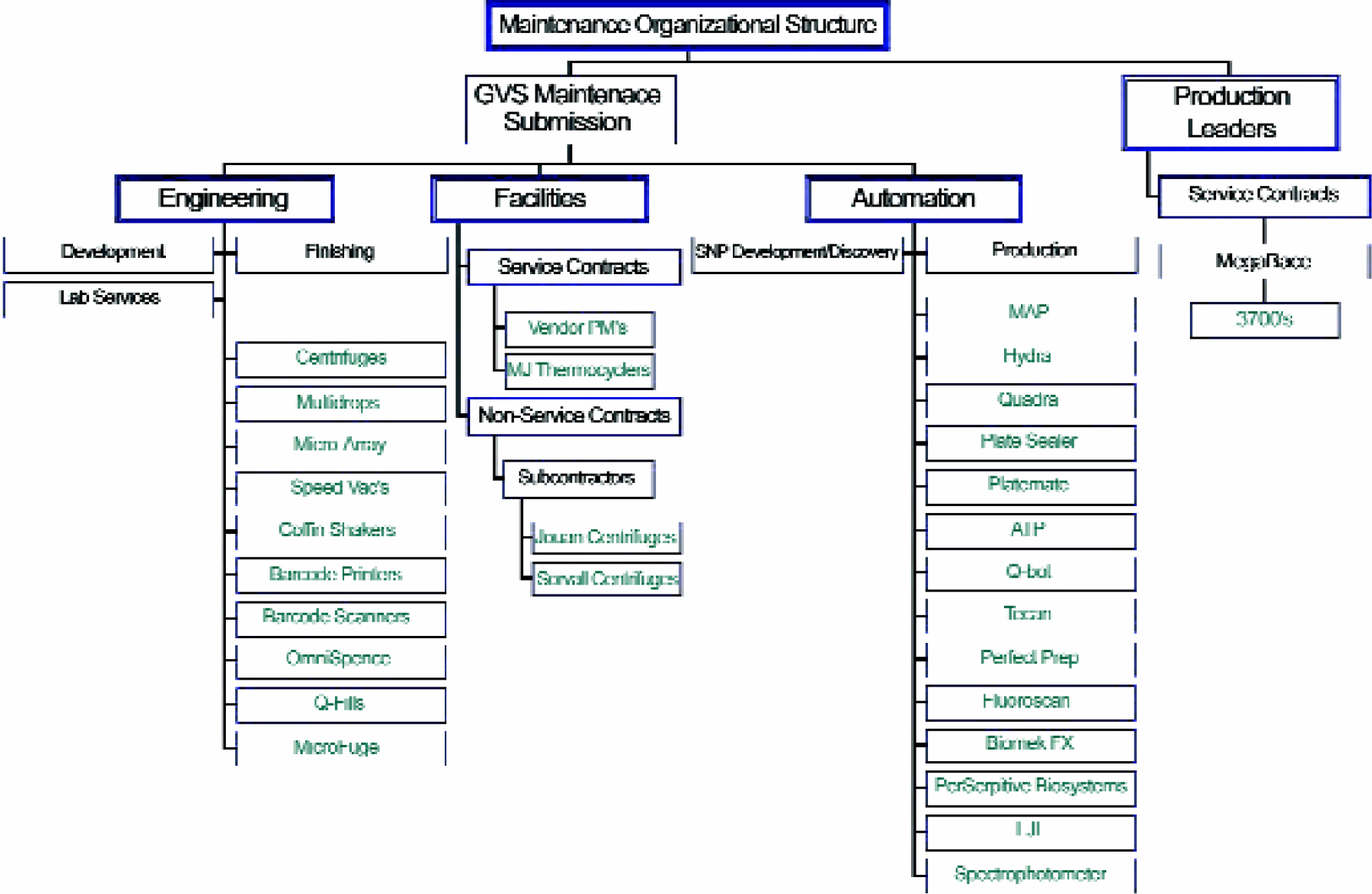
The Engineering and Automation departments are responsible for moderate equipment repairs. Major repair that is not covered by service contracts are subcontracted to repair companies. The Facilities department coordinates contractual repairs with the equipment vendors. The sequencers are vendor only repair; the production leaders contact service directly.
ELECTRONIC MAINTENANCE TRACKING
A database (Figure 2) was created to manage the preventative maintenance activities. The laboratory equipment was recorded with their serial numbers and categorized by type and department. Necessary maintenance tasks were developed and implemented for each instrument. These tasks, performed on a weekly to quarterly basis, range from simple cleaning to S.O.P. mandated maintenance.
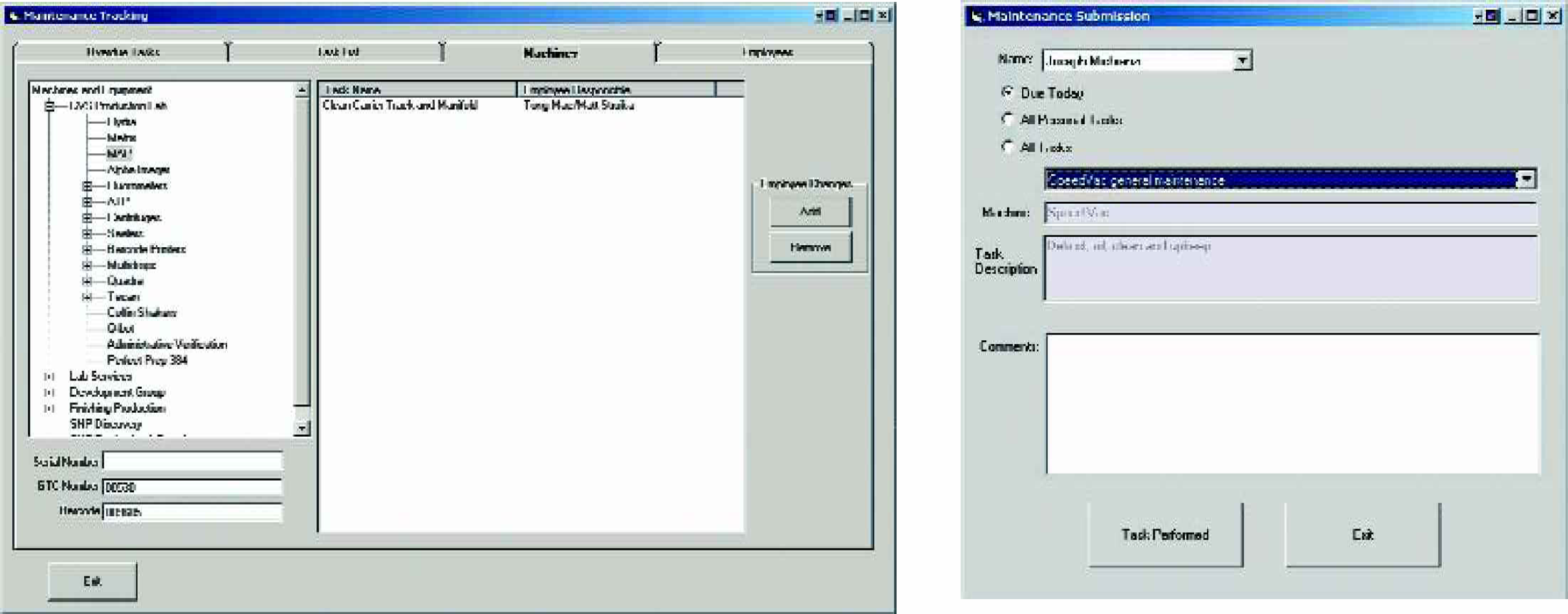
The database notifies specific personnel of upcoming and overdue tasks via e-mail. A user can query the database for their tasks and submit completions through the submission form. A daily summary sheet is auto-generated and e-mailed to the maintenance manager.
GVS MAINTENANCE REQUEST QUEUE
To expedite and centralize equipment repair, a maintenance queue was implemented. A laboratory technician can submit a request for repair to the queue via e-mail. The queue records the technician's name, time of submission, and equipment problem. The queue then sends the request to the maintenance response team and appropriate managers. This is a very useful tool for communication across multiple shifts.
From the weβ-based queue (Figure 3) the proper in-house repair technician can take responsibility for the submission and is able to record and e-mail the repair updates.
EQUIPMENT MAINTENANCE/REPAIR ANALYSIS
The data collected by the Queue is used to evaluate many metrics for equipment reliability. Repetitive failures of equipment or specific parts are easily identified. These metrics are used to better identify weakness in our automation processes and quantify actual repair costs.
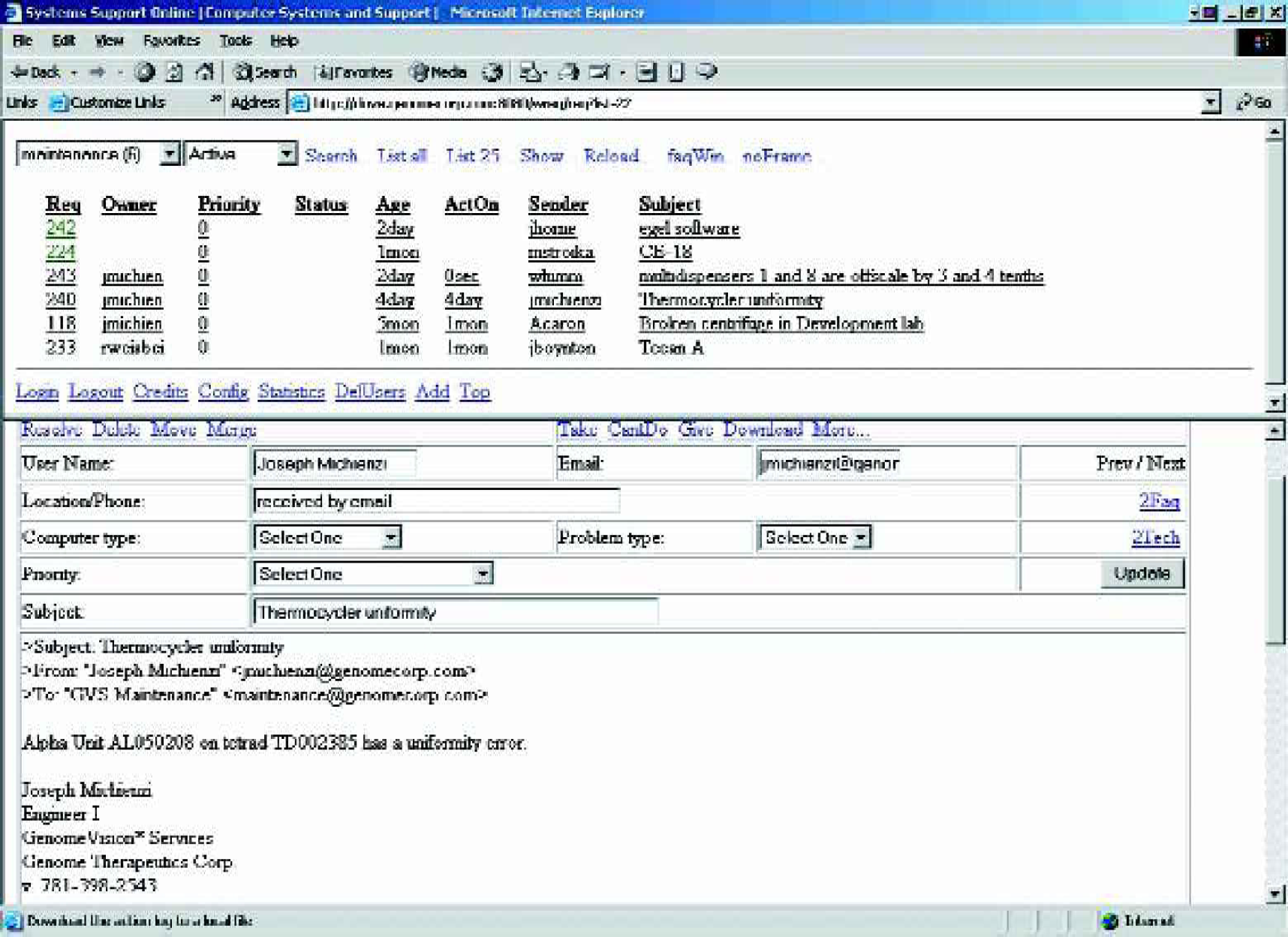
Figure 4 is an illustration of the repair request trend over the last six months.
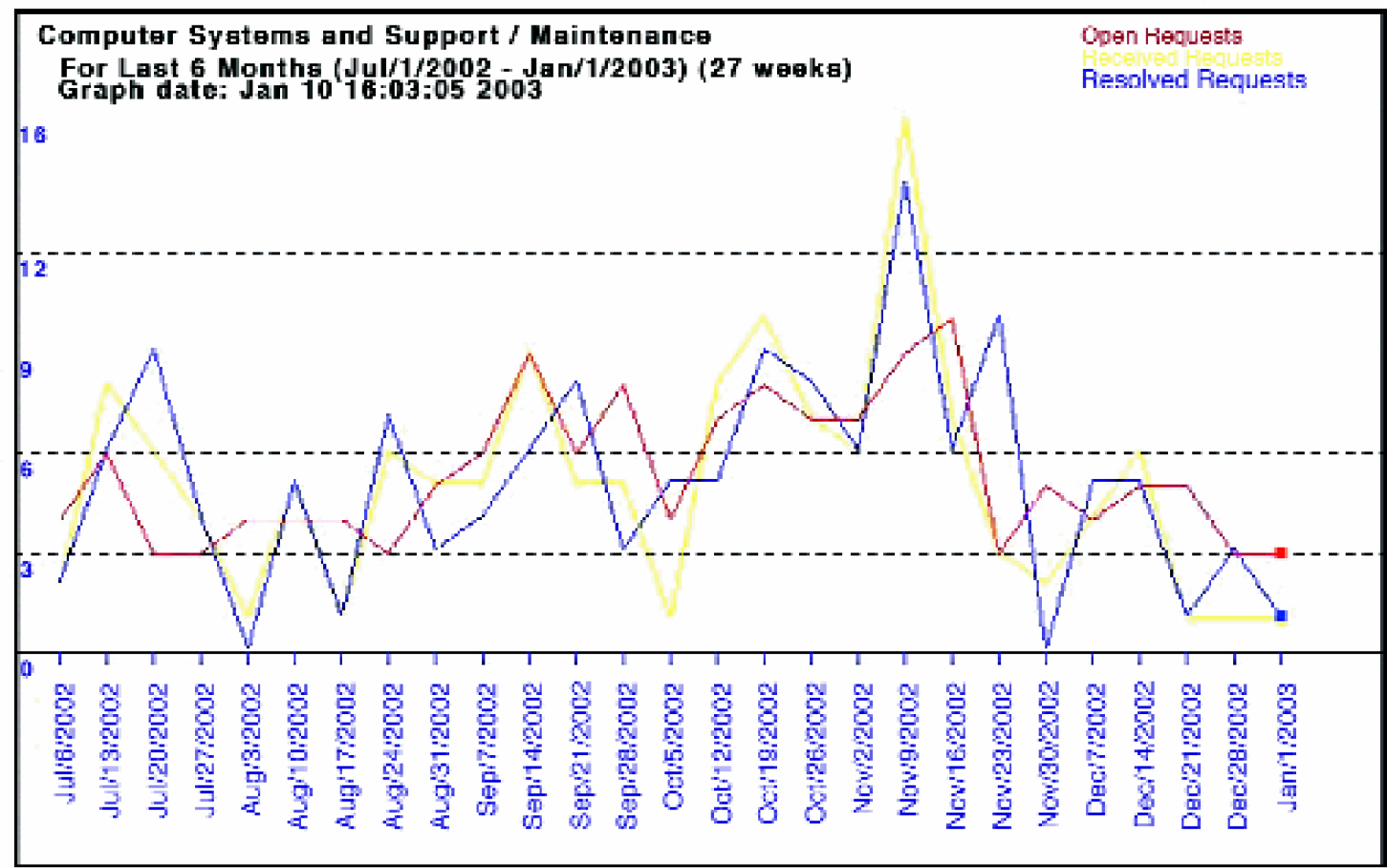
Figure 5 is a four month compilation of repair data for an automated platform. The number of failures as well as total downtime is displayed for each component.
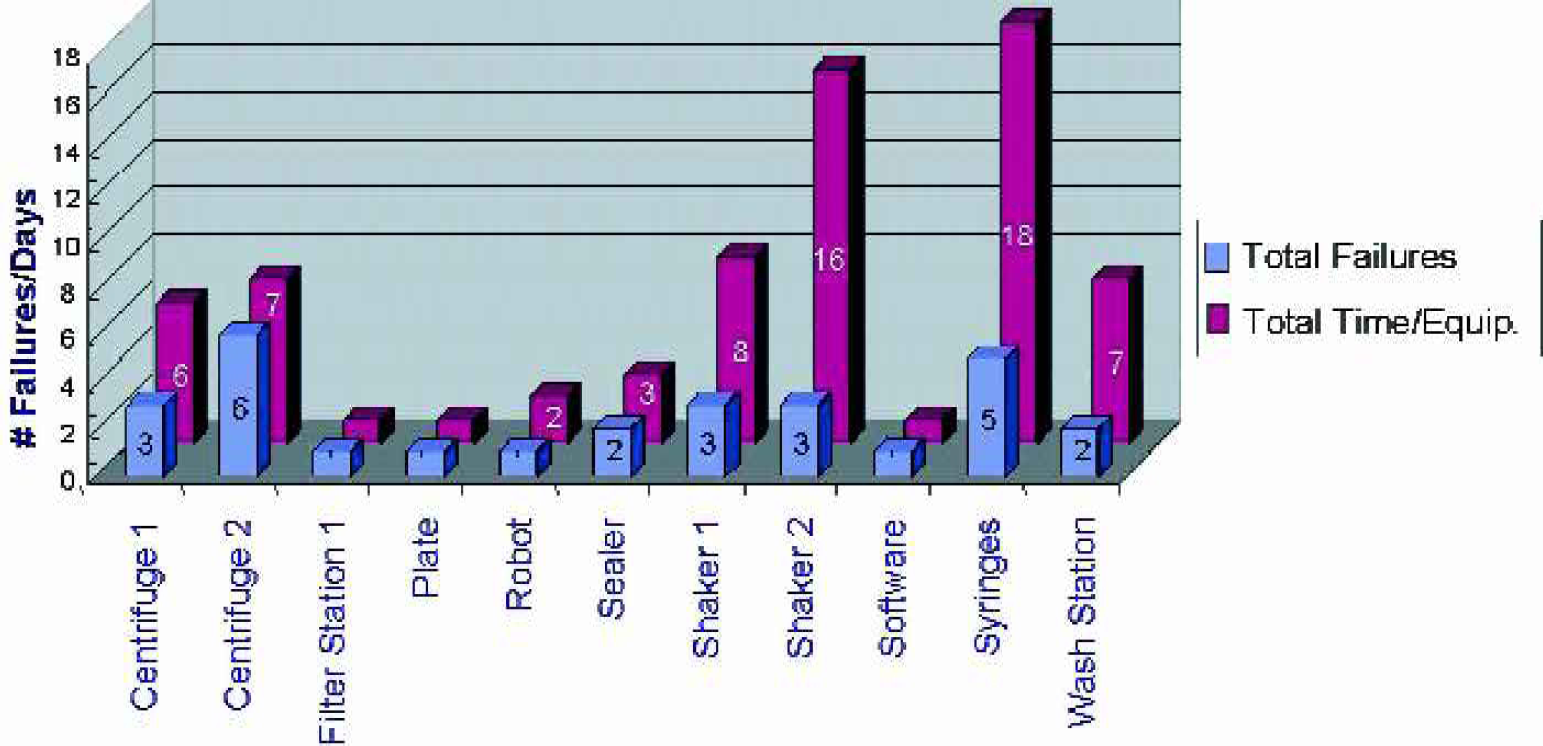
Figure 5 clearly illustrates which components fail the most and lead to the longest repair times.
Conclusions
This poster presents a model for managing maintenance and repair of laboratory equipment.
Implementation of the routine maintenance database tracking and GVS queue has resulted in significantly reduced repair delays.
The metrics generated present a clear picture of equipment reliability and overall status of the automated processes.