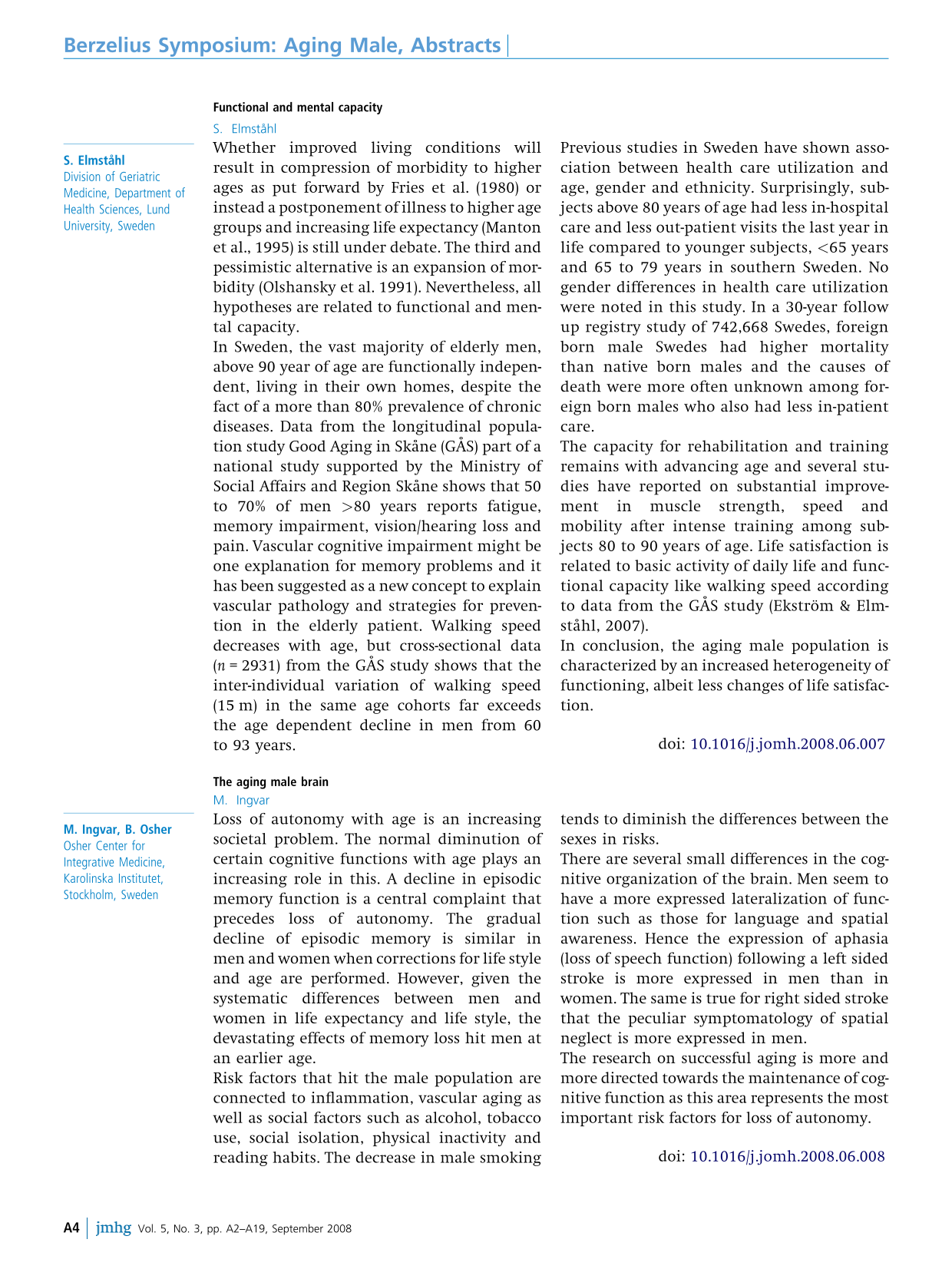
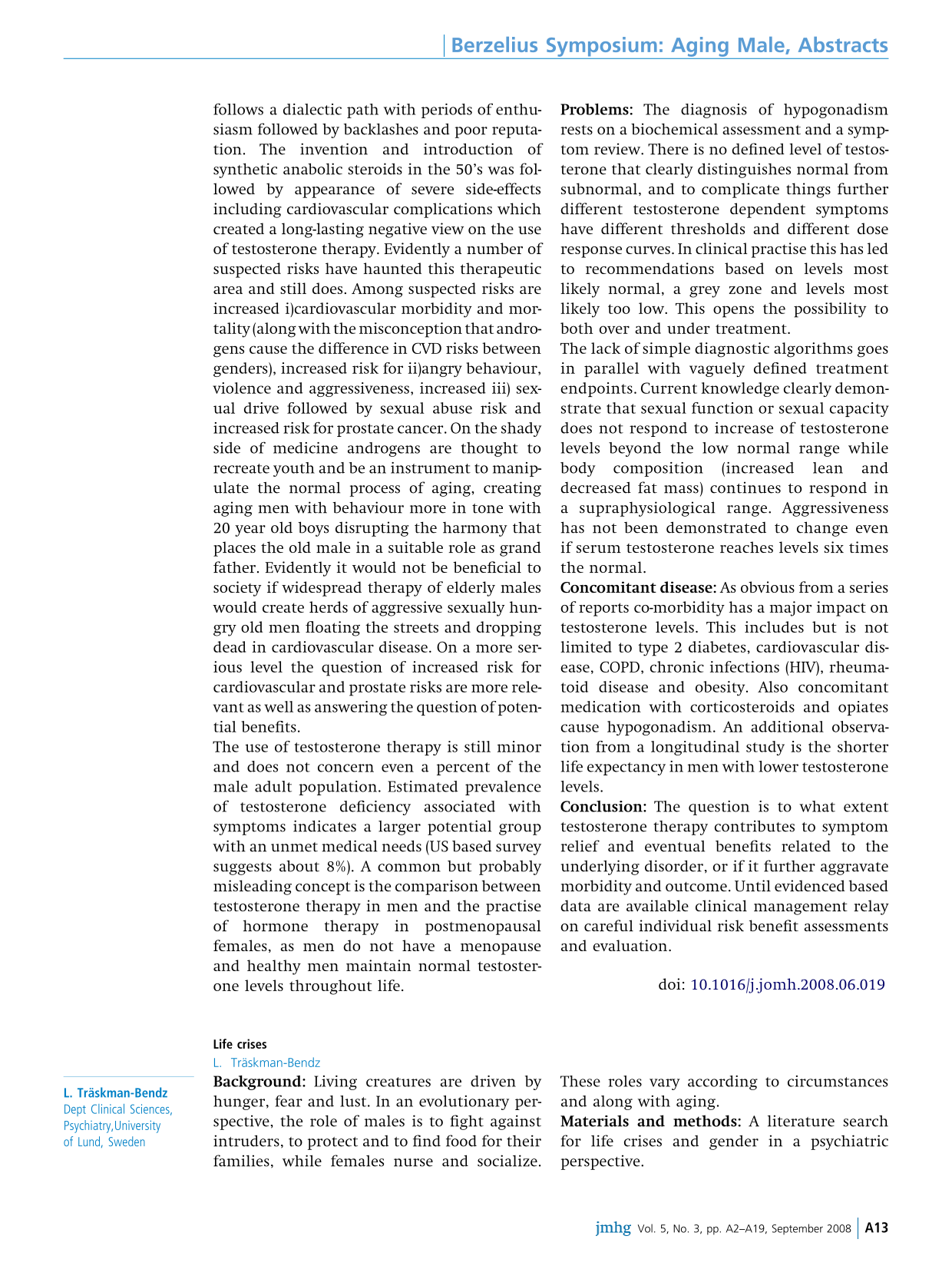
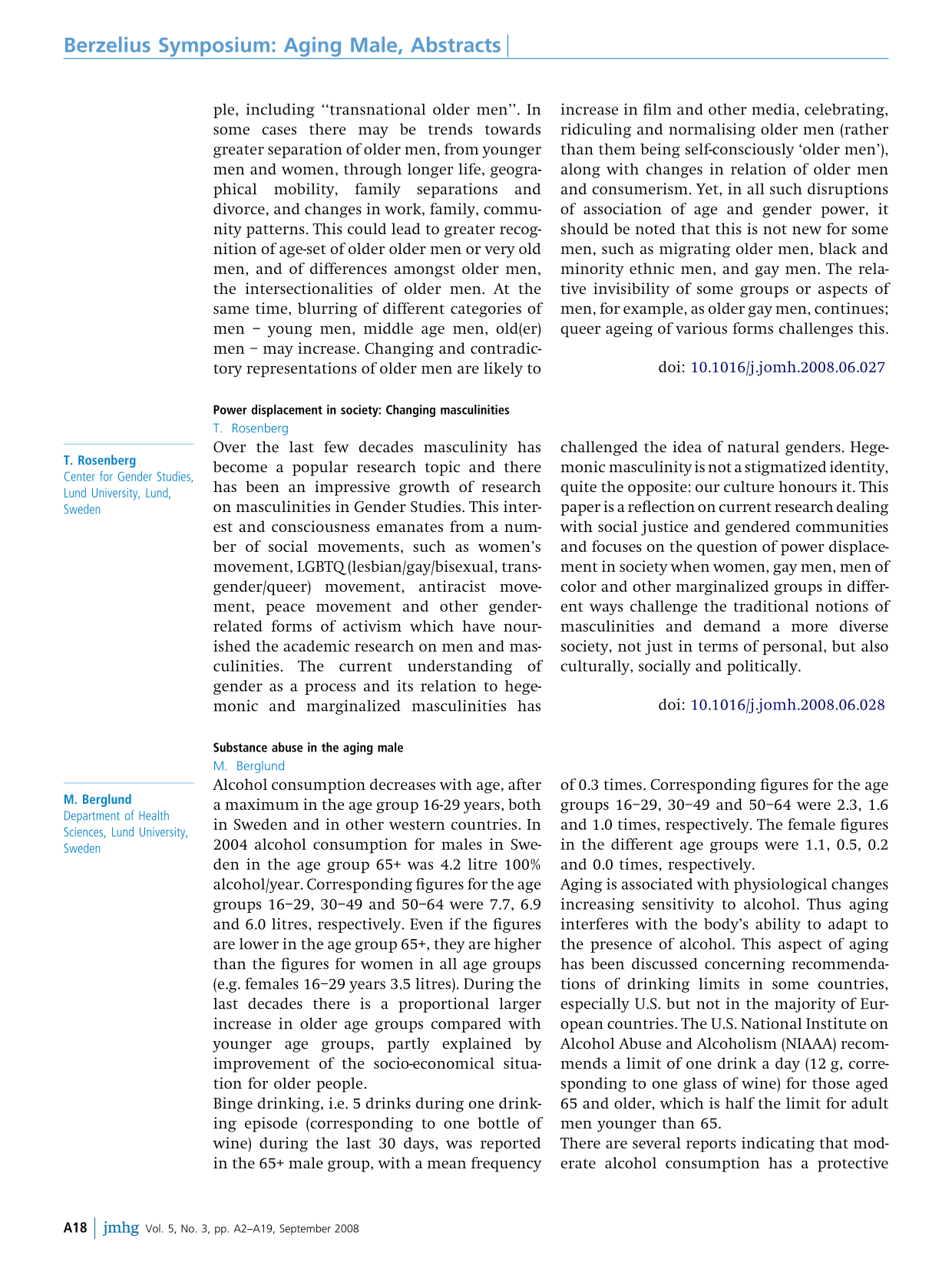
Introduction
 Restricted accessIntroductionFirst published September, 2008pp. A1-A1
Introduction The Aging Male
View All


Select search scope: search across all journals or within the current journal

 Restricted accessIntroductionFirst published September, 2008pp. A1-A1Restricted accessAbstractFirst published September, 2008pp. A2-A2Restricted accessAbstractFirst published September, 2008pp. A2-A3Restricted accessAbstractFirst published September, 2008pp. A2-A2Restricted accessAbstractFirst published September, 2008pp. A3-A3Restricted accessAbstractFirst published September, 2008pp. A4-A4Restricted accessAbstractFirst published September, 2008pp. A4-A4Restricted accessAbstractFirst published September, 2008pp. A5-A5Restricted accessAbstractFirst published September, 2008pp. A5-A6Restricted accessAbstractFirst published September, 2008pp. A6-A7Restricted accessAbstractFirst published September, 2008pp. A7-A8Restricted accessAbstractFirst published September, 2008pp. A8-A9Restricted accessAbstractFirst published September, 2008pp. A9-A10Restricted accessAbstractFirst published September, 2008pp. A9-A9Restricted accessAbstractFirst published September, 2008pp. A10-A11Restricted accessAbstractFirst published September, 2008pp. A11-A11Restricted accessAbstractFirst published September, 2008pp. A12-A13Restricted accessAbstractFirst published September, 2008pp. A12-A12Restricted accessAbstractFirst published September, 2008pp. A13-A14Restricted accessAbstractFirst published September, 2008pp. A14-A14Restricted accessAbstractFirst published September, 2008pp. A14-A15Restricted accessAbstractFirst published September, 2008pp. A15-A15Restricted accessAbstractFirst published September, 2008pp. A15-A16Restricted accessAbstractFirst published September, 2008pp. A16-A17Restricted accessAbstractFirst published September, 2008pp. A17-A17Restricted accessAbstractFirst published September, 2008pp. A17-A18Restricted accessAbstractFirst published September, 2008pp. A18-A18Restricted accessAbstractFirst published September, 2008pp. A18-A19Restricted accessAbstractFirst published September, 2008pp. A19-A19Restricted accessEditorialFirst published September, 2008pp. 176-177Restricted accessNewsFirst published September, 2008pp. 178-181Restricted accessNewsFirst published September, 2008pp. 182-183Restricted accessEditorialFirst published September, 2008pp. 184-188Restricted accessEditorialFirst published September, 2008pp. 189-191Restricted accessOtherFirst published September, 2008pp. 192-193Restricted accessReview articleFirst published September, 2008pp. 194-202Restricted accessResearch articleFirst published September, 2008pp. 203-208Restricted accessResearch articleFirst published September, 2008pp. 209-217Restricted accessResearch articleFirst published September, 2008pp. 218-226Restricted accessResearch articleFirst published September, 2008pp. 227-233Restricted accessResearch articleFirst published September, 2008pp. 234-238Restricted accessResearch articleFirst published September, 2008pp. 239-244Restricted accessResearch articleFirst published September, 2008pp. 245-248Restricted accessResearch articleFirst published September, 2008pp. 249-256Restricted accessResearch articleFirst published September, 2008pp. 257-257