Research article
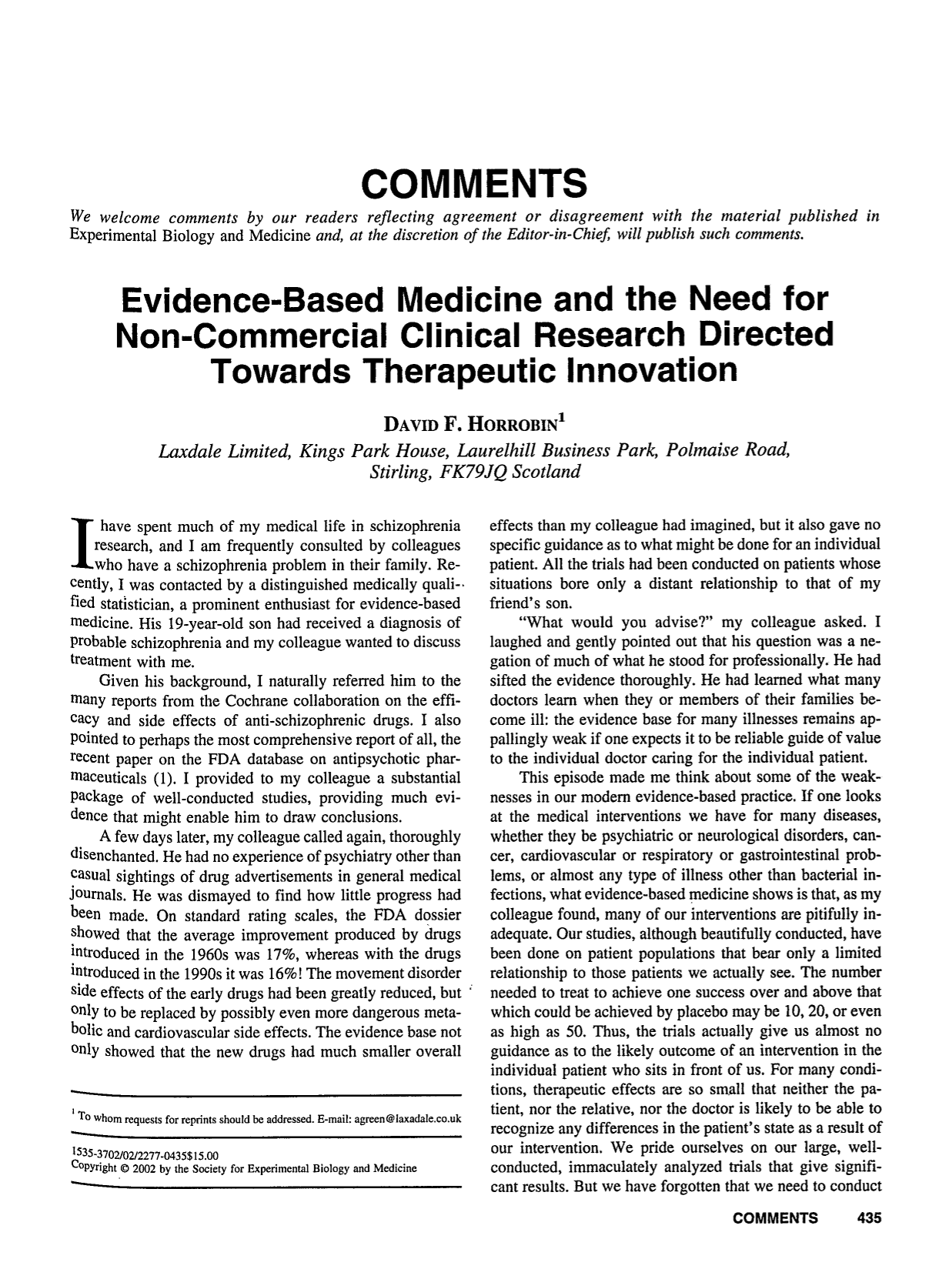
 Restricted accessResearch articleFirst published July, 2002pp. 435-437

Select search scope: search across all journals or within the current journal


 Restricted accessResearch articleFirst published July, 2002pp. 435-437Restricted accessReview articleFirst published July, 2002pp. 438-444
T-cell-derived proteins that bind nominal (non-MHC-associated) antigen specifically (TABM) express V and C region epitopes of the T-cell receptor (TCR) for antigen and have a significant similarity in amino acid sequence to TCR α-chain V and C region. The presence of these immunoproteins in human serum and a specific increase in serum TABM in infectious disease, chemical sensitivity, and food intolerance suggest that TABM may impact on pathogenesis through the modulation of cell-mediated immunity, the antigen-specific concentration and delivery of immunoregulatory cytokines such as TGF-β and elastase, and the induction of the release of substance P by sensory neurons. In this Minireview update, we describe advances in the detection and quantitation of human TABM by monoclonal antibodies, and the association of increased human serum TABM titers in infectious disease, chemical sensitivity, and food intolerance. We suggest that the immunomodulatory mode of action of these immunoproteins may be the antigen-specific focusing of cytokines associated with TABM.
Restricted accessReview articleFirst published July, 2002pp. 445-454Epidemiological evidence strongly suggests an association between cigarette smoking and pancreatic diseases. It is well recognized that nicotine, a major component in cigarette smoke, is an addictive agent and, therefore, reinforces smoking behavior. The current review update focuses on the genetics of nicotine dependence and its role on the development of pancreatic diseases. The role of smoking and nicotine in pancreatitis and pancreatic cancer development is also discussed. Exposure of laboratory animals to nicotine clearly supports the notion that nicotine can induce pancreatic injury. The mechanism by which nicotine induces such effects is perhaps mediated via signal transduction pathways in the pancreatic acinar cell, leading to enhanced levels of intracellular calcium release, resulting in cytotoxicity and eventual cell death. The induction of pancreatic injury by nicotine may also involve activation and expression of protooncogene, H-ras, which can increase cytosolic calcium via second messenger pathways. Development of pancreatic carcinoma in cigarette smokers as observed in human populations may be the result of activation and mutation of the H-ras gene. A possible pathogenetic mechanism of nicotine in the pancreas activating multiple signal transduction pathways is schematically summarized in Figure 1.
Restricted accessReview articleFirst published July, 2002pp. 455-464Despite the many studies that have been conducted using both primate and human models to understand the control of the menstrual cycle, there are many aspects of the hormonal dynamics of the menstrual cycle that are not understood. This Minireview summarizes the changes in estrogen regulation of luteinizing hormone (LH) secretion that occur throughout life in women from the time of maturation of the hypothalamic-pituitary axis resulting in the occurrence of the LH surge during puberty, through the reproductive years, to the changes in the regulation of the LH surge during premenopause and, subsequently, menopause.
Restricted accessResearch articleFirst published July, 2002pp. 465-473The present study was designed to investigate whether administration of indomethacin (IMC), a non-selective cyclooxygenase (COX-1 and COX-2) inhibitor, and Rofecoxib, a highly selective COX-2 inhibitor, affect the regulation of regional cerebral blood flow response evoked by somatosensory activation (evoked rCBF). IMC and Rofecoxib were applied intravenously (6.25 and 3 mg/kg/hr, respectively). Somatosensory activation was induced by electrical hind paw stimuli of 0.2, 1, and 5 Hz (5-sec duration, 1.5 mA). The evoked rCBF was measured in α-chloralose anesthetized rats using laser-Doppler flowmetry. Before and after drug application, the evoked rCBF showed a frequency-dependent increase in the range of 0.2–5 Hz stimulation. IMC reduced significantly (about 50%–60%) evoked rCBF in response to all frequencies of hind paw stimulation (P< 0.05). Rofecoxib reduced significantly (about 50%) evoked rCBF in response to 1 and 5 Hz stimulation (P < 0.05), but did not affect evoked rCBF at 0.2 Hz. After IMC or Rofecoxib application, the normalized evoked rCBF curves peaked earlier as compared with that before their application (P < 0.05), although the rise time of 0.5 sec was nearly constant regardless of the stimulus frequency. The termination time of evoked rCBF curves was changed significantly after IMC application at 0.2 Hz stimulation (P < 0.05), but was not affected after Rofecoxib application. Neither COX inhibitor significantly affected the baseline level of CBF. The results suggest a participation of COX products in the regulation of evoked rCBF in response to somatosensory stimulation in the brain.
Restricted accessResearch articleFirst published July, 2002pp. 474-479Thirty-five years ago, Siminovitch et al. (Siminovitch L, Till JE, McCulloch EA. J Cell Com Physiol 64:23–32, 1964), using serially transplanted mouse spleens at 14-day intervals, observed a markedly progressive decline in the proliferative capacity of bone marrow (BM) cells, with the loss of cionogenicity by the fourth transplant generation. Using the same protocol, we assessed the proliferative capacity of p53-deficient mouse BM cells transplanted serially at the same 14-day intervals into lethally irradiated mice, which was a useful tool for understanding the characteristics of hemopoletic stem cells lacking solely the p53 gene function. BM cells from p53-deficient homozygous (p53–/–), p53-heterozygous (p53+/–), and wild-type (p53+/+) C57BL/6 mice were transplanted into lethally irradiated C57BL/6 recipients. Fourteen days later, the repopulated spleens were harvested, and 107 cells were retransplanted into secondary recipients. Serial transplantation was continued at 14-day intervals until hemopoietic repopulation failure. The number of heterozygous and homozygous p53-deficient spleen cells increased logarithmically up to the fourth and fifth passages, respectively, whereas wild-type spleen cells ceased to proliferate by the third passage. The number of macroscopic spleen colonies increased logarithmically until the third passage in recipients of heterozygous and homozygous p53-deficient cells, but ceased to grow by the second passage in recipients of wild-type cells. The numbers of heterozygous and homozygous p53-deficient colony forming units in spleen (CFUs-S) remained stable during the first four transplant generations, whereas that of wild-type CFUs-S decreased progressively from the first transplant generation onward. The clonogenicity of p53-deficient cells was lost when the number of CFUs-S per spleen decreased to below 10. This suggests that one out of 10 CFUs-S might be long-term repopulating cells (LTRCs), and that p53-deficient LTRCs may proliferate more rapidly than wild-type LTRCs. Longer passages that were possible in the p53-deficient groups were considered to be due to the faster cell cycle of the p53-deficient hemopoietic progenitor cells, as determined by bromodeoxyuridine incorporation with purging by UV light exposure, followed by hemopoietic colony assay (BUUV assay).
Restricted accessResearch articleFirst published July, 2002pp. 480-486Acetylcholinesterase (acetylcholine hydrolase, EC 3.1.1.7) was solubilized from cultured Caco-2 cells. It was established that this enzyme activity is acetylcholinesterase by substrate specificity (acetylthiocholine, acetyl-β-methylthiocholine>propionylthiocholine>butyrylthiocholine), substrate inhibition, and specificity of inhibitors (BW284c51>iso-OMPA). The acetylcholinesterase activity increased proportional to the degree of differentiation of the cells. Most of the enzyme was membrane bound, requiring detergent for solubilization, and the active site faced the external fluid. Only one peak of activity, which corresponded to a monomeric form, could be detected on linear sucrose density gradients. The sedimentation of this form of the enzyme was shifted depending on whether Triton X-100 or Brij 96 detergent was used. These results indicate that the epithelial-derived Caco-2 cells produce predominantly an amphiphilic, monomeric form of acetylcholinesterase that is bound to the plasma membrane and whose catalytic center faces the extracellular fluid.
Restricted accessResearch articleFirst published July, 2002pp. 487-491Dietary copper is an essential trace element with roles in both functional and structural aspects of the cardiovascular system. In particular, the vascular response to inflammatory stimuli is known to be significantly augmented in copper-deficient rats. The current study was designed to quantify the extent of injury-induced neointimal proliferation and stenosis in rats fed diets either adequate or deficient in copper. Male, weanling Sprague-Dawley rats were fed purified diets that were either adequate (CuA; 5.6 μg Cu/g) or deficient (CuD; 0.3 μg Cu/g) in copper for 4 weeks. Balloon injury was induced in the left external carotid arteries. Fourteen days after injury, histomorphometric analysis of cross-sections from carotid arteries showed increased neointimal formation in the CuD group compared with the CuA controls (neointima/media ratio: 4.55 ± 0.93 vs 1.45 ± 0.2, respectively). These results correspond with data indicating that the activity of Cu/Zn-superoxide dismutase (SOD) is depressed in rats fed this CuD diet. Because superoxide anion and redox status are known to play a key role in the extent of neointimal formation in response to injury, we propose that the exaggerated neointimal proliferation seen in the CuD group is the result of the diminished Cu/Zn-SOD activity.
Restricted accessResearch articleFirst published July, 2002pp. 492-499Long-term (10-week) treatment of Fischer 344 (F344) rats with the synthetic estrogen diethylstilbestrol (DES) increases the level of vascular endothelial growth factor (VEGF) in the pituitary. This is concurrent with the development of a large tumor of the pituitary of F344 rats. A role for VEGF in estrogendependent pituitary tumor growth is also supported by the fact that pituitary VEGF level is not increased by estrogen treatment in rats of the tumor-resistant Brown Norway (BN) strain. However, VEGF is not increased by estrogen treatment in an F1 hybrid of F344 and BN, even though F1 hybrid rats do form pituitary tumors in response to estrogen. Quantitative trait locus (QLT) mapping reveals that control of estrogen-dependent VEGF expression is linked to the Edpm5 QTL, which was previously identified as a QTL for estrogen-dependent pituitary tumor growth. In contrast, the QTL Edpm2-1 and Edpm9-2, which have been shown to each have a significant effect on estrogendependent pituitary mass of a magnitude similar to Edpm5, do not have any effect on VEGF level. Taken together, our results support the association of VEGF expression with growth of the estrogen-Induced rat pituitary tumor, as has been reported by others, but they also indicate that there is significant pathways of growth regulation that are independent of high-level VEGF expression.
Restricted accessResearch articleFirst published July, 2002pp. 500-508Nearly all the experimental mice used in aging research are derived from lineages that have been selected for many generations for adaptation to laboratory breeding conditions and are subsequently inbred. To see if inbreeding and laboratory adaptation might have altered the frequencies of genes that influence life span, we have developed three lines of mice (Idaho [Id], Pohnpel [Po], and Majuro [Ma]) from wild-trapped progenitors, and have compared them with a genetically heterogeneous mouse stock (DC) representative of the laboratoryadapted gene pool. Mean life span of the Id stock exceeded that of the DC stock by 24% (P < 0.00002), and maximal life span, estimated as mean longevity of the longest-lived 10% of the mice, was also increased by 16% (P < 0.003). Mice of the Ma stock also had a significantly longer maximal longevity than DC mice (9%, P = 0.04). The longest-lived Id mouse died at the age of 1450 days, which appears to exceed the previous longevity record for fully fed, non-mutant mice. The life table of the Po mice resembled that of the DC controls. Ma and Id mice differ from DC mice in several respects: both are shorter and lighter, and females of both stocks, particularly Id, are much slower to reach sexual maturity. As young adults, Id mice have lower levels of insulin-like growth factor 1 (IGF-I), leptin, and glycosylated hemoglobin compared with DC controls, implicating several biochemical pathways as potential longevity mediators. The results support the idea that inadvertent selection for rapid maturation and large body size during the adaptation of the common stocks of laboratory mice may have forced the loss of natural alleles that retard the aging process. Genes present in the Id and Ma stocks may be valuable tools for the analysis of the physiology and biochemistry of aging in mice.
Restricted accessResearch articleFirst published July, 2002pp. 509-519Epidemiological data from retrospective and case-control studies have indicated that estrogen replacement therapy (ERT) can decrease the risk of developing Alzheimer's disease. In addition, ERT has been found to promote cellular correlates of memory and to promote neuronal survival both in vivo and in vitro. Phytoestrogens have been proposed as potential alternatives to ERT. To determine whether phytoestrogens exert estrogen agonist effect in neural tissue, investigations of neuroprotective and neurotrophic efficacy of phytoestrogens were conducted. Six phytoestrogens, genistein, genistin, daldzein, daidzin, formononetin, and equol, were tested for their neuroprotective efficacy against two toxic insults, glutamate excitotoxicity and β-amyloid25–35. Neuronal membrane damage was quantitatively measured by lactate dehydrogenase (LDH) release, and neuronal mitochondrial viability was determined by 3-[4,5-dimethylthiazoi-2-yl]-2,5-diphenyl tetrazolium bromld (MTT) assay. Results of these studies demonstrated that all phytoestrogens induced a modest but significant reduction in LDH release following exposure to glutamate and β-amyloid25–35. In contrast, none of phytoestrogens induced a significant increase in reduced MTT levels, which occurred in the presence of a full estrogen agonist, 17β-estradiol. Analysis of the neurotrophic potential of genistein and daidzein, two phytoestrogens that exerted a significant reduction in LDH release, demonstrated that neither of these molecules promoted hippocampal neuron process outgrowth. Results of these analyses indicate that although phytoestrogens exert a neuroprotective effect at the plasma membrane, they do not sustain neuron mitochondrial viability nor do they induce cellular correlates of memory as neurite outgrowth and synaptogenesis are putative mechanisms of memory. Data derived from these investigations would predict that phytoestrogens could exert some neuroprotective effects analogous to that of antioxidants, but that these molecules are not functional equivalents to endogenously active 17β-estradiol or to estrogen replacement formulations and, therefore, would raise the concern that they may not reduce the risk of Alzheimer's disease or sustain memory function in postmenopausal women.
Restricted accessResearch articleFirst published July, 2002pp. 520-528The possible relationships between intracellular Na+ (Na1+), bioenergetic status and intracellular pH (pH1) in the mechanism for ischemic preconditioning were studied using 23Na and 31P magnetic resonance spectroscopy in isolated Langendorff perfused rat heart. The ischemic preconditioning (three 5-min ischemic episodes followed by two 5-min and one 10-min period of reperfusion) prior to prolonged ischemia (20 min stop-flow) resulted in a decrease in ischemic acidosis and faster and complete recovery of cardiac function (ventricular developed pressure and heart rate) after 30 min of reperfusion. The response of Na1 during ischemia in the preconditioned hearts was characterized by an increase in Na+1 at the end of preconditioning and an accelerated decrease during the first few minutes of reperfusion.
During post-ischemic reperfusion, bioenergetic parameters (PCr/P1 and βATP/P, ratios) were partly recovered without any significant difference between control and preconditioned hearts. The reduced acidosis during prolonged ischemia and the accelerated decrease in Na1+ during reperfusion in the preconditioned hearts suggest activation of Na+/H+ exchanger and other ion transport systems during preconditioning, which may protect the heart from intracellular acidosis during prolonged ischemia, and result in better recovery of mechanical function (LVDP and heart rate) during post-ischemic reperfusion.
Restricted accessResearch articleFirst published July, 2002pp. 529-534Significant differences in liver copper content have been observed between rat inbred strains. To define loci controlling this trait, the offspring (n = 190) from an (LEW/OlaHsd × BC/CpbU) F2-intercross was genetically analyzed. From each F2 animal, liver copper content was determined and genomic DNA was screened with polymorphic DNA markers. We found a major quantitative trait locus (QTL) for liver copper content in females on chromosome 2 and in males on chromosome 10. Both QTLs accounted for approximately 20% of the genetic variance. In addition, suggestive linkage for liver copper content was found on rat chromosomes 1, 8, 10, 12, 14, and 19. The regions on these chromosomes contain genes that are responsible for 9.0–15.5% of the genetic variance of liver copper content.
Restricted accessResearch articleFirst published July, 2002pp. 535-544Effects of growth hormone (GH) levels on the humoral immune response were investigated in metallothionein I (MT)-bovine (b) GH-transgenic (tg) and GH-deficient Ames dwarf (Prop1 dt–/–) mice. Four-month-old mice were given primary and secondary injections of either normal saline or tetanus toxoid (TT) to induce specific antibody (Ab) production. MT-bGH-tg mice with high peripheral levels of bGH produced less TT-specific Ab than normal nontransgenic (Ntg) littermates, df, or nondwarf (Ndf) control mice. Titers reached maximum levels at 3–4 weeks postprimary immunization (PPI) and declined gradually through 24 weeks PPI in all groups of mice. Peripheral CD4+ and CD8+ T cell populations were significantly lower in tg than in Ntg, df, or Ndf mice. No significant differences were found in B cell numbers between tg, Ntg, or df mice. T helper 2 (Th2) cell populations were significantly greater in df mice compared to Ntg control mice. No significant differences were found in CD4+:CD8+ T cell ratios, interleukin (IL)-4 concentrations or interferon (IFN)-γ levels between tg, Ntg, df, and Ndf mice. No patterns of significant sexual dimorphism were found for any of the immune parameters studied. Elevated levels of corticosterone were investigated as a possible immunosuppressant mechanism responsible for low Ab responses in the tg mice. Ab production was not enhanced by decreasing corticosterone in tg mice. Thus, high endogenous GH levels inhibit specific Ab production and peripheral T cell populations but not peripheral B cell numbers, Th2 cell populations, or IL-4 or IFN-gamma production. Elevated corticosterone levels do not appear to be responsible for suppressed humoral immune responses. Low levels of endogenous GH do not inhibit specific Ab production but may contribute to increased peripheral Th2 cell numbers.
Restricted accessResearch articleFirst published July, 2002pp. 545-553Reproduction and development are highly dependent on apoptosis to balance the proliferation that necessarily occurs during these processes. How the absence of two apoptotic factors in mice would affect reproduction and development was examined. Given previous reports of increased neural tube defects in p53–/– female fetuses, decreased fertility in gld female mice, and altered spermatogenesis in both p53 and gld male mice, the possibility that these phenotypes might be enhanced by the elimination of a second apoptotic factor was investigated. The reproductive vigor and the health of offspring were monitored during the production of the new double-deficient strain (FasL–/–p53–/–) for any changes from the reported phenotypes. Thus, any unusual phenotypes that could lead to new models for studying mechanisms of health and disease would be identified. Double-deficient male offspring appeared healthy and occurred at expected frequencies. Additionally, spermatogenesis and male fertility were unaffected by the gene deficiencies. On the other hand, FasL+/+p53–/– and FasL–/–p53–/– female mice were susceptible to increased malformations and post-natal death. These abnormalities were consistent with previous reports of neural tube defects in p53–/– female mice. Fertility rates were also significantly decreased in p53-/- female mice that lived to be adults, an observation not previously reported. Finally, the absence of both FasL and p53 led to dystocia in pregnant female mice, suggesting that the two genes play complementary roles in parturition. Therefore, although male mouse development and reproduction remained unaffected by p53 and FasL deficiencies, female mouse development was adversely affected by the absence of p53, and no live litters were born to female mice with the combined absence of both FasL and p53. In this report, we suggest a potential mechanism involving corpora luteal regression to explain this defect in parturition in FasL–/–p53–/– female mice.
Restricted accessResearch articleFirst published July, 2002pp. 554-558Many foods contain the unsaturated aldehyde, hexadlenal (HX). Human exposure is thus unavoidable. HX feeding to rodents caused cancers only in the forestomach. Aldehyde dehydrogenases (ALDH) are key enzymes in the metabolism of aldehydes. We examined the distribution of ALDH using HX as the substrate (HXDH) along the GI tract of adolescent rats and found that their stomachs have high levels of HXDH activity and the enzyme preferred HX > 9-cis-retinal > acetyl aldehyde > formyl aldehyde. We also followed the postnatal development of the stomach. At birth, the forestomach represented 40–50% of the total stomach weight. Both fore- and glandular stomach gained weight, with the glandular portion gaining at a faster rate. By 21 days, the forestomach was 24–28% of the total weight and decreased slightly to an adult level of 22–24%. Gastric HXDH is low from birth to 14 days of age. HXDH activity increased thereafter, reaching higher levels at 21 days and peaking around 30–36 days of age. The activity then decreased to the adult level. The fore- and glandular stomach had the same level of HXDH activity in the newborn and at 7 and 14 days of age. At weaning, HXDH activity was higher (3×) in the forestomach than in the glandular stomach. In adults, the forestomach still had 2× the HXDH activity compared to the glandular stomach. Zymograms showed similar isozyme patterns of HXDH but with different ratios of the three major forms between the forestomach and the glandular stomach. Results indicate a differential development of HXDH between the fore- and glandular stomach that might be related to the higher sensitivity of the forestomach to HX feeding.
Restricted accessEditorialFirst published July, 2002pp. ix-ix Restricted accessLetterFirst published January, 2002pp. v-v
 Restricted accessLetterFirst published January, 2002pp. vi-vi
 Restricted accessAnnouncementFirst published January, 2002pp. vii-vii
 Restricted accessAnnouncementFirst published January, 2002pp. vii-vii
 Restricted accessEditorialFirst published July, 2002pp. viii-viii