Submission guidelines
 Submit manuscript
Please read the guidelines in full before submitting your manuscript.
Manuscripts not conforming to these guidelines may be returned.
The Journal recommends that authors follow the Recommendations for the Conduct, Reporting, Editing, and Publication of Scholarly Work in Medical Journals formulated by the International Committee of Medical Journal Editors (ICMJE).
Sage is committed to upholding the integrity of the academic record. We encourage authors to refer to the Committee on Publication Ethics’ International Standards for Authors and view the author responsibilities section on the Sage Journal Author Gateway.
We also encourage you to familiarize yourself with our Editorial Policies and our Publication Ethics Policies.
Sage Publishing disseminates high-quality research and engaged scholarship globally, and we are committed to diversity and inclusion in publishing. We encourage submissions and peer review from a diverse range of authors and reviewers from across all countries and backgrounds. Read our diversity, equity, and inclusion pledge.
There are no fees payable to submit or publish in this journal. Open access options are available – see below.
Please read the guidelines below then submit your manuscript here.
Access: Subscription
Accepts preprints? Yes
Identity transparency: Single anonymized
Please note that this journal is online-only and does not offer print copies.
There are no fees payable to submit or publish in this journal.
Figures submitted in color will be published in color in the online version of the journal at no cost.
Optional open access publishing is available for a fee via the Sage Choice program, and Open Access agreements, where authors can publish open access either discounted or free of charge depending on the agreement with Sage. Find out if your institution is participating by visiting Open Access Agreements at Sage. Open Access agreement eligibility is determined by the corresponding author’s affiliation matching an agreement at acceptance. For more information on Open Access publishing options at Sage please visit Sage Open Access.
For information on funding body compliance, and depositing your article in repositories, please visit Sage’s Author Archiving and Re-Use Guidelines and Publishing Policies.
Your article must be within the scope of the journal and be of sufficient quality. If not, it will not be reviewed. Please read the journal’s Aims and Scope to see if your article is appropriate.
The manuscript must be your original work, you must have the rights to the work, and you must have obtained and be able to supply all necessary permissions for the reproduction of any copyright works not owned by you, including figures, illustrations, tables, lengthy quotations, or other material previously published elsewhere.
Article types
|
Original Research |
Original Research reports an original investigation. Randomized clinical trials must follow CONSORT guidelines and include a flow chart. Clinical trials must be registered (https://clinicaltrials.gov or equivalent). Observational studies, surveys, bench studies, qualitative research, and quality improvement projects must have generalizable interest among the readers of the Journal and follow the scientific method.
|
|
Narrative Review |
A comprehensive review of the literature that does not follow the rigor of a systematic review. Usually written by persons with established expertise in the subject area. Scoping reviews should be submitted in the Narrative Review category.
|
|
Systematic Review |
A methodologically rigorous review that organizes relevant evidence fitting pre-specified eligibility criteria in order to address a specific research question. It uses explicit, systematic methods to minimize bias in the identification, selection, synthesis, and summary of studies. May contain a meta-analysis. Must follow the PRISMA guidelines and be registered with PROSPERO
|
|
Short Report |
A Short Report describes novel findings that have potential clinical impact but are not developed enough to warrant publication as Original Research. Short Reports should not be interim analyses of ongoing projects. Case reports will not be considered.
|
|
Editorials (Invited Only) |
Commentary that is related to another paper published in the same issue of the Journal.
|
|
Correspondence |
A brief communication responding to previously published material in the Journal.
|
Word limits do NOT pertain to the abstract, disclosure statements, author contribution statements, funding information, acknowledgments, tables, figure legends, or references.
Quick Look
The concise take-home message of the study. Only Original Research articles have Quick Look boxes. Quick Look boxes have 2 headings, Current Knowledge and What This Paper Contributes To Our Knowledge.
Include the Quick Look text in the main manuscript file.
Current Knowledge
- 2-4 declarative sentences summarizing current understanding of the topic being studied. Avoid stating what isn't known.
What This Paper Contributes To Our Knowledge
- 2-4 declarative sentences summarizing the take-home message of the study. Use past tense. Provide only information supported by the data. Do not overstate the importance of your results and do not suggest further research; this section is about the paper at hand.
The Editors reserve the right to edit Quick Look boxes for accuracy, style, and length.
Example Quick Look
Current knowledge
The endotracheal tube cuff allows positive pressure ventilation and protects the airway from aspiration. Standard cuff pressures of 20–30 cm H2O are typically used to prevent leakage of fluid around the cuff and to prevent mucosal injury. In recent years, laboratory evaluations of cuffs in glass models have demonstrated reduced fluid leakage, but clinical studies have not confirmed these findings in vitro.
What this paper contributes to our knowledge
In a realistic viscoelastic model of the trachea, endotracheal tube cuffs of different designs provided an adequate seal at a pressure of 12 cm H2O. With increased PEEP, higher cuff pressures were required. Tubes with a subglottic suction channel performed best in the lateral position.
Equations
Write equations as normal text. Do not use the equation function in Microsoft Word or other mathematics software.
Statistical Analysis
For Original Research papers, the Editor recommends working with a biostatistician to assure appropriate analysis. The Editor may request a letter from your biostatistician assuring that the analysis is correct.
In the Methods section, identify the statistical tests used to analyze the data. Indicate the P-value that was taken to indicate significance. State whether tests were one-tailed or two-tailed; justify the use of one-tailed tests. Identify post-hoc analyses. Identify any statistical analysis software used. Indicate how the power analysis was conducted to determine appropriate sample size.
Report measurements with an appropriate degree of precision. Report both numerators and denominators for percentages.
For continuous data, description statistics should be expressed as mean and standard deviation (not standard error). For ordinal data, median and interquartile range should be reported.
For ratios, (eg, odds ration, relative risk), provide 95% confidence interval.
Report exact P values rather than thresholds. Example: write “P = .18”, not “P > .05” or “P = NS.” Note that P cannot equal 0 or 1. If the statistical software reports P = 0, report in your manuscript as P < .001. If the statistical software reports P = 1, report in your manuscript as P > .99.
P values ≥ .01 should be expressed to 2 digits.
P values between .03 and .07 should be expressed to 3 digits. This is to preserve potential meaning of values near .05.
P values between < .001 and .01 should be expressed to 3 digits. All P values < .001 should be reported as P < .001.
Units of Measurement
Report units of measurement according to current scientific usage. Standard units of measurement and scientific terms may be abbreviated without explanation (eg, L/min, mm Hg, pH, O2). The Journal uses most values in Systeme Internationale (SI) units. For blood gas values, we prefer mm Hg to kPa. For airway pressure, we prefer cm H2O rather than mbars.
Pulmonary Terms and Symbols
Use the Preferred Pulmonary Terms and Symbols. Use abbreviations sparingly and do not invent new abbreviations. Use an abbreviation only if the term occurs > 10 times in the manuscript.
The following commonly used abbreviations do not need to be defined: ARDS, CI, COPD, COVID-19, CPAP, DNA, FDA, FEV1, FIO2, FVC, ICU, PaO2, PaCO2, PO2, PCO2, PEEP, SD, SpO2.
Drugs and Commercial Products
Precisely identify all drugs and chemicals, doses, and methods of administration.
Use generic names instead of trade (proprietary) names for both drugs and equipment.
At first mention, trade names may be given parenthetically after generic names, including the name and location of the manufacturer. For equipment, provide model numbers if available.
Subjects versus Patients
Individuals enrolled in research are referred to as subjects, not patients. This applies to both retrospective and prospective studies.
Ventilator Modes
Use the Preferred Ventilator Mode Nomenclature.
Inclusivity
Manuscripts should make no assumptions about the beliefs of any reader, should contain nothing which might imply that one individual is superior to another on the grounds of race, sex, culture, or any other characteristic, and should use inclusive language throughout. Authors should ensure that writing is free from bias, for example, by using gender neutral descriptions when possible.
The Journal prefers Black (capitalized) to African American.
Clinical trial registration
The journal conforms to the ICMJE requirement that clinical trials are registered in a WHO-approved public trials registry at or before the time of first participant enrollment as a condition of consideration for publication. The trial registry name and URL, and registration number must be included at the end of the abstract.
Reporting guidelines
Your manuscript must follow the relevant EQUATOR Network reporting guidelines, depending on the type of study. The EQUATOR wizard can help identify the appropriate guideline. You will need to upload the appropriate checklist with your submission.
Other resources can be found at NLM’s Research Reporting Guidelines and Initiatives.
If your research involves animals, you will be asked to confirm that you have carefully read and adhered to the ARRIVE guidelines.
Formatting your manuscript
Accepted file types
The preferred format for your manuscript is Word. You do not need to follow a template, but please ensure your heading levels are clear, and the sections clearly defined.
Your article title, keywords, and abstract all contribute to its position in search engine results, directly affecting the number of people who see your work. For details of what you can do to influence this, visit How to help readers find your article online.
Double-space all text (including Tables and References). Flush-left and bold 1st level headings; flush-left and bold 2nd level headings; indent and bold 3rd level headings. For original research, the use of subheadings is discouraged; the major headings are usually sufficient. Subheadings are usually necessary and appropriate for review papers.
Title
Your manuscript’s title should be concise, descriptive, unambiguous, accurate, and reflect the precise contents of the manuscript. A descriptive title that includes the topic of the manuscript makes an article more findable in the major indexing services.
Abstract
Please include a structured abstract of 300 words between the title and main body of your manuscript that concisely states the purpose of the research, major findings, and conclusions. If your research includes clinical trials, the trial registry name and URL, and registration number must be included at the end of the abstract. Submissions that do not meet this requirement will not be considered.
For clinical trials, the trial registry name and URL, and registration number must be included at the end of the abstract.
Keywords
Please include a minimum of 6-10 keywords, listed after the abstract. Keywords should be as specific as possible to the research topic.
Artwork, figures, and other graphics
For guidance on the preparation of illustrations, pictures, and graphs in electronic format, please read Sage’s artwork guidelines.
Figures supplied in color will appear in color online.
Please ensure that you have obtained any necessary permission from copyright holders for reproducing any illustrations, tables, figures, or lengthy quotations previously published elsewhere. For further information including guidance on fair dealing for criticism and review, please see the Frequently Asked Questions page on the Sage Journal Author Gateway.
- Article title
- The full list of authors including names and affiliations of each
- The listed affiliation should be the institution where the research was conducted. If an author has moved to a new institution since completing the research, the new affiliation can be included in a note at the end of the manuscript – please indicate this on the title page.
- All persons eligible for authorship must be included at the time of submission (please see the authorship section for more information).
- Contact information for the corresponding author: name, institutional address, phone, email
- Acknowledgments section
- Declaration of conflicting interest
- Funding statement
- Ethical approval and informed consent statements
- Data availability statement
-
Any other identifying information related to the authors and/or their institutions, funders, approval committees, etc, that might compromise anonymity.
General Instructions
- Figures should complement the text; they should not be redundant of text. Use figures only if they have a purpose.
- Figures should be standalone without the need to refer to the body of the manuscript.
- Each figure should be submitted as a separate file and not embedded in the manuscript.
- The first figure in a clinical trial must be a flow chart.
Formatting
- Use subscripts appropriately: H2O, CO2, etc.
- Use a sans serif font sized appropriately for legibility. Axis titles may be larger than labels.
- Use lines that are heavy enough to be easily visualized.
- Do not place a title over the figure. This information should be included in the legend.
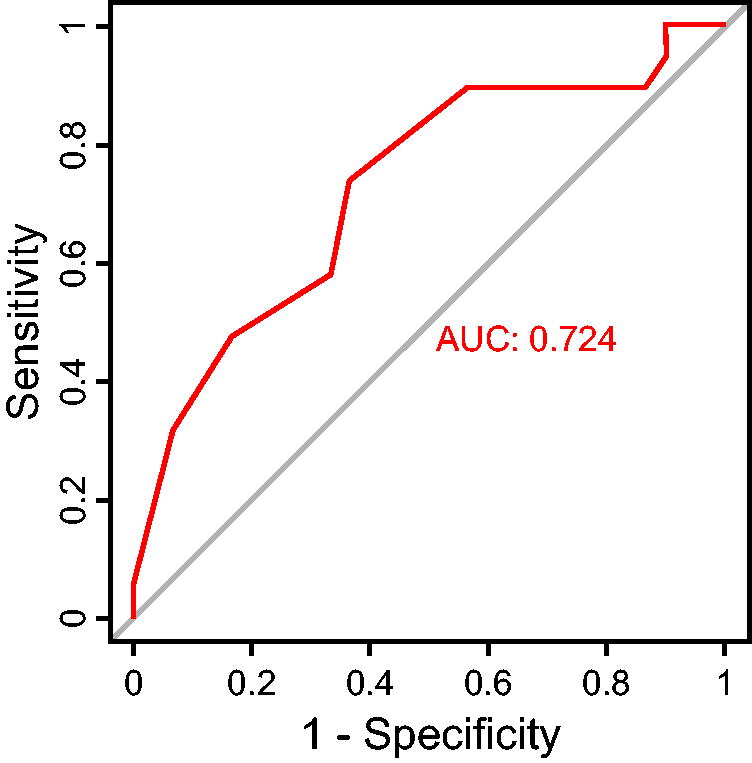
- Labels are usually a whole number, unless the range is small, in which case a single decimal place is provided. For example, a receiver operating characteristic curve, where the labels range from 0 to 1 (0, 0.1, 0.2 … 0.8, 0.9, 1).
- Use color, if necessary, to show differences such as to separate series within a group.
- Do not use background gridlines or shading in graphs.
- Figures as output from statistical analysis software are often not publication ready and will need to be
- Identify stains and magnifications for all photomicrographs.
- Consult a graphic artist as needed for help preparing publication ready figures.
File Types and Resolution
- Format as TIFF, JPEG, or EPS for images containing no text or graphs. EPS is the preferred format for graphs and line art.
- Image resolution must be at least 300 dpi (dots per inch). Line art should have a minimum resolution of 800 dpi.
- An artwork preparation service is available for a fee from Sage; this service is optional.
Figure Legends
- Legends should be detailed enough to help the reader understand the figure. The legend should be more than a short title. Included in the legend are definitions of any abbreviations used in the figure. P-values are usually included in the legend but can be included in the figure if necessary for clarity.
- Include figure legends in the manuscript text file, not in the figure files.
Select the Appropriate Figure Style
Image
|
Li J, Respir Care 2024;69(12):1517
Morinishi K, Respir Care 2025;70(10):1285 |
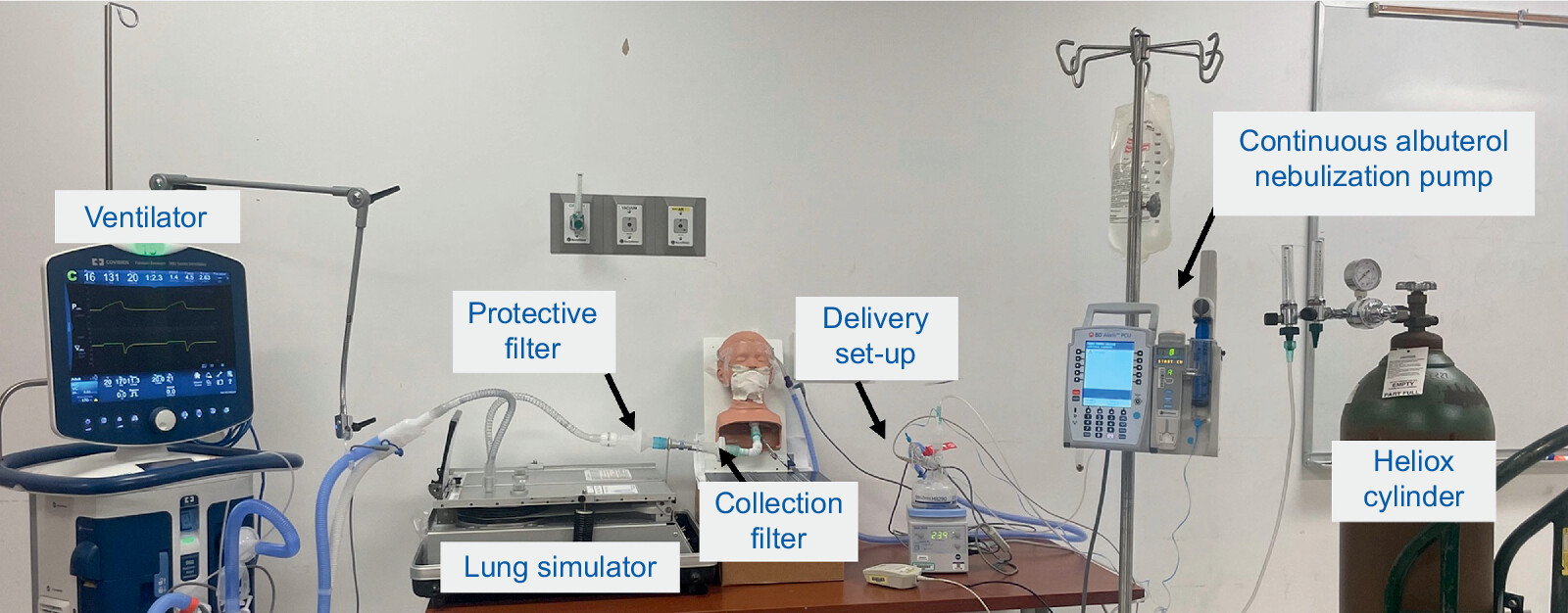
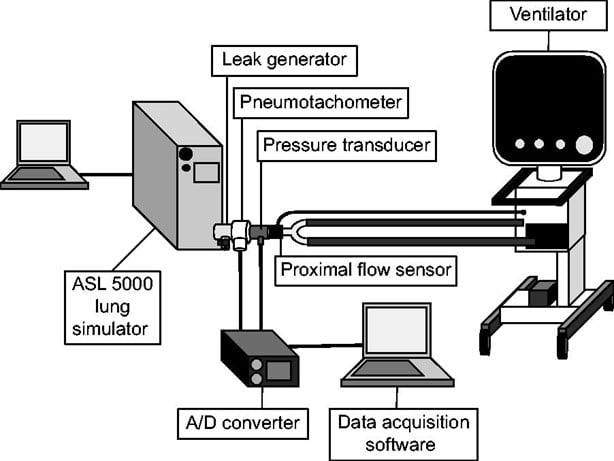
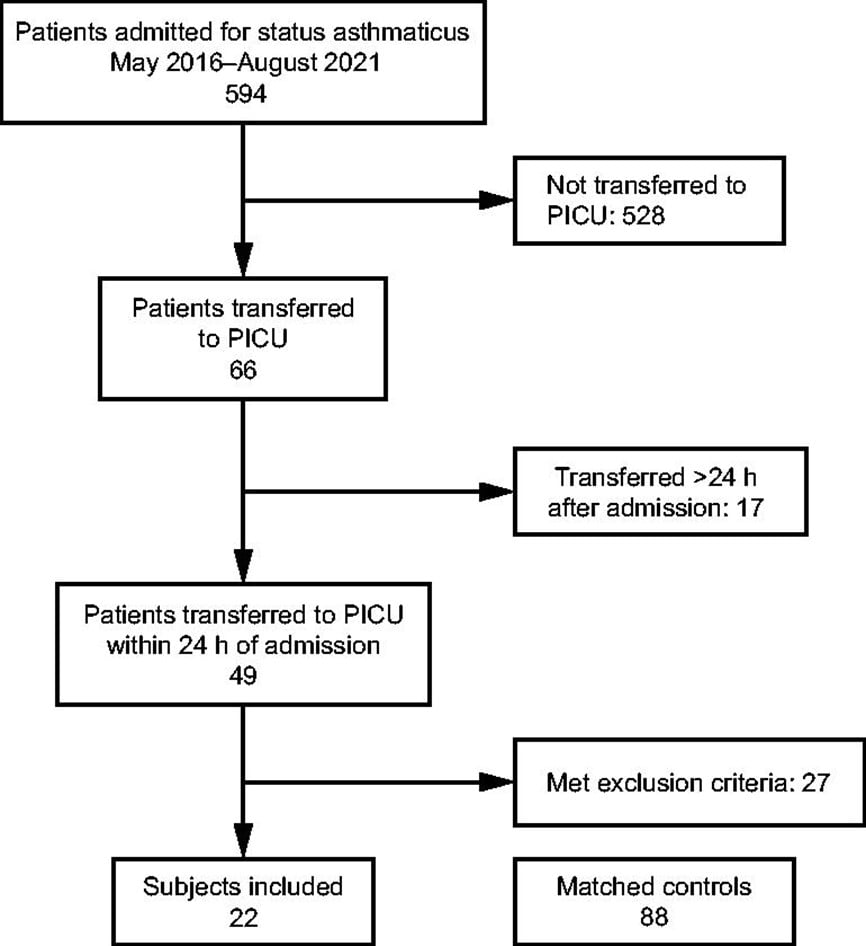
Flow Chart
|
Ahmed ZS, Respir Care 2025;70(10):1248 |
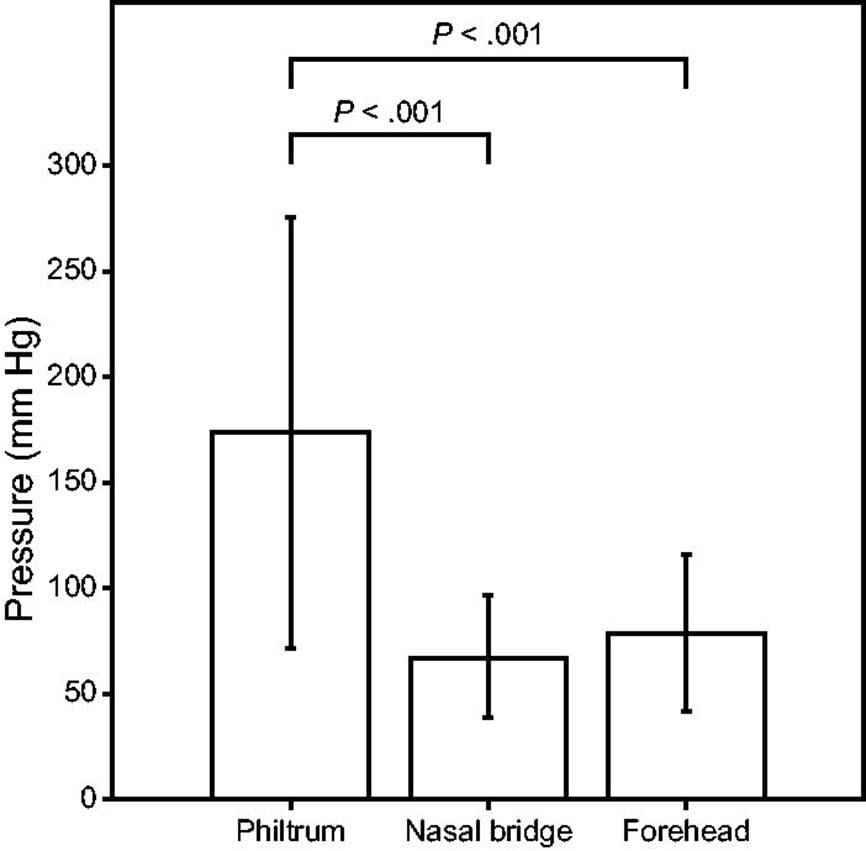
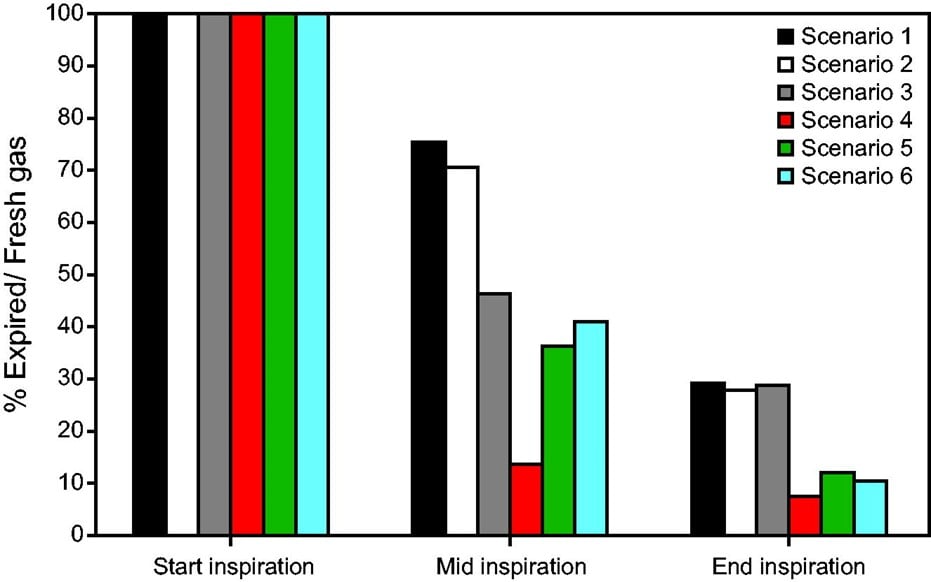
Bar Graph
|
Zakrajsek AD, Respir Care 2025;70(4):417.
Clark AR, Respir Care 2025;70(7):801 |
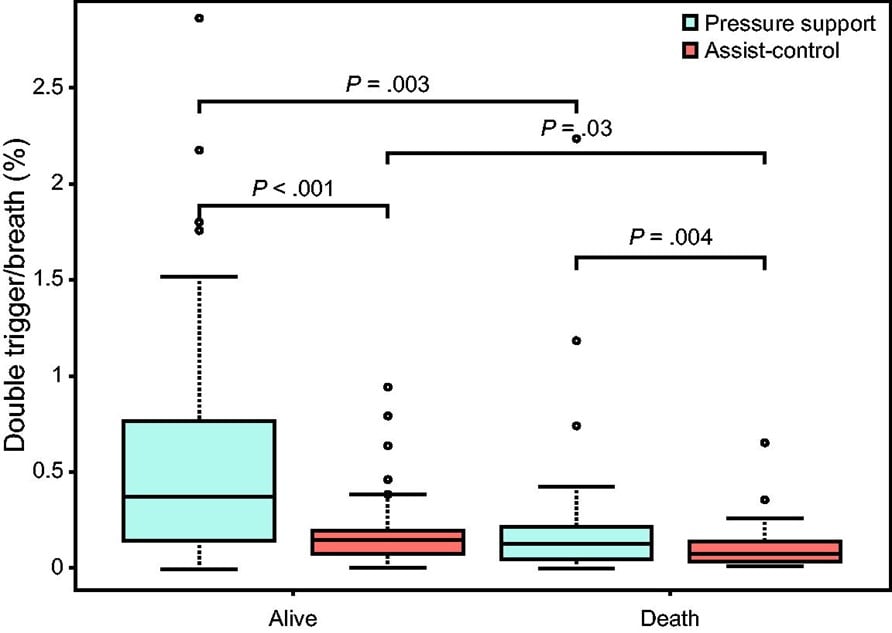
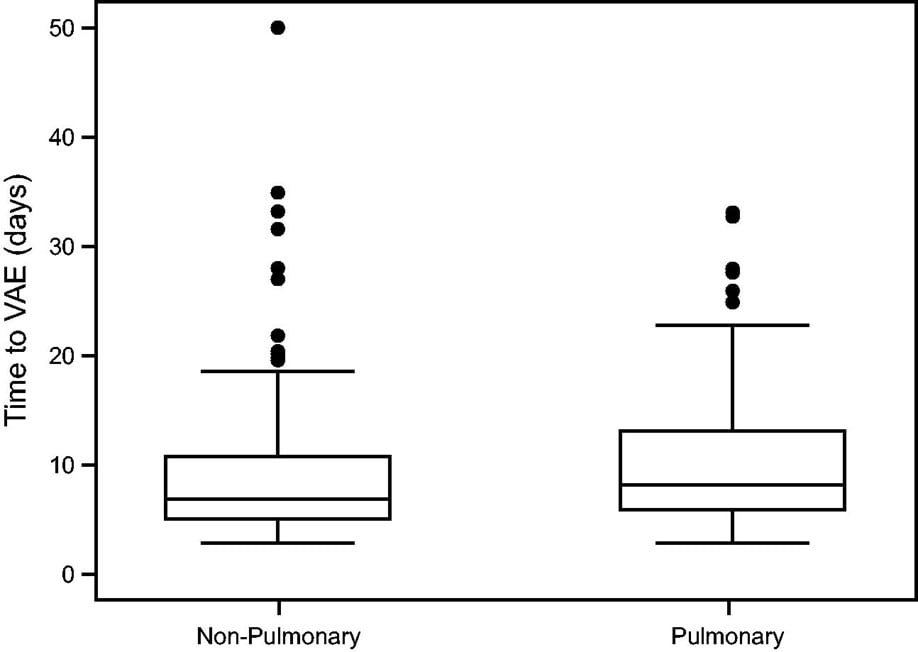
Box Plot
|
de Haro C, Respir Care 2025;70(11):1357
Chun P, Respir Care 2025;70(9):1120 |
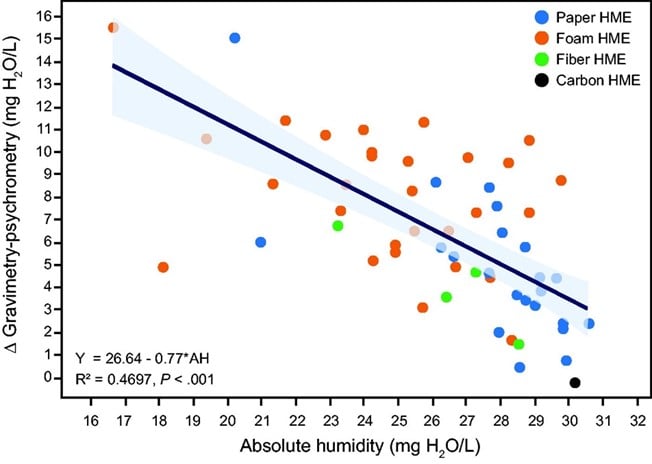
Scatter Plot
|
Lellouche F, Respir Care 2025;70(11):1376 |
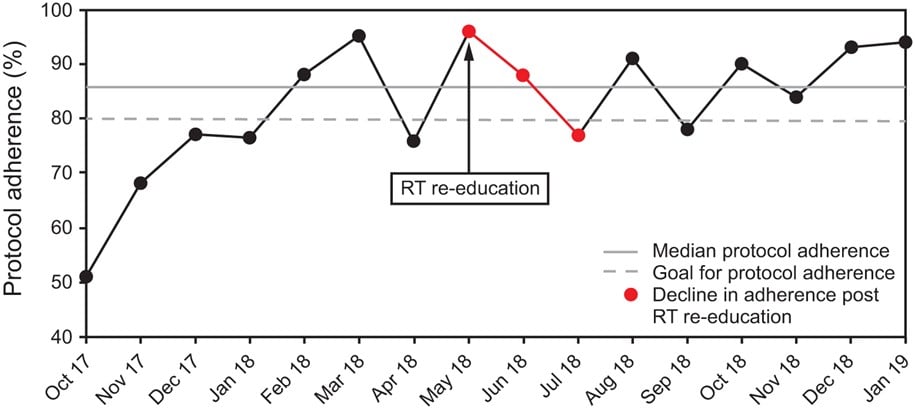
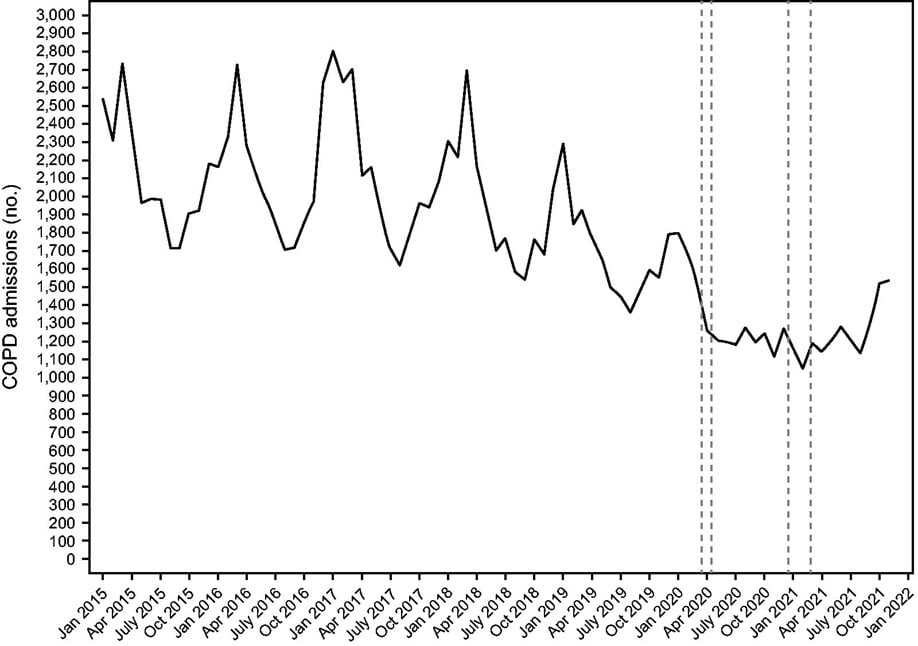
Line Graph
|
Nickel AJ, Respir Care 2025;70(2):204
Jensen H, Respir Care 2025;70(1):38 |
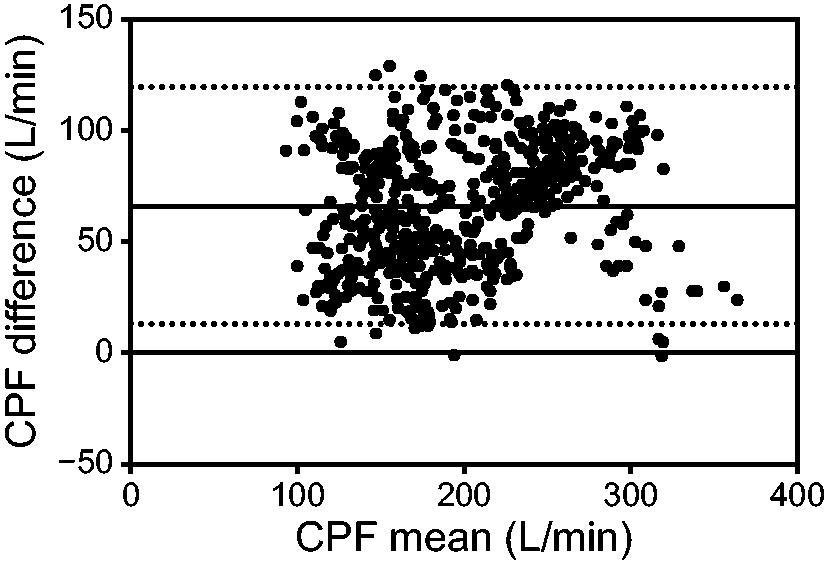
Bland-Altman Plot
|
Shah NM, Respir Care 2025;70(9):1103 |
Receiver Operating Characteristic Curve
|
Marabotti A, Respir Care 2025;70(9):1140 |
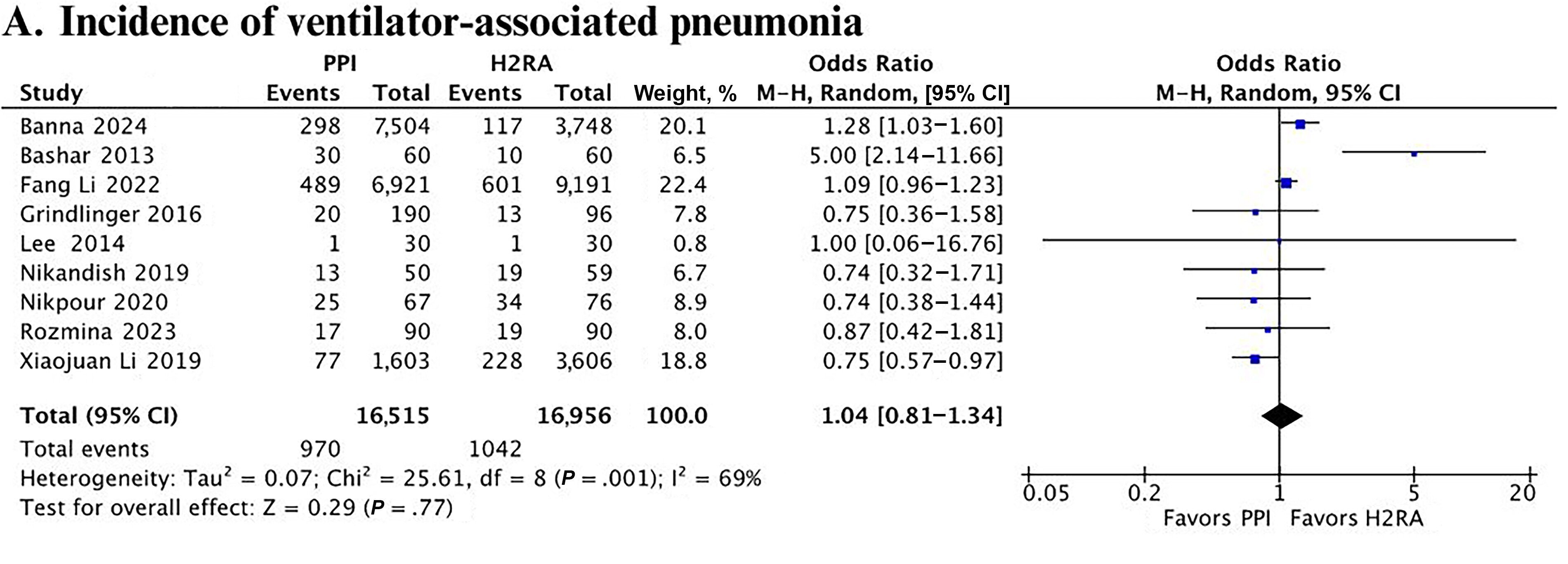
Forest Plots
|
Alves Filho FWP, Respir Care 2025;70(9):1159 |
Pie Charts
- Pie charts are not preferred and should be avoided.
Tables
Each table must be uploaded as a separate Microsoft Word file, not embedded in the text. Tables must have a title. The title should be self-sufficient and allow readers to understand the table without referring to the text.
Tables should be numbered and cited consecutively in the text, Table 1, Table 2, etc. Any abbreviations and symbols must be explained in footnotes at the bottom of the table. For footnotes use the following symbols, superscripted, in the following order: *, †, ‡, §, ||, ¶, **, ††.
Acknowledgments
If you are including an Acknowledgements section, this will be published at the end of your article. The Acknowledgments section should include all contributors who do not meet the criteria for authorship. Per ICMJE recommendations, it is best practice to obtain consent from non-author contributors who you are acknowledging in your manuscript.
Writing assistance and third party submissions: if you have received any writing or editing assistance from a third-party, for example a specialist communications company, this must be clearly stated in the Acknowledgements section and in the covering letter. Please see the Sage Author Gateway for what information to include in your Acknowledgements section. If your submission is being made on your behalf by someone who is not listed as an author, for example the third-party who provided writing/editing assistance, you must state this in the Acknowledgements and also in your covering letter. Please note that the journal editor reserves the right to not consider submissions made by a third party rather than by the author/s themselves.
Author contributions
You will be asked to list the contribution of each author as part of the submission process. Please include the Author Contributions heading within your submission after the Acknowledgements section. The information you give on submission will then show under the Author Contributions heading later at the proofing stage.
Please be sure to list all author credentials, including FAARC (Fellow of the American Association for Respiratory Care), if applicable. The Journal does not publish any other hononary titles.
Study Sponsorship and Funding
Respiratory Care requires authors to indicate the role of funding organizations or sponsors in the design of the study, data collection, data analysis, and interpretation of the data. Authors must also disclose the role of funding organizations in the preparation, review, and approval of the manuscript. The setting where the study was conducted must be indicated. Full disclosure of the role of funding sources must be included at the beginning of the Methods section. This also includes any devices, medications, or equipment provided by the sponsor or company.
Individuals who provided paid contributions to the paper (including writers, statisticians, epidemiologists, and any others involved with data management and analyses) may meet the criteria for authorship. If they do not, they should be listed in the Acknowledgment section.
Respiratory Care will not consider submissions that are ghostwritten by industry employees or hired writers. Nor will the Journal consider submissions of industry-sponsored studies in which the data were collected and analyzed solely by employees of the company. Such studies are considered only if there is an independent analysis of the methods and data by someone at an academic institution with research and publishing experience (eg, medical school, academic medical center, or government research institute). A letter providing the qualifications and experience of the person(s) performing the analysis should be uploaded with the manuscript files. Authors should also be prepared to share the underlying data to allow its verification. The Journal will also not consider other types of manuscripts such as narrative reviews, systematic reviews, and correspondence if all of the authors are employees of a company.
For additional information related to relationships between authors and industry, refer to Fontanarosa PB, Flanagin A, DeAngelis CD. Reporting conflicts of interest, financial aspects of research, and role of sponsors in funded studies. JAMA 2005;294(1):110-111.
Disclosure Policy
Each author must fully disclose all potential conflicts of interest, whether related to the content of the paper or not. Disclosures should be for the previous 2-year period.
Statements and declarations
Please include a section with the heading ‘Statements and Declarations’ at the end of your submitted article, after the Acknowledgements section [and Author Contributions section if applicable] including each of the sub-headings listed below. If a declaration is not applicable to your submission, you must still include the heading and state ‘Not applicable’ underneath. Please note that you may be asked to justify why a declaration was not applicable to your submission by the Editorial Office.
Ethical considerations
Please include your ethics approval statements under this heading, even if you have already included ethics approval information in your methods section. If ethical approval was not required, you need to explicitly state this. You can find information on what to say in your ethical statements as well as example statements on our Publication ethics and research integrity policies page.
All papers reporting studies involving human participants, human data or human tissue must state that the relevant Ethics Committee or Institutional Review Board approved the study, or waived the requirement for approval, providing the full name and institution of the review committee in addition to the approval number. If applicable, please also include this information in the Methods section of your manuscript.
Consent to participate
Please include any participant consent information under this heading and state whether informed consent to participate was written or verbal. If the requirement for informed consent to participate has been waived by the relevant Ethics Committee or Institutional Review Board (i.e. where it has been deemed that consent would be impossible or impracticable to obtain), please state this. If this is not applicable to your manuscript, please state ‘Not applicable’ in this section. More information and example statements can be found on our Publication ethics and research integrity policies page.
Consent for publication
Submissions containing any data from an individual person (including individual details, images or videos) must include a statement confirming that informed consent for publication was provided by the participant(s) or a legally authorized representative. Non-essential identifying details should be omitted. Please do not submit the participant’s actual written informed consent with your article, as this in itself breaches the patient’s confidentiality. The Journal requests that you confirm to us, in writing, that you have obtained written informed consent to publish but the written consent itself should be held by the authors/investigators themselves, for example in a patient’s hospital record. The confirmatory letter may be uploaded with your submission as a separate file in addition to the statement confirming that consent to publish was obtained within the manuscript text. If this is not applicable to your manuscript, please state ‘Not applicable’ in this section.
Declaration of conflicting interest
The journal requires a declaration of conflicting interests from all authors so that a statement can be included in your article. For guidance on conflict of interest statements, see our policy on conflicting interest declarations and the ICMJE recommendations.
If no conflict exists, your statement should read: ‘The author(s) declared no potential conflicts of interest with respect to the research, authorship, and/or publication of this article’.
Funding statement
All articles need to include a funding statement, under a separate heading, even if you did not receive funding. You’ll find guidance and examples on our Funding page.
Data availability
The Journal is committed to facilitating openness, transparency and reproducibility of research, and has the following research data sharing policy. For more information, including FAQs please visit the Sage Research Data policy pages.
Subject to appropriate ethical and legal considerations, authors are encouraged to:
- Share your research data in a relevant public data repository
- Include a data availability statement linking to your data. If it is not possible to share your data, use the statement to confirm why it cannot be shared.
- Cite this data in your research
Reference style and citations
The journal follows the Sage Vancouver reference style. View the Sage Vancouver guidelines to ensure your manuscript conforms.
Style Examples for Reference List: Please browse the Style Examples for Reference List here
Authors should update any references to preprints when a peer reviewed version is made available, to cite the published research. Citations to preprints are otherwise discouraged.
EndNote
If you use EndNote to manage references, you can download the Sage Vancouver EndNote output file.
Supplemental material
This Journal can host additional materials online (e.g. datasets, podcasts, videos, images etc.) alongside the full text of the article. Your supplemental material must be one of our accepted file types. For that list and more information please refer to our guidelines on submitting supplemental files.
English language editing services
Authors seeking assistance with English language editing, translation, or figure and manuscript formatting to fit the journal’s specifications should consider using Sage Author Services. Visit Sage Author Services for further information.
As part of the submission process you will need to confirm that this is your original work, that you have the rights in the work, that this is for first publication in this Journal, that it is not being considered for/has not already been published elsewhere, and that you have obtained and can supply all necessary permissions for the reproduction of any copyright works not owned by you.
Please see our guidelines on prior publication and note that the journal may accept submissions of manuscripts that have been posted on preprint servers.
Preprints
The journal will consider submissions of manuscripts that have been posted on preprint servers.
Please enter the preprint DOI in the designated field when submitting your manuscript. We advise that you inform the Journal Editorial office about your posted preprint at submission.
Note that you should not post an updated version of your manuscript on a preprint server while it is being peer reviewed.
Submission site
Submit your manuscript online via Sage Track.
IMPORTANT: Please check whether you already have an account in Sage Track before trying to create a new one. If you have reviewed or authored for the journal in the past year it is likely that you will have had an account created. For further guidance on submitting your manuscript online please visit ScholarOne Online Help.
Manuscripts should only be submitted with the consent of all contributing authors. The individual responsible for submitting the manuscript should carefully check that all those whose work contributed to the manuscript are listed as authors.
Ensure you upload all relevant manuscript files, including any additional supplemental files (including reporting guidelines where relevant).
Authorship
Please view our authorship policies, which includes information on criteria for authorship, who should be the corresponding author and more.
Please note that AI chatbots, for example ChatGPT, should not be listed as authors. For more information see the policy on Use of ChatGPT and generative AI tools.
Files
- Cover letter. To help the Editor in their preliminary evaluation, please indicate why you think the manuscript suitable for publication.
- Title Page with all required identifying information as laid out in Preparing your manuscript for submission (above). This will not be sent to the peer reviewers.
- Your manuscript, properly formatted according to all stipulations above, and within the scope of the journal.
- Figures and images.
- All figures must be numbered consecutively in the order in which they appear in the text – they will appear in the published article in the order they are numbered.
- Figure resolution is 300dpi. More information on figure/image preparation can be found here.
- Supplemental material. This journal can host additional materials online (e.g. datasets, podcasts, videos, images, etc) alongside the full-text of the article. Your supplemental material must be one of our accepted file types. For that list and more information please refer to our guidelines on submitting supplemental files.
Other information required for submission
-
ORCID ID of the submitting author.
- It is strongly encouraged that all co-authors ensure their ORCID IDs are linked to their accounts in the submission system prior to article acceptance, as this is the only way to have their ORCID ID present on the published article. ORCID IDs cannot be added to manuscripts after acceptance/publication. Please note that each co-author must log in to the submission system to add their own ORCID ID to their account. To add an ORCID ID, edit your account, click the link when prompted, and sign into your ORCID account to validate your ID. You will then be redirected back to the submission system and your ORCID ID will become part of your accepted publication’s metadata.
- Please create an ORCID ID if you do not already have one or visit our ORCID homepage to learn more.
- Complete list of authors, with their institutional affiliations.
- The author information you enter at submission must exactly match what is included on your manuscript and/or title page, including full names, academic affiliations, and corresponding author contact details.
- The listed affiliation should be the institution where the research was conducted. If an author has moved to a new institution since completing the research, the new affiliation can be included in a note at the end of the manuscript.
- All listed authors must meet the criteria for authorship (above).
- All persons eligible for authorship must be included at the time of submission.
- All authors must have given consent for the manuscript to be submitted in its current form.
- Keywords: During submission, you may be asked to select or enter keywords for your manuscript. These keywords are used to match appropriate reviewers to your manuscript.
- The number of figures, tables, and words in your manuscript.
- Funder information: Name, grant/award number.
- You may be required to enter your declaration of conflicting interest as part of the submission process, in addition to listing it on your manuscript and/or title page. Please have it on hand.
- If you have posted your manuscript to a preprint server, you will be asked to supply the DOI (this does not prohibit submission, but no changes should be made to the preprint version while your manuscript is under evaluation in this journal). Please see our guidelines on prior publication. If the article is accepted for publication, the author may re-use their work according to the journal's author archiving policy. If your manuscript is accepted, you must include a link in your preprint to the final version of your published article.
The following summary describes the peer review process for this journal:
Identity transparency: Single anonymized
Reviewer interacts with: Editor
Review information published: None
Your manuscript will undergo an initial evaluation. If it does not conform to the requirements laid out in these guidelines, it will be returned to you for amendments prior to peer review. Manuscripts may be desk rejected without peer review at this point if they are out of scope for the journal or otherwise unsuitable.
After passing the initial evaluation, your manuscript will then be peer reviewed. You can log in at any time to check the status of your manuscript. We will notify you when a decision has been reached.
To ensure the integrity of the peer review process we assign reviewers and cannot accept author recommendations.
All manuscripts are reviewed as rapidly as possible, while maintaining rigor. Reviewers make comments to the author and recommendations to the Editor who then makes the final decision on all manuscripts, including those appearing in a special issue or special collection. The Editor or members of the Editorial Board may occasionally submit their own manuscripts for possible publication in the Journal. In these cases, the peer review process will be managed by alternative members of the Board and the submitting Editor/Board member will have no involvement in the decision-making process.
You can view our complaints and appeals policy here.
Read Sage's complete peer review policy.
Plagiarism
The journal and Sage take issues of copyright infringement, plagiarism or other breaches of best practice in publication very seriously. Please read Sage's complete policy on plagiarism and the actions we may take.
Contributor’s Publishing Agreement
Before publication, we require the author as the rights holder to sign a Journal Contributor’s Publishing Agreement. Sage’s Journal Contributor’s Publishing Agreement is an exclusive license agreement which means that the author retains copyright in the work but grants Sage the sole and exclusive right and license to publish for the full legal term of copyright. Exceptions may exist where an assignment of copyright is required or preferred by a proprietor other than Sage. In this case copyright in the work will be assigned from the author to the society. For more information please visit the Sage Journal Author Gateway.
Preprints
If your manuscript was posted on a preprint server prior to acceptance, you must include a link in your preprint to the final published version of your published article.
Production
Your Sage Production Editor will keep you informed as to your article’s progress throughout the production process. Proofs will be made available to the corresponding author via our editing portal, Sage Edit, or by email, and should be returned promptly to avoid delaying publication. Authors are reminded to check their proofs carefully to confirm that all author information, including names, affiliations, sequence, and contact details are correct, and that Funding and Conflict of Interest statements, if any, are accurate. This is the final opportunity to make changes to your manuscript. Further corrections will not be possible after publication. Changes to the author list are not permitted at this stage.
Publication
OnlineFirst publication: This enables us to publish final articles online immediately, without waiting for assignment to a future issue of the Journal. This usually significantly reduces publication lead time. Visit the Sage Journals help page for more details, including how to cite OnlineFirst articles.
Access to your published article: We provide you with online access to your published article. The online access link is provided to the corresponding author for sharing with their co-authors.
Promoting your article
Publication is not the end of the process. Between us, we can ensure that your article is found, read, downloaded and cited as widely as possible. Many of the most effective tactics are those you can do quickly and easily to your network of contacts and peers. Visit the Promote Your Article page on the Sage Journal Author Gateway for numerous resources to help you promote your work.
The Sage Journal Author Gateway has some general advice on how to get published, plus links to further resources. Sage Author Services also offers authors a variety of ways to improve and enhance your article including English language editing, plagiarism detection, and video abstract and infographic preparation.
If you have any questions about publishing with Sage, please visit the Sage Journals Solutions Portal.
You can view our complaints and appeals procedure.
Contact us
You can direct any questions to the journal’s editorial office: