






Abstract
In addition to scrutinizing the decision process behind energy efficiency investment, this study investigates its association with energy-saving behavior. Its conceptual underpinnings are based on the intersection of behavioral change and “energy efficiency paradox” theories. Based upon a rich, disaggregated dataset representative of the French housing sector, it develops an energy-saving score based on the item response theory model, which considers household attributes and ability levels. Then this score is used as an independent factor of a multivariate probit model to examine the drivers of household investment decisions for various energy performance solutions. The results highlight that: (i) contextual and attitudinal attributes are two major drivers of energy efficiency investments, and (ii) depending on the energy solution considered, there is a significant inverse relationship between energy-savings behavior and energy efficiency investments. This reveals that environmental awareness is not necessarily a driving factor behind energy efficiency investments and emphasizes the so-called “rebound effect” issue. The results support the view that promoting energy-saving behaviors and energy efficiency investments necessitate differentiated public policies that consider both individual preferences and housing stock heterogeneity. The analysis offers valuable policy guidance and research agenda outlining future energy efficiency research priorities.
Keywords
1. Introduction
Promoting energy efficiency and using energy efficiency technologies can provide valuable benefits to many stakeholders. These technologies can increase energy savings and businesses’ productivity while reducing greenhouse gas (GHG) emissions. They also offer energy provider benefits and can lead to increased energy security and reduced energy poverty (Belaïd 2022a,b). Moreover, they can improve health and well-being (through improved indoor air quality) and enhance the quality and durability of housing stock and property values. Further, they can increase employment in the green sector (Belaïd and Al Dubyan 2021).
Energy efficiency investment decisions and energy consumption behavior are complex and shaped by various interrelated factors. Because of this complexity, they are commonly investigated using fragmented and disciplinary approaches, including psychology, economics, and engineering (Bernard, Bolduc, and Yameogo 2011; Belaid, 2016; 2017; Trotta, 2018). There is, therefore, a pressing need to elaborate an integrated approach toward curbing residential energy demand that concurrently incorporates technical and infrastructural energy efficiency investments as well as the energy habits and daily practices of occupants.
Building on this conjecture, focusing on the French context, this article examines household energy-saving behavior’s role in shaping energy renovation decisions and identifies the main drivers of several energy efficiency investments. The distinctiveness of this paper’s interdisciplinary approach renders the empirical analysis, and the particular evaluation criteria we have implemented compelling for several reasons. First, the proposed energy-saving behavior allows for filling the existing literature gaps. Second, we take advantage of an original individual survey and various empirical techniques to provide an authentic picture of the broad spectrum of technical, socio-demographic, and behavioral factors shaping energy efficiency investments.
The conceptual foundations of this study are based on the intersection of behavioral change and “energy efficiency paradox” theories (Jaffe and Stavins 1994). The energy efficiency paradox sometimes referred to as the “energy efficiency gap.”, represents the gap between the ideal and the actual realization of energy efficiency improvements. A primary reason behind the energy efficiency gap is investment inefficiencies and behavioral aspects, including decision-making biases, imperfect information, and uncertainties regarding the investment’s benefits. Notably, in highly complex situations with a diversity of choices and potentially risky or uncertain outcomes, individuals are prone to using “heuristics,” “golden rules,” and mental “shortcuts” rather than relying on rational considerations (Kahneman et al. 1991, Bakaloglou and Fateh Belaïd 2022). This premise is the basis of behavioral economics, which pursues the integration of behavioral comprehension of decision-making into the microeconomic theory to enhance its soundness (Thaler, 2017). The theory of planned behavior suggests that three main rationales drive individuals’ behaviors: behavioral beliefs about the implications of the behavior, normative beliefs about the normative expectations of others, and control beliefs regarding the availability of sufficient resources to carry out the behavior (Ajzen, 1991). According to this logic, understanding human behavior will help increase pro-environmental awareness and provide meaningful insights into the barriers to energy efficiency investments and optimal ways to mitigate them.
This study formulates the following research hypotheses based on classical findings from the existing literature.
Relationship between energy-saving behaviors and energy efficiency investments
Concerning the contextual drivers of energy efficiency, we assume that:
Today, achieving binding national energy reduction targets depends on the willingness of millions of private actors to invest; these actors make decisions at the most disaggregated scale. Individuals want to minimize private costs, and society wants to minimize social costs, i.e., externalities. Unfortunately, rational decision-making by individuals may not provide the best social outcome, and private decision-making regarding energy efficiency may not be economically efficient. Thus, energy efficiency investments’ slow rate in the residential sector underscores the urgent need to better understand the decision-making process behind energy efficiency investments; this is needed to design effective public policies.
Using recent micro-level data, we first build a behavioral energy score based on item response theory (IRT) modeling, which assesses the magnitude of energy-saving behavior. That is, the involvement of each household in energy sobriety (i.e., energy-savings behaviors) based on its declared actions. We then perform a multivariate probit model to tease out the effects of dwelling characteristics, household attributes, climate, and energy-saving behaviors on investment decisions in residential energy efficiency.
This research contributes to the literature on the decision-making processes behind energy retrofit work in several ways. First, this study introduces a new dimension to examine household renovation choices—through which energy-saving concerns connect with home renovation decisions. Second, few studies examine the decision-making process behind household renovation investments (Galassi and Madlener 2017; Trotta, 2018); however, we find a gap in the empirical assessment of the relationship between energy-saving behavior and the decision-making process behind housing renovation. To the best of the author’s knowledge, there is no such investigation in the economic literature. A challenge in this research line is that there is relatively little data depicting both households energy use behaviors and preferences for energy renovation.
Finally, this study explores and reveals several findings regarding the impact of household energy-saving behaviors and dwelling and climate factors on residential energy retrofit decisions. In addition to enriching the energy policy debate, this study contributes to ongoing research on energy efficiency investment; in that, it provides a more elaborate overview of its various facets. Thus, the findings of this research may be useful for energy policymakers in terms of promoting energy efficiency programs and encouraging consumer behavioral changes.
The remainder of this article proceeds as follows: The following section (Section 2) briefly summarizes the potential of energy efficiency in the building energy sector. Section 3 develops a theoretical framework explaining our research hypotheses. Section 4 presents the data and empirical strategy. Section 5 presents the empirical findings and discusses the main results. Section 6 concludes the paper and discusses policy implications and the scope for future research in this area.
2. Residential Sector: Highest Untapped Energy Efficiency Potential
According to the most recent International Energy Outlook
In the last decade, international institutions such as the International Energy Agency have highlighted the high untapped energy-savings potential; this can be achieved from building design and the renovation of existing and aging dwellings (IEA 2018). About 80% of the monetary-savings potential of energy efficiency in buildings remains untapped, primarily due to non-technical barriers (Figure 1). Unlike other sectors, the impact of inertia in the building stock is of particular concern. Many housing units were built without specific attention to environmental issues or energy efficiency, or they were built under old standards.
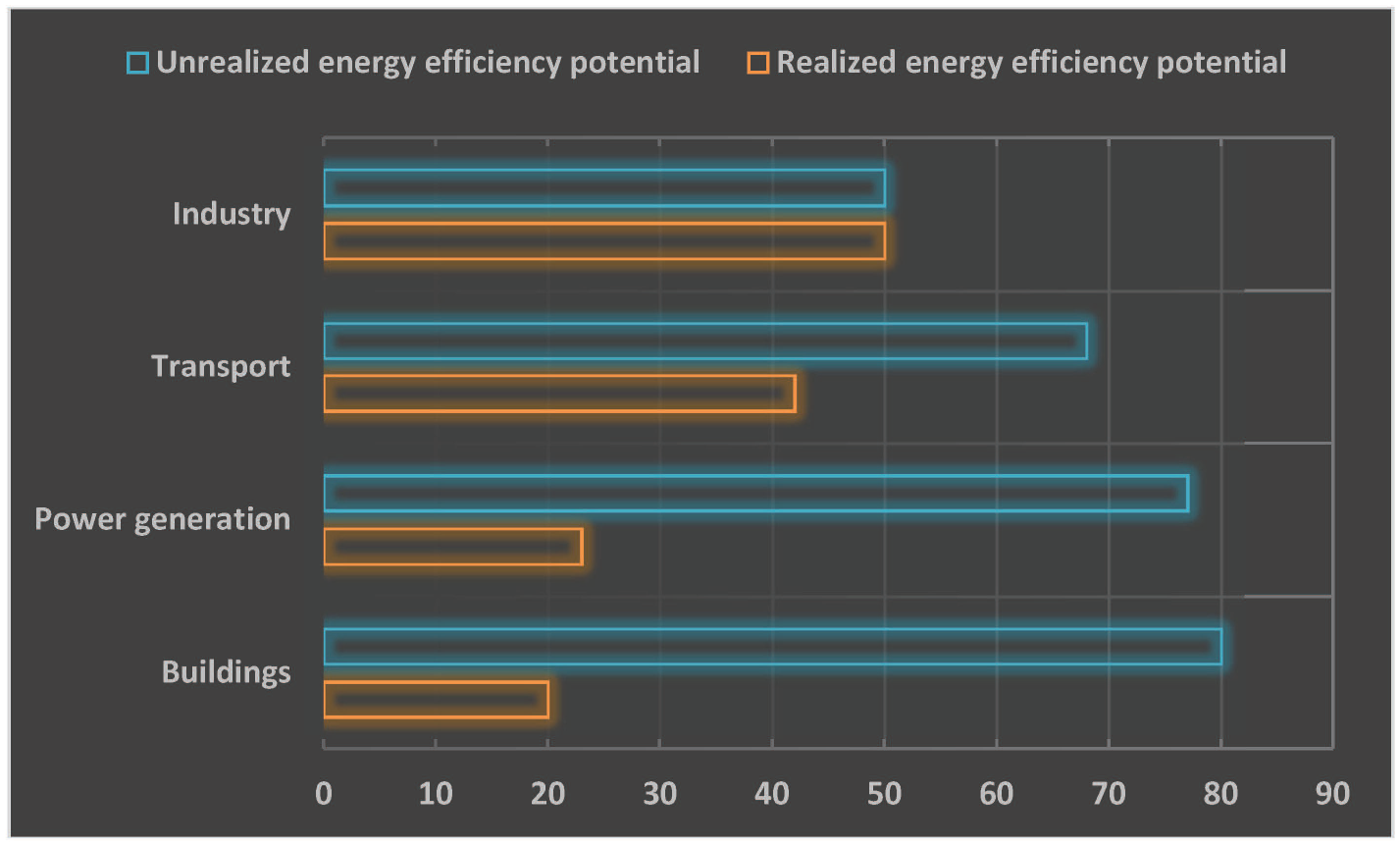
Untapped energy efficiency potential by sector (in %).
In the E.U., tertiary and residential buildings account for 40% of final energy consumption and 36% of CO2 emissions. In 2019, the residential sector represented 26.3% of the E.U.’s final energy consumption (European Commission, 2021). The energy structure and mix vary widely across countries depending on a combination of multiple factors; these factors include the availability of energy resources, the climate, living standards, types of equipment use, lifestyles and demographic characteristics. In the E.U., residential heating is the most important end-use (68% in 2009 compared to 74% in 1990), and 35% of the buildings are over 50 years old, built with low or no energy efficiency standards.
By improving the energy efficiency of these buildings, E.U. energy consumption could decrease by 56%, and CO2 emissions could be reduced by about 5%. 1 Thus, the residential sector is particularly at stake when considering how to achieve international energy commitments. Considering this, the 2010 Energy Performance of Buildings Directive and the 2012 Energy Efficiency Directive, revised in 2016, targeted tertiary and residential buildings’ energy consumption in the E.U. This legislation set binding measures to help the E.U. member states achieve the 30% energy efficiency target by 2030. As of 2016, four countries (France, Germany, the U.K. and Italy) account for more than half of the E.U. residential energy consumption (Figure 2).
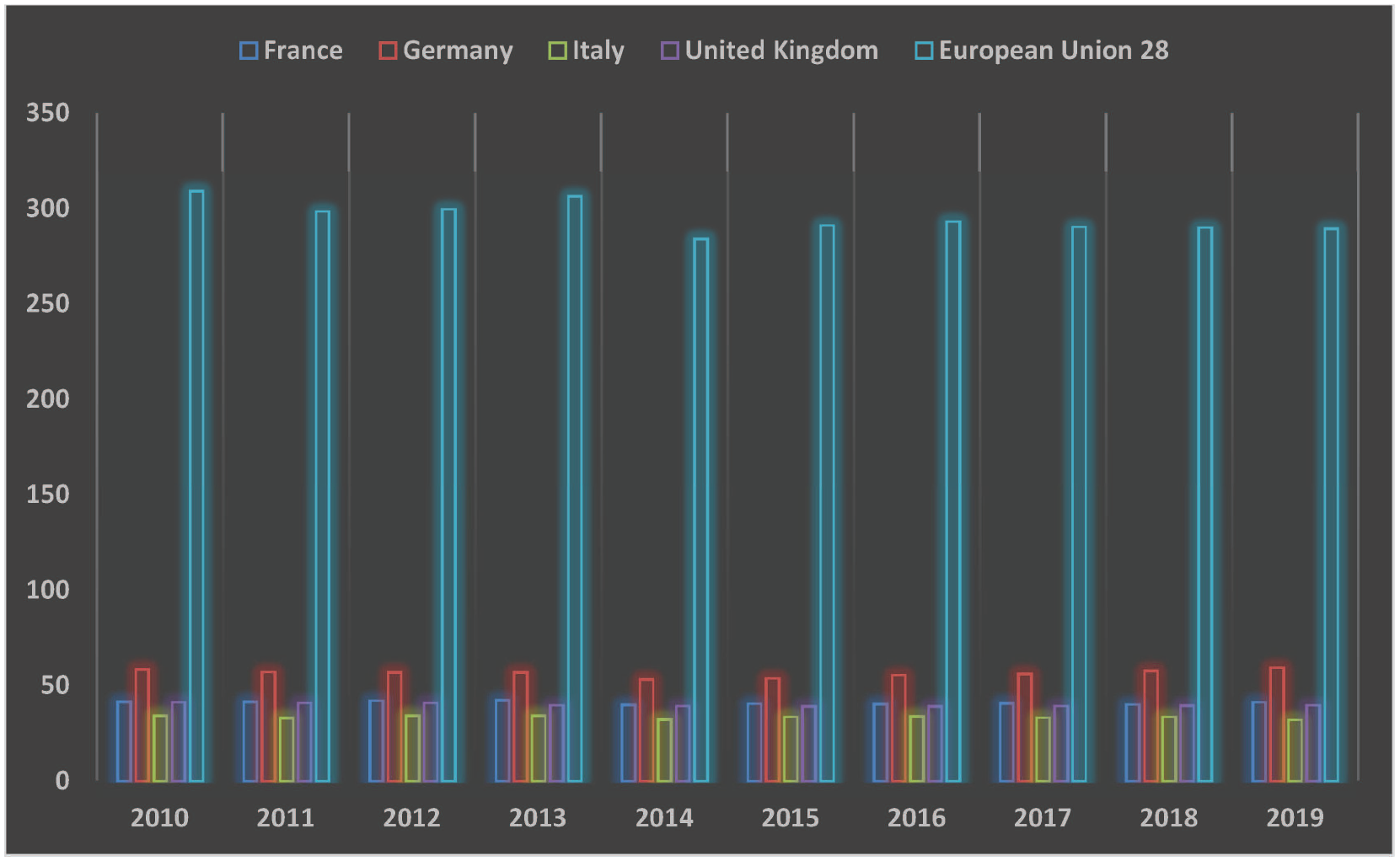
Residential energy consumption in the E.U. with climatic corrections (thousand tons of oil equivalent (TOE)).
The building sector represents 44% of the energy consumed in France, far ahead of the transport sector (31.3%) 2 . Every year, the building sector emits more than 123 million tons of CO2, which places it as one of the key players in efforts to mitigate global warming and promote energy transition. Residential represents about 70% of this total.
The topic of improving energy efficiency in the housing stock is of particular importance in France. There, half of the stock, composed of about 27 million dwellings (principal residences), has an energy class rating of D or lower (Energy Performance Certificate, PHEBUS Survey 2013). A D label represents homes with good energy performance, consuming between 151 and 230 kWh/m2/year.
In addition, existing dwellings account for by far the largest proportion of the housing stock, and new construction is very low, less than 1% per year (Belaïd 2016). Finally, heating energy is responsible for more than 60% of the total energy consumption in the residential sector.
The housing stock’s low energy performance level, construction inertia, and high proportion of energy consumed for heating are strong arguments favoring energy retrofit measures’ large scale implementation. The recent French Energy Transition for the Green Growth bill (Belaïd 2017) outlined objectives concerning the acceleration of energy renovation in the housing sector; it set a goal of 500,000 energy retrofits a year from 2017, 120,000 of which must be for low-income households. In 2014, only 288,000 dwellings energy retrofits were performed, representing around 1% of the global building stock (OPEN 2015), suggesting that energy efficiency programs lack incentives.
Arguably the most obvious potential benefits of energy efficiency investments are environmental, by reducing carbon emissions, improving environmental quality, and mitigating the effects of climate change. It contributes to the 13th sustainable development goal 13 (SDG 13)—climate action: reduce carbon emissions, improve environmental quality and mitigate climate change impacts. Nevertheless, energy efficiency can also improve welfare, reduce inequality, and stimulate economic diversification. Although the 17 SDGs goals are wide-ranging, from eradicating hunger to promoting peaceful and inclusive societies, over the next few years, several goals to which a decarbonized building sector could, and already do, contribute significantly. Here are some examples: SDG 3—Good health & well-being: by ensuring healthy lives and promoting well-being. SDG 7—Affordable & clean energy: by reducing consumer energy bills and secure access to affordable, reliable, sustainable, and modern energy. SDG 8—Decent work & economic growth: it can increase the competitiveness of industries and services, promote inclusive and sustainable economic growth, and creates green jobs. SDG 9—Industry, innovation & infrastructure: by stimulating innovation and supporting the development of climate-resilient infrastructures. SDG 11—Sustainable cities & communities: by promoting the design of sustainable communities, resilient, and inclusive cities. SDG 12—Responsible consumption & production: stimulate resource reuse, promote sustainable consumption and the circular economy.
The economic benefits of energy efficiency investment are less obvious but prevalent. They include energy cost savings, job creation, and increasing property values. With more emphasis on energy efficiency measures, between 280 billion euros (€) and €410 billion in energy costs could be saved in the E.U., equivalent to nearly twice the annual electricity consumption of the United States (European Commission 2015). Energy efficiency investment could create an average of 1.1 million net additional jobs by 2050.
3. Theoretical Context and Literature Review
Motivated by a desire to increase energy security and reduce CO2 emissions, research and energy policy discussions have focused increasingly on improving energy efficiency. Recently, the negative environmental impact of residential energy demand has led to a flurry of concerns regarding energy-saving behavior and household preferences for energy-efficient measures. This has led to a renewed interest among academics and policymakers in understanding the energy efficiency paradox; this paradox refers to the phenomenon wherewith deployment of profitable energy efficiency measures is below expected levels.
This study is concerned with understanding the role of energy-saving behavior in shaping individual preferences regarding the adoption of energy conservation retrofits. Previous research did not focus explicitly on the relationship between energy-saving behavior and individual preferences for energy renovation solutions (Banfi et al., 2008; Galassi and Madlener 2017).
In this section, we briefly review different literature strands by examining energy efficiency drivers and the linkages between energy-saving behaviors and investment in energy efficiency. We then explore new perspectives that highlight additional factors relevant to the relationship between individual preferences for energy retrofit measures and energy-saving behaviors; these are factors that have not yet been addressed in the existing literature.
3.1 Determinants of Energy Efficiency Investments in Empirical Research
Since the 1990s, understanding the drivers of energy efficiency investments has been a growing topic of concern in empirical economic research (Freire-González, Font Vivanco, and Puig-Ventosa 2017; Kastner and Stern 2015; Olsthoorn, Schleich, and Hirzel 2017). The main explanatory factors highlighted in the empirical literature are summarized in the following sections. The review includes contributions using both revealed and stated preference methods.
3.1.1 Standard Drivers of Energy Efficiency Investments
Energy efficiency investment involves high initial costs and long-term profitability. Income level and economic data (for instance, credit score or energy price) have a significant positive role in explaining energy efficiency preferences and investments (Achtnicht and Madlener 2012; Kastner and Stern 2015; Newell and Siikamäki 2015; Ramos, Labandeira, and Löschel 2016). Household characteristics also play a significant role in energy efficiency investment in the residential building sector. For instance, a reference person’s age can act as a proxy for that person’s place in the life cycle, which can have indirect implications. For example, older people are more likely to be uncertain about their duration of occupancy and have less knowledge of technologies; thus, they are less likely to invest (Nair, Gustavsson, and Mahapatra 2010; Rehdanz 2007). Education level and household size also positively influence investment decisions (Gamtessa 2013).
Household preferences and risk perceptions regarding savings benefits also drive energy efficiency decisions. Scholars find a negative relationship between financial risk aversion and energy efficiency investments (Fischbacher, Schudy, and Teyssier 2015; Qiu, Colson, and Grebitus 2014; Volland 2016). Newell and Siikamäki (2015) found that individual discount rates are heterogeneous between U.S. households; they depend on socioeconomic characteristics and have a negative role on individual willingness to invest in energy efficiency.
Informational issues are also crucial in explaining energy efficiency investments by households at different stages in the decision-making process (Aravena, Riquelme, and Denny 2016; Kastner and Stern, 2015). Organizational factors such as occupation status are also discriminating factors in explaining energy efficiency investments. Split incentives occur when agents (here, dwelling owners) have no interest in acting; this is because, despite paying the costs, they will not be the ones who receive the benefits (renters receive the benefits; Sorrell and O’Malley 2004). Thus, occupants of rented dwellings are less likely to be given energy-efficient refurbishments (Diaz-Rainey and Ashton 2015; Rehdanz 2007).
Finally, dwelling characteristics also impact energy retrofit decisions. This is because they influence the design and magnitude of the energy retrofit measures implemented, which, in turn, affect the energy efficiency investments’ profitability. In line with this, the more energy-efficient a house is in Canada, the less likely occupants are to invest in energy retrofits (Gamtessa 2013). Further, the number of rooms, housing size, year of construction, and dwelling type appear to be essential drivers of investments in energy-efficient renovation (Nair et al., 2010; Gamtessa, 2013, Trotta, 2018).
3.1.2 Environmental Concern
Environmental concern is often seen as a crucial determinant in the decision to engage in actions with environmental benefits. However, its role in explaining energy efficiency investments is often neglected (Fischbacher, Schudy, and Teyssieret 2015; Ramos, Labandeira, and Löschel 2016). Ramos, Labandeira, and Löschel (2016) demonstrated with Spanish microdata that environmentally friendly behaviors (activism and recycling) were good predictors of double glazing and purchasing low-consumption bulbs. Globally, environmental attitudes (i.e., environmental concerns) increase the probability of investing in specific energy efficiency investments (Ameli and Brandt 2014; Di Maria, Ferreira, and Lazarova 2009). Finally, using a French dataset, Damette, Delacote, and Del Lo (2018) provided evidence that environmental considerations had a greater influence on energy-source choices than consumption.
Fiorillo and Sapio (2019) explored the relationship between energy-saving behaviors and monetary and non-monetary drivers and motivations using Logit and Probit models. Based on a household survey in Italy, they found that individuals who are less preoccupied with environmental issues are more attentive to energy-saving behavior. This suggests, along with the results on perceived energy revenues and costs, that monetary motivations are the main drivers of this energy-saving behavior.
3.2 Energy-Saving Behavior as a Predictor of Energy Efficiency Investments
Our research proposes to test the relationship between energy-saving behaviors and energy efficiency investments. We are interested in estimating the importance of environmental concern in explaining energy efficiency investments in the residential sector. We also aim to better understand the link between energy sobriety and energy efficiency investments. From an energy policy perspective, because of their large energy-savings potential, energy efficiency investments are pro-environmental behaviors; these behaviors should be implemented first in order to achieve national and international energy goals. However, on a household scale, the drivers and motivations behind energy efficiency investments are less clear and must be investigated.
As outlined earlier, most empirical studies have used survey questions on self-reported environmental attitudes to address household environmental concerns. However, current environmental behaviors are better predictors of future environmental behavior than stated preferences regarding environmental concern (Ramos, Labandeira, and Löschel 2016); this is the case even when the behaviors do not have the same application. In our case, energy-saving behavior and energy efficiency are two energy conservation actions related to the same environmental issue. Thus, the use of current energy-savings behavior as a proxy of environmental concern should be legitimate for studying its relationship with energy efficiency investments. In this context, current energy-saving behaviors by households (energy sobriety) and energy efficiency investments could be assumed to be closely and positively related. However, several contributions to the literature on environmental decision making provide another perspective on the issue (Kollmuss and Agyeman 2002; Lindenberg and Steg 2007). First, let us redefine both energy conservation actions.
Energy sobriety or energy-saving behavior involves reducing energy consumption by limiting the intensity of energy devices or energy services on a daily basis (Ramos, Labandeira, and Löschel 2016). It requires that households pay attention to not excessively using energy, often at the expense of individual comfort. By contrast, saving energy in daily life is mainly a matter of habit or household routine (Stern 2000). However, implementing energy-efficiency retrofit measures requires households to have adequate resources. Such measures are a highly effective way to reduce energy consumption in the home without compromising individual comfort. In most cases, improving thermal comfort is even the salient reason for justifying the implementation of this kind of energy conservation action. Deep energy efficiency investment is constrained by the availability of financial resources or contextual factors. It is a rare event, resulting from complex trade-offs between attributes.
Both actions belong to private-sphere environmentalism according to Stern’s definitions (Stern 2000). However, because of their specific attributes, they may arise from different motivations. Stern defined four types of causal variables to explain environmental behavior: attitudinal factors (e.g., general environmentalist predisposition and perceived costs and benefits), personal capabilities (e.g., social status, financial resources and behavior-specific knowledge), contextual factors (e.g., material costs, rewards, regulations and available technologies) and habits and routine. For behaviors that are expensive or difficult, Stern assumed that attitudinal factors were not likely to explain much of the variance in environmental behavior. Stern’s assumption is in line with the previous work of Diekman and Preisendoerfer (1998; see Figure 3); they pointed out that people with great environmental awareness were not willing to take costly actions or actions impacting their lifestyle.
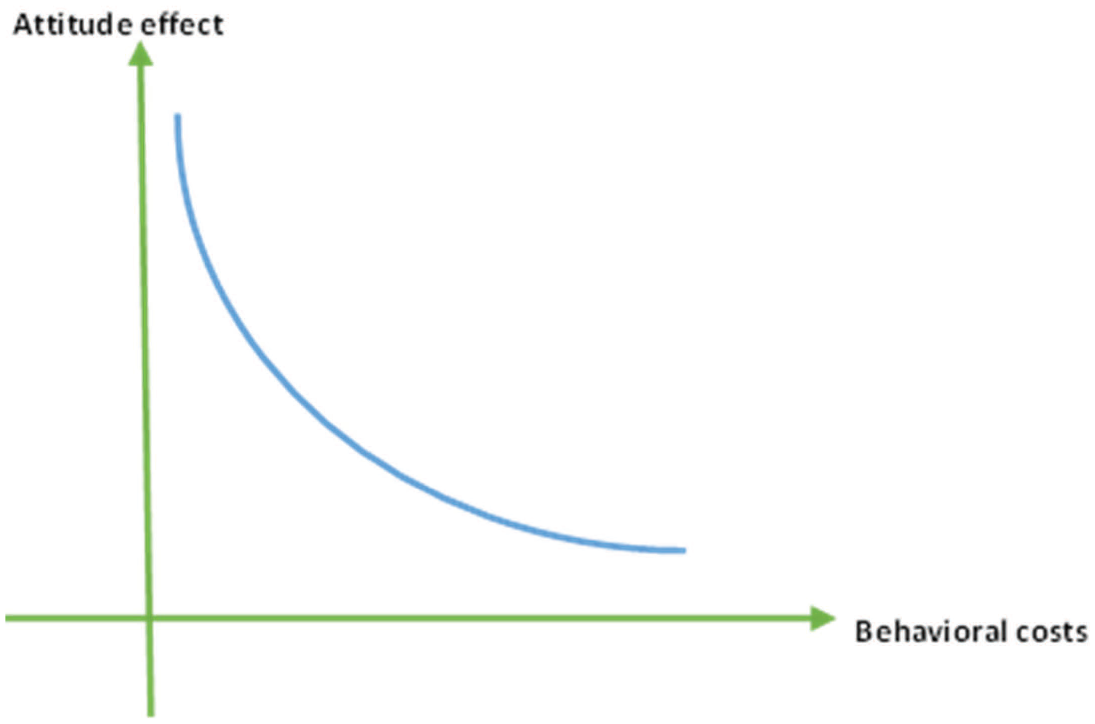
Low-cost high-cost model of pro-environmental behavior.
In line with this, the goal-framing theory suggests that environmental actions are driven by three motivations: normative beliefs, saving benefits and hedonic gains (Lindenberg and Steg 2007). Normative beliefs refer to a household’s capacity to comply with social norms or environmental issues. Gain motives correspond to the willingness to improve one’s own resources (mainly economic resources). Meanwhile, Hedonic motives reflect an interest in performing actions for which the primary benefits are immediate. This theory also suggests that one goal frame usually dominates the others.
Here, we combine these approaches and consider the specificities of the characteristics of energy-saving behavior and energy efficiency measures (Table 1). We assume that the motivations and drivers behind energy sobriety and the implementation of energy efficiency in the residential sector are different. Further, we assume that the two energy conservation actions may not necessarily be convergent. Examining household energy-saving behavior’s role in shaping decisions regarding energy efficiency improvement could provide a better understanding of the individual motives behind energy conservation actions.
Characteristics of energy-saving behaviors and energy efficiency investments.
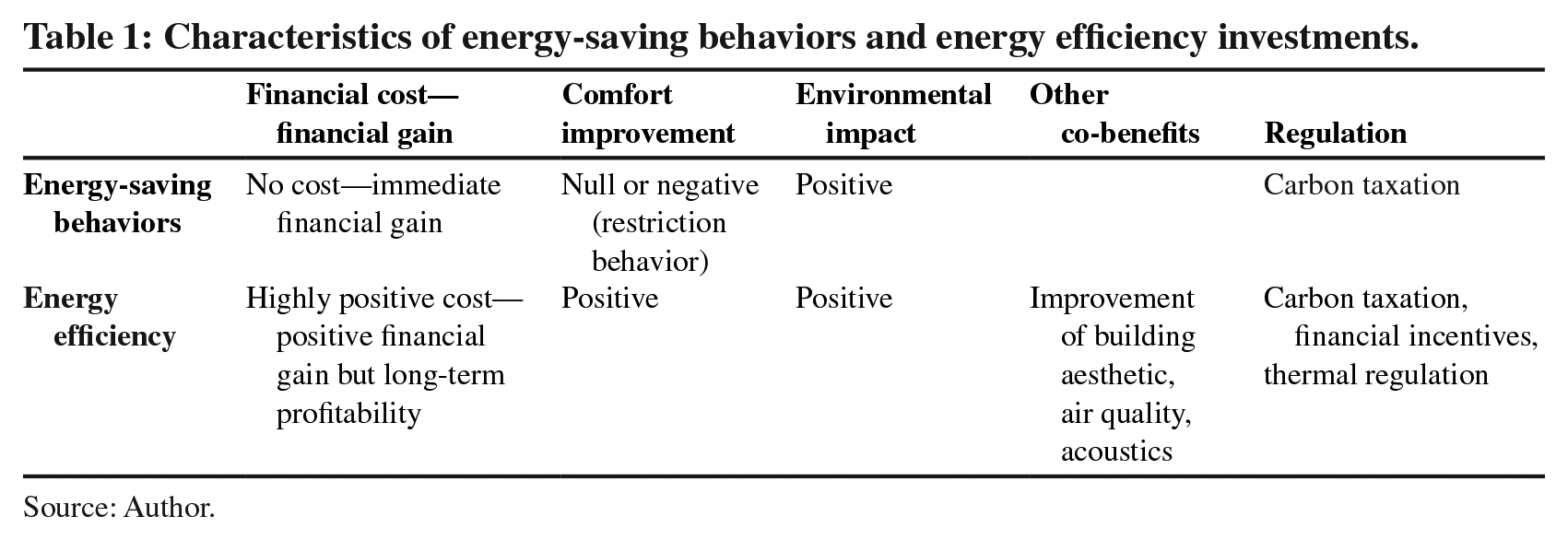
Source: Author.
4. Data and Methodology
We use a household survey with rich information on the French housing sector to examine the factors influencing household investment and preferences regarding energy retrofits. The so-called was conducted in 2013 by the Department of Observations and Statistics and the French Ministry of Ecology and Sustainable Development. The aim of this survey was to provide a better view of the energy performance of the French residential building stock. PHEBUS is an official, detailed cross-sectional survey of a nationally representative French housing units sample with basic sample results obtained from a multistage sampling design. It provides a detailed overview of the housing situation and energy performance of residential dwelling stock at the national level.
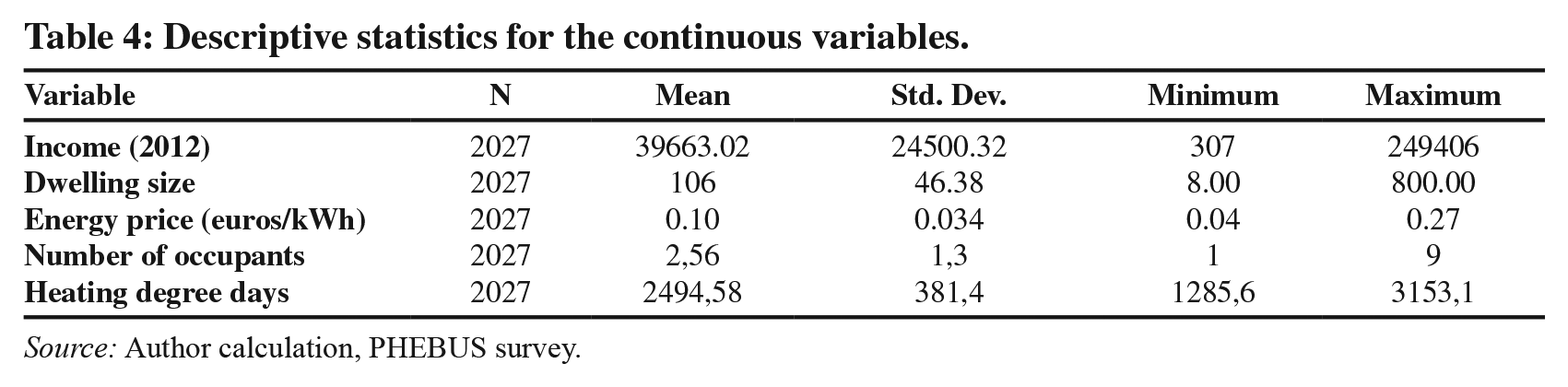
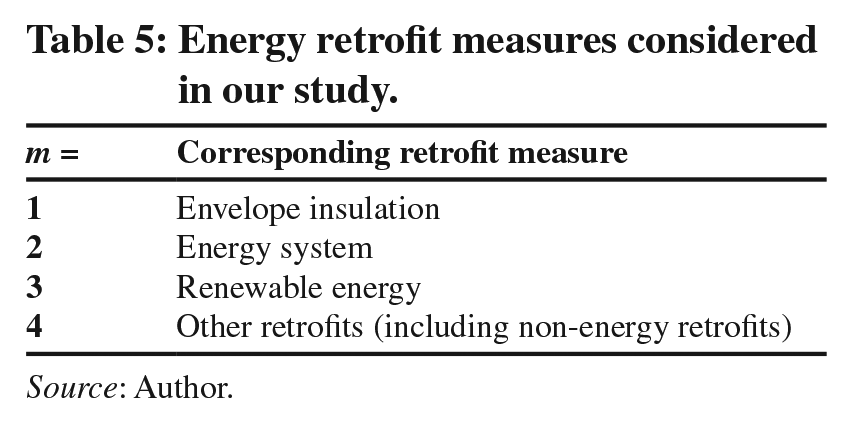
In this study, we focused on about 2400 households in housing units that were statistically selected to represent 27 million housing units in France. PHEBUS variables include household socio-demographic characteristics, physical characteristics of the dwellings, appliance information, fuel types and related consumption. Furthermore, it contains data on energy efficiency investments, which are split into four categories: (1) retrofits to envelope insulation, (2) changes in energy system equipment, (3) installation of renewable energy and (4) other renovations. The fourth category includes other types of energy measures and non-energy refurbishments. We supplemented the database with several derived variables; these include the mean energy price for each observation, calculated using global energy expenditures, and the corresponding amount of energy consumed. An energy-saving indicator has also been constructed, as discussed in subsection 4.1.
4.1 Factors Depicting Energy-Saving Behaviors
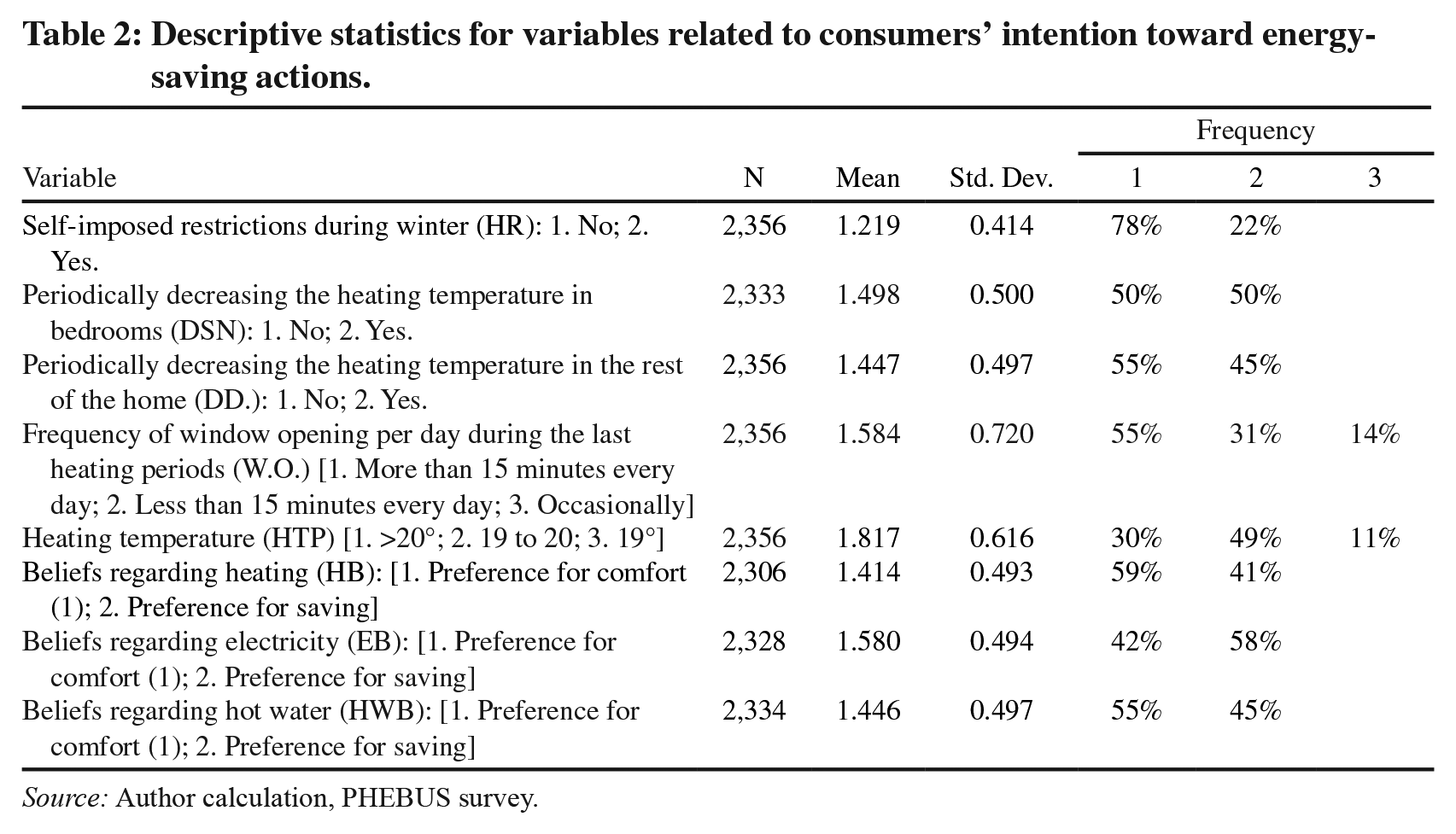
Drawing on existing literature and the variables in our database, we selected eight factors to construct a single score depicting household energy-saving behavior (our dependent variable). Table 2 provides an overview of all the variables as well as some descriptive statistics. Figure 4 depicts the correlations between the variables composing the score. The variables we used include both stated preferences and revealed preferences.
Descriptive statistics for variables related to consumers’ intention toward energy-saving actions.
Source: Author calculation, PHEBUS survey.
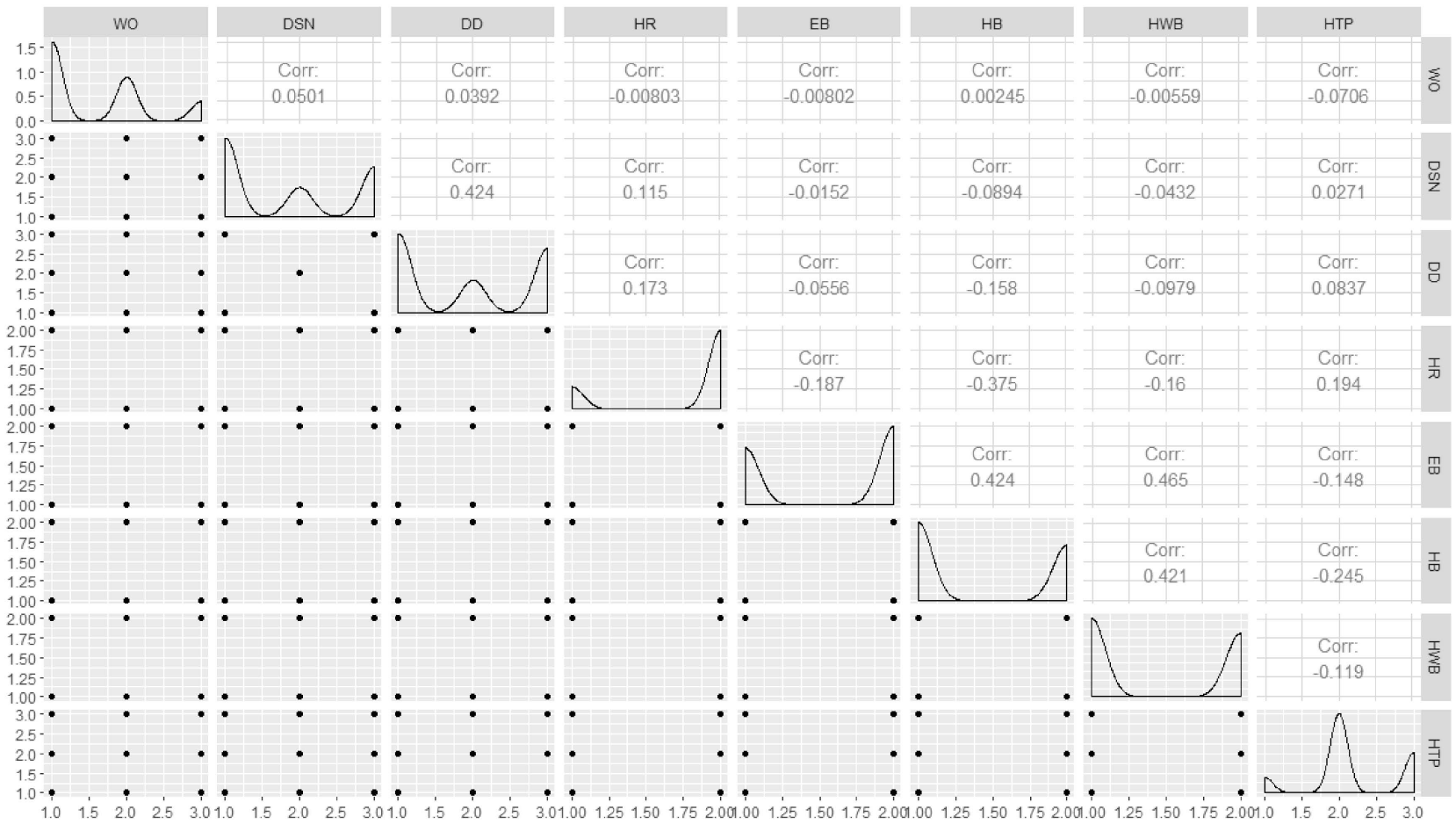
Association matrix for the energy-saving behavior variables.
4.2 Factors Depicting Energy Retrofit Decisions
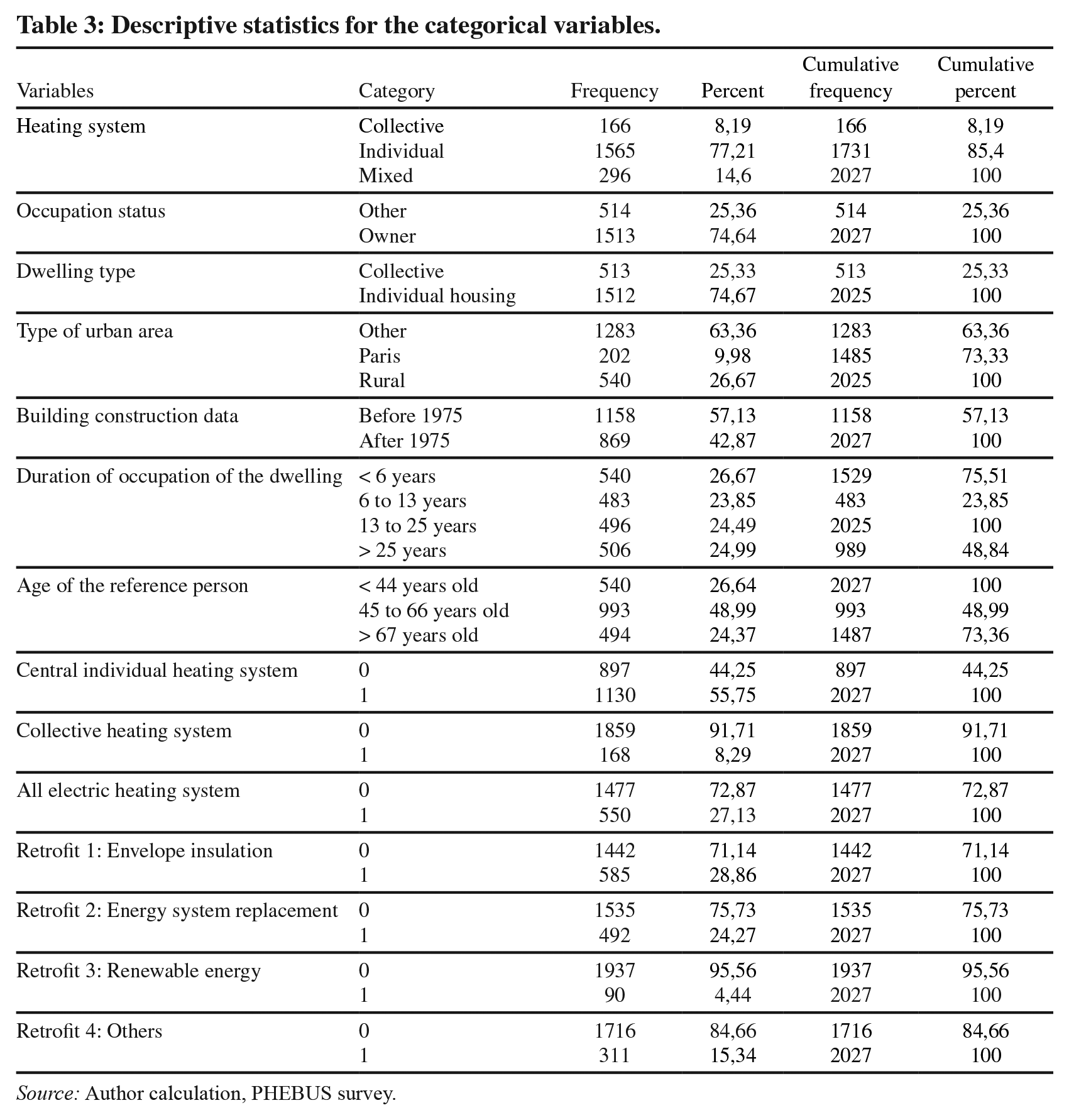
In this section, we present the descriptive statistics for the explanatory variables considered in our study (see Table 3). We also provide information on our explained variables, that is, the four housing refurbishment investments.
Descriptive statistics for the categorical variables.
Source: Author calculation, PHEBUS survey.
4.3 Empirical Methodology
To explore the factors shaping energy efficiency investments in the French residential building sector, we distinguished two families of determinants based on our literature review: The first are attitudinal factors, approached here by an individual energy-savings score characterizing pro-environmental effective actions and beliefs. The second are contextual factors, which are divided into individual-specific and environmental drivers. The overall modeling approach comprises a bottom-up statistical approach based on the IRT Model and the multivariate probit model, as summarized in Figure 5.
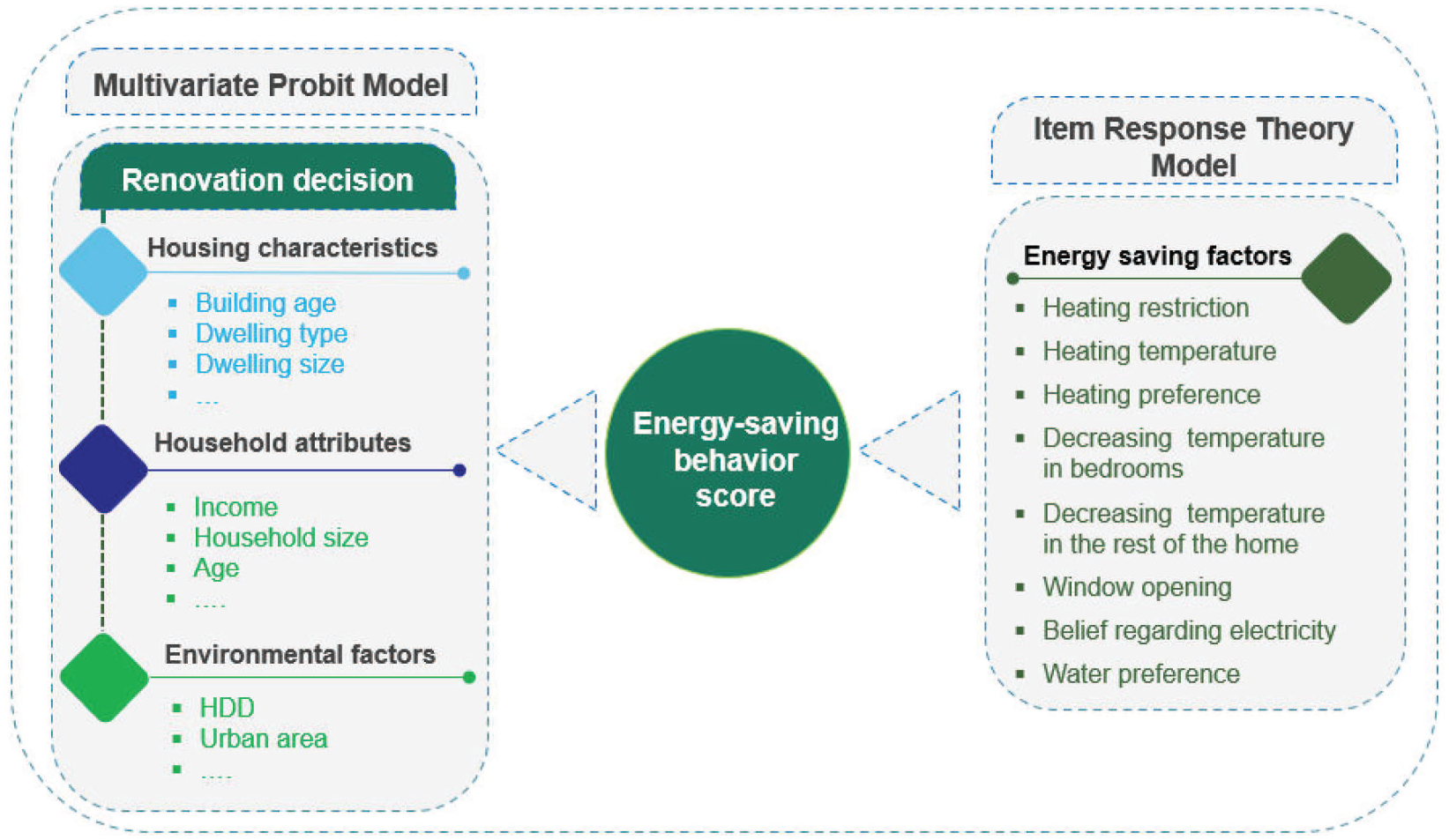
Methodology and conceptual framework of the modeling approach.
4.3.1 Item Response Theory Model
The basic notions of IRT rely on the individual items of a test rather than on a certain aggregate of item responses (e.g., score indicator; Baker and Kim 2004). Therefore, in this study, we use an IRT model to estimate an occupant’s energy-saving behavior score; the model considers both the difficulty of given ecological behaviors and the household’s ability to perform them. IRT considers a class of latent variable models that link dichotomous and polytomous response variables (i.e., manifest factors) to a single latent factor (Baker and Kim 2004). This method models the fundamental relation between the respondent’s IRT measured construct, often denoted as θ, and their probability of managing an item. In this study, θ is the energy-saving behavior and the item is the adoption of energy-saving attitude.
The energy-saving behavior score items were examined and selected using the graded response model (GRM) proposed by Samejima (1970, 1997). Samejima’s approach is based on the assessment of two parameters related to the item: (i)
The parameters are estimated using the marginal maximum likelihood estimation maximization method, assuming that the respondents depict a random sample. The trace line, or the item characteristic curve, is the foundation of IRT. It is commonly described as a logistic function that assesses the relationship between a household’s attitude toward given energy behaviors (item) and their personal behavior level on the construct computed by the scale. Here,

where

and
4.3.2 Multivariate Probit Model
Our research aims to identify energy efficiency drivers in French homes. We consider four types of retrofit measures (Table 5) whose implementations by households can be simultaneous or cumulative for a given time horizon; we therefore chose to run a multivariate probit model. Each of the retrofit measures considered corresponds to a two-modality variable, taking the value 1 when the measure is implemented, and 0 otherwise. The multivariate probit model allows us to account for correlation through the error terms of each equation (Capellari and Jenkins 2003; Greene 2003); it is generally preferred to the multinomial logit model as it allows for a relaxation of the independence of the irrelevant alternatives assumption (McFadden, Train, and Tye 1977). Random components of the utility of the different alternatives are allowed to be non-independent and non-identical. The general specification of the econometric model is as follows:

Descriptive statistics for the continuous variables.
Source: Author calculation, PHEBUS survey.
Energy retrofit measures considered in our study.
Source: Author.

In our case, m=4.
5. Empirical Results and Discussion
5.1 Energy-Saving Behavior Score
For each item, we estimated the probability of answering each proposition,
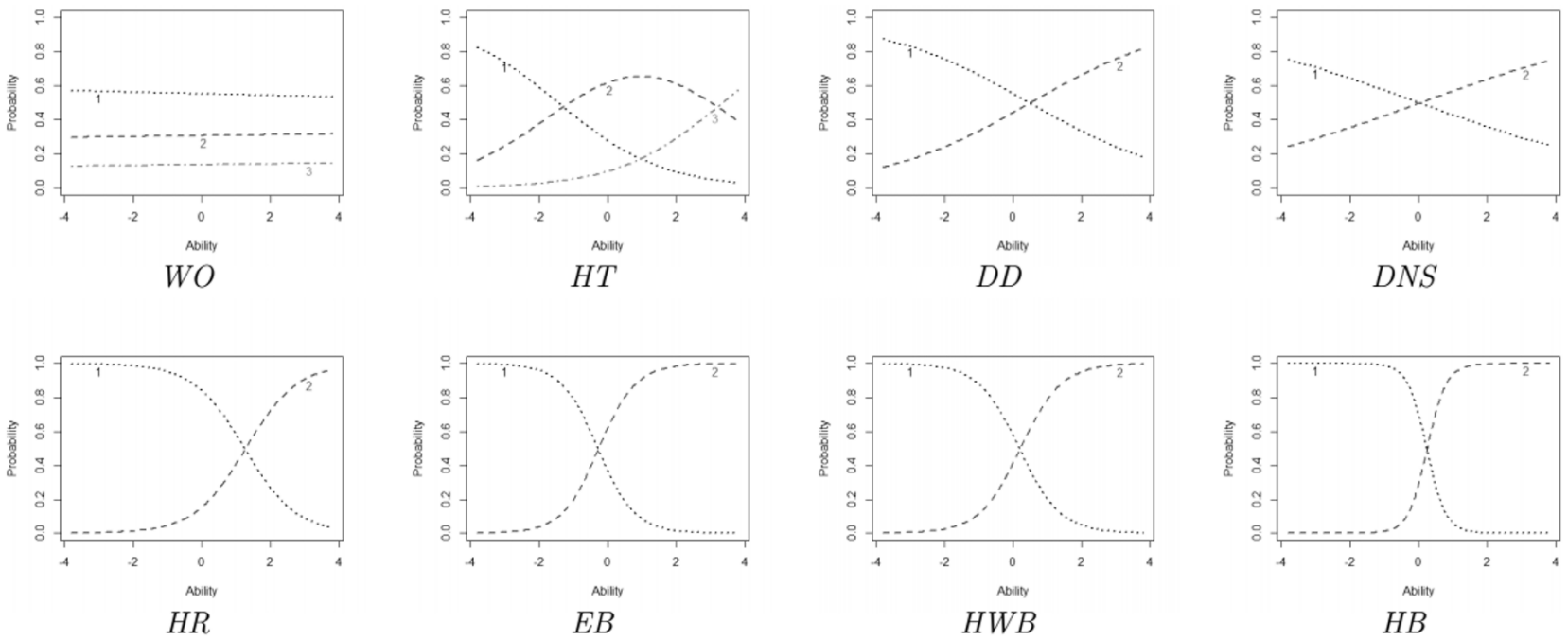
Item difficulties estimation, which influences ability level.
The energy-saving behavior score from the IRT model is presented in Table 6. The score is based on the item’s difficulty and ability levels. The standardized score ranges from -1.17 to 1.58, with -0.88 being the most taken value (62 occurrences). The mean value is 0.023, with slightly more weight on the left-hand side of the distribution. The kernel density has a three-bump shape: with one local maximum around -1, one approximately centered and the last around 0.75 (see Figure 7). A high score indicates better energy-saving behavior.
Latent ability descriptive statistics.

Source: Author calculation, PHEBUS survey.
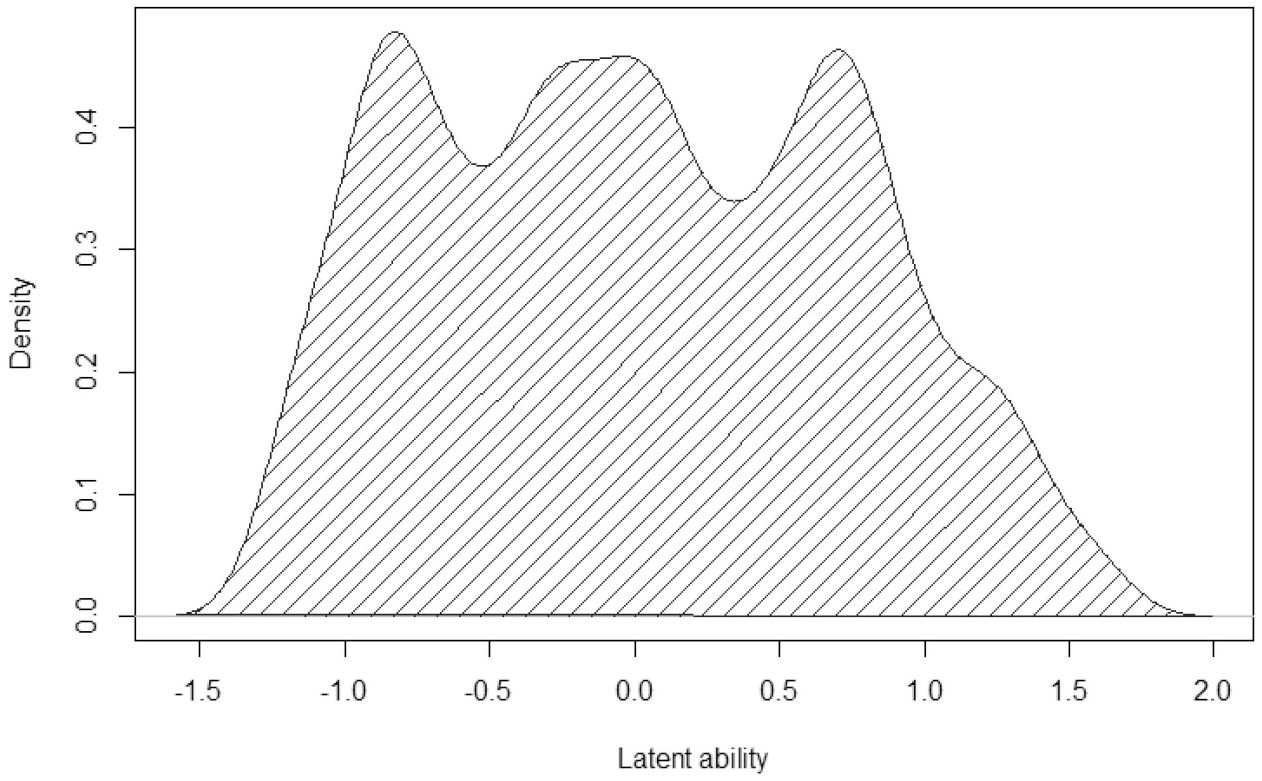
Kernel density of latent ability.
Normalized sampling weights were used for future estimations. The results of the multivariate probit are given in Table 7.
Results of the multivariate probit model.
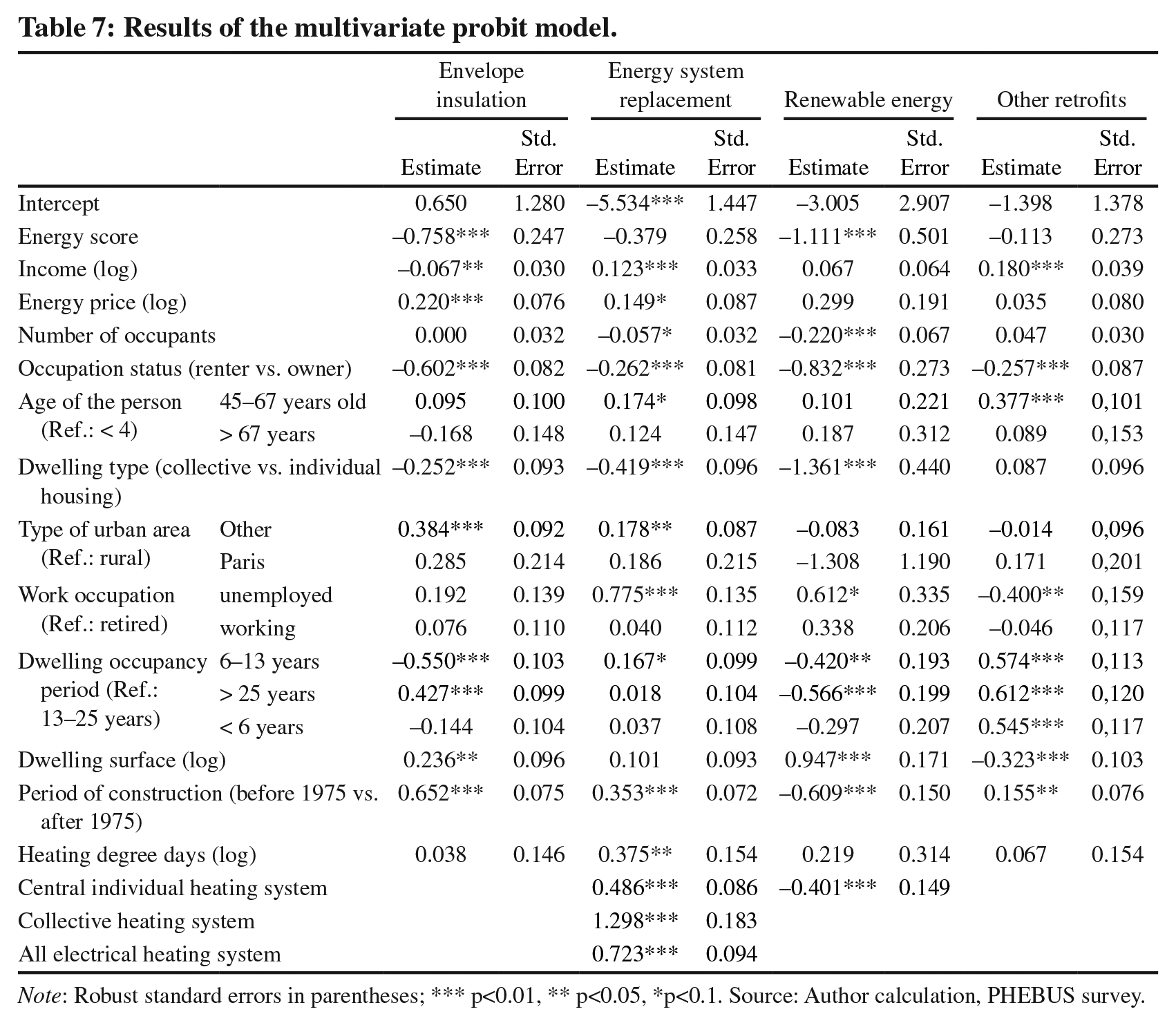
Note: Robust standard errors in parentheses; *** p<0.01, ** p<0.05, *p<0.1. Source: Author calculation, PHEBUS survey.
5.2 Hypothesis 1: Relationship between Energy-Saving Behavior and Energy Efficiency Investments
Our first hypothesis is not confirmed for any of the considered energy efficiency measures. Indeed, the energy score is found to be negatively linked with having efficiently retrofitted the dwelling’s envelope (measure 1) and having installed renewable energy (measure 3). This significant effect is higher for the second measure (-1.1). Otherwise, we do not find any significant relationship between the energy score and a change in energy equipment or other retrofit types (including non-energy retrofits).
Little research is available on the impact of environmental behavior on the different types of energy efficiency investments. The few existing studies argue that there is no clear causal link between energy-saving behavior and energy efficiency investment (Udalov et al., 2017). Within the german context, Udalov et al. (2017) show that environmental motivations are not prominent factors driving home insulation decisions and even decrease the likelihood of purchasing an efficient boiler.
Regarding our result, we suggest two possible rationales. First, this result demonstrates the underlying motivation for comfort over energy savings when households implement deep energy retrofits such as insulation or renewable energy. Thus, these households may not care about energy sobriety at all; they may even have opposite intentions. Thus, they have lower energy-savings scores. This result could also be considered as evidence of a rebound effect: Once they have insulated their house, households may relax their attention on saving energy in their daily energy use; this results in lower energy-savings scores than before (Belaïd, Bakaloglou, and Roubaud 2018; Belaïd, Ben Youssef, and Lazaric 2020). The high negative effect of type-3 retrofits (renewable energy) could also be explained by such assumptions: That is, having access to free and clean energy results in a relaxation of other energy-saving behaviors.
The second assumption could be attributed to Dubin and McFadden (1984); they argued that “energy consumption decisions, such as purchase or retrofit decisions on portable appliances, and space and water heating decisions, are often made earlier when the housing unit is chosen. https://www.sciencedirect.com/science/article/pii/S2214629615000031—bib0235” Thus, households with environmentally friendly behaviors (high energy score) could be assumed to have implemented energy retrofits before 2007; 3 Alternatively, the buildings could be considered energy-efficient dwellings that do not need retrofitting.
The absence of significance for the effect of energy score on type-2 retrofits could be explained by the following: Changing energy equipment is often a compulsory step for all dwellings when their initial heating system breaks down, regardless of their energy-saving behaviors.
5.4 Hypothesis 2: Effect of Housing Type and Ownership
Dwelling type is also a significant driver explaining energy efficiency measures; collective dwellings are less likely to be retrofitted than individual houses. This finding coincides with Trotta’s (2018), which shows that in the U.K., households living in flats seem to be 15% less likely to invest in energy renovation measures than in terraced houses. Two lines of reasoning support this result. First, the decision-making process regarding the implementation of renovation activities is more complex in a co-ownership context. The decision must be collective, but the interests of co-owners are often divergent. Furthermore, there are differences in financial means between co-owners. This mirrors the constraints hindering the willingness of some occupants to engage in certain types of energy-efficient investments.
Second, individual housing is often associated with ownership, which also appears relevant for the investment in efficiency refurbishment. Households living in apartments typically do not own the housing in which they live and have lower income levels. The empirical results confirm this argument. We note from Table 7 that renters are less likely to invest in energy efficiency or other retrofits than owners. The effect of occupation status is even more impactful in explaining deep energy retrofits like insulation (measure 1) and renewable energy (measure 3); this is in line with the nature of these retrofits, that is, they are expensive, invasive, and not obligatory. This result is consistent with the findings of (Trotta, 2018), who find that in the U.K., owner-occupied households seem more likely to invest in energy-efficient renovation solutions.
5.3 Hypothesis 3: Income Effect
According to the literature, income was expected to have a positive effect for each type of retrofit. Nair et al. (2010) find a positive correlation between household income and building envelope solutions uptake in the Swedish context. However, our estimates show a significant positive effect for two retrofit measures: a change in energy system equipment (measure 2) and other retrofits (measure 4). The effect is also positive for the installation of renewable energy but is not significant at the 10% level; this could be attributed to the small number of observations for this measure. For these retrofit measures, the findings are in line with the results of Damette, Delacote, and Del Lo (2018); they demonstrated that income and relative capital cost are the most important variables for energy switching by French households.
This heterogeneity impact of income on the uptake of energy efficiency measures coincides with the findings of Trotta (2018), who documented that middle- and high-income owner-occupied households are more likely to engage in high-cost energy efficiency retrofits.
If we look at the coefficients for measure 1 (envelope insulation), the effect of income is significant but opposite to our expectations. This result suggests that poorer households are more likely to invest in this measure.
This could be explained by the fact that poorer households tend to live in low energy-efficient dwellings (see Figure 8). Thus, they are more likely to invest in envelope insulation than other households, even if doing so is expensive. This assumption is consistent with the assumption of Dubin and McFadden (1984), and, more recently, with the results of Belaid, Ben Youssef, and Omrani (2020). The latter showed, using the same French data used in this study, that initial energy efficiency in the home is positively related to household income level. Thus, indirect effects related to the dwelling characteristics could probably explain the non-expected sign of the income effect for envelope insulation.
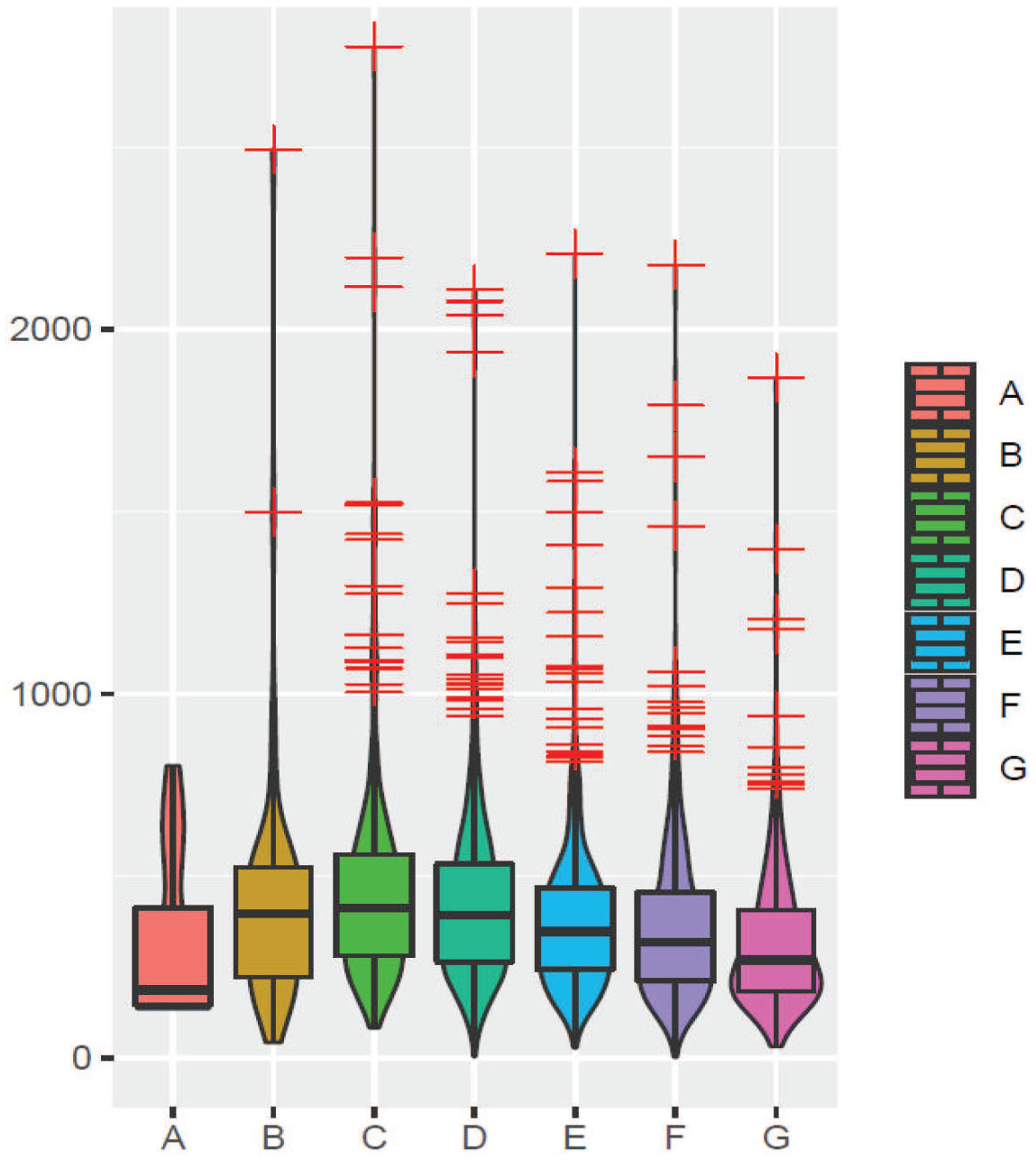
Income and energy classes.
5.5 Hypothesis 4: Effect of Buildings Age
The age of the building was found to influence households to invest in energy efficiency measures. In accordance with our hypothesis, the model shows that old buildings are more likely to be renovated. Dwellings built before 1975 are more likely to be retrofitted with measures of type 1, 2 and 4. However, renewable energy is significantly associated with younger dwellings built after 1975. The results are consistent with what we would expect: old buildings are often associated with poor energy classes and require energy efficiency refurbishments. However, in the case of measure 3, the installation of renewable energy can be assumed to require modern heating installations or technical characteristics; such requirements are in line with a more recent period of construction.
These results are in line with literature findings in which dwelling age is generally found to be a driver of energy efficiency investment. Nair et al. (2010) show that households living in old houses were more likely to engage in deep energy renovation such as basement and external wall replacement in Sweden.
5.6 Hypothesis 5: Effect of Energy Price
The results show that the price of energy is a significant driver in explaining energy efficiency investments. The effect is positive and more significant for deep energy retrofits (envelope refurbishment) than for changes in energy system equipment. High energy expenditures may be driven by a high energy price and heating needs; thus, insulating one’s home induces a reduction in the house’s heating needs, leading to a relative decrease in energy bills. Further, with the price of electricity and gas continuing to rise, the benefits and opportunities to reduce energy demand may be more significant, stimulating the uptake of energy renovation solutions. Alberini et al. (2013) show that households are sensitive to energy cost savings in Switzerland by employing a joint choice experiment.
5.7 Other Drivers of Energy Efficiency Investments
The effect of the dwelling surface area is positive in explaining envelope insulation and the installation of renewable energy. This could be justified by the fact that large dwellings have high thermal needs, making energy efficiency investment more cost-effective. Heating degree days are a proxy for local weather conditions. A higher number of heating degree days is representative of a colder climate. In this study, we observe a consistently positive effect of heating degree days on energy efficiency investments; however, this effect is only significant in explaining changes in energy system equipment. Finally, we note that older people (those older than 45 years) are more likely to invest in energy efficiency. This confirms the results of Trotta (2018), who show that the likelihood that owner-occupied households in the “25-34”, “35-44”, “45-54”, “55-65” age groups and especially older households “>65” will invest in energy retrofitting actions is higher (13%, 20%, 27%, 39%, and 55%, respectively) than that of younger owner-occupied households (“16-24”). This result, however, counters the claim that older household heads may be less likely to engage in energy-efficient renovation (Nair et al., 2010). The rational explanation for our result is that, generally, older people live in large house old houses, spend more time at home and consume more energy than younger ones, particularly for space heating (Lévy et al., 2004; Lévy and Belaïd, 2018; Belaïd et al., 2021, 2022). As a result, these individuals have a stronger motivation to cut their energy consumption by investing in retrofitting measures and are more willing to improve indoor thermal comfort.
6. Conclusions and Policy Implications
This study focused on identifying the primary drivers behind implementing energy efficiency measures in the residential building sector in France. The methodological innovation in this study is the development of a bottom-up statistical approach based on the IRT and multivariate probit models; this approach sheds more light on the complex interactions between energy-saving behavior, socioeconomic factors, dwelling attributes, and housing retrofit decision-making processes. In addition to identifying the main drivers behind the three types of energy efficiency investments (i.e., the contextual framework of energy renovation decisions), we provided another original contribution. That is, we demonstrated that energy-saving behaviors are not a good proxy for predicting future energy efficiency investments in the French residential building sector. As a result of depending on the energy retrofit, the relationship between energy-saving behaviors and investment in energy efficiency is significant but opposite to our expectations; this is true for both the short and long term.
Regarding the theoretical framework presented in our literature review section, we could confirm that the implementation of pro-environmental behaviors is context-dependent; further, it results from trade-offs between the attributes and benefits of the action considered. Our results are in line with the assumption of Diekmann and Preisendörfer (1998) and Stern (2000); costly environmental actions (here, deep energy efficiency retrofits) are not driven by environmental attitudes (energy-savings behavior) but by the search for thermal comfort.
Thus, our results suggest that fostering energy-saving behaviors and energy efficiency investments requires differentiated public policies. Indeed, significant energy savings could be achieved in the residential sector if both energy sobriety (energy-savings behavior) and energy efficiency are implemented. For example, energy savings of up to 29% could be achieved through an increase in energy-savings behaviors in the residential sector (Lopes, Antunes, and Martins 2012). However, reaching this full potential appears complicated if the rebound effect is systematic.
Policy implications
This research constitutes a step toward a more accurate evaluation of the behavioral-driven energy efficiency investment in the residential sector. In addition, the findings have important implications for energy-saving policies. Convincing policymakers and designing successful strategies to promote more energy-efficient behavior toward significant emissions reductions necessitates a deep understanding of the factors influencing occupants’ energy behavior and energy efficiency investment decisions. Accordingly, to optimize their effectiveness, energy-saving interventions must mirror the heterogeneity of households and housing features and remain aware of context-specific factors. An optimal action plan to stimulate energy efficiency improvements, energy use reductions, and behavioral changes in the residential sector is likely to be more successful if it incorporates various focus segments in intervention design and implementation. Given the increasing global recognition of the crucial role of behavioral change in achieving climate goals, targeted proactive behavioral change programs, awareness campaigns, and incentives for greater ecological responsibility could have direct (frugal use of energy) and indirect (uptake of energy-efficient technologies) effects on individuals energy-saving behaviors. In addition, monetary incentives to low-income, young households living in collective dwellings could increase energy efficiency policy impacts and alleviate energy affordability issues.
Broadly, there are deeper underlying issues that require multiple strategies and intelligent policies to encourage energy efficiency improvement in the housing sector. First, regulation reforms should be implemented, for example, cost-effective energy pricing, energy efficiency targets by sector, and codes/standards with enforcement mechanisms. Second, data and information collection measures should be taken, including creating an energy consumption database and case study databases. Third, incentive and financial measures should also be implemented, such as public sector energy efficiency financing and residential and home appliance credits. Fourth, technical capacity improvements should be made, including certification programs, energy audit/manager training, and the development of energy management systems. Finally, institutional reforms should be implemented, such as creating a dedicated entity with an energy efficiency mandate, clear institutional roles/accountability, and the authority to formulate, implement, evaluate, and report on programs.
Limitations of the study
Finally, considering the reliance on cross-sectional data, it is important to interpret these results cautiously. Future research using panel data is needed to explore other research questions. A further relevant question to assess is to differentiate the types and levels of causality between energy-saving behaviors, different energy renovation solutions, and their associated costs.
Supplemental Material
sj-pdf-1-enj-10.5547_01956574.45.1.fbel – Supplemental material for Decarbonizing the Residential Sector: How Prominent is Household Energy-Saving Behavior in Decision Making?
Supplemental material, sj-pdf-1-enj-10.5547_01956574.45.1.fbel for Decarbonizing the Residential Sector: How Prominent is Household Energy-Saving Behavior in Decision Making? by Fateh Belaïd in The Energy Journal
Footnotes

References
Supplementary Material
Please find the following supplemental material available below.
For Open Access articles published under a Creative Commons License, all supplemental material carries the same license as the article it is associated with.
For non-Open Access articles published, all supplemental material carries a non-exclusive license, and permission requests for re-use of supplemental material or any part of supplemental material shall be sent directly to the copyright owner as specified in the copyright notice associated with the article.
